
At skabe en tryg og glad opvækst for sit barn er et af de vigtigste – og mest meningsfulde – ansvar, man kan have som forælder. En barndom præget af omsorg, stabilitet og følelsesmæssig tryghed danner fundamentet for barnets trivsel, selvværd og evne til at navigere i livet senere hen. Samtidig oplever mange forældre usikkerhed og tvivl i hverdagen: Gør jeg det rigtige ? Giver jeg mit barn nok støtte? Og hvordan balancerer jeg krav, kærlighed og grænser i en travl hverdag ?
En tryg og glad opvækst handler ikke om at være perfekt eller altid have de rigtige svar. Det handler i langt højere grad om relationen mellem barn og voksen, om nærvær, forudsigelighed og følelsen af at blive set og hørt. Børn har brug for voksne, der er følelsesmæssigt tilgængelige, som giver plads til både glæde, frustration og sårbarhed, og som skaber rammer, hvor barnet tør udforske verden med tillid.
I en tid med mange input, højt tempo og store forventninger til både børn og forældre kan det være en udfordring at finde ro og retning i forældrerollen. Sociale medier, ekspertråd og sammenligninger kan hurtigt skabe tvivl og pres. Men tryghed og glæde i barndommen skabes sjældent gennem komplekse metoder eller avancerede strategier – de opstår i de små, gentagne øjeblikke i hverdagen, hvor barnet mærker stabilitet, kærlighed og opbakning.
Denne artikel sætter fokus på, hvordan du som forælder kan skabe en tryg og glad opvækst gennem konkrete, hverdagsnære valg. Vi ser på, hvordan relation, kommunikation, struktur og følelsesmæssig forståelse spiller sammen og danner grundlaget for et barns trivsel. Uanset om du er ny forælder eller har større børn, er der altid mulighed for at justere, styrke og udvikle de rammer, der giver dit barn de bedste forudsætninger.
En tryg barndom giver ikke kun glade børn her og nu – den giver også robuste unge og voksne, der tør stå ved sig selv og møde livet med tillid. Og netop derfor er arbejdet med tryghed og glæde i opvæksten en investering, der rækker langt ud i fremtiden.
Skab En Tryg Opvækstbase For Dit Barn

Giving your child a safe and happy childhood is one of the most important – and most meaningful – responsibilities you can have as a parent. A childhood shaped by care, stability and emotional security lays the foundation for your child’s wellbeing, self-esteem and ability to navigate life later on. At the same time, many parents experience uncertainty and doubt in everyday life: Am I doing the right thing? Am I giving my child enough support? And how do I balance expectations, love and boundaries in a busy daily routine?
A safe and happy childhood is not about being perfect or always having the right answers. It is much more about the relationship between a child and an adult, about being present, providing predictability and helping children feel seen and heard. Children need adults who are emotionally available, who make room for joy, frustration and vulnerability, and who create an environment where they feel confident enough to explore the world.
At a time when life is full of distractions, moves quickly and places high expectations on both children and parents, finding calm and direction as a parent can be challenging. Social media, expert advice and comparisons can quickly create doubt and pressure. Yet security and happiness in childhood rarely come from complex methods or sophisticated strategies – they develop through the small, repeated moments of everyday life when a child feels stability, love and support.
This article explores how you can give your child a safe and happy childhood through practical, everyday choices. We look at how relationships, communication, structure and emotional understanding work together to form the foundation of a child’s wellbeing. Whether you are a new parent or have older children, there are always opportunities to adjust, strengthen and develop the environment that gives your child the best possible start.
A secure childhood does more than help children feel happy here and now – it also helps them become resilient young people and adults who feel confident being themselves and facing life with trust. That is precisely why nurturing security and happiness throughout childhood is an investment that reaches far into the future.
Create a Secure Home Base for Your Child

A secure childhood begins at home. Children need predictability, calm and clear boundaries to feel safe, understand the world and develop belief in themselves. When home is a place where feelings are respected, children can be themselves and mistakes are seen as a natural part of learning, they develop an inner strength that stays with them well into adulthood.
This does not mean everything must always be harmonious — families experience conflict, time pressures and busy days. What matters is how you handle them. When you show your child that problems can be resolved calmly and respectfully, they learn to navigate life’s challenges confidently and independently. To support a secure childhood, establish regular routines, have open conversations and be consistent in your values — while also being loving and curious. This sends the message: “You are safe here.” “You can be yourself here.” “You can grow here.”
Ideas for Giving Your Child a Secure Childhood
🏡 Create Calm Routines to Help Your Child Feel Secure
Daily rhythms such as regular bedtimes, mealtimes, homework time and cosy moments together create a structure in which your child knows what to expect. This brings a natural sense of calm and security. When the rhythm at home is stable, your child does not have to spend energy guessing what will happen next — instead, they can put that energy into play, learning and meaningful conversations. Make room for quiet moments too, when your child can unwind after a long day, perhaps with a book, a walk or some gentle play. Repetition and familiar routines help create the best conditions for your child to grow up with a deep sense of security.
💬 Listen Actively to Support a Secure Childhood for Your Child
When you truly listen — rather than simply hear — your child opens up more and feels respected. Ask open-ended questions such as “How did you feel about that?” or “What do you think we could do next time?” Avoid interrupting, and let your child finish speaking at their own pace. Talking in this way helps children put their feelings into words, understand themselves better and feel valued. Active listening is an essential part of giving your child a secure childhood because it builds their confidence and reassures them that their thoughts matter.
❤️ Show Love Every Day to Help Your Child Feel Secure
Small acts of love mean an enormous amount — a morning hug, an “I love you”, a smile or five minutes of uninterrupted eye contact. These moments build your child’s inner foundation and help them become emotionally resilient. Make it clear, too, that your love does not depend on achievements. Your child needs to feel valued even when they make mistakes. With your warmth and acceptance, your child grows up feeling secure and develops a deep sense of belonging — the heart of a secure childhood.
🧭 Be a Calm Role Model to Support Your Child’s Sense of Security
Children learn more from what you do than from what you say. If you handle disagreements calmly, apologise when you make mistakes and show respect in everyday life, your child will naturally adopt these values. When you demonstrate healthy ways of managing emotions — for example, by taking a deep breath before reacting — you show them in practice how to develop inner strength and balance. These are powerful life lessons that support your child’s sense of security in the long term.
🛑 Set Clear Boundaries to Help Your Child Grow Up Feeling Secure
Boundaries are not about restriction — they are about protection. A child who knows where the limits are feels more secure and can explore the world with peace of mind. Explain rules with love, and be consistent but kind. For example, say: “I understand that you’re angry, but we don’t hit. Let’s find a better way to express it.” When you offer both guidance and support, your child learns self-control, responsibility and empathy — all fundamental to a healthy, secure childhood.
REMEMBER – A secure childhood at home gives your child a lasting source of strength to carry with them and a foundation to rely on throughout their life. 🌱💛
Pay Attention to Your Child’s Needs as They Grow Up

Loving boundaries are one of the greatest gifts you can give your child. Boundaries provide structure, predictability and security — and help children understand how to navigate life with respect for themselves and others. When boundaries are set with warmth, calm and clarity, children learn that rules are a source of support rather than punishment.
Children test boundaries to understand the world — not to be difficult. When you respond to their curiosity with patience and consistency, they learn that you are a dependable adult who stands firm while remaining loving and available. This builds trust, self-regulation and a strong sense of security.
It is not about harsh discipline or controlling your child. It is about showing the way with calm authority, clear expectations and loving guidance. When children feel that you guide, protect and support them, they develop resilience, self-respect and a sense of structure — important ingredients in a healthy, happy childhood.
Ideas for Setting Loving Boundaries to Support a Secure Childhood
🧱 Set Clear Rules to Help Your Child Grow Up Feeling Secure
Children thrive with clear boundaries. When rules are consistent, easy to understand and explained, your child knows exactly what is expected — and why. This reduces uncertainty and conflict because they do not have to guess where the limits are. Establish rules around sleep, screen time, chores and respectful behaviour, for example, and make sure the whole family follows them. Consistent boundaries do not mean strict discipline — they mean stability, which is essential for a secure childhood where structure and love go hand in hand.
💬 Talk About Boundaries to Support Your Child’s Sense of Security
When you explain rules and boundaries in a safe environment, your child learns that rules are guidance rather than punishment. Sit down together and talk about the feelings behind a boundary: why we say stop, why fairness matters and why we should not hurt other people’s feelings. Include your child in the conversation too — ask questions and listen actively. This helps them understand the connection between actions and consequences, building a deeper understanding that supports a secure childhood where cooperation comes naturally rather than through force.
🧘♀️ Keep Your Tone Calm to Help Your Child Feel Secure
Boundaries work best when communicated calmly and consistently. If your voice becomes angry or controlling, your child focuses less on what they can learn and more on the atmosphere. When you remain calm instead — even during disagreements — you model emotional regulation. Get down to their eye level, speak slowly and show that you are there to help. This calm approach teaches your child that disagreements can be resolved without drama, supporting a secure childhood where feelings are handled healthily and respectfully.
❤️ Show Love When You Say No to Help Your Child Feel Secure
A loving no can be just as caring as a yes. When your child encounters a limit, they learn about the tension between what they want and the boundaries in place. Acknowledge their feelings: “I know you’re disappointed — that makes sense”, while still standing firm. This teaches your child that feelings are not dangerous and that love does not disappear simply because they cannot have their own way. This balance between empathy and structure builds emotional resilience and supports a secure childhood where love feels constant and dependable — even during disappointment.
🔄 Be Consistent to Support a Secure Childhood for Your Child
Stability brings security. If rules change depending on your mood or the time of day, your child becomes uncertain and tests boundaries more to work out what they can rely on. Consistency does not mean rigidity — it means predictability. Although there may be exceptions, the general rule should remain in place. When your child sees that you mean what you say, it becomes easier for them to relax, trust you and develop healthy self-discipline. Consistency is therefore a central part of providing a stable, secure childhood where the world feels predictable and safe.
REMEMBER – When love and boundaries go hand in hand, children grow up with both compassion and strength, and healthy boundaries today build healthy independence tomorrow. 💛🌱
You can find more tips on setting boundaries in a positive, constructive way while staying connected with your children in our article – Practical Tips for Strengthening Communication and Connection in Your Family for a Happier Everyday Life
Encourage Play and Creativity as Part of Your Child’s Upbringing

Play and creativity are more than just entertainment — they are a natural and important way for children to learn, express themselves and understand the world. When you make room for imagination, exploration and creative freedom, you support your child’s ability to think independently, solve problems and discover their own interests and strengths.
Through play, children develop social skills, empathy and the ability to cooperate. Through creativity, they learn to experiment, take chances and accept that mistakes are part of learning. Play allows children to try out roles, create stories and exercise their most important tools for life: imagination and curiosity.
When you prioritise creative play — whether through art, music, building, nature activities or outdoor adventures — you show your child that it is good to be curious, brave and free to express themselves. This brings joy, confidence and a sense of belonging. Above all, it creates a childhood filled with warm memories, adventures and the feeling that the world is an exciting place to explore.
Ideas for Making Creative Play Part of a Secure Childhood
🎨 Make Room for Creative Freedom to Support a Secure Childhood
Provide materials such as paper, colouring supplies, clay, building blocks or natural materials, and let your child create without rules or fixed goals. When children are free to explore without pressure, they learn to trust their own ideas — an important part of a secure childhood where creativity and confidence go hand in hand.
🌳 Play in Nature to Help Your Child Grow Up Feeling Secure
Playing in nature stimulates the senses, physical coordination and imagination. Building dens, collecting leaves, treating stones as treasure or inventing games in the woods helps children experience freedom and adventure. The world outdoors is a natural playground where exploration and movement support a secure childhood.
🧩 Combine Play with Learning to Support a Secure Childhood
Play can be educational too — building projects, puzzles, role play and creative experiments teach children problem-solving and logical thinking in a fun way. When children discover that learning can be playful, it builds motivation and supports a secure childhood where curiosity feels natural and positive.
🎭 Encourage Imaginative Play and Role Play to Support a Secure Childhood
Role play gives children the chance to explore different feelings, roles and situations. They might play shops or pretend to be a superhero, doctor or chef — through play, they learn empathy, communication and conflict resolution. This strengthens both their imagination and their sense of control, helping them grow up feeling secure.
🎵 Make Creativity Part of Everyday Life to Support a Secure Childhood
Sing songs, dance in the living room, try small building projects, draw, bake bread rolls or put on a play using bedspreads as curtains. When creativity becomes part of everyday life, children learn that life is full of opportunities for play and self-expression. This continuity supports a secure childhood where creative joy becomes a natural part of family life.
REMEMBER – Play creates joy — and joy builds confidence. When imagination has room to flourish, childhood takes flight — and your child grows with a secure heart and a free mind. 🌈✨
You can find more tips for fun things to do with your children in our article – Practical Tips for Fun and Creative Activities for Families with Children
Teach Your Child Empathy and Respect as Part of a Secure Childhood
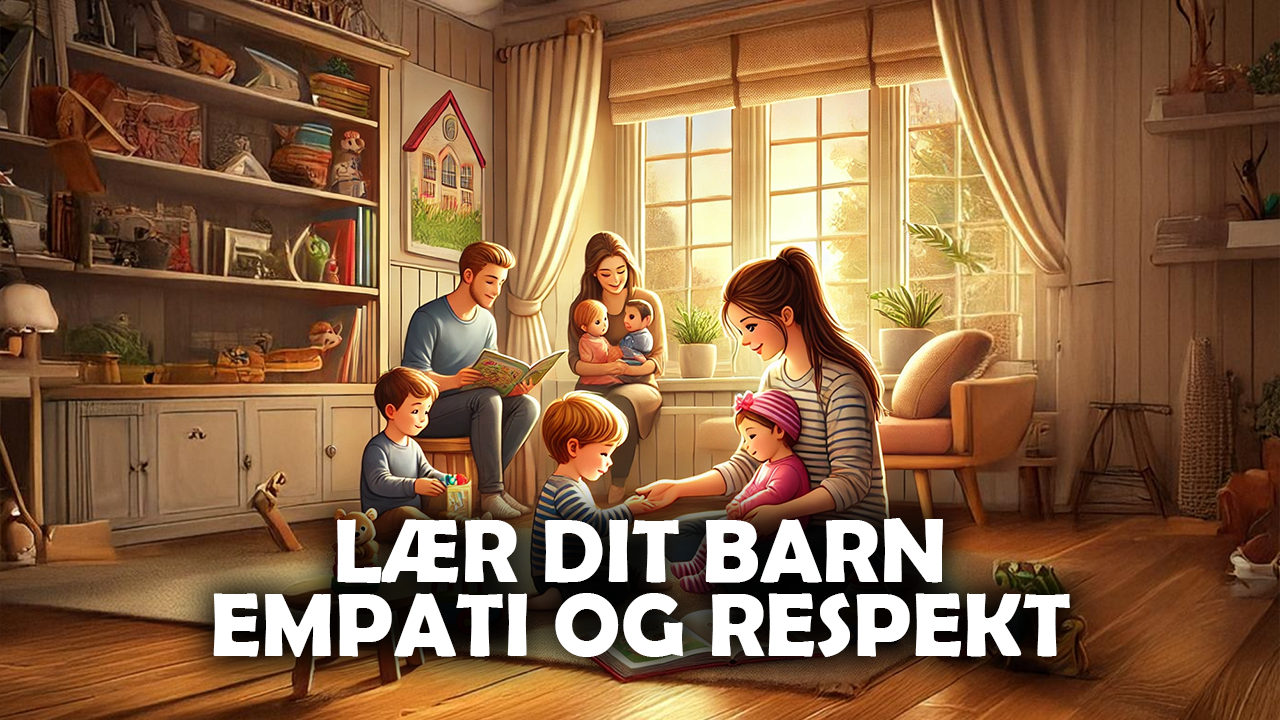
Empathy and respect are fundamental values that play a crucial role in a child’s social and emotional development. When children learn to understand their own feelings and consider those of others, it strengthens their relationships, self-esteem and ability to participate in groups and communities. As part of a secure childhood, empathy and respect are not learnt through instructions alone – they develop through everyday interactions between children and adults.
Children learn empathy first and foremost by being treated with empathy. When you, as a parent or carer, acknowledge your child’s feelings, listen actively and show understanding, you give them a practical example of how to treat others with respect. This might be during moments of frustration, conflict or disappointment, when your child needs help to put their feelings into words and understand that all emotional responses are acceptable – but that actions must be handled respectfully.
Respect also means teaching your child that both their own boundaries and those of others matter. When children experience their opinions being taken seriously and feel listened to, it lays the groundwork for mutual respect. At the same time, they learn that respect works both ways – other people also have feelings, needs and boundaries that deserve respect. This is a central part of a secure childhood, where children feel valued while learning to be considerate in their relationships.
In practice, empathy and respect can be nurtured through ordinary everyday situations. Talking about how others feel, reflecting on disagreements together and putting feelings into words give children tools to understand both themselves and others better. Small actions, such as apologising, waiting their turn or helping a friend, gradually become natural habits that strengthen their social skills.
When empathy and respect are an integral part of a child’s upbringing, they create a solid foundation for wellbeing – both in childhood and later in life. Children become better equipped to handle relationships, disagreements and differences in a healthy way. This also contributes to a secure everyday environment where children feel understood, accepted and able to understand others.
In Summary, Empathy and Respect Are Key Skills That Help Your Child Navigate Social Relationships
Be a role model – Show respect and empathy through your own actions. Your child learns from what they see.
Discuss feelings – Help your child understand other people’s feelings by talking about how their actions affect others.
Support conflict resolution – Teach your child to resolve disagreements respectfully and constructively.
You can find more inspiration for helping your child develop empathy and respect in our article – Practical Tips for Raising Responsible and Empathetic Children
Build Your Child’s Confidence as Part of a Secure Childhood
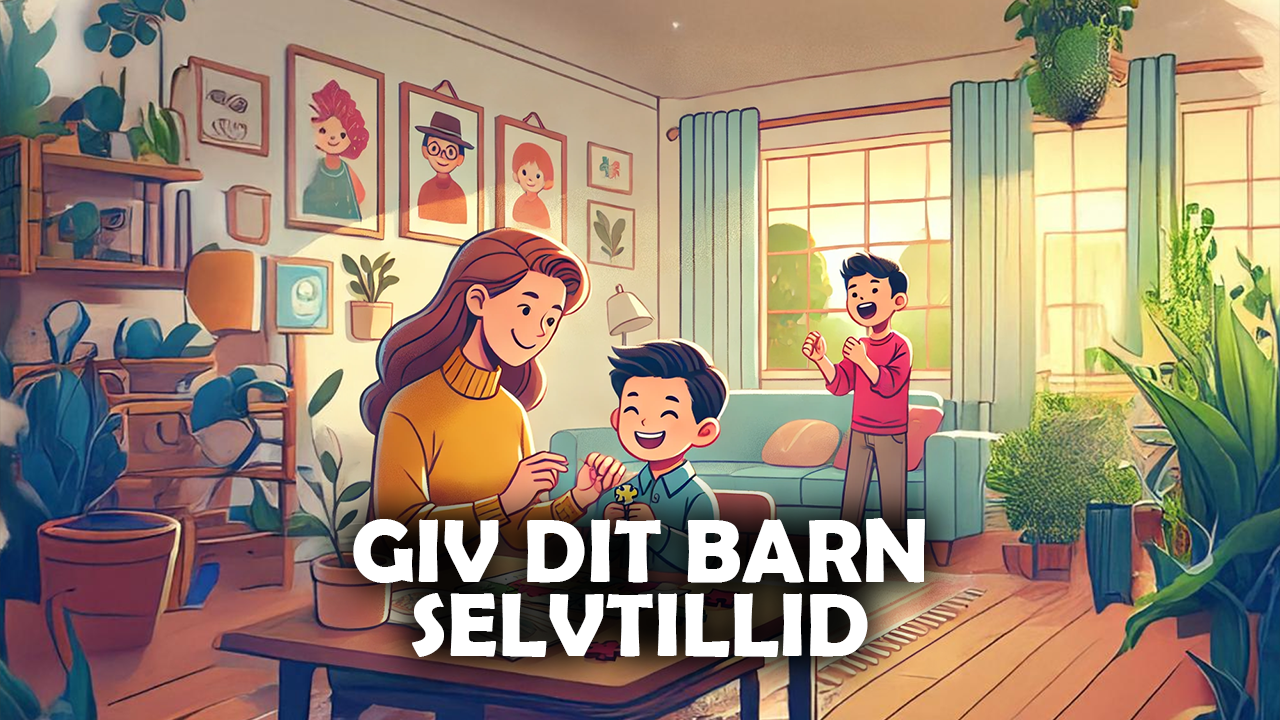
Confidence does not develop by chance — it grows through repeated experiences of support, success, love and self-belief. When you give your child room to try things independently, make mistakes without fear and receive encouragement rather than criticism, their belief in their own abilities grows. Confidence is not about being the best — it is about having the courage to try and believing that you can learn and succeed.
A child with healthy confidence dares to ask questions, take the initiative, face new challenges and speak up when something feels wrong. This mental strength brings calm, courage and curiosity — important ingredients for a safe and happy childhood. By offering loving support in the background while allowing room for independence, you show your child that you believe in them — helping them learn to believe in themselves.
When you recognise their effort rather than just the outcome, you help your child understand that development takes time. This makes their confidence resilient and adaptable — exactly what supports a secure childhood where your child feels strong, valued and loved for who they are.
Ideas for Building Your Child’s Confidence to Support a Secure Childhood
🌱 Recognise Effort Rather Than Perfection to Support a Secure Childhood
Rather than praising only results, praise your child’s courage, effort and perseverance. When children learn that mistakes are part of learning and that improvement comes through practice, they develop healthy confidence. This supports a secure childhood where they feel brave enough to try new things without fear of failure — because they know that the value lies in the process, not in perfection.
👐 Make Room for Independence to Help Your Child Grow Up Feeling Secure
Let your child make small decisions, try things independently and find their own solutions, even when it takes longer. When children have opportunities to practise doing things for themselves, they develop initiative and self-esteem. This freedom supports a secure childhood where they feel that you trust their abilities and judgement. Remember to give your child age-appropriate tasks and responsibilities. This strengthens their belief in their own abilities.
🎯 Help Your Child Set Realistic Goals to Support a Secure Childhood
Guide your child in setting small, manageable goals that they can achieve step by step. Celebrate progress, however small it may seem. When children see their own improvement, their belief in their potential grows. This supports a healthy, secure childhood where ambition goes hand in hand with the joy of learning. Do not compare your child with others. Instead, help them focus on their own strengths.
💬 Use Positive Language at Home to Support a Secure Childhood
Language shapes self-image. Use encouraging phrases and help your child replace “I can’t” with “I can learn”. When everyday life is filled with positive words and constructive guidance, children develop a supportive inner voice — helping create a secure childhood where self-esteem grows naturally.
🤗 Be There During Difficult Emotions to Help Your Child Feel Secure
Confidence also means having the courage to show vulnerability. When your child experiences frustration, disappointment or uncertainty, be present and help them put their feelings into words. Feeling supported through difficulties is essential to a secure childhood where children learn that it is okay not to be perfect — and that there is strength in reaching out and trying again.
REMEMBER – Confidence grows when a child feels: “I can do this — and someone believes in me.” A child who believes in themselves can face the world with calm, joy and courage. 🌟
You can find more inspiration for helping build your child’s confidence in our article – Practical Tips for Strengthening Your Child’s Self-Esteem
Prioritise Quality Time with Your Child as Part of a Secure Childhood

Quality time is not just about big outings or planned activities — it is about the small everyday moments when your child feels that you see them, hear them and enjoy being with them. When you give your child your full attention, you build a strong emotional bond that creates a sense of security and belonging. These are the moments that lay the foundation for a secure childhood.
In a daily routine filled with chores, screens and busy schedules, it can be easy to forget that five minutes of being fully present are often worth more than an hour of half-hearted attention. By consciously setting aside time — whether for playing, talking, reading or simply enjoying each other’s company — you send a powerful message: You matter. I choose to spend time with you.
When children feel that they are a priority, they develop trust, confidence and a sense of belonging. They learn that relationships are built through time, presence and genuine involvement — the essential building blocks of a safe and happy childhood.
Ideas for Being Present and Spending Time Together to Support a Secure Childhood
🕰️ Build Moments of Connection into Daily Routines to Support a Secure Childhood
Routines bring calm because your child knows what will happen — and when. When you have regular moments together, such as morning rituals, cosy afternoons or a nightly bedtime story, your child experiences your time together as a priority rather than something left to chance. It could be five minutes over a hot chocolate and a chat after school, a short walk before dinner or a little “How was your day?” ritual. These small, regular pauses in everyday life become strong emotional anchors that support a secure childhood, helping your child feel stability, structure and love amid the daily bustle.
📵 Put Screens Away to Help Your Child Feel Secure
When you deliberately put your phone away, turn off the television and give your child your full attention, you send a clear message: You matter most right now. Children can sense when parents are only half-present — and they can also sense when they have their undivided attention. For example, establish “screen-free zones” in family life, such as mealtimes, quiet time together or playtime, and show your child the value of meaningful human connection. This strengthens your emotional bond and supports a secure childhood where your child learns that relationships and connection matter more than screens and distractions.
🎲 Play Together to Support a Secure Childhood
When you play with your child, you step into their world — and that means more than you might think. It does not need to be elaborate: build a blanket fort, draw together, enjoy role play, play board games or build with LEGO. Play becomes a language through which children can express feelings, practise social skills and explore their creativity — all while feeling safe and valued. When your child sees you joining in enthusiastically, it creates a warm bond and a strong sense of belonging. It supports a secure childhood by making your time together fun, loving and meaningful.
📖 Share Stories and Conversations to Support a Secure Childhood
Stories — both your own and those you read together — help your child understand the world and their feelings. Set aside a regular time to talk about the day’s experiences: what was fun, what was difficult and what did they learn? Listen actively, ask gentle questions and show that you take their feelings seriously. Reading aloud also creates connection, develops language skills and opens up meaningful conversations. It teaches children to communicate, reflect on themselves and share their thoughts — all central elements of a secure childhood where they feel heard, seen and understood.
🚶♂️ Make Time to Be Active Together to Support a Secure Childhood
Being active together does not need to be complicated — a walk, a bike ride, a ball game or simply jumping in puddles can bring laughter and create new memories. Movement helps conversation flow naturally and strengthens both the body and your relationship. Use nature as a playground where you can talk without distractions, ask questions, play and make discoveries together. By combining physical activity with your full attention, you support a well-rounded, secure childhood where your child learns that physical wellbeing, emotional wellbeing and family connection are linked and strengthen one another.
REMEMBER – The love between you and your child grows strongest through small, everyday moments of genuine connection. Little moments together create lasting memories and a deep sense of security. 💛🌿
You can find more tips on spending quality time with your child, an important part of a secure childhood, in our article – Practical Tips for Creative Ways to Spend Quality Time with Your Children
Pay Attention to Your Child’s Mental Health

Your child’s mental health is just as important as their physical health — perhaps even more so, because it affects their self-image, relationships, resilience and ability to thrive in everyday life. Paying attention to your child’s mental health means noticing their emotional signals, supporting them through difficult feelings and helping them put their thoughts and worries into words.
Children need to know that it is okay to feel sad, frustrated, unsettled or nervous — and that they are not alone when these feelings arise. When you respond to your child with calm, curiosity and loving support, they learn that feelings can be accepted, understood and managed. This creates a strong inner foundation that stays with them throughout their life.
Supporting your child’s mental health is not about removing every challenge, but about standing beside them as they learn to handle challenges. This builds resilience, calm and self-esteem — essential elements of a secure childhood where your child feels loved, protected and strong enough to face the world.
Ideas for Supporting Emotional Balance as Part of a Secure Childhood
💬 Talk Openly About Feelings to Support a Secure Childhood
Create an atmosphere at home where talking about thoughts and feelings feels natural. Ask questions such as “How did you feel today?” or “What made you happy or sad?” By putting feelings into words together, you give your child tools for emotional understanding and support a secure childhood where feelings are something they can manage — rather than something they need to hide.
🤝 Offer Loving Support Through Difficult Emotions to Help Your Child Feel Secure
When your child experiences frustration, anxiety or sadness, respond with calm and empathy. Avoid dismissing their feelings with phrases such as “It will pass” — instead, acknowledge their emotions and help them work through them. This reassuring support shows your child that feelings are not dangerous and is an important part of a secure childhood where they learn to work through difficult moments with support.
🌿 Help Your Child Find Calm in Everyday Life to Support a Secure Childhood
Create breaks from overstimulation, screens and busy schedules. Silence, gentle play, mindfulness, music or time in nature give your child’s nervous system a chance to recover. These quiet moments strengthen focus, happiness and inner calm — important elements of a secure childhood where children learn to find balance in a world full of stimulation.
🧠 Teach Your Child Problem-Solving Skills to Support a Secure Childhood
Rather than solving every problem for your child, help them explore possibilities: “What could you try?”, “Who could help?” or “How did it feel the last time you managed something difficult?” Problem-solving develops a strong inner compass and supports a secure childhood where children learn that they can find solutions and handle challenges themselves.
👀 Notice Changes to Help Your Child Grow Up Feeling Secure
Look out for changes in mood, energy, appetite, play habits or behaviour at school. Small signs can indicate that your child is feeling overwhelmed or worried. By noticing early and asking how they are feeling, you show your child that you see them — an important part of a secure childhood where help and support are always close at hand. Seek professional help as early as possible if needed.
REMEMBER – When children feel understood and supported, their courage, happiness and mental strength grow. Emotionally resilient children develop best in secure homes. 💛🌿
Never Underestimate the Importance of Your Own Wellbeing in Giving Your Child a Secure Childhood

Parents want to give their children everything — but you cannot pour from an empty cup. Looking after your wellbeing is not selfish — it is essential. When you take care of your own physical and mental wellbeing, you show your child that self-care matters, while giving yourself more energy to be the supportive, dependable and loving person your child needs.
Children pick up on the emotional atmosphere around them. They can sense stress, exhaustion and frustration — even when we try to hide them. That is why setting boundaries, saying no, prioritising sleep, taking breaks and doing things that bring you energy and calm are not just acceptable but healthy. Children learn from what you do, not just what you say — and when they see you looking after yourself, they learn that they can take care of their own needs too.
Giving your child a secure childhood is not just about their wellbeing — it is about the wellbeing of the whole family. When you feel balanced, you help create a home filled with stability, warmth and calm, where your child can grow up with a healthy understanding of love, boundaries and self-care.
Ideas for Looking After Yourself to Support a Secure Childhood for Your Child
🧘 Prioritise Mental Breaks to Help Your Child Grow Up Feeling Secure
Find small moments throughout the day to breathe, unwind and let your mind settle — whether that means five minutes alone with a coffee, a short walk or some quiet time in the evening. When you allow yourself to rest, you gain mental clarity and emotional energy. This directly supports a secure childhood for your child because you can respond to them calmly rather than from a place of stress.
💪 Look After Your Physical Health to Support a Secure Childhood
Sleep, movement and healthy food are not just for children — you deserve them just as much. Small daily efforts, such as a short workout, a walk or regular meals, can do wonders for your energy levels. When your child sees you prioritising your physical health, it becomes a natural part of a secure childhood where a healthy lifestyle is seen as something positive and important.
🤝 Ask for Help and Share Responsibilities to Support a Secure Childhood
You do not have to do everything yourself. Share responsibilities with your partner, family, friends or professionals when needed. Reaching out is a sign of strength, not weakness. It shows your child that asking for help is acceptable — and supports a secure childhood by creating a supportive network around your family. Sometimes, you may also need to speak to a professional for advice or support.
😊 Do Something That Makes You Happy to Support a Secure Childhood
Happiness is contagious. Prioritise activities that recharge you — whether that means a hobby, time with friends, music, reading or being in nature. When your child sees you laughing, smiling and enjoying life, they learn that happiness is something you nurture. This supports a secure childhood where joy matters just as much as responsibility.
🧡 Be Patient with Yourself to Support a Secure Childhood
No parent is perfect — and you do not have to be either. Speak kindly to yourself, learn from mistakes and give yourself room to be human. When you show yourself compassion, your child learns that mistakes are not failures — they are opportunities to learn. This self-love lays the foundation for a secure childhood where both children and adults can be imperfect and still be loved.
REMEMBER – Children thrive best when their parents are thriving too. When you look after yourself, you teach your child to do the same. Calm in your heart and mind brings calm to your home. 🌿💛
You can find more tips on nurturing your own mental wellbeing in our article – Practical Tips for Building Your Own Mentally Healthy Habits
Conclusion

Giving your child a safe and happy childhood is not about perfection — it is about being present, showing love, having patience and being willing to learn together. Childhood consists of thousands of small moments when you show care, set boundaries, listen, comfort, guide and play. Each of these moments builds a strong foundation that your child carries with them for the rest of their life.
What matters most is not getting everything right every day, but responding to your child with warmth and sincerity. Your presence, values and effort create security, confidence and joy. When children feel loved, respected and supported, they grow into people who dare to explore the world with both courage and compassion.
You are the most important source of support on your child’s journey — and every time you choose empathy, closeness and loving guidance, you plant the seeds for a resilient and happy life. Remember that no parent is perfect, but by paying attention to your child’s needs and making an effort to be present, you can create a solid foundation for their future wellbeing and happiness.
REMEMBER – Secure children grow into strong adults — and it starts with you. Love, clear boundaries and being present form the strongest foundation for childhood, and a secure heart gives children the courage to face the world with an open and resilient mind. ❤️
Mini-Guide – Key Factors in Giving Your Child a Safe and Happy Childhood
This mini-guide summarises the article above, bringing together practical tips for giving your child a safe and happy childhood.
❤️ Prioritise Love and Connection to Support a Secure Childhood
Show your child every day that they are loved and seen — through words, hugs, time together and an interest in their life. When children feel valued and are treated with warmth, it lays the groundwork for a secure childhood where emotional calm and self-esteem grow naturally.
🧱 Establish Clear Boundaries and Structure to Support a Secure Childhood
Children thrive on predictability. Regular routines, clear rules and a calm approach to everyday decisions help your child understand the world and feel secure. This structure provides a stable, secure childhood where they feel guided and supported.
🗣️ Listen Actively and Talk About Feelings to Support a Secure Childhood
Make room for your child to express their thoughts and worries. By acknowledging feelings and putting them into words together, you teach your child that emotions are natural and can be managed. This supports a healthy, secure childhood where emotional intelligence flourishes.
🌱 Make Room for Independence to Support a Secure Childhood
Allow your child to try things independently, make small decisions and learn through experience — even when things do not go perfectly the first time. This freedom builds courage and confidence and contributes to a healthy, secure childhood where they develop belief in their own abilities.
🎨 Encourage Play, Creativity and Curiosity to Support a Secure Childhood
Play and creative expression strengthen imagination, problem-solving skills and joy. Give your child opportunities to explore, create and ask questions. This supports a lively, happy and secure childhood where curiosity and a love of life have room to grow.
🧘 Look After Yourself Too to Support a Secure Childhood
Your wellbeing affects the atmosphere throughout your home. When you take care of your own needs, you have more energy to support your child. Self-care is therefore an important part of a secure childhood, because a calm and balanced home begins with a parent who feels balanced too.
If you would like more inspiration for giving your child a positive and loving upbringing, watch this video – The Most Important Parenting Strategy
If you have experience or knowledge of giving children a positive and secure upbringing, we would love to hear your thoughts and suggestions in the comments. Share your ideas for other ways to help children grow up feeling happy and secure.