
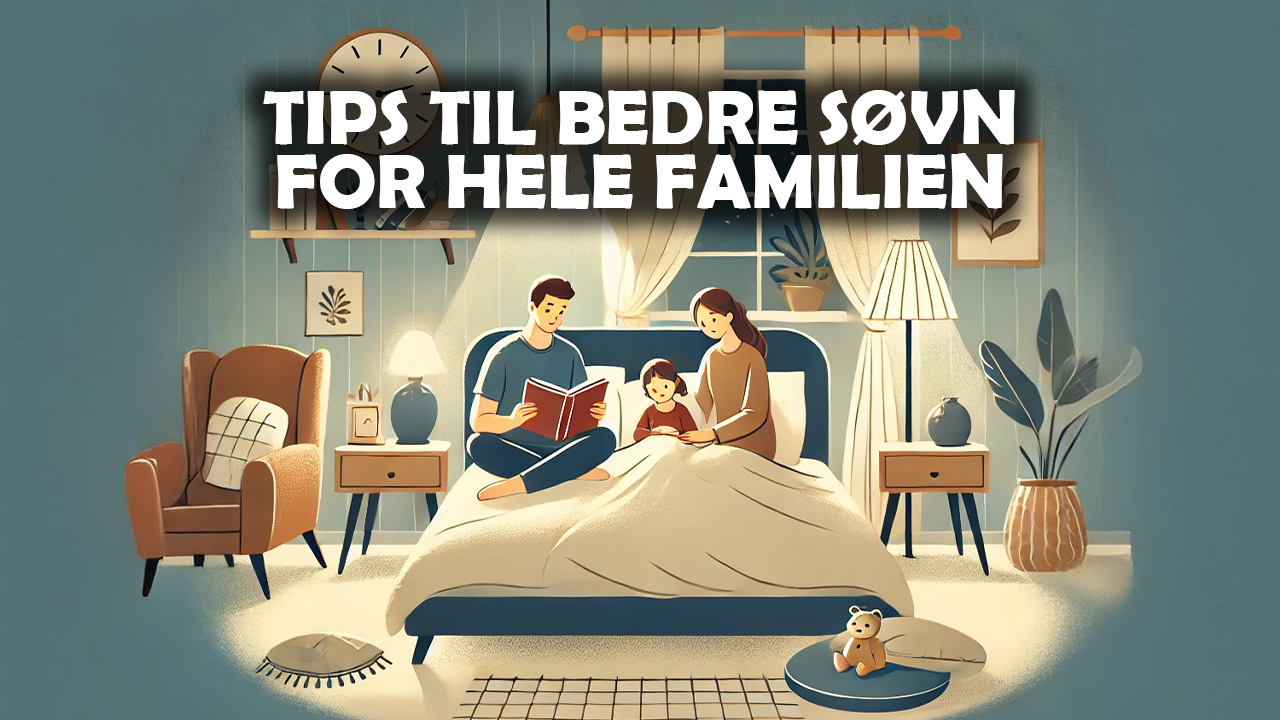
Good sleep is one of the most important building blocks of a healthy and harmonious family life. When both children and adults sleep well, days feel easier, moods improve, conflicts become less frequent, and everyday life takes on a greater sense of calm and balance. On the other hand, restless nights, inconsistent bedtimes, light from screens and busy days can quickly lead to tired mornings, short tempers, stress, worries and a household running on autopilot rather than having the energy to thrive.
Fortunately, better sleep does not have to be complicated. Small, caring and consistent changes to everyday life can make a big difference – and, over time, create routines that help the whole family settle down, sleep more deeply and wake up with more energy. It is not about perfection, but about security, rhythm and realistic habits that fit your family’s daily life.
It can be a journey, especially if children struggle to let go of the day’s experiences, or if parents also find themselves dealing with racing thoughts, phone habits or busy evenings. But when sleep becomes a shared family project, the magic starts to happen. You gain a stronger sense of structure, more time to connect and more peaceful moments – while children learn healthy sleep habits they can carry with them for the rest of their lives.
In this article, you will find practical tips, everyday strategies and insights into sleep routines that work in real life – not just in theory. The focus is on creating calm, security, consistent rhythms and gentle transitions, so that children and adults alike can find rest in both body and mind. Most importantly, we will take it one small habit at a time, making it feel achievable and nurturing for everyone.
Together, let’s lay the foundations for better nights, happier mornings and a home where sleep is not a battle, but a peaceful, comforting pause in everyday life that restores our energy to live, play, learn and enjoy time together.
Understand the Importance of Sleep

Sleep is the foundation of family wellbeing. It gives the body a chance to relax, the brain an opportunity to recharge, and emotions space to settle. When both children and adults get enough sleep, they are better able to handle challenges, learn new things and be fully present with one another. In other words, good sleep is essential for a calm nervous system, steady energy and a better mood – and it affects everyday routines, relationships and the family’s overall wellbeing.
A lack of sleep can have a significant impact on both children and adults. Children may become more sensitive, have shorter tempers and experience greater emotional ups and downs. Adults often notice physical restlessness, become frustrated more easily, struggle to keep things in perspective and have less energy to cope under pressure. Over time, poor sleep can lead to stress, reduced concentration, a weakened immune system and less enjoyment of life. That is why it is essential to understand that sleep is not simply “something we do” – it is an important investment in the whole family’s mental and physical health.
When the whole family recognises the importance of sleep and begins to actively prioritise it, positive changes follow. Evenings become calmer, mornings gentler, and daily life feels less hectic. It is not about perfection, but about making small, lasting changes that gradually become a natural part of your routine. Over time, sleep becomes less of a battle and more of a reassuring, consistent routine that strengthens the family both now and in the long term.
Ideas to Help the Family Understand the Importance of Sleep
🌙 Good, Consistent Sleep as a Foundation for Health
Sleep is an active process during which the body works hard to restore balance. While we sleep, hormones are regulated, tissues are repaired and the immune system is strengthened. When both adults and children sleep well, the risk of illness, stress and burnout is significantly reduced. Many families find that regular, consistent sleep routines make everyday life easier because the body has the opportunity to function at its best. Prioritising sleep is therefore a caring investment in the whole family’s health — not just today, but in the longer term too.
🧠 Good Sleep Supports Learning and Mental Focus for Everyone in the Family
Children’s brains are constantly developing, and sleep plays a vital role in memory, problem-solving and learning. When children sleep well, they are better able to concentrate, process emotions and understand new information. Adults also experience clearer thinking, quicker decision-making and greater mental flexibility. Sleep helps the brain tidy up, organise information and make room for new learning — making school days easier, work tasks less demanding and home life more harmonious.
❤️ Consistent Sleep Promotes Emotional Balance in the Family
When sleep is consistent, managing emotions becomes easier for children and adults alike. Tiredness can make the world feel more overwhelming, conflicts harder to resolve and emotions more intense. Good sleep helps children develop emotional regulation skills — and adults stay calm, even on demanding days. Sleep often makes the difference between a challenge becoming a conflict or an opportunity to learn. By prioritising sleep, you strengthen your family’s ability to face the day with calm, empathy and patience.
💪 Good Sleep Boosts the Family’s Energy and Immune Defences
During sleep, the body restores energy, regulates hormones and strengthens the immune system. Children grow physically while they sleep, and their nervous systems mature. Adults experience fewer stress symptoms, more energy and better health when their sleep is consistent. Your family’s ability to stay healthy, manage daily life and be active is closely linked to how much quality sleep you get. Sleep can therefore be seen as the family’s natural system for supporting health and wellbeing.
☀️ Good Sleep Gives the Family More Energy for the Day
A good night’s sleep makes it easier to start the day feeling happy and energised. Children wake up more motivated and ready to play and learn, while adults are better equipped to handle tasks, responsibilities and spending meaningful time together. When the family starts the day feeling refreshed rather than stressed, you can establish a rhythm in which mornings become a pleasant, reassuring transition into the day’s activities — rather than a pressured rush. Good sleep makes all the difference.
REMEMBER - Sleep is the family’s quiet superpower – when it is prioritised, everyone in the family enjoys greater calm, happiness and wellbeing.
Establish a Consistent Family Sleep Routine

A consistent and predictable sleep routine is one of the most effective ways to create calm, security and restful nights for the whole family. When both children and adults know what will happen – and when – the body and brain receive a natural signal that it is nearly time to wind down. This makes the transition from a busy day to rest much easier and reduces conflicts around bedtime.
A consistent sleep routine is not just about a particular time. It is about the calm rhythm you create together. From slowing things down and dimming the lights at home to comforting routines such as brushing teeth, having a bath, putting on pyjamas, reading bedtime stories and having quiet conversations. When these actions are repeated day after day, they provide a reassuring structure that the body can rely on.
Although every family is unique and children have different needs, a clear structure with consistent bedtimes, calming rituals and familiar steps helps make bedtime more harmonious. Start with a couple of regular habits and gradually build on them. What matters most is consistency over time – not getting everything perfect from day one. With small steps, you can create a sleep routine that makes evenings easier and nights calmer for children and adults alike.
Ideas for Creating a Consistent Family Sleep Routine
🛁 Calm Family Evenings Begin with Early Preparation for Sleep
A good sleep routine begins long before you get into bed. Start calming things down at home about an hour before bedtime – turn off loud TV programmes, dim the lights and screens, and choose quiet activities such as puzzles, gentle play, drawing or a warm bath. When the body senses a slower pace, the brain begins to release sleep hormones. Make sure dinner is also at a sensible time, so that everyone’s stomach is neither too full nor too empty at bedtime. This helps the body move into “sleep mode” naturally and calmly.
📘 Create Family Bedtime Rituals to Repeat Every Evening
Rituals give children a sense of security and signal that bedtime is approaching. A regular ritual might include a bath, brushing teeth, putting on pyjamas, reading and a lullaby. When the routine is repeated consistently, the body learns to associate these actions with relaxation and sleep. Parents can also add small personal touches, such as a moment to give thanks for the day, a brief chat about the day’s best experience or gentle breathing exercises. These repeated actions provide structure and closeness, helping children feel seen and secure before they close their eyes.
🔁 Keep Consistent Family Sleep Times – Even at Weekends
Regular bedtimes and waking times help the family maintain a natural sleep–wake cycle. Although it can be tempting to let children stay up later at weekends, even small shifts can affect their rhythm and make Mondays especially difficult. Prioritise consistent sleep times and find a routine that works on both weekdays and weekends. When the body wakes and sleeps at the same time each day, falling asleep becomes easier, and the whole family will enjoy steadier energy and fewer tired mornings.
🕯️ Create a Calm Transition to Sleep for the Family
The transition from activity to sleep should be gentle and calm. Create a cosy atmosphere with dim lighting, soft voices and unhurried movements. Avoiding screens for at least an hour before bedtime can also help, as blue light disrupts the body’s natural production of melatonin, the hormone that supports sleep. Instead, try reading aloud, talking quietly together or singing a short bedtime song. These signals help both children and adults let go of the day’s experiences and settle down for sleep.
🧸 Make the Family Sleep Routine Reassuring and Positive
A child’s nervous system responds strongly to atmosphere and tone of voice. That is why the sleep routine should feel calm, warm and predictable – not rushed or full of conflict. Make time for cuddles, being present and positive interaction instead of rushing and stress. When children associate bedtime with security and love, sleep becomes something pleasant rather than a battle. Create small, comforting rituals to end the day, such as tucking in a favourite teddy, gently arranging the blanket or saying “goodnight to the house” – these can make a big difference to how bedtime feels.
REMEMBER - A consistent family sleep routine helps the body relax, and the rewards are peaceful nights, happier mornings and harmony at home.
Optimise the Bedroom Environment for Good-Quality Sleep

A thoughtfully arranged sleep environment is one of the most underrated factors in good-quality sleep. For both children and adults, the surroundings have a huge influence on how the body settles down and whether sleep is deep and consistent. When the room promotes calm and security, it becomes easier to let go of racing thoughts, restlessness and overstimulation from the day’s experiences.
A good sleep environment is not just about temperature and light – it is about creating an atmosphere where the body instinctively understands that this is a place to rest. Small adjustments such as blackout curtains, calming colours, good ventilation, soft fabrics and less visual clutter can have a significant effect on the whole family’s sleep quality.
Children sleep better when their surroundings feel safe and the room around them has a familiar layout. Adults often have the same needs, even though we forget them in the bustle of everyday life. By paying deliberate attention to the sleep environment, you send a signal to both body and mind – it is safe to rest here, and this is where we can recharge.
When you invest time, organisation and care in a good sleep environment, you are also investing in the family’s energy, mood and wellbeing. It is a quiet but powerful way to create better nights and more harmonious days.
Ideas for Creating a Sleep Environment That Improves the Family’s Sleep Quality
🌙 Keep the Family’s Bedrooms Dark for Better Sleep Quality
Darkness helps the body produce melatonin, which regulates the sleep–wake cycle and significantly improves sleep quality. Use blackout curtains, dim night lights or small lamps with a warm glow so that light does not overstimulate the body before bedtime. Avoid bright night lights, light from screens and light from hallways, as even dim light can signal to the brain that it should stay awake. When the bedroom is darker, both children and adults settle down more quickly and sleep more deeply throughout the night.
❄️ Maintain a Comfortable Temperature in the Family’s Bedrooms for Optimal Sleep Quality
Temperature plays an important role in the body’s ability to fall asleep and maintain good-quality sleep. A cooler sleeping area — typically between 17 and 20°C — helps the body regulate its temperature and enter deep sleep more quickly. Ensure good ventilation, fresh air and a lightweight duvet, especially in summer. In winter, warm pyjamas and soft bedding can provide comfort without overheating the body. When the temperature feels comfortable, nights become more peaceful and the body feels more rested.
🧺 Create Calm, Uncluttered Bedrooms for Better Sleep Quality
Visual calm in the bedroom brings mental calm — and both improve sleep quality. Put toys away, avoid having too many colourful items near the bed, and choose gentle colours for bedding, walls and fabrics. It is not about perfection or creating a “showroom”, but about making a bedroom where clutter and visual distractions do not stimulate the brain. A simple, light and peaceful sleep environment makes it easier to switch off and encourages the body to rest.
🚫 Remove Distractions from the Family’s Bedrooms to Improve Sleep Quality
A calm room without distractions makes it much easier for both children and adults to fall asleep and enjoy deeper, better-quality sleep. Distractions such as toys, televisions, tablets, flashing night lights, noisy electronics or open cupboards filled with colourful items can keep the brain active, even when the body is trying to relax. For children in particular, the sight of toys or screens can spark energy and curiosity rather than calm. Create a sleeping area without too many visual distractions — and put things away in boxes or cupboards so that the room feels calm and neutral at bedtime.
Remove or limit electronics in the bedroom, and make sure phones are on silent or, preferably, outside the room at night. For children, regular “goodbye rituals” for toys can also help: put the teddy to bed, roll the toy car into its place or say goodnight to the dolls. This signals that playtime is over and it is now time to rest. When the bedroom is free from disturbances, the nervous system can settle more easily — giving the family the best conditions for good-quality sleep.
🧸 Help Children Feel Secure for Consistent Sleep Quality
Children associate security with familiar things: a favourite teddy, a comforting pillow, a warm duvet or a small night light. Keeping the bed in the same place, having familiar bedtime comfort items and creating a cosy, recognisable atmosphere helps the nervous system relax and improves sleep quality. Let your child choose a “bedtime companion”, such as a teddy or blanket — this gives them a sense of control, security and stability. A secure base brings calm, and calm brings better sleep.
🔇 Minimise Noise to Protect Sleep Quality
Noise — both sudden and constant — can disrupt sleep quality without you necessarily noticing. Use thick curtains, rugs or sound-absorbing fabrics in the room. If some sounds are unavoidable, a gentle white noise machine or soothing nature sounds can help “mask” background noise. For children in particular, quiet background sounds can provide reassurance and reduce restlessness, helping prevent them from waking at small noises around the home. The calmer the surroundings, the more consistent and restorative the sleep.
REMEMBER - A calm sleep environment is the foundation of good-quality sleep. When the surroundings promote calm, the body follows, supporting the whole family’s sleep quality and wellbeing.
Sleep Strategies for Children

Children need clear structure, warmth and familiar routines to settle down feeling secure and get a good night’s sleep. They learn through repetition, physical calm and a sense of predictability — and when sleep becomes a positive experience, it supports their development, wellbeing and emotional balance. A healthy sleep pattern gives children the opportunity to process the day’s experiences, strengthens their memory, improves their concentration and helps them face the next day with energy and curiosity.
It is important to understand that sleep needs change with age and that some children naturally find it harder to settle down than others. Good sleep strategies are therefore not about pressure or control, but about creating security, calm and an environment where children can unwind at their own pace. When children feel seen, heard and supported, bedtime becomes a cosy, reassuring time — rather than a battle.
A loving, consistent approach with regular evening rituals, a calm atmosphere and small, supportive habits can be the key. Simple touches such as a bedtime book, a moment to give thanks for the day or a familiar lullaby can work wonders. What matters most is creating a sleep routine that gives children a sense of connection and predictability — this brings security, and security brings calm.
Ideas for Strengthening Sleep Strategies for the Children in Your Family
⚖️ Avoid Overstimulating Children Before Bedtime
Many children struggle to fall asleep not because they are not tired, but because their nervous systems are still running at full speed after the day’s experiences. Overstimulation can come from many sources: active play just before bedtime, fast-moving images on screens, loud noises, energetic games or activities that require a lot of mental effort. When children are overstimulated, they may seem “hyper”, silly or restless — but they are often actually tired and overwhelmed. It is important to create a quiet wind-down period before bedtime, during which children move from an active to a calm state. Choose activities such as quiet drawing, gentle play with soft toys, reading or slow music rather than boisterous games and digital gaming.
Use dim lighting, calm voices and slower movements — children mirror their parents’ energy. As the atmosphere at home becomes quieter, children instinctively learn that it is time for their bodies and brains to slow down. By protecting children’s final waking hour from overstimulation, you help their brains slow down, find calm and drift off to sleep naturally and securely. The result is falling asleep more quickly, fewer evening conflicts and longer periods of uninterrupted sleep — benefiting both the child and the rest of the family.
🔁 Create a Predictable Evening Ritual for Children Before Bedtime
Predictability brings calm — especially for children, who need clear signals to understand what is going to happen and when it is time to relax. A consistent, familiar evening ritual helps children’s bodies and brains gradually move from an active to a calm state, giving them a sense of security and control. A ritual can be simple: a bath, brushing teeth, putting on pyjamas, a bedtime story and a gentle lullaby. For younger children, it might also include saying goodnight to their soft toys or switching on a small night light — little signals that say, “Now it is time for bed.” When children experience the same gentle rhythm every evening, they fall asleep more quickly and find it easier to let go of the day’s experiences.
Consistent rituals reduce evening stress for both children and parents because there is less negotiation and uncertainty. It is perfectly fine for the ritual to last 15–30 minutes — what matters most is that it is calm, loving and follows the same sequence every evening. A predictable evening ritual acts as a reassuring bridge between day and night, bringing together connection, love and structure. When children know what to expect, they can unwind and settle more easily — and the whole family enjoys a gentler transition into the night and a more harmonious end to the day.
🧸 Create a Reassuring Sleep Environment for Children
Children settle best in surroundings that feel safe, cosy and consistent. Create a sleeping space that encourages calm — with soft bedding, a favourite teddy or blanket, dim lighting and few visual distractions. For younger children, having familiar items around them that they associate with bedtime, such as a particular teddy or a familiar bedtime scent, can be reassuring. Parents’ presence matters a great deal, and small things such as a calm voice, consistent rituals and gentle touch help children feel settled in their bodies and secure as they move from wakefulness to sleep.
📚 Introduce Calm Reading Rituals Before Bedtime
Reading before bedtime creates calm and supports children’s language and emotional development. By reading gentle stories together, sitting close and sharing a peaceful moment, children learn to associate bedtime with comfort and security. Choose books with calming themes and gentle illustrations that do not overstimulate. Children love repetition, so it is perfectly fine to read the same bedtime story again and again — it brings calm and familiarity. When reading becomes a regular part of the evening, it helps children drift naturally towards sleep.
🌙 Help Children Let Go of the Day’s Experiences Before Bedtime
Many children struggle to fall asleep because their brains are still processing the day’s experiences. Help them by talking calmly about the day — focus on one good thing and one small challenge that you “put away until tomorrow”. Use short sentences and a calm tone so that the conversation stays brief while helping your child feel seen and understood. Simple exercises such as deep breathing, gentle strokes on the back or a “body safari” — calmly noticing the body from feet to head — can help children release tension and be present in the moment.
🕒 Keep Consistent Bedtimes for Children
Consistent bedtimes support children’s natural sleep–wake cycles and make the transition to sleep easier. Children thrive on structure, and when they fall asleep and wake up at roughly the same time each day, their energy, mood and ability to focus become more stable. Bedtimes should remain fairly consistent even at weekends — small variations are natural, but large shifts make it harder for children to find their rhythm again. Make sure evening activities finish in plenty of time, so that children do not go straight from high-energy activity to bed without a calm wind-down period.
💬 Use Reassuring Communication with Children at Bedtime
Language has a significant influence on children’s emotional wellbeing. At bedtime, it is important to keep your voice calm and your words supportive. Avoid blame or pressure — these increase stress hormones and make it harder to relax. Instead, use gentle phrases such as “You are safe”, “I am right here” and “Your body can relax now”. When children feel acknowledged and understood, their nervous systems settle. Closeness and a gentle tone of voice help children unwind, creating a positive experience of sleep that they can carry with them.
REMEMBER - When children feel secure and have clear boundaries at bedtime, their ability to settle grows — and the whole family sleeps better.
Sleep Strategies for Teenagers
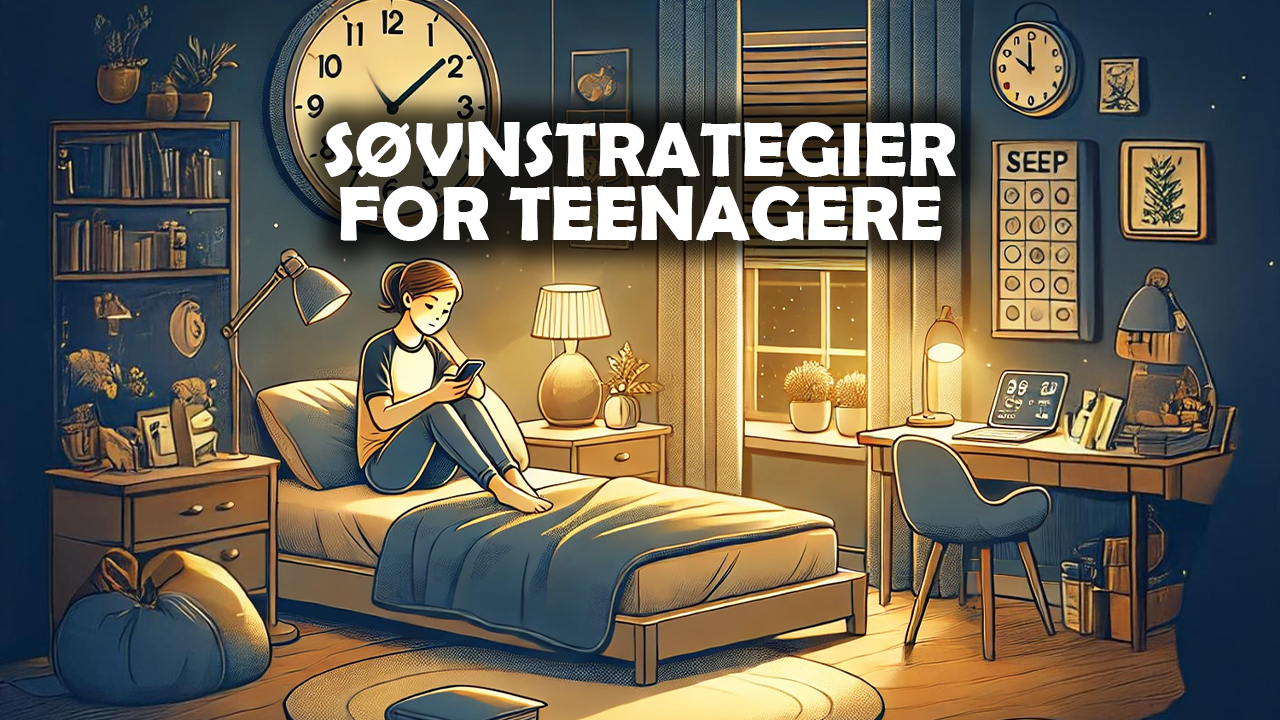
Teenagers go through a stage of life in which their bodies develop significantly, their brains take shape and their sense of identity grows stronger. All of this requires energy — making sleep essential. Yet during the teenage years, sleep is often challenged by homework, social relationships, sport, digital media and a natural biological shift that means many teenagers only start feeling tired later in the evening. The result can be short nights, difficulty concentrating at school, lower motivation and greater emotional vulnerability.
Good sleep strategies during the teenage years are not about control or restriction, but about support and understanding. Teenagers need a sense of independence alongside help with establishing healthy routines and boundaries. A collaborative approach works best: discussing the importance of sleep, agreeing on routines together and making small changes that feel realistic for the young person.
When teenagers get enough sleep, they find it easier to manage their emotions, perform well at school, maintain balanced social lives and follow a healthy daily routine. They experience more energy, clearer thinking and a greater sense of wellbeing — while the household enjoys more peaceful mornings and happier days.
Ideas for Strengthening Sleep Strategies for the Teenagers in Your Family
🌟 Set a Good Example of Healthy Sleep Habits for Your Teenagers
Teenagers notice their parents’ behaviour far more than we often realise — including when it comes to sleep. When adults follow consistent routines, put their phones away in the evening, prioritise calm and respect their own bedtimes, they send a strong message that good sleep matters. Teenagers do not always follow words — but they mirror actions. If parents say, “You need to sleep,” while continuing to scroll on their phones at 11 pm, the message loses its impact. Setting a good example does not mean being perfect. It means showing that adults take sleep seriously too.
Feel free to tell your teenagers why you choose to prioritise sleep — for example, “I notice I have more energy when I go to bed on time,” or “I am putting my phone away so my brain can wind down.” This gives teenagers a valuable example of self-regulation, rather than simply imposing rules. When teenagers see sleep as a natural part of family routines — rather than a punishment forced upon them — it becomes much easier for them to accept and understand the importance of prioritising rest. A good example inspires them, strengthens your relationship and provides a lifelong reference for looking after their energy and mental wellbeing.
📱 Limit Screen Time for Your Teenagers Before Bedtime
Screens are one of the biggest challenges for today’s teenagers, especially in the evening. Social media, games and messages keep the brain active and release dopamine, which works against sleep. Blue light disrupts the body’s natural sleep–wake cycle and delays feelings of tiredness. Encourage healthy screen habits by introducing a “screen-free hour” before bedtime, suggesting they charge their phones outside the bedroom or use a night filter in the evening. When teenagers learn to take a break from screens before bed, they settle more quickly and sleep more deeply — waking with more energy and a clearer mind.
🕒 Help Your Teenagers Maintain a Consistent Sleep Pattern
Teenagers have a biological tendency to fall asleep and wake up later, but irregular sleep times can worsen tiredness and make waking in the morning difficult. Help them establish consistent bedtimes and waking times — including at weekends, with only small variations. This gives the brain clear signals and improves both energy and mood. When teenagers develop a consistent sleep pattern, they often experience more energy, fewer mood swings and better concentration at school.
🧘♂️ Teach Teenagers to Relax Before Bedtime
Stress, pressure to meet expectations and social experiences can leave teenagers feeling physically tense. For example, avoid having them work on school assignments just before bedtime. Introduce calming techniques such as deep breathing, a short meditation, journalling or slow stretches as part of their evening routine. These help the nervous system switch from “active” to “rest” mode. Teaching teenagers to listen to their bodies and find calm is a life skill that supports their mental health — not just at bedtime, but throughout their lives.
🛏️ Create a Sleep-Friendly Environment for Your Teenagers
The bedroom should be a place for rest — rather than homework, screens and noise. Encourage teenagers to arrange their rooms so that they feel calm and relaxing: tidy, well ventilated, with soft bedding and dim lighting. If possible, a separate area for schoolwork can help distinguish between different activities: one place for focus, another for rest. When teenagers associate their beds with sleep and calm, they become better able to fall asleep quickly and sleep consistently.
🍽️ Help Your Teenagers Develop Healthy Evening Eating and Drinking Habits
Heavy meals, caffeinated drinks and sugar late in the evening can make it harder for teenagers to fall asleep and sleep well throughout the night. Help them choose lighter evening snacks and avoid energy drinks, fizzy drinks and coffee from midday onwards. Teaching teenagers how food and drink affect their bodies and energy levels is an important part of learning to care for themselves. Small, conscious choices before bedtime make a noticeable difference to both sleep and wellbeing.
REMEMBER - Good sleep strengthens your teenagers in both body and mind, and when they receive support to develop healthy sleep habits, their energy, confidence and ability to handle life’s challenges grow.
Sleep Strategies for Adults

Although we often focus on children’s sleep, it is just as important for adults to prioritise healthy sleep habits. Adults provide the foundation for the family’s daily rhythm — and when parents or other adults in the home sleep well, it has a positive effect on the energy, atmosphere and structure of the whole household. Good sleep brings greater patience, better decision-making, more energy for the children and a stronger ability to cope with everyday demands.
With adult life full of work, responsibilities, thoughts, digital distractions and household chores, sleep can easily slip down the list of priorities. Yet the body needs rest to function at its best — both physically and mentally. When adults are constantly running in “survival mode”, the result is often shorter tempers, tiring more easily, stress and less ability to be fully present. By establishing clear sleep habits and healthy evening routines, adults can not only sleep better themselves but also create a stable structure that the whole family can rely on.
Prioritising sleep is not about being perfect. It is about giving yourself permission to rest, setting limits on screen time, saying no when necessary and paying attention to your body’s signals. Small changes can make a big difference — while also sending a powerful message to children and teenagers, who learn more from what adults do than what they say.
Ideas for Helping Adults in the Family Strengthen Their Sleep Habits
📅 Establish a Consistent Sleep Pattern for Adults in the Family
Adults need consistent sleep times just as much as children — perhaps even more, because our days are often more complex and filled with responsibilities. Try to go to bed and get up at the same time every day, including at weekends. This helps synchronise the body’s sleep–wake cycle and makes it easier to fall asleep and wake naturally. When adults maintain a consistent rhythm, they build a stronger physical and mental foundation, and the whole family benefits from their steadier energy.
📵 Reduce Evening Stress and Screen Time for Adults in the Family
Many adults fall into the trap of “relaxing” with their phones or computers, but screens actually stimulate the brain and disrupt sleep hormones. Make a habit of putting screens away at least an hour before bedtime and choose quiet activities instead: reading, calming music, gentle stretching or a cup of herbal tea. Adults who prioritise quiet time offline teach both their bodies and their children that rest is not about being entertained — it is about allowing the nervous system to wind down.
🛏️ Make the Adults’ Bedroom a Place for Rest
For adults in the family, the bedroom should primarily be a place for rest — not work, television or distractions. Ensure good ventilation, calming colours, quality bedding and a bed that supports the body. Keep electronic devices out of bed and, ideally, out of the room altogether. A calm sleep environment helps adults signal to their bodies that it is time to recover. When the room feels like a retreat, both body and mind find it easier to unwind.
🍷 Help Adults in the Family Avoid Alcohol Before Bedtime
Although many adults feel that a glass of wine or another alcoholic drink helps them relax in the evening, alcohol actually has the opposite effect on sleep. It may help you fall asleep more quickly, but it disrupts the body’s ability to achieve deep, restorative sleep. Adults who drink alcohol in the evening often experience more awakenings during the night, lighter sleep and less energy the next day — even if they have slept for their usual number of hours.
Alcohol also affects the body’s fluid balance, nervous system and breathing, which can make sleep restless and less restorative. For many adults, even small amounts of wine, beer or spirits close to bedtime can mean waking earlier or feeling sluggish in the morning, despite a full night in bed. A useful strategy is to choose alcohol-free ways to relax on weekdays — such as herbal tea, a short walk, a warm shower or some quiet reading time that encourages calm in both body and mind. Avoiding alcohol before bedtime is not a restriction — it is an investment in waking up clear-headed, refreshed and energised. When adults choose sleep quality over short-term relaxation, they strengthen both their health and their everyday wellbeing.
🧠 Help Adults in the Family Let Go of Thoughts Before Bedtime
Racing thoughts are one of the biggest challenges for adults. Worries, to-do lists and mental “replays” often keep the brain awake even when the body is tired. Introduce small rituals to help you mentally switch off: write down your thoughts, do a short breathing exercise or remind yourself that there will be time tomorrow. Meditation, keeping a gratitude journal or listening to soothing sounds can help. When adults learn to move from busy thoughts to physical calm, sleep becomes easier to achieve and more consistent throughout the night.
You can find more tips on meditation and mindfulness in our article - Practical Tips for Strengthening Your Mental Wellbeing Through Mindfulness and Meditation
🏃♂️ Prioritise Movement and Daylight for Adults in the Family
Regular movement and daylight have a significant impact on sleep quality. Take a morning walk, do some gentle exercise or simply stretch your body during the day. For adults in the family, physical activity helps reduce stress hormones and improve both mood and sleep. Avoid intense exercise just before bedtime, as it can leave the body too alert. Small daily steps towards more movement and fresh air bring greater physical calm — and better sleep at night.
📓 Adults in the Family Can Keep a Sleep Diary
For many adults, sleep can be affected by factors that are not immediately obvious in daily life — stress levels, screen habits, diet, mental strain, caffeine, movement or changes in routine. Keeping a sleep diary allows adults to identify patterns that affect their sleep positively or negatively. Entries do not need to be long — just a few brief daily observations can make a big difference to understanding what the body needs.
Adults in the family could record, for example - when they went to bed, how long it took to fall asleep, how many times they woke up, how they felt the following day and what happened the evening before. Over time, it becomes clear which habits support a good night’s sleep — and which drain the body’s energy. A sleep diary can also be a valuable tool when discussing sleep problems with a GP or specialist, as it provides a detailed picture of sleep patterns.
For many adults, keeping a sleep diary also brings a sense of control and calm — instead of “guessing” why sleep varies, they gain a clearer understanding. This helps them make informed choices, establish consistent routines and consciously prioritise rest. When adults approach their sleep with curiosity rather than self-blame, making progress becomes easier, healthier and more sustainable in the long term.
REMEMBER - Healthy sleep habits for adults are essential to creating a balanced home, because you cannot bring positive energy to your family if you have none yourself.
You can find more inspiration for establishing a healthy sleep pattern in our article - Practical Tips for a Better and More Consistent Sleep Pattern – Sleep Well Every Night!
The Role of Diet in Sleep

The food we eat has a far greater impact on our sleep than many people realise. Diet affects energy levels, hormones, digestion and the nervous system — all crucial factors in how the body settles down and prepares for a good night’s sleep. When the family eats nourishing meals at regular times, it becomes easier for both children and adults to fall asleep, sleep more deeply and wake with more energy and a steadier mood.
Stable blood sugar throughout the day is particularly important. Sharp fluctuations in energy can leave both children and adults feeling restless, unsettled or irritable, making evenings more chaotic and sleep less consistent. Meanwhile, heavy, high-fat meals or lots of sugar close to bedtime can disrupt both digestion and the sleep–wake cycle, leading to restless nights and less restorative sleep.
Healthy family eating habits are not about bans or perfection, but about recognising how food helps the brain and body settle down. When the whole family prioritises food that stabilises energy and promotes calm, evenings become more harmonious and nights more restorative. With small dietary adjustments, you can create a strong foundation for consistent sleep routines and greater everyday wellbeing.
Ideas for Using Diet to Support Good Sleep for the Family
🥦 Prioritise Foods That Give the Family Steady Energy Throughout the Day
Your diet should support stable energy levels throughout the day, so the body does not become overloaded or experience an energy crash in the evening. Avoid heavy, fatty meals and instead choose meals containing wholegrains, lean proteins, vegetables and healthy fats. These foods help the body maintain stable blood sugar and provide a steady supply of energy. With a balanced diet, both children and adults experience less restlessness, fewer mood swings and a greater ability to settle down at bedtime. Steady energy from food provides the foundation for natural, consistent sleep.
You can find inspiration for healthy, affordable and tasty meals in our article - Practical Tips for the Best Budget-Friendly Ingredients and How to Use Them Every Day
💧 Everyone in the Family Should Stay Well Hydrated as Part of a Healthy Diet
Water plays a vital role in the body’s ability to relax, digest food and regulate temperature — three factors that are important for a good night’s sleep. When the body is dehydrated, it has to work harder, which can lead to restless legs, a dry mouth, headaches or a general feeling of discomfort at bedtime. It is therefore important for both children and adults to remember to drink regularly throughout the day as a natural part of their diet. However, good hydration is not about drinking large amounts just before bedtime — this can lead to more night-time trips to the toilet and interrupted sleep. Instead, spread fluid intake evenly throughout the day and support it by including water-rich foods such as fruit, vegetables and soup.
Water should be the main source of hydration, while juice, fizzy drinks and especially caffeinated drinks should be limited, as they can stimulate the body and work against the calm we want at bedtime. Many families find it helpful to have a soothing “evening drink” routine, such as a small cup of warm herbal tea or a glass of milk, as part of a nurturing evening routine. In this way, hydration becomes more than a practical necessity — it becomes a comforting, enjoyable part of winding down. Combining good hydration with a balanced diet creates the best conditions for calm, relaxation and a consistent sleep pattern for the whole family.
🍌 Choose Evening Snacks That Support Sleep for the Family
If a late snack is needed, it is important to choose foods that support sleep rather than stimulate the body. Good choices include a banana, yoghurt, porridge, almonds or a small glass of warm milk. These foods contain nutrients such as tryptophan, magnesium and calcium, which support the production of sleep hormones and help muscles relax. By choosing gentle, nutritious snacks, children and adults learn how food can help the body move into a restful state.
You can find inspiration for healthy snacks for the whole family in our article - Practical Tips for Budget-Friendly, Healthy Snacks for the Family
🚫 Avoid Sugar and Caffeine Before Bedtime
Sugar and caffeine can provide a brief energy boost, but they can also lead to agitation, restlessness and disrupted sleep. It is therefore important to minimise fizzy drinks, energy drinks, strong tea, cocoa and large amounts of chocolate in the family’s evening diet. Teenagers in particular benefit from being aware of caffeine in their diet, as their nervous systems are especially sensitive while developing. When stimulating products are kept out of the evening diet, the body settles more easily and sleep becomes more consistent and deeper.
🫖 Make Food and Drink Part of Calming Family Evening Habits
Soothing drinks and light evening snacks can support your bedtime routine. Calming herbal teas such as camomile or lemon balm can be a pleasant part of the evening, while large, heavy meals should be avoided just before bed. Food and drink can become a comforting part of the bedtime ritual — for example, a cup of warm tea with some fruit or a small portion of yoghurt. When food and drink form part of the family’s peaceful evening routine, they signal to the body that the day is ending and rest is beginning.
🧠 Encourage Everyone in the Family to Listen to Their Body and Adjust Their Diet as Needed
Every body responds differently to food, and it can help to explore which foods affect the family’s sleep positively or negatively. Some children and adults may, for example, sleep more deeply after eating more protein, while others benefit from light carbohydrate-based foods before bedtime. Pay attention to these signals, note any patterns and develop eating habits that suit your family. When you adapt your diet thoughtfully, you support sleep, energy and wellbeing alike.
REMEMBER - When your diet works with your body, sleep works for your family, helping everyone wake up clearer-headed, stronger and happier.
Conclusion
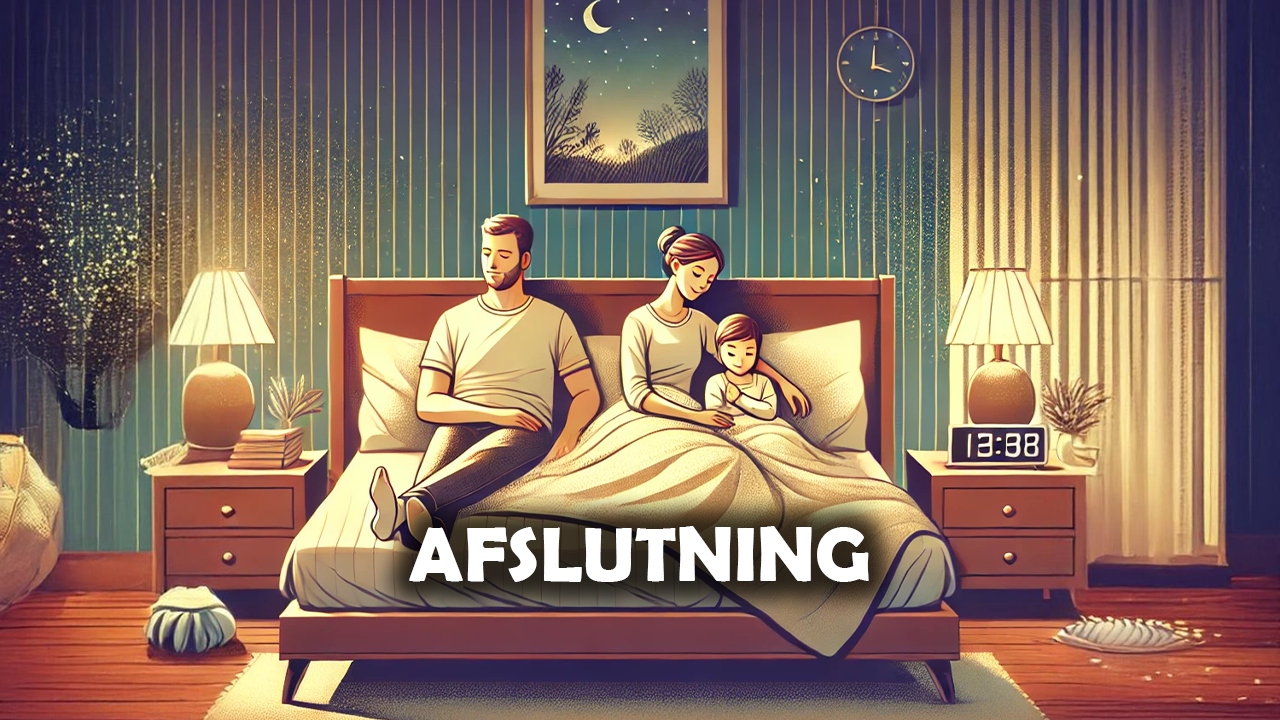
Creating healthy sleep habits for the whole family is a journey, not a sprint. It is not about getting everything perfect from day one, but about taking small steps towards a daily life with more calm, structure and connection — both in the evening and throughout the day. Establishing good sleep habits benefits not only each family member but also the atmosphere at home. When sleep becomes a priority, energy, mood and the ability to cope gradually improve. Children feel more secure, teenagers gain better focus, and adults experience greater mental and physical balance.
Every family has its own rhythm, so the path to good sleep is never quite the same. What matters most is finding routines that suit you — and treating one another with patience and understanding along the way. Even small improvements in everyday life can make a big difference to your mood, health and family bonds. Prioritising sleep as a family can be challenging at first, but with time, patience and consistency, it can become a natural part of your daily life. With caring habits, predictable evenings and consistent routines, you can create an environment where everyone has the opportunity to rest, grow and thrive.
When the family sleeps well, days feel easier, relationships feel stronger and the home feels more harmonious. Sleep is more than just rest — it is an investment in the whole family’s quality of life. And every evening offers a new opportunity to recharge, find calm and create a better day tomorrow.
REMEMBER - Good sleep is one of the foundations of a strong family life, and peaceful nights bring strength, wellbeing and happiness during the day.
Mini-Guide - Better Sleep Routines for the Whole Family
This mini-guide summarises the article above and offers practical tips for better sleep routines for the whole family.
🌙 Establish Consistent Sleep Routines for the Whole Family Every Evening
Create clear, familiar sleep routines that you repeat every day. When both children and adults know what happens in the final hour before bedtime, the body settles more easily. Small, regular rituals — such as a bath, brushing teeth, a book and a goodnight cuddle — help the whole family move from activity to rest calmly and with a sense of security.
🛏️ Create a Calm Family Sleep Environment That Supports Healthy Sleep Routines
Create a sleep environment that encourages security and rest, giving your sleep routines the best possible foundation. Dim the lights, remove distractions, keep the room cool and use calming colours and soft fabrics. When the surroundings are peaceful and comfortable, both children and adults recognise more quickly that it is time to sleep.
📱 Limit Screens to Support the Family’s Sleep Routines
Screens disrupt the body’s natural rhythm, so make a screen-free period a regular part of your sleep routines. Replace television and phones with quiet activities such as reading aloud, board games, drawing or gentle music. This gives the brain time to wind down and significantly improves sleep quality.
🚶♂️ Stay Active During the Day to Strengthen the Family’s Sleep Routines
Activity, fresh air and play during the day make it easier to fall asleep in the evening and strengthen the whole family’s sleep routines. Daily exercise helps the body feel naturally tired, stabilises mood and promotes better rest at night — especially for children and teenagers, who need opportunities to move naturally.
💬 Create Security and Emotional Calm to Support Healthy Family Sleep Routines
Make bedtime a reassuring, loving moment so that sleep routines become a positive experience. Take time for cuddles, quiet conversations or breathing exercises that help both children and adults let go of the day’s thoughts. Feeling secure at bedtime brings calm to the body — and calm is the key to good sleep.
If you need more inspiration for improving your sleep pattern, watch this video - 5 Science-Based Tips for Better Sleep
If you have experience or knowledge of how to improve your family’s sleep routines, we would love to hear your thoughts and suggestions in the comments. Share other practical ways to improve sleep routines and support the whole family’s wellbeing.