Raising responsible and empathetic children is one of the most meaningful – and important – tasks we face as parents. At a time when the world is constantly changing, and children are influenced by digital media and expectations from society, school and their friends, creating an environment that nurtures healthy values and compassion can feel like a daunting task. Yet it is also a wonderful opportunity: we get to support, guide and inspire the people who will shape the future.
Responsibility and empathy are not innate qualities – they develop through daily practice, clear values, a sense of security and seeing adults live by the values they wish to pass on. When children learn to take responsibility for their actions, understand other people’s feelings and respond with care, they build a strong foundation for both personal and social success. They learn to resolve conflicts, take initiative, show respect and contribute to the community – within their families, in friendships and later in life.
Raising empathetic and responsible children is not about perfection, but about being present and consistent. Small everyday actions – such as listening, setting boundaries with love, helping your child understand their feelings, giving them appropriate responsibilities and celebrating progress – matter far more than occasional grand gestures. When we show children that they are valued while helping them develop independence and consideration for others, both their confidence and their understanding that they have an important role to play in the world grow.
This article offers practical, down-to-earth and caring advice on how to strengthen your child’s ability to take responsibility, show care, set healthy boundaries and become someone who makes a positive difference – both now and in the future. Together, let’s create a warm and strong foundation where children feel seen, heard and empowered, and where they learn that compassion and actions go hand in hand.
Responsible and Empathetic Children – Be a Good Role Model for Your Child

Children learn a great deal from what they see – not just what they are told. As a parent, you are your child’s most important role model, and your actions send far stronger messages than your words. If you want your child to become responsible and empathetic, you need to show them what these values look like in practice. Demonstrate responsibility by taking ownership of your actions, keeping commitments and treating others with respect. When you tidy up after yourself, help others without being asked or take responsibility for your mistakes, for example, your child learns that responsibility is something we put into practice every day.
You can show empathy by listening with genuine interest, putting yourself in other people’s shoes and acting thoughtfully – towards both your child and others. When your child sees you treating people kindly and fairly, they learn that care and consideration are valuable qualities. Show respect for others, keep your promises and avoid blaming other people when something goes wrong. You do not need to be perfect – but being mindful of your reactions and actions sends a powerful message about how to be a good person and get along with others. This gives your child a lifelong compass to guide them.
Ideas for Being a Good Role Model for Your Child
🌱 Model Respectful Communication for Your Child
When you speak kindly, listen actively and show an interest in others, your child learns that respect and empathy are fundamental values. Try explaining your thoughts aloud: “I’ll finish listening before I speak” or “I’m asking so I can understand better.” When your child sees you using “I” statements, speaking calmly and showing curiosity rather than irritation, they learn that dialogue and understanding are key to good relationships.
💪 Model Responsibility for Your Child in Everyday Life
Show that responsibility is a natural part of life rather than a burden. When you keep commitments, finish what you start and take responsibility for household tasks, your child sees that contributing to family life matters. Talk about taking responsibility for mistakes, too: “I forgot – that was my mistake, and I’ll put it right.” This teaches your child that mistakes are nothing to be ashamed of, but an opportunity to develop strength and integrity.
❤️ Model Care and Kindness for Your Child
Children learn empathy by experiencing it. Small acts such as helping a neighbour, saying thank you, offering help or sending a kind message are noticed and remembered. Explain your actions: “I’m helping because it makes a difference to others.” This helps kindness become more than a gesture – it becomes part of your child’s identity and the values that guide how they treat others.
🧘♂️ Model Healthy Ways to Manage Emotions for Your Child
When you respond to frustration calmly and show that feelings can be expressed in a healthy way, your child learns emotional regulation. Share your strategies: “I’m going to take a deep breath before I answer” or “I’m going for a walk to help myself feel calm.” This teaches your child that strength is not about avoiding emotions — it is about managing them with respect and understanding.
🎯 Be a Good Role Model by Setting Boundaries with Care
Show that you can say no without being harsh or dismissive. When you set boundaries clearly and lovingly, you give your child an important social skill. For example, say: “I need some quiet time now, but we can play again later.” This teaches your child to prioritise their own needs without compromising their love for others.
REMEMBER – Children do not follow rules – they follow people. When you lead with your heart, your child learns to do the same — and that may be the greatest gift you can give them. ✨
Teach Children to Take Responsibility
Teaching children to take responsibility is an important part of their development and preparation for adulthood. Responsibility is not just about chores, but also about understanding the consequences of their actions and contributing positively to the community. The earlier children have opportunities to practise taking responsibility, the more naturally they learn to act independently and conscientiously.
Start with small, specific everyday tasks suited to your child’s age – such as tidying up after themselves, setting the table or looking after their belongings. This builds their sense of capability and shows them that they are an important part of family life. When children see that their efforts matter, both their confidence and their sense of responsibility grow.
It is also important to let your child experience the consequences of their choices in a safe and supportive way. If they forget to pack their lunchbox or fail to keep a commitment, use the situation as a learning opportunity rather than a punishment. Talk about what happened and what they could do differently next time.
Praise your child when they take responsibility – even for small things. Recognition motivates them and shows that responsible behaviour is noticed and appreciated. By providing the right balance of space, support and trust, you teach your child that responsibility is a way to grow and develop rather than a burden.
Ideas – Practical Ways to Help Children Take Responsibility
🧺 Help Your Child Take Responsibility for Household Tasks
When children have regular tasks at home, they learn that they are an important part of the family. Tasks such as setting the table, tidying up after play or helping with the laundry can start small and expand as they get older. Explain why these tasks matter: “When you help at home, you show that we take responsibility for one another.” Over time, your child learns that their contribution makes a difference and that a home works best when everyone shares the responsibility.
If you choose to involve your children in household chores as a way to develop their sense of responsibility, you can find inspiration for doing so positively and constructively in our article – Helpful Tips for Fun and Educational Ways to Involve Your Child in Household Chores
🎒 Teach Your Child to Take Responsibility for Their School Life
Packing their school bag, keeping track of homework and arriving on time are important skills. Support your child in developing simple routines, such as a checklist for the school day or a regular homework time. Instead of stepping in to rescue them every time, help them find solutions: “What could you do next time to remember your packed lunch?” This approach teaches your child that responsibility does not mean perfection, but effort, planning and reflection.
🤝 Help Your Child Practise Taking Responsibility in Relationships
Children learn empathy and social responsibility by practising how to apologise, resolve conflicts and understand other people’s perspectives. For example, when your child has hurt a friend, guide them by asking: “How can you make things right?” This teaches your child more than just the word “sorry” – it teaches them the action behind it: taking responsibility for their own words and feelings, and repairing relationships with kindness and consideration.
🧠 Support Your Child in Taking Responsibility for Their Behaviour and Emotions
Emotional responsibility is an important part of taking responsibility as a person. Teach your child to put their feelings into words and find appropriate ways to respond: “You’re feeling angry – that’s okay. But how can we handle that anger in a positive way?” When children learn to take responsibility for their feelings and actions, they become better equipped to navigate life with strength and consideration.
📅 Teach Your Child to Take Responsibility Through Planning and Structure
Use a calendar, small goals or weekly tasks to show that planning is part of taking responsibility. Praise your child when they take the initiative – even when things do not go perfectly. Over time, your child learns that good planning helps them succeed and makes life feel calmer and more manageable.
REMEMBER – Responsibility is not a burden for children – it is a superpower that grows when they have the chance to make the most of it. When children have opportunities to take responsibility, their courage, independence and self-esteem grow.
Strengthen Your Child’s Empathy Through Dialogue

Empathy is not fully developed at birth – it is an ability that develops and grows stronger through relationships and meaningful conversations. As a parent, you play an important role in helping your child understand other people’s feelings and needs, and dialogue is one of the most effective tools for doing this. Talk to your child about feelings – both their own and those of others.
For example, ask: “How do you think your friend felt when that happened?” or “How would you have felt in that situation?” Questions like these encourage reflection and help your child put themselves in someone else’s shoes.
Use small everyday moments as a starting point: a conflict at nursery, a scene in a book or something you have experienced together. Put what you see and feel into words – and show that all feelings are valid and worth understanding.
When your child feels heard and taken seriously, they also learn to listen to and understand others. It is also important to demonstrate empathy in practice. If you treat others with respect, kindness and understanding, your child will mirror that behaviour. Through conversation and example, empathy has room to grow – and becomes a natural part of your child’s social compass.
Ideas – Practical Ways to Strengthen Your Child’s Empathy Through Dialogue
🗣️ Have Daily Conversations About Empathy with Your Child
Make talking about feelings, thoughts and situations a natural part of everyday life. For example, ask: “How do you think your friend felt today?” or “What made you feel happy, angry or proud?” By weaving small moments of empathy into your conversations, your child learns that feelings matter – both their own and other people’s. A little reflection each day builds strong emotional awareness and a deep understanding of how to be there for others.
Warm, caring communication with your child in everyday life is important for helping them develop empathy. You can find inspiration in our article – Helpful Tips for Strengthening Communication and Connection Within the Family for a Happier Everyday Life
👂 Practise Active Listening as a Tool for Teaching Your Child Empathy
Show your child how to listen attentively – without interrupting or judging. Sit at their eye level and repeat what they say so they know you are truly listening: “So you felt upset because someone didn’t want to play?” Children learn empathy when they are treated with empathy themselves. By modelling calmness, patience and curiosity about feelings, you give your child the tools to understand others and build a sense of security in relationships.
🎭 Use Stories to Help Your Child Practise Empathy
Books, films and everyday situations offer wonderful opportunities to practise empathetic thinking. For example, ask: “How do you think the character felt at that moment?” or “What could someone have done to help?” When children have opportunities to put themselves in other people’s shoes through stories in a safe setting, they become better at doing so in real life. Stories open the door to empathy in an accessible and playful way.
🤗 Talk About Your Own Feelings to Teach Your Child Empathy
When you put your own feelings into words – including those that make you feel vulnerable – your child learns that emotions are natural and can be shared safely. For example, describe a situation by saying: “I felt a little stressed, but I’m trying to breathe calmly.” Or: “I was moved because I felt happy.” When your child sees you putting empathy into practice, they learn to acknowledge and express their own feelings without shame.
🤝 Help Your Child Put Empathy into Action
Empathy is not just a feeling – it also involves action. Encourage your child to take small, caring steps: sharing toys, asking whether someone is okay, giving a hug or saying something kind to someone who looks lonely. Talk about how it feels to help others and how small actions can make a big difference. This teaches your child that empathy is not only about understanding feelings, but also about responding to them with kindness.
REMEMBER – Empathy is not innate – it is learnt and strengthened through learning and caring dialogue. Listen with care, speak with warmth – and watch your child’s empathy blossom.
Responsibility and Empathy – Encourage Your Child to Cooperate and Work as Part of a Team

The ability to cooperate is an important part of being both responsible and empathetic. When children learn to work with others, they develop social skills such as respect, patience, flexibility and the ability to listen – all qualities that strengthen a sense of community and prepare children for school, leisure activities and, later, working life. You can strengthen your child’s ability to cooperate by giving them opportunities to take part in shared activities that involve working with others – for example, through play, games, practical tasks at home or team sports. What matters is not the result, but the process and the experience of solving something together.
Talk to your child about helping one another, listening to other people’s ideas and contributing to shared goals. If conflicts arise while working together, use them as an opportunity to learn: “How could you have solved that differently?” or “What helped you work well together?” Praise your child when they show a willingness to cooperate – even if things do not go perfectly. Learning comes from trying and being willing to take part. Through encouragement and support, you show that cooperation is not about being the best, but about being part of something bigger.
Ideas – Ways to Strengthen Cooperation and Teamwork in Your Child
🤝 Responsibility and Empathy – Encourage Cooperation and Teamwork Through Household Tasks with Your Child
Involve your child in daily tasks so they experience how the home works best when everyone helps. Choose small projects, such as cooking together, setting the table or sorting toys as a team. Tell your child that their efforts matter: “When you help, we do it together – and that makes it easier for both of us.” This teaches your child that cooperation and teamwork are about shared goals and shared responsibility, not about who does the most.
🧩 Responsibility and Empathy – Teach Your Child Cooperation and Teamwork Through Play and Games
Board games, building projects and outdoor activities provide plenty of opportunities to practise cooperation. Choose games that involve helping one another rather than simply competing. Talk about roles, taking turns and communication: “How can we solve this together?” When children see that teamwork makes play more enjoyable and challenges easier, they understand the value of working together.
🎯 Responsibility and Empathy – Give Your Child Responsibilities in Projects That Require Cooperation and Teamwork
Work on shared daily or weekly projects – such as planting flowers, building something creative or planning a family day out. Give your child a specific role that helps them feel important and able to contribute. Praise both their effort and their cooperation: “You were a brilliant helper, and you listened really well.” This makes cooperation and teamwork a natural and positive experience.
👂 Responsibility and Empathy – Build Strong Communication with Your Child as a Foundation for Cooperation and Teamwork
Listening and respectful communication are at the heart of teamwork. Help your child put their thoughts and feelings into words, and teach them to ask others: “What do you think?” or “How can we do this together?” When children learn to talk things through, resolve conflicts and find compromises, they become better at working with others – both now and later in life.
🌟 Responsibility and Empathy – Celebrate Cooperation and Teamwork with Your Child as Achievements in Their Own Right
When your child cooperates without being asked, helps a friend or resolves a conflict respectfully, make sure you clearly acknowledge it. Make it clear that cooperation and teamwork are just as valuable as good marks or winning games. This helps raise children who naturally seek connection, support others and take responsibility in group settings.
REMEMBER – A child who learns teamwork learns one of life’s most important social skills. Cooperation and teamwork build strong communities – and strong, responsible and empathetic children.
Reward Your Child for Responsible and Empathetic Behaviour

When children receive recognition for their positive actions, they become more willing to repeat that behaviour. Rewarding responsibility and empathy does not necessarily mean giving presents or using reward systems – it means giving your child clear, positive feedback when they take responsibility, show care or help others.
Be specific with your praise: “I saw how you helped your little sister find her teddy bear – that was really thoughtful of you,” or “Well done for tidying up by yourself without being asked.” When you explain what your child did and why it was good, you strengthen their understanding of the value of their actions.
Rewards can also include time together, extra responsibility or letting your child choose an activity. What matters most is that your child feels seen and valued – and recognises that acting responsibly and empathetically makes a difference.
By rewarding positive behaviour with attention, recognition and a loving response, you strengthen your child’s inner motivation and show that taking responsibility and caring for others matter – both within the family and in the wider community.
Ideas – Ways to Reward Your Child’s Responsible and Empathetic Behaviour
🌟 Celebrate Your Child’s Responsible and Empathetic Behaviour with Praise and Your Full Attention
When your child shows responsible and empathetic behaviour, give specific praise: “I’m proud of you for helping without being asked,” or “It was really caring of you to comfort your friend.” This kind of recognition strengthens your child’s inner motivation and makes it clear that their behaviour makes a real difference. Focus on the effort and empathy behind the action – not just the result – so your child learns that trying and being caring are valuable in themselves.
🎁 Reward Your Child’s Responsible and Empathetic Behaviour with Quality Time
Instead of material gifts, you can reward responsible and empathetic behaviour with special shared experiences, such as baking together, choosing a film, going on a short outing or playing a favourite game. This teaches your child that being responsible and empathetic creates positive, enjoyable moments. It also strengthens your bond and helps your child understand that good deeds bring people closer together.
🗓️ Create a System That Rewards Your Child’s Responsible and Empathetic Behaviour Over Time
Create a “kindness and responsibility chart” where your child receives a small mark or sticker whenever they show responsible and empathetic behaviour. Once they have collected a certain number of stars, the reward could be an activity they love. Talk about the actions that earned the points so your child understands how their actions affect others. This makes the rewards both purposeful and educational.
💬 Talk to Your Child About Responsible and Empathetic Behaviour – and Explore the Feelings Involved
When your child helps others or takes responsibility, talk about the feelings involved: “How did it feel to help?” or “How do you think your sister felt when you offered to help?” By connecting rewards with feelings, you encourage reflection and inner motivation. Your child learns that empathetic and responsible behaviour does more than earn praise – it also creates happiness, connection and pride.
🤝 Involve Your Child in Planning Rewards for Responsible and Empathetic Behaviour
Ask your child which rewards would feel meaningful to them. These could range from extra reading time in the evening to choosing the family’s dinner or deciding on the next weekend activity. By involving your child in the decision, you teach them responsibility and how to take part in shared decisions – and the reward feels more personal. You also show that their opinion matters, which strengthens their confidence and independence.
REMEMBER – When a child feels valued, both their mind and their heart grow. Reward the love behind your child’s actions – and they will pass that love on to the world.
Responsibility and Empathy – Teach Children to Resolve Conflicts Constructively
Conflicts are a natural part of children’s everyday lives – within the family, at nursery or school, and among friends. However, the way children learn to handle them has a significant impact on their ability to act responsibly and empathetically in relationships. It is therefore important to support your child in resolving conflicts constructively and respectfully.
Start by helping your child put their feelings and needs into words: “I felt angry because I wanted to play with it on my own.” When your child can express themselves through words rather than anger or frustration, they have taken the first step. Teach them to listen to other people’s perspectives, too: “How do you think the other person felt?” or “What could you do next time?”
Role play and conversations about everyday situations are useful tools for practising conflict resolution. They strengthen your child’s ability to find solutions, reach compromises and take responsibility for their part in a conflict – without assigning blame. As a parent, it is important to provide calm support and guidance rather than act as a judge.
Help your child find solutions instead of dictating them – and show that conflicts are not something to fear, but opportunities for learning and personal growth. By teaching your child to handle conflicts with respect and understanding, you give them important social skills that will serve them well into adulthood.
Ideas – How to Help Your Child Resolve Conflicts Constructively
🧠 Teach Your Child to Resolve Conflicts Constructively by Understanding Emotions
When your child learns to recognise and express their feelings, resolving conflicts constructively becomes easier. Spend time putting feelings such as anger, disappointment, frustration or sadness into words, and help your child understand that feelings are okay – but how we act on them makes all the difference. For example, say: “It’s okay to feel angry, but let’s talk about it and find a solution together.” This teaches your child to handle conflicts with clarity and calm.
👂 Practise Active Listening with Your Child to Resolve Conflicts Constructively
Show your child that understanding is the best starting point for resolving conflicts. Teach them to listen without interrupting, and help them ask: “How are you feeling?” or “What did you mean by that?” When your child experiences how listening leads to less frustration and more solutions, using this approach in future conflicts becomes natural. Active listening is key to resolving conflicts constructively and with empathy.
🤝 Work with Your Child to Find Shared Solutions to Conflicts
When conflicts arise, help your child focus on solutions that allow both people to feel seen and heard. Instead of finding a “winner”, teach your child to say: “How can we find a solution together?” or “What would we both be happy with?” This teaches your child that conflicts are not battles, but opportunities to think creatively and cooperate.
🕊️ Teach Your Child to Take Breaks to Resolve Conflicts Constructively
Sometimes the best step is to take a deep breath and have a short break. Tell your child that it is okay to say: “I need a moment” or “Let’s talk about this in two minutes.” Taking breaks teaches your child self-regulation and allows their feelings to settle, so the conflict can be resolved constructively without escalating.
🎯 Talk to Your Child About Taking Responsibility for Resolving Conflicts Constructively
After a conflict, talk together about what happened and how your child could act differently next time. Use questions such as: “What could you have done?” or “How do you think the other person felt?” This strengthens your child’s ability to reflect and gives them tools for resolving future conflicts. By taking responsibility, your child learns that solutions are created – they do not simply happen.
REMEMBER – When children learn to resolve conflicts constructively, empathy and respect become their compass. Strong, empathetic children do not avoid conflicts – they handle them constructively and thoughtfully.
In families with siblings, disagreements between brothers and sisters are inevitable from time to time. For inspiration on handling these conflicts positively and constructively, read our article – Helpful Tips for Handling Sibling Conflicts in a Positive Way
Responsibility and Empathy – Limit Children’s Screen Time and Encourage Face-to-Face Social Connections
In a digital age where screens are a natural part of children’s everyday lives, it is important to create a balance between digital activities and human connection. Too much time in front of a screen can affect children’s social skills, their ability to be present and their capacity to build empathetic relationships. It is therefore a good idea to set thoughtful boundaries around screen use while encouraging personal relationships and spending time together in person.
Set clear, kind rules about when and for how long your child can use screens – and be a role model by being present and attentive without your phone in your hand. For example, introduce screen-free zones or times when the whole family spends time together without digital distractions, such as during meals or in the hours before bedtime.
It is also important to offer your child meaningful alternatives: playing with friends, playing games together, creative activities, trips into nature or simply time for free play. These interactions are where children learn to read body language, resolve conflicts, show consideration and build strong social bonds. When you help your child find joy in spending time with others and making genuine connections, you give them a strong foundation for empathy, responsibility and well-being – both now and in the future.
Ideas – How to Help Limit Children’s Screen Time in a Healthy Way
🎯 Set Clear Rules to Limit Children’s Screen Time in a Structured Way
Agree on screen-time rules together – for example, no screens during meals, a set amount of time each day or no screens until school and homework are finished. Explain why the rules exist: “We’re making room to spend time together and learn new things without screens.” When your child understands the purpose of limiting screen time, the structure feels reassuring and meaningful rather than like a punishment.
🧩 Offer Alternatives When Limiting Children’s Screen Time
Limiting children’s screen time becomes easier when they have exciting alternatives. Offer creative activities such as drawing, board games, building games, reading or outdoor play. Involve your child in choosing activities and let them help create enjoyable offline traditions, such as reading evenings, jigsaw Sundays or family baking projects. When real-world activities feel fun and fulfilling, screens become less appealing.
You can find inspiration for fun activities to enjoy with your children without screens in our article – Helpful Tips for Fun and Creative Activities for Families with Children
👥 Prioritise Social Time to Limit Children’s Screen Use and Strengthen Relationships
Plan time with friends, family and groups that offer activities such as sport, music, scouting or creative clubs. When children experience the joy of relationships, cooperation and shared experiences, reducing their screen time naturally becomes easier. Take time to talk about friendships: “How did you feel when you were with your friends today?” This strengthens your child’s social understanding and makes spending time with others a natural first choice.
🧘 Introduce Screen-Free Breaks to Limit Children’s Screen Time and Create a Healthy Balance
Introduce periods each day when everyone in the family puts their screens away – including the adults. This shows your child that screen-free time is a shared choice, not just a rule for children. Use the time for calm activities such as reading, playing games, nature walks or simply talking about your day. When your child sees that you can spend time without screens too, it becomes easier to limit their screen use naturally and positively.
Find helpful tips for creating a sensible balance between screen time and activities without computers, televisions, mobile phones, tablets or other electronic devices in our article – Helpful Tips for Healthy Screen Time – Balancing Technology and Health for Your Children
💬 Discuss Healthy Digital Habits to Help Your Child Understand Screen-Time Limits
Help your child understand the difference between digital entertainment and real-world relationships. Talk about how face-to-face contact makes it easier to recognise emotions, understand moods and build friendships. Teach your child that screens can be useful tools, but that emotional skills and relationships develop best through attentive, personal interaction. When your child understands the purpose, it becomes easier to limit their screen time through respect and cooperation.
REMEMBER – Screens can entertain – but personal relationships nurture the heart. Childhood is short – fill it with eye contact, laughter and moments full of life that also help children become responsible and empathetic.
Responsibility and Empathy – Read Books with Your Child
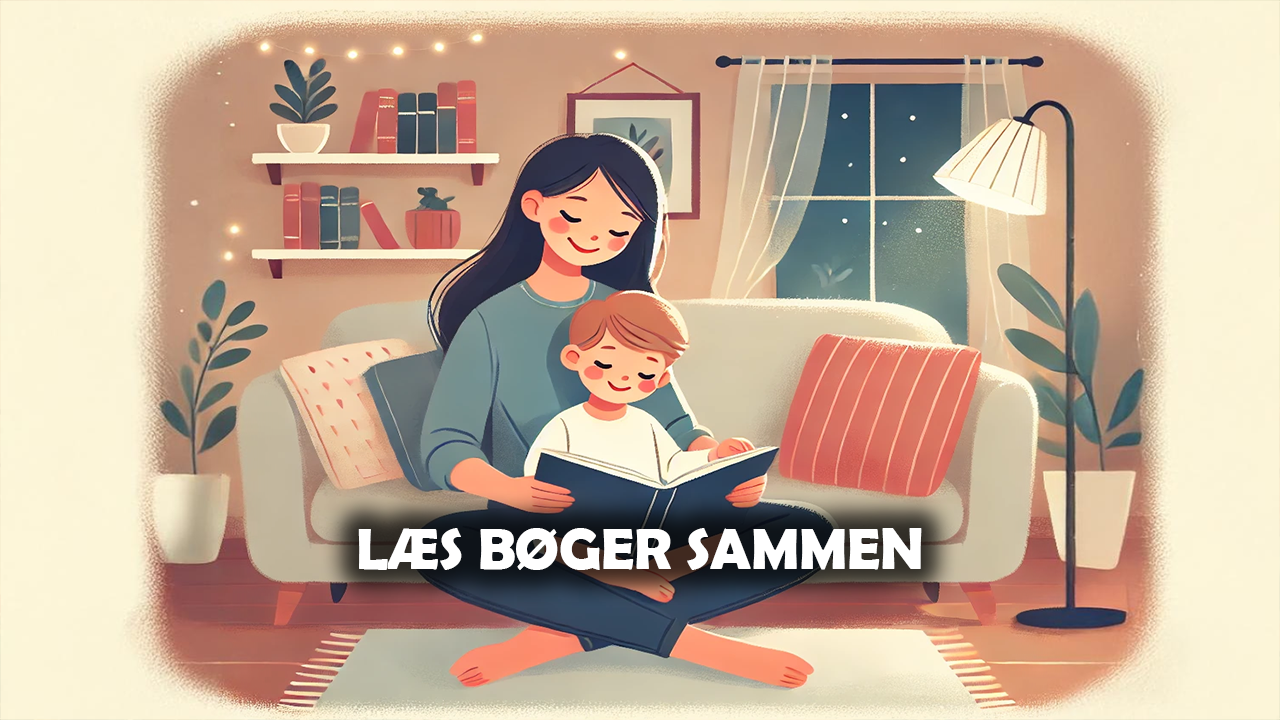
Reading aloud is much more than simply a cosy moment together – it is a valuable way to strengthen your child’s language development, imagination and emotional understanding. When you read books together, you open the door to new worlds where your child can identify with different characters, experience other people’s perspectives and learn to put their own feelings into words.
Books with powerful stories about friendship, differences, courage, cooperation and empathy are particularly helpful when your aim is to raise responsible and compassionate children. By discussing the plot and characters, you can ask questions such as: “How do you think he felt at that moment?” or “What would you have done in that situation?” – helping your child develop empathy and moral understanding.
The books do not need to be long or complicated. What matters most is that reading takes place in a safe, attentive atmosphere where your child feels seen and heard. By making reading a regular part of everyday life, you also show that books and conversation have value – and that reflecting on feelings and relationships is something you can do together. Reading with your child is therefore an investment not only in learning, but also in empathy, reflection and responsibility.
Ideas – How to Make Reading Books with Your Child Meaningful
📚 Responsibility and Empathy – Create a Regular Routine for Reading Books with Your Child Every Day
Set aside a regular time each day to read books together – for example, before bedtime or after dinner. This routine provides a sense of security and shows that reading is a priority. Make it cosy with blankets, cuddles and a peaceful atmosphere, so your child associates reading together with warmth and connection. When reading becomes a natural part of everyday life, it becomes a habit that can stay with your child well into adulthood.
💬 Responsibility and Empathy – Talk About Feelings and Characters When Reading Books with Your Child
When you read books together, pause to talk about the characters: “How do you think he feels?” or “Why did she do that?” This helps your child understand feelings and intentions. It also develops their ability to put themselves in someone else’s shoes – an important building block of empathy. In this way, reading becomes more than words – it becomes a journey towards emotional understanding.
🌍 Responsibility and Empathy – Choose Books That Broaden Your Child’s World in a Positive and Educational Way
Use reading together as an opportunity to introduce your child to different cultures, life circumstances, family structures and experiences. This gives your child insight and encourages tolerance. Books about friendship, differences, courage, nature and feelings can help your child understand that the world is diverse – and that every person matters.
🎭 Responsibility and Empathy – Play with Voices and Imagination When Reading Books with Your Child
Bring reading to life by using different voices, making sounds or even acting out short scenes. This makes the experience fun, engaging and educational. When your child finds reading together exciting and playful, they become eager to take an active part, ask questions and tell their own stories – strengthening their language skills and creativity along the way.
🧸 Responsibility and Empathy – Read Books Together and Connect the Stories to Your Child’s Life
When you read books together, draw parallels with your child’s everyday life: “Have you ever felt the same way?” or “Who does this character remind you of?” This helps your child understand themselves and others better. You can also use stories to discuss conflicts, friendship, courage and empathy – giving your child practical tools for navigating life.
REMEMBER – When we read together, we build knowledge, empathy and memories. Reading together is more than learning – it exercises the heart and imagination, helping children become responsible and empathetic.
Responsibility and Empathy – Avoid Overprotecting Your Child

It is perfectly natural as a parent to want to protect your child from disappointment, mistakes and difficult experiences. But if we overprotect children and constantly step in to solve their problems, we risk taking away their opportunity to develop responsibility, independence and empathy. Children need to face small challenges and learn from them in a safe environment.
It is precisely through trying things for themselves, taking the initiative, making mistakes and finding solutions that children grow and develop important life skills. When you show your child that you trust them to manage things independently – with support in the background – you send a powerful message: “I believe in you.”
Avoiding overprotection does not mean giving up all responsibility. It means finding a balance between being available and supportive while giving your child space to take responsibility and learn from their own experiences.
When children have opportunities to resolve conflicts, make small decisions and experience the consequences themselves, they strengthen their ability to take responsibility for themselves and show consideration for others. By giving your child space to act, learn and grow – even when things are a little difficult – you help them become strong, independent and empathetic.
Ideas – Ways to Avoid Overprotecting Your Child
🧗♂️ Responsibility and Empathy – Create Safe Opportunities for Small Risks to Avoid Overprotecting Your Child
Let your child try new things – climbing at the playground, cycling independently, taking the bus with friends or attempting tasks without immediate help. Explain that taking small risks helps them learn: “I’m here if you need help, but try it yourself first.” This allows you to avoid overprotecting your child while still providing a safe environment and helping them build courage and confidence to act.
🎯 Responsibility and Empathy – Give Your Child Responsibilities to Avoid Overprotection
Give your child age-appropriate responsibilities: packing their school bag, doing small household tasks, helping with cooking or looking after pets. Explain that giving responsibility is a way of showing trust. When your child experiences ownership and independence, you avoid overprotecting them and build their belief in their own abilities: “I know you can manage it.”
🧠 Responsibility and Empathy – Teach Problem-Solving to Avoid Overprotecting Your Child
When your child faces a challenge, start by asking: “What do you think we could do?” instead of immediately providing the solution. This teaches them to think for themselves. By taking this approach, you avoid overprotecting your child and encourage strategic thinking, patience and initiative. Celebrate their attempts – not just the outcome – so your child learns that learning happens through doing.
💬 Responsibility and Empathy – Use Conversations to Avoid Overprotecting Your Child
Talk openly about feelings and fears without removing every uncomfortable situation. If your child feels nervous about an activity, ask: “What would help you feel safe?” This shows your child that challenges do not have to be avoided – they can be tackled. This approach helps you avoid overprotecting your child and gives them tools to approach new experiences positively.
👣 Responsibility and Empathy – Give Your Child the Freedom to Be Independent to Avoid Overprotection
Allow your child to make their own decisions – for example, what to wear, what to play or how to approach a task. Even small choices help you avoid overprotecting your child and encourage independence. When your child sees that you trust them, their courage and willingness to try more grow: “You can make your own decisions – I’m here if you need me.”
REMEMBER – Offer support, but let your child stand on their own two feet. This builds independence and strength. Overprotection limits children – trust sets them free. Teach your child to fall safely, and they will learn to get back up stronger, helping them develop responsibility and empathy that will serve them throughout life.
Responsibility and Empathy – Practise Gratitude with Your Child

Gratitude is an important value that strengthens responsibility, empathy and mental well-being. When children learn to appreciate what they have – both material possessions and relationships – they become more aware of other people’s efforts and less focused on demands and entitlements. This lays the groundwork for greater consideration, respect and joy in everyday life.
As a parent, you can help your child develop gratitude by expressing it yourself through words and actions. Put what you are grateful for into words: “I’m glad we’ve had such a lovely day together,” or “I appreciate you helping to set the table.” When your child sees you appreciating both small and significant things, it becomes easier for them to do the same.
Consider creating small daily or weekly rituals where you talk together about what has made you happy during the day. This could be at bedtime, over dinner or through a gratitude journal where your child can draw or write. It strengthens your child’s awareness of the positive and gives them a healthy perspective on life. By practising gratitude with your child, you give them a valuable inner resource that encourages responsibility, presence and care for others.
Ideas – How to Practise Gratitude with Your Child in Everyday Life
🕯️ Responsibility and Empathy – Create an Evening Gratitude Routine with Your Child
Set aside a cosy moment each evening to share three things you are grateful for. These can be big things – but often the real treasures are small: a kind act, a fun game, delicious food or a lovely moment together. When your child learns to express gratitude every day, it becomes a natural part of their thinking and an established, positive mental habit.
📓 Responsibility and Empathy – Create a Gratitude Journal with Your Child
Buy a lovely notebook and let your child draw or write about things they are grateful for. This could be a drawing of a friend, a sticker from a happy day or a small photo from a family outing. Having a physical journal to collect these moments of gratitude makes them tangible and visual – and your child can see how many good things fill their everyday life. This strengthens both reflection and emotional understanding.
💬 Responsibility and Empathy – Have Daily Conversations About Gratitude with Your Child
When children experience something positive – an invitation to play, praise from a teacher or help from a sibling – talk about it: “How did that feel?” and “Who could you say thank you to?” By focusing on the feelings behind gratitude, your child learns to understand and appreciate relationships. Conversations bring gratitude to life and help your child recognise the value of kindness and community.
🎁 Responsibility and Empathy – Show Your Child Gratitude Through Action
Teach your child that gratitude is expressed not only through words, but also through actions. Help them make small thank-you drawings, give hugs, share toys or help a friend who has been kind to them. When your child experiences how gratitude can be turned into care, it becomes a natural part of their social skills and strengthens their capacity for empathy.
👀 Responsibility and Empathy – Practise Gratitude with Your Child by Noticing the Good in Everyday Life
Encourage your child to notice the little things – a beautiful sky, a lovely dog, the smell of freshly baked bread rolls or a moment of laughter. Say aloud what you are grateful for so your child can learn from your example: “I’m grateful that we have time together right now.” When your child sees you practising gratitude too, they learn by following your example that joy can be found everywhere.
REMEMBER – Gratitude is a daily practice of noticing, feeling and appreciating the good in everyday life. It makes life richer and the heart more generous, and is an important lesson in your child’s development of responsibility and empathy.
Responsibility and Empathy – Create Opportunities to Volunteer with Your Child
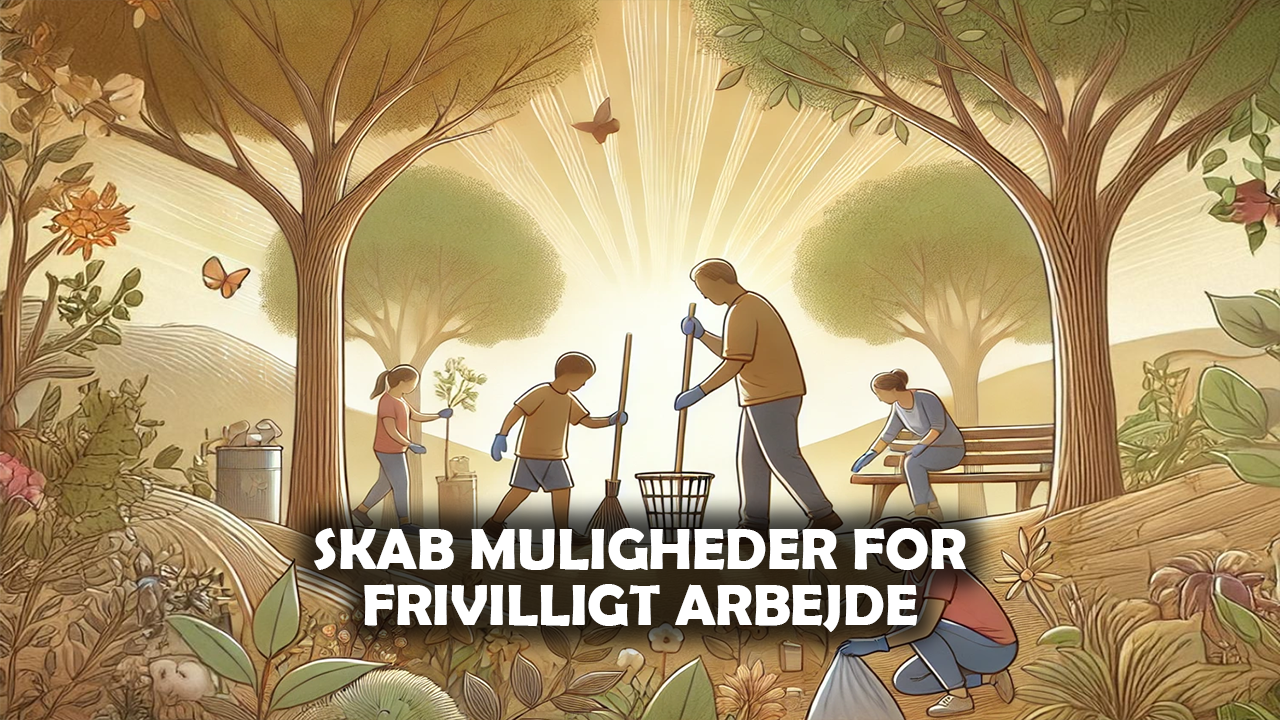
Volunteering is a wonderful way to teach children about responsibility, compassion and community. When children have opportunities to contribute in ways that make a difference to others, they strengthen their empathy and their understanding that we all have a responsibility towards the world around us. It gives them a sense of purpose and builds both confidence and social skills.
You do not need to find large, organised projects to get started. Volunteering can begin with small acts: picking up litter outdoors, baking a cake for an elderly neighbour, donating toys to a charity shop or helping at a local event. What matters most is that your child experiences how their efforts make a difference to others.
Talk to your child about why you are doing it, and focus on how it feels to help – not just the outcome. This teaches your child that doing something for others is valuable in itself and does not require a reward. By making room for volunteering together, you give your child more than a practical experience of responsibility and empathy – you also lay a strong foundation for them to grow up wanting to contribute positively to their community.
Ideas – How to Make Volunteering a Natural Part of Your Child’s Life
🤝 Responsibility and Empathy – Start with Small Everyday Acts of Volunteering with Your Child
Make volunteering manageable by starting with small actions. Help a neighbour with their shopping, gather toys to donate or bake cakes for a school community event. By showing that volunteering does not have to be a big undertaking to be valuable, you teach your child that helping others can be a natural part of everyday life – without needing extensive resources or plans.
🌳 Responsibility and Empathy – Take Part in Local Volunteering Activities with Your Child
Look for local opportunities such as conservation days, recycling collections or volunteer events at sports clubs and schools. Tell your child that communities become stronger when we work together for a good cause: “We’re helping our town, and that makes a difference.” When your child experiences volunteering as part of community life, they develop a sense of responsibility and belonging.
🧓 Responsibility and Empathy – Volunteer with Your Child to Help People in Your Local Area
Visit care homes, make drawings for older people who feel lonely or offer help to a family friend who needs support. Talk to your child about how kindness can bring others joy: “Look how happy she was that you visited.” Helping people directly gives your child first-hand experience of how even small actions can bring great joy and warmth.
🐾 Responsibility and Empathy – Find Opportunities to Volunteer with Animals and Nature with Your Child
Take part in animal welfare activities, visit animal shelters or help pick up litter in natural areas. Children love animals and nature, which makes this kind of volunteering both meaningful and engaging. Your child also learns to take responsibility for the environment and living creatures – an important part of developing empathy.
💬 Responsibility and Empathy – Talk About Feelings and Experiences with Your Child After Volunteering
After volunteering together, talk about the experience: “How did it feel to help?” and “What do you think it meant to them?” This reflection helps your child understand the value of their efforts and strengthens their sense of purpose and responsibility. Volunteering helps children develop empathy and pride in their contribution, teaching them that kindness is not only seen – it is felt.
REMEMBER – When children help others, both their empathy and confidence grow. Every time a child helps, their heart and the world grow a little too.
Set Realistic Expectations for Your Child’s Responsibility and Empathy
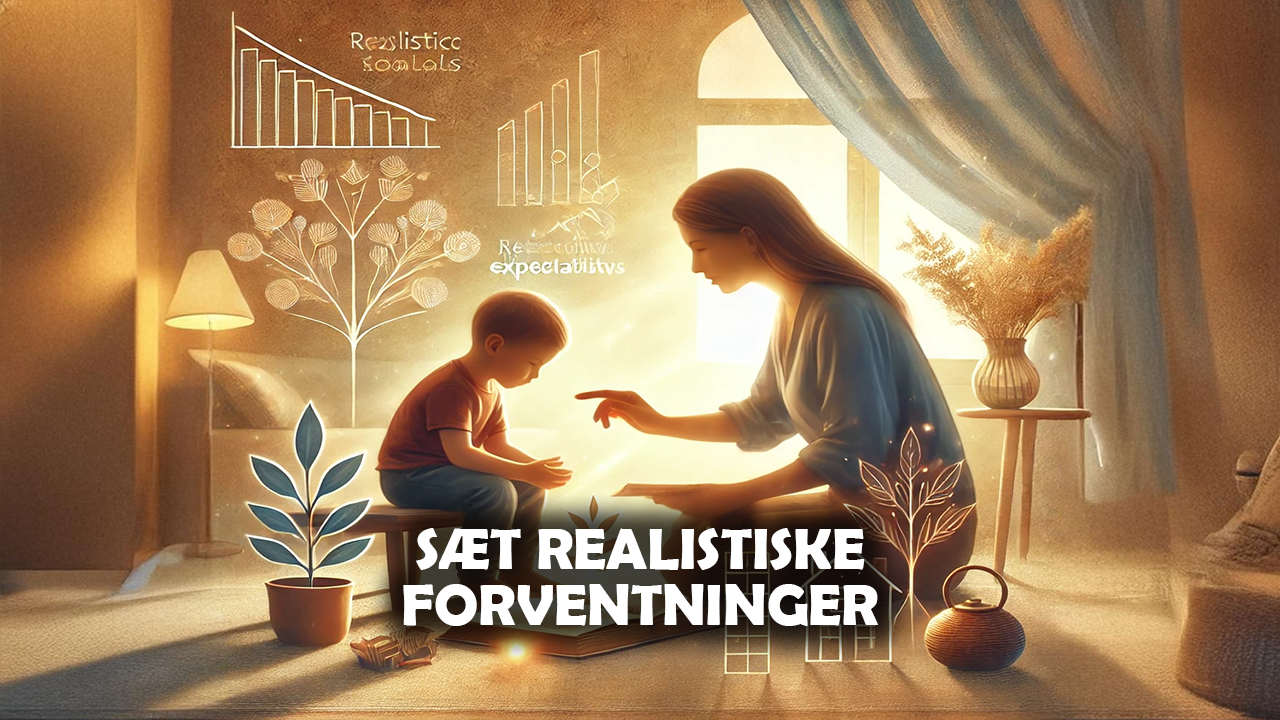
Raising responsible and empathetic children is not about setting high expectations, but about setting the right expectations – at the right time. When you set realistic expectations for your child, you show that you trust their abilities while taking their age, development and personality into account. Realistic expectations help your child understand what is expected of them without feeling overwhelmed or inadequate.
These expectations might include tidying up after themselves, apologising, listening to others, helping at home or trying to resolve conflicts positively. Small, clear and achievable goals build motivation and give your child opportunities to experience success and a sense of responsibility.
It is important to adjust your expectations as your child develops. Expectations that are too high can lead to stress and low self-esteem, while those that are too low can prevent your child from growing and learning. Show understanding, be patient and help your child move forward when something does not work out – without giving up or taking responsibility away from them.
By setting realistic, caring expectations that support your child’s development, you create a safe environment where they can grow through the tasks they take on and develop into a responsible and empathetic person.
Ideas – How to Set Realistic Expectations for Your Child in Everyday Life
🧭 Responsibility and Empathy – Adjust Your Expectations to Your Child’s Age and Development
Observe your child and notice what they can manage and where they need support. Realistic expectations mean expecting effort and learning – not perfection. Talk positively with your child about goals: “We’re practising together, and it’s okay if it takes time.” When your child experiences expectations that match their abilities, they develop confidence and patience.
🎯 Responsibility and Empathy – Set Small Milestones to Make Expectations Realistic for Your Child
Help your child break larger tasks into smaller, manageable steps. This makes realistic expectations concrete and motivating. Celebrate small successes and emphasise effort rather than results. This teaches your child that development is a process and that success is achieved one step at a time. In this way, your child learns to work towards goals without becoming frustrated or giving up.
🌱 Responsibility and Empathy – Respect Your Child’s Pace When Setting Realistic Expectations
Every child develops differently – socially, physically, emotionally and cognitively. By respecting your child’s pace, you avoid unnecessary pressure and strengthen their belief in their own abilities. Say things such as: “You’re learning at your own pace, and I’m proud of you.” This shows your child that progress matters more than comparisons with others, building inner strength and resilience.
💬 Responsibility and Empathy – Communicate Your Expectations Clearly and Realistically
Share your expectations calmly, positively and clearly. Explain what you expect and why: “We’re practising taking responsibility because it helps you become independent.” When your child understands the purpose behind realistic expectations, they feel supported rather than controlled. This clarity applies to responsibility, behaviour and feelings alike.
🕊 Responsibility and Empathy – Create a Safe Space Where Realistic Expectations Leave Room for Mistakes
When your child faces difficulties or makes mistakes, remain calm and supportive. Remind them that mistakes are an important part of learning. Use phrases such as: “That’s perfectly okay – mistakes just show that we’re trying.” A safe learning environment makes realistic expectations a positive guide rather than a source of stress. Your child learns to manage frustration, build resilience and stay motivated.
REMEMBER – Children grow strongest when realistic expectations are supported by security, patience and achievable boundaries. Caring, realistic expectations give children room to grow and enjoy life, helping them become strong, secure, responsible and empathetic.
Responsibility and Empathy – Teach Your Child to Handle Mistakes Constructively
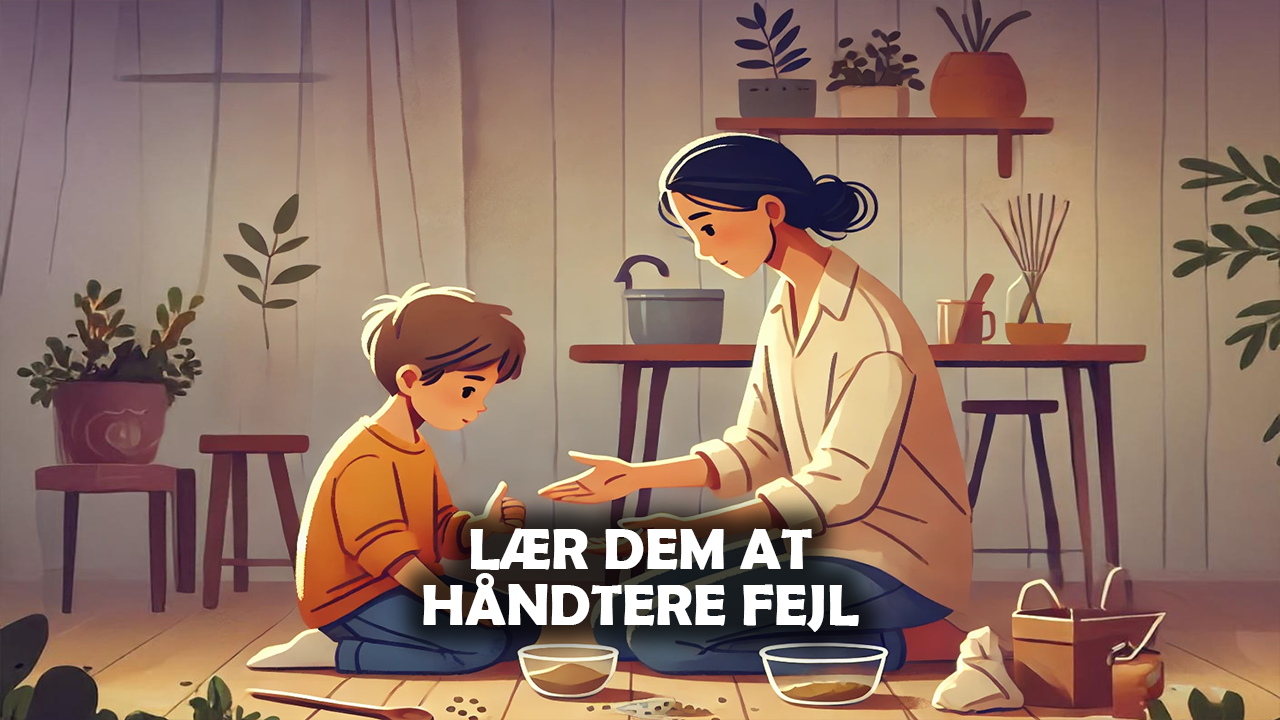
Making mistakes is a natural and inevitable part of life – and an important part of learning and personal development. Children who learn to handle mistakes in a healthy way become more resilient, responsible and empathetic. They have the courage to try new things, take the initiative and accept responsibility, even when things do not go as planned.
As a parent, you play a crucial role in shaping your child’s attitude towards mistakes. Instead of focusing on what went wrong, you can help your child see mistakes as opportunities to learn: “What could you do differently next time?” or “That was a good effort – what did you learn from it?” This teaches your child that mistakes are nothing to fear, but a natural part of becoming wiser and more capable.
It is also important to show that feeling disappointed or frustrated is perfectly okay. Help your child put their feelings into words and move forward together. When your child is met with understanding rather than criticism, they gain the courage to take responsibility and put their mistakes right without losing confidence.
Share your own experiences of making mistakes and how you learnt from them. This shows that nobody is perfect and that what matters most is how we pick ourselves up again. By teaching your child to approach mistakes with openness and reflection, you give them a strong foundation for responsibility, learning and empathy throughout life.
Ideas – How to Support Your Child in Handling Mistakes in a Healthy Way
💬 Responsibility and Empathy – Talk Openly with Your Child About Handling Everyday Mistakes Positively
When your child makes a mistake, talk calmly about the situation: “What happened?” and “What can we learn from it?” By creating a safe space for conversation, you teach your child that handling mistakes is about reflection rather than blame. Your child learns that it is safe to talk about mistakes – and that learning comes through curiosity and openness.
🌱 Responsibility and Empathy – Teach Your Child That Handling Mistakes Starts with Making an Effort
Highlight and praise effort and willingness to try: “I can see you really tried – that’s brilliant.” When your child feels that you value effort more than getting everything right, they learn that handling mistakes is about courage and perseverance. This makes them more willing to try again and approach new challenges with an open mind.
🧠 Responsibility and Empathy – Use Mistakes as Opportunities to Help Your Child Develop Strategies for Handling Them
Help your child find solutions and alternative approaches. Ask questions such as: “What could you try next time?” or “How could we do it differently?” This makes handling mistakes an active process in which your child learns problem-solving, flexibility and creative thinking – all important life skills.
❤️ Responsibility and Empathy – Show Compassion When Your Child Is Dealing with Mistakes
Comfort your child when they become frustrated and remind them that their feelings are okay: “It’s normal to feel upset when things don’t work out.” When children feel seen and supported in their emotions, they learn that dealing with mistakes is nothing to be ashamed of, but a natural part of development. Empathy from parents builds emotional security – and gives children greater courage to try again.
🎯 Responsibility and Empathy – Celebrate Small Steps Forward in How Your Child Handles Mistakes
When your child tries again after a mistake, acknowledge it clearly: “You didn’t give up – well done!” Celebrate improvements and small successes. Supporting your child in this way builds motivation, perseverance and a healthy understanding of themselves. Your child learns that progress – not perfection – is the goal.
REMEMBER – Mistakes are not defeats – they are valuable lessons disguised as challenges. Handling mistakes positively builds strength, courage and curiosity. A responsible and empathetic child who dares to make mistakes also dares to pursue their dreams and succeed.
Responsibility and Empathy – Build Healthy Self-Esteem in Your Child
Healthy self-esteem provides the foundation for children to grow into responsible and empathetic people. When children believe in themselves and feel valued for who they are – not just for what they achieve – they feel more secure in social relationships, become better at taking responsibility and are more open to other people’s feelings and needs.
As a parent, you can strengthen your child’s self-esteem by showing genuine interest and appreciation. Listen actively, be present and praise not only results, but also effort, courage and progress: “I can see you really tried – well done.” This helps your child understand that their worth does not depend on being perfect, but on being themselves and doing their best.
Give your child appropriate responsibilities in everyday life so they experience how they can contribute and make a difference. When your child feels that you trust them, their belief in their own abilities grows. It is also important to support your child through difficult feelings and mistakes with understanding and guidance rather than scolding. This shows them that it is okay not to be able to do everything – and that they are still loved and good enough.
A child with strong self-esteem has the courage to take responsibility, show care and act with integrity. By building strong, healthy self-esteem in everyday life, you give your child a solid foundation for both personal and social development.
Ideas – How to Support Strong, Healthy Self-Esteem in Your Child
💬 Responsibility and Empathy – Strengthen Your Child’s Self-Esteem Through Affirming Communication
Listen actively and show genuine interest in your child’s thoughts and feelings. Acknowledge their strengths and efforts: “I can see you really put effort into that.” When you respond to your child with respect and curiosity, they feel that their opinion matters – a central part of developing strong, healthy self-esteem. Reflecting their value back to them in this way gives your child the courage to express themselves freely and confidently.
🎯 Responsibility and Empathy – Highlight Your Child’s Progress to Strengthen Their Self-Esteem
Focus on development, not perfection. Help your child recognise how far they have come rather than looking only at results. For example, say: “Look how much you’ve learnt!” By valuing effort, you teach your child that strong self-esteem is about learning and courage, not being the best. This builds resilience and helps them enjoy growing at their own pace.
🌱 Responsibility and Empathy – Give Your Child Space to Develop Self-Esteem Through Independence
Let your child make decisions, try new things and explore their interests without constant direction. Small choices about clothing, playtime or tasks help your child build strong, healthy self-esteem and belief in their own abilities. When children feel that their choices are respected, they feel capable – strengthening their sense of identity and confidence.
🛠 Responsibility and Empathy – Help Your Child Build Self-Esteem by Handling Challenges
Support your child in facing challenges rather than removing them. When your child discovers that they can solve problems with your support in the background, they develop perseverance and confidence. For example, say: “It’s okay that it’s difficult – try again, I’m here.” This approach teaches your child that self-esteem does not depend on succeeding the first time, but on believing they can learn and grow.
❤️ Responsibility and Empathy – Show Unconditional Love to Build Your Child’s Self-Esteem
Tell your child that they are loved for who they are – not just for what they do. Hugs, smiles, eye contact and a calm tone of voice show your child that they are valued. Unconditional love nurtures strong, healthy self-esteem. When your child feels accepted through both good times and difficulties, they develop a steady belief in themselves, whatever life brings.
REMEMBER – Love, support and patience are the building blocks of responsibility, empathy and strong, healthy self-esteem in your child. A child with strong self-esteem dares both to dream and to take action.
Find more tips on positive ways to help your child develop healthy self-esteem in our article – Helpful Practical Tips for Strengthening Your Child’s Self-Esteem
Responsibility and Empathy – Support Your Children’s Social Relationships

Good social relationships are essential to children’s well-being and development – and they play an important role in raising responsible and empathetic children. When children have opportunities to build and maintain friendships, they learn to show consideration, cooperate, resolve conflicts and understand other people’s feelings and needs.
As a parent, you can actively support your child’s social life by creating an environment where relationships can flourish. This might involve inviting friends over to play, encouraging participation in extracurricular activities or helping your child find groups where they feel safe and included. Talk to your child about friendships and help them put both positive and difficult experiences into words.
If your child finds it difficult to join in with social groups, respond with patience and support. Practise social skills through play and conversation – such as listening, sharing, apologising and recognising other people’s signals. Be a role model yourself, too: show respect, openness and kindness in your own relationships.
By strengthening your child’s social relationships, you help them grow as a person – taking responsibility for themselves while caring for others. A child who experiences a genuine sense of belonging learns to be part of something bigger and becomes keen to make a positive contribution.
Ideas – How to Support Strong Social Relationships for Your Children
👥 Responsibility and Empathy – Create Everyday Opportunities for Your Child to Develop Social Relationships
Arrange playdates, family gatherings and extracurricular activities where your child can meet and interact with others their age. Explain why social relationships matter: “We learn from one another, help one another and have fun together.” When your child has opportunities to meet different people, they develop social skills and confidence in group settings.
💬 Responsibility and Empathy – Talk About Friends and Feelings to Help Your Child Understand Social Relationships
Take time to ask open-ended questions about your child’s day at school or nursery: “Who did you play with?” or “How were your friends feeling?” This helps your child reflect on social relationships and emotions. Together, you can discuss what makes a good friendship and how to support others – a key part of building deep and lasting relationships.
🧠 Responsibility and Empathy – Teach Your Child Communication Skills That Strengthen Social Relationships
Practise active listening, taking turns and respectful conversation. Help your child say things such as: “Can I join in too?” or “How can we solve this together?” These skills strengthen social relationships by teaching your child to express themselves clearly and with empathy. Praise your child when they communicate respectfully and cooperate well.
🤝 Responsibility and Empathy – Practise Conflict Resolution with Your Child as Part of Social Relationships
Conflicts are a natural part of relationships. Help your child practise apologising, finding compromises and understanding other people’s perspectives. For example, say: “When we resolve conflicts together, our relationships become stronger.” By using conflicts as learning opportunities, your child develops both empathy and self-control.
🌱 Responsibility and Empathy – Be a Good Role Model for Your Child in Social Relationships
Children learn about social relationships by watching how adults interact with others. Show kindness, listen to your own friends and be empathetic in your social interactions. Explain your actions: “I’m helping my friend because good relationships matter.” When your child sees you building and nurturing relationships, they learn to do the same naturally.
REMEMBER – Good relationships in childhood lay the foundation for a happy, loving life. Close social connections give your child security, responsibility, empathy and strength.
Responsibility and Empathy – Practise Mindfulness with Your Children

Mindfulness – or paying attention to the present moment – can be a valuable tool in raising responsible and empathetic children. When children learn to be present and notice their thoughts and feelings without judging them, they become better at understanding both themselves and others. This strengthens self-regulation, empathy and the ability to act thoughtfully rather than impulsively.
Mindfulness does not need to be complicated. It can involve simple everyday exercises: taking deep breaths together during a quiet moment, eating a piece of fruit slowly and noticing its flavour, or lying down and noticing sensations throughout the body from head to toe. Small moments when you slow down and are present together can make a big difference.
You can also use child-friendly mindfulness exercises or listen to short guided meditations designed for children. What matters is not how long you practise, but that you do so calmly, patiently and with shared attention. Practising mindfulness together teaches your child to notice how they feel, find calm and take responsibility for their reactions. This strengthens not only their inner calm, but also their ability to respond to others with understanding and compassion.
Ideas – How to Practise Mindfulness with Your Children in Everyday Life
🌬️ Responsibility and Empathy – Start with Breathing Exercises to Make Mindfulness Easy and Accessible for Your Child
Teach your child to take slow, deep breaths. Have short “mindfulness breaks” where you breathe deeply in through your nose and slowly out through your mouth. You can make it fun with images such as “blow up a balloon” or “smell the flower, blow out the candle”. Regular mindful breathing strengthens the ability to find calm and focus – even during busy moments.
👣 Responsibility and Empathy – Use Nature as a Setting for Practising Mindfulness with Your Child
Take your child outdoors and be quiet for a moment. Listen to the birds, feel the wind, watch the clouds or notice small details in your surroundings. Talk about what you can see, hear and feel. Mindfulness in nature helps your child feel grounded, absorbed in the moment and calm, while the natural surroundings make it easier to be present without demands or interruptions.
🧘 Responsibility and Empathy – Share Short Mindfulness Moments Focused on Bodily Sensations with Your Child
Try a body scan with your child: start at their feet and work upwards, “checking in” with their body. Ask: “How do your feet feel? Your tummy? Your shoulders?” These body-focused mindfulness exercises teach your child to notice bodily sensations and recognise emotions early on. Mindful body awareness strengthens inner calm, self-regulation and the connection between thoughts, body and feelings.
🎨 Responsibility and Empathy – Use Creative Moments to Practise Mindfulness with Your Child
Enjoy creative mindfulness activities with your child, such as drawing, modelling clay, painting or quietly playing with LEGO. Focus on the experience rather than the result. For example, say: “Let’s just enjoy doing this and see what happens.” Creative mindfulness teaches your child that the process and being present are what count, not perfection.
🌟 Responsibility and Empathy – End the Day with a Mindful Conversation with Your Child
Introduce a calm evening routine where you talk about the day together. Ask questions such as:
“What made you happy today?”
“What did you notice in your body today?”
“What would you like to let go of before going to sleep?”
This form of mindfulness at the end of the day helps your child release tension, develop reflection and go to bed with a calm mind and an open heart.
REMEMBER – Mindfulness in childhood develops into lifelong mental and emotional strength. When children learn to find calm, they also learn balance, courage, responsibility and empathy.
Find helpful tips on building mental strength together with your children through mindfulness and meditation in our article – Helpful Tips for Building Mental Strength Through Mindfulness and Meditation
Responsibility and Empathy – Set Clear Boundaries for Your Child
Setting boundaries is an important part of raising responsible and empathetic children. Clear, loving boundaries give your child a secure framework to navigate and teach them that actions have consequences – both for themselves and for others. When your child knows what is expected and what is acceptable, it becomes easier to take responsibility and show consideration.
Boundaries should be clear and consistent rather than harsh or punitive. They show your child that rules help everyone get along – for example, speaking kindly, tidying up after themselves or not hitting, even when they feel angry. It is also important to explain why a boundary exists, so your child understands its purpose rather than simply experiencing it as control.
When your child crosses a boundary – which will happen – it is an opportunity for learning, not shame. Respond calmly and clearly: “I can see you felt angry, but it’s not okay to shout like that. Let’s find a better way to say it.” This teaches your child to regulate their behaviour and take responsibility for their actions.
Loving boundaries give your child the opportunity to develop self-control, respect for others and a strong inner compass – all essential qualities for a life guided by responsibility and empathy.
Ideas – How to Set Clear Boundaries for Your Child in Everyday Life
🧭 Responsibility and Empathy – Be Clear When Setting Boundaries for Your Child
Explain calmly and specifically what you expect: “We speak quietly at the table” or “The toys need to be put away before we get something else out.” When you set clear boundaries using specific rules rather than vague instructions, your child learns more quickly to understand and act within them. Clarity creates security and makes everyday life easier for your child to navigate.
🔁 Responsibility and Empathy – Be Consistent with Your Child’s Boundaries
Children learn best when rules apply consistently. If boundaries change from day to day, your child becomes confused and will often test them again. By being consistent, you avoid unnecessary conflicts and send the message: “I mean what I say, and I’m looking after you.” Consistent boundaries build stability and mutual respect.
❤️ Responsibility and Empathy – Show Love When Maintaining Boundaries for Your Child
Boundaries should always be set with warmth, not harshness. When your child becomes frustrated, acknowledge their feelings: “I can hear that you’re angry, but we’re sticking to what we agreed.” This balance shows your child that their feelings are valid while the boundaries remain in place. Empathy and firm boundaries can go hand in hand.
🎯 Responsibility and Empathy – Help Your Child Understand the Boundaries You Set
Talk to your child about why rules exist. For example, say: “Boundaries help us be kind to one another and to ourselves.” When your child understands the purpose behind the boundaries you set, it encourages motivation and cooperation. Let your child ask questions and make suggestions – this strengthens their sense of responsibility and gives them a voice in decisions.
🧘 Responsibility and Empathy – Teach Your Child to Respect Other People’s Boundaries and Understand Their Own
Boundaries are not just something adults set for your child – they are also something your child learns to establish for themselves and respect in others. Practise phrases such as: “Stop, I need some space” or “I’m happy to wait my turn.” When your child learns that other people’s boundaries are just as important as their own, they gain an important lesson in social relationships, respect and empathy.
REMEMBER – Boundaries set with care and love help children develop strength and respect. Clear boundaries create security – and secure children have the courage to grow, making these boundaries an important part of developing responsibility and empathy.
Responsibility and Empathy – Discuss Moral Dilemmas with Your Child

Raising a child to be responsible and empathetic is not just about rules and routines – it is also about strengthening their ability to think independently, form their own views and understand how their actions affect others. One effective way to do this is to talk to your child about moral dilemmas.
Moral dilemmas arise when there is no single, clearly right answer and your child needs to consider different perspectives and values. These might involve questions such as: “What would you do if you saw a friend taking something that wasn’t his?” or “Is telling the truth always the right thing to do?” Conversations like these develop your child’s ability to reflect, empathise and take responsibility.
Adapt the dilemmas to your child’s age and everyday life, and create a safe space where there are no wrong answers – just opportunities to think aloud and explore questions together. Listen to your child’s reasoning, ask open-ended questions and share your own thoughts and experiences without judging.
When you make discussions about difficult choices and other people’s perspectives a natural part of everyday life, you strengthen your child’s moral compass. This helps them develop integrity and the courage to do the right thing – even when it takes extra effort.
Ideas – How to Talk to Your Child About Moral Dilemmas in Everyday Life
🧠 Responsibility and Empathy – Use Everyday Situations to Talk About Moral Dilemmas with Your Child
When conflicts or choices arise during your child’s day, use the moment to ask: “What did you think was the right thing to do?” or “What could you do if it happens again?” Discussing moral dilemmas in specific situations helps your child put ideas into practice and develops both their ability to reflect and their sense of responsibility.
📚 Responsibility and Empathy – Explore Moral Dilemmas with Your Child Through Stories and Films
Children’s books, films and fairy tales are full of moral dilemmas. Pause along the way and ask your child: “Was that fair?”, “What could the person have done differently?” or “How do you think the other person felt?” When your child has opportunities to think things through with you, they practise finding nuanced answers and understanding moral perspectives.
💬 Responsibility and Empathy – Ask Open-Ended Questions to Explore Moral Dilemmas with Your Child
Avoid questions that only invite yes or no answers, and instead ask questions such as:
“What options were there?”
“Who was affected?”
“What would be fairest?”
This way of discussing moral dilemmas teaches your child to think critically and empathetically – and to understand how actions affect others.
🌟 Responsibility and Empathy – Create a Sense of Safety When Discussing Moral Dilemmas with Your Child
It is important that your child feels safe sharing their thoughts aloud – even when their answers are not perfect. Tell your child: “We’re practising thinking together – there isn’t always one right answer.” A safe space makes it easier for your child to explore moral dilemmas, question things and develop their own understanding of values.
🤔 Responsibility and Empathy – Share Your Own Experiences of Moral Dilemmas with Your Child
Tell your child about situations where you have faced moral dilemmas: “It was difficult, but I chose to tell the truth” or “I wanted to help, even though it took time.” By setting an example, you teach your child that moral dilemmas arise throughout life – and that strength, empathy and courage often go hand in hand, including in adulthood.
REMEMBER – Your child develops sound moral judgement through safe, supportive conversations, not just rules. A child who learns to think ethically grows up to act with consideration, responsibility and empathy.
Responsibility and Empathy – Teach Your Children Problem-Solving Skills
The ability to solve problems is an important part of being both responsible and empathetic. When children learn to approach challenges thoughtfully and creatively – instead of giving up or reacting impulsively – they strengthen their confidence, social understanding and ability to take responsibility for their actions.
As a parent, you can actively support your child’s problem-solving skills by involving them in small everyday challenges. These might range from finding a solution when two siblings want to play with the same toy to finding alternatives when something does not go as planned. Ask questions rather than offering quick solutions: “What could you do here yourself?”, “What do you think your friend was thinking?” or “How could you find a solution you would both be happy with?”
What matters is not avoiding problems, but giving your child the tools to handle them constructively. Teach your child to take a step back, consider possible options, listen to other people’s views and take responsibility for their part. This helps your child become more independent and better able to navigate relationships with respect and consideration.
When children discover that they can find solutions – both independently and with others – their belief in their own abilities grows, along with their desire to contribute positively to their community.
Ideas – How to Practise Problem-Solving with Your Children
🧠 Responsibility and Empathy – Ask Your Child Open-Ended Questions to Strengthen Problem-Solving Skills
When your child faces a challenge, help them start thinking by asking: “What do you think we could do?” or “What options can you see?” Open-ended questions make problem-solving active and engaging. Your child learns to think rather than wait for answers – and develops a habit of looking for solutions instead of giving up.
🧩 Responsibility and Empathy – Break Challenges Down with Your Child as Part of Problem-Solving
Many problems feel big until they are broken down into smaller steps. Help your child see that problem-solving often begins with small steps. For example, say: “Let’s take it one step at a time.” When your child discovers that complex situations can be handled in manageable parts, their ability to tackle bigger challenges calmly and methodically grows.
🎯 Responsibility and Empathy – Let Your Child Take Ownership of Problem-Solving
Support your child in finding their own solutions before offering yours. If something goes wrong, ask: “What could you try next time?” or “How could you solve it yourself?” This approach builds a sense of responsibility and makes problem-solving a natural part of your child’s growing independence. Your child learns that they can make changes and find solutions themselves.
🤝 Responsibility and Empathy – Teach Your Child to Solve Problems Collaboratively
Many problems are best solved together. Show your child how to brainstorm, exchange ideas and listen to other people’s suggestions. Say: “How can we find a solution together?” When your child experiences problem-solving as a shared process, they become better at cooperating, accepting input and enjoying shared successes.
🔄 Responsibility and Empathy – Help Your Child See Mistakes as a Normal Part of Problem-Solving
Explain to your child that mistakes are not the end – they are part of finding a solution. If something does not work, say: “Okay, that didn’t work – what could we try instead?” When children see mistakes as opportunities to learn, they become more courageous and flexible in their problem-solving. This builds perseverance, creativity and a healthy attitude towards challenges.
REMEMBER – When children learn to solve problems positively and constructively, they learn to trust themselves. A child who learns problem-solving skills learns to see possibilities rather than obstacles – an important part of becoming responsible and empathetic.
Responsibility and Empathy – Be Patient and Consistent with Your Children
Raising responsible and empathetic children requires both patience and consistency. Children do not learn everything at once, and it is perfectly natural for them to test boundaries, forget agreements or react emotionally. Your calmness and perseverance as a parent are essential to giving your child opportunities to learn and develop in a safe environment.
Patience means responding to your child with understanding – even when they do not succeed the first time. Waiting their turn, apologising or taking responsibility for a mistake can be difficult. But when you show that it is okay to practise and make mistakes, you create an environment where your child feels confident enough to try again. Praise their effort and help them move forward when something is difficult.
Consistency is not about punishment, but about being clear and reliable. Once you have established a rule or agreement, your child needs to know that it applies every time. This creates clarity and security. Consistency shows your child that your words matter and that responsibility and actions go hand in hand. Together, patience and consistency create a stable and predictable approach to parenting that gives your child room to grow – and teaches them that respect, responsibility and empathy begin with trust and clear boundaries.
Ideas – How to Raise Your Child with Patience and Consistency in Everyday Life
🧭 Responsibility and Empathy – Establish Clear Agreements with Your Child Through Patience and Consistency
Make simple, clear agreements with your child and repeat them calmly as needed. Explain why the rules exist: “We do it this way to keep our home calm and respectful.” When your child knows what is expected, being patient and consistent becomes easier because the structure itself creates calm and understanding.
♻️ Responsibility and Empathy – Repeat Messages Calmly to Your Child with Patience and Consistency
Children learn through repetition – often a great deal of it. Stay calm and say things in the same way again and again: “We speak quietly at the table” or “We tidy up before getting something else out.” Repeated, gentle firmness teaches your child that you mean what you say – and that learning takes time. This makes a patient, consistent approach both loving and effective.
❤️ Responsibility and Empathy – Stay Calm During Conflicts with Your Child to Practise Patient, Consistent Parenting
When your child becomes frustrated, remain calm and supportive. Acknowledge their feelings while sticking to the agreement: “I can hear that you’re angry. We’ll work through this together, but the rule still stands.” By being patient and consistent during emotional moments, you teach your child self-regulation, respect and emotional strength.
🎯 Responsibility and Empathy – Follow Through on Consequences with Patience and Consistency
When an agreement is broken, help your child understand the consequence and what they can learn from it. Consequences do not have to mean punishment – they might involve trying again, putting things right or apologising. Being patient and consistent means following through every time, but with care and a focus on learning rather than shame.
🧠 Responsibility and Empathy – Remember That Children Learn Over Time: Be Patient and Consistent with Your Child’s Development and Learning
Respect the fact that self-control, respect and empathy develop gradually. Remind yourself that you are not just raising your child for today – you are preparing them for life. When you accept the process and continue to be both patient and consistent, you give your child a lifelong gift: emotional stability, a clear sense of right and wrong and inner strength.
REMEMBER – Children learn best through positive parenting grounded in calmness, repetition and loving boundaries. Patience creates calm – consistency provides direction. When you stand firm with love in your heart, your child develops responsibility, empathy and self-esteem, giving them a strong foundation for life.
Conclusion

Raising responsible and empathetic children is a journey filled with small steps, big emotions and countless learning moments. It is not about perfection, but about being present, repetition and loving everyday actions. When we respond to our children with warmth, clarity, patience and respect, we give them the best possible foundation for becoming people who feel secure in themselves and treat others kindly.
Your child’s empathy, responsibility and self-esteem develop gradually through shared experiences, support from adults and opportunities to try things independently. Every little conversation, boundary, hug, mistake, reflection and success is an important part of their development. You do not need to have all the answers – what matters most is being there, offering guidance and helping your child believe in themselves and the world around them.
Your commitment, patience and love as a parent make a difference. Even small moments – such as a calm conversation, a supportive smile or a simple “you can do it” – can shape a child’s future in ways that matter for many years to come.
REMEMBER – Responsible and empathetic children grow through love, clarity and patience. Teach good values with your heart – and watch your child grow with strength, empathy and joy.
Mini-Guide – Key Points for Raising Responsible and Empathetic Children
This mini-guide summarises the article above and offers helpful tips for raising responsible and empathetic children.
🌟 Responsibility and Empathy – Show Your Child Empathy in Everyday Life
Children learn by example. Listen, acknowledge feelings and show care – and your child will learn to do the same for others.
🧭 Responsibility and Empathy – Set Clear Expectations and Boundaries for Your Child
Clear rules and loving consistency create security. Your child learns responsibility and respect when expectations are stable and clear.
🤝 Responsibility and Empathy – Practise Cooperation and Helpfulness with Your Child
Involve your child in small tasks and decisions. Becoming an active part of family life develops both responsibility and empathy.
💬 Responsibility and Empathy – Talk About Feelings and Moral Dilemmas with Your Child
Help your child put feelings into words and think about right and wrong. This strengthens reflection, empathy and self-understanding.
🎯 Responsibility and Empathy – Give Your Child Room to Make Mistakes and Learn
Mistakes are not defeats – they are practice. Show your child that learning happens through trying, making mistakes and repetition.
👣 Responsibility and Empathy – Be Patient and Consistent in Raising Your Child
Development takes time. Maintain loving routines and positive habits – small steps lead to big results over time.
Small, loving and thoughtful everyday actions towards your children help them grow into responsible and empathetic people with a strong sense of self-worth. ❤️
If you need further inspiration for raising responsible and empathetic children, watch this video – How to Raise Emotionally Intelligent Children
If you have experience or knowledge of how to help children become responsible and empathetic, we would love to hear your thoughts and suggestions in the comments. Share other helpful approaches to raising responsible and empathetic children that support the happiness and well-being of the whole family.