
Developing your hobbies does not have to cost a fortune or mean signing up for expensive weekend courses. Quite the opposite – today, there is a wealth of affordable or completely free courses, workshops and learning opportunities just waiting to be explored. Whether you love creative projects, want to challenge yourself with new skills, nurture an emerging talent or are simply curious about learning something new in your everyday life, there are more opportunities than ever before.
Many people assume that courses automatically mean paywalls, lengthy registration lead times and half-empty bank accounts. But the truth is that plenty of public institutions, libraries, online platforms, clubs and hobby communities offer free knowledge and practical courses that are at least as good as the paid alternatives. It is simply a matter of knowing where to look – and how to make the most of both your time and the opportunities available.
When you learn something new related to your hobbies, you gain more than just knowledge. You also gain fresh energy, peace of mind, greater confidence and a sense of community with others who share your passion. And the more you develop your skills, the easier it becomes to discover new sides of yourself and get even more enjoyment from what you already love doing. In this article, you will find a range of practical tips, useful shortcuts and specific suggestions for where to find free or affordable courses covering everything from creative hobbies and outdoor activities to technical interests and hands-on learning.
In short – You get a guide that makes it easier – and cheaper – to get even better at what you are passionate about.
So sit back, get inspired, and let us explore the many ways you can develop your hobbies without breaking the bank.
Hobbies – Make Use of Free Resources on Online Platforms
When you want to develop your hobbies affordably and effectively, online platforms are among the most underrated treasures you can find. Today, there are thousands of free resources, courses, guides, videos and learning communities that allow you to learn quickly, flexibly and without spending a penny. This is a gift, especially if you want to try new hobbies, build skills in a particular area or get creative without investing in expensive courses.
The beauty of free online learning is that you set your own pace. You can learn late at night, during your lunch break, on the train or while sitting on the sofa. Most platforms offer step-by-step guides, exercises and video modules that make it easy to progress from beginner to a more experienced level at a pace that feels comfortable for you. For many people, another major advantage is being able to explore their hobbies gradually before spending money on equipment, materials or paid courses.
Online platforms also give you access to global communities. This means you can ask questions, share your progress, get feedback and learn from others who are passionate about the same hobbies as you — whether you are interested in art, exercise, music, technical projects, nature-based hobbies, cooking, DIY or something else entirely. These communities make the learning process both more enjoyable and far more motivating.
Tips for Using Online Resources to Learn More About Your Hobbies
🔎 Search for specific keywords that match your interest.
💬 Read reviews or comments to check the quality of the material.
🗓 Create a schedule to help you complete the course.
Ideas to Inspire You – Online Resources to Help You Develop Your Hobbies
🌐 Free Video Courses for Your Hobbies
Many online platforms give you free access to in-depth video courses that help you develop your hobbies in a structured way. You can learn everything from drawing portraits and playing the guitar to programming, photography or understanding the natural world – all without paying. Video courses are ideal when you want to learn at your own pace and prefer visual learning that guides you through your hobbies step by step. Many of these courses also include exercises, practical examples and recommended learning paths, so you have plenty of support along the way.
Here are some popular online platforms for your hobbies:
Coursera – Many courses are free if you do not want a certificate. The platform works with recognised universities and organisations.
Udemy – Often offers discounts and promotions that allow you to buy courses at low prices. Free courses are also available.
Khan Academy – An excellent learning resource, particularly for maths, science and history.
YouTube – Many experts and enthusiasts share free learning materials covering everything from music and art to programming.
📚 Digital Libraries Focusing on Hobbies
Libraries now offer far more than books – they also provide free access to online learning platforms, e-books, magazines and databases relevant to a wide range of hobbies. Here, you can explore guides, specialist books, inspirational materials and practical manuals that help you expand your knowledge without paying for it. Digital libraries are particularly useful when you want to explore a hobby in depth and learn from reliable, specialist materials that would otherwise cost money.
🎨 Online Communities Where Your Hobbies Can Grow
There is a wealth of online communities for almost every type of hobby – from creative DIY forums to music groups, craft clubs, cooking communities, technology forums and nature interest groups. Here, you can ask questions, get feedback, learn from others and share your own projects. These communities give you more than knowledge – they offer motivation, support and a sense of belonging to a wider community where everyone shares your passion.
🛠️ Platforms with Free Exercises and Practical Projects for Hobbies
Sites such as Instructables, wikiHow and various learning portals offer free step-by-step projects that are perfect if you enjoy learning by doing. These can cover anything from building things yourself and improving your creative skills to learning new cooking techniques or taking up a technical hobby. Many of these projects are created by enthusiasts who have tested them themselves – so you get practical, tried-and-tested solutions that make it easier to develop your hobbies through hands-on experience.
💬 Social Media as a Learning Tool for Hobbies
Instagram, TikTok and Facebook groups can be surprisingly powerful learning platforms when you use them well. Many experts and hobby enthusiasts share daily tips, guides, mini-courses and short tutorials that help you learn quickly and at no cost. You can follow your favourite creators, save their advice and find fresh inspiration regularly – keeping your hobbies going even when you only have five minutes here and there.
REMEMBER – The internet is your greatest playground and source of inspiration when you want to learn something new without spending a fortune, and when learning is free, there is no excuse not to get started.
Hobbies – Explore Local Libraries and Cultural Centres
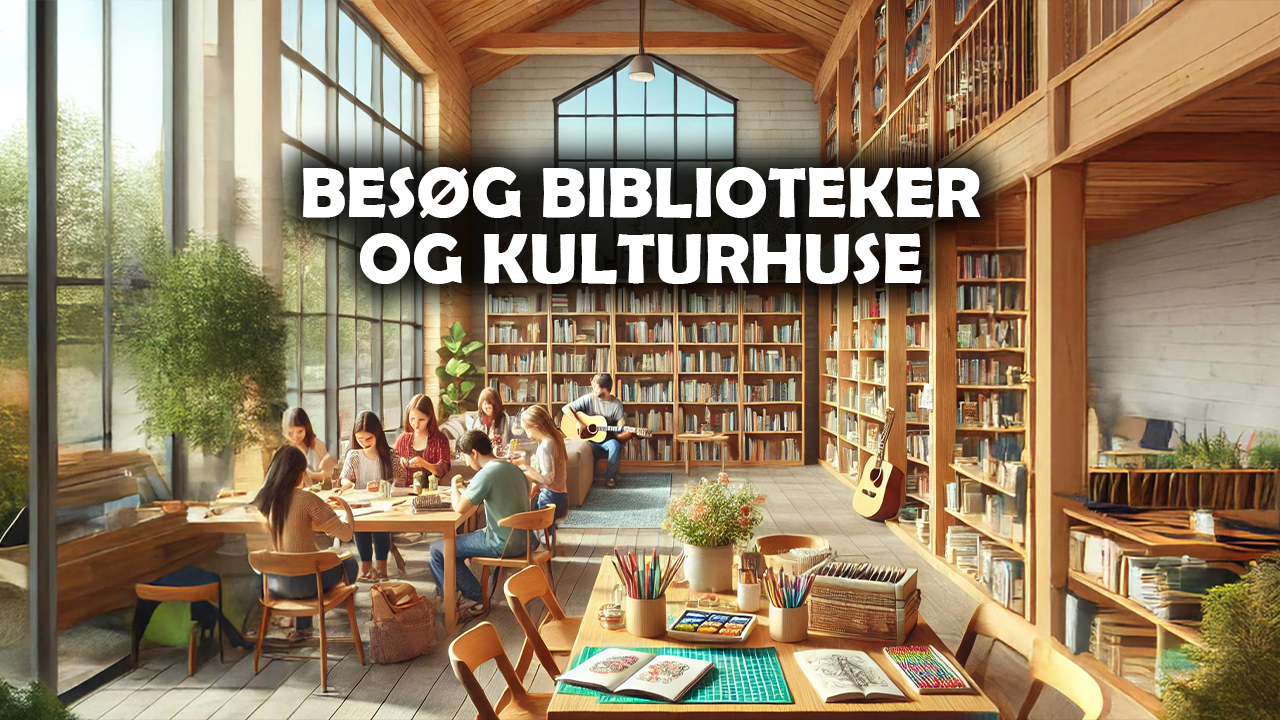
When you want to develop your hobbies without spending more than necessary, libraries and cultural centres are among our most overlooked learning treasures. They act as local knowledge hubs, bringing together people, materials, courses, talks, open workshops and free activities that provide inspiration and practical learning opportunities for almost any hobby. Many of their activities are either completely free or available for a small fee — making them ideal if you want to try new hobbies or build on your existing skills on a budget.
Libraries and cultural centres often offer everything from creative workshops and series of talks to practical courses in digital skills, art, music, understanding nature or crafts. Many also have equipment and materials you can borrow, or facilities you can use — such as sewing machines, tools, instruments, cameras, 3D printers, recording studios or makerspaces, allowing you to explore your hobbies through hands-on experience without investing in expensive equipment.
Local cultural venues also offer a particularly valuable benefit: they bring people together. This gives you the chance to meet others who share your hobbies, exchange advice and ideas, form new friendships and perhaps even find someone to enjoy your hobby with. Library staff can also often point you towards relevant resources, events or learning materials you would not have found on your own.
In short – Libraries and cultural centres are fantastic places to find knowledge, inspiration, equipment and connections — without needing a large budget.
Find Opportunities for Your Hobbies in Your Local Area
📚 Visit your library’s website or ask the staff.
📌 Check noticeboards in cultural centres and local community centres.
📧 Subscribe to newsletters from local organisations.
Ideas to Inspire You – How to Make the Most of Local Opportunities for Your Hobbies
📖 Free Local Courses and Events Related to Your Hobbies
Many libraries and cultural centres offer free courses, talks and workshops directly related to your hobbies. These can cover everything from creative evenings, digital learning sessions and nature education to music, photography, writing and crafts. These events give you the opportunity to find inspiration, gain new knowledge and learn from skilled instructors — without paying a thing. This makes them an ideal first step when you want to explore new hobbies and discover what truly captures your interest.
🎨 Local Open Workshops for Your Hobbies
Many cultural centres have open workshops, makerspaces or creative spaces where you can get hands-on with your hobbies. Here, you can use sewing machines, 3D printers, laser cutters, tools or craft materials that would normally be expensive to buy yourself. These workshops are ideal if you want to experiment, test ideas, learn by doing or develop specific projects — without having to invest in equipment beforehand.
📚 Local Access to Materials That Support Your Hobbies
Libraries have an enormous selection of books, magazines, digital materials and specialist resources covering almost every hobby imaginable. Here, you can explore in-depth guides, learning techniques, specialist literature and practical manuals that give you a solid understanding of your hobby. This is perfect if you want to learn basic techniques or explore theory and methods in depth — all without buying expensive books yourself.
🤝 Local Communities That Help You Develop Your Hobbies
Cultural centres and libraries act as meeting places for hobby groups, clubs and enthusiastic local people. Here, you can meet people who share your hobbies, exchange ideas, learn from one another and build new relationships. Most people progress more quickly when they share their hobby with others — and libraries are a natural place to start if you want to become part of an active community. You can also find inspiration for discovering hobby communities in our article – Top Tips for Finding Hobby Communities Without Spending a Fortune
🔎 Personal Guidance Locally to Help You Develop Your Hobbies
Librarians and cultural centre staff are often experts at directing you towards the right resources. If you tell them which hobbies you would like to develop, they can help you find relevant books, materials, online courses, events or workshops. This personal guidance makes it easier to find exactly the learning content that suits your needs — and the help is completely free.
REMEMBER – Explore local opportunities for your hobbies – you will often be surprised by how much is available for free. Your local library and cultural centre are often your shortcut to new hobbies — without hidden costs.
Hobbies – Explore Opportunities Through Adult Education Classes

For many years, adult education classes have been a fantastic starting point for exploring and developing hobbies in a way that is both sociable and affordable. They offer a wealth of courses – from creative subjects such as pottery, painting and music to practical topics such as IT, languages and finance. Many adult education providers work with local councils or associations, which means prices are often kept low, and some courses are even free for specific groups, such as students, older people or people who are unemployed.
Adult education providers such as FOF and AOF offer a wide range of courses that are often cheaper than similar private courses. Although most are not free, you can find affordable options, especially if you enrol early or are a student. When exploring adult education opportunities, your local council can be a good place to start. It often has a central directory of local courses, both in person and online. Many adult education providers also offer flexible learning options that combine classroom teaching with online learning – a perfect solution if you want to fit your hobbies into a busy everyday life.
Another advantage of adult education classes is the sense of community. You meet people who share your passions, exchange experiences and find fresh inspiration to develop your hobbies in ways you might never have imagined. Tutors can also often help you progress if you want to move to a higher level or take a more professional approach to your hobby. In short, adult education classes are among the most accessible ways to develop your interests – whether you want to learn something new, improve your skills or simply enjoy spending your free time on something meaningful.
Ideas to Inspire You – Develop Your Hobbies Through Adult Education Classes
Explore Your Creative Hobbies Through Adult Education Classes
Many adult education providers offer courses in creative subjects such as painting, pottery, photography and design. These are an ideal way to explore your imagination while learning techniques from experienced tutors. Creative hobbies improve concentration, motor skills and enjoyment of life – and offer an affordable, inspiring way to express yourself.
💻 Learn More About Your Digital Hobby Through Adult Education Classes
If you are interested in technology, you can find courses covering everything from photo editing and website building to video and audio production. Adult education providers often offer introductory classes that make it easier to get started without expensive equipment. These hobbies can quickly develop into practical skills you can also use professionally.
📚 Develop Your Interest in New Languages and Cultures Through Adult Education Classes
Language courses are a staple of adult education and an excellent choice if you want to travel, broaden your horizons or improve your career prospects. Whether you are learning Italian, Spanish or Japanese, you gain an insight into new cultures and connect with like-minded people who share your hobbies.
🎶 Discover Musical Hobbies in a Supportive Community Through Adult Education Classes
Have you always dreamed of playing the guitar, singing in a choir or learning the piano? Many adult education providers offer music classes for both beginners and more experienced learners, where you learn in small groups with personal guidance. Music is a hobby that stimulates the brain and creates a sense of connection when you practise with others.
🍴 Explore Your Culinary Hobby with Adult Education Cooking Classes
Adult education cooking classes are a fun, sociable way to discover new dishes, techniques and cultures. You can find everything from vegetarian dishes to baking and international cuisines – while also saving money by cooking from scratch. It is a practical hobby that the whole family can benefit from.
🧘 Combine Your Interests in Health with Yoga and Movement Through Adult Education Classes
Adult education providers often offer classes in yoga, Pilates, dance and relaxation. These are ideal if you want to combine your hobbies with physical and mental wellbeing. Many participants experience improved balance, strength and a greater sense of calm in everyday life – and these classes offer affordable alternatives to gyms.
REMEMBER – Adult education classes give you the chance to turn your hobbies into opportunities for connection, learning and greater enjoyment of life. They are the key to turning curiosity into skills while enjoying a warm, welcoming community.
Hobbies – Make the Most of Social Media and Online Communities
Today, social media and online communities are among the most valuable resources when you want to develop your hobbies without spending much money. Platforms such as Facebook, Reddit, Discord, YouTube and TikTok are full of groups, channels and forums where people share experiences, tutorials and free learning materials. Whether your hobby is photography, cooking, programming or gardening, you can find communities that offer free guidance, inspiration and opportunities to connect with like-minded people.
By taking an active part in these online communities, you can not only learn something new but also exchange experiences, ask questions and receive honest feedback. Many people share free materials such as e-books, videos and webinars that provide valuable knowledge – often at a more advanced level than you might expect from free resources. Some communities even organise virtual events, workshops and challenges where you can test your skills and learn alongside others.
Another advantage of social media is that you can tailor your learning. By following hashtags and accounts related to your hobby, you receive a steady stream of fresh inspiration directly in your feed. This makes learning a natural part of your everyday life without having to invest a great deal of money or time in formal courses.
In short – Social media and online communities are more than just a way to pass the time – they are a digital goldmine of knowledge, connections and motivation. All it takes to get started is curiosity and a little initiative.
Ideas to Inspire You – Develop Your Hobby Through Online Communities
🌐 Find Groups for Your Hobby on Social Media
Facebook, Reddit and similar platforms are brimming with groups where people come together to share experiences, ask questions and develop their hobbies together. You can find everything from local knitting groups and photography enthusiasts to international communities for musicians, writers or food lovers. You gain access to advice, tutorials and support, and many members share free resources such as recipes, instructional videos or useful links. When you actively join in the conversations, you soon begin to build both your knowledge and your confidence in your hobby.
🎥 Learn More About Your Hobby Through YouTube Channels and Tutorials
YouTube is one of the best places to develop your hobbies for free. It offers countless tutorials, step-by-step videos and complete courses created by both professional instructors and passionate amateurs. You can learn everything from playing the guitar and painting with watercolours to coding, baking sourdough bread or growing plants on your balcony. Many channels also provide practice tasks and challenges so you can track your progress as you go. YouTube allows you to develop your skills at your own pace – and you can easily return to lessons and watch them again whenever you need a refresher.
💬 Join Discussions About Your Hobby on Reddit or Discord
If you want to explore your hobby in greater depth and discuss more specific topics, Reddit and Discord are ideal platforms. They host thousands of specialist communities where members discuss techniques, equipment, trends and experiences. You can ask questions and get quick answers from people with years of experience, or contribute your own observations. Many Discord groups organise shared projects, challenges and live chat sessions where you learn through conversation and collaboration. This helps you develop not only your practical skills but also your ability to work with others and think creatively together.
📱 Follow Experts and Mentors in Your Hobby Online
Instagram, LinkedIn and TikTok are full of experts, instructors and enthusiasts who generously share free tips, guides and short instructional videos. By following relevant hashtags and accounts, you receive daily inspiration directly in your feed – little prompts that motivate you to keep developing your hobby. Many creators also host live sessions where you can ask questions directly and receive personal guidance. It is an easy, effective way to stay up to date while becoming part of a wider learning community. For example, you can sign up for live sessions through Meetup or Eventbrite.
🧠 Take Part in Free Online Workshops and Webinars Related to Your Hobby
Various educational institutions, cultural centres and independent instructors run free online courses, webinars and live events covering everything from creativity and technology to languages and personal development. These events combine knowledge, community and practice, giving you both theory and practical tools to develop your hobby. Many workshops are recorded, so you can watch them again whenever it suits you. This makes it easy to acquire new skills without paying for expensive courses.
🤝 Share Your Hobby and Inspire Others Online
When you start sharing your experiences, projects and thoughts about your hobby online, something magical happens: you learn even more. Explaining or demonstrating how you do things strengthens your understanding and confidence. At the same time, you inspire others to try it themselves, which can lead to new connections, collaborations or even opportunities to earn money. Many hobby enthusiasts start by simply sharing their progress but end up building a following, a network and perhaps an entirely new career path – all based on their hobby.
REMEMBER – Online communities make learning about your hobby more enjoyable, easier and completely free. When you get involved online, your hobby becomes more motivating and inspiring because you can receive plenty of constructive input, feedback and new ideas from others who share your interest.
Hobbies – Volunteering as a Learning Opportunity
Volunteering is one of the most rewarding and meaningful ways to develop your hobbies. It gives you the opportunity not only to make a difference in your community but also to learn new skills, build connections and gain practical experience – all completely free. When you volunteer in an area related to your hobby, you often gain access to new environments, tools and people who inspire you to grow both personally and in your chosen field.
Volunteering can involve anything from helping a local cultural association, taking part in environmental projects and supporting older people or children to working with animals or contributing to digital initiatives online. What all these activities have in common is that you learn by doing. You have the chance to try out ideas, develop your abilities and see how your hobby can create real value for others.
Many people find that volunteering strengthens not only their skills but also their enjoyment of life and confidence. It can also open doors to new opportunities – perhaps even a future career path or a network of people who share your passion.
In short – Volunteering is a win-win – you help others while developing yourself and your hobbies.
Ideas to Inspire You – Develop Your Hobby Through Volunteering
🌿 Pursue Your Hobby Through Nature and Environmental Projects
If you are interested in nature, sustainability or outdoor activities, getting involved in voluntary environmental projects can offer valuable learning opportunities. These could include anything from beach clean-ups and tree planting to local community gardening groups and green initiatives in your area. You will not only learn about conservation and sustainability but also gain experience in teamwork, planning and practical problem-solving. Volunteering outdoors gives you a tangible understanding of how small efforts can achieve big results – and strengthens your passion for protecting the environment while developing your hobby through hands-on experience.
🎭 Develop Your Creative Hobby Through Cultural and Event Organisations
Do you love theatre, music, art or events? Many cultural centres, theatre groups and festivals look for volunteers to help with everything from planning and backstage work to marketing and looking after audiences. Here, you can gain an insight into the entire process behind cultural events while developing your creative skills. Volunteering gives you practical experience in teamwork, responsibility and communication – qualities that also benefit other areas of your life. It is an excellent way to combine your hobby with community, learning and memorable experiences.
🐾 Develop Your Hobby by Volunteering with Animals
If you love animals, volunteering at an animal shelter, riding school or nature park can be a fantastic way to develop your hobby. You learn to understand animal behaviour, care and needs while making a real difference to living creatures. Volunteering with animals offers physical activity, emotional fulfilment and plenty of practical experience. It is a way of learning that allows you to develop continually – and clearly see the results of your efforts.
🤝 Use Your Hobby to Help Other People
Many voluntary organisations look for people willing to help children, young people, older people or those facing social disadvantage – and your hobby can be put to meaningful use here. For example, if you are interested in music, you could teach children to play the guitar. If you are good at languages, you could help newcomers to Denmark learn Danish. And if you are passionate about IT, you could teach older people how to use digital tools. Volunteering that draws on your hobby brings enjoyment and opportunities for growth to both you and others. It shows how your abilities can make a difference in the real world.
💻 Combine Your Hobby with Online Volunteering
Volunteering does not have to take place in person. Today, there are many online projects where you can contribute your knowledge, time and creativity from home. You could help charities with translation, graphic design, social media or copywriting – or share your hobby through tutorials, blog posts and virtual mentoring programmes. This allows you to develop your digital skills while continuing to pursue your passion and help others.
📚 Use Volunteering to Practise and Develop New Hobbies
Many people use volunteering as a way to try new things before committing to a course or hobby. Perhaps you would like to explore teaching but are not ready to undertake formal training – you could try teaching as a volunteer in a local project. Or perhaps you want to test your abilities in explaining ideas, communication or crafts. Volunteering provides a supportive environment in which to develop through experience, helping you discover which hobbies you are truly passionate about.
REMEMBER – Making a difference to others can be the best way to develop yourself. When you volunteer, you develop your heart, your hands and your mind.
Hobbies – Contact Local Associations and Clubs

Local associations and clubs are often among the best and most overlooked places to develop your hobbies – and you can often take part at very little cost or completely free. Denmark has a strong culture of clubs and associations, with volunteering and community at its heart, which means there is almost always something available locally, whatever your interest. This could be anything from sports clubs, arts associations, music groups and Scout groups to cooking communities, photography clubs and IT associations.
By becoming a member or simply attending as a guest, you gain access to tuition, experienced members and social activities where you can learn by doing. Many associations offer free introductory evenings, workshops or “come and try” events where you can find out whether an activity suits you before making a financial commitment. Local clubs also offer something that online courses rarely can: an in-person community. You meet people who share your interests and find a place where you can learn, inspire others and be inspired yourself.
Many people gain not only new skills here but also new friends and a strong network that can open doors to even more opportunities for personal development. Local associations are therefore among the most valuable places to start if you want to develop your hobby in an affordable, sociable and sustainable way. They often offer courses, workshops or training to members at a low cost or for free.
Ideas to Inspire You – Develop Your Hobby Through Local Associations and Clubs
🏃 Find a Local Sports Club That Matches Your Hobby
Sports clubs are not just about competition – they are fantastic places to develop both physical and social skills. Whether you want to take up badminton, running, yoga or swimming, you can find clubs with sessions for all levels. Many offer free taster sessions, so you can try out your hobby before joining. Here, you learn discipline and teamwork and enjoy a healthy break from everyday life while building your strength and stamina.
🎨 Explore Your Creative Hobby in a Local Art or Craft Club
Are you passionate about painting, drawing, sewing, woodwork or pottery? Local art and craft clubs give you access to shared workshops, materials and experienced members who offer helpful advice. You can develop your hobby through practice, receive constructive feedback and experience the joy of creating something with others. Exhibitions, markets and workshops are often organised, giving you opportunities to showcase your work.
📷 Develop Your Hobby Through a Local Photography Club or Media Association
Photography clubs and media associations can be found in many towns and cities and are perfect if you want to learn about cameras, photo editing, filming and storytelling. You gain both technical knowledge and creative input from experienced photographers, and many clubs organise courses, outings and competitions. It is a fantastic way to develop your hobby – both technically and artistically – while drawing inspiration from other people’s perspectives.
🎶 Use Your Hobby to Make Music and Build Connections in Local Bands or Choirs
If you love singing or playing instruments, you can find choirs, orchestras and music associations that always welcome new members. All you usually need is a willingness to learn and take an active part. Here, you develop your musical hobby through playing together, rhythm and teamwork. Music associations create a special sense of community where you not only learn techniques but also experience creating something beautiful with others.
🍳 Combine Your Culinary Hobby with Local Cooking Communities
Cooking is a popular hobby, and many towns and cities have cooking groups, associations or community kitchens where people cook together and share recipes. You learn new techniques, find inspiration for flavours and learn about sustainability and food waste. Cooking communities do more than develop your hobby in the kitchen – they also bring people together and create a welcoming atmosphere centred on good food and good conversation.
💬 Join Groups Offering Talks and Language Practice to Develop Your Hobby
If you are more interested in intellectual development, you can join associations that organise talks, discussions or language practice. For example, you could practise English, German or Spanish in conversation groups or join literary societies that discuss books and culture. It is an excellent way to develop your interest in knowledge, communication and culture while practising your language skills in a relaxed community.
🧩 Get Involved in Local Associations That Match Your Technical Hobby
If you enjoy technology, board games, model-making or programming, there are many local clubs and makerspaces where you can work alongside others. Here, you can develop your skills through shared projects, build new equipment, share software and exchange experiences. It is an ideal opportunity to combine learning, creativity and community when you want to explore the more technical or specialist side of your hobby.
REMEMBER – Community, learning and enjoyment – everything a hobby is about can often be found in local clubs and associations, and when you share your passion locally, you develop both your abilities and your network.
You can find more inspiration for discovering hobby communities in our article – Top Tips for Finding Hobby Communities Without Spending a Fortune
Hobbies – Look for Publicly Funded Programmes
If you want to develop your hobbies without spending much money, publicly funded programmes can be an invaluable resource. Many local councils, regional authorities and government initiatives in Denmark offer free or heavily discounted courses, workshops and educational programmes specifically designed to promote learning, quality of life and active citizenship. These cover creative subjects, languages, health, culture, digital skills and volunteering.
These programmes are often publicly funded, making them open to everyone – regardless of age or background. Some target specific groups, such as people who are unemployed, older people or young people, but many courses are available to anyone who wants to learn and develop. For example, adult education organisations such as AOF, FOF and LOF offer affordable courses, while libraries organise free talks and learning activities that can provide fresh inspiration for your hobby.
Another advantage of publicly funded programmes is that you learn in a supportive environment alongside others who share your curiosity. They combine social connections with subject-based learning – often led by tutors who are skilled at explaining complex topics in a down-to-earth way. This makes learning both accessible and inspiring.
In short – Publicly funded programmes are among the most overlooked yet valuable opportunities for developing your hobbies without breaking the bank. They are designed to give everyone equal access to learning – including you.
Find Out About These Publicly Funded Programmes
🏛 Visit your local council’s website.
📰 Look out for advertisements in local newspapers.
📅 Attend information evenings or open events.
Ideas to Inspire You – Develop Your Hobby Through Publicly Funded Programmes
🏛️ Find Courses for Your Hobby Through Local Council Activities
Most local councils offer a wide range of courses and leisure activities as part of their community education work. These can include everything from cooking, singing and creative workshops to exercise, dance or IT training. By visiting your local council’s website, you can find a list of current opportunities and enrol directly. Many of these courses are free or have very low participation fees because they receive public funding. This allows you to develop your hobby in a local, social setting – without financial barriers.
📚 Make the Most of Free Library Courses to Develop Your Hobby
Libraries in Denmark are no longer just places to borrow books. Today, they are modern learning spaces offering a wealth of free activities, talks and workshops. You can find everything from language courses and creative workshops to technology training and book clubs. Many libraries work with local tutors and organisations, giving you access to professional teaching at no cost. It is a fantastic way to develop your hobby while becoming part of an inspiring local community.
🎨 Take Part in Publicly Funded Cultural Projects Related to Your Hobby
Cultural centres, museums and local council cultural departments regularly offer free or subsidised projects where you can explore your creativity. These can range from art and theatre projects to photography exhibitions and craft workshops. You have the opportunity to develop your hobby alongside professional artists and like-minded participants. You often gain access to materials and tools that would otherwise be expensive to buy yourself.
💻 Develop Your Digital Hobby Through Subsidised Online Courses
Many public education initiatives offer free online courses that you can take from home. Platforms such as MOOC Danmark, eVidenCenter and various local council projects provide access to everything from basic IT and digital literacy to specialist subjects such as photography, design, programming or social media. These courses are an ideal solution if you want to develop your hobby at your own pace while being assured of high-quality teaching.
👩🏫 Use Publicly Funded Adult Education Courses to Develop Your Hobby
Adult education providers such as AOF, LOF and FOF receive public funding and therefore offer courses at significantly reduced prices. You can find classes covering everything from languages, health and music to creative subjects and social studies. They provide qualified tutors, a clear structure and a social learning environment. This creates a supportive, motivating setting for developing your hobby, whether you are a beginner or want to build on existing skills.
🧠 Apply for Grants for Courses That Support Your Hobby
Various foundations, local councils and organisations offer funding schemes for people who want to learn something new. You can often apply for small grants or financial support towards materials, travel or participation fees if your hobby contributes to society, health, culture or the environment. By exploring local funding opportunities, you can finance your learning sustainably while becoming part of a community that values development and involvement.
REMEMBER – Free learning through publicly funded programmes does not mean lower quality – it reflects the community’s commitment to helping you grow and develop your skills, and publicly funded learning programmes are often the key to turning curiosity into new abilities.
Hobbies – Make Use of Podcasts and E-books
Podcasts and e-books are now among the most accessible and inspiring ways to develop your hobbies. They allow you to learn while doing other things – on the go, on the bus, in the garden or while cooking. Many experts, tutors and passionate enthusiasts share their knowledge for free through these formats, making them ideal if you want to learn more without spending a penny.
Whether you are interested in cooking, history, languages, personal development, finance, health or creative crafts, there are thousands of podcasts and e-books that explore your particular hobby in depth. They can provide both practical knowledge and theoretical insight, and many creators share experiences you would normally only gain access to through paid courses.
E-books also allow you to explore a subject in depth whenever you have time. Many libraries provide free access to e-books through services such as eReolen and Libby, where you can borrow everything from specialist books to inspiring biographies.
Podcasts, meanwhile, are perfect for keeping your motivation going – they deliver fresh inspiration in small doses that can feel like personal lessons delivered straight to your ears. Combining podcasts and e-books gives you a flexible, affordable way to learn, with control over the pace, subject and depth. It is an ideal way to develop your hobbies, whether you are a beginner or already well underway.
Ideas to Inspire You – Develop Your Hobby with Podcasts and E-books
🎧 Find Podcasts That Match Your Hobby
There are podcasts covering almost every hobby imaginable – from photography, gardening and music to psychology, cooking and entrepreneurship. Most can be found for free on platforms such as Spotify, Podimo, Apple Podcasts or YouTube. What makes podcasts unique is that you can listen while doing something else. This means you can develop your hobby while commuting, going for a walk or exercising. Many hosts invite experts and guests to share their best tips, experiences and stories, giving you inspiration directly from people who share your passion.
📚 Use Free E-books to Explore Your Hobby in Greater Depth
E-books give you the opportunity to explore your passion more deeply and learn at your own pace. Many public libraries offer free access to digital books through services such as eReolen and Libby, where you can borrow everything from hobby guides and specialist literature to biographies of inspiring people in your field of interest. You can read on your phone, tablet or computer – without any fees. E-books provide structure and opportunities for in-depth learning, making them perfect when you want to take your hobby to the next level.
🎙️ Learn from Experts and Enthusiasts Through Free Specialist Podcasts
If you would like to hear from people who have already turned your hobby into a lifestyle or career, look for podcasts where experts share specific experiences, challenges and solutions. These might include interviews with artists, musicians, writers, craftspeople, chefs or coaches, offering a realistic insight into how to develop in your chosen field. These podcasts work almost like free mentoring programmes, allowing you to learn through other people’s stories and experiences.
📱 Use Mobile Apps to Organise Your Learning and Your Hobby
You can use apps such as Pocket Casts or Audible to organise your learning, making it easy to follow your favourite series and keep track of new episodes. For e-books, you can use apps such as Kindle, Kobo or libraries’ own platforms. This gives you a personal learning platform with material always ready, wherever you are. It helps make your hobby a natural part of everyday life because learning is always at your fingertips.
💡 Combine Learning from Podcasts and E-books to Develop Your Hobby
Podcasts and e-books complement each other perfectly. Podcasts keep you motivated and inspire you with new ideas, while e-books provide in-depth knowledge and detailed explanations. Combining the two formats gives your learning both breadth and depth. For example, you could listen to a cooking podcast for inspiration – then read an e-book to learn the techniques more thoroughly. This makes the learning process more varied, engaging and effective.
🌍 Explore International Podcasts and E-books About Your Hobby
If you want to broaden your horizons, exploring English-language or international podcasts and e-books can be worthwhile. These give you access to global inspiration, trends and perspectives that you might not find in Danish. It is a fantastic way to develop your hobby while practising your language skills and learning how people in other countries pursue the same passions. Many free resources are available on platforms such as Project Gutenberg and Google Books for e-books, or Open Culture for podcasts and audiobooks.
REMEMBER – When you combine listening and reading, you develop your hobby from several angles, and podcasts and e-books give your hobby a boost – without putting a strain on your wallet.
If your hobby is digitally based, you can find more inspiration for places to learn in our article – Top Tips for Digital and Online Hobbies That Cost Nothing – But Can Offer Plenty of Personal Value
Hobbies – Make the Most of Free Trials and Free Subscriptions
When you want to develop your hobbies without spending much money, free trials and free subscriptions are a fantastic option. Many online platforms, learning websites and apps offer free access for a limited period, allowing you to explore their courses, tools and resources without paying anything. This gives you an excellent opportunity to try different ways of learning and discover what suits your hobby best – before making a financial commitment.
Services such as MasterClass, Skillshare, Coursera and LinkedIn Learning often offer free trials lasting 7–30 days, during which you can freely explore a wealth of courses covering everything from photography and writing to cooking, languages, programming and music. Some even offer certificates that can strengthen your CV or portfolio if you choose to continue after the trial.
The beauty of free subscriptions and trials is that they allow you to experiment. You can try several platforms, explore different teaching styles and discover what truly inspires you to develop your hobby. If you make systematic use of these offers, you can build up an impressive amount of knowledge – without paying anything. However, always remember to cancel in time if you do not want to continue once the trial ends. This way, you can make the most of the learning opportunities while avoiding unexpected costs.
Ideas to Inspire You – Develop Your Hobby Through Free Trials and Free Subscriptions
💡 Find Platforms with Free Courses Related to Your Hobby
Several online learning platforms offer free trials that allow you to explore everything from creative and technical courses to languages and music. Services such as Skillshare, Coursera, FutureLearn and Udemy provide access to thousands of courses through short trials. For example, you could take a course in photography, creative writing or cooking and use the trial period to focus intensively on developing your hobby. If you plan your time well, you can complete entire courses while access is still free.
📚 Make the Most of Free Subscriptions to E-learning Apps for Your Hobby
Many learning apps offer free versions or introductory periods during which you can try their content. For example, language apps such as Duolingo and Babbel have free features, while creative apps such as Canva and Procreate offer trials during which you can learn design and illustration. Using these opportunities allows you to develop your hobby, gain practical experience and decide whether it is worth continuing after the trial.
🎧 Listen to Premium Podcasts and Audio Courses About Your Hobby – Free During Trials
Services such as Audible, Podimo and BookBeat often offer free trials during which you can listen to premium content and audiobooks specifically about your hobby. You can find guides, expert interviews and audiobooks covering everything from mindfulness and photography to finance and entrepreneurship. It is an easy, flexible way to learn something new, especially when you are busy – you develop your hobby while driving, walking or relaxing.
🧠 Develop Your Hobby Through Free University-level Courses
Several universities and international organisations make courses freely available through public platforms. On websites such as EdX, MIT OpenCourseWare or Khan Academy, you can find free taster courses and lectures covering subjects from psychology and languages to physics and philosophy. Many of these courses match the quality of formal education – and they are perfect if you want to develop your hobby to an advanced level without a financial commitment.
🪄 Combine Several Free Trials to Explore Your Hobby More Broadly
A useful strategy is to plan and combine several free trials so you can keep learning without paying. You could start with a photography course on Skillshare, then take an editing course on Coursera, and finally listen to an audiobook about creativity on Audible – all for free. Planning this way allows you to expand your knowledge and develop your hobby from several angles without spending a single penny.
🧾 Keep Track of Your Subscriptions and Make the Most of Free Periods
When using several platforms, it is important to keep track of when your trials expire. Use calendar reminders or apps such as “TrackMySubs” to avoid unintended payments. Plan your learning so you make full use of each free period. This way, you maximise your learning with minimal effort – and develop your hobby systematically and with a clear focus.
REMEMBER – When you learn to use free trials wisely, your hobby becomes a free journey towards new skills and abilities. Organisation, curiosity and timing – these are the keys to developing your hobby without paying for it.
Hobbies – Build Your Own Network
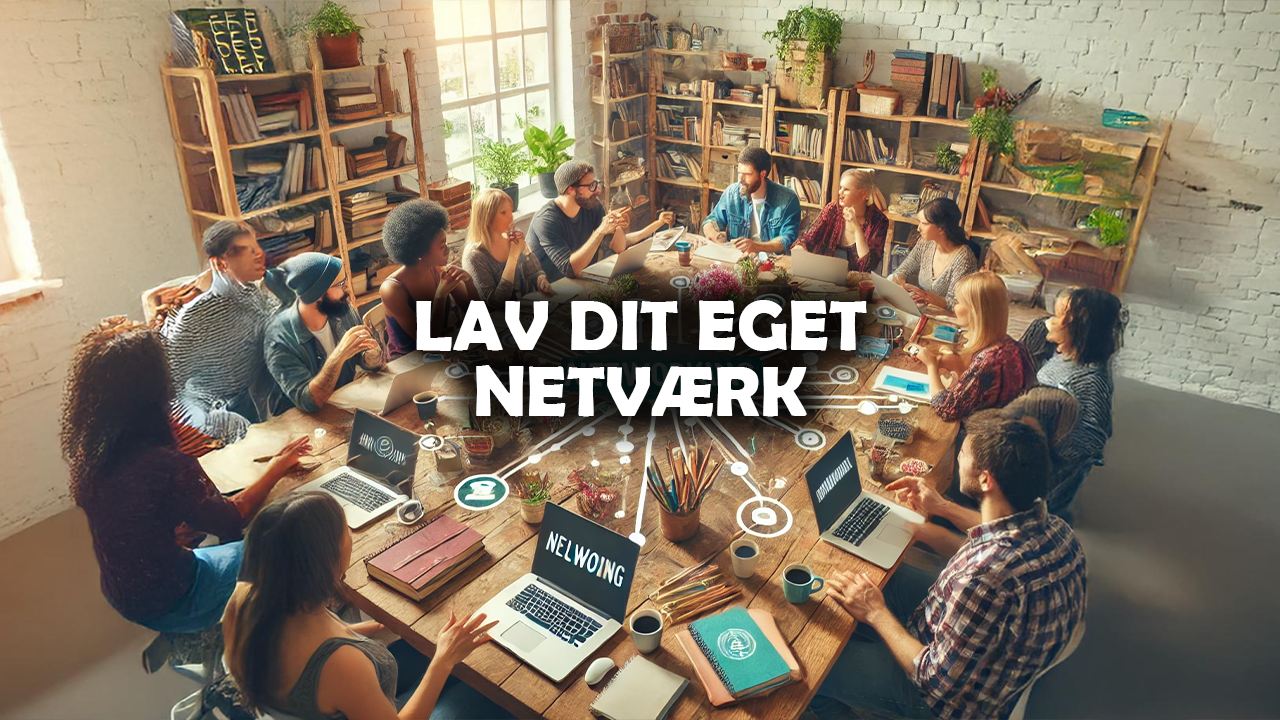
Building your own network around your hobbies is one of the most effective and inspiring ways to learn something new, find motivation and develop your skills – without it having to cost anything. When you actively build a community of people who share your passions, you gain access to advice, exchanges of ideas and support that books or online courses alone cannot provide. A personal network creates a lively learning environment where everyone helps one another develop their hobbies and share experiences.
The great thing about building your own network is that you can shape it yourself. You can start small, informal groups in your local area, organise themed evenings, use social media to connect with like-minded people – or simply meet up with a few friends over a shared hobby. It does not require many resources, but the rewards can be significant: you learn faster, find new opportunities to collaborate and gain a strong social community that keeps your motivation alive.
A personal network also allows knowledge to be shared throughout the group. Perhaps one person knows a good tutor, while another has equipment, a venue or experience that could benefit everyone. It is through this exchange that many people discover new ways to develop their hobbies – and friendships and collaborations often emerge that last for years.
In short – When you take the initiative to build your own network, you open the door to a lively learning community where development and inspiration go hand in hand with connection and enjoyment.
Ideas to Inspire You – Develop Your Hobby Through Your Own Network
🤝 Start a Local Group Around Your Hobby
Take the initiative to bring together people in your area who share your hobby. This could be anything from a book club, running group or photography club to a music café. You can easily organise it through Facebook, Meetup or notices at the library or in local shops. When you start a community, you gain more than access to other people’s ideas and experiences – you also learn through organising, collaborating and sharing knowledge. Building a network around your hobby helps you develop your skills and enjoy connecting with others.
💬 Exchange Experiences and Knowledge with Others Who Share Your Hobby
When you meet people who share your passion, it opens up learning on a whole new level. You can exchange techniques, share equipment, give feedback or organise small projects together. Experiences become more valuable when shared, and listening to other people’s perspectives can help you discover new ways to develop your hobby. Through conversation, you gain both fresh insights and the energy that is often missing when you learn alone.
🌍 Use Social Media to Expand Your Network Around Your Hobby
Online communities make it easy to connect with people who share your interest – wherever they live. You can join Facebook groups, follow hashtags on Instagram, or create your own online group to bring together others who share your passion. Many people also use LinkedIn groups or Reddit forums to build specialist networks around particular hobbies. This gives you inspiration, access to resources and a broad perspective on how others develop their interests around the world.
🎯 Organise Shared Activities That Help Develop Your Hobby
A network is strongest when its members share experiences. You can organise workshops, themed evenings, outings or small challenges related to your shared hobby. This makes learning practical and motivating while bringing the community closer together. You do not need to be an expert to take the initiative; often, simply providing the opportunity is enough. When you do this, you become an important driving force behind both your own development and that of others.
💡 Collaborate on Projects That Develop Your Hobby
One of the best aspects of having a network is the opportunity to collaborate. This could involve anything from writing a shared blog, organising an exhibition, starting a podcast or creating a YouTube channel to running a charity project. Through collaboration, you learn new technical, social and organisational skills and gain motivation to keep developing your hobby. It also produces results you can be proud of.
📅 Build a Network with Regular Meetings Around Your Hobby
Regular meetings or activities are important for making your network a success. Plan monthly gatherings, online conversations or small events where you share experiences and inspire one another. For example, you could create online groups for sharing knowledge through Zoom or Teams. This provides continuity and builds a stronger community. When you keep your network active, it becomes more than just a hobby club: it becomes a learning community where everyone’s hobbies grow and develop over time.
REMEMBER – A network is more than a collection of people – it is a lively and effective learning space for your hobby, and when you bring together people who share the same passions and hobbies, you develop together at a pace no one could achieve alone.
Conclusion
Developing your hobbies does not have to be expensive or complicated – it is more about being curious, seeking out opportunities and thinking creatively. Whether you choose to explore free online courses, join local communities, listen to podcasts, volunteer or use library resources, there are countless ways to learn something new without breaking the bank.
Your interests are more than just hobbies – they are investments in your happiness, wellbeing and personal development. When you learn something new, you expand not only your knowledge but also your perspectives, your enjoyment of life and your network. It is an ongoing process that can enrich both your everyday life and your future.
Remember that what matters most is not how much you pay to learn, but how you use the opportunities already available around you. Free knowledge is only valuable if you put it to constructive use – so find an area that inspires you and take the first step today. The more time and curiosity you invest in your interests, the more you gain in new skills, energy and quality of life. Developing your hobbies is a journey, not a destination. Enjoy the process, learn at your own pace – and remember that exciting new opportunities are always waiting around the corner.
REMEMBER – Free and affordable learning is worth its weight in gold, especially when you use your skills to grow as a person, and as you develop your hobbies, you also enhance your enjoyment of life and everyday wellbeing.
Mini-guide – How to Find Cheap or Free Courses to Develop Your Hobbies
This mini-guide summarises the article above and offers useful tips for finding cheap or free courses to develop your hobbies.
💻 Start with Free Online Platforms for Learning About Your Hobby
Search platforms such as Coursera, Skillshare, Udemy or YouTube, where many courses are available for free or through free trials. You can find everything from creative subjects and languages to IT and photography. Look for reputable tutors and check reviews to get the most out of your learning.
🏛️ Explore Publicly Funded Opportunities Related to Your Hobby
Local councils, adult education providers and libraries often offer free or heavily discounted courses. Check your local council’s website or community education portals – you will find plenty of opportunities to develop your hobby without spending much money.
🎧 Use Podcasts and E-books to Learn Independently About Your Hobby
Listen to podcasts about your interests or borrow e-books for free through eReolen and Libby. This gives you flexible learning that fits into everyday life – perfect for inspiration and ongoing development.
🤝 Join Local Associations and Communities to Learn More About Your Hobby
Associations and clubs in your area are often a goldmine of free learning and shared experience. Here, you can meet like-minded people, get practical advice and take part in activities that help you develop your hobby through hands-on experience.
🧠 Make the Most of Free Trials and Free Subscriptions to Learn About Your Hobby
Many digital services offer free trials for courses and apps. Plan your time to make full use of these periods – and remember to cancel in time if you do not want to continue.
🌐 Build Your Own Network to Develop Your Hobby
Bring together others who share your passion – online or locally – and exchange experiences, resources and ideas. A network built around your hobby can provide both motivation and access to new learning opportunities at no cost.
If you need more inspiration for finding free courses to develop your hobby, watch this video – Free Online University Courses Open to Everyone
If you have experience or knowledge of setting up or finding cheap or free courses to develop your hobby, we would love to hear your thoughts or suggestions in the comments. Share any other ideas for finding courses that help you develop your hobby effectively and affordably – or perhaps even for free.