
Finding a community where your hobbies can grow, flourish and be shared with others doesn’t have to be expensive. On the contrary, some of the most valuable and rewarding experiences can be enjoyed in everyday, budget-friendly settings – simply by opening the door to new networks, clubs, activities and groups that already exist around you.
Many people believe that hobby groups require expensive membership fees, specialist equipment or long journeys, but the truth is that there are countless ways to get involved in communities today without breaking the bank. Whether you love being creative, staying active, socialising or immersing yourself in a niche interest, you can find like-minded people – often much more easily and cheaply than you might think.
Modern leisure activities offer you a unique opportunity: you can combine passion with a sense of community without financial barriers. Social media, local community centres, free clubs, swap groups and digital platforms make it easier than ever to build connections across different ages, backgrounds and skill levels. Many hobby groups are based on volunteering, collaborative projects or mutual support, meaning that beginners and experienced enthusiasts alike can participate on equal terms. Here, it isn’t money that determines whether you can take part, but your willingness to exchange ideas, share experiences and grow alongside others.
Furthermore, affordable hobby groups aren’t just about money. They’re about quality of life. Getting together with others who share your passion can provide motivation, inspiration and social energy that can be hard to find elsewhere. It could become your regular weekly break, your way of developing new skills or your gateway to new friendships. Many people actually find that they learn much more and progress faster in a group than when they try things on their own – and that the joy doubles when it’s shared.
This article guides you through practical, useful and realistic ways to find hobby groups without spending a lot of money. You’ll discover where to look, who you can work with, which methods are most effective and how to get the most out of your leisure interests without spending money unnecessarily. Whether you’re looking for a community in nature, in creative workshops, in digital groups or in local associations, you can find opportunities that suit both your budget and your personality.
In short – A strong hobby community doesn’t require a big budget – just an open mind and the willingness to take the first step. This is where your journey begins.
Why Are Hobby Communities Important?
Hobby communities play a central role in our well-being, personal development and everyday happiness. When you get involved in a community centred around a hobby, whether it is creative, practical, social or physical, you open the door to relationships and experiences that you cannot create on your own. It is not just the interest itself that makes it meaningful – it is the combination of shared passion, mutual inspiration and a space where you can develop alongside others.
At a time when many people feel pressured, busy or isolated in their everyday lives, hobby communities provide a positive space where you can be yourself, without expectations or demands to perform. Here, you can share ideas, gain new perspectives, learn new skills and feel motivated by people who are passionate about the same things as you. It is often within these very hobby communities that you rediscover the energy, joy and curiosity that can otherwise be pushed aside during a busy everyday life.
Furthermore, hobby communities create a strong sense of belonging. Human beings are social by nature, and when you share something you love with others, bonds naturally grow stronger. It is not uncommon for hobby communities to develop into friendships that last long beyond the activity itself. When we feel seen, heard and valued within a group, we gain greater self-confidence and become more willing to explore new sides of ourselves.
A strong hobby community can also be a key to personal development. You are challenged, encouraged and inspired to take new steps that may have seemed overwhelming on your own. This applies whether you are learning something new, improving a skill or discovering new aspects of your interest. Many people find that they actually develop faster and more consistently when they are part of a community where sharing advice, offering support and exchanging ideas are natural parts of the meetings.
Finally, hobby communities are important because they provide opportunities for collaborative projects that can boost both motivation and enjoyment of the hobby itself. When several people work towards a shared goal, whether it is a charity project, a creative exhibition, a fitness goal or a group event, the process becomes both more enjoyable and more meaningful. This is where that special sense of community emerges, with everyone contributing something unique and the result becoming greater than the sum of each individual effort.
Inspiration List – How Hobby Communities Can Bring You Plenty of Joy in Life
🌱 Strong Social Hobby Communities Bring Joy to Your Everyday Life
Strong social hobby communities create a sense of belonging that can bring enormous value to your everyday life. When you actively participate in a community, you meet people who share your interests, routines and enthusiasm. This is often where relationships develop naturally, because you have a shared starting point for conversations, collaboration and enjoyment.
Social hobby communities help you build bridges between people who think, feel and engage in activities in the same way as you do, making it easy to fit into the group and feel at home from the very first day. In many cases, these hobby communities develop into lasting friendships because your shared passion brings you together in a genuine and sincere way.
🧠 Mental Well-being Through Hobby Communities
Mental well-being is significantly improved when you get involved in hobby communities, because being part of a community gives you something to look forward to, something to share and something to belong to. Many people find that racing thoughts and stress decrease when they spend time with people who are passionate about the same interests. Conversations flow more naturally, and you gain a break from everyday worries because your focus shifts to something positive, creative or active.
Hobby communities also give you the opportunity to feel seen and understood without demands or expectations to perform – here, you can simply be yourself. It is often precisely this sense of security and togetherness that brings renewed energy, greater happiness and a stronger mental balance in everyday life.
💡 Learning and Development Through Hobby Communities
Learning and development through hobby communities often happen more quickly and naturally than when you pursue your interests alone. When you share time, ideas and experiences with others, you develop through inspiration, feedback and shared challenges. Hobby communities give you access to other people's knowledge, techniques and practical experience that you might not have discovered on your own.
In addition, they provide a supportive environment where you feel comfortable exploring new aspects of your hobby, asking questions or trying something completely new because you know that the group will support you. Development within hobby communities is not just about practical skills – it also strengthens your self-confidence and your willingness to try new things.
🔥 Motivation and Energy Through Hobby Communities
Motivation and energy are among the greatest benefits of being part of a hobby community. When you meet others who are passionate about the same things as you, you are naturally inspired to keep going, improve your skills and pursue your hobby more consistently. The energy of the hobby community is contagious – especially when you work towards shared goals, meet regularly or inspire one another with everything from ideas to techniques.
Many people find that they get much more out of their hobby when they are part of a community that keeps them engaged and curious. Hobby communities also create a positive sense of commitment that can help you stick with your hobby, even on busy days.
🤝 A Sense of Togetherness Through Collaborative Projects in Hobby Communities
Collaborative projects within hobby communities create a strong sense of togetherness and teamwork. Whether you are working on small or large projects – from creative exhibitions to fitness goals, charity work or local events – there is something particularly meaningful about contributing to something that extends beyond yourself.
Shared hobby projects make room for both your own abilities and the strengths of others, and this combination often produces results that you could not have achieved on your own. At the same time, working together within a hobby community adds another layer of enjoyment because you share the process, the challenges and the successes. You gain not only a better hobby experience, but also stronger relationships and more opportunities for personal development.
REMEMBER – Communities make your hobby richer, more rewarding and far more enjoyable. A good hobby community can bring about major changes in both your enjoyment of life and your energy levels.
Make the Most of Free Resources in Your Local Area to Find Hobby Communities
Many people overlook how many free opportunities are already available in their local area when looking for hobby communities. The fact is that almost every town and city, large or small, offers a wide range of free meeting places, activities and environments where people with shared interests naturally come together. Often, all it takes is an open mind and a willingness to explore your local area a little more thoroughly. Here, you can find everything from creative workshops and walking groups to sports activities, book clubs, nature groups and free events, all of which are perfect places to meet others who share your passion.
Free local resources are particularly valuable because they remove the financial barriers that often prevent people from taking part in hobby communities. By making use of public spaces such as libraries, cultural centres, parks, community halls, local associations and public squares, you open the door to environments where community spirit, curiosity and participation are at the heart of everything. Here, you can try something new without taking a financial risk, meet people of different ages and backgrounds, and discover activities that require nothing more than your time and enthusiasm.
Another advantage of using free local resources is that these communities are often informal, welcoming and easy to access – you can simply turn up without feeling obliged to commit or follow strict arrangements. Many hobby communities actually start quite spontaneously, as people come together around something they are passionate about in spaces where sharing ideas and engaging in conversation feels natural. A free communal space can therefore quickly become a valuable gateway to new friendships, new interests and new opportunities for personal development.
By making the most of the free resources already available around you, finding hobby communities that suit your needs and interests becomes easier, more flexible and much more affordable. At the same time, you become more active in your local area, which in itself strengthens your sense of community and helps you build closer relationships with the people around you.
Inspiration List – Free Local Places That Can Lead to Stronger Hobby Communities
📚 Libraries Create Natural Hobby Communities
Libraries are among the most underrated yet valuable places to find hobby communities. People come together here for everything from books and board games to talks, creative workshops and study cafés – all free of charge. Libraries serve as open spaces where you can freely take part in activities or simply spend time until you naturally strike up a conversation with someone who shares your interests.
Many libraries organise free events that give you plenty of opportunities to explore new hobbies, learn something new and find a community that matches your passions. Even if you simply turn up to work or read, you may easily come across people looking for someone to share an interest with, allowing small hobby communities to emerge quite spontaneously.
🏛️ Cultural Centres and Community Halls as a Foundation for Hobby Communities
Cultural centres, community centres and local community halls are ideal places to find hobby communities because they offer free or very inexpensive activities, open workshops, talks and informal meeting spaces. Both beginners and experienced enthusiasts can come together here to work on creative projects, attend social events or take part in physical activities – often without needing to register in advance. Check your local council's website to find free activities or events.
These places are designed to strengthen local communities, so the atmosphere is usually welcoming, relaxed and open to new ideas. When you attend events or simply spend time in the space, you meet people who want to share ideas, experiences and passions, making cultural centres natural catalysts for creating and developing hobby communities.
🌿 Parks and Outdoor Facilities for Outdoor Hobby Communities
Parks, forests, lakes and trails in your local area are ideal places to find hobby communities for nature enthusiasts, fitness lovers and creative individuals alike. People gather here for free activities such as hiking, running groups, group workouts, birdwatching, nature photography and outdoor yoga. Nature provides a relaxed and welcoming environment where it is easy to strike up conversations with others, as the activities naturally create opportunities to share experiences and interests. Many outdoor hobby communities begin with just one person inviting others to join in, and these groups often grow quickly because the natural surroundings make spending time together affordable, comfortable and inspiring.
💬 Free Local Online Groups for Hobby Communities
Local Facebook groups, social media, apps and neighbourhood communities have become some of the most effective ways to find hobby communities without spending a penny. Here, you can easily discover advertised activities, spontaneous meet-ups, creative projects, swap markets and interest groups in your local area. The advantage of local online communities is that you can quickly explore your options, ask questions and get involved without feeling pressured.
Many hobby communities start in these very groups, where people share ideas and invite new members. The low barrier to entry makes it easy to become part of a community, even if you are new to the area or want to try out a new interest.
🎨 Open Creative Spaces in Your Local Area That Encourage Hobby Communities
Some towns and cities offer open creative workshops, makerspaces, art spaces and shared studios where you can meet others who love making things by hand, free of charge. Hobby communities emerge naturally in these spaces as people come together to work on projects, use materials and explore techniques. They often help one another or share ideas, even if they have never met before.
These creative spaces are perfect for everything from drawing and sewing to pottery, repairs, upcycling and small craft projects. When creativity has room to flourish in a shared space, learning, conversation and relationships all benefit, and many people find that their hobby becomes much more enjoyable when they can share it with others.
REMEMBER – When you explore what is available locally, finding your way into hobby communities becomes easier, cheaper and more enjoyable. By using the free resources in your local area to pursue your hobby, you build connections, strengthen your motivation and gain new energy.
Use Social Media and Online Platforms to Find Hobby Communities

Social media and online platforms are now some of the most effective and accessible places to find hobby communities – without spending a lot of money. They allow you to discover, explore and get involved in communities that match your interests, regardless of where you live, how experienced you are or how much time you have. Digital platforms act as open doors to thousands of people who share your passions and are eager to inspire, support and grow alongside others.
One of the biggest advantages of using digital platforms to find hobby communities is that you can set your own pace. You can read posts without actively participating, ask questions, share your own experiences – and do all this at times that fit into your everyday life. This makes it comfortable, flexible and manageable to become part of communities where beginners and experienced enthusiasts alike help one another, regardless of age, location or skill level.
Many hobby communities now start online before developing into face-to-face meet-ups. Facebook groups, Instagram communities, TikTok interests, Reddit forums, local neighbourhood groups, Discord channels and apps for sharing interests make it easy to find people who have exactly the same hobby as you. Here, you can discover ideas, learn new things, share projects and even organise meet-ups or group activities – all free of charge.
In addition, digital communities allow you to explore new hobbies without having to invest in equipment or memberships first. You can draw inspiration from other people's journeys, ask questions about equipment, access free learning materials, follow tutorials or see how others develop their skills. In this way, online platforms serve both as a gateway to new hobbies and as a valuable space for building community, motivation and personal development.
By actively using social media and online platforms, you therefore don't need to spend money to find strong and engaging hobby communities. You simply make use of your network – both digital and local – and let technology open the door to people you might never otherwise have met.
Inspiration List – Digital Ways to Discover New Hobby Communities
🌐 Facebook Groups – As a Platform for Hobby Communities
Facebook groups are one of the most direct ways to find hobby communities because thousands of groups exist for virtually every interest. Whether you love knitting, gaming, drawing, hiking, cooking or working out at home, there are active communities where members share inspiration, help and events every day.
The advantage is that you can engage at whatever level suits you – ask questions, share photos, learn something new or simply follow along from the sidelines. You can also find local hobby communities in your area and take part in free events, making it easy to meet others in person.
💬 Discord Servers That Create Dynamic Hobby Communities
Discord is ideal for those looking for a more interactive and engaged digital environment where hobby communities thrive and develop in real time. Here, you can find channels organised around different interests, skill levels and activities, making it easy to participate in exactly the conversations and projects that matter to you.
Many hobby communities organise live events, collaborative projects, competitions and chats that allow you to become part of the group's everyday activities. This makes Discord a lively place to build a sense of community – without any costs and with plenty of opportunities to meet people who share your passion.
📸 Instagram and TikTok – For Creative Hobby Communities
Instagram and TikTok are perfect platforms for finding creative hobby communities because they make it easy to discover new ideas, follow creative profiles and find inspiration from everything ranging from art projects and DIY ideas to fitness, cooking and nature activities. Here, you can find hashtags that bring people together around specific interests, giving you direct access to large communities that share videos, guides and tips. Many people also create small, niche hobby communities through stories, live sessions or challenges that build strong connections between users. Social media makes it easy to see what others are doing – and become part of it yourself.
🧭 Reddit – As a Forum for Specialised Hobby Communities
Reddit is home to some of the most niche, in-depth and dedicated hobby communities on the internet. No matter how unusual or specialised your interest may be, there is almost always a subreddit that suits you perfectly. Here, users share experiences, guides, videos, solutions and inspiration that you can learn directly from – completely free of charge. Reddit also allows you to participate anonymously, making it easier to feel comfortable asking questions as a beginner in a hobby community. This combination of expertise and community makes Reddit an excellent platform for both personal development and social inspiration.
📱 Apps for Local Hobby Communities
Many apps now offer local opportunities to find hobby communities in your area. These range from Meetup and local activity apps to neighbourhood communities where people share information about free activities, creative projects, group workouts and spontaneous meet-ups. Here, you can easily find people who live nearby and share your interests, making these apps ideal if you're looking for a hobby community you can meet in person.
The advantage of apps is that they combine the digital and local worlds – you can start by getting to know people online and then meet them in person without spending any money. A platform such as Meetup, for example, is designed to help people find local hobby groups and activities.
REMEMBER – The internet makes it easier than ever to find people who share your enthusiasm for a hobby – completely free of charge. A single click online could be the beginning of a strong and lasting hobby community.
Start Your Own Hobby Group
If you can’t find a hobby group that suits your interests, why not start your own? It takes far less effort than many people think, and it rarely costs anything beyond a little time and commitment. By starting your own hobby group, you have the opportunity to shape the community exactly as you wish – deciding which activities you do, how often you meet and what kind of atmosphere you want to create. You also have the freedom to invite people who share your values, your pace and your passion – and the community often grows more naturally than you might expect.
The great thing about setting up a hobby group is that you can start small. You don’t need many members at the beginning; two or three people may be enough to create a positive dynamic that allows the community to develop gradually. You can use social media, local noticeboards, neighbourhood apps or your local library to find the first interested participants. Often, all it takes is one person to take the initiative – and others will follow. Many people are actually relieved when someone dares to take that first step and create a space where like-minded people can meet without costs or expectations.
Starting your own hobby group also gives you the opportunity to create an environment where everyone can participate on their own terms. It can be informal, playful, educational or goal-oriented – depending on what you have in mind. When people come together around something they are passionate about, a sense of security and engagement quickly develops, helping the group grow in both size and strength. At the same time, it is a rewarding experience to see how a hobby group can evolve over time and become a place where people make new friends, find fresh inspiration and gain new perspectives – all without spending a lot of money.
Inspiration List – How to Create a Strong Hobby Group
🤝 Bringing Together the First Members of Your Hobby Group
Bringing together the first members of your hobby group often requires little more than making your idea visible. Start by telling friends, neighbours or colleagues about your interest and ask whether they know anyone who might be interested. Many people are curious about trying something new but may not have the confidence to take the initiative themselves.
When you explain the purpose of your hobby group in a simple and friendly way, it becomes easy for others to understand what they are signing up for. You can also use free platforms such as social media and noticeboards, where you briefly describe what the hobby group is about and the kinds of people you hope to bring together. The most important thing is to create an open invitation that makes it clear everyone is welcome.
📅 Plan an Informal First Meeting for Your Hobby Group
The first meeting of a hobby group doesn’t need to be complicated – it simply needs to be enjoyable, welcoming and informal. Choose a free location, such as a park, library or communal space, where people can meet without having to pay. Use the meeting to introduce the idea behind the hobby group, discuss expectations and find out what participants hope to get out of being part of the community. An informal setting makes it easier for new participants to relax and become part of the group. By showing flexibility from the beginning, you create an environment where people feel welcome – and this is often where the foundations of a strong hobby group are laid.
🧭 Give Your Hobby Group a Clear Direction
A clear direction gives your hobby group focus and energy. It isn’t about imposing strict rules, but about clarifying what you meet for, how often you get together and what you want to achieve as a group. When you establish a clear framework for the hobby group – such as weekly meetings, collaborative projects, shared goals or specific activities – it becomes easier for everyone to understand how the group works. A clear direction also makes it easier to attract new members because they can see what the hobby group stands for. At the same time, it creates a social foundation where everyone has the opportunity to contribute their ideas, experiences and personalities.
📍 Meeting Places for Your Hobby Group
Meeting places play a crucial role in how your hobby group develops because the location sets the tone for learning, socialising and participation. However, it doesn’t need to be expensive or complicated. Many groups choose to meet in free venues such as libraries, parks, cafés with a quiet atmosphere, cultural centres or communal rooms in residential areas. These places provide a relaxed and welcoming setting where everyone can feel at home and participate without worrying about the cost.
It is a good idea to choose meeting places where the group can easily talk, work with materials, move around or concentrate on activities, depending on the nature of the hobby. By varying the meeting places over time, the group can also create fresh energy, new impressions and different types of activities that make the community more lively and flexible. Ultimately, a good meeting place is somewhere members feel comfortable, inspired and included – and where the hobby group can grow naturally, both socially and creatively.
📣 Promote Your Hobby Group on Free Platforms
Once your hobby group has taken shape, you can promote it on free platforms to attract new members. Use posts in local Facebook groups, neighbourhood forums, online communities, local newsletters and library noticeboards to raise awareness of the group. Here, you can explain the purpose of the hobby group, its activities and meetings, and the values that define the community.
A good description can spark curiosity and help people feel that they belong. Remember to include a friendly “you’re welcome” – it makes a bigger difference than you might think when people are taking the first step towards joining a new hobby group. You could also create your own WordPress website for the hobby group, giving others a good insight into your community.
You can find inspiration for creating a free WordPress website in our article – Top Tips for Creating and Designing Your Own WordPress Website
🌱 Build a Long-Lasting Community Within Your Hobby Group
A hobby group becomes stronger as it develops over time. This requires you to make room for both new ideas and established routines. Consider introducing small traditions, recurring activities or collaborative projects that bring the group together.
By listening to members’ wishes and making room for different perspectives, you strengthen both engagement and relationships within the hobby group. Many groups grow stronger precisely because everyone feels involved and valued. When a stable sense of community develops, the hobby group becomes more than just a place to meet – it becomes a valuable space to unwind and recharge in everyday life.
REMEMBER – Hobby groups are built on shared interests, curiosity and positive energy – and it all starts with your initiative. By starting your own hobby group, you also create your own space for learning, enjoyment and community.
Think Creatively and Reuse Materials in Hobby Communities
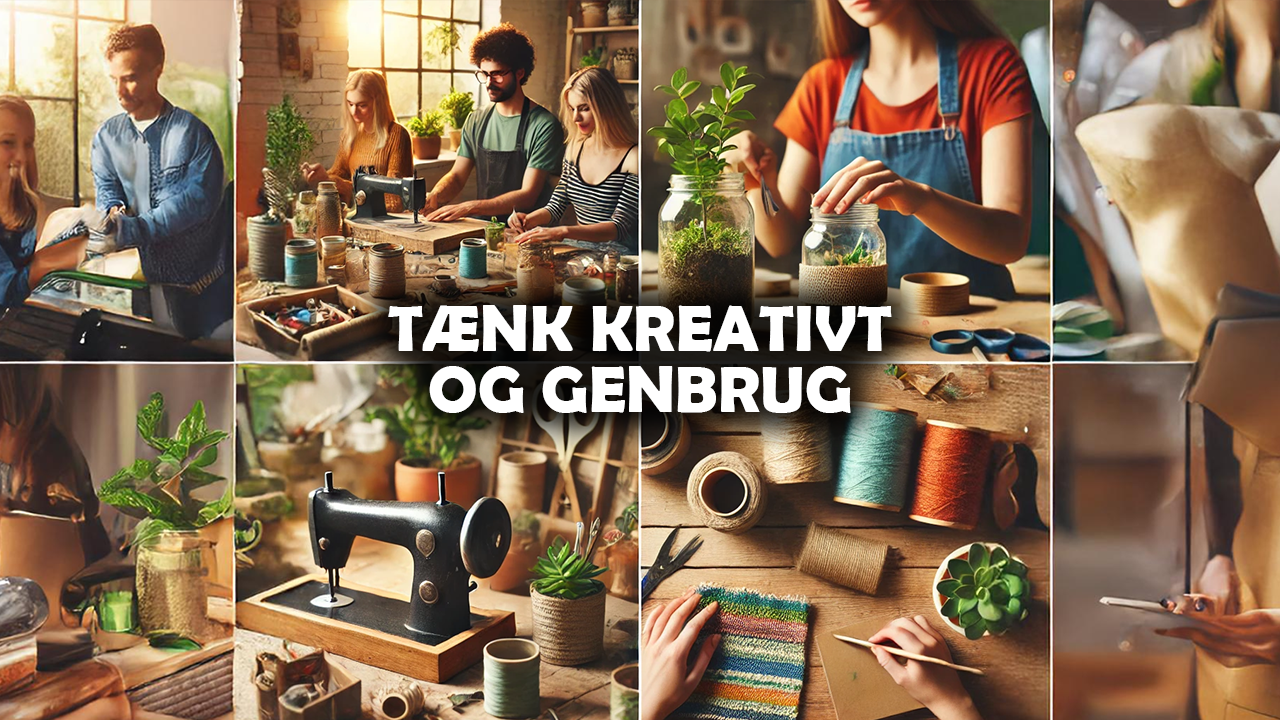
When taking part in hobby communities, creative thinking and reusing materials are fantastic ways to keep costs down while adding an extra layer of innovation, sustainability and collaboration to the group. Many hobby activities don’t require expensive materials to be rewarding – it is more about recognising the potential in things you already have or that others are happy to pass on. Within hobby communities, materials can be shared, exchanged, repaired or reused, and this approach creates both financial benefits and strong social bonds.
Reusing materials in hobby communities doesn’t mean compromising on quality or creativity – quite the opposite, as it can inspire new ideas and different ways of working. When members share materials, tools or leftover supplies from projects, they create a culture where everyone feels included, regardless of their budget. This naturally strengthens the sense of community because people help one another and build on each other’s resources. It also makes it easier for new members to participate, as they don’t need to invest in equipment from the outset.
A creative approach that embraces reuse also strengthens learning within the community. When people work with materials that already have a history, or explore alternative solutions together, they develop both new skills and new ways of thinking. This gives hobby communities a special dynamic in which the process becomes more important than perfection, and everyone’s contribution has value – whether it is an idea, an old material or a new solution that suddenly proves to be ingenious.
Inspiration List – Creative Ways to Reuse Materials in Hobby Communities
♻️ Sharing Materials Within Hobby Communities
Sharing materials within hobby communities is one of the most effective ways to save money while strengthening the group’s sense of togetherness. When members bring leftovers from previous projects, tools they no longer use or surplus materials, they create a shared stock that everyone can benefit from. This type of sharing makes it easy for new members to get started without investing in equipment and helps establish a group culture centred on helpfulness and community spirit. It also allows projects to develop spontaneously because there are always new materials to experiment with.
🔄 Upcycling Projects That Strengthen Hobby Communities
Upcycling projects are an excellent way for hobby communities to combine creativity and sustainability. The idea is to give old materials a new lease of life – for example, by turning fabric scraps into new designs, transforming furniture into creative constructions or using metal and wood for decorative projects. Upcycling gives hobby communities the opportunity to work together on something meaningful, while the process inspires new techniques and ideas. It can also become a shared project that saves money and produces results everyone can be proud of.
🧰 DIY Solutions for Hobby Communities
Do-it-yourself solutions give hobby communities a unique opportunity to be independent and resourceful. Many hobby projects can be completed using homemade tools, homemade paint, recycled fabric for sewing, simple alternatives or materials from recycling centres. When the group works on DIY solutions, it creates a culture of learning from one another and challenging themselves to find creative methods. DIY projects also bring a special sense of satisfaction because you can see how the community creates something from scratch together. These solutions are not only economical but also educational and extremely motivating.
🎁 Swap Systems and Shared Material Stores in Hobby Communities
Swap systems and shared material stores bring structure and sustainability to everyday life in hobby communities. A shared material store can be as simple as a box, cupboard or shelf where group members can leave things they no longer use and take items they need. Swap systems work in much the same way and can be organised both in person and online. These systems make it possible to keep costs to a minimum while adding an extra layer of creativity to project work. They strengthen the hobby community because everyone contributes and gets something in return – without spending money.
🕵️ Find Free Materials in Your Local Area for Your Hobby Community
Many local areas have a surprising number of free materials that hobby communities can benefit from. Swap stations, charity shops, flea markets, containers for wood, fabric or metal, local tradespeople and online freebie groups can be invaluable when the community is looking for inexpensive or free materials. All it takes is creativity and a willingness to explore the possibilities. When hobby communities find and make use of local resources together, they benefit from both cheaper projects and a shared experience that strengthens their sense of community.
REMEMBER – Reusing materials gives hobby communities fresh ideas and greater financial flexibility. When we reuse things together, we create both better projects and stronger hobby communities.
You can find more inspiration for creative and affordable hobbies in our article – Reuse and DIY – Top Tips for Creative Hobbies That Save Money and Help the Environment
Explore Outdoor Activities Within Hobby Communities

Outdoor activities are one of the most accessible and budget-friendly ways to find and enjoy hobby communities. Nature doesn’t require a membership fee, equipment can be kept inexpensive, and the setting is open to everyone – regardless of age, experience or budget. When you explore outdoor activities with others, you gain not only the enjoyment of the hobby itself but also the social, mental and physical benefits of being active together in the fresh air. This makes outdoor hobby communities some of the most flexible and inclusive places to develop new friendships and skills.
One of the strengths of outdoor hobby communities is that they naturally bring people together. Whether you go for a walk, cycle a route, make nature crafts, practise outdoor yoga or take photographs in the woods, conversations and collaboration arise naturally because the surroundings inspire shared experiences. There is no need to achieve anything in particular – everyone can join in, and it is often the small moments that bring the group closer together. The fresh air, changing surroundings and informal atmosphere make participation easy, comfortable and relaxed.
Outdoor hobby communities are also an ideal place to try new activities without having to invest in specialised equipment. In nature, you can strengthen your creativity, sharpen your senses and improve your fitness through activities that cost very little. These can range from group foraging trips, nature walks and fitness groups to photography, plant projects or simple outdoor pursuits. When you explore hobbies in nature with others, you experience a shared journey of development, where learning, community and experiences go hand in hand.
Inspiration List – Outdoor Hobby Communities That Bring Joy and Strengthen Bonds
🚶♂️ Walking Groups as Outdoor Hobby Communities
Walking groups are one of the most popular forms of outdoor hobby communities because they combine physical activity, nature experiences and social interaction. Meetings cost almost nothing, and everyone can take part, regardless of fitness level. When people walk together, conversations and a natural rhythm develop, allowing relationships to grow organically. Walking also provides opportunities to explore new areas, observe the changing seasons and improve mental well-being through movement. A walking group can quickly become a regular and motivating part of everyday life.
🌲 Nature Photography in Outdoor Hobby Communities
Nature photography is ideal for hobby communities that love combining creativity with fresh air. It doesn’t require expensive equipment – many people start with a mobile phone – and nature offers endless subjects and moods to explore together. When you go on photography walks with others, you learn from one another’s techniques, discover new ideas and notice details you might otherwise overlook on your own. Nature photography creates a calm, mindful and inspiring environment in which the hobby community can gradually develop its own creative style and identity.
🚴 Cycling Groups as Active Outdoor Hobby Communities
Cycling groups offer a strong sense of community for both fitness enthusiasts and beginners because the pace, routes and equipment can be adapted to suit all levels. Cycling together improves both fitness and camaraderie, while giving you the opportunity to explore everything from forests and country roads to urban areas and trails. Many cycling groups share tips on routes, maintenance and equipment, and members often help one another with repairs and techniques, allowing the entire hobby community to develop. It is an activity that is free, fun and brings great energy to the group.
🧘 Outdoor Yoga and Mindfulness in Hobby Communities
Outdoor yoga and mindfulness allow hobby communities to create a calm and balanced environment, with a focus on being present, breathing and mental well-being. The sounds and tranquillity of nature make the exercises feel deeper and more relaxing, and all you need to participate is a mat or a blanket. Many groups meet spontaneously in parks or by the water, making this activity highly flexible and budget-friendly. It creates a healthy, inclusive environment where everyone can participate without the pressure to perform.
You can find more inspiration for meditation and mindfulness in our article – Top Tips for Strengthening Your Mental Well-being Through Mindfulness and Meditation
🧺 Group Picnics and Relaxation in Outdoor Hobby Communities
Group picnics are a simple and enjoyable way to take part in hobby communities in nature. The focus here is not on physical activity, but on sharing food, experiences and good conversations outdoors. A picnic hobby group can easily be combined with other activities, such as board games, creative projects, small workshops or book discussions. It requires very little preparation, and the natural surroundings create a relaxed and welcoming atmosphere. This type of hobby community strengthens social bonds and gives members a break from the pace of everyday life.
REMEMBER – Outdoor activities create hobby communities that feel refreshing, motivating and revitalising. Nature provides a free setting, while the sense of community brings joy and energy to life.
Find more inspiration for affordable outdoor activities in our article – Top Tips for Budget-Friendly Outdoor Activities – Enjoy Nature for Free
Hobby Communities – Take Part in Workshops and Events
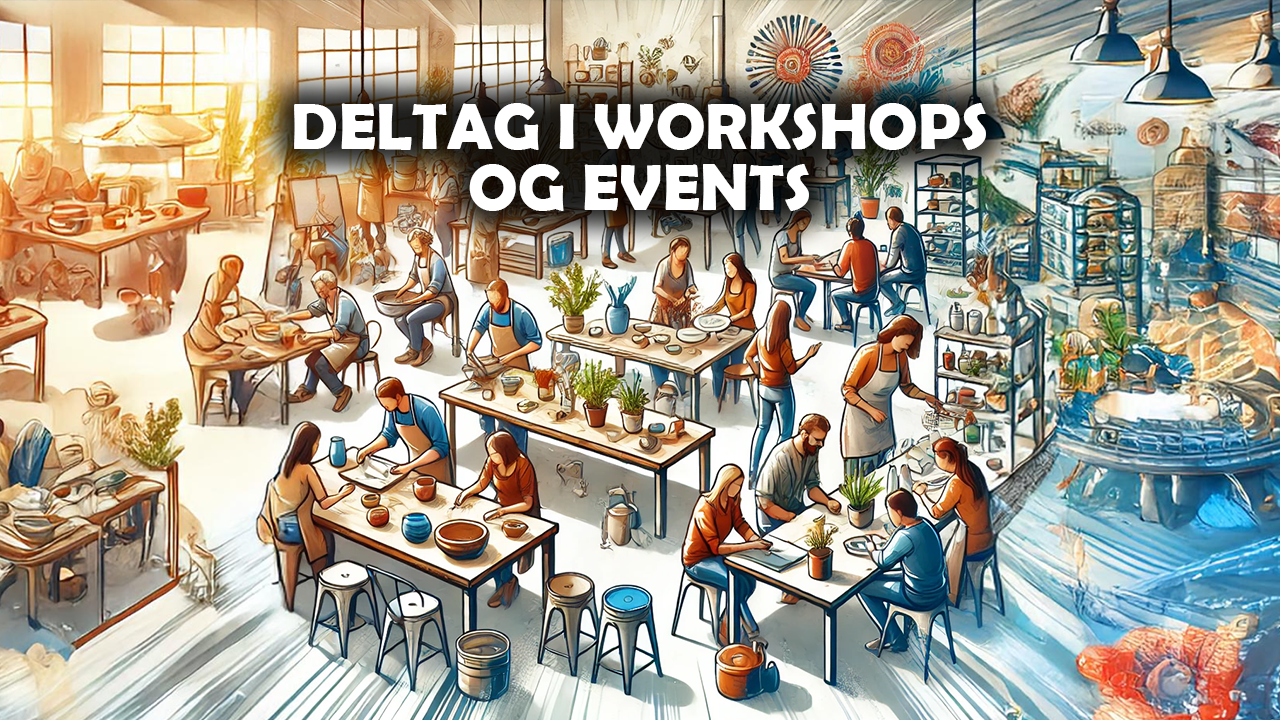
Workshops and events are a fantastic way to discover new hobby communities because they bring together people who already share the same curiosity, energy and interests. Many workshops are free or very inexpensive, allowing you to try new activities without having to invest in equipment or memberships. Here, you can meet like-minded people in an informal and inspiring environment where beginners and experienced participants learn side by side. This makes it easy, comfortable and budget-friendly to become part of a community.
Workshops and events also serve as natural meeting places where connections develop spontaneously. When people work together on a project, take part in an activity or listen to a talk, they share an experience that makes it easier to start a conversation and build new relationships. Many hobby communities begin in exactly this way – when two people stand side by side, share an experience, start talking and eventually develop a sense of community.
In addition, workshops give you the opportunity to learn something new quickly and gain direct inspiration from others. You can try out different hobbies, access free expert knowledge and meet people who are already involved in hobby communities you may not even have known existed. These opportunities range from creative events, outdoor activities and reading clubs to talks, group training sessions and open days. Each activity gives you a new opportunity to discover communities that match your interests – without spending a lot of money.
Inspiration List – Workshops and Events That Can Lead to New Hobby Communities
🎨 Creative Workshops as a Foundation for Hobby Communities
Creative workshops are an excellent place to find new hobby communities because they bring together people who love exploring colours, shapes, materials and techniques. Here, you can try painting, pottery, drawing, DIY or textile art – often without having to buy anything yourself. When you sit alongside others who share your passion, conversation and inspiration soon arise naturally. This type of workshop creates a welcoming space where learning and community go hand in hand, making it easy to meet people who would like to keep the community going after the course.
📚 Talks and Themed Evenings as a Gateway to Hobby Communities
Talks and themed evenings are ideal opportunities to meet people who share your interests in everything from nature, literature and history to cooking, fitness and personal development. These events rarely require payment, and they create an inspiring environment where a sense of community develops naturally around the knowledge and passion being shared. During breaks or after the talk, it is easy to strike up a conversation with other participants, and many hobby communities emerge from precisely this shared curiosity.
🤸 Group Fitness Events as a Starting Point for Hobby Communities
Fitness events, such as running days, yoga in the park, group cycling trips or free fitness sessions, are ideal places to find active hobby communities. People of all ages come together to exercise and share their motivation. These events often require very little equipment, and the atmosphere is relaxed, making it easy to take part – even as a beginner. When you meet people through physical activity, a sense of community often develops immediately, making it easy to continue attending as part of a regular group.
📖 Reading Clubs and Book Events as a Starting Point for Hobby Communities
Reading clubs and book-related events create a calm and welcoming space where conversation, reflection and shared interests naturally bring people together. Many libraries and cultural centres organise free reading groups where you can meet others who love books as much as you do. Here, you can discover new perspectives, share your own thoughts and explore fascinating literature – all while becoming part of a hobby community built around exchanging ideas and exploring subjects in depth.
🛠️ Open Days at Workshops and Hobby Centres for Finding Hobby Communities
Open days at workshops, makerspaces, creative studios or local associations are ideal places for hobby communities to get started. Here, you can see how others work, receive free introductions to tools and techniques, and meet people who are passionate about a particular craft. Many venues offer free trial sessions, allowing you to see whether the community suits you before investing your time or money. This approach provides both inspiration and an informal way to begin building new social connections.
REMEMBER – By taking part in events and workshops, you can find people who share your passion. A workshop or event can connect you with people who may become the starting point of an entirely new hobby community.
Hobby Communities – Seek Sponsors or Partners

When hobby communities grow, or when you want to develop new activities without spending a lot of money, it can be a good idea to seek sponsors or partners. Many local businesses, foundations, cultural centres, associations and shops are actually open to supporting worthwhile community initiatives, especially when they can see that the project benefits the local community. Sponsors can contribute everything from materials and venues to discounts, equipment or financial support, and often all it takes is a friendly approach and a clear idea of what the hobby community wants to achieve.
Working with local organisations and businesses not only brings financial benefits but also helps build a stronger network. Sponsors can help the hobby community reach more people, increase its visibility, attract new members and offer a wider variety of activities. In many cases, the partnership becomes a win-win situation, with businesses gaining local goodwill and visibility while the hobby community gains access to resources that would otherwise be too expensive. It is also an excellent opportunity to establish long-term partnerships in which both parties grow together.
For hobby communities, partners can also provide a creative way to access specialist knowledge or facilities that would otherwise be out of reach. This could be anything from a local craftsperson offering a workshop or a photography club lending equipment to a nature guide giving a talk or a cultural centre providing a venue. When hobby communities think strategically about their networks, they open the door to new opportunities – both practical and financial – without putting pressure on the community’s budget.
Inspiration List – How to Find and Make Use of Sponsors for Hobby Communities
🏫 Collaborating with Schools or Institutions to Support Your Hobby Community
Collaborating with schools or institutions can be an effective way to develop hobby communities because these places already have premises, resources and people who work with learning and community activities every day. Many schools, after-school clubs, youth schools and institutions welcome partnerships that promote creativity, physical activity, an interest in nature, crafts or social activities. They often provide access to spaces, equipment or professionals free of charge or at a very low cost. When hobby communities collaborate with a school or institution, they gain both practical opportunities and a stronger network that can help the community develop over time.
Furthermore, such partnerships open the door to joint projects in which hobby communities and pupils or institution users can come together for activities that benefit both parties. These could include workshops, creative sessions, nature activities, shared project days or small events where resources are shared for everyone's benefit. Institutions often have facilities that would otherwise stand empty outside normal opening hours, giving hobby communities access to safe, familiar and functional spaces. This approach creates financial benefits, social connections and renewed energy within the community in a way that is meaningful for everyone involved.
🤝 Local Businesses as Sponsors for Hobby Communities
Local businesses are often willing to support hobby communities because doing so benefits both the local community and their own visibility. These businesses could include anything from craft shops and supermarkets to cafés, bookshops or small creative studios. Many businesses are happy to contribute materials, gift vouchers, discounts or financial support if they can see a clear connection between their products and the hobby community’s activities. A personal and friendly approach explaining how the partnership creates value for everyone can be the first step towards a successful collaboration.
🏛️ Cultural Centres and Associations as Partners in Hobby Communities
Cultural centres, community centres and local associations are natural partners for hobby communities because they have experience, networks and often physical facilities that can be used free of charge or at a very low cost. They are generally keen to support projects that promote creativity, physical activity and community spirit, and many are open to collaborative projects in which they can contribute venues, equipment or professional advice. When hobby communities work with cultural centres, it becomes easier to organise larger events, workshops or regular meetings that would otherwise be expensive to arrange.
🌱 Local Foundations That Support Hobby Communities
Several local foundations and funding schemes provide financial support for activities that promote community spirit, culture, nature, physical activity or creativity. Hobby communities can often apply for funding for equipment, materials, events or development projects, and the applications do not need to be complicated. Many foundations prioritise projects with a social or health-promoting focus, making hobby communities a natural fit for their funding criteria. A short and specific application can open the door to financial assistance that helps make the community even stronger.
🛠️ Collaborating with Professionals Who Can Inspire Your Hobby Community
Working with professionals – such as craftspeople, artists, instructors, nature guides or photographers – can give hobby communities access to new knowledge and inspiration without significant expense. Many professionals are happy to share their experience, especially when doing so benefits the local community or gives them an opportunity to showcase their work. This can take the form of short free workshops, demonstrations or collaborative projects in which the hobby community benefits directly from their expertise. Such partnerships encourage learning and motivation while giving the community's development a significant boost.
📢 Use Social Media to Attract Sponsors to Your Hobby Community
Social media is an effective tool for attracting sponsors because it makes it easy to showcase what your hobby community does and the value it creates. By sharing photos, short videos, projects, events and group activities, you can demonstrate why your community deserves support and inspire local businesses or potential partners to get in touch. An active online presence creates a strong impression of commitment and energy, making it easier to secure sponsorships or partnerships.
REMEMBER – A strong network around your hobby community makes it both more affordable and more rewarding. All it takes is one sponsor saying yes to help take your entire hobby community to the next level.
Learn from Others and Share Your Knowledge in Hobby Communities

One of the greatest strengths of hobby communities is that they function as small learning environments where everyone can share knowledge, experience and ideas without incurring additional costs. When you learn from others – and share what you know yourself – a culture of mutual support, development and inspiration emerges. This makes hobby communities places where both beginners and experienced enthusiasts can grow together, as everyone contributes to a lively exchange of creativity and motivation.
Sharing knowledge within hobby communities does not require you to be an expert. Even small tips, experiences or techniques can be invaluable to others, and when everyone contributes, the community grows both in quality and strength. Learning within hobby communities often happens quite naturally – through conversations, collaborative projects, mutual assistance or observation. This creates a safe and inclusive atmosphere where people feel comfortable trying something new, asking questions and exploring their hobbies more openly.
When you both learn and share your knowledge, you become an active part of the community's development. You strengthen not only your own skills but also the relationships within the group. A positive cycle emerges: when you help others, they become more inclined to help you in return – and together, you raise the standard and create experiences that go beyond the hobby itself. This kind of culture makes hobby communities stable, inspiring and meaningful, both in the short and long term.
Inspiration List – How to Develop Learning and Knowledge Sharing Within Hobby Communities
🌟 Mentoring Schemes in Hobby Communities
Mentoring schemes are an effective way to foster deeper learning within hobby communities. Experienced participants can help beginners understand techniques, equipment, methods or creative processes. It doesn't need to be formal – simply a structured arrangement where people meet to share knowledge and experience. Mentoring schemes build strong relationships, increase motivation and give beginners a supportive start. For experienced participants, they offer an opportunity to develop their own skills by teaching others and sharing their passion.
📚 Sharing Knowledge Through Mini-Workshops in Hobby Communities
Mini-workshops are short, informal teaching sessions where members can demonstrate a technique, introduce a tool or explain a process. These brief knowledge-sharing activities cost nothing – all that is needed is a willingness to share. Mini-workshops add variety to the community's activities and give everyone the opportunity to learn something new, regardless of their skill level. They also create a sense of ownership because members themselves help shape the content of the hobby community.
🛠️ Collaborative Projects That Encourage Learning in Hobby Communities
Collaborative projects are one of the most engaging ways to learn within hobby communities. When you work together on a project – whether large or small – knowledge sharing, teamwork and problem-solving arise naturally. Projects can range from creative activities, nature-based projects and building days to fitness challenges or exhibitions. Collaborative projects boost motivation because there is a shared goal to work towards, and they offer plenty of opportunities to learn new skills through practical experience.
💬 Sharing Experiences Through Peer-Support Meetings in Hobby Communities
Peer-support meetings are a simple way to create learning opportunities within hobby communities. They allow members to share experiences, challenges and solutions in a safe and inspiring environment. These meetings can become a regular part of group gatherings, giving everyone the opportunity to talk about what they are working on and the challenges they have encountered. This exchange of experiences builds strong relationships because people get to know one another through both their strengths and their challenges – and the community grows stronger as a result.
📖 A Resource Library of Materials for Hobby Communities
A resource library is a collection of guides, videos, links, images or expert tips that hobby communities build up over time. It can be stored in a shared folder, a Facebook group or a free online platform where everyone can contribute and access the material. This creates a reference library that makes it easier to learn new things and find inspiration, particularly for new members. A resource library helps the hobby community become more self-sufficient and creates a sense of continuity because knowledge is not lost – it is continually saved and shared.
REMEMBER – Learning is most effective when it is shared between people who are passionate about the same interests. Hobby communities become richer when everyone contributes constructively by sharing their skills and knowledge. Learning together therefore makes hobbies more enjoyable, more rewarding and more meaningful.
Learn More Within Hobby Communities Through Free Online Courses

Free online courses are an excellent way to strengthen both your own learning and the development of the entire community when you are part of hobby groups. Today, there is a wealth of platforms where you can learn everything from photography and sewing to drawing, nature studies, programming, fitness, music appreciation and crafts – all free of charge. This means that hobby communities can develop their skills without putting pressure on their finances, and everyone can participate regardless of experience or budget.
When you use free online courses as part of your community, you create a shared learning journey. You can watch videos individually and meet up to discuss the content, or watch them together and practise afterwards. This makes learning more interactive, social and engaging. At the same time, you gain access to instructors and experts from around the world, providing a high standard of teaching that would otherwise be expensive to access. This gives hobby communities a valuable opportunity to grow, both in depth of knowledge and in their sense of community.
Free online courses also make it easier to try new activities before investing in materials or equipment. You can test techniques, ideas and methods in a supportive and budget-friendly setting. This provides flexibility because everyone can learn at their own pace, while also creating an inclusive culture where nobody needs to feel left behind. Many hobby communities actually find that online courses improve the skills of the entire group and make project work more enjoyable, varied and creative.
Inspiration List – Free Online Courses That Strengthen Hobby Communities
📘 Free Online Theory Courses That Develop Your Hobby Community
Online theory courses are perfect for hobby communities that want to improve their understanding of techniques, methods and background knowledge. Many online platforms offer free courses on colour theory, composition, understanding nature, textile techniques, woodworking and much more. YouTube has plenty of free tutorials and guides that your hobby community can use as a starting point for further learning. Also, check whether your local council offers free online courses related to your hobby.
Online theory courses make it easier for your hobby group to work in a more focused and informed way, providing a solid foundation for practical projects later on. By sharing notes and discussing the content of an online theory course, your hobby community can develop a deeper and more shared understanding of a subject.
🎥 Video-Based Online Courses for Hobby Communities
Video-based courses are ideal for hobby communities because they demonstrate techniques in practice. You can follow tutorials covering everything from sewing and baking to nature walks and drawing exercises. Online platforms such as Coursera or Udemy often offer free courses or courses at reduced prices. If a course does cost money, you can share the expense among several members of your group.
Video formats allow you to pause, rewind and practise together, creating an engaging learning process. When your hobby group meets to work through the same video, opportunities naturally arise for exchanging advice, having a laugh and sharing good ideas – and everyone develops their skills together.
📚 Online Certificate Courses That Help Hobby Communities Progress
Several online platforms offer free courses with certificates upon completion, giving hobby communities a sense of ambition, structure and progress. Certificates are motivating because they demonstrate tangible learning outcomes, and earning them together can be great fun. Examples include courses in digital design, social media, nature guiding, health, creativity or crafts. For hobby communities, certificate courses provide a shared goal and a clear path for development.
🧠 Shared Learning Programmes Within Hobby Communities
A shared learning programme is a structured way to use free online courses within hobby communities. You choose a course or a series of courses that everyone follows over a period of time. The group meets regularly to practise techniques, discuss what they have learned and share experiences. This creates a strong sense of community because everyone is working towards the same goals, and learning becomes a shared journey rather than an individual activity. This approach builds motivation, continuity and in-depth development.
📲 Mobile Apps with Learning Materials for Hobby Communities
Many free mobile apps offer short lessons, exercises and learning programmes that hobby communities can use together. These range from drawing apps and plant guides to running programmes, audio courses, language practice and creative challenges. Apps make learning accessible anywhere and at any time, and hobby communities can use them as a way to inspire one another every day. This creates a dynamic and flexible learning culture in which motivation can quickly spread throughout the group.
REMEMBER – An online course may be free, but its value to a hobby community can be enormous, as many online courses give the group access to new knowledge that was previously out of reach.
Be Patient and Try Different Things When Looking for the Right Hobby Communities for You
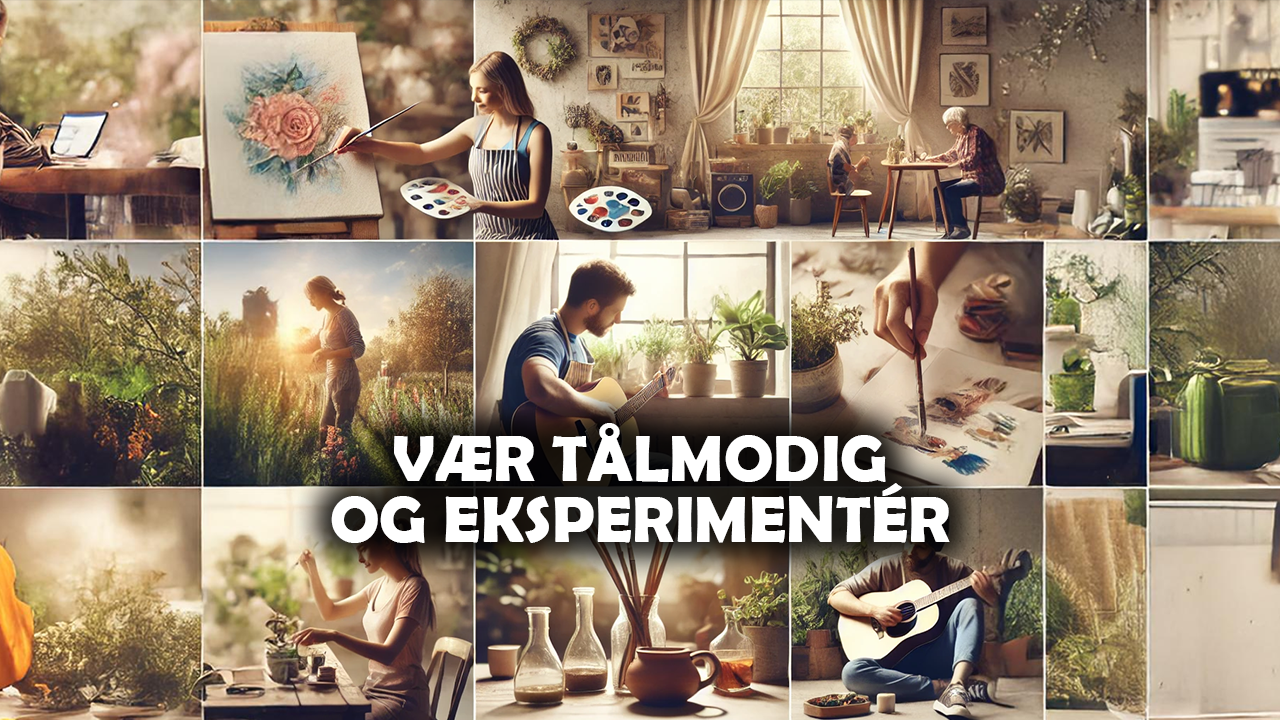
It can take time to find the hobby communities that are the perfect fit for you – and it is both normal and important to accept this. Not every community will feel like the right match from the outset, and sometimes you need to try out several different hobby communities before finding the group that truly inspires you and gives you energy. Patience is therefore an important part of the process. It is not about forcing yourself to join the first community you come across, but about exploring the possibilities with curiosity, an open mind and a calm approach.
When you try different options, you quickly discover which types of hobby communities bring you the most enjoyment, learning and motivation. Perhaps you thrive best in small groups with a relaxed atmosphere – or perhaps you flourish in larger communities full of activity and energy. Maybe you prefer structured meetings and planned activities, or perhaps you favour spontaneous gatherings in nature or creative spaces.
By allowing yourself to try out different hobby communities, you gain a better understanding of what works for you – without spending money unnecessarily. You can also attend free or inexpensive introductory meetings, workshops or online groups and see how well the atmosphere and group dynamics suit you. Remember that it is perfectly natural to try different options and perhaps change direction along the way – the most important thing is to enjoy the process and learn new things while finding the community that suits you best.
Patience also means giving a community time to develop. Relationships, group dynamics and a sense of security do not always emerge at the first meeting. Sometimes you need to attend a few times before you can get a feel for the group's rhythm and find your place. If something does not feel quite right, it is not a failure – it is simply a sign that you should try something else. There is a hobby community for everyone, and often it is waiting just around the corner. The most important thing is to remain curious and patient and give yourself the opportunity to explore until you find the right fit, without compromising on what feels like the right hobby community for YOU.
Inspiration List – Find the Right Hobby Community for YOU with Time, Curiosity and Patience
🧭 Try Several Different Hobby Communities Over Time
Trying out several hobby communities gives you the opportunity to experience the differences in atmosphere, activity levels and group dynamics. Some communities focus on learning, others on relaxation and socialising; some focus on nature, while others centre on creativity. By giving yourself time to explore different types of hobby communities, you gain a basis for comparison and can more easily find the place where you feel at home. Trying different options also helps you build a wider network and gain more perspectives that may prove valuable in the long run.
⏳ Give New Hobby Communities Time to Develop
It can take several meetings before a hobby community begins to feel natural, so it is important not to judge a group too quickly. The social flow, group dynamics and relationships develop over time – especially if the group is large or its activities vary considerably. By giving yourself time to settle into the hobby community, you create better conditions for experiencing the sense of security that makes participation enjoyable. Often, you need to become familiar with the group's rhythm before you can tell whether it is the right place for you to stay.
🌱 Be Open to Unexpected and Interesting Hobby Communities
Sometimes, you discover the most rewarding hobby communities in the places you least expect. It could be a group you never thought would suit you, but where the chemistry, atmosphere and activities pleasantly surprise you. When you are open to new opportunities and willing to try something different, you broaden both your options and your horizons. Many people discover that their favourite hobby actually develops within a community they had never considered joining.
💬 Trust Your Instincts When Choosing the Right Hobby Community for You
Your gut feeling is an important guide when looking for the right hobby communities. Do people seem welcoming? Are the activities inspiring? Do you feel energised, or does the experience leave you feeling drained? When you listen to these signals, it becomes easier to choose the hobby communities that strengthen you and avoid those that are not a good fit. This intuitive approach makes the process more comfortable and natural and helps ensure that, in the long run, you choose the hobby communities that bring out the best in you.
🎯 Set Small Personal Goals for Your Hobby Communities
Personal goals can help you choose the hobby communities that best suit your hopes and needs. You might want to learn something new, find a social group, improve a particular skill or simply bring more enjoyment into your everyday life. When you know what you want to achieve, it becomes easier to recognise which hobby communities match your ambitions. Small goals provide direction, peace of mind and structure – and make it easier to say yes to the right groups.
REMEMBER – When you give yourself time to explore and remain patient, you will find the hobby community that truly suits YOU. By following your intuition and trusting your gut feeling, you will find the community that benefits you most and gives you the greatest opportunity for learning, energy and enjoyment of life.
Conclusion
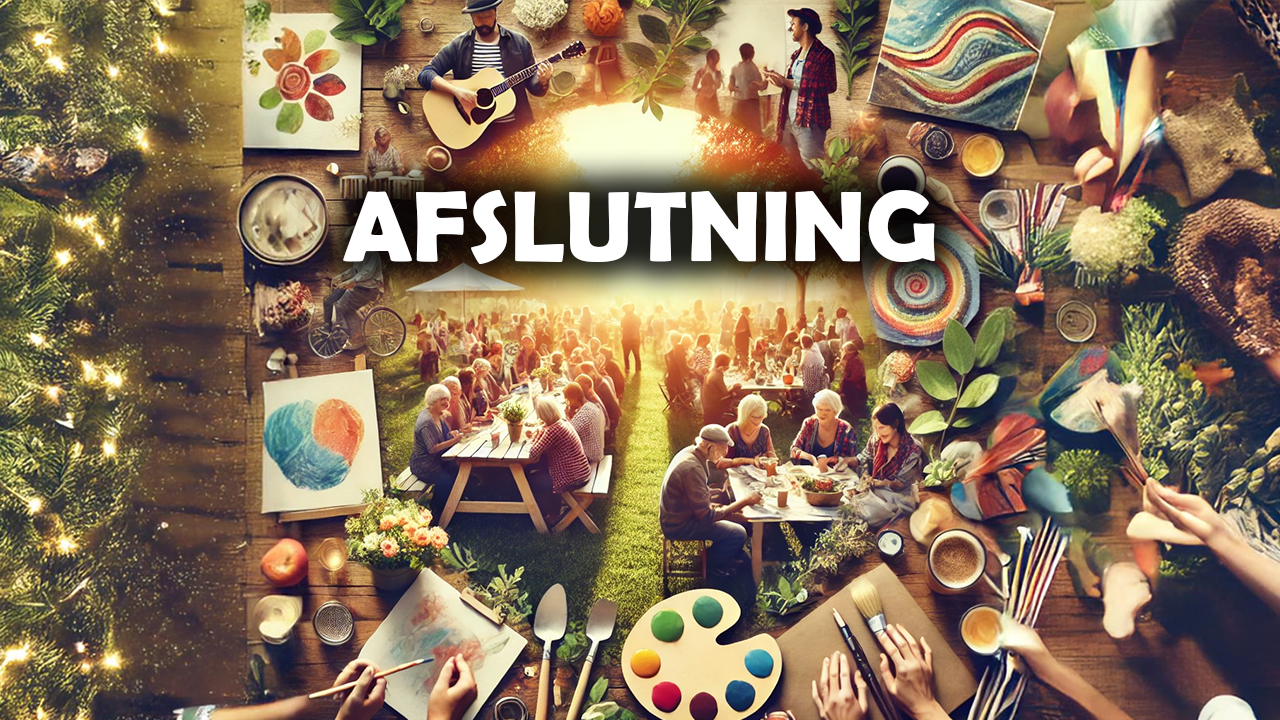
Finding the right hobby communities does not have to be expensive, complicated or time-consuming. It is more about being curious, patient and willing to explore the many opportunities that already exist around you – both online, in nature and in your local area. When you give yourself time and allow yourself to try different options, you will quickly discover that communities can emerge in many different places: through outdoor activities, workshops, creative spaces, schools, libraries, online platforms, events and local initiatives.
The most important thing is not to feel pressured into choosing the first community you come across. A hobby community should feel right – it should inspire you, give you energy and create an atmosphere where you can both learn and share your knowledge. When you find the right group, you gain not only new skills but also stronger social bonds, new friendships and an everyday life filled with joy, motivation and meaning.
Whether you are looking for a creative environment, an active community, a learning group or simply people with whom to share your interests, there is always a way to get involved – even without spending a lot of money. Start with the free resources in your local area, make use of online opportunities and be open to sharing knowledge and resources with others. This way, you can not only pursue your interests but also build meaningful relationships through hobbies without incurring significant costs.
It is about taking the first step, being patient and allowing the hobby community to grow at a pace that feels natural to you. Once you find the right place to belong, you will discover that hobby communities can offer inspiration, memorable experiences and a stronger social foundation.
REMEMBER – Hobby communities are not about money, but about people, passion and the desire to spend time together. When you find the right hobby community, both your enjoyment of life and your sense of fulfilment grow.
Mini Guide – How to Find Hobby Communities Without Spending a Lot of Money
This mini guide summarises the article above and offers useful tips on how to find hobby communities without spending a lot of money.
📚 Make the Most of Free Local Resources to Find Hobby Communities
Your local area offers far more free opportunities than most people realise. Libraries, cultural centres, community centres, parks, communal spaces and public meeting places provide free activities, events and environments where hobby communities can develop naturally. Make active use of these resources – check noticeboards, ask staff and attend small events. These are often places where you can find groups with low barriers to entry, a welcoming atmosphere and no costs.
🌐 Use Social Media and Online Platforms to Find Hobby Communities
Facebook groups, Meetup, local neighbourhood forums, hobby community apps and Reddit make it extremely easy to find like-minded people both in your area and online. You can start by following conversations, asking questions and taking part in activities before moving on to face-to-face meetings. Digital hobby communities offer a safe, free and flexible way to discover a wide variety of hobby groups, and you can explore them at your own pace.
🎨 Attend Free Workshops, Events and Open Days to Find Your Hobby Community
Free or inexpensive local activities are ideal places to meet people who share your interests. Workshops, open days, hobby cafés, book clubs, fitness sessions in the park and creative events all provide opportunities to discover new communities. Here, you can quickly get a feel for the atmosphere, try something new and decide whether the group suits you – without taking any financial risks.
🧭 Try Several Hobby Communities Before Choosing the One That Suits YOU
The right hobby community is rarely the first one you try. It is perfectly natural to explore different types of groups, activities and environments. Some hobby communities are structured, while others are relaxed; some are small and intimate, while others are large and energetic. Give yourself the time and patience to see how you feel, without feeling obliged to commit. You will know you have found the right match when you experience a sense of security, motivation and energy.
💬 Share Your Knowledge Within the Hobby Community – Even Small Things Can Be Valuable
Sharing knowledge builds relationships. When you share your experiences, tricks, techniques or ideas – whether big or small – you quickly become a valued and active member of the hobby community. This creates a culture of mutual support where learning happens naturally and free of charge. At the same time, you also gain new knowledge and inspiration from others, benefiting the entire hobby group.
♻️ Think Creatively and Use Recycled Materials in Your Hobby Community
Affordable hobby communities often prioritise creativity over equipment. Share materials with others, reuse existing items, organise small swap schemes or see what you already have at home. Many hobbies actually require very little to get started, and within hobby communities, people can often borrow equipment, exchange ideas and find clever solutions that make their hobbies more affordable and inclusive.
🎓 Use Free Online Courses to Strengthen Your Hobby Community
Free online courses are a valuable resource for hobby communities. You can learn new skills together, follow tutorials, share notes and develop as a hobby group – all without spending money. Courses can cover everything from creative techniques and nature studies to software, fitness and crafts. When you combine online learning with face-to-face meetings, learning becomes both more enjoyable and more effective.
For more inspiration on finding an exciting hobby, watch this video – Skills to Learn in 2025
Do you have any experience or knowledge of how to find hobby communities without spending a lot of money? We would love to hear your thoughts or suggestions in the comments section, especially any additional ideas for finding hobby communities that are inexpensive or perhaps even free.