

Eating healthily does not have to be expensive, complicated, or time-consuming – especially when you make the most of fresh seasonal ingredients. When you choose vegetables, fruit, and other staple foods that are in season, you benefit from better flavour, higher quality, and lower prices. It is one of the most effective ways to prepare healthy and budget-friendly meals while also giving you inspiration and variety throughout the year.
Seasonal ingredients are often more nutritious because they have had optimal growing conditions and are harvested closer to the point of ripeness. This means you can create dishes with more flavour and better texture without having to buy imported or expensively produced alternatives.
Seasonal ingredients are not only cheaper; they are often also more nutritious and flavourful, as they have not been stored or transported over long distances. At the same time, you can reduce food waste because the ingredients typically keep for longer and are easier to use across different dishes – from simple everyday meals to more creative kitchen projects.
Budget-friendly and healthy food is also about planning: combining inexpensive staple foods with seasonal vegetables, making strategic use of leftovers, and choosing cooking methods that both enhance the flavour of the ingredients and keep your costs down. When you work with nature’s rhythm, it becomes easier to eat a varied, economical, and sustainable diet without feeling that you are compromising on either taste or health.
In this article, you will find practical advice, specific examples, and plenty of inspiration for how to prepare healthy and budget-friendly meals using ingredients that are fresh, local, and in season. The aim is to make it easy for you to live well while spending less – one season at a time.
Why Choose Seasonal Ingredients for Cooking?

Choosing seasonal ingredients is one of the most effective ways to eat both more healthily and more affordably. When an ingredient is in season, it is typically harvested close to where you buy it and at the point when its flavour, quality, and nutritional value are at their best. This means you get ingredients with more juiciness, flavour, and freshness – and you can taste the difference in your dishes.
At the same time, seasonal ingredients are often significantly cheaper because they are available in larger quantities, require less transport, and do not need to be stored for long periods in refrigeration or warehouses. It is also a more climate-friendly choice. By following nature’s rhythm, you avoid imported fruit and vegetables that have travelled long distances and required substantial resources for transport and storage.
When you choose ingredients that naturally thrive at that time of year, you support your budget, your health, and the environment – all without compromising on flavour, variety, or quality in your cooking. When you work with seasonal ingredients, your meals also become more creative automatically because the selection changes throughout the year. This adds variety to your plate, makes it easier to keep your food budget under control, and creates a more sustainable kitchen that makes the best possible use of ingredients.
Summary Of The Main Benefits Of Using Seasonal Ingredients
Flavour and quality - Fruit and vegetables that are in season often taste better because they are harvested at peak ripeness.
Price - Local ingredients that are in season are typically cheaper because they are more readily available.
Environment - By buying locally and seasonally, you reduce the need for long-distance transport and storage, which helps lower your CO2 footprint.
Nutrients - Freshly harvested ingredients often contain higher levels of vitamins and minerals.
Inspiration List – Ideas For Making The Most Of Seasonal Ingredients
🌱 Plan Meals Around Seasonal Ingredients
When you plan your weekly meals around seasonal ingredients, you automatically create a more varied and budget-friendly meal plan. For example, spring brings fresh green vegetables, while autumn provides root vegetables and richer flavours. By letting the seasons guide your shopping, it becomes easier to prepare dishes that taste fantastic while keeping your expenses down. This approach also creates a natural rotation in your diet, supporting both good health and enjoyment of food.
🥕 Use Seasonal Ingredients As The Basis For Affordable Everyday Meals
When you make seasonal ingredients the main part of your dishes, you reduce the need for expensive ingredients and unnecessary purchases. A simple dish can be transformed with fresh ingredients that have more flavour and require very little seasoning or complicated preparation. This makes everyday cooking easier, healthier, and more economical – without compromising on quality.
🍲 Cook Large Portions With Seasonal Ingredients And Save Time And Money
Seasonal ingredients are particularly well suited to large casseroles, soups, oven-baked dishes, and vegetable mixes because they are often affordable, robust, and full of flavour. When you cook large portions, you have food for several days, the option to freeze meals, and an easier daily routine without extra food shopping. It is an effective way to make both your ingredients and your budget go further without compromising on nutritional value.
If you would like inspiration for making healthy and tasty casseroles that can provide several meals, you can read our article - Good Tips For Cheap, Healthy And Delicious Casseroles That Last For Several Days
🧺 Combine Seasonal Ingredients With Affordable Staples
When you combine seasonal ingredients with affordable staples such as lentils, rice, pasta, beans, and tinned tomatoes, you can create filling and healthy meals for very little money. Fresh seasonal vegetables provide flavour, crunch, and colour, while the staple ingredients make the dish satisfying and economical. This combination is ideal when you want to eat healthily on a budget while still having endless opportunities to vary your meals.
🍎 Experiment With New Dishes Using Seasonal Ingredients
Seasonal ingredients give you a natural opportunity to try new dishes or reinvent old classics. As the selection in shops changes throughout the year, you can use it as inspiration to experiment with new techniques, recipes, and flavour combinations. This keeps cooking enjoyable, rewarding, and creative – while also helping you make use of the cheapest and freshest ingredients of the season.
**********************************************************************
REMEMBER - Food made with seasonal ingredients always has more flavour – and costs less. When ingredients are in season, good food becomes both cheaper and much easier to prepare.
Planning And Shopping For Cooking With Seasonal Ingredients
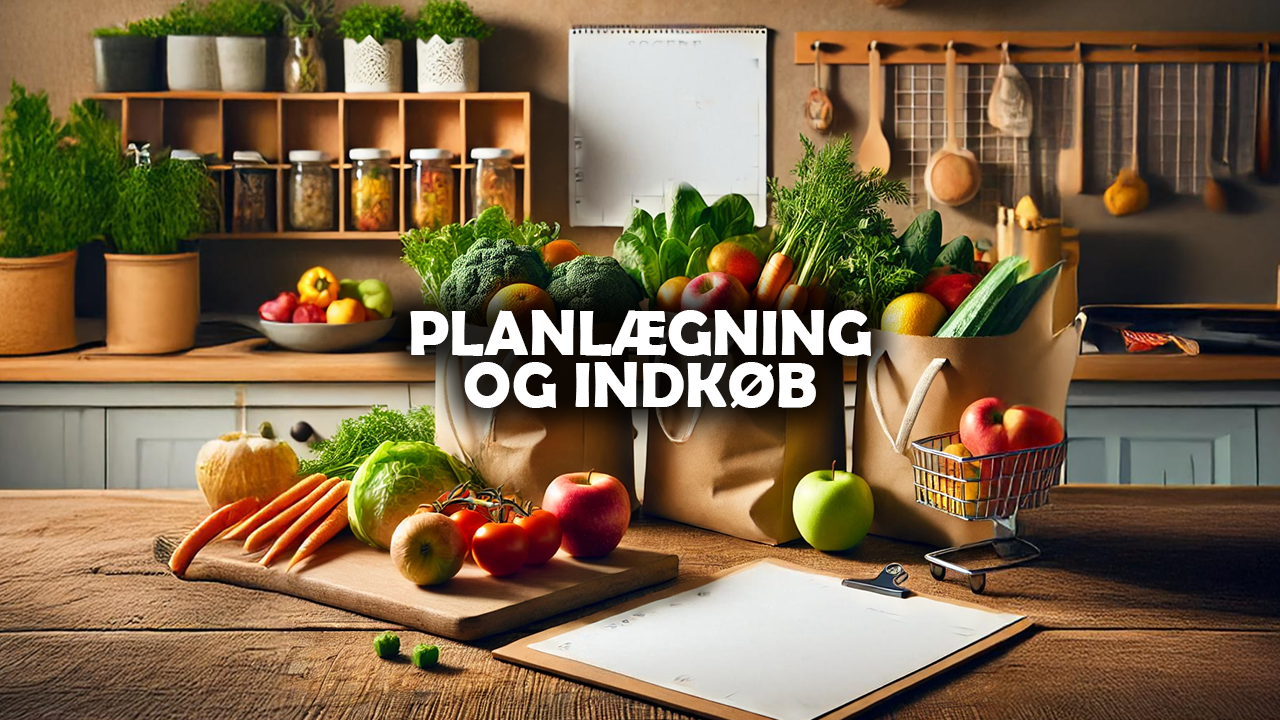
Good planning is the key to getting the most out of seasonal ingredients – both financially and in terms of cooking. When you plan your meals around what is available each season, it becomes easier to create healthy, tasty, and budget-friendly dishes without being tempted by expensive impulse purchases or ingredients that are out of season.
By knowing what is in season, you can easily put together shopping lists with a clear structure, minimise food waste, and take advantage of special offers in a smart and flexible way. Planning is also about understanding how seasonal ingredients can be used in different dishes – whether as a main ingredient, a side dish, or a source of flavour.
When you know in advance which ingredients you want to buy and how you intend to use them, it becomes much easier to prepare food that is both healthy and affordable. At the same time, planning creates a natural rhythm in the kitchen, allowing you to move between dishes made with fresh, robust, colourful, and nutritious ingredients depending on what each season has to offer.
Inspiration List – Effective Ways To Plan Your Shopping Around Seasonal Ingredients
📰 Check Supermarket Leaflets For Good Prices On Seasonal Ingredients
Looking through supermarket leaflets is a simple but extremely effective way to save money when you are making a conscious effort to use seasonal ingredients. Most supermarkets run weekly offers where fresh seasonal produce is often highlighted at especially low prices – precisely because shops have large quantities in stock and can sell them cheaply.
By regularly keeping an eye on which ingredients are reduced, you can plan your meals flexibly and take advantage of the best prices available. This means you are not only following seasonal ingredients in theory, but actively using them when they offer the greatest value. At the same time, you will quickly learn to recognise patterns in seasonal offers, so in future you can predict when it makes the most sense to buy larger quantities for, for example, freezing, meal prep, or longer-term storage.
🧺 Visit Local Markets To Find Top-Quality Seasonal Ingredients
Local markets are a fantastic place to explore when you want to buy seasonal ingredients at really good prices. Here, you will often find fresh produce directly from producers, which means a shorter journey from field to kitchen – and therefore significantly better quality. At the same time, you can often find excellent bargains because many sellers offer seasonal produce that has been harvested the same day and is therefore both cheaper and more flavourful than similar items in supermarkets.
When you shop at markets, you also have the opportunity to ask questions, taste ingredients, and learn more about when different foods are in season. This gives you a deeper understanding of how seasonal ingredients change throughout the year and how you can use them more strategically in your cooking. Local markets do not just give you better ingredients – they also give you inspiration, experiences, and a stronger connection to the food you work with.
📝 Create A Weekly Meal Plan With A Focus On Seasonal Ingredients
A weekly meal plan gives you structure and helps you make full use of seasonal ingredients. When you start by looking at which ingredients are at their seasonal peak, you can build the week’s meals around them – including main courses, side dishes, and snacks. This creates a more streamlined routine, less stress around cooking, and a shopping list that is both cheaper and much more focused. A weekly meal plan also makes it easier to use the same ingredients in several different ways, helping you avoid waste while still creating variety in your meals. For example, buying a whole vegetable such as a cabbage can provide ingredients for several different dishes.
You can find further inspiration on how to plan your meals effectively in our article - Save Money On Your Food Budget - Good Tips For An Economical Meal Plan
🛒 Buy Larger Quantities Of Seasonal Ingredients When They Are Cheap
When seasonal ingredients are at their peak in terms of price and quality, it makes sense to buy a little extra. Many fruits and vegetables can be frozen, pickled, fermented, or preserved in other ways so you can use them later. You save money by buying at the optimal time, and you build up a supply of healthy ingredients that makes everyday cooking easier. This strategy gives you flexibility in the kitchen and allows you to enjoy seasonal food even outside the actual season.
🧂 Combine Seasonal Ingredients With Affordable Staples
When planning your shopping, it is useful to think about seasonal ingredients alongside reliable and affordable staples such as lentils, pasta, rice, beans, and bulgur. These ingredients provide the foundation, while seasonal produce adds flavour, nutrition, and colour. In this way, you can create dishes that are filling, delicious, and budget-friendly. This combination also makes it easy to cook large portions and prepare varied meals throughout the week.
🧑🍳 Adapt Recipes To Seasonal Ingredients Instead Of Following Them Blindly
Recipes should be seen as inspiration, not strict instructions. If a recipe uses expensive ingredients that are out of season, you can often replace them with similar seasonal alternatives – and frequently achieve a better result. For example, fresh summer tomatoes can replace imported winter tomatoes, or autumn root vegetables can be used instead of expensive courgettes. When you train yourself to see possibilities rather than limitations, cooking becomes more creative, cheaper, and much more sustainable.
📦 Use Leftover Seasonal Ingredients In New Dishes During The Week
Making use of leftovers is an important part of planning. With seasonal ingredients, it is easy to create new dishes without buying anything extra. Leftover vegetables can be used in soups, omelettes, pasta dishes, wraps, or salads, while fruit can be used in smoothies, baking, or snacks. By thinking ahead, you get more value from your shopping, save money, and minimise food waste – all while continuing to use the freshest and most affordable ingredients.
Find further inspiration on how to use leftovers in a useful and creative way in our article - Good Tips On How To Use Leftovers In A Useful And Creative Way
***********************************************************************
REMEMBER - Seasonal ingredients give you structure, savings, and flavour all at the same time. Plan your cooking around the seasons – and prepare healthy, tasty food without unnecessary expense.
Recipes Using Seasonal Ingredients
When you use seasonal ingredients in your recipes, you open the door to a world of flavour, variety, and financial benefits. Seasonal ingredients naturally have more flavour because they are allowed to ripen under optimal conditions, which means they often require less processing and fewer seasonings to create a rich and satisfying taste experience. This makes cooking both easier and cheaper – while also giving you meals that are fresh, colourful, and full of nutrition.
Recipes based on seasonal ingredients also give you the opportunity to experiment with new dishes and combinations that you might not otherwise have tried. As the selection changes throughout the year, you are encouraged in a positive way to think creatively and discover new favourites. From autumn’s hearty pumpkins and root vegetables to summer’s sweet berries and juicy tomatoes – every season brings its own charm and provides inspiration for both classic and modern dishes.
Another major advantage of using seasonal ingredients is that they can be adapted to almost any type of dish: soups, casseroles, pasta dishes, salads, oven-baked meals, and healthy snacks. They can take centre stage or work as excellent side dishes, and you can easily prepare larger portions that last for several days. When ingredients are at their cheapest and best, it makes sense to make full use of them and let your recipes follow nature’s rhythm.
Whether you are preparing simple everyday meals or more creative weekend dishes, seasonal ingredients will improve the result – both in terms of flavour and cost. Ultimately, it is about letting the seasons inspire your kitchen and embracing the fresh possibilities that nature serves up for you.
Here Are Some Examples Of Recipes Using Seasonal Ingredients:
Autumn Pumpkin Soup

Autumn pumpkin soup is the perfect example of healthy, budget-friendly, and seasonal food. When pumpkins are in season, they are affordable, flavourful, and packed with nutrients. At the same time, a single pumpkin goes a long way, making this dish ideal when you want to prepare filling food without spending much. Pumpkin has a natural sweetness and creamy texture that makes it perfect for soup.
Together with simple staple ingredients such as onions, carrots, garlic, and stock, you can create a rich and tasty dish with only a few ingredients. This means you can make a large batch that can be eaten the same day, saved for lunch, or frozen for busy days.
At the same time, pumpkin soup is an easy way to include more vegetables in your everyday diet. The soup can be varied with spices such as ginger, chilli, or curry, depending on the flavour you want. A little crème fraîche, yoghurt, or toasted seeds on top can enhance the dish even further without significantly increasing the cost.
This dish is perfect for autumn, when warm, filling meals are especially welcome. With just a few inexpensive ingredients and minimal preparation, you get a healthy and nutritious soup that is economical, flexible, and full of flavour.
Example Recipe For Autumn Pumpkin Soup
Ingredients:
1 medium Hokkaido pumpkin.
1 onion.
2 cloves of garlic.
1 potato.
1 litre vegetable stock.
100 ml coconut milk (optional).
Olive oil.
Salt and pepper.
Cumin and chilli to taste.
Method:
Cut the pumpkin, onion, garlic, and potato into smaller pieces.
Sauté the onion and garlic in olive oil, add the pumpkin and potato, and cook for a few minutes.
Pour over the stock and simmer for 20–25 minutes, until the pumpkin is tender.
Blend the soup until smooth and add the coconut milk if desired. Season to taste with the spices.
Fresh Summer Salad To Serve With Meals

Summer offers an abundance of fresh, crisp, and colourful ingredients that are perfect for light and budget-friendly salads. When vegetables and berries are in season, they are cheaper, more flavourful, and packed with nutrients. A fresh summer salad can therefore be one of the easiest ways to add flavour, nutrition, and variety to your meals – without requiring much time in the kitchen.
A good summer salad does not need many ingredients. Combinations such as tomatoes, cucumber, red onion, fresh herbs, and a simple dressing made with oil and lemon can create an incredibly tasty addition to grilled food, fish, chicken, or vegetarian dishes. You can also add seasonal berries, peas, radishes, or salad leaves for extra colour and texture.
The advantage of this type of salad is its flexibility. You can easily use what you already have in the fridge and adapt the ingredients according to what is available that day. A handful of nuts, seeds, or a little feta can add extra substance without making the dish expensive. At the same time, the salad requires minimal preparation and creates almost no washing-up.
A fresh summer salad is therefore not only a healthy addition to your meals, but also a practical and economical everyday option. With just a few fresh ingredients, you can create a light and inviting dish that is perfect for the season and enhances any meal.
Example Recipe For A Fresh Summer Salad
Ingredients:
4 ripe tomatoes
1 cucumber
1 red onion
1 bunch of fresh parsley
1 lemon
2 tbsp olive oil
Salt and pepper
Method:
Dice the tomatoes and cucumber and finely chop the red onion.
Mix all the ingredients in a bowl and add the chopped parsley.
Drizzle with lemon juice and olive oil, and season with salt and pepper to taste.
Winter Root Vegetable Traybake

Winter is peak season for root vegetables, which is exactly why a root vegetable traybake is one of the most budget-friendly and filling dishes you can make during the colder months. Root vegetables such as carrots, parsnips, beetroot, potatoes, and onions are affordable, nutritious, and naturally sweet, with their flavour becoming even more intense when roasted in the oven.
A root vegetable traybake requires very little preparation. Simply peel, chop, and toss the vegetables with a little oil, salt, pepper, and, if desired, dried herbs such as thyme or rosemary. The oven then does the rest. The result is a flavourful and colourful side dish that goes well with almost any type of main course – from chicken and fish to vegetarian dishes.
Another advantage of root vegetables is their long shelf life. You can buy them in larger quantities, store them for a long time, and use them over several days in different dishes. Leftover roasted root vegetables can easily be used in a salad the next day, blended into a soup, or added to an omelette, helping to minimise food waste and keep costs down.
A winter root vegetable traybake is therefore a practical, healthy, and economical option that delivers plenty of flavour with very few ingredients. It is a simple way to make the most of seasonal produce and create warm, filling everyday meals.
Example Recipe For A Winter Root Vegetable Traybake
Ingredients:
2 carrots
2 parsnips
1 beetroot
1 sweet potato
2 tbsp olive oil
Dried thyme
Salt and pepper
Method:
Cut the root vegetables into batons or cubes.
Toss them with olive oil, thyme, salt, and pepper.
Roast in the oven at 200°C for 30–40 minutes, until tender and golden.
Tips For Minimising Food Waste From Seasonal Ingredients

Seasonal ingredients are often both more flavourful and cheaper, but they are also fresh and therefore more natural – which means they do not always keep for as long as ingredients that have been stored or treated to extend their shelf life. That is why it is important to handle and use them efficiently, so you can enjoy every bite while also avoiding unnecessary food waste.
To minimise food waste, it is important to plan ahead and store your ingredients correctly, but also to stay flexible and think creatively when cooking. Many seasonal ingredients can be used in several different dishes, and even less attractive or overripe produce can be given a new lease of life in soups, smoothies, casseroles, or baking.
The better you become at seeing the potential in your ingredients, the less ends up in the bin – and the more value you get from your food budget. By using seasonal ingredients thoughtfully, you can create a kitchen where nothing goes to waste and every ingredient is used to its full potential. This leads to better value, better flavour, and a more sustainable way of thinking in everyday life.
Inspiration List – Practical Ways To Reduce Food Waste From Seasonal Ingredients
🥕 Minimise Food Waste - Store Seasonal Ingredients Properly To Extend Their Shelf Life
Many seasonal ingredients last much longer when stored correctly. Leafy green vegetables keep best in the vegetable drawer of the fridge, wrapped in a slightly damp cloth, while root vegetables often keep better in a cool, dark place, but not necessarily in the fridge. By learning about the specific storage needs of each ingredient, you can prevent them from losing freshness too quickly. Proper storage can significantly extend shelf life and give you more time to use the ingredients in different dishes, so nothing goes to waste.
♻️ Minimise Food Waste - Use The Whole Ingredient When Cooking With Seasonal Produce
One of the most effective ways to minimise food waste is to use the whole ingredient – especially when working with seasonal produce, which often has far more to offer than you might initially think. Many parts that are traditionally thrown away contain plenty of flavour, texture, and nutrients. Broccoli stalks, for example, can be cut into small pieces and used in soups, stir-fries, or casseroles, where they add substance and a mild flavour.
Carrot tops, which many people do not realise are edible, are perfect for making a fresh pesto that is both aromatic and incredibly budget-friendly, because you are using something that would otherwise have ended up in the bin. By using the whole ingredient, you get more from your shopping while also giving yourself new culinary possibilities. It is a simple, sustainable, and creative way to make seasonal ingredients go further and taste even better.
🍲 Minimise Food Waste - Create Dishes That Use Leftover Seasonal Ingredients In New And Creative Ways
Leftover seasonal ingredients can become some of your best dishes. A handful of vegetables, for example, can be turned into a flavourful soup, an omelette, a stir-fry, or a rich pasta sauce. Fruit that has become slightly soft can be used in smoothies, compotes, or baking. When you think flexibly and see possibilities rather than limitations, food waste is quickly reduced – and at the same time, you get delicious meals that would never have been created if the ingredients had simply been thrown away.
Find further inspiration on how to use leftovers in a useful and creative way in our article - Good Tips On How To Use Leftovers In A Useful And Creative Way
🥗 Minimise Food Waste - Prepare Meals In Advance With A Focus On Seasonal Ingredients
Meal prep is an effective way to reduce food waste. When you prepare several meals at once using seasonal ingredients, you make sure they are used while they are still fresh. This makes everyday life easier, as you always have something healthy and delicious ready to eat, and it prevents ingredients from being forgotten in the fridge. Seasonal ingredients are particularly well suited to meal prep, as they are often robust, affordable, and full of flavour, making them ideal for larger portions.
🧑🍳 Minimise Food Waste - Adapt Recipes To The Seasonal Ingredients You Have Left Over
If you have a little bit of everything left: half a courgette, three carrots, some leftover cabbage, or a couple of overripe tomatoes – let that be the starting point for a new dish. Many recipes can easily be adapted to the seasonal ingredients you already have. It simply requires letting go of the idea that you must follow the recipe exactly and instead using it as inspiration. In this way, you reduce both waste and unnecessary shopping while developing a more intuitive approach to cooking.
🧊 Minimise Food Waste - Freeze Surplus Seasonal Ingredients In Small Portions
Freezing is one of the most effective ways to reduce food waste. Many seasonal ingredients can be frozen without losing either flavour or nutritional value – especially when they have been washed, chopped, and, if necessary, blanched. By freezing them in small portions, you gain easy access to ingredients for soups, casseroles, smoothies, or oven-baked dishes. This gives you flexibility in everyday life and ensures that you always have a supply of healthy ingredients ready to use, without anything becoming too old.
***********************************************************
REMEMBER - Food waste is reduced when creativity and planning go hand in hand, and when you make full use of your ingredients, food waste becomes new opportunities.
Budget-Friendly Cooking Alternatives To Use With Seasonal Ingredients

When you cook with seasonal ingredients, you already benefit from the best prices and the best flavour. But you can make your dishes even more budget-friendly by combining seasonal ingredients with inexpensive alternatives that both stretch portions and add new textures, colours, and nutrients. It is not only about saving money, but also about making the best possible use of your ingredients and creating dishes that are filling, varied, and full of flavour.
Budget-friendly alternatives work as supporting ingredients that enhance seasonal produce without requiring a large investment. They can be staple foods such as beans, lentils, rice, bulgur, and potatoes, or long-lasting ingredients that help you make even better use of fresh produce.
When you learn to combine ingredients across different price ranges, you create a flexible style of cooking where the freshness of nature meets the financial realities of everyday life. This allows you to create healthy, affordable, and tasty meals all year round, even when the selection varies. With the right alternatives, seasonal ingredients become a natural part of a kitchen where you both save money and get maximum enjoyment from your cooking.
Inspiration List – Good Budget-Friendly Food Choices To Combine With Seasonal Ingredients
🍚 Combine Seasonal Ingredients With Affordable Staples To Make Meals Go Further
Staple foods such as rice, lentils, couscous, and pasta are ideal for combining with seasonal ingredients because they are both filling and extremely affordable. When you let fresh ingredients such as cabbage, courgettes, carrots, tomatoes, or root vegetables provide the main flavour, while the staples provide substance, you can prepare large portions for very little money. It is an excellent way to make the most of seasonal ingredients without having to buy large quantities of the more expensive items. This combination provides nutrition, variety, and plenty of flavour in everyday meals.
🥫 Save Money And Use Tinned And Dried Foods As Affordable Additions To Seasonal Ingredients
Tinned foods such as chickpeas, kidney beans, lentils, sweetcorn, and tomatoes are reliable favourites that can be combined with seasonal ingredients in almost any dish. They provide protein, substance, and texture and make it possible to prepare filling meals without increasing your budget. Dried lentils and beans are even cheaper and have a long shelf life, making them perfect staples to keep in your kitchen. When you combine them with seasonal ingredients, you get dishes that are filling, economical, and incredibly flexible.
🥔 Save Money And Replace Expensive Fresh Ingredients With Long-Lasting Alternatives When It Makes Sense
Some seasonal ingredients can be more expensive at certain times, or the selection may be limited. In these situations, you can use long-lasting ingredients such as potatoes, onions, white cabbage, red cabbage, and carrots as affordable alternatives. They work particularly well with fresh seasonal ingredients in casseroles, stir-fries, soups, and oven-baked dishes. Combining fresh and long-lasting ingredients gives you both substance and flavour and ensures that you always have ingredients at home for a healthy meal – without going over budget.
🍖 Meat As An Addition – Use Affordable Protein Sources With Seasonal Ingredients
Meat is often one of the most expensive ingredients in cooking, so it makes good sense to replace some of it with cheaper protein sources such as beans, lentils, or chickpeas. These ingredients are not only economical, but also filling and packed with plant-based protein and fibre. When you combine them with seasonal ingredients, you get dishes that are healthy, substantial, and much cheaper than traditional meat-heavy meals. For example, a vegetable casserole with lentils and seasonal root vegetables can provide the same satisfying feeling as a meat-heavy dish, but at a fraction of the cost.
Beans and lentils absorb flavour well, making them perfect for dishes where seasonal ingredients provide freshness and aroma. It is a flexible and economical way to create more balanced and nutritious meals that still satisfy the whole family.
🧂 Let Flavour And Seasoning Enhance Affordable Alternatives Alongside Seasonal Ingredients
Seasoning can make all the difference when you combine seasonal ingredients with affordable alternatives. Simple ingredients such as onions, garlic, spices, and lemon juice can enhance the natural flavour of fresh produce while also making inexpensive staple ingredients more exciting. For example, oven-roasted root vegetables with paprika and thyme can elevate a simple pasta dish, while lemon and fresh herbs can make even budget-friendly vegetable dishes feel special. Flavour and seasoning are the shortcut to making inexpensive ingredients taste far more luxurious.
You can find inspiration for exciting spice blends in our article - Good Tips For Budget-Friendly Spice Blends That Add Extra Flavour To Your Dishes
🍛 Save Money And Make Large Portions By Combining Seasonal Ingredients With Filling Budget Ingredients
When you cook large portions, you get more from seasonal ingredients without increasing your costs. Dishes such as lentil casseroles, vegetable soups, pasta bakes, rice dishes, or oven-baked mixed dishes allow you to combine fresh seasonal produce with filling ingredients such as beans, lentils, potatoes, and rice. Large portions give you food for several days, the option to freeze meals, and a meal plan that is both healthy and economical. It is one of the most effective ways to make sure you get the most out of both your budget and your ingredients.
If you would like inspiration for making healthy and tasty casseroles that can provide several meals, you can read our article - Good Tips For Cheap, Healthy And Delicious Casseroles That Last For Several Days
🍪 Ready-Made Snacks – Make Affordable Homemade Alternatives Using Seasonal Ingredients
Ready-made snacks such as granola bars, crisps, and small snack foods can quickly make your shopping basket more expensive, but many of them can easily be made at home for a fraction of the price. When you make your own snacks, you can also make active use of seasonal ingredients – for example, by making baked vegetable crisps from root vegetables in autumn or fruit bars sweetened with blended seasonal fruit in summer.
Homemade granola bars are an obvious example: they can be made with oats, a little honey, nuts, and small amounts of dried fruit or grated seasonal ingredients such as apple, which provide both flavour and natural sweetness. In this way, you get healthy and budget-friendly snacks that are perfect as a snack between meals, for packed lunches, or as a quick energy boost – without the high prices of ready-made alternatives. It is cheaper, healthier, and far more flexible.
Find inspiration for making your own affordable, healthy, and tasty snacks in our article - Good Tips For Budget-Friendly And Healthy Snacks For The Family
*************************************************************
REMEMBER - Budget-friendly choices make seasonal ingredients even more valuable in the kitchen, and when you combine foods in the right way, you get flavour, satisfaction, and savings.
*************************************************************
You can find further inspiration for affordable, tasty, and healthy food in our article - Good Tips For Good, Healthy And Affordable Food
Conclusion

Working with fresh seasonal ingredients is not just a way to save money – it is an entire approach to cooking that makes everyday life healthier, more sustainable, and considerably more inspiring. When you follow nature’s rhythm, you get ingredients that taste better, keep for longer, and offer far better value for money. At the same time, you become more creative in the kitchen because the selection changes throughout the year, opening the door to new combinations, dishes, and flavour experiences that you might never otherwise have tried.
By combining seasonal ingredients with good planning habits, budget-friendly alternatives, and a conscious effort to minimise food waste, you can create a food culture at home where health, affordability, and sustainability go hand in hand. It requires neither advanced cooking techniques nor expensive ingredients – just curiosity, thoughtfulness, and a desire to make the most of what nature has to offer right now.
This approach makes it possible to eat varied, nutritious, and tasty meals all year round without going over budget. When you let the seasons guide your meal plan, you get dishes that both feel and taste right, while also supporting a more climate-friendly lifestyle.
It is an investment in both your health and your everyday life – one whose effects you will notice in your energy levels, enjoyment of cooking, and finances. So let yourself be inspired by the possibilities each season offers and be creative in the kitchen – there is no limit to how delicious budget-friendly seasonal food can be when you use the right fresh ingredients suited to the time of year!
REMEMBER - Let nature and the seasons be your guide in the kitchen, and create exciting meals with seasonal ingredients full of flavour, colour, and budget-friendly choices.
Mini Guide – How To Make Healthy Budget-Friendly Meals With A Focus On Fresh Seasonal Ingredients
This mini guide is a summary of the article above and provides useful tips for making healthy, budget-friendly meals with a focus on fresh seasonal ingredients.
🥕 Plan Your Meals Around Fresh Seasonal Ingredients
Good planning is the foundation for making healthy, budget-friendly meals that make the best possible use of fresh seasonal ingredients. By starting with what nature has to offer right now, you can create a meal plan that is affordable, varied, and full of flavour. Seasonal ingredients are typically cheaper because they are available in larger quantities, and they taste better because they have been harvested at the right time. When you build the week’s meals around these ingredients, you minimise both food waste and impulse purchases while creating a more structured routine in the kitchen.
🛒 Create Focused Shopping Lists With Fresh Seasonal Ingredients In Mind
A well-planned shopping list helps you keep your budget under control and ensures that you get the best versions of fresh seasonal ingredients. Take time to check supermarket leaflets, market trends, and the seasonal selection at local supermarkets before you shop. When you know exactly what you are looking for, you avoid expensive mistaken purchases and can more easily use your ingredients across several different dishes. This gives you both an overview and control – two important factors in creating a healthy and economical approach to food.
🥗 Combine Fresh Seasonal Ingredients With Affordable Staples
Budget-friendly staples such as rice, pasta, lentils, beans, and bulgur can make even small amounts of fresh seasonal ingredients go a long way. When you use the seasonal ingredients to provide flavour and the staples to provide substance, you get filling and nutritious meals without going over budget. Vegetables such as cabbage, carrots, squash, courgettes, and tomatoes work particularly well with these staples and can be used in everything from soups and casseroles to salads and oven-baked dishes. The combination provides both flexibility and variety in everyday meals.
🍲 Use The Whole Ingredient When Working With Fresh Seasonal Produce
To get the most out of fresh seasonal ingredients, it is important to use the whole ingredient. Many stems, peels, tops, and stalks can be used in soups, pestos, casseroles, and stir-fries – often with just as much flavour as the main part of the ingredient itself. Broccoli stalks, carrot tops, leek tops, and cauliflower leaves are classic examples of underrated parts that can both save you money and reduce food waste. This makes your cooking more sustainable and economical – without compromising on flavour.
❄️ Freeze Surplus Fresh Seasonal Ingredients For Later Use
When fresh seasonal ingredients are inexpensive and plentiful, it can be worthwhile to buy a little extra and freeze them. Many vegetables and fruits retain both flavour and nutrients after freezing, giving you a supply of healthy ingredients that are ready to use whenever you need them. Freezing also makes it easier to avoid food waste because you can preserve ingredients that would otherwise spoil. Use them in smoothies, soups, omelettes, stir-fries, and baking – there are plenty of possibilities, and the impact on your budget is clear.
👩🍳 Adapt Recipes To The Fresh Seasonal Ingredients You Have At Home
Cooking becomes both more enjoyable and cheaper when you let the ingredients you already have guide your dishes instead of following recipes too strictly. If you have leftover fresh seasonal ingredients, it makes sense to adapt dishes so that you use them fully. A recipe may call for spinach, but you can just as easily use kale. A dish may suggest broccoli, but cauliflower works just as well. This flexible approach reduces food waste, saves money, and gives you greater creative freedom in the kitchen.
🍽️ Cook Large Portions That Make The Most Of Fresh Seasonal Ingredients
Large portions are an effective way to stretch both your ingredients and your budget. When fresh seasonal ingredients are cheap, you can prepare large casseroles, oven-baked dishes, soups, and mixed dishes that last for several days and can be frozen. This makes everyday life easier and reduces the risk of relying on expensive takeaway meals. At the same time, it gives you the opportunity to experiment with new dishes and flavour combinations without requiring extra time every day.
If you would like further inspiration for affordable, mainly healthy, and tasty meals, you can watch this video - OUR DINNERS FOR A WEEK - BOTH HEALTHY, LESS HEALTHY AND VEGETARIAN DISHES
If you have experience and/or knowledge of healthy and delicious budget-friendly meals that focus on fresh seasonal ingredients, we would be very happy to hear your input and/or suggestions in the comments section about other ideas for delicious, healthy, and affordable meals made with fresh seasonal ingredients that can make everyday cooking cheaper, tastier, healthier, and more exciting