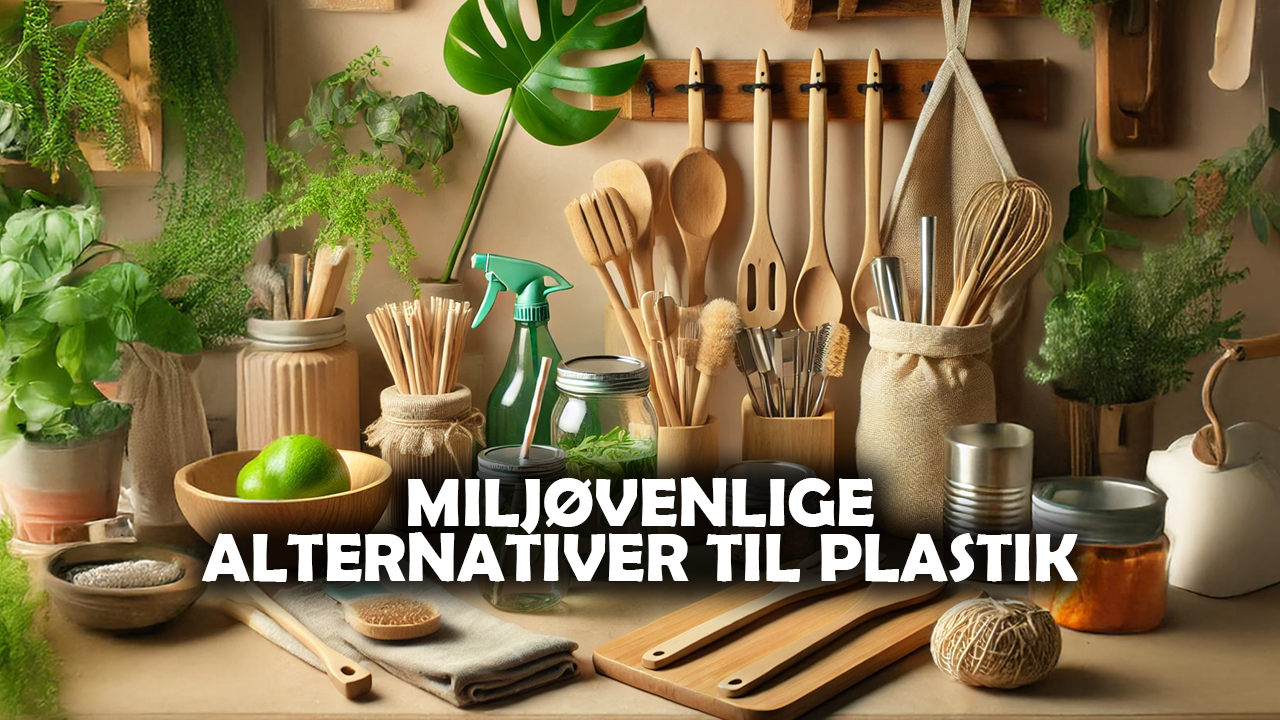
Plastic has become a permanent part of our everyday lives – from packaging and bags to kitchen utensils, storage and cleaning products. But although plastic can be practical, most of us are now aware that it can also have a significant environmental impact. It is estimated that there are currently around 150 million tonnes of plastic in the world’s oceans. Every year, between 8 and 10 million tonnes of plastic enter the oceans, which is equivalent to a truckload of plastic waste being dumped into the sea every minute. If this trend continues, the amount of plastic in the oceans is expected to quadruple by 2050.
This would mean that, by then, there would be more plastic than fish in the oceans. There are therefore many reasons to look for alternatives to plastic, and fortunately, there are a number of environmentally friendly alternatives that can help us reduce our ecological footprint. For this reason, many Danes are also developing a growing desire to make changes, think more sustainably and find solutions that are both environmentally friendly and practical in a busy everyday life. Fortunately, there are now plenty of eco-friendly alternatives to plastic that do not require major investments, significant changes to your habits or any compromise on functionality in the home.
Choosing environmentally friendly alternatives is not about living perfectly, but about taking small steps that together can make a big difference. Many green choices are actually surprisingly easy to introduce: reusable shopping bags, glass and metal containers for storage, natural materials in the kitchen, compostable household products and much more. The more of these choices we make, the less single-use plastic ends up in our bins – and in nature.
This article gives you an overview, inspiration and specific recommendations on how you can easily reduce plastic consumption in your home. You will find practical advice for everyday life, examples of good alternatives and ideas for gradually replacing plastic without compromising on either comfort or your budget. Whether you want to take your first small steps or are ready to fully embrace a greener lifestyle, you will find useful tips here that make it easy to get started.
Sustainable Shopping Choices – Cloth Bags and Reusable Containers
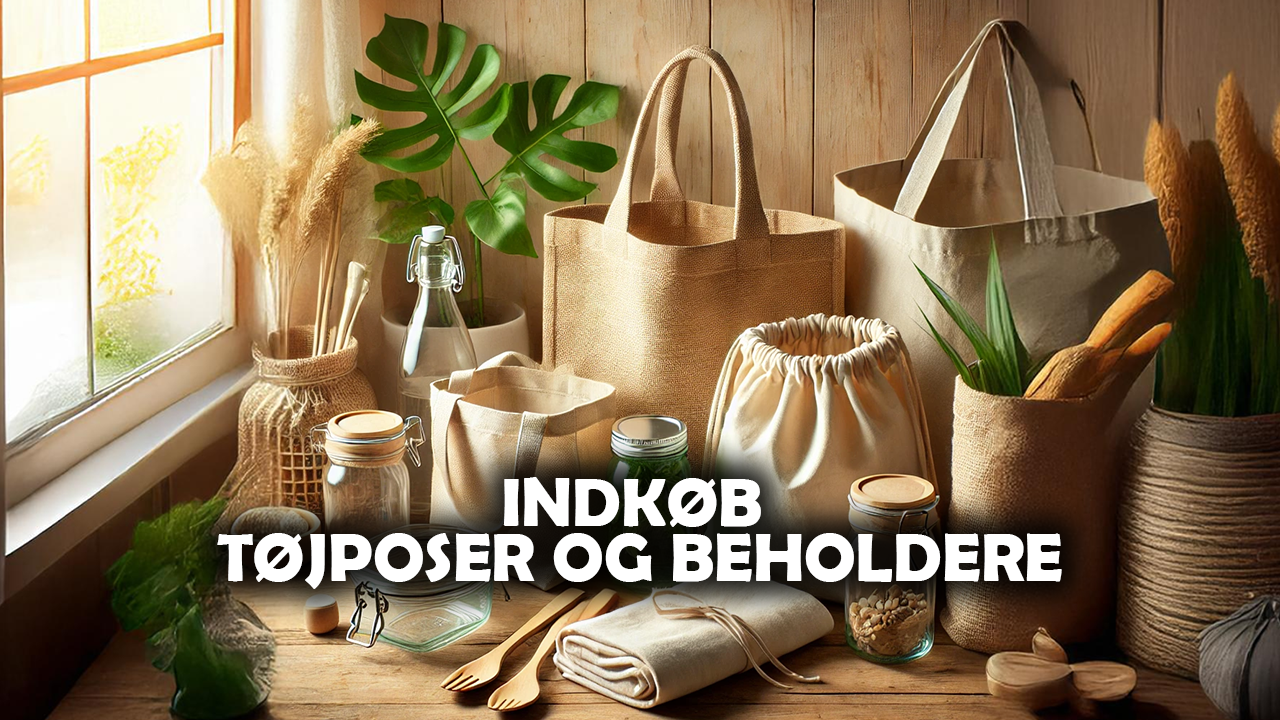
When we talk about reducing plastic in everyday life, shopping is one of the areas where you can make a noticeable difference most quickly. One of the most effective steps is to replace traditional plastic bags with durable cloth bags and to use reusable containers for everything from vegetables and groceries to takeaway food and leftovers. It is a small change in habits, but the effect is environmentally friendly, economical and practical.
Cloth bags are ideal because they can be used again and again, can carry heavy loads and can be washed when needed. Many people choose to keep an extra bag in the car or carry several lightweight fabric bags in their main bag so they are always prepared for spontaneous shopping trips. In this way, the sustainable choice also becomes the easiest choice. Reusable containers – such as glass, stainless steel or sturdy plastic boxes designed for long-term use – allow you to avoid single-use packaging while also helping you organise your food much more effectively.
More supermarkets and specialist shops now allow customers to bring their own containers for items such as baked goods, cheese, nuts and fresh produce. This both reduces plastic consumption and gives you greater freedom to buy exactly the quantities you want. The most important thing is to find solutions that fit into your everyday life: cloth bags that last; containers in sizes you will actually use; and a simple shopping routine that makes the sustainable choice feel natural and easy.
Inspiration List – Good Tips for Sustainable Shopping Habits
♻ A Sustainable Focus on Planning Before Shopping
Planning is one of the most underrated sustainable measures. When you make a list, check your containers and pack the right cloth bags, you avoid impulse purchases and unnecessary packaging. This gives you greater control over both quantities and ingredients, while significantly reducing waste. Planning makes the sustainable choice easier because the structure around your shopping is already in place – and once the system works, it becomes a positive and lasting habit.
♻ Sustainable Reuse of Cloth Bags for Everyday Shopping
Using cloth bags as a regular part of your shopping routine is one of the most effective sustainable steps you can take. A strong cloth bag can last for many years and can easily replace several hundred single-use plastic bags. When you place bags strategically – in the car, in your gym bag or by the front door – sustainable consumption becomes both simple and natural. By washing and rotating your bags, you extend their lifespan while also strengthening their sustainable purpose in everyday life.
♻ Sustainable Use of Refillable Containers for Shopping
Refillable containers make it possible to shop with less packaging and support a strong sustainable shopping routine. Glass, stainless steel and sturdy reusable containers can be used again and again, and they provide a much clearer overview in both the fridge and cupboards. Many shops now offer refills for nuts, coffee, soap and dry goods – making it even easier to make sustainable choices without any extra hassle. This creates a smooth, organised and greener way to shop.
♻ A Sustainable Switch from Single-Use Plastic to Durable Household Materials
One of the most important sustainable choices is to replace single-use plastic with durable materials. Glass, metal and reusable plastic are far more hard-wearing and significantly reduce the amount of waste produced. At the same time, they create a more organised kitchen where you can see what you have and avoid half-empty bags and unnecessary packaging. This sustainable switch offers both environmental benefits and a more functional everyday life, because your shopping and food supplies become much more clearly organised.
******************************************************************
REMEMBER - Your shopping bags and containers are the key to a greener, more organised everyday life, and when your shopping habits become greener, the rest of your sustainable everyday choices often follow naturally.
Sustainable Measures in the Kitchen – Bamboo and Glass as Alternatives
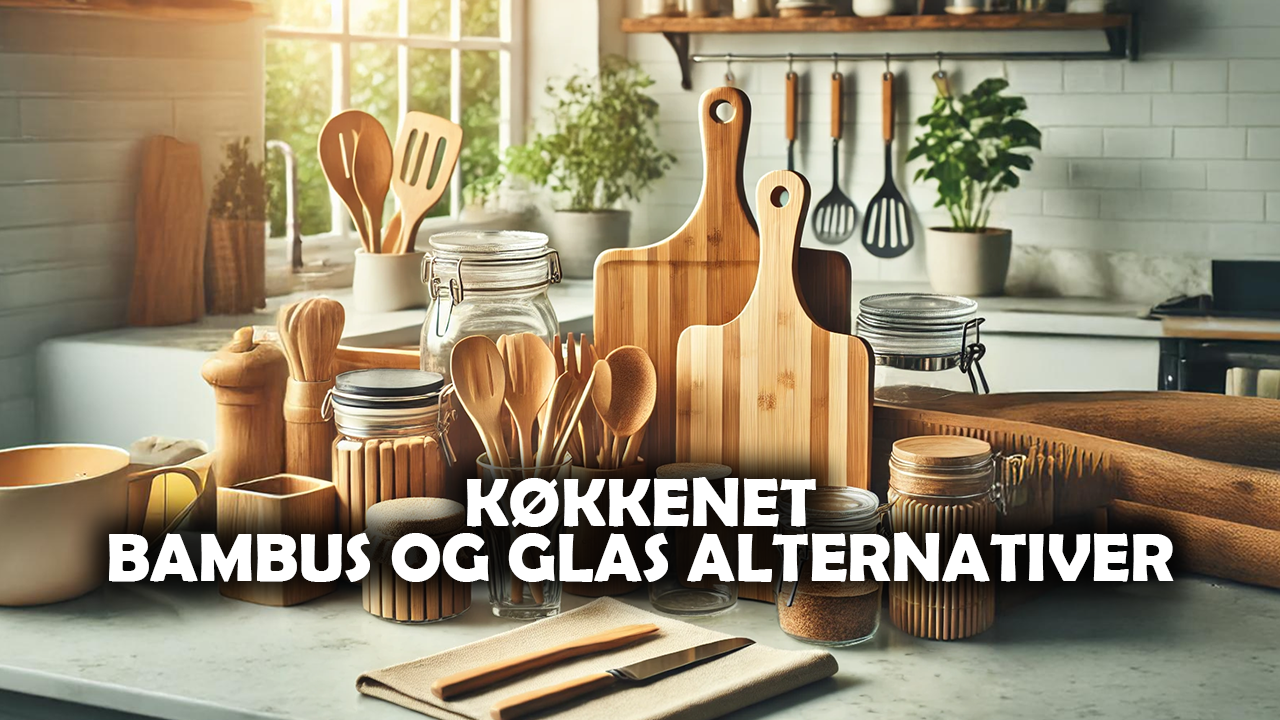
The kitchen is one of the places in the home where plastic is often used the most: chopping boards, storage containers, utensils, disposable bags and household items. That also makes it an obvious place to make a real difference by choosing more environmentally friendly materials. Bamboo and glass are two of the most popular and functional alternatives to plastic – and for good reason.
They last a long time, do not release harmful substances, and fit perfectly into a kitchen where both quality and sustainability are priorities. Bamboo is lightweight, strong and renewable, making it ideal for everything from chopping boards and kitchen utensils to washing-up brushes and containers. It withstands daily use, looks attractive and is a sustainable choice because bamboo grows quickly and requires very few resources to cultivate. Glass is also one of the most durable and hygienic storage solutions.
It absorbs neither taste nor odour, can be used in the oven, microwave and freezer, and lasts for years without losing its functionality. When you choose glass over plastic, you get both a more elegant kitchen and a material that can be reused again and again. The most important thing is not to replace everything at once, but to choose quality products that make everyday life easier – and more sustainable – step by step.
Inspiration List – Good Tips for Sustainable Kitchen Habits
♻ Sustainable Choice of Bamboo Utensils in the Kitchen
Bamboo utensils are one of the most obvious places to start when you want a more sustainable kitchen. Bamboo is both lightweight and strong, and it is produced using far fewer resources than traditional plastic utensils. When you choose sustainable bamboo in the form of spoons, spatulas or chopping boards, you get a natural and durable alternative that can be used every day without losing quality. At the same time, you contribute to more environmentally friendly consumption because bamboo grows extremely quickly and can be harvested several times a year, making it one of the most sustainable materials for the kitchen.
♻ Sustainable Choice of Glass for Kitchen Storage
Glass is one of the most timeless and sustainable solutions when it comes to kitchen storage. Glass containers can be used in the freezer, microwave and oven, and they preserve taste and freshness far better than plastic. When you organise your kitchen with glass containers, you create a more structured and easy-to-manage system where you can clearly see the contents and therefore reduce food waste.
For example, a reusable bottle made from stainless steel or glass is an environmentally friendly choice, or you can replace a plastic lunch box with one made from stainless steel or glass. The sustainable benefit also lies in the long lifespan of glass – it can be used hundreds of times, and even when it is no longer used in the kitchen, the glass can be fully recycled without losing quality.
♻ Sustainable Kitchen Consumption by Avoiding Single-Use Plastic
One of the most important sustainable measures in the kitchen is to minimise the use of single-use plastic. This applies to everything from freezer bags to disposable containers, which often end up as waste after only a few uses. When you instead choose reusable alternatives such as glass containers, cloth bags, wax wraps or bamboo containers, you create a sustainable kitchen system that is both more practical and far more environmentally friendly. It is a simple change in everyday life, but one with a major impact – both in terms of the amount of waste you produce and your general kitchen organisation.
♻ A Sustainable Focus on Quality Rather Than Quantity in the Kitchen
A sustainable kitchen is often less about buying new things and more about choosing quality products that will last for many years. When you invest in a small number of robust products made from glass or bamboo, you get solutions that can withstand intensive use without needing to be replaced. This mindset leads to fewer purchases, less waste and a kitchen where functionality and sustainability go hand in hand. It creates both a calmer everyday life and a sense that you are building a sustainable system that works over time.
***********************************************************
REMEMBER - Sustainability in the kitchen starts with materials that last – year after year. When your kitchen utensils are sustainable, your food habits in the kitchen often become more sustainable too.
Sustainable Personal Care Choices – Give Up Disposable Products

Personal care is an area where many people still use disposable products without giving it much thought. Cotton buds, cotton pads, sanitary pads, razors and products wrapped in plastic all take up space both in drawers and in the bin. By replacing disposable items with more durable alternatives, you can significantly reduce plastic consumption while creating a more sustainable and economical everyday routine.
Several environmentally friendly solutions have become increasingly popular in recent years: reusable cotton or bamboo pads, metal safety razors, menstrual cups, solid shaving soap, solid shampoo and conditioner bars, and soaps without plastic packaging. These products last a long time, are more hygienic and often provide a better user experience than many cheap disposable products.
They make it easy to take a step towards a greener bathroom routine without compromising on comfort. When you choose products that can be used again and again, your personal care routine becomes not only more sustainable – it also becomes more conscious. You have fewer items, less waste and a stronger sense that everyday life is organised around durable solutions rather than quick disposable choices.
Inspiration List – Good Tips for Sustainable Personal Care Habits
♻ Sustainable Switch to Bamboo Toothbrushes for Your Personal Care
Bamboo toothbrushes are a simple but very effective sustainable alternative to traditional plastic toothbrushes, which often end up as waste in huge quantities. Bamboo is a fast-growing material that requires few resources, making it an obvious choice when you want to make your dental care more sustainable. The feeling of using a bamboo toothbrush is also surprisingly pleasant – it is lightweight, sits comfortably in the hand and works exactly like a regular toothbrush, just with a far more environmentally friendly profile. When you switch from plastic to bamboo, you take a sustainable step that is repeated every single day – and over time, it makes a noticeable difference to the amount of single-use plastic in your home.
♻ Sustainable Switch to Reusable Pads and Cloths for Your Personal Care
Reusable pads and washcloths are among the easiest sustainable choices within personal care. They are soft, can be washed again and again and replace hundreds of disposable cotton pads every year. When you use pads made from bamboo or organic cotton, you not only get a more sustainable product, but also a better feel on the skin because the materials are natural and breathable. It is a small change that makes a big difference – both in the bin and in your daily routines.
♻ Sustainable Use of a Metal Safety Razor for Your Personal Care
A metal safety razor is a strong and long-lasting alternative to disposable plastic razors. It provides a closer shave, can last a lifetime, and the small replaceable blades are both inexpensive and far more sustainable than plastic alternatives. When you choose a metal razor, you invest in a product that both reduces waste and improves the shaving experience itself. It makes it possible to combine quality and sustainable consumption in a way that makes sense every single day.
♻ Sustainable Choice of Cotton Buds with Paper Stems for Your Personal Care
Cotton buds are one of those products that are often used in large quantities without much thought – which is why they are also an obvious opportunity to make a conscious and more sustainable difference. When you switch from cotton buds with plastic stems to versions with paper or bamboo stems, you significantly reduce plastic consumption without affecting functionality. The paper stem is strong enough for everyday use and can be disposed of more sustainably than plastic, which may otherwise end up in nature as long-lasting waste. This small everyday change makes it easy and manageable to make a more sustainable choice – and over time, it can make a difference both to your consumption and to the environment.
♻ Sustainable Focus on Solid Products Without Plastic Packaging for Your Personal Care
Solid shampoos, solid conditioners and solid soaps have become popular because they are both practical and sustainable. These products often last twice as long as liquid versions and require no plastic bottles. Solid products take up less space in the bathroom, do not leak and are easy to take with you when travelling. By choosing solid products, you significantly reduce the amount of packaging and create a more sustainable personal care routine in which you consume less, but better.
♻ Sustainable Alternative to Disposable Hygiene Products for Your Personal Care
Many disposable hygiene products end up as both plastic waste and microplastics in nature. By choosing alternatives such as menstrual cups, reusable panty liners and reusable cloth pads, you can create a highly sustainable solution that lasts for several years. These products are comfortable, hygienic and far more economical than disposable alternatives. The change may feel significant at first, but many people quickly find that the sustainable choice is also the most comfortable and practical one in the long term.
**************************************************
REMEMBER - When you give up disposable products in your personal care routine, both the environment and your wallet benefit, and when you choose sustainably, you are also choosing quality and comfort.
Children and Babies – Safety and Sustainability
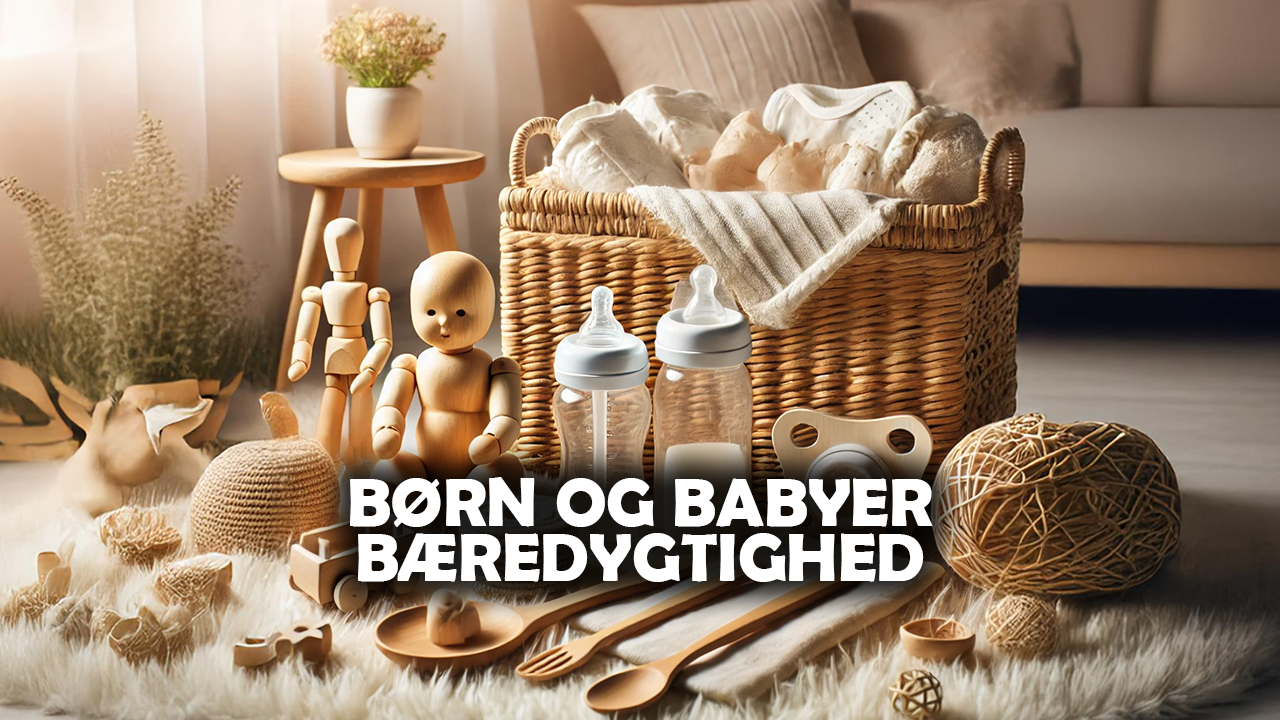
When it comes to children and babies, all parents want products that are safe, gentle and free from unnecessary chemicals. That is why choosing environmentally friendly alternatives to plastic in everyday life is an obvious option, as these solutions are often both more durable and safer for young children to come into contact with.
Whether it is toys, tableware, baby bottles or care products, there are now countless options that combine functionality, health and sustainability in a way that both children and parents can benefit from. Natural materials such as wood, bamboo, silicone, stainless steel and glass are among the most popular alternatives. These materials are typically free from harmful substances such as BPA and other plastic chemicals that many parents prefer to avoid.
At the same time, they are far more durable and can be used again and again, which also makes them a sustainable choice in terms of both the environment and household finances. When you choose products that are safe, durable and environmentally friendly, you give your children a better and more sustainable start in life. It is not only about avoiding plastic – but about creating good, healthy and long-lasting habits that the whole family can build on.
Inspiration List – Good Tips for Sustainable Choices for Children and Babies
♻ Sustainable Toys Made from Wood and Natural Materials
Toys made from wood, natural rubber or untreated natural materials are an obvious sustainable choice for children and babies. They are durable, safe and free from harmful plastic chemicals, giving young children a safer experience. Wooden toys can often be passed down, repaired and used for years, making them both environmentally friendly and economically sensible. When you choose sustainable toys, your child not only gets something fun and stimulating to play with, but also a product that supports a greener everyday life.
♻ Sustainable Tableware for Babies and Children Made from Bamboo and Stainless Steel
Tableware made from bamboo, silicone or stainless steel is a sustainable and safe solution for children’s and babies’ mealtimes. These materials contain no harmful plastic chemicals, are easy to clean and can last for many years. They are also more robust than much plastic tableware, which often becomes dull and worn after only a short period of use. When you choose sustainable tableware, your children get products that are healthy, practical and attractive. It makes mealtimes easier – and more environmentally friendly.
♻ Sustainable Switch to Glass or Silicone Baby Bottles for Your Child
Baby bottles made from glass or silicone are a safe and sustainable alternative to traditional plastic bottles. Glass does not absorb flavours, stays looking good for years and can be sterilised without difficulty. Silicone bottles are lightweight, flexible and very durable, making them ideal for active young children. Both materials are free from plastic chemicals such as BPA and phthalates, making them an especially reassuring choice for your child’s health. Choosing a sustainable material such as glass or silicone provides both peace of mind and fewer replacements over time.
♻ Sustainable Use of Reusable Nappies and Wipes for Your Child
Reusable cloth nappies and washable wipes are becoming increasingly popular among parents who want a sustainable alternative to disposable products. Modern cloth nappies are far more user-friendly than they used to be, and they can be adjusted in size, washed again and again and adapted to your child’s needs. Washable wipes are also a sustainable choice because they drastically reduce the amount of waste produced. These types of products are not only good for the environment – they can also provide greater comfort and a stronger sense of quality in everyday life.
♻ Sustainable Focus on Textiles Without Microplastics for Children
When it comes to clothing, bedding and fabric products for babies and young children, it is important to choose textiles without synthetic fibres that can release microplastics. Organic cotton, bamboo fibre and linen are sustainable alternatives that feel soft against the skin and can withstand many washes. A sustainable focus on natural fibres not only reduces microplastics in the environment, but also gives children a healthier environment around them. It is an investment in comfort, safety and a more environmentally friendly everyday life.
*********************************************************
REMEMBER - Safety, quality and sustainability go hand in hand in children’s everyday lives. When children are surrounded by environmentally friendly products, the whole family can enjoy a greener and healthier everyday life.
Sustainable Cleaning Measures – DIY and Reusable Materials
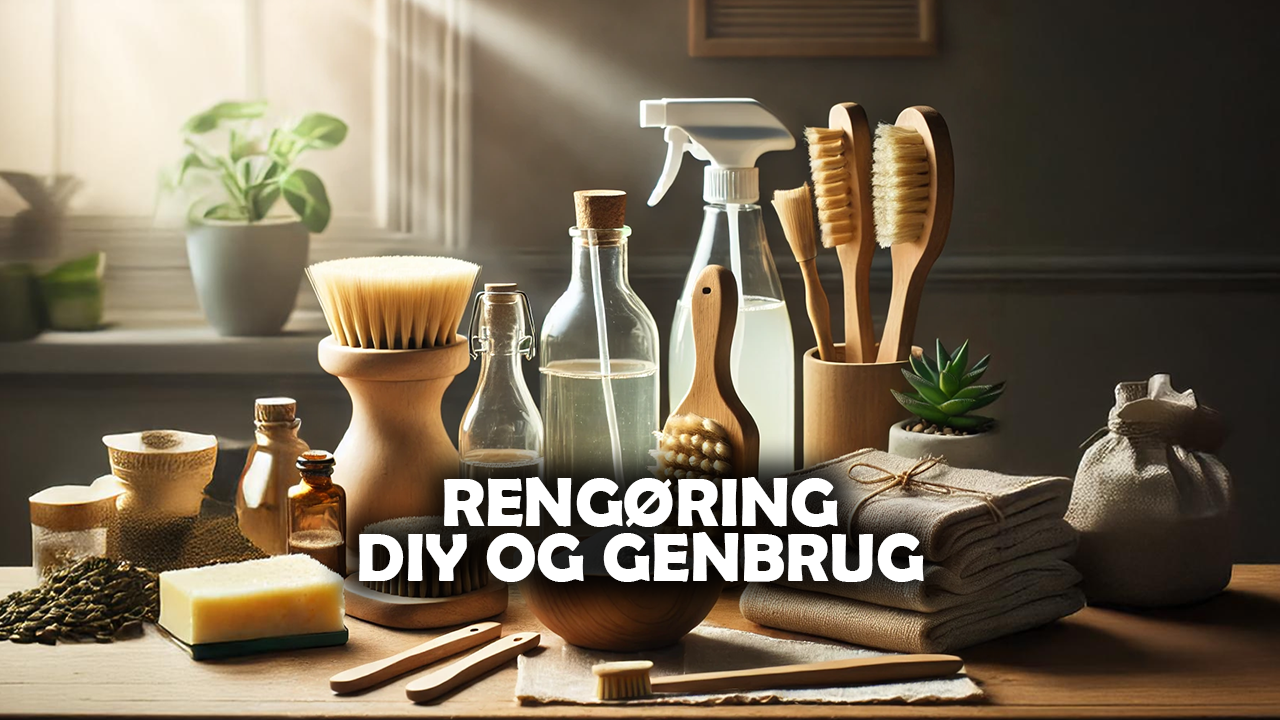
Cleaning is one of the areas in the home where you can very quickly reduce plastic consumption significantly. Many traditional cleaning products come in plastic bottles, disposable cloths and other products that are often replaced after only a few uses. By choosing reusable materials instead and making use of simple DIY solutions, you can create a cleaning routine that is effective, economical and considerably more sustainable.
Natural cleaning agents such as vinegar, lemon juice and bicarbonate of soda can replace many of the chemical cleaning products sold in plastic packaging. At the same time, reusable cloths made from cotton, bamboo or microfibre offer far better durability and create less waste than disposable alternatives. When you take a sustainable approach to your cleaning routine, you create an everyday life with lower costs, less plastic and more conscious habits.
Sustainable cleaning is not about doing everything perfectly – it is about doing things more intelligently. When you choose products that can be used again and again, along with ingredients you already have in the kitchen, cleaning becomes both responsible and genuinely better for the environment. It is a practical step towards a greener everyday life with less environmental impact and more ease.
Inspiration List – Good Tips for Sustainable Cleaning Habits in the Home
♻ Sustainable Use of Reusable Cleaning Cloths
Reusable cleaning cloths are one of the most obvious sustainable choices you can make. Cloths made from cotton, bamboo or durable microfibres can be washed hundreds of times and significantly reduce the use of disposable cloths. When you choose sustainable reusable materials, you benefit from both more effective cleaning and less everyday waste. They have a long lifespan, absorb better and make it easier to maintain a consistent, environmentally friendly cleaning routine.
♻ Sustainable DIY Cleaning Products
Homemade cleaning products are not only economical and easy to make – they are also a strong sustainable alternative to bottled cleaning products. Mixtures of vinegar, bicarbonate of soda, water and lemon juice can be used for everything from removing limescale to cleaning windows, while helping you avoid both unnecessary chemicals and plastic packaging. When you make your own cleaning solutions, you strengthen a sustainability-focused mindset in which you minimise consumption and create a more responsible cleaning routine throughout the home.
♻ Sustainable Switch to Refillable Bottles for Cleaning
Refillable spray bottles are a simple way to make your cleaning routine more sustainable. You can buy concentrates with minimal packaging, refill the bottles with your own mixtures or use tablet-based cleaning products that dissolve in water at home. This reduces plastic waste and gives you a more flexible and sustainable cleaning system. In addition, glass or metal bottles look far more stylish and can last for years, making them both an attractive and practical choice.
♻ Sustainable Focus on Long-Lasting Cleaning Equipment
Many cleaning items are replaced far too quickly, even though much more sustainable options are available. A broom, scrubber or washing-up brush with a replaceable head can significantly extend the product’s lifespan. When you prioritise products that are designed to last, you reduce both consumption and the waste that comes with it. A sustainable focus on quality rather than quantity makes cleaning more effective and saves you from repeatedly buying cheap disposable alternatives.
♻ Sustainable Reuse of Glass and Metal Containers for Cleaning Storage
Instead of buying new plastic containers, you can reuse glass and metal containers from the kitchen to store cleaning products, soaps and washing powder. This is not only sustainable – it also creates a more organised and manageable cleaning cupboard. Glass containers are particularly useful because you can easily see the contents, which reduces waste and makes it easier to keep track of quantities and dosage. This simple reuse solution is one of the most accessible sustainable measures for any household.
***********************************************************
REMEMBER - The best cleaning product is often the one you mix yourself – and the most sustainable one. Small sustainable changes to your cleaning routine can create big results for both the environment and your household finances.
Sustainable Choices for Food and Drink – Avoid Disposable Packaging
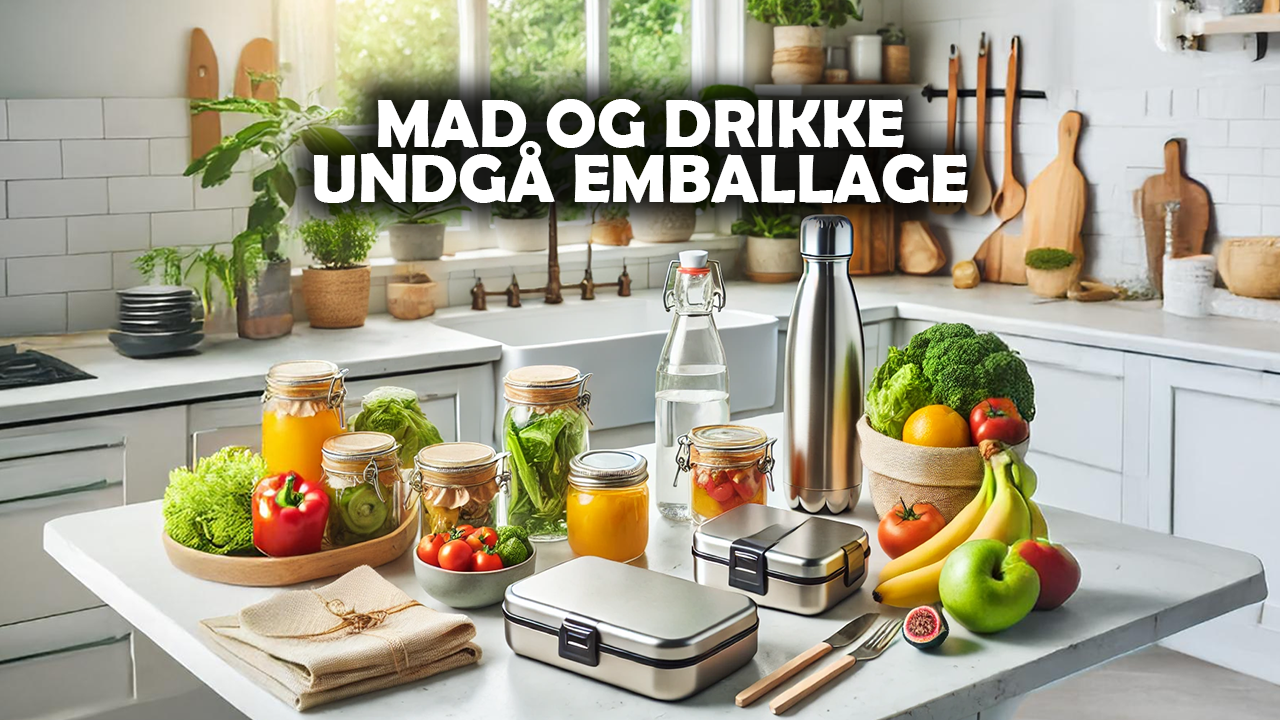
Food and drink are among the areas where single-use packaging is used the most. Plastic bags, foil, disposable cups, takeaway packaging and individually wrapped food often go straight into the bin after only a very short period of use. That is why food and drink are also areas where you can quickly reduce plastic consumption, save money and create more sustainable everyday habits.
When you choose solutions such as glass or metal lunch boxes, stainless steel drinking bottles and cloth bags for bread and snack storage, you not only reduce waste – you also get products that last much longer and are better for both your health and the environment. Many shops also offer loose products that allow you to use your own containers, making it even easier to avoid disposable packaging.
Thinking sustainably about food and drink is not about changing everything at once, but about making small, conscious choices that gradually create a more environmentally friendly everyday life. When you organise your food storage and routines more intelligently, avoiding plastic waste becomes easier, cheaper and far more responsible.
Inspiration List – Good Tips for Sustainable Food and Drink Habits
♻ Sustainable Use of Reusable Lunch Boxes and Bottles for Food and Drink
Reusable lunch boxes and drinking bottles made from glass, metal or silicone are among the most obvious sustainable choices for everyday life. They keep food fresh for longer, do not absorb odours or flavours and can be used again and again. A sustainable switch to quality containers allows you to avoid disposable packaging when you are at work, at school or on the go. It is an easy way to reduce plastic waste while also keeping your food more organised.
♻ Sustainable Choice of Loose Products with Your Own Packaging for Food and Drink
By buying food in loose quantities – such as rice, nuts, coffee, pasta and dried fruit – you can make your shopping much more sustainable. When you bring your own glass containers, cloth bags or metal boxes, you avoid single-use plastic packaging while also having the opportunity to buy exactly the quantities you need. This makes everyday life easier to manage and your household more sustainable, because you avoid unnecessary waste and food waste.
♻ Sustainable Switch from Aluminium Foil and Cling Film to Wax Wraps for Food and Drink
Wax wraps made from beeswax or vegan plant-based wax are a strong sustainable alternative to cling film and aluminium foil. They can be used again and again, shaped around bowls and food, and are very effective at keeping food fresh. When you choose wax wraps, you reduce the need for disposable wrapping while also gaining a flexible tool that makes food storage more environmentally friendly. It is a sustainable choice that can quickly become indispensable in the kitchen.
♻ Sustainable Focus on Bringing Your Own Containers for Takeaway Food and Drink
Many restaurants and cafés now offer the option of putting takeaway food directly into your own containers. This is a simple and highly sustainable initiative that eliminates large amounts of single-use plastic. When you bring a lunch box or reusable travel cup, you can enjoy your favourite meals without the guilt of unnecessary packaging. At the same time, you create a more robust and practical system that makes it easy to integrate sustainable consumption into your everyday habits.
♻ Sustainable Reuse of Glass Jars for Kitchen Storage
Glass containers are one of the most sustainable food storage solutions because they can last for decades and be reused without losing quality. When you repurpose jam jars, preserve jars or other glass containers from the kitchen as storage solutions, you create a completely free and sustainable system that reduces the need to buy new products. This gives your cupboards more structure and creates a more environmentally friendly approach to food storage.
♻ Sustainable Switch to Reusable Straws Made from Durable Materials
Reusable straws made from stainless steel, bamboo or glass are a simple and effective sustainable alternative to disposable plastic straws. These durable materials can be used again and again, and they are easy to clean with the small brushes that are often included in the set. Stainless steel is extremely hard-wearing, glass offers an elegant drinking experience, and bamboo is lightweight and natural – and all three options contribute to more sustainable everyday consumption.
When you invest in reusable straws, you not only reduce waste, but also add a practical, environmentally friendly detail to your drinks both at home and on the go. It is a sustainable choice that can quickly become a completely natural part of your kitchen.
**************************************************************
REMEMBER - Reusable solutions make food and drink healthier, more practical – and far more sustainable.
Sustainable Choices for Clothing and Textiles – Choose Natural Materials
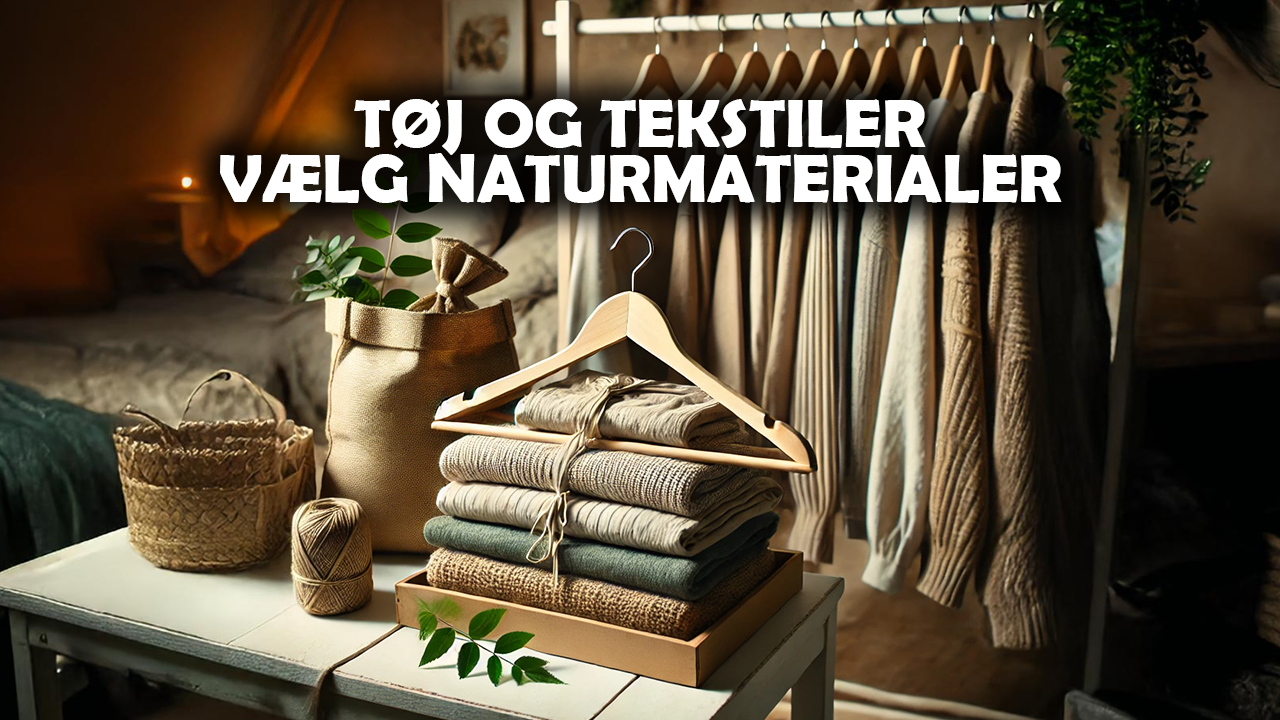
Clothing and textiles play a major role in our everyday lives, and many of the materials we surround ourselves with contain plastic fibres such as polyester, nylon and acrylic. These materials release microplastics every time they are washed, thereby contributing to an increasing environmental impact. By consciously choosing natural materials such as cotton, linen, bamboo and wool, you can reduce both microplastic pollution and dependence on synthetic materials – while also creating a more comfortable and durable wardrobe.
Natural materials have several advantages – they are breathable, hard-wearing and are often produced using fewer chemicals than synthetic textiles. They can be used for everything from clothing and bedding to towels and baby textiles. When you choose products made from pure, natural fibres, you make a choice that is both healthy and sustainable, benefiting both the environment and your own comfort.
Making your wardrobe more sustainable is not about replacing everything at once, but about thinking in terms of quality, durability and conscious purchasing. When you choose textiles that last longer, feel better and do not burden the environment with plastic fibres, you create a clothing style and a home that are both attractive, practical and responsible.
Inspiration List – Good Tips for Sustainable Textile Choices in Everyday Life
♻ Sustainable Choice of Natural Fibres for Your Wardrobe
One of the most effective ways to create a more sustainable wardrobe is to choose clothing made from natural materials such as cotton, linen, wool and bamboo. These materials are breathable, long-lasting and free from microplastics, making them a particularly sustainable choice for everyday life. When you prioritise natural fibres, you get clothing that both feels better against the skin and lasts longer. It is a step towards a more environmentally friendly lifestyle where quality and responsibility go hand in hand.
You can find inspiration on how to shop for clothes more sustainably in our article - Good Tips for Sustainable Fashion – How to Shop More Sustainably
♻ Sustainable Focus on Bedding and Towels Without Synthetic Fibres
Bedding, towels and other household textiles are products that are used intensively and washed frequently – which means that synthetic materials can release large amounts of microplastics in these areas. By choosing textiles made from organic cotton, linen or bamboo, you create a more sustainable home environment with less exposure to chemicals. These materials are both durable and soft, and they often last longer than synthetic alternatives. This makes them a sustainable choice for both you and the environment.
♻ Sustainable Switch from Synthetic Textiles to Natural Materials in Your Clothing
Many everyday garments are made from synthetic materials such as polyester, nylon and acrylic, and these fabrics release large amounts of microplastics every time they are washed. This has a significant impact on both the environment and our aquatic ecosystems. A more sustainable choice is to prioritise clothing made from pure natural materials such as cotton, linen and wool. These fibres are plastic-free, breathable, hard-wearing and far more environmentally friendly in use. If you already own synthetic clothing, you can still make a big difference by using special laundry bags that capture microplastics during washing. This creates a sustainable compromise where you reduce environmental impact while still keeping your existing clothes. This small measure can make a significant contribution to a more sustainable textile routine in everyday life.
♻ Sustainable Switch in Your Wardrobe to Second-Hand, Vintage and Upcycling
Second-hand and vintage clothing are among the most sustainable choices you can make because you make use of materials that already exist and reduce the need for new production. Upcycling – where old clothes are transformed into new, unique pieces – is also a creative and sustainable way to get more value from your textiles. This approach reduces waste, saves resources and gives you the opportunity to create a completely personal style. A sustainable focus on reuse makes your wardrobe both more economical and more environmentally friendly.
You can find inspiration for a more sustainable wardrobe in our article - Good Tips for the Best Budget-Friendly Basics That Never Go Out of Style
♻ Sustainable Reuse of Clothing for New Products
Old textiles do not need to end up in the bin. They can be cut up and turned into cushion covers, cleaning cloths, fabric bags or other useful items around the home. This is a particularly sustainable measure because you extend the lifespan of the materials and avoid buying new products in which plastic is often present as hidden fibres. By thinking creatively and reusing clothing in new ways, you create personal value while reducing waste. It is a sustainable and practical method for minimising textile waste in everyday life.
♻ Sustainable Laundry with a Focus on Gentle Products and Lower Temperatures
Even when you choose natural materials, the way you wash your clothes plays an important role in how sustainable your clothing consumption is. By washing clothes at lower temperatures and choosing environmentally friendly detergents, you can significantly reduce energy consumption. Natural materials often respond better to gentle treatment, which extends their lifespan and makes the choice even more sustainable. This contributes to both a healthier indoor environment and a wardrobe that retains its quality for longer.
************************************************************
REMEMBER - A sustainable wardrobe starts with the materials you choose to wear close to your body. When you choose sustainable quality instead of synthetic fibres, you are also choosing a greener future.
Sustainable Choices for Transport – Reduce Plastic Use on the Go
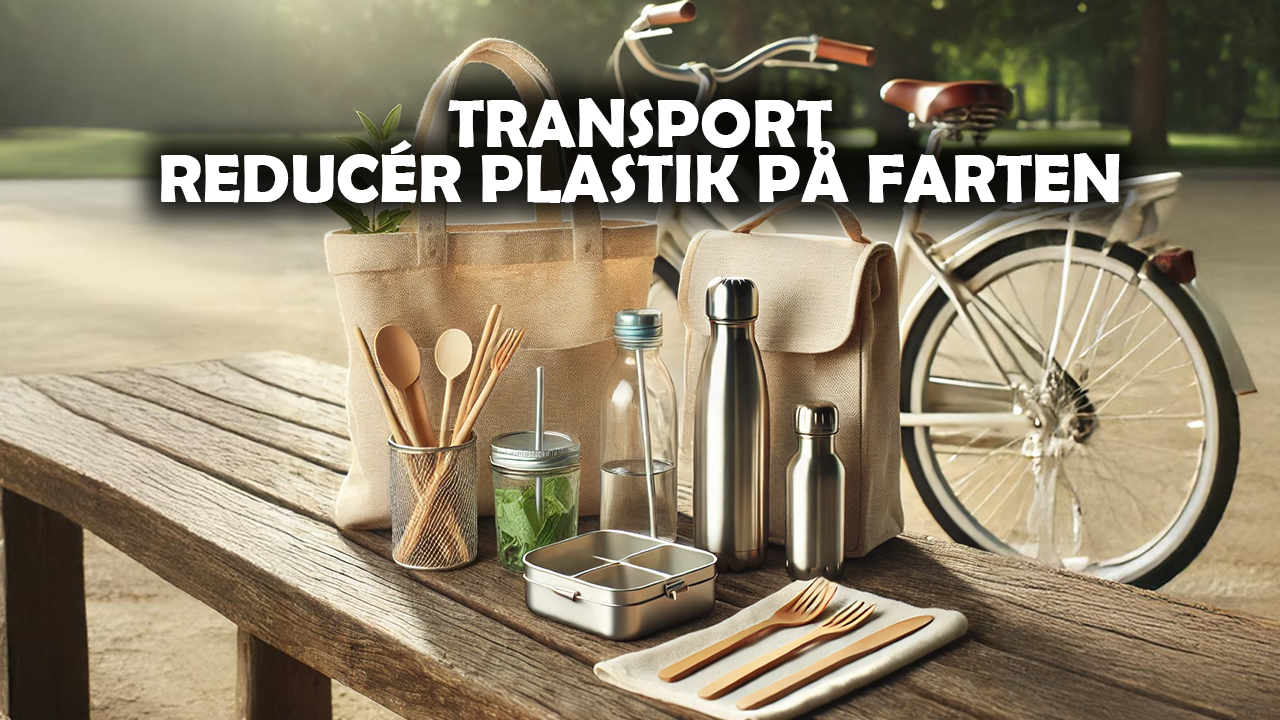
When we are on the go, it is especially easy to fall back into habits involving single-use plastic: water bottles, takeaway cups, packaged snacks and plastic bags from small purchases made along the way. That is why transport and mobility are areas where sustainable measures can make a noticeable difference in everyday life. By planning a little better, bringing your own containers and choosing reusable alternatives, you can significantly reduce plastic consumption – without requiring extra time or effort.
Refillable water bottles, sturdy lunch boxes, cloth bags and travel mugs are some of the most effective solutions for avoiding disposable products when you are away from home. Many cafés and petrol stations now offer refills or discounts if you use your own containers, which both saves money and reduces waste. In addition, a small “to-go kit” with reusable items helps you make sustainable choices even when you spontaneously buy something while you are out.
When transport and mobility are included in your sustainable everyday habits, it becomes much easier to stay consistent in reducing plastic use – whether you are commuting, going for walks, travelling or simply spending a few hours in town. It is about making small adjustments that together create a big and visible result.
Inspiration List – Good Tips for Sustainable Habits on the Go
♻ Sustainable Use of Refillable Drinking Bottles in Everyday Life
Bringing a refillable drinking bottle with you is one of the most effective sustainable steps you can take when you are on the go. Bottles made from stainless steel or glass can keep drinks cold or hot for many hours and eliminate the need for single-use plastic bottles. Many cities offer free water refill stations, and many cafés are happy to refill drinking bottles free of charge. This makes staying hydrated throughout the day both practical and sustainable.
♻ Sustainable Switch to Travel Mugs and Portable Cups
Disposable cups are one of the biggest sources of plastic waste in city life and while travelling. A travel mug or reusable cup is therefore a strong sustainable alternative that both keeps your coffee warm and significantly reduces the amount of waste produced. Many cafés offer discounts when you use your own cup, making the sustainable choice financially attractive as well. A sturdy travel mug can last for many years and makes your daily drink breaks greener.
♻ Sustainable Choice of Food Containers for Snacks and Meals
A small lunch box or snack container made from glass, metal or silicone makes it easy to avoid disposable packaging when you are on the go. This type of sustainable choice is not only good for the environment – it is also smarter and more economical because you can bring your own healthy snacks, leftovers or lunch. When you have your own containers with you, you can also easily take food home from restaurants without using plastic packaging. This creates a flexible and sustainable system that works in all kinds of everyday situations.
♻ Sustainable Focus on Cloth Bags for Small Purchases
Plastic bags are often bought spontaneously when you need something while you are out. Keeping a foldable cloth bag in your handbag or jacket pocket means you can always choose a sustainable alternative. Cloth bags take up almost no space but can be used again and again for years. It is one of the most accessible sustainable measures, reducing waste while also preventing unnecessary purchases of plastic bags.
♻ Sustainable Switch to Reusable Cutlery and Straw Sets
Keeping a small set of reusable cutlery and straws in your bag makes it possible to avoid single-use plastic when buying takeaway food and drinks. Sets made from stainless steel, bamboo or foldable silicone are lightweight, easy to carry, simple to clean and incredibly durable. A set like this helps create consistent and sustainability-focused habits because you always have an alternative close at hand – even when you have not planned your meal in advance.
*******************************************************
REMEMBER - Small sustainable habits on the go make a big difference – every single day. When you plan your transport sustainably, your whole everyday life becomes greener.
Sustainable Waste Management – Sorting and Recycling at Home
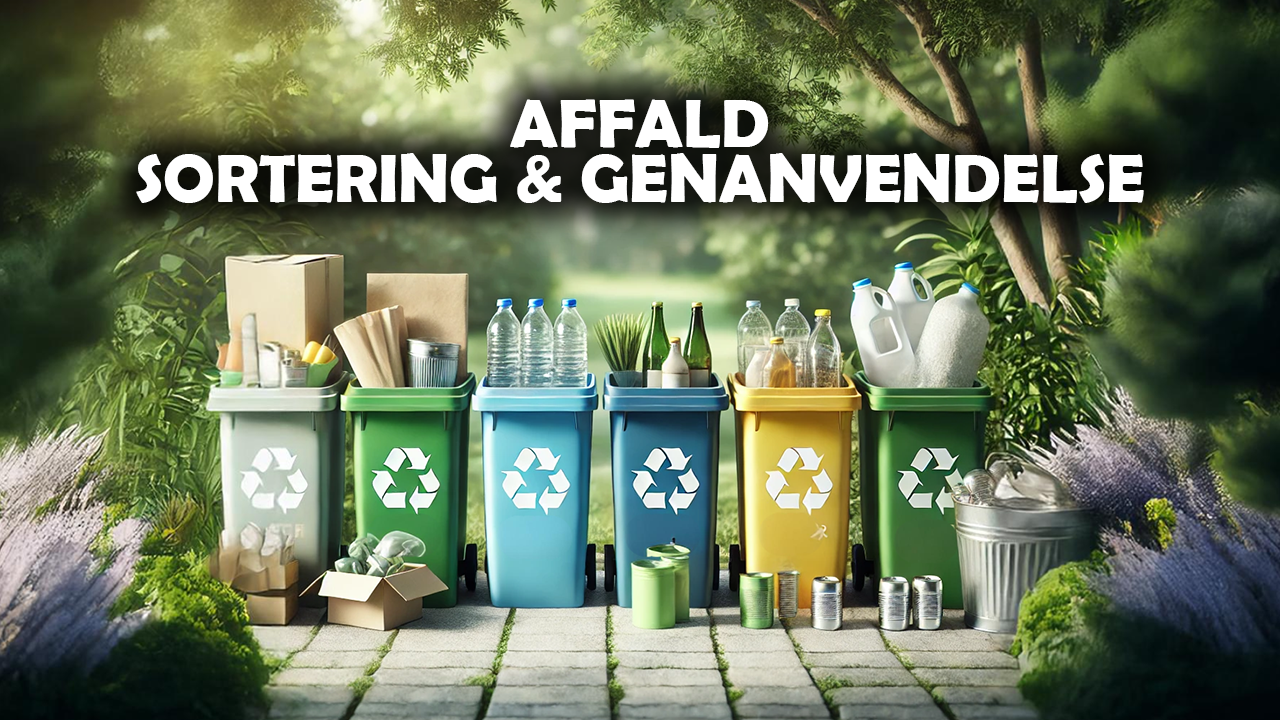
Waste management is one of the most direct ways to reduce environmental impact in everyday life. When waste is sorted correctly and recycled, the need for new plastic production is reduced, and many materials can be given a longer life in new products. In many Danish homes, waste sorting is already part of daily life, but there is still room for improvement, especially when it comes to plastic. Small adjustments to routines can quickly create major results – both for the environment and for your own awareness of sustainability.
By organising waste more effectively, using clearly marked containers and understanding which materials can be recycled, you can make sorting both easier and more consistent. Many people find that a structured approach creates more order in the home, less clutter and fewer sorting mistakes. At the same time, it significantly reduces the amount of residual waste.
When waste management is treated as an active part of a sustainable lifestyle, you develop a circular mindset that benefits both the home and the environment. It is not only about sorting correctly – but also about choosing smarter solutions that reduce waste production at the source. The better we sort, the more materials can be recycled, which reduces the need to produce new materials and helps conserve the Earth’s resources. Small changes in everyday life can therefore have a major impact on the environment in the long term.
Inspiration List – Good Tips for Sustainable Waste Management Routines
♻ Sustainable Focus on Clear and Easy Waste Sorting
One of the most effective sustainable measures in the home is to make waste sorting as clear and straightforward as possible. When sorting works well in everyday life, both the quality and quantity of correctly sorted waste increase. Use colour-coded bins, pictograms or labels so that everyone in the household can easily see what belongs where. This creates a sustainability-focused routine where no one is in doubt about how waste should be handled in the best possible way. Good organisation reduces mistakes and makes sorting feel natural and easy.
♻ Sustainable Recycling of Glass, Metal and Cardboard at Home
Materials such as glass, metal and cardboard are among the most recyclable household materials. By focusing on sorting these correctly, you create a strong sustainable system in which materials can be turned into new resources again and again. It only requires small adjustments – for example, having a dedicated box for glass and metal or a separate place for cardboard. When you make recycling easy, you strengthen a sustainability-focused mindset and significantly reduce the amount of residual waste.
♻ Sustainable Reduction of Plastic When Shopping
The most sustainable way to reduce plastic waste is simple – bring less plastic into your home. When you choose products without unnecessary packaging, items packaged in glass or metal, or solutions where the packaging can be refilled, you get ahead of the problem. A sustainable focus on shopping reduces the amount of waste before sorting even becomes necessary. This makes both waste management and everyday life easier and greener.
♻ Sustainable Use of Composting for Organic Waste
Composting is one of the most circular and sustainability-focused measures you can introduce at home. Organic waste makes up a large proportion of household waste, and by composting it, you can turn food scraps into nutrient-rich soil that can be used in the garden or for potted plants. This reduces the amount of waste that needs to be transported and processed, while also creating a valuable resource. Composting promotes a sustainable mindset and makes nature’s own processes an active part of the home.
♻ Sustainable Reuse of Containers and Packaging for New Purposes at Home
Many containers and types of packaging that would otherwise end up in the bin can be reused around the home for practical purposes. Glass jars can be used for storage, metal tins for tools or kitchen items, and sturdy plastic boxes can be given a new life as sorting or organising containers. This approach makes everyday life more structured while strengthening a sustainability-focused mindset in which waste is viewed as a resource rather than a problem. It is a creative, easy and economical way to reduce the amount of waste produced.
****************************************************
REMEMBER - Sustainable waste management is about recognising the value in what we would otherwise throw away. Small changes in how we handle waste can create major environmental benefits.
Sustainable Initiatives and Communities
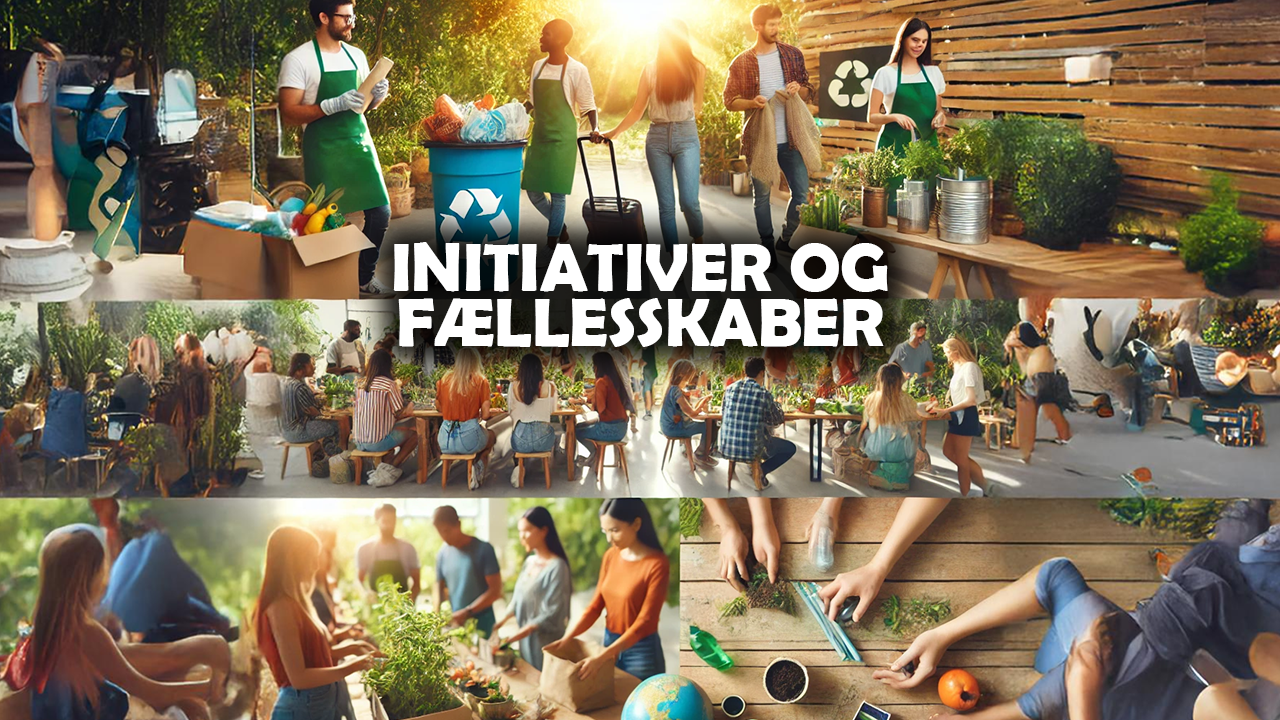
Living in an environmentally friendly way is easier when you are not doing it alone. Communities, initiatives and local projects play a crucial role in inspiring more people to choose environmentally friendly alternatives to plastic in everyday life. Many Danes find that living sustainably becomes much easier – and more enjoyable – when they do it together with others. This can include everything from local swap markets and community litter-picking events to online groups where experiences and ideas are shared.
Sustainable initiatives create knowledge, motivation and a sense of community. When you can see that your actions have an impact – and that others are doing the same – it becomes easier to maintain good habits. These communities also make it easier to access reuse opportunities, share financial resources and discover new ways to live more sustainably. Many towns and local communities offer initiatives such as swap centres, repair cafés and group purchases of environmentally friendly alternatives that can make it easier to avoid plastic in everyday life. Social media also has groups where people share ideas, recipes and tips for plastic-free solutions.
By getting involved in these communities, you gain not only inspiration, but also a sense of being part of a larger movement working towards a greener future. Small steps quickly become big results when we work together. So get involved in local environmental organisations or start your own initiative. Together, we can raise awareness of plastic pollution and encourage others to make sustainable choices.
You Can Find More Inspiration for a Sustainable Everyday Life in Our Articles
Good Tips on How to Reduce Your Personal CO2 Footprint
Good Tips for a More Sustainable Lifestyle
Inspiration List – Good Tips for Sustainable Communities and Initiatives
♻ Sustainable – Take Part in Local Swap and Reuse Markets
Local swap and reuse markets are a strong sustainable initiative because they reduce the need for new production and extend the lifespan of existing items. Here you can exchange clothes, toys, books, kitchen equipment and much more without having to buy new products. This creates a circular economy within the local community, where resources are shared across families and generations. This kind of sustainable community makes environmentally friendly living both enjoyable and economical – while also strengthening relationships between people in your local area.
♻ Sustainable Involvement in Litter-Picking Events
Litter-picking events in natural areas, parks and local neighbourhoods are one of the most tangible ways to make a sustainable difference. When people go out together to collect rubbish, they not only reduce plastic pollution – they also create a sense of community around responsibility and environmental awareness. This type of sustainable initiative gives participants a direct experience of seeing that their efforts make a difference here and now. It encourages people to take better care of their surroundings and strengthens the sense of community.
♻ Sustainable Use of Online Sharing and Repair Communities
There are now many online groups where people share, exchange or repair things together. These communities are particularly sustainable because they make use of existing resources and help extend the lifespan of products. This can include anything from borrowing tools to getting help repairing electronics or finding new owners for things you no longer use. This form of sustainable cooperation makes it easy to avoid unnecessary consumption while also providing access to knowledge and support from others.
♻ Sustainable Choice of Local Environmental and Climate Organisations
Local organisations, environmental associations and sustainability groups offer excellent opportunities to make a difference together with others. This can be through workshops, talks, events or practical climate initiatives. When you get involved in these communities, you gain both new knowledge and support for living more sustainably. At the same time, you become part of a larger network where a shared focus on sustainability is a common driving force towards a greener future.
♻ Sustainable Cooperation Through Sharing-Economy Initiatives
Sharing resources – such as car-sharing schemes, bike-sharing, shared tool libraries or community-based kitchen equipment libraries – is a highly sustainable way to reduce unnecessary consumption. By sharing items that would otherwise rarely be used, both production and waste are reduced. This form of sustainable community provides financial benefits, reduces the amount of storage space needed at home and creates relationships through cooperation and sharing.
************************************************************************
REMEMBER - Communities make sustainable choices easier – and far more inspiring. When we share resources, we also share responsibility for a greener future.
Conclusion
Replacing plastic with environmentally friendly alternatives does not have to be a project that is extensive, expensive or difficult. On the contrary, the most effective changes often consist of small, everyday choices that gradually create a greener and more sustainable lifestyle. When you begin to think in terms of durable materials, reusable solutions and smarter routines, it quickly becomes clear that caring for the environment is not about giving things up – but about improving the quality of the things we surround ourselves with.
Sustainable solutions in the home make everyday life easier, more organised and often cheaper in the long run. Whether it is shopping, the kitchen, clothing, transport or waste management, there are options for everyone, and many of these changes bring both practical and personal benefits. Once you see how much less plastic you use, and how much longer good-quality materials last, the environmentally friendly choice quickly becomes the obvious choice.
The most important thing to remember is that no one needs to do everything at once. Every step counts – and the more sustainable habits you introduce into your home, the greater the impact will be for you, the environment and future generations. It is the sum of the small decisions that creates the biggest results. Start with a few of the tips mentioned above in this article that best suit you and your lifestyle, and then gradually expand your sustainable efforts at a pace that works for you. Remember – every small action counts in the fight against plastic pollution.
*****************************************************
REMEMBER - Small steps towards using less plastic create big changes in everyday life. When you choose environmentally friendly options, you are also choosing quality, durability and consideration.
Mini Guide – The Best Eco-Friendly Alternatives to Plastic in Everyday Life
This mini guide is a summary of the article above and provides useful tips on the best environmentally friendly alternatives to plastic in everyday life.
♻ Sustainable Focus on Reducing Single-Use Plastic from the Start
The first and most sustainable step is to identify where in your everyday life you most often use single-use plastic. This could be bags, bottles, packaging or small disposable products that quickly become waste. Once you become aware of these patterns, you can replace them with durable alternatives made from glass, metal or bamboo. This sustainable focus makes it much easier to make responsible choices because you are changing your habits at the source. Over time, you will discover that even small reductions can make a significant difference to both the environment and your finances.
♻ Sustainable Switch from Plastic to Reusable Containers and Materials
One of the most effective ways to make everyday life more sustainable is to choose reusable containers instead of disposable solutions. Lunch boxes made from glass or stainless steel, plastic-free drinking bottles and airtight containers made from durable materials can be used again and again for many years. This sustainable choice gives you better storage, less waste and a much more organised everyday routine. By investing in quality products, you get solutions that look good, feel good to use and significantly reduce plastic consumption.
♻ Sustainable Use of Natural Materials in Clothing and Textiles
When it comes to clothing and textiles, natural materials are among the most sustainable alternatives. Cotton, linen, wool and bamboo are free from microplastics and often last longer than synthetic materials. They are breathable and gentler on the skin, making them a sustainable choice for both you and the environment. By prioritising high-quality materials with a long lifespan, you avoid frequent replacements and reduce your textile consumption. It is a practical and sustainable way to reduce hidden plastic in everyday life.
♻ Sustainable Switch from Plastic Bottles to Homemade and Natural Cleaning Products
Cleaning products in plastic bottles take up a lot of space in most homes, but there are sustainability-focused alternatives that are both cheaper and more environmentally friendly. Simple ingredients such as vinegar, bicarbonate of soda and lemon juice can replace many chemical products and provide effective cleaning without unnecessary packaging. When you switch to homemade solutions, you reduce both plastic waste and the amount of chemicals in your home. The sustainable choice makes cleaning healthier, cheaper and easier to manage.
♻ Sustainable Focus on Shopping Without Plastic Packaging
One of the most tangible steps towards a more sustainable everyday life is to shop without plastic packaging. This can mean choosing loose products, bringing your own bags and containers, and favouring shops that offer environmentally friendly packaging solutions. This approach reduces plastic consumption at the source and makes your household more sustainable in the long term. At the same time, it gives you greater control over quantities, quality and organisation in the kitchen.
♻ Sustainable Engagement in Communities and Initiatives
Being part of local communities or online groups that work towards sustainable solutions makes it much easier to maintain good habits. You gain inspiration, support, ideas and opportunities to share resources with others. This creates a sense of direction, purpose and shared responsibility, which makes your greener everyday life more motivating. A community can provide the sustainable foundation that helps you maintain your choices and continue progressing towards a more environmentally friendly lifestyle.
**********************************************
If you need more inspiration on how to reduce your plastic consumption in everyday life, you can watch this video - 4 Great Tips for Using Less Plastic in the Home
-----------------------------------
If you have experience and/or knowledge of environmentally friendly alternatives to plastic in everyday life, we would be happy to hear your input and/or suggestions in the comments section about other good alternatives to plastic in everyday life, so that together we can help make our society and the world a little greener.