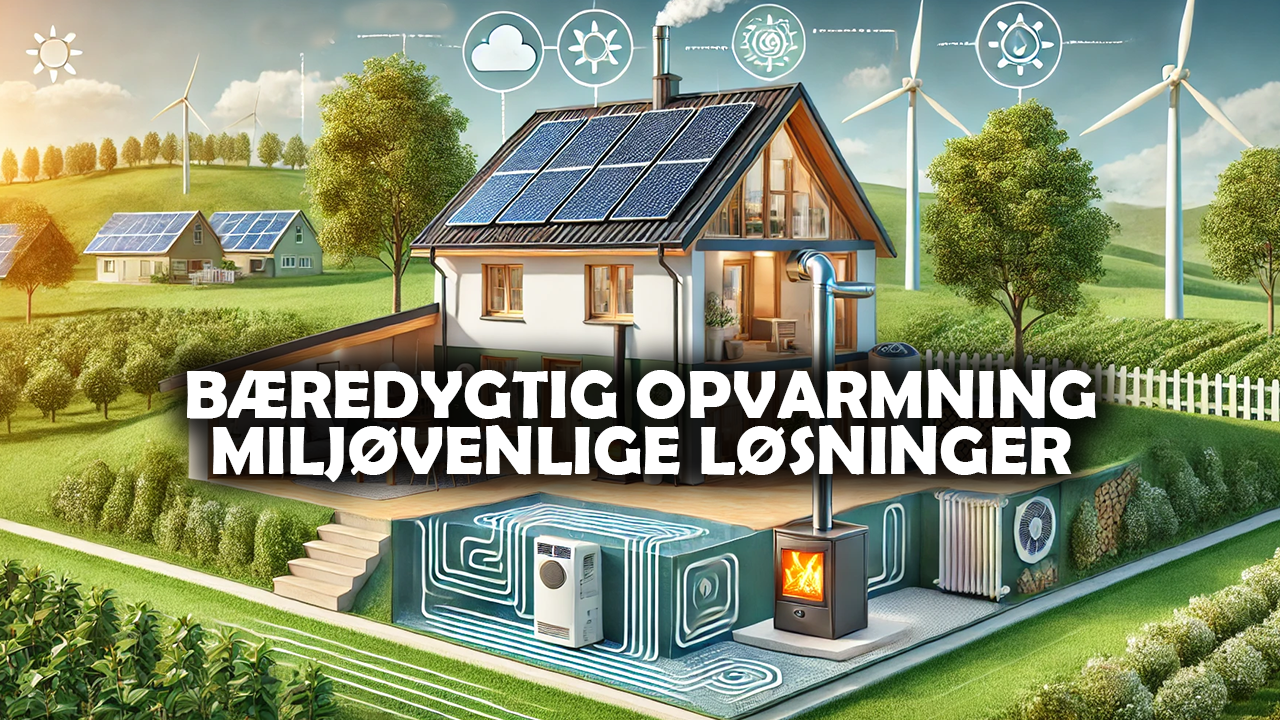
Sustainable heating has become one of the most important priorities for homeowners who want to take responsibility for the environment while creating a more stable and future-proof household economy. Heating accounts for a significant share of overall energy consumption in Danish homes, which means the choice of heating system has a major impact – not only on your carbon footprint, but also on comfort, indoor climate and ongoing household expenses. With rising energy prices and growing awareness of CO₂ emissions, it is more relevant than ever to consider how homes can be heated in a smarter and more environmentally friendly way.
As the green transition continues, there are now far more options for sustainable heating than in the past. While many homes were once dependent on oil and gas boilers, modern alternatives such as heat pumps, district heating, solar thermal systems and hybrid solutions that combine several technologies are now widely available. These solutions can significantly reduce energy consumption and make better use of renewable energy sources while keeping the home comfortably warm throughout the year. For many households, this means not only a greener conscience, but also more predictable heating costs and less vulnerability to fluctuations in energy prices.
However, sustainable heating is not only about choosing the right heat source. It also requires a more holistic approach, where insulation, heating controls, the type of property and the family’s daily habits all play an important role. Even the most environmentally friendly heating solution can lose much of its effectiveness if heat escapes through poorly insulated walls or inefficient windows. This is why modern sustainable heating solutions often go hand in hand with energy-efficient renovations, smart heating controls and a more conscious approach to how and when the home is heated.
In this article, we take a closer look at the best solutions for sustainable heating and provide an overview of the options available for environmentally friendly homes – whether you live in a detached house, terraced house or flat. The aim is to give you a solid basis for making an informed decision, so you can choose a heating solution that suits your home, your budget and your environmental goals. With the right knowledge, sustainable heating can become an investment that benefits the climate, increases the value of your home and improves your everyday comfort.
Why Is Sustainable Heating Important?
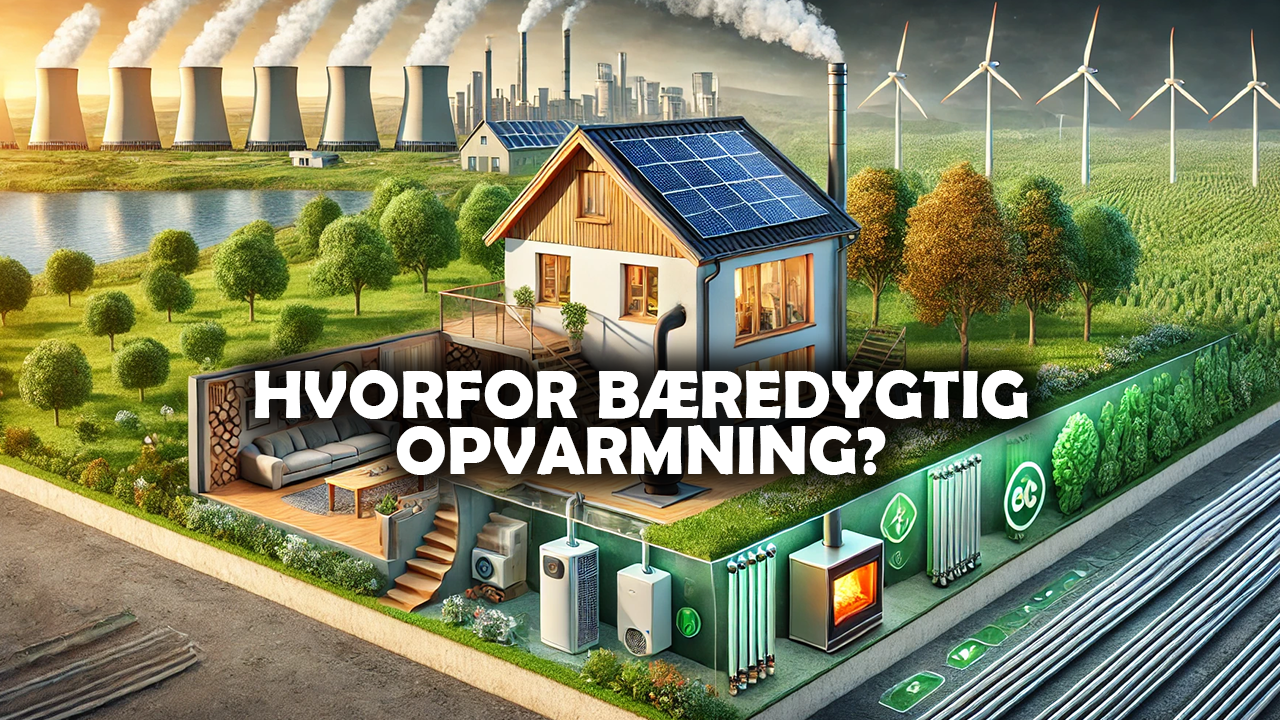
Sustainable heating plays a central role in the green transition of our homes and society. Heating the home is one of the largest sources of energy consumption and CO₂ emissions in private households, which is why the choice of heating solution can make a significant difference. By switching to more environmentally friendly and energy-efficient solutions, the impact on the climate is reduced while the home becomes better prepared for future requirements and energy prices.
In addition, sustainable heating is also about financial security and everyday comfort. Modern heating systems are often far more efficient than older solutions, meaning that less energy can provide the same – or even better – level of warmth. This can lead to lower heating bills and a more stable indoor climate, with an even and comfortable temperature throughout the year. At the same time, sustainable solutions can make the property more attractive and valuable if it is sold in the future.
Finally, sustainable heating is an active choice to take responsibility. By reducing dependence on fossil fuels and using renewable energy sources instead, we help reduce Denmark’s overall carbon footprint. It is a choice that benefits not only the individual household, but also future generations who will live with the consequences of the energy decisions we make today.
Inspiration List – Good Tips on Why Sustainable Heating Makes a Difference
🔥 Reduces Our Dependence on Fossil Fuels Through Sustainable Heating
One of the most important benefits of sustainable heating is that it significantly reduces our dependence on fossil fuels such as oil, gas and coal. These energy sources are not only limited, but are also among the largest contributors to CO₂ emissions and climate change.
When homes switch to sustainable heating based on renewable energy sources such as heat pumps, district heating or solar energy, the everyday need for fossil fuels is directly reduced.
This makes the energy supply more stable and less vulnerable to international crises and price fluctuations, while sustainable heating also supports a more self-sufficient and greener energy future. At both individual and societal level, this is an important step towards more responsible and long-term energy use.
🌱 Reduces Your Carbon Footprint with Sustainable Heating
Sustainable heating is an effective way to reduce a home’s overall CO₂ emissions. By using solutions that take advantage of renewable energy sources such as air, ground, water or solar energy, the need for fossil fuels is significantly reduced.
This means that every time the home is heated, the environmental impact is considerably lower. Over time, even small changes in heating methods can deliver major climate benefits, especially when many homeowners choose sustainable heating as a common direction.
💰 Strengthens Household Finances Through Efficient Sustainable Heating
One of the major advantages of sustainable heating is its high energy efficiency. Modern heating solutions use energy more effectively and reduce waste, often resulting in lower heating costs month after month.
Although the initial investment may be higher, many households find that sustainable heating pays for itself over time through savings and more stable energy costs. At the same time, the household becomes less vulnerable to future increases in oil and gas prices.
🏡 Improves Comfort and Indoor Climate with Sustainable Heating
Sustainable heating is not only about the environment and household finances, but also about everyday comfort. Many green heating solutions provide more even and stable warmth, helping to create a better indoor climate.
This means fewer cold areas, less draught and a more comfortable temperature throughout the home. For families with children or people with allergies, a healthy indoor climate supported by sustainable heating can make an important difference to comfort and well-being.
🔧 Future-Proofs Your Home with Sustainable Heating
By choosing sustainable heating, you make your home more resilient to future requirements and regulations. Energy consumption and CO₂ emission standards are becoming increasingly strict, so homes with green heating solutions are better prepared for future changes.
At the same time, sustainable heating can increase the value of a property and make it more attractive on the housing market, as potential buyers are increasingly looking for environmentally friendly and energy-efficient homes.
🌍 Contributes to the Green Transition with Sustainable Heating
When more people choose sustainable heating, it creates a positive ripple effect throughout society. Reduced pressure on the energy system, lower CO₂ emissions and greater use of renewable energy are all important steps in the green transition.
As a homeowner, you become an active part of the solution and contribute to a more sustainable energy system that benefits society as a whole.
REMEMBER – Sustainable heating is a choice that warms your home, supports your finances and gives you greater peace of mind. When you choose green solutions, you are also investing in a safer and more future-proof home.
The Best Solutions for Environmentally Friendly Home Heating
When you want to make your home more environmentally friendly, choosing the right heating solution is one of the most effective places to start. Eco-friendly heating is about using energy as efficiently as possible, reducing CO₂ emissions and, at the same time, ensuring stable and comfortable warmth in everyday life.
Fortunately, there are now several proven and future-proof solutions available that suit different types of homes, needs and budgets.
Heat pumps are among the most popular solutions for environmentally friendly home heating. They use energy from the air, ground or groundwater and convert it into heat with very high efficiency. This means that they can produce significantly more heat energy than the electricity used to operate the system.
Heat pumps can also be combined with renewable electricity, making them a particularly sustainable solution in both the short and long term. For many homeowners, a heat pump is an investment that can significantly reduce both heating bills and the property’s carbon footprint.
District heating is another strong option, particularly in urban areas where the necessary infrastructure is already in place. Modern district heating increasingly uses waste heat, biomass and renewable energy sources, making it far more environmentally friendly than in the past.
District heating requires very little maintenance in the home and provides a stable and reliable heat supply. For many households, it is a convenient solution that combines comfort with lower overall energy consumption.
Solar thermal heating is an excellent supplementary solution for homes that want to make use of free natural resources. Solar thermal systems can produce hot water and contribute to home heating, particularly during the spring and summer months.
Although solar thermal heating is rarely used as the sole heating source, it can reduce the demand on the main heating system and therefore make the entire heating setup more environmentally friendly and cost-effective.
Biomass-based solutions such as pellet boilers and wood-burning boilers can also be environmentally friendly alternatives when used correctly and with modern technology. New systems are much more efficient and produce considerably less pollution than older models.
They can be particularly suitable in areas without access to district heating or for homeowners who want a more independent heating supply.
Regardless of which solution you choose, it is important to view environmentally friendly heating as part of a complete system. Combining the right heat source with good insulation and intelligent heating controls is essential for achieving the best results.
When heating is adapted to the needs of the home and energy is used as efficiently as possible, the result is not only a greener property, but also a more comfortable, economical and future-proof home.
Below, you will find a more detailed overview of the individual sustainable heating solutions available for your home.
Heat Pumps for Home Heating
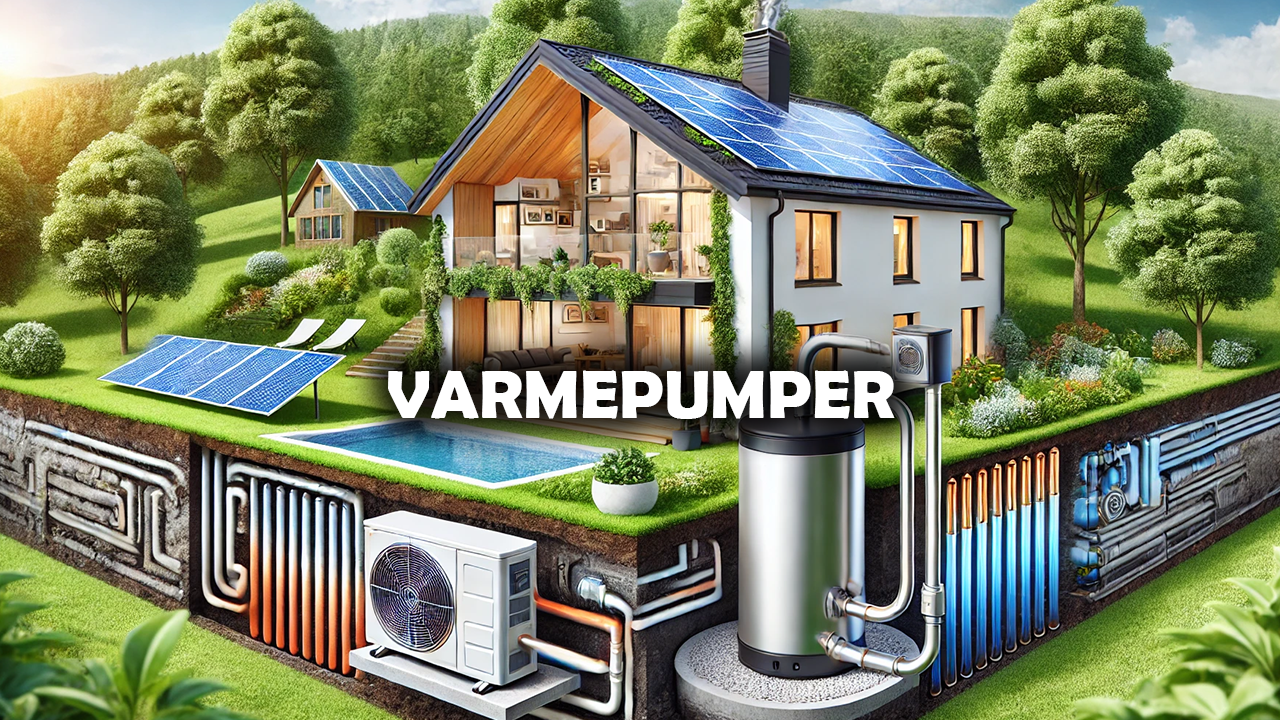
A heat pump is now one of the most popular and efficient solutions for homeowners who want a more sustainable and energy-efficient way to heat their home. Heat pumps use energy that already exists in the surrounding environment – whether from the air, ground or groundwater – and convert it into heat that can be used for both space heating and hot water. This makes a heat pump a solution that combines low energy consumption with high levels of comfort and significantly reduced CO₂ emissions.
One of the major advantages of heating with a heat pump is its flexibility. Whether you live in a detached house, terraced house or, in some cases, a larger residential development, there are heat pump solutions that can be adapted to suit your specific property type and heating requirements. At the same time, the technology has become quieter, more reliable and more efficient than in the past, making heat pumps an excellent choice for homeowners looking for a long-term and future-proof heating solution.
Heat pumps also work well alongside the green transition of the electricity grid. As more and more electricity is generated from renewable energy sources such as wind and solar power, heating with a heat pump becomes increasingly environmentally friendly. For many households, this can also mean lower and more stable heating costs, especially when the heat pump is combined with good insulation and intelligent heating controls.
Inspiration List – Good Tips for Using a Heat Pump as Sustainable Heating
🌬️ Air-Source Heat Pump for Flexible Heating
An air-source heat pump is one of the most common types of heat pump and a popular choice for many homeowners. This type of heat pump uses energy from the outside air and converts it into heat, even when outdoor temperatures are low.
One of the advantages of an air-to-air or air-to-water heat pump is that installation is often relatively straightforward and affordable. At the same time, an air-source heat pump can provide heating and, in some cases, cooling, helping to improve comfort in the home throughout the year.
🌱 Ground-Source Heat Pump with High Efficiency
A ground-source heat pump is one of the most energy-efficient heat pump solutions available. It uses the stable temperature of the ground to provide highly consistent and efficient heating for the home.
Although installation requires sufficient outdoor space and a larger initial investment, a ground-source heat pump can often provide very low running costs over the long term. For homeowners with suitable land for installing underground pipework, this type of heat pump can be an especially attractive solution for sustainable heating.
💧 Heat Pump with a Focus on Hot Water
A modern heat pump can easily meet the need for both space heating and domestic hot water. This means that a single integrated system can replace older boilers and separate hot water tanks.
A heat pump with integrated hot water production provides a reliable supply while using energy as efficiently as possible, helping to reduce both energy consumption and heat loss. This makes heat pumps an efficient and space-saving solution for many homes.
⚙️ Intelligent Heat Pump Controls Improve Comfort
Modern heat pumps can be equipped with intelligent controls that adjust heating according to the household’s needs and daily routine. With smart heating controls, the heat pump can automatically increase or reduce heating so that energy is used when it provides the greatest benefit.
This can improve comfort while lowering energy consumption, and it also allows the heat pump to operate more efficiently and with less strain over time.
♻️ Heat Pumps as Part of a Complete Green Energy Solution
A heat pump works best when it forms part of a complete home energy solution. When combined with good insulation, energy-efficient windows and, where suitable, solar panels, the overall use of energy can be improved significantly.
In this way, the heat pump becomes more than simply a source of heating. It becomes a central part of a sustainable home energy strategy that can reduce both energy consumption and the property’s carbon footprint.
REMEMBER – A heat pump is most effective when it is considered as part of the home’s overall energy system. With the right heat pump for your property, sustainable heating can be both simple and economical.
Solar Thermal Systems for Home Heating

Solar thermal systems are an effective and natural way to use the sun’s energy for heating the home. By converting sunlight into heat, solar thermal energy can make a significant contribution to both domestic hot water and, in some cases, space heating. This makes solar thermal systems an attractive option for homeowners who want to reduce energy consumption while making their home more sustainable and future-proof.
One of the major advantages of solar thermal energy is that the energy source is free, renewable and available year after year. Once the system has been installed, it can provide heat with very low running costs and minimal environmental impact.
Although solar thermal heating rarely serves as the sole source of heating in Danish homes, it works particularly well as a supplement to other sustainable solutions such as heat pumps or district heating. In this way, the solar thermal system reduces the demand placed on the primary heat source and helps lower overall energy consumption.
Solar thermal systems are well suited to homeowners who want a stable and straightforward technology with a long service life and limited maintenance requirements. At the same time, solar thermal heating is a solution that clearly demonstrates a commitment to the green transition and responsible energy use – both for the environment and for future generations.
Inspiration List – Good Tips on Solar Thermal Energy as Part of Sustainable Heating
☀️ Solar Thermal Energy for Domestic Hot Water
Solar thermal energy can be used very effectively to heat domestic hot water in the home. A solar thermal system can cover a large proportion of a household’s hot water needs during the spring, summer and autumn months.
This means the primary heating system is used less frequently, helping to reduce both energy consumption and running costs. Solar thermal heating for hot water is often the first step for homeowners who want to begin making their heating system more sustainable.
🌿 Solar Thermal Energy as a Supplement to Space Heating
In addition to providing hot water, solar thermal energy can also contribute to space heating, particularly during milder transitional periods of the year.
When the solar thermal system is connected to the home’s heating system, it can reduce the workload of systems such as heat pumps or district heating. This combination makes solar thermal energy a valuable part of a more complete and energy-efficient heating solution.
🏡 Solar Thermal Energy Improves Home Energy Efficiency
Integrating solar thermal energy into the home’s heating system can significantly improve overall energy efficiency. Solar thermal systems use a renewable energy source and reduce the amount of energy that needs to be purchased from external suppliers.
This can contribute positively to the property’s energy rating and make the home more attractive on the housing market, where sustainable solutions are increasingly in demand.
🔧 Solar Thermal Systems with a Long Lifespan and Low Maintenance
A modern solar thermal system is characterised by high reliability and a long service life. When installed correctly, solar thermal systems require only limited maintenance, making them both practical and cost-effective.
For many homeowners, choosing solar thermal energy provides peace of mind because the technology is well established and has proven to be reliable over many years.
♻️ Solar Thermal Energy as Part of a Complete Green Solution
Solar thermal energy works best when it is incorporated into a complete home energy solution. Combined with good insulation, energy-efficient windows and other forms of sustainable heating, solar thermal energy can help minimise the home’s overall carbon footprint.
In this way, solar thermal energy becomes more than just a technical solution. It becomes an active part of a responsible and long-term energy strategy.
REMEMBER – With solar thermal energy, the sun becomes an active part of your home’s heating system, using nature’s own energy to create a greener everyday life.
Biomass Boilers for Home Heating
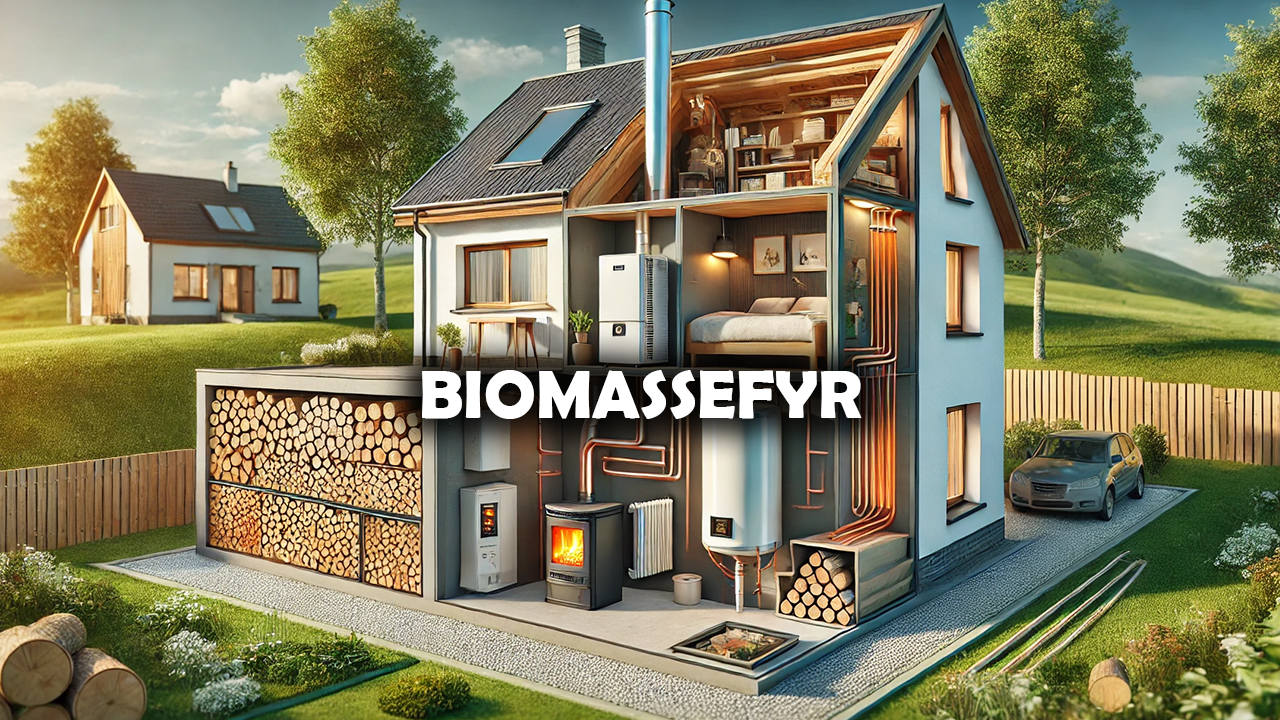
For many homeowners, biomass boilers are an excellent alternative when the goal is more sustainable heating – especially in areas without access to district heating. By using biomass such as wood pellets, wood chips or firewood, households can make use of a renewable energy source that forms part of the natural carbon cycle. This makes biomass boilers a heating solution with significantly lower CO₂ emissions compared with traditional oil and gas boilers.
Modern biomass boilers are far more efficient and environmentally friendly than older systems. Advanced combustion technology ensures high efficiency, lower particulate emissions and a more stable heat supply. At the same time, modern biomass boilers can be highly automated, making everyday use easier for homeowners while ensuring more consistent and comfortable heating throughout the property.
Biomass heating can be particularly attractive for households that want greater energy independence and better control over heating costs. With a biomass boiler, heating becomes less dependent on international energy markets, and many homeowners experience more predictable energy expenses. At the same time, biomass makes use of local and renewable resources, supporting the green transition at both household and societal level.
Inspiration List – Good Tips on Biomass as a Sustainable Heating Solution
🌍 Biomass Reduces Dependence on Fossil Fuels
One major advantage of choosing biomass for home heating is that it can significantly reduce dependence on fossil fuels such as oil and gas. When biomass boilers use wood pellets, wood chips or firewood as their energy source, non-renewable fuels are replaced with renewable biomass that can be replenished over time.
This makes heating more resilient to international energy crises and price fluctuations, while biomass also contributes to a more independent and responsible energy supply. At both individual and societal level, biomass can therefore represent an important step away from fossil fuels and towards more sustainable heating.
🌱 Biomass as an Environmentally Friendly Alternative to Oil and Gas Boilers
Biomass is a practical environmentally friendly alternative to traditional oil and gas boilers, which are generally associated with higher CO₂ emissions and reliance on fossil fuels.
When biomass boilers are used for heating, they make use of renewable resources that form part of natural cycles, helping to reduce the overall environmental impact. Modern biomass boilers are also designed to provide more efficient combustion and lower emissions, making them a cleaner choice for both the environment and local communities.
For homeowners who want to phase out oil or gas heating, biomass can offer a realistic and more sustainable route towards greener home heating.
🌲 Biomass as a Renewable Energy Source
Biomass is considered a renewable energy source because it is based on organic material that can be replenished through natural processes.
When biomass is sourced and used responsibly, the carbon released during combustion can be partly balanced by the carbon previously absorbed by the plants during growth. This can make biomass a lower-carbon alternative to fossil fuels in appropriate circumstances.
Biomass-based heating can therefore contribute to a more balanced energy cycle and a more responsible use of natural resources.
🔥 Biomass Boilers with High Efficiency and Stable Heating
Modern biomass boilers are designed to provide an efficient and reliable heat supply. Advanced control systems optimise the combustion of biomass, helping to reduce waste and maximise the amount of useful energy obtained from the fuel.
The result is steady and comfortable heating throughout the home, while the biomass boiler uses the available energy efficiently and helps keep fuel consumption under control.
💰 Biomass Offers Better Control Over Heating Costs
One advantage of biomass heating is that biomass fuel prices can sometimes be more stable than oil and gas prices. This can give homeowners greater ability to plan and manage their heating expenses.
With a biomass boiler, homeowners may also have more flexibility in choosing their fuel supplier and type of biomass, which can reduce dependence on fluctuations in wider energy markets.
🏡 Biomass as a Solution for Homes Without District Heating
In rural areas and smaller towns where district heating is not available, biomass can be a particularly suitable solution.
Biomass boilers can be adapted to both smaller and larger properties and can operate as an independent heating system. This makes biomass a realistic and potentially sustainable alternative for many households looking to replace oil or gas boilers.
♻️ Biomass Combined with Other Green Solutions
Biomass works best when it forms part of a broader home energy strategy. By combining a biomass boiler with good insulation, intelligent heating controls and, where appropriate, solar thermal energy, the home can achieve even greater energy efficiency.
In this way, biomass becomes more than simply a heat source. It becomes a central part of a complete strategy for sustainable home heating.
REMEMBER – Biomass boilers combine traditional heating with modern sustainability. With a biomass boiler, greener heating can become a practical part of everyday life.
District Heating for Home Heating
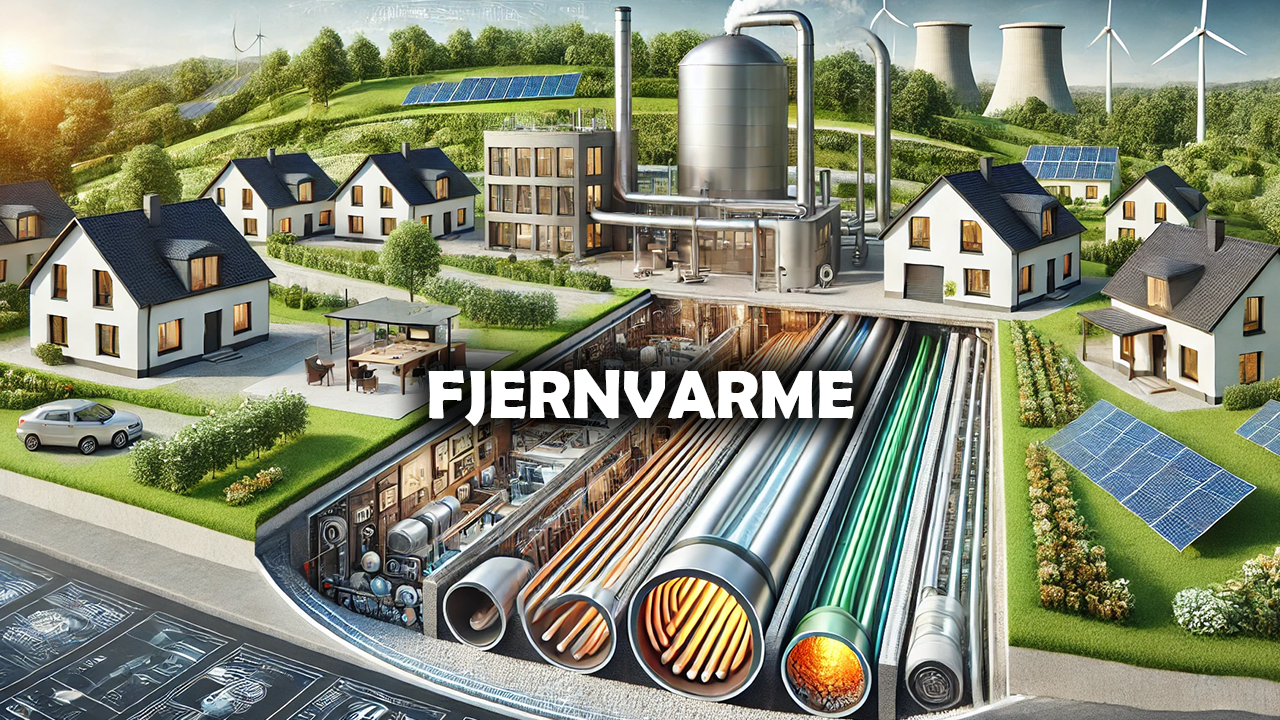
District heating is one of the most widely used and reliable heating solutions in Danish homes and plays a central role in the green transition. With district heating, heat is produced centrally and distributed to homes through an efficient pipe network, making it possible to use energy far more effectively than with individual heating systems. For homeowners, district heating provides a stable and convenient form of heating that requires minimal maintenance and offers a high level of everyday comfort.
One of the main strengths of district heating is the flexibility of its energy sources. Modern district heating increasingly relies on renewable energy, surplus heat from industry and waste incineration, as well as biomass. This makes district heating an increasingly environmentally friendly solution, with CO₂ emissions falling as energy production becomes greener. At the same time, district heating systems can be continuously adapted and improved without requiring homeowners to invest in new heating equipment.
For many households, district heating also provides financial security. Heat is supplied through a relatively stable and predictable pricing structure, and the risk of major fluctuations in heating costs is often lower compared with individual heating systems. The combination of reliability, comfort and increasing sustainability makes district heating an attractive choice for many homeowners.
Inspiration List – Good Tips on District Heating as Sustainable Heating
🔥 District Heating with Efficient Centralised Heat Production
District heating uses energy more efficiently through centralised heat production. Instead of relying on many individual heating systems, heat is produced in one central location where production can be carefully controlled and optimised.
This reduces energy waste and allows district heating to provide homes with a stable and consistent supply of heat while also reducing the overall environmental impact.
♻️ District Heating Based on Renewable and Green Energy Sources
A major advantage of district heating is that its energy sources can gradually be converted to more sustainable alternatives. District heating increasingly uses biomass, surplus heat and renewable energy, making the system greener year after year.
For homeowners, this means district heating can become more environmentally friendly without requiring changes to the heating system inside the property.
🏡 District Heating with High Comfort and Minimal Maintenance
District heating is known for its high reliability and low maintenance requirements. Once a home is connected to a district heating network, the system requires very little attention, and there is no need for fuel storage or regular servicing in the same way as with individual boilers.
This provides homeowners with a simple and convenient heating solution that delivers a high level of everyday comfort.
💰 District Heating Provides More Predictable Heating Costs
One of the benefits of district heating is that heating costs are often more stable and predictable. Pricing is generally regulated and may be less affected by fluctuations in international energy markets, giving homeowners better control and greater visibility over their heating expenses.
District heating can therefore be a reassuring choice for households that value financial stability and want to avoid unexpected increases in their heating bills.
🌍 District Heating as Part of the Collective Green Transition
When many homes are connected to district heating, it creates a shared solution that supports the wider green transition. District heating makes it possible to use resources that might otherwise go to waste and contributes to a more efficient and sustainable energy system.
In this way, district heating is not only a solution for individual homes but also an important part of a broader societal effort towards more sustainable energy use.
🔗 District Heating Can Be Combined with Other Sustainable Heating Solutions
District heating is a flexible form of heating that can easily be combined with other sustainable solutions to achieve even greater energy efficiency.
For example, many homes choose to supplement district heating with solar thermal energy for domestic hot water or use intelligent heating controls to ensure energy is used as efficiently as possible.
By combining district heating with other green solutions, homeowners can further reduce energy consumption, lower their carbon footprint and create a more resilient and future-proof heating system that can be adapted to both the property type and the needs of the household.
REMEMBER – With district heating, you get reliable warmth and a greener conscience, while showing how shared solutions can provide individual benefits.
Home Insulation and Energy-Efficient Renovation
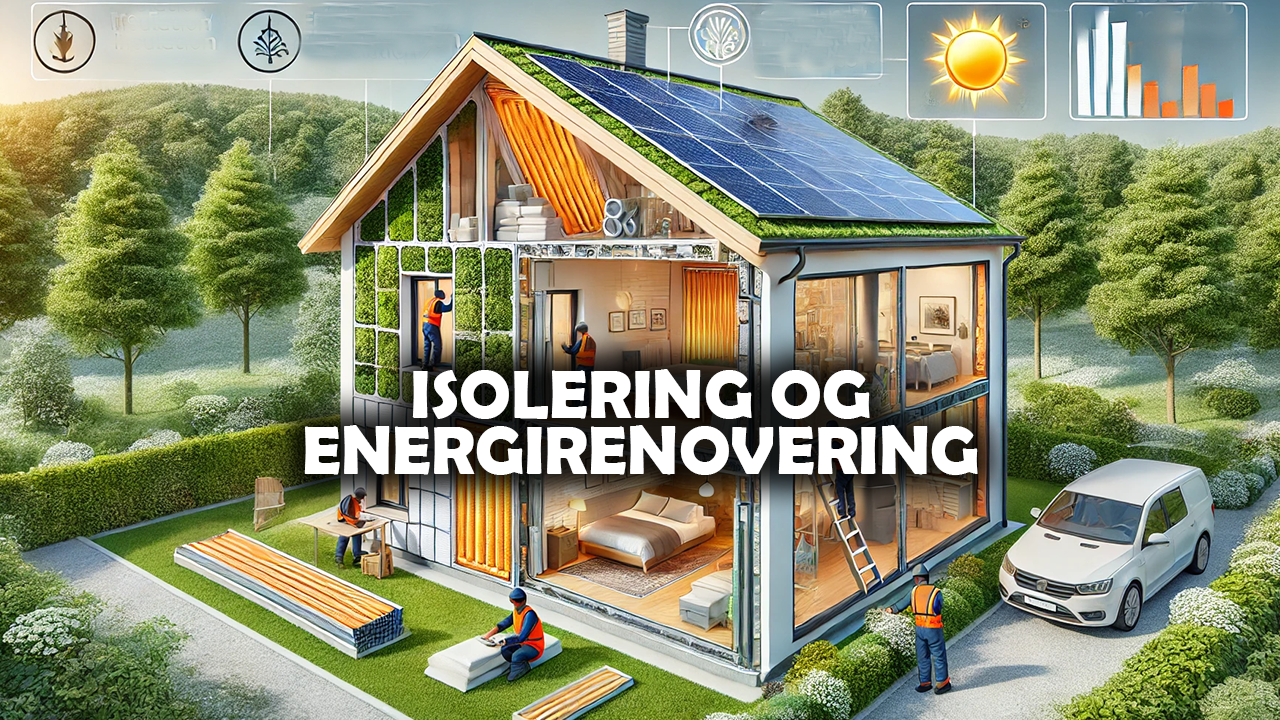
Insulation and energy-efficient renovation form the foundation of any sustainable heating solution. Whether a home is heated by a heat pump, district heating, solar thermal energy or biomass, the benefits will be limited if heat escapes through poorly insulated parts of the building. By focusing on insulation and energy-efficient renovation, heat loss can be significantly reduced, ensuring that the heat produced remains inside the home, where it provides comfort and value.
When heat loss is reduced, energy consumption automatically falls. This means lower heating bills, less strain on the heating system and an improved indoor climate. At the same time, the home becomes better prepared for rising energy prices and stricter energy-efficiency requirements. Insulation and energy-efficient renovation are therefore not simply technical improvements, but long-term investments in household finances, comfort and sustainability.
An important point is that energy-efficient renovation often delivers the greatest benefits when approached as a complete strategy. By systematically reducing heat loss throughout the entire home – from the roof to the foundations – the best possible conditions are created for efficient and environmentally friendly heating. This makes insulation a natural first step for homeowners who want to create a greener home.
Inspiration List – Good Tips for Insulation and Energy-Efficient Renovation to Minimise Heat Loss
🏠 Loft and Roof Insulation to Minimise Heat Loss
A significant amount of heat can be lost through the loft and roof if insulation is inadequate. By adding or upgrading insulation in these areas, homeowners can significantly minimise heat loss and quickly achieve noticeable energy savings.
Good loft and roof insulation helps keep warm air inside the home rather than allowing it to escape, improving comfort while reducing the need for heating.
🧱 Exterior Wall Insulation to Minimise Heat Loss
Exterior walls make up a large part of a property’s thermal envelope and play an important role in reducing heat loss. Adding insulation to cavity walls or external façades can significantly improve the home’s energy efficiency.
Better-insulated walls also help create a more even indoor temperature and reduce cold surfaces, improving everyday comfort.
🪟 Windows and Doors That Help Minimise Heat Loss
Old and draughty windows and doors are often hidden sources of energy waste. Replacing them with modern energy-efficient windows and doors can reduce heat loss while also improving the indoor climate.
New windows can significantly reduce draughts, cold downdraughts and heat loss, making the home easier and more comfortable to heat.
🧊 Floor Insulation to Minimise Heat Loss from Below
Heat loss through floors and basements is often overlooked, but it can have a considerable impact on overall energy consumption.
Improving floor insulation can reduce heat loss from below and create a more comfortable temperature throughout the home. Particularly in older properties, this type of energy-efficient renovation can provide both energy savings and improved comfort.
🔧 Draught-Proofing and Energy Renovation to Minimise Hidden Heat Loss
Small gaps and leaks around joints, pipe penetrations and building structures can collectively result in significant heat loss.
By draught-proofing the home and combining insulation with targeted energy-efficient renovation, it is possible to reduce hidden heat loss that may otherwise be difficult to detect. The result is a more energy-efficient home where heating is used more effectively.
🌡️ Installing Thermostats and Heating Control Systems to Minimise Energy Waste
Installing modern thermostats and intelligent heating control systems is an effective way to reduce unnecessary heat loss and ensure that heating is only used when and where it is needed.
By controlling the temperature precisely in individual rooms, unnecessary heating can be avoided while comfort is improved. Smart heating systems can adjust heating according to daily routines, weather conditions and household habits, making it possible to reduce energy waste without compromising a comfortable indoor climate.
Over time, this type of energy-efficient improvement can contribute to lower energy consumption, reduced heating costs and a more sustainable use of the home’s heating system.
♻️ A Complete Approach to Energy-Efficient Renovation to Minimise Heat Loss
The greatest benefits are achieved when insulation and energy-efficient renovation are considered as part of one complete strategy.
By combining several measures that all aim to minimise heat loss, homeowners can create a property that requires less energy to heat while also being more comfortable to live in. A holistic approach helps ensure that investments provide maximum value in both the short and long term.
REMEMBER – Good, carefully planned insulation is the key to getting the most from your heating system. When you minimise heat loss, you maximise both comfort and savings.
If you are planning to hire tradespeople to carry out your energy-efficient renovation, you can find inspiration on how to plan the work effectively with your contractors in our article – Good Tips on How to Plan Effectively When Hiring Tradespeople to Renovate Your Home
Intelligent Home Heating Control
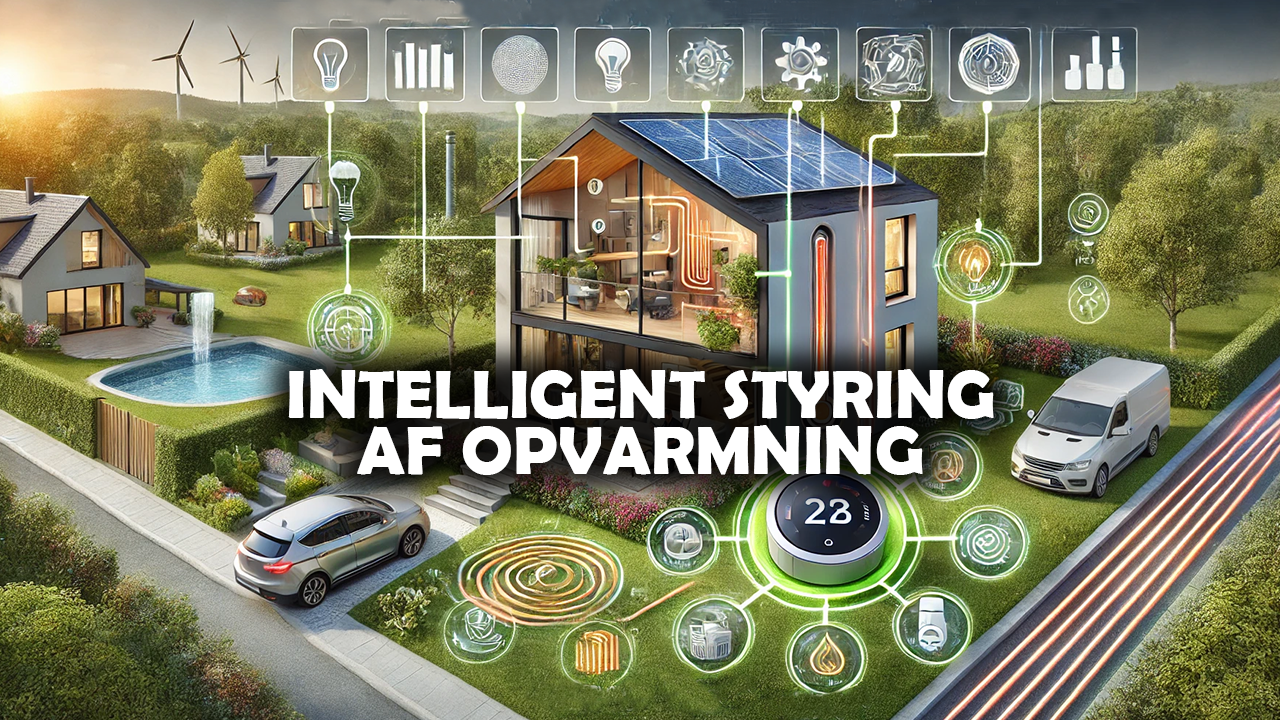
Intelligent heating control is an important step towards creating a more energy-efficient, comfortable and sustainable home. While traditional heating systems often operate according to fixed settings, intelligent heating makes it possible to adjust energy use precisely according to your needs, habits and living conditions. This means energy is only used when it makes sense – and only where it is actually needed.
With intelligent heating, the home’s heating system becomes an active part of everyday energy management. The temperature can be adjusted automatically according to daily routines, days of the week, weather conditions and whether the home is occupied or empty. The result is a more stable indoor climate, fewer temperature fluctuations and a significant reduction in unnecessary energy consumption. At the same time, many homeowners find that intelligent energy management improves comfort because the heating is adapted to the family’s actual needs rather than fixed standard settings.
Intelligent heating also works as a powerful addition to sustainable heating solutions such as heat pumps, district heating, solar thermal systems and biomass. When heating is controlled intelligently, these systems can be used far more efficiently and their full potential can be realised. Intelligent energy management is therefore not simply a technical upgrade, but an important part of a complete and future-proof heating strategy.
Inspiration List – Good Tips for Intelligent Heating in Your Home
🤖 Intelligent Heating with Automatic Temperature Control
Intelligent heating makes it possible to regulate the temperature automatically based on established patterns and daily routines. Heating can be reduced at night or during working hours and increased again when the family is at home.
This type of intelligent heating significantly reduces energy waste while ensuring that the home remains comfortably warm whenever it is in use.
📱 Intelligent Heating with Remote Control via Apps
With intelligent heating, the temperature can be controlled directly from a smartphone or tablet, wherever you are.
This provides greater flexibility in everyday life and makes it easy to adjust the temperature quickly if plans change. Remote control ensures that intelligent heating can be adapted to current needs, improving comfort while reducing unnecessary energy use.
🌦️ Intelligent Heating That Responds to Weather Conditions
Advanced intelligent heating systems can take weather forecasts into account and adjust heating accordingly.
If sunshine and milder temperatures are expected, the system can automatically reduce heating, while colder periods can be managed more effectively. This type of intelligent heating ensures that the home is always heated as efficiently as possible in relation to outdoor conditions.
🏠 Intelligent Heating with Zoning Throughout the Home
With intelligent heating, the home can be divided into separate zones so that each room can be heated individually.
This means that bedrooms, living areas and bathrooms can be kept at different temperatures depending on how they are used. Zoning makes intelligent heating more precise and energy-efficient because warmth is concentrated where it provides the greatest benefit.
♻️ Intelligent Heating That Helps Extend the Life of the Heating System
When heating is controlled intelligently, the heating system can operate more evenly and efficiently. This reduces strain on the system and helps minimise wear over time.
Intelligent heating can therefore help extend the lifespan of heat pumps, district heating systems and other heating solutions, making the overall investment even more sustainable.
🔗 Intelligent Heating Combined with Green Energy Sources
Intelligent heating works particularly well when integrated with sustainable energy sources.
By managing heating according to periods when electricity is cheaper or generated from greener sources, intelligent heating can further optimise energy consumption. This makes the home more climate-friendly and helps ensure that renewable energy is used as effectively as possible.
REMEMBER – Intelligent heating makes sustainable solutions even more efficient. When energy management is smart, heating becomes both more affordable and greener.
You can find further inspiration on how to use technology to manage your home’s energy consumption more effectively in our article – Smart Gadgets for the Home – Technology That Makes Your Home Smarter and More Efficient
How Do You Choose the Right Heating Solution for Your Home?
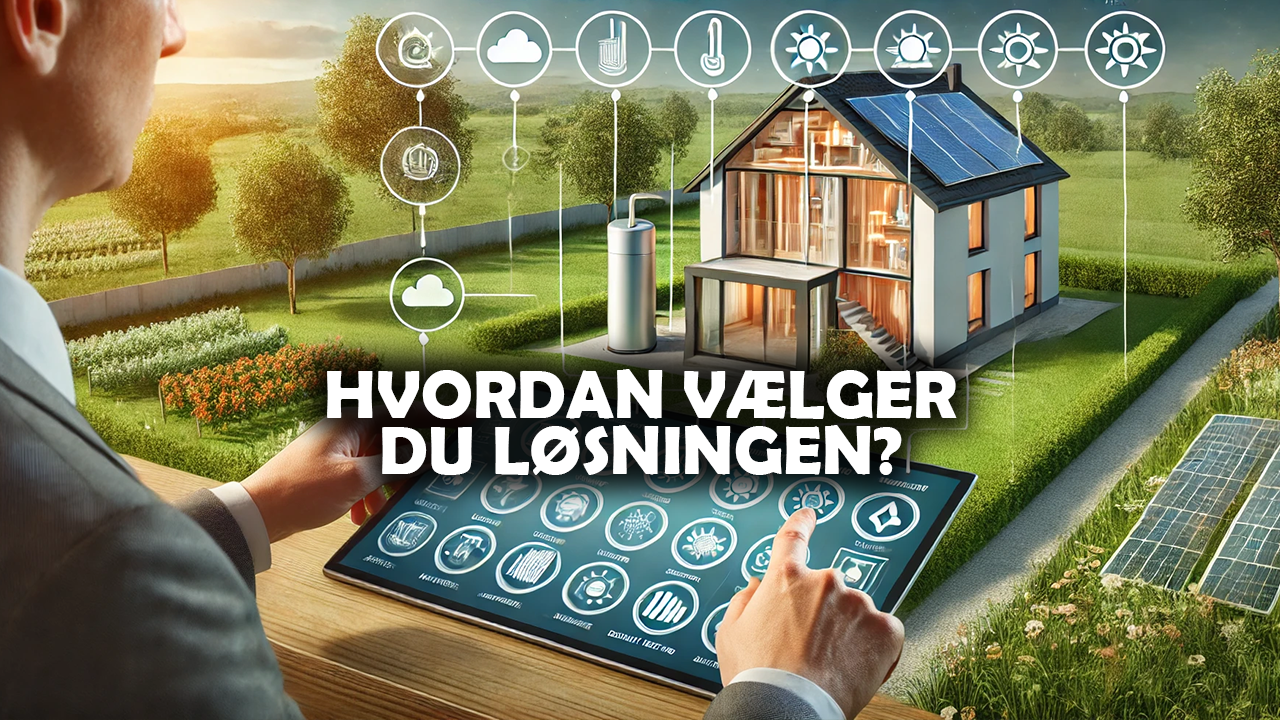
Choosing the right heating solution for your home is an important decision that can affect your finances, comfort and environmental impact for many years to come. There is no single solution that suits every property, and the optimal heating solution depends on a number of factors, including the type and size of the home, its insulation level, location and the family’s daily needs.
A well-insulated home, for example, requires less energy and offers a wider range of options. It is therefore essential to take a holistic view of the property before making a final decision. You can then compare different solutions such as heat pumps, district heating, wood pellet boilers or solar thermal systems, depending on what is available in your area.
An optimal heating solution should not only be energy-efficient today, but also future-proof. Energy prices, regulations and technological possibilities are constantly changing, making it even more important to choose a solution that can adapt over time. At the same time, the heating system should work well alongside the property’s other energy-saving measures, such as insulation, heating controls and any renewable energy sources. It is also important to investigate long-term running costs and any available grants or support schemes that could make a sustainable investment more affordable.
When the decision is based on reliable information, heating becomes more than simply a necessary household expense. It becomes an investment in a more sustainable, comfortable and valuable home. The right solution for your home’s future heating is often one that combines a low carbon footprint with financial practicality while also meeting your family’s everyday needs and environmental ambitions.
Inspiration List – Good Tips on How to Find the Optimal Heating Solution for Your Home
🏡 Property Type and Size Determine the Optimal Heating Solution
The type and size of your property have a major influence on which heating solution is most suitable. A detached house often has different options from a flat, while older properties may have very different requirements from newly built homes.
By considering the physical characteristics of the property, you can better assess whether the optimal heating solution might be a heat pump, district heating or a combination of several systems.
🔍 Insulation Level Is Key to an Optimal Heating Solution
Insulation plays a crucial role in determining how efficiently a heating system performs. An optimal heating solution works best in a property where heat loss is kept to a minimum.
For this reason, insulation and energy-efficient renovation should often be considered before or alongside the choice of heating system. The better the property retains heat, the more efficient and economical the chosen heating solution will be.
💰 Finances and Running Costs of the Optimal Heating Solution
When choosing a heating system, it is important to consider both the initial investment and the ongoing running costs.
The optimal heating solution is not necessarily the cheapest system to install, but rather the one that provides the best balance between installation costs, operating expenses and long-term savings. A thorough assessment of heating costs gives a more realistic picture of what the system will cost over time.
🌱 Environmental Considerations as Part of the Optimal Heating Solution
For many homeowners, environmental impact is an important factor. An optimal heating solution should therefore take account of CO₂ emissions, energy sources and long-term sustainability.
By choosing systems based on renewable energy, you can reduce the property’s carbon footprint while also making the home better prepared for the ongoing green transition.
📍 Available Local Options as the Basis for the Optimal Heating Solution
The heating options available in your local area play a major role in determining which solution is realistically the best choice for your home.
In some areas, district heating may be the most practical and future-proof option, while other properties may be better suited to heat pumps, pellet boilers or other individual heating systems.
By starting with the solutions that are technically and infrastructurally available in your area, it becomes easier to choose an optimal heating solution that is realistic, financially sensible and sustainable in the long term. Local factors such as energy prices, connection opportunities and municipal plans may also play an important role when choosing a heating solution with both the present and future in mind.
💸 Grants and Financial Support as Part of the Optimal Heating Solution
Grant schemes and financial support can have a significant impact on which solution ultimately becomes the most suitable heating option for your home.
Many homeowners may be eligible for financial assistance when switching to more energy-efficient and sustainable forms of heating, such as installing a heat pump, carrying out energy-efficient renovations or connecting to district heating.
By researching current grant and support schemes in advance, the investment can become more affordable, making the optimal heating solution easier to achieve both financially and practically.
⚙️ Flexibility and Future-Proofing of the Optimal Heating Solution
Flexibility is an important feature of an optimal heating solution. The ability to combine heating with intelligent controls, solar thermal energy or other green solutions can make the system more efficient and resilient over time.
A flexible heating solution also provides greater opportunity to adapt to changing household needs and new technologies in the future.
🧠 Professional Advice for Choosing the Optimal Heating Solution
Choosing the optimal heating solution can be complex, which is why professional advice can be extremely valuable.
Energy consultants and qualified professionals can assess the individual characteristics of your property and recommend the solution that offers the greatest overall value. With professional guidance, the decision can be made with greater confidence and a better understanding of the long-term benefits.
REMEMBER – The right heating solution begins with good research and a clear overview of your options. The optimal heating solution for your home is the one that suits the whole property and your lifestyle – not just the heating system itself. When the decision is carefully considered, the benefits can be enjoyed year after year.
Assess Your Home’s Location and Structure When Considering Heating Options
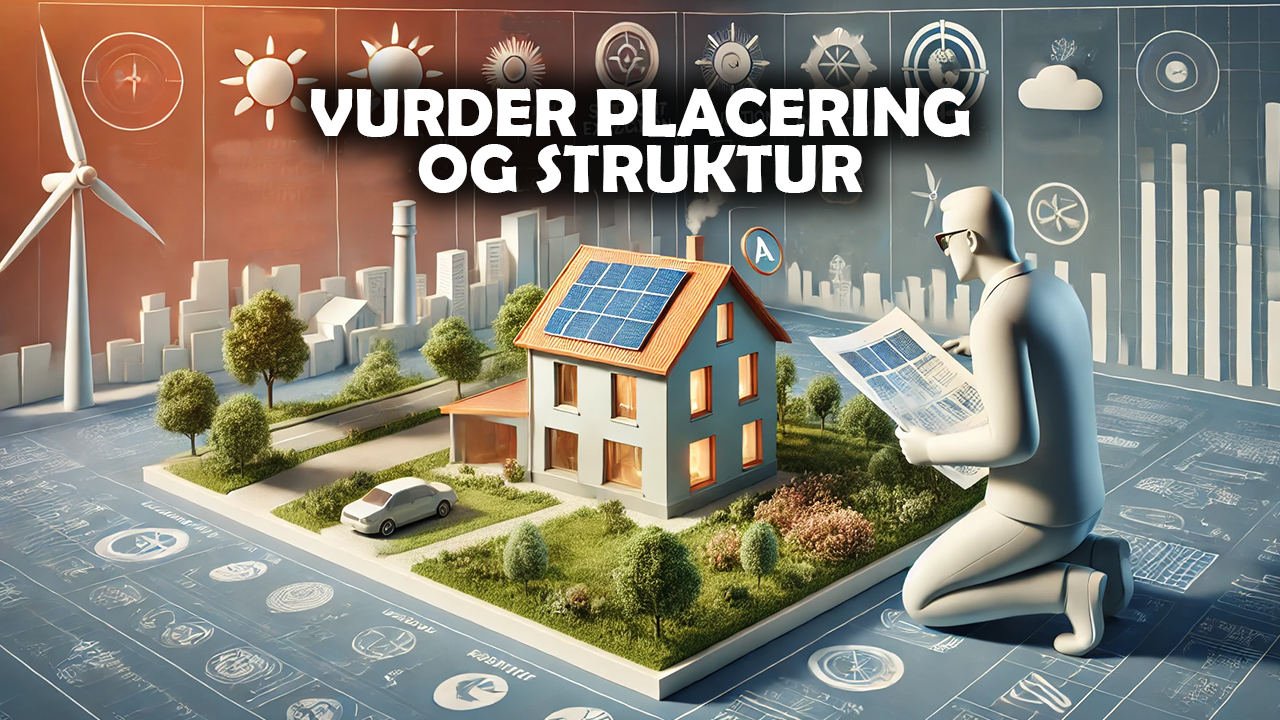
When choosing the right heating solution, it is essential to start by considering the specific location and structure of your home. The property’s geographical location, surroundings and physical construction all have a major influence on which heating options are realistic, efficient and financially sensible. A heating solution that works perfectly in one property may not necessarily be the best choice for another.
Location affects access to certain energy sources, such as district heating, ground-source heating or solar energy. At the same time, the structure of the property – including its size, layout, number of floors and architectural style – plays an important role in how efficiently heat can be distributed.
A careful assessment of these factors makes it easier to find a heating solution that matches the actual needs of the property and provides the best balance between comfort, energy consumption and sustainability.
Older homes with poor insulation require more energy to heat, which can make investing in additional insulation or energy-efficient windows a sensible step before changing the heat source. By carefully analysing the property’s location and structure, you can avoid costly mistakes and ensure that the chosen heating solution is not simply modern or popular, but also practical and sustainable for your particular home over the long term.
Inspiration List – How Location and Structure Affect Your Heating Solution
🗺️ Your Home’s Geographical Location and the Right Heating Solution
The geographical location of your home has a major influence on the choice of heating solution. In urban areas, district heating is often a practical option, while homes in rural areas may need to rely on individual heating solutions such as heat pumps or biomass boilers.
By taking local energy infrastructure into account, you can choose a heating solution that is accessible, reliable and future-proof.
🏘️ Plot Size and Outdoor Space in Relation to Your Heating Solution
The size and layout of the property’s outdoor space play an important role in determining which heating solutions can be installed.
Ground-source heating, for example, requires sufficient space for underground pipework, while air-source systems require suitable locations for outdoor units. By assessing the size and layout of the plot, you can more easily determine which heating solution is technically feasible and practical for your property.
🏠 Property Size and Layout Affect the Heating Solution
The size and layout of the property directly influence how heat is distributed. A large home with many rooms has different heating requirements from a smaller, more compact property.
By considering room layout, ceiling height and the number of floors, the heating solution can be adapted to ensure that heat is distributed evenly and efficiently throughout the home.
🧱 Building Style and Construction as Factors in Choosing a Heating Solution
Older properties and modern homes often have very different construction methods, which can affect the choice of heating solution.
Older buildings may experience greater heat loss and therefore require a heating system capable of delivering more heat, while newer homes are often better insulated and more suitable for low-temperature heating systems. A realistic assessment of the building style and construction helps ensure that the heating solution matches the technical characteristics of the property.
🌤️ Sun Exposure and Wind Conditions When Choosing a Heating Solution
The property’s exposure to sunlight and wind can also influence the choice of heating solution.
Good sun exposure can support the use of solar thermal energy or reduce heating demand in general, while exposed locations with strong winds may increase the need for efficient heating. Taking these factors into account can help further optimise the heating solution.
🔧 Existing Installations and Options for a New Heating Solution
Existing heating systems, radiators and pipework play an important role when considering a new heating solution.
Some systems can be integrated directly into the existing setup, while others may require more extensive alterations. By assessing how a new heating solution can work alongside the property’s existing installations, homeowners can achieve a smoother and more cost-effective transition.
REMEMBER – The best heating solution begins with understanding your home. When the heating solution is suited to the property’s location and structure, heating becomes more efficient.
Budget and Grant Opportunities for Home Heating Solutions
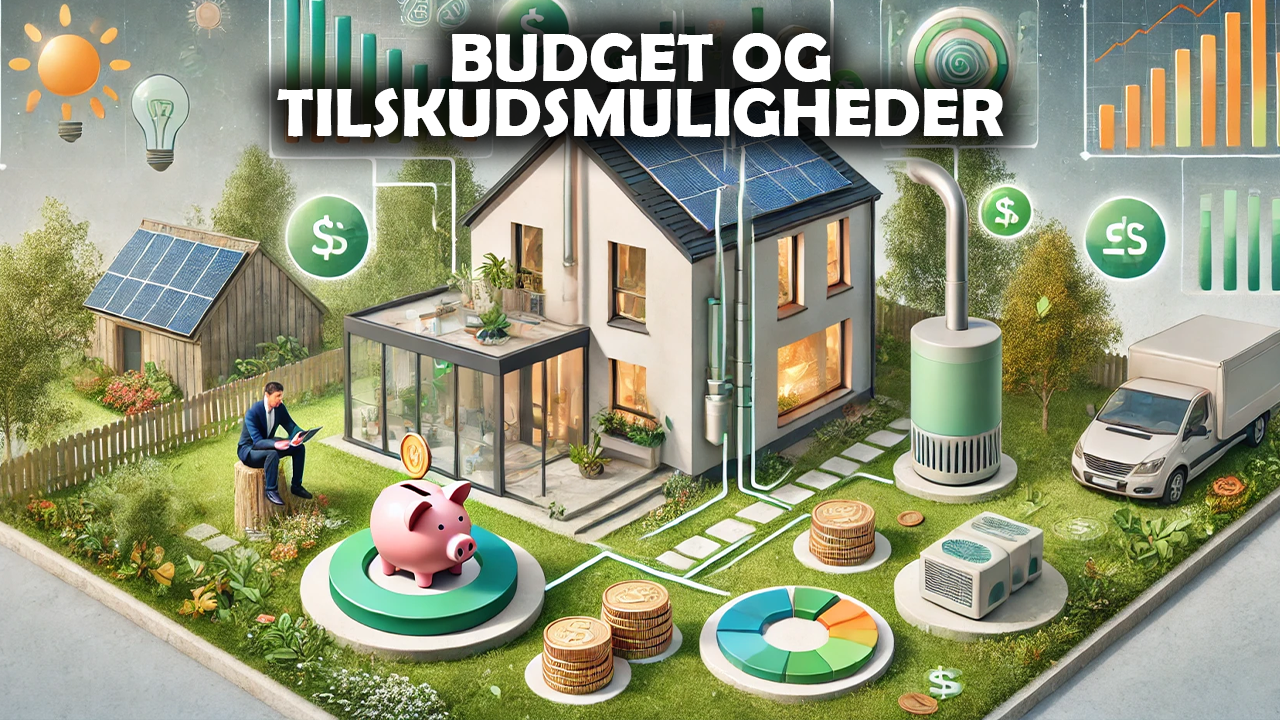
When considering replacing or upgrading the heating system in your home, your budget and available grant opportunities play a central role. Although sustainable heating solutions often provide lower running costs over time, they can require a larger initial investment. It is therefore important to take a realistic look at the financial aspects and create a clear overview of costs, potential savings and available support schemes.
The financial aspects of heating solutions involve more than just the purchase price. Installation, maintenance, energy consumption and expected lifespan must also be considered. A solution that initially appears expensive may prove financially worthwhile over time if running costs are low and energy efficiency is high. Conversely, a cheaper system can become costly if it consumes a lot of energy or requires frequent servicing.
Although a heat pump or solar thermal system may require a larger investment upfront, lower running costs can often help recover that investment over time. You should therefore always prepare a realistic budget that compares the purchase price, installation costs and future energy expenses.
Grants and public support programmes can make a significant difference and bring sustainable solutions within reach of more homeowners. These may include government funding schemes, local authority support programmes or green loans offered by banks. Financial support can significantly reduce the initial investment and make it easier to choose a solution that is both environmentally friendly and financially attractive.
By considering your budget and available grant opportunities from the beginning, it becomes easier to choose a heating solution that is both financially responsible and sustainable in the long term.
Inspiration List – Good Tips on Budgeting and the Financial Aspects of Heating Solutions
💰 Investment and the Financial Aspects of Heating Solutions
The first and most visible financial consideration is the initial investment in the heating solution itself. The cost varies depending on the technology, type of property and extent of the installation work.
It is important to view the investment as a long-term decision, with the financial aspects considered alongside comfort, energy savings and the value of the property.
📉 Running Costs and Financial Considerations Over Time
Running costs make up a significant part of the overall financial considerations associated with heating.
Energy-efficient solutions often have lower ongoing costs, which can lead to significant savings year after year. By comparing expected running costs, you can gain a more realistic understanding of which heating solution offers the best financial value over the long term.
🛠️ Maintenance as Part of the Financial Considerations
Maintenance is an often-overlooked but important part of the overall financial picture.
Some heating systems require regular servicing, while others are almost maintenance-free. By including maintenance costs in your budget, it becomes easier to assess the true cost of the system and avoid unexpected expenses later.
🏡 Property Value and Financial Considerations
The choice of heating solution can affect the overall value of your home.
Energy-efficient and sustainable systems can improve a property’s energy rating and make it more attractive on the housing market. These financial benefits may become particularly important if the property is sold or refinanced in the future.
🎯 Grants and Financial Considerations When Changing Heating Systems
Grant schemes play an important role in the financial considerations surrounding heating solutions.
Public and private support programmes can significantly reduce the total investment and make sustainable solutions more accessible. By researching current grants and financial support, you can optimise your budget and make the decision with greater financial confidence.
📊 A Complete Assessment of the Financial Considerations
A complete assessment of the financial aspects provides the strongest basis for making a decision. When the initial investment, running costs, maintenance expenses and available grants are considered together, it becomes much clearer which heating solution offers the best overall financial value in the long term.
REMEMBER – The best heating decisions for your home are made when you have a clear understanding of the overall financial picture. When the finances have been carefully considered, investing in your home’s future heating solution feels like the right choice.
Good Advice for Implementing Sustainable Heating in Your Home
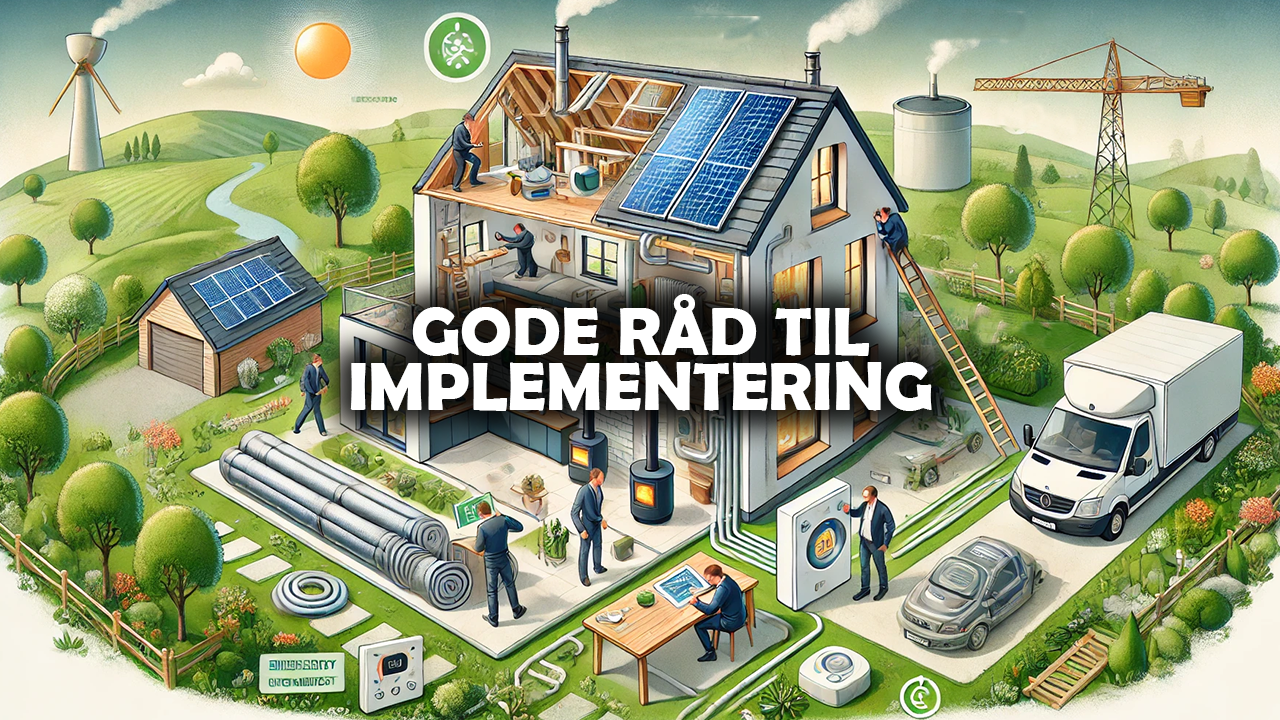
Implementing sustainable heating in your home is a process that requires careful planning, a clear overview and the right priorities. Although the desire for a greener form of heating may be clear, the path towards achieving it can vary greatly from one property to another. It is therefore important to take a structured approach and view sustainable heating as a complete solution where technology, the condition of the property, finances and everyday use all work together.
Successful implementation is not only about choosing the right technology, but also about ensuring that the solution is suitable for the home’s current condition and future needs. Sustainable heating delivers the greatest benefits when it is combined with good insulation, intelligent heating controls and realistic expectations regarding both comfort and energy consumption.
With the right approach, the transition can become safer, more efficient and more financially sustainable. By following a few basic recommendations, you can avoid costly mistakes and ensure that your sustainable heating solution becomes a long-term investment that provides value for many years to come.
Inspiration List – Good Advice for Sustainable Heating in Practice
🧭 Start with a Complete Plan for Sustainable Heating
Successful implementation begins with a clear overall plan for sustainable heating. This means looking at the home’s energy consumption, insulation level and existing heating system as a whole.
When sustainable heating is planned alongside the property’s wider energy needs, it becomes easier to achieve the best balance between efficiency, comfort and cost. To support your overall plan, you may want to begin by obtaining an energy assessment of your property to identify its heating requirements and areas of energy loss.
🏠 Adapt Sustainable Heating to the Property’s Characteristics
Not all homes have the same technical possibilities, so sustainable heating must be adapted to the property’s structure, size and location.
A solution that works perfectly in one house may not necessarily be the right choice for another. By starting with the specific characteristics of your property, sustainable heating becomes both more efficient and more realistic to implement.
🧱 Combine Sustainable Heating with Insulation
Sustainable heating delivers the greatest benefits when heat loss is kept to a minimum. For this reason, insulation and energy-efficient renovation should often go hand in hand with upgrading the heating system.
When the home retains heat more effectively, sustainable heating can operate at its full potential and overall energy consumption can be reduced even further.
⚙️ Choose Reliable Solutions for Sustainable Heating
Reliability is essential if sustainable heating is to work smoothly in everyday life.
It is important to choose proven technologies and high-quality solutions that are suitable for the needs of the property. A reliable system provides greater peace of mind while helping ensure that sustainable heating delivers the expected energy and cost savings.
🧠 Seek Professional Advice on Sustainable Heating
Professional advice can be extremely helpful when implementing sustainable heating.
Energy consultants and qualified installers can assess the property’s potential and recommend the most suitable solution. With expert guidance, the decision becomes more secure, informed and better supported.
💸 Explore Grant Opportunities as Part of Sustainable Heating
When planning the implementation of sustainable heating, it is highly beneficial to investigate relevant grant opportunities at an early stage.
Government support schemes and energy-efficiency grants can make the investment more affordable and financially attractive, particularly for larger projects such as installing heat pumps, carrying out energy-efficient renovations or replacing fossil-fuel heating systems.
By including available grants in your sustainable heating plan, you may be able to reduce the overall cost significantly while gaining greater financial confidence in your decision.
📊 Plan the Implementation of Sustainable Heating Step by Step
Sustainable heating does not necessarily have to be implemented all at once.
For many homeowners, it makes sense to introduce improvements gradually, for example by upgrading insulation first and changing the heating system later. A step-by-step approach makes the transition easier to manage and more financially achievable.
🔄 Review and Adjust Your Sustainable Heating
After implementation, it is important to monitor energy consumption regularly and adjust the settings where necessary.
Sustainable heating works best when it is adapted to the family’s habits and the way the property is actually used. Small adjustments can often lead to significant improvements in both comfort and energy efficiency.
REMEMBER – Sustainable heating works best when the process is carefully planned from the beginning. A well-implemented sustainable heating solution provides warmth with a clear conscience – every day.
Benefits of Sustainable Heating
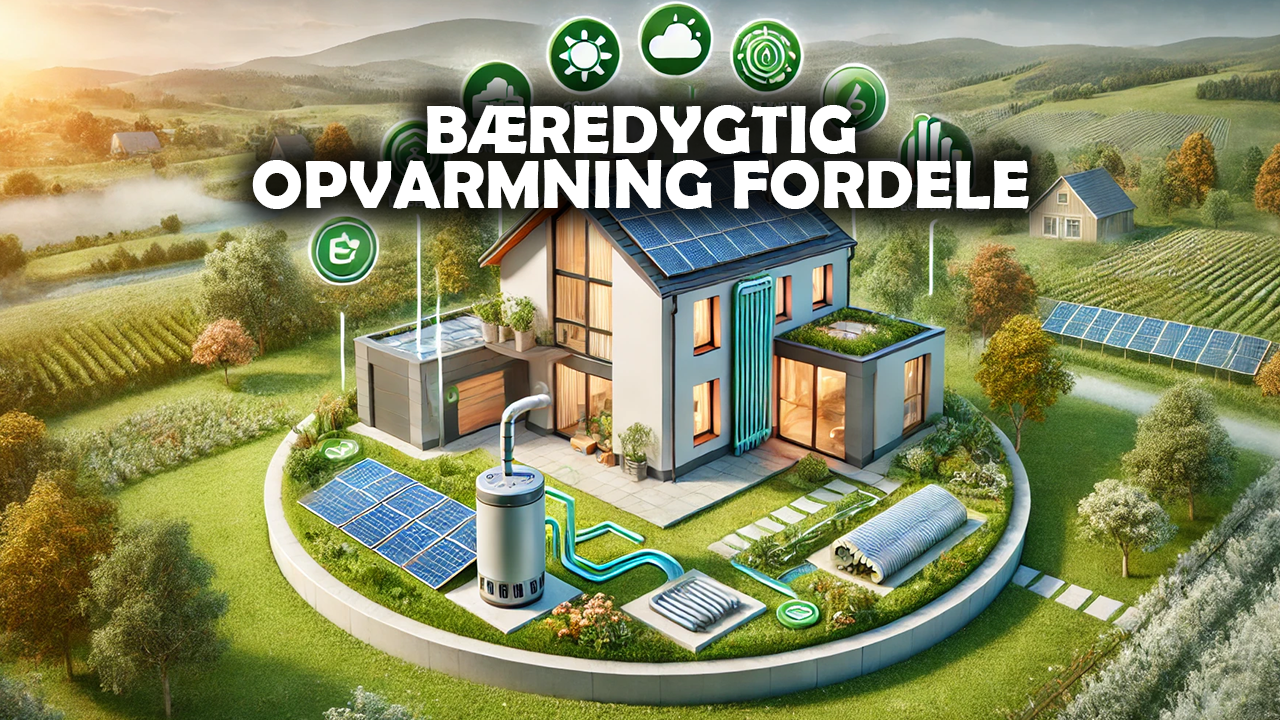
Sustainable heating offers a wide range of benefits that extend far beyond the heating source itself. When home heating is designed to be greener and more energy-efficient, it can positively affect household finances, comfort, the environment and the future value of the property. This is why more and more homeowners are choosing to view sustainable heating as a long-term investment rather than simply a technical solution.
One of the greatest advantages of sustainable heating is that it reduces energy consumption and decreases dependence on fossil fuels. At the same time, modern heating solutions can create a more stable indoor climate and provide better control over everyday energy use. When sustainable heating is combined with good insulation and intelligent heating controls, the result is a complete system that significantly improves both comfort and efficiency.
In addition, an energy-efficient home may become more valuable if it is sold in the future, as more buyers are paying attention to low running costs and environmentally friendly solutions. The benefits of sustainable heating can be experienced in both the short and long term. Lower running costs, greater protection against rising energy prices and a reduced carbon footprint make sustainable heating an attractive solution for both current and future generations.
In Short – Sustainable heating is an investment that benefits the climate, your finances and the future value of your home.
Inspiration List – Benefits of Sustainable Heating in the Home
🌱 Sustainable Heating Reduces Your Carbon Footprint
One of the most significant benefits of sustainable heating is its lower environmental impact. By using renewable energy sources and more efficient technologies, CO₂ emissions can be reduced considerably.
Sustainable heating therefore actively supports the green transition and helps reduce the overall carbon footprint of the home in a practical and measurable way.
💰 Sustainable Heating Can Lower Energy Costs
Sustainable heating is often far more energy-efficient than traditional heating solutions. This means less energy is required to achieve the same level of comfort, which can result in lower heating bills.
Over time, sustainable heating can provide significant financial savings and create greater stability in household energy costs.
🏡 Sustainable Heating Improves Comfort and the Indoor Climate
Modern sustainable heating solutions can provide more even and comfortable warmth throughout the home.
Fewer temperature fluctuations, less draught and better indoor comfort are among the key benefits. A stable indoor climate can improve everyday well-being for the entire household and make the home more comfortable throughout the year.
♻️ Sustainable Heating Reduces Dependence on Fossil Fuels
By choosing sustainable heating, households can reduce their dependence on oil, gas and other fossil energy sources.
This makes the home less vulnerable to fluctuations in energy prices and international energy crises. At the same time, sustainable heating contributes to a more independent and resilient energy supply.
📈 Sustainable Heating Can Increase the Future Value of Your Home
Homes with sustainable heating systems can be more attractive on the property market.
Energy-efficient solutions may improve the property’s energy rating and demonstrate that the home is better prepared for the future. This can increase the property’s appeal and potentially its value if it is sold.
🔧 Sustainable Heating Can Require Less Maintenance
Many forms of sustainable heating are known for their high reliability and relatively low maintenance requirements.
This can mean fewer everyday concerns and lower costs for servicing and repairs. A reliable heating solution provides greater peace of mind over time.
🌍 Sustainable Heating Supports the Green Transition
When more homeowners choose sustainable heating, the combined effect can benefit society as a whole.
Pressure on the energy system can be reduced, while the transition towards renewable energy can be accelerated. In this way, sustainable heating is not only beneficial for the individual household, but also for the wider community.
REMEMBER – When your heating choice is greener, the benefits are both personal and shared. When heating is sustainable, the difference can be felt every day – both in the home and in the wider community.
You can find further inspiration for energy savings and sustainable home heating in our article – Good Tips on How to Achieve Energy Savings at Home
Conclusion

Sustainable heating for our homes is an important part of the transition towards a greener society. By choosing the right solutions, you can make a significant difference to both the environment and your household finances. Sustainable heating is therefore not simply a technical choice, but a conscious decision to create a more responsible, comfortable and future-proof home.
Throughout this article, we have looked at how different heating solutions – from heat pumps and district heating to solar thermal energy, biomass and intelligent heating controls – can each contribute to lower energy consumption, a reduced carbon footprint and greater financial security in everyday life. What they all have in common is that they work best when chosen according to the specific characteristics of the property and incorporated into a complete energy solution.
The most important thing is not to find the “right” solution in absolute terms, but rather the solution that best suits your particular home, budget and long-term ambitions. When sustainable heating is combined with good insulation, energy-efficient renovation and intelligent heating controls, it creates a complete system in which both comfort and efficiency are significantly improved. At the same time, the home becomes less vulnerable to future increases in energy prices and better prepared for upcoming requirements and expectations.
By taking small, carefully considered steps in the right direction, sustainable heating can become an investment that provides value year after year. It is a solution that not only benefits you and your home today, but also contributes positively to the environment and the green transition over the longer term.
REMEMBER – When heating is approached with sustainability in mind, it creates security on several levels. Sustainable heating is a choice that warms both your home and the future.
Mini Guide – Sustainable Heating – The Best Solutions for Eco-Friendly Homes
Choosing sustainable heating involves more than simply replacing an old heating system. It is a complete decision in which the property, finances, comfort and environment all work together.
This mini guide summarises the article above and gives you an overview of the most important areas to consider, helping you make an informed decision and find the form of sustainable heating that best suits your home and your needs.
🏠 Property Size and Type Are Important for Sustainable Heating
The size, layout and construction type of the property directly influence which form of sustainable heating is most effective. A large detached house has different requirements from a smaller flat, while older properties often require more heating than newer, well-insulated homes.
When sustainable heating is adapted to the actual needs of the property, it can provide both improved comfort and lower energy consumption.
📍 Location and Local Options for Sustainable Heating
Access to district heating, the possibility of installing ground-source heating, sun exposure and available space for equipment all depend largely on the location of the property.
A realistic assessment of local conditions is essential when finding a sustainable heating solution that is both technically possible and financially sensible over the long term.
🌡️ Heat Pumps as a Central Solution for Sustainable Heating
Heat pumps are among the most energy-efficient solutions for sustainable heating and can use energy from the air, ground or water.
They work particularly well in homes with good insulation and low-temperature heating systems and can significantly reduce both energy consumption and CO₂ emissions.
🔥 District Heating as a Stable and Sustainable Heating Solution
Where district heating is available, it is often one of the most reliable forms of sustainable heating.
District heating increasingly relies on renewable energy and surplus heat, making it greener year after year – without homeowners needing to make major changes to their own heating installation.
☀️ Solar Thermal Energy and Biomass as Supplements to Sustainable Heating
Solar thermal energy and biomass can work either as independent solutions or as supplementary technologies within a broader sustainable heating strategy.
When used as supplements, they can reduce the demand placed on the primary heating source and improve overall energy efficiency.
🧊 Insulation as the Foundation of Efficient Sustainable Heating
Good insulation is essential for sustainable heating to work as effectively as possible.
By minimising heat loss through the roof, walls, floors and windows, the heating demand can be reduced significantly, making both installation and operation more affordable and efficient.
🌬️ Draught-Proofing and Energy-Efficient Renovation Strengthen Sustainable Heating
Draughts and thermal bridges can undermine even the best sustainable heating solution.
Energy-efficient renovation and draught-proofing help ensure that heat remains inside the home, creating a more stable and comfortable indoor climate.
📱 Intelligent Heating Improves the Efficiency of Sustainable Heating
Intelligent controls make it possible to adapt sustainable heating according to the family’s habits, weather conditions and electricity prices.
This reduces energy waste and improves both comfort and savings without compromising the warmth of the home.
🏠 Heating Zones as an Effective Tool for Sustainable Heating
By dividing the home into separate heating zones, sustainable heating can be controlled more precisely.
This means heat is only used where it is needed, helping to reduce overall energy consumption.
📊 Total Costs of Sustainable Heating
When assessing sustainable heating, it is important to consider the initial investment, running costs, maintenance and expected lifespan.
The best solution is often the one that provides the greatest overall value over time – not necessarily the cheapest option at the outset.
🎯 Grants and Support Schemes for Sustainable Heating
Grant schemes can make sustainable heating more financially accessible.
By researching current support schemes early in the process, you may be able to reduce the initial investment and improve the overall financial viability of the project.
🔧 Professional Guidance Helps Ensure the Right Sustainable Heating Solution
Energy consultants and qualified professionals can help analyse the property’s characteristics and recommend the most suitable sustainable heating solution.
This reduces the risk of poor investment decisions and helps achieve a better overall result.
♻️ A Holistic Approach to Sustainable Heating Delivers the Greatest Benefits
The greatest benefits are achieved when sustainable heating is viewed as a complete strategy rather than a single solution.
Combining an efficient heat source, good insulation, intelligent controls and realistic planning creates a home that is more comfortable, economical and future-proof.
If you would like further inspiration on sustainable heating for your home, you can watch this video – Which Heating System Is Best in 2024?
Do you have experience or knowledge of sustainable heating? We would be pleased to hear your input and suggestions in the comments about other sustainable heating solutions that could provide an effective and affordable option for eco-friendly homes.