Stress and anxiety have become part of everyday life for many people – often without us even realising how much they affect our mental health, our relationships, and our quality of life. It can begin in small ways, with restlessness in the body, racing thoughts, or sleep problems, but over time, stress and anxiety can become deeply rooted and make it more difficult to find calm, happiness, and energy in daily life. That is why it is important to take mental warning signs seriously and take action before the pressure becomes too overwhelming.
Reducing stress and anxiety is not about removing every challenge from life, but about learning how to handle them in a healthier and more balanced way. When you strengthen your mental health, you become better equipped to navigate demands, expectations, and changes – both at work and in your personal life. Small adjustments to your daily routine can make a big difference and help you create greater inner calm, better focus, and a stronger sense of control.
Many people mistakenly believe that stress and anxiety only affect certain types of people, but in reality, anyone can experience them. What matters most is not whether you experience stress and anxiety, but how you choose to respond to them. By understanding your own reactions, learning simple techniques, and developing healthy habits, you can gradually reduce the strain and build stronger mental resilience.
In this article, you will find practical and useful tips on how to reduce stress and anxiety while improving your mental health. The focus is on realistic solutions that can be integrated into a busy daily life – without requiring major lifestyle changes. The aim is to give you knowledge, inspiration, and practical tools so you can take the first steps towards a calmer, more balanced, and mentally healthier life.
Understanding Stress and Anxiety
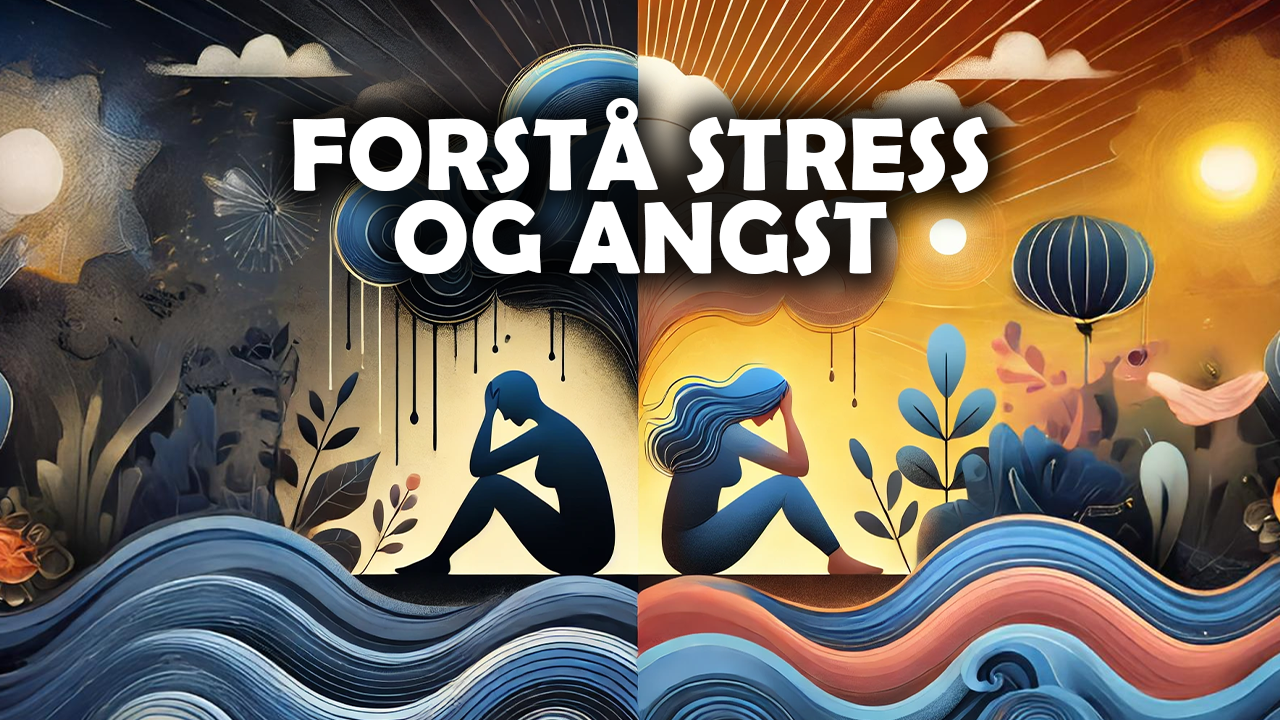
To reduce stress and anxiety, it is essential to first understand what is actually happening – both in the body and in the mind. Stress and anxiety are not signs of weakness, but natural responses to strain, pressure, and uncertainty. When the demands placed on you exceed the resources you feel you have available, the body reacts by going into a state of alert. This can be useful in the short term, but if the strain continues for a long time, it can take a toll on both your mental health and your enjoyment of life.
Stress often develops gradually and can creep in through busyness, high expectations, responsibilities, or a lack of breaks. Anxiety, on the other hand, can feel more sudden and intense, but it is often rooted in the same mechanisms. Many people find that stress and anxiety are closely connected and can reinforce each other if they are not taken seriously in time. That is why awareness and understanding are important first steps towards better mental balance. When you learn to recognise the difference between ordinary busyness and harmful stress, it becomes easier to respond in time.
At the same time, understanding the nature of anxiety can help reduce the fear of anxiety itself. The better you understand your reactions, the easier it becomes to work with them constructively and create lasting improvements in your mental health. Before you can deal with stress and anxiety, it is important to understand what they are and how they affect the body and mind.
What Is Stress?
Stress is the body’s natural response to pressure, demands, and challenges that feel greater than the resources you believe you have available. Stress itself is not dangerous – in fact, it is a biological mechanism that helps you stay alert, react quickly, and perform at your best in demanding situations. The problem arises when stress does not go away, but instead becomes a persistent state that the body and mind do not get the chance to recover from.
When you are stressed, the body releases stress hormones such as adrenaline and cortisol. This causes your heart rate to increase, your breathing to become faster, and your muscles to tense. These reactions are designed for short-term challenges, but if stress continues over a longer period, it can begin to affect your mental health, your immune system, and your ability to think clearly. Many people therefore experience symptoms such as fatigue, sleep problems, difficulty concentrating, and inner restlessness.
Stress can take many forms and does not only arise in connection with work. It can also stem from relationships, finances, life changes, or a constant feeling that you have to live up to expectations – both those of others and your own. Stress often develops gradually, which can make it difficult to notice until it is already taking up too much space in everyday life. That is why understanding stress is important if you want to prevent it, reduce it, or overcome it.
By understanding what stress is, it becomes easier to take your own warning signs seriously and respond in time. Stress is a sign that something in your daily life needs attention and adjustment – not a sign of weakness. When you see stress as a signal rather than an enemy, you create a more constructive starting point for improving your mental health and finding your way back to a more balanced and calmer daily life.
What Is Anxiety?
Anxiety is a natural and fundamental emotion that arises in response to perceived danger, uncertainty, or insecurity. Like stress, anxiety serves an important function because it helps you stay alert and protect yourself. Anxiety only becomes a problem when it occurs without a real threat, persists over a longer period, or begins to control your thoughts, actions, and choices in everyday life.
When you experience anxiety, the body’s alarm system is activated, and physical symptoms such as a racing heartbeat, sweating, dizziness, tightness in the chest, or a feeling of being unable to breathe may occur. At the same time, your thoughts may begin to revolve around worries, fear of the future, or a sense of losing control. Although the symptoms can feel intense, they are not in themselves dangerous – they are signs that the body is trying to protect you.
Anxiety can appear in many different ways and in various situations. Some people experience anxiety in social situations, while others experience it in connection with performance, health, relationships, or without any obvious cause. Anxiety is often closely linked to stress, as prolonged strain can make the nervous system more sensitive and thereby increase the risk of anxiety reactions. That is why it is important to view anxiety as part of a broader picture when working on your mental health.
By understanding what anxiety is and how it works, you can reduce the fear of anxiety itself. Knowledge provides reassurance and makes it easier to face your reactions with calm and acceptance rather than resistance. When you learn to recognise the patterns of anxiety, you are better equipped to manage it constructively and gradually create a greater sense of security, balance, and mental calm in everyday life.
Inspiration List – Helpful Tips for Understanding Stress and Anxiety in Everyday Life
🧠 The Body’s Response to Stress and Anxiety
Stress and anxiety activate the body’s alarm system, causing your heart rate and breathing to increase and your muscles to tense. This response was originally designed to protect you, but when stress and anxiety become a constant state, the body can struggle to return to a state of calm. By understanding this physical mechanism, it becomes easier to accept the symptoms and work with them rather than against them. This provides a more constructive starting point for restoring balance to your mental health.
🔍 The Difference Between Healthy Stress and Harmful Strain
Not all stress is negative. Short-term stress can provide focus and energy, but when pressure becomes constant, it can develop into harmful stress and increase the risk of anxiety. Learning to distinguish between these forms of stress and anxiety makes it possible to respond earlier and adjust your daily life before the strain becomes too great. This awareness is essential for maintaining stable mental health over time.
💭 Negative Thought Patterns That Intensify Stress and Anxiety
Stress and anxiety are often linked to certain thought patterns, such as worrying, catastrophic thinking, or self-criticism. When these thoughts are allowed to take up too much space, they can keep the body in a state of alert. By becoming aware of how your thoughts affect your experience of stress and anxiety, you can begin to work more consciously towards creating calmer and more realistic perspectives in everyday life.
🔄 The Connection Between Life Circumstances, Stress and Anxiety
Stress and anxiety rarely arise without a cause. They are often linked to life circumstances such as work pressure, relationships, finances, or a lack of recovery time. When you view stress and anxiety in a broader context, it becomes clearer which areas of your life may need adjustment. This overall understanding makes it easier to take practical and sustainable steps towards better mental health.
🌱 Acceptance as a Step Towards Less Stress and Anxiety
Many people try to fight stress and anxiety directly, but resistance can often intensify the discomfort. Acceptance does not mean giving up, but rather acknowledging that stress and anxiety are present here and now. When you meet your reactions with understanding rather than frustration, you create a calmer starting point for change and strengthen your mental health in the longer term.
********************************************************************************
REMEMBER – As your understanding of stress and anxiety grows, your mental health is better supported, and the better you understand stress and anxiety, the easier it becomes to let go of them.
Identify Stress and Anxiety Triggers
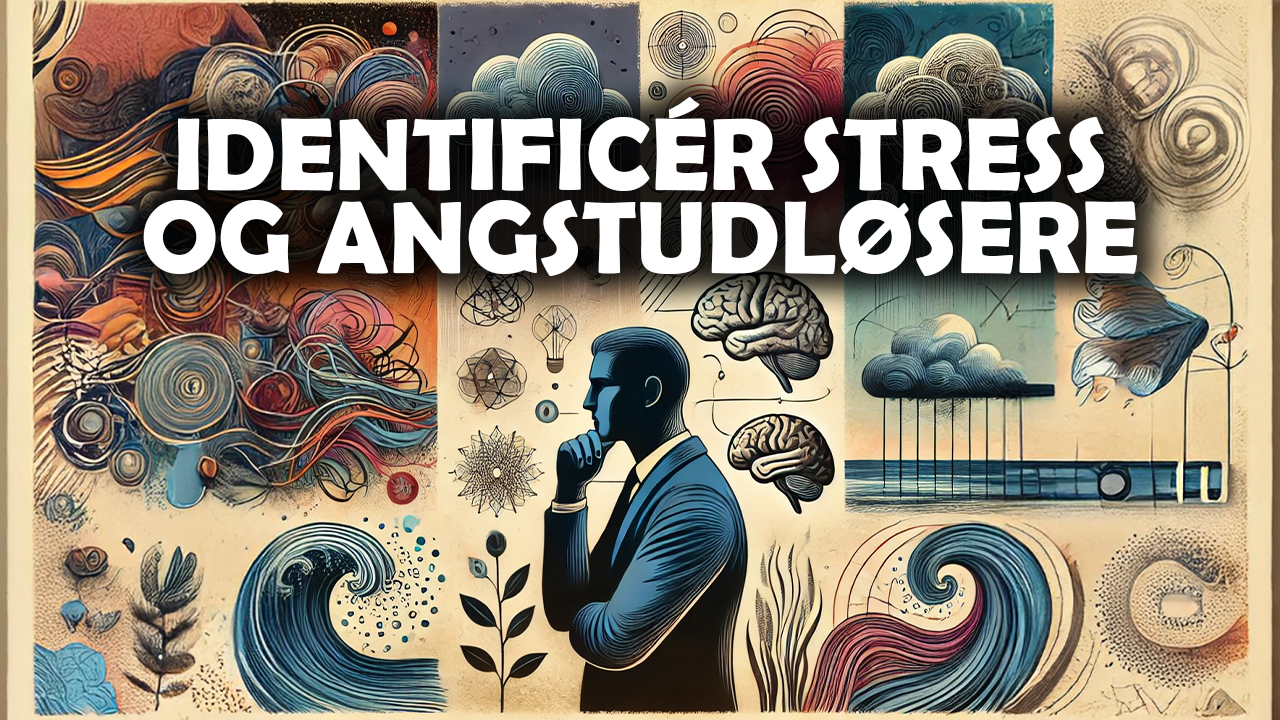
If you want to reduce stress and anxiety in a lasting and constructive way, it is essential to identify the specific factors that trigger your reactions. Stress and anxiety rarely arise without a cause – they are often a sign that something in your daily life, your thoughts, or your surroundings is putting more pressure on you than you can comfortably manage. When you become aware of your personal triggers, you are in a much better position to prevent the strain rather than only reacting once the anxiety or tension has already taken over.
Many people find that stress and anxiety feel vague and difficult to explain, precisely because the triggers can be complex and interconnected. They may include anything from work pressure and social expectations to internal demands, thought patterns, or a lack of breaks. By systematically identifying when and why stress and anxiety arise, you can begin to make small but important changes that strengthen your mental health and bring more calm into your everyday life.
Identifying stress and anxiety triggers is not about overanalysing yourself, but about observing your reactions with curiosity and honesty. The better you understand your patterns, the easier it becomes to make responsible choices, set healthy boundaries, and create a daily life that better supports balance and well-being.
Inspiration List – Helpful Tips for Identifying Your Stress and Anxiety Triggers
📝 Observe Situations That Trigger Stress and Anxiety
An important step is to notice when stress and anxiety typically arise in your everyday life. This may happen in certain situations, around certain people, or at particular times. For example, keep a journal where you regularly write down when you experience stress or anxiety and what happened just beforehand. By continuously observing these patterns, it becomes clearer which factors are placing you under mental strain. This awareness makes it easier to take preventive steps and strengthen your mental health.
💬 Listen to Your Body’s Signals During Stress and Anxiety
The body often reacts before the mind does. Tension, an unsettled stomach, headaches, or a racing heartbeat can be early signs of stress and anxiety. When you learn to listen to these signals, you gain a valuable warning that something may be becoming too much. This awareness of your body can help you adjust your pace, demands, or expectations before the strain increases.
🧠 Identify Thoughts That Create Stress and Anxiety
Stress and anxiety are often intensified by certain thought patterns, such as worrying, self-criticism, or imagining what might go wrong. By noticing which thoughts appear in stressful situations, you can begin to understand how your inner pressure affects your mental health. This insight makes it possible to work with your thoughts in a more constructive way and create a greater sense of calm.
🌍 Look at the Environments Where Stress and Anxiety Arise
Your physical and social surroundings often play a greater role in stress and anxiety than you may initially realise. Certain places, times of day, or particular people can unconsciously trigger unease, pressure, or inner tension. This may include specific work environments, situations at home, social gatherings, or times when demands feel especially high. By consciously looking at where stress and anxiety occur more frequently, you gain valuable insight into which environments drain your mental energy. This understanding makes it easier to plan breaks, change routines, or make small adjustments that can reduce the strain and support more stable mental health.
📅 Examine and Identify Everyday Habits That Worsen Stress and Anxiety
Lack of sleep, irregular meals, constant busyness, or too few breaks can be hidden triggers of stress and anxiety. When the body does not get enough recovery, the nervous system becomes more vulnerable. By reviewing your daily habits, you can identify specific areas where small adjustments may reduce the strain and support your mental balance.
🤝 Be Aware of the Role Relationships Play in Stress and Anxiety
Relationships can both support and strain you. If certain relationships repeatedly trigger stress and anxiety, it can be helpful to look at the dynamics involved. This does not necessarily mean cutting people out of your life, but rather becoming more aware of boundaries, communication, and your own needs. This clarity can make a significant difference to your mental health.
❓ Ask Yourself What Created Stress and Anxiety at a Specific Moment
When stress and anxiety arise, it can be difficult to understand exactly what triggered the unease. By consciously asking yourself, “What in this situation made me feel most uneasy?”, you can gain greater clarity about which elements affected you most. It may have been certain words, expectations, thoughts, or actions that triggered the stress and anxiety. This reflection helps you distinguish between external circumstances and internal reactions and gives you a stronger foundation for working constructively with your mental health in the future.
****************************************************************************************************
REMEMBER – When you know your triggers, stress and anxiety gradually lose their hold over time, because understanding stress and anxiety paves the way for using mental tools to create greater calm and balance in your everyday life.
Effective Methods for Managing Stress and Anxiety
When stress and anxiety take up a lot of space in everyday life, it can feel overwhelming to know where to begin. Fortunately, there are many effective and accessible methods that can help you create greater calm, clarity, and mental balance. The aim is not to remove every challenge, but to learn how to face them in a more constructive way so that stress and anxiety do not take control of your life.
An important part of managing stress and anxiety is working with both the body and the mind. The body reacts quickly to pressure, which is why physical techniques such as breathing exercises, movement, and breaks can have a significant and often underestimated effect. At the same time, your thoughts, habits, and expectations play a central role in how stress and anxiety are experienced. When you learn to adjust these elements, it becomes easier to create a sense of inner calm – even in stressful situations.
It is also important to choose methods that suit your daily life and your personality. Some people find calm through structure and planning, while others benefit more from flexibility and intentional breaks. Whatever your approach, it is essential to treat yourself with patience and realism. Small, consistent steps often have a greater effect than large, short-lived changes.
By working purposefully with effective methods for managing stress and anxiety, you can gradually strengthen your mental health. Over time, you will find that you become better at recognising early warning signs, responding more appropriately, and maintaining a greater sense of control and energy in your everyday life.
Meditation and Mindfulness to Reduce Stress and Anxiety
Meditation and mindfulness are effective and well-documented methods when the goal is to reduce stress and anxiety while also strengthening mental health. Both approaches are essentially about bringing your attention to the present moment and giving your mind a break from constant thoughts, worries, and inner pressure. In a busy everyday life where the pace is often fast, meditation and mindfulness can act as an anchor, helping you find calm and stability – even when your surroundings feel unsettled.
Meditation is not about emptying your mind of thoughts, but about observing them without getting carried away by them. When you regularly practise staying present with your breathing, bodily sensations, or simple points of focus, you gradually learn to let go of stressful thoughts more quickly. This can have a calming effect on the nervous system and reduce both the physical and mental restlessness associated with stress and anxiety.
Mindfulness can be integrated directly into everyday life and does not require special surroundings or a great deal of time. It can be as simple as paying attention to your breathing while walking, eating, or carrying out daily tasks. This form of presence helps break automatic thought patterns that often intensify stress and anxiety. Over time, mindfulness can create greater clarity, better concentration, and a more balanced way of responding to challenges.
When meditation and mindfulness become a regular part of your daily life, you may experience a greater sense of inner calm and control. These methods give you tools to approach stress and anxiety with greater acceptance and less resistance. This strengthens your mental health and makes it easier to maintain perspective, even when life brings demands and changes your way.
Try This Simple Mindfulness Exercise:
🧘 Find a quiet place.
👁️ Close your eyes and focus on your breathing.
🌬️ Notice each breath in and each breath out.
If thoughts arise, accept them and gently return your attention to your breathing.
****************************************************************************
You can find further inspiration for meditation and mindfulness in our article - Helpful Tips for Strengthening Your Mental Well-Being Through Mindfulness and Meditation
Regular Exercise to Reduce Stress and Anxiety
Regular exercise is one of the most effective and natural ways to reduce stress and anxiety while also strengthening your mental health. When you move your body, chemicals such as endorphins and serotonin are released, helping to improve your mood, create a greater sense of calm, and promote a more positive overall state of mind. Exercise therefore works not only as physical training, but also as a mental outlet where tension and inner restlessness can be released.
Exercise helps regulate the body’s stress response and can lower levels of stress hormones that would otherwise keep the body in a state of alert. At the same time, physical activity can give your mind a break by shifting your focus away from worries and towards movement and bodily sensations. For many people, exercise becomes a valuable space where stress and anxiety fade into the background and a greater sense of clarity and mental energy can emerge.
It is important to emphasise that regular exercise does not need to be intense or time-consuming to be effective. Walking, cycling, light strength training, yoga, or dancing can all help reduce stress and anxiety. The key is consistency and choosing a form of movement that suits your fitness level and daily routine. When exercise feels manageable and enjoyable, it is much easier to maintain the habit.
Over time, regular exercise can increase your mental resilience and help you become better equipped to handle everyday challenges. You may often experience better sleep, more energy, and a greater sense of balance. By allowing your body to move regularly, you create a solid foundation for reducing stress and anxiety and improving your mental health in a sustainable way.
Some Good Forms of Exercise for Reducing Stress and Anxiety Include
🌿 Walking in nature.
🧘 Yoga.
🏃 Running.
🏋️ Strength training.
**********************************************************************************************
If you are new to exercise, you can find some useful tips on how to get started in the right way in our article - Helpful Tips for Effective Workout Routines for Beginners
Healthy Eating to Reduce Stress and Anxiety
What you eat on a daily basis has a greater impact on your mental health than many people realise. A healthy and balanced diet can be an important tool for reducing stress and anxiety because the body and brain are closely connected. When the body receives the nutrients it needs, the nervous system is better equipped to cope with strain, and fluctuations in energy and mood can be reduced.
Unstable blood sugar levels, a lack of important vitamins and minerals, or a high intake of sugar and processed foods can worsen symptoms of stress and anxiety. Conversely, a diet with regular meals, healthy fats, complex carbohydrates, and protein can create greater stability in the body. This stability contributes to more consistent energy levels, better concentration, and a greater sense of calm in everyday life.
Healthy eating is not about strict rules or perfection, but about creating good habits that support both the body and mind. Small adjustments, such as eating more regularly, drinking enough water, and prioritising nutrient-rich foods, can have a noticeable effect on stress and anxiety over time. When the body feels well nourished, it also becomes easier to cope with mental challenges.
By viewing your diet as part of your overall efforts to improve your mental health, you can create a more holistic approach to reducing stress and anxiety. A healthy diet provides not only physical strength, but also supports inner balance, a better mood, and a more stable mental foundation in everyday life.
The Following Nutrients Are Particularly Important for Stress and Anxiety
🐟 Omega-3 fatty acids (found in oily fish and nuts).
🥬 Magnesium (found in leafy green vegetables and beans).
🌾 Vitamin B complex (found in whole grains and meat).
**********************************************************************************************************************
Find further inspiration for a healthy and balanced diet, which can be an important way to help combat stress and anxiety, in our article - Helpful Tips for Good, Healthy and Affordable Food
A Good Sleep Routine to Reduce Stress and Anxiety
A stable and healthy sleep routine plays a crucial role when you want to reduce stress and anxiety while also improving your mental health. Sleep is the body’s natural way of recharging, allowing the nervous system to recover, process experiences, and restore balance. When sleep is restless or insufficient, both the body and mind become more vulnerable to strain, making it easier for stress and anxiety to take hold.
Lack of sleep or an irregular sleep pattern can intensify feelings of inner restlessness, worry, and low energy. At the same time, stress and anxiety can make it difficult to fall asleep, creating a vicious cycle. That is why it is important to work consciously on your sleep routine as an active part of improving your mental well-being. Regular bedtimes, calm evenings, and clear signals to the body that it is time to relax can make a significant difference.
A good sleep routine is not only about the number of hours you sleep, but also about sleep quality. Creating consistent bedtime routines, limiting screen use, and allowing time to unwind mentally can help the body settle down. When the brain experiences predictability and a sense of security around sleep, it becomes easier to let go of the day’s tension, leaving less room for stress and anxiety.
Over time, a stable sleep routine can strengthen your mental resilience, improve your mood, and give you more energy in everyday life. When you prioritise sleep as part of your mental health, you create a solid foundation for managing stress and anxiety more constructively and maintaining a greater sense of balance and calm.
As a Key Factor in Reducing Stress and Anxiety, Aim for 7–9 Hours of Quality Sleep Each Night by
🛏️ Going to bed at the same time every night.
📵 Avoiding screens before bedtime.
🕯️ Creating a calming bedtime routine.
****************************************************************************************************
Find inspiration for developing a healthy daily sleep routine in our article - Helpful Tips for a Better and More Stable Sleep Routine – Sleep Well Every Night!
Limit Caffeine and Alcohol to Reduce Stress and Anxiety
Caffeine and alcohol are a natural part of everyday life for many people, but both can have a significant impact on stress and anxiety – often without us being fully aware of it. Although caffeine can provide a short-term energy boost, it can also increase inner restlessness, heart palpitations, and nervousness, which may intensify symptoms of stress and anxiety. During periods of high strain in particular, caffeine can make the nervous system more sensitive and harder to calm.
Many people experience alcohol as relaxing in the moment, but in the longer term it often has the opposite effect. Alcohol can disrupt sleep quality, affect mood, and increase feelings of restlessness the following day. For people who are already experiencing stress and anxiety, alcohol can therefore contribute to a negative cycle in which the body finds it more difficult to regain calm and balance.
Limiting caffeine and alcohol does not necessarily mean avoiding them completely, but rather becoming more aware of how they affect you personally. Small adjustments, such as reducing coffee intake, avoiding caffeine late in the day, or choosing alcohol-free alternatives during periods of high stress, can have a positive effect on your mental health. Many people experience more stable energy levels, better sleep, and less inner restlessness when they adjust their intake.
By consciously reviewing your consumption of caffeine and alcohol, you take an active step towards reducing stress and anxiety. These changes may seem small, but they support the body’s natural ability to find calm and give you better conditions for handling everyday challenges with greater energy and mental balance.
***************************************************************************
Find inspiration for developing a healthy and balanced approach to alcohol in our article - Helpful Tips for Drinking Less Alcohol – Your Guide to a Healthier Balance with Alcohol
Cognitive Behavioural Therapy and Mental Training to Reduce Stress and Anxiety
Cognitive behavioural therapy (CBT) is a well-documented method for reducing both stress and anxiety. This form of therapy helps you identify negative thought patterns, challenge them, and replace them with more realistic and supportive thoughts. By changing the way you think and act, you can gradually reduce the emotional reactions that often intensify stress and anxiety.
Mental training – such as mindfulness, breathing exercises, or visualisation – can complement CBT and strengthen your ability to remain calm in stressful situations. These techniques help you focus on the present moment, let go of worries about the future, and develop a healthier relationship with your thoughts. The combination of cognitive behavioural therapy and mental training can therefore be a powerful tool for achieving better mental balance and greater well-being in everyday life.
Inspiration List – Helpful Tips on How Cognitive Behavioural Therapy and Mental Training Can Help with Stress and Anxiety
🧠 Become Aware of Thoughts That Create Stress and Anxiety
A key element in working with stress and anxiety is becoming aware of the thoughts that automatically arise in stressful situations. Cognitive behavioural therapy helps you recognise patterns such as worrying, black-and-white thinking, or excessive self-criticism. It is often a good idea to write things down when you notice worries or self-critical thoughts. Once these thought patterns are identified, it becomes possible to work with them more constructively and reduce their influence on your mental health.
🔄 Challenge Negative Thought Patterns to Manage Stress and Anxiety
When stress and anxiety take over, thoughts can often feel like facts. Through cognitive behavioural therapy, you learn to question these thoughts and examine whether they are realistic or helpful. For example, when you notice negative thought patterns, ask yourself – “Is this a fact or simply a thought?” This process can create distance from stress and anxiety and give you new perspectives, making it easier to respond more calmly and with greater balance in everyday life.
🎯 Train Your Focus and Attention to Manage Stress and Anxiety
Mental training involves, among other things, strengthening your ability to maintain focus and bring your attention back to the present moment. With regular practice, you become better at interrupting racing thoughts and inner restlessness, which often accompany stress and anxiety. This type of training can increase your mental resilience and create a greater sense of control.
🧩 Try New Response Patterns to Manage Stress and Anxiety
An important part of cognitive behavioural therapy is trying out new ways of responding in situations that would normally trigger stress and anxiety. By gradually changing your behaviour and experiencing that you can handle situations differently, you can build greater confidence and a stronger sense of security. This experience strengthens your mental health and reduces fear of future challenges.
🌬️ Practise Breathing Exercises to Reduce Stress and Anxiety
Daily breathing exercises can be an effective tool for calming the body when stress and anxiety arise. Methods such as the 4-7-8 breathing technique help activate the body’s calming nervous system and send a signal that there is no immediate danger. By consciously working with your breathing, you can quickly reduce physical restlessness and inner tension, which often accompany stress and anxiety. Regular practice makes it easier to regain calm in stressful situations and strengthens your mental health in the longer term.
🧘♂️ Practise Mindfulness to Reduce Stress and Anxiety
Mindfulness is a simple but effective method for creating greater calm when stress and anxiety take over. By setting aside just 5–10 minutes each day for mindful awareness, you can train your mind to let go of racing thoughts and bring your attention back to the present moment. This short break from worries and inner pressure gives the nervous system a chance to settle and strengthens your ability to manage stress and anxiety in a more balanced way. Over time, regular mindfulness practice can contribute to greater mental clarity, increased inner calm, and more stable mental health.
You can find inspiration for small mindfulness exercises that you can do throughout the day in our article - Helpful Tips for Mindfulness for Busy People – Simple Exercises for Everyday Life
🌱 Build Long-Term Mental Strength Against Stress and Anxiety
Through ongoing mental training and cognitive behavioural therapy, you can build more stable mental strength. Stress and anxiety gradually lose their dominant role as you gain more tools for regulating thoughts and emotions. Over time, this creates a more balanced approach to life’s demands and contributes to greater well-being.
Find more tips on how to continuously build your own healthy mental habits that strengthen your self-esteem and confidence, which can be a great help in managing stress and anxiety, in our article - Helpful Tips for Creating Your Own Healthy Mental Habits
🧑⚕️ Seek Professional Help for Stress and Anxiety
Sometimes stress and anxiety are so persistent or overwhelming that professional support can be a great help. Working with a psychologist can give you a safe space to understand your response patterns and receive guided support for managing stress and anxiety in a more structured way. Seeking professional help is not about having failed, but about taking responsibility for your mental health and gaining access to tools that are tailored to your individual situation. With the right support, you can achieve greater clarity, strength, and long-term balance in everyday life.
**********************************************************************
REMEMBER – Mental training gives you tools to manage stress and anxiety in a healthy and constructive way by helping you regain control and create greater calm and balance in your mind. When your thoughts begin to shift in a more positive direction, a sense of calm often follows.
Build Strong Relationships to Reduce Stress and Anxiety

Strong and secure relationships play a crucial role when you want to reduce stress and anxiety while also improving your mental health. Humans are social beings, and feeling connected to others can have a significant calming effect on both the body and mind. When you experience support, understanding, and presence in your relationships, stress and anxiety often become easier to manage because you are not facing your thoughts and worries alone.
Social connections provide a sense of belonging, reduce loneliness, and help you see things from a broader perspective. It is not the number of friends that matters most, but the quality of the relationships. One trusted friend or a close family member can make a significant difference.
Conversely, stress and anxiety can become worse if you isolate yourself or feel that you have to handle everything on your own. Open and honest relationships, on the other hand, can create a sense of security, reduce inner pressure, and give you space to share what is difficult. It is not about having many relationships, but about having relationships that feel genuine, respectful, and supportive. The quality of your relationships matters far more than the number.
Building strong relationships requires awareness, time, and a willingness both to listen and to share. When you invest in relationships that give you energy and a sense of calm, you create an important foundation for reducing stress and anxiety. At the same time, it becomes easier to set boundaries with relationships that drain you and contribute to mental unrest.
Inspiration List – Helpful Tips on How Strong Social Relationships Can Help with Stress and Anxiety
🤝 Seek Support and Share Your Experiences with Stress and Anxiety
Putting your stress and anxiety into words with people you trust can bring a great sense of relief. When you share your experiences, they often feel less overwhelming, and you have the opportunity to feel seen and understood. So share your thoughts with a friend, partner, or family member you trust. Conversations about stress and anxiety can strengthen relationships and give you a sense that you are not alone in what you are experiencing.
👂 Listen Actively and Create a Safe Space Around Stress and Anxiety
Strong relationships are built on mutual understanding. When you listen actively to others and approach their challenges with openness, you create a safe space where stress and anxiety can be discussed without shame. This kind of presence strengthens the bond between you and contributes to a relationship where mental health is prioritised.
🚧 Set Healthy Boundaries for Your Stress and Anxiety
Not all relationships are equally supportive. Some may unintentionally contribute to stress and anxiety through demands, conflicts, or a lack of respect for your needs. By setting healthy and clear boundaries, you protect your mental health and create space for relationships that bring calm and energy rather than strain.
💬 Create Open Communication Around Stress and Anxiety
Open and honest communication is essential for building relationships that reduce stress and anxiety. When you feel able to express your needs, feelings, and boundaries, it becomes easier for others to support you in an appropriate way. This clarity can prevent misunderstandings and reduce unnecessary pressure in relationships.
🌱 Prioritise Relationships That Reduce Stress and Anxiety
Relationships that give you energy, security, and joy have a positive effect on your mental health. By consciously prioritising time with people who understand and respect you, you create a stronger support network that can play an important role during periods of stress and anxiety.
🙏 Be Grateful for Support During Stress and Anxiety
Expressing gratitude for the support and care you receive can have a positive effect on both your relationships and your mental health. When stress and anxiety take up a lot of space, it is easy to focus on what is difficult, but by consciously acknowledging the help and understanding you receive from others, you create greater balance in your relationships. Gratitude strengthens connections between people, increases feelings of security, and can help reduce the inner restlessness that often accompanies stress and anxiety.
🚶♀️ Take Part in Shared Activities to Reduce Stress and Anxiety
Shared activities can strengthen relationships while also having a calming effect on stress and anxiety. When you do something together that creates joy and presence – such as going for walks, cooking, or enjoying calm everyday activities – the focus shifts away from worries and towards connection. This type of time together can create a sense of security, strengthen feelings of togetherness, and give the nervous system an opportunity to settle. Over time, shared activities can become an important source of support in reducing stress and anxiety and strengthening mental health.
You can find further inspiration for finding hobby communities in our article - Helpful Tips for Finding Hobby Communities Without Spending a Lot
*******************************************************************************
REMEMBER – Strong relationships create a stronger mental foundation, and when relationships feel safe and secure, stress and anxiety have less room to take hold in everyday life.
*******************************************************************************
Find inspiration on how to expand your circle of friends in a positive and constructive way, and thereby build close relationships that are important for preventing stress and anxiety, in our article - Helpful Tips for Expanding Your Circle of Friends as an Adult
Create Balance in Your Life to Reduce Stress and Anxiety
Creating balance in your life is a key factor if you want to reduce stress and anxiety while also strengthening your mental health. Many people find that stress and anxiety arise when there is an ongoing imbalance between demands and available resources – when the pace is high, breaks are few, and expectations are many.
Balance is therefore not about removing responsibilities or challenges, but about creating a more sustainable balance between activity and recovery. One of the most effective ways to reduce stress and anxiety is therefore to create a healthy balance between work, leisure, relationships, and rest.
When there is balance in everyday life, both the body and mind have the opportunity to slow down. This creates space to recharge, reflect, and become more aware of your own needs. Without this balance, stress and anxiety can gradually increase because the nervous system is constantly working overtime. That is why it is important to see balance as an active priority – not as something that simply happens on its own.
By organising your time more effectively and setting realistic expectations for yourself, you can reduce pressure. Small adjustments, such as planning breaks, saying no to unnecessary commitments, or setting aside time for something that brings you joy, can have a significant effect.
Creating balance is a personal process that requires awareness of your own boundaries, values, and energy levels. Small adjustments in everyday life can make a big difference and make it easier to manage stress and anxiety in a calmer and more constructive way. Ultimately, balance in life is about giving both the body and mind space to recover – and in this way building resilience against stress and anxiety.
Inspiration List – Helpful Tips for Creating Balance in Everyday Life to Reduce Stress and Anxiety
⚖️ Balance Demands and Breaks in Everyday Life to Reduce Stress and Anxiety
One of the most important foundations for balance is a sensible distribution between demands and recovery. If your days mainly consist of duties and responsibilities without breaks, stress and anxiety can quickly take over. By consciously planning breaks, free time, and periods without performance demands, you give your nervous system a chance to settle. This balance can strengthen your mental health and make everyday life feel more manageable.
🕰️ Prioritise Daily Time for Yourself Without Stress and Anxiety
Time for yourself is not selfish, but necessary for preventing stress and anxiety. When you set aside time for activities that bring calm or joy, you create an important counterbalance to the demands of everyday life. This can include anything from silence and reflection to creative or relaxing activities. This form of self-care helps restore balance and strengthen your mental energy.
🎯 Set Realistic Expectations for Yourself to Avoid Stress and Anxiety
Unrealistic expectations – both from yourself and others – are a common source of stress and anxiety. By adjusting your ambitions and accepting that you cannot do everything at once, you create more balance in everyday life. Realistic expectations make room for mistakes, learning, and breaks, and contribute to more stable mental health.
🚦 Set Healthy Boundaries for Yourself to Prevent Stress and Anxiety
Setting boundaries is an important part of creating balance and reducing stress and anxiety. When you say no to tasks, expectations, or relationships that drain your energy, you protect your mental health. Setting boundaries is not about being dismissive, but about taking responsibility for your own needs and resources. By clearly communicating what you can and cannot manage, you create greater calm in everyday life and give stress and anxiety less room to grow.
🌿 Regularly Make Space for What Gives You Energy Rather Than Stress and Anxiety
Balance is also about filling your everyday life with activities, relationships, and routines that give you energy instead of draining it. When you become aware of what supports you mentally, you can prioritise these things more highly. This can reduce stress and anxiety and create a greater sense of meaning and energy in everyday life.
🔄 Accept Flexibility as Part of Maintaining Balance Against Stress and Anxiety
Perfect balance rarely exists, and life will always be changing. By accepting flexibility and making ongoing adjustments, you can prevent small imbalances from developing into stress and anxiety. A flexible approach to everyday life makes it easier to handle change and maintain healthy mental balance, even when things do not go as planned.
📵 Avoid Excessive Screen Time to Reduce Stress and Anxiety
High levels of screen use can strain the brain and contribute to both stress and anxiety, especially when information, notifications, and constant stimulation never take a break. By consciously spending time offline now and then, you give your brain an opportunity to recover and find calm. Screen breaks can improve focus, increase presence, and create a greater sense of mental clarity. This type of digital balance is an important part of preventing stress and anxiety and supporting more stable mental health in everyday life.
🔍 Regularly Evaluate Your Daily Balance to Help Prevent Stress and Anxiety
Regularly reviewing your everyday life can help you notice imbalance before stress and anxiety take over. By asking yourself whether there is a healthy balance between what you give and what you receive in return, it becomes clearer which areas drain you and which give you energy. This reflection strengthens your self-awareness and makes it easier to adjust your priorities so that your mental health is supported in a more sustainable way.
***************************************************************************
REMEMBER – A healthy balance in everyday life is not a final goal, but an ongoing daily process, and when life is in balance, stress and anxiety have less room to take over.
***************************************************************************
Find inspiration for creating a healthy balance between work and personal life, which is a key factor in reducing everyday stress, in our article - Helpful Tips for Finding the Balance Between Work and Family – Find More Calm and Joy in Everyday Life!
Conclusion
Overcoming stress and anxiety is a process that requires both patience and conscious effort. There are no quick fixes, but with small, consistent steps, you can create an everyday life where you feel calmer, more balanced, and mentally stronger. By identifying your triggers, using tools such as mental training and cognitive behavioural therapy, nurturing your relationships, and creating balance in your life, you build a solid foundation for better mental health.
The most important thing to remember is that you are not alone. Many people struggle with stress and anxiety, and support is available – both from your personal network and from professionals. Give yourself permission to prioritise your own well-being and allow change to happen over time. Small steps in the right direction can make a significant difference to your quality of life.
✨ THEREFORE:
Take one thing at a time, be patient with yourself, and remember that even small adjustments in everyday life can help bring you greater calm, strength, and enjoyment of life, all of which play an important role in preventing stress and anxiety.
Mini Guide – How to Reduce Stress and Anxiety and Strengthen Your Mental Health
Reducing stress and anxiety while improving your mental health is a process that requires insight, patience, and practical action. Stress and anxiety rarely disappear on their own, but they can gradually be reduced when you consciously work with your habits, thoughts, and life circumstances.
This mini guide is a summary of the article above and brings together the most important areas of focus that can help you create greater calm, balance, and mental energy in everyday life.
Understand Your Personal Reactions to Stress and Anxiety
The first step towards reducing stress and anxiety is understanding how they affect you personally. Some people experience stress and anxiety as physical restlessness, tension, or fatigue, while others experience racing thoughts, worries, or inner pressure. When you become aware of your own signals, it becomes easier to respond in time and address the strain before it becomes too overwhelming.
Identify What Triggers Stress and Anxiety in Your Everyday Life
Stress and anxiety almost always have specific triggers. These may include certain situations, relationships, demands, or internal expectations. By regularly reflecting on when feelings of unease arise, you gain valuable insight into what puts you under the most pressure. This understanding gives you the opportunity to prevent stress and anxiety by making adjustments to your everyday life.
Create Structure and Predictability in Daily Life to Reduce Stress and Anxiety
A lack of structure can intensify both stress and anxiety. When your days become unpredictable, the nervous system is constantly working at a high level. A simple structure with regular routines, breaks, and clear boundaries can create a greater sense of security and control. This creates mental breathing space and makes it easier to remain calm.
Prioritise Breaks and Recovery in Daily Life Without Feeling Guilty
For many people, breaks are the first thing to disappear when stress and anxiety take over. But breaks are not a luxury – they are necessary. Regular recovery helps the body come out of a state of alert and gives the mind an opportunity to recharge. When you allow yourself to take breaks without feeling guilty, you significantly strengthen your mental health.
Work Constructively with Thought Patterns That Intensify Stress and Anxiety
Stress and anxiety are often linked to certain thought patterns, such as worrying, perfectionism, or self-criticism. By becoming aware of these thoughts and questioning them, you can reduce their influence. Mental training and reflection can help you develop more realistic and calming perspectives.
Use Your Body and Breathing Effectively to Calm Stress and Anxiety
The body plays a central role in managing stress and anxiety. Movement, calm breathing, and body awareness can quickly send signals of safety to the nervous system. Small daily exercises can make a big difference and help you find calm – even in stressful situations.
Create Balance Between Demands and What Gives You Energy to Help Prevent Stress and Anxiety
Long-term stress and anxiety often arise when there is an imbalance between what you have to do and what gives you energy. By consciously prioritising activities, relationships, and breaks that nourish you, you create a healthy counterbalance to the demands of everyday life. Balance is not static, but something that needs to be adjusted continuously.
Set Healthy Boundaries with Others to Protect Your Mental Health
Setting boundaries is an essential skill if you want to reduce stress and anxiety. When you say no to what drains you, you are also saying yes to your own well-being. Clear boundaries create clarity for both you and others and reduce unnecessary pressure.
Use Healthy and Positive Relationships as Support Against Stress and Anxiety
Sharing your thoughts and feelings with people you trust can reduce the feeling of facing stress and anxiety alone. Supportive relationships provide security, perspective, and the feeling of being understood. This strengthens your mental health and makes challenges easier to manage.
Be Patient with Yourself Throughout the Process of Reducing Stress and Anxiety
Reducing stress and anxiety is not a quick fix, but a process. There will be good days and more difficult periods. When you treat yourself with patience and understanding, you reduce inner pressure and give yourself better conditions for lasting change.
*****************************************************************************
This mini guide provides an overall summary of the key areas to focus on if you want to reduce stress and anxiety and build stronger mental health. Small, consistent steps can, over time, lead to greater calm, clarity, and quality of life, which are key factors in preventing stress and anxiety.
***************************************************************************
If you need further inspiration on how to manage stress and anxiety in a healthy and constructive way, you can watch this video - How to Improve Your Mental Health – Depression, Anxiety, Stress
---------------------------------------------------------
If you have experience and/or knowledge of effective ways to reduce stress and anxiety, we would be happy to hear your input and/or suggestions in the comments about other helpful ways to manage stress and anxiety, so that people can improve their quality of life and daily well-being.