Making the leap from employee to manager is one of the most significant transitions in a working life. It is a change of role that is not only about a new title or more responsibilities, but about an entirely new mindset, new expectations, and a different way of viewing both yourself and your colleagues. Whereas you were previously primarily measured on your own professional performance, as a manager you will increasingly be evaluated on your ability to help others succeed.
For many people, their first management role can feel both exciting and overwhelming at the same time. Suddenly, you have to navigate difficult conversations, prioritize tasks on behalf of an entire team, make decisions that have consequences for others – while at the same time maintaining relationships with colleagues who may have been your equals only yesterday. It is completely natural to have doubts, make mistakes along the way, and wonder whether you are doing things “right.”
This article is created for you if you are on the threshold of your first management role – or have already stepped into it and want a stronger foundation. Here, we focus on the most important considerations, skills, and mental shifts that can help you develop from a skilled employee into a confident, clear, and respectful manager. You will get practical perspectives on leadership, everyday advice, and inspiration on how to find your own leadership style without losing yourself along the way.
Good leadership is not about having all the answers from day one. It is about the willingness to learn, the ability to listen, and the courage to take responsibility – even when it is difficult. With the right attitude, self-awareness, and support, your first management role can become the beginning of a meaningful and developmental journey in which you not only create results but also make a positive difference for the people around you.
Understand Your New Role as a Manager

Going from employee to manager is a big step that requires a new way of thinking and acting. Whereas you were previously primarily evaluated on your own results, as a manager you will increasingly be measured on your ability to create results through others. This means that your focus must shift from “what I can deliver myself” to “how I can support and develop the team so they can perform at their best.” This means learning how to delegate tasks, motivate your employees, and create a good working dynamic.
As a manager, it is also important to understand that your role is not simply about distributing tasks, but about providing direction, motivating employees, and being a role model. You are responsible for communicating clearly, building trust, and ensuring that your employees have the resources and framework they need to succeed. Understanding your new role therefore involves both developing your personal leadership and being aware that you now represent the organization’s values and culture. The sooner you accept and adapt to this new identity, the easier the transition into a successful management role will become.
Inspiration List – Great Tips for Going From Employee to Manager in Everyday Work
🧭 From Specialist to Direction-Setter as a Manager
When your role changes and you move from employee to manager, your primary contribution is no longer solving specific tasks yourself, but your ability to set a clear and meaningful direction. It is about creating a shared understanding of goals, priorities, and expectations so the team knows what it is working toward – and why. The clearer you are during this transition, the easier it becomes for employees to navigate their work and take responsibility in everyday situations.
🔄 When Control Must Be Replaced by Trust as a Manager
During the transition from employee to manager, it can feel uncomfortable to let go of control, especially if you were previously the person who consistently delivered high-quality work yourself. Leadership, however, requires you to demonstrate trust and give others room to complete tasks in their own way. When you consciously work on delegating responsibility and providing support instead of taking over, you create both development and ownership – while freeing up time for your actual management responsibilities.
🗣️ Your Communication Carries New Weight as a Manager
When you step into a management role, the nature of your communication changes. In the transition from employee to manager, your words are interpreted with greater attention, and even small statements can have significant meaning. This requires clarity, consistency, and good timing. By communicating openly, listening actively, and following up on what you say, you build credibility and create a working environment characterized by trust and openness.
⚖️ Staying Close as a Manager Without Becoming Too Close
Relationships naturally change when you go from employee to manager. You should still be able to meet your employees with understanding and respect, while at the same time standing by your management responsibilities. It takes courage to set boundaries and make difficult decisions, even when they affect people you know well. A clear and consistent understanding of your role creates respect and makes relationships more sustainable in the long term.
🌱 Leadership Develops Through Experience and Reflection
No one becomes a manager overnight. The journey from employee to manager is a learning process in which reflection, feedback, and adjustment play a central role. When you view mistakes as learning experiences and actively work on your own development, you become more confident in the role. This positively influences the team and creates a culture where learning and improvement become a natural part of everyday work.
🌟 How You Can Understand and Step Into Your New Role as a Manager
🎯 Accept as a manager that success is now about the team’s results – not just your own.
💬 Communicate clearly about goals, expectations, and roles as a manager.
👥 Prioritize relationships as a manager – Spend time getting to know your team both professionally and personally.
🧩 Be a role model as a manager – Your actions set the standard for the team’s behavior.
🔎 Listen actively to employees’ needs and concerns before acting as a manager.
🚀 As a manager, focus on developing your employees and creating the conditions for both their success and the team’s success.
🌱 Be open to feedback as a manager – Including feedback on your own leadership style.
***********************************************************************************
REMEMBER – Going from employee to manager is not a single leap, but a journey. Good leadership begins with understanding that your role has changed and having the courage to continue developing as a manager.
Developing Your Own Leadership Style

Developing your own leadership style is a central part of the journey into management. While structures, processes, and goals can be learned relatively quickly, it takes time to discover the way of leading that feels both natural, credible, and effective for you. A strong leadership style does not emerge from copying others, but from combining your personal values, experiences, and strengths with the needs of the organization and the expectations of employees.
Many new managers feel pressure to live up to certain ideas about how a manager should behave. In practice, however, it rarely produces the best results if you try to play a role that does not suit you. Developing your leadership style is largely about self-awareness: understanding how you react under pressure, how you communicate, and how you naturally motivate others. The better you know yourself, the easier it becomes to lead authentically.
At the same time, leadership style is not something static. It is shaped and refined through experience, feedback, and reflection. As you encounter different situations, employees, and challenges, your approach will develop. When you allow yourself to adjust and learn along the way, you create a leadership style that is both flexible and sustainable – and one that employees can relate to.
Find Your Own Leadership Style
Are you a democratic manager who involves employees in decisions? Or do you prefer a more authoritarian approach? The most important thing is to find a balance where you can create respect while also ensuring engagement and motivation among your employees.
Leadership Through Communication
A good manager is a skilled communicator. This does not only mean being able to give clear instructions, but also actively listening and understanding employees’ needs and challenges.
Building Trust as a Manager
Trust is the foundation of a well-functioning team. Be honest, keep your promises, and show empathy. If employees trust you, they will be more engaged and willing to perform at their best.
Inspiration List – Great Tips for Developing Your Personal Leadership Style
🧠 Understand Your Personal Values as the Foundation of Your Leadership Style
Developing a clear leadership style begins with becoming aware of your own values. These values unconsciously guide your decisions, your behavior, and the way you interact with employees. When you actively clarify what is important to you as a manager, your leadership style becomes more consistent and credible. Employees quickly notice whether your words and actions align, and a values-based approach creates trust and stability in everyday work.
🔄 Adapt Your Leadership Style to Different People and Situations
An effective leadership style recognizes that employees are different and are motivated in different ways. Some need clear frameworks and close guidance, while others thrive best with freedom and responsibility. When you are able to adjust your leadership style according to the situation and the individual employee, you strengthen both engagement and performance. Flexibility in leadership is not a sign of uncertainty, but of maturity and situational awareness.
🗣️ Use Communication Actively in Building Your Leadership Style
The way you communicate is one of the clearest expressions of your leadership style. Clarity, honesty, and consistency in communication create predictability and security for employees. When you also demonstrate that you listen and take input seriously, an open dialogue develops where collaboration and idea generation can flourish. Over time, your communication style becomes a natural part of the leadership style that others associate with you.
🌱 Learn From Feedback When Developing Your Leadership Style
Feedback is one of the strongest tools for developing your leadership style. By being open to feedback from both employees and fellow managers, you gain valuable insight into how your leadership is experienced in practice. It takes courage to listen – especially when the feedback challenges your self-image – but this is precisely where the potential for growth lies. When you actively use feedback as a learning opportunity, you develop a more conscious and balanced leadership style.
⚖️ Create a Balance Between Clarity and Humanity in Your Leadership Style
A sustainable leadership style includes both clear expectations and room for humanity. Employees need to know where they stand, but they also need to feel seen and understood. When you successfully combine clear frameworks with empathy and respect, you create a working environment characterized by trust and accountability. This balance is often at the heart of a leadership style that creates both results and well-being.
🌟 How You Can Develop Your Own Leadership Style
🔎 Reflect on your values – what do you stand for as a manager?
📖 Learn from other managers, but adapt their methods to your own personality and leadership style.
💬 Ask both employees and fellow managers for feedback on your approach as a manager.
🎯 Be aware of your strengths as a manager and actively work on your areas for development.
🌱 Adapt your leadership style to the needs of the team – different employees may need different forms of leadership.
🧘 Create a balance between being clear and allowing room for independence as a manager.
🚀 Experiment with small adjustments to your communication and decision-making style as a manager, and evaluate the effect.
*****************************************************************************
REMEMBER – Your leadership style grows as you get to know yourself better, and the best leadership style is one you can stand behind every day and that creates strong mutual respect within your team.
Delegation and Prioritization as a Manager
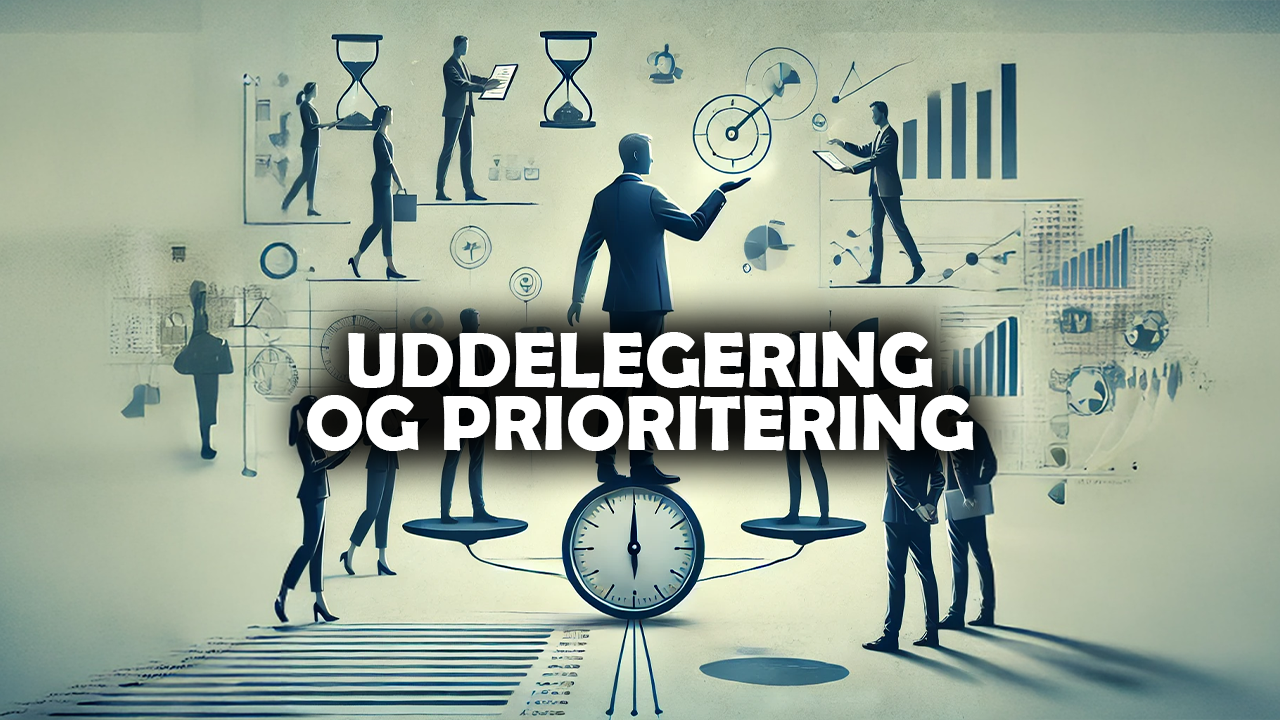
One of the biggest challenges for new managers is letting go of control and understanding that you cannot – and should not – solve every task yourself. Being a manager is largely about being able to prioritize what matters most and delegate the rest to the right people. When you master this, you free up time to focus on strategy, development, and your overall responsibilities, while also strengthening your employees’ skills and engagement.
Delegation is not a sign of weakness, but of trust. When you give employees responsibility, you show that you believe in their abilities and give them the opportunity to grow. At the same time, you create a stronger team where everyone actively contributes. Prioritization is closely connected to delegation. It requires you to distinguish between tasks that are important for you to handle personally and tasks that can advantageously be completed by others. Clear prioritization helps you avoid stress, maintain progress, and focus on what truly creates value.
An Effective Prioritization Method Is the Eisenhower Matrix, Where You Divide Your Tasks Into 4 Categories
Important and urgent – Do it now.
Important, but not urgent – Schedule it.
Urgent, but not important – Delegate it.
Not important and not urgent – Avoid it.
Inspiration List – Great Tips About Delegation and Prioritization in Everyday Management
🧭 Create an Overview as a Manager Through Conscious Delegation and Prioritization
A strong approach to delegation and prioritization begins with having an overview. As a manager, you are responsible for seeing the bigger picture and assessing which tasks are most important for the team’s goals. When you clearly prioritize what is urgent and what can wait, it becomes easier to delegate tasks in a meaningful way. This creates clarity for employees and reduces uncertainty in everyday work.
🔄 Use Delegation and Prioritization as Management Tools to Develop Your Leadership Role
Delegation and prioritization are not only about efficiency, but also about employee development. By consciously assigning tasks that match each individual’s skills and potential, you give employees the opportunity to learn something new and take greater responsibility. At the same time, clear prioritization ensures that tasks do not feel random, but rather like part of a larger context.
🗣️ Clear Communication as a Manager Supports Delegation and Prioritization
When you work with delegation and prioritization, clear communication is essential. Employees need to know why particular tasks are important and what expectations come with them. By explaining the reasoning behind your priorities, you create understanding and engagement. This makes delegation more effective and reduces the need for continuous control.
⚖️ Find the Balance Between Trust and Follow-Up as a Manager in Delegation and Prioritization
Effective delegation and prioritization require a careful balance between giving freedom and following up. When you show trust that tasks will be completed, you strengthen employees’ motivation. At the same time, it is important to have regular times for follow-up so you can ensure progress and quality. This balance allows you to maintain an overview without micromanaging.
🌱 Adjust Your Delegation and Prioritization as a Manager Over Time
Delegation and prioritization are not static processes, but something that must continually be adapted. The composition of the team, tasks, and goals change, and your approach should change as well. By regularly evaluating what works and what could be improved, you develop more mature and flexible leadership. Over time, delegation and prioritization become a natural part of your leadership style.
🌟 How You Can Work With Delegation and Prioritization of Tasks as a Manager at Work
🎯 Identify the most important tasks as a manager that require your personal attention.
📝 Make a list of tasks as a manager that can be delegated, and match them with employees’ strengths.
🤝 Give clear instructions and expectations when you delegate as a manager.
🌱 As a manager, trust that employees can complete the tasks – avoid micromanagement.
📅 Prioritize your time as a manager according to what creates the greatest value for the team and the organization.
🔄 As a manager, follow up on delegated tasks – not to control, but to support and provide feedback.
🚀 As a manager, use delegation as an opportunity to develop employees’ skills.
******************************************************************
REMEMBER – Good and thoughtful delegation of tasks creates both overview and development, and when you as a manager prioritize and delegate wisely, you give others the opportunity to grow.
Motivation and Employee Development When You Are a Manager

As a manager, one of your most important responsibilities is to create an environment where employees feel motivated, engaged, and able to develop. Motivated employees not only work more effectively, they also contribute greater creativity, better collaboration, and a stronger willingness to achieve shared goals. Motivation is not only about salary or bonus schemes, but largely about creating meaning, recognition, and opportunities for learning. When employees feel that their work makes a difference and that their efforts are appreciated, both their well-being and productivity increase.
Employee development is closely connected to motivation. As a manager, you should recognize your employees’ strengths and potential and give them opportunities to grow through new challenges, feedback, and skills development. When you invest in their development, you show that you believe in them – and this creates loyalty, engagement, and long-term success for both the employee and the organization.
Inspiration List – Great Tips About Motivation and Employee Development in the Management Role
🌱 As a Manager, Create Meaning in the Work for Your Employees Through Motivation and Employee Development
Motivation and employee development are significantly strengthened when employees understand the purpose of their work. As a manager, you are responsible for placing tasks within a larger context and clearly explaining how each individual’s contribution supports shared goals. When work feels meaningful, engagement increases and employees become more motivated to develop their skills and take responsibility.
🧭 As a Manager, Use an Individual Approach to Motivation and Employee Development
No two employees are motivated in exactly the same way, and therefore motivation and employee development require an individual approach. Some are motivated by responsibility and freedom, while others are motivated by guidance and clear frameworks. By getting to know your employees and understanding what drives them, you can tailor your leadership so that development and motivation become relevant and meaningful to each individual.
🗣️ Use Recognition in Your Management Role as a Driving Force for Employee Motivation and Development
Recognition plays a central role in motivation and employee development. When employees feel that their efforts are seen and appreciated, both confidence and engagement increase. Recognition is not only about praise, but also about constructive feedback that helps employees understand where they are making a difference and where they can continue to develop.
🔄 As a Manager, Use Development Conversations Actively for Motivation and Employee Development
Conversations about well-being, goals, and skills are important tools in motivation and employee development. When development conversations are used actively and continuously – rather than only as an annual formality – they create direction and clarity. Employees have the opportunity to express their ambitions and needs, while you as a manager can provide support through specific development opportunities.
⚖️ As a Manager, Create Psychological Safety as the Foundation for Motivation and Employee Development
A sense of safety is a prerequisite for both motivation and employee development. Employees need to feel able to ask questions, make mistakes, and challenge themselves without fear of negative consequences. When you as a manager create a safe working environment where learning and dialogue are the focus, it becomes easier for employees to engage and take the next step in their development.
🌟 How You Can Work With Motivation and Employee Development as a Manager
🎯 As a manager, set clear goals so employees know what they are working toward.
🙌 As a manager, recognize and celebrate both large and small successes together with your team on an ongoing basis, as this can be an important source of motivation for the team.
🌱 As a manager, offer opportunities for learning – courses, workshops, or internal projects – which continually strengthen employees’ productivity and motivation.
💬 As a manager, provide continuous feedback that both recognizes strengths and identifies development areas for individual employees on your team, which is important for each employee’s motivation and ongoing productivity.
🚀 As a manager, create challenges that match employees’ potential without overloading them, providing continuous motivation for your team.
👥 As a manager, involve employees in decision-making processes so they feel ownership of their work, which is also an important motivational factor for your employees.
🧩 Adapt your leadership style to the individual employee – some are motivated by responsibility, others by support.
*********************************************************************************
REMEMBER – Motivation and productivity grow when employees feel safe, and strong teams are created through trust, motivation, and development.
Handling Challenges as a Manager
The transition from employee to manager almost always comes with challenges. You will experience situations where you have to make difficult decisions, handle conflicts, or balance being part of the team while at the same time carrying overall responsibility. It is natural to feel uncertain in the beginning, but these challenges are also an important part of your development as a manager.
The most important thing is not to avoid challenges, but to handle them constructively. This requires you to be open, reflective, and willing to learn from your experiences. When you have the courage to stand by your decisions while also demonstrating humility and the ability to adjust your course, you build respect and trust within your team. Challenges are therefore not signs of weakness – they are opportunities to grow in your management role. By remaining calm, seeking advice, and working in a solution-oriented way, you can handle even difficult situations professionally.
Inspiration List – Great Tips About Challenges as a Manager in Everyday Work
🧭 When Decisions Must Be Made in the Middle of Challenges as a Manager
One of the most demanding challenges as a manager is making decisions when there is no clear correct answer. Uncertainty, time pressure, and conflicting interests can make the decision-making process difficult. Here, it is essential that you have the courage to take responsibility and stand by your choices – even if they do not make everyone happy. A clear decision often creates more calm than indecision, even in complex situations.
⚖️ Handling Human Reactions During Challenges as a Manager
Challenges as a manager are rarely only about tasks and results, but largely about people. Emotions such as frustration, resistance, or uncertainty can become very significant during difficult periods. When you are able to meet these reactions with empathy and respect without compromising your boundaries, you strengthen relationships within the team. Human understanding combined with clarity is often the key to moving forward.
🗣️ Clear Communication Under Pressure From Challenges as a Manager
When challenges arise, the need for clear and honest communication increases. Unclear communication can quickly worsen the situation and create rumors or misunderstandings. By openly communicating about what is happening and what the next steps are, you create transparency. Good communication during management challenges contributes to a sense of security and helps employees maintain focus.
🔄 Learning and Adjustment When Facing Challenges as a Manager
Challenges as a manager often contain valuable lessons if you take the time to reflect. By evaluating what worked and what could be done differently next time, you develop your leadership. This ability to adjust your course makes you more flexible and better prepared for future challenges. At the same time, it sends a strong signal that learning is a natural part of the culture.
🌱 Maintain Perspective and Resilience Through Challenges as a Manager
Long-term or repeated challenges as a manager can be exhausting if you do not take care of yourself. It is therefore important to consciously work on maintaining perspective and mental resilience. By prioritizing breaks, seeking advice, and reflecting, you can preserve your energy and act more clearly. A manager who remains stable also gives the team a sense of stability.
🌟 How You Can Handle Challenges as a Manager
🔎 As a manager, view challenges as learning opportunities, not failures.
💬 Be open to feedback when facing challenges as a manager – it can provide new perspectives on difficult situations.
🤝 When facing challenges as a manager, seek advice from a mentor, fellow manager, or HR when you are unsure.
🎯 When facing challenges as a manager, focus on constructive solutions rather than problems.
👥 When facing challenges as a manager, involve your team whenever possible – shared input can create better decisions, improved motivation, and stronger unity around handling challenges constructively for the benefit of everyone on the team.
🧘 As a manager, remain calm and maintain perspective under pressure – Your team often reflects your behavior.
🚀 As a manager, evaluate challenges afterward – What did you learn from the situation, and what could you do differently next time?
******************************************************************
REMEMBER – Challenges shape your leadership more than successes, and good leadership becomes clearest when things are difficult and you are able to handle challenges in a positive and constructive way.
Your Network and Your Own Development as a Manager
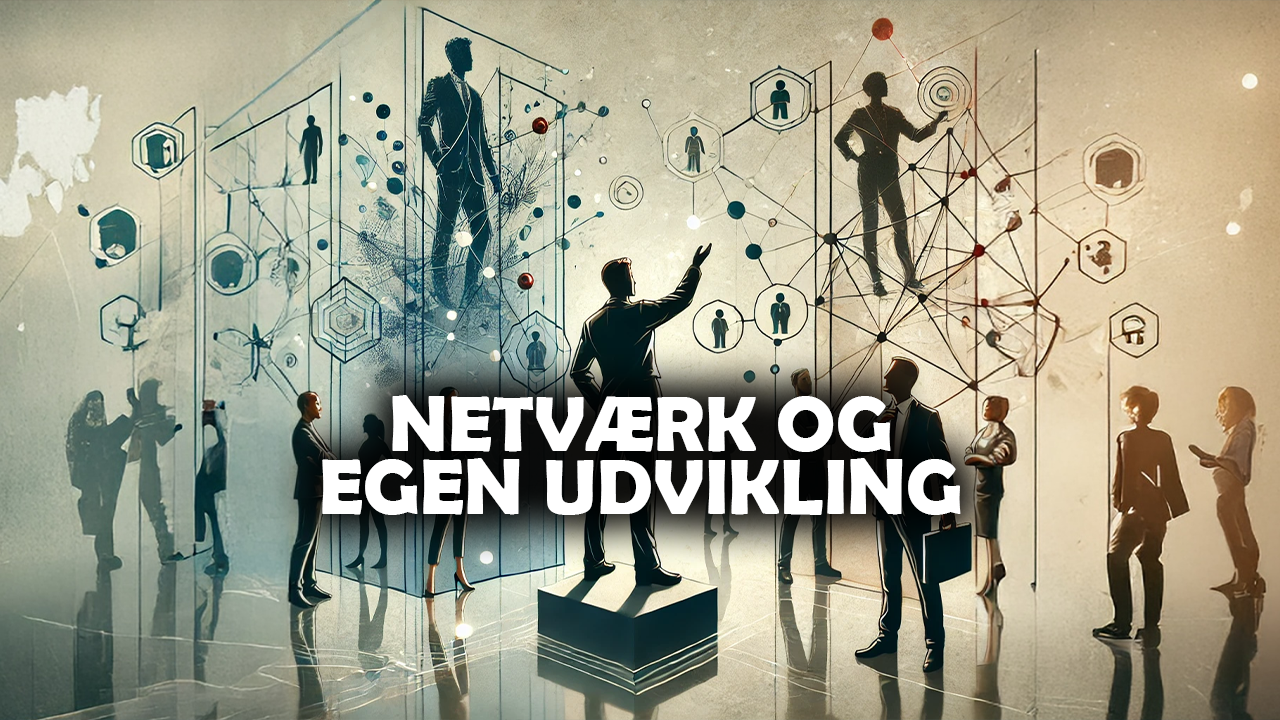
As a new manager, it is important to remember that you do not have to stand alone. A strong network can be an invaluable resource when navigating challenges, finding inspiration, and developing in your role. By exchanging ideas with other managers, mentors, or professional networks, you can gain insights, advice, and perspectives that make you better equipped to make decisions and grow in your management role.
Your own development as a manager does not stop once you receive the title. On the contrary, it begins a continuous process in which you constantly learn something new – both about yourself, your team, and leadership in general. By investing time in developing your skills, reflecting on your experiences, and seeking new knowledge, you strengthen not only your own role but also your team’s well-being and performance. Successful managers are characterized by seeing development as a lifelong journey and networks as a source of both support and inspiration.
Inspiration List – Great Tips About Networking and Development as a Manager in Practice
🤝 Use Your Network for Advice in Your Development as a Manager
An active network can be an invaluable sounding board in your development as a manager. When you share experiences with others who understand the management role from the inside, you have the opportunity to discuss specific dilemmas and challenges in a confidential environment. Networking and development as a manager are closely connected here because discussions with others often create clarity and provide the courage to act on difficult decisions.
🧭 As a Manager, Seek Different Perspectives Within Your Network
A strong network does not only consist of people who are similar to you. On the contrary, your development as a manager can be strengthened by seeking out people with different professional backgrounds, industries, and experiences. When networking and development as a manager are combined with curiosity, you gain access to new perspectives on leadership, communication, and decision-making that can expand your own leadership repertoire.
🌱 Learn From Other People’s Experiences as a Manager Through Networking and Development
Many leadership challenges are universal, and therefore other people’s experiences can provide a shortcut to learning. By listening to how others have handled similar situations, you can avoid unnecessary mistakes and become more confident in your choices. Networking and development as a manager are about using shared experiences as an asset that strengthens your own judgment.
🔄 Maintain Relationships and Networks as Part of Your Development as a Manager
Networks require care in order to remain valuable. If relationships are only activated during stressful situations, they lose some of their strength. When you continuously invest time in your network, you build trust and reciprocity. Networking and development as a manager therefore become an ongoing process in which relationships develop alongside you.
⚖️ As a Manager, Create a Balance Between Giving and Taking Within Your Network
A sustainable network is built on reciprocity. Your own development as a manager is strengthened when you both share your own experiences and actively contribute to the reflections of others. Networking and development as a manager are strongest when relationships feel equal and knowledge sharing goes both ways. This creates engagement and long-lasting connections.
🌟 How You Can Strengthen Your Network and Leadership Development
👥 Participate in leadership networks or professional communities where you can share experiences.
🤝 As a manager, seek out a mentor who can provide ongoing advice and support.
📖 Read books and articles about leadership to expand your knowledge as a manager.
🎓 Take relevant courses or continuing education to strengthen your skills as a manager.
📝 Regularly reflect on your own decisions and experiences as a manager.
💬 Ask both colleagues and employees for feedback on your leadership style.
🚀 Use your network as inspiration for new ideas and solutions to challenges as a manager.
**************************************************************************
REMEMBER– Good professional relationships strengthen both you and your leadership, and development as a manager happens best through interaction with other competent people in your relationships and networks.
**************************************************************************
If you need additional inspiration for building a professional network, you can read our article – Great Tips for the Best Networking Strategies for Career Growth
Conclusion

Going from employee to manager is an exciting journey filled with both challenges and opportunities. The role requires new skills, a shift in mindset, and a willingness to grow through experience. You should no longer focus only on your own results, but also on creating the right conditions, motivation, and development opportunities for your team.
Remember that no one becomes a perfect manager from day one. The most important thing is that you remain curious, open, and willing to learn – both from your successes and your mistakes. When you consciously work on understanding your role, developing your leadership style, prioritizing wisely, motivating employees, and seeking advice from your network, you gradually build a strong leadership identity. Stepping into your first management role is not the end of a journey, but the beginning of a new one. The more you invest in your own development and your team’s well-being, the greater the difference you can make – both for the organization and for the people you lead. 🌱✨
Mini Guide – From Employee to Manager – The Path to Your First Management Role
The transition from employee to manager is a process that requires self-awareness, new skills, and a conscious approach to responsibility.
This mini guide is a summary of the article above and brings together the most important focus areas that can help you move safely and constructively into your first management role. The guide is intended as a practical tool that you can return to as your management role develops.
🧭 Understand the Shift From Employee to Manager
The first step in the journey from employee to manager is accepting that your focus changes fundamentally. Whereas you were previously measured on your own results, as a manager you are measured on the well-being and performance of others. This requires you to see yourself as a facilitator, direction-setter, and person responsible for the overall outcome rather than the primary person completing tasks. The sooner you mentally accept this shift, the more confident you will become in your new role.
🧠 Work on Your Leadership Mindset in the Transition From Employee to Manager
The transition from employee to manager is largely about mindset. You must get used to thinking long-term, prioritizing the bigger picture, and making decisions that are not always popular. A conscious leadership mindset helps you stand by your choices and understand that leadership is often about choosing what is right rather than what is easy. Reflection is an essential tool here.
🗣️ Develop Your Communication in the Transition From Employee to Manager
When you go from employee to manager, your communication becomes more important. Your words are interpreted differently, and your silence can also send signals. Clear, honest, and consistent communication is therefore essential. At the same time, you must practice active listening so employees feel seen and heard. Good communication creates security and trust in the management role.
🔄 Learn How to Delegate Effectively in the Transition From Employee to Manager
Many new managers find it difficult to let go of tasks they previously completed themselves. However, the path from employee to manager requires you to learn how to delegate responsibility in a way that develops others. Delegation is not about giving up responsibility, but about distributing it wisely. When you succeed at this, you create both greater overview and stronger engagement.
⚖️ Find the Balance Between Close Relationships and Authority From Employee to Manager
Relationships change when you go from employee to manager. You should still be approachable and respectful, but you must also be able to set boundaries and make difficult decisions. This balance requires clarity about your role and your expectations. When employees know where they stand with you, respect develops instead of uncertainty.
🌱 Prioritize Your Own Development From Employee to Manager
Leadership is not something you ever finish learning. The transition from employee to manager is an ongoing development journey in which feedback, reflection, and learning are central elements. By actively working on your own development, you become more resilient and more conscious in your leadership. This positively affects the entire team.
🤝 Use Your Network and Professional Guidance in the Journey From Employee to Manager
It can feel lonely to carry management responsibility on your own. Therefore, networking and professional guidance are important elements of the transition from employee to manager. Conversations with other managers provide perspective, inspiration, and opportunities to share experiences. A strong network can function both as a source of support and as a space for development during your first management role.
🌍 Accept That Going From Employee to Manager Is an Ongoing Development Process
Perhaps the most important realization is that the transition from employee to manager is not a single moment, but a process. You will make mistakes, learn new things, and adjust along the way. When you accept this, you give yourself room to grow in the role. Patience with yourself is essential for becoming a confident and credible manager.
**************************************************
The path from employee to manager requires courage, curiosity, and a willingness to develop. The more consciously and constructively you work with your management role, the stronger the foundation you create for both yourself and the people you lead.
✅ Finally, Here Are 3 Great Tips for New Managers
🎯 Focus on People, Not Just Results – Success as a manager is created through collaboration with your team.
🤝 Seek Advice and Feedback – You do not need to have all the answers yourself; continuous input from competent people can be very valuable for your leadership style.
🌱 View Leadership as an Ongoing Learning Journey – Stay curious, open, and ready to continually develop as a manager.
------------------------------------------------
If you need more inspiration during the transition from employee to manager, you can watch this video – Successfully Going From Employee to Manager
********************************************************************
If you have experience and/or knowledge of ways to constructively work toward becoming a good manager in the workplace, we would be happy to hear your input and/or suggestions in the comments about other ways to work toward becoming a good manager in the workplace so that you can continuously achieve your personal ambitions of becoming a good manager at your workplace.