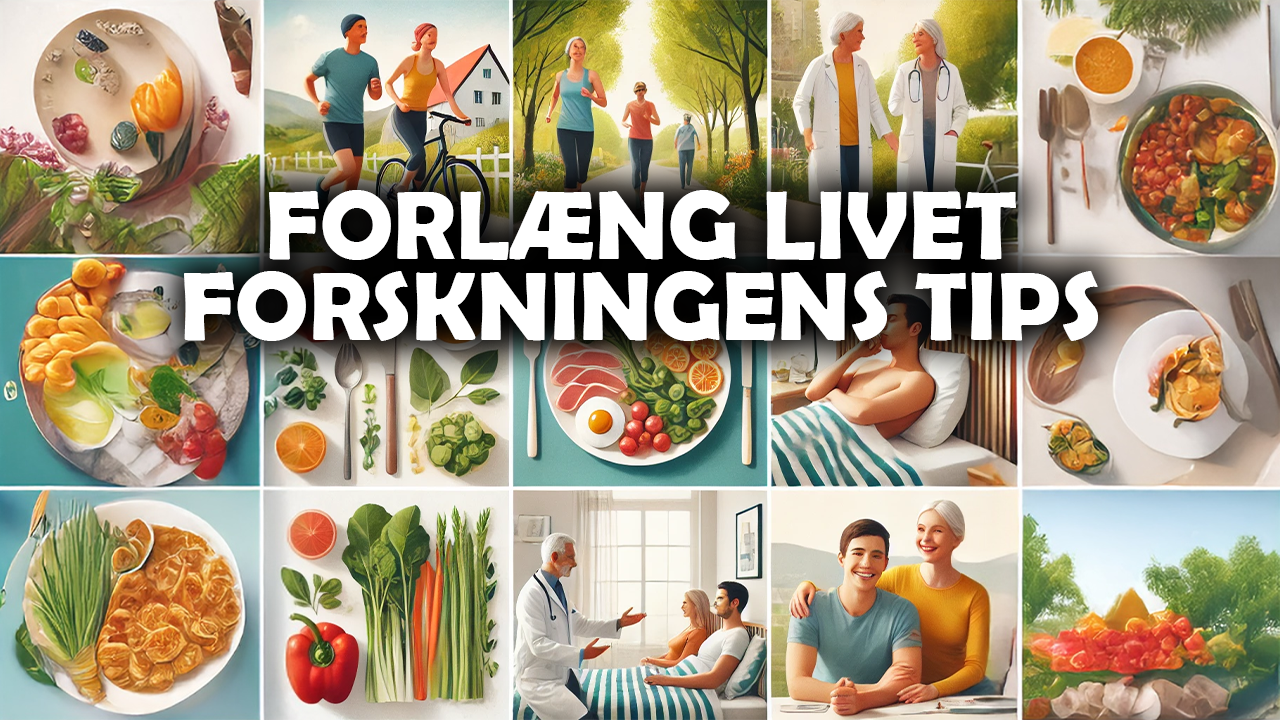
The dream of a long life has always fascinated people, but today we know far more than before about what can actually make a real difference. Modern research clearly shows that a long life is not only about genetics, luck, or advanced medicine. To a much greater extent, it is about the choices we make in everyday life – often the small, repeated habits that together shape our health, our energy, and our quality of life over the years.
When researchers investigate why some people live significantly longer and healthier lives than others, the results repeatedly point in the same direction. A long life is closely linked to an active lifestyle, a nutritious diet, good social relationships, mental balance, and the ability to manage stress. It is not about extreme diets or perfect lives, but about sustainable habits that can be maintained over time and adapted to an ordinary everyday lifestyle.
An important message from the research is that longevity and quality of life are inseparably connected. The goal is not simply to live more years, but to maintain physical ability, energy, and happiness well into old age. Therefore, many studies today focus not only on how long we live, but also on how well we live. Factors such as everyday movement, meaningful relationships, having a purpose in life, and healthy routines appear to be at least as important as traditional health indicators.
At the same time, research emphasizes that it is never too late to make a positive difference. Even changes that begin in middle age or later can have a noticeable effect on both health and lifespan. The body has an impressive ability to adapt, heal, and become stronger when it is given the right conditions. This means that small adjustments today can provide major benefits in the long term.
In this article, we take a closer look at what science specifically tells us about extending life. You will gain insight into the most important factors highlighted by research and how they can be translated into practical choices in your everyday life. The focus is on realistic, documented, and practical steps that do not require radical lifestyle changes – but which together can create the foundation for a longer, healthier, and more satisfying life.
Cardio Exercise Beats Strength Training for a Healthier and Longer Life
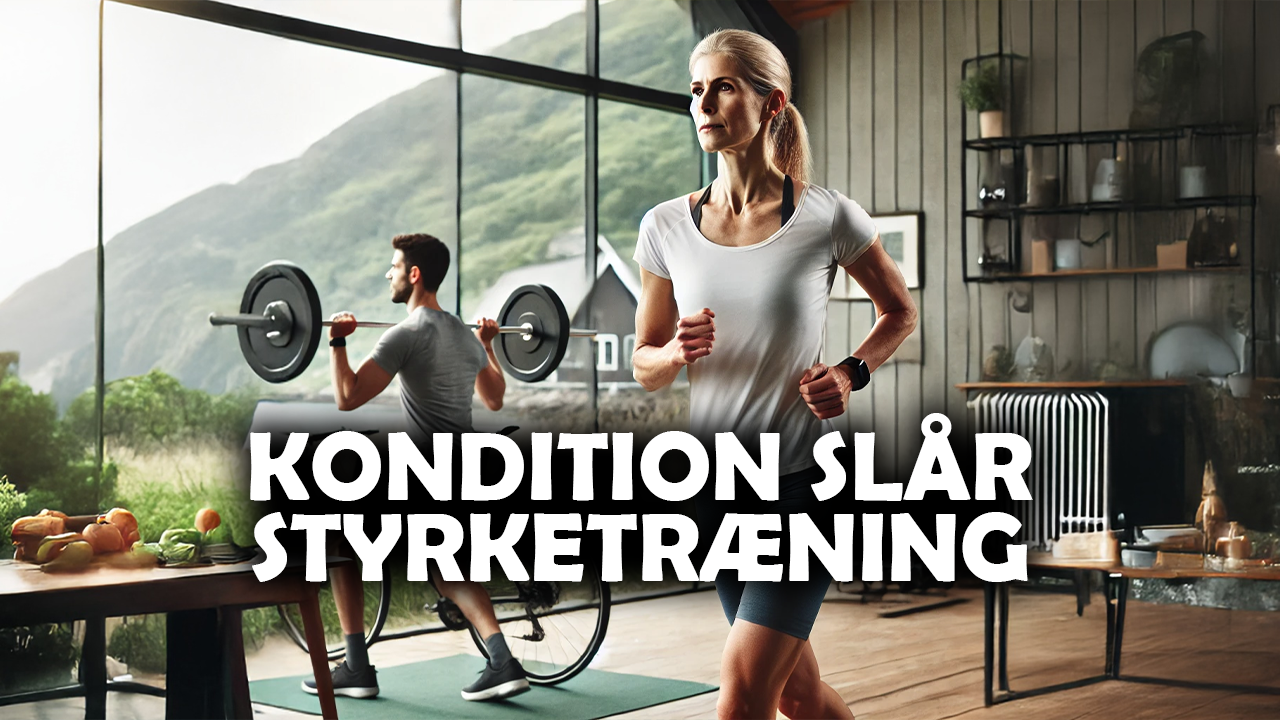
Danish researchers from the Department of Nutrition, Exercise and Sports at the University of Copenhagen have just published a study in the respected journal Mayo Clinic Proceedings revealing which type of exercise is most effective when it comes to living longer. In the study, which followed nearly 10,000 Danes over 27 years, cardiovascular exercise was directly compared with strength training in relation to the risk of cardiovascular disease and premature death. Around half of the participants died during the period – and the results are clear:
Cardiovascular exercise is clearly the most beneficial form of exercise when it comes to reducing mortality and preventing heart problems. Participants who increased their cardiovascular exercise from a moderate to a high level had a 10% lower risk of both premature death and cardiovascular disease compared with those who focused on strength training. However, strength training was also found to reduce the risk of developing type 2 diabetes, emphasizing that both types of exercise have their benefits.
Inspiration List – Great Tips on Cardiovascular Exercise as a Foundation for a Longer Life
🚶 Everyday Movement as a Stable Path Toward a Longer Life
Daily movement at a pace where your heart rate noticeably increases is one of the most overlooked health factors. Brisk walking, taking the stairs instead of the elevator, and short bike rides can together create a solid foundation for cardiovascular health. When this type of cardio exercise becomes a natural part of everyday life, it supports heart health, energy levels, and the long-term possibility of living a longer life without major physical limitations.
🚴 Endurance Training That Strengthens the Body Over Time for a Longer Life
Activities such as cycling, swimming, and light running build endurance and improve the body’s oxygen uptake. This type of cardiovascular exercise is especially valuable because it can be adapted to age and fitness level while also significantly helping to reduce the risk of cardiovascular disease. Over time, this creates better conditions for a longer life with more energy and fewer health-related obstacles.
🫀 A Strong Cardiovascular System as a Long-Term Health Strategy for a Longer Life
A well-functioning cardiovascular system means that the heart works more efficiently and the blood vessels remain flexible. Cardio exercise strengthens this mechanism and helps keep blood pressure and cholesterol levels balanced. From a lifelong perspective, these effects are crucial if the goal is a longer life with a lower risk of serious chronic diseases.
🌿 Mental Balance and Stress Reduction Through Cardio Exercise for a Longer Life
Cardiovascular exercise affects not only the body but also the mind. Regular cardio exercise can reduce stress, improve mood, and support a more stable sleep pattern. Because chronic stress is closely associated with an increased risk of illness, this mental benefit plays an important role in working toward a longer life where both body and mind function better together.
⏱️ Consistency Beats Intensity in the Pursuit of a Longer Life
Research clearly indicates that regularity matters more than occasional intense workouts. Moderate cardiovascular exercise performed several times a week provides greater health benefits than sporadic, highly intense exercise. This approach makes it realistic to maintain these habits for many years – thereby strengthening the foundation for a longer life with a higher quality of life.
*****************************************************************
REMEMBER– When exercise fits into your everyday life, it also fits into your whole life, and a strong cardiovascular system through good fitness is an investment in your current health and the many years ahead, forming a cornerstone of a long life.
*****************************************************************
If you are a beginner when it comes to exercise, you can find inspiration for some great exercises in our article – Great Tips for Effective Workout Routines for Beginners
Aspirin May Inhibit the Spread of Cancer
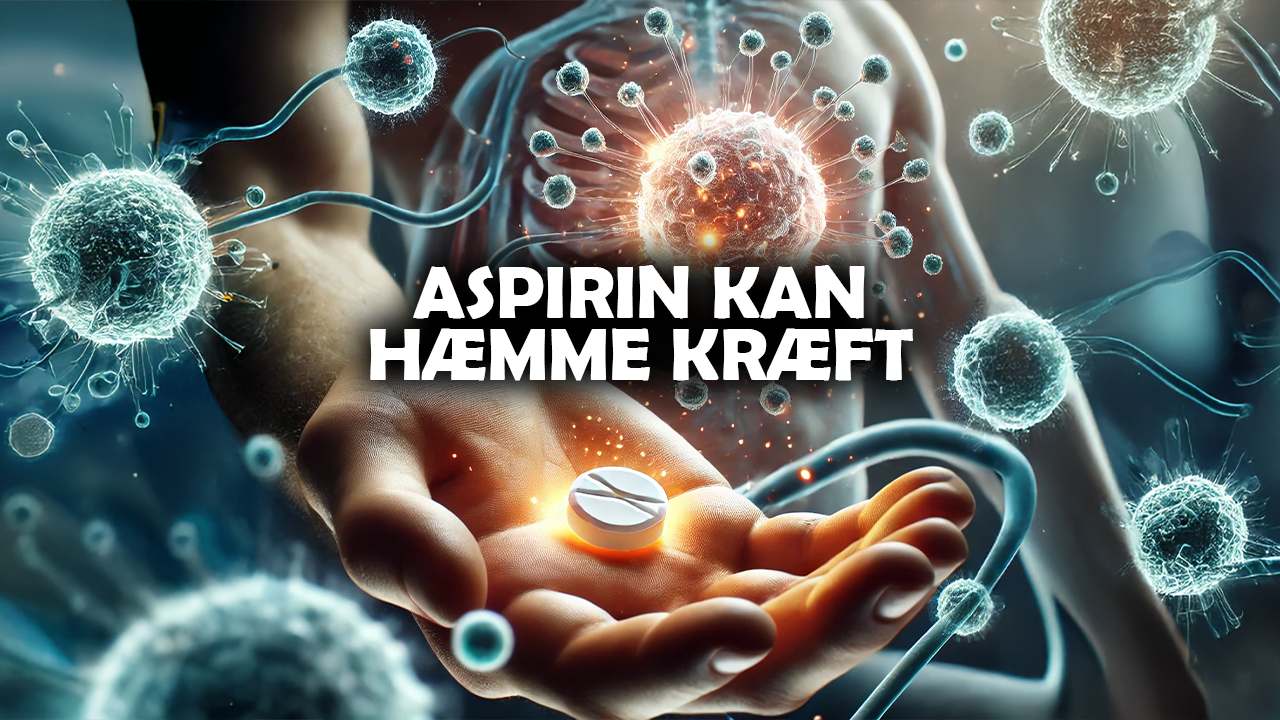
One in three Danes will be affected by cancer during their lifetime, but British researchers have now made a discovery that could have major significance for future treatment. By chance, researchers from the University of Cambridge discovered that the well-known drug aspirin may be able to inhibit the spread of cancer cells. The experiment was carried out on mice, and it showed that the mice given aspirin developed fewer cancerous tumors than the control group.
– The finding completely surprised us and sent us in a new and exciting direction, says researcher Jie Yang from the university’s Department of Pathology in a press release. The discovery is still at an early stage, and further research is necessary before any final conclusions can be drawn regarding humans. The results were published in the scientific journal Nature – https://www.nature.com/
Inspiration List – Great Tips About Aspirin, Research, and Perspectives on a Longer Life
🧬 Understand the Connection Between Aspirin, Inflammation, and a Longer Life
Chronic inflammation plays a central role in the development of many diseases, including cancer. Aspirin is known for its anti-inflammatory effects, and this property is particularly interesting when considering the possibilities for a longer life. By reducing inflammatory conditions in the body, it may potentially be possible to reduce the biological processes that support cancer development and spread over time.
🩸 Aspirin and the Role of Platelets in Cancer Spread in Relation to a Longer Life
Recent research suggests that platelets may help cancer cells survive in the bloodstream. Aspirin affects platelet function, which may make it more difficult for cancer cells to spread. This knowledge contributes to a greater understanding of how certain mechanisms in the body can affect the possibility of a longer life, especially in relation to serious illnesses.
⚖️ Balancing Aspirin’s Potential Benefits and Risks as a Perspective for a Longer Life
Although aspirin may have positive effects, it is not without risks. Stomach problems and the risk of bleeding are important factors to consider. From a long-term health perspective, the path toward a longer life is therefore about balance, individual assessment, and professional guidance rather than general solutions that suit everyone.
👩⚕️ Talking With Healthcare Professionals About the Use of Aspirin in Everyday Life as Part of a Longer Life
One of the most important points from the research is that aspirin should only be included as part of an overall health strategy. Talking with a doctor or healthcare professional ensures that individual risk factors are properly assessed. This approach strengthens the possibility of a longer life in which prevention and treatment are based on knowledge rather than chance.
🔬 Future Research Into Aspirin’s Impact on Cancer and New Perspectives on a Longer Life
Research into aspirin and cancer is far from complete. New studies continue to investigate which types of cancer and which groups of people may potentially benefit from treatment. This scientific development emphasizes that the path toward a longer life is often shaped by ongoing discoveries and adjustments based on new knowledge.
***********************************************************
REMEMBER – Ongoing research challenges our view of familiar medicines such as aspirin, which may contain surprisingly positive properties in the fight against cancer. However, further research and scientific studies are required.
Better to Be Strong and Overweight Than Slim and Weak for a Healthier and Longer Life

A large international meta-study published in the British Journal of Sports Medicine examined the relationship between BMI, physical fitness, and the risk of disease and death. The study combines data from 20 previous studies and provides a nuanced picture of health and body weight. The conclusion is striking – It is possible to be overweight – or even obese – without necessarily having an increased risk of death, provided that you are also in good physical condition. Conversely, people with a low BMI but poor physical fitness have a higher risk of health problems and premature death.
– Overweight and obesity increase the risk of many diseases, but good physical fitness can significantly reduce this risk, researcher Trine Moholdt told videnskab.dk. She also emphasizes that exercise has a wide range of health benefits that are independent of weight loss – and that BMI is far from being the best indicator of overall health.
Inspiration List – Great Tips About Strength as a Foundation for a Longer Life
💪 Muscle Strength as a Key to a Longer Life With Better Physical Function
Muscle strength is closely linked to the ability to perform everyday movements without difficulty. When the body is strong, it becomes easier to stand up, carry groceries, and move safely. This functional strength reduces the risk of falls and injuries, which is crucial if the goal is a longer life with maintained independence and fewer health-related limitations.
🦴 Strong Muscles Support the Bones and a Longer Life
Strength training stimulates the bones and can help prevent osteoporosis. When muscles and bones work together, a more resilient body is developed that is better able to withstand physical strain. This physical resilience plays a central role in creating a longer life in which the body can continue to handle everyday demands even in later years.
🔄 Metabolism and a Stable Body Are Important Foundations for a Longer Life
Muscle mass affects the body’s metabolism and its ability to regulate blood sugar. A strong body uses energy more efficiently and often finds it easier to maintain a stable weight without extreme measures. This metabolic balance is an important piece of the puzzle when it comes to a longer life with a lower risk of lifestyle-related diseases.
🧠 Mental Resilience Often Provides a Longer Life With Greater Energy
Building strength is not only about the body but also about the mind. Feeling physically strong increases self-confidence and a sense of capability, which can have a positive influence on mental well-being. This mental resilience supports a longer life in which the energy to remain active and engaged in everyday life is maintained.
⏳ Strength Training Can Be Done at Any Age for a Longer Life
Research shows that it is never too late to start strengthening the body. Even small, regular strength exercises can create noticeable improvements over time. When strength is prioritized throughout life – or started later – the chances of a longer life in which the body can continue to be used actively and safely increase.
***********************************************************************
REMEMBER – Strength is primarily about the body’s functions, not its appearance, and resilience matters more than body shape when the goal is to live a long life.
Good Habits That Can Extend Your Life
When research looks at what can genuinely extend life, it is rarely about major, dramatic changes. Instead, it is the small, repeated habits of everyday life that, over time, prove to have the greatest effect. Good habits act as an invisible foundation for health because they affect the body day after day – often without us thinking about it at the time, but with clear consequences in the long term.
Research shows that people with stable, healthy routines have a lower risk of chronic diseases, better mental well-being, and greater resilience to stress. This includes habits such as regular physical activity, sufficient sleep, a nutritious diet, and the ability to create breaks in a busy everyday life. These habits do not work in isolation but strengthen one another and create an overall health effect that can contribute to both more years of life and a better quality of life.
An important point is that good habits do not need to be perfect in order to work. Consistency beats intensity. It is far more effective to do a little of the right thing often than to do a lot of the right thing only occasionally. When habits are realistic and fit into everyday life, the likelihood that they can be maintained for many years increases – and this is exactly what matters when the goal is a longer life.
At the same time, research indicates that habits also shape our mental health. Routines that create structure, predictability, and calm can reduce stress levels and strengthen the feeling of control over one’s own life. Because long-term stress is closely associated with cardiovascular disease, weakened immune function, and reduced quality of life, mental habits play a much greater role in longevity than many people realize.
The most encouraging message is that good habits can be developed throughout life. Regardless of age, small adjustments can provide noticeable benefits over time. When healthy habits are viewed as an ongoing process rather than a short-term project, they do not become a burden but instead a natural tool for living longer – and at the same time, living better.
According to consultant physician Bente Klarlund and extensive research, you can – with just eight healthy habits – increase your chances of living up to 24 years longer. Here are the 8 specific recommendations:
1 – Eat a Healthy and Balanced Diet for a Longer Life

Diet plays a crucial role when it comes to living longer while maintaining good health. Research clearly shows that a healthy and balanced diet can reduce the risk of a wide range of lifestyle-related diseases, including cardiovascular disease, type 2 diabetes, and certain types of cancer. It is not about strict diets or short-term programs, but about a consistent pattern of nutritious choices that can be maintained throughout life.
A balanced diet is characterized by variety and quality. Vegetables, whole grains, legumes, healthy fats, and good-quality sources of protein help provide the body with the building blocks it needs. At the same time, this combination helps stabilize blood sugar, reduce inflammation, and support a healthy cardiovascular system – all factors closely associated with a longer life.
Research also suggests that the way we eat matters. Regular meals, appropriate portion sizes, and paying attention to the body’s signals can reduce strain on digestion and support a more stable energy balance. When the diet supports the body’s natural rhythms, better conditions are created for both physical and mental well-being throughout the years.
Another important aspect is that healthy food does not need to be complicated or expensive. Simple ingredients, home-cooked meals, and conscious everyday choices can make a major difference over time. When healthy eating habits become a natural part of daily life, the chances of a longer life in which the body remains strong, resilient, and well-functioning increase. Finally, research shows that diet and quality of life are closely connected. Food affects not only the body but also mood, energy, and overall well-being. A healthy and balanced diet can therefore be viewed as an investment in both more years of life and a life with greater well-being and happiness in everyday life.
*********************************************************
You can find inspiration for healthy eating in our article – Great Tips for Healthy, Budget-Friendly Meals Focusing on Fresh Seasonal Ingredients
2 – Quit Cigarettes for a Longer Life

Smoking is one of the most well-documented risk factors for premature death, and the research is clear – quitting smoking is one of the most effective decisions a person can make to extend their life. Cigarettes affect almost every organ in the body and increase the risk of cardiovascular disease, cancer, and lung diseases. When smoking stops, however, the body quickly begins to recover – often faster than many people expect.
Shortly after quitting smoking, blood circulation improves, oxygen uptake increases, and the strain on the heart is reduced. Over the following months and years, the risk of serious diseases decreases significantly, and research shows that even people who quit later in life can gain several additional years. This emphasizes that quitting smoking is not only relevant for younger people but is an investment in a longer life regardless of age.
Smoking also affects the body’s ability to heal and defend itself. The immune system is weakened, inflammation increases, and cellular damage accumulates more quickly. When cigarettes are given up, the body’s resilience gradually improves, creating better conditions for maintaining physical function and quality of life over the years. A longer life is therefore not only about the number of years lived, but also about being able to live those years with fewer health-related limitations.
It is important to acknowledge that quitting smoking can be challenging. Addiction, habits, and social factors play a major role. However, research indicates that support, structure, and realistic strategies significantly increase the chances of success. Whether quitting happens gradually or from one day to the next, the positive effect on health is clear and well documented.
Saying goodbye to cigarettes is therefore one of the most direct paths toward a longer life. It is a decision that positively affects both body and mind and creates better conditions for more active, healthy, and meaningful years ahead.
*********************************************************************
You can find inspiration for quitting smoking in our article – Great Tips for Quitting Smoking – Your Guide to a Smoke-Free Life
3 – Limit Alcohol Consumption for a Longer Life
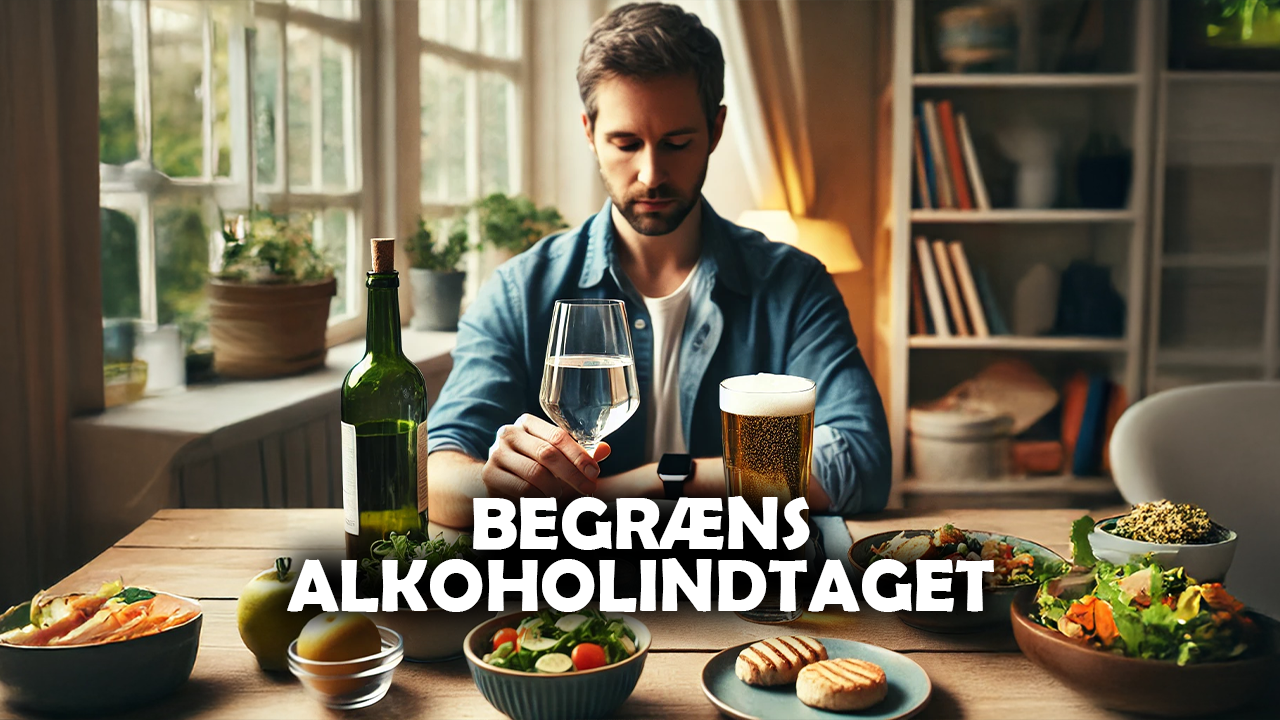
Alcohol often plays a greater role in everyday life than many people realize, and research clearly indicates that high or regular alcohol consumption can have serious consequences for health. Limited alcohol consumption is associated with a lower risk of several diseases, including liver disease, certain types of cancer, heart problems, and mental health challenges. When alcohol consumption is reduced, the body has a better opportunity to recover, which can contribute to a longer life.
The body responds quickly to consuming less alcohol. The liver is able to function under better conditions, sleep quality improves, and the body’s hormonal balance becomes more stable. Many people also experience increased energy and better concentration when alcohol plays a smaller role in everyday life. These effects are significant in the long term because they reduce the overall burden on the body and support healthier aging.
Research also shows that even moderate amounts of alcohol may have negative effects over time, especially when it comes to inflammation, blood pressure, and cancer risk. Therefore, a longer life is not necessarily about complete abstinence, but about conscious choices and balance. When alcohol is no longer a fixed part of daily or weekly routines, the risk of consumption gradually increasing without being noticed is reduced.
Lower alcohol consumption also has a positive influence on mental and social factors. Better sleep, a more stable mood, and fewer fluctuations in energy levels make it easier to maintain healthy habits such as exercise, healthy eating, and regular routines. These habits reinforce each other and together create a stronger foundation for a longer life with a higher quality of life.
Limiting alcohol consumption is therefore not about giving up enjoyment, but about actively choosing better health. Small adjustments in habits can provide major benefits over time – both in the form of additional years of life and a life with more energy, clarity, and balance.
******************************************************************
Find inspiration for creating a healthy balance with alcohol in our article – Great Tips for Drinking Less Alcohol – Your Guide to a Healthier Alcohol Balance
4 – Move Every Day for a Longer Life
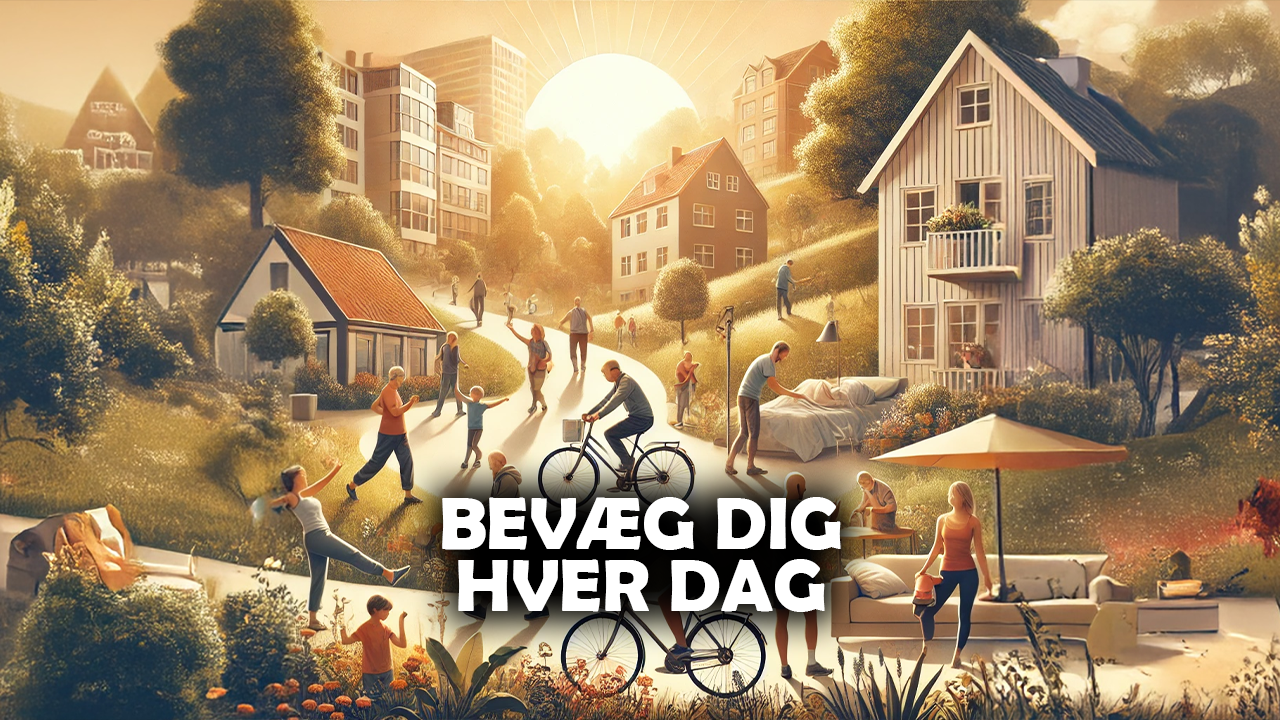
Daily movement is one of the most well-documented factors when it comes to extending life. Research repeatedly shows that the body is made to move – and that even relatively small amounts of activity can have a major impact on health over time. The important thing is not intense training or performance, but continuous movement that keeps the cardiovascular system, muscles, and joints active.
When you move every day, the heart becomes stronger, blood circulation improves, and the body’s ability to regulate blood sugar and cholesterol increases. At the same time, the risk of a wide range of lifestyle-related diseases is reduced, including cardiovascular disease, type 2 diabetes, and certain forms of cancer. These effects accumulate gradually and together contribute to a longer life with better physical function.
Daily movement also has major benefits for mental health. Physical activity releases neurotransmitters that improve mood and reduce stress. When the body moves regularly, levels of chronic stress decrease, which is important because chronic stress is closely associated with faster aging and an increased risk of illness. In this way, movement supports not only the body but also the mind’s ability to remain strong throughout life.
An important point from the research is that movement does not have to take place in a gym to be effective. Walking, cycling, gardening, taking the stairs, and doing light stretches throughout the day all count. When movement is naturally integrated into everyday life, it becomes easier to maintain – and regularity is exactly what matters if the goal is a longer life.
Moving every day is therefore not about ambition or extreme goals, but about keeping the body active in a way that can be repeated year after year. Small daily movements can together create major health benefits and provide better conditions for more active, healthy, and meaningful years.
**************************************************************************
Find inspiration for how to stay motivated to exercise throughout the year in our article – Great Tips on How to Stay Motivated With Your Exercise All Year Round
5 – Prioritize Your Sleep for a Longer Life
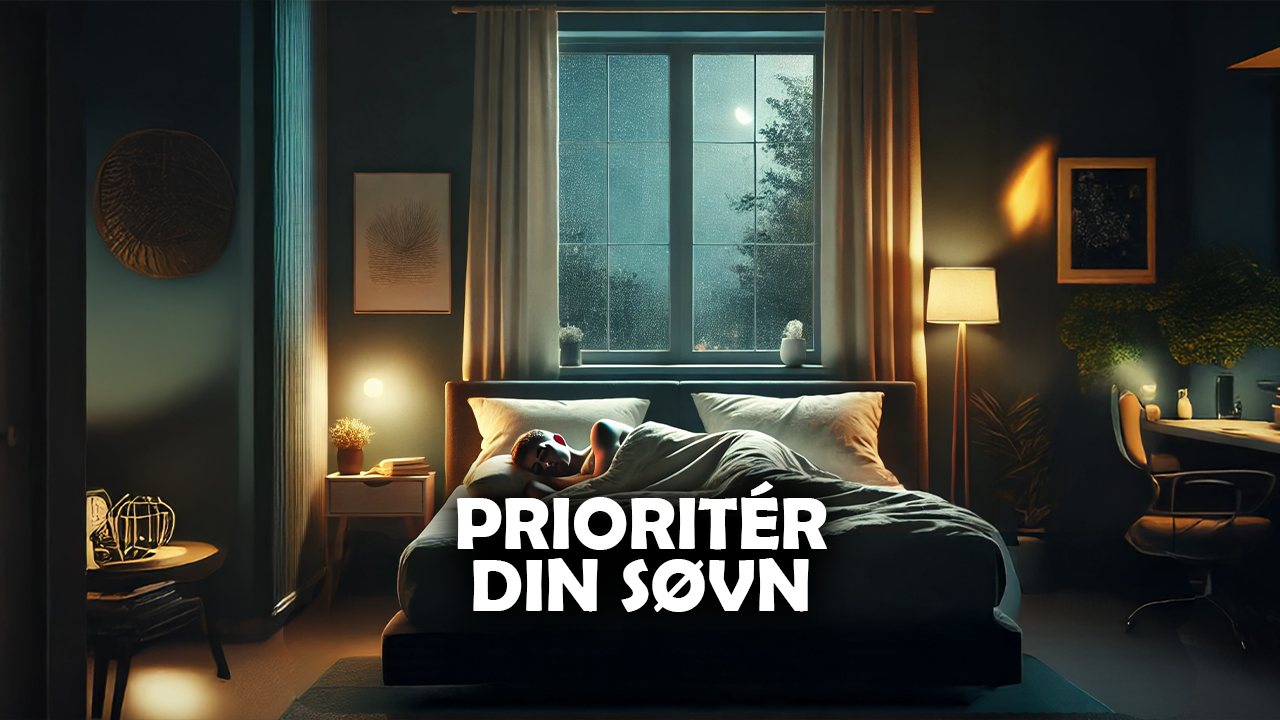
Sleep is one of the most underestimated, yet at the same time one of the most important factors for a long and healthy life. Research clearly shows that sleep is not simply a break from everyday life, but an active biological process during which the body repairs itself, strengthens the immune system, and processes both physical and mental stress. When sleep is prioritized, a stronger foundation is created for a longer life with better health and a higher quality of life.
During sleep, a wide range of important processes in the body are regulated. Hormones that control appetite, stress, and metabolism are brought into balance, while the brain clears away waste products that could otherwise accumulate and affect cognitive function. Lack of sleep, on the other hand, is associated with an increased risk of cardiovascular disease, type 2 diabetes, obesity, and reduced mental well-being. Over time, these burdens can significantly shorten life.
The quality of sleep is at least as important as the amount of sleep. Restless or interrupted sleep can reduce the beneficial effects even if a person spends many hours in bed. Research indicates that regular sleep routines, calm evenings, and a sleep-friendly environment can improve both deep sleep and recovery. When the body has the opportunity to recover properly night after night, the chances of a longer life with more energy and vitality in everyday life increase.
Sleep also plays a central role in mental health. Good sleep strengthens concentration, memory, and emotional stability, while chronic sleep deprivation can increase stress levels and the risk of anxiety and depression. Because mental strain has a major influence on overall physical health, sleep is an important part of efforts to extend life.
Prioritizing sleep is therefore not about laziness but about prevention. Small adjustments to habits, such as regular bedtimes, less screen use in the evening, and respecting the body’s need for rest, can provide major health benefits over time. When sleep is given the attention it deserves, it becomes one of the most effective and natural paths toward a longer life.
*****************************************************************
Find inspiration for how to establish a good and stable daily sleep routine in our article – Great Tips for a Better and More Stable Sleep Routine – Sleep Well Every Night!
6 – Manage Stress Constructively for a Longer Life

Stress has become an almost unavoidable part of modern life, but research is clear in its conclusion – Long-term and unresolved stress can significantly shorten life. When the body is constantly in a state of alert, the heart, immune system, and hormonal balance are all placed under strain. Therefore, a longer life is not about avoiding all forms of stress, but about learning to manage it constructively and at the right time.
Short-term stress can be harmless and even beneficial, but problems arise when stress becomes chronic. Research shows that persistent stress increases the risk of cardiovascular disease, sleep disorders, depression, and inflammatory conditions in the body. At the same time, blood sugar regulation and blood pressure are negatively affected, which over time can wear down the body and reduce the chances of a long and healthy life.
Constructive stress management is largely about creating breaks and balance in everyday life. Movement, nature, social relationships, and calming routines help the body shift from a state of alert to a state of recovery. When stress levels are regularly reduced, the body gets the opportunity to repair itself and restore the internal balance that is essential for both physical and mental health.
Mental coping also plays a central role. The ability to accept, prioritize, and set boundaries reduces the burden that constant worry and pressure can create. Research indicates that people who actively work on the way they respond to stress often experience better sleep, greater life satisfaction, and a lower risk of illness. These factors are closely connected to the possibility of a longer life.
Managing stress constructively is therefore not a luxury but a necessary investment in your health. Small everyday adjustments can create major improvements over time. When stress is allowed to take up less space, energy is freed for movement, relationships, and happiness – and these elements are among the strongest building blocks for a longer, healthier, and more balanced life.
**********************************************************************
You can find inspiration for managing stress in a healthy and constructive way in our article – Great Tips for Getting Rid of Stress and Anxiety – Learn How to Improve Your Mental Health
7 – Nurture Your Social Relationships for a Longer Life

Research points very clearly to one often-overlooked factor when it comes to a long and healthy life: strong social relationships. Human beings are fundamentally social creatures, and our health is strongly influenced by the quality of the relationships we have. Studies show that people with close social connections have a lower risk of premature death, fewer psychological difficulties, and better physical health throughout life.
Social relationships act as a kind of buffer against stress and adversity. When we have people around us whom we feel safe with, the body’s stress level decreases and the production of stress hormones is reduced. This has a direct impact on the heart, the immune system, and overall resilience. Over time, this effect can contribute significantly to a longer life with a better quality of life.
An important point from the research is that it is not necessarily the number of relationships that matters most, but their depth and quality. Close relationships involving mutual support, trust, and emotional openness have the greatest health benefits. Loneliness and social isolation, on the other hand, are associated with an increased risk of depression, cardiovascular disease, and cognitive decline – factors that can shorten life.
Social relationships also play a role in our daily habits. People with strong networks often find it easier to maintain healthy routines such as regular movement, regular meals, and good sleep habits. Social interaction provides structure, motivation, and meaning in everyday life, which strengthens both mental and physical health in the long term.
Nurturing social relationships requires awareness and prioritization, especially in a busy everyday life. Small actions such as reaching out, prioritizing time together, and showing interest in others can make a major difference over time. When relationships are continuously cared for, they become one of the most stable and valuable building blocks for a longer life filled with well-being, security, and happiness.
***************************************************************
You can find inspiration for expanding your personal relationships as an adult in our article – Great Tips on How to Expand Your Circle of Friends as an Adult
8 – Say No to Recreational Drugs and Opioids for a Longer Life

If the goal is a longer and healthier life, avoiding recreational drugs and opioids is essential. These substances do not only affect the brain and nervous system but can also cause serious physical and psychological harm. Overuse or addiction is associated with an increased risk of life-threatening diseases, reduced quality of life, and a significantly shortened lifespan.
Opioids – both illegal substances and prescription painkillers – can quickly lead to addiction, tolerance, and overdose, making them particularly dangerous. At the same time, recreational drugs can damage organs, weaken the immune system, and create social and mental challenges that make it difficult to live a stable and healthy life.
Saying no to these substances is not only about avoiding addiction – it is about protecting the body, maintaining healthy brain function, and creating the best possible conditions for a long and balanced life.
Inspiration List – Healthy Alternatives for a Better Quality of Life Without Drugs
Exercise regularly to release endorphins and reduce stress.
Practice meditation or mindfulness to create calm and mental clarity. You can find inspiration for meditation and mindfulness exercises in our article – Great Tips for Strengthening Yourself Mentally Through Mindfulness and Meditation
Prioritize strong social relationships, which can provide happiness and support.
Seek professional help for pain management rather than relying on addictive substances.
Take up hobbies such as music, art, or sports that can provide natural “highs.”
Make sure you get good sleep and eat a healthy diet, which strengthens both body and mind.
Conclusion
Extending your life is not about one single solution, but about the many choices we make in everyday life. The path to a long and healthy life is therefore not paved with miracle cures but with healthy everyday choices. Research indicates that healthy habits such as regular exercise, a nutritious diet, strong social relationships, and avoiding harmful substances can have a significant impact on both lifespan and quality of life.
It is the small, consistent steps that make the biggest difference over time. When we choose to prioritize sleep, say no to unhealthy temptations, nurture our communities, and keep our bodies active, we create a foundation for a longer and healthier life. The most important thing is not perfection but awareness. By taking one step at a time and building good habits, you can not only increase your chances of living more years – but also help ensure that those years are filled with energy, happiness, and vitality.
THE RESEARCH IS CLEAR – It is never too late to make a difference to your health. So start today, because even small changes in everyday life can have a major impact on your future – and the length of your life.
Mini Guide – The Most Important Elements for a Longer Life According to Research
Achieving a longer life is not about one single habit or quick solution, but about a combination of daily choices that together strengthen the body, mind, and quality of life over time. Research repeatedly shows that consistency, balance, and realistic routines create the best conditions for more healthy years of life.
This mini guide is a summary of the article above and brings together the most important areas to focus on if the goal is a longer life based on scientific knowledge and practical application in everyday life.
🚶 Prioritize Daily Movement as the Foundation for a Longer Life
Regular movement is one of the strongest factors when it comes to the possibility of a longer life. Research shows that the body benefits from being active every day – even without intense exercise. Walking, cycling, light exercise, and general movement throughout the day keep the cardiovascular system healthy, reduce the risk of chronic diseases, and strengthen both muscles and joints. Over time, it is this consistent movement that supports a long life with better physical function.
💪 Build Strength and Resilience for a Longer Life
Muscle strength is closely associated with both physical independence and lower mortality. A longer life requires a body that can carry, lift, and stabilize itself throughout the years. Strength exercises, bodyweight training, and functional movements help maintain muscle mass, protect bones, and reduce the risk of falls and injuries. Research emphasizes that strength can be developed at any age and has a major impact on both the length and quality of life.
🥗 Eat Nutritiously and Maintain a Balanced Diet With a Focus on a Longer Life
Diet plays a central role in extending life. A varied and balanced diet containing vegetables, whole grains, healthy fats, and proteins supports the body’s internal processes and reduces inflammation. Research indicates that consistent eating habits and food quality are more important for a longer life than short-term diets. When your diet supports the body’s needs day after day, a strong foundation for long-term health is created.
😴 Prioritize Sleep as an Active Investment in a Longer Life
Sleep is essential for the body’s ability to recover, repair, and rebuild itself. Lack of sleep is associated with an increased risk of cardiovascular disease, diabetes, and mental strain. A longer life is closely linked to regular, good-quality sleep that gives the body time to restore its balance. Consistent sleep routines and respecting the body’s need for rest are therefore important parts of a long-term health strategy.
🧠 Manage Stress Constructively for a Longer Life
Long-term stress wears down the body and can significantly shorten life. Research shows that the ability to manage stress constructively has a major impact on living a longer life. Breaks, recovery, mental strategies, and calming routines help lower stress levels and protect both the heart and immune system. When stress is not allowed to dominate everyday life, the body’s overall resilience becomes stronger over time.
🤝 Nurture Social Relationships as an Important Contributor to a Longer Life
Strong social relationships are one of the most overlooked yet well-documented factors behind a longer life. Research shows that people with close relationships live longer and have better mental and physical health. Social interaction reduces loneliness, lowers stress, and gives meaning to everyday life. Social connections act as a stable health factor that supports longevity across different ages and life situations.
🚭 Limit Harmful Habits for a Longer Life
Reducing or eliminating harmful habits such as smoking and excessive alcohol consumption is among the most effective ways to extend life. The research is clear: when the body is not constantly burdened by harmful substances, health improves significantly. Even changes made later in life can result in additional years of life. A longer life is often achieved by removing what causes the most harm rather than continually adding more things.
🔁 Create Consistent Healthy Everyday Routines That Support a Longer Life
Consistency is a crucial common factor in research on longevity. Small, repeated actions over time have a greater effect than short periods of intense effort. When healthy choices become a natural part of everyday life, the likelihood of a longer life in which the body continues to thrive year after year increases. Routines create the stability that both body and mind need in the long term.
*********************************************************************
If you need more inspiration on how to create the best conditions for a long and healthy life, you can watch this video – Easy Way to Live to 100 Years
------------------------------------------------------------------------------
Do you have experience and/or knowledge of ways to achieve a healthier daily lifestyle in a constructive and motivating way? If so, we would be happy to hear your input and/or suggestions in the comments about other easy and motivating ways to incorporate a healthy lifestyle into everyday life, so that you can continuously achieve your personal ambitions for a healthier daily life while also increasing your chances of a good and long life.