
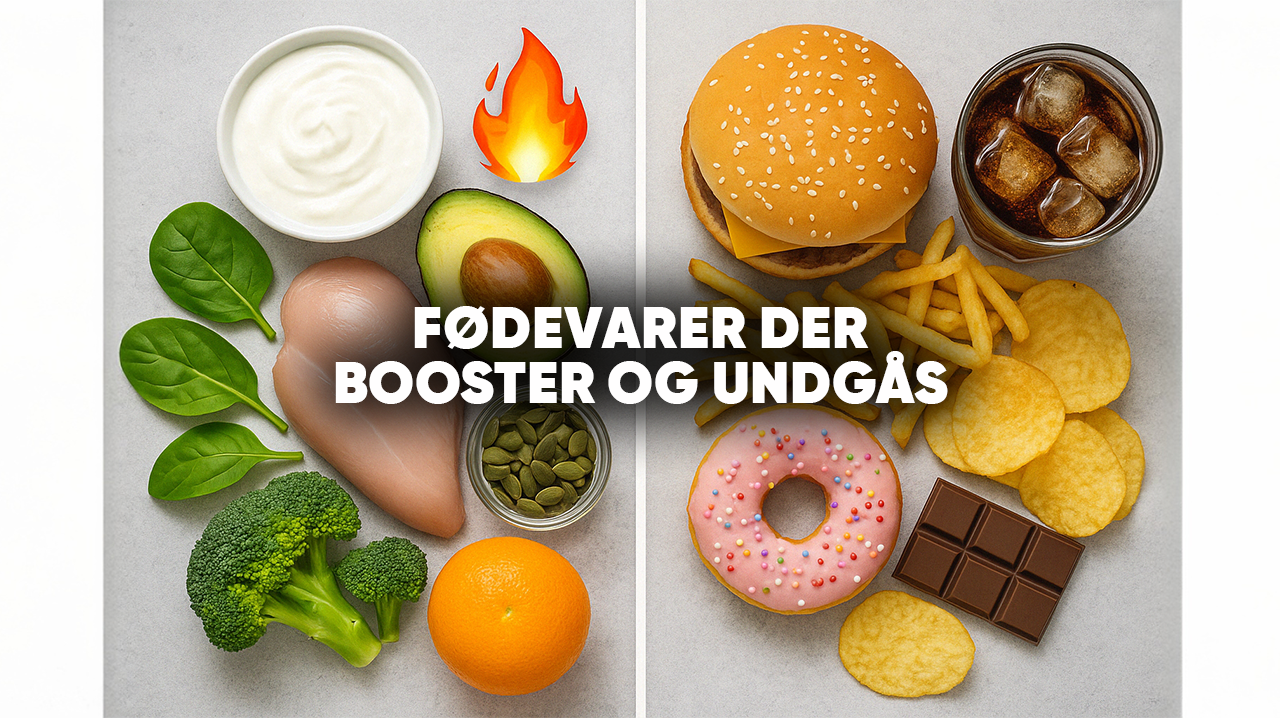
Fat burning is not just about exercise, counting calories, or following strict diets. In reality, your daily food choices play a much bigger role than many people realize. The foods you eat – and the ones you choose to avoid – can either support your body’s natural ability to burn fat or work directly against it. That is why it is essential to understand how your diet affects your metabolism, energy levels, and hormonal balance.
In this article, we take a closer look at how certain foods can actively support fat burning by stabilizing blood sugar, increasing feelings of fullness, and helping the body use energy more efficiently. At the same time, we look at foods that can slow down fat burning, cause energy crashes, and contribute to increased fat storage – often without you noticing it in your everyday life.
The important message is that fat burning is not about extreme solutions, but about conscious and realistic choices that can fit into a normal everyday routine. Small adjustments to your diet can make a significant difference over time – both for your weight, well-being, and overall health. When you understand which foods work with your body and which ones work against it, it becomes much easier to make good choices without feeling deprived.
This article is therefore intended as a practical and user-friendly guide that gives you an overview, knowledge, and specific insights. The goal is not perfection, but balance – and a diet that supports your fat burning in a natural, sustainable, and long-lasting way.
In This Article, We Cover
The 15 best foods for increasing fat burning.
The 10 foods you should avoid.
How to use this information in your everyday life.
The science behind why these foods work the way they do.
Foods That Boost Your Fat Burning
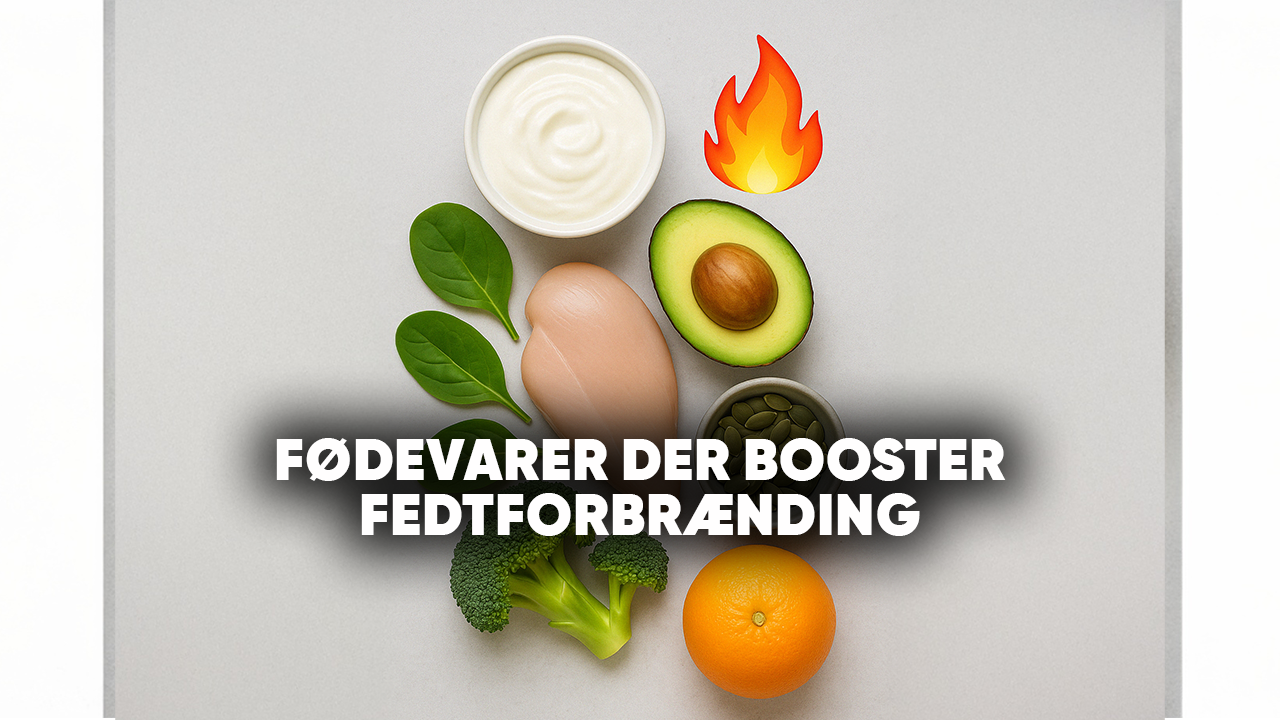
When the goal is to support your body’s fat-burning process, it is not about miracle cures or extreme dietary rules. Instead, it is about choosing foods that work together with your body’s natural processes. Certain foods can help increase metabolism, stabilize blood sugar, and keep you feeling full for longer – three key factors when the body needs to burn fat more efficiently.
Protein-rich foods play a central role because the body uses more energy to digest protein than carbohydrates and fat. At the same time, protein helps preserve muscle mass, which is important because muscles burn more energy – even at rest. Foods such as fish, eggs, lean meat, legumes, and high-protein dairy products can therefore help give your fat burning a natural boost.
Vegetables with a high fiber content are another important piece of the puzzle. Fiber helps keep blood sugar stable, reduces hunger, and supports healthy digestion. When blood sugar does not fluctuate dramatically, the risk of overeating and fat storage is reduced. At the same time, fiber-rich vegetables take up a lot of space in the stomach while containing relatively few calories – a combination that makes them ideal in a diet designed to support fat burning.
Healthy fats also have a place, even though this may seem counterintuitive. Fats from foods such as avocado, nuts, seeds, olive oil, and oily fish can help increase fullness and provide a more stable supply of energy. When the body gets the right fats, it can also help regulate hormones that influence appetite and fat burning.
There are also foods and spices that can have a small but still relevant effect on metabolism. Chili, ginger, and certain spices can temporarily increase the body’s heat production and therefore its energy expenditure. The effect is not dramatic on its own, but as part of an overall dietary strategy, it can be a useful addition.
In short, fat-burning foods are about quality rather than restriction. By choosing foods that keep you full, stabilize your body, and support its natural functions, fat burning becomes a result of healthy habits – rather than a battle against your body.
Below, you will find a specific overview of foods that can effectively boost your daily metabolism.
Lean Protein Sources Boost Your Metabolism
Protein plays a central role in the body’s energy metabolism. Protein-rich foods such as chicken, turkey, eggs, and fish are ideal for weight loss because they keep you feeling full effectively without contributing too many calories.
In addition, when you eat protein, your body actually uses extra energy to break it down and digest it – a process known as the thermic effect of food. This means that you actually burn more calories when consuming protein compared with fat or carbohydrates.
Lean protein sources are particularly beneficial because they provide the necessary nutrients without too much saturated fat and unnecessary calories. This helps you build and maintain muscle mass, which is important because muscles burn more calories – even when you are resting.
By including lean protein sources in your meals, you can therefore stay full for longer, stabilize your blood sugar, and give your metabolism a natural boost. Protein has the highest thermic effect of all macronutrients – the body uses up to 30% of the calories from protein simply to digest it.
Inspiration List – Lean Protein Sources for Your Diet That Boost Your Metabolism
Chicken breast boosts your metabolism – Low in fat and rich in protein.
Turkey boosts your metabolism – A good alternative to chicken and also low in fat.
Fish boosts your metabolism – Especially cod, pollock, and haddock. Salmon and mackerel contain healthy fatty acids but slightly more calories.
Eggs boost your metabolism – Especially egg whites, which consist almost entirely of protein.
Low-fat quark or skyr boosts your metabolism – Perfect for breakfast or snacks.
Cottage cheese boosts your metabolism – High in protein and versatile for both sweet and savory dishes.
Lentils and beans boost your metabolism – Plant-based proteins with plenty of fiber.
Tofu and tempeh boost your metabolism – Good vegetarian alternatives.
Lean beef (e.g. minced beef with 3–7% fat) boosts your metabolism – Provides variety, but should be eaten in limited amounts.
Shrimp and shellfish boost your metabolism – Low in fat and high in protein.
Green Tea Boosts Your Metabolism
Green tea is known as one of the most popular natural drinks when it comes to supporting the body’s fat-burning process. It contains a unique combination of antioxidants, particularly catechins (EGCG), and a moderate amount of caffeine. Together, these substances can increase the body’s energy metabolism and help burn more calories – even at rest.
In addition to its effect on metabolism, green tea may also help stabilize blood sugar, slightly reduce appetite, and provide a natural energy boost without the major fluctuations that coffee can sometimes cause. Regular consumption of green tea can therefore be a simple and healthy habit to incorporate into your daily routine if you want to support weight loss or simply keep your metabolism active. Combined with a calorie-conscious diet, green tea can therefore contribute to healthier weight loss.
Inspiration List – Ways to Enjoy Green Tea to Boost Your Metabolism
Classic hot green tea – A simple and effective way to get antioxidants.
Green tea with lemon – Vitamin C may help the body absorb the beneficial compounds more effectively.
Green iced tea – Homemade, refreshing, and without added sugar.
Matcha tea – Powdered green tea leaves with an extra-high concentration of antioxidants.
Green tea with ginger or mint – Provides a fresh taste and additional health-promoting benefits.
Smoothies with green tea – Use cooled tea as the liquid base for a healthy variation.
Green tea as a supplement – Capsules containing green tea extract can be an alternative, but the drink also provides hydration and a calming daily ritual.
Chili and Capsaicin Boost Your Metabolism
Chili is not just a spice that adds heat and flavor – it can also naturally help stimulate your metabolism. The active ingredient in chili, capsaicin, increases the body’s heat production (thermogenesis), which means that you burn more calories in the period after a meal. Capsaicin may also have a mild appetite-suppressing effect, which can help you eat less without feeling deprived.
Chili is therefore an obvious choice if you want to give your meals a healthy and spicy boost while supporting your metabolism. It does not have to be extremely spicy to have an effect – even small amounts of chili can contribute positively.
Inspiration List – How to Use Chili in Your Diet to Boost Your Metabolism
Fresh chili in cooking – Chop it into soups, stews, or stir-fries.
Dried chili or chili flakes – Easy to sprinkle over pizza, salads, or pasta dishes.
Chili dressing or salsa – Use as a flavoring for vegetable sticks or meat dishes.
Chili-marinated meat or fish – Adds extra flavor and a healthy kick.
Chili in smoothies or juices – A small amount can add a surprisingly fresh kick.
Chili tea – A warm drink made with chili, ginger, and honey for both flavor and health.
Dark chocolate with chili – A small, healthy snack that combines enjoyment with a spicy kick.
Caffeinated Drinks Boost Your Metabolism
Caffeine is one of the most well-documented natural stimulants when it comes to increasing metabolism and energy. When you drink caffeinated beverages, the central nervous system is stimulated, which can increase energy metabolism, improve concentration, and give you greater endurance during physical activity. This means that the body burns more calories both at rest and during exercise.
Caffeine can also release fatty acids from the body’s fat stores so they can be used more easily as fuel. However, it is important to consume caffeine in moderation, as too much can lead to restlessness, sleep problems, or heart palpitations. As part of a balanced diet, caffeinated drinks can be an effective tool for supporting fat burning and maintaining energy throughout the day. However, remember to avoid sugar and high-calorie additions.
Inspiration List – Caffeinated Drinks That Can Help Boost Your Metabolism
Coffee (black or with a little milk) – The classic choice with a high caffeine content and few calories.
Espresso or Americano – Concentrated energy without added sugar.
Green tea – A milder source of caffeine with beneficial antioxidants.
Black tea – A classic tea variety with a moderate caffeine content.
Matcha – Powdered green tea leaves containing both caffeine and antioxidants.
Yerba maté – A South American herbal tea with natural caffeine and a fresh taste.
Cold-brew coffee or tea – A milder flavor while still being rich in caffeine.
Sugar-free energy drinks – Can be consumed occasionally but should not become a daily habit.
Whole-Grain Products Boost Your Metabolism
Whole-grain products are not only a good source of long-lasting energy – they can also help keep your metabolism active. Unlike refined grain products, whole grains contain the bran, germ, and endosperm, giving them a higher content of fiber, vitamins, and minerals. The fiber means the body has to work harder to break down and digest the food, increasing the thermic effect and therefore energy expenditure.
At the same time, whole grains help stabilize blood sugar and keep you feeling full for longer. This means fewer energy fluctuations and less craving for sweets between meals. Replacing white rice, white bread, and regular pasta with whole-grain versions is therefore a simple and effective way to support your metabolism and overall health.
Inspiration List – Healthy Whole-Grain Products That Boost Your Metabolism
Oats – Perfect for breakfast as porridge or overnight oats.
Whole-grain bread – Choose bread with a high fiber content and visible seeds or grains.
Brown rice – A healthier alternative to white rice with more fiber and minerals.
Quinoa – Rich in protein and fiber and suitable for both salads and hot dishes.
Whole-grain pasta – Easy to substitute for regular pasta in your favorite dishes.
Bulgur – Quick to prepare and ideal in salads, stews, or as a side dish.
Rye bread – A classic part of Danish food culture, filling and packed with fiber.
Millet – A gluten-free alternative with good nutritional value.
Barley and spelt – Coarse grains that add substance and provide many minerals.
Green Leafy Vegetables Boost Your Metabolism
Green leafy vegetables such as kale, spinach, arugula, and Swiss chard are rich in fiber and low in calories, making them a great addition for supporting the body’s natural fat-burning process. They are rich in fiber, which helps stabilize blood sugar and provides a longer-lasting feeling of fullness. In addition, they are low in calories but packed with vitamins, minerals, and antioxidants that support the body’s energy metabolism and overall health.
Leafy greens also contain iron and magnesium, which are important for the body’s energy metabolism and muscle function. By eating more green vegetables, you can therefore promote your metabolism, support a healthy gut microbiome, and make it easier to maintain your weight. They are also versatile and can be used in everything from salads and smoothies to hot dishes.
Inspiration List – Green Leafy Vegetables for Everyday Meals That Boost Your Metabolism
Spinach – Easy to use in smoothies, salads, and hot dishes.
Kale – Packed with fiber and vitamins, perfect in soups or as crispy kale chips.
Arugula – Adds a peppery flavor to salads, wraps, and sandwiches.
Lettuce (e.g. romaine or little gem lettuce) – Light, crisp, and low in calories.
Swiss chard – Versatile and nutritious, great in stir-fries or steamed as a side dish.
Lamb’s lettuce – Mild and delicious in salads.
Pak choi – Popular in Asian cooking and can be fried or steamed.
Broccoli leaves – Often overlooked but full of nutrients and can be used like spinach.
Herbs such as parsley and coriander – Used in small amounts but rich in vitamins and antioxidants.
Nuts and Seeds Boost Your Metabolism
Although nuts and seeds are often high in calories, they are packed with healthy fatty acids, proteins, and fiber that can support a healthy metabolism. When you eat nuts and seeds in moderate amounts, they help stabilize blood sugar, provide a longer-lasting feeling of fullness, and supply the body with essential nutrients such as magnesium, zinc, and vitamin E.
Their high protein and fiber content means the body must use more energy during digestion, contributing to the thermic effect and therefore higher energy expenditure. In addition, healthy fatty acids have a positive effect on the heart, brain, and hormones, which also indirectly supports a healthy metabolism. Nuts and seeds are therefore a smart and nutritious snack choice and work well as toppings for salads, breakfast dishes, or baked goods.
Inspiration List – Healthy Nuts and Seeds That Boost Your Metabolism
Almonds – Rich in vitamin E and great as a snack or in salads.
Walnuts – Packed with omega-3 fatty acids that support the heart and brain.
Cashews – Contain magnesium, which is important for energy metabolism.
Pistachios – High in protein and relatively lower in calories compared with some other nuts.
Chia seeds – Small but powerful, containing fiber, protein, and omega-3.
Flaxseeds – Good for digestion and easy to add to bread and smoothies.
Pumpkin seeds – Contain zinc, magnesium, and healthy fatty acids.
Sunflower seeds – Affordable and versatile, perfect for sprinkling over salads.
Hazelnuts – Crunchy and nutritious, great for both snacks and baking.
Sesame seeds – Small but rich in minerals and perfect for Asian dishes.
Legumes Boost Your Metabolism
Legumes such as lentils, chickpeas, and beans are among the most overlooked but effective foods when it comes to supporting metabolism. They are rich in both plant-based protein and fiber, which means the body has to use extra energy to digest them – a process that increases the thermic effect and therefore your calorie expenditure.
At the same time, legumes provide long-lasting fullness because their fiber helps stabilize blood sugar and maintain steady energy levels throughout the day. They are also an excellent source of important minerals such as iron, magnesium, and zinc, all of which play a role in the body’s energy metabolism. Replacing some of the meat in your meals with legumes can therefore be a simple way to improve your diet, boost your metabolism, and save money on your food budget at the same time.
Inspiration List – Everyday Legumes That Boost Your Metabolism
Lentils – Red, green, or black; perfect in soups, stews, and salads.
Chickpeas – Great in hummus, falafel, or roasted as a crunchy snack.
Kidney beans – A classic ingredient in chili con carne or Mexican dishes.
Black beans – Filling in salads, wraps, or stews.
Butter beans (lima beans) – Mild in flavor and good in stews.
Mung beans – Can be used in Asian dishes or sprouted for crunchy toppings.
Edamame beans – High in protein and easy to enjoy as a snack or in stir-fries.
Fava beans – Great in purées or as a side dish.
Lupin beans – High in protein and often eaten as a snack in Mediterranean countries.
Peas – A classic and easy ingredient, whether fresh or frozen, in many different dishes.
Greek Yogurt and Skyr Boost Your Metabolism
Greek yogurt and skyr are popular choices when you want a healthy, protein-rich snack. They contain significantly more protein than regular yogurt, which means the body must use extra energy during digestion – a process that helps increase the thermic effect and therefore your metabolism.
The high protein content also helps preserve and build muscle mass, which is important because muscles burn more calories even when you are resting. In addition, Greek yogurt and skyr provide a good feeling of fullness and can help stabilize blood sugar, helping you avoid unnecessary sugar cravings throughout the day. With their creamy consistency and neutral flavor, they are highly versatile and can be used for everything from breakfast and snacks to healthier desserts.
Inspiration List – How to Use Greek Yogurt and Skyr to Boost Your Metabolism
Breakfast with berries and nuts – A simple and filling start to the day.
Smoothie base – Makes smoothies creamier and richer in protein.
Dip with spices – Mix with garlic, herbs, or chili for a healthy snack dip.
Overnight oats – Combine skyr or yogurt with oats and fruit overnight.
As a replacement for crème fraîche – Use in dressings or on hot dishes for fewer calories.
Dessert with honey and fruit – A healthier alternative to sugary treats.
In baking – Adds moisture and protein to muffins, bread, or pancakes.
As a lunch bowl – With whole-grain granola, seeds, and a little fresh fruit.
As a marinade for meat – The acidity of yogurt helps tenderize the meat and adds flavor.
Apple Cider Vinegar Boosts Your Metabolism
Apple cider vinegar has become popular in recent years as a natural way to support weight loss and metabolism. Although its effect is not miraculous, apple cider vinegar can be a useful addition to a healthy lifestyle. Research shows that it may help stabilize blood sugar after meals and provide a longer-lasting feeling of fullness, which may ultimately result in fewer calories being consumed throughout the day.
The acidic liquid contains acetic acid, which may support digestion and possibly increase the body’s fat burning to a small degree. Apple cider vinegar is therefore best regarded as a little extra help in everyday life – not a solution on its own, but a tool that, together with exercise and a balanced diet, may provide an additional benefit.
Inspiration List – Ways to Use Apple Cider Vinegar to Boost Your Metabolism
As a morning shot – Dilute 1 tablespoon in a glass of water (never drink it undiluted, as it can damage your teeth and stomach).
In salad dressings – Mix with olive oil, mustard, and spices for a fresh flavor.
In marinades for meat or vegetables – Adds acidity and helps tenderize ingredients.
In homemade sauces – For example, in coleslaw or Asian-style dips.
In a glass of water before meals – May help reduce appetite.
As part of a detox drink – Combine with lemon, ginger, and a little honey.
In baking – Can be used as a leavening agent together with baking soda.
Avocado Boosts Your Metabolism
Avocado is a unique fruit that stands out because of its high content of healthy fatty acids, fiber, and vitamins. Although avocado contains more calories than many other vegetables and fruits, it can actually support a healthy metabolism. The healthy monounsaturated fatty acids help the body regulate blood sugar, reduce sugar cravings, and keep you feeling full for longer – making it easier to avoid overeating.
At the same time, avocado is rich in fiber, which increases the thermic effect of digestion and supports a healthy gut microbiome that plays an important role in energy metabolism. Avocado also provides the body with a good amount of potassium, which is important for muscle function – and the more active and muscular your body is, the higher your metabolism. Avocado is therefore an excellent example of how healthy fats can be your friend when you want to support a natural and well-functioning metabolism.
Inspiration List – How to Use Avocado to Boost Your Metabolism
Avocado on rye bread – A classic option with a sprinkle of salt, pepper, and possibly tomato.
Guacamole – Perfect as a dip for vegetable sticks or with Mexican dishes.
Avocado in salads – Adds creaminess and fullness to both green and protein-rich salads.
Avocado in smoothies – Makes them extra creamy and nutritious.
Avocado as a topping – On omelets, wraps, or bowls.
Baked avocado halves – With an egg in the middle and spices for a protein-rich meal.
Avocado cream – Blended with yogurt or skyr as a healthy sandwich spread.
Avocado in desserts – For example, in chocolate mousse or ice cream, where it provides a creamy consistency without butter or cream.
Avocado in sushi – A classic filling that provides both flavor and texture.
Berries Boost Your Metabolism
Berries such as blueberries, raspberries, and strawberries are small, low-calorie but powerful sources of nutrition that can play an important role in supporting your metabolism. They are packed with fiber, vitamins, minerals, and antioxidants – particularly polyphenols – which may help regulate blood sugar and reduce inflammation in the body. Stable blood sugar and a healthy gut microbiome are essential for efficient energy metabolism and therefore better fat burning.
Although berries are naturally sweet, they contain fewer calories than many other fruits, making them ideal when you want to enjoy something delicious without adding too many calories. The fiber in berries also provides longer-lasting fullness and helps keep your energy levels stable throughout the day. Berries can therefore be enjoyed as a natural snack, as a topping for meals, or as a fresh ingredient in both healthy and sweet dishes.
Inspiration List – Healthy Ways to Eat Berries to Boost Your Metabolism
Fresh berries as a snack – A quick, low-calorie snack.
Berries as a topping on yogurt or skyr – Adds flavor, fiber, and color.
Berries in smoothies – Makes them sweet and full of antioxidants.
Berries as an ingredient in salads – For example, blueberries or strawberries in green salads.
Berries in oatmeal or overnight oats – Both fresh and frozen berries work perfectly.
Berries as a frozen snack – Frozen grapes, blueberries, or raspberries are refreshing and healthy.
Berries in homemade desserts – For example, berry mousse or baked berries with a few nuts.
Berries in sauces or compotes – For example, with whole-grain pancakes or yogurt.
Berries in ice cubes – Freeze berries in water and use them to make drinks more appealing.
Oily Fish Boosts Your Metabolism
Oily fish such as salmon, sardines, mackerel, and herring are rich in omega-3 fatty acids, which are not only beneficial for the heart and brain but may also support the body’s metabolism. Omega-3 fatty acids help regulate metabolism, reduce inflammation, and improve the muscles’ ability to use fat as an energy source. The more efficiently your body converts fat into energy, the easier it becomes to maintain a healthy weight.
Oily fish is also an excellent source of protein, and the combination of protein and healthy fats provides longer-lasting fullness. When you stay full for longer, the risk of snacking and overeating is reduced. Eating oily fish a few times a week can therefore benefit your health while giving your metabolism a natural boost.
Inspiration List – Healthy Ways to Eat Oily Fish to Boost Your Metabolism
Salmon on rye bread – A simple and filling lunch with plenty of omega-3.
Oven-baked mackerel or herring – Served with hearty vegetables as a side dish.
Grilled salmon – Combined with salad or whole grains for a nutritious meal.
Sushi with salmon or tuna – A fresh, protein-rich option.
Smoked mackerel or herring – A quick solution for lunch or dinner.
Salmon patties – A healthy alternative to traditional meatballs.
Tuna salad – Made with skyr or Greek yogurt as a light sandwich topping.
Fish stew with coconut milk – Creamy and full of nutrition.
Sardines on salad – An easy and affordable way to get more omega-3 fatty acids.
Water Boosts Your Metabolism
Water is absolutely essential for the body’s functions – and this also applies to your metabolism. The body needs fluids to transport nutrients, regulate body temperature, and support digestion. When you are well hydrated, your metabolism works more efficiently, and even mild dehydration can reduce the body’s ability to burn calories.
Studies have shown that a glass of cold water may slightly increase energy expenditure because the body uses energy to warm the water to body temperature. Water can also help reduce feelings of hunger and prevent thirst from being mistaken for hunger. Drinking enough water throughout the day is therefore a simple but effective way to support your metabolism.
Inspiration List – Ways to Drink More Water in Everyday Life That Can Help Boost Your Metabolism
Start the day with a glass of water – Get your body going first thing in the morning.
Drink a glass of water before each meal – Helps both digestion and feelings of fullness.
Make flavored water – Add lemon, cucumber, mint, or berries.
Drink cold water – The body uses energy to warm it.
Use a reusable water bottle – Makes it easier to remember to drink enough.
Drink herbal tea without sugar – A good way to vary your fluid intake.
Freeze berries or fruit into ice cubes – Makes water more appealing.
Set reminders – Use your phone or apps to remind yourself to drink regularly.
Eat water-rich foods – For example, cucumber, melon, and tomatoes as an additional source of fluids.
Dark Chocolate (Min. 70% Cocoa) Boosts Your Metabolism
It may sound almost too good to be true – but a small piece of dark chocolate can actually help support your metabolism. Dark chocolate with a high cocoa content (at least 70%) is rich in antioxidants, fiber, and healthy fatty acids, which may have a positive effect on metabolism. Cocoa also contains substances such as theobromine and a small amount of caffeine, which can stimulate the central nervous system and increase energy metabolism.
Dark chocolate can also help reduce sugar cravings because its intense flavor often means you are satisfied with a small amount. In this way, it can be a good substitute for sweets filled with refined sugar. When dark chocolate is enjoyed in moderation, it can therefore be both a healthy luxury and a small boost for your metabolism.
Inspiration List – Healthy Ways to Enjoy Dark Chocolate to Boost Your Metabolism
A small piece as a snack – Satisfies your sweet tooth without overdoing it.
In smoothies – Blend cocoa or a little dark chocolate into a protein-rich smoothie.
As a topping on skyr or yogurt – Grate a little dark chocolate over it for extra flavor.
Together with nuts and berries – A nutritious and delicious combination.
In oatmeal – Add small pieces that melt and provide an intense flavor.
In homemade energy bars – Combine with oats, nuts, and dates.
Melted chocolate – Use it for dipping strawberries or banana as a healthier dessert.
In baking – Use instead of milk chocolate in cakes or muffins.
As hot cocoa – Made with unsweetened cocoa, a little dark chocolate, and low-fat milk.
Foods You Should Avoid If You Want to Lose Fat
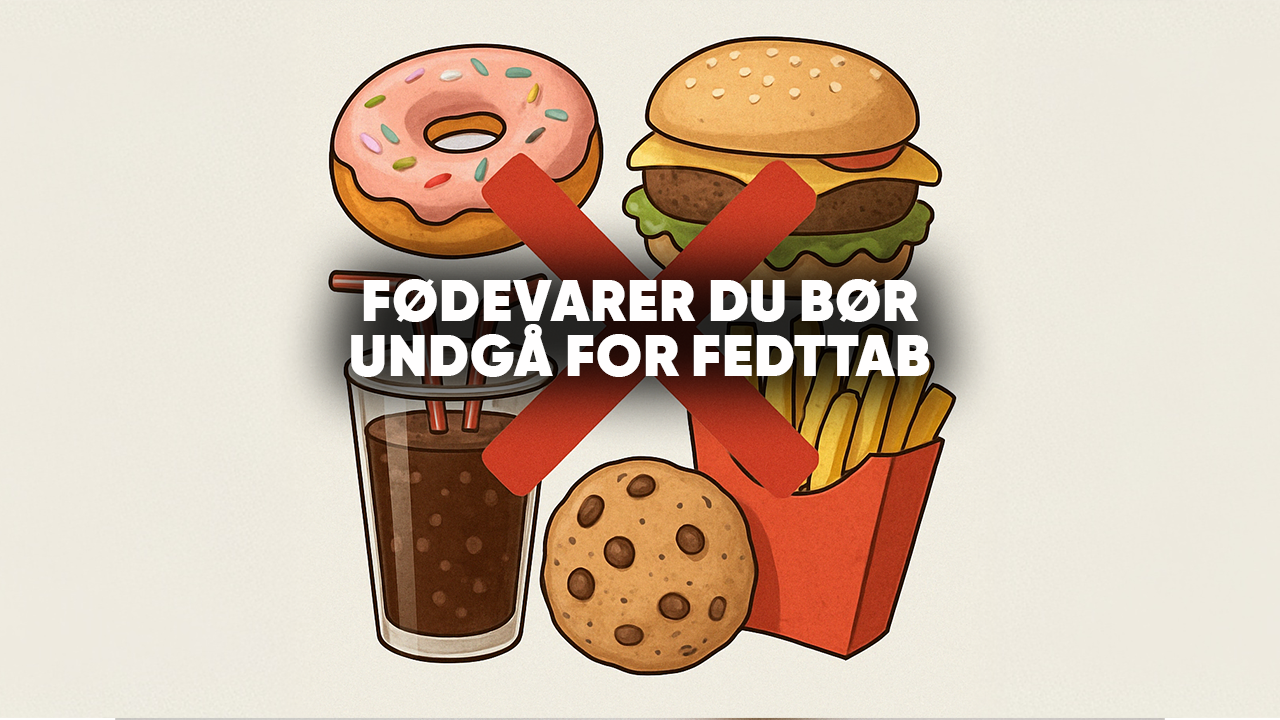
If you want to lose fat, it is just as important to pay attention to which foods work against fat burning as it is to choose foods that support it. Many common everyday products can make it more difficult for the body to burn fat efficiently, even when you eat them in what appear to be moderate amounts.
One of the biggest challenges is foods that are high in refined sugar. Sugary snacks, cakes, soft drinks, and sweet breakfast cereals provide quick energy, but they also cause significant fluctuations in blood sugar. When blood sugar rises quickly, the body releases more insulin, which promotes fat storage and inhibits fat burning. At the same time, these foods often provide only short-term fullness, increasing the risk of overeating later in the day.
Refined carbohydrates such as white bread, white pasta, and white rice can have a similar effect. They lack fiber and nutrients and are quickly converted into sugar by the body. This means they rarely provide lasting fullness and can instead lead to energy crashes and increased hunger, making fat loss more difficult in the long term.
Processed foods are another category that should often be limited. Ready meals, fast food, and ultra-processed products typically contain large amounts of hidden sugar, unhealthy fats, and salt. These foods are designed to be highly palatable, which can make it difficult to stop eating even when your body has actually received enough energy.
Liquid calories are also worth paying attention to. Sugary drinks, juice, and alcohol provide many calories without creating real fullness. Alcohol in particular can act as a hidden obstacle to fat burning because the body prioritizes burning alcohol before fat, temporarily putting fat burning on hold.
However, it is not about banning foods, but about awareness and balance. By reducing your intake of these foods and choosing more nutritious alternatives instead, you give your body better conditions for losing fat in a healthy, stable, and sustainable way. Small everyday changes can make a significant difference over time.
Below, you will find a specific overview of foods you should avoid if you want to lose fat.
Sugary Drinks Should Be Avoided If You Want to Boost Your Fat Burning
Sugary drinks such as soft drinks, energy drinks, and sugary cordials are among the biggest hidden culprits when it comes to weight gain and reduced metabolism. They often contain large amounts of sugar but provide no real feeling of fullness. This means you can easily consume many extra calories without feeling as though you have eaten anything.
At the same time, the body experiences a rapid blood sugar boost followed by a sudden drop, which can lead to tiredness, sugar cravings, and even more snacking. Regular consumption of sugary drinks is therefore one of the biggest barriers to weight loss and an active metabolism. If you want to optimize your fat burning, this is one of the first areas you should address.
Inspiration List – Healthy Alternatives to Sugary Drinks If You Want to Boost Your Fat Burning
Water – The best choice for supporting both metabolism and hydration.
Flavored water – Add lemon, lime, cucumber, berries, or mint.
Sparkling water – Gives you fizz without the empty calories.
Herbal tea – Hot or cold, without added sugar.
Green tea – Provides both caffeine and antioxidants.
Black tea – A classic, calorie-free option with moderate caffeine.
Coffee (without sugar or cream) – A natural energy booster when consumed in moderation.
Infused water – Make your own combinations such as orange & mint or strawberry & basil.
Homemade iced tea without sugar – Brew tea, allow it to cool, and add fresh fruit.
Processed Foods Should Be Avoided If You Want to Boost Your Fat Burning
Processed foods such as fast food, chips, ready meals, and sugary snacks can be a major challenge if you want to lose fat. They are often rich in refined carbohydrates, sugar, unhealthy fats, and additives that provide many calories but very little nutrition. These foods tend to disrupt the body’s signals and cause rapid rises in blood sugar followed by drops, which can lead to hunger, cravings, and overeating.
In addition, many processed products contain artificial flavor enhancers and salt that make them difficult to resist while also potentially affecting energy metabolism and your overall health negatively. If you want a stable metabolism and a healthy weight, you should therefore limit your intake of highly processed foods and instead choose ingredients and meals with a naturally high nutritional value.
Inspiration List – Healthy Alternatives to Processed Foods If You Want to Boost Your Fat Burning
Fresh vegetables – Eat them raw, steamed, or baked as nutritious snacks and side dishes.
Fruit – A naturally sweet alternative to sugary snacks.
Whole-grain products – For example, rye bread, oats, or whole-grain pasta instead of white bread and pasta.
Homemade meals – Where you control the ingredients yourself and avoid hidden additives.
Nuts and seeds – Provide both fullness and healthy fatty acids.
Legumes – Lentils, chickpeas, and beans as protein-rich alternatives to ready meals.
Lean meat or fish – Freshly prepared rather than breaded or pre-prepared versions.
Skyr or Greek yogurt – A better choice than sweetened dairy products or desserts.
Homemade snacks – For example, vegetable sticks with hummus or roasted chickpeas.
Refined Carbohydrates Should Be Avoided If You Want to Boost Your Fat Burning
Refined carbohydrates, often found in white bread, cakes, pasta, and sugary snacks, cause rapid increases in blood sugar followed by a drop in energy levels. This imbalance can make you feel hungrier and increase cravings for more sugar and quick snacks. At the same time, it inhibits the body’s ability to use fat efficiently as fuel because insulin levels remain high, blocking fat burning.
By reducing refined carbohydrates and choosing whole-grain and fiber-rich alternatives instead, you can stabilize your blood sugar, stay full for longer, and give your body the best possible conditions for burning fat. Small everyday changes, such as replacing white bread with whole-grain bread or choosing nuts and fruit instead of cakes, can make a big difference over time.
Inspiration List – Healthy Alternatives to Refined Carbohydrates
Replace white bread and baguettes with whole-grain bread or rye bread.
Choose whole-grain pasta or bean pasta instead of regular pasta.
Use brown rice, quinoa, or bulgur instead of white rice.
Replace high-sugar breakfast cereals with oats or muesli without added sugar.
Choose fruit, vegetable sticks, or nuts instead of cakes and biscuits.
Use sweet potatoes instead of French fries or chips.
Alcohol Should Be Avoided If You Want to Boost Your Fat Burning
Alcohol can be one of the biggest hidden barriers to effective fat burning. When you drink alcohol, the body prioritizes breaking down the alcohol rather than burning fat because alcohol is treated as a toxin that needs to be removed from the body quickly. This means that fat burning is put on hold until the alcohol is out of your system.
Alcohol also contains many empty calories that provide no vitamins or minerals but can still be stored as fat if they are not burned. Alcohol can also increase appetite and lower inhibitions, making it easier to overeat or choose unhealthy snacks and meals. If you want to boost your fat burning, it can therefore be worthwhile to limit or completely avoid alcohol in everyday life. Even small adjustments – such as cutting back on your Friday beer or replacing an alcoholic drink with an alcohol-free version – can make a noticeable difference in the long term.
Inspiration List – Healthy Alternatives to Alcohol
Choose sparkling water with fresh lime, lemon, or cucumber as a refreshing alternative.
Make mocktails using fresh berries, mint, and sparkling water.
Drink iced tea without added sugar or make your own cold-brew tea.
Enjoy alcohol-free beer or wine if you miss the taste.
Use kombucha or water kefir as an exciting and healthy alternative.
At social events – Have a delicious alcohol-free drink ready so you do not feel as though you are missing out.
**********************************************************************
Get inspiration for creating a good balance with alcohol in your everyday life in our article – Good Tips for Drinking Less Alcohol – Your Guide to a Healthier Alcohol Balance
Artificial Sweeteners Should Be Avoided If You Want to Boost Your Fat Burning
Many people choose artificial sweeteners as an alternative to sugar because they contain few or no calories. However, research suggests that artificial sweeteners may have a negative effect on the body’s ability to regulate appetite and metabolism. They may, among other things, disrupt gut bacteria, increase cravings for sweet foods, and in some cases affect the insulin response, which may inhibit fat burning.
Artificial sweeteners can also maintain the habit of having a sweet taste in your diet, making it more difficult to become accustomed to naturally sweet and healthy alternatives. Despite the low calorie content of artificial sweeteners, sweeteners such as aspartame and sucralose, which are found in products such as Coke Zero and Pepsi Max, have not shown any long-term effect on weight loss. For this reason, WHO advised against their use for this specific purpose in 2023, as studies have shown potential side effects and a lack of effect on body fat.
To support stable fat burning and a healthier lifestyle, it is therefore a good idea to reduce or completely avoid products such as diet soft drinks, sugar-free sweets, and artificially sweetened yogurt. By choosing natural alternatives and training your taste buds to enjoy the natural sweetness of whole foods, you can both reduce your sugar cravings and promote the body’s fat-burning process.
Inspiration List – Natural Alternatives to Artificial Sweeteners
Use fresh fruit for natural sweetness in yogurt, smoothies, or baked goods.
Sweeten with berries – For example, blueberries, strawberries, or raspberries – instead of artificial sweeteners.
Use a little honey or maple syrup in small amounts as natural alternatives.
Add cinnamon or vanilla to oatmeal or coffee to enhance sweetness without sugar.
Choose unprocessed, unsweetened products (such as skyr or plain yogurt) and add your own natural flavorings.
Practice gradually reducing your need for sweet flavors so that your taste buds can adapt.
Fast Food Should Be Avoided If You Want to Boost Your Fat Burning
Fast food may seem like a quick and easy solution in a busy everyday life, but it is rarely a good choice if you want to support your fat burning. Many fast-food meals contain large amounts of unhealthy fats, refined carbohydrates, and hidden sugar. This combination causes rapid rises in blood sugar followed by an energy crash, which can both increase cravings for more junk food and make it more difficult for the body to burn fat efficiently. Fast food is also often packed with salt, which can cause water retention and make you feel heavy and bloated. On top of that, portions are often large, making it easy to consume far more calories than the body needs.
In the long term, this can contribute to weight gain and reduce the body’s ability to keep fat burning active. In addition, trans fats found in many fast-food meals are harmful to the body and can increase the risk of cardiovascular disease. If you want to optimize your fat burning, it is therefore a good idea to limit fast food and instead focus on homemade alternatives where you control the ingredients yourself. Small changes – such as making a homemade burger with a whole-grain bun, lean meat, and plenty of vegetables – can make a big difference.
Inspiration List – Healthy Alternatives to Fast Food
Make homemade burgers with whole-grain bread, vegetables, and lean meat or a plant-based patty.
Replace deep-fried French fries with baked potato wedges or oven-baked sweet potatoes.
Make wraps with whole-grain tortillas, chicken or beans, and plenty of vegetables.
Replace takeaway pizza with homemade pizza using a whole-grain or cauliflower base.
Use healthy dips such as hummus, guacamole, or Greek yogurt instead of mayonnaise and high-fat dressings.
Keep healthy snacks ready at home (e.g. nuts, vegetable sticks, fruit) to reduce the temptation to buy fast food.
You can find inspiration for making healthy snacks in our article – Good Tips for Budget-Friendly and Healthy Snacks for the Family
Sugary Breakfast Cereals Should Be Avoided If You Want to Boost Your Fat Burning
It can be tempting to start the day with a bowl of breakfast cereal that promises energy and great taste, but many popular varieties are packed with added sugar and refined carbohydrates. These provide a quick blood sugar and energy boost that is soon followed by a drop, which can result in tiredness and increased sugar cravings later in the day. When blood sugar fluctuates significantly, the body’s ability to burn fat efficiently is disrupted because insulin levels remain high.
At the same time, sugary breakfast cereals do not keep you full for very long, which often leads to eating more and becoming hungry again more quickly. This can create a vicious cycle of constant snacking and cravings. If you want to give your body the best conditions for boosting fat burning, you should therefore cut back on sugary breakfast cereals and choose alternatives that are rich in protein and fiber.
Inspiration List – Healthy Alternatives to Sugary Breakfast Cereals
Choose oats or steel-cut oats topped with fresh fruit, nuts, or seeds.
Eat Greek yogurt or skyr with berries and a little homemade muesli without added sugar.
Make a smoothie with vegetables, berries, and a protein source such as skyr or protein powder.
Eat whole-grain bread with eggs, avocado, or lean toppings instead of a sugary breakfast.
Use cinnamon, vanilla, or a little honey to provide natural sweetness instead of sugar.
Prepare overnight oats with chia seeds, almond milk, and berries as a quick and healthy alternative.
***************************************************************************
If you want a healthy start to the day and inspiration for healthy smoothies, you can read our article – Good Tips for Budget-Friendly Smoothies for a Healthy Everyday Life
Pastries and Cakes Should Be Avoided If You Want to Boost Your Fat Burning
Although cakes, Danish pastries, and other baked goods can be tempting treats, they are far from ideal if you want to support your fat burning. Most pastries and cakes contain a combination of refined flour, sugar, and unhealthy fats, providing many calories without contributing nutritious vitamins, minerals, or fiber. This combination causes rapid blood sugar increases followed by drops in energy, which can make you feel hungrier and increase cravings for even more sweet foods.
At the same time, the high content of sugar and unhealthy fats inhibits the body’s ability to burn fat because insulin levels remain artificially high. Over time, consuming too many pastries and cakes can therefore not only make it difficult to lose weight but also increase the risk of lifestyle-related diseases. If you want to boost your fat burning, it is about limiting your intake and finding healthier alternatives that can still satisfy your sweet tooth.
Inspiration List – Healthy Alternatives to Pastries and Cakes
Eat fresh fruit or berries as a naturally sweet alternative.
Make homemade energy balls using dates, oats, and nuts.
Use skyr or Greek yogurt with cinnamon and fruit as a dessert.
Bake healthier muffins with whole-grain flour, banana, and berries instead of sugar and white flour.
Enjoy a handful of nuts or dark chocolate (70% cocoa or more) in small amounts if you are craving something sweet.
Drink a cup of naturally flavored tea (e.g. cinnamon or licorice) to help reduce sugar cravings.
Ready-Made Dressings and Sauces Should Be Avoided If You Want to Boost Your Fat Burning
Many ready-made dressings and sauces may seem like an easy way to add extra flavor to food, but they can be a hidden obstacle to fat burning. They often contain large amounts of sugar, refined oils, salt, and preservatives. This means extra calories with little nutritional value while also negatively affecting blood sugar, which can inhibit the body’s ability to burn fat efficiently.
In addition, the many additives may interfere with the body’s natural hunger and fullness signals, making it easier to eat more than you actually need. In the long term, this can contribute to weight gain and make it more difficult to maintain a healthy diet. If you want to boost your fat burning, you can benefit from replacing ready-made versions with homemade alternatives based on fresh and natural ingredients.
Inspiration List – Healthy Alternatives to Ready-Made Dressings and Sauces
Make a simple dressing with olive oil, lemon, and fresh herbs.
Use Greek yogurt or skyr as a base for creamy dressings with garlic, mustard, or herbs.
Blend avocado with lime and coriander to make healthy guacamole.
Make tomato sauce using fresh tomatoes, garlic, onion, and herbs instead of buying ready-made sauce in a jar.
Use tahini mixed with a little lemon juice and water as a nutritious dressing.
Experiment with spices such as paprika, chili, or turmeric to add flavor without extra sugar and fat.
*****************************************************************************************************
If you want inspiration for using spices in an exciting and creative way, you can read our article – Good Tips for Budget-Friendly Spice Blends That Add Extra Flavor to Your Meals
Large Amounts of Fruit Juice Should Be Avoided If You Want to Boost Your Fat Burning
Fruit juice may initially seem like a healthy choice, but in large amounts it can actually work against your fat-burning goals. When fruit is pressed into juice, almost all of the dietary fiber that would otherwise help stabilize blood sugar and provide fullness is removed. What remains is a drink with a high content of natural sugars that quickly causes blood sugar to rise and then fall again. This can lead to increased hunger and sugar cravings – making it harder for the body to burn fat efficiently.
It is also easy to drink far more juice than the amount of whole fruit you would normally be able to eat. One glass of orange juice, for example, can be equivalent to 3–4 oranges, providing many calories in a short time without the same feeling of fullness. If you want to optimize your fat burning, it is therefore best to limit juice consumption and eat whole fruits instead, where the fiber, vitamins, and minerals are preserved.
Inspiration List – Healthy Alternatives to Large Amounts of Fruit Juice
Eat whole fruits instead of drinking them – they provide both fiber and longer-lasting fullness.
Drink water as your main thirst quencher.
Add slices of lemon, lime, cucumber, or berries to water for extra flavor without sugar.
Make vegetable-based smoothies with spinach, cucumber, or broccoli combined with a little fruit.
Try sparkling water with a splash of freshly squeezed lemon or orange instead of drinking a whole glass of juice.
Drink unsweetened iced tea or herbal tea as a low-calorie alternative.
How to Use Your Knowledge About Foods That Boost Your Metabolism in Everyday Life

Knowledge about foods that can support fat burning only becomes truly valuable when you put it into practice in everyday life. Many people find that understanding the theory is easy, but maintaining good habits becomes more difficult when time is limited and everyday responsibilities take over. That is why it is largely about making healthy choices easy, manageable, and realistic.
A good place to start is planning. When you already have an idea of which meals you are going to eat, it becomes easier to put together a diet with a focus on protein, fiber, and healthy fats. At the same time, it reduces the risk of relying on quick emergency solutions that often lead to less beneficial choices. Even a simple weekly meal plan can make a noticeable difference to both fat burning and energy levels.
Shopping habits also play a central role. By mainly filling your shopping basket with ingredients such as vegetables, whole grains, fish, eggs, lean meat, and legumes, you create a natural foundation for meals that support your metabolism. The fewer highly processed foods you have at home, the easier it becomes to stick to your good intentions in everyday life.
The way you put your meals together also matters. When each meal contains a good protein source, fiber-rich vegetables, and a smaller amount of healthy fats, you achieve better fullness and more stable energy. This can reduce snacking and cravings that might otherwise get in the way of fat loss over time.
It is also worth thinking in terms of small adjustments rather than major changes. Replacing sugary snacks with more filling alternatives, choosing water or tea instead of sweet drinks, and adding more vegetables to your usual meals are examples of changes that are easy to maintain. Over time, these small choices can collectively have a significant impact on your metabolism.
Finally, it is important to remember that food and lifestyle are closely connected. Sufficient sleep, regular physical activity, and stress management support the effects of the right foods. When the body is in balance, it becomes much easier to take advantage of the potential of a diet designed with fat burning in mind. Ultimately, it is the sum of your daily choices that creates results.
Try Implementing Some of the Following Small Changes in Everyday Life
👣 Make small, manageable changes.
🍞 Replace white bread with rye bread.
💧 Drink water instead of soft drinks.
🥜 Eat nuts instead of chips.
Plan Your Meals With Foods That Boost Your Metabolism
When you plan your meals and snacks, it becomes easier to make healthy choices and avoid falling back on quick solutions.
You can find inspiration for creating a meal plan in our article – Save Money on Your Food Budget – Good Tips for an Economical Meal Plan
Prepare Healthy Food in Advance With Foods That Boost Your Metabolism
Meal prep is an effective way to make sure you always have good choices ready – especially on busy days.
If you have a busy everyday routine, you can find inspiration for healthy and quick everyday meals in our article – Good Tips for Cheap and Healthy Everyday Meals That Can Be Made in Under 30 Minutes
Listen to Your Body When You Want to Boost Your Metabolism
Eat when you are hungry. Stop when you are full. Many people overeat or undereat because of habit, emotions, or boredom.
What Does the Research Say About Fat Burning?
Research clearly indicates that fat burning is not controlled by one individual food, but by the interaction between the composition of the diet, the body’s hormonal response, and overall lifestyle. Studies in nutrition and metabolism show that it is particularly the quality of the foods we eat that affects how the body handles energy and fat storage.
One of the most well-documented areas is the importance of protein intake. Research shows that protein has a higher thermic effect than both carbohydrates and fat, meaning the body uses more energy to digest protein. At the same time, adequate protein intake supports the preservation of muscle mass, and muscle tissue is known to increase the body’s overall energy expenditure – even at rest. This makes protein-rich foods an important part of a diet designed to support fat burning.
Research also places significant focus on blood sugar regulation. Diets containing large amounts of refined carbohydrates and sugar have repeatedly been linked to increased insulin release, which can inhibit fat burning and promote fat storage. Conversely, studies show that diets containing more fiber, whole grains, and vegetables contribute to more stable blood sugar levels, better fullness, and a more favorable hormonal environment for fat loss.
Healthy fats have also taken on a more nuanced role in research. While fat was previously often regarded as something that should be avoided, more recent studies show that fats from foods such as fish, nuts, seeds, and plant oils may have a positive effect on fullness, hormonal balance, and metabolic health. It is not the amount of fat alone that matters, but the type of fat.
Finally, research is increasingly pointing to the role of the gut. A diet rich in fiber, vegetables, and a variety of whole foods can support a healthy gut microbiome, which in turn influences appetite regulation, inflammation, and the body’s ability to burn fat efficiently. Although this field is still developing, there are many indications that gut bacteria play a much greater role than previously believed.
Overall, research supports a holistic approach: fat burning is best optimized through a balanced diet focusing on protein, fiber, healthy fats, and minimal processing – combined with sleep, movement, and a sustainable everyday lifestyle. It is this overall combination that creates the most stable and long-lasting results.
The Effect of Protein on Weight Loss
Studies show that a high protein intake:
🔥 Protein increases metabolism.
🍽️ Protein reduces appetite.
💪 Protein promotes fat loss rather than loss of muscle mass.
Fiber-Rich Foods and Fat Loss
Studies on fiber-rich foods show:
🍽️ Fiber-rich foods increase fullness.
🌿 Fiber-rich foods improve digestion.
⚖️ Fiber-rich foods reduce the risk of overweight and obesity.
Sugar and Obesity
Studies show that excessive consumption of added sugar is strongly associated with:
⚖️ Excessive sugar consumption is associated with being overweight.
🩸 Excessive sugar consumption is associated with type 2 diabetes.
🍔 Excessive sugar consumption is associated with increased fat storage, especially around the abdomen.
Water and Weight Loss
One study showed that people who drank 500 ml of water before meals lost 44% more weight over 12 weeks compared with those who did not.
Artificial Sweeteners – A False Friend?
WHO and several researchers warn against the long-term use of artificial sweeteners because they may have negative effects on the gut microbiome and do not produce the desired results for body weight and BMI.
Conclusion
Boosting your fat burning is not only about eating the right foods – it is just as much about avoiding those that can slow down the body’s natural processes. Refined carbohydrates, sugary breakfast cereals, alcohol, artificial sweeteners, fast food, cakes, ready-made dressings, and large amounts of fruit juice are examples of things that may provide short-term enjoyment but can work against your health and goals in the long term.
There is no magical food that can create weight loss on its own. However, by choosing foods that naturally support your body’s ability to burn fat and keep you feeling full, you can give yourself the best possible conditions for success. Small changes in everyday life can make a big difference – and over time, healthy choices will begin to feel natural.
At the same time, you should be aware of which types of foods may work against your goals. With the right knowledge and planning, by choosing the right foods that boost your metabolism and avoiding those that slow it down, you can achieve a balanced, healthy lifestyle – and lasting weight loss.
Remember that it is not about bans and strict rules, but about balance and awareness. The more you focus on giving your body the right building blocks, the easier it becomes to maintain your weight, strengthen your health, and achieve a lifestyle that is both healthy and sustainable.
Mini Guide to Eating Foods That Boost Your Fat Burning – And Avoiding Those That Work Against It
Before you dive into the mini guide, it is important to understand that fat burning is not about individual foods or quick solutions. It is about the overall picture of your food choices and creating habits that make it easier for your body to function optimally.
This mini guide is a summary of the article above and gives you a clear overview of what to focus on in everyday life if you want to eat in a way that boosts your metabolism while avoiding the foods that work against your goals.
🥗 Choose Foods That Actively Boost Your Metabolism
When the goal is to boost your metabolism, it is essential to prioritize foods that work with the body’s natural processes. Protein-rich ingredients, fiber-rich vegetables, and healthy fats help the body use more energy during digestion, stabilize blood sugar, and create longer-lasting fullness. The fuller and more stable you feel, the better the conditions are for your body to increase fat burning throughout the day. It is not about making extreme choices, but about consistently choosing foods that give your body something useful to work with.
🍳 Include Protein in Every Meal to Boost Your Metabolism
Protein plays a central role when you want to boost your metabolism in a healthy and sustainable way. The body uses more energy to break down protein than other nutrients, and protein also helps preserve muscle mass. More muscle means higher energy expenditure – even at rest. By including protein in every meal throughout the day, you create a stable foundation for fat burning and reduce the risk of energy crashes and overeating.
🥦 Use Fiber as a Natural Tool to Increase Your Metabolism
Fiber-rich foods are an often underestimated key when you want to boost your metabolism. Fiber provides volume without many calories, improves digestion, and helps keep blood sugar stable. When blood sugar does not fluctuate dramatically, fat storage is reduced and the body has better conditions for using fat as an energy source. Vegetables, legumes, and whole grains should therefore be regular elements in a diet designed to support fat burning.
🥑 Choose the Right Fats to Support a Stable Metabolism
Eating fat is not the same as storing fat. On the contrary, the right fats can indirectly help boost your metabolism by increasing fullness and supporting hormonal balance. Fats from fish, nuts, seeds, and plant oils provide slow-release energy and reduce cravings for quick carbohydrates. When your diet contains healthy fats in moderate amounts, it becomes easier to maintain stable energy levels throughout the day.
🚫 Limit Foods That Slow Down Your Metabolism
Just as important as choosing the right foods is limiting those that work against your metabolism. Refined sugar, ultra-processed products, and liquid calories can quickly disrupt blood sugar and put fat burning on hold. These foods often provide short-term energy followed by tiredness and hunger, making it more difficult to maintain a diet that boosts your metabolism over time.
🛒 Create Everyday Habits That Make It Easy to Boost Your Metabolism
Your knowledge only becomes truly effective when it is turned into regular habits. Meal planning, conscious shopping, and simple everyday go-to options make it much easier to choose foods that support fat burning. When the good choices are also the easy choices, it becomes easier to maintain a diet that boosts your metabolism without requiring constant willpower.
🧠 Take a Holistic Approach to Get the Most From Your Metabolism
Food can do a lot, but it works best together with the rest of your lifestyle. Sleep, physical activity, and stress levels have a major influence on how your body responds to your diet. When the body is in balance, the effect of the right foods becomes much stronger. A diet that boosts your metabolism works best as part of an overall sustainable lifestyle.
*********************************************************************************
If you need further inspiration for foods that boost your fat burning, you can watch this video – 10 Foods That Will GUARANTEE Fat Loss
-----------------------------------------------------
If you have experience and/or knowledge about how to boost your fat burning in a good way, we would be happy to hear your input and/or suggestions in the comments about other tips for boosting your fat burning in a good, constructive, and lasting way.