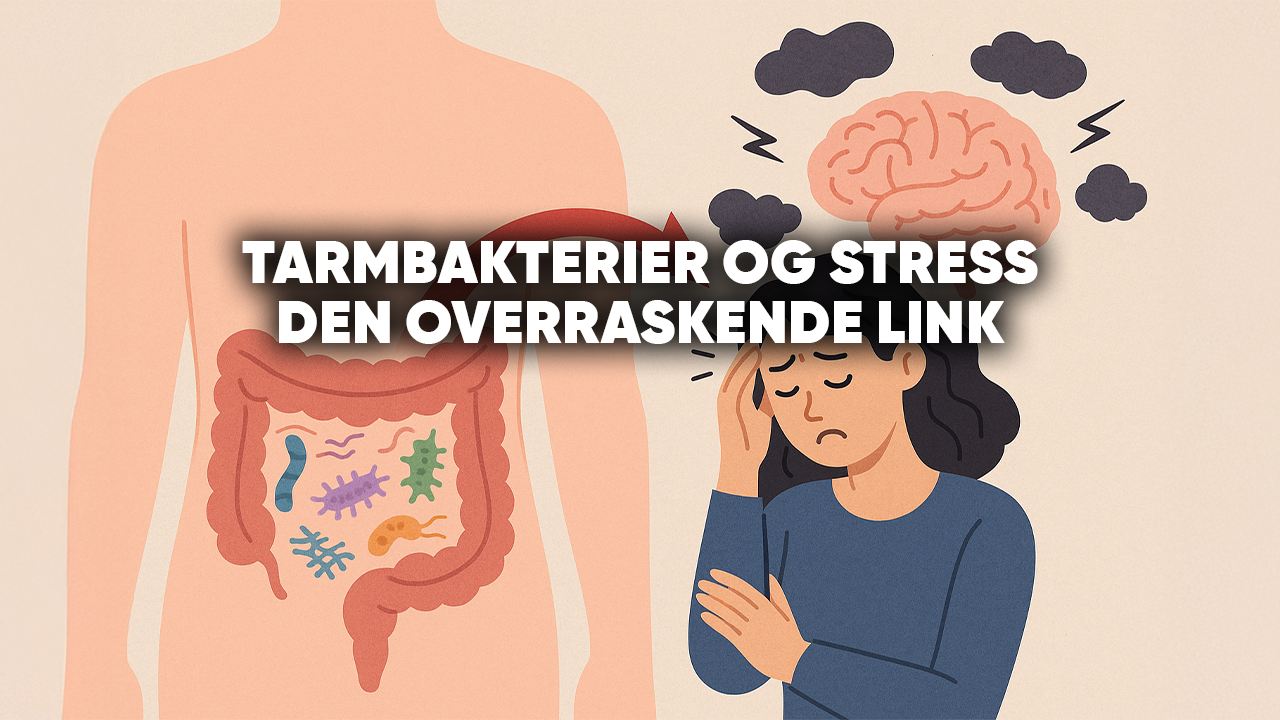
In recent years, there has been significantly greater focus on how our body and mind are more closely connected than we previously believed. One of the most fascinating and, at the same time, most surprising areas is the connection between gut bacteria and our mental well-being. Many people still primarily associate stress and anxiety with thought patterns, work pressure, relationships, or life circumstances, but research increasingly suggests that an important part of the explanation may also be found deep in the stomach – more specifically in our gut flora.
The gut is often referred to as the body’s “second brain”, and there is good reason for that. The gut contains billions of bacteria, which together form a complex ecosystem that plays a crucial role in digestion, the immune system, and hormonal balance. What is less well known is that these bacteria also communicate directly with the brain through the nervous system, hormones, and neurotransmitters. This communication influences how we react to stress, how we handle pressure, and how susceptible we are to restlessness, worry, and anxiety-like symptoms.
When the balance of gut bacteria is disrupted – for example, as a result of prolonged stress, an unbalanced diet, lack of sleep, or repeated courses of antibiotics – it can create a negative cycle. Stress affects the gut environment, while an imbalance in the gut can, in turn, intensify stress and anxiety. This means that mental symptoms do not necessarily only need to be treated “from the head down,” but in many cases also “from the gut up.”
This article explores the surprising and complex connection between gut bacteria, stress, and anxiety. You will gain a basic understanding of how the gut and brain work together, why your diet and lifestyle play a greater role in your mental well-being than many people realize, and how small, realistic changes in everyday life can support both a healthy gut flora and a calmer nervous system. The goal is not quick fixes, but a better overall understanding that can give you more tools to care for both your body and mind in a busy everyday life.
What Are Gut Bacteria?
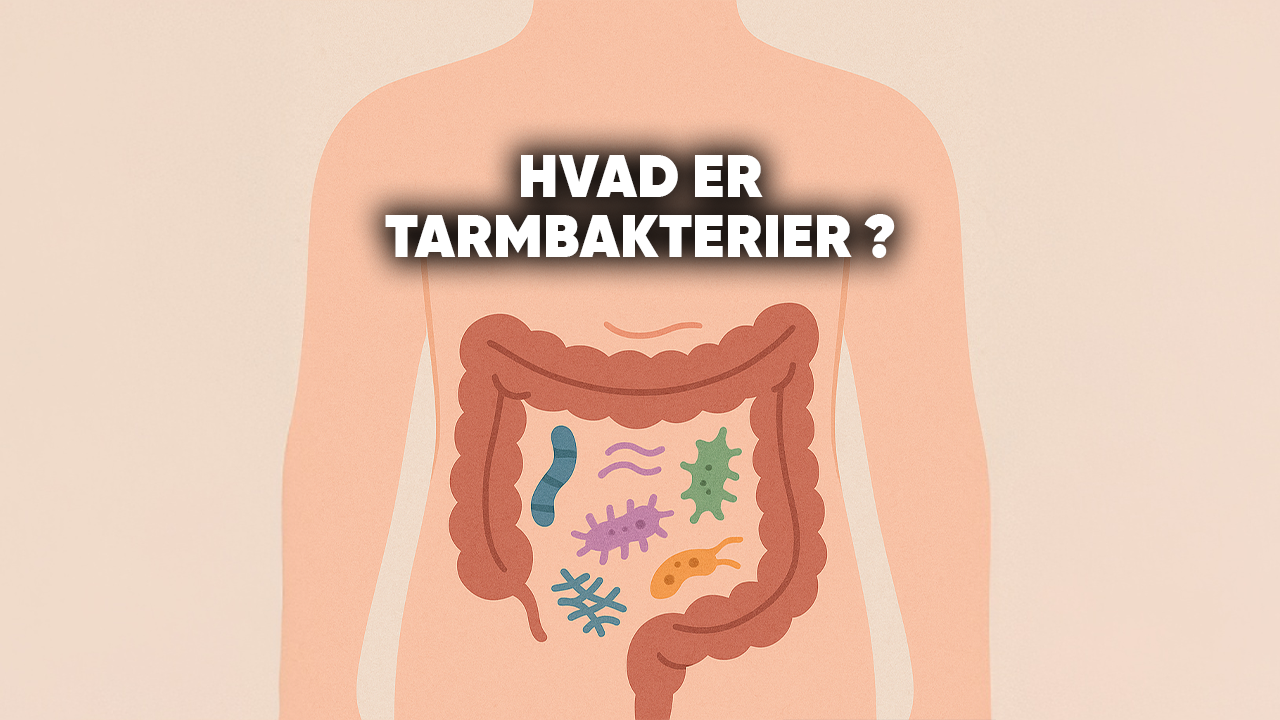
Gut bacteria are the billions of microorganisms that live in our gastrointestinal tract – primarily in the large intestine. Collectively, they are called the gut flora or microbiome, and they form a complex and dynamic ecosystem that has far greater importance for our health than previously believed. In fact, the gut contains more bacteria than we have cells in our entire body, and each type of bacteria has its own functions and tasks.
Gut bacteria primarily help break down and make use of the food we eat. They play a central role in digesting dietary fiber that the body cannot break down on its own and convert it into beneficial substances that, among other things, support the intestinal lining and the body’s energy balance. At the same time, gut bacteria are essential for the absorption of vitamins and minerals as well as the production of important signaling substances and vitamins, including certain B vitamins and vitamin K.
The human microbiome consists of more than 100 trillion microorganisms – far more than the body’s own cells – and it is estimated that there are more than 1,000 different bacterial strains in a healthy adult gut. Gut bacteria also have a close connection to the immune system. A large part of the body’s immune activity takes place in the gut, and a varied and balanced gut flora helps train the immune system to distinguish between what is harmless and what may be harmful.
When this balance is disrupted, it can lead to increased inflammation in the body, which not only affects physical health but can also have consequences for mental well-being. One of the most interesting things about gut bacteria is their ability to communicate with the brain. Through nerves, hormones, and signaling substances, the gut constantly sends messages to the central nervous system. Several of the signaling substances that are important for mood, calmness, and well-being are produced wholly or partly in the gut.
Therefore, the composition of gut bacteria can influence how we respond to stress, how we experience anxiety, and how resilient our mental balance is in everyday life. In short, gut bacteria are not merely passive “helpers” in digestion, but active participants in the body’s overall health. When the gut flora thrives, better conditions are created for both physical energy and mental calm. Conversely, an imbalance in gut bacteria can contribute to increased stress and restlessness, making an understanding of gut bacteria an important first step in working with both body and mind.
Gut Bacteria Have a Wide Range of Important Functions in the Body
🌾 Breakdown of dietary fiber and production of short-chain fatty acids
Gut bacteria symbolize fiber, plant-based foods, and the beneficial processes in the gut.
💊 Synthesis of certain vitamins (e.g. vitamin K and some B vitamins)
Gut bacteria provide a clear visual connection to vitamins and micronutrients.
🛡️ Regulation of the immune system
Gut bacteria symbolize the body’s defenses and protection against imbalance and disease.
🦠🚫 Protection against disease-causing microorganisms
Gut bacteria illustrate the battle between beneficial bacteria and harmful microorganisms.
⚙️🧪 Influence on hormone production and neurotransmitters
Gut bacteria emphasize chemical processes and the body’s internal regulation.
🧠✨ But perhaps even more surprisingly – they also influence our brain and behavior
Gut bacteria directly connect the gut with thoughts, emotions, and behavior in an easy-to-understand way.
The Gut-Brain Axis – The Body’s Hidden Communication Line
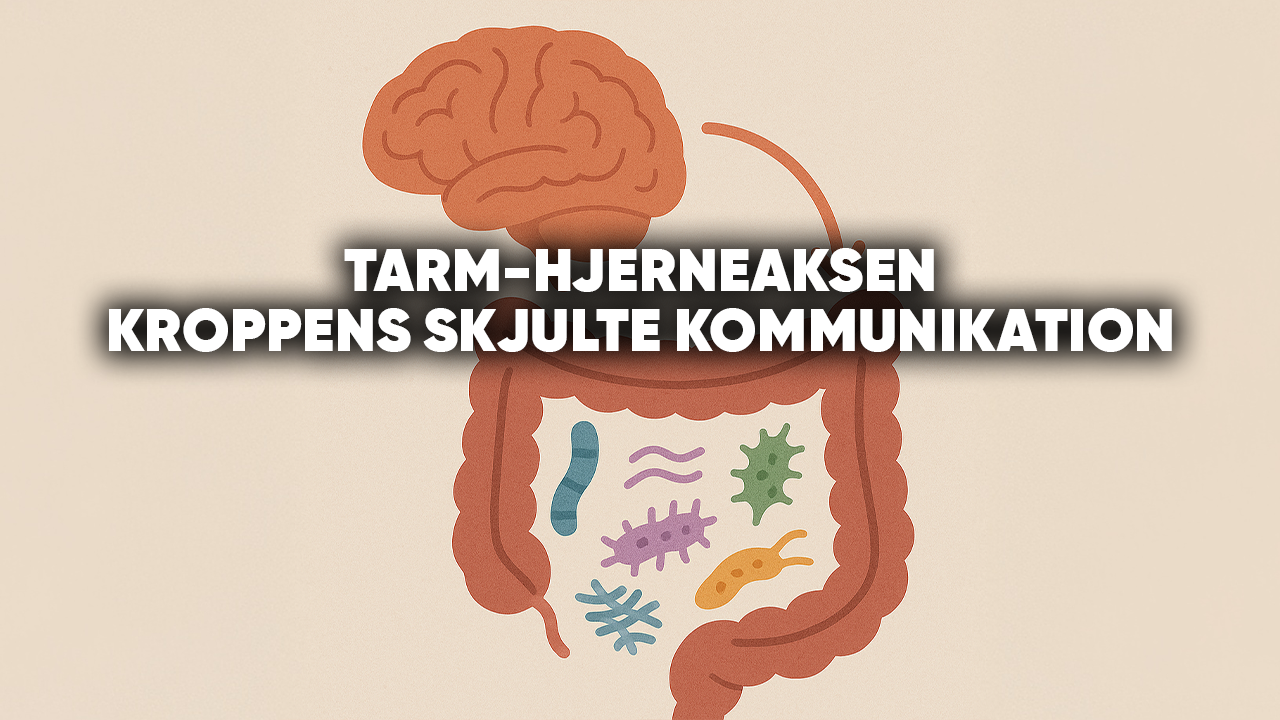
The gut-brain axis is the term used for the advanced and constantly active communication between the gut and the brain. It is not a one-way connection in which the brain alone controls the body, but rather a close collaboration where signals are continuously sent back and forth. This means that what happens in the gut can affect our thoughts, emotions, and stress levels – and conversely, our mental state can have a direct influence on the gut’s function and balance.
Communication takes place through several parallel systems. The nervous system plays a central role, particularly the so-called vagus nerve, which acts as a kind of highway between the gut and the brain. At the same time, hormones, immune substances, and signaling molecules participate in a complex dialogue in which gut bacteria act as active participants. When the gut flora is balanced, signals are sent that support calmness, stability, and mental resilience. If the balance is disrupted, however, the signals may contribute to increased restlessness, stress, and anxiety.
A large proportion of the body’s signaling substances that are important for mood and well-being are produced wholly or partly in the gut. This includes substances that influence feelings of calm, motivation, and sleep. Therefore, changes in the gut environment can affect how we react to pressure, how we handle everyday challenges, and how quickly we recover after stressful periods.
Stress simultaneously plays a dual role in the gut-brain axis. Short-term stress can be useful, but prolonged stress can alter gut movement, affect digestion, and disrupt the balance between beneficial and less beneficial bacteria. This imbalance can then send signals back to the brain that intensify feelings of restlessness and tension. In this way, a self-reinforcing cycle can develop in which stress affects the gut, and the gut affects stress levels.
Understanding the gut-brain axis provides a more nuanced picture of stress and anxiety. It is not only about mental strategies or external pressures, but also about the body’s internal interactions. By working with lifestyle, diet, sleep, and mental habits, this communication line can therefore be supported in a more balanced way. This opens the door to a holistic approach in which both the gut and the mind are given the best possible conditions to function in balance.
How Do the Gut and Brain Communicate?
The gut and brain continuously communicate through what is known as the gut-brain axis – a complex network of:
🧠〰️ Nerves (especially the vagus nerve)
Symbolizes nerve signals and the direct communication line between the gut and brain.
⚖️🧪 Hormones
Illustrates the body’s finely tuned chemical balance and regulation.
🛡️📡 Immune signals
Combines protection with signal transmission between the gut and immune system.
🧬⚡ Metabolic signaling substances, such as short-chain fatty acids and neurotransmitters
Emphasizes energy, metabolism, and signal transmission at the cellular level.
*****************************************************
This means that an imbalance in the gut – for example due to a poor diet, antibiotics, stress, or illness – can affect the brain, and vice versa.
Example – The Impact of Stress on the Gut
Stress affects intestinal movement, blood flow, and the intestinal lining – and can change the composition of the gut flora. This creates a vicious cycle in which stress weakens the gut, and an imbalanced gut flora worsens feelings of stress.
Gut Bacteria and Mental Health – What Does the Research Say?
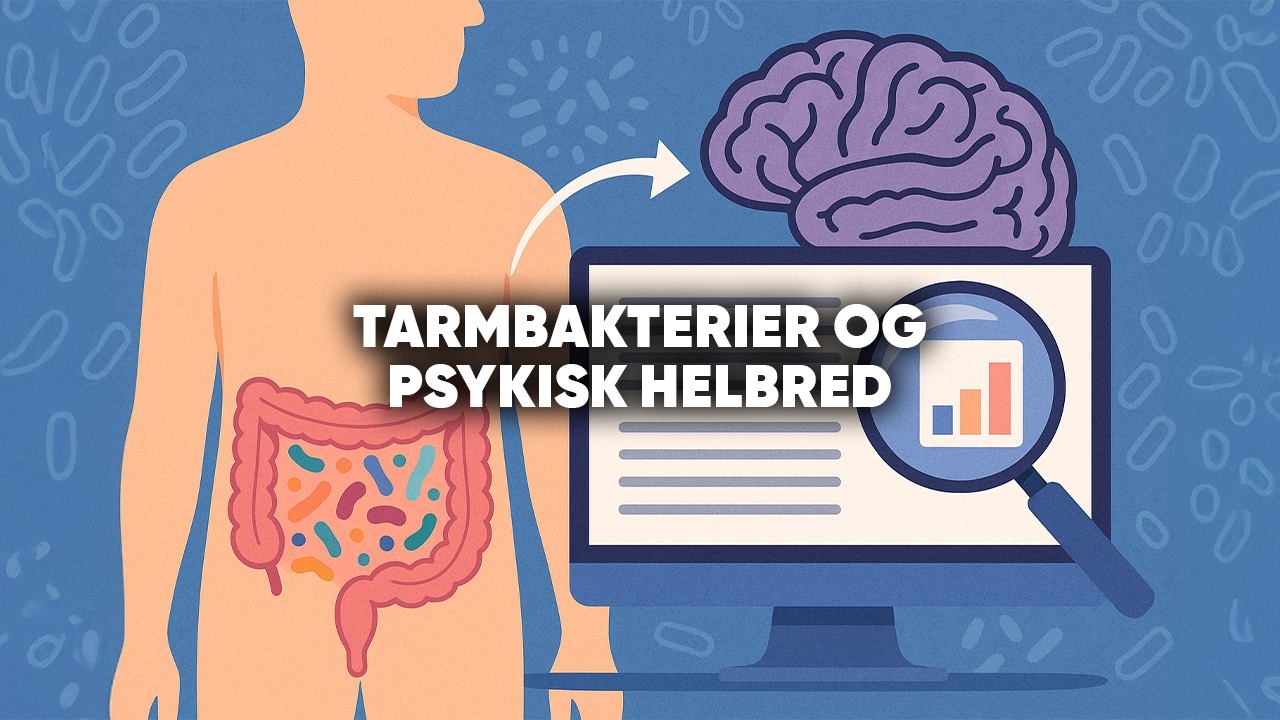
Research into the connection between gut bacteria and mental health has grown significantly in recent years, and the results point in the same direction: the condition of the gut has far greater importance for our mental well-being than previously understood. Today, the gut flora is no longer viewed solely as a digestive system, but as an active participant in regulating stress, anxiety, and emotional balance.
Several studies show that people with stress, anxiety, or depressive symptoms often have a different composition of gut bacteria compared with people who have good mental well-being. It is not necessarily about individual “good” or “bad” bacteria, but rather about a lack of diversity and an imbalance in the gut flora. Low diversity among gut bacteria has been associated in research with increased inflammation, disrupted signaling to the brain, and greater vulnerability to psychological stress.
Animal studies have provided particularly interesting insights. When researchers alter the gut bacteria of laboratory animals, they can observe significant changes in behavior, stress response, and anxiety levels. In some studies, animals without normal gut bacteria have shown increased stress responses and altered behavior, while the addition of certain bacterial strains has been able to reduce stress reactions and produce calmer behavior. Although findings from animal studies cannot be directly transferred to humans, they have been crucial in understanding the mechanisms behind gut-brain interaction.
Human studies point in the same direction. Clinical studies have shown that dietary changes that support a healthy and diverse gut flora can have a positive effect on stress levels and perceived anxiety in some people. There is also growing interest in so-called psychobiotics – bacteria that may potentially influence brain function and mental well-being through the gut. However, the research is still developing, and there are significant individual differences in how people respond.
An important research finding is that the connection between gut bacteria and mental health is bidirectional. Stress and anxiety can alter the gut environment and bacterial composition, while an imbalance in the gut can send signals that intensify psychological distress. This emphasizes that mental health is not only a matter of thoughts and emotions, but also of the body’s biological systems and how they interact.
Overall, the research suggests that working with mental well-being can beneficially be approached in a more holistic way. Gut bacteria are not a miracle solution, but they are an important piece of the puzzle. When knowledge about gut flora, lifestyle, diet, sleep, and mental strategies is combined, better conditions are created for reducing stress and supporting more stable and resilient mental health.
Human Studies on Gut Bacteria and Mental Health Show
🧠😟 People with anxiety or depression often have a different gut flora
Directly connects mental well-being with the internal balance of the gut.
🧪⬇️ Supplementation with - probiotics - can reduce the stress hormone cortisol
Clearly illustrates the regulating effect on the body’s stress response.
🦠🧠✨ Certain strains such as - Lactobacillus rhamnosus - and - Bifidobacterium longum - have documented effects on reducing anxiety-like behavior
Highlights the connection between specific gut bacteria and calmness and behavior in the brain.
So, do you feel a little stressed, tired, or simply somewhat depressed? There may perhaps be help available at Matas or on pharmacy shelves. A brand-new study conducted by researchers from University of Oxford and Leiden University concludes that there is a connection between a particular dietary supplement and our mental well-being.
The study, published in the respected journal Nature, shows that probiotics, also known as lactic acid bacteria, are not only beneficial for the stomach but may also help reduce negative moods. In the study, a group of young, healthy participants were given daily pills containing probiotic bacteria such as ‘Lactobacillus’ and ‘Bifidobacterium’ for one month, and each day the participants were asked to report their mood.
The result? They felt significantly better compared with those who were only given a placebo.
There are several connections between the gut and the brain, including through the vagus nerve, hormones, and the immune system, which is why bacteria from the gut can influence our brains and therefore our mood, according to the researchers behind the study.
The most striking finding was that the effect was not detected by traditional psychological questionnaires – but could clearly be seen in people’s own daily mood reports. The researchers therefore believe that probiotics could be a simple tool for improving mental health – particularly for people who experience mood swings but are not necessarily ill.
The researchers found that it took around two weeks before probiotics had an effect on negative emotions. This corresponds to the amount of time it typically takes for antidepressant medication to work – but while antidepressant medication often reduces both negative and positive moods, the results showed that probiotics only reduced negative emotions.
This may be a potential advantage, but the researchers emphasize that probiotics should not be regarded as a replacement for antidepressant medication. It is therefore possible that probiotics may in the future help regulate negative emotions and thereby help prevent mental illnesses such as depression. However, further research is required, according to the research team behind the study.
Several Other Studies Have Shown
🧪😌 Probiotics - reduce anxiety symptoms compared with placebo
Indicates a documented calming effect.
🦠⬇️📊 People who take probiotics daily report lower stress levels
Illustrates both the biological cause and the measurable effect on stress.
🌙⚡ Daily intake of probiotics is associated with improvements in sleep quality and energy
Connects restful sleep with increased energy in everyday life.
A study in Frontiers in Psychiatry (2020) showed that participants who received Lactobacillus helveticus and Bifidobacterium longum experienced significant improvement in their mental state compared with a control group.
The Concept of “Psychobiotics”
Psychobiotics is the term used for probiotic bacteria that, in a number of scientific studies, have demonstrated a documented positive effect on mental health.
These gut bacteria can produce or stimulate the production of:
GABA – A calming neurotransmitter.
Serotonin – The “happiness hormone,” up to 90% of which is produced in the gut.
Dopamine – Associated with motivation and reward.
Probiotics – Natural Support Against Stress and Anxiety
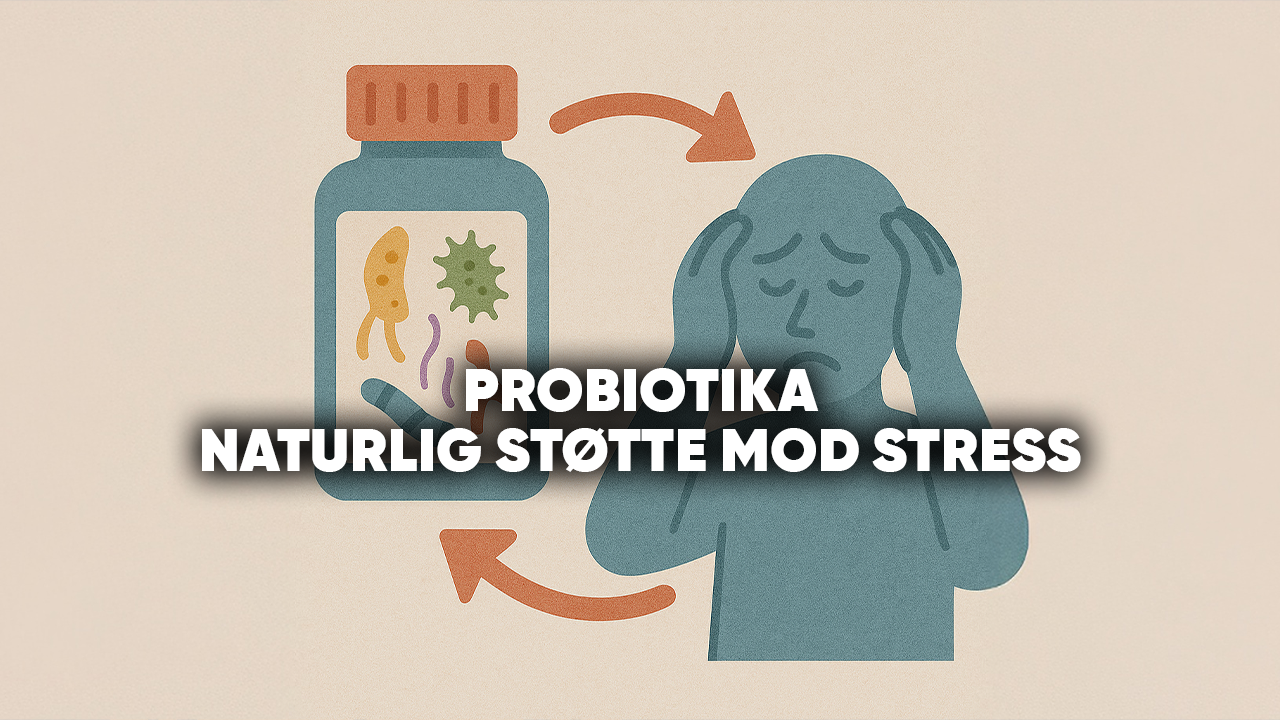
Probiotics are living microorganisms that – when consumed in appropriate amounts – can contribute positively to the balance of the gut flora. In recent years, interest in probiotics has grown significantly, not only in relation to digestion, but also as a potential natural form of support when dealing with stress and anxiety. This is mainly due to the close connection between the gut and the brain, where gut bacteria play an active role in regulating the body’s stress response and mental well-being.
Research suggests that certain probiotic bacteria can influence the production of signaling substances and hormones that affect our ability to manage pressure and restlessness. When the gut flora is in better balance, it may help calm the body’s stress system and create more stable signals to the brain. For some people, this may mean fewer physical stress symptoms such as inner restlessness, tension, and an unsettled stomach, while others may experience a more general feeling of calm and mental energy.
Probiotics may also play a role in relation to inflammation in the body. Prolonged stress and anxiety are often associated with low-grade inflammation, which can affect energy levels, sleep, and mood. By supporting a healthy gut flora, probiotics may help strengthen the gut’s barrier function and reduce inflammatory processes, which may indirectly have a positive effect on mental well-being.
At the same time, it is important to view probiotics as part of a larger whole rather than as a quick solution. Their effect depends on factors including bacterial strains, dosage, duration, and the individual’s lifestyle. Probiotics work best when combined with a varied diet rich in fiber, good sleeping habits, and an everyday routine that also allows time for breaks and recovery. For many people, this can be a gentle, body-focused way of supporting the nervous system without feeling drastic or invasive.
Overall, both experience and research suggest that probiotics may provide natural support against stress and anxiety for some people. Not as a replacement for other measures, but as a supplement that works with the body’s own systems. By giving gut bacteria better conditions, a more stable foundation can simultaneously be created for both physical balance and mental calm.
Examples of Probiotic Foods
🥣 Yogurt with live cultures
🥛 Kefir
🥬 Sauerkraut
🌶️ Kimchi
🍜 Miso
🌱 Tempeh
Inflammation and Mental Well-Being – Another Piece of the Puzzle
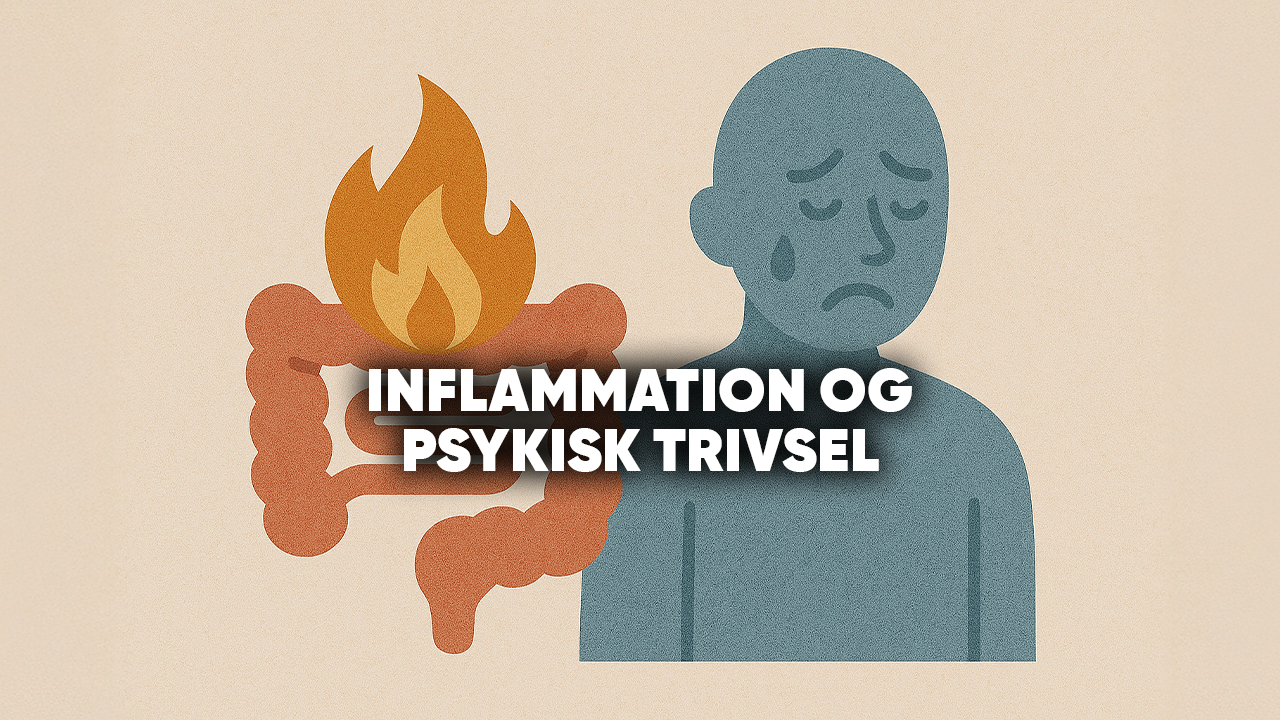
Inflammation is the body’s natural defense mechanism, which helps us fight infections and repair tissue. The problem occurs when inflammation becomes prolonged and low-grade – often without obvious symptoms. This particular form of persistent inflammation has received significant attention in research in recent years because it appears to play an important role in stress, anxiety, and general mental well-being.
The gut is a central factor in this connection. An imbalance in gut bacteria can weaken the gut’s barrier function, allowing unwanted substances to pass more easily into the bloodstream. The body responds by activating the immune system, which can lead to increased inflammation. When this continues over a long period, inflammatory signals can affect brain function and contribute to fatigue, inner restlessness, difficulty concentrating, and a lower tolerance for stress.
Research shows that people with stress and anxiety often have elevated levels of inflammatory markers in the body. These signaling substances can affect brain chemistry and communication between nerve cells, which may in turn intensify feelings of discomfort, worry, and psychological strain. Inflammation therefore becomes not only a physical issue, but also a factor that can influence our mental resilience and emotional balance.
Stress and inflammation also affect each other. Prolonged stress can activate the immune system and increase inflammation, while inflammation can make the body more sensitive to stress. This mutual influence can create a vicious cycle in which both body and mind gradually become more imbalanced. Gut bacteria play an important role here because they help regulate the immune response and keep inflammation under control when they are thriving and balanced. A disrupted gut flora can increase intestinal permeability (known as “leaky gut”), allowing unwanted substances to enter the bloodstream and promote inflammatory conditions.
This Can Lead To:
🔥🧬 Higher levels of - inflammatory cytokines
Indicates inflammation at the cellular level and the body’s immune response.
🧠⬇️🧪 Reduced production of - serotonin - and - dopamine
Illustrates reduced production of signaling substances that are important for mood and motivation.
😟🧠⚠️ Worsening of anxiety and depression symptoms
Emphasizes the mental impact and emotional strain.
**************************************************
By strengthening the gut barrier and balancing the microbiome, probiotics may help reduce inflammation and thereby indirectly improve mental health.
Understanding inflammation as part of the explanation for mental well-being provides a more nuanced picture of stress and anxiety. It emphasizes that mental health is not only about thoughts and feelings, but also about the body’s internal biological environment. By supporting gut health, reducing inflammation through lifestyle and diet, and creating space for recovery, it is possible to work more holistically with both physical balance and mental well-being.
Stress and Anxiety – What Happens in the Body?
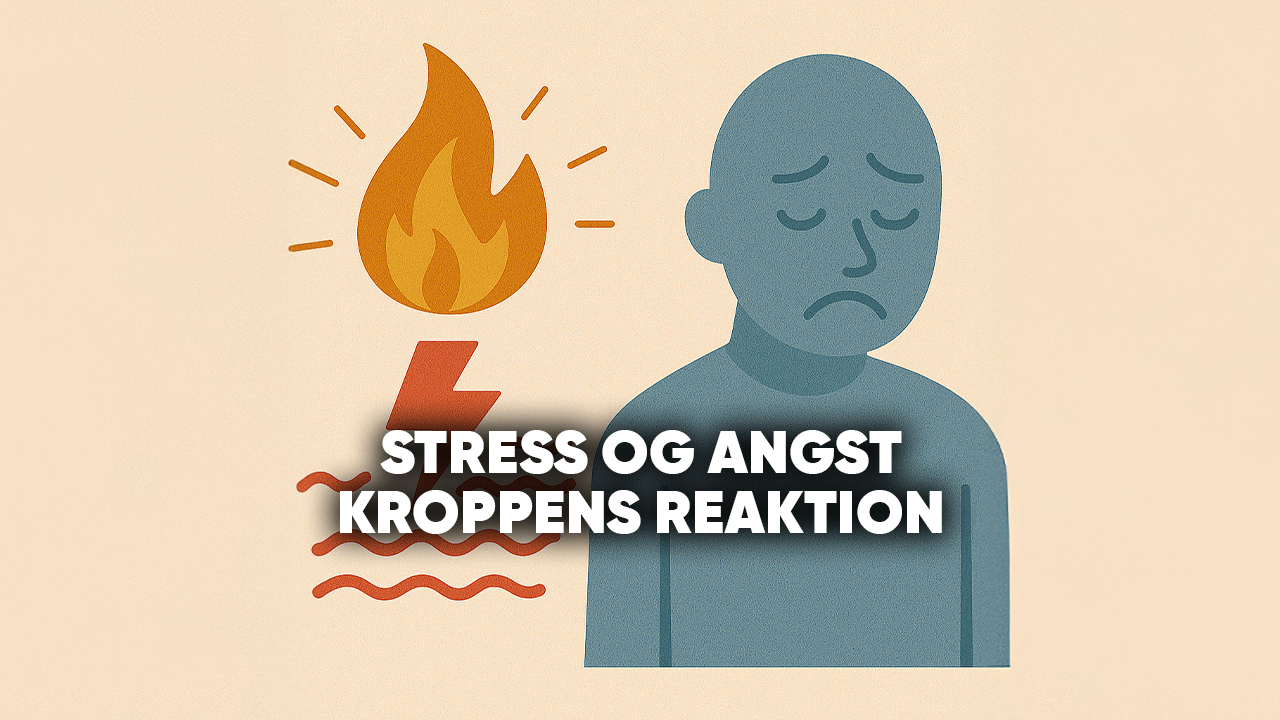
Stress and anxiety are natural reactions that originally served an important function in relation to survival. When the body detects a threat – real or perceived – an advanced alarm system is activated that prepares us to act quickly. The problem arises when this system is activated too often or for too long, as is often the case in modern everyday life characterized by constant pressure, high demands, and insufficient recovery.
When the stress response is activated, the body releases stress hormones that increase heart rate, blood pressure, and breathing. Energy is quickly mobilized so the body is ready for action. At the same time, functions that are not immediately necessary, such as digestion, recovery, and long-term hormonal balance, are given lower priority. In the short term, this reaction can be useful, but prolonged stress can create imbalance in the body.
With anxiety, the stress response is often activated without a specific external threat. The body reacts as though danger is present even when there is no actual danger. This can lead to persistent tension, inner restlessness, heart palpitations, tightness in the chest, an unsettled stomach, and difficulty concentrating. Many people also experience sleep problems and a constant feeling of being on alert, which places additional strain on the nervous system.
Prolonged stress and anxiety affect several of the body’s systems at the same time. The immune system can become overactive or weakened, hormonal balance can be disrupted, and the nervous system can lose its natural rhythm between activity and rest. At the same time, digestion can be negatively affected because the body does not prioritize gut function when it is in a state of alarm. This can contribute to an imbalance in gut bacteria, which can then send signals back to the brain and intensify stress and restlessness.
Brief Overview of the Biological Stress Response
When we experience stress, the body’s HPA axis (hypothalamus-pituitary-adrenal) is activated.
This triggers:
🧪⚡ Cortisol production - from the adrenal glands
Symbolizes stress hormones and the body’s rapid state of alert.
❤️⬆️ Increased heart rate and blood pressure
Illustrates the physical activation of the cardiovascular system during stress.
🛡️⬇️ Temporary suppression of the immune system
Emphasizes that the body’s defenses are given lower priority during stressful periods.
With chronic stress, cortisol levels remain elevated – which can negatively affect the gut flora and create a negative cycle. Understanding what happens in the body during stress and anxiety is therefore an important step toward better management. It makes clear that the symptoms are not “weakness,” but the body’s response to prolonged strain.
By working to calm the nervous system, create more balance in everyday life, and support the body’s internal systems, the stress response can gradually be reduced. This creates better conditions for physical calm, mental clarity, and more stable emotional balance.
How to Support Your Gut and Mind Naturally
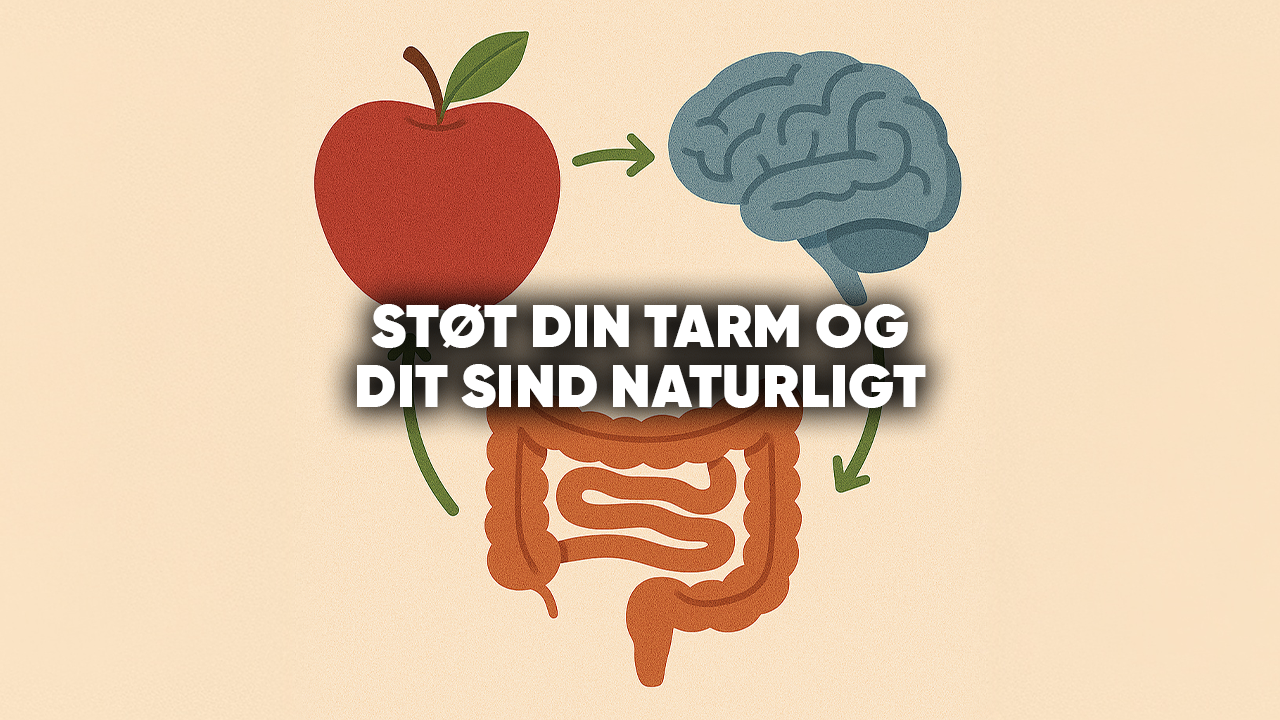
Supporting both the gut and mental well-being is largely about creating better conditions for the body’s own systems. Gut bacteria, the nervous system, hormones, and the immune system work closely together, and small adjustments in everyday life can therefore have a greater impact than you might initially think. Extreme measures are not necessary – often, it is the stable, repeated habits that make the biggest difference over time.
Diet plays a central role in gut health. A varied diet focused on plant-based foods provides gut bacteria with the fuel they need. Dietary fiber acts as nourishment for beneficial bacteria and supports the production of signaling substances that help reduce inflammation and support brain function. At the same time, a high intake of highly processed foods, sugar, and alcohol can put strain on both the gut flora and stress system.
Lifestyle and daily routines also play a major role. Sleep is essential for both gut balance and the nervous system’s ability to recover. Lack of sleep can increase stress levels and disrupt the composition of gut bacteria, which may intensify feelings of restlessness and fatigue. Moderate physical activity supports digestion, stimulates intestinal movement, and at the same time contributes to mental relaxation and better stress management.
Mental calm and breaks are just as important as diet and exercise. When the body is constantly in a state of alarm, both digestion and communication between the gut and brain are affected. Small breaks during the day, calm breathing, and intentional moments without stimulation can help the nervous system shift from stress to recovery. This creates better conditions for the gut to function optimally.
Finally, it is about taking a holistic approach and being patient. Supporting the gut and mind naturally is not a quick fix, but a process in which the body gradually finds greater balance. By working with diet, sleep, movement, and mental habits together, it is possible to break the negative cycle between stress and gut imbalance. The result is often more stable energy, greater mental calm, and stronger resilience to the pressures of everyday life.
The Importance of Diet for the Gut-Brain Connection
A fiber-rich, plant-based diet containing plenty of prebiotic foods (e.g. onions, garlic, bananas, artichokes) creates favorable conditions for beneficial bacteria, which benefits the gut-brain connection.
You can also strengthen the gut-brain connection by:
🚫🍬 Avoiding - ultra-processed foods - and refined sugar.
Indicates avoiding foods that can put strain on the body and supporting a more stable gut flora.
🥬🦠 Eating - fermented foods - regularly.
Highlights natural sources of beneficial bacteria and gut balance.
💊🧪 Adding a targeted - probiotic - (after consulting a doctor/nutrition specialist).
Emphasizes a conscious and professionally guided supplement.
🌙🏃 Getting sufficient sleep and exercise. Connects recovery and movement with both mental calm and healthy digestion, and you can find inspiration for establishing a good daily sleep routine in our article - Good
Tips for a Better and More Stable Sleep Routine – Sleep Well Every Night!
The Importance of Lifestyle and Mental Habits for the Gut-Brain Connection
🧘♀️🧠🌿 Mindfulness and meditation - Have documented effects on both gut and brain function. Find inspiration for how you can work constructively and effectively with mindfulness and meditation in our article - Good Tips for Strengthening Yourself Mentally Through Mindfulness and Meditation
🚶♂️🦠💪 Physical activity - Promotes a healthy microbiome and connects movement with gut bacterial balance and general health. Find inspiration for how you can incorporate exercise into your lifestyle in our article - Good Tips for Effective Exercise Routines for Beginners
🌳🎶😮💨 Stress reduction (e.g. nature, music, deep breathing) supports both the nervous system and gut flora. You can find inspiration for how to work constructively with stress in our article - Tips on How to Avoid Stress and Burnout and Find Calm and Joy in Your Work!
Treatment of the Future? – Gut Bacteria as Mental Medicine
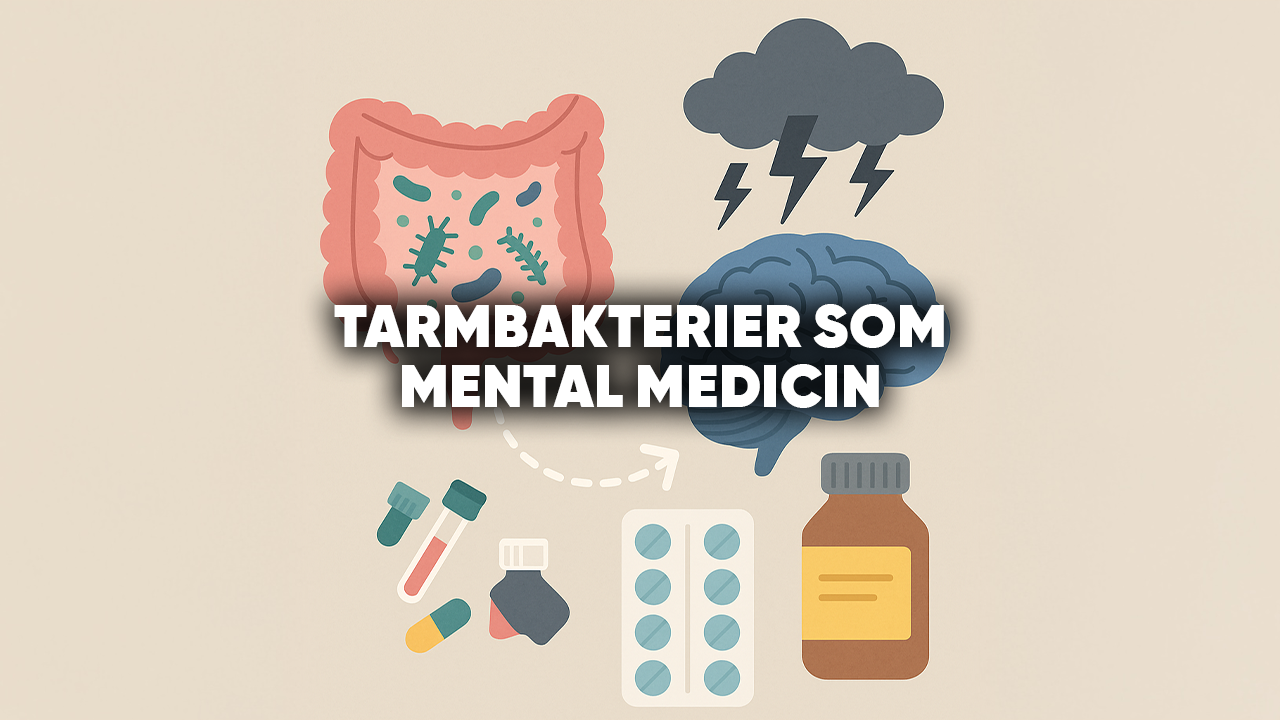
Research into gut bacteria has opened the door to a completely new way of looking at how stress, anxiety, and other mental challenges may potentially be prevented and treated in the future. Instead of focusing exclusively on the brain as the central factor, the body is increasingly being viewed as an interconnected system in which the gut plays a far more active role in regulating mental well-being than previously imagined.
One of the most exciting perspectives is the development of more targeted probiotic treatments, often referred to as psychobiotics. The idea is that certain bacterial strains may support brain function through the gut-brain axis by influencing signaling substances, stress hormones, and inflammatory processes. In the future, this could mean that treatment is increasingly tailored to an individual’s unique gut flora rather than being based on general solutions.
Personalized medicine is a key concept in this development. Since no two people have exactly the same composition of gut bacteria, there is also no single universal solution that works for everyone. The future approach may therefore involve individual analyses of the gut flora, which form the basis for tailored dietary advice, lifestyle changes, and bacteria-based supplements focused on mental balance and stress reduction.
At the same time, this knowledge may contribute to a greater emphasis on prevention rather than treatment. If imbalances in the gut flora that increase vulnerability to stress and anxiety can be identified early, this creates an opportunity to intervene before symptoms become more serious. This may be particularly relevant during periods of increased strain, when the body needs extra support.
However, it is important to emphasize that gut bacteria cannot yet be regarded as a replacement for existing treatments. The research is promising but still developing, and many connections are still being investigated. The future instead points toward a more holistic approach in which gut bacteria, lifestyle, psychological tools, and any necessary medical treatment work together. In this perspective, the gut does not become a miracle solution, but rather an important and natural part of understanding and supporting mental health.
Probiotics as a Supplement to Therapy
Although probiotics cannot stand alone as a treatment for severe anxiety or depression, they are a promising supplement to:
🧠💬 Psychotherapy (e.g. cognitive behavioral therapy)
Symbolizes conversation, reflection, and working with thoughts and behavior.
💊🏥 Medical treatment
Illustrates the clinical and treatment-based approach.
🌱🔄 Lifestyle changes
Emphasizes gradual, sustainable changes in everyday life with a holistic focus.
New Research and Perspectives on Gut Bacteria as Mental Medicine
Several clinical trials are underway to determine:
🦠🎯🧠 Which bacterial strains are most effective against specific mental symptoms?
Conducts investigations and studies that examine targeted intervention, precision, and the connection between gut bacteria and mental symptoms.
🧬📊🔮 How can an individual microbiome profile predict response to treatment?
Conducts investigations and studies that represent personalized analysis, data, and prediction of gut bacteria in relation to treatment response.
🍽️💊🧪 How do diet and gut flora influence psychiatric medication?
Conducts investigations and studies that connect nutrition, medication, and biological interactions in the body.
Conclusion – A New Understanding of Mental Health
The connection between gut bacteria and stress/anxiety clearly demonstrates how closely the body and mind are linked. Mental well-being is shaped not only by thoughts, emotions, and life circumstances, but also by biological processes taking place deep in the gut. When the gut flora is balanced, better conditions are created for calmness, stability, and resilience to the pressures of everyday life. Conversely, an imbalance in gut bacteria may contribute to increased stress, restlessness, and psychological vulnerability.
The gut is not merely a passive digestive tract, but a dynamic, intelligent, and adaptable system that communicates directly with the brain. Based on scientific research conducted to date, a healthy and diverse gut flora appears to be an important piece of the puzzle when it comes to mental balance, stress reduction, and anxiety treatment.
The article has shown that there is no single simple solution, but rather an interaction between several factors. Diet, lifestyle, sleep, movement, and mental habits work together and affect both the gut and the brain. Small, realistic changes can make a noticeable difference over time, particularly when the focus is on consistency rather than quick results. It is about giving the body the right conditions to regulate itself.
At the same time, research points toward new and exciting possibilities in which gut bacteria may increasingly become part of a more holistic approach to mental health. Not as a replacement for existing treatments, but as an important supplement that works with the body’s own systems. For many people, this knowledge may be an important step toward a greater understanding of their own symptoms and new pathways to improved well-being.
When stress and anxiety are viewed from a broader perspective, it becomes clear that mental health does not only begin in the head – but throughout the entire body. By taking care of both the gut and the mind, a stronger foundation is created for balance, calmness, and quality of life in everyday life. New knowledge about the gut-brain axis opens up entirely new possibilities for prevention and support – and offers hope to those seeking more natural ways to improve their daily well-being. So the next time you feel stress knocking at the door – remember that calm may begin in the gut.
Mini Guide – Gut Bacteria and Stress/Anxiety in Interaction With the Body and Mind
When exploring gut bacteria and stress/anxiety, it quickly becomes clear that we are not dealing with one single problem or one simple solution. It involves a complex interaction between the gut, brain, nervous system, hormones, and lifestyle.
This mini guide summarizes the article above and provides an overall overview of the most important areas you should focus on if you want to understand – and work constructively with – the connection between gut flora, stress levels, and mental well-being.
🦠🧠 Understand the Connection Between Gut Bacteria and Stress/Anxiety
An important first step is understanding that gut bacteria and stress/anxiety influence each other. The gut flora constantly communicates with the brain through nerves, hormones, and immune substances, and this communication can either support calmness and balance or intensify restlessness and strain. When gut bacteria are out of balance, the signals sent to the brain may become more stress-promoting, increasing vulnerability to anxiety and psychological restlessness. Conversely, prolonged stress can alter the gut environment and reduce the diversity of beneficial bacteria.
🥦🌾 Prioritize a Healthy Diet Where Good Gut Bacteria Support Mental Balance
Diet plays a crucial role in relation to gut bacteria and stress/anxiety. Dietary fiber from vegetables, whole grains, legumes, and fruit acts as fuel for beneficial bacteria and supports the production of substances that reduce inflammation and support brain function. At the same time, a high intake of ultra-processed foods, refined sugar, and alcohol can disrupt the gut flora and make the body more susceptible to stress reactions. A varied and fiber-rich diet creates a more stable foundation for both the gut and mind.
🥬🫙 Include Fermented Foods as Natural Support for Mental Balance
Fermented foods such as yogurt with live cultures, kefir, sauerkraut, kimchi, miso, and tempeh provide natural bacteria that may contribute to a more resilient gut flora. In relation to gut bacteria and stress/anxiety, these foods may help strengthen the gut’s barrier function and support more balanced communication with the brain. Regular intake does not need to be extensive – small amounts naturally incorporated into everyday life can make a difference over time.
💊🧪 Consider Probiotics With a Holistic Perspective When Working With Gut Bacteria and Stress/Anxiety
For some people, probiotics can serve as a supplement when working with gut bacteria and stress/anxiety, particularly if the gut flora is under strain. However, the effect depends on bacterial strains, dosage, and the individual’s starting point. Probiotics should therefore be viewed as part of an overall effort in which diet, sleep, and lifestyle also play a role. For many people, it makes sense to choose probiotics in consultation with a healthcare professional so that the approach is targeted and realistic.
🌙😴 Create Stable Conditions for Sleep and Recovery as a Key Factor in Combating Anxiety/Stress
Sleep is closely connected to both gut balance and the body’s ability to manage stress. With insufficient or restless sleep, the stress response becomes stronger, and the composition of gut bacteria can be negatively affected. When working with gut bacteria and stress/anxiety, maintaining a stable sleep routine is therefore a central area of focus. Regular bedtimes, calm evening routines, and breaks from screens can help give both the nervous system and gut better conditions for recovery.
🚶♀️💨 Use Movement to Regulate Stress and Gut Function in a Healthy Way
Moderate physical activity supports digestion, increases blood flow to the gut, and at the same time helps regulate stress hormones. Exercise does not need to be intense to have an effect in relation to gut bacteria and stress/anxiety. Walking, light exercise, and everyday movement can be just as valuable because they help the nervous system shift from a state of alarm toward greater calm and balance.
🧘♂️🌿 Actively Work With Stress Reduction and Mental Calm as a Key Factor for Good Mental Well-Being
Prolonged stress is one of the biggest strains on both the gut flora and mental well-being. Stress reduction is therefore a central part of working with gut bacteria and stress/anxiety. Methods such as mindfulness, meditation, deep breathing, spending time in nature, and listening to music can help calm the nervous system. When the body experiences greater calm, digestion improves and gut-brain communication becomes more stable.
🔄🌱 Think Long-Term and Holistically About the Connection Between Gut Bacteria and Stress/Anxiety
The most important focus is on the bigger picture and patience. Gut bacteria and stress/anxiety are connected through a complex cycle that rarely changes overnight. Small, consistent adjustments to diet, lifestyle, and mental habits often provide better and more sustainable results than drastic measures. By working with the body as a complete system, a stronger foundation is created for mental calm, physical balance, and improved quality of life over time.
*************************************************************************
If you need further inspiration about the connection between gut bacteria, stress, and mental health, you can watch this video - Take Care of Your Gut Bacteria and They Will Take Care of You
-------------------------------------
If you have experience and/or knowledge of how healthy gut flora affects mental health and can thereby help reduce the use of various forms of medication, we would be happy to hear your input and/or suggestions in the comments section about other good ways to achieve healthy gut flora that can have a positive mental and mood-related impact, so that you can continuously achieve a healthier quality of life through healthy gut flora.