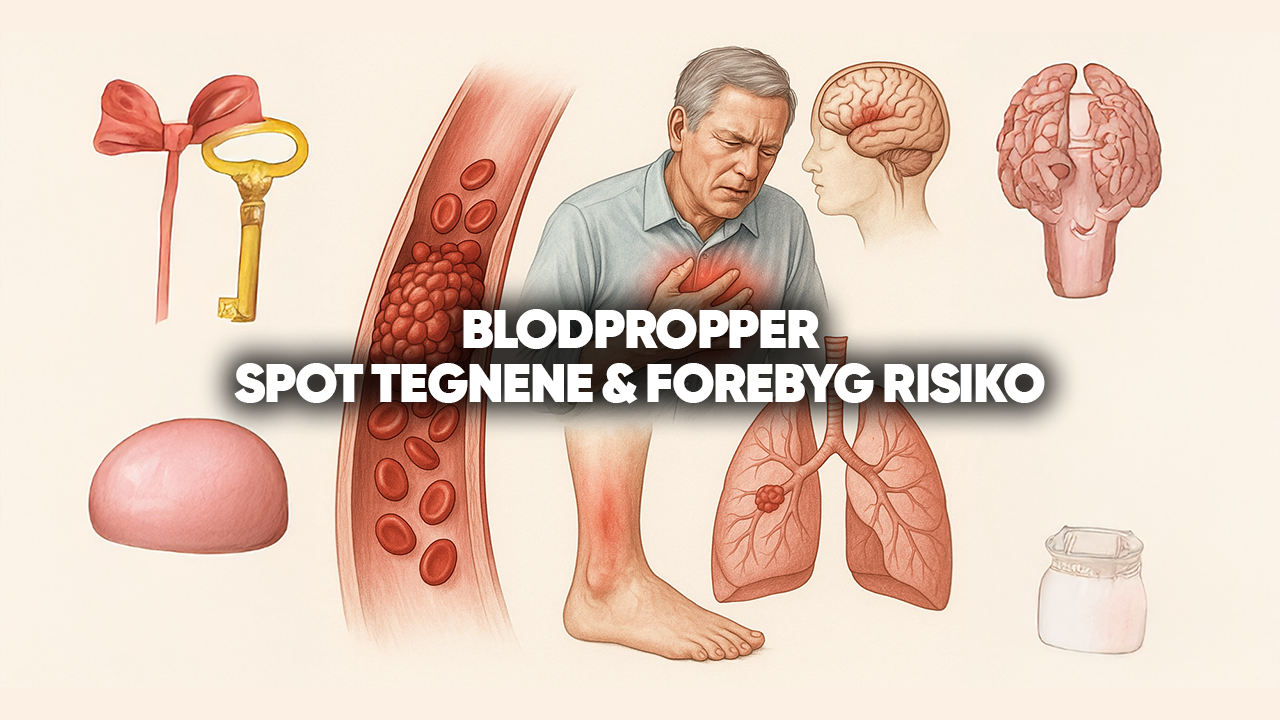
Blood clots are a serious but often overlooked health risk that can affect people of all ages – including those who otherwise feel healthy and well. When the three major groups are combined — blood clots in the brain, blood clots in the heart, and venous blood clots — the total number of Danes who experience some form of blood clot each year is estimated to be approximately 20,000–30,000 people annually. Overall, blood clots are therefore a common and serious public health challenge in Denmark.
A blood clot occurs when a blood vessel becomes completely or partially blocked, preventing blood from flowing freely throughout the body. This can have serious consequences because oxygen and nutrients are unable to reach the organs that need them. Depending on where the blood clot is located, the consequences can range from temporary discomfort to life-threatening conditions such as blood clots in the heart, brain, or lungs.
What makes blood clots particularly challenging is that the symptoms can vary greatly and, in some cases, may be difficult to recognize. Some people experience sudden and obvious warning signs, while others only notice vague symptoms that can easily be mistaken for stress, muscle tension, or general discomfort. This is exactly why knowledge is so important. The better you know the typical warning signs, the faster you can react – and acting quickly can, in many cases, make the difference between a good outcome and serious complications.
At the same time, blood clots are not only something you should react to after the damage has already occurred. There is also a great deal you can do yourself to reduce your future risk. Lifestyle, physical activity, diet, smoking, alcohol, and stress management play a greater role than many people realize. Small changes in everyday life can have a significant impact on the blood’s ability to flow freely and on your overall circulatory health.
This article gives you a clear and easy-to-understand overview of what blood clots are, which warning signs you should pay particular attention to, and how you can actively work on prevention. The goal is not to create unnecessary worry, but to give you knowledge and the ability to take action – so you feel better prepared to take care of yourself and respond in time if your body sends important warning signals.
What Is A Blood Clot?
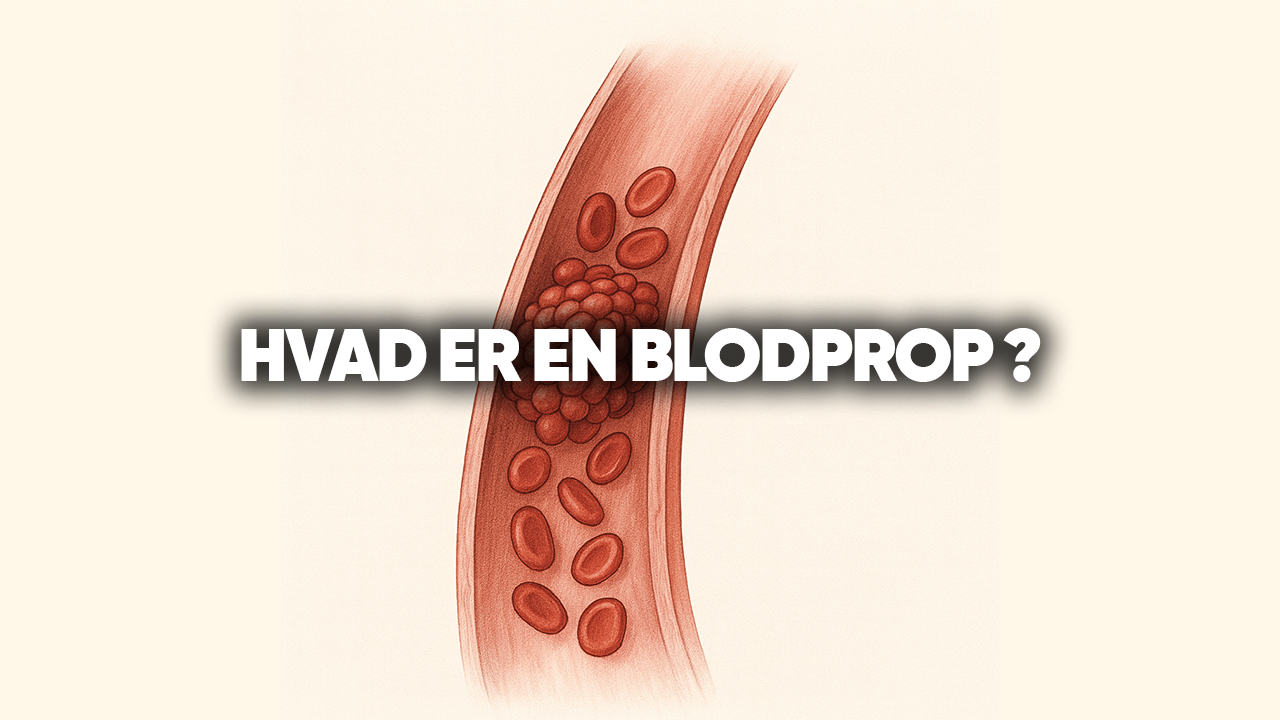
A blood clot occurs when the blood’s normal ability to flow freely through the blood vessels is disrupted because a clump of coagulated blood forms. This clot can completely or partially block a blood vessel, preventing oxygen and nutrients from reaching the body’s organs and tissues. When the blood supply is interrupted, cells can become damaged – and in the worst case, die – if treatment is not provided quickly.
Blood clots can occur in both arteries and veins, and this has a major impact on the consequences they may cause. In the arteries, which carry oxygen-rich blood from the heart to the rest of the body, a blood clot can lead to serious conditions such as a heart attack or a stroke. The problem often occurs because atherosclerosis has narrowed the blood vessels, making it easier for blood flow to become restricted and for a clot to form. In the veins, which carry blood back to the heart, blood clots most commonly occur in the legs (deep vein thrombosis), and in some cases these clots can break loose and travel to the lungs, causing a pulmonary embolism.
The body naturally has an advanced system that allows blood to clot when there is an injury and also helps dissolve small blood clots again. A blood clot becomes dangerous when this balance is disrupted. This can happen during prolonged periods of inactivity, after surgery, due to certain illnesses, hormonal changes, smoking, or as a result of an unhealthy lifestyle that places strain on the circulatory system. Age also plays a role, but blood clots can affect people at every stage of life.
It is important to understand that a blood clot does not always cause the same symptoms. Some occur suddenly and severely, while others develop more gradually. However, what they all have in common is that reacting quickly is essential to limiting the damage. The earlier a blood clot is detected and treated, the better the chances of avoiding permanent complications.
Knowing what a blood clot is provides a solid foundation for recognizing warning signs and taking active steps toward prevention. With the right knowledge, it becomes easier to understand why the body reacts the way it does – and why even small changes in everyday life can have a significant impact on your circulation and your future health.
In Summary, There Are 2 Main Types Of Blood Clots
Arterial blood clots - Form in the arteries, typically as a result of atherosclerosis. They can lead to a blood clot in the heart (heart attack) or the brain (stroke).
Venous blood clots - Form in the veins, often in the legs (deep vein thrombosis, DVT). If such a clot breaks loose, it can travel to the lungs and cause a life-threatening pulmonary embolism.
The consequences of a blood clot depend partly on where the clot is located and partly on how quickly it is treated.
Why Are Blood Clots Dangerous?
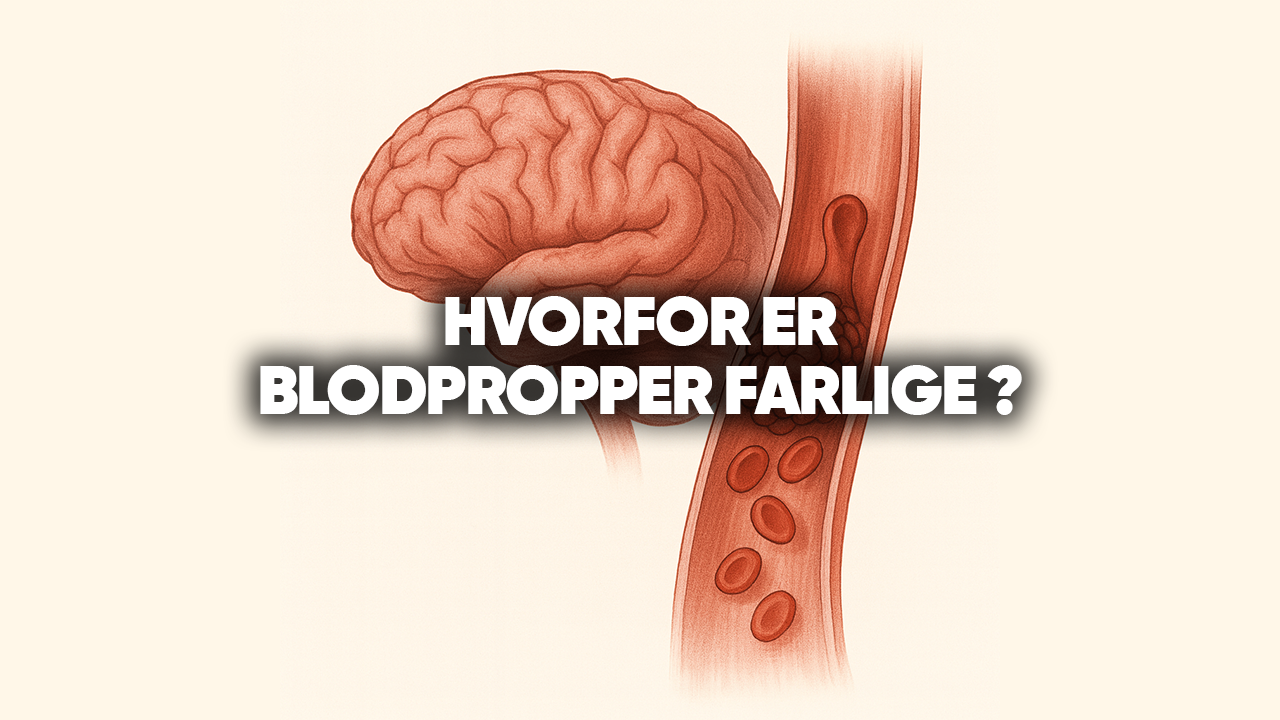
Blood clots are dangerous because they can interrupt the body’s vital blood supply within a very short period of time. When a blood vessel becomes blocked, the surrounding tissue does not receive the oxygen and nutrients it needs to function normally. After only a few minutes without sufficient oxygen, cells can suffer permanent damage, and in severe cases the consequences can be life-threatening.
Time is therefore crucial - the faster a blood clot is detected and treated, the better the chances of limiting the damage.
One of the greatest risks associated with blood clots is that they often affect vital organs. A blood clot in the brain can cause a stroke with symptoms such as paralysis, difficulty speaking, vision problems, or reduced memory. In the heart, a blood clot can trigger a heart attack, damaging the heart muscle and weakening the body’s ability to pump blood. If a blood clot becomes lodged in the lungs, it can interfere with oxygen absorption and cause sudden shortness of breath, chest pain, and, in the worst case, circulatory failure.
Another reason blood clots are particularly serious is their unpredictability. Some occur suddenly without obvious warning signs, while others develop gradually with symptoms that can easily be overlooked. Fatigue, mild shortness of breath, or vague pain may initially seem harmless but could be signs of an underlying and serious condition. This is precisely why a delayed reaction can have major consequences for both treatment options and long-term health.
Blood clots can also lead to permanent complications, even when a person survives the acute phase. Many people experience reduced physical function, chronic pain, reduced ability to work, or the need for long-term rehabilitation. For some, this means a significant change in quality of life and everyday routines, not only for the person affected but also for their relatives.
Finally, blood clots represent a serious challenge to society because they are among the most common causes of serious illness and death. This is why focusing on awareness, early detection, and prevention is essential. By understanding the risks and reacting quickly to the body’s warning signs, it is often possible to limit the damage – and in some cases completely prevent a blood clot from having serious consequences.
The Most Common Places Where Blood Clots Occur
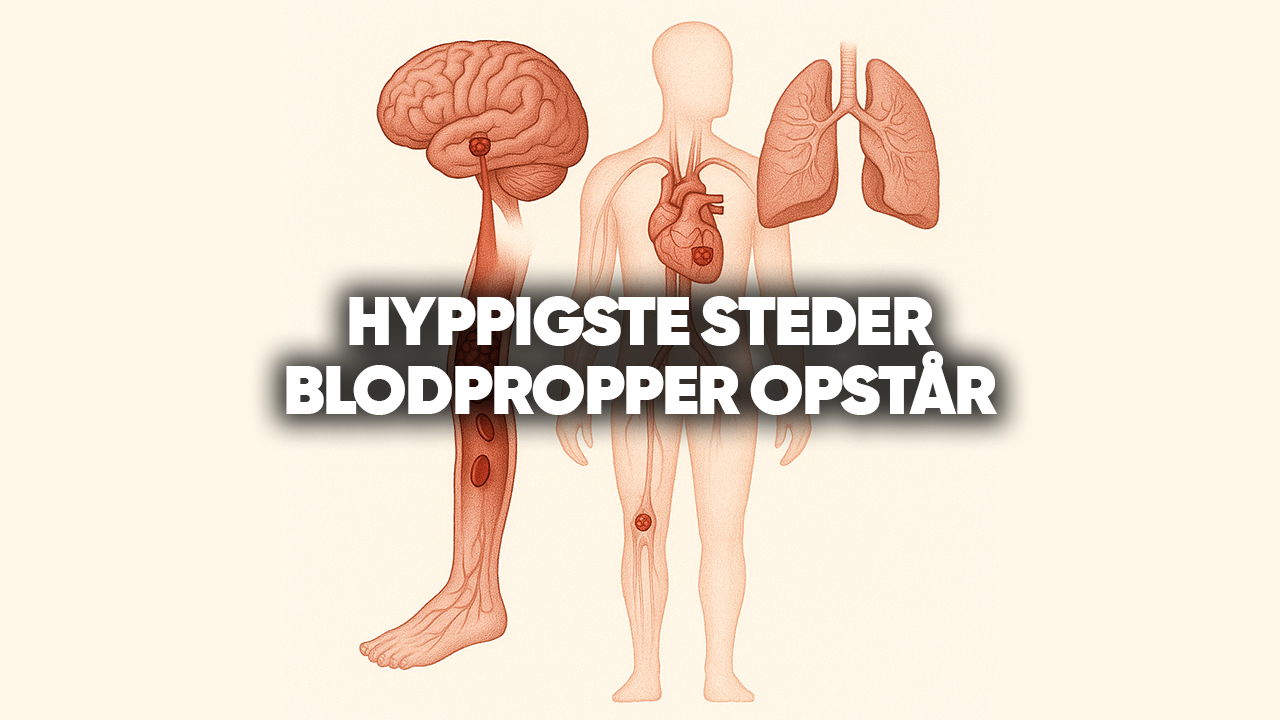
A blood clot can, in principle, form anywhere in the body, but there are certain areas where the risk is greater – and where the consequences can be serious. When blood clumps together and blocks blood flow, the tissue does not receive the oxygen and nutrients it needs. This can quickly develop into an emergency situation where immediate treatment is essential.
The Most Common Places Where Blood Clots Occur Are:
The Heart (heart attack)
This is often caused by atherosclerosis and a ruptured plaque in a blood vessel, where a blood clot blocks the blood supply to the heart muscle.
The Brain (stroke)
This occurs when the blood supply to part of the brain is stopped. It may be caused by a clot that forms in the brain or is carried there from the blood vessels in the neck or from the heart.
The Legs (deep vein thrombosis, DVT)
A blood clot in the deep veins of the legs. It can cause swelling, pain, and an increased risk of pulmonary embolism (a blood clot in the lungs).
The Lungs (pulmonary embolism)
A blood clot that has broken loose, often from the legs, becomes lodged in the blood vessels of the lungs. This is an acute and life-threatening condition.
*******************************************************
By knowing the typical places where blood clots occur, it becomes easier to recognize the warning signs and seek help in time. As mentioned earlier, the earlier a blood clot is detected, the better the chances of preventing serious consequences.
Symptoms – Learn To Recognize The Signs Of Blood Clots
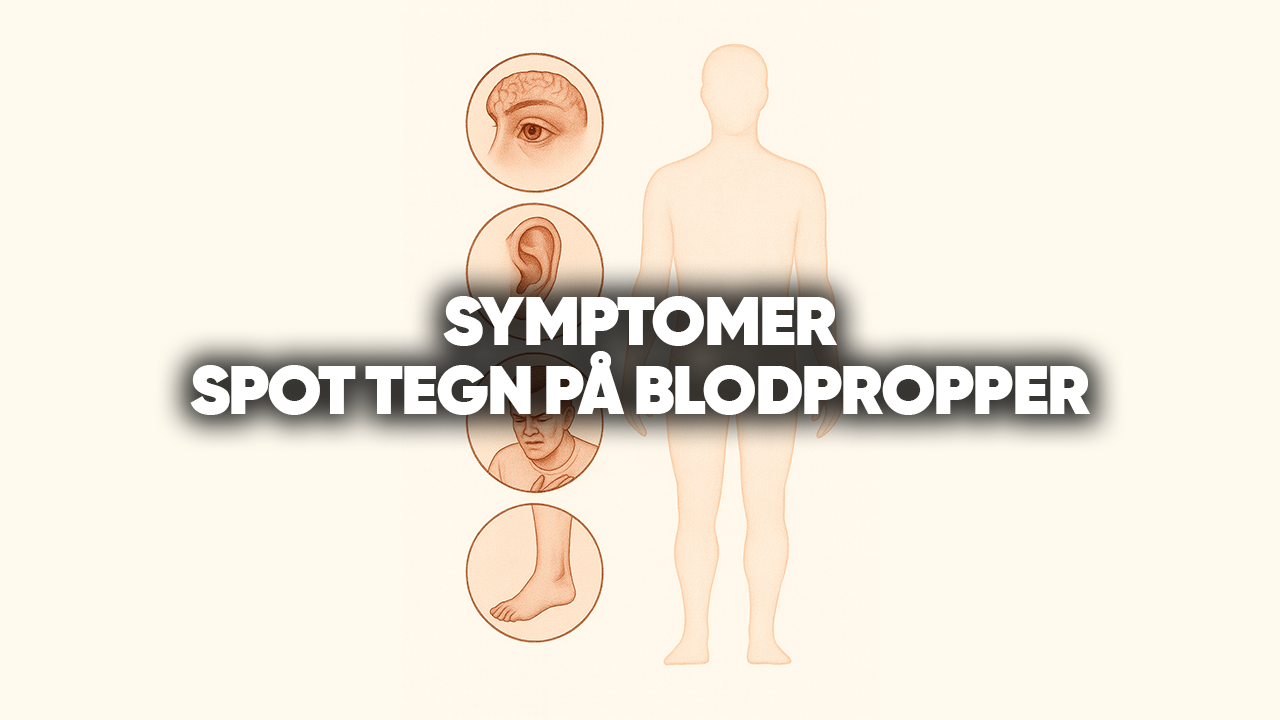
Symptoms of blood clots can vary greatly depending on where in the body the clot occurs and how quickly it develops. However, one thing all types of blood clots have in common is that the body often sends warning signals that should be taken seriously. The faster the symptoms are recognized, the greater the chance of receiving prompt treatment and avoiding permanent damage.
One of the challenges with blood clots is that the symptoms are not always the same or dramatic. Some people experience sudden and obvious warning signs, while others notice more vague changes that may be mistaken for fatigue, stress, or general discomfort. This is why knowledge of the typical symptoms is essential, so that the body’s signals are not ignored.
With a blood clot in the brain, symptoms can appear very suddenly. These may include paralysis or numbness in the face, arm, or leg – often on one side of the body. Difficulty speaking, problems understanding speech, vision disturbances, dizziness, or a sudden severe headache with no known cause are also important warning signs. These symptoms require immediate action because prompt treatment can significantly limit the damage.
A blood clot in the heart often presents as pressure or pain in the chest that may radiate to the arms, back, neck, or jaw. Many people also experience shortness of breath, nausea, cold sweats, or a sudden feeling of unease. Symptoms can vary from person to person and may be less obvious in some people, particularly older adults and women, making awareness especially important.
Blood clots in the legs, also known as deep vein thrombosis, often cause symptoms such as swelling, pain, warmth, and redness in one leg. The pain may feel similar to muscle soreness or cramping but typically does not disappear with rest. If a blood clot from the leg travels to the lungs, it can cause a pulmonary embolism, which may lead to sudden shortness of breath, chest pain, coughing – sometimes with blood – as well as dizziness or a rapid heart rate.
It is important to emphasize that you should never simply wait and see what happens if you suspect a blood clot. Even mild or unclear symptoms can be signs of something serious. Learning to recognize the warning signs is not about becoming worried about every physical change, but about taking responsibility for your health and responding promptly when your body signals that something is wrong. Acting quickly can, in many cases, save lives and prevent serious complications.
Here Is An Overview Of Some Of The Typical Symptoms Of A Blood Clot
Blood Clot In The Heart
❤️🔥 Sudden pressure-like or crushing pain in the chest that may radiate to the left arm, shoulder, neck, or jaw.
😮💨 Shortness of breath and sweating.
🤢 Nausea or vomiting.
⚠️ Restlessness, anxiety, or a feeling that “something is very wrong.”
Blood Clot In The Brain (Stroke)
😐 Sudden paralysis or weakness in the face, arm, or leg – typically on one side of the body.
🗣️ Problems speaking or understanding others.
👁️ Sudden vision problems.
🌀 Dizziness, balance problems, or loss of coordination.
🤕 Sudden severe headache with no known cause.
Blood Clot In The Legs (DVT)
🦵 Swelling, usually in one leg.
😖 Pain or tenderness that becomes worse when walking or when pressure is applied.
🔴 Redness or discoloration.
♨️ A feeling of warmth in the affected area.
Blood Clot In The Lungs – Pulmonary Embolism
😮💨 Sudden shortness of breath.
🫁 Chest pain, especially when breathing.
💓 Rapid heart rate and heart palpitations.
🤧 Coughing, possibly with bloody mucus.
⚠️ Fainting in severe cases.
Remember The FAST Rule
F**ace - (one side of the face droops).
A**rm - (one arm cannot be raised).
S**eech - (speech is slurred).
T**ime - (call emergency services immediately).
Risk Factors You Should Know About Blood Clots
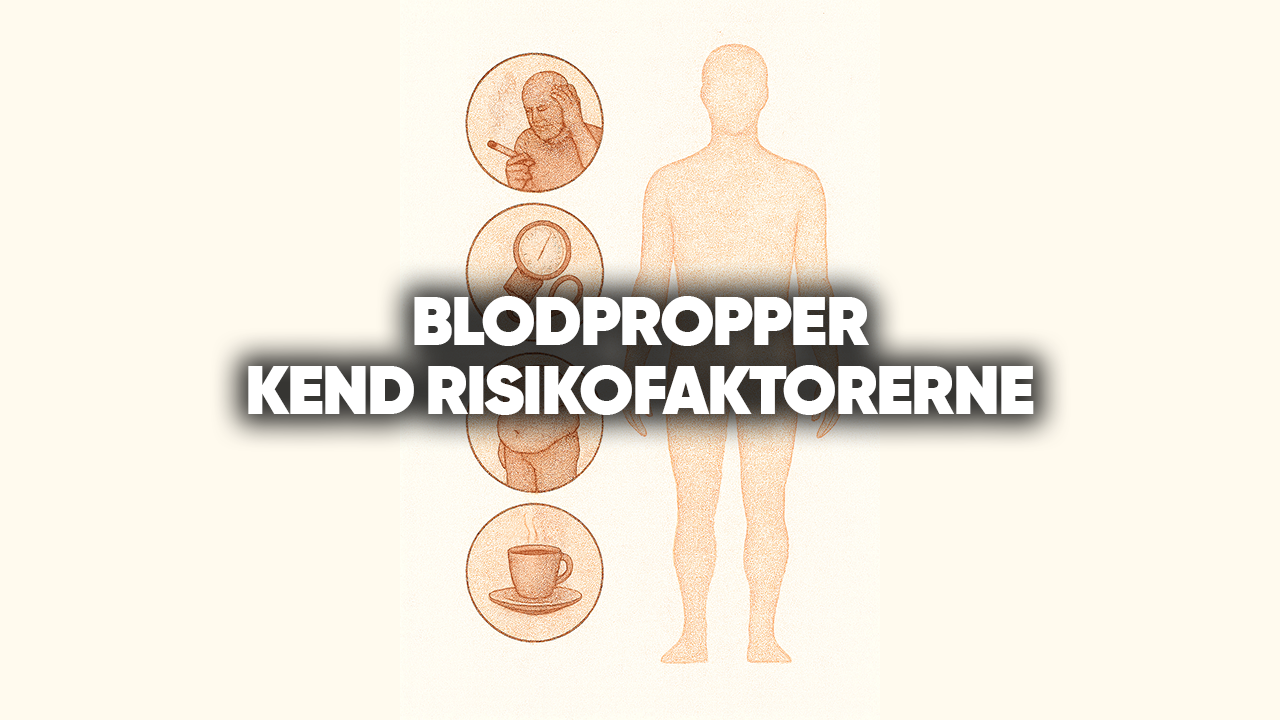
Blood clots rarely occur without a reason. They are often the result of a combination of several risk factors that, over time, place strain on the circulatory system and increase the likelihood of the blood clotting inappropriately. Some risk factors cannot be changed, while others are strongly connected to lifestyle and everyday habits. The better you understand these factors, the easier it becomes to take active steps toward prevention.
Age is one of the best-known risk factors. The risk of blood clots gradually increases with age, partly because the blood vessels become less elastic and the circulatory system experiences greater strain. Genetics also play a role. If close family members have experienced blood clots, your risk may be increased, either because of genetic factors or shared lifestyle habits.
Lifestyle has a major impact on risk. Smoking damages the inner lining of blood vessels and increases the tendency of the blood to clot. Lack of exercise and long periods of sitting – for example, during office work or long journeys – can cause the blood to circulate more slowly, especially in the legs, increasing the risk of blood clots. Being overweight and eating an unhealthy diet can also contribute to high cholesterol, high blood pressure, and atherosclerosis, all of which place additional strain on the circulatory system.
Certain illnesses and medical conditions are also important risk factors. High blood pressure, diabetes, high cholesterol, and cardiovascular disease increase the risk of blood clots in both the heart and brain. Cancer and some chronic inflammatory conditions can affect the blood’s ability to clot. In addition, prolonged bed rest, major surgery, and injuries can temporarily increase the risk because movement is restricted.
Hormonal factors can also play a role. Pregnancy, birth control pills, and hormone therapy may increase the risk of blood clots, particularly when combined with other risk factors such as smoking or being overweight. This is why it is important to be especially aware during periods when the body is affected by hormonal changes.
Understanding the risk factors is not about creating fear, but about creating awareness and opportunities to take action. Many risk factors can be influenced through healthy habits, regular physical activity, and paying attention to the body’s signals. By understanding what increases the risk of blood clots, you can better protect your circulatory system and make active choices that strengthen your health – both now and in the long term.
Non-Modifiable Risk Factors For Blood Clots
Age - The risk increases significantly after the age of 55.
Gender - Men are more frequently affected by blood clots at a younger age, while the difference between men and women becomes more equal after menopause.
Genetics - Family history plays a role.
Modifiable Risk Factors For Blood Clots
Smoking – Increases the blood’s tendency to clot and damages blood vessels.
High blood pressure – Places strain on blood vessel walls and increases the risk of atherosclerosis.
High cholesterol – Causes fatty deposits to build up in blood vessel walls.
Diabetes – Damages blood vessels and significantly increases the risk.
Being overweight and physically inactive – Promotes atherosclerosis and poor circulation.
Stress and poor sleep – Can affect blood pressure, hormones, and lifestyle choices.
Prolonged immobility – For example, after surgery, during flights, or while confined to bed.
Birth control pills and hormone therapy – Especially when combined with smoking.
3 Quick Tips To Reduce The Risk Of Blood Clots
1️⃣ Move every day to help prevent blood clots – Go for a walk, cycle, or do light exercise to keep your blood circulation moving. You can find additional inspiration for daily exercise in our article - Good Tips For Effective Workout Routines For Beginners
2️⃣ Eat a heart-healthy diet to help prevent blood clots – Choose vegetables, whole grains, fish, and healthy fats, and limit sugar and processed foods. You can find additional inspiration for eating healthy foods in our article - Good Tips For Affordable Superfoods That Make Your Meals Both Tasty And Healthier
3️⃣ Quit smoking and reduce stress to help prevent blood clots – This benefits your blood vessels, blood pressure, and general health. You can find inspiration for quitting smoking and managing your stress levels in our 2 articles:
Good Tips For Quitting Smoking – Your Guide To A Smoke-Free Life
Good Tips For Getting Rid Of Stress And Anxiety – Learn To Improve Your Mental Health
How Is A Blood Clot Diagnosed?
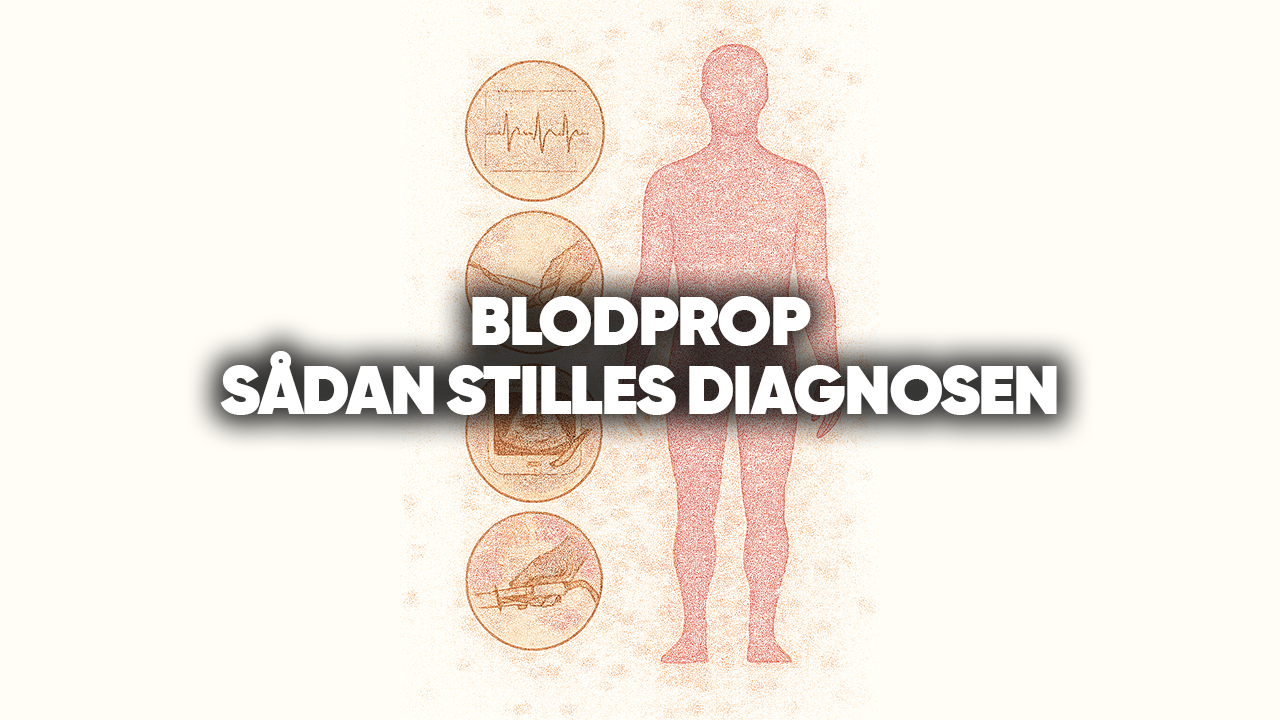
When a blood clot is suspected, rapid assessment is essential. The sooner a diagnosis is made, the better the chances of effective treatment and avoiding permanent damage. Diagnosis is based on the patient’s symptoms, a clinical examination, and various imaging or blood-based tests.
The doctor will typically begin by asking about acute symptoms – for example, sudden paralysis, chest pain, shortness of breath, or swelling in the leg. Scans are then often performed, such as a CT or MRI scan of the brain when a stroke is suspected, an ECG and blood tests when a heart attack is suspected, or an ultrasound of the legs when deep vein thrombosis is suspected.
Blood tests can also reveal markers indicating that the body has formed a blood clot. The combination of symptom assessment, physical examination, and advanced testing makes it possible to establish a quick and accurate diagnosis – and therefore begin the appropriate treatment.
When A Blood Clot Is Suspected, Healthcare Professionals Will Often Carry Out A Range Of Tests And Examinations
ECG - Records the heart’s electrical activity when a heart attack is suspected.
Blood tests - For example, troponin (a marker of heart muscle damage).
CT** or **MRI scan - Used to detect blood clots in the brain or lungs.
Ultrasound scan - Used to detect blood clots in the legs.
Angiography - An X-ray examination using contrast dye to view blood vessels.
Emergency Treatment Of Blood Clots
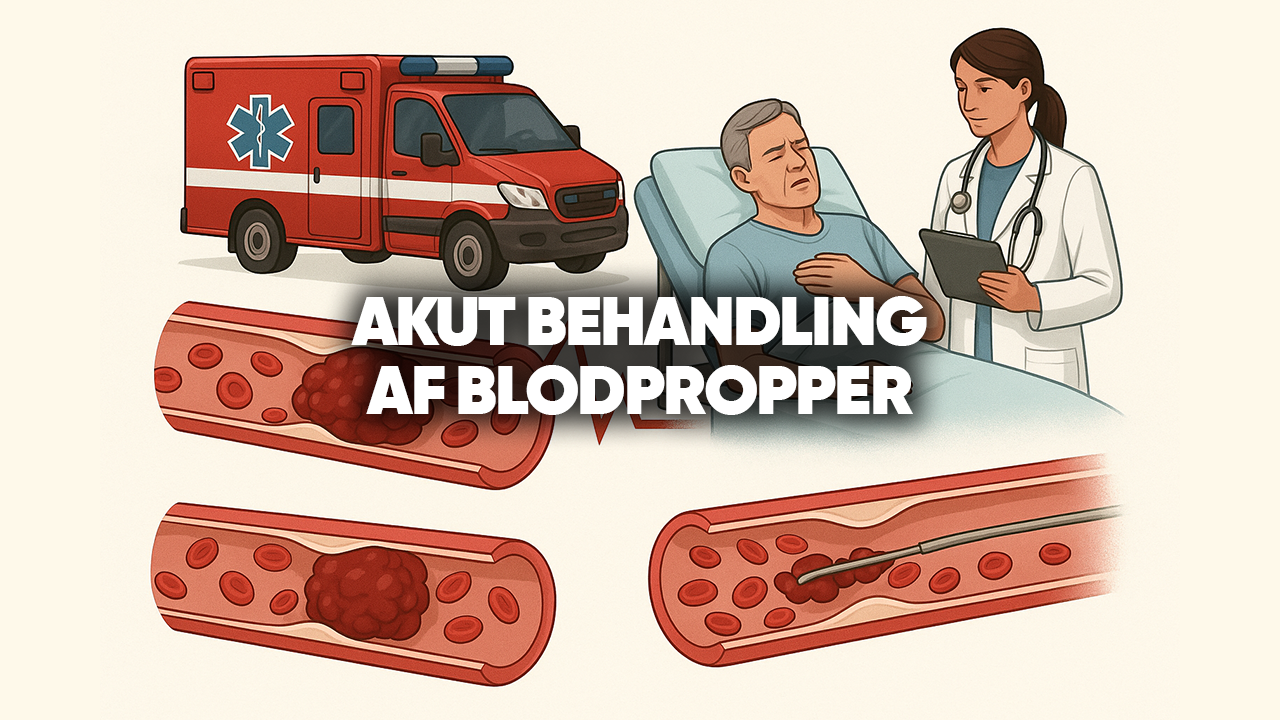
When a blood clot occurs, every minute counts. Rapid treatment can mean the difference between a full recovery, permanent complications, or, in the worst case, death. The purpose of emergency treatment is to dissolve or remove the blood clot while also preventing new ones from forming. Treatment depends on where the blood clot is located and how quickly the patient receives medical care.
For blood clots in the heart or brain, blood-thinning medication or thrombolysis – a treatment that dissolves the blood clot – is often given. In some cases, a blood clot can be removed mechanically through a procedure in which doctors use a catheter. For blood clots in the legs or lungs, medical treatment may be combined with monitoring and, if necessary, surgical procedures. The most important thing is to react quickly to the symptoms and call emergency services immediately. The sooner treatment begins, the greater the chances of avoiding serious consequences.
Checklist – Typical Emergency Treatments For Blood Clots
✅ Blood-thinning medication (heparin, warfarin, DOAC medications) – Reduces the risk of the blood clot growing or new clots forming.
✅ Thrombolysis – Medical treatment that dissolves the blood clot, particularly for blood clots in the brain.
✅ PCI/balloon angioplasty – Used for heart attacks to open a blocked coronary artery.
✅ Thrombectomy – Mechanical removal of a blood clot using a catheter, most commonly in the brain or legs.
✅ Oxygen and monitoring – Supportive treatment to stabilize the patient’s condition.
✅ Surgery – In special cases, surgery may be necessary to remove or bypass a blood clot. For example, removing a blood clot from the lungs or legs.
Prevention – What Can You Do Yourself To Avoid Blood Clots?
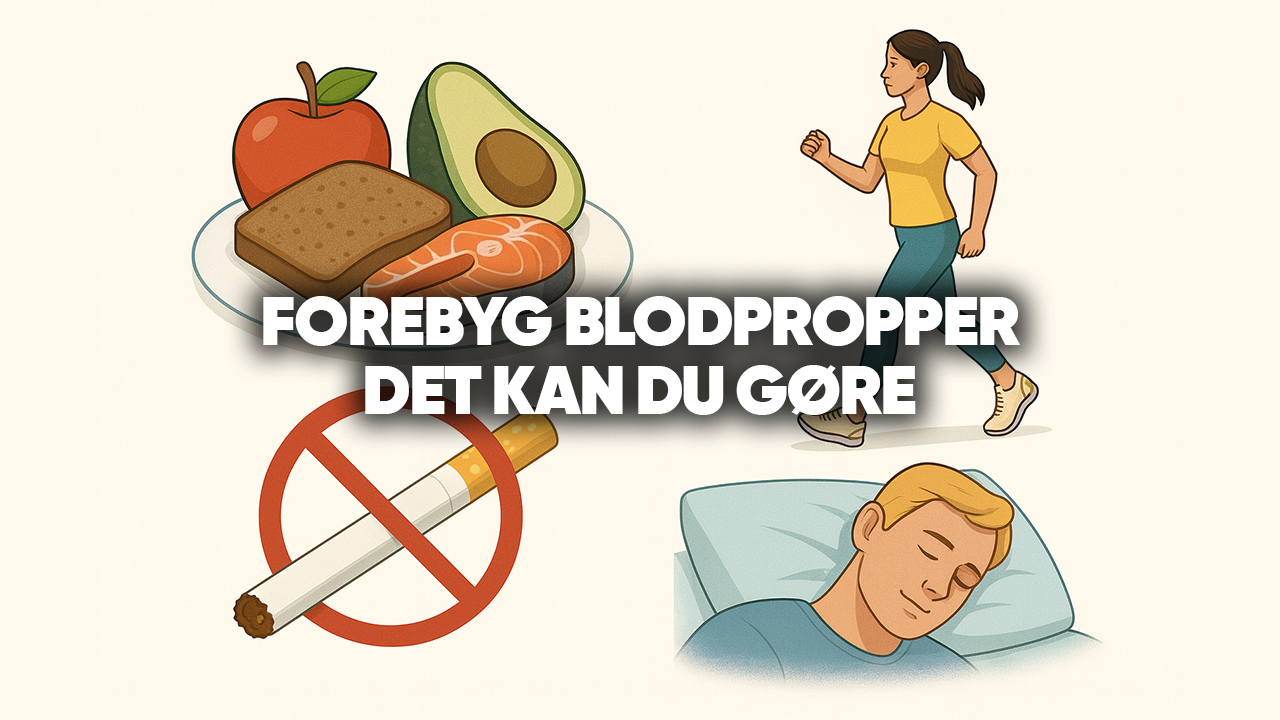
Although blood clots can occur suddenly, there is a great deal you can do yourself to reduce the risk. Prevention is largely about supporting the body’s natural circulation and creating good conditions for blood to circulate freely. Small, consistent changes in everyday life can have a major impact – especially when they become a natural part of your lifestyle.
Regular physical activity is one of the most important factors in preventing blood clots. When you move, your muscles help pump blood around your body, particularly from your legs back toward your heart. This reduces the risk of blood pooling and clotting. It does not have to involve intense exercise – daily walks, light exercise, or frequent breaks from sitting can make a significant difference.
Diet also plays a central role. A varied and balanced diet focused on vegetables, whole grains, fish, and healthy fats can contribute to a healthier circulatory system. At the same time, it can help keep cholesterol and blood pressure under control, reducing the risk of atherosclerosis. It is also important to drink enough fluids, as dehydration can make the blood thicker.
Quitting smoking is one of the most effective steps you can take if you want to prevent blood clots. Smoking damages blood vessels and increases the tendency of the blood to clot. Alcohol should also be consumed in moderation, as excessive consumption can place strain on both the heart and circulatory system. Sleep and stress management are also more important than many people realize. Long-term stress and poor sleep can affect the body’s hormones and increase strain on the circulatory system.
It is also important to be aware of situations where the risk is temporarily increased. During long journeys, periods of inactivity, or after surgery, simple measures such as moving your legs, standing up regularly, and following your doctor’s advice can be essential. If you have known risk factors, regular health checks and conversations with your doctor can help identify problems early.
Preventing blood clots is not about living a restrictive lifestyle, but about taking responsibility for your health through realistic and sustainable choices. By listening to your body, developing healthy habits, and responding to warning signs, you can significantly reduce your risk and strengthen your circulatory system – both now and in the future.
Here Is An Overview Of Some Of The Most Effective Preventive Measures Against Blood Clots:
1. A Healthy Diet Helps Prevent Blood Clots
🥦 Eat vegetables, fruit, whole grains, and fish.
🚫 Limit your intake of red meat, processed foods, and sugar.
🫒 Use healthy sources of fat such as olive oil, nuts, and avocado.
⚠️ Avoid trans fats, which are often found in fried foods and commercially produced baked goods.
You can find additional inspiration for eating healthily and helping prevent blood clots in our article - Good Tips For Healthy, Budget-Friendly Meals Using Fresh Seasonal Ingredients
2. Exercise Helps Prevent Blood Clots
🚶♀️ 30 minutes of moderate exercise every day, such as brisk walking, cycling, or swimming.
🏋️ Strength training twice a week.
🪑 Regular movement during sedentary work.
If you have reached your senior years, you can find tips for exercising in a safe way that can help prevent blood clots in our article - Good Fitness Tips For Seniors – Gentle Exercises For Better Health
3. Quit Smoking To Help Prevent Blood Clots
Smoking is one of the biggest individual risk factors. Quitting smoking significantly reduces the risk of blood clots after only a few years.
You can find inspiration for quitting smoking in our article - Good Tips For Quitting Smoking – Your Guide To A Smoke-Free Life
4. Weight Loss To Help Prevent Blood Clots
Losing just 5–10% of your body weight can have a significant positive effect on blood pressure, cholesterol, and blood sugar, which can help prevent blood clots.
You can find inspiration for weight loss through exercise and home workouts in our article - Good Tips For Weight Loss With Exercise And Home Workouts – Get Fit Without A Gym!
5. Stress Management And Sleep
Mindfulness, meditation, hobbies, or simply regular rest can lower stress levels, which is important in the prevention of blood clots. Seven to eight hours of sleep per night is ideal for most adults.
By incorporating healthy mental habits into your everyday life, you can significantly reduce stress, and you can find inspiration in our article - Good Tips On How To Create Your Own Healthy Mental Habits
Furthermore, as mentioned, maintaining a good sleep routine is important for preventing blood clots, and you can find inspiration for developing a healthy daily sleep routine in our article - Good Tips For A Better And More Stable Sleep Routine – Sleep Well Every Night!
6. Regular Health Checks To Help Prevent Blood Clots
🩺 Have your blood pressure and cholesterol levels checked.
🩸 Monitor your blood sugar, especially if you are in a high-risk group.
👩⚕️ Talk to your doctor about whether medication may be necessary.
7. Keep Moving While Travelling To Help Prevent Blood Clots
🧦 Wear compression stockings during long flights.
🚶 Stand up regularly, walk around a little, or perform venous pump exercises while seated.
Long-Term Treatment Of Blood Clots
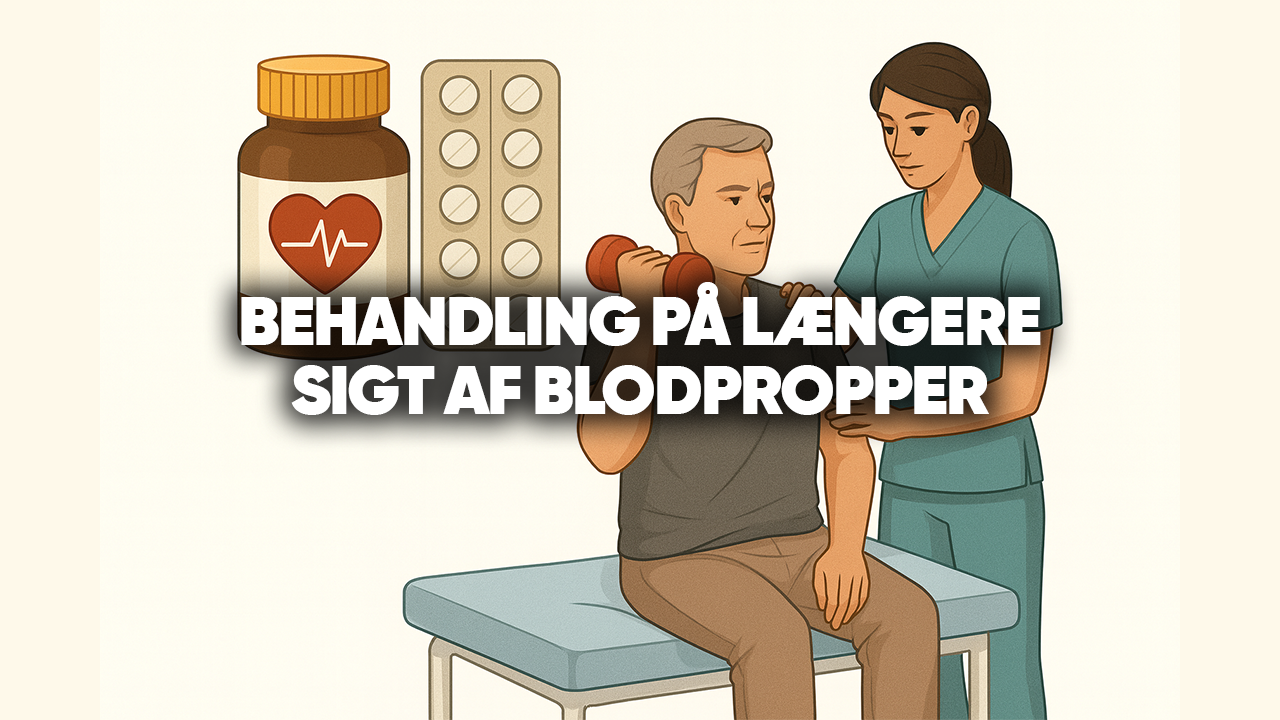
Once the acute phase has passed, treatment of blood clots largely focuses on preventing new episodes and helping the body recover as effectively as possible. Long-term treatment often combines medication, lifestyle changes, and ongoing medical monitoring. The goal is to keep the blood flowing more freely, reduce strain on the heart and blood vessels, and improve the patient’s overall health.
Typical treatments may include blood-thinning medication, cholesterol-lowering medication, or medication for high blood pressure. At the same time, doctors almost always recommend healthy lifestyle changes: more exercise, a better diet, weight loss, quitting smoking, and reducing stress. For some people, rehabilitation may also be an important part of returning to an active life. In this way, long-term treatment becomes a combination of medical support and healthy habits – a dual focus that both helps prevent future blood clots and improves quality of life.
Checklist – Typical Elements Of Long-Term Blood Clot Treatment
✅ Blood-thinning medication – Reduces the risk of new blood clots.
✅ Cholesterol-lowering medication – Helps reduce atherosclerosis and prevent new blood clots.
✅ Blood pressure medication – Stabilizes blood pressure and protects the blood vessels to help prevent new blood clots.
✅ Rehabilitation and recovery training – For example, physiotherapy or exercise after a blood clot in the brain or heart to help prevent new blood clots.
✅ Healthy lifestyle – Regular exercise, a varied diet, and weight loss when necessary to help prevent new blood clots.
✅ Quitting smoking – One of the most effective ways to reduce the risk and prevent new blood clots.
✅ Stress management and sleep – Important for both circulation and overall health and for helping prevent new blood clots.
✅ Regular medical check-ups – Ensure that treatment is working and that medication doses can be adjusted as needed to help prevent new blood clots.
Myths And Facts About Blood Clots

When it comes to blood clots, many myths circulate that can create confusion and, in the worst case, prevent people from reacting in time. Knowing the difference between myths and facts is important because it can save lives and help you take better preventive measures.
A common myth is that blood clots only affect older people – but in reality, they can also affect younger people, particularly when risk factors such as smoking, being overweight, or hereditary predispositions are present. Another myth is that blood clots always cause severe pain – but sometimes the symptoms are more subtle, such as mild paralysis, shortness of breath, or dizziness.
It is also incorrect to believe that there is nothing you can do yourself to prevent blood clots. The fact is that lifestyle changes such as exercise, a healthy diet, and quitting smoking can significantly reduce the risk. The better we understand the facts, the better we can protect ourselves and react appropriately if we or someone close to us is affected.
Myths And Facts About Blood Clots – Examples
❌ Myth - Blood clots only affect older people.
✅ Fact - The risk increases with age, but blood clots can also affect younger people, particularly when lifestyle-related or hereditary risk factors are present.
❌ Myth - A blood clot always causes severe pain.
✅ Fact - Not always – blood clots can cause subtle symptoms such as paralysis, dizziness, or shortness of breath. In fact, some blood clots can be “silent” and are only discovered later.
❌ Myth - There is nothing you can do yourself to prevent blood clots.
✅ Fact - Exercise, a healthy diet, quitting smoking, and monitoring blood pressure and cholesterol can significantly reduce the risk.
❌ Myth - If the symptoms disappear quickly, it is not dangerous.
✅ Fact - Even short-lasting symptoms can be a warning sign, such as a TIA or “mini-stroke,” and require prompt medical attention.
❌ Myth - One glass of wine a day protects against blood clots.
✅ Fact: Some studies have suggested this, but the effect is small and does not justify drinking alcohol for health reasons.
❌ Myth - If you are slim, you cannot get blood clots.
✅ Fact - False. Even people of normal weight can have high cholesterol or a hereditary predisposition to blood clots.
Statistics – How Big Is The Problem With Blood Clots?
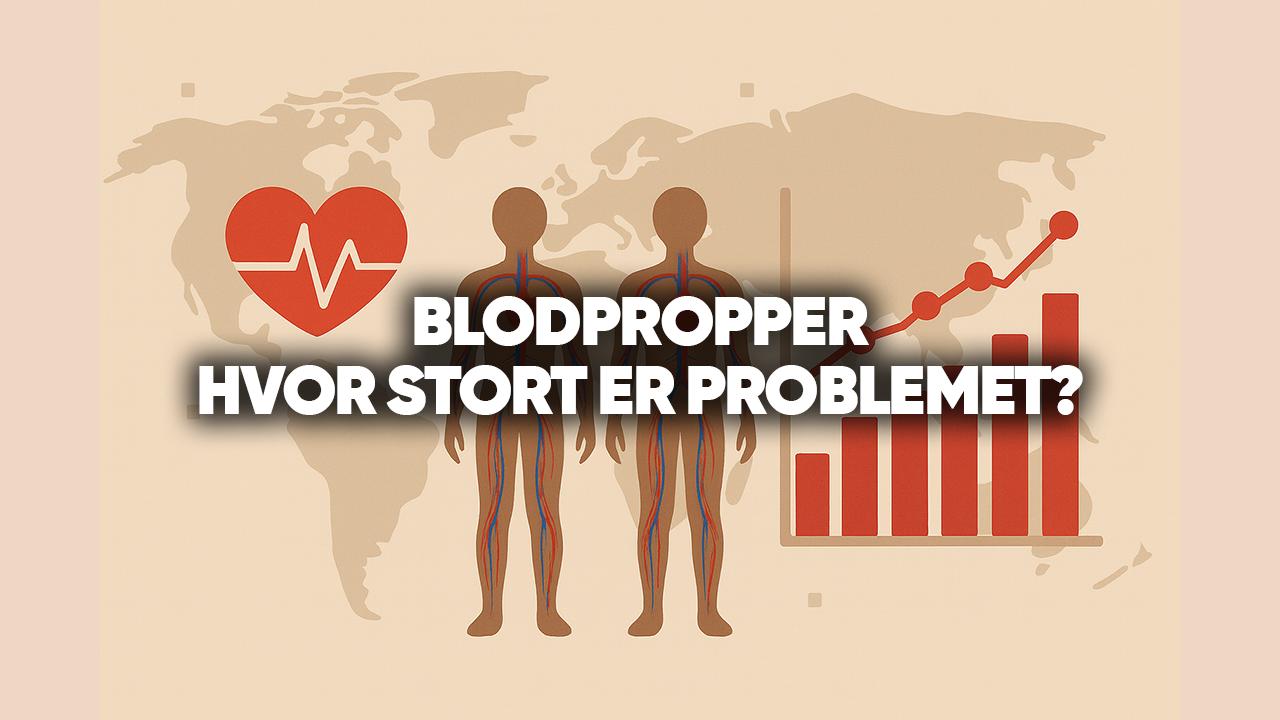
Blood clots are one of the most widespread and serious causes of illness and death – both in Denmark and worldwide. Statistics clearly show that the problem is significant and affects a broad range of people. According to the Danish Heart Foundation, several thousand Danes experience a blood clot in the heart or brain every year, and even more experience blood clots in the legs or lungs.
Globally, blood clots are among the leading causes of death and long-term disability. The figures emphasize how important it is to be aware of both symptoms and risk factors – and that prevention can save lives. When we look at the statistics, it becomes clear that blood clots are not only an individual problem but also a public health challenge that requires both personal responsibility and action at a societal level.
Checklist – Key Statistics About Blood Clots
✅ In Denmark – Approximately 12,000 people experience a blood clot in the heart each year, and approximately 12,000 experience a blood clot in the brain.
✅ Cause of death – Blood clots in the heart and brain are among the most common causes of death in Denmark.
✅ Long-term complications – Many people who survive blood clots experience permanent complications, such as paralysis or reduced quality of life.
✅ Globally – Cardiovascular diseases, including blood clots, are the leading cause of death worldwide according to the WHO.
✅ Prevention works – Up to 80% of blood clots can be prevented through lifestyle changes, and the incidence has decreased in recent years because of better treatment and prevention, although the numbers remain high.
The Future Of Blood Clot Treatment And Research
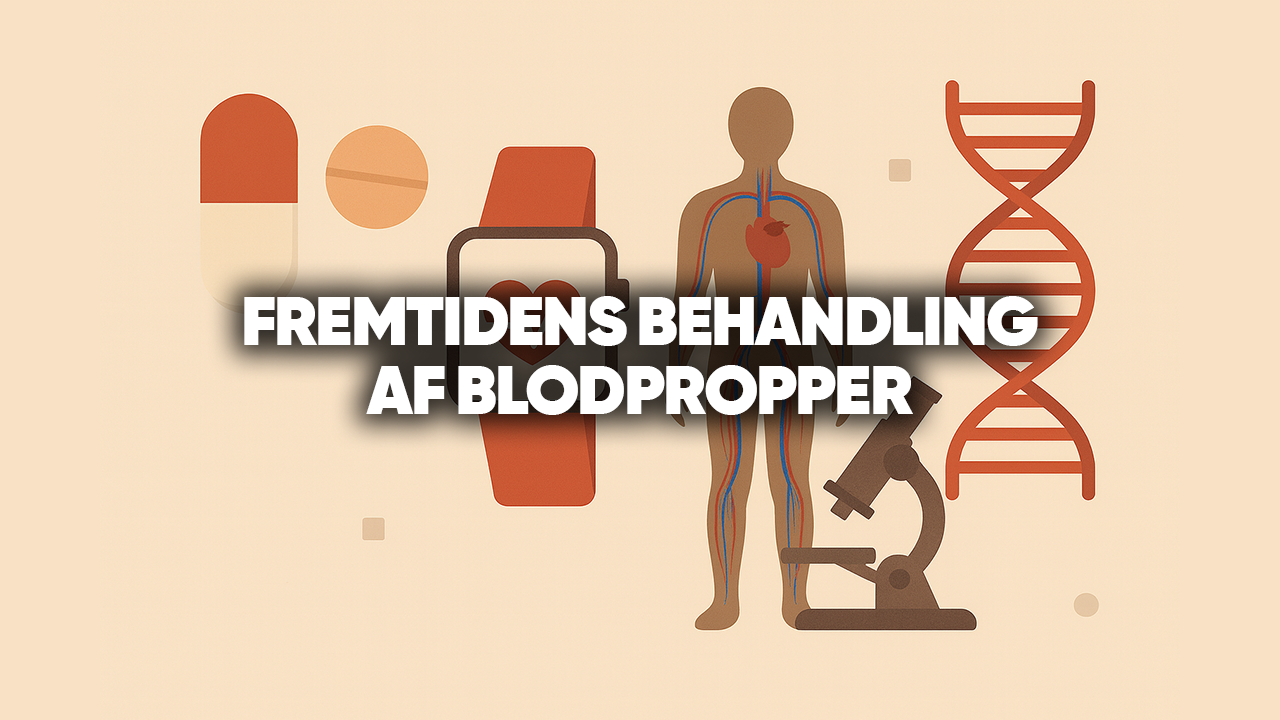
The treatment of blood clots has already come a long way, but research continues to develop new and more effective methods. The future of blood clot care is not only about saving lives during the acute phase but also about preventing blood clots from developing in the first place.
Researchers are working, among other things, on new types of medication that can dissolve blood clots faster and with fewer side effects than current treatments. Research is also being carried out into improved diagnostic imaging so doctors can detect blood clots earlier and more accurately. At the same time, researchers are studying genetic analysis and biomarkers that may help identify people who are at particularly high risk, allowing preventive measures to begin earlier.
Technology is also playing an increasingly important role. Artificial intelligence and advanced scanning methods are becoming part of treatment, while digital health solutions are making it easier for patients to monitor blood pressure, heart rate, and other risk factors in everyday life. Overall, the future points toward more personalized and targeted treatment, where medication, technology, and lifestyle work together to reduce the risk of blood clots and their consequences.
Inspiration List – Focus Areas In Future Blood Clot Research
✅ New types of medication – More effective and targeted blood-thinning medication for blood clots with fewer side effects.
✅ Improved diagnostic imaging – Faster and more accurate scans for detecting blood clots.
✅ Genetic analysis – Better identification of hereditary risk factors for blood clots.
✅ Blood biomarkers – Early identification of people who are at high risk of developing blood clots.
✅ Artificial intelligence – AI helps doctors interpret data and scan results related to blood clots more quickly.
✅ Digital health tools – Apps and wearables, such as smartwatches and sensors, for monitoring the heart and circulatory system as part of blood clot prevention.
✅ Personalized medicine – Treatment tailored to the patient’s biology and lifestyle for more effective prevention of blood clots.
Conclusion
Blood clots are a serious but often preventable condition. By knowing the symptoms, understanding the risk factors, and taking small, healthy steps in everyday life, you can significantly reduce your risk. At the same time, research and new treatment methods show that the future offers increasingly better opportunities for both rapid diagnosis and effective treatment.
The most important message is that it is not about living perfectly. As an individual, you can make a major difference. Exercise, a healthy diet, quitting smoking, and regular health checks are powerful tools in the fight against blood clots. Together, they contribute to a stronger heart, healthier blood vessels, and a longer life. And if a blood clot does occur, reacting quickly is essential – every minute counts.
Mini Guide – Learn To Recognize The Signs Of Blood Clots And Reduce Your Future Risk
Being able to recognize the early signs of blood clots while actively working on prevention is one of the most important things you can do for your health. Blood clots often develop quickly, but they rarely occur completely without prior warning signs or risk factors.
This mini guide is a summary of the article above and gives you a complete overview of the most important areas you should focus on if you want to become better at both recognizing warning signs and reducing your risk of blood clots in the future.
👁️ Know The Early Signs Of Blood Clots
Knowing the symptoms of blood clots is essential because reacting quickly can save lives and reduce the risk of permanent damage. The signs can vary depending on whether a blood clot affects the brain, heart, lungs, or legs, but what they have in common is that they often appear suddenly. Paralysis, difficulty speaking, pressure-like chest pain, shortness of breath, or swelling in only one leg should always be taken seriously. The better you are at recognizing your body’s warning signs, the greater the chance that treatment can begin in time.
🧠 React Quickly If You Suspect A Blood Clot
When it comes to blood clots, time is a critical factor. Many people hesitate because they are unsure about their symptoms or hope the discomfort will disappear on its own. This can have serious consequences. If a blood clot in the brain, heart, or lungs is suspected, you should always seek emergency medical help. A rapid response can significantly limit the damage and, in some cases, completely prevent life-threatening consequences. It is better to react one time too many than one time too few.
🥦 Strengthen Your Circulatory System And Help Prevent Blood Clots With A Healthy Lifestyle
A healthy lifestyle plays a central role in preventing blood clots. A diet rich in vegetables, fruit, whole grains, and fish can contribute to healthier blood vessels and better blood flow. At the same time, it is beneficial to limit sugar, processed foods, and unhealthy fats that may increase the risk of atherosclerosis. Small adjustments in everyday life can, over time, make a major difference to the risk of circulatory blood clots.
🚶 Keep Your Body Moving To Help Prevent Blood Clots
Regular movement is one of the most effective ways to reduce the risk of blood clots. Exercise helps the blood circulate and reduces the risk of it clotting inside the blood vessels. Daily walks, cycling, or swimming combined with light strength training strengthen both the heart and blood vessels. If you have a sedentary job, it is particularly important to stand up regularly and move your legs to help prevent blood clots in the legs.
🚭 Reduce Known Risk Factors For Blood Clots
Smoking, being overweight, stress, and high alcohol consumption are well-known risk factors for blood clots. Smoking damages the inner lining of blood vessels and increases the blood’s tendency to clot, while prolonged stress can place strain on both the heart and circulatory system. By actively working on quitting smoking, managing stress, and developing healthy habits, you can significantly reduce your risk of future blood clots and improve your overall health.
🩺 Have Regular Health Checks With A Focus On Blood Clot Risk
Prevention is also about knowledge and monitoring. Regular health checks in which your blood pressure, cholesterol, and blood sugar are measured can reveal risk factors before they develop into serious problems. If you have previously had a blood clot or are at increased risk, maintaining close communication with your doctor can help prevent new blood clots through targeted treatment and advice.
✈️ Be Extra Aware Of Blood Clots In Special High-Risk Situations
Certain situations temporarily increase the risk of blood clots, such as long flights, prolonged periods of inactivity, or the period following surgery. In these situations, simple measures such as moving regularly, performing venous pump exercises, and wearing compression stockings can be important. Being prepared and aware in these situations can help prevent a blood clot from developing in the first place.
***********************************************************************************
REMEMBER -It is never too late to adopt healthy lifestyle habits and reduce your risk of blood clots.
**************************************************************************************
If you need additional information about how blood clots can be prevented and treated, you can watch this video - Blood Clots, Causes, Signs and Symptoms, Diagnosis and Treatment.
----------------------------------------------------------
If you have experience and/or knowledge of blood clots and blood clot prevention, we would be happy to hear your input and/or suggestions in the comments section about other things that should be taken into consideration when trying to prevent the risk of future blood clots as effectively as possible, thereby increasing the likelihood of enjoying a healthy old age without serious illness.