Renting a home is a form of housing that many Danes choose – either as a temporary solution or as a more long-term lifestyle. For some, it is about flexibility and freedom, while for others it is a financial choice or a practical solution during certain stages of life. Whatever the reason, there is one thing that is often overlooked: a rental home offers far more possibilities than many people think.
It is a common misconception that, as a tenant, you are limited when it comes to creating a personal, functional, and valuable home. In reality, it is largely about thinking creatively, knowing your options, and making the best possible use of the circumstances you have.
When you rent a home, there are naturally some limitations that cannot be avoided. You typically cannot carry out major renovations, and there may be rules covering everything from painting to installing fixtures. However, these limitations can also encourage a more thoughtful approach to how you decorate your home and prioritize your choices.
Many tenants discover that simple measures can create major improvements in their homes – both aesthetically and functionally – without requiring large investments or permanent changes. This can include everything from smarter storage solutions and flexible interior design to small adjustments that increase everyday comfort.
An important part of getting the most out of your rental home is also understanding the rights and opportunities you have as a tenant. Far too many people miss out on benefits because they are not aware of what they are actually allowed to do and what options are available to them. This could include opportunities for improvements, agreements with the landlord, or how best to maintain the property to avoid unnecessary expenses when moving out. At the same time, good communication with the landlord can often open the door to solutions you may not have considered beforehand.
Finances also play a central role for most tenants. Rent is often a major fixed expense, which makes it even more worthwhile to optimize the rest of your household finances. By thinking about energy consumption, maintenance, purchases, and reuse, you can achieve noticeable savings in everyday life. At the same time, with the right choices, you can create a home that feels more exclusive and thoughtfully designed – without having to spend a fortune.
As more Danes choose flexible forms of housing, there is also growing interest in how to create a home that is functional, cozy, and personal – even within the limitations of a rental property. It is not only about interior design but equally about mindset. When you begin to see your rental home as an opportunity rather than a limitation, a wide range of practical and creative solutions becomes available that can improve both your home and your everyday life.
In this article, you will find a number of specific, carefully considered, and user-friendly tips on how to get the most out of your rental home. Whether you want to save money, create more space, improve comfort, or make your home more personal, you will discover that even small changes can have a significant effect. The goal is to provide you with inspiration and tools that you can easily implement in your daily life – so your rental home is not simply a place where you live, but a place where you truly thrive.
Why Do So Many People Choose to Rent?
In Denmark, more than 40% of the population lives in rented accommodation – especially in the larger cities. For many Danes, choosing to rent is not simply a temporary solution but an active and conscious choice that suits a modern and flexible lifestyle.
At a time when the job market, family circumstances, and life priorities are changing more quickly than before, not being tied to an owner-occupied property provides significant freedom. Being a tenant means that you can more easily adapt your housing situation to your circumstances – whether this involves changing jobs, expanding your family, or wanting to live closer to city life, nature, or your social network.
From a financial perspective, renting instead of owning can also be an attractive option. Many people avoid large down payments, unexpected maintenance expenses, and financial commitments that otherwise come with owning a home. At the same time, it can provide a better overview of monthly expenses, which gives many people a greater sense of financial security in everyday life.
For some, it is also a strategic decision in which liquidity and flexibility are prioritized instead of tying up capital in property. For many young people, renting is the first step toward independence. For seniors, it provides the freedom to focus on quality of life rather than repairs and garden maintenance.
There is also a growing trend toward placing greater value on experiences and quality of life than on ownership. This means that the home increasingly becomes a functional base that supports everyday life – rather than necessarily being an investment project. In this context, it makes good sense to choose a form of housing where much of the responsibility and maintenance rests with the landlord, allowing you to focus on what adds value to your daily life.
At the same time, the many practical benefits that come with renting should not be underestimated. Many rental properties are centrally located, close to transportation, workplaces, and amenities, making everyday life easier and more efficient. The combination of flexibility, financial predictability, and less responsibility means that more and more people see renting as an attractive long-term solution – not simply a transitional phase.
Inspiration List – Helpful Tips About the Flexible Benefits of Renting
📉 Lower Financial Risk When You Rent
One of the most significant benefits of choosing a rental home is the lower financial risk associated with this form of housing. When you rent, you avoid committing yourself to large mortgages and bank loans that often come with buying a home. This means that you are not affected to the same extent by changes in interest rates, falling property prices, or uncertainty in the housing market. For many people, this provides greater financial peace of mind because they do not risk finding themselves in a situation where the value of their home falls or their finances come under pressure because of unexpected market fluctuations.
At the same time, being a tenant provides flexibility when making financial decisions because you do not have capital tied up in property. This can make it easier to adjust your finances if your income changes or if you want to prioritize other things in life. Instead of depending on developments in the housing market, you can focus on creating a stable and predictable financial situation. For many people, this security and flexibility are exactly what make renting attractive compared with taking on the financial risks associated with ownership.
🏡 Everyday Flexibility When You Rent
Choosing to live in a rental property provides a level of flexibility that can be difficult to match with home ownership. It allows you to change homes relatively quickly if your circumstances change – for example, because of a new job, changes in family circumstances, or a desire for different surroundings. Having a rented home means that you are not tied down in the same way, giving you the freedom to make decisions based on your current needs rather than long-term commitments. This flexibility is particularly valuable at a time when many people want to be able to adapt their lives continuously without major financial or practical consequences.
💰 Financial Overview When Choosing a Rental Home
One of the major advantages of being a tenant is having a clear overview of your finances. When you rent, you typically know your fixed expenses from month to month, and you avoid many of the unexpected costs that often come with home ownership – such as repairs, maintenance, and rising interest rates. This makes it easier to plan your finances and prioritize other areas of life, such as travel, savings, or experiences. For many people, this predictability creates greater financial security and freedom in everyday life.
🔧 Less Responsibility and Maintenance in a Rental Home
When you choose to rent, there is often a major practical advantage in having less responsibility for maintenance. In many cases, the landlord is responsible for major repairs and ongoing maintenance, which means that tenants avoid both the time commitment and unexpected expenses. This leaves more energy for everyday life and makes it easier to focus on the things that add value to your life. Living in a rental home can therefore provide both peace of mind and simplicity.
📍 Attractive Locations When You Live in a Rental Home
Many rental properties are located in areas where buying a home may be difficult or extremely expensive. This means that renting often provides access to attractive locations close to city life, workplaces, public transport, and cultural activities. The location can have a major impact on both quality of life and everyday efficiency because you save time on transportation and have easier access to the things you use in everyday life. For many people, location is one of the deciding factors when choosing to rent.
🌱 Lifestyle and Priorities Focused on Freedom in a Rental Home
Choosing a rental home is increasingly connected with the desire for a more flexible and experience-oriented lifestyle. When you rent, you free up resources – both financially and mentally – that can be used for the things that matter most in everyday life. These may include travel, hobbies, family, or career. Many people find that being a tenant allows them to take a lighter and less restricted approach to life, where they can focus more on experiences than obligations.
*****************************************************
REMEMBER– Renting gives you the freedom to continuously adapt your life as your needs change, and the right rental home can give you a more flexible life with fewer worries.
Advantages and Disadvantages – Know the Realities When You Rent
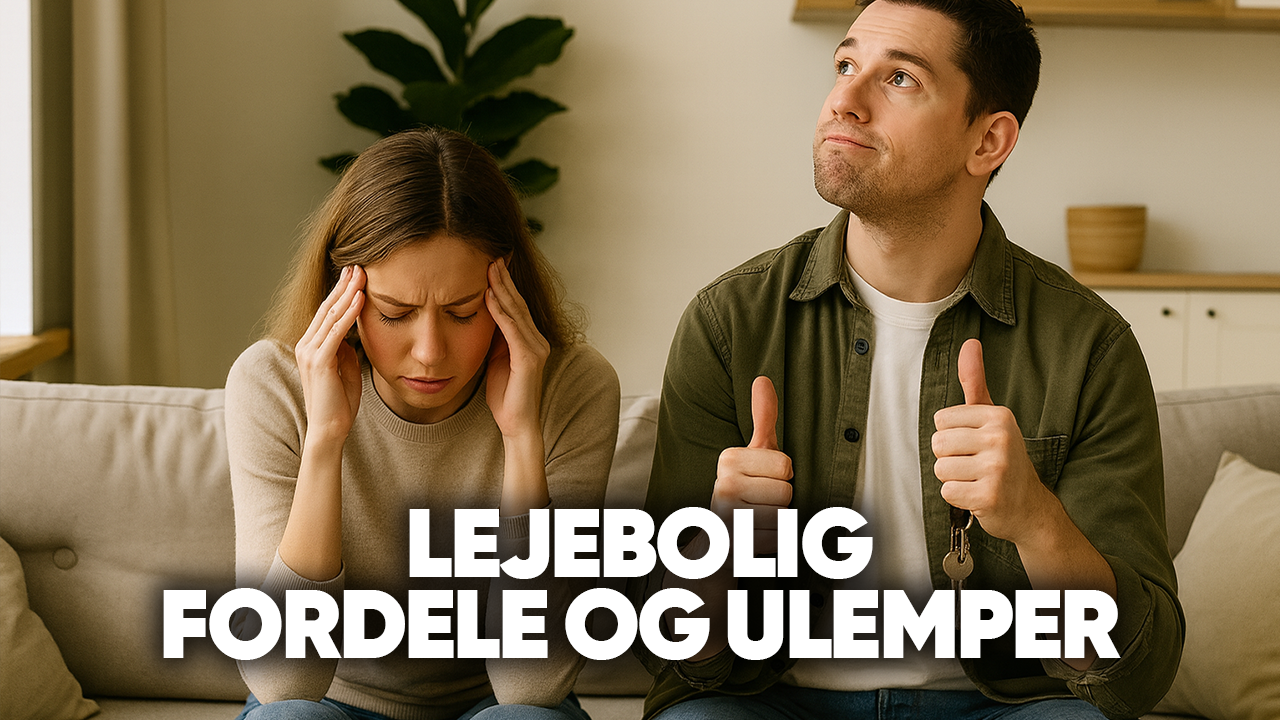
When you choose to rent, you are making a housing decision that comes with both clear advantages and some very real limitations. For many people, it is precisely the combination of flexibility, financial predictability, and less responsibility that makes renting attractive. At the same time, however, it is important to be aware of the factors that can be experienced as disadvantages – particularly if you want greater freedom to make changes to your home or if you are thinking very long-term about savings and investment.
One of the greatest strengths of living in a rental home is the flexibility it provides. You can change homes more easily, adapt to new life circumstances, and avoid being tied to long-term financial commitments. At the same time, you are often free from many of the practical concerns associated with maintenance and major repairs. This makes everyday life easier to manage and allows you to focus on other priorities.
On the other hand, there are also some factors that require attention. When you rent, you typically do not have the same freedom to permanently change the design or structure of your home, and you do not build equity in the same way as a homeowner. There may also be uncertainty about future rent increases or termination of the tenancy, depending on the rental agreement. Therefore, it is largely about understanding the framework and making conscious choices so that you get the best out of your form of housing.
The most important question is not necessarily whether one option is better than the other – but whether it suits your circumstances, priorities, and finances. When you understand both the advantages and disadvantages of being a tenant, you are in a much stronger position to make the right decisions and create an everyday life that works optimally for you.
No form of housing is perfect. When you choose to rent, it is important to understand both the advantages and disadvantages so that you can make informed choices.
Advantages of Renting
🚚 You can move without having to sell a property if your needs change.
💼 You do not tie up capital in property, giving you the opportunity to save or invest elsewhere.
🛠️ Many major repairs – such as a new roof, sewer work, or windows – are the landlord’s responsibility.
📍 You can find rental properties in areas where owner-occupied homes are unaffordable.
Disadvantages of Renting
💸 Rent does not build equity – once the money has been paid, it is gone.
📜 You are subject to the landlord’s rules and the property’s house rules.
⚠️ There may be uncertainty regarding future rent levels or termination of the tenancy.
🏚️ Many people experience disputes over the security deposit when moving out.
*************************************************************************************************
Understanding the balance allows you to take advantage of the benefits while being prepared for the disadvantages.
Inspiration List – Realistic Considerations When You Choose to Rent
⚖️ Advantages of Renting – Freedom and Flexibility
When you choose to rent, you gain a level of flexibility that many people greatly appreciate in modern everyday life. It makes it easier to adapt your housing situation to changes in your life without being tied to selling, buying, or making major financial decisions. Living in a rental home gives you the freedom to move if the need arises, and this can be a major advantage if you want mobility in relation to work, family, or lifestyle. This flexibility is often one of the most important reasons why many people choose this form of housing.
🧾 Disadvantages of Living in a Rental Home – Limited Influence
Although living in a rental home offers many advantages, there are also limitations. As a tenant, you typically do not have complete freedom to alter the structure of the property or make major improvements without permission. This can feel like a disadvantage if you want to give your home a highly personal touch. When you rent, it is therefore important to think in terms of flexible and temporary solutions so that you can still create a cozy and functional home within the existing limitations.
💸 Financial Advantages of Choosing to Rent
A major advantage of being a tenant is financial predictability. When you rent, you avoid many of the unexpected expenses that can arise with an owner-occupied home. There are typically fewer concerns about maintenance, and you avoid tying up large amounts of money in the purchase of a property. This makes it easier to plan your finances and prioritize other areas of life. For many people, this creates a level of financial security that can be difficult to achieve in the same way through ownership.
📈 Disadvantages of Not Owning When You Rent
When you choose a rental home, you do not build equity in the same way you would with an owner-occupied property. This means that you do not receive the same long-term financial benefit from increasing property prices. For some people, this may be an important consideration, especially if they view property as an investment. It is therefore important to consider how renting fits into your long-term financial strategy.
🔄 Balancing the Advantages and Disadvantages of Renting
Choosing a rental home is largely about finding the right balance between the advantages and disadvantages involved. For some people, flexibility and freedom will be the highest priorities, while others prioritize ownership and investment. When you rent and are aware of both the strengths and limitations, you have a much better opportunity to make choices that support your everyday life and long-term goals.
*****************************************************
REMEMBER – The balance between freedom and limitations is key when you live in a rental home, and the right choice is the one that suits your life.
Before You Move In – Avoid Costly Mistakes When Renting
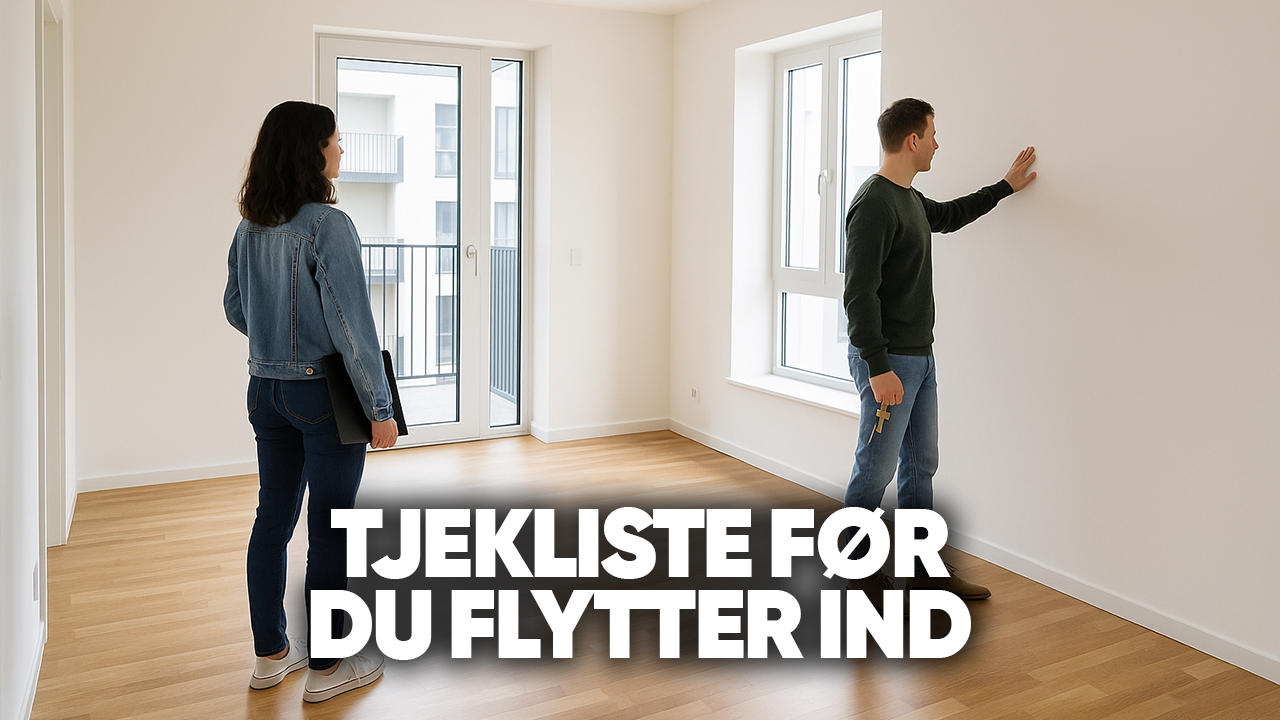
When you are about to move into a rental property, it is an excellent opportunity to make sure you get off to a good start – practically, financially, and legally. The biggest pitfalls often arise as early as the moving-in stage. That is why it is important to be thorough from the beginning.
Unfortunately, many tenants make mistakes during this stage, often because they are focused on the move itself and the excitement of their new home, while overlooking important details that may later have financial or practical consequences. This is precisely why it is essential to be thorough and attentive before signing agreements and taking possession of the keys.
Renting involves certain conditions that are different from owning a home. You are subject to a rental agreement, rules, and agreements that can have a major impact on your everyday life. It is therefore important that you do not simply skim through the documents but actually understand what you are agreeing to. Small phrases in the contract can have significant consequences – both in terms of maintenance, restoration, and your rights when moving out.
It is also important to thoroughly inspect the property before moving in. Many people overlook small defects and deficiencies when they first move in, which may later become their own responsibility. By being systematic and documenting the condition of the property from the beginning, you can avoid disputes and unexpected expenses when you eventually move out.
Getting a good start in your rental home is largely about preparation. The more you understand from the beginning, the easier it will be to have a secure and trouble-free everyday life as a tenant. It does not necessarily require a lot of time – but it does require you to pay attention and take responsibility for the decisions you make.
Inspiration List – Helpful Tips for Important Preparations Before You Start Renting
📊 Research the Rent Level Before You Start Renting
Before agreeing to a property and beginning your tenancy, it is important to assess whether the rent is reasonable in relation to the market and applicable rules. When you choose to rent, you should compare the price with similar properties in the area while also checking whether the rent has been determined according to the correct principles. In some cases, the rent may be higher than permitted, and as a tenant you may have the option of having it assessed and possibly reduced. By spending a little time researching the rent before moving in, you can secure a fairer agreement and avoid paying unnecessarily high rent over the long term.
📝 Review the Rental Agreement Thoroughly Before You Rent
When you are about to live in a rental property, the rental agreement is your most important document. This is where all the terms of your tenancy are established, and it is therefore essential that you understand its contents in detail. Pay particular attention to rules regarding maintenance, termination, rent increases, and restoration when moving out. If there is anything you are unsure about, you should have it clarified before signing. Many problems arise because tenants have not properly familiarized themselves with the contract from the beginning.
🔍 Check the Condition of the Property Before Moving Into a Rental Home
Before taking possession of a rental property, you should inspect it very thoroughly. If possible, inspect the rental property together with the landlord. When you choose to rent, it is important to document all existing faults and defects – even small ones. Take photos, make notes of details, and make sure they are recorded in the move-in inspection report. This can save you a lot of money and many disputes later because you will be able to prove that the damage did not occur while you were living there.
⚡ Check Consumption and Utilities When You Are About to Rent
Before moving in and beginning your tenancy, it is a good idea to get an overview of the property’s installations and ongoing consumption. This applies especially to electricity, water, and heating, where standards and costs can vary significantly. When you are about to rent, you should investigate what systems are installed in the property, how meter readings are taken, and whether there are individual meters. It can also be helpful to ask about previous consumption so that you get a realistic picture of your monthly expenses. By paying attention to these matters from the beginning, you can avoid unpleasant surprises while also identifying opportunities to optimize your consumption and improve your finances.
📸 Document Everything When You Start Renting
When you move into a rental property, documentation is your best protection. This is not only about taking photos but also about keeping all relevant communication with your landlord. When you rent and have your documentation in order from the beginning, you are in a much stronger position if disagreements arise. It provides peace of mind knowing that you can document the condition of the property and the agreements that have been made.
💰 Understand the Security Deposit and Prepaid Rent When You Rent
An important part of living in a rental property is understanding how the security deposit and prepaid rent work. Many people underestimate the importance of these amounts and the rules that apply to them. When you rent, you should know exactly what your deposit covers and what requirements may be imposed when you move out. The better you understand these matters, the easier it will be to avoid unpleasant surprises.
📅 Clarify Expectations With the Landlord When You Are About to Rent
Good communication with the landlord from the beginning can make a major difference. When you are about to rent, it is helpful to clarify expectations regarding maintenance, repairs, and general rules for the property. This may include everything from house rules to practical everyday matters, such as who paints, who replaces appliances, and who takes care of the garden. When expectations are clear from the beginning, it becomes much easier to avoid misunderstandings later.
****************************************************
REMEMBER– A good and carefully considered start can save you from costly problems with your tenancy later. Therefore, understand your rental agreement – and avoid unpleasant surprises. Good and thorough documentation from the beginning of the tenancy is your best protection against unpleasant surprises later.
Know Your Rights as a Tenant
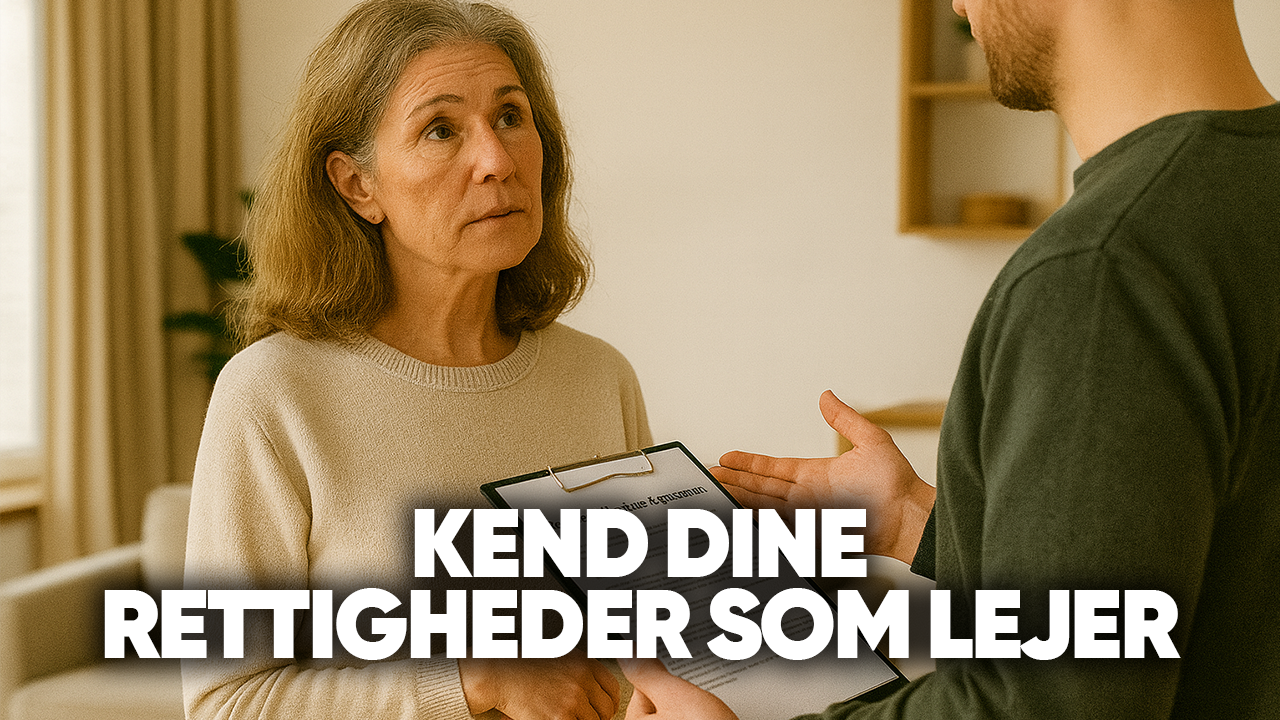
When you rent, it is not only a home – it is also a legal relationship in which both you and the landlord have clear rights and obligations. Unfortunately, many tenants are not fully aware of their rights, and in the worst cases this can lead to unnecessary disputes, financial losses, or uncertainty in everyday life. It is therefore a major advantage to familiarize yourself with the most important rules so that you are in a stronger and more secure position as a tenant.
Living in a rental property means that you are protected by rental legislation, which regulates matters including rent, maintenance, termination, and security deposits. However, even though the law is on your side, you need to know your rights and actively use them. This can include everything from ensuring that the rent has been set correctly to knowing when the landlord is allowed to enter the property or what requirements can be imposed when you move out.
At the same time, it is not only about knowing your rights – but also about understanding your obligations. A good landlord-tenant relationship is based on mutual respect and clear expectations. When you understand both sides, it becomes much easier to create a secure and stable everyday life in your home. This provides peace of mind and allows you to focus more on getting the best out of your rental home.
Ultimately, knowledge is your strongest protection as a tenant. The better you understand your rights, the better you can navigate both small and large situations – and avoid being placed in a weak position if disagreements arise.
Inspiration List – The Most Important Rules and Rights When You Choose to Rent
⚖️ Know the Rental Laws When You Rent
When you choose to live in a rental property, rental legislation is your most important protection. It establishes the fundamental rules governing rental housing and ensures that both tenants and landlords comply with certain requirements. It is a good idea to familiarize yourself with the most important provisions so you know what you are entitled to – for example, in relation to rent, maintenance, and termination. When you understand the rules surrounding renting, it becomes much easier to determine whether everything is being handled correctly.
🏠 The Right to a Proper Home When You Rent
As a tenant, you have the right to a home that meets normal standards for habitation. This means that the property must be in proper condition when you move in and must continue to be maintained. When you rent, it is the landlord’s responsibility to ensure that the property is habitable and does not have serious defects. If problems arise, you have the right to have them repaired – and in some situations you may also be entitled to compensation if the conditions do not meet the required standards.
🔧 The Right to Maintenance When You Live in a Rental Home
An important part of renting is understanding the difference between what you are responsible for maintaining and what the landlord is responsible for. As a general rule, major maintenance tasks are the landlord’s responsibility, while you as the tenant are responsible for ordinary day-to-day maintenance. When you rent and understand these rules, you avoid taking on tasks or expenses that you are not actually required to cover.
🚪 Rules Regarding Access When You Rent
Many people are unaware that the landlord does not have unrestricted access to the property. When you rent, you have a right to privacy, and as a general rule the landlord may only enter by agreement or in special circumstances. This is an important right that helps ensure that you can feel secure in your home. Knowing these rules gives you a clear understanding of your boundaries as a tenant.
💰 Fair Rent When You Choose to Rent
When you rent, you have the right to have your rent determined correctly in accordance with applicable rules. If the rent is too high or the landlord imposes unreasonable requirements, in many cases you can have the rent assessed by the Rent Tribunal and potentially have it reduced. However, this requires you to be aware of the issue and take action. Understanding your options regarding rent can make a significant financial difference over time.
📄 Rules for Security Deposits When You Live in a Rental Home
The security deposit is often one of the largest financial expenses associated with renting, which is why it is important to know the rules. The deposit may be no more than three months’ rent, and as a tenant you have the right to receive a correct statement when you move out. The landlord may only use the deposit for relevant expenses. When you rent and understand your rights regarding the deposit, you are in a much stronger position if disagreements arise.
💳 Rules for Prepaid Rent When You Rent
When you choose to rent, it is important to understand how prepaid rent works because it is often a significant part of the total cost of moving in. As a general rule, the landlord can require up to three months of prepaid rent in addition to the security deposit, which means you may have to pay a significant amount when you move in. When you live in a rental property, prepaid rent acts as a kind of “buffer” that typically covers the final months of your tenancy if you terminate the agreement. It is therefore important to know how and when the amount is deducted so that you avoid misunderstandings. By understanding the rules regarding prepaid rent when you rent, you gain a better financial overview and avoid unpleasant surprises later in the tenancy.
🚪 Rules for Terminating a Tenancy When You Rent
When you choose to rent, it is important to understand the rules for termination because they provide important security for you as a tenant. Unless a fixed-term rental period has been agreed, the landlord generally cannot terminate your tenancy without a legitimate and lawful reason, and clear rules apply regarding both notice periods and justification. When you live in a rental property, this means that you cannot suddenly be evicted without cause as long as you comply with your rental agreement. At the same time, it is important to understand your own termination terms so you know how much notice you must give if you want to move. By understanding the rules on termination when you rent, you create greater security around your housing situation and avoid unpleasant surprises.
******************************************************
REMEMBER – Knowing the rules and your rights as a tenant gives you security and strength in any negotiations concerning your tenancy. Therefore, having a good understanding of the most important rules in rental legislation provides security and peace of mind in your everyday housing situation.
How to Create a Home in Your Rental Property
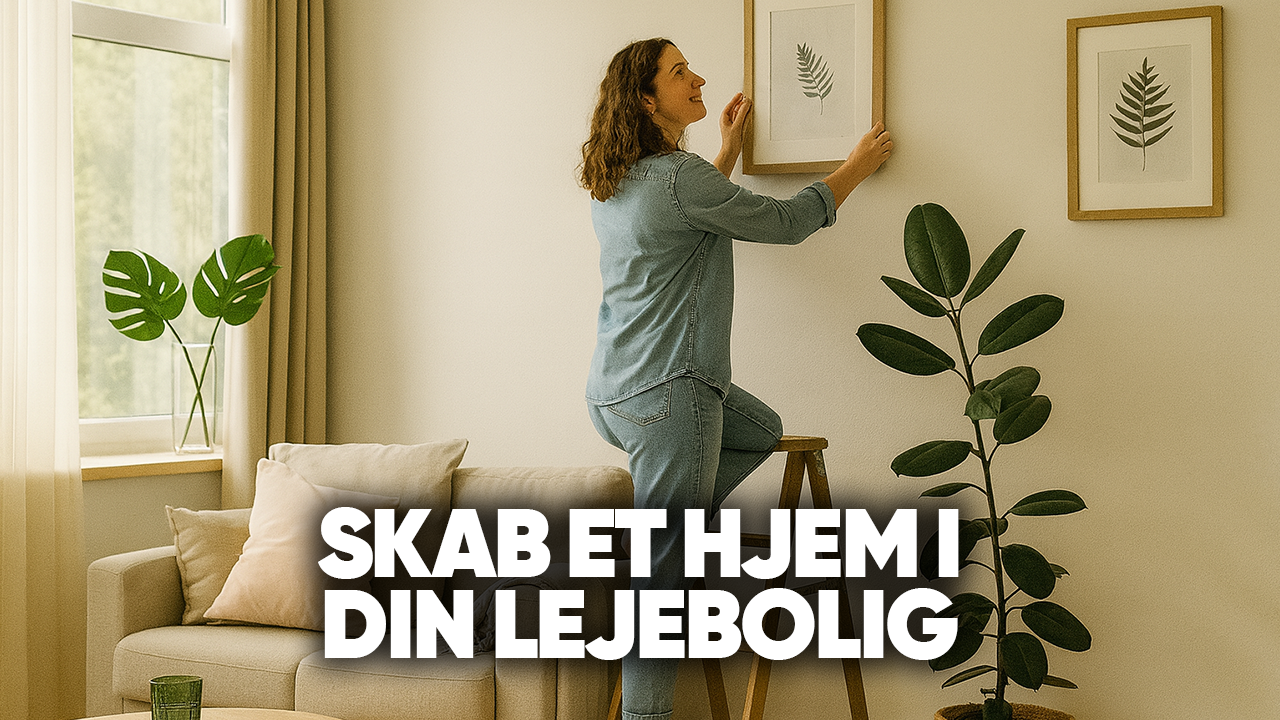
Renting does not mean that you have to compromise on the feeling of having a real home. On the contrary, it is largely about how you decorate, think about, and use your home in everyday life. Many people mistakenly believe that a rental property will always feel temporary or impersonal, but in practice it is often the small, deliberate choices that make the greatest difference. It is not necessarily major renovations or expensive solutions that create a sense of home – but rather atmosphere, functionality, and personality.
When you live in a rental home, it is important to work with the opportunities available to you rather than focusing on the limitations. You can create a warm and personal atmosphere through interior design, lighting, textiles, and small details that reflect your style. At the same time, flexible solutions allow you to continuously adapt the home so that it develops alongside your needs. This gives you a feeling of ownership – even though you do not own the property.
An important part of creating a home when you rent is also functionality. When your home works well in everyday life, it automatically becomes more comfortable to live in. Smart storage solutions, thoughtful interior design, and attention to the flow of the home can make even a small amount of space much more practical and manageable.
Well-being also plays a central role. A home is not only something you see – it is something you feel. You should therefore also think about elements that create calm, comfort, and well-being in your rental home. This can include everything from plants and natural materials to cozy corners and good lighting. When you prioritize these things, your home will increasingly feel like a place where you want to be – not simply somewhere you stay.
Ultimately, it is about taking an active approach to your home and making it your own – within the limitations that apply. When you work consciously with your rental property, you can create a home that is functional, personal, and inspiring. The most important thing is that you feel at home – whether you live there for two years or ten.
Inspiration List – Helpful Tips for Creating Coziness and Personality When You Choose to Rent
🛋️ Personal Interior Design When You Rent
When you choose to live in a rental home, it is important to think in terms of solutions that give your home personality without being permanent. This can be achieved through furniture, colors, pictures, and small details that reflect your style. When you rent, it can be beneficial to choose flexible elements that can easily be moved or changed so that the home can continuously adapt. In this way, you create a home that feels personal and alive even though you do not own the property.
🧵 Create Coziness With Textiles When You Rent
When you choose to live in a rental home, textiles are one of the most effective and flexible ways of adding warmth, personality, and comfort. Rugs, curtains, cushions, and throws can quickly transform even a neutral and impersonal room into a cozy and inviting home. When you rent, textiles are particularly valuable because they do not require permanent changes while still having a significant visual and practical impact. They can also improve acoustics, create different zones within the home, and make rooms more comfortable to spend time in. By using textiles thoughtfully when you rent, you can create a cohesive and homely atmosphere that supports both well-being and aesthetics.
💡 Create Atmosphere With Lighting When You Live in a Rental Home
Lighting plays a crucial role when you want to create a sense of home in a rental property. When you rent, it can be beneficial to use several light sources instead of relying on a single central light fixture. Use floor lamps, table lamps, and indirect lighting to create a warm and pleasant atmosphere. The right lighting can make even a simple rental home feel more inviting and cozy.
You can find additional tips on good lighting in your home in our article – Helpful Tips for Lighting Your Home – Create the Perfect Atmosphere in Your Home
🧺 Smart Storage Solutions When You Rent
When you live in a rental home, space is often an important consideration. Smart storage solutions can therefore make a big difference in everyday life. These can include multifunctional furniture, storage boxes, or creative solutions that make optimal use of the available space. When you rent and organize your storage effectively, you create a calmer and more manageable home.
🌿 Bring Life Into Your Home With Plants When You Rent
Plants are a simple and effective way to make a rental property feel more lively and inviting. When you choose to rent, plants can add color, life, and a sense of calm to the home. They do not require major changes but can still have a significant effect on the atmosphere. At the same time, they can contribute to a better indoor environment.
🧸 Create Cozy Corners When You Live in a Rental Home
When you rent, it can be a good idea to create small areas in your home dedicated to relaxation and well-being. This could be a reading corner, a cozy space with blankets and cushions, or somewhere you can retreat and relax. These small zones can make your rental home feel more personal and create a stronger sense of home.
🎨 Temporary Solutions When You Rent
Even if you live in a rental property with restrictions, there are many temporary solutions that can make a major difference. These can include removable wallpaper, posters, textiles, or small changes that do not require permanent alterations. When you rent and think creatively, you can create a home that feels like your own – without breaking the rules.
***************************************************************
REMEMBER– A cozy and personal home is something you create – not something you buy, and small details can make a big difference in your home.
**********************************************************
You can find additional interior design tips for your home in our articles:
Helpful Interior Design Tips for Your Home
Helpful Tips for Decorating Small Rooms in Your Home
Rent and Finances – How to Keep Your Budget Under Control When You Rent

When you rent, the rent itself is typically your largest fixed expense and therefore plays a crucial role in your overall finances. Many people find it challenging to get an overview of all housing-related expenses because there are often more costs than just the rent itself. Expenses for electricity, water, heating, internet, and insurance can quickly add up if they are not included in an overall budget. It is therefore important to manage your finances in a structured way so that you avoid unpleasant surprises and instead create a stable and predictable everyday life.
Living in a rental property, however, offers the advantage of greater financial predictability compared with owning a home. You typically know your fixed rent, and many maintenance expenses are the landlord’s responsibility. This gives you a good starting point for planning your finances – if you use it properly. It is largely about gaining an overview, prioritizing your expenses, and making continuous adjustments so that your budget suits your circumstances.
An important part of managing your finances when you rent is thinking long-term. This applies both to savings, unexpected expenses, and future changes in your financial situation. By developing good habits from the beginning, you can avoid financial stress while gaining more freedom to spend money on the things that add value to your everyday life.
There are also often opportunities to optimize your household finances that many people overlook. Small adjustments to consumption, smarter purchasing decisions, and better planning can together make a noticeable difference. When you actively work on your finances, you not only gain better control – you also have the opportunity to get more value from your money.
Inspiration List – Helpful Tips for Managing Your Finances When You Choose to Rent
📊 Create a Realistic Budget for Your Rental Home
When you choose to rent, it is essential to create a realistic and carefully considered budget. It is not only about the rent but also all the other fixed and variable expenses associated with renting. By gathering all your expenses in one place, you gain a clear overview of your finances and can better assess where adjustments can be made. A good budget makes prioritization easier and ensures that you do not spend more money than you have available.
You can find inspiration for creating a good and realistic personal budget in our article – Helpful Tips for Creating a Personal Budget – Step by Step
⚖️ Understand the Rent Level as a Tenant
When you choose to rent, it is important to make sure that your rent is at a reasonable level in relation to applicable rules and the market. Many people are unaware that rent may in some cases have been set too high and that, as a tenant, you may be able to have it assessed and possibly reduced through the Rent Tribunal. When you rent and investigate your options, this can in practice result in lower monthly expenses and therefore stronger finances. It often only requires collecting the relevant documentation and taking the initiative to have the case assessed. By paying attention to the rent level when you rent, you can avoid paying more than necessary while also securing a fairer agreement.
💡 Monitor Consumption in Your Rental Home
When you rent, your electricity, water, and heating consumption can have a major impact on your overall finances. Many people underestimate these expenses because they are not included in the fixed rent. By regularly monitoring your consumption and adjusting your habits, you can significantly reduce your expenses. Small everyday changes can make a big difference over time.
You can find inspiration for reducing consumption in your home with the help of smart gadgets in our article – Smart Gadgets for the Home – Technology That Makes Your Home Smarter and More Efficient
🧾 Get an Overview of All Expenses When Renting
It is important to gain a complete overview of all expenses when you live in a rental property. In addition to rent and utilities, there may be expenses for insurance, internet, transportation, and other fixed costs. When you rent and have control over all these elements, it becomes much easier to manage your finances and avoid unexpected expenses.
For example, you can find inspiration for affordable insurance in our article – Save Money – How to Understand the Prices Charged by Banks and Insurance Companies
💰 Build a Financial Buffer as a Tenant
Although renting often involves fewer unexpected expenses than owning a home, situations can still arise where you need additional financial flexibility. This could involve moving, buying new furniture, or changes in your income. By building a financial buffer, you create security that makes it easier to deal with unexpected expenses without stress.
🛒 Save Money in Everyday Life Around Your Rental Home
When you live in a rental home, there are many small areas where you can save money in everyday life. This could involve smarter shopping, reuse, meal planning, or avoiding impulse purchases. When you rent and actively work on your everyday habits, you can free up money that can instead be used for savings or experiences.
You can find inspiration for saving money through good and carefully considered meal planning in our article – Save Money on Your Food Budget – Helpful Tips for an Affordable Meal Plan
🏡 Consider a Roommate Arrangement in a Rental Home
When you choose to rent, it may in many cases be beneficial to consider a roommate arrangement if the property is large enough. By sharing the home with another person, you can significantly reduce your fixed expenses because rent, utilities, and other costs are shared between more people. When you rent and choose this solution, it can give you greater financial flexibility that can be used for savings, experiences, or other priorities. At the same time, the social aspect can also be an advantage if the arrangement works well in everyday life. However, it is important to clarify expectations, responsibilities, and practical matters from the beginning so that the arrangement functions effectively. By considering roommate solutions when you rent, you can both optimize your finances and create a more flexible everyday life.
📈 Plan Your Finances for the Long Term as a Tenant
Even if you rent, it is important to think long-term about your finances. This may involve savings, investments, or future housing choices. When you live in a rental home and have a financial plan, you are in a much stronger position to make good decisions later in life.
You can find additional inspiration for planning your finances over the long term in our article – Helpful Tips for Investing Your Savings Wisely – From Stocks to Property
******************************************************
REMEMBER– Having a good overview is the key to healthy household finances, and your finances become stronger when you continuously and actively work on them.
Moving Out – Where Many People Lose Money When Leaving a Rental Property
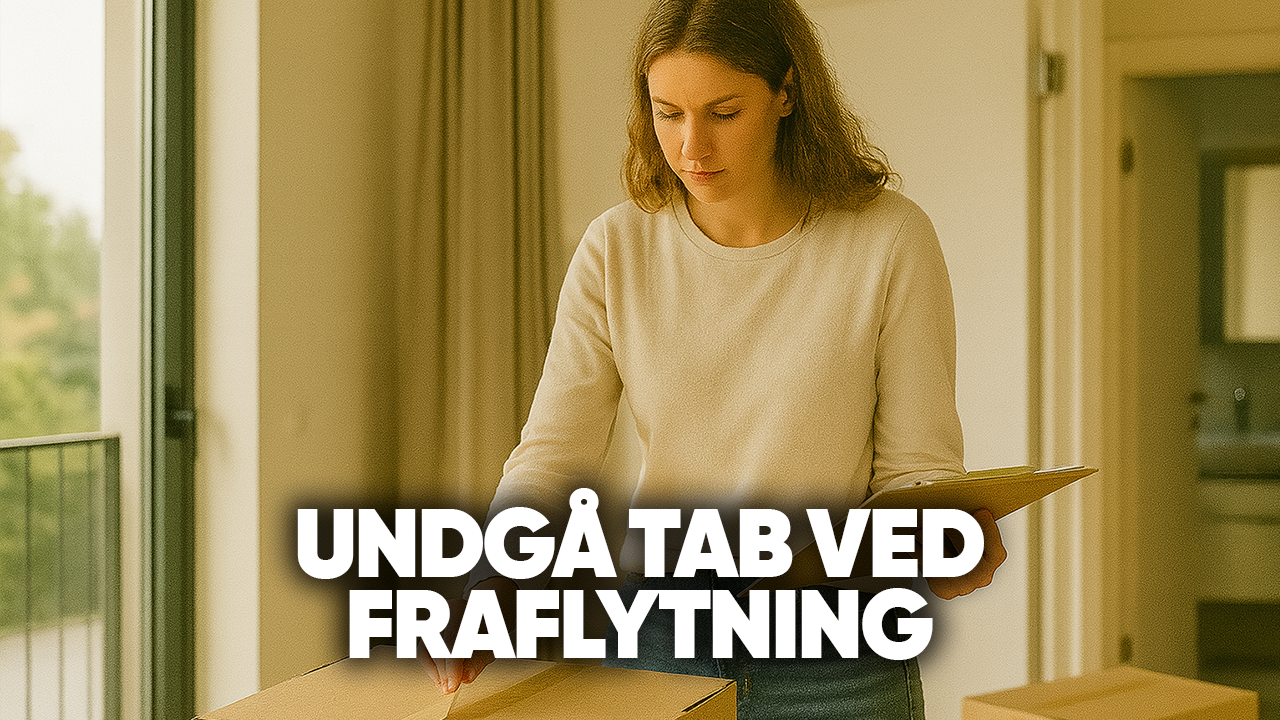
Moving out is one of the situations where many tenants truly discover how important it is to know the rules and be well prepared. While moving in is often associated with excitement and happiness, moving out can quickly become more complicated than expected. This is especially true if disagreements arise regarding restoration, cleaning, wear and tear, defects, or the use of the security deposit. For many people, it becomes an expensive experience, not necessarily because they intentionally did something wrong, but because they did not have a sufficient overview of what was expected and what the landlord is actually allowed to require.
When you have chosen to rent, it is important to understand that moving out is not simply a matter of emptying the property and returning the keys. It is a process where details can have major financial consequences. If you do not have documentation of the property’s condition when you moved in, if you overlook requirements in the rental agreement, or if you are not aware of the difference between normal wear and tear and damage caused by neglect, you can quickly end up paying more than necessary. This is precisely why it is essential to think strategically and thoroughly long before moving day approaches.
One of the most common reasons for financial losses when moving out is that tenants underestimate the importance of documentation and preparation. Many mistakenly believe that the security deposit will automatically be returned as long as they tidy up and do some basic cleaning. In practice, it is much more complicated. Disagreements often arise over the standard of cleaning, painting, floors, holes in walls, minor damage, or conditions that were already present when the tenant moved in. If you do not have your paperwork and documentation in order, you are in a much weaker position in any discussion with your landlord.
At the same time, it is important to remember that living in a rental property does not mean that you must uncritically accept every demand. There are clear rules regarding what the landlord can require you to pay for and what is considered normal wear and tear. A successful move-out therefore involves not only cleaning and packing moving boxes, but also understanding your rights, reviewing your rental agreement with fresh eyes, and taking the necessary precautions well in advance. The better prepared you are, the greater the chance that the move-out process will be fair, manageable, and much less expensive.
Ultimately, moving out is a stage where being both systematic and realistic can pay off. A well-planned effort can mean the difference between a smooth conclusion and an expensive dispute. When you understand what to pay attention to and how to protect yourself as a tenant, you have a much better opportunity to end your tenancy in a positive and financially responsible way.
Inspiration List – Helpful Tips for a Safe and Well-Planned Move-Out
📸 Thoroughly Document the Condition of the Rental Property From Beginning to End
One of the most important things when you choose to rent is being able to document the condition of the property both when you move in and when you move out. Therefore, take photos and videos of the property when you move in and again when you leave. Many tenants discover too late that they are in a weak position if there is uncertainty about which damages or defects were already present before they moved in. You should therefore keep photos, videos, the move-in inspection report, and relevant written communication with the landlord throughout the entire tenancy. When you later leave the rental property, this documentation becomes an essential protection against unreasonable demands. It allows you to demonstrate what constitutes normal wear and tear and what may already have been a problem when you took possession of the property. The more systematic you have been throughout the tenancy, the stronger your position will be if questions arise regarding the property’s condition when you move out.
🧾 Review the Rental Agreement Well Before Moving Out
When you live in a rental property, it is easy to forget the specific terms of the rental agreement once everyday life gets underway. However, when moving out, many important details are found precisely in the contract. These may include requirements regarding notice periods, rules for restoration, cleaning provisions, or special conditions that may have financial consequences. It is therefore a very good idea to read the agreement thoroughly well before returning the rental property. This way, you avoid important requirements coming as a last-minute surprise. When you properly understand the terms of renting, you are in a much better position to plan your move correctly and avoid unnecessary expenses.
🧼 Take Cleaning Seriously in Your Rental Home
Cleaning is one of the areas where many tenants lose money when moving out. This is particularly true if the property is returned in a condition that the landlord believes does not meet the expected standard. When you have been renting, small details such as limescale in the bathroom, grease in the oven, dirt along edges and moldings, dust on cupboards, or poorly cleaned windows can quickly result in additional charges. Cleaning should therefore not be treated as a last-minute task but as an important part of a successful move-out. It can be helpful to work systematically room by room and possibly consider professional cleaning if the requirements are high or time is limited. In many cases, thorough cleaning can be one of the cheapest ways of avoiding significant deductions from your security deposit.
🎨 Understand the Difference Between Normal Wear and Tear and Neglect in Your Rental Home
When you choose to rent, it is important to understand the difference between normal wear and tear and actual neglect or damage. Many tenants end up accepting bills they may not actually be responsible for because they are unaware of this distinction. Normal wear and tear occurs naturally through ordinary daily use of a home over time, while neglect refers to damage or lack of care that goes beyond what would normally be expected. For example, naturally worn flooring or ordinary signs of use may not necessarily be something you are fully responsible for paying for. When you understand these differences in a rental situation, it becomes easier to assess whether a demand from the landlord appears reasonable. This knowledge can be crucial if you want to avoid paying for conditions that are not actually your responsibility.
🛠️ Clarify Restoration Requirements Before Moving Out of the Rental Property
Restoration is an area that often creates uncertainty and financial disputes when a tenancy is ending. It is therefore a good idea to clarify well in advance exactly what is expected before you move out. This may include painting, filling holes, repairing damage, treating floors, and other matters that may become relevant when returning the property. When you have lived in a rental home for a long time, it can be difficult to judge for yourself what is necessary and what is not. It may therefore be helpful to obtain written clarification or critically inspect the property well in advance. Early clarification makes it easier to choose the right solutions and can prevent small issues from developing into expensive deductions from the deposit.
📅 Plan Your Move-Out With Plenty of Time
A rushed move-out increases the risk of mistakes, forgotten details, and hasty decisions. Planning is therefore one of the most valuable things you can do when ending your time as a tenant. If you start too late, cleaning, repairs, packing, and coordination all become more stressful, and this can cause important details to be overlooked. When you rent and know that your move-out date is approaching, you should create a realistic plan for the final weeks. This allows you to handle tasks in the right order, arrange help in good time, and avoid expensive emergency solutions. A calm and well-organized process makes it much easier to return the property in proper condition and protect your security deposit as much as possible.
📝 Participate Actively in the Move-Out Inspection and Make Sure Everything Is Recorded
When ending a tenancy, the move-out inspection is one of the most important stages in the entire process. This is when the landlord inspects the property and assesses its condition, and it is essential that you are present so that you can follow what is being recorded. When you rent and actively participate in the inspection, you have the opportunity to ask questions, clarify disagreements, and make sure all conditions are correctly described in the report. It is important not to simply accept the contents without carefully reviewing them because the report forms the basis for the subsequent settlement of your security deposit. By paying attention and making sure everything is written down during the move-out inspection, you can avoid misunderstandings and put yourself in a much stronger position if a disagreement arises later.
💰 Be Critical When Reviewing the Settlement of Your Security Deposit After Moving Out
Many tenants assume that the landlord’s security deposit settlement is automatically correct, but this is not always the case. When you have rented and receive a statement after moving out, it is important to review it thoroughly and critically examine each individual item. You should check whether the expenses are documented, whether the work appears reasonably priced, and whether the charges actually relate to matters for which you are responsible. In some cases, there may be items that appear unclear, excessive, or insufficiently justified. It is important not to simply accept everything without question. When you take the time to check the statement, you are much better prepared to respond if something does not add up, thereby reducing the risk of losing more money than necessary.
⚖️ Seek Help if a Disagreement With the Landlord Arises When Moving Out
If a disagreement arises in connection with moving out, it is important to remember that you do not have to deal with the problem alone. Many people who have lived in rental accommodation become uncertain when the landlord makes demands that seem extensive or difficult to understand. In such situations, seeking advice can be a major advantage so that you can have the demands assessed for fairness and understand how best to respond. Receiving an objective assessment before accepting something that may cost you a significant amount of money can provide both reassurance and strength. When you choose to rent, an important part of protecting yourself is knowing that help is available if moving out develops into a dispute. The right advice can, in many cases, mean the difference between a significant financial loss and a fairer outcome.
**************************************************************************
REMEMBER– A successful move-out begins long before you return the keys. Good documentation and a carefully considered overview can save you a great deal of money when moving out of your rental property.
Community and Neighbors – An Overlooked Goldmine When You Rent

Rental properties often have many people living close together, which can sometimes create challenges – but also major advantages. The focus is often primarily on finances, flexibility, and practical matters. However, one of the most underestimated benefits of living in a rental property is the community you can build with your neighbors. Good neighborly relationships can improve the entire housing experience and create an everyday life that feels safer, easier, and more socially rewarding.
Many tenants live relatively anonymously side by side without taking advantage of the potential of a well-functioning neighborhood community. However, even small initiatives – such as saying hello, helping one another, or having informal conversations – can make a major difference. When you rent and have a good relationship with your neighbors, it can create a sense of belonging and security that can otherwise be difficult to achieve in a more temporary form of housing.
A good community can also have practical advantages. This may include helping with packages, looking after plants, doing small favors in everyday life, or simply keeping an extra eye on the property. In many cases, strong neighborly relationships can also help prevent conflicts because communication is open and respectful.
When you choose to live in a rental property, it is therefore worth seeing your neighbors as a resource rather than simply as people with whom you share a building or neighborhood. An active and positive community can help make your home feel more welcoming and your everyday life more secure – and it often takes less than you might think to get started. Good neighborly relationships can be crucial in determining whether your rental home feels like a good, safe, and cozy place to live.
Inspiration List – Helpful Tips for Creating a Stronger Community When You Rent
📜 Show Consideration by Following the House Rules in Your Rental Property
When you choose to live in a rental property, the house rules are an important part of everyday life and help ensure that all residents can live comfortably side by side. The rules often concern noise, use of communal areas, waste disposal, and general behavior, and they are designed to create balance in a shared environment. When you rent and respect these guidelines, you help prevent unnecessary conflicts and create a more pleasant atmosphere in the property. At the same time, it demonstrates responsibility and consideration toward your neighbors, which is often returned in everyday life. By following the house rules when you rent, you actively contribute to a well-functioning community and a more harmonious living experience.
🤝 Take the First Step Toward Good Neighborly Relationships
When you choose to rent, taking the initiative to connect with your neighbors can make a major difference. It does not have to be anything large or formal – a simple hello, a short conversation, or a friendly gesture may be enough to open the door to a better community. Many people wait for others to take the first step, but when you take action yourself, you help create a more welcoming atmosphere around rental living. Over time, these small actions can develop into stronger relationships that make everyday life both easier and more enjoyable.
📦 Help One Another in Everyday Life as Tenants
One of the major benefits of living in a rental property is the opportunity to support one another with small everyday tasks. This could include receiving packages, lending tools, or helping with practical matters. When you rent and build a culture where people help one another, it becomes easier to handle everyday challenges. At the same time, it creates a sense of community and mutual respect that makes the property feel safer and more vibrant.
🗣️ Prevent Conflicts Through Communication in Your Rental Property
When many people live close together, disagreements can arise – but open and respectful communication can often prevent small problems from becoming bigger ones. When you live in a rental property, it is helpful to address issues early and communicate directly with your neighbors if challenges arise. These could involve noise, communal areas, or other practical matters. When you rent and prioritize communication, you create a better and more harmonious environment for everyone.
🌱 Create a Positive Atmosphere in the Property Where You Rent
The social environment in a property is greatly influenced by the way residents interact with one another. When you rent and contribute positively to the atmosphere, this can affect the entire building or residential area. Smiles, friendliness, and small acts of consideration in everyday life can help create a more pleasant atmosphere. Over time, this can make a major difference to how it feels to come home.
🪴 Share Small Resources When You Live in a Rental Home
When you live in a rental property, there are often opportunities to share resources with your neighbors. This can include everything from tools and equipment to plants or knowledge and experience. By sharing and cooperating, everyday life can become both cheaper and more practical. At the same time, it strengthens relationships between residents and makes it easier to build a sense of community.
🏢 Get Involved in Community Meetings and Decisions in the Property Where You Rent
When you choose to live in a rental property, community meetings and resident involvement provide an excellent opportunity to influence the environment you are part of every day. Many tenants overlook the value of participating actively, but this is precisely where you can gain insight into decisions concerning operations, maintenance, and communal areas. When you rent and engage in these processes, you not only gain a greater understanding of how the property is developing but also have the opportunity to influence it in a direction that creates better well-being for everyone. At the same time, this strengthens relationships with neighbors and contributes to a more successful community. By participating actively when you rent, you become more than simply a resident – you become an active part of the environment in which you live.
🎉 Create Small Social Initiatives in a Rental Community
Even small social initiatives can have a significant impact on the community. This could include anything from an informal cup of coffee in the building to a shared activity in the courtyard. When you rent and take the initiative to organize social activities, you help create a more lively and inclusive place to live. It does not need to be large or highly organized – the most important thing is that it feels natural and informal.
📱 Create a Digital Neighborhood Group for Your Rental Property
When you choose to rent, a digital neighborhood group can be an effective tool for strengthening communication and community in everyday life. By creating a group on Facebook or WhatsApp, you make it easy for residents to share information, ask questions, and help one another quickly and informally. When you rent and have a shared digital platform, it becomes easier to coordinate practical matters such as packages, shared announcements, or small issues in the building. At the same time, the group can also be used to organize social initiatives and strengthen relationships between neighbors. By taking the initiative to create a digital neighborhood group when you rent, you can help make everyday life both smoother and more social.
*****************************************************************
REMEMBER– Your rental home becomes better with good neighbors, and a strong neighborhood community creates security and well-being.
Future Perspective – Why Renting Can Be a Strength

For many years, owning a home has been considered the natural goal for most Danes, but today we are seeing a clear shift where renting is increasingly becoming an active and strategic choice. Society is changing, the job market is becoming more dynamic, and more people are prioritizing flexibility, mobility, and quality of life over permanent ownership. In this context, a rental home can be far more than simply a temporary solution – it can be a strength that provides the freedom to navigate a world where needs and opportunities are constantly evolving.
When you choose to live in a rental property, you free yourself from a number of commitments that could otherwise limit your options. You do not tie capital up in property, you have greater freedom to move, and you can adjust your housing situation as your job, family, or lifestyle changes. This makes it easier to take advantage of new opportunities without your housing finances becoming an obstacle. For many people, it is precisely this flexibility that makes renting attractive – not only now but also from a long-term perspective.
At the same time, living in a rental property gives you the opportunity to think differently about finances and investment. Instead of focusing on property as your primary investment, you can choose to prioritize savings, investments in other assets, or creating financial flexibility for experiences and personal development. This gives you greater control over your finances and the opportunity to continuously adjust your priorities.
There is also a growing tendency for housing to be viewed less in terms of ownership and more in terms of functionality and quality of life. When you rent and focus on how your home supports your everyday life, you can create a solution that better suits your current needs. This may involve location, size, facilities, or flexibility – all factors that can be adjusted over time.
Ultimately, it is about seeing a rental home as an opportunity rather than a limitation. When you approach your housing situation strategically, renting can become a strength that gives you more choices, greater freedom, and a better balance between finances and quality of life.
Inspiration List – Helpful Tips for Thinking Strategically When You Choose to Rent
📉 Stable Finances Without Property Debt in a Rental Situation
When you choose to rent, you avoid being tied to property debt and the fluctuations that can affect the housing market. This means that you are not directly affected by falling property prices, rising interest rates, or uncertainty about your property’s value. When you rent, you can instead focus on creating more stable and predictable finances where fixed expenses are easier to manage. At the same time, this gives you the freedom to make financial decisions without depending on developments in the housing market. By choosing to rent and avoiding property-related debt obligations, you can create a more flexible and resilient financial life.
🛠️ Less Responsibility for Maintenance in a Rental Property
When you choose to rent, in the vast majority of cases you avoid the major and often unexpected maintenance costs associated with home ownership. These may include everything from replacing roofs and windows to repairing installations or dealing with major wear on the property. When you rent, the landlord is typically responsible for these tasks, which means you avoid both financial uncertainty and practical inconvenience. This creates a more manageable everyday life and allows you to prioritize your resources differently. By choosing to rent and thereby reducing your maintenance responsibilities, you gain a form of housing with fewer worries and greater financial predictability.
🔄 Flexibility as a Strength in a Rental Home
When you choose to rent, you gain flexibility that can be crucial in modern life. It gives you the opportunity to quickly adapt your housing situation if your needs change – whether because of work, family, or new opportunities. When you rent, it is much easier to make decisions without being tied to long-term financial commitments. This flexibility allows you to navigate life more freely and take new steps without unnecessary limitations.
💼 Financial Freedom When Living in a Rental Home
Renting allows for a different approach to finances where you do not have large amounts of money tied up in a property. This means that you can manage your money more flexibly and prioritize savings, investments, or experiences. When you live in a rental property, you have greater freedom to adapt your finances to your goals and changes in your life. This freedom can be a major advantage, especially if you want to keep more options open.
🌍 Mobility and New Opportunities as a Tenant
When you live in a rental home, it is easier to move in pursuit of new opportunities – both geographically and in terms of your lifestyle. This may involve changing jobs, studying, or simply wanting different surroundings. When you rent, you are not tied down in the same way as when you own a property, giving you greater freedom to pursue opportunities as they arise. This mobility can be an important factor in a world where change is a natural part of life.
📊 Alternative Investments When You Have Chosen to Rent
When you choose to rent, instead of investing in property you can choose other forms of investment. These may include stocks, funds, or savings, giving you greater flexibility and diversification in your finances. When you rent, you have the opportunity to think more strategically about finances and investment, which can create a stronger financial foundation over the long term.
You can find inspiration for saving and investing in our article – Helpful Tips for Investing Your Savings Wisely – From Stocks to Property
⚖️ Balance Between Quality of Life and Finances in a Rental Situation
Renting gives you the opportunity to find a balance between finances and quality of life that suits your current situation. A rental home does not therefore have to be a “temporary solution” – it can be an active choice. You can choose a home that supports your everyday life without being tied to long-term financial decisions. When you live in a rental property, you can adjust your choices as your needs change and thereby create a better connection between your finances and your lifestyle.
🧭 Use Your Housing Situation Strategically as a Tenant
When you rent, you can actively use your housing situation as a strategic tool. This may relate to your career, finances, or lifestyle. By viewing your rental home as a flexible solution rather than a permanent condition, you gain the opportunity to make decisions that support your long-term goals. This provides greater freedom to develop and continuously adapt your life.
******************************************************
REMEMBER– Renting can be a strategic advantage that best suits your current lifestyle, and the flexibility of a rental home gives you more housing options in the future if your circumstances and housing needs change at a later stage.
Inspiration – How to Get the Best Out of Your Rental Home
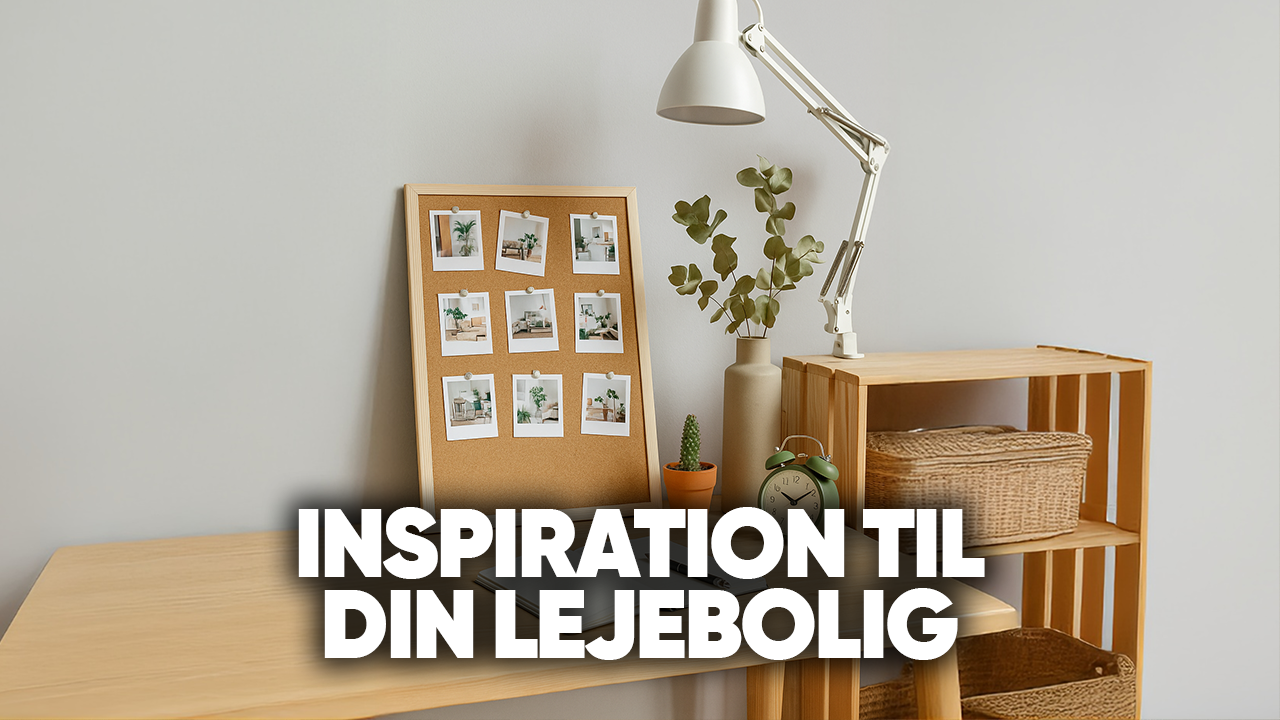
Renting does not have to be a limitation – on the contrary, it can be an opportunity to create a flexible, functional, and inspiring everyday life. Many people think of a rental home as a temporary solution, but in practice it can become a place where you build routines, well-being, and quality of life just as you would in an owner-occupied home. It is largely about seeing the possibilities rather than the limitations and actively working with the circumstances you have.
When you live in a rental property, a number of simple and deliberate choices can help you create a home that both functions optimally and feels personal. This does not necessarily require major investments – often, the small adjustments you make in everyday life produce the greatest results. These may involve smarter interior design, better organization, optimizing your finances, or changing the way you use your home in everyday life.
It is also important to take a holistic approach. Renting is not only about the property itself but also your lifestyle, habits, and priorities. When you begin actively working with these elements, you will discover that your home increasingly supports your everyday life and your goals.
Inspiration is not about copying others but about finding solutions that suit you. When you start with your own needs and combine them with practical and financial considerations, you can create a rental home that works much better than you may have imagined.
Inspiration List – Helpful Tips for Getting More Out of Renting
📚 Increase Your Security Through Knowledge of Tenant Rights
When you choose to rent, having an understanding of your rights and obligations as a tenant is a major advantage. Knowledge of the rules regarding rent, maintenance, termination, and security deposits gives you a stronger foundation in your housing situation. When you rent and know your rights, it becomes much easier to navigate conversations with your landlord and avoid unpleasant surprises. At the same time, knowing what you can expect and what you are entitled to provides greater peace of mind in everyday life. By continuously familiarizing yourself with the rules when you rent, you can create a safer and more carefully considered housing experience. At the same time, it is important to keep your documentation relating to the tenancy in order from day one.
🏠 Use Your Rental Home Actively as a Place for Socializing
When you choose to rent, you can benefit from using your home as an active gathering place for social relationships. It is not only about interior design and functionality but also about how you use your home in everyday life. When you rent and invite friends, family, or neighbors into your home, you create life and energy in the property, making it more personal and meaningful. These do not need to be large gatherings – even small get-togethers can strengthen relationships and increase well-being. At the same time, this can help create a stronger connection to both your home and the local area. By actively using your rental property when you rent, it becomes not simply a place where you live – but a place where you truly live your life.
🧭 Create Structure in Your Everyday Life as a Tenant
When you choose to rent, having good everyday structure can help make your home much more functional. It is about organizing your routines so that your home supports your needs instead of creating clutter and stress. When you rent and work with structure, it becomes easier to stay organized, save time, and create a calmer everyday life. Small habits such as having fixed places for your belongings, planning your week, and using simple systems can make a noticeable difference.
🪑 Think Flexibly About Interior Design in a Rental Home
One of the advantages of living in a rental property is the opportunity to work with flexible solutions that can be adapted over time. When you rent, it can be beneficial to choose furniture and interior design elements that can easily be moved, changed, or adapted to new needs. This allows you to continuously optimize your home without major costs while maintaining a dynamic and functional interior.
You can find additional tips for decorating your home in our article – Helpful Interior Design Tips for Your Home
♻️ Decorate Smartly With Reuse and Budget-Friendly Solutions in Your Rental Home
When you choose to rent, reuse and creative budget-friendly solutions can be an effective way to create personal and functional interior design without major expenses. By combining second-hand furniture, thrift-store finds, and simple DIY solutions, you can give your home a unique character while also being financially responsible. When you rent and think in terms of reuse, it becomes easier to continuously adapt your interior without being tied to expensive investments. At the same time, you can often find solutions that are both sustainable and practical, providing additional value in everyday life. By working creatively with reuse and budget-friendly ideas when you rent, you can create a home that is stylish, flexible, and financially sensible.
You can find additional tips for decorating your rental home using reused items in our article – Helpful Tips for DIY Recycling Ideas for the Home
💡 Make Use of Small Everyday Improvements When You Live in a Rental Home
When you live in a rental property, it is often the small improvements that make the biggest difference. This could include better lighting, smarter storage, or small adjustments that make everyday life easier. When you rent and focus on continuous improvements, you can gradually optimize your home without having to make major changes. This creates a sense of progress and control over your housing situation.
You can find inspiration for how smart gadgets can optimize expenses associated with your rental home in our article – Smart Gadgets for the Home – Technology That Makes Your Home Smarter and More Efficient
💰 Think Financially Smart in a Rental Situation
Renting provides a good opportunity to actively manage your finances. By focusing on consumption, planning, and prioritization, you can get more value from your money. When you live in a rental property and think strategically about your finances, you can free up funds for savings, investments, or experiences. Small everyday adjustments can have a significant financial impact over time.
For example, you can create a weekly meal plan that can save you a significant amount of money in everyday life and free up money for other enjoyable experiences. You can find inspiration for creating an affordable weekly meal plan in our article – Save Money on Your Food Budget – Helpful Tips for an Affordable Meal Plan
🌿 Create Balance and Well-Being in Your Rental Home
When you choose to rent, it is important to create a balance between functionality and well-being. This can be achieved through interior design, calm surroundings, lighting, and elements that make the home comfortable to spend time in. When you rent and prioritize well-being, your home becomes more than simply a place where you stay – it becomes somewhere you genuinely want to be. This has a major impact on both energy and quality of life in everyday living.
You can find inspiration for good lighting in your rental home, which is an important factor if you want to enjoy your home and maintain a good sense of well-being, in our article – Helpful Tips for Lighting Your Home – Create the Perfect Atmosphere in Your Home
🔄 Continuously Adapt Your Home as a Tenant
One of the major benefits of renting is the ability to continuously adapt your home to your needs. This may involve small changes to the interior, functionality, or how you use the space. When you live in a rental property and actively work on adapting it, you can ensure that your home always supports your current circumstances. This makes it easier to get the most out of your home over time.
********************************************************
REMEMBER– A good rental home starts with good habits, and your rental home becomes better when you actively work with it. Think smart – and get more out of your rental home.
Conclusion – Your Rental Home, Your Responsibility, Your Freedom
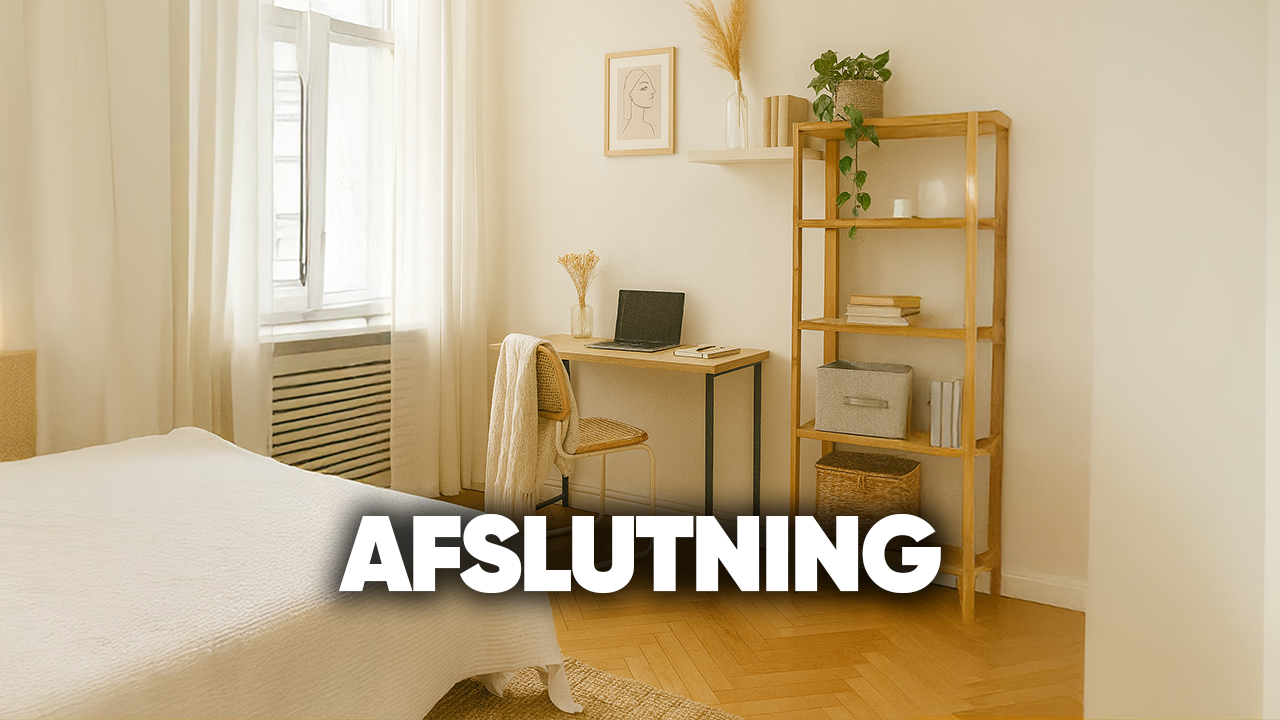
Renting is far more than a practical form of housing – it is an opportunity to create an everyday life that is flexible, financially well planned, and adapted to your needs. Throughout this article, we have seen how the right approach can help you get far more out of your rental home than many people initially imagine. It is not about ownership – but about understanding, using, and optimizing the circumstances you have with your rental home.
By consciously working with your rental home, your finances, and your rights, you can create an everyday life that is both secure and efficient. Small adjustments to interior design, consumption, and planning can make a major difference over time. At the same time, an active relationship with neighbors and the wider community can enhance your housing experience and create a stronger connection to your home.
It is also clear that renting today can be a strategic strength. It gives you the opportunity to remain flexible, adapt to changes in life, and prioritize what matters most to you – whether that is financial freedom, mobility, or quality of life. When you see your home as an active part of your lifestyle, new opportunities arise for creating a balance between practical needs and personal preferences.
Ultimately, it is about taking active control. The more actively you approach your rental home, the more you can get out of it. When you combine knowledge, planning, and a practical approach to everyday life, your rental home can become a solution that is functional, inspiring, and financially sensible, while providing the setting for a secure, flexible, and inspiring life – if you use it wisely.
*******************************************************
REMEMBER– Freedom, flexibility, and functionality go hand in hand when you live in a rental home. You get the most out of your home when you use it actively, and your rental home should work for you – not the other way around.
Mini Guide – How to Get the Most Out of Renting
When you choose to rent, there are a number of key areas that have a major impact on your finances, well-being, and overall housing experience. Many people see renting as a temporary solution, but in practice it can be both a flexible and strategic form of housing – if you actively work on the right things. This mini guide gives you an overall view of the most important areas to focus on so that you can get the most out of your everyday life as a tenant.
This mini guide is a summary of the article above and focuses on the most important areas when you are renting.
📝 Know Your Rights When You Choose to Rent
When you live in a rental property, it is essential to understand your rights and obligations as a tenant. This includes everything from rent, maintenance, and termination to rules regarding the security deposit and access to the property. When you rent and understand these matters, you are in a much stronger position when communicating with your landlord and are less likely to be disadvantaged when uncertainty arises. At the same time, knowing what you are entitled to and what you are responsible for provides greater peace of mind in everyday life. The better you understand the framework of being a tenant, the easier it becomes to navigate your housing situation.
💰 Manage Your Finances in a Rental Home
Finances play a central role when you rent. Rent is often the largest fixed expense, so it is important to create a realistic budget that also includes utility consumption and other fixed expenses. When you live in a rental property and actively manage your finances, you gain better control and can avoid unpleasant surprises. It is both about monitoring your consumption and prioritizing your money so that it creates the greatest possible value in your everyday life.
🏡 Create a Personal Home When You Rent
Even though you do not own the property, this does not mean that you cannot create a home that feels personal and inviting. When you live in a rental property, you can benefit from working with flexible interior design, textiles, and details that reflect your style. Renting may require a little more creativity, but in return it gives you the opportunity to continuously adapt and develop your home. Small changes can have a major impact on how your home feels in everyday life.
🔍 Be Thorough From the Beginning When Moving Into a Rental Home
A good start is essential when you are about to move into a rental property. It is important to inspect the property thoroughly, document faults and defects, and make sure everything is correctly recorded. When you rent and have your documentation in order from the beginning, you avoid many of the problems that might otherwise arise when you move out. It is an effort that can save time, money, and frustration later.
🧾 Prepare for Moving Out From the Moment You Start Renting
Although it may seem early, it is helpful to think about moving out from the time you first move in. When you live in a rental property and continuously take care of it while documenting its condition, moving out becomes much easier. Many people lose money because they did not prepare in time. By paying attention to maintenance, cleaning, and documentation requirements, you can protect your security deposit and avoid unnecessary expenses.
🤝 Make Use of the Community When You Live in a Rental Property
Good relationships with neighbors can make a major difference in everyday life when you rent. By maintaining positive relationships with your neighbors, you can create a safer and more pleasant living experience. This can also provide practical advantages through everyday assistance and better communication. When you live in a rental property and actively contribute to the community, you often receive a great deal in return.
📊 Think Strategically About Your Housing Situation as a Tenant
Renting can be a strategic advantage if you use it correctly. You have the opportunity to benefit from flexibility, mobility, and financial freedom, which can be actively used in relation to your goals. When you live in a rental property and think long-term, you can create a solution that supports both your lifestyle and your finances. It is about seeing your home as part of your overall strategy – not simply as a place to live.
******************************************************
If you need additional inspiration about renting, you can watch this video – Everything You Need to Know About Renting Your First Apartment: A Beginner’s Guide
******************************************************
If you have experience and/or knowledge of living in rental accommodation, we would be happy to hear your input and/or suggestions in the comments section about other things that can be done to get the most out of a rental home while protecting yourself as much as possible against costly and unpleasant surprises associated with renting.