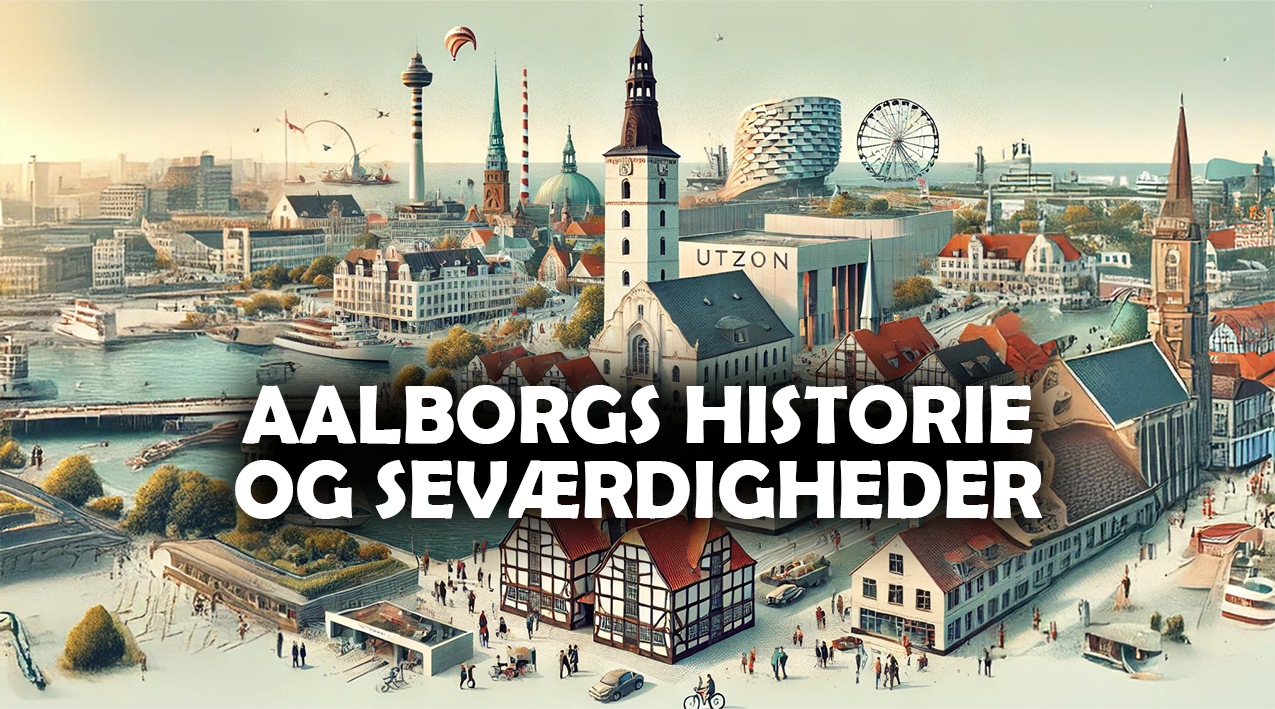
Aalborg, the capital of North Jutland, is a city brimming with history and modern charm. With more than 1,000 years of history combined with today’s vibrant cultural and culinary scenes, Aalborg is a unique destination with something to offer every visitor.
In this article, we explore Aalborg’s fascinating history and share the best tips for attractions in the city
Aalborg’s History
From the Viking Age to the Middle Ages
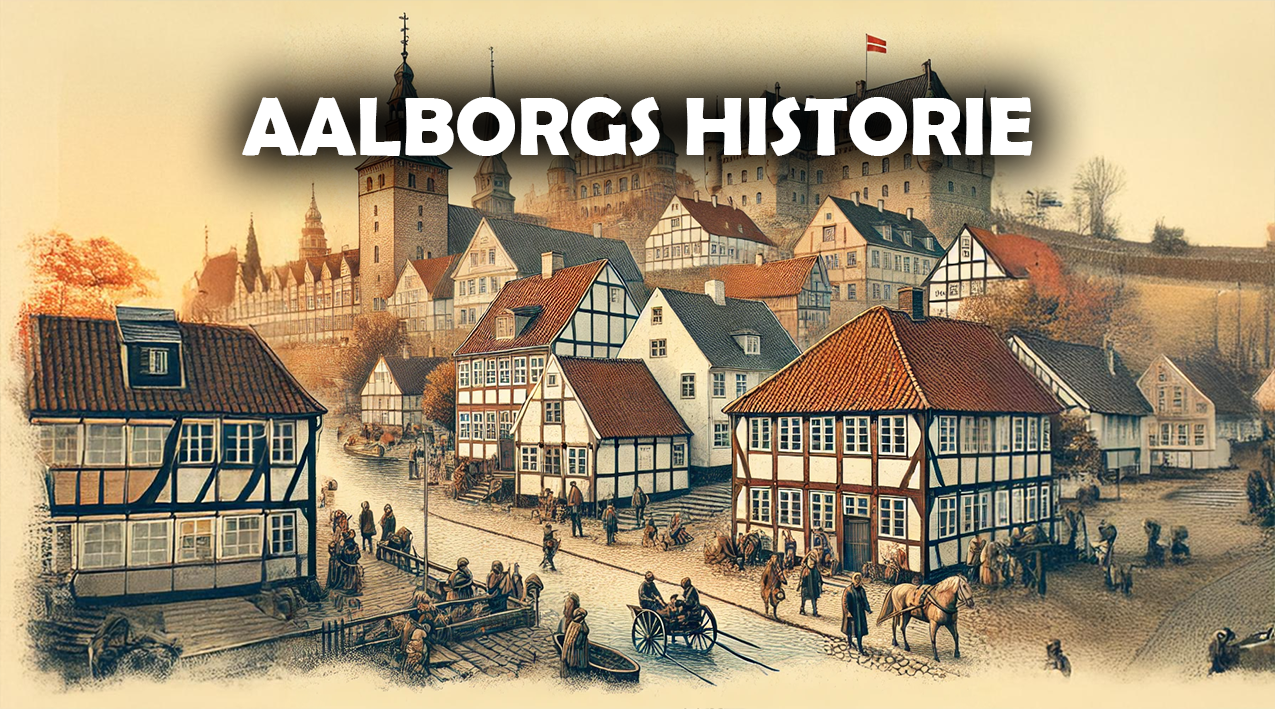
Aalborg’s history stretches far back in time, beginning in the Viking Age. The city was first mentioned in written sources in 1040, but archaeological finds show that the area was inhabited long before then. The city’s name comes from the Old Norse "Alabu", meaning "sanctuary by the current", reflecting its location on the Limfjord.
During the Viking Age, Aalborg was an important trading centre. Its strategic location on the Limfjord made it a hub for trade between Scandinavia and the rest of Europe. Archaeological excavations in the area have uncovered Viking settlements, ship remains and burial mounds, revealing a thriving town with strong connections to the wider world.
During the Middle Ages, Aalborg grew into one of Denmark’s most important towns. It became a religious and economic centre with the construction of monasteries, churches and marketplaces. Aalborg’s old town still bears traces of this period, with its narrow streets and well-preserved half-timbered houses.
From the Renaissance to Industrialisation
During the Renaissance, Aalborg became a wealthy trading town. The flourishing trade in herring and grain made it one of the richest towns in the country. In the 1530s, Aalborg’s Monastery of the Holy Ghost was founded, becoming an important religious and cultural centre.
Industrialisation in the 19th century transformed Aalborg completely. The city became known as "Denmark’s Manchester" because of its many factories and industrial growth. Cement production, tobacco factories and shipyards played a central role in the city’s development, and Aalborg became one of the country’s leading industrial cities.
Modern Aalborg
In the 20th and 21st centuries, Aalborg has undergone an enormous transformation from an industrial city into a modern centre for culture and knowledge. Today, the city is known for its universities, thriving technology industry and rich cultural life. With projects such as Musikkens Hus and the transformation of the waterfront, Aalborg has established itself as a modern metropolis with deep historical roots.
Top Tips for Attractions in Aalborg
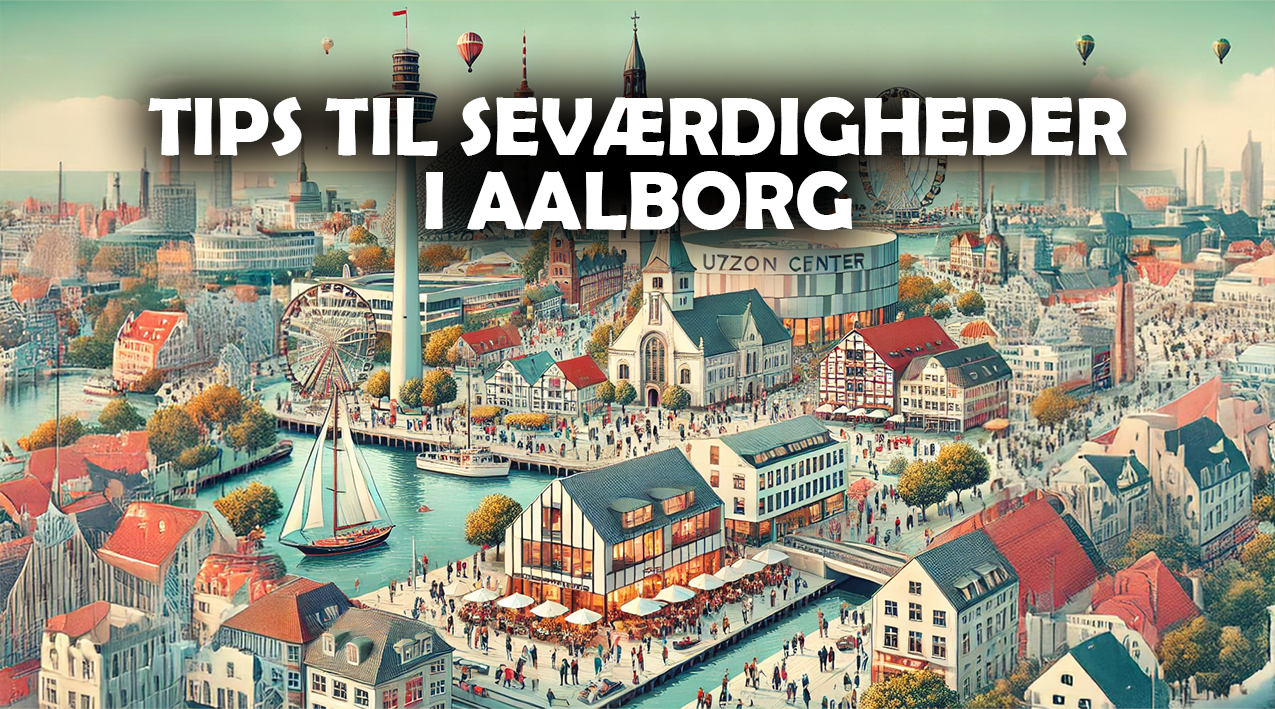
Aalborg is a city with something for everyone – from history and architecture to culture and gastronomy.
Here are some of the best attractions you should not miss:
1. Aalborg Historical Museum
For a deeper understanding of the city’s history, Aalborg Historical Museum is a must. The museum offers a comprehensive insight into the city’s development from the Viking Age to the present day. Here, you can explore everything from archaeological finds to exhibitions about Aalborg’s industrial past.
Tip: Check out the museum’s seasonal special exhibitions, which often focus on unique aspects of North Jutland’s history.
2. Aalborg Tower
Aalborg Tower is an iconic landmark offering spectacular views over the city and the Limfjord. Built in 1933, the tower is 105 metres tall and offers 360-degree panoramic views that are particularly beautiful at sunset.
Tip: Combine your visit with lunch or a coffee in the tower’s café.
3. Jomfru Ane Gade
Jomfru Ane Gade, known as "Gaden", is Denmark’s most famous pedestrian street with a vibrant nightlife. The street is lined with bars, cafés and restaurants and is a popular spot for both locals and tourists.
Tip: Visit the street during the day to enjoy its cosy cafés and in the evening for an authentic Aalborg experience.
4. Aalborg Zoo
Aalborg Zoo is one of Denmark’s best zoos, with more than 1,500 animals from around the world. The zoo places a strong emphasis on animal welfare and sustainability. Highlights include polar bears, lions and the beautiful savannah exhibit.
Tip: Visit the zoo in summer to enjoy fascinating animal feeding sessions and in winter for the magical "Christmas at the Zoo".
5. Musikkens Hus
Musikkens Hus, located on the waterfront, is an architectural masterpiece and the city’s cultural epicentre. Here, you can enjoy concerts, theatre performances and other cultural events. The building itself is worth visiting for its impressive design.
Tip: Check the calendar to see which concerts and shows are scheduled during your visit.
6. Utzon Center
The Utzon Center is dedicated to the world-famous Danish architect Jørn Utzon, who designed the Sydney Opera House. The centre offers changing exhibitions on architecture, art and design and enjoys a beautiful location beside the Limfjord.
Tip: Take time to explore the outdoor area and enjoy the views over the fjord.
7. Lindholm Høje
Lindholm Høje is one of Denmark’s most important Viking sites. Here, you can see more than 700 well-preserved gravestones and learn about Viking life and culture at the adjoining museum. The area is surrounded by beautiful countryside, making it a perfect destination for a day out.
Tip: Take a guided tour to gain a more detailed understanding of Viking burial rituals.
8. Aalborg Monastery
Aalborg Monastery, also known as the Monastery of the Holy Ghost, is one of the city’s oldest buildings. Founded in 1431, the monastery is a peaceful oasis in the heart of the city. It is still used today as housing for older people and is a fascinating place to visit.
Tip: Book a guided tour to gain access to the historic parts of the monastery.
9. Nordkraft
Nordkraft is a cultural centre housed in a former power station. Here, you will find everything from art exhibitions and theatre performances to fitness centres and cafés. It is a dynamic place that reflects Aalborg’s creative spirit.
Tip: Visit Nordkraft in the evening, when the area is often buzzing with life and cultural activities.
10. The Waterfront
Aalborg’s waterfront is a modern district combining culture, nature and city life. Here, you can take a leisurely stroll, enjoy dinner at one of the many restaurants or take part in activities such as kayaking.
Tip: Visit the waterfront at sunset for a stunning view over the Limfjord.
Conclusion
Aalborg is a city that combines history and modern living in a unique way. Whether you are interested in Viking culture, industrial heritage, architectural gems or vibrant nightlife, Aalborg has something to offer. Plan your visit and discover for yourself why this gem of North Jutland is a place worth exploring!
If you need further inspiration for visiting Aalborg, you can watch this video – Top 15 Things to Do in Aalborg
If you know Aalborg or live there, we would love to hear your thoughts and/or suggestions in the comments about other interesting attractions and experiences in Aalborg