Funen, often called "Denmark’s garden," is an island full of history, culture and natural beauty. As the country’s second-largest island, Funen has played a central role in Denmark’s history from the Viking Age to the present day. With its charming market towns, beautiful castles and lush landscapes, Funen offers something for everyone.
In this article, we will briefly explore Funen’s fascinating history and share the best tips for attractions you must not miss
The History of Funen
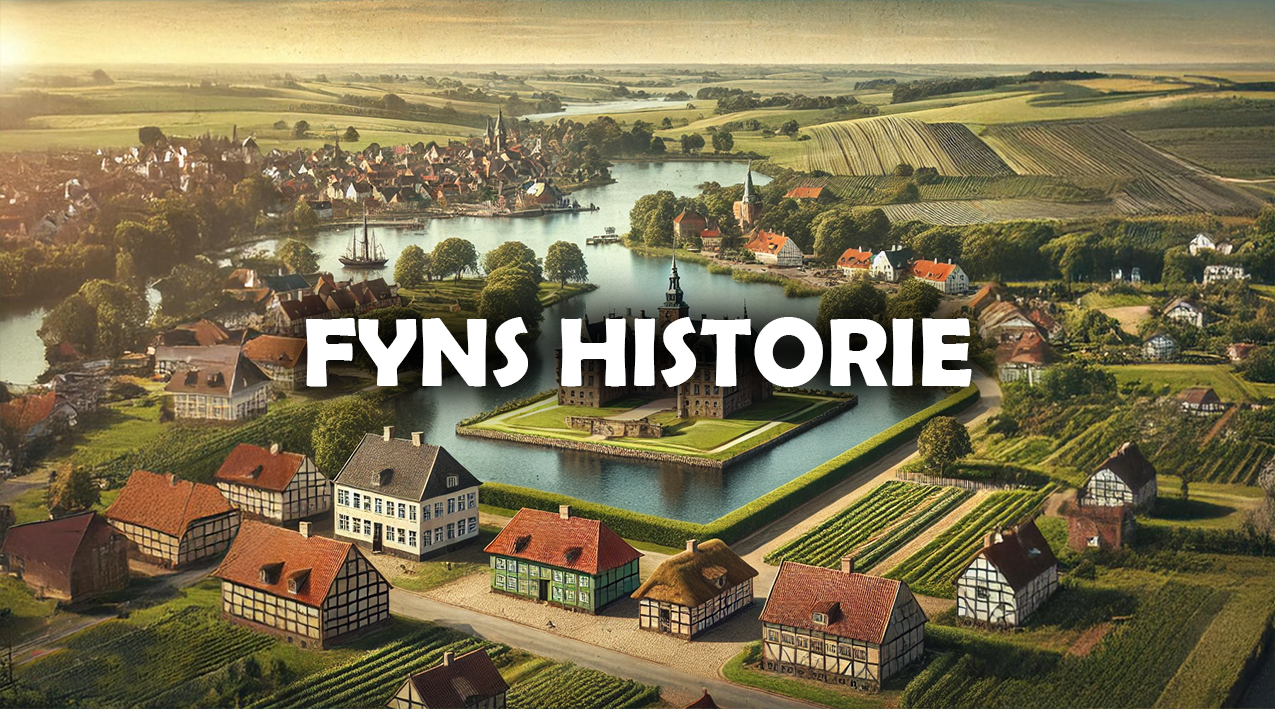
Early Settlements and the Viking Age
Funen has been inhabited for thousands of years. Archaeological finds show that the island was home to some of Denmark’s earliest settlements, and discoveries from the Stone Age, Bronze Age and Iron Age reveal a rich and varied history.
During the Viking Age, Funen was an important hub for trade and seafaring. The island’s location in the heart of Denmark made it a natural gathering point, from which Vikings set sail on expeditions and traded. The Ladby ship, one of the best-preserved Viking ships, was discovered on Funen and bears witness to the island’s importance during this period.
The Middle Ages: The Age of Castles and Monasteries
During the Middle Ages, Funen became known as a region with many churches, monasteries and castles. Towns such as Odense, Nyborg and Svendborg emerged as centres of trade and power, and Funen became a key centre for the monarchy.
Odense, named after the god Odin, was a religious centre and home to Saint Canute, who became Denmark’s first saint. Medieval churches such as Saint Canute’s Cathedral in Odense and monasteries such as the former Dalum Abbey bear witness to the island’s importance in the spread of Christianity.
Nyborg Castle was built in the 1170s and served as one of the country’s most important royal castles. The castle played a central role in shaping Denmark’s first national legislation, the Kalundborg Ordinance, and was a meeting place for kings and nobles for several centuries.
The Renaissance and the Baroque Period – A Time of Prosperity
Funen flourished during the Renaissance, when the island’s fertile land brought prosperity to both farmers and the nobility. Many of Funen’s castles, such as Egeskov Castle and Holckenhavn Castle, were built or remodelled during this period.
Art, culture and architecture flourished, and Funen became known as one of Denmark’s wealthiest regions. The large estates and manor houses that still shape the landscape bear witness to this prosperity.
Modern Times – From Agriculture to Culture
In the 19th and 20th centuries, Funen became known as Denmark’s agricultural centre. Its fertile land and mild climate made the island ideal for growing grain, fruit and vegetables. At the same time, Funen developed into a cultural centre, with writers such as Hans Christian Andersen and Carl Nielsen, both born on the island, putting Funen on the international map.
Today, Funen is a modern region that balances its historical heritage with present-day needs. The island is known for its charming towns, rich cultural life and many festivals and events that attract both locals and tourists.
Useful Tips for Attractions on Funen
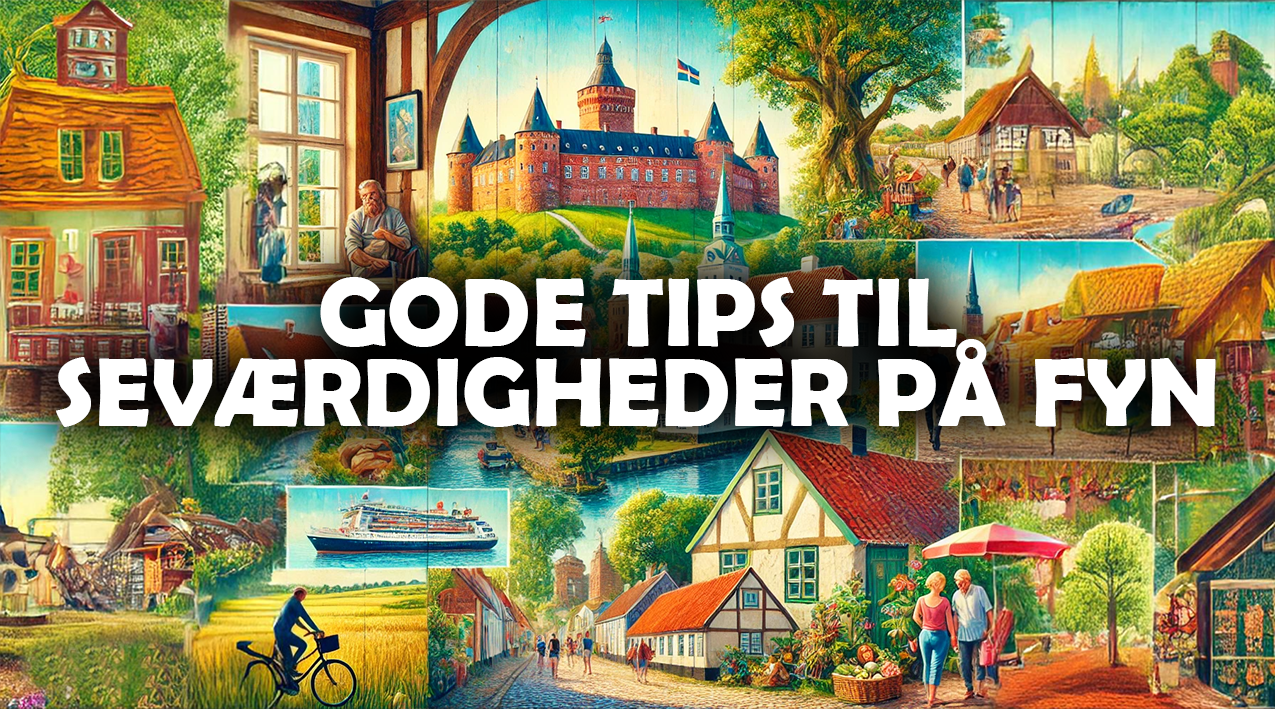
Funen offers a wide range of experiences, from historic monuments to scenic landscapes and cultural hotspots.
Here are some of the island’s best attractions:
1. Egeskov Castle
Egeskov Castle is one of Europe’s best-preserved Renaissance castles and one of Funen’s most popular attractions. Surrounded by a moat and beautiful gardens, the castle offers a fairytale experience for the whole family. In addition to the castle itself, the grounds feature mazes, vintage car exhibitions and a children’s playground.
Tip: Visit the castle during the summer months, when the gardens are in full bloom.
2. Hans Christian Andersen’s House
Hans Christian Andersen, the world’s most famous fairy tale author, was born in Odense, and his childhood home has now been turned into a museum. Here, you can learn about his life, travels and fairy tales and gain an insight into his creative process.
Tip: Combine your visit with a walk through Odense’s old town, where you can explore cobbled streets and historic buildings.
3. The Ladby Ship
The Ladby ship is Denmark’s only surviving Viking ship burial and offers a unique opportunity to experience the Viking Age up close. The burial mound, discovered in 1935, contains the remains of a ship that was used as a burial chamber for a local Viking chieftain.
Tip: Take a guided tour to discover the full story behind the ship and the finds.
4. Nyborg Castle
Nyborg Castle is a historic monument that played a central role in Denmark’s medieval history. The castle is currently undergoing restoration, but its museum and the surrounding grounds offer a fascinating insight into medieval Denmark.
Tip: Visit the castle in July, when Nyborg hosts the Danehof medieval festival, featuring jousting tournaments and a marketplace.
5. The Funen Village
The Funen Village is an open-air museum that takes you back to rural life in the 19th century. The museum features authentic half-timbered houses, farming tools and animals, offering a unique experience of the past.
Tip: Visit during the summer months, when living history demonstrations and activities such as harvest festivals and traditional crafts take place.
6. Kerteminde and Fjord&Bælt
Kerteminde is a charming coastal town with a relaxed atmosphere and beautiful beaches. The town is also home to Fjord&Bælt, a research and discovery centre where you can learn about life beneath the sea’s surface and see harbour porpoises up close.
Tip: Combine your visit with a walk around the town and try freshly caught fish at one of the local restaurants.
7. The Carl Nielsen Museum
Carl Nielsen, Denmark’s most famous composer, was born on Funen, and his childhood home in Nørre Lyndelse is now a museum. The museum offers an insight into his life and music and is a must-see for music lovers.
Tip: Take a bike ride around the area and discover the beautiful countryside that inspired the composer.
8. Svanninge Hills (The Funen Alps)
Svanninge Hills, also known as the Funen Alps, is a scenic area of rolling hills, woodland and meadows. It is an ideal place for walking, cycling and picnicking outdoors.
Tip: Visit the area in autumn, when the hills are covered in golden colours.
9. Svendborg and The South Funen Archipelago
Svendborg is the gateway to the South Funen Archipelago, a paradise for sailors, kayakers and nature lovers. The town has a welcoming atmosphere, with small shops, cafés and historic buildings.
Tip: Go island-hopping and visit Ærø, Drejø or Skarø for an authentic island experience.
10. The Archipelago Trail
The Archipelago Trail is one of Denmark’s longest walking routes, stretching over 220 km through Funen and the South Funen Archipelago. The route offers outstanding natural scenery, with views of the sea, woodland and charming villages.
Tip: Plan a day’s walk along one of the many sections and enjoy the peace and quiet of Funen’s countryside.
Conclusion
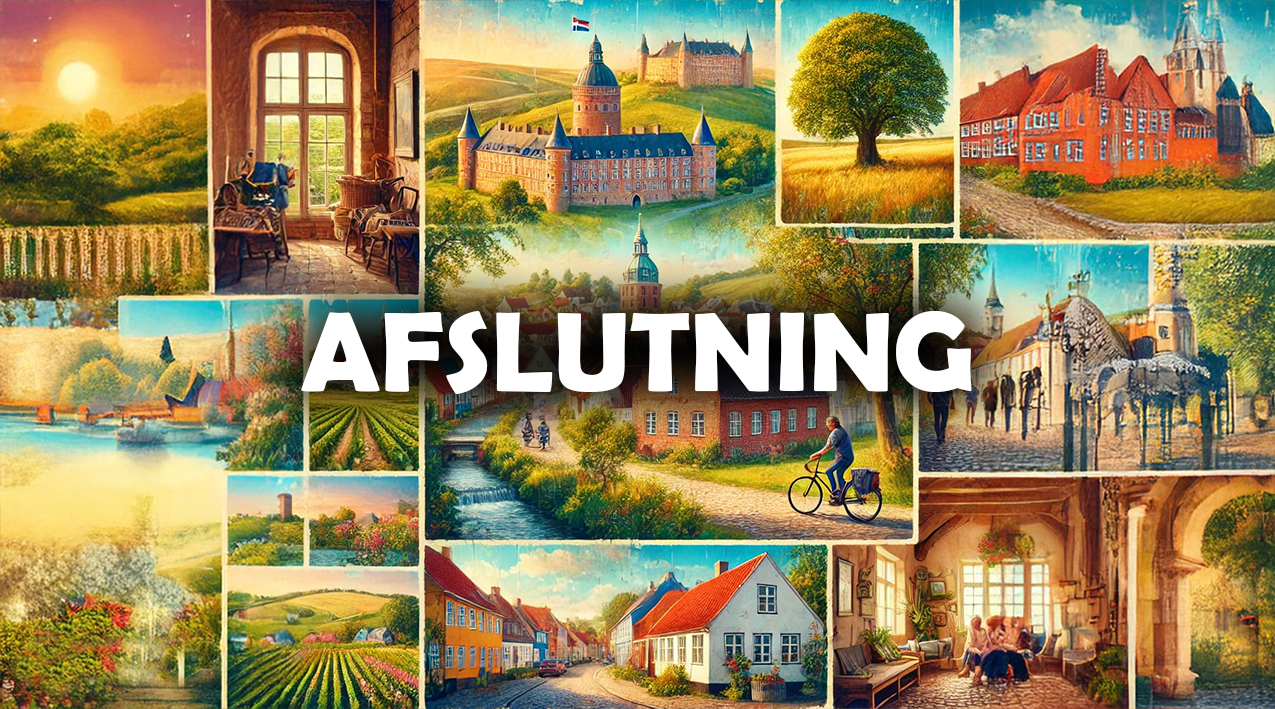
Funen is a treasure trove of history, culture and nature. The island’s central role in Denmark’s history, its beautiful landscapes and its rich cultural life make it a destination with something for everyone. Whether you enjoy castles, museums, walking or gastronomy, Funen will surprise and delight you.
Plan your trip and discover why Funen is rightly called "Denmark’s garden." With its combination of historic charm and modern experiences, Funen is a destination you will never forget!
If you need further inspiration for visiting Funen, you can watch this video – Welcome to Destination Funen
If you know Funen or live on the island, we would love to hear your thoughts and/or suggestions in the comments section about other interesting attractions and experiences on Funen