Silkeborg, beautifully situated in the heart of Jutland, is known as Denmark’s outdoor capital and for its idyllic surroundings of forests, lakes and river valleys. The town also boasts a rich history spanning ancient to modern times, along with a wealth of attractions that draw both locals and tourists.
In this article, we briefly explore Silkeborg’s fascinating history and share our best tips for experiencing its many attractions
Silkeborg’s History
The earliest traces of human settlement
The area around Silkeborg has been inhabited for thousands of years. Archaeological finds show that people settled in this scenic area as early as the Stone Age. The many bogs, lakes and forests made the area ideal for hunting and fishing, and the Silkeborg region has been rich in resources since ancient times.
One of the most famous discoveries from the Silkeborg area is Tollund Man, a well-preserved bog body from the Iron Age, discovered in a bog near the town in 1950. Tollund Man, who can now be seen at Silkeborg Museum, has become an icon of the town’s historical heritage and a unique source of insight into life and rituals in the past.
The founding of Silkeborg
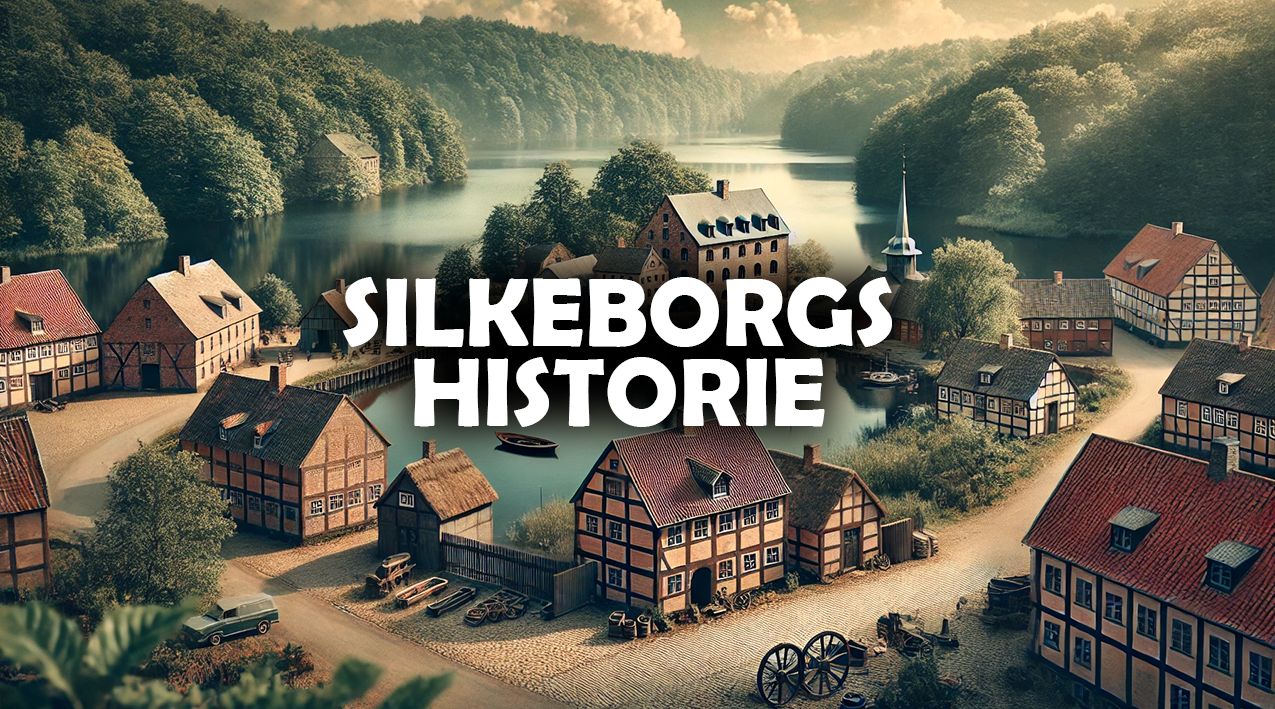
Silkeborg was founded as a town relatively late, in 1844, when paper manufacturer Michael Drewsen established Silkeborg Paper Mill. The mill was built beside the River Gudenå, where water power played a central role in production. Drewsen is known as "the founder of Silkeborg", and the paper mill became the economic driving force behind the town’s development.
Before then, the area around Silkeborg consisted mainly of farmland and small villages. However, Silkeborg’s location on the River Gudenå made it a natural hub for trade and transport.
Development in the 19th and 20th centuries
Silkeborg grew rapidly as a result of industrialisation. The town became an important centre for paper production, and its infrastructure improved with the arrival of the railway in 1871. This connection to the rest of the country made it easier for Silkeborg to attract both workers and visitors.
During the 20th century, Silkeborg developed from an industrial town into one that also focused on tourism and culture. Its scenic surroundings became an important asset, and the town’s lakes and forests attracted more visitors. Today, Silkeborg is known for combining history, nature and culture in a way that makes it unique in Denmark.
Attractions in Silkeborg
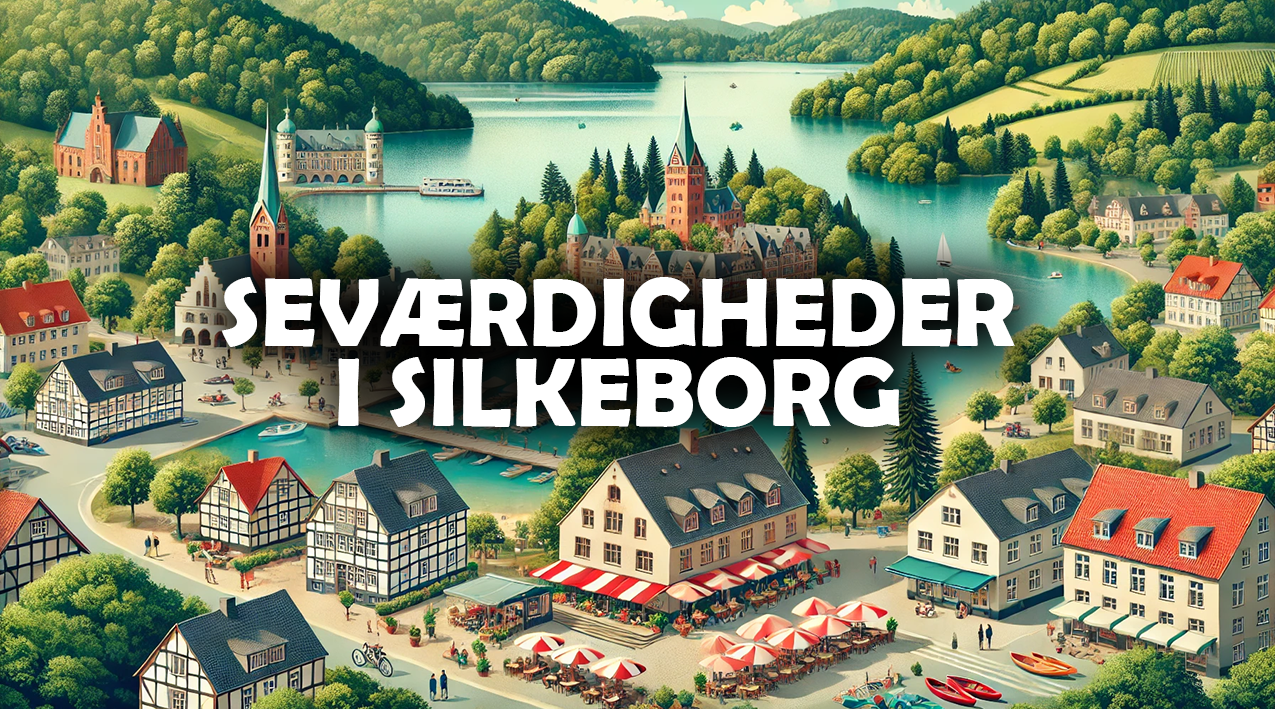
Silkeborg is filled with exciting attractions and activities that people of all ages can enjoy.
Here is a guide to some of the most popular places and experiences:
1. Hjejlen and the Silkeborg Lakes
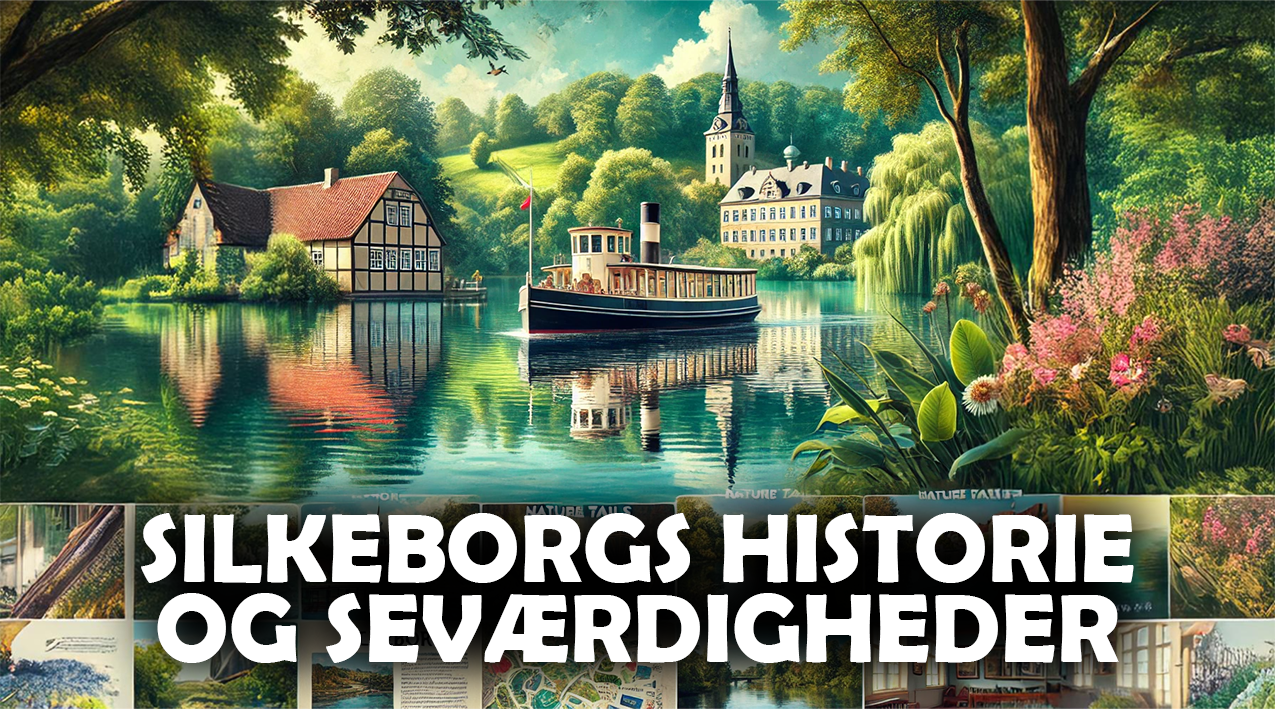
One of Silkeborg’s most iconic attractions is the steamship Hjejlen, the world’s oldest operating paddle steamer. The boat sails on the Silkeborg Lakes, taking you on a scenic journey through the beautiful landscape. The trip to Himmelbjerget is particularly popular and offers a fantastic way to experience the area’s natural beauty.
The Silkeborg Lakes are also a paradise for canoeing and kayaking enthusiasts. The River Gudenå connects the lakes, offering opportunities for unforgettable trips through the varied landscape.
2. Himmelbjerget
Himmelbjerget is one of Denmark’s best-known natural attractions and is a short trip from Silkeborg. Standing 147 metres above sea level, Himmelbjerget offers magnificent views of the surrounding lakes and forests. At the summit, you will find Himmelbjerget Tower, built in memory of King Frederik VII and his role in introducing the Danish Constitution in 1849.
3. Museum Silkeborg and Tollund Man
Museum Silkeborg is a must-see for history enthusiasts. Here, you can meet Tollund Man, the well-preserved bog body from the Iron Age, and learn about the area’s past through a range of fascinating exhibitions. The museum also offers insights into Silkeborg’s development from a village into a modern town.
4. Silkeborg Art Museum – Museum Jorn
Museum Jorn is dedicated to the Danish artist Asger Jorn, who was a central figure in the COBRA movement. The museum houses an impressive collection of Jorn’s works, alongside exhibitions featuring other modern and experimental artists. Set in scenic surroundings, the building is an attraction in itself.
5. AQUA Aquarium & Wildlife Park
AQUA Aquarium & Wildlife Park is a family-friendly attraction where you can learn about Denmark’s wildlife and plant life. The park has both aquariums and outdoor areas with animals such as otters, beavers and birds of prey. It is a fun and educational experience for children and adults alike.
6. Indelukket
Indelukket is a recreational area beside the River Gudenå, perfect for a relaxing day out. Here, you will find a marina, a playground, minigolf and cafés. The area is also the starting point for many boat trips and walking trails.
7. The Paper Mill and Silkeborg Town Centre
Silkeborg’s town centre is charming and lively, with shops, cafés and restaurants. The Paper Mill, once the town’s industrial heart, is now a cultural centre with a cinema, a theatre and places to eat. Here, you can experience Silkeborg’s history and modern lifestyle at the same time.
8. Silkeborg Bad
Silkeborg Bad is a former spa resort that now serves as an arts and cultural centre. Surrounded by forests and lakes, it is an ideal place for a peaceful day of art exhibitions, walks and relaxation.
Tips for exploring Silkeborg
Here are some useful tips to help you make the most of your visit to Silkeborg:
1. Plan trips into nature
Silkeborg is surrounded by some of Denmark’s most beautiful countryside. Make sure you set aside time for walks, boat trips or bike rides in the area.
2. Combine culture and activity
Silkeborg offers a unique blend of culture and outdoor activities. You can start the day with a museum visit and finish with a boat trip on the River Gudenå.
3. Visit in the low season
If you want to avoid the largest tourist crowds, consider visiting Silkeborg outside the summer months. Autumn and spring are wonderful times to experience the area’s natural beauty and tranquillity.
4. Try local food
Silkeborg has many excellent places to eat serving local specialities. Try freshly caught fish or classic Danish dishes in one of the town’s welcoming restaurants.
5. Attend local events
Silkeborg hosts many events throughout the year, including music festivals, art exhibitions and sporting events. Check the local calendar to see what is happening during your visit.
Conclusion
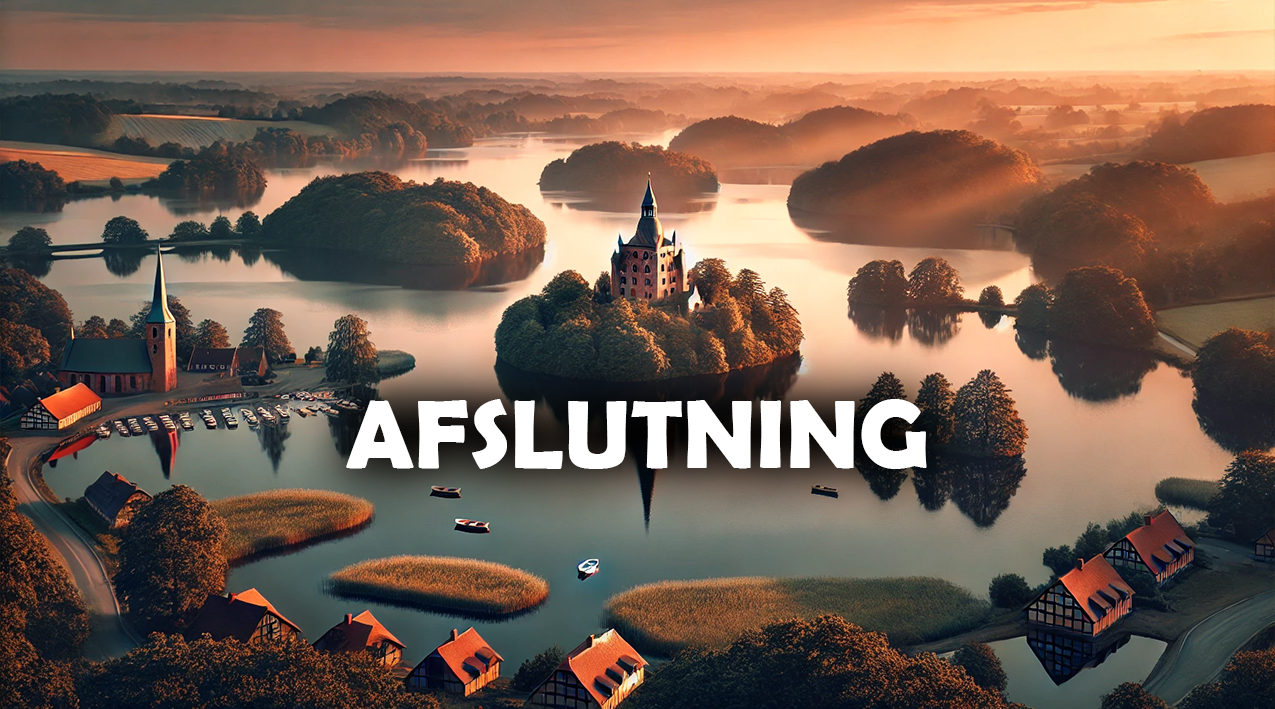
Silkeborg is a town that beautifully combines history, culture and natural experiences. From the fascinating discovery of Tollund Man to the iconic views from Himmelbjerget and the modern Museum Jorn, there is something for everyone. Set amid Denmark’s natural beauty, Silkeborg is also a paradise for those who love outdoor pursuits and activities.
Whether you are a history enthusiast, an art lover or a nature lover, Silkeborg offers experiences that will make your visit unforgettable. Plan your trip and discover why this town is one of Denmark’s most beloved destinations!
If you need further inspiration for visiting Silkeborg and the surrounding area, you can watch this video – Top 10 Best Tourist Places to Visit in Silkeborg
If you know Silkeborg or live there, we would love to hear your thoughts and/or suggestions in the comments section about other exciting attractions and experiences in Silkeborg