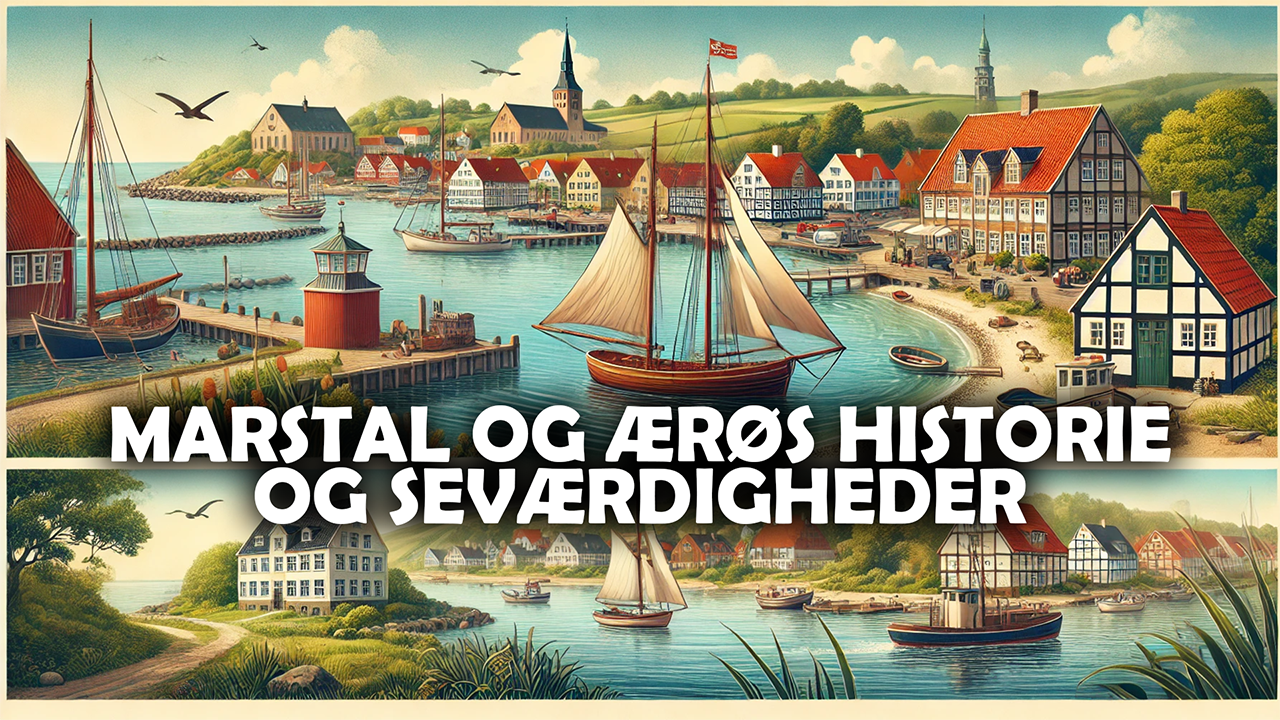
Ærø is a gem in the South Funen Archipelago, known for its natural beauty, maritime culture and charming villages. The island’s largest town, Marstal, is a harbour town with deep seafaring roots and plays a central role in the island’s history. Whether you are interested in history, passionate about nature or looking to relax, Ærø and Marstal are destinations with something for everyone.
In this article, we first briefly explore the history of Marstal and Ærø, then share tips on the best attractions and experiences in Marstal and on Ærø
The History of Ærø and Marstal
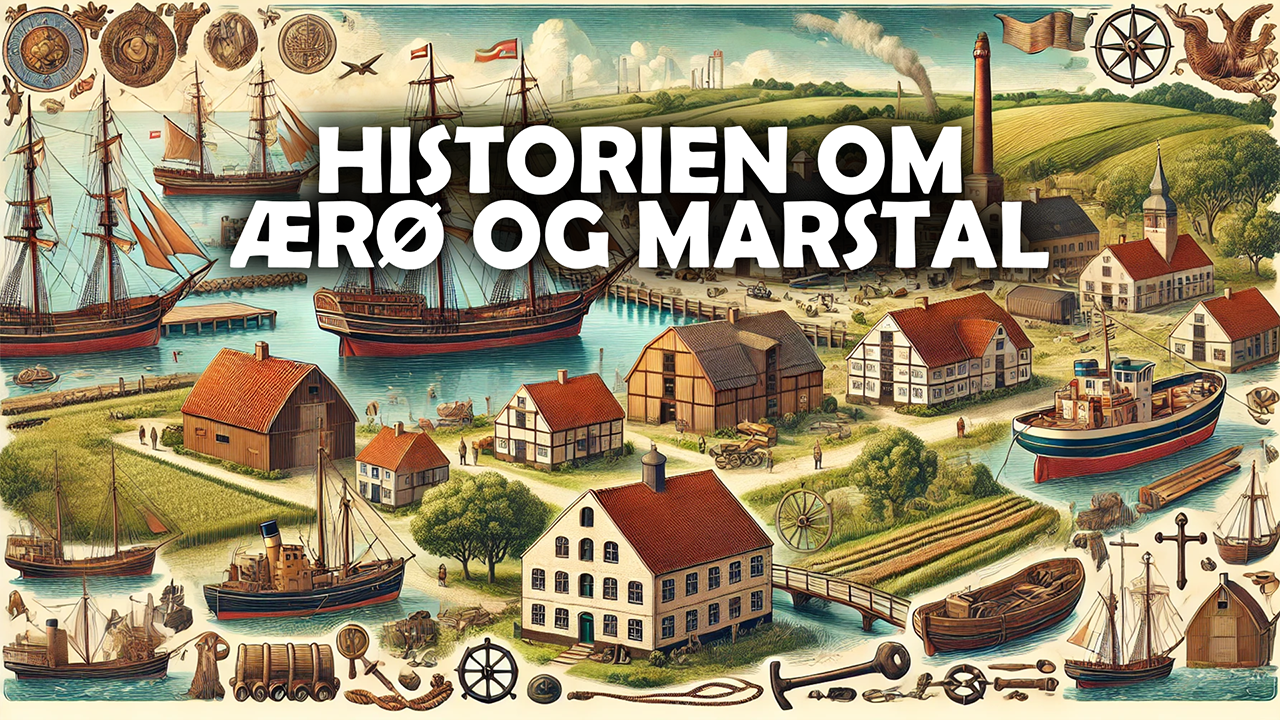
Ærø has a rich history stretching back thousands of years. The island has been inhabited since the Stone Age, and archaeological finds suggest that it played an important role in the South Funen area as early as the Bronze Age. Over the centuries, Ærø has been known for farming, fishing and, above all, seafaring.
Marstal’s Seafaring Traditions
Marstal is known as the "town of seafaring", and this title is no coincidence. The town was founded in 1514 and quickly grew to become one of Denmark’s most important maritime towns. In the 19th century, Marstal had Denmark’s largest privately owned merchant fleet. Maritime culture became central to the town’s identity, and this is still reflected today. Many of the island’s residents have been seafarers, and Marstal Navigation School, founded in 1861, is Denmark’s oldest navigation school still in operation.
Marstal was also known for its shipbuilders. During the town’s heyday, local shipyards built wooden ships that carried goods around the world. Although the large sailing ships have now been replaced by modern vessels, the spirit of seafaring lives on in the town.
Ærø’s Unique History
Throughout its history, Ærø has held a special status. Until 1864, the island was part of the Duchy of Schleswig-Holstein, meaning that it was under German control while the rest of Denmark was united under the monarchy. This background has given the island a unique culture that combines Danish and German influences.
Following reunification in 1920, Ærø became part of Denmark. Today, the island is known for its close-knit community and its sustainable approach to tourism and energy. Ærø was one of the first places in Denmark to introduce wind turbines as a significant source of energy, and today the island is almost self-sufficient in renewable energy.
Attractions in Marstal
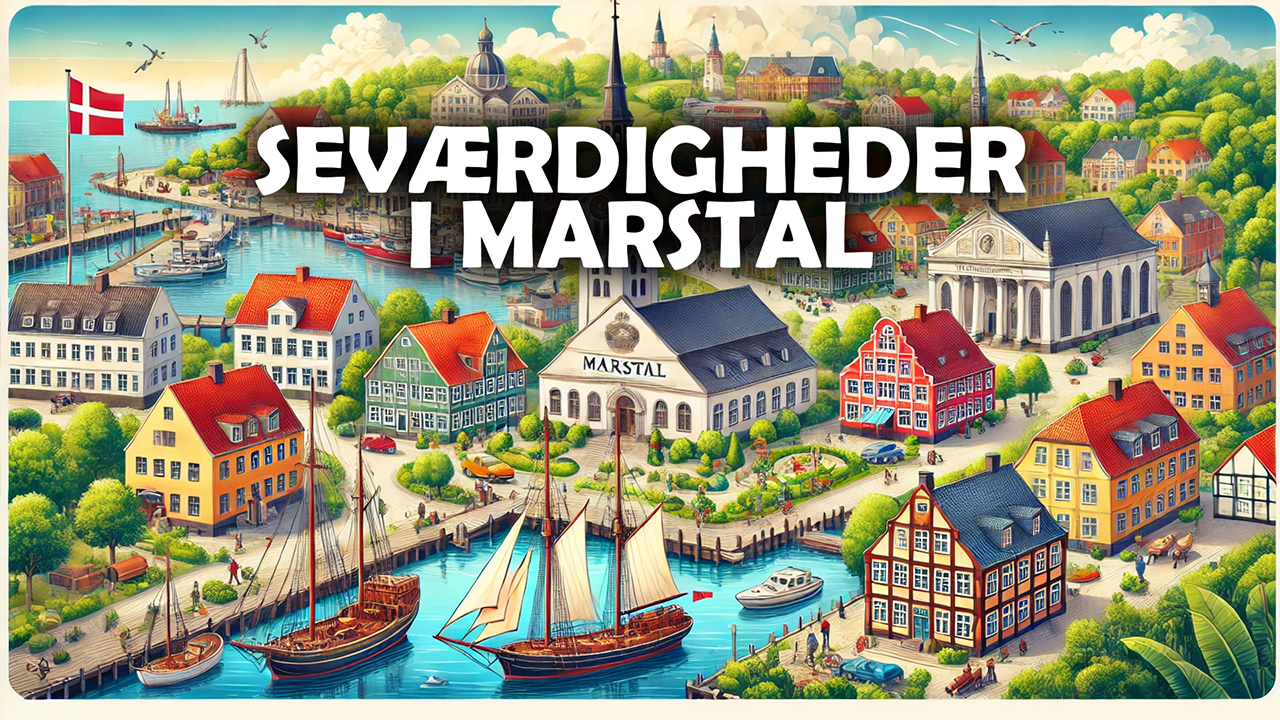
Marstal has plenty to offer, especially for those interested in seafaring, history and culture.
Here are some of the town’s main attractions:
1. Marstal Maritime Museum
Marstal Maritime Museum is the pride of the town and a must-see for visitors. The museum tells the story of Marstal’s seafaring traditions through displays of model ships, nautical charts, navigation equipment and personal stories from seafarers. A particular highlight is the museum’s outdoor exhibition featuring a collection of old boats.
2. Marstal Church
Marstal Church was built in 1738 and is one of Ærø’s oldest churches. It is known for its distinctive interior, where model ships hang from the ceiling – a tribute to the town’s maritime traditions. The church’s peaceful atmosphere makes it a place for reflection and quiet contemplation.
3. Marstal Harbour
Marstal Harbour is a lively place, bustling with activity. Here, you can experience an authentic maritime atmosphere, with fishing boats and sailing boats coming and going. The harbour is also home to several cosy cafés and restaurants where you can enjoy local specialities such as freshly caught fish.
4. Eriks Hale
Eriks Hale is a beautiful sand spit extending out from Marstal. The area is ideal for walks and swimming and offers the charming sight of small, colourful beach huts. From the spit, you can enjoy magnificent views across the Baltic Sea and watch ships sail past.
Attractions on Ærø
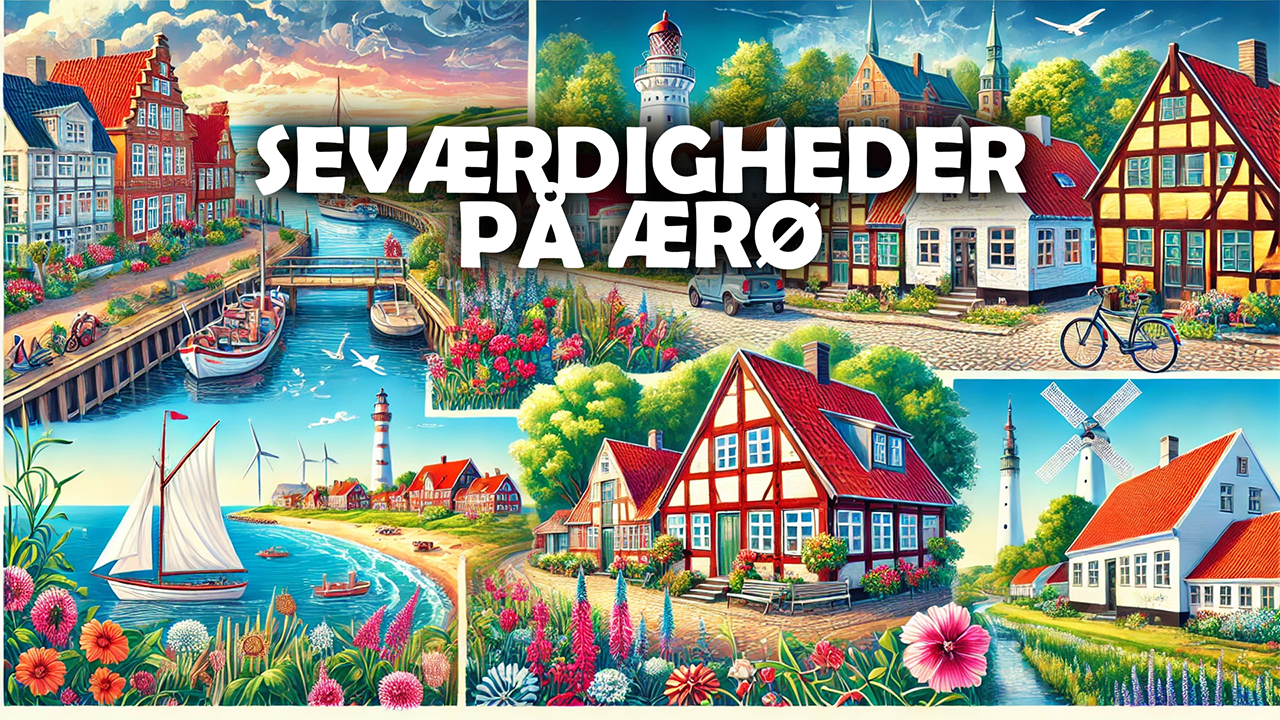
Beyond Marstal, there are plenty of experiences to enjoy across Ærø, making the island an ideal destination for both short visits and longer stays.
1. Ærøskøbing – Denmark’s Fairytale Town
Ærøskøbing is known as one of Denmark’s best-preserved medieval towns and is often called the "fairytale town". Its cobbled streets and colourful half-timbered houses create a unique atmosphere. Ærøskøbing Harbour is a popular spot for sailors, and the town also has several cosy cafés and shops.
2. Voderup Klint
Voderup Klint is one of Ærø’s most spectacular natural areas. The cliff consists of terraces rising dramatically from the sea. The view from the top is breathtaking, and the area is ideal for walks and picnics.
3. Ærø Brewery
For those who enjoy a good beer, a visit to Ærø Brewery (formerly Rise Brewery) is a must. The brewery produces local beers inspired by Ærø’s history and nature. Guided tours and tastings offer a fascinating insight into the art of brewing.
4. Skjoldnæs Lighthouse
Skjoldnæs Lighthouse stands at Ærø’s north-western tip and offers magnificent panoramic views of the island and the sea. Built in 1881, the lighthouse is a beautiful example of Danish lighthouse architecture. The surrounding area is also popular with golfers, as Ærø Golf Club is nearby.
Practical Tips for Visiting Ærø
If you are planning a trip to Ærø and Marstal, here are some practical tips:
Transport
Ærø can be reached by ferry from Svendborg, Faaborg and Als. There are also good bus connections on the island, and cycling is a popular way to explore, thanks to the many cycle-friendly paths.
Accommodation
Ærø offers a range of accommodation options, from cosy bed and breakfasts to luxurious hotels. Campsites and holiday apartments are also good choices for those looking for a more relaxed atmosphere.
Local Food
Ærø is known for its local produce, including fish, cheese and organic vegetables. Try dishes such as Ærø lamb and freshly caught prawns at one of the island’s many restaurants.
Conclusion
Marstal and Ærø are destinations that combine history, culture and experiences in nature in a truly unique way. Whether you want to delve into seafaring history, enjoy the idyllic scenery or experience the charming island culture, Ærø has something to offer. With this guide, you are ready to explore Marstal and the rest of Ærø and create memories to last a lifetime.
If you need further inspiration for visiting Marstal and Ærø, watch this video – Attractions on Ærø
If you know or live in Marstal or on Ærø, we would love to hear your thoughts and/or suggestions in the comments section about other interesting attractions and experiences in Marstal and on Ærø.