

The transition from nursery or home to school is a major milestone in a child’s life. It marks the beginning of a new daily routine with new surroundings, relationships and expectations. For many children, it is an exciting time filled with curiosity, but it can also bring uncertainty and a need for extra reassurance. As a parent, you play a central role in making this transition as calm and positive as possible.
Preparing your child for school is not just about knowing letters and numbers or being able to write their own name. It is much more about social skills, independence, curiosity and the ability to be part of a group. Children who feel secure, can listen, take turns, follow instructions and express their needs often find it easier to settle into school than children whose preparation has focused solely on academic skills.
It is also important to remember that every child develops differently. Some eagerly look forward to starting school, while others may be more hesitant or nervous. Preparation should therefore be guided by your child’s temperament and needs, helping them feel supported and understood rather than under pressure to meet expectations. Small everyday routines, conversations about school and gradual practice in doing things independently can make a big difference.
In this article, you will find specific, practical advice on how to prepare your child for school. The focus is on helping them feel secure, building relationships and developing the skills that foster resilience and readiness for their new daily routine. The aim is to create a positive start where your child feels ready, seen and supported as they enter the world of school. A good start at school does not depend on perfect preparation, but on a reassuring environment and a child who feels equipped to take the next step in their development.
Helping Your Child Look Forward to School Life
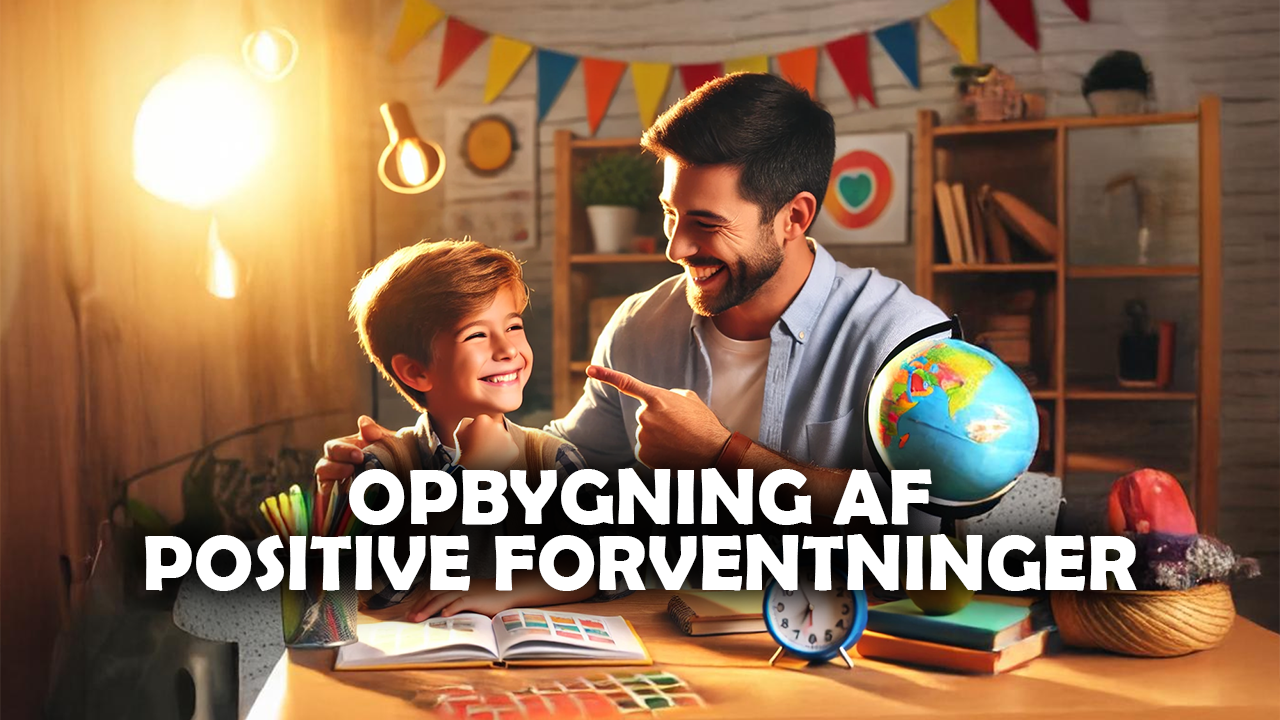
An important part of preparing your child to start school is helping them look forward to this new chapter. Children quickly pick up on how the adults around them talk about school — and when those conversations convey enthusiasm, curiosity and reassurance, it influences their own outlook.
Talk to your child about what awaits them at school, including the fun and exciting things. Tell them about friendships, playtime at break, the new things they will learn and how it feels to do things independently. Use concrete examples and show curiosity about what your child thinks and imagines. It is also important to acknowledge any nervousness or uncertainty they feel — these feelings are completely natural and can be discussed openly.
Avoid describing school as something “hard” or “serious”, and be careful not to set expectations too high too soon. Instead, focus on the sense of belonging and on school as a place where children receive support and care. Building a positive outlook can help reduce any anxiety and boost your child’s confidence. By talking positively about school life, you help your child approach starting school with courage, joy and an open mind — laying a strong foundation for a happy and reassuring start.
Ideas to Help Your Child Feel Excited and Positive About School Life
⭐ Show Your Child That School Life Is a New Adventure
School life can be presented as a journey full of new experiences, where your child will explore, learn and grow. Speak warmly about school and share little stories about the exciting things that happen during the school day — from new friends and interesting lessons to breaks in the playground. For example, show pictures of classrooms, libraries or creative workshops to help your child picture school life. The more they can imagine its positive aspects, the more secure and curious they will feel.
🎒 Involve Your Child in Preparing for School Life
Include your child in the process of planning for school. Let them choose their school bag, water bottle and perhaps some name labels for their books and pencil case. Taking part in decisions helps them develop a sense of responsibility and ownership as they prepare for school life. It also strengthens their belief that becoming a pupil is an exciting new role they are ready to take on — giving them greater independence and a sense of pride before their first day.
🧩 Introduce School Life Through Everyday Play
Make school life more familiar through imaginative play, where your child can pretend to be a teacher, a pupil or someone who helps others make friends. Try simple learning games that involve taking turns, putting a hand up or sitting quietly and listening for a moment. Creative play allows your child to explore and understand many aspects of school life in a fun, pressure-free way. This makes the transition smoother because they already feel familiar with school routines and the social expectations that come with them.
💬 Talk About Feelings and Thoughts About School Life
Create a safe space to talk about what school life involves and how your child feels about the change. Help them put excitement, happiness and any nervousness into words, and acknowledge that all feelings are valid. When your child feels heard and understood, they develop emotional strength and a clearer understanding of their feelings. This gives them a strong start at school, helping them feel capable and supported, both emotionally and mentally.
🤝 Talk About Friendships at School
Explain to your child that school life is about more than subjects and learning — it is also about belonging and friendship. Talk about how to make new friends, for example by smiling, sharing toys, asking others if they would like to play and showing kindness. Explain how to handle disagreements kindly and respectfully, too. When your child understands the importance of positive relationships and empathy, starting school becomes a reassuring social experience where they feel prepared and valued.
REMEMBER — The school adventure begins at home around the dining table. When the build-up to the first day is full of warmth and encouragement, that day becomes filled with joy, anticipation and pride.
Developing Your Child’s Independence in Preparation for School Life

Independence is one of the strongest foundations for a confident and successful start at school. When children begin school, they face new expectations to manage small, practical tasks on their own. Supporting your child’s independence before they start is therefore a great advantage. It builds their confidence and helps them feel more secure during the transition to school life.
Independence is not about doing everything perfectly, but about practising taking responsibility for their own belongings and needs. This might include getting dressed, packing their bag, using the toilet without help, tidying up after themselves or asking for help when needed. Small daily routines at home — such as laying the table, putting shoes on and taking them off, or making a sandwich — all help strengthen your child’s belief in their own abilities.
Give your child opportunities to practise in a supportive environment, and be patient, even when things take longer. Praise their effort rather than the result, and show them that mistakes are a natural part of learning. When children discover that they can manage things themselves, their independence and willingness to try grow. This gives them a stronger start at school, both academically and socially.
Ideas to Strengthen Your Child’s Independence for a Confident School Life
👕 Practise Practical Tasks Used in School Life
Give your child small tasks that reflect school life, such as putting on and taking off their coat, packing a bag, using the toilet without help or hanging up their clothes. Practising these skills at home helps them feel calmer and more able to cope when they start school, where similar routines play a big part. Mastering them now allows your child to begin school with a sense of capability and control.
🍎 Let Your Child Practise Using Their Lunch Box and Water Bottle in Preparation for School
Opening their lunch box, unwrapping fruit and closing their water bottle are small but important parts of school life. Practise at home so your child does not become frustrated at lunchtime. Being able to manage their packed lunch independently helps them feel more capable, relaxed and happy with their daily school routines.
🧽 Involve Your Child in Small Chores That Reflect Responsibilities at School
Small tasks such as tidying up, putting shoes away or placing rubbish in the bin build a sense of responsibility. These actions reflect the structure and independence that are a natural part of school life. Your child learns to take responsibility for their belongings and shared spaces, which is important when being part of a class.
🗣️ Help Your Child Practise Asking for Help and Communicating at School
Teach your child how to say “Can you help me?” or “Can I join in?”. This builds communication skills that are essential for school life. When children can express their needs and ask for help, they feel more secure and included in social and learning situations.
⏱️ Practise Routines That Reflect the Structure of School Life
School life is built around regular patterns and routines. Practise consistent morning routines, breaks and tidying-up times at home. Familiarity with predictable routines makes the transition to the school’s structure easier and smoother, helping your child approach the day feeling secure and ready to take part.
REMEMBER — Independence is the first step towards becoming a capable and confident schoolchild. The more your child can manage independently, the more secure they will feel in their daily school routines.
Strengthening Your Child’s Social Skills in Preparation for School Life

Starting school is not just about learning letters and numbers — it is also very much about being part of a group. Strengthening your child’s social skills is therefore an important part of preparing them for school. When children can cooperate, share, take turns and resolve disagreements, they find it easier to thrive both in lessons and at break time.
As a parent, you can support their social development through play and everyday conversations. Give your child opportunities to play with children their own age — both familiar and new playmates — so they can practise navigating different social situations. Talk to your child about feelings and help them put their own reactions and those of others into words. Understanding and showing empathy is an important part of being a good classmate.
It is also valuable to practise simple expectations such as listening, putting a hand up, saying sorry and asking for help — skills that will become a natural part of everyday school life. By strengthening your child’s social skills, you give them a solid foundation for building relationships, feeling secure within a group and becoming ready for their new life as a schoolchild.
Ideas to Help Your Child Feel Socially Confident at School
🗣️ Practise Conversation and Active Listening for School Life
Teach your child to take turns, wait for a response and listen when others speak. Practising conversations in which your child both speaks and listens makes it easier for them to understand the rhythm of classroom interactions. Give your child opportunities to talk about their feelings, ask questions and explain their thoughts — this strengthens both empathy and confidence in social situations.
🤝 Play Cooperative Games That Reflect School Life
Plan games and activities where your child needs to cooperate, share and complete small tasks as part of a group. These could include anything from building projects to simple board games. When children experience how teamwork produces good results, they feel better prepared to cooperate at school, where group learning and shared projects are a big part of everyday life.
😊 Talk About Feelings and Empathy at School
Spend time putting feelings into words and understanding other people’s perspectives. Explain that children at school may feel happy, nervous, uncertain or proud — and that all feelings are valid. When your child learns to recognise and respond kindly to other people’s feelings, it becomes easier to build friendships and avoid misunderstandings.
🧸 Practise Resolving Disagreements in Preparation for School Life
Help your child find solutions when small disagreements arise during play. Show them how to negotiate, stand up for themselves kindly and find compromises. These skills are essential at school, where many children with different personalities need to cooperate every day — and where the ability to find peaceful solutions helps everyone feel secure and included.
🎲 Arrange Playdates in Preparation for School Life
Playdates give your child valuable practice in being part of a social group. Let them visit others and invite friends over, so they learn to be a host, a guest and part of different social settings. Each playdate is a small opportunity to practise building friendships, being independent and understanding the social rules that will become a big part of everyday school life.
REMEMBER — Social skills are your child’s superpower — and the key to a secure and happy school life. Empathy, courage, willingness and cooperation give your child the strongest possible foundation for starting school.
Establishing Routines to Prepare Your Child for School Life
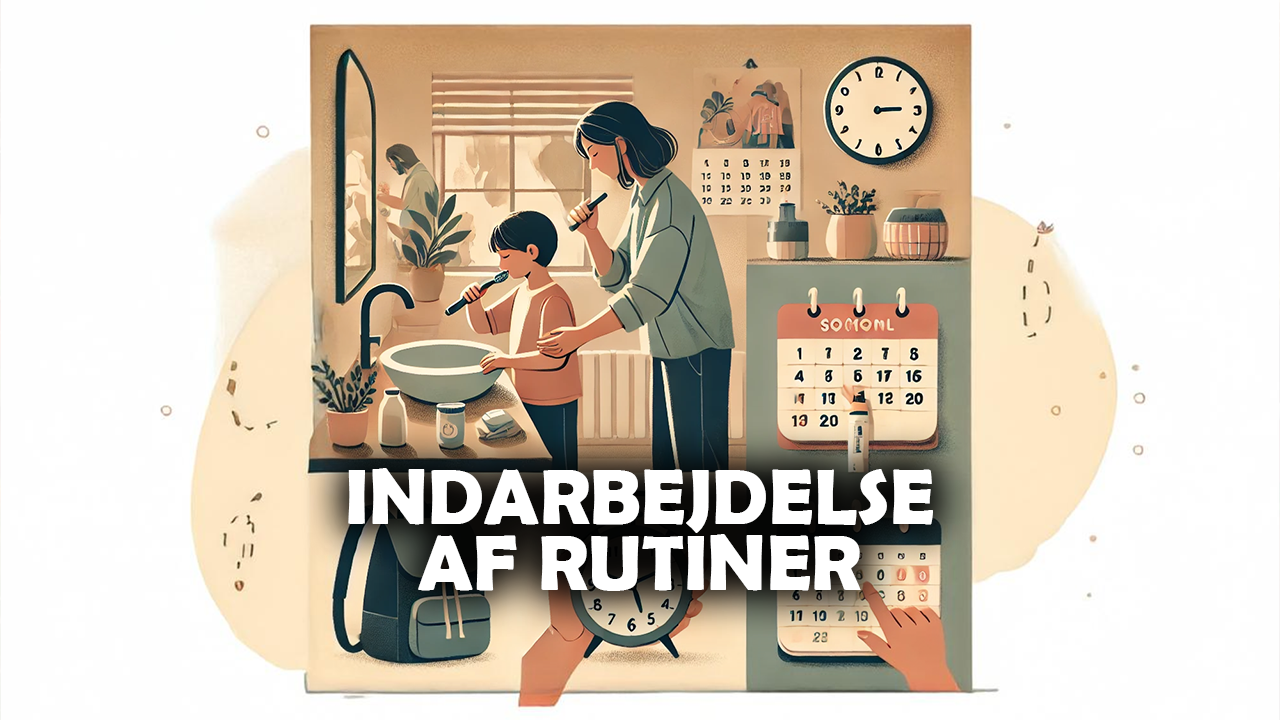
A confident and successful start at school often begins with consistent, familiar everyday routines. When your child understands the structure of the day and knows what will happen when, it creates calm, clarity and a sense of capability — all essential when daily school life begins.
Start well in advance by introducing a regular daily rhythm with consistent bedtimes and mealtimes, so your child’s body and mind can adjust to the routines that school life requires. Make morning tasks such as getting dressed, eating breakfast and packing a bag into habits your child can help manage. The same applies to afternoons: practise simple routines around relaxation, homework-style activities and bedtime.
By making everyday life more predictable, you help your child learn to manage time and responsibilities — skills that are valuable both in the classroom and at break time. Introduce routines through play and positive time together, and give your child a say so they feel a sense of ownership over their daily life. Routines create security — and feeling secure gives children the courage and energy to take the next big step: starting school.
Ideas for Creating Reassuring and Motivating Routines for School Life
⏰ Establish a Consistent Morning Routine That Reflects School Life
Start the day at the same time, allowing enough time to wake up, eat and get ready without stress. Learning to follow a morning routine early on makes the transition to school life easier, helping your child feel energised rather than rushed. Consider using simple picture prompts or a set sequence your child can remember and feel comfortable with.
💤 Introduce a Regular Sleep Routine in Preparation for School Life
Keep bedtimes consistent and establish calm bedtime rituals. Children learn best when their brains are rested, and a stable sleep pattern supports concentration, mood and memory. A sleep routine that fits the demands of school life helps create a smooth transition, with better focus and wellbeing from day one.
You can find inspiration for introducing good sleep routines for the whole family in our article — Top Tips for Better Sleep Routines for the Whole Family
🎒 Practise Packing a Bag and Getting Ready for School Life
Let your child practise packing a “school bag” the day before — perhaps with a water bottle, drawing materials and a small book. Through this simple activity, your child experiences responsibility and independence, which will be important parts of school life. They also learn to think ahead and prepare for the following day.
📚 Create a Routine for Homework and Free Time in School Life
Prepare your child for school by introducing a natural rhythm of focused activities and breaks after nursery or extracurricular activities. Start with short, calm “learning moments”, when your child might draw, complete small tasks, read picture books or play simple counting games. This makes it easier to get used to the idea that school life will also include time for homework or learning activities — without feeling pressured.
Combine this quiet time with planned opportunities for play, movement and quality time together, so your child experiences a balance between focused activities and free play. This structure builds good habits, helps your child understand that there is time for both learning and relaxation, and encourages a positive attitude towards future homework.
🍽️ Introduce Calm Mealtime Routines That Reflect School Life
Create a calm mealtime environment where everyone sits down without distractions and your child practises eating independently. At school, children are expected to eat their packed lunches calmly alongside others. Practising at home strengthens both social skills at mealtimes and self-control.
🧹 Include Daily Tidy-Up Times That Reflect School Life
Introduce short “tidy-up times” throughout the day, when your child helps put toys away or clears up after an activity. At school, tidying up is an important part of working together as a class, and children who already know the routine quickly feel a natural sense of belonging.
REMEMBER — Routines create a calm and secure state of mind — giving your child a sense of peace, happiness and the energy to enjoy school life.
Introducing Your Child to Learning Before They Start School
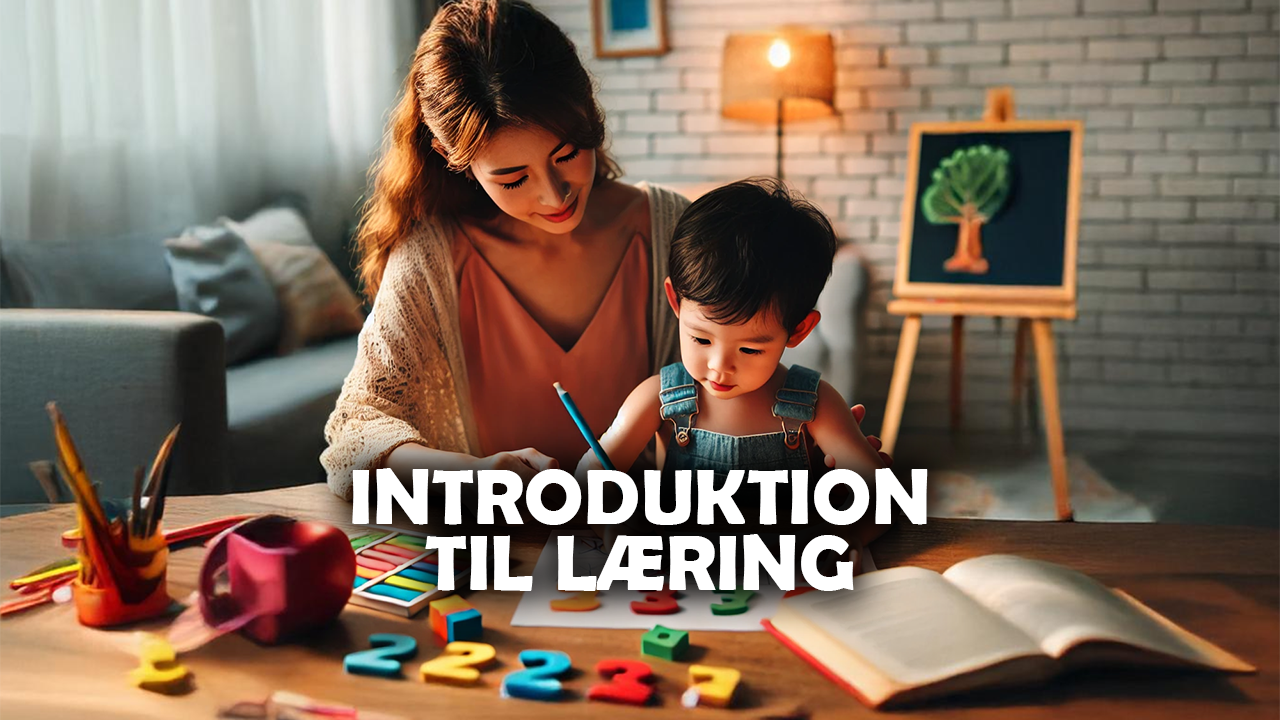
Before starting school, learning is not about being able to read or do sums perfectly — it is about sparking curiosity and encouraging a desire to learn. A positive, playful introduction to learning gives your child a strong foundation for starting school and makes the transition feel more reassuring and motivating.
You can strengthen your child’s readiness to learn by including learning in everyday activities. Read books together, sing songs, play with letters and numbers, and talk about colours, shapes and patterns. This allows your child to learn without pressure, through play and time together. Try small tasks such as counting pieces of fruit in the shopping bag, finding particular letters on road signs or sorting laundry by colour.
The aim is not to “prepare” your child for school through lessons at home, but to encourage their natural curiosity and desire to explore. The more your child experiences learning as exciting and enjoyable, the better equipped they will be when school begins. Focusing on learning through play keeps it fun and informal while giving your child a sense of what awaits them at school. By making learning a reassuring and positive part of everyday life before school starts, you help your child approach school life with confidence and motivation.
Ideas to Encourage a Love of Learning Through Play in Preparation for School Life
🔤 Make Letters and Sounds Fun for School Life
Introduce letters through play, games, rhymes or books. Point out signs when you are out and about, or sing alphabet songs so your child encounters language as part of everyday life. When letters become a familiar part of what your child looks forward to at school, reading feels like an adventure rather than a chore.
🔢 Use Everyday Tasks to Practise Numbers in Preparation for School Life
Count pieces of fruit at the supermarket, count objects around the house or try simple puzzles. This natural introduction helps your child see numbers as something friendly and familiar at school. Mathematical understanding grows through small successes and repetition, rather than worksheets.
🎵 Use Songs, Rhymes and Rhythms to Support School Life
Rhymes, rhythms and singing strengthen language development, memory and listening skills. They help your child understand structure and sound patterns — essential skills for school life. Make music part of everyday life so that learning feels playful and lively.
📚 Read Together to Help Your Child Feel Secure About School Life
Read short stories and talk about the pictures, characters and plot. This develops vocabulary, imagination and an understanding of stories — all important foundations for school life. Make reading a cosy time together so your child associates books with comfort and closeness.
🌍 Let Your Child Explore the World to Build Enthusiasm for School Life
Spend time in nature, visit museums or go to the library, and help your child discover that the world is full of things to explore. When your child sees learning as an adventure, school life becomes a natural continuation of it. Curiosity and new experiences develop understanding, language and creativity.
REMEMBER — Discovering the joy of learning through play before starting school builds courage and curiosity, helping your child take a confident step into school life. When learning feels reassuring and fun, small everyday learning moments can lead to great enjoyment at school.
Visit the School with Your Child Before They Start

Visiting the school before the first day can make a big difference to your child’s sense of security and excitement. When they have had the chance to see the rooms, meet teachers and perhaps even play in the playground, everything feels less unfamiliar and more recognisable when their new routine begins.
Many schools offer visiting days, introductory meetings or short taster sessions in the run-up to starting school. Make the most of these opportunities so your child can gradually get used to their new surroundings. Take a walk past the school together, even outside organised events, and talk about what you see: “This might be where you eat your packed lunch”, “You can play here at break time”, “Perhaps this will be the entrance you use”.
A school visit also gives you, as a parent, the opportunity to ask questions, get a sense of the school’s culture and understand what your child will experience. The more reassured and prepared you both feel, the better the start will be. Making school feel familiar and welcoming beforehand creates the best possible foundation for a positive, calm start.
Ideas to Prepare Your Child for School Life Through Reassuring School Visits
🏫 Explore the School Grounds to Introduce School Life
Walk around the school and look at the playground, classrooms and library. Seeing the places where school life happens makes everything feel more familiar and less overwhelming. Let your child try a door handle, peek into a classroom and run around the playground — this helps them feel a sense of belonging and security.
🧑🏫 Meet the Teachers and Support Staff Who Will Be Part of Your Child’s School Life
If possible, let your child meet their future teachers or support staff. A friendly face means a great deal when school begins. A smile, a brief chat or a greeting can be enough to help your child feel: “I’ll be welcomed here.”
📚 Talk About What You See at School to Help Your Child Feel Secure
Describe the things you see: “This is where the children sit and learn”, “This is where they eat their packed lunches”, “This is where they play at break time”. Understanding what happens where helps your child feel mentally prepared and calm. It makes school life tangible rather than mysterious.
🚶♀️ Walk the Route to School Together in Preparation for School Life
Practise the journey to and from school a few times so your child knows the way. Talk about traffic, where you need to hold hands and where to stand and wait. This routine provides reassurance and predictability, helping your child feel at home in the surroundings that will become part of school life — even before they start.
🗓️ Attend Open Days or Welcome Events in Preparation for School Life
Many schools offer open days, play sessions or introductory events. Attend these so your child can meet future classmates and see other children taking part in school life. The more small opportunities your child has to get to know the school, the more natural starting school will feel.
REMEMBER — Familiar surroundings help your child feel secure as they begin school life. A familiar school feels like somewhere they belong and look forward to returning to.
Strengthening Your Child’s Emotional Resilience Before They Start School
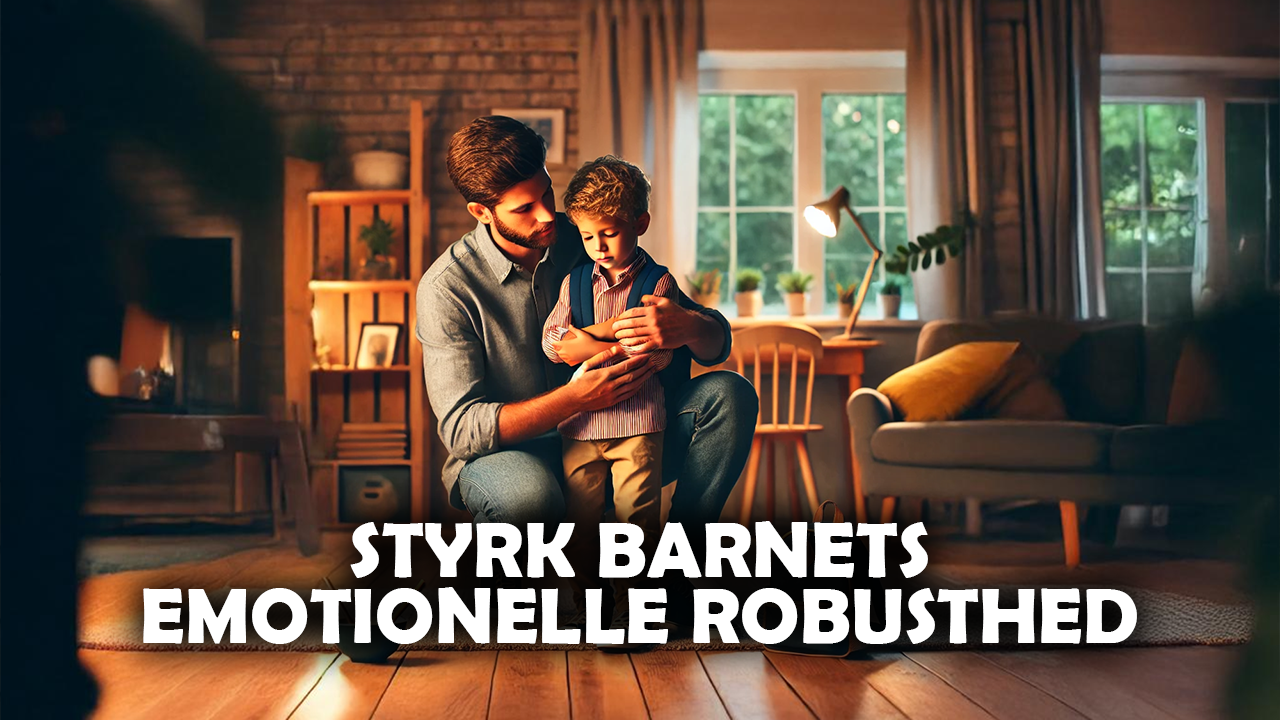
Starting school can be an emotional challenge for many children, which is why emotional resilience is one of the most important gifts you can give your child beforehand. When children learn to manage their feelings, put them into words and move forward after small challenges, they are better equipped for school life. New relationships, expectations and routines can be a major adjustment, so it is essential that your child feels secure, supported and able to cope with happiness, frustration and uncertainty alike.
Building emotional resilience is not about avoiding difficult feelings — quite the opposite. It is about helping your child understand and manage them, and see setbacks as something they can cope with. When you acknowledge your child’s feelings while guiding them towards solutions, they learn that challenges are normal and can be handled with calm, patience and support.
Make room in everyday life to practise patience, waiting, resolving disagreements and calming down. For example, practise taking deep breaths, saying “I’ll try again” or asking for help. Your child’s transition to school life will be much easier when they already understand themselves, their feelings and their strengths — and know that it is okay to still be learning and growing. Providing a safe and nurturing upbringing also strengthens your child’s confidence, helping them develop the emotional resilience they need for a positive start at school.
Ideas to Strengthen Your Child’s Emotional Security for School Life
💬 Help Your Child Put Feelings into Words in Preparation for School Life
Teach your child to describe what they feel — happiness, nervousness, anger or curiosity. Being able to express feelings makes school life easier to navigate because your child can seek support, set boundaries and share their thoughts instead of keeping them inside.
🌈 Teach Your Child That All Feelings Are Welcome in School Life
Talk about how feeling excited or uncertain when starting school is completely normal. Acknowledge your child’s feelings and show them that both pleasant and difficult emotions are part of the experience. This builds inner security and gives your child the courage to be themselves in new situations.
🧘♀️ Practise Calming Strategies for Managing Big Feelings at School
Practise simple techniques such as taking deep breaths, counting to three or finding a quiet place. Being able to calm themselves helps your child feel less overwhelmed by school life and learn to handle transitions, waiting and small disagreements more calmly.
🤗 Build an “I Can Do It” Mindset Together for School Life
Encourage your child to try again, even when something is difficult. Share stories about practising and learning from mistakes. When children understand that mistakes are part of learning, they feel stronger and better prepared for the daily challenges and opportunities to grow that school life brings.
🧒 Create Opportunities to Resolve Small Disagreements Like Those That Arise at School
Give your child space to practise resolving small disagreements with other children before you step in. At school, they will encounter different perspectives and situations that require cooperation. Practising saying “Can we find a solution?” builds social and emotional strength.
REMEMBER — Security, patience and self-awareness are the keys to enjoying school. When your child feels strong inside, they can approach school life with happiness, courage and curiosity.
You can find more inspiration for giving your child a happy and secure upbringing in our article — Top Tips for Giving Your Child a Secure and Happy Upbringing
Involving Your Child in Preparations for Starting School

When your child gets to take part in preparing for school, it builds excitement, motivation and a sense of readiness for this new chapter. Being involved gives your child ownership of the process and makes starting school something they are part of — rather than something that simply happens to them.
Let your child help choose their school bag, lunch box or pencil case. Make room for their wishes and preferences so they feel seen and heard. You can also talk about what each item is used for and what a typical school day looks like. This helps your child picture and understand what lies ahead.
You can also practise new routines together, such as packing their bag, getting dressed in the morning or eating their packed lunch. Use these conversations to talk about both excitement and nervousness — both are completely normal feelings before starting school. By involving your child in practical and emotional preparations, you make the transition to school more reassuring, predictable and meaningful — while sending an important message: You are ready, and we believe in you.
Ideas to Involve Your Child Actively in Preparing for School Life
🎒 Let Your Child Choose Their School Supplies
Give your child the chance to choose their school bag, lunch box, pencil case or water bottle. Helping to choose things that will become part of school life gives them a sense of pride and ownership — and makes them look forward to using them every day.
📅 Make Time to Talk Together About Starting School
Talk to your child about what will happen when they start school — meeting the teacher, seeing the classroom, making new friends and learning new routines. When your child is involved in planning and knows what to expect, school life feels more manageable and exciting.
🧩 Practise Small “School Tasks” Together in Preparation for School Life
Let your child take part in simple learning activities or pack a bag with “school things” at home. Through play, they become familiar with the skills that will be part of school life — practising concentration, responsibility and curiosity in a reassuring environment.
✨ Help Your Child Feel Like a Schoolchild Before School Begins
Create small rituals, such as an “I’m becoming a schoolchild” agreement, a countdown calendar or a special place in their bedroom for school things. These rituals make school life feel tangible and exciting, helping your child feel ready and valued in their new role.
🧭 Let Your Child Make Small Decisions About School Life
Involve your child in choices such as what to put in their packed lunch, where to keep their belongings or what to wear on their first day. Small decisions build a sense of control and confidence. When your child knows their opinion matters, they feel more capable from their very first day at school.
REMEMBER — Small choices are big steps towards a confident start at school. Children who are involved in the preparations begin school life feeling capable and proud.
Working Together with Your Child’s Teachers
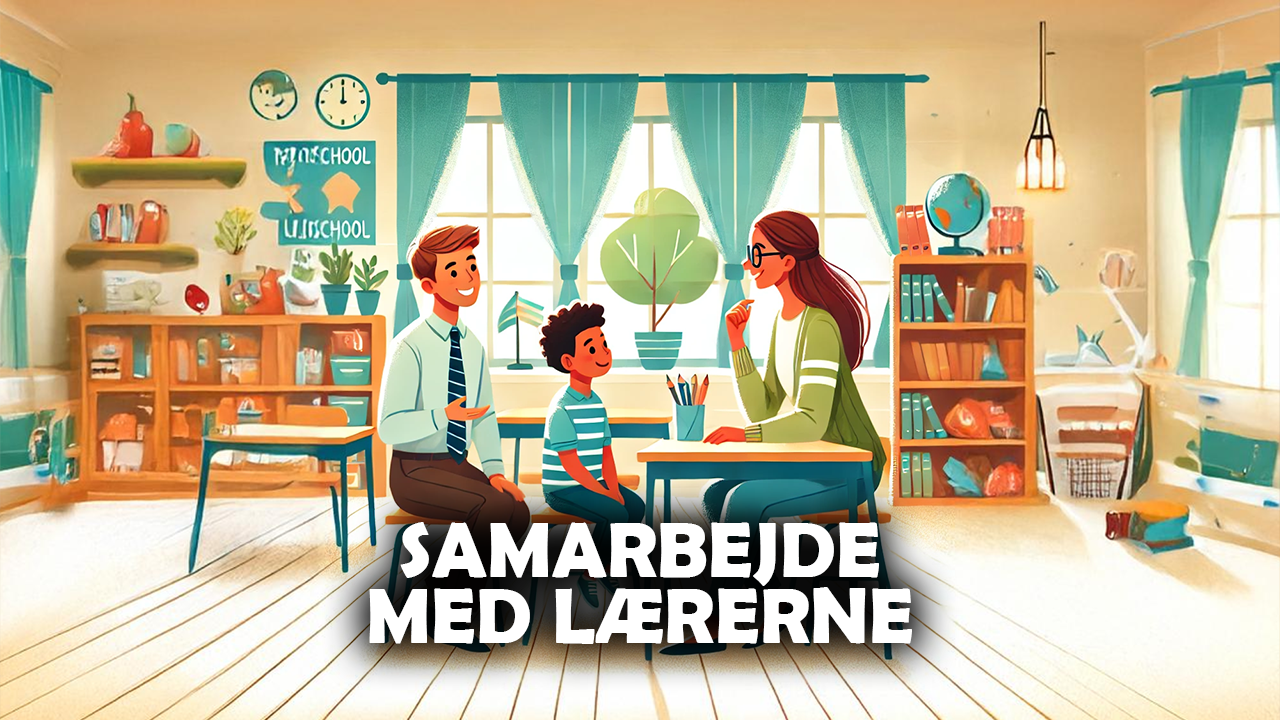
A good partnership between parents and teachers is an important part of giving your child a secure and positive start at school. Open, trusting communication between home and school creates a shared understanding of your child’s needs, strengths and any challenges — giving the teacher the best possible foundation for supporting them from their very first day.
Even before school starts, you can contact the school or attend introductory meetings, where you will have opportunities to get to know the teachers and share relevant information about your child. This might include particular interests and temperament, as well as any social or language-related factors the teacher should be aware of.
Remember that this partnership is an ongoing process. Show interest in your child’s education, ask about their daily experiences and take an active part in parent–teacher meetings and school events. When children see their parents and teachers working together towards shared goals, it strengthens their sense of security and motivation. A good home–school partnership is not about being perfect — it is about being curious, listening and staying involved. By working together, you give your child the best possible environment in which to thrive and develop at school.
Ideas to Strengthen Your Partnership with Teachers for a Secure School Life
💬 Create an Open Dialogue About Your Child’s School Life
Make time to talk to teachers about your child’s wellbeing, development and needs. Keeping communication open helps you understand how your child experiences school life and ensures you can work together to provide consistent support.
🧠 Share Insights About Your Child’s Strengths with Teachers Before School Starts
Tell teachers about the strengths, interests and particular skills that could support your child’s school life. When teachers understand your child’s abilities and potential, they can better help them build on these strengths and feel recognised as an individual.
❤️ Share Any Challenges That May Affect Your Child’s School Life
If your child has additional needs, sensitivities, worries or difficulties, share these early on. This helps teachers plan support and create a reassuring school environment where your child feels understood and treated with respect.
👀 Stay Involved in Your Child’s Daily Experiences of School Life
Talk regularly with your child about how they feel about school life. This makes it easier to notice changes in mood, motivation or wellbeing — and to address them early with teachers if anything needs extra attention.
🤝 Take an Active Part in School Life and the School Community
Attend parents’ meetings, school events and parent–teacher discussions with a positive attitude. Taking part shows your child that school life matters and is worthwhile — and shows teachers that you are engaged and ready to work together.
REMEMBER — When home and school work together towards shared goals, your child gains the best foundation for a secure, confident and happy school life.
Be a Role Model for Your Child’s School Life

Children learn a great deal from what they see — not just what they are told. As a parent, you are an important role model in showing how to approach new challenges, manage emotions and embrace learning with curiosity and enthusiasm. Your own approach to school and learning directly influences your child’s attitude.
Speak positively about school, teachers and learning new things. Share little stories from your own school days — both the good experiences and the challenging ones — and show how we can learn from our experiences. Show your own enjoyment of reading, being curious or solving problems, too, so your child sees that learning is something to be proud of throughout life.
By showing patience, structure and responsibility in everyday life, you give your child practical examples of how to build good habits — such as arriving on time, helping others and taking responsibility for their own tasks. Setting a positive example creates a strong foundation for your child’s motivation, wellbeing and enthusiasm for going to school.
Ideas to Be a Positive Role Model for Your Child’s Future School Life
📚 Show Enthusiasm for Learning in Everyday Life and at School
Share small learning experiences with your child — read books, learn new words and talk about animals, numbers or nature. When you show that learning is exciting, your child reflects this attitude and brings it into school life with enjoyment and motivation.
🧠 Talk About Practising and Learning from Mistakes at School
Show your child that challenges are nothing to be afraid of. Share stories about times when you needed to practise or made mistakes. When your child sees that mistakes are part of both everyday life and school life, their courage to try grows and their fear of failure becomes smaller.
😊 Model Positive Communication and Respect in Preparation for School Life
Speak kindly, listen and show empathy — even when you are busy. Your child learns how to communicate by watching you. This way of interacting with others becomes the foundation for healthy relationships at school, where cooperation and consideration play an important role.
🧘♂️ Model Calm Behaviour in Stressful Situations Like Those at School
When you handle busy moments or frustration calmly, your child learns to do the same. School life can involve waiting, disagreements and new expectations, and children mirror the way you stay calm when emotions run high or routines are disrupted.
💪 Set an Example of Perseverance in Preparation for School Life
Let your child see you working towards goals, sticking to good routines and trying again. The perseverance and effort they see in you become a model for handling challenges at school with strength and focus.
REMEMBER — You are your child’s first teacher — and their most influential one. Through your behaviour, you show your child the way towards a secure and positive school life.
Preparing Your Child for Practical Challenges at School

When children start school, they encounter not only new subjects and social relationships, but also a range of practical challenges they need to learn to manage each day. Preparing your child for these practical aspects well in advance gives them a valuable head start and increases the chances of a confident, independent start at school.
This might include learning to open and close their school bag, unpack their lunch, use the toilet independently, keep track of their coat or find their school supplies. Small activities at home — such as putting on and taking off their coat and shoes, tidying up after themselves or remembering to wash their hands — build independence and establish routines that make everyday life easier.
Conversations about what your child can expect during a school day can also make a big difference. Talk about breaks, toilet visits, where to hang their coat and lunchtime. You might even practise eating a packed lunch within a set time or taking a change of clothes in a bag, so your child feels prepared and secure. Practising these situations at home through role play can help build your child’s confidence.
The more confident your child feels about practical tasks, the more energy they have to focus on learning and being part of the group. It is not about being able to do everything alone, but about understanding the routines and knowing that it is okay to ask for help.
Ideas to Practise Practical Skills for a Confident Start at School
🎒 Practise Packing and Organising in Preparation for School Life
Let your child practise packing and unpacking their bag, and keeping track of their lunch box, water bottle and spare clothes. This preparation makes school life easier by teaching them to stay organised and take responsibility for their belongings.
🧥 Practise Getting Dressed and Undressed for School Life
Practise using zips and buttons, and putting on and taking off boots and an all-in-one winter suit. School life often involves moving between indoor and outdoor activities — and being able to manage these changes helps your child feel more capable and happier each day.
🚽 Talk About Using the Toilet and Personal Care in Preparation for School Life
Support your child in using the toilet independently, washing their hands properly and remembering good hygiene. At school, children often need to communicate their needs themselves — feeling comfortable doing so brings reassurance and confidence.
🥪 Practise Packed Lunch Routines as Part of School Life
Let your child open and close their lunch box, unpack their food and tidy up afterwards. This simple practice makes lunchtime at school easier and more relaxed, so your child can enjoy the break and chat with others.
🧭 Practise Solving Small Everyday Problems Like Those at School
Play simple “What do we do if…?” games: for example, if something goes missing, your child needs help or they need to find their spare clothes. Solving problems in a supportive environment builds your child’s courage and makes school life feel more manageable.
REMEMBER — Independence is your child’s hidden superpower at school. Every practical task they learn to do independently strengthens their belief in themselves.
Provide Healthy Food and Exercise for Your Child in Preparation for Starting School

A child who eats healthily and is regularly active is much better equipped to thrive and learn at school. The brain needs good nutrition and the body needs movement — both contribute to better concentration, energy and emotional balance.
Before school starts, it is therefore a good idea to establish healthy habits around meals and physical activity. A nutritious breakfast gives your child a good start to the day and helps them stay focused during the first few hours. Their packed lunch should be filling and varied — including, for example, wholegrain bread, fruit, vegetables and a good source of protein — to keep them energised throughout the day.
Exercise does not have to mean organised sport — it can include playing in the garden, cycling, dancing in the living room or visiting the playground. What matters most is being active every day, helping your child build strength, coordination and a natural enjoyment of movement. By prioritising healthy food and daily exercise, you give your child the best possible foundation for starting school with energy, resilience and a healthy body — ready to learn and play.
Ideas for Building Healthy Habits That Support Energy and Wellbeing at School
🥦 Make Healthy Food Fun and Accessible in School Life
Offer colourful snacks, simply prepared vegetables and nutritious meals that support concentration and energy. When your child discovers that healthy food tastes good and helps them feel strong, it becomes easier to continue these habits at school — for example, through tasty packed lunches and healthy small meals.
For inspiration for delicious, healthy packed lunches that contribute to your child’s positive experience of school, read our article — Top Tips for Healthy Packed Lunches — Make Lunch Delicious and Healthy!
You can also find inspiration for making delicious, healthy snacks for your child to enjoy between meals at school in our article — Top Tips for Budget-Friendly and Healthy Snacks for the Family
🚶♂️ Make Daily Movement a Regular Part of School Life
Plan active breaks, walks, garden play or short workouts at home. Movement improves children’s mood, focus and wellbeing — and when exercise is a natural part of everyday life before school starts, the transition to an active school day with break times and PE becomes smoother.
🍎 Use Mealtimes as Learning Opportunities for School Life
Let your child help lay the table, cut up fruit or choose vegetables. This builds a natural understanding of the importance of food and a sense of responsibility that will help them at school — both with independence and healthy eating habits during the school day.
Find more inspiration for involving your child in household chores in our article — Top Tips for Fun and Educational Ways to Involve Your Child in Household Chores
🚲 Combine Movement with Everyday Routines in School Life
Walk or cycle to nursery, and later to school, whenever possible. This provides fresh air and energy while strengthening your child’s body and motor skills. The routine prepares your child for school life, where the daily journey can also be an active and positive start to the day.
😴 Support Good Sleep Habits as Part of a Healthy School Life
Health is not just about food and movement — sleep is equally important. Keep evenings calm and bedtimes consistent so your child is well rested and ready to learn. Good sleep habits established before school starts are a great advantage in school life, where focus and energy are essential.
For more inspiration on establishing good sleep routines that support your child’s school life, read our article — Top Tips for a Better and More Consistent Sleep Routine — Sleep Well Every Night!
REMEMBER — Play, movement, good sleep and healthy food are the keys to having energy at school, and healthy food + movement = a stronger ability to learn.
Be Patient and Supportive as Your Child Starts School
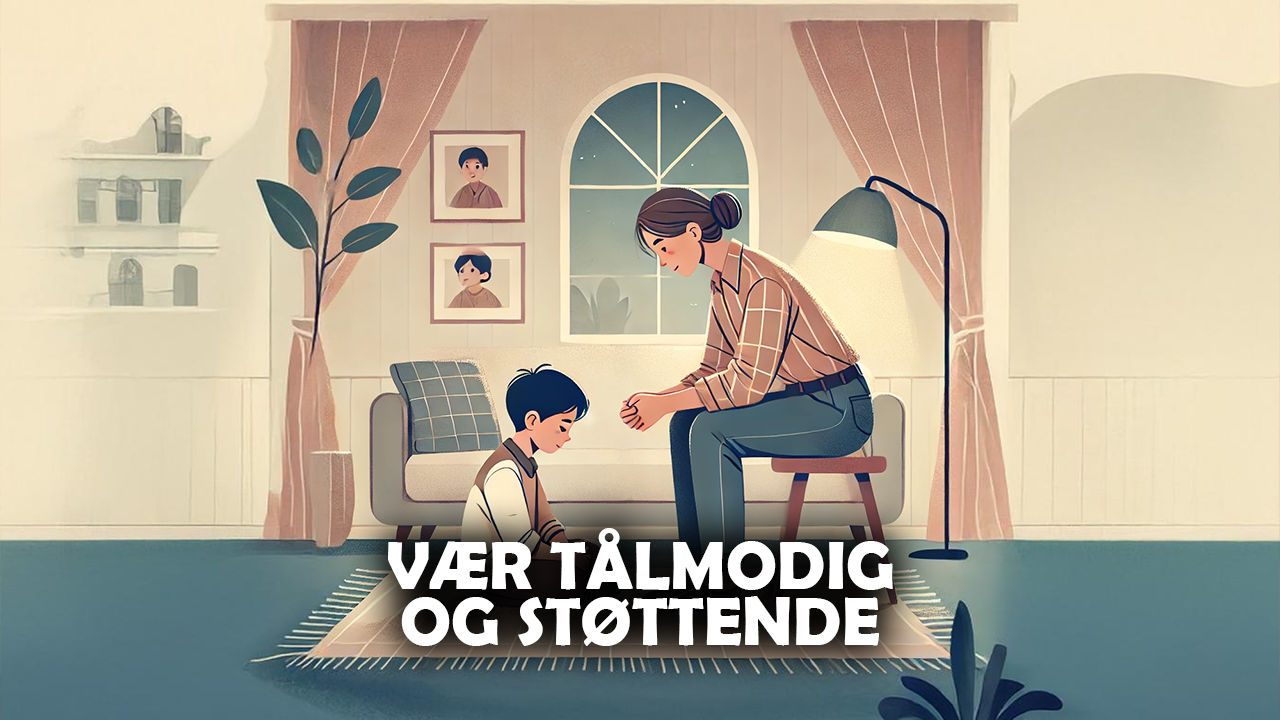
Starting school is a major change in your child’s life — filled with new experiences, routines and expectations. It is completely natural for your child to feel a mixture of happiness, nervousness and tiredness during this transition. As a parent, you play a crucial role by responding with patience, calm and understanding.
Give your child time to get used to the changes, and remember that children adjust at different rates. Avoid pressuring your child to “be ready” or comparing them with others. Instead, listen to how they experience the school day and acknowledge both their positive and difficult feelings. Ask open-ended questions, be present and show them that you are always there if anything feels overwhelming.
Support your child in finding solutions when they face challenges — for example, by helping them pack their school bag, practising morning routines or finding ways to handle disagreements. Small everyday successes build confidence and help your child feel capable of managing their new daily routine.
With your support and patience, you create a secure environment where your child can grow, develop and make a positive, confident start at school. Continue helping to strengthen your child’s self-esteem, as this will make it easier for them to settle into school life.
Ideas to Support Your Child with Patience and Attentiveness in School Life
🤍 Acknowledge Feelings as Part of School Life
Allow your child to feel happiness, nervousness and confusion. When you reassure them that all feelings are welcome in school life, you give them the courage to express themselves and feel calmer as they adjust.
🕊️ Give Your Child Time to Adjust to School Life
Avoid pressuring your child to settle in quickly. School life is new and takes energy — some children need a little extra time, and that is completely okay. Patience gives them the space to develop at their own pace.
🗣️ Talk About Experiences and Feelings in School Life
Have short daily conversations where your child can tell you about school life. Listen actively, ask open-ended questions and show interest. This helps your child feel seen, understood and supported.
🌱 Praise Your Child’s Effort at School Rather Than the Result
Focus on “You tried again” rather than “You got it right”. This approach strengthens your child’s confidence and desire to learn at school by encouraging growth rather than perfection.
🛑 Make Time for Breaks and Calm in Your Child’s School Life
School life can be intense. Make sure your child has quiet moments, good sleep and time to rest after school. Breaks help them recharge, process their experiences and feel settled and secure.
REMEMBER — Your patience, love and reassurance give your child the best possible start to school life.
You can find more inspiration for helping to strengthen your child’s self-esteem in our article — Practical Tips to Help Strengthen Your Child’s Self-Esteem
Conclusion
Preparing your child for school is fundamentally about building security, curiosity and good habits — not perfection. Every child develops at their own pace, and what matters most is that they feel supported, understood and loved throughout the process. By helping your child take small steps, practise independence, develop social skills and discover the joy of learning, you lay the foundation for a confident start to school life. Remember that every child is unique, and the most important thing is to tailor preparations to their needs and personality.
Remember, too, that starting school is a journey — not a single day. There will be good days and challenging days, and that is completely natural. Your presence, encouragement and belief in your child’s abilities are your strongest tools for creating a reassuring transition. With warmth, patience, structure and loving guidance, your child gains the courage to learn, make mistakes, try again and thrive in their new role as a schoolchild.
When your child knows that home is a secure base where feelings can be shared and successes celebrated, they have a strong foundation — not just when starting school, but throughout their school life. Support, play and love are the best investments in your child’s future, helping to build confidence, social skills and emotional resilience.
Mini-Guide — How to Prepare Your Child for School Life
This mini-guide summarises the article above and offers practical tips on how to prepare your child for school life.
🎒 Create Reassuring Routines That Reflect School Life
Introduce consistent morning, mealtime and bedtime routines so your child already feels comfortable with the structure that awaits them at school. Small daily routines bring security, energy and calm when their new daily life begins.
🧠 Introduce Learning Through Play to Prepare Your Child for School Life
Use play, books, conversations and simple tasks to make learning natural and fun. When your child experiences discovering and understanding new things as part of everyday life, starting school becomes easier and more exciting.
🤝 Strengthen Your Child’s Social Skills for School Life
Help your child practise taking turns, sharing, listening and putting feelings into words. Feeling socially secure is key to wellbeing at school — positive relationships and the ability to cooperate give your child a reassuring and confident start.
🚀 Build Your Child’s Confidence for School Life Through Independence
Let your child practise practical tasks such as packing their bag, getting dressed and eating independently. Being able to manage things themselves strengthens their sense of “I can do it”, giving them courage and the mental energy to cope with school life.
💬 Speak Positively About School Life and Help Your Child Look Forward to It
Share stories, visit the school and talk about all the exciting things that lie ahead. When your child associates school life with happiness, curiosity and security, starting school becomes an experience filled with pride and enthusiasm for learning.
❤️ Be Patient and Present as Your Child Adjusts to School Life
Support your child emotionally and acknowledge both excitement and nervousness. Patience and a reassuring connection with an adult give your child the space to settle into school life at their own pace — feeling capable, secure and confident.
🏫✨ A child who feels supported has the courage to learn, ask questions and flourish. Love + structure + play = a strong start to school life. 💛📚
If you need more inspiration to help your child start school, watch this video — Starting School — 10 Top Tips to Prepare Your Child
If you have experience or knowledge of preparing children for school, we would love to hear your thoughts and suggestions in the comments. Share any other helpful ways to give children a positive and reassuring start to school life.