
In a world where tablets, smartphones, streaming and gaming are a natural part of children’s everyday lives, managing screen time has become one of the most important aspects of parenting. Screens are no longer just for entertainment – they are learning tools, spaces for social interaction and a source of creativity and inspiration.
At the same time, they can also pose challenges if used without careful consideration or if they take over time that should be spent sleeping, being active, connecting with others and resting. The aim is therefore not to ban technology, but to help our children find a healthy balance that supports their development, wellbeing and mental health.
When we talk about screen time, it is important to focus on quality rather than just quantity. What content is your child watching? Is there a mix of learning, creativity and entertainment? And how are screens used in your family – is it something everyone does alone, or is it a shared experience involving conversation and time together?
With the right balance, technology can help children develop socially, expand their knowledge, discover new interests and strengthen their creative skills. Without that balance, however, excessive use can lead to stress, less physical activity, poorer sleep and conflict at home.
This article is for you as a parent or carer looking for specific, practical advice on establishing healthy digital habits within your family. Here, you will find realistic, positive suggestions that are not about strict bans or guilt, but about clear, supportive boundaries, good routines and working closely with your child.
Screen time does not have to be a battle. With the right strategies, you can make technology a positive, integrated part of everyday life, where connection, learning, play and health go hand in hand.
The Role of Technology in Your Children’s Everyday Lives
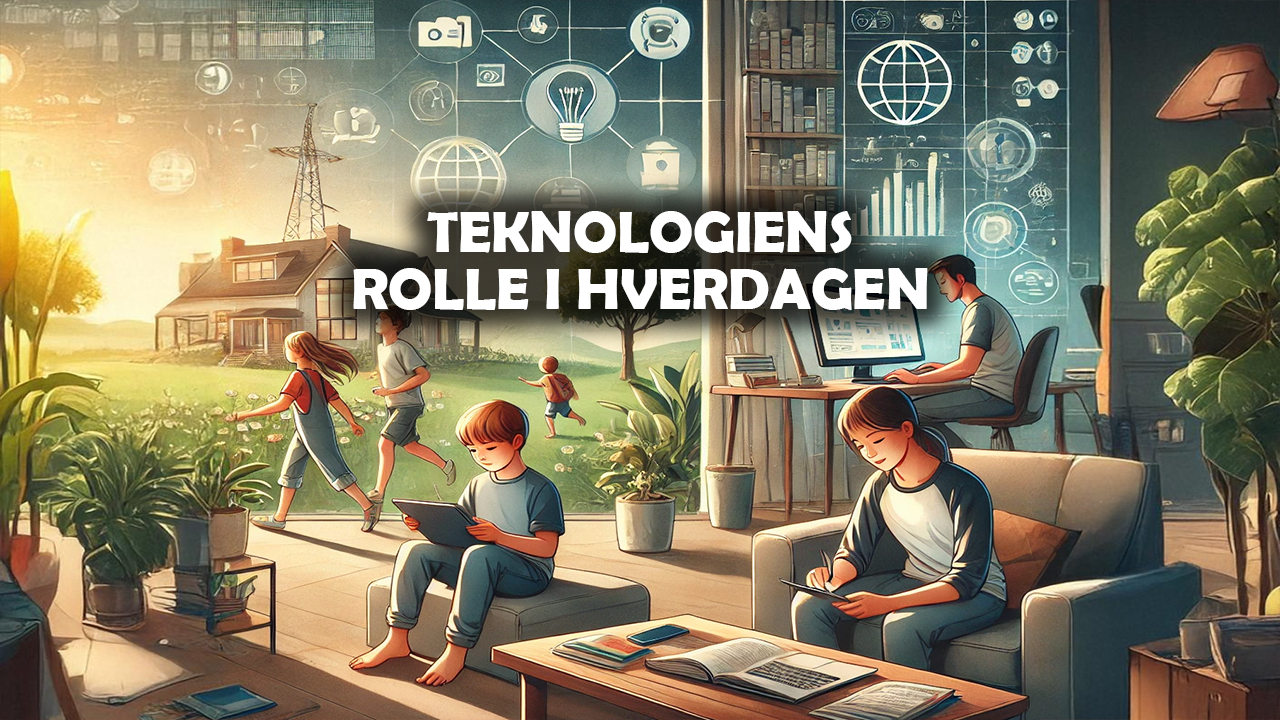
The role of technology in children’s everyday lives is no longer a matter of choice – it is a natural part of growing up. Children encounter digital tools in nurseries, schools and their free time, and many of their social connections, play environments and learning platforms revolve around screens.
This means that technology is not necessarily an enemy, but a powerful tool if we help our children use it thoughtfully and strike the right balance. When we guide them towards understanding when technology helps and when it gets in the way, they develop more than good habits – they also build responsibility, self-discipline and digital skills they will need throughout their lives.
Excessive screen time can have negative consequences for children’s physical and mental health. According to several studies, excessive use of digital devices can cause problems such as poorer sleep quality, reduced physical activity and difficulties with concentration and social interaction. It is therefore important to establish boundaries that encourage conscious and appropriate use of technology.
A healthy approach means recognising the positive aspects of technology – it can encourage creativity, provide access to learning, spark children’s curiosity, strengthen social connections and open up the world. At the same time, children need to learn that using technology also requires breaks, that their bodies and brains need sleep and movement, and that offline activities are just as important.
By setting clear boundaries, talking openly about screen use and supporting your child’s curiosity about technology within a structured routine, you show them that technology does not dictate daily life – instead, they learn to use it wisely and safely. Healthy screen time is not just about limiting the number of hours your children spend in front of a screen. It is also about the quality of that time.
Activities such as playing educational games or watching documentaries can be far more valuable than aimlessly scrolling through social media. By helping your children choose meaningful content and establishing a healthy screen time routine, you can ensure that technology becomes a positive influence in their lives.
Ideas to Try – How to Give Technology a Healthy Role in Your Children’s Lives
📚 The Role of Technology in Children’s Learning and Development
Technology can play an extremely valuable role in learning when used thoughtfully. Digital learning platforms, interactive games and educational videos can nurture your child’s curiosity, language skills, logical thinking and problem-solving abilities. They also offer an accessible way to discover the world – children can explore space, nature, history and culture from their living room. As a parent, you can take an active part in your children’s learning by showing interest, asking questions and discussing what they experience, so that technology supplements their learning rather than replacing conversation, books and real-world experiences.
🎨 Creative Projects for Children That Make the Most of Technology
When used creatively, technology opens up opportunities for children to build worlds, design characters, edit films, make music and create art. Apps and software for drawing, coding and storytelling can develop your child’s imagination and confidence as they create something of their own. Learning to use technology as a tool, rather than simply as passive entertainment, also gives children a sense of achievement and encourages them to innovate. Invite your child to show you their projects, and try working on small digital hobby projects together.
🤝 Understanding the Role of Technology in Children’s Social Connections
Technology’s role in children’s social lives means that many friendship groups move online. Games, chats and shared digital activities can strengthen social bonds – especially when children share interests and work together. However, children also need to learn about responsible online behaviour: kindness, respect, privacy and knowing when to set boundaries. As a parent, you can talk with your child about how to behave online and how to build healthy digital communities. This guidance helps children feel safe and strengthens their social skills both online and offline.
🧘 Create a Balanced Routine for Your Child Where Technology Does Not Dominate Their Daily Life
Technology’s role in everyday life needs to be balanced with play, movement, sleep and screen-free leisure time. Help your child establish consistent routines – screen-free time before bed, breaks throughout the day and time for physical activity, creative play, nature and relaxing together as a family. When children experience how taking screen breaks leaves them feeling refreshed, it becomes easier for them to regulate their own use later in life. A parent’s role in supporting healthy screen time is not about control – it is about providing structure and security so that technology does not take over childhood.
REMEMBER – When your child uses technology wisely, both creativity and wellbeing flourish. It is not about removing screens – it is about healthy screen time, and children who learn to strike this balance become even more resilient.
How Do You Set Healthy Screen Time Limits for Children?

Setting healthy screen time limits for children is not about finding one perfect rule, but about creating boundaries that suit your child’s age, development, needs and wellbeing. Screen time can be educational, enjoyable, creative and social – but without clear boundaries, it can also take up too much time and crowd out other important daily activities. Healthy screen habits should therefore be based on balance, quality and clear communication rather than strict, blanket time limits.
A good way to find the right amount of screen time is to look at your child’s overall daily routine. Are they getting enough sleep? Do they have time for physical activity? Do they take part in play, homework, family activities and uninterrupted breaks? If these needs are met, their screen time is often already at a healthy level. The most important thing is that screen time does not replace basic needs, social connections or play that supports development, but complements them instead.
Another important factor is distinguishing between passive screen time (such as mindless scrolling) and active screen time (such as educational games, creative projects and shared activities). Active screen time can be highly valuable, especially when parent and child share the experience and discuss the content. By focusing on quality screen time rather than just minutes, children learn to use screens as a positive tool rather than an automatic habit.
Ideas to Try – How to Establish Healthy Screen Time Boundaries for Your Children
🕒 Understand Healthy Screen Time in Relation to Your Child’s Age
Healthy screen time depends largely on your child’s age and stage of development. Younger children need short, guided screen sessions and plenty of physical play, while older children can manage longer periods – especially when the content is educational and interactive. It is important to talk with your child about what they use screens for and help them understand that healthy screen time involves breaks, variety and awareness. When children learn these basic principles early, they build digital habits that last a lifetime.
🌟 Be a Good Role Model for Your Children When It Comes to Healthy Screen Time
Children copy the adults around them, so your own behaviour is crucial to how your child understands healthy screen time. When you put your phone away during meals, prioritise breaks and show that offline moments matter too, your child learns that technology is something to use consciously rather than constantly. By explaining aloud why you are choosing to take a break (“I’m giving my eyes a rest now” or “I want to be fully present for a moment”), you help your child understand how to create balance. Being a digital role model makes it easier for your child to accept rules and habits because they see that you are working together to establish healthy boundaries in everyday life.
👀 Look at the Bigger Picture When Assessing Healthy Screen Time for Your Children
Healthy screen time is about balance across your child’s entire day. Rather than counting minutes, look at your child’s wellbeing: Do they have energy? Is there room for play, movement, sleep and social activities? Make sure your children have access to a wide range of offline activities. Sport, music, creative projects or reading can help reduce their reliance on screen time. If daily life is running smoothly and screen use is not negatively affecting your child, the amount of screen time is usually appropriate. This approach helps both children and parents focus on what matters most – the child’s wellbeing – rather than worrying about precise limits.
Enjoying worthwhile offline activities with your children is an important part of supporting healthy screen time. For inspiration on creative offline activities you can do together, read our article – Tips for Fun and Creative Activities for Families with Children
💬 Encourage Family Conversations About Healthy Screen Time
An open conversation about healthy screen time makes it easier for your child to understand the rules and the reasons behind them. When you discuss both the benefits and challenges of screen use, your child feels included and understood. This makes it easier to agree on routines such as screen-free zones, screen-free time before bed and shared digital activities. For example, introduce screen-free areas in your home, such as the dining room or bedroom. This can help reduce distractions and encourage better sleep habits. By establishing shared guidelines, your child learns to take responsibility for their own screen use and recognise when they need a break.
🧩 Prioritise Content That Supports Healthy Screen Time for Your Child
Healthy screen habits are strengthened when the content is valuable. Creative apps, educational games, documentaries and activities that encourage your child to think, experiment or create can support their development far more than passive streaming or scrolling. You can help by choosing suitable apps and programmes and encouraging your child to talk about what they are learning. This makes screen time meaningful and gives your child a healthier approach to technology.
🧘 Introduce Breaks and Structure to Support Healthy Screen Time for Your Child
Breaks play a central role in healthy screen time. Children’s brains and bodies need variety, movement and rest to function at their best. Shorter sessions with natural breaks encourage better concentration and fewer conflicts. Include your children in conversations about screen time. Ask them how they think they can best use their time, and work together to set realistic goals. Once you have established consistent routines together – such as screen-free meals, no screens for an hour before bed and screen-free periods at weekends – your child will often find that breaks give them more energy, making a healthy balance easier to maintain.
REMEMBER – A healthy digital routine starts with small, realistic, healthy digital habits and grows with your child. A healthy balance of screen time supports wellbeing, both on and off screen. With clear boundaries, healthy screen time becomes a positive part of family life rather than a source of stress.
How Technology Affects Children’s Health

Technology is a natural part of childhood today, so it is important to understand how screen time affects children’s health – both positively and negatively. Technology can give children access to learning, creativity, social communities and new interests, but without structure and care, it can also undermine their wellbeing. Too much sedentary time, overstimulation, disrupted sleep or a lack of breaks can affect both the body and the brain. With the right boundaries, however, technology can become a source of support rather than a burden.
The key is balance – how screen time is combined with physical activity, rest, play, social connections and offline experiences. Children need variety, and when digital activities are mixed with movement, meaningful time together and breaks, technology can offer new opportunities without harming their health. The aim is therefore not to eliminate screens, but to give children the tools to navigate the digital world with awareness and good habits.
Ideas to Try – How Technology Can Be Used to Support Children’s Health
🧠 Understand Children’s Health in Relation to Mental Stimulation
Children’s health includes their mental health, and technology can be used constructively to support their learning, concentration and curiosity. Quality content such as educational apps, science videos, problem-solving games or creative tools can stimulate the brain in a positive way. When you help your child choose content that challenges and engages them, you create a digital routine where technology provides new knowledge and supports mental wellbeing rather than draining their energy. This simply requires choosing content thoughtfully rather than leaving it to random scrolling.
💤 Protect Children’s Health by Managing Screen Time Before Bed
Good sleep is one of the most important factors in children’s health, and technology plays a significant role in how easily children settle down. Screens, especially those with blue light or rapidly changing visuals, can affect the brain’s ability to wind down. Screen-free time before bed is therefore one of the most effective habits in a healthy daily routine. When your child ends the day with calmer activities – such as reading, drawing or quiet play – their body has a chance to regulate itself, supporting their mood, ability to learn and overall wellbeing.
For inspiration on establishing a healthy family sleep routine, read our article – Tips for Better Sleep Routines for the Whole Family
🏃 Create a Balance Where Technology Supports Children’s Health Through Activity
Prolonged screen use can cause eye strain, neck pain and sedentary behaviour. To help address this, you can encourage frequent breaks, good ergonomics and regular physical activity. Children’s health improves significantly when they combine screen time with movement. Many apps and games encourage physical activity – for example, dance apps, interactive sports games, nature-based treasure hunts or games that require children to move to take part.
These activities can be a good way to combine play, energy and technology. When you show your child that technology does not just mean sitting still, but can also encourage movement, they learn to associate digital experiences with health rather than inactivity.
🤝 Support Children’s Health Through Online Social Connections
Children’s health also depends on their social wellbeing, and technology can play a positive role in their relationships – especially when they use screen time to collaborate, share experiences and communicate with friends and family. Online communities can offer a sense of belonging, particularly for children with specific interests or those who need a supportive environment to build social skills. However, it is important to discuss digital boundaries, kindness, safety and respectful communication so that your child experiences technology as a space for healthy, positive social connections.
🧘 Create Calm Breaks to Support Children’s Health
Screen breaks are essential for children’s health – both physically and mentally. Long periods spent focusing on a screen can cause tension, tired eyes, restlessness and reduced concentration. Too much time online can also contribute to stress, anxiety and low self-esteem, particularly if children experience bullying or are exposed to unrealistic standards on social media.
Help your children think critically about the content they encounter, and talk openly about their experiences. By teaching your child to take natural breaks, stretch, breathe deeply and switch activities, you help their body and mind regain balance. These small breaks are simple but effective tools for ensuring that screen time remains a positive part of everyday life rather than a burden.
REMEMBER – When technology is used thoughtfully, children’s wellbeing grows every day. With the right balance, screen time can support your child’s wellbeing in both body and mind.
Technology as an Ally in Supporting Your Children

Although it is important to limit excessive screen time, technology does not have to be an opponent in family life – it can become a powerful ally when you guide your child towards using digital tools wisely and in a balanced way. When we see technology as a partner in everyday life, it creates opportunities to work together, helping your child learn, play, be creative and develop healthy digital habits. Instead of battling against screens, we can teach children that technology is a tool they can control, explore and use for something meaningful.
Making technology an ally means choosing content thoughtfully, creating positive experiences and taking an interest in your child’s digital world. When you show interest, talk with your child about their online experiences and help establish safe boundaries, they develop a natural relationship with technology – one built on responsibility, creativity and curiosity. In this way, technology becomes a source of support in parenting rather than a cause of conflict.
Ideas to Try – How to Build a Healthy Relationship Between Children and Technology
🎮 Use Technology with Your Children to Develop Creative Skills
When children use technology for creative activities, the screen becomes a platform for learning and development. Apps for drawing, music production, storytelling and coding give your child the opportunity to create something unique. For example, you could create your own family website, sharing information about your family and the exciting and enjoyable activities you take part in throughout the year.
A WordPress website is an easy way to get started, and you can find inspiration for creating one in our article – Tips for Creating and Designing Your Own WordPress Website
Creative screen time builds confidence, a willingness to innovate and problem-solving skills. By taking part in projects or asking about them, you show that technology can be a magical playground where your child can let their imagination flourish rather than simply being entertained.
🧠 Support Learning Through Children’s Use of Technology
Children’s use of technology can provide a strong foundation for learning when the content is carefully chosen. Educational videos, online subject resources, maths games and interactive learning environments allow your child to build knowledge in an engaging way. Many apps, for example, offer games that develop problem-solving, maths or language skills. You can help choose content that suits your child’s age and interests, making learning both motivating and enjoyable. When you show interest in your child’s digital learning, they feel supported, and technology becomes a constructive part of everyday life.
🤝 Create Shared Family Experiences Through Technology
Using technology with your children can create shared moments that strengthen your family relationships. Playing interactive games together, working on digital projects or enjoying your own family “mini cinema nights” can be enjoyable and meaningful ways to spend time together. You can also use fitness trackers and apps that encourage children to move more and set personal fitness goals, which you can help them work towards. When you take part in your child’s digital world, you gain insight into their interests and create opportunities to discuss digital habits. Spending this time together makes technology something you share rather than something that separates you – giving your child a sense of support and security.
🧘 Use Technology to Create Structure and Balance for Your Child
When children’s use of technology is supported by clear boundaries, daily life becomes more manageable for them. With consistent routines, screen-free times and digital breaks, your child learns to recognise their needs and find balance. Apps for planning, focus or mindfulness can also help bring calm and structure. Your child then experiences technology as something that helps create a healthy routine rather than taking over. This provides a sense of security and makes it easier to maintain a sensible balance between screen time and offline life.
🛡 Teach Your Child to Navigate the World Safely with Technology
Children need to learn how to navigate the digital world safely, and you are their most important guide. Children’s use of technology should go hand in hand with an understanding of privacy, respect, digital ethics and setting boundaries. By talking openly about what to share, how to interact with others online and how to say no, you teach your child to navigate this world safely and confidently. When safety becomes a natural part of everyday life, your child can use technology without fear – and you gain peace of mind.
REMEMBER – Technology becomes your friend when you use it to support children’s development, and children learn best when adults help guide them through the digital world. When used wisely, technology offers your child learning opportunities, meaningful connection and a healthy balance.
Long-Term Benefits of Healthy Screen Time

When screen time is used thoughtfully and balanced with the rest of a child’s daily life, it can have many positive, long-term effects. In a digital age, avoiding screens altogether is neither realistic nor desirable. Instead, the aim is to teach children to use technology responsibly and meaningfully.
Healthy screen time, with age-appropriate, educational and interactive content, can strengthen your child’s creativity, problem-solving skills and digital understanding – skills that are becoming increasingly important in society and the workplace. Children who learn to approach digital media critically and thoughtfully are better equipped to navigate a complex online world.
When screen use is a natural part of a varied daily routine that includes physical activity, social connections, play and sleep, it supports healthy development. Children learn that technology is a tool – not a replacement for real-world experiences and relationships.
Over time, healthy screen habits lead to better concentration, emotional balance, responsible behaviour and stronger self-regulation. This enables children to set their own boundaries and choose quality over quantity – habits that last well into adulthood.
Ideas to Try – Long-Term Benefits of Healthy Screen Time for Your Child
🌱 Long-Term Benefits of Building Your Child’s Digital Skills
Long-term benefits emerge when children learn to use technology thoughtfully and constructively. Digital skills are becoming increasingly important in school, further education and working life, and children who learn early to navigate digital environments safely, creatively and critically have a significant head start. By supporting your child in exploring learning platforms, thinking critically about online information and using technology actively rather than passively, you give them a foundation that lasts a lifetime. These skills build your child’s confidence and leave them better equipped to meet future demands.
🧘 Long-Term Benefits of Healthy Screen Time for Your Child’s Mental Wellbeing and Independence
The long-term benefits of healthy screen time also extend to mental wellbeing. Children who learn to take breaks, manage digital temptations and recognise their own energy levels develop stronger self-regulation and emotional understanding. This encourages greater independence and better stress management during adolescence and adulthood. When children learn early that screen use requires balance, technology becomes something they use purposefully rather than something that controls them. This supports a healthy mind and a natural relationship with screens throughout life.
🤝 Long-Term Benefits of Healthy Digital Habits for Your Child’s Social Relationships and Online Behaviour
Children’s social lives take place both online and offline, and healthy digital habits bring long-term benefits to their relationships. When children learn about digital ethics, kindness, safety and consideration for others, they gain social skills that serve them well into the future. Children who feel secure in their online communities are often better at communicating, collaborating and forming friendships – both online and face to face. This gives them stronger social skills and a healthier social circle throughout their teenage years and into adulthood.
🏃 Long-Term Benefits of Healthy Screen Time for Your Child’s Physical Health and Balance
Balanced screen time also brings long-term benefits to your child’s physical health. Children who learn to alternate between screen activities, movement and sleep develop a natural daily rhythm that reduces the risk of sedentary habits later in life. By incorporating short breaks, outdoor play and screen-free routines, you teach your child to associate health with feeling well and enjoying life. This makes it easier for them to maintain an active lifestyle during adolescence and adulthood.
🎨 Long-Term Benefits of Your Child’s Creative Use of Technology for Development and Innovation
Healthy screen time gives children opportunities to use technology in innovative ways, bringing significant long-term benefits. Creative projects such as coding, digital art, video editing or music production help children develop problem-solving skills, imagination and the ability to generate ideas. These abilities are becoming increasingly valuable in both education and future employment. When children discover that a screen is a place where they can create something, their confidence, passion and desire to learn more grow.
REMEMBER – Good digital habits empower children – both now and in the future. A healthy digital childhood lays the foundation for a balanced adult life.
Conclusion

A healthy approach to screen time is not about being a perfectionist, but about creating a daily routine where technology, wellbeing and good habits go hand in hand. When you help your child navigate the digital world by being present, setting boundaries and having genuine conversations, they learn not only to use technology responsibly, but also to look after themselves, their time and their health. The aim is not to remove screens, but to give your child the tools to make wise choices, understand their own needs and create a balance between online and offline life.
The most important things are to be consistent, communicate openly with your children and create an environment where technology is used as a positive tool. By focusing on routines, quality over quantity, safe boundaries and shared experiences, you lay the foundation for a digital routine that supports your child’s development.
This gives your child the opportunity to explore technology as a tool for play, learning, creativity and relationships – without compromising movement, sleep, peace of mind and enjoyable family time. With small, consistent steps, the whole family can achieve a healthier digital balance in everyday life that brings joy, connection and a sense of security. In this way, you can help your children navigate the digital world safely and healthily, both now and in the future.
REMEMBER – A healthy balance with technology supports wellbeing – both on and off screen. When technology is used thoughtfully, your child’s childhood becomes both richer and calmer.
Mini Guide – How to Help Your Children Find a Healthy Balance Between Technology and Health
This mini guide summarises the article above and offers practical tips for healthy screen time to help your children balance technology and health.
🧭 Set Clear Screen Time Boundaries for Your Child
Establish clear, simple routines for when and how your child uses screens. Clear boundaries help your child understand expectations and provide a reassuring structure in everyday life.
🧠 Prioritise Quality Over Quantity in Your Child’s Screen Time
Focus on screen activities and content that encourage your child’s learning, creativity and curiosity. Quality content supports wellbeing and reduces the risk of overstimulation.
🕒 Ensure Your Child Has Breaks and Screen-Free Zones
Introduce regular breaks and screen-free times for your child – especially before bed. Breaks give both the body and brain a chance to relax and improve your child’s concentration and mood.
🏃 Combine Screen Time with Active Play for Your Child
Help your child create balance by alternating between digital activities and physical movement. This supports your child’s health, sleep routine and everyday energy levels.
💬 Talk with Your Child About Digital Content
Show interest in what your child does online. Open conversations build understanding and a sense of security, helping your child develop critical thinking skills and safe, healthy digital habits.
🌟 Be a Positive Role Model for Everyday Screen Use
Children copy the adults around them. When you demonstrate a balance between screen use, being present, activity and breaks in daily life, your child learns to do the same.
If you need more inspiration for establishing healthy screen time for your child, watch this video – Tips for Healthier Screen Time
If you have experience or knowledge of effective ways to create a healthy balance between technology and health for your child, we would love to hear your thoughts and suggestions in the comments. Share any other ideas for helping your child achieve this balance, supporting the wellbeing of the whole family.