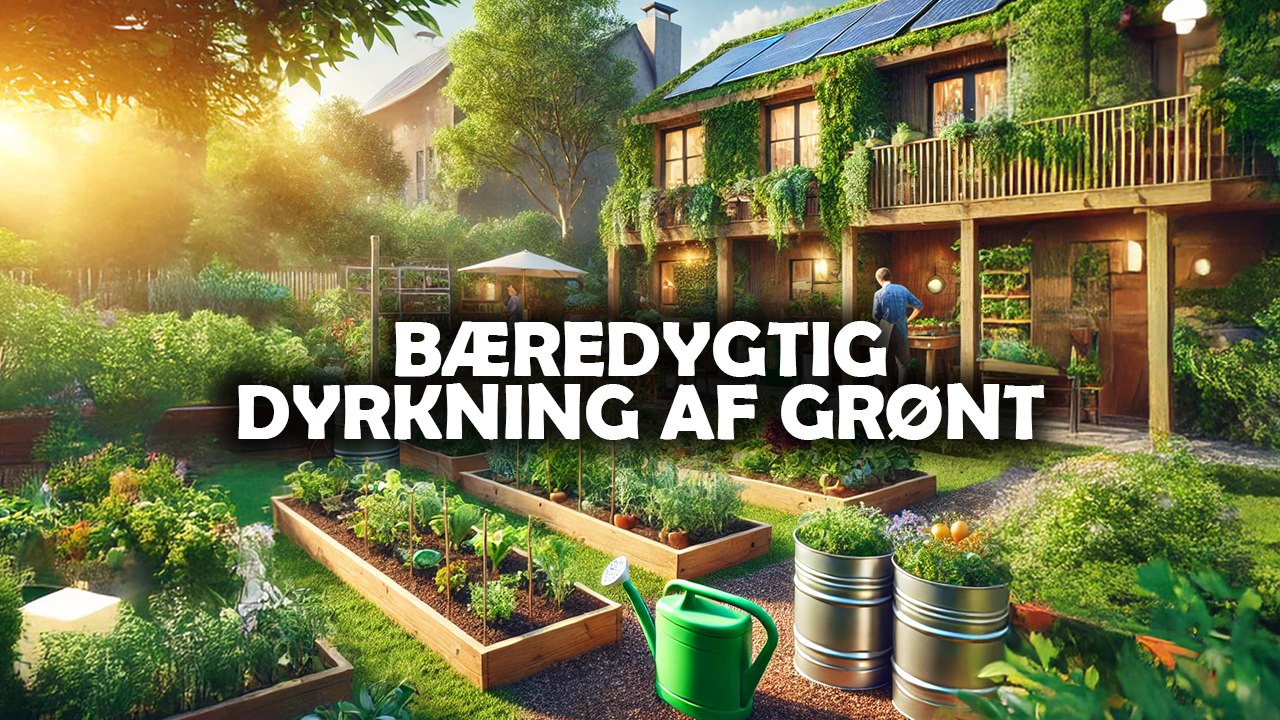
Growing your own vegetables and herbs sustainably is not only about having fresh produce right outside your door – it is also one of the most meaningful ways to care for nature and reduce your carbon footprint in everyday life. When you choose to grow your own food, you gain full control over cultivation methods, soil quality and watering. You avoid unnecessary chemicals, minimise transport and packaging, and at the same time create a small ecosystem that benefits the biodiversity around you.
Sustainable growing is not a complicated science. It is an approach where you work with nature rather than against it – whether you have a large garden, a small raised bed, a balcony or a few pots on the windowsill. With the right techniques, even small spaces can produce surprisingly large yields if the soil is treated gently, the plants receive the right care, and you make the most of the natural rhythm of the seasons.
Growing your own food also provides a special sense of calm and satisfaction. Many people find that putting their hands in the soil, following the development of their plants and harvesting their own crisp vegetables creates a feeling of mindfulness and pride. Sustainable growing is therefore also an investment in both your own well-being and the well-being of nature.
In our article, you will find a range of simple, practical and realistic tips to help you create a greener kitchen garden – whatever your level of experience. From choosing soil and seeds to natural fertilisers, watering, plant selection, biodiversity and recycled materials. The aim is to inspire you to get started or improve your current methods, so you can grow vegetables and herbs in a way that is both environmentally friendly and rewarding for you.
Planning And Designing Your Sustainable Garden When Growing Vegetables And Herbs
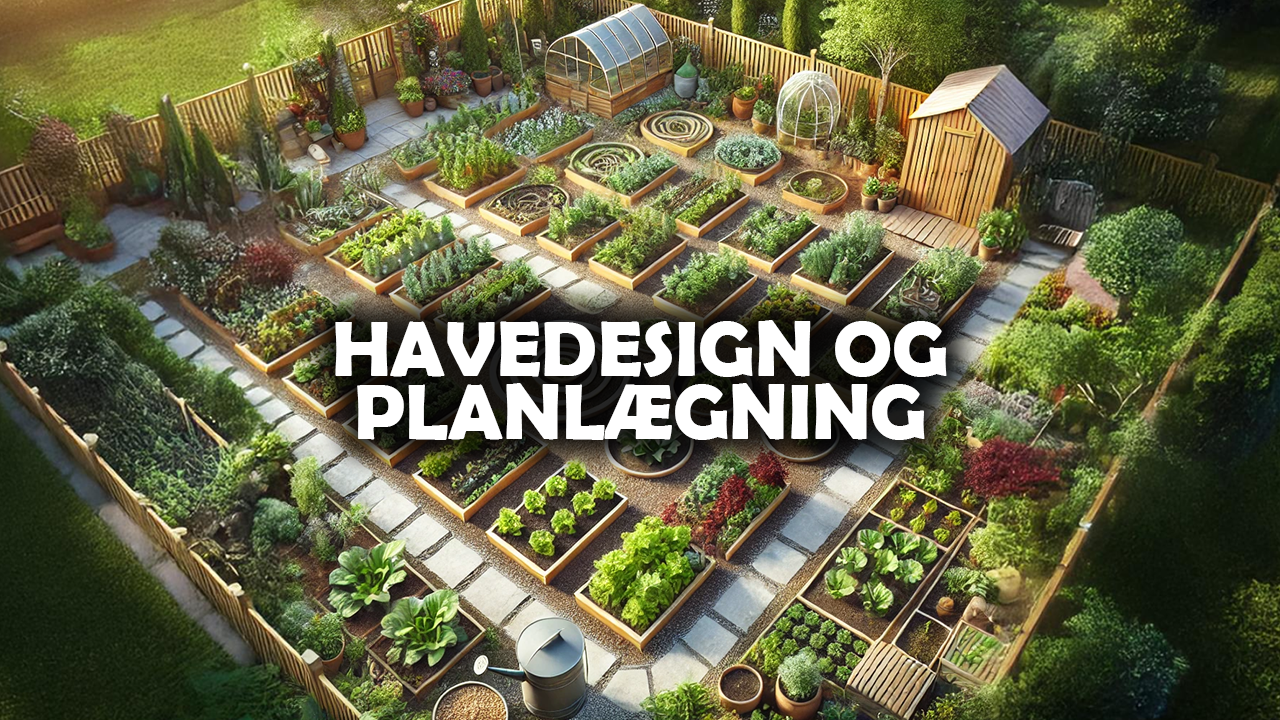
Good and thoughtful planning is the foundation of a strong, productive and sustainable kitchen garden. When designing your garden, it is not only about where you place your vegetables and herbs – it is also about making the best and most environmentally responsible use of sunlight, soil, space and resources. A well-planned garden gives you healthier plants, fewer problems with pests and diseases, and a significantly better harvest.
Start by assessing the garden’s natural conditions. Where does the sun fall? Where does water collect? Where is it sheltered, and where is it windiest? These observations help you create a design where each plant has the best possible growing conditions. At the same time, think in terms of functional zones, so the herbs you use most often are close to the kitchen, while vegetables that require more space can be placed further away.
It is also beneficial to work with beds, raised beds or planters, as this gives you better control over soil quality and structure. At the same time, it makes sustainable growing easier because you can manage nutrient cycles, water more precisely and reduce waste.
You should also consider combining different plant species so they support one another – this is called companion planting and is a key method in a sustainable garden. By planning your garden thoughtfully, you create a beautiful, harmonious and functional growing environment that brings enjoyment throughout the season and leaves a greener footprint on nature.
Inspiration List – Good Tips For Planning A Sustainable Garden
🌱 Location And Sunlight In A Sustainable Garden
A sustainable garden begins with understanding the light conditions. The movement of the sun throughout the day determines which vegetables and herbs will thrive best in different areas. By mapping sunny and shaded areas, you can create a growing plan that makes optimal use of resources and avoids unnecessary stress on the plants. Most vegetables and herbs require at least 6–8 hours of direct sunlight per day. Therefore, choose a place in your garden with plenty of sunlight and where the plants have access to well-drained soil.
When you use sunlight strategically, you also reduce the need for additional watering and fertiliser because the plants work in harmony with the garden’s natural rhythm. This approach not only supports the growth of your crops but also makes your entire sustainable garden more stable and productive throughout the season.
🌼 Start Small In A Sustainable Garden
A sustainable garden does not need to be large to be effective. In fact, starting small can be a major advantage, especially if you are a beginner. Smaller gardens, raised beds or individual pots allow you to learn the basic growing principles without becoming overwhelmed. When the space is manageable, it becomes easier to monitor soil moisture, pests, nutrients and sunlight conditions – all important factors in a sustainable garden.
By starting small, you can develop good routines, test different vegetables and herbs, and build experience before expanding. This approach makes it easier to create a stable and well-functioning sustainable garden that can gradually grow alongside your skills and ambitions.
🌿 Smart Bed Divisions In A Sustainable Garden
The way you divide your garden beds has a major impact on how efficiently and sustainably the garden functions. A well-designed bed layout makes it easier to rotate crops, improve soil health and reduce the spread of disease. In a sustainable garden, clearly structured beds allow you to work with the soil in smaller sections, which both saves time and reduces resource consumption.
At the same time, you can choose materials such as reclaimed wood, stone or natural materials to create a natural and environmentally friendly border around your beds. In this way, both functionality and aesthetics become part of your sustainable gardening philosophy.
🌾 Companion Planting And Plant Communities In A Sustainable Garden
Companion planting is one of the most sustainable growing methods you can use because different plant species help one another grow stronger and healthier. In a sustainable garden, for example, you can combine flowers, herbs and vegetables to create natural protective barriers that reduce the need for chemical pest control. These plant communities increase biodiversity and attract beneficial insects that help maintain balance in the garden. When you work with plant combinations, your sustainable garden becomes both more resilient and less vulnerable to pests and diseases.
💧 Water Management And Resource Optimisation In A Sustainable Garden
Effective water management is a key factor in the design of a sustainable garden. By placing rain barrels strategically, establishing drainage and choosing plants with different water requirements, you can ensure sensible use of the garden’s resources. Drip irrigation or irrigation channels can significantly reduce water waste and give plants exactly the amount of water they need. When water use is optimised, the risk of overwatering and root damage is also reduced, creating a more stable growing environment. A sustainable garden is based precisely on the idea of using as few resources as necessary – without compromising the well-being of the plants.
🪵 Recycling And Natural Materials In A Sustainable Garden
An important part of planning is choosing materials that support an environmentally friendly approach. In a sustainable garden, you can make good use of recycled materials such as pallets, old bricks, pieces of wood or stones to create paths, borders or planters. These solutions reduce the need for new production and give the garden a personal and natural character. At the same time, you create a more lively environment for insects and small animals because natural materials contribute to increased biodiversity. With creative and reusable material choices, you can build a sustainable garden that is economical, functional and environmentally responsible.
🔄 Rotating Crops In A Sustainable Garden
Crop rotation is one of the most effective methods for maintaining a healthy and sustainable garden. When you plan to rotate your crops from year to year, you prevent soil fatigue, reduce the risk of disease and lessen the need for artificial fertilisers. In a sustainable garden, rotation means alternating between different plant families – for example root vegetables, leafy vegetables and fruiting vegetables – so the soil has time to naturally replenish its nutrients.
This method creates a more robust soil structure, improves conditions for microorganisms and supports healthier plants throughout the season. When you work strategically with crop rotation, your sustainable garden becomes better equipped to provide stable and strong yields year after year.
*************************************************************
REMEMBER - Sustainable garden design is not complicated – it is about thoughtfulness, balance and the joy of growing your own food. When you plan your garden with respect for nature, it gives back more than you might expect.
Preparing The Soil For Your Sustainable Garden When Growing Vegetables And Herbs
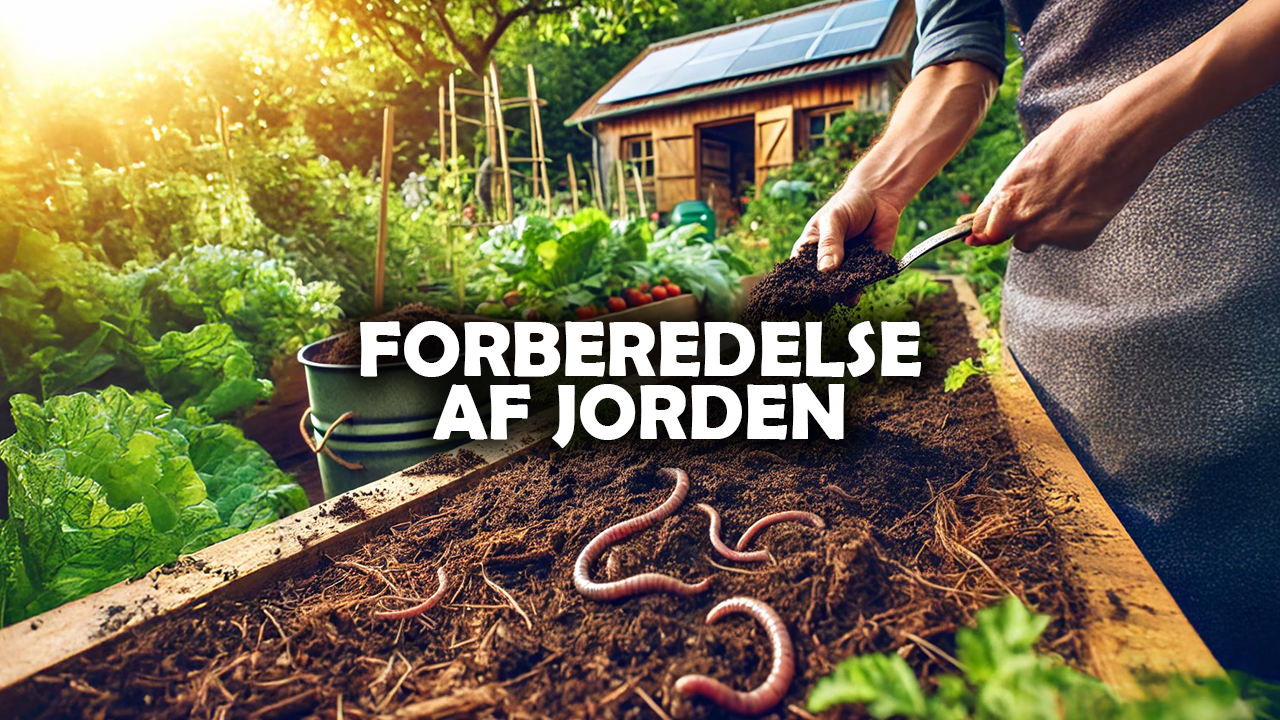
Healthy, nutrient-rich soil is the foundation of any successful and sustainable garden. Whether you grow vegetables, herbs or both, the well-being of your plants depends on how the soil is prepared. When you work consciously with soil quality, you not only create better growing conditions, but also reduce the need for artificial fertilisers, chemicals and unnecessary watering – all of which are key elements of a more sustainable growing method.
Start by examining the structure of the soil. Is it clay-based, sandy or loamy? Each type has its strengths and challenges, but all can be improved with organic materials that strengthen the soil’s ability to retain both water and nutrients. Compost, fallen leaves, grass clippings and well-decomposed plant material can work wonders for the soil’s structure and microbial life.
It is also beneficial to loosen the soil gently rather than digging deeply, as this preserves the natural soil layers and microorganisms that are essential in a sustainable garden. By preparing the soil with respect for nature’s own processes, you create a living ecosystem where plants have optimal conditions for growth and where the soil becomes stronger year after year.
Inspiration List – Good Tips For Preparing Soil In A Sustainable Garden
🌱 Understanding The Soil Type In A Sustainable Garden
A sustainable garden is built on understanding the soil you are working with. Clay soil retains nutrients well but can become heavy; sandy soil is well-aerated but low in nutrients; and loamy soil is often ideal, although it still requires ongoing care. Have a sample of your garden soil analysed to determine its pH level and nutrient content. Most vegetables thrive in slightly acidic to neutral soil (pH 6–7). By analysing the soil’s texture and behaviour, you can target improvements and ensure that your vegetables and herbs receive exactly the conditions they need. When you adapt soil improvement to the soil type, you create a more natural, efficient and sustainable garden where resources are used optimally without waste.
🚫 Avoid Chemical Fertilisers In A Sustainable Garden
In a sustainable garden, it is important to avoid synthetic fertilisers because they can harm soil microorganisms and disrupt the natural ecosystem that your vegetables and herbs depend on. By using natural fertilisers such as animal manure, seaweed, compost or nettle extract instead, you strengthen soil life in a much gentler way. These organic alternatives release nutrients slowly and steadily, allowing the soil to build up over time and become more fertile. When you choose natural fertilisers, you support the self-sustaining cycle on which a sustainable garden is based, while also reducing the risk of pollution and nutrient leaching. The result is stronger soil, healthier plants and a garden that works more closely in harmony with nature’s own processes.
🍂 Organic Matter As A Foundation Of A Sustainable Garden
Organic matter – such as compost, leaves, straw and grass clippings – is at the very heart of a sustainable garden. When you add these materials, you improve the soil’s structure, water retention and ability to release nutrients over time. This creates a more vibrant soil environment with microorganisms that naturally strengthen plant roots. A high organic matter content makes the garden less dependent on artificial fertilisers because the soil itself becomes capable of building and maintaining its fertility. In this way, your sustainable garden becomes both more resilient and more productive.
🪱 Use Compost To Strengthen A Sustainable Garden
Compost is one of the most effective and environmentally friendly soil improvers you can use. In a sustainable garden, compost acts as a natural fertiliser that adds life and nutrients to the soil in a slow and steady way. It improves soil structure, makes the soil more porous and encourages beneficial microorganisms. By recycling kitchen and garden waste into compost, you create a closed cycle that reduces waste and gives the soil exactly what it needs. Compost is therefore a key element in any sustainable garden where environmental responsibility and healthy plant growth go hand in hand.
🌾 Cover Crops To Improve A Sustainable Garden
Cover crops such as clover, buckwheat or vetch are a powerful tool for building healthy and sustainable garden soil. They protect the soil from erosion, add organic matter and bind nutrients so they are not washed away during the winter months. When you allow cover crops to grow during periods when the soil would otherwise be left bare, you help preserve its structure and strengthen its microbiological life. This method makes it easier to grow vegetables and herbs successfully the following year and supports a strong, living and sustainable garden.
💧 Optimise Watering And Moisture In A Sustainable Garden
Water is a limited resource, and in a sustainable garden it is essential to use it thoughtfully. Effective soil preparation therefore involves ensuring that the soil can absorb and retain moisture without becoming waterlogged. Organic matter and compost increase the soil’s ability to withstand drought, while the correct soil structure helps maintain stable moisture around the roots. When you work strategically with the soil’s moisture balance, you reduce the need for frequent watering and create more resilient plants. A sustainable garden is built precisely through these small but important improvements.
🪵 Avoid Over-Digging The Soil In A Sustainable Garden
One of the most important principles in a sustainable garden is to avoid deep digging. When the soil layers are turned over, microorganisms, earthworms and fungi that would otherwise create a stable ecosystem are disturbed. Instead, you should loosen the soil gently and allow nature’s own processes to do the work. This approach helps preserve the soil’s structure, improves drainage and strengthens the plants’ ability to establish deep, healthy roots. By avoiding over-digging, you protect the soil’s natural balance and create a more harmonious and sustainable garden.
🌼 Build The Soil’s Nutrient Balance In A Sustainable Garden
Plants require a range of nutrients to thrive, and in a sustainable garden, soil preparation is about building up these nutrients naturally. You can add seaweed, compost, natural fertilisers or decomposed plant residues to strengthen the soil’s levels of nitrogen, phosphorus and potassium. By focusing on slow-release nutrient sources, you create a stable balance that supports healthy growth without the risk of over-fertilising. This makes your sustainable garden both more self-sustaining and less harmful to the environment in the long term.
*******************************************************
REMEMBER - Good soil is the most valuable investment you can make in your garden. Healthy soil creates a strong garden – and a strong garden creates sustainable results.
Choosing Vegetables And Herbs For Your Sustainable Garden
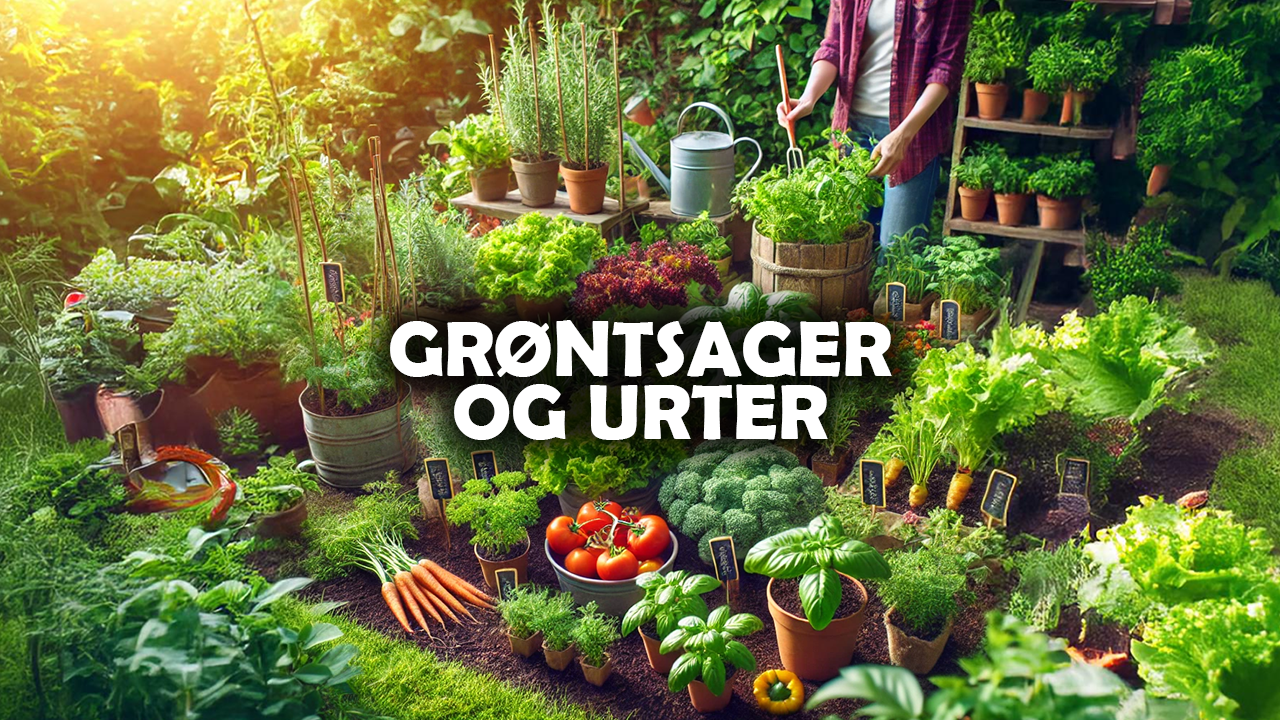
Choosing the right vegetables and herbs is one of the most important decisions when you want to create a well-functioning and sustainable garden. The plants should not only suit your taste – they should also suit the climate, soil type and light conditions, so they can thrive naturally without the use of unnecessary resources. When you choose varieties adapted to local conditions, you reduce the risk of disease, lessen the need for watering, and increase the chance of a stable and abundant harvest.
It can be a major advantage to choose robust and undemanding varieties that can cope with temperature fluctuations while requiring minimal care. Many old or local plant varieties are particularly interesting in a sustainable garden because they often have stronger resistance and genetic variation that makes them more adaptable. Diversity is also an important part of a sustainable garden. When you grow several different vegetables and herbs side by side, you create a mini-ecosystem that supports beneficial insects and natural balance.
At the same time, you reduce the risk of a single disease or type of pest destroying the entire season’s harvest. Variety does not just create healthier plants – it also makes your garden more beautiful, lively and inspiring to work in. When you choose wisely from the beginning, you create a growing plan that is easy to maintain, environmentally friendly and capable of providing an abundance of fresh produce throughout the season.
Inspiration List – Good Tips On Choosing Vegetables And Herbs For A Sustainable Garden
🪴 Start With Easy Vegetable Varieties And Herbs In A Sustainable Garden
If you are new to gardening, it is a great help to start with easy-to-grow vegetable varieties. Radishes, lettuce, spinach, chives, parsley and potatoes are good choices for beginners because they grow quickly and require minimal experience. Easy varieties give you reassuring early successes that make it more enjoyable to continue growing. In a sustainable garden, it is important to learn through experience, and simple, robust plants make this learning process easier and more motivating.
🥕 Choose Robust Vegetable Varieties And Herbs In A Sustainable Garden
In a sustainable garden, robust varieties are a major advantage because they are less vulnerable to disease and harsh weather. These plants often require fewer resources and can thrive in ordinary garden soil without extensive care. When you choose plants that naturally perform well in your climate, you build a stronger and more self-sustaining ecosystem in which the soil, microorganisms and plants work together. This provides a more stable harvest and makes your sustainable garden easier to maintain, while reducing the need for artificial intervention.
🤝 Companion Planting In A Sustainable Garden
Companion planting – or growing plants together – is one of the most effective methods for strengthening a sustainable garden because different plants can support one another in terms of growth, flavour and natural protection against pests. When you place species that work well together side by side, you create a plant community that provides a more resilient growing environment.
A classic example is basil with tomatoes: basil can improve the flavour of tomatoes, while its scent helps keep pests away. The method increases biodiversity and reduces the need for chemical intervention because the garden’s ecosystem works more efficiently on its own. In this way, companion planting makes your sustainable garden stronger, healthier and more self-sustaining, while also giving you a beautiful and harmonious combination of plants.
🌿 Focus On Local And Climate-Adapted Plants In A Sustainable Garden
Local and climate-adapted plants are often the most sustainable solution because they are already suited to the conditions in your area. They are accustomed to local temperatures, light conditions and rainfall levels, and therefore require far less effort and fewer resources to thrive. In a sustainable garden, this means fewer problems with pests, less watering and higher yields. By choosing varieties developed in the Nordic region – or even better, from your local area – you give yourself the best possible conditions for a healthy and long-lasting growing plan.
🌱 Grow Perennial Vegetables And Herbs In A Sustainable Garden
Perennial plants such as rhubarb, chives, oregano, thyme and mint are ideal choices for a sustainable garden because they return year after year without the need for replanting. This saves time, money and resources. Perennial herbs and vegetables often require less watering and fertilising because their roots are deep and well established. Perennial plants also create more stable habitats for insects and microorganisms, which strengthens biodiversity. With perennial plants, you create a more lasting and self-sustaining growing structure in your sustainable garden.
🌼 Create Variety And Diversity In A Sustainable Garden
Diversity is a cornerstone of any sustainable garden. When you plant different types of vegetables, herbs and flowers together, you create a stronger ecosystem in which each plant contributes to the whole. Variety attracts beneficial insects such as bees, hoverflies and ladybirds, which help with pollination and natural pest control. When the garden contains many different plants with different needs, you also reduce the risk of a single problem spreading. At the same time, a varied and colourful planting plan makes your sustainable garden more inspiring and inviting to work in.
🍅 Choose Plants To Suit The Available Space In A Sustainable Garden
Matching your plants to the available garden space is essential for a functional and sustainable garden. Large vegetables such as courgettes or cabbages require plenty of spacing and deep soil, while herbs and smaller vegetables grow well in raised beds or pots. When you adapt the plant types to the available space, you avoid competition for nutrients and light, and the plants have much better conditions for developing naturally. This space-conscious approach creates better balance and greater efficiency in your sustainable garden.
🌶️ Consider Your Favourite Flavours When Choosing Vegetables And Herbs In A Sustainable Garden
A sustainable garden should, of course, also be a source of enjoyment and culinary inspiration. That is why it is important to grow vegetables and herbs that you genuinely enjoy eating. When you choose your favourite flavours – whether tomatoes, basil, spring onions or chillies – you not only get more value from your harvest, but also feel more motivated to look after the garden. Growing your favourite foods helps ensure that you use your crops and therefore avoid food waste. At the same time, it motivates you to continue developing the garden, which strengthens the sustainable garden as a whole.
***************************************************************
REMEMBER - Choosing the right vegetables and herbs makes your sustainable garden both stronger and easier to maintain. When you select your varieties thoughtfully, nature works with you – not against you.
Sustainable Water Management In Your Garden
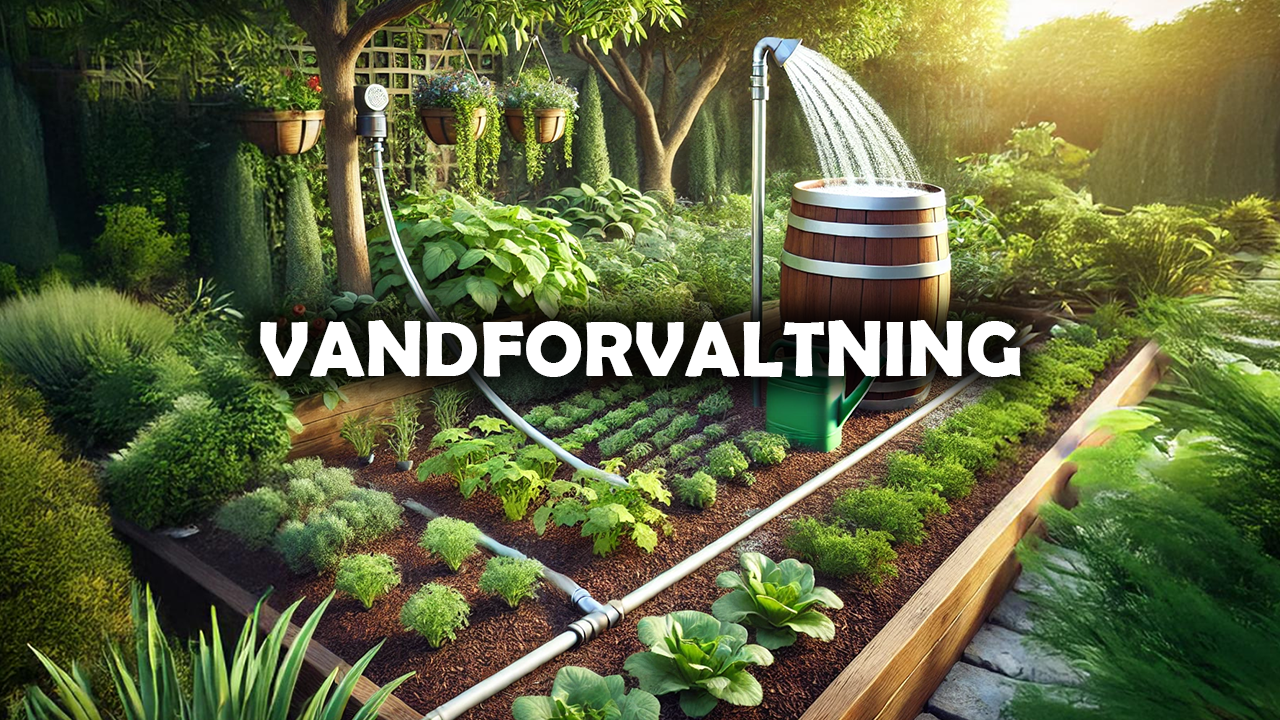
Water is one of the most important resources in the garden, so sustainable water management is essential when you want to grow vegetables and herbs in an environmentally friendly way. A thoughtful approach to watering not only reduces your water consumption – it also creates healthier plants that develop stronger roots and become more resistant to both drought and disease.
When you manage water strategically, the garden becomes less dependent on artificial intervention and more capable of regulating itself. A sustainable water strategy is not only about how much you water, but how you water. This includes collecting rainwater, distributing it efficiently, reducing evaporation and ensuring that the soil can retain moisture.
You can also benefit from choosing plants that naturally require less water, or organising the garden so that plants with similar needs are grouped together. In this way, you create a system that both saves resources and makes the work easier. Sustainable water management gives you a garden rich in life – while reducing waste and working in harmony with nature’s own cycles.
Inspiration List – Good Tips For Water Management In A Sustainable Garden
💧 Collect Rainwater In A Sustainable Garden
Rainwater is a free and natural resource that a sustainable garden should make full use of. By collecting rainwater from roofs, sheds or greenhouses, you can significantly reduce your use of mains water. Rainwater has a softer composition than tap water, making it gentler on many plants. When you integrate rainwater containers into your sustainable garden, you create a simple but effective water cycle that both saves money and supports a more environmentally friendly growing system.
🌱 Use - Drip Irrigation - In A Sustainable Garden
Drip irrigation is one of the most water-efficient methods because the water is delivered directly to the plant’s root zone without waste. In a sustainable garden, this means you use significantly less water while ensuring that the plants receive consistent moisture. Drip hoses or small emitters can be positioned precisely so that each plant gets exactly what it needs. This method also reduces the risk of fungal diseases because the leaves remain dry. Drip irrigation is therefore a key technique in a modern, resource-efficient sustainable garden.
🌿 Plant Drought-Tolerant Varieties In A Sustainable Garden
Choose plants that naturally require less water when you want a more resilient and sustainable garden. Herbs such as rosemary, oregano and thyme thrive in warm, dry conditions, and many vegetables such as courgettes and chillies can cope with longer periods without rain. Drought-tolerant varieties help you reduce water consumption while still providing a stable harvest. When you combine these types of plants in your sustainable garden, you create a system that requires fewer resources and makes better use of natural growing conditions.
🪵 Cover The Soil With Organic Mulch In A Sustainable Garden
Organic mulch such as straw, leaves, wood chips or grass clippings is an effective way to retain moisture in the soil. In a sustainable garden, the mulch layer acts as a protective blanket that reduces evaporation, suppresses weeds and stabilises soil temperature. The organic material breaks down slowly and improves the soil structure over time. When you use mulch, you reduce the need for frequent watering while also creating healthier soil with greater biodiversity in your sustainable garden.
🌾 Water At The Right Times In A Sustainable Garden
Timing is essential for optimal water management. In a sustainable garden, you should water early in the morning or late in the evening to reduce evaporation and ensure that the water reaches the roots. In the middle of the day, a large amount of water evaporates before the plants can absorb it. Regular, deep watering rather than frequent light watering strengthens the roots and makes the plants more resilient. This simple adjustment makes a major difference in a sustainable garden, where every drop of water counts.
🌼 Create Watering Zones In A Sustainable Garden
When you group plants according to their water requirements, watering becomes both easier and more sustainable. Some plants need constant moisture, while others thrive best in drier soil. By dividing the garden into watering zones – for example, one area for herbs, one for lettuce and one for water-demanding plants such as cucumbers – you avoid overwatering or underwatering. This zoning approach is an effective way to organise a sustainable garden, where resources are distributed strategically and without waste.
****************************************************************
REMEMBER - When water is used thoughtfully, both the plants and sustainability can flourish. Efficient water management is the key to a healthy, self-sustaining and sustainable garden.
Sustainable Pest Control In Your Garden
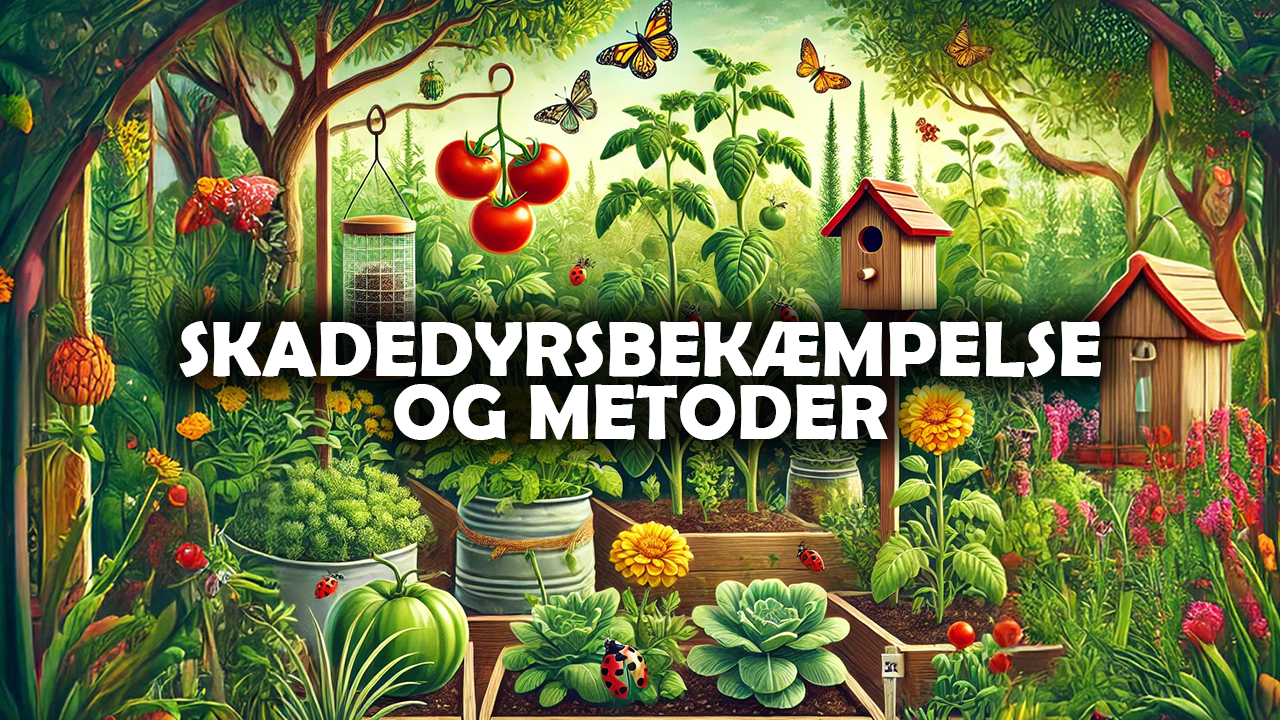
A healthy and sustainable garden is not about eliminating every pest, but about creating balance. Nature contains a complex interaction between plants, animals and microorganisms, and when the garden is allowed to function as a living ecosystem, pest problems become much easier to manage. Sustainable pest control is therefore based on prevention, biodiversity and natural methods that support the garden’s own resilience.
The first step is to make sure your plants are thriving. Strong, healthy plants are less vulnerable to attack, and they can often withstand minor damage on their own. Diversity in your plant selection is also important because it creates an environment where beneficial creatures – such as ladybirds, hoverflies and spiders – can thrive and help maintain balance.
Instead of chemical pesticides, you can use fragrant herbs, natural barriers and organic solutions that do not harm the soil, plants or environment. Sustainable pest control is therefore a combination of thoughtful planning, observation and nature’s own tools. When you work with nature rather than against it, you create a stronger, healthier and more harmonious garden.
Inspiration List – Good Tips For Sustainable Pest Control In Your Garden
🐞 Attract Beneficial Creatures To Help Prevent Pests In A Sustainable Garden
Beneficial creatures are one of the most valuable resources in a sustainable garden because they help keep pests under control in a natural and balanced way. Ladybirds eat aphids, hoverflies help with both pollination and pest control, and spiders keep small insects in check. Plant flowers such as marigolds and lavender, which attract bees, butterflies and ladybirds that help control pests. Plants such as cornflowers and dill also create an environment where beneficial creatures can thrive. When you make your garden attractive to these helpful species, you reduce the need for chemical pest control while also strengthening biodiversity – a key foundation of a sustainable garden.
🌿 Use Fragrant Herbs As Natural Protection And Pest Prevention In A Sustainable Garden
Many herbs contain natural fragrances that can help keep pests away, so they play an important role in a sustainable garden. Herbs such as lavender, mint, rosemary and sage can act as barriers against insects, slugs and other unwanted visitors. When you plant them around your vegetables or along the edges of beds, you create a more natural defence system that is both environmentally friendly and visually attractive. These fragrant herbs also contribute to a richer ecosystem in which plants support one another rather than compete – a clear characteristic of a healthy and sustainable garden.
🪵 Create Physical Barriers To Help Prevent Pests In A Sustainable Garden
In a sustainable garden, simple physical barriers can be incredibly effective at protecting your plants. Slug traps, copper tape, insect netting or fine horticultural fleece can be used to keep specific pests away without harming the environment. These solutions prevent infestations before they begin, making them an important part of a sustainable pest-control strategy. Barriers are particularly useful during the early stages of growth, when plants are most vulnerable. When you combine physical barriers with biological methods, you create a strong and resilient system in your sustainable garden.
🌼 Use Flowers To Create Balance And Help Prevent Pests In A Sustainable Garden
Flowers play a much greater role in a sustainable garden than many people realise. They attract pollinators and beneficial insects, add visual beauty and also contribute to a harmonious ecosystem in which pests are less able to spread unchecked. Flowers such as marigolds, calendula and sunflowers can help keep a range of pests at bay while also promoting biodiversity. When flowers are included as a natural part of your garden plan, you create a more vibrant, colourful and stable sustainable garden.
🔀 Crop Order And Mixed Planting To Help Prevent Pests In A Sustainable Garden
The order and mixing of crops is an effective way to strengthen a sustainable garden because variety confuses pests and reduces the risk of diseases that would normally spread quickly through uniform beds. When you grow different vegetables and herbs side by side, you disrupt the patterns pests use to find their preferred host plants. At the same time, you create a richer plant community in which roots, scents and nutrient requirements vary in ways that naturally help stabilise the soil.
This method makes your sustainable garden more resilient because mixed planting often creates an environment where both beneficial creatures and microorganisms can thrive. The result is a more vibrant, harmonious and resistant garden where disease outbreaks and pest infestations become significantly less frequent.
🍃 Make Natural Sprays Against Pests In A Sustainable Garden
If pest problems become more severe, natural sprays can be helpful in a sustainable garden. Simple solutions such as garlic extract, soapy water or chilli infusions can be used to control aphids, caterpillars and other insects without harming the environment or the beneficial creatures in the garden. These homemade treatments break down quickly and leave no harmful residues in the soil. By choosing natural sprays instead of chemical ones, you preserve soil health, create stronger plants and ensure a more sustainable garden in the long term.
🐌 Prevent Slug Infestations In A Sustainable Garden
Slugs can be a challenge in any garden, but in a sustainable garden the aim is to prevent the problem rather than control it aggressively. You can create a less inviting environment for slugs by using coarse materials such as eggshells, sawdust or wood ash around the plants. It also helps to keep garden beds airy and free from hiding places. By combining physical barriers, natural scent deterrents and strategic plant selection, you can minimise damage without using toxic products. In this way, your sustainable garden remains healthy, safe and ecological in its approach.
*****************************************************************************
REMEMBER - The plants in a sustainable garden are best protected by nature’s own helpers. When nature lends a hand, pest control becomes both easier and greener. Sustainable solutions create stronger plants – and a healthier garden environment.
Composting In Your Sustainable Garden
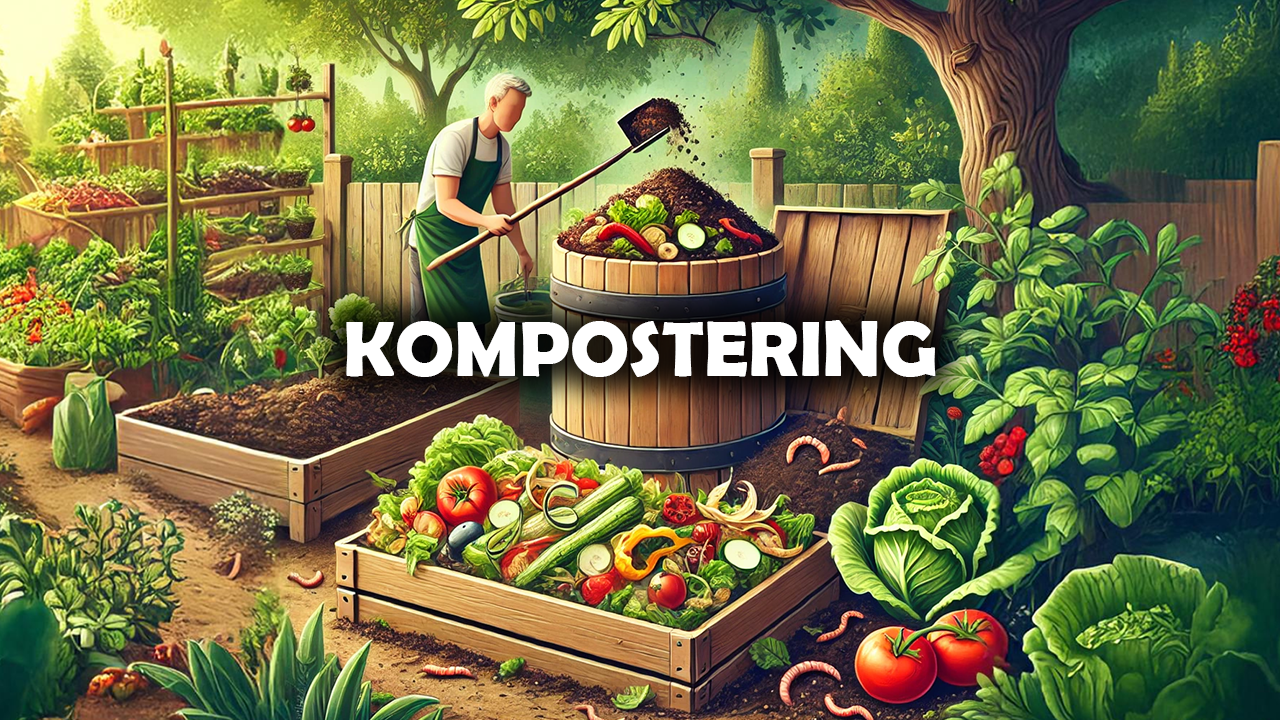
Composting is at the heart of every sustainable garden because the process transforms organic waste into nutrient-rich soil that gives your plants optimal growing conditions. When you compost, you create your own natural cycle in which kitchen scraps, leaves, grass and plant material are broken down and reused in the garden.
In this way, you reduce the amount of waste you throw away while building healthy, living soil that retains water better, releases nutrients gradually and attracts beneficial microorganisms. Compost improves the structure of the soil and gives it a light, porous consistency that roots love. At the same time, compost contributes to a more stable pH balance and increases the amount of humus, creating a richer root environment and stronger plant growth.
When you use compost in a sustainable garden, you reduce the need for artificial fertilisers and help ensure that nutrients remain within the natural ecosystem. You are not only strengthening your crops – you are also strengthening the overall health and resilience of the garden. Composting is therefore not just a practical solution, but an essential part of sustainable gardening.
Inspiration List – Good Tips For Composting In A Sustainable Garden
🌱 Create A Good Composting Environment In A Sustainable Garden
A strong composting environment is the foundation of any sustainable garden. To create an effective compost heap, the balance between green and brown material needs to be right. Green material such as vegetable scraps and grass provides nitrogen, while brown material such as leaves, cardboard and branches provides carbon. In a sustainable garden, it is about combining these two types of material in the right proportions so that decomposition is efficient, odour-free and warm. When microorganisms, worms and fungi work optimally in the compost, rich and nutrient-filled soil is created, improving the quality of the entire garden.
🍂 Use Compost From Your Own Garden To Strengthen A Sustainable Garden
Using compost from your own garden is one of the most environmentally friendly ways to improve soil fertility. In a sustainable garden, compost replaces large amounts of purchased products and makes the garden more self-sufficient. Compost provides essential nutrients, improves soil structure and supports better drainage. By regularly adding compost to your beds, you create a regenerative cycle in which the garden continually reuses its own resources. The result is healthier plants, deeper roots and a strong sustainable garden that requires fewer external inputs.
🪱 Add Earthworms To The Compost In A Sustainable Garden
Earthworms play a crucial role in composting and are therefore an invaluable resource in a sustainable garden. They help break down organic material more quickly and transform it into nutrient-rich soil that plants can easily absorb. Their tunnel systems make the compost more aerated and improve its structure, creating better oxygen conditions for microorganisms. By attracting or adding earthworms to your compost heap, you strengthen the entire composting process and support a more stable and productive sustainable garden.
🧅 Compost Kitchen Waste Responsibly In A Sustainable Garden
Kitchen waste is a valuable resource in a sustainable garden, but it needs to be used thoughtfully. Fruit and vegetable scraps, coffee grounds, eggshells and decomposed plant material are ideal for composting. However, you should avoid meat, dairy products and oily waste, as these can attract pests and create an imbalance in the compost. When kitchen waste is handled correctly, it contributes to a rich compost mixture that improves soil structure and nutrient content. This makes composting a central process in a sustainable garden where nothing goes to waste.
🪵 Use Compost Bins In A Sustainable Garden
Compost bins make it easier to control moisture, temperature and ventilation, all of which are essential factors in a good composting process in a sustainable garden. Whether you use a closed container, a wooden box system or a rotating compost tumbler, you get a more organised and odour-free process that creates better conditions for decomposition. Containers also make it easier to keep track of quantities and ensure that the materials are turned regularly. This structure makes composting more accessible and more efficient – especially in a busy sustainable garden.
🌾 Choose The Right Location For Compost In A Sustainable Garden
The location of the compost heap has a major influence on how efficient and practical the composting process becomes. In a sustainable garden, the compost should be placed somewhere with partial shade so that the material does not dry out, but also does not become too wet. An area that is easy to access from both the kitchen and the garden makes the process easier to manage and encourages regular additions. The right location creates a better workflow and gives the compost optimal conditions to develop into the nutrient-rich soil improver that is so important in a sustainable garden.
🔁 Maintaining Compost In A Sustainable Garden
A well-functioning compost heap requires ongoing maintenance, and this is a central part of a healthy and sustainable garden. To ensure the correct decomposition process, you need to balance the amount of “green” material – such as fresh plant scraps, fruit peelings and grass – with “brown” material such as dry leaves, newspaper, small branches and cardboard. This balance creates optimal conditions for the microorganisms responsible for transforming the material into nutrient-rich soil. Turn the compost regularly to add oxygen and prevent the heap from becoming compacted and oxygen-deprived. When you look after the compost with regular attention, you create a more efficient and stable process that improves soil quality and supports an even more robust and sustainable garden.
************************************************************
REMEMBER - Compost is nature’s own method and the garden’s gold – and the most sustainable gift you can give your soil. When you compost thoughtfully in your garden, you create the foundation for a stronger and greener garden.
Sowing And Planting Vegetables And Herbs In Your Sustainable Garden
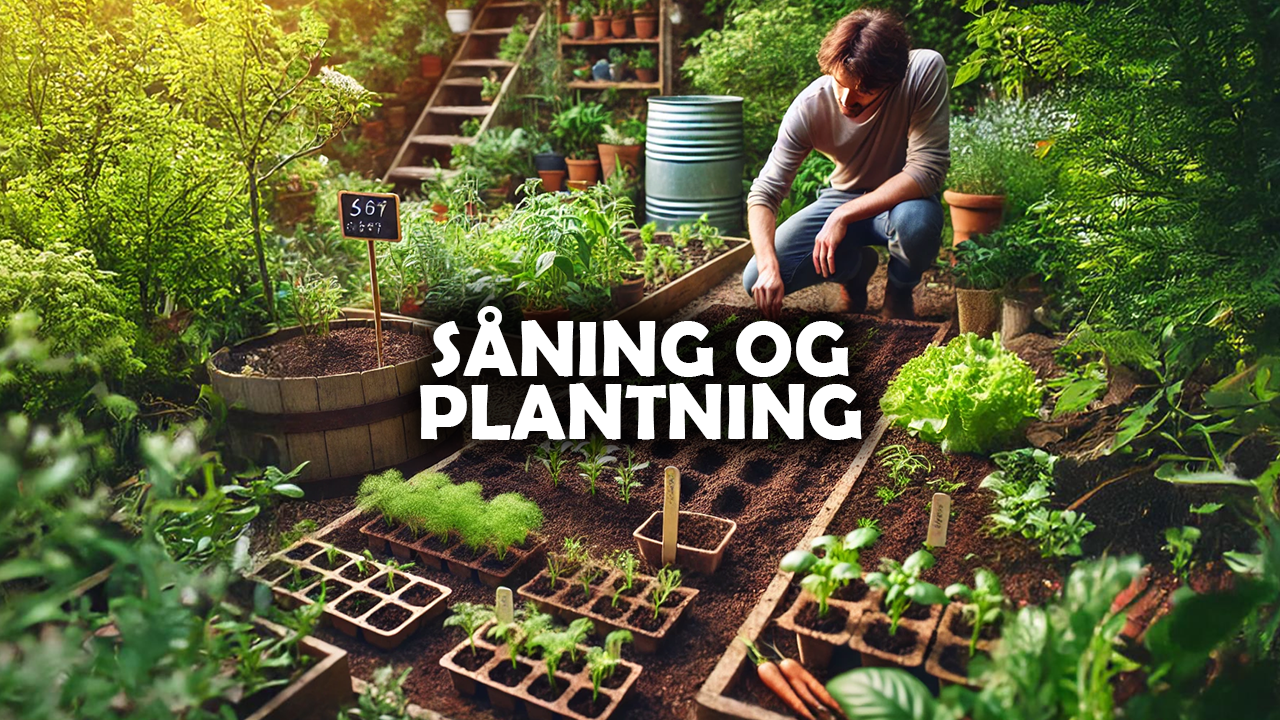
A good sowing and planting process is essential for giving your vegetables and herbs the best possible start in a sustainable garden. When you work with nature’s rhythm and give plants the right conditions from the beginning, you create stronger roots, healthier growth and more resilient plants that require fewer resources later in the season.
A well-considered sowing strategy can also reduce the need for watering, fertilising and pest control because the plants are given the opportunity to develop naturally and in harmony with the soil around them. Planning begins as soon as you choose your seeds. Organic seeds and varieties adapted to the local climate are particularly suitable for a sustainable garden, as they are often more resilient and grow better under natural conditions.
Whether you start seeds indoors or sow them directly into the bed, you can make optimal use of soil temperature, sunlight and moisture so the plants get the right start. Correct plant spacing is equally important – both to avoid competition for nutrients and to create a healthy microclimate around the plants. When you sow and plant thoughtfully, you lay the foundation for a strong and thriving garden where vegetables and herbs flourish throughout the season.
Inspiration List – Good Tips For Sowing And Planting In A Sustainable Garden
🌱 Choose Quality Seeds In A Sustainable Garden
The choice of seeds has a major influence on how your plants develop in a sustainable garden. Organic or untreated seeds often provide more stable growth because they are not dependent on chemical additives. At the same time, these seeds are better suited to natural growing conditions and can produce stronger, healthier plants. When you choose high-quality seeds, you invest in a more robust and resilient garden where plants can thrive without extensive intervention. This is the foundation for creating a sustainable garden that flourishes on nature’s own terms.
📘 Follow Sowing Instructions In A Sustainable Garden
Each plant species has its own requirements for sowing depth, germination temperature and plant spacing, and in a sustainable garden it is important to follow these instructions to give the seeds the best possible start. When you read and use the information on seed packets, you avoid both incorrect sowing and unnecessary waste of resources. With the correct sowing depth, seeds receive the right access to light and moisture, and with the right spacing you create a healthier microclimate where plants do not compete excessively for nutrients. By following the sowing instructions, you strengthen the germination process, increase yields and build a more stable and harmonious sustainable garden where every seed has optimal conditions to develop naturally.
🌿 Start Seeds Indoors Strategically In A Sustainable Garden
Starting seeds indoors gives plants a head start and is particularly useful in a sustainable garden where resources are used thoughtfully. By starting seeds indoors or in a greenhouse, you can ensure that plants already have a strong root system when they are moved outside. Plants such as tomatoes and chillies, for example, benefit from an early start indoors. Use small pots and sow them 6–8 weeks before the last frost. This means less waste, a better survival rate and faster establishment in the soil. Starting seeds indoors allows you to make better use of the growing season and provides a more stable approach to cultivation, making it ideal for a sustainable garden where every seed has value.
🌼 Sow At The Right Time In A Sustainable Garden
Timing is essential for successful sowing, and in a sustainable garden it is about following nature’s calendar. If the soil is too cold or too wet, seeds germinate slowly or not at all, and the plants become weak from the start. When you sow at the right time – neither too early nor too late – you give the seeds the opportunity to germinate in balance with temperature, light and moisture. This reduces the need for additional watering and allows the plants to follow a natural and healthy growth cycle. In this way, you create a more stable environment in your sustainable garden.
🍃 Maintain The Correct Plant Spacing In A Sustainable Garden
Plant spacing is not just about space – it is about plant health. When you give each plant the space it needs, you reduce the risk of disease because air circulation improves. In a sustainable garden, correct spacing is especially important because it helps prevent problems that might otherwise need to be treated with chemical products. At the same time, you prevent plants from competing excessively for nutrients and water, resulting in more stable and balanced growth. Good spacing is therefore one of the most effective strategies in a sustainable garden.
🌾 Plant In Good Soil In A Sustainable Garden
Soil quality is essential for both sowing and planting, and in a sustainable garden you should prioritise compost-rich, living soil. When you plant in soil full of organic matter, the roots gain better access to nutrients and water, while the soil’s microorganisms work to support the plants. This creates stronger plants that are more resistant to pests and diseases. By investing in good soil from the beginning, you create a solid foundation for the entire sustainable garden.
🪴 Use Companion Planting Strategically In A Sustainable Garden
Companion planting is a valuable method in a sustainable garden, where plants support one another in both growth and protection against pests. When you plant species together that work well in combination, you create a natural partnership both below and above the soil. For example, basil can improve the flavour of tomatoes while also helping to keep certain pests away. These natural synergies make the garden stronger, healthier and more resilient, which is a key goal in any sustainable garden.
************************************************************
REMEMBER - A sustainable garden begins with sowing thoughtfully and giving plants the right start. When you sow your plants strategically, you harvest both quality and sustainability.
Harvesting And Maintaining Vegetables And Herbs In Your Sustainable Garden
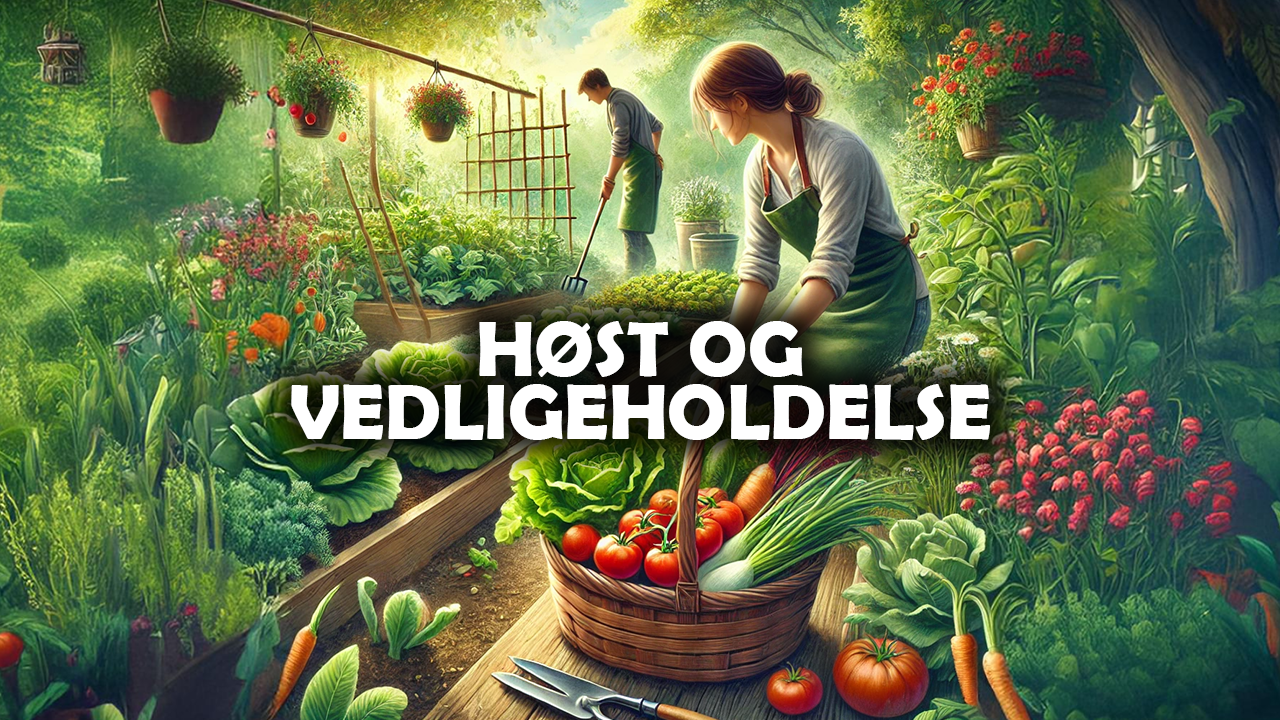
Harvesting marks one of the most satisfying moments in a sustainable garden – but the work does not stop there. Responsible and thoughtful maintenance ensures that plants continue to produce, that the soil becomes stronger season after season, and that the garden remains balanced. When you harvest at the right times and care for the plants thoughtfully, you create a healthy cycle in which both crops and soil can thrive for much longer.
In a sustainable garden, maintenance is about continuous observation: watching how the plants respond to sunlight, water and soil quality, and making ongoing adjustments according to their needs. It also involves removing withered parts, pruning herbs correctly, adding organic matter and keeping weeds under control in a natural way.
At the same time, regular harvesting creates space for new growth and prevents plants from using energy to produce seeds too early. When you combine harvesting and maintenance with nature’s own rhythms, you get a garden that is productive, beautiful and resilient – and that develops in an increasingly sustainable direction year after year.
Inspiration List – Good Tips For Harvesting And Maintenance In A Sustainable Garden
🔎 Watch For Disease In A Sustainable Garden
Regular observation is one of the most important habits in a sustainable garden. When you regularly inspect your plants for signs of diseases such as powdery mildew, rust or leaf spots, you can respond early and prevent problems from spreading. In a sustainable garden, you should remove affected leaves or plant parts immediately so that you preserve the plant’s strength and protect the rest of the bed. This proactive approach reduces the need for chemical treatment and helps maintain a healthy ecosystem where plants, soil and microorganisms work in balance. By staying attentive and acting quickly, you strengthen the resilience of your entire sustainable garden and help ensure a more stable growing season.
🌾 Harvest At The Right Time In A Sustainable Garden
The timing of harvesting has a major impact on both flavour and quality. In a sustainable garden, harvesting at the right time means following the plant’s natural ripening process rather than forcing it. When you harvest vegetables and herbs at the optimal time, you get the best nutritional value while allowing the plant to use its energy efficiently. Regular harvesting also prevents plants from bolting or losing vigour, resulting in more continuous production. The right timing gives the entire sustainable garden a more stable and harmonious growth pattern.
🌿 Pruning Herbs In A Sustainable Garden
Correctly pruning herbs is an essential part of maintaining a sustainable garden. When you trim herbs such as basil, thyme, mint and oregano properly, you encourage new growth and prevent the plant from becoming woody or flowering too early. Regular pruning increases the plant’s lifespan and provides a larger, more flavourful harvest. Pruning also helps maintain air circulation and reduce the risk of disease, which is important for keeping a healthy and thriving sustainable garden.
🍃 Remove Weeds Naturally In A Sustainable Garden
Weeds compete with your plants for nutrients, light and water, but in a sustainable garden you avoid chemical weedkillers. Instead, you can use methods such as hand weeding, covering the soil with mulch or wood chips, and dense planting that naturally suppresses weed growth. When you work with the garden’s natural rhythm, you create a robust system where weeds are kept under control naturally. This gives plants and soil a better environment in which to thrive – and creates a sustainable garden that requires less intervention.
🍂 Add New Layers Of Organic Matter In A Sustainable Garden
After harvesting or during periods of slower growth, it is important to add new layers of organic matter to the soil. In a sustainable garden, compost, leaves, straw and plant material give the soil an opportunity to regenerate and rebuild its structure. Organic matter supports microorganisms, improves moisture balance and increases the soil’s ability to store nutrients. By adding these life-giving layers to the soil each year, you create a natural cycle that makes the entire sustainable garden stronger.
🌼 Remove Certain Leaves But Keep Others In A Sustainable Garden
Leaf removal is an important aspect of maintaining a sustainable garden. Diseased, damaged or yellow leaves should be removed to reduce the risk of fungal diseases and improve air circulation. At the same time, it is important to keep healthy leaves because they contribute to photosynthesis and therefore to the plant’s energy supply. This balance between removal and preservation helps plants focus their resources on new growth and healthy development. When you work with this careful balance, you create a more productive and resilient sustainable garden.
🧺 Store The Harvest Correctly In A Sustainable Garden
Good storage is essential if you want to avoid food waste and preserve the quality of your harvest. In a sustainable garden, storage is about using nature-friendly methods such as drying, fermenting, air-drying or keeping produce in cool spaces. Many herbs can be hung to dry, while root vegetables often do well in dark, cool surroundings. Correct storage extends the shelf life of vegetables and ensures that you can enjoy the garden’s produce well into the winter. It also reduces the need for purchased products and supports a more self-sufficient and sustainable garden.
***************************************************************
REMEMBER - A sustainable garden rewards you when you care for it thoughtfully. When you look after your vegetables and herbs, they reward you in return. When you harvest thoughtfully, both the garden and sustainability continue to grow.
Extending The Growing Season In Your Sustainable Garden
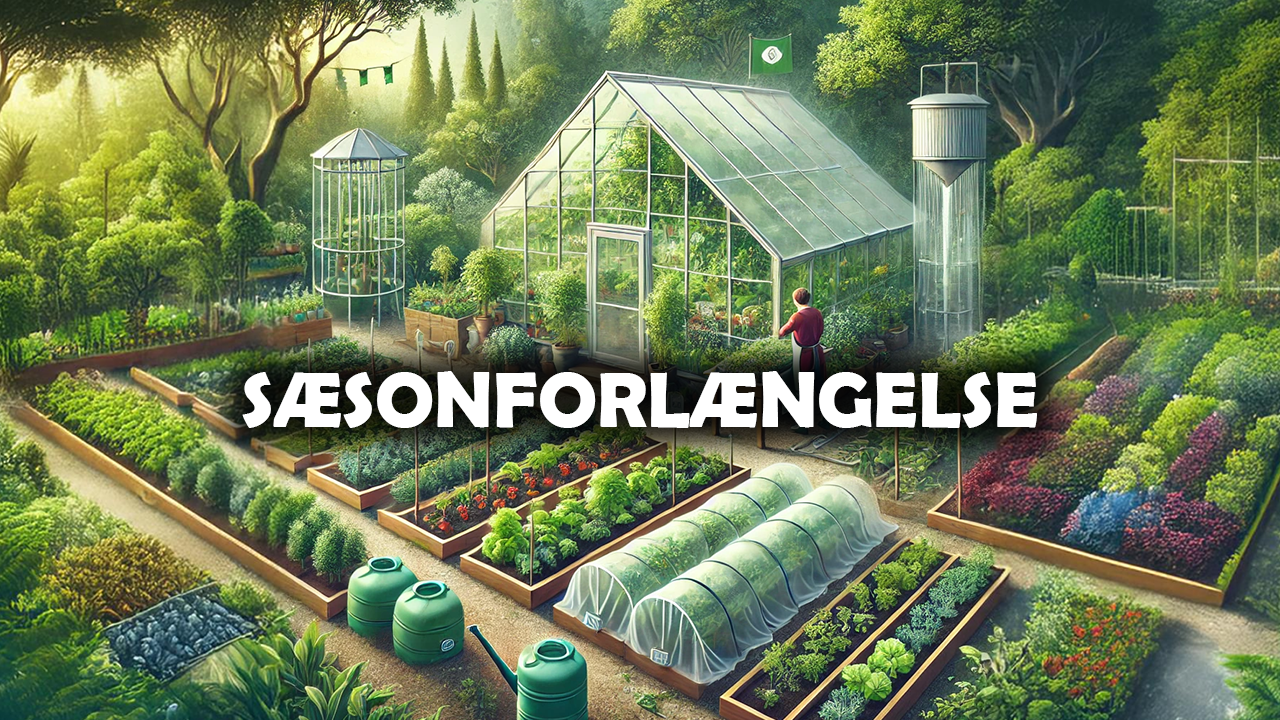
One of the most valuable strategies in a sustainable garden is to extend the growing season so that you can harvest vegetables and herbs over a longer period – sometimes even all year round. Extending the season is about making the best possible use of nature’s resources and creating protective microclimates that allow plants to continue growing even when temperatures fall.
By thinking strategically about light, warmth, shelter and soil temperature, you can help keep the garden productive while reducing the need for energy- and resource-intensive solutions. In a sustainable garden, season extension is both a practical and environmentally friendly approach. It reduces dependence on imported out-of-season food and increases your own level of self-sufficiency.
Methods such as greenhouses, cold frames, horticultural fleece and winter-hardy varieties allow you to work with nature’s rhythm – not against it. This approach creates flexibility, variety and a deeper understanding of how the garden develops throughout the year. When you extend the season sustainably, the garden becomes more resilient, more interesting and far more productive.
Inspiration List – Good Tips For Extending The Growing Season In A Sustainable Garden
❄️Choose Winter-Hardy Vegetables And Herbs To Extend The Growing Season In A Sustainable Garden
Many vegetables and herbs can tolerate cold far better than people often realise, and in a sustainable garden, winter-hardy varieties are the key to growing through the colder months. Kale, spinach, leeks, winter carrots, Brussels sprouts and some types of lettuce can remain outdoors in frosty conditions while still providing fresh leaves and stems. These plants require minimal care and cope with natural temperatures without artificial heating. When you include winter vegetables in your sustainable garden, you create a year-round garden with continuous harvests and less waste.
🌿 Use - Cold Frames - To Extend The Growing Season In A Sustainable Garden
Cold frames are one of the most effective ways to extend the growing season in a sustainable garden. They create a sheltered microclimate where the soil warms up more quickly in spring and retains heat better in autumn. This allows you to sow earlier and harvest later than usual. Cold frames require no external energy and can be built from recycled materials, making them particularly suitable for a sustainable garden. This solution gives your plants a protected environment where they can establish more strongly and grow more steadily during cooler periods.
🌞 Make Use Of Solar Heat To Extend The Growing Season In A Sustainable Garden
Solar heat is a free resource, and in a sustainable garden, extending the season is about using it as effectively as possible. By positioning beds, greenhouses or containers where they receive maximum sunlight, you can increase soil temperature and create better conditions for seedlings or late-season plants. Stones, brickwork and dark surfaces can absorb heat during the day and release it at night, creating a milder microclimate. This strategy reduces the need for artificial heat sources and supports a more resource-efficient and climate-friendly sustainable garden.
🪴 Grow In Pots And Containers To Extend The Growing Season In A Sustainable Garden
Pots and planters provide great flexibility in a sustainable garden when it comes to extending the growing season. They can be moved according to sunlight, wind and temperature, and you can easily bring them indoors or into a greenhouse when the weather changes. Soil in pots warms up more quickly, giving you an earlier start to the growing season. When temperatures fall, you can provide extra protection with insulation or horticultural fleece. This flexible way of growing increases yields and extends the season – while fitting perfectly into a sustainable gardening philosophy.
🌬️ Protect Plants From Frost To Extend The Growing Season In A Sustainable Garden
Frost protection is an important part of extending the growing season in a sustainable garden. Horticultural fleece, straw, leaves and simple covers can help keep cold away from roots and new shoots. The aim is not to create heat, but to keep temperatures stable so plants are not damaged by sudden temperature drops. This form of natural protection allows your crops to continue growing during cooler periods and reduces the risk of frost damage. These methods fit perfectly into a sustainable garden, where natural resources are used thoughtfully.
🌼 Use A Greenhouse To Extend The Growing Season In A Sustainable Garden
A greenhouse is a powerful tool for extending the growing season because it creates a controlled environment where the temperature is higher than outside. In a sustainable garden, a greenhouse allows you to start seeds earlier, grow more heat-loving plants and protect crops from wind and rain. Even a small greenhouse or mini greenhouse can make a big difference. By combining passive solar heat, natural ventilation and recycled materials, you can create an efficient growing space that makes the garden more productive without wasting energy.
************************************************************
REMEMBER - A sustainable garden does not only thrive in summer – with the right care, it can flourish all year round. Extending the growing season makes your garden both greener and more self-sufficient, and when you work with the seasons in the right way, they work for you too.
Community And Knowledge Sharing Around Growing Vegetables And Herbs In Sustainable Gardens
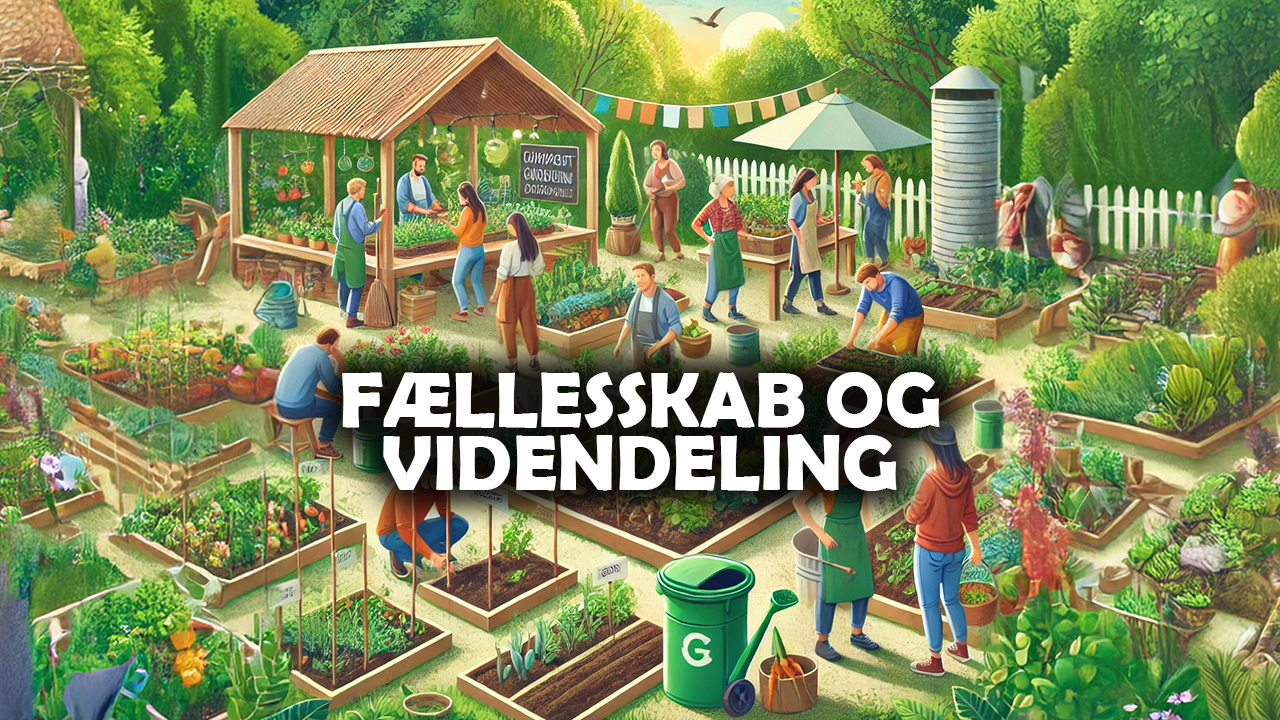
Growing vegetables and herbs in a sustainable garden is not only an individual effort – it is also an opportunity to build communities, learn from others and share experiences that make everyone stronger in the process. When garden owners, beginners and experienced growers exchange knowledge, an environment is created where sustainable methods, green ideas and practical solutions are developed together.
This strengthens both the individual garden and the collective understanding of how we can grow food responsibly. A sense of community around sustainable growing makes it easier to try new techniques, find inspiration and get help when challenges arise. Local gardens, neighbourhood networks, digital groups and workshops offer opportunities to learn everything from composting and companion planting to season extension and natural pest control.
When knowledge is shared, everyone grows – and both nature and individual gardens benefit from it. Being part of a community not only creates better gardens, but also stronger relationships and a more conscious connection with the environment. Ultimately, this is the very heart of a sustainable gardening culture: together, we can create greener and more vibrant outdoor spaces that benefit both people and nature.
Inspiration List – Good Tips About Community In Sustainable Gardens
🤝 Take Part In Local Gardening Communities Focused On Sustainable Gardens
Local gardening communities provide a unique opportunity to get to know others, share experiences and exchange ideas about sustainable growing. Here, you can find practical help, fresh inspiration and access to shared resources such as seed banks, tool-lending schemes and communal composting systems. When you take part in a local community, you gain insight into methods that already work well in your area and benefit from collective experience. This strengthens both your own sustainable garden and the wider local community.
🌱 Swap Seeds And Plants In Communities Focused On Sustainable Gardens
Seed and plant swapping is a simple and environmentally friendly way to increase diversity in a sustainable garden. By exchanging seeds with other gardeners, you gain access to new varieties, heirloom plants and species that thrive in local conditions. This sharing approach reduces the need to buy new plants and minimises waste, while also contributing to a richer plant community. Seed swapping is also an enjoyable activity that strengthens relationships and creates a stronger sense of community around sustainable gardening culture.
📚 Take Part In Workshops On Sustainable Gardening Practices And Sustainable Gardens
Workshops and courses are a fantastic way to expand your knowledge because they give you the opportunity to learn directly from experts and enthusiastic gardeners. Courses on composting, soil improvement, natural pest control or season extension can provide valuable insight into techniques that strengthen your sustainable garden. At the same time, you meet others with the same interests, creating both a sense of community and motivation. When you invest time in learning, you also invest in a more resilient and inspiring sustainable garden.
🌿 Share Practical Experiences In Communities Focused On Sustainable Gardens
Experience is invaluable – especially in a sustainable garden. By sharing your own experiences with neighbours, friends or online communities, you can help others avoid mistakes, find smarter solutions or discover new methods. At the same time, you receive feedback and new ideas that can strengthen your own growing strategies. When experiences are shared openly, it creates a stronger local network and helps everyone build better-functioning and more vibrant sustainable gardens.
🌼 Create Neighbourhood Gardens And Community Growing Projects In A Sustainable Garden
Neighbourhood gardens and shared growing projects are an ideal way to bring people together and strengthen local biodiversity. When several people contribute time, ideas and areas of land, larger spaces can be created that function as connected ecosystems. This makes it possible to grow more varieties, learn from one another and create more natural habitats for both plants and animals. Community growing projects also make the work more enjoyable and meaningful, which is deeply rooted in the philosophy behind a sustainable garden.
💬 Share Tips And Results Online In Communities Focused On Sustainable Gardens
Digital communities are playing an increasingly important role for gardeners, and they are particularly valuable in the context of sustainable gardening. Social media, gardening forums and local groups provide a quick and easy place to ask questions, share photos of your results, get help with problems and follow the methods used by other gardeners. Digital knowledge sharing creates both motivation and a sense of togetherness, and it makes it possible for everyone – regardless of experience – to take part in a more sustainable approach to gardening. When we learn from one another, the whole community becomes stronger.
********************************************************************
REMEMBER - When we share knowledge, both the community and the sustainable garden grow. Working together makes it more enjoyable, and shared experiences also create greener and more effective results.
*******************************************************************
You can find further inspiration on how to find affordable hobby communities in our article - Good Tips On How To Find Hobby Communities Without Spending A Lot
Conclusion
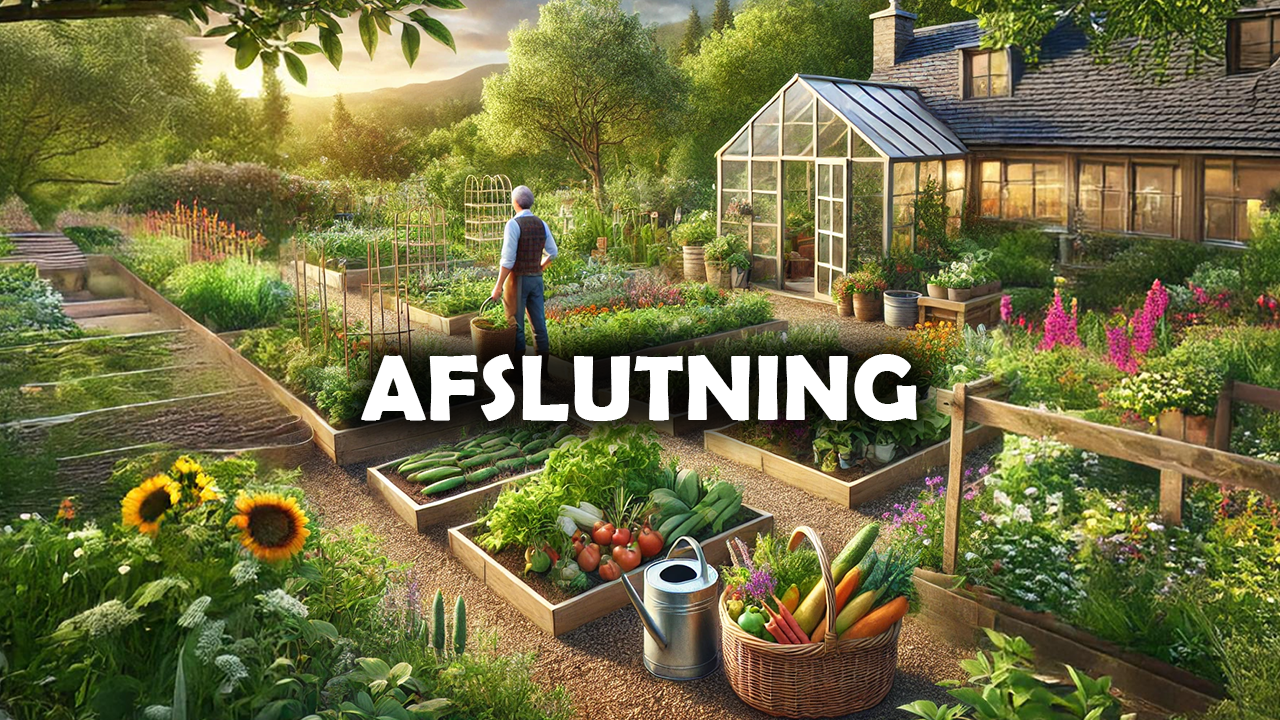
Growing vegetables and herbs sustainably is much more than a hobby – it is an approach to nature, everyday life and our shared future. When you choose to create a sustainable garden, you are investing in healthy crops, a richer local ecosystem and a more environmentally friendly way of living. Every small improvement in the garden – from composting to water management, plant combinations and season extension – makes a difference, not only to your own harvest but also to the biodiversity and climate around you.
The most important thing about sustainable growing is that it does not have to be perfect. Even small steps, small adjustments and small learning experiences build up over time to create a stronger and more harmonious garden. With patience, curiosity and a willingness to learn, anyone can create a garden that brings joy, nourishment and a greener footprint.
Whether you are a beginner or an experienced gardener, a sustainable approach gives you the opportunity to work with nature rather than against it. And when you do, nature rewards you in return – year after year. By following some of the tips mentioned above in this article, you can grow vegetables and herbs sustainably in a way that not only provides you with fresh food but also makes a positive contribution to the environment. Remember that even small steps towards sustainability make a difference! Enjoy.
******************************
REMEMBER - A sustainable garden begins with one choice – and grows through thoughtful choices each season. When you grow vegetables and herbs with care, you cultivate both the future and your own enjoyment. A sustainable garden is not the final destination, but a journey filled with learning, life and opportunities.
Mini Guide – Good Tips For Growing Vegetables And Herbs Sustainably
This mini guide is a summary of the article above and provides useful tips on how to grow vegetables and herbs in a good and sustainable way.
🌱 Plan Your Sustainable Garden Thoughtfully
A sustainable garden begins with a good plan. When you map out sunlight, wind, soil quality and moisture conditions, you gain a deeper understanding of where individual vegetables and herbs will thrive best. A well-considered structure makes it easier to work with nature rather than against it. This means placing herbs close to the house for easy access, sun-loving vegetables in the most open areas and shade-tolerant varieties in sheltered spots. A sustainable garden plan reduces waste, saves time and produces significantly better yields.
🌿 Choose Vegetables And Herbs That Support A Sustainable Garden
The choice of varieties is essential for creating a healthy and stable sustainable garden. Local and climate-adapted plants require less water, less care and fewer resources to thrive. Perennial herbs such as thyme, chives and rhubarb return year after year and strengthen the garden’s resilience. Robust vegetables such as cabbage, carrots, lettuces and beans perform well in a natural ecosystem. When you choose plants that are perfectly suited to your conditions, you reduce the risk of disease and increase the long-term sustainability of the garden.
🪱 Build Soil Health In Your Sustainable Garden
Nutrient-rich soil is the very foundation of a sustainable garden. By adding compost, fallen leaves, straw and organic matter, you create a living micro-environment where earthworms and microorganisms thrive. This improves soil structure, increases water retention and strengthens the plants’ natural resilience. Avoid deep digging, as this disrupts the balance of the soil layers – instead, loosen the soil gently. Healthy soil acts as the engine of the garden and produces stronger, more resilient plants.
💧 Optimise Water Use In Your Sustainable Garden
Water is one of the garden’s most valuable resources, and in a sustainable garden it should be used thoughtfully. Collecting rainwater, using drip irrigation and watering early in the morning significantly reduce waste. A thick layer of organic mulch retains moisture and protects the soil structure. When you group plants according to their water requirements, you avoid overuse and ensure that each plant receives exactly what it needs. In this way, water use becomes both efficient and environmentally friendly.
🐞 Use Natural Pest Control In A Sustainable Garden
In a sustainable garden, balance is more important than eradication. By attracting beneficial creatures such as ladybirds, bees and hoverflies, you can naturally keep aphids and other pests under control. You can also plant fragrant herbs such as mint, lavender and rosemary as natural barriers. Avoid chemical pesticides, as they disrupt the garden’s ecosystem and can harm both the soil and beneficial creatures. When you work with nature, pests are kept under control in a way that strengthens the vitality of the entire garden.
🌼 Extend The Growing Season In Your Sustainable Garden
A sustainable garden can remain productive far beyond the summer months. Cold frames, greenhouses, fleece and winter-hardy varieties allow you to start the season earlier and finish it later. This increases yields and makes the garden more self-sufficient. Extending the growing season also reduces the need for imported vegetables during winter, which lowers your carbon footprint. When you plan the year as a whole, the garden becomes a year-round source of fresh food and enjoyment of nature.
🧺 Harvest And Maintain The Garden To Keep A Healthy Sustainable Garden
Regular harvesting encourages new growth and prevents plants from bolting. Remove diseased parts, keep weeds under control using natural methods, and regularly add compost to the soil to maintain its strength. Maintenance in a sustainable garden is about rhythm – following the seasons, responding to the plants’ signals and giving the soil time to regenerate. A well-maintained sustainable garden produces more, lasts longer and requires fewer resources.
**************************************************
If you need further inspiration for a sustainable garden, you can watch this video - Sustainable Urban Garden - Grow A Lot In A Small Space
-----------------------------------------
If you have experience and/or knowledge of growing vegetables/herbs sustainably, we would be happy to hear your input and/or suggestions in the comments section about other good alternatives for sustainable ways to grow vegetables/herbs, so that together we can help make our environment and society a little greener and healthier