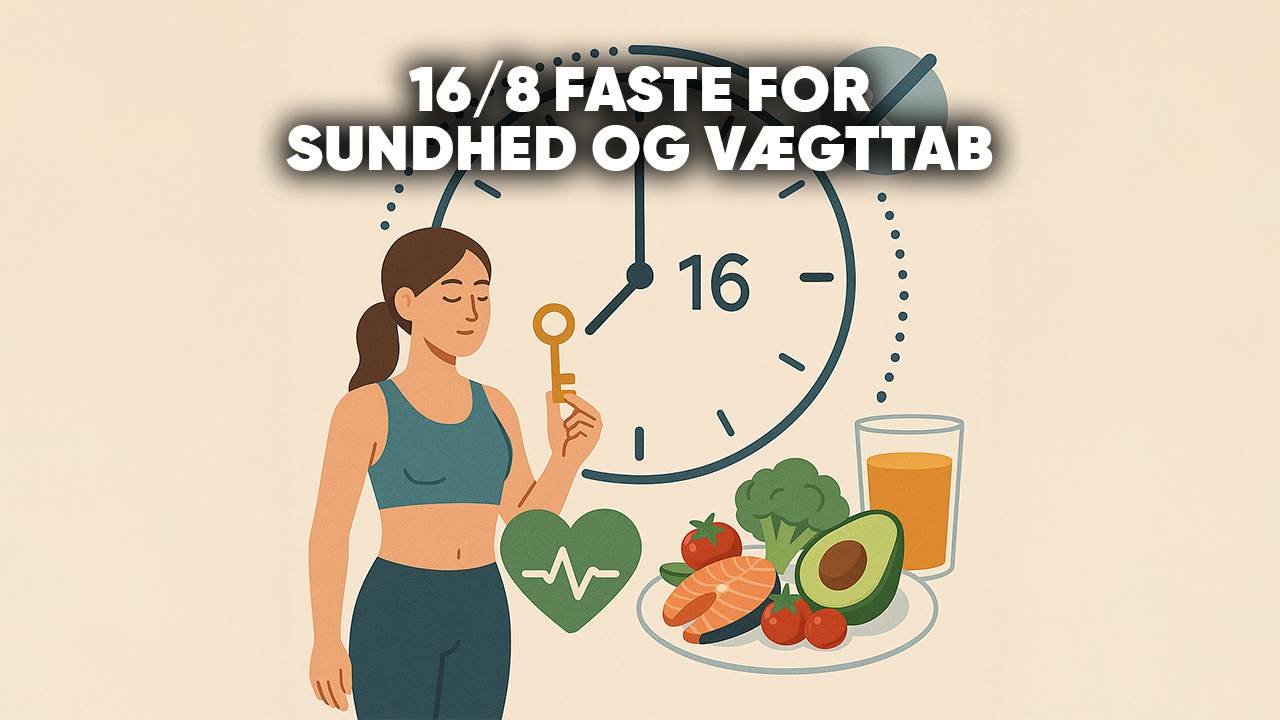
Interest in regular fasting, and particularly the 16/8 method, has grown significantly in recent years – and not without reason. More and more people are looking for a sustainable approach to both health and weight loss that does not require extreme diets, strict rules, or constant calorie counting. The 16/8 fasting method has proven to be an attractive and realistic alternative because it works with the body’s natural rhythms while allowing room for both structure and flexibility in everyday life.
The 16/8 fasting method is fundamentally about timing rather than deprivation. Instead of focusing on what you are and are not allowed to eat, the method sets a framework for when you eat. You fast for 16 hours and consume your meals within an 8-hour eating window. For many people, this means skipping breakfast and enjoying the first meal of the day later in the morning or around midday. This simple adjustment can have a surprisingly significant effect – on energy levels, weight management, and overall health.
Health experts point out that during the fasting period, the body gets an opportunity to shift gears. When energy is not constantly being supplied from outside, the body increasingly begins to use its own energy stores. At the same time, the digestive system gets a break, which may contribute to better blood sugar control, more stable energy, and increased fat burning. Many people also experience it as a mental relief because the number of daily meals is reduced and the focus shifts from constant snacking to more conscious meal choices.
One of the great strengths of the 16/8 fasting method is that it can be adapted to different lifestyles. It works for people with sedentary jobs, active family lives, and those who exercise regularly. The method can be combined with a normal, varied diet and does not require expensive products or complicated plans. This makes it accessible to most people and easier to maintain over time – which is essential if the goal is lasting health improvements and stable weight loss.
In this article, we take a closer look at why the 16/8 fasting method is highlighted by health experts as a key to both better health and more balanced weight loss. You will gain insight into the basic principles behind the method, what research suggests, and how you can realistically use the 16/8 fasting method in your own everyday life – without it feeling like another short-term diet, but rather as a long-term and sustainable lifestyle change.
What Is the 16/8 Fasting Method?
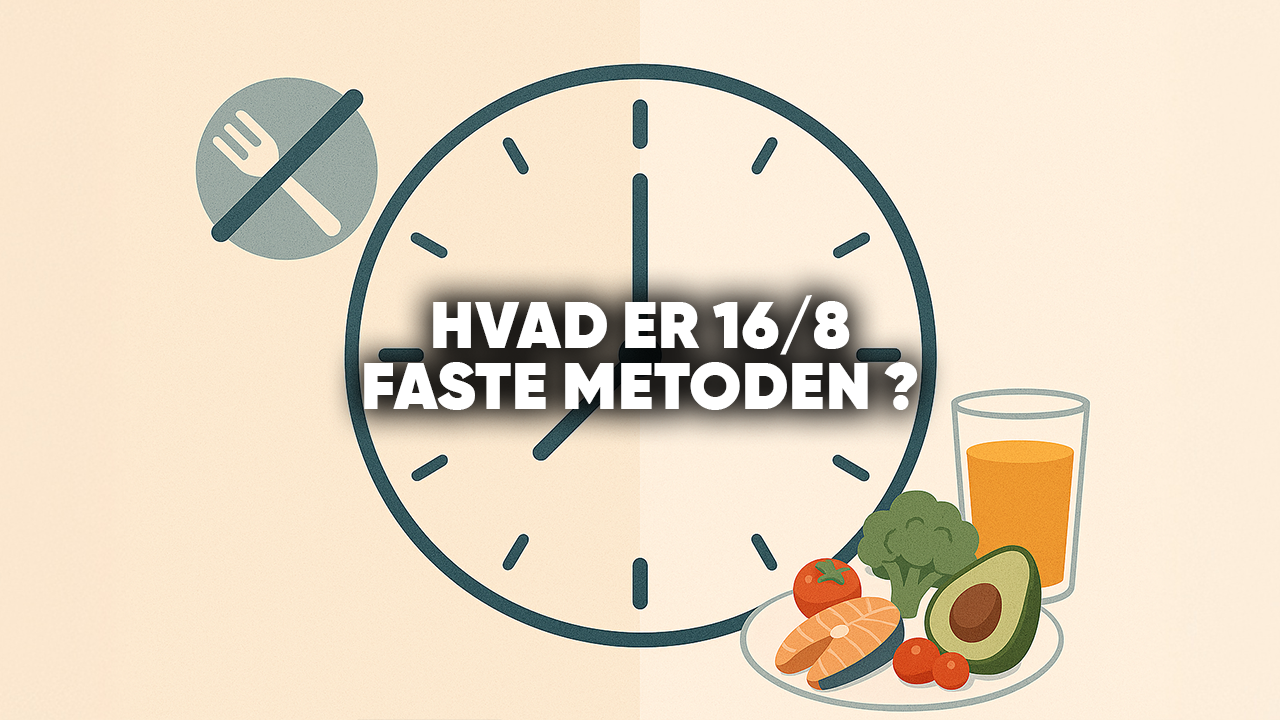
The 16/8 fasting method is a simple and structured approach to intermittent fasting, where the focus is on when you eat – not on strict bans on certain foods. The method involves fasting for 16 hours a day and consuming your meals within an 8-hour eating window. For many people, this means, for example, eating the first meal of the day at 12:00 PM and finishing the last meal no later than 8:00 PM.
During the fasting period, you avoid calories, but you may typically drink water, black coffee, and unsweetened tea. This gives the body a break from constant digestion and creates a natural shift in energy use. When the body is no longer continuously supplied with energy, it increasingly begins to use its own energy reserves, which is one of the reasons why many people experience more stable weight loss with the 16/8 fasting method.
What separates the 16/8 fasting method from many traditional weight-loss diets is its flexibility. You decide when your eating window takes place so that it fits into your everyday life, work, and family life. Some people prefer to eat earlier in the day, while others choose a later eating window so there is still room for dinner with the family. This adaptability is exactly what makes the method realistic to maintain over a longer period.
The 16/8 fasting method is based on the body’s natural circadian rhythm. The body already fasts overnight, and by extending this fasting period, you give the system additional time for recovery and regulation. Many people find that their appetite becomes more balanced, their energy levels more even, and their urge to snack decreases as the body becomes accustomed to the rhythm.
At the same time, the 16/8 fasting method does not require you to count calories or carefully weigh your food. Instead, the focus is on eating normal, nutritious food within the eating window and listening more closely to your body’s signals. This makes the method manageable, easy to understand, and accessible to most people – whether the goal is weight loss, better health, or simply a more structured approach to everyday meals. The most common approach is to skip breakfast, eat the first meal around midday, and have the last meal at around 8:00 PM. During the fasting hours, calories are avoided, but water, tea, and black coffee are allowed.
Example of a Typical 16/8 Fasting Schedule
Eating window - 12:00 PM – 8:00 PM
Fasting period - 8:00 PM – 12:00 PM
Why Is the 16/8 Fasting Method Recommended?
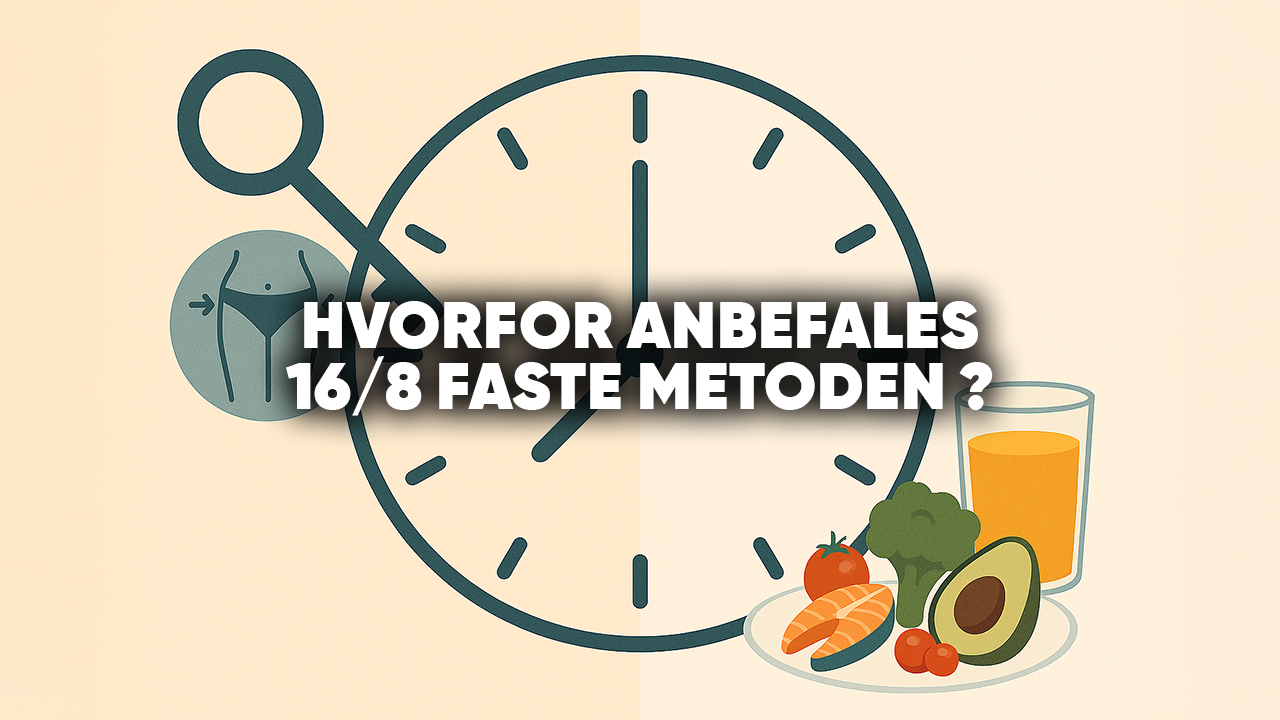
The 16/8 fasting method is recommended by many health experts because it combines simplicity with documented health benefits while also being realistic to integrate into everyday life. Unlike many short-term weight-loss diets, 16/8 fasting works with the body’s natural processes rather than against them, which increases the likelihood of both lasting weight loss and better overall health.
One of the main reasons the 16/8 fasting method is highlighted is its effect on the body’s energy management. When you fast for 16 hours, the body gets an opportunity to deplete its glycogen stores and increasingly switch to using fat as an energy source. This process supports more efficient fat burning and may contribute to stable and gradual weight loss without extreme interventions.
In addition, the method may play a positive role in blood sugar and insulin sensitivity. By reducing the number of daily meals and avoiding constant snacking, the body gets longer breaks between insulin releases. This may help stabilize blood sugar, reduce energy crashes during the day, and lower the risk of overeating – factors that are important for both weight control and long-term health.
Many health experts also highlight the 16/8 fasting method because it is mentally easier to manage than traditional diets. Instead of focusing on restrictions and forbidden foods, the method is about structure and rhythm. Once the eating window has been established, many people find that decision fatigue surrounding food decreases and that their relationship with meals becomes more relaxed and conscious.
Finally, the 16/8 fasting method is recommended because it can be adapted to individual needs and lifestyles. It can be combined with a normal, varied diet and adjusted according to work schedules, family life, and exercise. This flexibility means that the method can function not only as a weight-loss tool but also as a long-term strategy for better health, more stable energy, and a more balanced approach to food in everyday life.
A Summary of Why Many Health Experts Highlight the 16/8 Fasting Method as an Effective Method for Both Weight Loss and Improved Health
1. Natural Calorie Reduction With the 16/8 Fasting Method
By limiting the period of time in which you are allowed to eat, total calorie intake is often automatically reduced. Late-night snacks and calorie-heavy breakfasts that many people otherwise consume without thinking about them are avoided.
2. Stabilizing Blood Sugar With the 16/8 Fasting Method
Studies show that intermittent fasting may improve insulin sensitivity and stabilize blood sugar, which may particularly benefit people with prediabetes or type 2 diabetes.
3. Fat Loss Rather Than Muscle Loss With the 16/8 Fasting Method
Unlike many other diets, 16/8 fasting helps the body burn fat rather than muscle mass, especially when fasting is combined with physical activity.
4. Better Digestion and Gut Flora With the 16/8 Fasting Method
By giving the digestive system a 16-hour break, the body can regenerate, and this has been shown to have a positive effect on both digestion and gut bacteria.
5. Mental Clarity With the 16/8 Fasting Method
Many people report increased concentration and energy during the hours when they fast. This is likely due to more stable blood sugar and lower inflammation in the body.
What Does the Research Say About the 16/8 Fasting Method?
Several studies show that the 16/8 fasting method may have a range of positive effects on weight, metabolism, and general health. When the body gets longer periods without food, it is forced to shift from using glucose as its primary energy source to burning more fat. This shift may support weight loss while also improving the body’s ability to regulate blood sugar and insulin. In addition, research has suggested that the 16/8 fasting method may reduce the risk of lifestyle-related diseases such as type 2 diabetes, cardiovascular disease, and obesity.
Some studies also suggest that fasting may strengthen the body’s cellular repair through processes such as autophagy, in which old or damaged cells are broken down and recycled. In the long term, this may help protect against age-related diseases. However, it is important to emphasize that results can vary from person to person and that more research is still needed in this area. Most studies show that fasting works best when combined with a healthy, varied diet and regular exercise.
Here Are Some of the Most Significant Findings Regarding the 16/8 Fasting Method
● Human Studies on the 16/8 Fasting Method
A 2016 study published in the “Journal of Translational Medicine” showed that people who practiced 16/8 fasting for 8 weeks reduced their fat mass and preserved muscle mass better than those who ate throughout the day.
● Animal Studies on the 16/8 Fasting Method
Studies in mice have shown that time-restricted eating may improve lifespan, reduce the risk of cancer, and improve cardiovascular health – even without calorie restriction.
● Metabolic Benefits of the 16/8 Fasting Method
Research published in “Cell Metabolism” in 2018 found that even a relatively short daily fasting period could improve blood pressure, cholesterol levels, and fasting blood sugar.
Who Can Benefit From the 16/8 Fasting Method?
The 16/8 fasting method may be relevant for many different people precisely because it is flexible and easy to adapt to individual needs and everyday routines. The method does not require special foods or advanced meal plans, but is instead largely about structure, rhythm, and conscious meal choices. As a result, many people find that the 16/8 fasting method fits naturally into their lives without feeling like a restrictive diet.
People who want more stable and long-term weight loss may often benefit greatly from the 16/8 fasting method. By gathering meals within a defined eating window, the risk of snacking and overeating, which is often a challenge in a busy everyday life, is reduced. At the same time, the longer fasting period helps the body regulate appetite, which may make it easier to eat appropriate amounts without constantly focusing on calories.
The 16/8 fasting method may also be beneficial for people who experience fluctuating energy levels throughout the day. Many report that they experience more consistent energy, fewer energy crashes, and better mental clarity once the body becomes accustomed to the fasting and eating rhythm. For those who spend a lot of time sitting at work or have sedentary jobs, the method may contribute to a better balance between energy intake and energy expenditure.
In addition, people who want a simpler and more manageable approach to a healthy lifestyle may find the 16/8 fasting method attractive. Instead of having to deal with many dietary rules and restrictions, the method provides fixed boundaries that can create greater calm around meals. This can be particularly beneficial for people who have previously found traditional weight-loss diets difficult to maintain over time.
At the same time, it is important to emphasize that the 16/8 fasting method is not suitable for everyone. Pregnant women, breastfeeding women, people with a current or previous eating disorder, and people with certain medical conditions should always consult a healthcare professional before beginning fasting. For most healthy adults, however, the 16/8 fasting method can function as a flexible and sustainable tool for better health, more structure in everyday life, and a more balanced approach to both food and weight loss.
Summary of Who Can Benefit From the 16/8 Fasting Method
● People Who Are Overweight May Benefit From the 16/8 Fasting Method
By creating a calorie deficit without strict diets, 16/8 fasting provides a simple route to weight loss.
● People With Elevated Insulin Levels May Benefit From the 16/8 Fasting Method
The fasting method may improve insulin sensitivity and reduce the risk of type 2 diabetes.
● Busy People May Benefit From the 16/8 Fasting Method
Because there is no need to plan 5–6 daily meals, 16/8 fasting is well suited to people with a busy everyday life.
● Women (With Some Considerations) May Benefit From the 16/8 Fasting Method
Women may also benefit greatly from 16/8 fasting, but there are some individual considerations to take into account – for example, in relation to the menstrual cycle and hormones. It is recommended to start gently and possibly fast fewer days per week.
How Do You Get Started With the 16/8 Fasting Method?
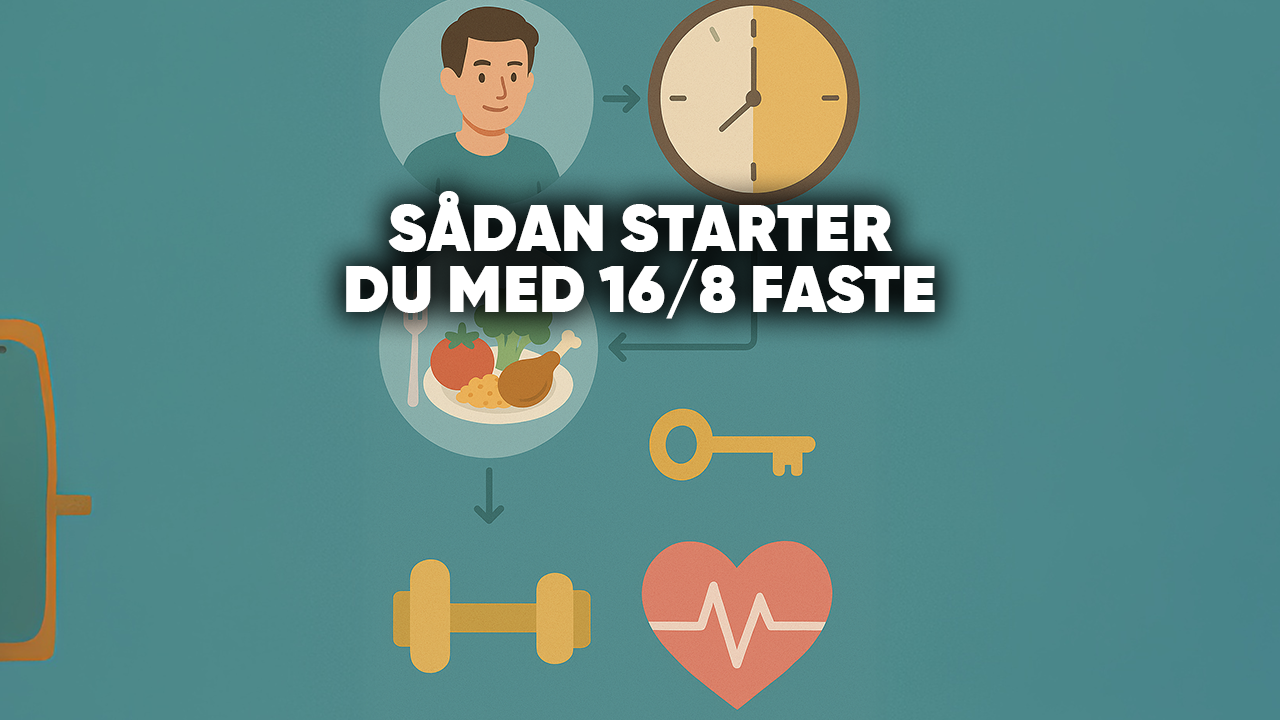
Getting started with the 16/8 fasting method does not have to be complicated or drastic. On the contrary, one of the method’s major advantages is that it can be introduced gradually and adapted to your existing everyday routine. The most important thing is to create a consistent rhythm that feels realistic and sustainable rather than pushing the body too hard from the beginning.
The first step is to choose an 8-hour eating window that fits your life. Many people choose to eat between 12:00 PM and 8:00 PM because this fits well with both work and dinner with the family. Others prefer an earlier eating window. There is no single correct time – what matters is choosing a timeframe that you can maintain over time.
The next step is to allow the body to become accustomed to the longer fasting period. If you are used to eating breakfast early, it may be helpful to gradually delay it by 30–60 minutes at a time until you reach your desired eating window. This gives the body time to adjust and often makes the transition to the 16/8 fasting method much more comfortable.
During the fasting period, it is important to stay hydrated. Water, black coffee, and unsweetened tea may help reduce feelings of hunger and make fasting easier to complete. At the same time, it can be helpful to pay attention to how your body responds – especially during the first few weeks, when tiredness or mild hunger may occur until the new rhythm becomes established.
When you eat within your eating window, the focus should be on normal, nutritious food rather than quick solutions. The 16/8 fasting method works best when meals are made from good-quality ingredients, sufficient protein, and a sensible balance of carbohydrates and fats. It is not about perfection, but about giving the body the best possible conditions for energy, fullness, and stable weight loss.
Finally, it is important to remember that the 16/8 fasting method is not a competition. On some days, it may be necessary to adjust the timing, and that is completely fine. Flexibility and patience are essential for making the method a natural part of everyday life. Once the rhythm is established, many people find that 16/8 fasting feels more like a lifestyle than a diet – and that is precisely the key to long-lasting results in both health and weight loss.
One of the Major Advantages of Starting With the 16/8 Fasting Method Is That It Does Not Require Major Lifestyle Changes, and Here Are Some Helpful Tips
1. Choose an Eating Window That Fits Your Lifestyle With the 16/8 Fasting Method
Typically, people choose 12:00 PM–8:00 PM or 10:00 AM–6:00 PM. Choose a window that fits your social life and work schedule.
2. Drink Plenty of Water When Using the 16/8 Fasting Method
Keep your body hydrated during the fast. Tea and black coffee are also allowed – without sugar or milk.
3. Eat Healthy During the Eating Window When Using the 16/8 Fasting Method
Focus on nutritious meals with protein, healthy fats, and vegetables. Avoid “compensating” for the fast with unhealthy junk food.
You can find inspiration for healthy meals in our article - Good Tips for Healthy, Budget-Friendly Meals Focusing on Fresh Seasonal Ingredients
4. Exercise Thoughtfully When Using the 16/8 Fasting Method
It is possible to exercise while fasting, but start gently. Many people even experience increased fat burning when exercising on an empty stomach.
If you are new to exercise, you can get some helpful tips for getting started with training in a good and sensible way in our article - Good Tips for Effective Exercise Routines for Beginners
5. Be Patient When Using the 16/8 Fasting Method
It takes 1–2 weeks for the body to adapt. Tiredness and hunger at the beginning are normal – they usually pass.
Common Challenges and Solutions With the 16/8 Fasting Method
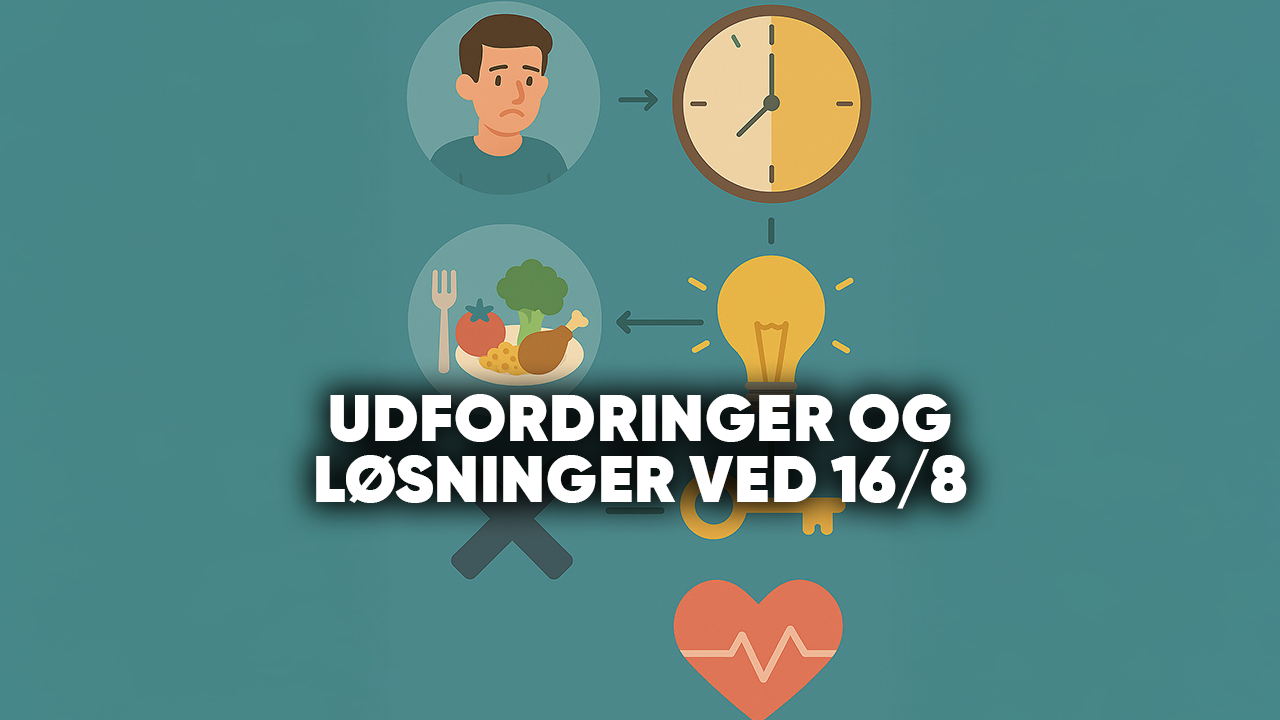
Although many people find the 16/8 fasting method simple and manageable, it is completely normal to encounter challenges – especially at the beginning. The body and your habits need to adjust to a new rhythm, and this may result in both physical and mental reactions. Fortunately, most challenges are temporary and can be managed with small adjustments and realistic expectations.
One of the most common challenges is hunger during the fasting period, particularly in the morning. For many people, this is caused by old habits rather than a genuine lack of energy. Water, black coffee, or unsweetened tea can be helpful because fluids often reduce feelings of hunger. At the same time, hunger typically decreases after the first few weeks as the body becomes accustomed to the new fasting and eating rhythm.
Tiredness and low energy levels may also occur during the initial adjustment period. This is often related to the body switching energy sources. One solution may be to make sure that meals within the eating window are sufficiently nutritious and filling so that the body receives the energy it needs. In addition, light movement, fresh air, and good-quality sleep can make a major difference during the adjustment period.
Social situations can also make the 16/8 fasting method challenging. Breakfast meetings, lunch appointments, or late dinners may make it difficult to maintain fixed times. Flexibility is the key here. It is completely acceptable to adjust your eating window on certain days or set fasting aside for special occasions. The method works best when it supports your life rather than restricting it.
Some people also feel uncertain about whether they are eating “correctly” within the eating window. It is important to remember that the 16/8 fasting method is not about perfection. The focus should be on a normal, varied diet and listening to the body’s signals. Small mistakes along the way are a natural part of the process and do not change the overall result.
Overall, challenges with the 16/8 fasting method are not a sign that the method is not working – but rather that the body is adapting. With patience, adjustments, and a flexible approach, most people find that the challenges decrease and that the method becomes easier to integrate naturally into everyday life.
Fortunately, There Are Good Solutions That Can Help You Stay Consistent and Make the 16/8 Fasting Method an Effective and Sustainable Habit
● Morning Hunger When Using the 16/8 Fasting Method
At first, hunger can feel overwhelming, especially in the morning. The body is accustomed to regular meals, and it takes time to adapt.
👉 Solution - Start gradually by pushing breakfast back by one or two hours each day. Drink water, black coffee, or herbal tea to reduce feelings of hunger. After 1–2 weeks, the body typically becomes accustomed to the new rhythm.
● Energy Drops Late in the Day When Using the 16/8 Fasting Method
Some people experience a drop in energy levels, especially during the first few days.
👉 Solution - Make sure your meals within the eating window contain protein, fiber, and healthy fats, which provide longer-lasting fullness. This provides stable energy and helps prevent blood sugar fluctuations.
● Social Events When Using the 16/8 Fasting Method
It can feel difficult to follow the 16/8 fasting method when family or friends eat at different times.
👉 Solution - Be flexible with your eating window – move it for special occasions or social events so that the method adapts to your lifestyle rather than the other way around. It is important to be able to make exceptions without feeling guilty.
● Overeating During the Eating Window When Using the 16/8 Fasting Method
A common mistake is compensating for the fast by eating excessively when the eating window opens.
👉 Solution - Eat slowly, choose nutritious foods, and listen to your body’s signals. Plan your meals so that they meet your needs without creating an excess of calories.
● Lack of Patience When Using the 16/8 Fasting Method
Some people lose motivation if results do not appear quickly enough.
👉 Solution - Remember that the 16/8 fasting method is not a quick-fix diet but a method for long-term health and weight loss. Focus on small improvements – more energy, better sleep, or stable blood sugar – and use them as motivation.
What Can You Eat – and When – With the 16/8 Fasting Method?
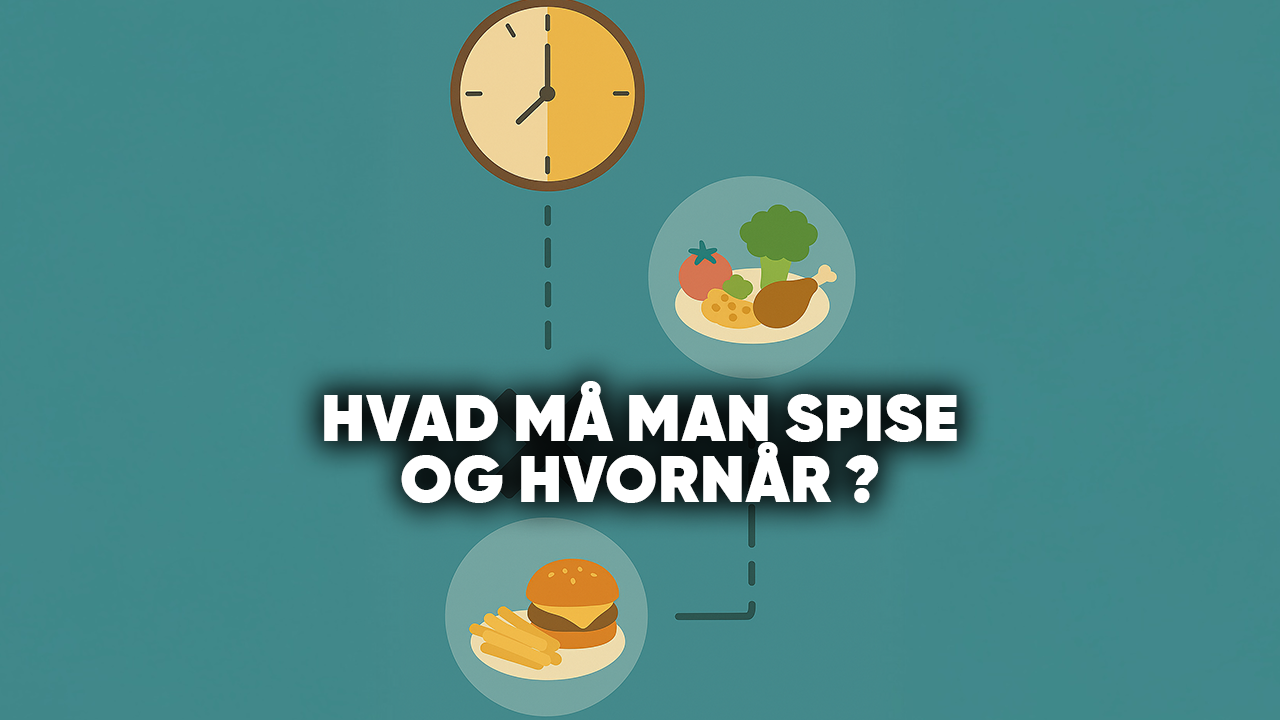
One of the questions that most often arises regarding the 16/8 fasting method concerns food: What are you actually allowed to eat, and when are you allowed to eat it? The short answer is that the method provides a great deal of freedom – but also encourages conscious choices. The 16/8 fasting method is primarily about the timing of meals rather than strict bans on specific foods.
Within the 8-hour eating window, you can eat normal, varied food. There are no fixed food lists, but health experts recommend that meals are composed in a way that provides good satiety and stable energy. This typically means focusing on protein-rich foods, vegetables, whole grains, and healthy sources of fat. When the body receives sufficient nutrition during the eating window, the fasting period becomes easier and more comfortable.
When you eat depends on your chosen eating window. Many people choose to have their first meal around midday and their last meal in the evening, while others prefer earlier times. The most important thing is that meals fall within the 8-hour period and are then followed by 16 continuous hours without calorie intake. This structure gives the body time to shift from digestion toward recovery and fat burning.
During the fasting period, you should generally not consume calories. However, you may drink water, sparkling water, black coffee, and unsweetened tea. These drinks may help control hunger and ensure that you remain hydrated. Sugary drinks, milk, and sweeteners should be avoided, as they may break the fast and affect the body’s hormonal response.
An important point about the 16/8 fasting method is that food quality still matters. Although the method does not prohibit particular foods, consuming large amounts of highly processed food will often make it more difficult to achieve satiety and stable energy. On the other hand, many people find that they naturally make better choices when meals are fewer and more intentional.
Overall, the 16/8 fasting method provides a flexible framework in which you can both enjoy food and create structure around your meals. By eating nutritious meals during the eating window and respecting the fasting period, you give the body the best possible conditions for health, energy, and more balanced weight loss.
When the Eating Window Opens, the Focus Should Therefore Be on Choosing Food That Provides Energy, Fullness, and Nutrition
During the Fasting Window (16 Hours) When Using the 16/8 Fasting Method
✅ Allowed:
Water.
Black coffee.
Green/black tea.
Electrolyte drinks (without calories).
❌ Avoid:
Juice, soft drinks, milk.
Chewing gum with sugar.
Snacks.
During the Eating Window (8 Hours) When Using the 16/8 Fasting Method
When the eating window opens, the focus should be on choosing food that provides energy, satiety, and nutrition.
To Get the Most Out of the Method, Meals During the Eating Window Should Consist of
🍗 Lean protein sources (e.g. chicken, fish, eggs, legumes), which provide satiety and support muscle development.
🥑 Healthy fats (e.g. avocado, nuts, olive oil), which contribute to stable energy and hormonal balance.
🌾 Whole grains and fiber (e.g. oats, quinoa, vegetables), which help keep blood sugar stable.
🥦 Vegetables and fruit, which provide vitamins, minerals, and antioxidants.
It is important not to use the eating window as a “free pass” for fast food, sweets, or large amounts of sugar, as this may work against both weight loss and the health benefits. Instead, think of the eating window as an opportunity to provide your body with quality food that makes fasting even more effective.
****************************************************************************************************************
You can find inspiration for healthy seasonal food in our article - Good Tips for Healthy, Budget-Friendly Meals Focusing on Fresh Seasonal Ingredients
The 16/8 Fasting Method in Combination With Other Methods
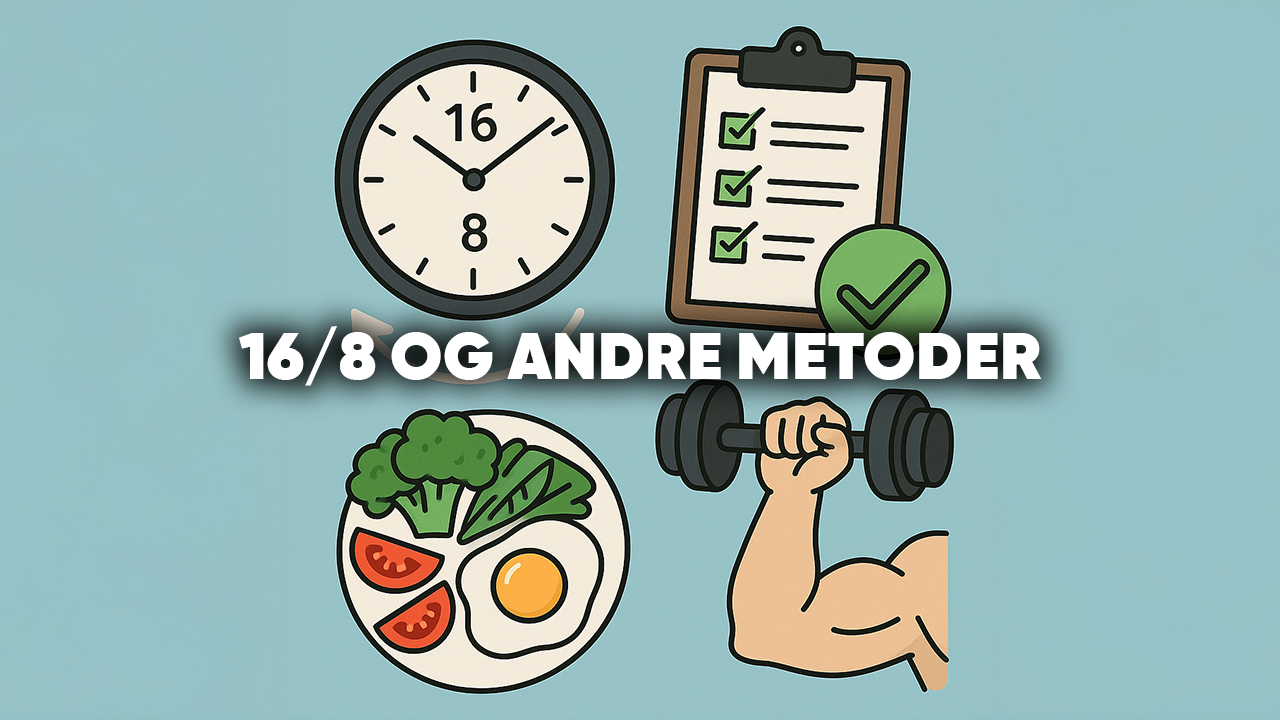
The 16/8 fasting method can be very effectively combined with other healthy habits and methods because it provides a solid framework for structure without dictating your entire lifestyle. This flexibility makes it possible to create a holistic approach in which fasting becomes one element among several that together support both health and weight loss.
Many people choose to combine the 16/8 fasting method with regular physical activity. This can include anything from daily walks and light exercise to strength training or more intensive workouts. Exercising within the eating window often provides the most energy, although some people prefer light activity during the fasting period. Both approaches can work, as long as the body receives sufficient recovery and nutrition throughout the day.
Diet naturally also plays a central role when combined with the 16/8 fasting method. The method works best when it is supplemented with normal, nutritious food that provides satiety and stable energy. Many people find that fasting makes them more aware of the quality of their meals because there are fewer eating occasions. This may make it easier to make conscious choices without following strict dietary rules.
In addition, the 16/8 fasting method can be combined with a focus on sleep, stress management, and everyday routines. Good sleep supports both hormonal balance and appetite regulation, while lower stress levels may reduce the urge to overeat. When fasting is combined with regular bedtimes, breaks during the day, and moments of mental rest, the overall effect may be strengthened.
For some people, it may also make sense to combine the 16/8 fasting method with other structured approaches, such as conscious meal planning or simple habits related to portion sizes. In this context, fasting functions as a framework that makes it easier to maintain an overview without making everyday life rigid or inflexible.
Overall, the 16/8 fasting method works best as part of a bigger picture. When combined with movement, sensible nutrition, good sleep, and realistic habits, it becomes not only a weight-loss tool but also a sustainable approach to health, energy, and balance in everyday life.
Examples of How the 16/8 Fasting Method Can Be Effectively Combined With Other Strategies
🥑 Low-carb/keto diets in combination with the 16/8 fasting method.
🏋️ Exercise and strength training in combination with the 16/8 fasting method. Find inspiration for effectively combining diet and exercise in our article – Good Tips on How to Combine Exercise and Diet for Optimal Results.
🧘 Meditation/mindfulness in combination with the 16/8 fasting method. Find inspiration for helpful meditation and mindfulness exercises in our article – Good Tips for Strengthening Yourself Mentally Through Mindfulness and Meditation.
🌿 Periodic detox without fasting in combination with the 16/8 fasting method.
********************************************************************************************************
In summary, it is about finding the model that fits your everyday life and your goals.
What Do the Experts Say About the 16/8 Fasting Method?
Many health experts highlight the 16/8 fasting method as a simple and sustainable approach to both weight loss and improved health. According to several nutrition experts and doctors, time-restricted eating works not only as a way to reduce calorie intake – it also gives the body an opportunity to work more efficiently with the resources it already has.
Experts point out that the 16/8 fasting method may help stabilize blood sugar, improve insulin sensitivity, and reduce the risk of obesity and type 2 diabetes. At the same time, it is highlighted that the method is often easier to follow than many traditional diets because it does not require eliminating particular foods – only changing the timing of when you eat.
Several researchers emphasize, however, that the effect varies from person to person and that the method works best when combined with a nutritious diet and regular exercise. There is also general agreement that you should listen to your body’s signals and adjust your eating window so that it fits your everyday life and lifestyle.
Here Are Some Specific Statements From Health Experts About the 16/8 Fasting Method
● Dr. Satchin Panda (Salk Institute)
One of the pioneers of research into time-restricted eating. He believes that the body’s internal clock (circadian rhythm) plays a crucial role in health – and that it is better to eat within a fixed time window.
● Dr. Jason Fung (Nephrologist and Fasting Expert)
He uses intermittent fasting to treat type 2 diabetes and insulin resistance with great success.
● Harvard Medical School
Has highlighted intermittent fasting as a possible method for improving cardiovascular health and mental performance.
*****************************************************************************************************
Overall, Experts Believe That the 16/8 Fasting Method Can Be a Powerful Tool for Health and Weight Loss – Especially Because It Offers Flexibility and Can Be Integrated Into a Busy Everyday Life Without Feeling Like a Strict Diet.
The 16/8 Fasting Method and Long-Term Health
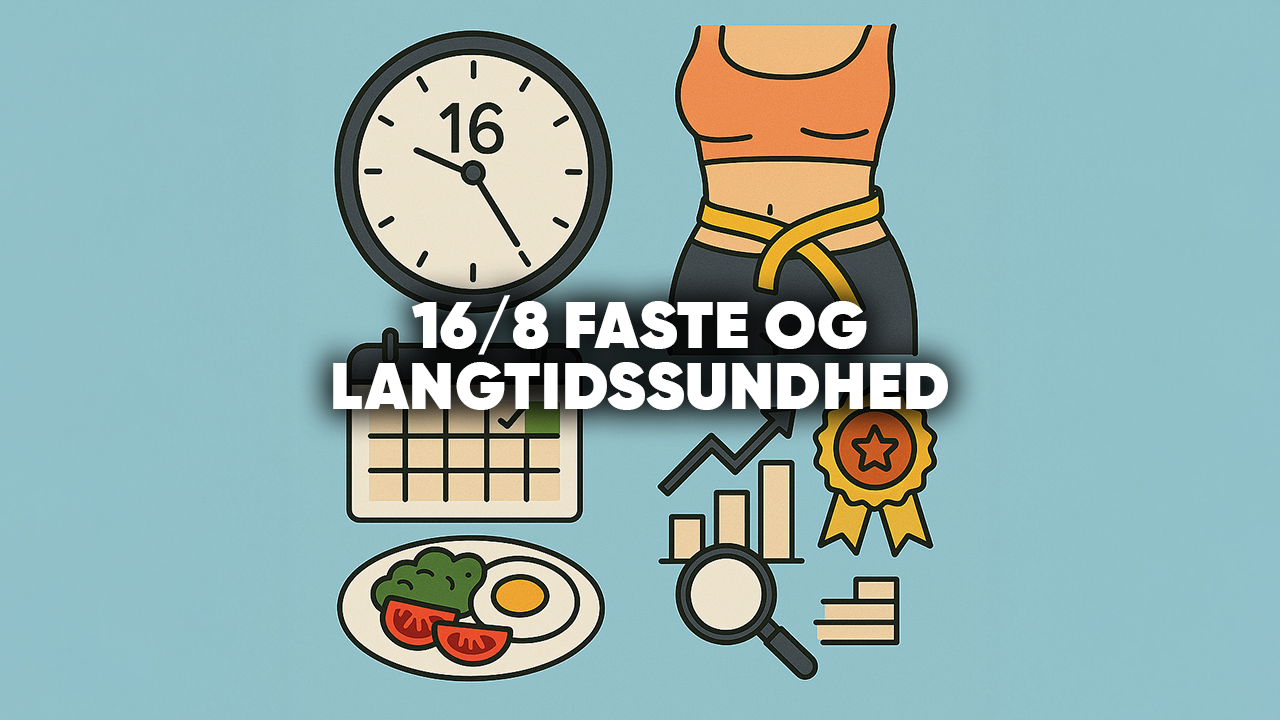
The 16/8 fasting method is not only about weight loss in the short term – it may also contribute to better long-term health. When the body receives regular periods without food, several biological processes are activated that may strengthen health. Studies suggest that time-restricted eating may improve insulin sensitivity, reduce inflammation, and support the body’s natural cellular repair system known as autophagy. This means that the body becomes better at removing damaged cells and renewing itself.
In addition, fasting may help reduce the risk of lifestyle-related diseases such as type 2 diabetes, cardiovascular disease, and obesity, especially when combined with a healthy and varied diet. Many people also experience improvements in energy levels, sleep, and mental clarity, which may contribute to a more sustainable lifestyle in the long term. Although research is still developing, experts see the 16/8 fasting method as a simple and realistic method that can be integrated into everyday life without major deprivation – with the potential to support both weight loss and long-term health.
Inspiration List – How You Can Use the 16/8 Fasting Method for Better Long-Term Health
⏰ Create consistent routines around the eating windows of the 16/8 fasting method, so your body becomes accustomed to a stable rhythm.
🍽️ Make sure your meals during the 16/8 fasting method contain protein, fiber, and healthy fats, so you maintain stable energy throughout the day.
🏃 Combine the 16/8 fasting method with regular exercise, so both weight loss and heart health are supported naturally.
🚫 Use the 16/8 fasting method as a tool to reduce snacking, so calorie intake decreases more naturally and with less effort.
👂 Listen to your body’s signals when using the 16/8 fasting method, and adjust the eating window if your lifestyle or everyday routine changes.
🌱 Remember that the 16/8 fasting method works best as a long-term lifestyle change, not as a quick and temporary solution.
Who Should Be Careful With the 16/8 Fasting Method?
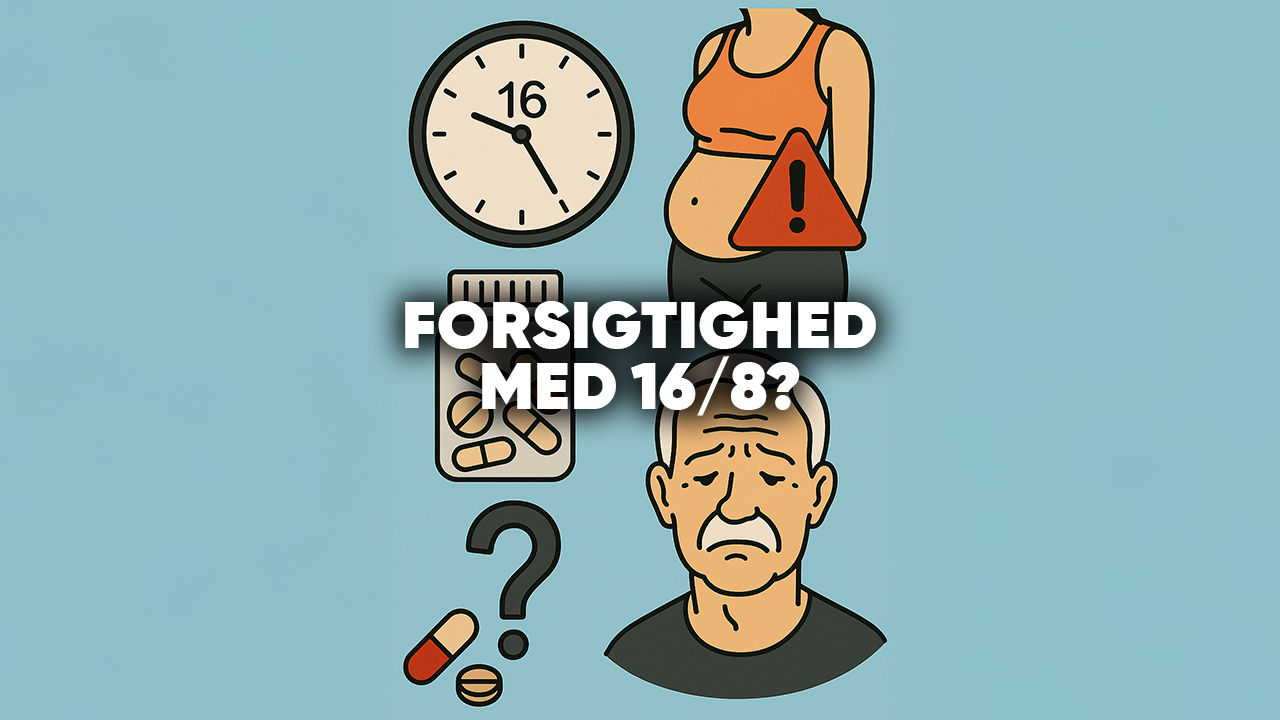
Although the 16/8 fasting method has many health benefits, it is not a solution that suits everyone. Our bodies respond differently, and for some people, fasting may cause unwanted side effects or may even be directly unsuitable. It is therefore important to consider your health, life situation, and individual needs before getting started.
People with certain medical conditions, pregnant and breastfeeding women, as well as people with a history of eating disorders, should be especially careful. The same applies if you take medication that requires regular food intake or if you have a very high level of physical activity that requires a stable energy intake.
For most people, the 16/8 fasting method can be a safe and effective tool, but it is always a good idea to consult your own doctor or healthcare professional before making significant changes to your eating pattern.
Checklist – Be Especially Careful With the 16/8 Fasting Method If You
🤰 Be careful with the 16/8 fasting method if you are pregnant or breastfeeding, as both you and your child need stable energy and sufficient nutrients.
⚠️ Be careful with the 16/8 fasting method if you have or have previously had an eating disorder – fasting may trigger unhealthy patterns.
🩺 Be careful with the 16/8 fasting method if you have chronic conditions such as diabetes or cardiovascular disease and take medication that requires regular food intake.
🔥 Be careful with the 16/8 fasting method if you have a very high physical activity level (e.g. elite sports), where the body requires constant energy.
💊 Be careful with the 16/8 fasting method if you are being treated with prescription medication, where fasting may affect absorption or effectiveness.
😵 Be careful with the 16/8 fasting method if you experience dizziness, exhaustion, or difficulty concentrating while fasting
– in that case, the method should be adjusted or stopped.
Real-Life Experiences With the 16/8 Fasting Method
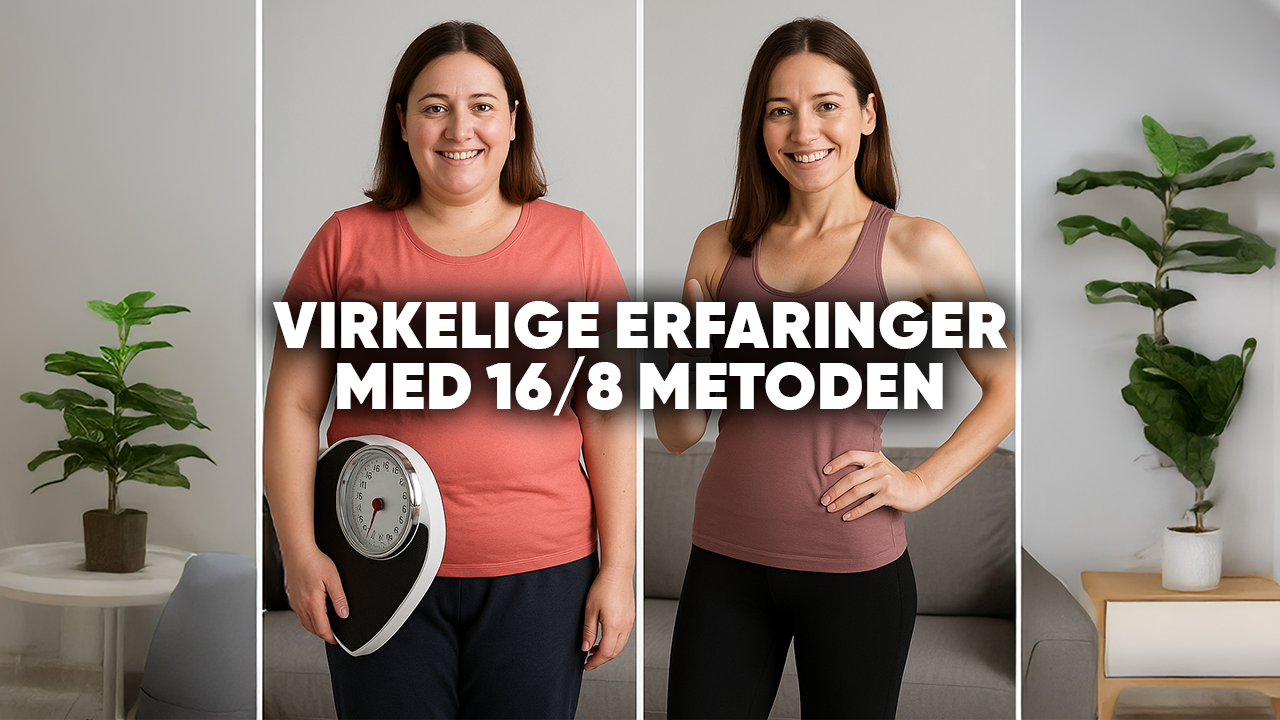
Although research provides valuable insight, personal experiences often show most clearly how the 16/8 fasting method works in practice. Many people who have tried the method particularly emphasize that it is more manageable than traditional weight-loss diets because it does not require giving up certain foods – only adjusting when you eat them.
Several people say they experience a new sense of freedom in everyday life because they no longer have to think about food all the time. They describe more stable energy levels, fewer cravings for snacks, and gradual weight loss without constantly feeling deprived. Others mention improved sleep, greater mental clarity, and increased awareness of what they eat during their eating window.
However, there are also challenges. Some people experience hunger and tiredness at the beginning, while others find the social aspect difficult if their eating windows do not fit with the routines of family or friends. Experiences nevertheless show that most challenges can be overcome once the body becomes accustomed to the rhythm and the method is adapted to the individual’s lifestyle.
Overall, real-life experiences suggest that the 16/8 fasting method works best when used flexibly and with a focus on overall health – not only weight loss.
Here Are Some Statements From People Who Have Tried the 16/8 Fasting Method
● Lotte, 43 years old:
“I started the 16/8 fasting method to lose 5 kilos – but it gave me much more. I sleep better, have more energy, and no longer have the same cravings as before.”
● Thomas, 55 years old:
“As someone with type 2 diabetes, I was skeptical. But after 3 months using the 16/8 fasting method, my blood sugar has stabilized, and I have been able to cut my medication in half.”
Conclusion – Is the 16/8 Fasting Method the Key to Health and Weight Loss?

The 16/8 fasting method is more than just a trend – it is a method based on biological reasoning, new research, and practical experience. It is not a miracle cure, but a tool that may make a noticeable difference, especially when combined with a healthy diet and regular exercise. The best part? It is a simple, free, and flexible health method – and it does not require you to count calories or buy special products. It is simply common sense put into a system.
Next Step – Is It Right for You?
If You Are Considering Trying the 16/8 Fasting Method, You Can Start With the Following:
📅 Choose 3 days a week when you eat within an 8-hour period.
⚖️ Use the other days as “normal” days, and see how your body responds.
🧠 Pay attention to how you feel – are you more focused, less hungry, or experiencing weight loss?
Adjust your eating window as needed.
The most important thing is to find an eating rhythm that works for you – and stick with it over the long term.
Mini Guide – How to Use the 16/8 Fasting Method in a Healthy and Sustainable Way
When you want to use the 16/8 fasting method constructively, it is not about pushing the body or chasing quick results. It is about creating a rhythm that supports health, energy, and weight loss over time.
This mini guide is a summary of the article above and brings together the most important focus areas so that 16/8 fasting becomes a tool you can use consistently and realistically in your everyday life.
⏰ Create a Consistent Rhythm With the 16/8 Fasting Method
One of the most important keys to success with the 16/8 fasting method is consistency. When your eating and fasting periods occur at roughly the same times from day to day, the body quickly learns the rhythm. This makes hunger signals more predictable and reduces the need for willpower. A stable rhythm also helps support the body’s hormonal balance and makes fasting easier to maintain in the long term.
🍽️ Prioritize Filling and Nutritious Meals With the 16/8 Fasting Method
Although the 16/8 fasting method is about timing, food quality still plays a central role. Meals containing protein, fiber, and healthy fats provide greater satiety and more stable energy. When the body receives the nutrition it needs within the eating window, the fasting period becomes more comfortable and the risk of overeating is significantly reduced.
💧 Support 16/8 Fasting With Fluids and Rest
During the fasting period, fluids are essential. Water, unsweetened tea, and black coffee may help reduce hunger and maintain energy. At the same time, it is important to give the body some rest, especially at the beginning. Light movement, breaks, and good sleep make the transition to the 16/8 fasting method gentler and help reduce discomfort.
🏃 Combine the 16/8 Fasting Method With Physical Activity
Exercise and the 16/8 fasting method can support each other when combined sensibly. Regular physical activity – whether walking, strength training, or light cardio – supports both fat burning and general health. Many people find that exercising within the eating window provides the best energy, while light activity during the fasting period may also work well for some people.
🧠 Listen to Your Body and Make Adjustments Along the Way When Using the 16/8 Fasting Method
A constructive approach to the 16/8 fasting method requires paying attention to your body’s signals. If you experience persistent tiredness, dizziness, or lack of energy, it may be necessary to adjust your eating window or how often you fast. Flexibility is a strength – not a sign of failure – when the goal is a sustainable lifestyle.
📅 Use the 16/8 Fasting Method as a Long-Term Tool
The best results with the 16/8 fasting method occur when the method is used as a long-term strategy rather than a short-term diet. Some people choose to fast every day, while others use the 16/8 fasting method several days per week. Both approaches can work as long as the method fits your life and can be maintained over time without stress or pressure.
*******************************************************************************************
If you need further inspiration regarding the 16/8 fasting method, you can watch this video - 16/8 Fasting for Beginners
--------------------------------------
If You Have Experience and/or Knowledge of the 16/8 Fasting Method, We Would Be Happy to Hear Your Input and/or Suggestions in the Comments About Other Good Ways to Use the 16/8 Fasting Method in a Constructive and Sustainable Way and, in the Long Term, Achieve Better Health and Quality of Life