

Successful people rarely differ significantly from others when it comes to talent, intelligence, or their starting point in life. What makes a much greater difference are the psychological principles they live by in their everyday lives. Behind almost every success are certain thought patterns, mental strategies, and habits that, over time, shape actions, decisions, and results. These psychological mechanisms are often invisible from the outside, but they play a crucial role in explaining why some people consistently achieve their goals while others get stuck.
Many people associate success with major breakthroughs, luck, or extreme effort, but in reality, success is often the result of small, conscious choices repeated day after day. Psychologically, it is about the ability to regulate your thoughts, handle adversity, maintain focus, and create inner motivation – even when things are difficult or when results take time to appear. Successful people have typically learned to work with their mindset rather than against it and see challenges as opportunities for learning rather than as obstacles.
A central psychological principle behind success is understanding how thoughts influence behavior. The way we interpret situations shapes our actions, and those actions create the results we experience in life. Successful people are often aware of this connection and actively work with their inner dialogue. They are not necessarily more positive all the time, but they are better at directing their attention and avoiding becoming trapped in limiting thought patterns.
In addition, self-discipline, habit formation, and emotional resilience play a much greater role than raw motivation. Motivation can fluctuate, but psychological strategies such as clear goals, realistic expectations, and the ability to handle pressure make it possible to continue even when motivation is lacking. Successful people have often developed mental tools that help them navigate uncertainty, take responsibility for their own choices, and stay focused on what they can influence.
In this article, we dive into the most important psychological principles behind successful people. You will gain insight into how mindset, behavior, and mental strategies work together, and how you can use these principles in your own everyday life – whether your goal is personal development, career advancement, or greater satisfaction in life. Success is not a mysterious talent reserved for a select few, but the result of understandable psychological mechanisms that anyone can learn to work with.
Growth Mindset - Belief in Continuous Development
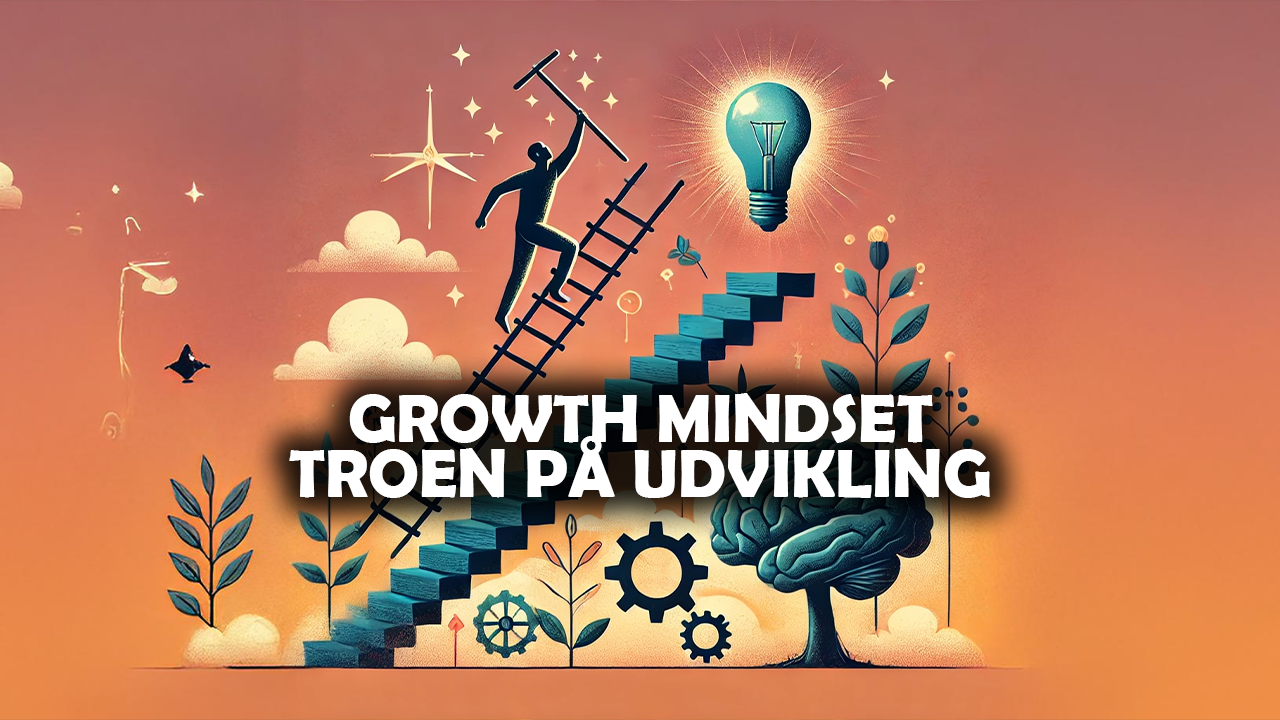
One of the most important psychological principles behind successful people is the ability to see development as something that never stops. Carol Dweck, a recognized psychologist, developed the theory of a "Growth Mindset" versus a "Fixed Mindset." A Growth Mindset is fundamentally about believing that abilities, competencies, and skills can be developed through effort, learning, and experience – rather than being fixed traits that you either have or do not have. This way of thinking creates a completely different relationship with challenges, mistakes, and adversity. Successful people typically have a Growth Mindset, which means they see challenges as opportunities for growth rather than as obstacles. They believe their abilities can be developed through learning, effort, and perseverance.
When you work from a Growth Mindset, resistance is not seen as a sign of failure but as a natural part of the process. Successful people with this approach see mistakes as valuable feedback and actively use them to adjust their course. The psychological principles behind this mindset make it easier to maintain motivation over time because the focus shifts from quick results to long-term development.
A Growth Mindset is closely linked to a willingness to learn and mental flexibility. Instead of protecting your ego or avoiding situations where there is a risk of failure, you consciously choose to face challenges. This requires courage, but also a strong psychological understanding that development rarely feels comfortable while it is happening. This is precisely why a Growth Mindset is a fundamental element in the way many successful people think and act.
Inspiration List – Psychological Principles Behind a Growth Mindset
🧠 Growth Mindset - Development Begins With Conscious Psychological Principles
A central psychological principle in a Growth Mindset is the awareness that development does not happen by chance. Successful people actively work with their thought patterns and consciously choose to challenge limiting beliefs. When you understand how psychological principles affect behavior, it becomes possible to change your approach to learning and performance. Instead of thinking, “I can’t,” it is replaced with, “I can’t yet,” which opens the door to curiosity, effort, and progress.
🔄 Growth Mindset - Mistakes as an Asset According to Basic Psychological Principles
Another important psychological principle is the ability to redefine mistakes. In a Growth Mindset, mistakes are not seen as personal defeats but as necessary steps on the path toward improvement. Successful people use psychological principles to separate their identity from their performance, so mistakes become data rather than judgment. This approach reduces the fear of failure and increases the courage to try again – often with better results as a consequence.
🌱 Growth Mindset - Learning Over Results – A Fundamental Psychological Focus
Many psychological principles indicate that lasting success occurs when learning is prioritized above quick results. Instead of measuring themselves solely by the outcome, people with a Growth Mindset focus on the process. What did I learn? What can be adjusted? This approach creates a healthier relationship with ambition and makes it easier to maintain motivation even when results do not come immediately.
🧩 Growth Mindset - Effort and Strategy as Psychological Keys to Growth
A Growth Mindset is based on the psychological principle that effort and strategy often matter more than innate talent. Successful people continuously evaluate their methods and adjust them when something does not work. Instead of giving up when their effort does not produce the desired effect, they ask themselves how they can do things differently. This flexibility is a crucial part of the psychological principles that support continuous development.
🔍 Growth Mindset - Feedback as a Psychological Tool for Improvement
Being able to receive and use feedback constructively is another important psychological principle in a Growth Mindset. Successful people often seek feedback because they see it as a shortcut to learning. Instead of experiencing feedback as criticism, they use psychological strategies to filter the message and select what can be used for improvement. This strengthens both professional development and personal resilience.
Tips for Developing a Growth Mindset
🌱 See mistakes as opportunities to learn rather than failures.
🚀 Challenge yourself regularly by trying new things.
🎯 Focus on the process and not only the result.
💬 Embrace constructive criticism as an opportunity for improvement.
*********************************************************************
REMEMBER- A Growth Mindset is not about being perfect, but about continuously becoming wiser. When you believe in development, even adversity becomes an investment in the future.
*********************************************************************
You can find further inspiration for developing a Growth Mindset in our article - Good Tips for Developing a Growth Mindset
Self-Motivation and Inner Drive as Tools for Achieving Success

Successful people often have one thing in common - a strong inner drive. Self-motivation is about being able to maintain focus and the ability to take action – even when external rewards or praise from others are absent. This means that you do not only work to achieve results, but because you find meaning, joy, and energy in the process itself. When you cultivate your inner motivation, you become less dependent on external factors such as money, status, or recognition from others.
This makes you more persistent and resilient in the face of adversity. You learn to see challenges as opportunities to develop rather than as obstacles that stop you. Strengthening your self-motivation requires knowing your why – your values, goals, and the deeper meaning behind what you do. When you connect your actions to what truly matters to you, your inner drive will help you remain committed even during difficult periods.
In practice, this means that successful people do not constantly wait until they feel motivated. They understand that motivation often arises through action – not the other way around. By actively working with their inner drive, they create a stable mental platform that supports ambition, learning, and personal development.
Inspiration List – Good Tips About Psychological Principles Behind Self-Motivation and Inner Drive
🔥 Inner Purpose and Self-Motivation as One of the Strongest Psychological Principles
A central psychological principle behind self-motivation is having a sense of purpose. Successful people are aware of why they do what they do and use this understanding as an inner engine. When actions are connected to personal values and meaningful goals, it becomes easier to maintain commitment. Psychological principles show that purpose creates deeper motivation than external rewards and provides stronger resilience during difficult periods.
🧠 Personal Responsibility and Psychological Principles for Perseverance
Self-motivation is closely connected to the ability to take responsibility for your own choices. An important psychological principle is recognizing that you have influence over your own effort – even when you cannot control the outcome. Successful people use this psychological foundation to focus on what they can do here and now instead of spending energy on excuses or external circumstances. This strengthens both their ability to take action and their perseverance.
🚀 Self-Motivation - Action Before Feeling According to Psychological Mechanisms
Many people believe that motivation must come before action, but psychological principles often indicate the opposite. Successful people know that inner drive often develops through movement and engagement. By taking small, concrete steps, they create momentum, which in turn strengthens motivation. This understanding makes it possible to get started even on days when energy is low and motivation is lacking.
🌱 Progress as a Fundamental Psychological Principle Behind Inner Motivation
Another important psychological principle behind inner motivation is focusing on progress rather than perfection. Successful people measure themselves by development and learning, not only by the final result. By acknowledging small victories and gradual improvements, a stable inner drive is built. This approach reduces frustration and makes it easier to stay committed to goals over time.
🔄 Inner Dialogue and Psychological Principles for Inner Motivation
The way we speak to ourselves has a major influence on our motivation. Successful people actively work with their inner dialogue and use psychological principles to support themselves mentally. Instead of self-criticism, they use encouraging and realistic thoughts that support action and learning. This creates a more sustainable level of motivation and increases the likelihood of maintaining effort.
🌟 How to Strengthen Your Self-Motivation and Inner Drive
🎯 Define your why - Write down why your goals are important to you as an important factor in your motivation.
🧩 Set meaningful goals - Goals that reflect your values and inner drive, not only the expectations of others.
🚀 Start small – action creates momentum and motivation.
📖 Learn from adversity - See mistakes as learning rather than defeat, which strengthens your inner drive.
🌱 Surround yourself with people and environments that support your inner drive.
🧘 Practice self-discipline - Create routines as an inner driving force that keeps you on track even when motivation is lacking.
🙌 Celebrate both small and major progress to keep your motivation alive.
*****************************************************************************
REMEMBER- When motivation comes from within, perseverance becomes a natural strength, and inner drive beats external pressure when success needs to last in the long term.
*****************************************************************************
Get inspiration on how to strengthen your inner motivation and thereby create a happier and more productive everyday life in our article - Have a Happier and More Productive Workday - Good Tips for Better Well-Being and Workflow
Emotional Intelligence - The Ability to Understand and Manage Emotions When You Want to Achieve Success

Emotional intelligence (EI) is one of the most important factors behind success – often more important than both IQ and technical skills. It is about being able to understand and manage your own emotions while also being able to read and respond appropriately to the emotions of others. When you master this, you build stronger relationships, communicate more effectively, and remain calm under pressure.
Successful people use emotional intelligence to make better decisions because they do not allow themselves to be blindly controlled by emotions such as stress, frustration, or fear. Instead, they recognize their emotions, accept them, and use them constructively. At the same time, they are able to demonstrate empathy and build trust, which is crucial in collaboration, leadership, and networking relationships.
At the same time, emotional intelligence plays an important role in resilience. When emotions such as discouragement or stress arise, successful people use psychological strategies to regulate their internal state instead of allowing themselves to be controlled by it. This makes them better equipped to maintain focus, act rationally, and continue moving forward – even when the path toward success feels challenging.
Developing emotional intelligence requires practice - you need to become more aware of your own emotional patterns and learn to regulate them so that they support you instead of holding you back. When you combine self-awareness with empathy, you gain a powerful psychological resource that helps you navigate more safely toward success.
Inspiration List – Good Tips About Psychological Principles Behind Emotional Intelligence
🧠 Self-Awareness as a Fundamental Psychological Principle of Emotional Intelligence
A central psychological principle in emotional intelligence is the ability to develop self-awareness. Successful people are aware of their emotional patterns and know which situations trigger certain reactions. This awareness makes it possible to anticipate their own reactions and adjust their behavior in time. Psychological principles show that self-awareness creates a stronger foundation for both personal development and more thoughtful choices.
🔄 Emotional Intelligence - Emotional Regulation According to Psychological Mechanisms
Being able to manage your emotions is one of the most important psychological principles behind emotional intelligence. Successful people do not suppress emotions but learn to regulate them so that they do not control their decisions. By using psychological strategies such as pauses, reflection, and changing perspective, they are able to remain calm in stressful situations. This provides a better overview and increases the likelihood of constructive solutions.
🤝 Empathy as a Fundamental Psychological Principle of Emotional Intelligence
Empathy is a crucial psychological principle when it comes to relational success. The ability to understand the emotions and perspectives of others creates stronger collaboration and more trusting relationships. Successful people use emotional intelligence to read moods, respond appropriately, and communicate respectfully – even during disagreements. Psychological principles show that empathy is not a weakness but a strategic strength.
🗣️ Emotional Intelligence - Communication and Psychological Principles for Emotional Clarity
Emotional intelligence is closely linked to the ability to communicate clearly and in a balanced way. Successful people use psychological principles to express emotions without escalating conflicts. They are able to put needs and boundaries into words in a way that promotes understanding rather than resistance. This form of emotionally aware communication strengthens both relationships and shared results.
🌱 Resilience Through Psychological Principles of Emotional Intelligence
An important aspect of emotional intelligence is the ability to handle adversity. Psychological principles behind emotional resilience make it possible to tolerate disappointment, stress, and uncertainty without losing direction. Successful people use their emotional understanding to accept difficult emotions while still maintaining focus on the next step. This creates a more stable and sustainable path toward success.
🌟 How You Can Strengthen Your Emotional Intelligence
🧠 Practice self-reflection - Stop and ask yourself what you are actually feeling in a particular situation.
🌬️ Learn to regulate your emotions through techniques such as deep breathing or short breaks.
👂 Practice active listening – Give your full attention when others speak without interrupting.
❤️ Practice empathy - Put yourself in someone else’s position and ask: “How would I feel in that situation?”
📓 Keep an emotional journal where you write down when and why certain emotions arise.
🤝 Be aware of your body language and tone of voice – They affect how others perceive you.
🌱 Practice giving and receiving feedback in a constructive and respectful way.
**************************************************************************
REMEMBER- The ability to understand emotions is often the key to navigating complex situations safely, and emotional intelligence is often the hidden factor behind stable decisions and strong relationships.
**************************************************************************
Mindfulness and meditation are key tools for developing your emotional intelligence, and you can find further inspiration for meditation and mindfulness in our article - Good Tips for Strengthening Yourself Mentally Through Mindfulness and Meditation
Perseverance and Resilience as Tools for Achieving Success

Success is rarely about quick results – it requires the ability to keep going even when things become difficult. Perseverance means continuing to work purposefully over time, even when motivation declines or results take time to appear. Resilience is about being able to get back up when you face adversity, mistakes, or defeat and using those experiences to become stronger instead of giving up. People who succeed in the long term see challenges as opportunities for learning. They know that the road to success is almost always filled with obstacles, but that these obstacles also help develop their skills, strengthen their character, and make them more resilient.
Perseverance and resilience are not innate qualities reserved for a select few. They can be trained and strengthened through conscious work with thoughts, habits, and reactions. When you understand and apply the psychological mechanisms behind resilience, it becomes possible to create a more stable and sustainable path toward success. When you develop both perseverance and resilience, you become better equipped to maintain focus, handle pressure, and keep believing in yourself – even during periods when the road ahead seems uneven. These are often the qualities that separate those who reach their goals from those who give up too early.
Inspiration List – Good Tips on Psychological Principles Behind Perseverance and Resilience
🧠 Perseverance and Resilience - A Long-Term Perspective as a Fundamental Psychological Principle
A central psychological principle behind perseverance is the ability to think long term. Successful people understand that results rarely appear quickly and that temporary setbacks do not define the entire journey. By using psychological principles to see challenges as part of a larger process, it becomes easier to remain calm and continue making an effort even when the road ahead feels difficult.
🔄 Perseverance and Resilience - Adversity as a Learning Environment According to Basic Psychological Principles
Resilience is based on a psychological principle of learning through adversity. Instead of allowing defeat to break them, successful people use challenges as feedback. Psychological principles help them analyze what can be improved without losing self-confidence. This approach makes adversity an active part of development rather than an obstacle.
🌱 Perseverance and Resilience - Mental Flexibility and Psychological Principles for Robustness
An important psychological principle behind resilience is mental flexibility. Successful people are able to adjust expectations and strategies when circumstances change. By using psychological principles to accept the unexpected, they avoid wasting unnecessary energy on frustration and resistance. This creates greater mental balance and increases the ability to move forward after adversity.
🔥 Perseverance and Resilience - Inner Strength Built Through Psychological Principles
Perseverance is closely linked to inner strength. Successful people use psychological principles to build a stable inner core that does not collapse under the first sign of pressure. Through self-reflection, realistic expectations, and acceptance of their own limitations, they develop a robust mental approach that makes it possible to continue – even when it requires extra energy.
🧩 Perseverance and Resilience - Self-Regulation as a Psychological Tool
A crucial psychological principle behind both perseverance and resilience is the ability to self-regulate. Successful people are aware of their mental and emotional state and adjust their behavior accordingly. By using psychological strategies to handle stress, fatigue, and frustration, they can maintain focus and act constructively even during stressful periods.
🌟 How to Strengthen Your Perseverance and Resilience
🎯 Set long-term goals and remind yourself why they are important to you.
🧩 Break large goals into smaller goals so you can celebrate small victories along the way.
💪 See mistakes as experiences: ask yourself what you can learn instead of focusing on the defeat.
🌱 Build a positive inner dialogue – remind yourself that adversity is temporary.
👥 Seek support from your network when things feel difficult – resilience is strengthened through relationships.
🧘 Take care of yourself physically and mentally with sleep, exercise, and breaks – this gives you the energy to keep going.
🔄 Practice flexibility - Be willing to adjust your plan without losing sight of your ultimate goal.
************************************************************************************
REMEMBER- Perseverance is not about never falling, but about always getting back up and taking positive lessons from the fall. Success therefore often belongs to those who keep standing when others give up.
Effective Time Management and Prioritization as Tools for Achieving Success

Successful people do not have more time available than others – they simply use their time more consciously. Effective time management is about creating an overview, avoiding wasted time, and ensuring that you work on what truly makes a difference. Prioritization is closely connected to this because it is not about doing as much as possible, but about doing the right things at the right time. A central psychological element in time management is the ability to take responsibility for your own choices. When you consciously choose how your time is used, you create a greater sense of control and direction.
Successful people use psychological strategies to structure their day, reduce decision fatigue, and ensure that their time reflects their goals and values. The result is not only increased productivity but also greater satisfaction and balance. When you learn to prioritize, you become better at distinguishing between tasks that are urgent and those that are truly important to your long-term goals. Without this ability, you risk spending your energy on less important things and never moving closer to what you truly want to achieve.
Effective time management and prioritization require planning, but also the discipline to say no to distractions. Choosing not to take on certain tasks, distractions, and external expectations requires mental strength and self-awareness. When you master both, you do not only get more done – you also create an everyday life with less stress and greater focus, which ultimately paves the way for success.
Inspiration List – Good Tips About Psychological Principles Behind Effective Time Management and Prioritization
🧠 Mental Overview and Time Management Created Through Psychological Principles
A crucial psychological principle behind effective time management is the ability to create a mental overview. Successful people consciously gather tasks, goals, and obligations into structures that reduce mental noise. When the brain does not constantly have to remember everything at once, energy is freed for focus and action. Psychological principles show that having an overview reduces stress and improves the quality of decisions.
🔥 Prioritizing Tasks Based on Psychological Values
Successful prioritization is based on a psychological principle of clarifying values. Successful people do not prioritize only according to deadlines but according to what is most important in the long term. By connecting the use of time to personal goals and values, it becomes easier to make the right choices – even when there are many external demands. Psychological principles support the ability to stay focused on what truly matters rather than what feels immediately urgent.
🔄 Focus and Attention According to Psychological Principles
The ability to maintain focus is a central psychological principle in effective time management. Successful people protect their attention by consciously reducing interruptions and switching between tasks. Psychological principles show that frequent task switching drains mental energy and reduces the quality of work. By working with greater concentration, both better results and greater job satisfaction can be achieved.
🧩 Structure and Routines as Psychological Tools
Structure is an important psychological principle when it comes to prioritization and time management. Successful people use fixed routines and repetition to minimize decision fatigue. When certain tasks have fixed times or frameworks, they require less mental energy. Psychological principles behind habit formation make it easier to maintain good working rhythms over time.
🚦 The Ability to Say No as a Psychological Principle
An often-overlooked psychological principle in effective time management is the ability to say no. Successful people understand that every yes costs time and energy somewhere else. By setting clear boundaries, they protect their focus and resources. Psychological principles help them manage feelings of guilt and pressure from expectations so their priorities remain clear and sustainable.
You can find more inspiration on how to say no in a good and respectful way in our article - Good Tips on How to Say No Without Disappointing People
🌟 How You Can Strengthen Your Time Management and Prioritization in Everyday Life
📝 Create a daily to-do list with no more than your 3 most important tasks to improve your time management.
⏰ Work in time blocks for effective daily time management (for example, the Pomodoro Method: 25 minutes of focus + 5 minutes of break), or the Eisenhower Matrix.
🎯 Use the “important vs. urgent” method to decide what you should do first for effective prioritization of your tasks.
📅 Plan your week in advance so you have an overview and can adjust your time for effective time management.
🙅♂️ Learn to say no to tasks that do not support your goals so you can prioritize your tasks effectively.
💻 Limit distractions (notifications, unnecessary meetings, social media) for effective time management.
🌙 Effective time management - End the day by evaluating: What did you accomplish, and what needs to be moved to tomorrow?
*******************************************************************************************
REMEMBER- Effective time management begins with conscious choices and ends with better balance. Clear prioritization of your tasks is the foundation for focus, productivity, and effective results.
*******************************************************************************************
You can find further inspiration for strengthening your time management and productivity in our article - Good Tips for Useful Apps That Can Help Improve Your Productivity and Everyday Life
Self-Confidence and Belief in Your Own Potential for Achieving Success

One of the most important psychological factors behind success is self-confidence – the belief that you have the abilities needed to reach your goals. Without this belief, many people risk giving up before they even get started or settling for less than what they truly dream of. Self-confidence is not about arrogance or blind optimism, but about having a realistic awareness of your strengths combined with the courage to develop your weaknesses. Successful people build their self-confidence through experience, reflection, and realistic self-understanding.
The psychological principles behind healthy self-confidence make it easier to take initiative, stand by your decisions, and remain calm when things do not go as planned. Believing in your own potential does not mean that you never experience doubt, but that you do not allow doubt to control your actions. Belief in your own potential gives you the strength to take chances, learn from mistakes, and continue even when the path becomes challenging. Successful people do not see mistakes as proof of a lack of ability but as steps on the road toward improvement.
When you actively work on strengthening your self-confidence, you become more persistent, more resilient, and more willing to seize opportunities when they arise. Self-confidence also plays a crucial role in relationships and collaboration. People who feel secure in themselves often communicate more clearly, set healthier boundaries, and engage more constructively in dialogue with others. In this way, self-confidence becomes not only a personal tool but also an important factor in shared success and long-term results.
Building self-confidence requires practice - you need to challenge yourself, celebrate your progress, and remind yourself that the potential for growth is always present. With a strong belief in yourself, you create the foundation for success – both in your personal and professional life.
Inspiration List – Good Tips About Psychological Principles Relating to Self-Confidence and Belief in Your Own Potential
🧠 Self-Understanding and Self-Confidence as a Central Psychological Principle
An important psychological principle behind self-confidence is the ability to understand yourself realistically. Successful people know both their strengths and their areas for development and use this insight constructively. Instead of allowing uncertainty to weaken them, they use psychological principles to accept their current level and work purposefully toward improvement. This self-understanding creates more stable and genuine self-confidence.
🔄 Self-Confidence - Experience and Mastery According to Basic Psychological Principles
Self-confidence is built through action and the experience of mastery. A central psychological principle is that belief in your own potential becomes stronger when you repeatedly experience that effort leads to progress. Successful people challenge themselves gradually and use psychological principles to learn from both successes and mistakes. Over time, these experiences create a solid foundation of inner confidence.
🌱 Inner Dialogue and Psychological Principles Behind Self-Confidence
The way you speak to yourself has a major influence on self-confidence. Successful people consciously work with their inner dialogue and use psychological principles to replace destructive thoughts with more supportive and realistic perspectives. Instead of self-criticism, they focus on learning, effort, and opportunities. This strengthens belief in their own potential and makes it easier to act with calmness and clarity.
🚀 Self-Confidence - The Courage to Act as a Psychological Principle
An often-overlooked psychological principle behind self-confidence is having the courage to act before you feel completely certain. Successful people rarely wait for perfect timing or complete security. They use psychological principles to accept uncertainty as part of the process and choose action instead of standing still. Every action strengthens self-confidence and confirms belief in their own abilities.
🧩 Self-Confidence - Setting Boundaries and Psychological Principles for Inner Strength
Self-confidence is closely linked to the ability to set healthy boundaries. Successful people use psychological principles to stand by their needs, values, and priorities – even when it requires saying no. This form of boundary-setting strengthens inner stability and reinforces belief in your own potential. It creates a stronger mental foundation for both personal and professional success.
🌟 How You Can Strengthen Your Self-Confidence and Belief in Your Own Potential
🎯 Set small, achievable goals and use your successes as evidence of your abilities to benefit your self-confidence.
📖 Write down your strengths and previous victories so you can return to them when doubt appears, continuously strengthening your belief in yourself.
💬 Use positive self-talk - replace self-critical thoughts with realistic and supportive statements that benefit your self-confidence.
🧩 See mistakes as learning – ask yourself: “What positive lesson can I take from this?”
👥 Surround yourself with people who support you and believe in you, which benefits your self-confidence.
🚀 Challenge yourself regularly – even small steps outside your comfort zone strengthen belief in your own abilities.
🌱 Practice self-care – take care of your body and mind, because well-being strengthens self-confidence.
**************************************************************************************
REMEMBER- Success often begins with the courage to believe in your own abilities, and belief in your own potential and your self-confidence grow every time you choose to stand by yourself.
**************************************************************************************
To build your self-confidence, you need to create good and positive mental habits, and you can find inspiration for this in our article - Good Tips on How to Create Your Own Healthy Mental Habits
Networking and Relationships as Tools for Achieving Success

Success is rarely created in isolation – strong relationships and networks are often a crucial factor in getting far. A good network provides access to new opportunities, inspiration, professional input, and support during difficult times. Relationships can open doors that would otherwise remain closed, and they can help you grow both personally and professionally. Building a network is not about collecting as many contacts as possible, but about creating meaningful connections based on trust, respect, and mutual value. When you invest time in nurturing your relationships, you also become a resource for others – and this creates a foundation for strong and long-lasting collaborations.
Successful people know that relationships are a two-way street - it is both about receiving help and giving something back. By being sincere, curious, and helpful, you build a network that supports you not only in your career but also in your personal development. Networking is also about timing and trust. The psychological mechanisms behind relational success make it easier to reach out, ask for help, and offer support – without experiencing this as a weakness. Successful people see relationships as a shared space for development where professional input, inspiration, and new perspectives can emerge.
At the same time, strong relationships require maintenance. Relational success does not arise through individual meetings but through continuous attention and respect. By applying psychological principles such as empathy, consistency, and genuine engagement, successful people create networks that both support their goals and contribute positively to the development of others.
Inspiration List – Good Tips About Psychological Principles Behind Networking and Relationships
🤝 Networking and Relationships - Trust as a Fundamental Psychological Principle
One of the most important psychological principles behind strong relationships is trust. Successful people know that trust cannot be demanded but must be built over time through honesty, reliability, and consistent behavior. When trust is present, there is greater openness, better collaboration, and a willingness to share knowledge and opportunities. Psychological principles show that trust is the foundation of relationships that can endure both successes and challenges.
🧠 Genuine Interest and Psychological Principles for Connecting With Your Network
Relationships become stronger when there is genuine interest in other people. Successful people use psychological principles to listen actively and ask curious questions without hidden agendas. This kind of attention creates the feeling of being seen and valued, which is crucial for strong relationships. Psychological mechanisms behind social connection show that genuine interest is often more valuable than quick results.
🔄 Reciprocity as a Central Psychological Principle in Your Network and Relationships
Another important psychological principle in networking is reciprocity. Successful people focus on how they can contribute before thinking about what they themselves can gain. By sharing knowledge, support, and resources, a natural balance is created in the relationship. Psychological principles behind reciprocity strengthen the sustainability of the relationship and increase the likelihood that help will also be returned when needed.
🌱 Long-Term Relational Thinking According to Psychological Principles in Your Network and Relationships
Successful relationships are built on a long-term perspective. Psychological principles show that relationships develop over time and require maintenance. Successful people continuously invest in their network through follow-ups, recognition, and ongoing contact. This approach creates stronger bonds and makes relationships more resilient to changes and pauses in collaboration.
🧩 Setting Boundaries and Psychological Principles for Successful Networks and Relationships
Strong relationships also require clear boundaries. An important psychological principle is the ability to communicate needs and expectations clearly. Successful people use psychological principles to balance engagement and self-respect so relationships remain healthy. When boundaries are respected, greater trust and mutual understanding develop, which strengthens the quality of the relationship.
🌟 How You Can Strengthen Your Network and Relationships
👥 Attend networking meetings, professional events, or social gatherings within your field.
💬 Show genuine interest in others – ask questions and listen actively when building your network and relationships.
📱 Use social media such as LinkedIn to share knowledge and create new connections for your network.
🤝 Offer your help and expertise before asking for something yourself to strengthen your network and relationships.
📝 Follow up with new contacts to strengthen your network and relationships – send a short message or arrange to have a cup of coffee.
🌱 Nurture your network and relationships over time – be consistent and reliable in your interactions with others.
🎯 Seek mentors or role models for your network and relationships who can inspire and challenge you.
**************************************************************************
REMEMBER- Strong networks are created through trust, time, and genuine interest, and relationships are not just connections – they are often the foundation of shared success.
**************************************************************************
Get further inspiration for building a professional network in our article - Good Tips for the Best Networking Strategies for Career Growth
Positive Thinking and Mental Habits as Tools for Achieving Success

Positive thinking and strong mental habits are among the most central psychological principles behind the way successful people navigate everyday life. It is not about ignoring problems or forcing yourself to remain constantly optimistic, but about developing a constructive mental approach that supports action, learning, and progress. Successful people are aware that thoughts affect emotions, emotions affect actions, and actions create results.
Positive thinking is not about ignoring challenges or denying problems, but about choosing a mindset where you focus on possibilities rather than limitations. Successful people are able to see obstacles as temporary and manageable, which makes it easier for them to find solutions and maintain belief in their own abilities. Positive thinking is therefore not a superficial technique, but a mental tool that can be trained and strengthened. When thought patterns become more constructive, self-confidence, perseverance, and the ability to make better decisions all increase. In this way, mental habits become a quiet but effective driving force behind long-term success.
Mental habits are just as important as practical skills. If you regularly practice thinking constructively, approach adversity with curiosity, and acknowledge your progress, you build stronger psychological resilience. Over time, it becomes easier to stay focused, maintain motivation, and take courageous steps forward. Positive thinking and good mental habits can therefore be powerful tools for building perseverance, self-confidence, and the ability to take action – all crucial ingredients on the path toward success.
Inspiration List – Good Tips About Psychological Principles Behind Positive Thinking and Mental Habits
🧠 Conscious Positive Thought Management as a Central Psychological Principle
A fundamental psychological principle behind positive thinking is the ability to become aware of your thoughts. Successful people notice their inner dialogue and pay attention to how thoughts affect mood and behavior. By actively working with psychological principles for thought management, it becomes possible to adjust negative or limiting patterns and replace them with more supportive perspectives that promote action and development.
🔄 Mental Habits - Reinterpreting Challenges and Adversity According to Psychological Principles
An important psychological principle is the ability to reinterpret adversity. Successful people use mental strategies to see challenges as temporary and educational rather than as permanent defeats. Psychological principles behind cognitive flexibility make it easier to maintain optimism without losing realism. This approach reduces stress and increases the likelihood of finding constructive solutions.
🌱 Mental Habits Built Through Psychological Principles
Mental habits develop through repetition, and successful people are aware of which thought patterns they reinforce. A central psychological principle is understanding that what you focus on again and again becomes your mental standard. By using psychological principles to practice gratitude, a focus on learning, and realistic optimism, habits are created that support both well-being and performance.
Mindfulness can be a powerful tool for practicing gratitude, which, as mentioned, is important for your daily well-being, and you can find more inspiration for combining mindfulness with your daily routines in our article - Good Tips for Mindfulness for Busy People – Simple Exercises for Everyday Life
🚀 Positive Thinking - Focusing on Opportunities as a Psychological Tool
Successful people use psychological principles to consciously direct their attention toward possibilities rather than limitations. This does not mean that problems are ignored, but that energy is primarily used on what can be influenced. This mental approach creates the ability to take action and makes it easier to take initiative, even in complex or uncertain situations.
🧩 Consistency and Psychological Principles for Mental Stability
An often-overlooked psychological principle behind positive thinking is consistency. Successful people continuously work on their mental habits rather than expecting quick changes. Through small daily adjustments, a more stable mental approach is created that can carry them through both good and challenging periods. Psychological principles behind habit formation make it possible to maintain positive thought patterns over time.
You can find further inspiration for continuously building constructive and strong mental habits in our article - Good Tips on How to Create Your Own Healthy Mental Habits
🌟 How You Can Strengthen Positive Thinking and Mental Habits
🌞 Start the day with a positive thought or affirmation, for example: “I can handle today’s challenges.”
📝 Write down three things every day that you are grateful for as a good mental habit.
🔄 Replace negative thoughts with more realistic, positive, and supportive alternatives.
🎯 Focus on what you can control rather than what you cannot change as a healthy mental habit.
👥 Surround yourself with people who inspire and support you, which benefits your positivity.
📖 Read or listen to motivational books, podcasts, or quotes that continuously give you a positive boost.
🧘 Introduce short breaks with mindfulness or breathing exercises to reset your thoughts, which is beneficial for your mental mindset.
**********************************************************************************
REMEMBER- Healthy and strong mental habits shape the direction you move in every day, and when psychological methods shape your thoughts in a positive way, they also shape your results positively.
**********************************************************************************
Get further inspiration for developing a positive mindset in our article - Good Tips on How to Stop Self-Criticism and Start Thinking Positively
Strategic Risk-Taking for Achieving Success

Strategic risk-taking is one of the psychological principles that most clearly separates successful people from those who remain within what is familiar. Success is rarely about taking wild or uncalculated chances, but rather about the ability to consciously assess risk and act despite uncertainty. Successful people understand that development often requires stepping outside the comfort zone – but with careful thought and clear direction.
Strategic risk-taking does not mean rushing headfirst into everything, but rather carefully evaluating advantages and disadvantages, making well-considered decisions, and being prepared to learn from the outcome – whether it results in success or a mistake. Successful people see risk as an investment in development.
An important part of strategic risk-taking is the ability to handle fear. Fear of failure, being judged, or losing control can easily prevent action. Successful people actively work with their mental reactions and use psychological strategies to separate real risk from emotional resistance. In this way, decisions become more rational and less controlled by uncertainty.
They understand that mistakes are a natural part of the process and that every failed attempt brings valuable experience. By balancing the courage to act with the ability to plan and analyze, you can take advantage of opportunities that others may overlook because of fear.
Strategic risk-taking therefore requires self-confidence, flexibility, and a realistic approach. When you learn to take chances thoughtfully, you open the door to growth, innovation, and new opportunities – all central elements on the path toward success. Successful people therefore see risk as an investment in development, where both successes and mistakes contribute to better decisions in the future.
Inspiration List – Good Tips About Psychological Principles Behind Strategic Risk-Taking
🧠 Conscious and Strategic Risk Assessment Through Psychological Principles
A central psychological principle behind strategic risk-taking is the ability to assess risk objectively. Successful people use psychological principles to distinguish between actual consequences and emotionally based assumptions. By analyzing probabilities, alternatives, and possible outcomes, risk becomes more manageable, making it easier to make well-considered decisions.
🔄 Uncertainty as a Natural Part of Psychological Principles in Strategic Risk-Taking
Uncertainty is unavoidable when striving for success. An important psychological principle is accepting that complete control is rarely possible. Successful people use psychological strategies to live with uncertainty without allowing it to paralyze their ability to act. This acceptance creates mental calm and makes it possible to move forward even when not all answers are known.
🌱 Strategic Risk-Taking - Learning Through Risk According to Basic Psychological Principles
A fundamental psychological principle in strategic risk-taking is learning. Successful people see risk as an opportunity to gain experience and insight. When the outcome is not what they hoped for, psychological principles are used for reflection rather than self-criticism. This approach means that even unsuccessful decisions contribute to personal and professional development.
🚀 The Courage to Act as a Psychological Principle of Strategic Risk-Taking
Strategic risk-taking requires courage, but not blindness. A central psychological principle is the ability to act even when something is at stake. Successful people use psychological principles to manage fear and doubt so that these emotions do not take control. Action therefore becomes a conscious choice rather than an impulsive reaction.
🧩 Strategic Risk-Taking - Responsibility for Choices and Psychological Principles for Stability
Taking risks also means taking responsibility. Successful people use psychological principles to stand by their decisions – both when the outcome is positive and when it is challenging. This responsibility creates inner stability and strengthens confidence in their own judgment. Over time, a more mature and balanced approach to risk is developed.
🌟 How You Can Work Constructively With Strategic Risk-Taking
🔎 Make a pros-and-cons analysis of your willingness to take risks before making major decisions about a project.
🎯 Start with small risks in new projects so you gradually build experience and courage around the project.
🧠 Learn from previous mistakes in new projects and use the experience as a guide for future decisions regarding new projects.
👥 Discuss new projects with mentors or trusted people before taking a major step.
🚀 Ask yourself - “What is the worst thing that could happen with this new project – and can I live with it?”
📅 Have a Plan B ready if the new project does not go as planned, but do not let fear of failure hold you back.
🌱 Remember that every risk in a new project also contains the possibility of growth and development.
***********************************************************************
REMEMBER - Strategic risk-taking in new projects is well-considered courage with direction. Strategic risk is not a gamble – it is a choice made with awareness and experience.
The Ability to Learn From Mistakes as a Tool for Achieving Success

The ability to learn from mistakes is one of the most important psychological principles behind lasting success. Mistakes are unavoidable when you move forward, try new things, and set ambitious goals. However, the way mistakes are handled largely determines whether they become an obstacle or a stepping stone. Successful people do not see mistakes as evidence of inadequacy, but as valuable sources of insight and development.
Psychologically, learning from mistakes requires both self-awareness and mental resilience. It involves the ability to separate actions from identity so that making a mistake does not become “I am wrong,” but rather “something did not work this time.” Successful people use psychological principles to analyze situations objectively and extract lessons without becoming trapped in self-criticism or guilt. Learning from mistakes is also about timing. Instead of reacting impulsively or defensively, successful people give themselves space for reflection. They use psychological strategies to understand what happened, why it happened, and what can be done differently next time. This approach turns mistakes into active learning moments rather than mental burdens.
Learning from mistakes requires the courage to be honest with yourself, the curiosity to analyze the situation, and the strength to try again. It is about accepting that mistakes are an unavoidable part of the process – and often exactly what brings you one step closer to success. Over time, this way of handling mistakes creates stronger inner security. When the fear of failure decreases, it becomes easier to take initiative, experiment, and develop. The psychological principles behind learning from mistakes are therefore not only tools for improvement but also crucial factors in courage, creativity, and long-term success.
Inspiration List – Good Tips About Psychological Principles for Learning From Mistakes in a Constructive Way
🧠 Separating Identity From Actions as a Psychological Principle for Learning Constructively From Mistakes
A central psychological principle in learning from mistakes is the ability to separate who you are from what you do. Successful people understand that a mistake does not define their value or potential. By applying psychological principles to see mistakes as events rather than personal shortcomings, it becomes easier to maintain self-respect and the ability to take action. This separation creates a safer mental space for development.
🔄 Reflection Rather Than Self-Blame According to Psychological Principles for Constructively Learning From Mistakes
Successful people use psychological principles to replace self-blame with reflection. Instead of focusing destructively on what went wrong, they examine the situation with curiosity. What can be adjusted? What can be learned? This reflective approach makes mistakes an active part of the learning process and reduces the risk of repeating the same patterns.
🌱 Learning From Mistakes and Adjustment as Fundamental Psychological Principles
An important psychological principle behind success is the ability to continuously adjust. Successful people use experiences from mistakes to change their strategy, behavior, or expectations. Psychological principles support this flexibility because the focus is on improvement rather than perfection. Over time, this approach creates more precise actions and better results.
🚀 The Courage to Fail as an Important Psychological Tool
Learning from mistakes requires courage. A crucial psychological principle is the willingness to take chances while knowing that the outcome will not always be what you want. Successful people use psychological principles to manage the fear of failure so that it does not prevent action. This courage opens the door to innovation, experimentation, and personal growth.
🧩 Experience as the Foundation for Learning From Mistakes as a Psychological Principle
Mistakes only become valuable when they are transformed into experience. Successful people use psychological principles to consciously integrate lessons into their future actions. By acknowledging mistakes as a necessary part of the process, a stronger mental foundation is built that makes future decisions more informed and resilient.
🌟 How to Learn to Use Mistakes Constructively as a Stepping Stone to Success
🔎 Analyze the mistake - Ask: “What happened, why did it happen, and what can I learn from it?”
📝 Write down lessons from mistakes so you can use what you learned constructively in the future.
🔄 Adjust your strategy for things that did not succeed in projects instead of repeating the same action.
💬 Talk openly about mistakes with others – this can provide new perspectives and learning while also reducing shame.
🌱 See mistakes as a natural part of development that we all experience sometimes, and not as a sign of lacking ability.
🚀 Give yourself permission to fail in small ways and often – it strengthens your learning curve.
🎯 Remember - Every mistake provides new learning and brings you one step closer to a solution that works.
*************************************************************
REMEMBER - Mistakes are not the opposite of success – they are part of the road toward it, and when you learn from mistakes constructively, every setback becomes an investment in your development on the path toward success.
Conclusion

Success is rarely the result of one single quality or a random breakthrough. As this article has shown, the results achieved by successful people are based on a number of recurring psychological principles that together shape the way they think, act, and develop. It is about mindset, motivation, relationships, emotional intelligence, the ability to handle adversity, and the willingness to learn – even when the road is not straight.
The psychological principles behind success are not reserved for a particular group of people. They can be trained, strengthened, and adapted to each individual’s life situation and goals. Small adjustments in thought patterns and habits can, over time, create significant changes in both actions and results. When you consciously work with your mental foundation, success stops being a distant ideal and becomes a process in which you can actively participate.
The most important thing is not to master all the principles at once, but to begin with awareness and curiosity. Successful people are not flawless, but persistent and reflective. They take responsibility for their development and adjust their course when necessary. It is precisely this approach that makes success more sustainable, more meaningful, and far more achievable.
When you combine psychological principles with clear direction and action, you do not only create results, but also a stronger foundation for thriving both personally and professionally. Success is therefore not only about the goal, but just as much about the person you become during the journey. 🌱✨
***********************************************
REMEMBER - When you work on your mindset, you actively work on your future. Success begins in the mind – and grows through experience and learning, as well as conscious and well-considered choices.
Mini Guide – Psychological Principles Behind Successful People in Practice
Consciously working with the psychological principles behind successful people is not about quick shortcuts or fixed rules, but about building a mental foundation that supports development over time.
This mini guide is a summary of the article above and brings together the most important areas of focus, which together help you turn psychological understanding into concrete actions in everyday life. The guide can be used as inspiration, a reflection tool, and a practical point of reference, regardless of where you are in your personal or professional development.
🧠 Awareness of Psychological Principles in Your Own Thought Patterns
A crucial first step is becoming aware of how psychological principles already influence your thoughts and reactions. Successful people observe their inner dialogue and are curious about how certain thought patterns either promote or hinder their actions. When you consciously work with mental mechanisms such as interpretation, focus, and expectations, it becomes easier to adjust unhelpful patterns and strengthen those that support development and progress.
🔄 Long-Term Thinking Anchored in Basic Psychological Principles
Success rarely happens quickly, and therefore a long-term perspective is a central psychological principle. Successful people understand that continuity, patience, and perseverance create results over time. By working with psychological principles that promote a focus on the process rather than quick rewards, it becomes easier to maintain motivation and avoid frustration when results do not come immediately.
🌱 A Focus on Learning as a Fundamental Psychological Principle
The ability to learn – both from successes and mistakes – is a recurring psychological principle among successful people. Instead of judging themselves harshly, they actively use their experiences to adjust and improve. When psychological principles are applied with a focus on learning rather than perfection, greater courage develops to try new things, take initiative, and continuously develop skills.
🔥 Inner Motivation Strengthened by Psychological Mechanisms
An important area of focus is building a stable inner drive. Successful people work with psychological principles that connect actions with personal values and meaningful goals. When motivation comes from within, effort becomes more sustainable, and it becomes easier to continue – even when external recognition or quick results are absent.
🧩 Healthy Emotional Regulation Through Psychological Principles
Being able to handle emotions constructively is a crucial part of the psychological principles behind success. Successful people do not allow emotions to control their decisions uncritically, but instead use emotional understanding to create clarity and calm. By working with psychological principles such as reflection, self-regulation, and changing perspective, it becomes possible to act more consciously – even under pressure.
🚀 Action and Responsibility as Central Psychological Principles
Successful people rarely wait for perfect conditions. A central psychological principle is the willingness to act and take responsibility for your own choices. By focusing on what can be influenced here and now, self-confidence and experience are built. Psychological principles behind the ability to take action support the courage to make decisions, adjust course, and learn along the way.
🤝 Relationships and Interaction Supported by Psychological Principles
No one achieves success alone. Successful people use psychological principles to build trusting relationships, communicate clearly, and collaborate constructively. When relationships are seen as a mutual process rather than simply a means to an end, stronger networks, better professional input, and greater opportunities for shared development are created.
*******************************************************************************
✅ Here Are 3 Psychological Principles You Can Start Using Today as Tools on Your Path to Success:
🌞 Practice Positive Thinking - Replace one negative thought with a more realistic and supportive alternative.
🎯 Set One Small, Concrete Goal - Complete a task that gives you a sense of progress.
🔎 Learn From Your Mistakes - Reflect on what you can take away from a recent challenge that did not succeed.
************************************************************************
If you need further inspiration about the psychological principles behind successful people, you can watch this video - Success - Seen in Light of the Three Principles
-------------------------------------------------------
If you have experience and/or knowledge of good psychological principles for successful people, we would be happy to hear your input and/or suggestions in the comments section regarding other useful principles for successful people, so that people have a better opportunity to achieve success in their own personal ambitions and working life.