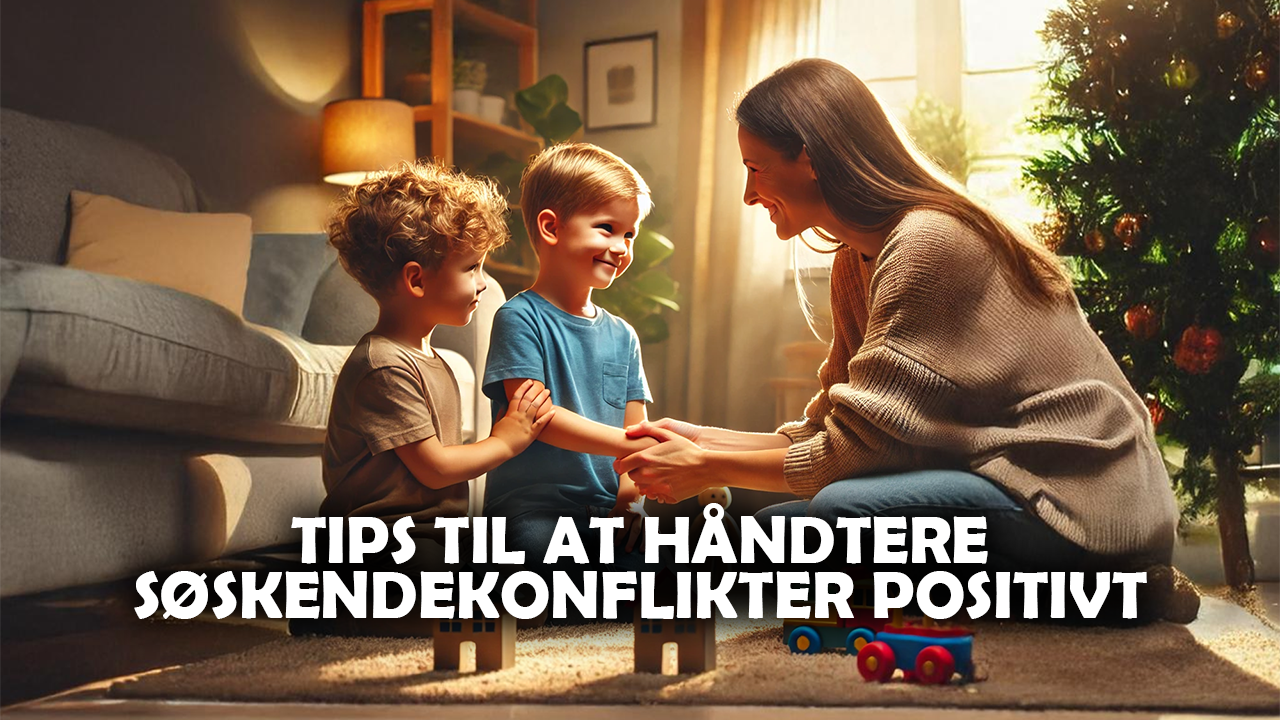
Sibling conflicts are a natural part of family life. When children grow up together, they share attention, space, toys and their parents’ time – and this can inevitably lead to disagreements, jealousy and arguments. For many parents, these conflicts can be both frustrating and exhausting, especially when they happen repeatedly in everyday life. But conflicts between siblings are not necessarily a sign that something is wrong. On the contrary, they can be an important part of children’s social and emotional development.
When siblings clash, they have an opportunity to learn important skills such as communication, setting boundaries, empathy and conflict resolution. However, this requires the adults around them to guide the process calmly and constructively. The aim is not to avoid conflicts altogether, but to create an environment where children learn to handle them in a healthy and respectful way.
Many parents feel unsure about when to step in and when to let their children find solutions themselves. At the same time, it can be difficult to stay calm when conflicts add to an already busy daily routine. This is precisely why it helps to have a few simple tools and an understanding of what sibling conflicts are really about and how they can be turned into something positive.
In this article, we explore how you can handle sibling conflicts in a way that strengthens the relationship between your children rather than making it worse. The focus is on practical approaches, clear communication and a calm adult presence that helps children develop social skills they will benefit from throughout their lives. With the right approach, sibling conflicts can become an opportunity for learning, understanding and stronger bonds – rather than a source of daily frustration.
Understanding Sibling Conflicts
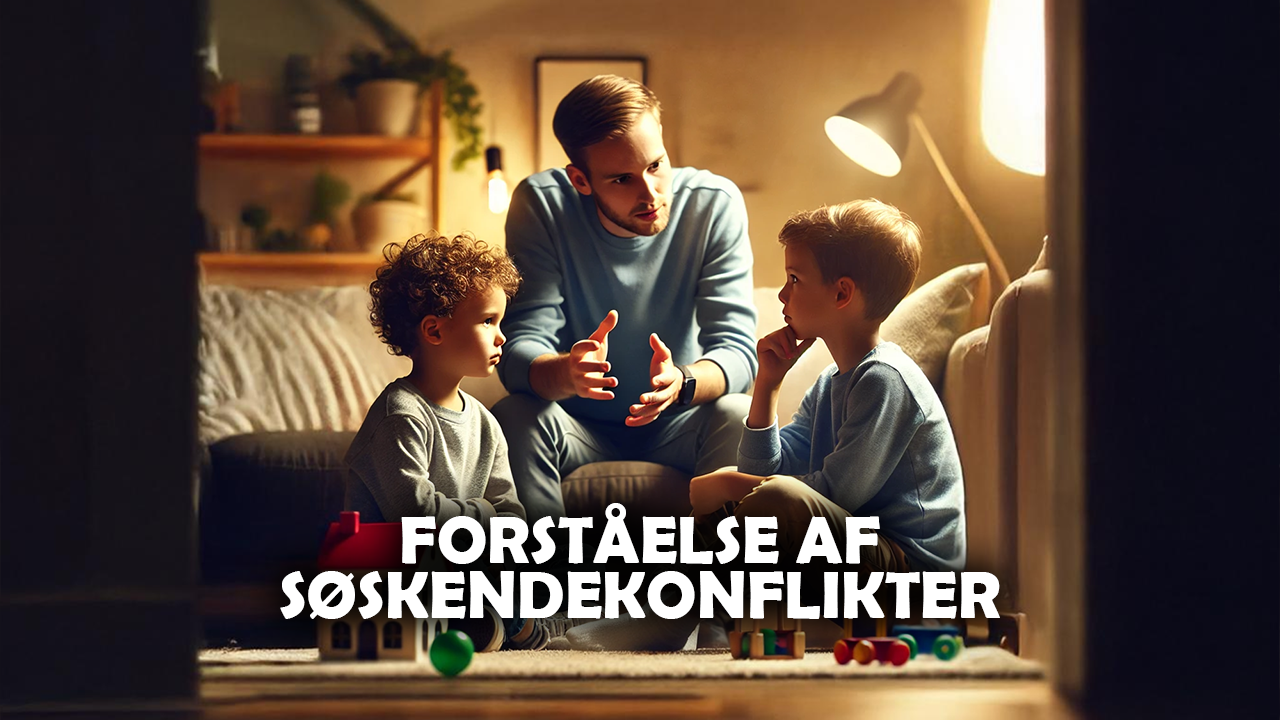
Sibling conflicts are a completely natural part of growing up and can arise for many different reasons – from misunderstandings and jealousy to differences in personality, age and the need for attention. Understanding why conflicts arise is the first step towards handling them positively. Children often use conflicts to test boundaries, express feelings and learn social skills such as negotiation and cooperation.
Rather than viewing disagreements as something negative, they can also be seen as an important part of children’s development. As a parent or adult, it is important to pay attention to what lies behind the conflicts – is it a need for fairness, frustration, tiredness or perhaps something else entirely?
When you approach children’s disagreements with curiosity and understanding, you lay the groundwork for teaching them to resolve conflicts constructively rather than suppressing them. Understanding these underlying causes can help parents approach situations with greater patience and empathy.
Ideas for Gaining a Better Understanding of Sibling Conflicts
🧠 Explore the Feelings Behind Sibling Conflicts
When sibling conflicts arise, they are rarely about the particular toy, the chair at the table or who got the most juice. The conflict often conceals underlying feelings such as a longing for attention, jealousy, frustration, a need for control or tiredness. Take the time to get down to your children’s level and help them put their feelings into words: “Are you angry because you felt left out?” or “Do you need some time alone right now?”
When children feel that their emotions are understood rather than dismissed, the intensity eases, and they learn that feelings can be managed through words rather than actions. Over time, they learn to recognise these feelings themselves – turning sibling conflicts into opportunities for growth rather than disruptions to the atmosphere at home.
👶 Consider Each Child’s Developmental Stage in Sibling Conflicts
Children are at different stages of mental and emotional development – and this affects how sibling conflicts arise and unfold. A two-year-old reacts impulsively and emotionally, while a seven-year-old is learning patience, turn-taking and empathy. Do not expect the same level of maturity from everyone – and help the older child understand that younger siblings are not “doing it to annoy them”, but behaving this way because their brains are still developing.
When you meet children where they are developmentally, you encourage respect, reduce frustration and help them understand each other’s perspectives. This helps prevent conflicts and teaches children that differences in maturity are normal – and that they can support each other rather than becoming enemies.
🧍♂️ Acknowledge Individual Needs in Sibling Conflicts
No two children are alike – which is precisely why sibling conflicts sometimes arise from different personalities and needs, rather than ill will or unfairness. Some children need time alone, while others thrive on constant company.
Some are sensitive, while others are more resilient. When you help children understand and accept each other’s differences – for example, by saying, “Your brother needs some quiet time now, and you need something active to do – let’s find a solution” – they learn that it is okay to be different and that relationships require understanding, rather than everyone being the same. This creates a home where differences are seen as strengths and sibling conflicts become easier to navigate because children learn to give each other space – and to have their own.
💬 Listen Actively During Sibling Conflicts
Instead of immediately judging or resolving the conflict for your children, sit down and listen – really listen. Use questions such as “What happened?”, “What did you want?” and “How could we solve this together?” Active listening teaches children that they are taken seriously and that they do not need to shout, hit or cry to be heard. When you show calmness and interest, children learn to follow your example – reducing the intensity of future sibling conflicts. It also gives them emotional tools: expressing themselves, explaining their perspective and finding fair solutions – skills that last a lifetime.
🧩 Identify Patterns in Sibling Conflicts
Many sibling conflicts follow patterns – for example, around mealtimes, tiredness before bed, screen use, sharing toys or moving from one activity to another. When you become aware of these patterns, you can prevent problems rather than constantly firefighting. Introduce simple routines – healthy snacks before dinner, set screen times, one-to-one time with parents, quiet spaces and clear systems for taking turns. Preparing children and providing structure reduces frustration because they know what is expected. It also teaches them that predictability brings a sense of security – and that many sibling conflicts can be avoided by acting before emotions boil over.
❤️ Create a Sense of Security During Sibling Conflicts
When children feel safe, loved and noticed by you, conflicts become less dramatic and easier to resolve. Acknowledge their feelings, stay calm and avoid becoming the judge – support them in finding solutions rather than deciding who is to blame. Small rituals of care – such as regular hugs, individual time with each child and reassuring words like “I love you both – and we’ll work this out together” – create a foundation that makes even frequent sibling conflicts feel less threatening. In an emotionally secure environment, children learn that conflicts do not mean losing someone’s love – they are part of relationships, which can be repaired through words, understanding and support.
REMEMBER – Sibling conflicts are not failures – they are practice in growing stronger together. When we give children the security and understanding they need to resolve sibling conflicts constructively, they gradually learn to calm the storms in their little hearts with love and care 💛🌱
Create a Positive Environment for Resolving Conflicts Between Siblings
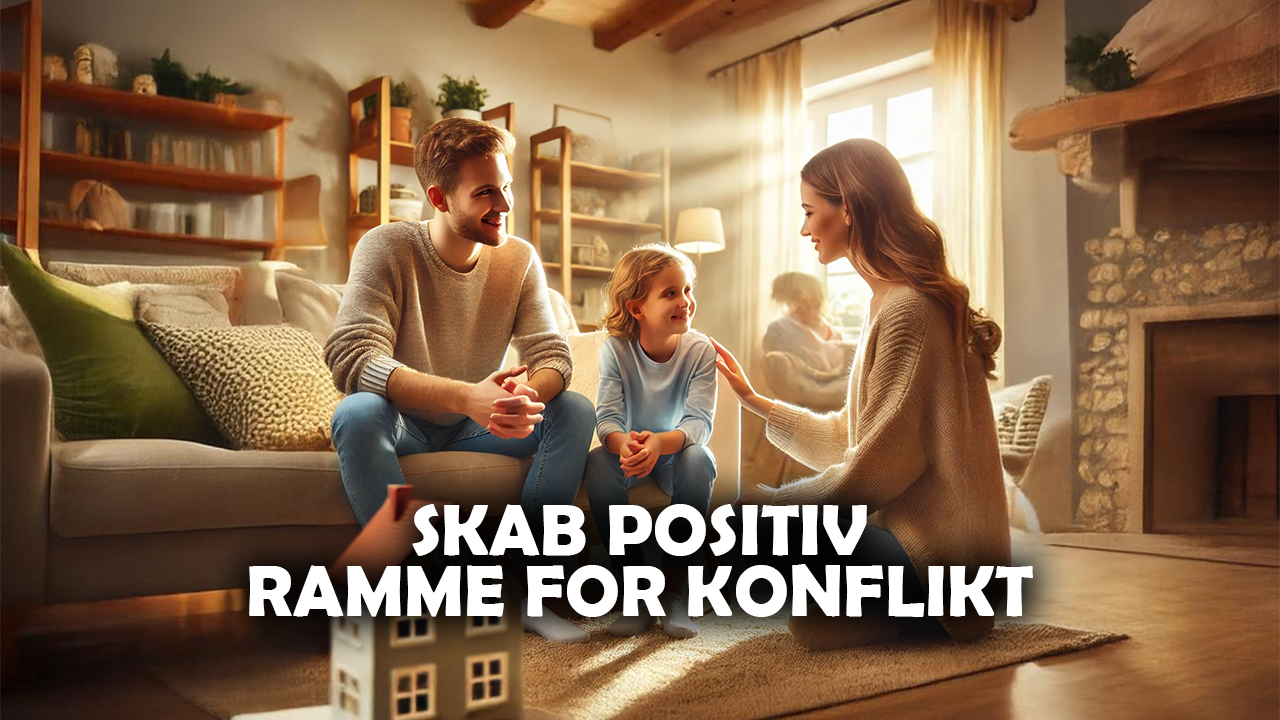
When sibling conflicts arise, it is easy as an adult to slip into “firefighting mode” – stepping in quickly, solving the problem and restoring peace. In reality, however, it is far more valuable to create a positive, safe environment for resolving conflicts and learning from them, where children feel supported without adults taking over.
Instead of focusing on who started it, who is right and who should apologise, you can guide children towards cooperating, understanding each other and finding solutions together. This teaches them empathy, compromise, shared responsibility and self-regulation – all essential skills in both childhood and adult life.
A positive environment begins with calmness, clear expectations and respectful communication. Give both children space to speak without interruption, and help them put their feelings and needs into words. Acknowledge their perspectives and give them tools to find solutions that feel fair and safe for both of them. In this way, home becomes a place where conflicts do not feel threatening, but are seen as natural, manageable moments in which love and togetherness can grow – even when sparks occasionally fly.
Ideas and Tools for Handling Sibling Conflicts Positively
🤲 Create a “Safe Space” for Sibling Conflicts
Make it a family rule that all conflicts are resolved with calm voices and respect – without shouting or physical reactions. Rules such as “We listen to each other” and “We solve problems without fighting” provide a healthy framework for resolving sibling conflicts. It can also help to introduce a “safe space”, meaning that feelings are welcome but are expressed in healthy ways. When children know that sibling conflicts are handled in a calm environment, they feel confident sharing their feelings rather than acting impulsively. You teach them that problems can be handled without fear – and this builds emotional resilience.
👂 Give Everyone Time and a Chance to Speak During Sibling Conflicts
Introduce a “one person speaks at a time” approach. Give each child space to explain what they feel and want, without interruptions. This encourages respect and helps children develop their ability to listen and express themselves. When sibling conflicts are handled this way, children learn that everyone’s voice matters – and that they do not need to shout to be heard. This can reduce the risk of sibling conflicts escalating.
🧘 Create a Sense of Calm Before Resolving Sibling Conflicts
If the children – or you – are very worked up, take a short break to breathe, drink some water or move to another room. When the body settles, the mind follows. This makes it easier to resolve sibling conflicts constructively – and teaches children that breaks are a useful tool, not a punishment.
💞 Focus on Cooperation, Not Blame, in Sibling Conflicts
Instead of asking “Who started it?” or “Who did what?”, help the children work towards a shared solution: “How can we put this right?” Shifting the focus away from blame and towards cooperation changes the whole dynamic of sibling conflicts. Children learn that solutions and understanding matter more than pointing fingers.
✅ Help Children Make Shared Agreements About Sibling Conflicts
Create a few simple, shared rules for talking to each other and solving problems. Let the children help word them so they feel a sense of ownership. Display the agreements somewhere visible. When rules are made together, they become easier to follow, and sibling conflicts become less chaotic because children know what is expected.
🤝 Practise Making-Up Rituals in Sibling Conflicts
Help children bring conflicts to a warm, positive close – for example, with a hug, a high-five, an “I’m okay now” or a “Thank you for listening”. Making-up rituals help sibling conflicts end in a reassuring, loving way – and give children a sense that their relationship is intact and strong again. Children learn a great deal from their parents. Show them how to resolve conflicts calmly and respectfully.
REMEMBER – Children learn how to handle sibling conflicts through constructive guidance, rather than parents acting as judges. When conflicts are handled with love, children grow as individuals – and the bond between them grows stronger.
Resolving Conflicts Between Siblings in Practice
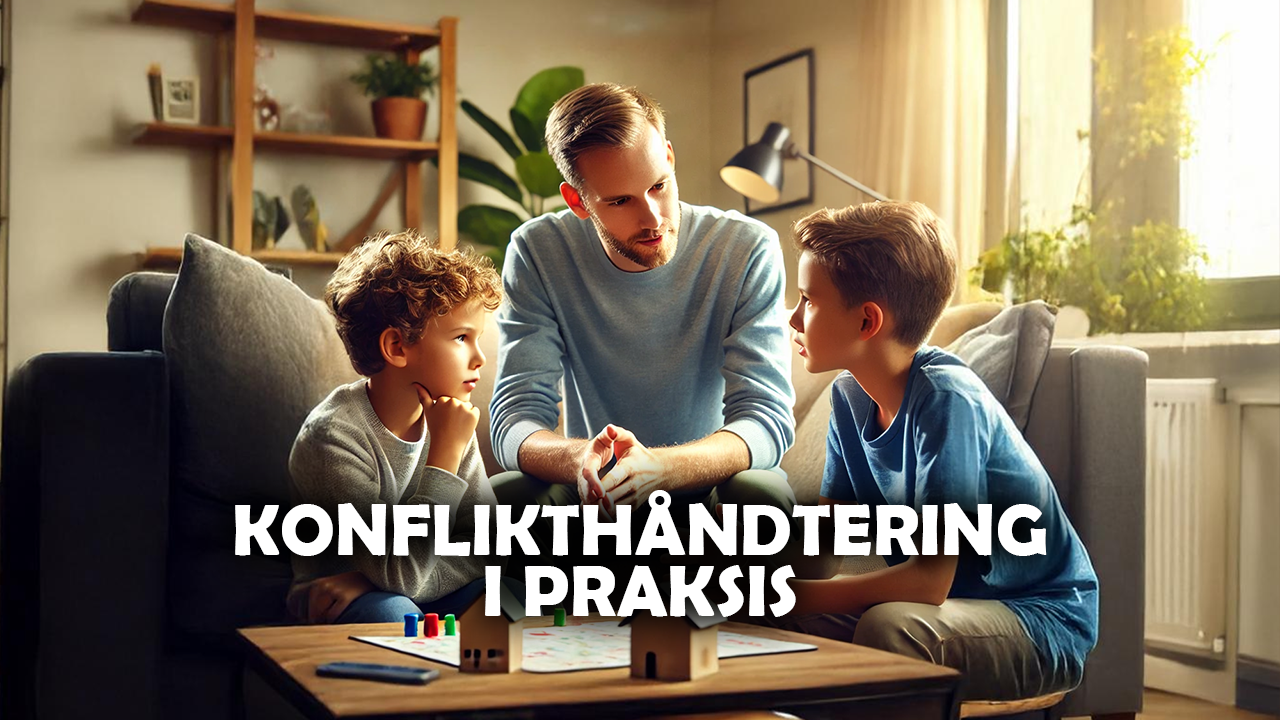
When conflicts between siblings arise, actions matter more than perfect words. Children learn most when we guide them through the process – calmly, clearly and with respect for their feelings and development. Resolving conflicts in practice is not about quickly finding someone to blame or deciding who is right; it is about teaching children how to cooperate, negotiate, repair relationships and understand each other.
This means that, as adults, we need to support rather than control, and encourage children to take responsibility: “How can we resolve this in a positive way?” When we help children practise conflict resolution, we give them a set of tools they can use throughout their lives. Most importantly, we show them that even when emotions run high, the family is a safe place where they can talk, listen and find their way back to each other.
Sibling conflicts do not just become less dramatic – they become opportunities to practise some of life’s most important relationship skills: empathy, communication and cooperation. With every conflict they handle with your support, their confidence in taking the next step independently grows.
Ideas and Practical Methods for Handling Sibling Conflicts
🧊 Cooling-Down Techniques for Handling Sibling Conflicts
When emotions run high, the first step is always to find calm. Help children settle before talking – for example, through deep breathing, a short break, a cosy chair or a “quiet corner”. Explain that the break is a tool, not a punishment. Children learn that even strong feelings can subside – and that finding calm is the first step towards resolving sibling conflicts in a healthy way.
👂 Practise Active Listening During Sibling Conflicts
Active listening is one of the most powerful ways to help children handle sibling conflicts. When a child explains what happened, give them your full attention: eye contact, calm movements and an understanding tone. Briefly reflect their words back to them – “So you felt upset when…” – to help them feel understood. Give both children time to speak and teach them to wait their turn, even when they are eager to explain. Use open questions such as “What did you want to happen?” and “How do you think your brother or sister felt about it?”
This approach teaches children that their feelings and perspectives matter – but so do other people’s. Active listening creates calm and a sense of security, helping to turn sibling conflicts from emotional outbursts into meaningful conversations. Children learn not only to be heard, but also to listen to others – laying the foundation for empathy, cooperation and strong relationships throughout life.
🗣️ Use “I” Statements to Handle Sibling Conflicts
Teach children to express themselves by focusing on their own feelings rather than attacking: “I felt upset when you took the car” instead of “You ruined everything!” Turn practising “I” statements into a game. This teaches children that they can express frustration without hurting others – and helps them handle sibling conflicts with respect and understanding.
🧸 Come Up with Solutions Together During Sibling Conflicts
Instead of deciding who is right, you can help your children find a solution they can both accept. Once the conflict has calmed down, ask: “What can you do to put things right?” Let the children suggest ideas – such as sharing, taking turns, finding alternatives or helping each other. Allowing them to think for themselves teaches them problem-solving skills and a sense of ownership. Sibling conflicts are not simply brought to an end – they are resolved together.
🔄 Introduce Turn-Taking and Set Times for Swapping to Handle Sibling Conflicts
If the conflict involves an object or activity, help the children agree on a fair way to take turns. Use a timer so that each turn feels fair, and praise the children for keeping to the agreement. Over time, they learn that fairness and turn-taking reduce sibling conflicts – and strengthen cooperation.
🎓 Use Sibling Conflicts as Learning Opportunities
Instead of seeing sibling conflicts as something to make disappear as quickly as possible, you can actively use them as small opportunities for learning. Once the children have calmed down, help them reflect: “What did we learn from this?” or “What could we do differently next time?” Talk about feelings, boundaries, word choices and solutions – not just what went wrong. Show them that conflicts are not failures, but natural situations in which they can practise important skills such as empathy, cooperation, compromise and patience.
Give both children space to explain what they found difficult and what they would have preferred instead. Acknowledge their efforts – even when things do not go perfectly. Children develop strong social skills when they experience that the harm caused by conflicts can be repaired, relationships can heal and their efforts matter. In this way, every small disagreement becomes practice for future relationships – and an opportunity to show that love does not disappear just because emotions clash. This teaches children that conflicts do not destroy family bonds – they can strengthen them if we learn from them together.
🤝 Teach Children to Give and Accept Apologies During Sibling Conflicts
An apology is meaningful when it comes from understanding rather than pressure. Help children put into words why they are apologising and what they will do differently next time. This makes the apology sincere and teaches them that relationships are repaired through taking responsibility, not being forced. It encourages healthy ways of handling sibling conflicts and builds greater trust between siblings.
🧭 Offer Parental Support Without Taking Over in Sibling Conflicts
Be present as a guide rather than a judge. Ask questions, provide structure and keep the atmosphere calm – but let the children work through the process themselves. When you show confidence in their ability to resolve sibling conflicts, their courage, skills and relationship grow. You are their safety net – not their courtroom.
REMEMBER – When children learn to resolve sibling conflicts in a safe environment, they also learn to make peace – both with themselves and with each other. When children resolve conflicts together constructively, their bond grows stronger. 💛🤝
Support Your Children Individually in Handling Sibling Conflicts
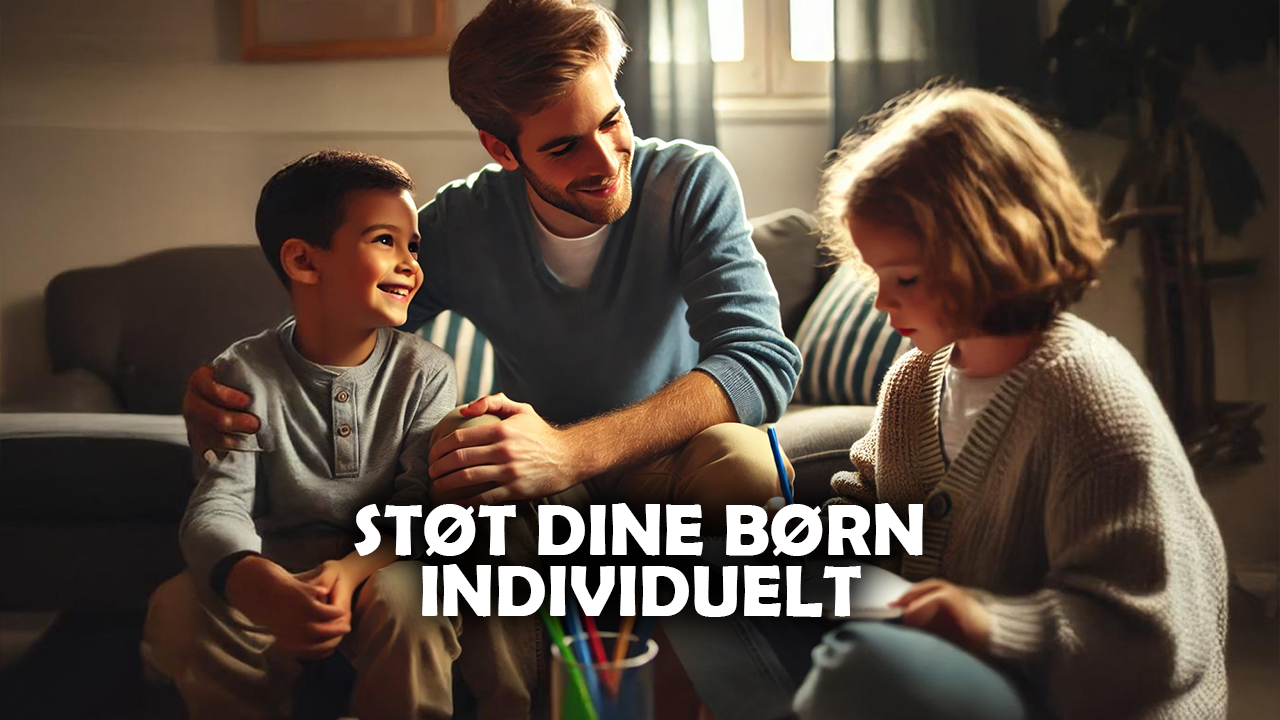
Although siblings share a childhood, home and family, they are still unique individuals with different needs, strengths, feelings and ways of expressing themselves. When you support your children individually in how they handle sibling conflicts, you help them understand themselves and their own patterns of reacting – so they can respond more calmly while developing strong social and emotional intelligence.
Providing individual support does not mean showing favouritism. It means giving each child the support they need. Some children need specific words to describe their feelings. Others need help taking breaks. Some need reassurance and closeness after a conflict, while others need space to withdraw and find calm on their own.
When you recognise and support your child where they are – rather than where you think they “should be” – they feel understood and acknowledged. This makes it easier for them to learn new strategies and feel capable of handling future sibling conflicts. Most importantly, it shows them that they do not have to be perfect – but can be brave, open to learning and secure in their emotional lives.
Ideas for Supporting Each Child Individually During Sibling Conflicts
🧭 Understand Each Child’s Approach to Sibling Conflicts
Some children react loudly and emotionally, while others withdraw. Observe how your child responds to sibling conflicts: do they shout? Cry? Freeze? Go quiet? When you understand their natural pattern of reacting, you can offer the right support – through comfort, guidance or breaks that suit their particular temperament.
💬 Help Your Child Put Feelings into Words During Sibling Conflicts
Help your children identify and regulate their feelings so they can handle conflicts more effectively. Children learn the language of emotions by hearing it. Use simple phrases such as “You felt disappointed when…” or “That made you angry because…”. Helping children put their feelings into words during sibling conflicts gives them tools to express themselves independently in future – rather than acting out of frustration or a sense of unfairness.
🛑 Teach Your Child Personal Strategies for Taking Breaks During Sibling Conflicts
Some children need to step away to find calm. Others need to stay close to you, or perhaps have a hug, before they can talk. Teach your child to say “I need a break” or to use a designated “break-time chair”. When you support their individual needs, it becomes easier for them to manage their own reactions during sibling conflicts – without feeling that there is something wrong with them.
🎯 Acknowledge Your Child’s Effort, Not Just the Outcome, in Sibling Conflicts
Praise your child for small steps forward: “You tried to use words”, “You waited your turn” or “You came and told me instead”. Recognising effort, not just success, helps children feel secure and motivated to handle sibling conflicts with greater maturity next time.
🧒 Give Each Child One-to-One Time to Help Prevent Sibling Conflicts
Spend time alone with each child to strengthen their confidence and sense of self-worth. When children feel recognised as individuals, competition between them decreases. Plan small moments alone with each child – a brief chat, a hug, a walk or a little “just you and me” activity. This sends the message: “You have your own place in my heart.” It reduces jealousy and strengthens children’s emotional balance during sibling conflicts.
🤗 Match Your Support to Your Child’s Personality During Sibling Conflicts
Help your children understand that it is okay to have different interests and needs. Some children respond best to calm, gentle support, while others need humour, movement or practical exercises. Being flexible in your approach shows children that their needs are valid – and that there is no single right way to handle feelings. This teaches them to respect differences – both in themselves and in their siblings.
REMEMBER – When each child feels seen and heard in a loving, constructive way, sibling conflicts decrease – and the bond between siblings grows stronger as they grow. 🌱💛
You can find more tips on helping to strengthen your child’s self-esteem in our article – Practical Tips to Help Strengthen Your Child’s Self-Esteem
Preventing Conflicts Between Siblings
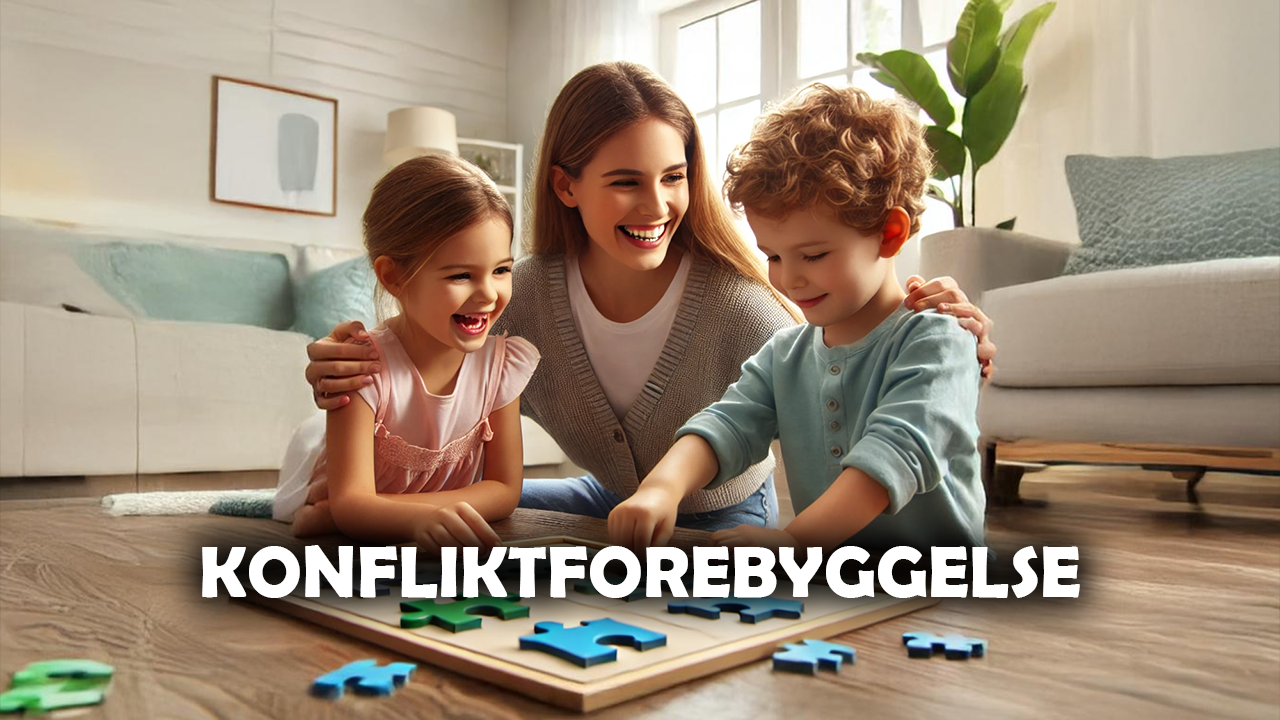
Preventing sibling conflicts is far more effective than constantly firefighting. When we actively work to create harmony, cooperation and understanding between children, sibling conflicts become less frequent, less intense and easier to handle. Preventing sibling conflicts is not about avoiding all disagreements – they are natural and important.
It is about giving children the right environment, expectations and emotional tools so their relationships can flourish rather than break down. This means creating structure, clear routines and space for both shared play and individual needs. It is about teaching children to communicate, share, set boundaries and give each other space – not just when a sibling conflict arises, but also when everything is calm.
By taking a preventive approach, you are investing in a home filled with less shouting and more laughter, fewer tears and more hugs. Most importantly, you are helping your children learn healthy social habits that they will carry into their future relationships.
Ideas and Strategies for Preventing Sibling Conflicts
🏡 Build a Strong Sense of Family Togetherness to Prevent Sibling Conflicts
A strong sense of family togetherness acts as a protective shield against many sibling conflicts. When children experience their family as a team where everyone contributes, is heard and belongs, the need to compete for love and attention decreases. Create small shared rituals – such as family meetings, days when you cook together, “we help each other” projects or traditions where you celebrate each other’s small achievements. Involve children in decisions and use “we” language: “In our family, we support each other,” “We help each other when something is difficult.”
Also arrange activities that emphasise togetherness rather than individual achievement – such as cooperative games, cooking together, shared household tasks and family outings focused on enjoying yourselves rather than results. When children feel part of a loving family unit, the need for rivalry, jealousy and competing for status decreases. A strong sense of family togetherness does more than reduce sibling conflicts – it builds lifelong relationships filled with belonging, security and love.
You can find more inspiration for building a strong sense of family togetherness with your children in our article – Helpful Tips for Giving Your Child a Safe and Happy Upbringing
🌀 Expect Sibling Conflicts as a Natural Part of Growing Up
One of the most effective ways to handle sibling conflicts is to accept that they will happen – and that they are not, in themselves, a sign that something is wrong in the family. When we, as parents, expect siblings to argue, compete and clash over feelings and needs occasionally, we can approach these situations calmly rather than with frustration or guilt. Sibling conflicts are a natural part of children learning to share, set boundaries, cooperate and regulate their emotions – all important life skills.
By treating conflicts as normal, you help children avoid feeling ashamed or afraid of making mistakes or disappointing their parents. Take the opportunity to remind them that all families experience disagreements – and that the most important thing is not to avoid conflicts, but to learn to work through them with respect, words and care. When children understand that conflicts do not mean something is “wrong”, and that it is possible to repair the relationship and move forward together positively, they feel a deeper sense of security in that relationship. This strengthens both their ability to handle future sibling conflicts and their belief that they can cope with difficult situations without losing the love around them.
🏗️ Create Clear Routines to Reduce Sibling Conflicts
Children thrive on predictability. When daily life includes consistent routines for screen time, playtime, bedtime and chores, there are fewer misunderstandings and less competition. A structured environment reduces stress and uncertainty – and, in turn, the frequency of sibling conflicts. Routines bring calm, and calm helps build strong relationships.
🧍♂️ Give Each Child Their Own Space to Avoid Sibling Conflicts
Although siblings share many things, they need time alone and personal space. Create opportunities for individual breaks, separate play spaces or time alone with particular activities. When children know they do not have to compete for space and attention all the time, the urge to start sibling conflicts decreases dramatically.
🤝 Teach Children to Share and Take Turns to Prevent Sibling Conflicts
Use games and activities that allow children to practise taking turns and sharing, even when they are not in the middle of a conflict. Timers, games involving swapping and shared projects are useful tools. When fair play becomes a habit, sibling conflicts become less frequent – because children know what fairness feels like in practice.
💛 Create a Culture of Praise and Positive Feedback Around Sibling Conflicts
Praise children whenever they cooperate, help each other, share or show care. When you highlight positive behaviour, it is more likely to be repeated. Positive reinforcement builds an environment where children feel motivated to act constructively, and sibling conflicts occur less often because children learn that cooperation brings happiness and recognition.
😌 Prioritise Emotional Learning to Prevent Sibling Conflicts
Teach children words for their feelings, calm breathing exercises and how to take “emotional breaks”. When children understand what they are feeling and can regulate their responses, sibling conflicts become shorter and less intense. Emotional strength offers protection against chaos – and a foundation for understanding and empathy.
🎯 Plan One-to-One Time to Reduce Sibling Conflicts
Conflicts often flourish when children feel overlooked. Create small rituals where each child has you to themselves: ten minutes of “Mum or Dad time”, a bedtime ritual, a walk or a short activity. When children feel recognised as individuals, the need to compete for attention decreases – and sibling conflicts decrease accordingly.
🧘 Make Transitions Calm to Avoid Sibling Conflicts
Transitions such as moving from playtime to mealtime or from an activity to bedtime can trigger restlessness. Give gentle advance reminders such as “We’ll tidy up in five minutes” or “After this game, we’ll wash our hands”. When transitions are gentle and predictable, children become more willing to cooperate – and sibling conflicts decrease significantly.
REMEMBER – The more we do to prevent sibling conflicts, the less we need to repair afterwards. When we provide healthy daily habits, structure, care and calm in everyday life, sibling affection grows steadily and strongly, reducing the potential for sibling conflicts 🌿💛
You can find more tips on strengthening communication within your family and thereby reducing the risk of sibling conflicts in our article – Helpful Tips for Strengthening Communication and Connection Within Your Family for a Happier Everyday Life
When Should You Seek Help with Sibling Conflicts?
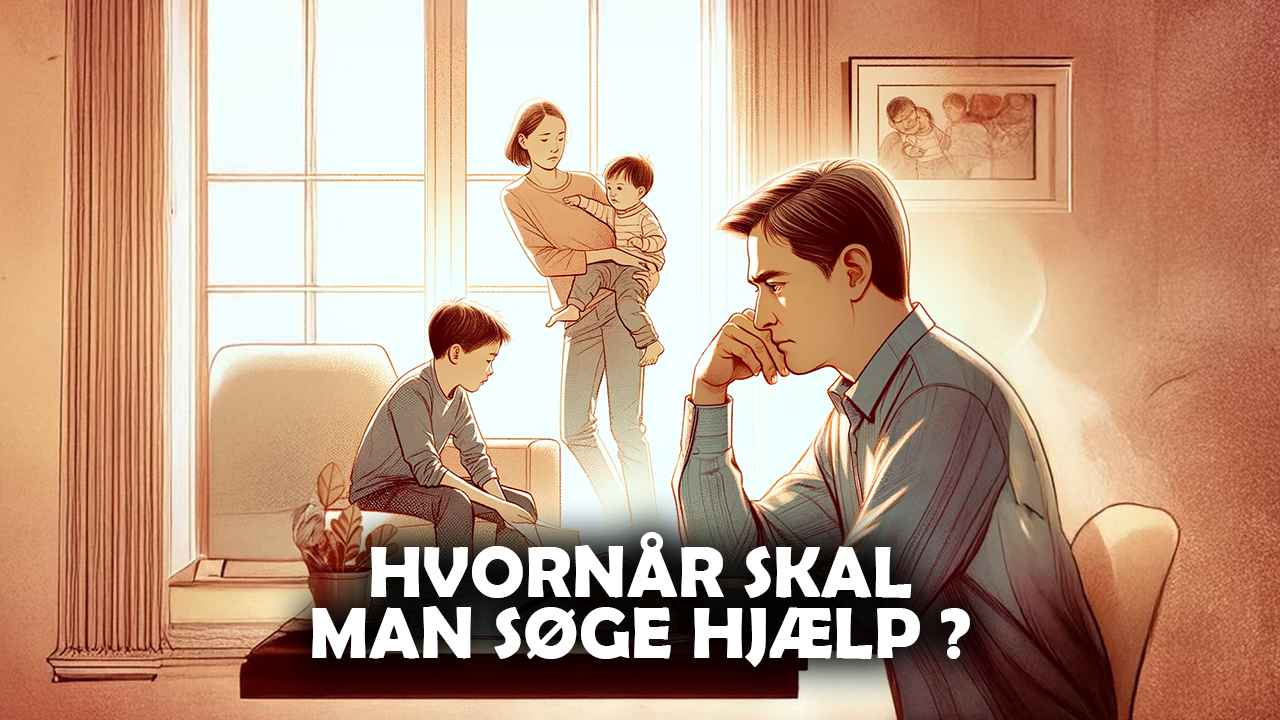
Most sibling conflicts are a natural part of everyday life and can be resolved with patience, understanding and support from adults. However, in some cases, conflicts can develop into a pattern that affects the whole family’s wellbeing. In these situations, seeking professional help may be necessary.
If conflicts are very frequent, intense or violent, and affect the children’s emotional wellbeing, sleep, schooling or social relationships, it is important to take the situation seriously. The same applies if one child is repeatedly subjected to bullying, isolation or emotional manipulation by a sibling.
As a parent, seeking advice can also help if you feel stuck, frustrated or unsure how best to approach the situation. A family counsellor, psychologist or educational consultant can offer practical tools to strengthen relationships and create greater balance within the family.
Seeking help is not a sign of failure – on the contrary, it shows responsibility and care. It can be the first step towards healthier family dynamics, where both children and adults feel better. The most important message is this: you are not alone, and help is available if sibling conflicts begin to feel overwhelming – reaching out early is an act of love.
Ideas and Signs That It Is Time to Seek Help with Sibling Conflicts
🆘 When Sibling Conflicts Become Aggressive and Repeated
If conflicts often involve physical aggression or threats, or if one child is repeatedly dominated, frightened or hurt, it is time to seek support. Aggressive behaviour can be a sign that a child needs help regulating their emotions – and that the family needs guidance to create safety and balance.
😔 When Sibling Conflicts Affect Wellbeing and Self-Esteem
If you notice signs that one of your children is becoming more insecure, sad, angry, quiet or isolated, or is losing enjoyment in activities, take it seriously. Sibling conflicts can deeply affect children’s emotional lives. Professional support can help rebuild security and self-esteem before these patterns become entrenched.
🔄 When Conflicts Become a Pattern with No Way Out
If conflicts feel like a recurring spiral, with the same themes, words and reactions appearing again and again, and nothing changes – even when you try new strategies – an impartial professional can offer practical tools and fresh perspectives to break the pattern and help you move forward.
🧑🤝🧑 When One Child Is Repeatedly Assigned a “Role” in Sibling Conflicts
If you notice that one child is consistently seen as “the strong one”, “the weak one”, “the victim” or “the one to blame”, it is a sign that the dynamics have become fixed. Professional help can support the family in developing new, healthier roles and breaking entrenched patterns of labelling children in sibling conflicts.
🧠 When You Feel Exhausted by Sibling Conflicts as a Parent
If you often feel that you spend all your energy mediating, shouting, keeping the peace or “walking on eggshells”, counselling can give you tools to make everyday life easier. You deserve support – and your children deserve a parent who does not have to face these challenges alone.
🏥 When There Are Additional Needs in the Family
Children with conditions or traits such as ADHD, autism or high sensitivity may face additional challenges in sibling conflicts because they respond differently to emotions and social cues. Specialist support can make a significant difference here – both for the child and for the relationship between siblings.
REMEMBER – Seeking help is not a failure – it is an investment in your family. Asking for help is an expression of love – not only for your children, but also for yourself and your shared future ❤️🌱
Conclusion
Sibling conflicts can be challenging to navigate, but they are also a natural part of family life and a child’s development. The most important thing is not to avoid conflicts – but to use them as opportunities to learn, grow and strengthen relationships. Every time you approach a conflict with calmness, empathy and clear guidance, you teach your children that disagreement does not threaten love, and that differences can be handled with respect and care.
As a parent, you play a key role – not as a judge, but as a source of support, a mirror and a coach. By creating a safe environment, predictability and emotional support, you help your children develop self-control, empathy, patience and cooperation skills.
The effort you put in today – even when it feels difficult – strengthens their relationship for life. A family that learns to resolve conflicts together also learns to stay together when life brings challenges. In this way, sibling conflicts can become a blessing in disguise.
REMEMBER – no family is perfect, and all siblings argue from time to time. But with loving support, patience and reflection, conflicts can become less like storms and more like bridges. You are giving your children not only peace today – but also tools for relationships filled with respect, understanding and love tomorrow.
Mini-Guide – Key Factors in Handling Sibling Conflicts Positively
This mini-guide summarises the article above and offers helpful tips for handling sibling conflicts in a positive way.
🧘 Stay Calm During Sibling Conflicts
Children mirror your energy. When you remain calm, you teach them that even strong feelings can be managed without shouting or stress during sibling conflicts. Instead of reacting immediately, take a deep breath, slow down and show that sibling conflicts are best resolved with a calm mind and a reassuring atmosphere.
👂 Listen Actively to Both Children During Sibling Conflicts
Give each child space to explain what they feel and why during a sibling conflict. Active listening shows them that their voice matters – and helps prevent small disagreements from becoming major sibling conflicts. Ask open questions and help them find words for their feelings.
🗣️ Guide the Conversation, Not the Outcome, in Sibling Conflicts
Instead of finding “the one to blame” in sibling conflicts, support the children in solving the problem together. Guide the conversation, but let them find solutions and reach agreements. When children learn to take responsibility during sibling conflicts, they develop cooperation, empathy and self-confidence.
🪜 See Sibling Conflicts as Steps Towards Learning
Sibling conflicts are not failures – they are opportunities to practise understanding feelings, sharing, giving each other space and apologising. Remind yourself that every sibling conflict is an opportunity for growth. Praise the effort, not just the outcome, and help the children see how they are improving each time.
🛑 Introduce Breaks When Sibling Conflicts Become Heated
Sometimes emotions run too high to continue talking during sibling conflicts. Help the children take a short break and return when their bodies have settled. Teach them that a “break” is not a punishment – but a tool for handling difficult sibling conflicts with respect and care.
🤗 Show Love and Remain Neutral During Sibling Conflicts
Avoid taking sides in sibling conflicts. Instead, support both children and show through words and gestures that you love them equally. When children feel safe and acknowledged – even during conflicts – they learn that the solution lies in understanding rather than fighting. This strengthens both their affection for each other and their belief in themselves.
When sibling conflicts are met with calmness, love and opportunities to learn, children are not driven apart – they grow stronger together 💛✨
If you would like more inspiration for managing life with siblings in the family constructively, watch this video – Sibling Dynamics – How Brothers and Sisters Influence Each Other
If you have experience or knowledge of handling sibling conflicts constructively and positively, we would love to hear your thoughts and suggestions in the comments. Share other helpful ways to resolve sibling conflicts positively and constructively, supporting the happiness and wellbeing of the whole family.