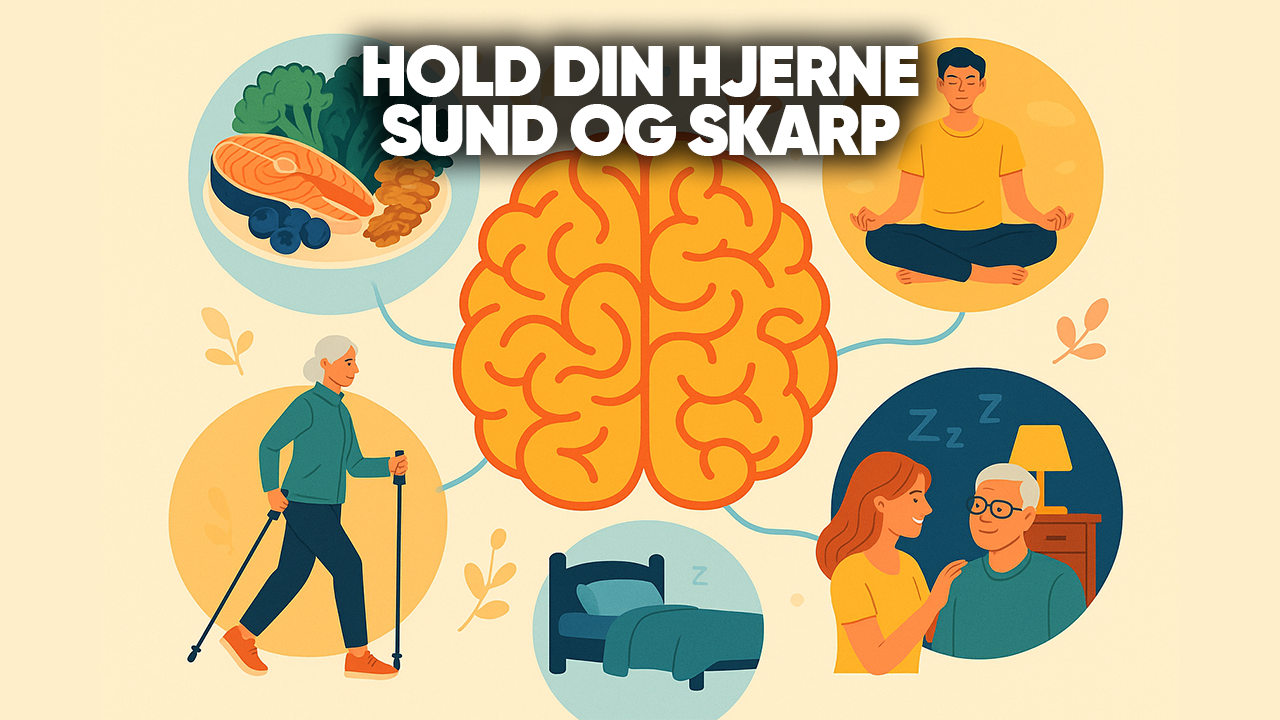
Our brain is the center of everything we do – from the small, automatic actions of everyday life to the major decisions, memories, and emotions that shape our lives. Yet brain health is something many people only begin to think about when their concentration starts to fail, their memory becomes unreliable, or their mental energy is no longer what it used to be. The truth is that having a healthy and sharp brain is not simply a matter of luck or genetics, but is largely the result of the choices we make every single day.
Research increasingly suggests that the brain is far more adaptable than previously believed. It can be strengthened, maintained, and even improved throughout life – regardless of age. This means there is a great deal you can do yourself to support your mental sharpness, memory, and ability to learn if you know which factors play a role. Diet, physical activity, sleep, mental stimulation, social relationships, and stress levels are closely connected and together influence how the brain functions in both the short and long term.
In a busy everyday life, it can be tempting to believe that taking good care of your brain requires advanced exercises, supplements, or drastic lifestyle changes. But experts’ advice often points in a much more practical direction. Small, consistent adjustments to daily routines can make a significant difference to brain health over time. It is about creating the right conditions for the brain so that it receives the nutrition, oxygen, rest, and stimulation it needs.
This article brings together the experts’ best and most well-documented advice on how you can keep your brain healthy and sharp – not only today, but also in the future. The focus is on practical knowledge and easy-to-understand explanations so that you can easily turn the recommendations into action in your own life. Whether your goal is to improve concentration, maintain a good memory, or reduce the risk of age-related cognitive decline, there are good reasons to start now. Brain health is an investment that pays off throughout life.
Why It Is Important to Keep Your Brain Sharp
Many people do not think about brain health until they begin to experience problems. But being proactive is key. The brain is responsible for memory, learning, creativity, and emotional regulation. A healthy brain improves quality of life – you remember better, have more energy, and can deal with everyday challenges more easily. The risk of dementia-related diseases such as Alzheimer’s increases with age. But research shows that lifestyle choices can significantly reduce the risk.
📌 Example
Studies from institutions including Harvard Medical School and Mayo Clinic show that people who follow “brain-healthy” principles have up to a 40% lower risk of developing dementia.
Inspiration List – Why It Is Important to Keep Your Brain Sharp
🧠💪 Think of the brain as a muscle – It needs to be trained and cared for.
🎯📅 Set small goals for your brain health – For example, taking a daily walk or learning one new word each day.
📈⏳ Think of your brain as an investment – What you do today will pay off in 10, 20, or 30 years.
The Biology of the Brain – In Brief
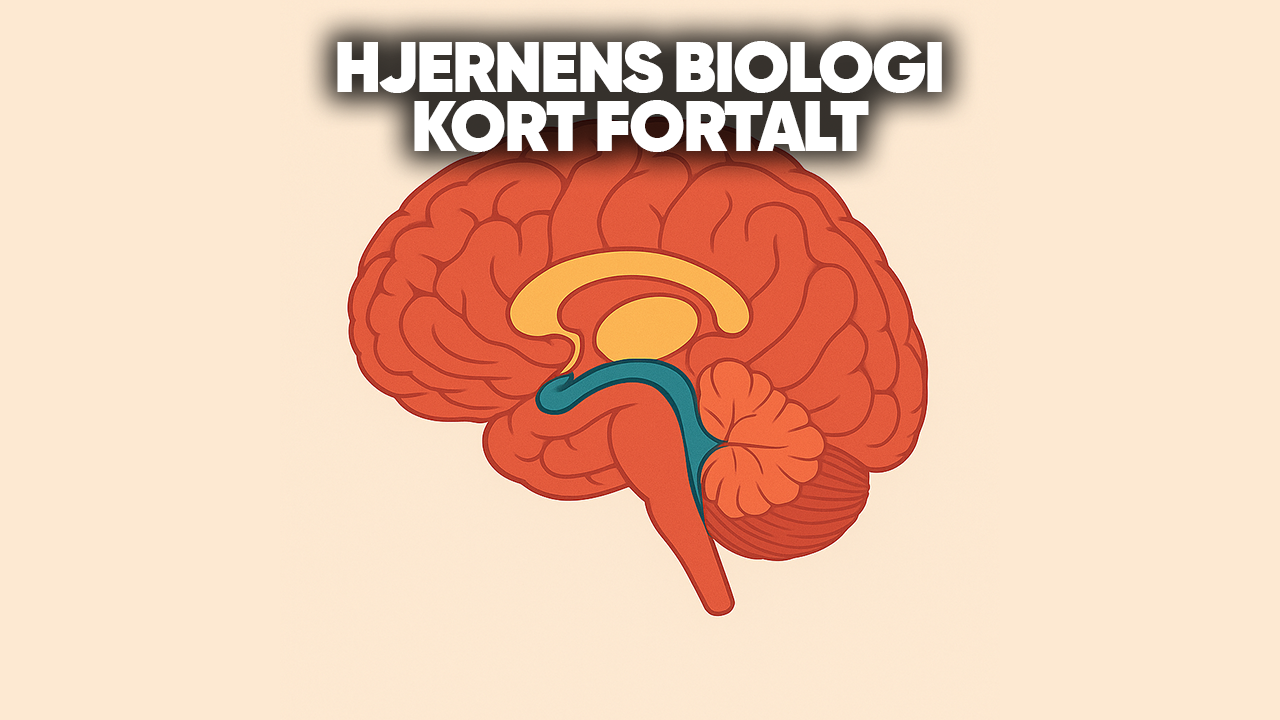
The brain is the body’s most advanced organ and functions as the control center for everything we think, feel, and do. It consists of around 86 billion nerve cells, also known as neurons, which communicate with one another through small electrical signals. When neurons are activated, they create connections called synapses, and the more these connections are used, the stronger they become.
One of the brain’s most fascinating characteristics is its neuroplasticity – the ability to adapt and form new connections throughout life. This means that we can learn new things, change habits, and develop our mental abilities regardless of age. However, brain function is sensitive to lifestyle and surroundings. Factors such as blood flow, oxygen supply, hormones, and neurotransmitters affect its performance. Stress, poor diet, too little sleep, and inactivity can weaken the brain, while a healthy diet, exercise, mental training, and social relationships strengthen it.
IN SHORT –The brain works like a muscle – it becomes stronger when we use it and take care of it.
Checklist – What You Should Be Aware of Regarding Brain Function
✅ Think of the brain as a muscle – It becomes stronger and healthier the more you use it.
✅ Create new connections to continuously strengthen the brain – Learn new things so that fresh neural pathways are formed.
✅ Continuously give your brain fuel – A healthy diet and exercise strengthen blood flow and important neurotransmitters (dopamine, serotonin, acetylcholine, etc.).
✅ Protect your brain and memory – Stress and poor sleep can weaken the hippocampus – the brain’s memory center.
✅ Take advantage of the brain’s plasticity – It is never too late to learn or improve.
📌 Example
A study from University College London showed that older adults who engaged in moderate exercise three times a week experienced a measurable increase in the volume of the hippocampus – in other words, a physical strengthening of the brain.
Foods That Strengthen the Brain
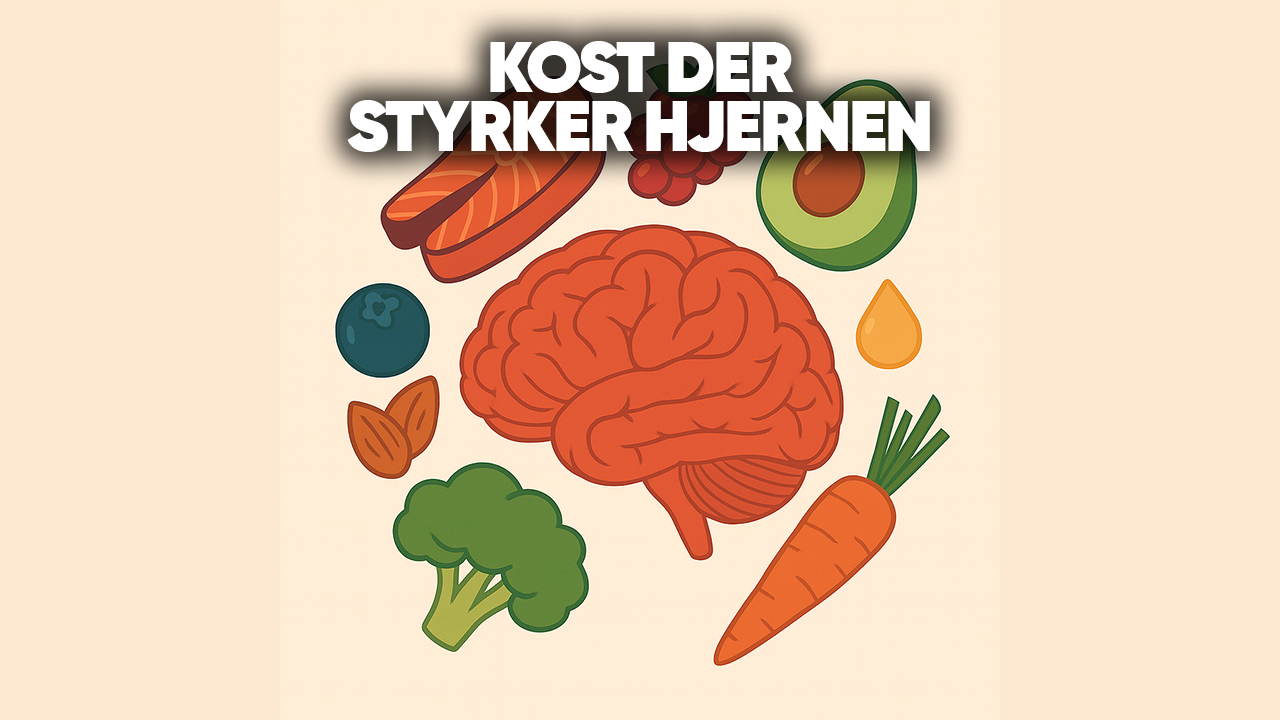
What you eat has a far greater impact on your brain health than many people realize. The brain is an energy-demanding organ that works constantly – even when you are resting. To function optimally, it needs a steady supply of the right nutrients. A brain-healthy diet is therefore not about quick fixes or strict diets, but about giving the brain the best possible conditions day after day through conscious and realistic choices.
Research shows that a diet rich in natural, unprocessed foods can support memory, concentration, and learning ability. Vegetables, whole grains, fish, nuts, and healthy fats are particularly important because they provide vitamins, minerals, antioxidants, and fatty acids that the brain needs. Among other things, these nutrients help protect brain cells from inflammation and oxidative stress – two factors that can weaken mental sharpness over time.
At the same time, it is important to be aware of foods that may put strain on the brain. A high intake of sugar, ultra-processed foods, and unhealthy fats can cause large fluctuations in blood sugar and negatively affect energy, focus, and mood. In the long term, this type of diet may increase the risk of cognitive decline. Brain-healthy nutrition is therefore also about balance and awareness – not prohibition, but sensible priorities.
A diet that strengthens the brain does not have to be complicated or expensive. Small adjustments can make a big difference. This could mean choosing fish a couple of times a week, filling your plate with more colorful vegetables, or replacing refined carbohydrates with whole-grain products. When your diet supports the brain, many people also experience improvements in both energy and mental clarity in everyday life.
In short, food is not only fuel for the body – it is also building material for the brain. By making brain-healthy eating a natural part of your everyday life, you are actively investing in your mental strength, both now and in the long term.
Strengthen Your Brain and Eat Brain-Smart
Experts particularly highlight the Mediterranean diet and the New Nordic diet as very healthy dietary patterns that benefit the brain. They are rich in vegetables, fish, whole grains, and healthy fats.
Strengthen Your Brain With Brain Superfoods
Blueberries strengthen the brain – Full of antioxidants and help protect neurons.
Kale and spinach strengthen the brain – Rich in folate and vitamin K, which support cognitive functions.
Salmon, mackerel, and herring strengthen the brain – Omega-3 fatty acids strengthen the membranes of brain cells.
Walnuts strengthen the brain – Contain alpha-linolenic acid, which acts as one of the brain’s “building blocks.”
Green tea strengthens the brain – Polyphenols may improve memory and concentration.
********************************************************************************************************
You can find more inspiration about superfoods that strengthen your brain in our article – Great Tips on Superfoods – The Best Foods for Your Health
Foods You Should Limit to Protect Your Brain
🍬 Avoid sugar and processed foods, which cause blood sugar fluctuations and inflammation.
🥩 Avoid too much red meat, as it increases the risk of cardiovascular disease, which can also damage the brain.
🍺 Avoid consuming large amounts of alcohol, as it directly damages brain cells. You can find inspiration for maintaining a healthy balance with alcohol for the benefit of a healthy brain in our article – Great Tips for Drinking Less Alcohol – Your Guide to a Healthier Alcohol Balance
Inspiration List – Example of Healthy Brain Food for One Week
Monday – Oatmeal with blueberries and walnuts.
Wednesday – Salmon with spinach salad and whole-grain pasta.
Friday – Kale salad with chickpeas and olive oil.
Sunday – Soup with beans, vegetables, and whole-grain bread.
**********************************************************************************************************************
If you would like additional inspiration for healthy food that can continuously support your brain health, you can read our article – Great Tips for Good, Healthy and Affordable Food
Exercise – Fuel for the Brain

Exercise is not only good for muscles, circulation, and weight – it is also one of the most effective tools we have for keeping the brain healthy, sharp, and resilient throughout life. When the body moves, the brain benefits as well. Blood flow increases, oxygen supply improves, and the brain gains easier access to the nutrients it needs to function optimally.
Physical activity stimulates the production of neurotransmitters and growth factors in the brain that support memory, concentration, and learning. At the same time, exercise helps reduce inflammation and stress hormones that could otherwise place strain on brain cells over time. This means that regular movement not only provides a short-term feeling of well-being, but also plays an important role in long-term cognitive health.
One of the great advantages of exercise is that its benefits do not require extreme performance. Ordinary moderate activity such as brisk walking, cycling, or light exercise can make a noticeable difference when performed regularly. Variety is also beneficial. When you switch between different forms of movement, both the body and brain are challenged in new ways, helping to keep mental connections active and flexible.
Exercise is also closely linked to mood and mental energy. Movement releases endorphins and other neurotransmitters that can improve mood, reduce restlessness, and increase energy in everyday life. Many people find that regular physical activity gives them better focus, clearer thoughts, and greater mental energy – even on days when their overall energy feels low.
In short, exercise works as fuel for the brain. By making movement a natural part of your everyday life, you not only strengthen your body but also actively invest in your mental health, memory, and quality of life – both now and in the future.
Strengthen Your Brain by Trying Forms of Exercise Such As
🏃 Strengthen your brain with aerobic exercise (running, cycling, swimming) – Increases blood flow and oxygen supply for the benefit of your brain.
🏋️ Strength training for the benefit of your brain – Stimulates hormones that help protect the brain.
💃 Strengthen your brain with coordination training (dancing, ball games) – Challenges both the body and brain.
📌 Example
A study from the National Institute on Aging showed that people who walked for 30 minutes every day improved their executive function, including planning and problem-solving, after only six months.
Inspiration List – Exercise for the Brain
🚶 Strengthen your brain by taking a brisk walk in nature.
🚴 Strengthen your brain by cycling to work instead of driving.
💃 Strengthen your brain with dancing – both fun and challenging.
🔄 Strengthen your brain by trying new sports – variety is key.
************************************************************************************************************************************
If you are a beginner and would like to start exercising for the benefit of your brain health, you can find inspiration in our article – Great Tips for Effective Workout Routines for Beginners
Sleep – The Overlooked Key to Brain Health

Sleep is one of the most underestimated factors when it comes to brain health. While we sleep, the brain works intensively to repair, organize, and strengthen the connections we have used during the day. Memory and learning are consolidated during sleep, which means that new knowledge and experiences are stored more effectively.
Research has also shown that during sleep, the brain activates the so-called glymphatic system, which works as a kind of “cleaning system.” It removes waste products and accumulated proteins that, in the worst cases, may increase the risk of Alzheimer’s and other forms of dementia. Chronic sleep deprivation can therefore have serious consequences: poor concentration, increased stress, weakened immune function, and impaired memory.
Experts recommend that adults prioritize 7–9 hours of quality sleep each night. It is not only the amount of sleep that matters, but also its quality. A consistent sleep schedule, calming evening habits, and a good sleeping environment are essential for giving the brain the best possible conditions.
Inspiration List – How to Sleep Better and Support Your Brain Health
✅ Go to bed and wake up at the same time every day – including weekends – for the benefit of your brain health.
✅ Create a dark, cool, and quiet bedroom for the benefit of your brain health.
✅ Turn off screens and avoid blue light at least one hour before bedtime for the benefit of your brain health.
✅ Avoid caffeine and alcohol late in the day for the benefit of your brain health.
✅ Create a calming evening routine for the benefit of your brain health – for example, light reading, stretching exercises, or meditation.
********************************************************************************************************************
You can find additional inspiration for developing a good sleep routine that benefits your brain health in our article – Great Tips for a Better and More Stable Sleep Routine – Sleep Well Every Night!
Mental Stimulation – Train Your Brain

Just as the body becomes stronger through exercise, the brain also needs training to remain healthy and function well. When we challenge ourselves mentally, the brain forms new connections between neurons, and existing networks are strengthened. This is called neuroplasticity, and it means that we can develop and maintain cognitive abilities throughout life – regardless of age.
Training your brain does not have to be difficult. It is about seeking new challenges and pushing yourself slightly outside your comfort zone. This can include anything from learning a new language or musical instrument to solving logic problems or exploring new subjects in depth. Variety is important – the more broadly you challenge your brain, the more flexible and sharp it becomes.
Research shows that people who regularly engage in mentally stimulating activities have a lower risk of cognitive decline and dementia. Keeping the brain active is therefore not only a source of entertainment and personal development – it is also an investment in your future mental health.
Inspiration List – Train Your Brain in Everyday Life to Keep It Healthy and Functioning Well
✅ Learn a new language or take an online course to continuously keep your brain healthy and functioning well.
✅ Play strategy games such as chess, card games, or Sudoku to continuously keep your brain healthy and functioning well.
✅ Read books about subjects you would not normally explore, and vary what you read – nonfiction, fiction, and articles – to continuously keep your brain healthy and functioning well.
✅ Practice a musical instrument or start singing to continuously keep your brain healthy and functioning well.
✅ Challenge your memory to continuously keep your brain healthy and functioning well – memorize phone numbers, rhymes, or short speeches.
✅ Combine mental and social stimulation to continuously keep your brain healthy and functioning well – for example, quizzes, journaling, or playing board games with friends.
📌 Example
Research from the Mayo Clinic shows that people who regularly participated in mental activities such as reading and games had a 30% lower risk of cognitive impairment.
Social Relationships – The Brain’s Social Fuel

Humans are social beings, and the brain thrives best within communities. When we spend time with other people, areas of the brain connected to language, memory, and emotions are stimulated. Social relationships work as a kind of “fuel” that keeps the brain active, flexible, and balanced. Research shows that people with strong social networks have a lower risk of developing depression, dementia, and cognitive decline. Conversations, laughter, and shared experiences release neurotransmitters such as dopamine and oxytocin, the brain’s “feel-good hormones,” which strengthen both mood and mental health.
Conversely, loneliness can have a directly negative effect on the brain. Studies suggest that loneliness can be as harmful to health as smoking or physical inactivity. Therefore, it is important to maintain relationships – both close relationships and more casual ones – and to be willing to seek out new communities. Social relationships are therefore not simply a source of happiness, but a key factor in keeping the brain healthy and sharp throughout life.
Inspiration List – How to Strengthen Your Social Bonds and Keep Your Brain Healthy and Sharp
✅ Call a friend or family member you have not spoken to in a long time. Stay in touch with old friends to keep your brain healthy and sharp.
✅ Join a sports club, association, volunteer activity, or community to keep your brain healthy and sharp.
✅ Combine physical activity with social interaction to keep your brain healthy and sharp – for example, walks or group exercise.
✅ Invite friends or neighbors to take part in a shared activity to keep your brain healthy and sharp, such as cooking or board games.
✅ Be open to meeting new people to keep your brain healthy and sharp – a smile or short conversation can be the first step.
✅ Use technology positively to keep your brain healthy and sharp – stay in touch through video calls if distance is a barrier.
********************************************************************************************************
Find inspiration for how you can reconnect with old friends so that you can maintain your social network, which can help keep your brain healthy and sharp, in our article – Great Tips on How to Reconnect With Old Friends
*********************************************************************************************************
You can also find inspiration for expanding your social network as an adult, for the benefit of your brain health, in our article – Great Tips on How to Expand Your Circle of Friends as an Adult
Stress Management and Mental Balance for the Brain

Stress is a natural reaction that can help us perform better in demanding situations. But when stress becomes long-lasting, it can have serious consequences for the brain. The stress hormone released during prolonged strain – cortisol – particularly affects the hippocampus, which is the brain’s memory center. Too much cortisol over time can weaken memory, concentration, and the ability to learn new things.
Therefore, it is essential to find ways to create mental balance in everyday life. It is not about avoiding stress completely, but about giving the brain breaks and tools that allow it to regain balance. Mindfulness, meditation, and breathing exercises have documented effects on reducing stress levels. The same applies to regular exercise. Some of the natural rhythms found in nature are also very beneficial to our mental health, including our cognition, and have a calming effect on the nervous system.
Being in nature also provides the additional benefit of getting light into our eyes. Light is also good for our thinking and helps recharge our mental batteries. It works somewhat like a charging station. Prioritizing calm, presence, and breaks in everyday life is not a waste of time – on the contrary, it is an investment in a healthier, more focused, and sharper brain, both now and in the long term.
Inspiration List – How to Strengthen the Brain’s Mental Balance
✅ Try 10 minutes of mindfulness or meditation every day, which can reduce stress hormones for the benefit of your brain health. You can find inspiration for mindfulness and meditation in our article – Great Tips for Strengthening Yourself Mentally Through Mindfulness and Meditation
✅ Chronic stress inhibits the hippocampus – the brain’s memory center – and therefore harms memory. So when you feel pressured, do a short breathing exercise to support your brain’s mental balance.
✅ Take a walk in nature without your phone and give your brain a break. Nature has a documented calming effect and strengthens mental clarity for the benefit of your brain health.
✅ Introduce small breaks during the working day for the benefit of your brain health. Yoga and breathing exercises can provide calm and focus. You can find inspiration for some simple mindfulness exercises that you can easily implement in your daily life in our article – Great Tips on Mindfulness for Busy People – Simple Exercises for Everyday Life
✅ Practice being present to support your brain’s mental balance – eat, walk, or talk without multitasking.
✅ Write in a journal or create a gratitude list to create a positive focus and support your brain’s mental balance.
******************************************************************************************************
Find additional inspiration for creating your own healthy mental habits for the benefit of your brain health in our article – Great Tips on How to Create Your Own Healthy Mental Habits
Avoid Harmful Habits for the Brain

Just as good habits can strengthen and protect the brain, bad habits can have the opposite effect. The brain is sensitive to our lifestyle, and harmful patterns can weaken memory, concentration, and overall mental health in the long term. Smoking is one of the most harmful habits for the brain. Tobacco smoke reduces blood flow to the brain, which increases the risk of blood clots and cognitive decline.
Consuming large amounts of alcohol also directly damages brain cells and can eventually cause lasting damage to memory and reaction time. Too much sedentary behavior is another hidden enemy of the brain. A lack of physical activity reduces blood flow and oxygen supply to the brain, making it more vulnerable over time and increasing the risk of both cardiovascular disease and dementia.
In addition, unhealthy eating habits, high levels of stress, and excessive screen time can contribute to poorer sleep and reduced cognitive performance. Avoiding harmful habits is therefore not only about living longer, but also about maintaining a brain that stays sharp, flexible, and well-functioning throughout life.
Inspiration List – Replace Harmful Habits With Healthy Habits for the Benefit of Your Brain Health
✅ Replace cigarettes with healthy stress-relieving habits such as exercise or deep breathing for the benefit of your brain health. You can find inspiration for quitting smoking in our article – Great Tips for Quitting Smoking – Your Guide to a Smoke-Free Life
✅ Limit alcohol consumption to moderate amounts or choose alcohol-free alternatives for the benefit of your brain health. Find inspiration for creating a natural balance with alcohol in our article – Great Tips for Drinking Less Alcohol – Your Guide to a Healthier Alcohol Balance
✅ Take breaks from sedentary work for the benefit of your brain health – stand up, stretch, or take a short walk.
✅ Reduce sugar and processed foods and choose whole grains, vegetables, and fish instead for the benefit of your brain health. Find inspiration for healthy everyday ingredients in our article – Great Tips on the Best Budget-Friendly Ingredients and How to Use Them in Everyday Life
✅ Introduce screen-free periods – especially in the evening – to improve sleep quality and your brain health.
✅ Use social activities and hobbies as healthy alternatives to bad habits for the benefit of your brain health. Find inspiration for finding hobby communities in our article – Great Tips on How to Find Hobby Communities Without Spending a Lot of Money
Health Checks – Know Your Numbers for the Ongoing Health of Your Brain

Your brain health is closely connected to the condition of your body. Many diseases that first appear in the body can eventually have a major impact on brain function. High blood pressure, high cholesterol, and diabetes are examples of conditions that increase the risk of blood clots, poor blood circulation, and therefore cognitive decline.
That is why it is important to know your health numbers and take action in time. A regular health check with your doctor can reveal hidden risk factors that you may not be aware of yourself. When problems are detected early, it is much easier to prevent serious consequences – including consequences for the brain.
At the same time, you can monitor your weight, waist measurement, and blood pressure at home, as these are connected to metabolic health and therefore also brain health. Small adjustments to diet, exercise, and lifestyle can often make a major difference. Knowing your numbers is not only about avoiding disease, but about giving your brain the best possible conditions to remain healthy and sharp for many years to come.
Here Is a Short Overview of the Most Useful Values for Maintaining a Healthy and Sharp Brain:
🔹 Blood Pressure:
🩺 Normal value: around 120/80 mmHg.
🧠 High blood pressure increases the risk of blood clots and damage to the brain’s blood vessels.
🔹 Cholesterol Levels:
🧪 Total cholesterol: preferably below 5 mmol/L
📉 LDL (“the bad”): below 3 mmol/L
📈 HDL (“the good”): above 1 mmol/L
🧠 Healthy cholesterol levels protect the blood vessels and therefore the brain.
🔹 Blood Sugar:
🧪 Fasting blood sugar: 4–6 mmol/L
⚠️ Values above this may be a sign of insulin resistance or diabetes, which damages blood vessels and nerves – including those in the brain.
🔹 Waist Measurement:
📏 Men – preferably below 94 cm.
📐 Women – preferably below 80 cm.
❤️🩹 Excess abdominal fat is closely associated with an increased risk of heart disease, stroke, and cognitive decline.
Inspiration List – Know Your Numbers and Protect Your Brain
✅ Protect your brain and have your blood pressure and cholesterol checked regularly by your doctor.
✅ Protect your brain and have your blood sugar measured to detect or prevent diabetes.
✅ Protect your brain and use a simple blood pressure monitor at home for regular checks.
✅ Protect your brain and keep an eye on your weight and especially your waist measurement – it is an important indicator of health.
✅ Protect your brain and ask your doctor for advice on how your numbers can be improved through lifestyle changes.
✅ Protect your brain and combine health checks with an annual “review” of your sleep, diet, and exercise habits.
Experts’ Advice on Brain Health – Summarized
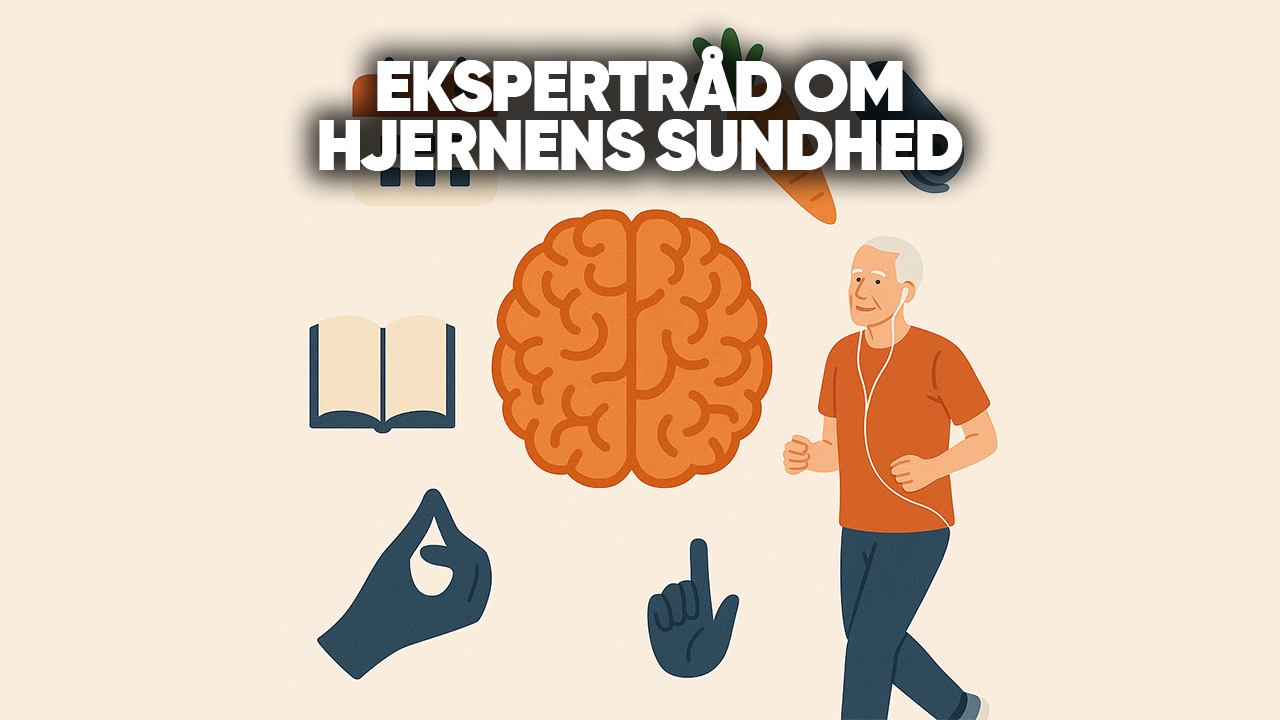
When it comes to brain health, there is no single solution, but rather an interaction between many small factors that together make a major difference. Experts emphasize that it is not about living perfectly, but about creating sustainable habits that can last a lifetime.
It is the combination of a healthy diet, regular exercise, sufficient sleep, mental stimulation, and social relationships that gives the brain the best possible conditions. At the same time, it is important to minimize stress, avoid harmful habits, and know your health numbers so that you can take action in time if risk factors arise.
The brain is plastic and can continue developing throughout life. This means that it is never too late to make good choices – and even small changes can have a major effect over time. The experts’ advice can be seen as a toolbox from which you can choose the measures that best fit your life. The most important thing is to begin and make an effort – starting today.
Inspiration List – The Experts’ Most Important Brain Tips for a Healthy and Sharp Brain
✅ Eat a varied and brain-smart diet – For example, the Mediterranean diet or Nordic diet.
✅ Move regularly for a healthy and sharp brain – Walking, cycling, or strength training keeps the brain active.
✅ Prioritize sleep for a healthy and sharp brain – Sleep well and preferably get 7–9 hours each night, which is optimal for memory and focus.
✅ Train your brain and continuously keep it healthy and sharp – Learn new things, solve problems, and stay mentally active.
✅ Maintain social relationships for a healthy and sharp brain – Social interaction is the brain’s social fuel.
✅ Create mental balance for a healthy and sharp brain – Mindfulness, breaks, and time in nature reduce stress.
✅ Avoid harmful habits for a healthy and sharp brain – Stop smoking, limit excessive alcohol consumption, and avoid a sedentary lifestyle.
✅ Know your health numbers for a healthy and sharp brain – Check your blood pressure, cholesterol, and blood sugar regularly.
Conclusion – Your Future Brain Is Your Responsibility
Your brain is a gift – but also a responsibility. It is plastic, which means that you can shape and strengthen it throughout your life. The choices you make in your everyday life have a direct impact on how sharp and healthy your brain will be in 10, 20, and 30 years. It is never too late to start – but it is never too early either. Small steps taken every day become big results. You can start today with something as simple as taking a walk, eating a handful of walnuts, or calling an old friend.
************************************************
REMEMBER – A healthy brain is the key to a long, active, and joyful life.
Mini Guide on How to Keep Your Brain Healthy and Sharp in Everyday Life
Keeping your brain healthy and sharp is not about quick fixes, but about creating strong and sustainable habits that support brain function day after day. The brain is constantly influenced by how you eat, move, sleep, think, and live. Brain health is therefore a holistic concept in which small, smart choices can have a major effect over time.
This mini guide is a summary of the article above and gives you an overall overview of the most important areas you should focus on if you want to strengthen your mental sharpness and protect your brain – both now and in the longer term.
🧠 Give Your Brain the Right Nutrition Through Your Diet to Continuously Keep It Healthy and Sharp
The brain is an energy-demanding organ and needs stable building blocks to function optimally. A diet rich in vegetables, whole grains, fish, nuts, and healthy fats supports the brain’s cells and neurotransmitters. When the brain receives the right nutrition, concentration, memory, and mental endurance all improve. At the same time, it is important to limit sugar and processed foods, as they can disrupt the brain’s energy supply and place strain on mental balance.
🚶 Strengthen the Brain With Regular Movement
Physical activity is one of the most effective ways to keep the brain healthy. When the body moves, blood flow to the brain increases, providing a better supply of oxygen and nutrients. Exercise also stimulates the formation of new connections in the brain and strengthens areas that are important for memory and learning. It does not have to involve intense exercise – daily walks, cycling, or light strength training are enough to benefit brain health.
💤 Protect and Strengthen the Brain by Prioritizing Good Sleep
Sleep is essential for the brain’s ability to recover and process the day’s experiences. During sleep, the brain clears away waste products and consolidates memories and learning. Too little or poor-quality sleep can make the brain more vulnerable and negatively affect both focus and memory. By creating consistent sleep routines and giving the brain peace and quiet at night, you strengthen its ability to function clearly and efficiently in everyday life.
🧘 Create Calm for the Brain and Support Its Health by Reducing Stress
Long-term stress places strain on the brain and can gradually weaken concentration, memory, and mental energy. The brain needs breaks to function optimally. Relaxation, breathing exercises, time in nature, and intentional breaks in everyday life help the brain regain balance. When stress levels decrease, the brain has better conditions for working with focus and creativity.
🧩 Keep the Brain Active and Healthy Through Mental Training
The brain thrives on challenges. When you learn new things, solve problems, or use your brain in new ways, you strengthen neural connections and increase the brain’s flexibility. Reading, games, new skills, or creative activities are all ways to keep the brain active. An active brain is more resilient and better equipped to handle changes throughout life.
🤝 Strengthen the Brain Through Social Relationships
Social interaction is an often overlooked but very important factor in brain health. Conversations, community, and relationships stimulate the brain and keep mental functions active. Social activities can also reduce stress and improve mood, giving the brain better conditions in which to function. A brain that is used in interaction with other people stays sharp for longer.
🎯 Give Your Brain Structure and Ongoing Health With Small, Healthy Habits
The brain loves predictability and clear frameworks. Small daily habits such as consistent routines, realistic goals, and structure in everyday life reduce mental noise and free up energy. When the brain does not constantly have to deal with chaos and decision fatigue, it has more capacity for focus, creativity, and being present.
******************************************
Keeping your brain healthy and sharp is an investment in quality of life. When you take care of your brain through diet, movement, sleep, mental training, and social relationships, you give yourself the best possible foundation for a clear mind, better memory, and a strong mental foundation – throughout life.
******************************************************************************
If you need additional inspiration on how to keep your brain fresh and healthy, you can watch this video – Health Advice – Keep Your Brain Fresh
---------------------
If you have experience and/or knowledge about continuously keeping the brain healthy and sharp, we would be happy to hear your input and/or suggestions in the comments section about other things that can be done to continuously keep the brain healthy and sharp, thereby increasing the chances of enjoying old age with a healthy and clear outlook on everyday life.