
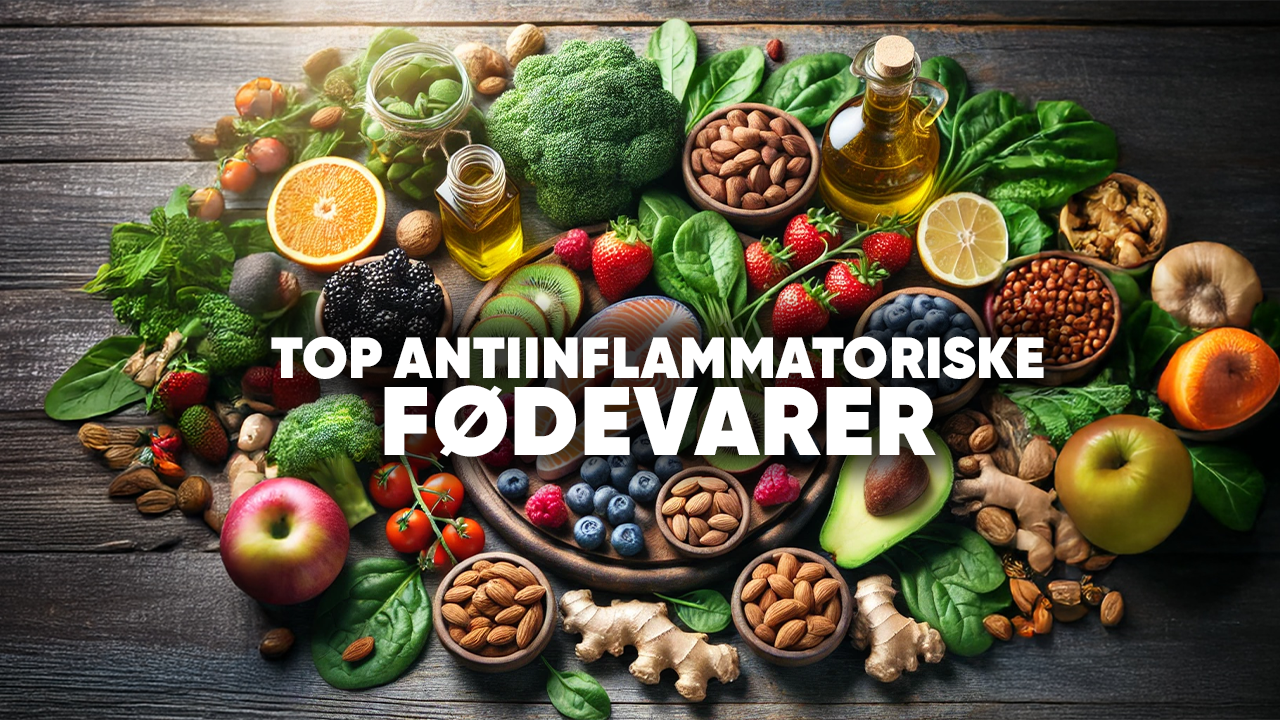
Inflammation is a natural and necessary part of the body’s defense system. When you injure yourself, become ill, or are exposed to stress, the body responds with an inflammatory reaction that helps protect and repair tissue. The problem arises when inflammation becomes chronic and continues to simmer in the body over a longer period of time. This type of low-grade inflammation is now associated with a wide range of lifestyle-related diseases such as cardiovascular disease, type 2 diabetes, joint pain, digestive problems, and reduced energy in everyday life.
Fortunately, diet plays a crucial role in how the body handles inflammation. The foods you choose every day can either increase inflammatory processes or help reduce them. Anti-inflammatory foods are rich in natural plant compounds, healthy fatty acids, vitamins, and minerals that support the body’s balance and contribute to a healthier life in both the short and long term.
However, in a busy everyday life, it can be difficult to figure out which foods truly benefit the body and how to easily incorporate them into your diet. Many people associate healthy food with strict rules, expensive specialty products, or time-consuming cooking. But an anti-inflammatory diet is really about making a number of simple and realistic choices that can fit into most everyday routines – regardless of budget, cooking experience, or family size.
This article guides you through the best anti-inflammatory foods and explains why these particular ingredients can make a positive difference to your well-being. You will learn how food affects the body and how small adjustments to your daily habits can help create more energy, better digestion, and greater balance in the body. The goal is not perfection, but progress – step by step toward a healthier life where food works with your body rather than against it.
Whether you want to prevent illness, reduce inflammation, support your general health, or simply find inspiration for more nutritious meals, anti-inflammatory foods are a strong and natural place to start. Small changes can make a big difference – especially when repeated day after day.
What Is Inflammation, And Why Is It Important To Fight It?

Inflammation is the body’s natural defense mechanism against injury, infection, or irritation. For example, when you get a wound, an infection, or sprain an ankle, the body starts an inflammatory process to protect and heal the tissue. It is a completely normal and necessary reaction that helps the body fight harmful influences.
The problem arises when inflammation becomes chronic – meaning that it continues over a longer period of time, even without an obvious cause. Chronic inflammation is associated with a range of lifestyle-related diseases such as cardiovascular disease, type 2 diabetes, arthritis, Alzheimer’s, and obesity. The constant strain can weaken the immune system, damage the body’s cells, and lead to fatigue, pain, and reduced quality of life.
One of the most effective ways to reduce chronic inflammation is through diet, and by eating anti-inflammatory foods and living a healthy lifestyle, you can help the body reduce unnecessary inflammation, improve your health, and reduce the risk of chronic diseases.
Inspiration List – Great Tips For Understanding Inflammation From A Broader Perspective
🧠 Inflammation As The Body’s Natural Defense Mechanism
Inflammation is not the enemy in itself – on the contrary, it is an essential part of the body’s immune response. When bacteria, viruses, or injuries occur, a controlled inflammatory process is activated that sends white blood cells and signaling substances to the affected area. This type of short-term inflammation is crucial for healing and rebuilding. The problem only arises when the body remains in a state of alert even when there is no longer a real threat.
⚠️ When Inflammation Becomes Chronic And Creates Imbalance
Chronic inflammation is often low-grade and difficult to detect, but it constantly puts strain on the body. Instead of being a targeted response, inflammation becomes a persistent condition that wears down tissues, organs, and the immune system. Over time, this imbalance can affect metabolism, blood sugar regulation, hormone balance, and recovery. Many people experience vague symptoms such as fatigue, stiffness, and reduced energy without directly connecting them to inflammation.
🥗 The Role Of Diet In Reducing Inflammatory Processes
What you eat has a direct influence on the body’s level of inflammation. Foods rich in refined sugar, trans fats, and highly processed ingredients can increase inflammation, while vegetables, berries, whole grains, healthy fats, and spices can help reduce it. By choosing foods that support the body’s natural balance, you give your immune system better conditions for regulating inflammation effectively.
🌿 Lifestyle And Inflammation Are Closely Connected
Inflammation is influenced not only by diet, but also by sleep, stress levels, physical activity, and mental strain. Chronic stress can keep the body in a constant inflammatory state, while regular exercise, good sleep, and breaks during the day help reduce inflammatory signals. A holistic approach makes it easier to create lasting improvements, allowing the body to recover and regain its natural balance.
You can read great tips about regular exercise, stress management, and a good sleep routine, which are all important elements of a healthy lifestyle, in the following articles:
Regular exercise - Great Tips For Effective Workout Routines For Beginners
Stress management - Great Tips For Getting Rid Of Stress And Anxiety - Learn How To Improve Your Mental Health
A good sleep routine - Great Tips For A Better And More Stable Sleep Routine – Sleep Well Every Night!
Summary - Reasons To Fight Chronic Inflammation With Anti-Inflammatory Foods
💪 Prevents lifestyle-related diseases – Anti-inflammatory foods reduce the risk of conditions such as cardiovascular disease and diabetes.
🧠 Supports the brain – Anti-inflammatory foods may reduce the risk of cognitive decline and Alzheimer’s.
❤️ Protects the heart – Anti-inflammatory foods reduce inflammatory conditions that can damage blood vessels.
⚡ Increases energy levels – Anti-inflammatory foods can result in less inflammation, which means more energy in everyday life.
🦴 Relieves pain – Anti-inflammatory foods can provide relief, especially for arthritis or muscle problems.
🛡 Strengthens the immune system – Anti-inflammatory foods help create a less burdened immune system that can respond better to real threats.
🌿 Improves quality of life – Anti-inflammatory foods create more balance in the body, contributing to better well-being and health.
********************************************************************
REMEMBER - Understand inflammation – and give your body better working conditions. When you reduce inflammation with the right foods, your body works with you and creates better conditions for your future health.
The Best Anti-Inflammatory Foods
When the goal is a healthier life with less strain on the body, food choices play a central role. Anti-inflammatory foods are characterized by their high content of natural antioxidants, healthy fatty acids, vitamins, and bioactive plant compounds that help the body regulate inflammatory processes. It is not about individual “miracle foods,” but rather an overall dietary approach where quality, variety, and natural ingredients are the focus.
Vegetables form the foundation of an anti-inflammatory diet. Dark green vegetables such as spinach, kale, and broccoli are especially valuable because they provide vitamins, minerals, and plant compounds that support the body’s balance. At the same time, colorful vegetables such as bell peppers, carrots, and beets contain substances that help protect cells against oxidative stress, which is often closely associated with inflammation.
Berries are among the most powerful anti-inflammatory foods you can include in your daily diet. Blueberries, raspberries, strawberries, and blackberries are rich in polyphenols and flavonoids that can help reduce the body’s inflammatory signals. They are easy to use for breakfast, in smoothies, or as snacks, making them a great choice for a busy lifestyle.
Healthy fats also play a crucial role. Fatty fish such as salmon, mackerel, and herring contain omega-3 fatty acids, which are well documented for their anti-inflammatory effects. These fatty acids help counteract inflammation in the body while supporting the heart, brain, and joints. Plant-based alternatives such as walnuts, chia seeds, and flaxseeds also provide beneficial fatty acids and can easily be included in daily meals.
Olive oil is another key element of an anti-inflammatory diet. Cold-pressed extra virgin olive oil contains olive polyphenols that may have a protective effect against chronic inflammation. By using olive oil as your primary source of fat in cooking and salads, you can improve both flavor and health at the same time.
Spices and herbs are often underestimated, but they play an important role in the fight against inflammation. Turmeric, ginger, garlic, and cinnamon contain active compounds that can support the body’s natural regulation of inflammation. Small amounts can make a big difference, especially when they are used regularly in everyday meals.
The most important thing, however, is the overall picture. Anti-inflammatory foods work best when they become a natural part of your daily diet over time. By focusing on fresh ingredients, minimizing processed products, and prioritizing variety, you create the best conditions for a healthier life in which the body receives the support it needs to find and maintain its natural balance.
Below, we will provide a more detailed overview of some of the most important anti-inflammatory foods that can support a healthy lifestyle.
Berries – Small Anti-Inflammatory Powerhouses Of Antioxidants For A Healthier Life

Berries are among the most effective anti-inflammatory foods, and although they are small in size, they are packed with nutrients that can make a big difference to your health. They contain high levels of antioxidants – especially flavonoids and anthocyanins – which help the body fight free radicals and reduce inflammation in the cells.
Blueberries, raspberries, strawberries, and blackberries are all known for their ability to strengthen the immune system, support the heart, and protect the brain against aging, while also helping neutralize free radicals in the body and reduce oxidative stress. In addition, berries have a high fiber content, which benefits digestion and helps stabilize blood sugar.
Eating berries regularly is a simple and delicious way to strengthen the body from within and reduce the risk of chronic inflammation – while also adding color and freshness to your meals.
Inspiration List – Great Tips About Berries As An Anti-Inflammatory Food In Everyday Life
🫐 Blueberries As An Anti-Inflammatory Food With Cell-Protective Effects
Blueberries are among the most researched berries when it comes to their anti-inflammatory properties. They are particularly rich in anthocyanins, which help protect cells from damage and support the body’s ability to reduce inflammation. As an anti-inflammatory food, blueberries can be beneficially consumed daily, for example in yogurt, oatmeal, or smoothies, where they add both nutrition and flavor without any hassle.
🍓 Strawberries And Their Role As An Anti-Inflammatory Food With Natural Sweetness
Strawberries combine a high vitamin C content with a range of polyphenols, making them a valuable anti-inflammatory food. Their natural sweetness makes them a suitable alternative to sugary snacks, which in itself can help reduce inflammatory strain on the body. When strawberries are regularly included in the diet, they support both the immune system and the body’s overall balance.
🫐 Raspberries As A Fiber-Rich Anti-Inflammatory Food
Raspberries stand out because of their high dietary fiber content combined with anti-inflammatory plant compounds. The fiber supports healthy gut function, which plays a crucial role in regulating inflammation in the body. As an anti-inflammatory food, raspberries therefore contribute not only directly but also indirectly through gut health, making them especially valuable in a holistic diet.
❄️ Frozen Berries As A Practical Anti-Inflammatory Food All Year Round
Frozen berries are an often-overlooked but extremely practical choice when you want consistent access to anti-inflammatory foods throughout the year. They are typically frozen shortly after harvesting, which preserves most of their antioxidants and nutrients. This makes them ideal for smoothies, baking, and warm dishes, where they still provide anti-inflammatory properties and make it easier to maintain healthy habits.
Summary - How You Can Use Berries In Your Diet To Improve Your Health
🥣 Berries For Breakfast – Sprinkle blueberries or raspberries over yogurt, skyr, or oatmeal.
🍹 Berries In Smoothies – Blend different berries for a fresh and nutritious drink. You can find inspiration for healthy smoothies in our article - Great Tips For Budget-Friendly Smoothies For A Healthy Everyday Life
🥗 Berries In Salads – Add strawberries or blackberries for sweetness and extra antioxidants.
🍰 Berries As A Healthy Dessert – Serve berries with a little dark chocolate or Greek yogurt.
❄️ Frozen Berries – Use frozen berries all year round in baked goods, smoothies, or as a topping.
🍇 Berries As A Snack – Eat a handful of fresh berries instead of sugary alternatives.
🌿 Berries In Homemade Sauces Or Preserves – Use berries to add natural sweetness to dishes.
**************************************************************************************
REMEMBER - Berries are a simple way to achieve a healthier life through your daily diet, and the right small berries can make a big difference to the body’s balance and health.
Fatty Fish – With Omega-3 To Fight Inflammation For A Healthier Life
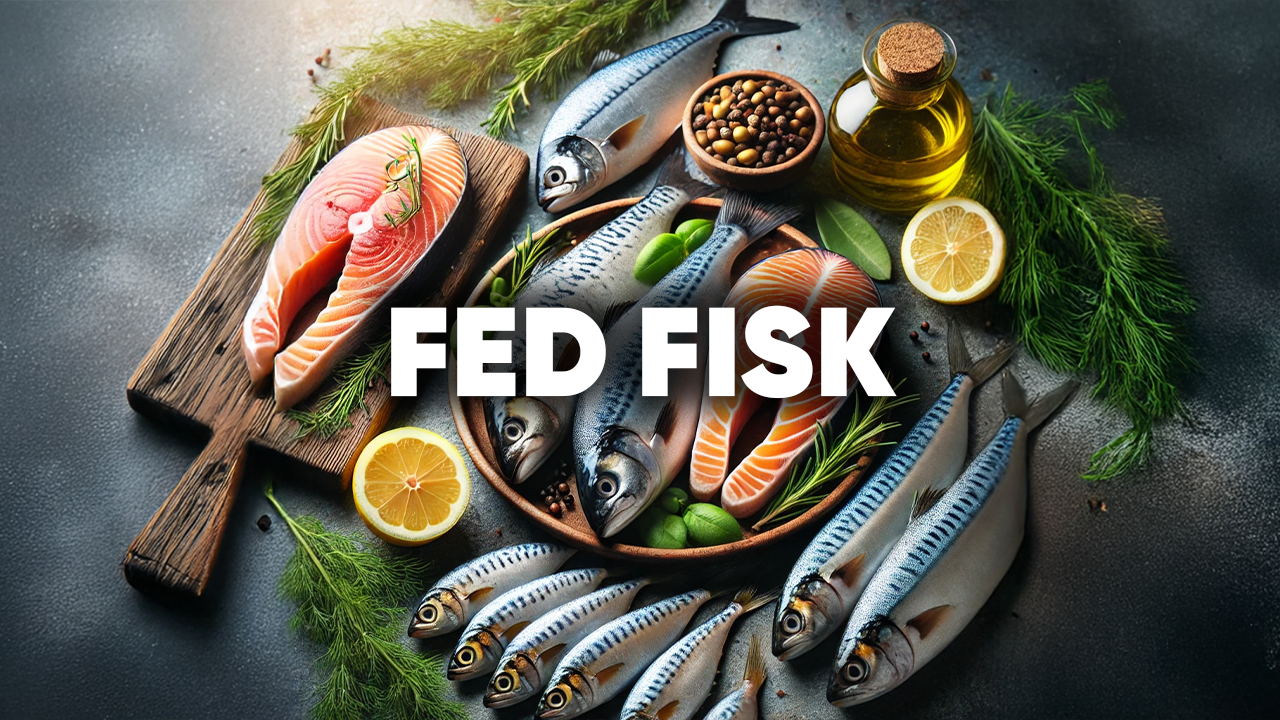
Fatty fish such as salmon, mackerel, herring, and sardines are some of the most well-documented anti-inflammatory foods. They are rich in omega-3 fatty acids (EPA and DHA), which have been shown to reduce the production of substances in the body that promote inflammation. In this way, fatty fish can help reduce chronic inflammation while also protecting against cardiovascular disease, joint pain, and other inflammation-related problems.
In addition to omega-3, fatty fish also contains important nutrients such as vitamin D, selenium, and protein, which support the immune system, muscles, and overall health. Another advantage of fatty fish is that it is relatively easy to work with in the kitchen. It can be baked, fried, grilled, or used cold in salads and on rye bread, making it easy to include an anti-inflammatory food in both weekday and weekend meals.
Regular consumption of fatty fish – preferably 2-3 times a week – can therefore be a simple way to give the body stronger protection against inflammation while improving both energy and well-being. Fatty fish also provides important nutrients such as vitamin D and selenium, which further support the immune system and the body’s overall health.
Inspiration List – Great Tips About Fatty Fish As An Anti-Inflammatory Food In Your Diet
🐟 Salmon As An Anti-Inflammatory Food With High Omega-3 Content
Salmon is one of the most popular types of fatty fish, and for good reason. It contains large amounts of omega-3 fatty acids, which help reduce inflammation in the body and support the heart, brain, and joints. As an anti-inflammatory food, salmon is easy to use in many dishes, from oven-baked fillets to cold salmon dishes, making it ideal for a varied and sustainable diet.
🐠 Mackerel And Herring As Classic Anti-Inflammatory Foods
Mackerel and herring are often underestimated, but they are among the fish richest in omega-3. These fish serve as powerful anti-inflammatory foods while also being budget-friendly and readily available. Regular consumption of mackerel and herring can help reduce chronic inflammation and support the body’s natural recovery, especially when they are included as regular elements in weekly meals.
🍽️ Fatty Fish As An Anti-Inflammatory Food In Everyday Meals
One of the greatest strengths of fatty fish is its versatility. As an anti-inflammatory food, it can be used in both hot and cold dishes, making it easier to maintain healthy habits over time. Whether the fish is served with vegetables, whole grains, or as part of a simple lunch dish, it helps create meals that work with the body rather than against it.
🌊 Variety Of Fatty Fish For A Stable Anti-Inflammatory Effect
Variety is important, even when it comes to fatty fish. By switching between different types such as salmon, mackerel, herring, and sardines, you ensure a broader range of nutrients. This approach strengthens the effect of fatty fish as an anti-inflammatory food while also making it easier to maintain your interest in eating fish, which is crucial for long-term health benefits.
Summary – How You Can Eat More Fatty Fish In Everyday Life To Improve Your Health
🐟 Oven-baked salmon with lemon and herbs – A simple and healthy everyday meal.
🥗 Mackerel in salad – Combine with vegetables for a filling and healthy meal.
🥪 Herring on rye bread – A classic that is both nutritious and anti-inflammatory.
🍣 Sushi with salmon or tuna – A delicious and healthy way to get omega-3.
🍲 Fish soup or stew – Add salmon, mackerel, or cod for extra flavor and nutrition.
🧑🍳 Grilled sardines or mackerel – Perfect as healthy summer food.
🥘 Fish cakes made from salmon or herring – A family-friendly and healthy alternative to meat.
***********************************************************************************
REMEMBER - Fatty fish is an anti-inflammatory food containing omega-3 fatty acids with significant health benefits that strengthen the body and help create inner balance.
Nuts And Seeds – Anti-Inflammatory Foods With Healthy Fats For A Healthy Body And A Healthier Life
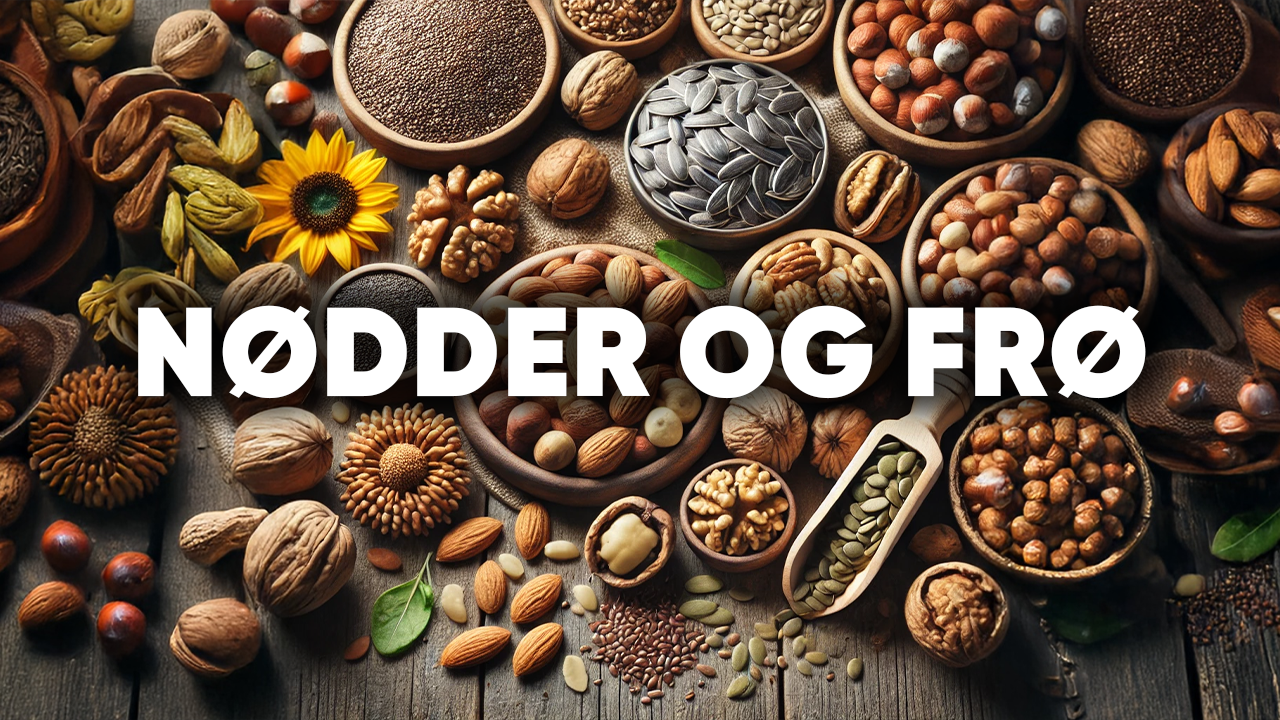
Nuts and seeds are small but extremely nutrient-rich foods that can play a central role in an anti-inflammatory diet. They are rich in healthy unsaturated fats – especially omega-3 fatty acids – which help the body fight inflammation and protect against chronic inflammation. In addition to healthy fats, nuts and seeds contain fiber, protein, vitamins, and minerals that support heart health, digestion, and energy levels.
Walnuts, almonds, flaxseeds, chia seeds, and sunflower seeds are among the most effective choices because they combine healthy fats with antioxidants and minerals such as magnesium and zinc. Including a small handful of nuts or a spoonful of seeds in your daily diet can be a simple way to nourish the body while reducing unnecessary inflammation – without requiring major changes to your habits.
Inspiration List – Great Tips About Nuts And Seeds As Anti-Inflammatory Foods In Everyday Life
🌰 Walnuts As An Anti-Inflammatory Food With A Focus On Omega-3
Walnuts stand out due to their high content of plant-based omega-3, which plays a central role in regulating inflammation. As an anti-inflammatory food, walnuts can help support the heart, brain, and joints when they are regularly included in the diet. They are easy to use in everything from breakfast and salads to filling snacks, making them practical for a busy lifestyle.
🌻 Almonds And Other Nuts As Anti-Inflammatory Foods With Vitamin E
Almonds, hazelnuts, and cashews provide healthy fats and vitamin E, which protects cells against oxidative stress. This protection is important because oxidative stress is often closely associated with inflammation in the body. As anti-inflammatory foods, these nuts can therefore support a healthy body, especially when they replace more processed snacks in the diet.
🌱 Chia Seeds And Flaxseeds As Anti-Inflammatory Foods With A Focus On Fiber
Chia seeds and flaxseeds combine omega-3 fatty acids with a high dietary fiber content that supports gut health. A healthy and well-functioning gut plays a central role in the body’s regulation of inflammation. As anti-inflammatory foods, these seeds therefore contribute both directly and indirectly to better balance in the body, especially when included daily in smoothies, oatmeal, or yogurt.
🥗 Nuts And Seeds As Anti-Inflammatory Foods In Complete Meals
When nuts and seeds are used as an integrated part of meals rather than as isolated ingredients, their overall effect is increased. As anti-inflammatory foods, they work best in combination with vegetables, whole grains, and healthy fats, where they contribute flavor, texture, and nutritional value. This holistic approach makes it easier to maintain a diet that supports the body in the long term.
Summary - How You Can Use Nuts And Seeds In Your Diet For A Healthier Life
🥣 Sprinkle nuts and seeds over breakfast – Add chia seeds, flaxseeds, or almonds to yogurt or oatmeal.
🥗 Add nuts and seeds to salads – Walnuts or sunflower seeds provide crunch and healthy fats.
🍪 Bake with nuts and seeds – Use nuts and seeds in bread, muffins, or energy bars.
🍹 Blend nuts and seeds into smoothies – For example, chia seeds or almond butter for extra nutrition and a creamy texture.
🥜 Snack on a handful of nuts – Nuts are a healthy alternative to chips or sweets.
🫘 Make chia pudding – A light and nutritious dessert or snack.
🥒 Use nuts and seeds as a topping – Sprinkle flaxseeds or chopped almonds over vegetable dishes or soups.
*************************************************************************
REMEMBER - Nuts and seeds create balance bite by bite and are small ingredients with great importance for the body’s health. Nuts and seeds provide healthy fats that support the body’s well-being, health, and inner balance.
Green Leafy Vegetables – Natural Inflammation Fighters For A Healthier Life
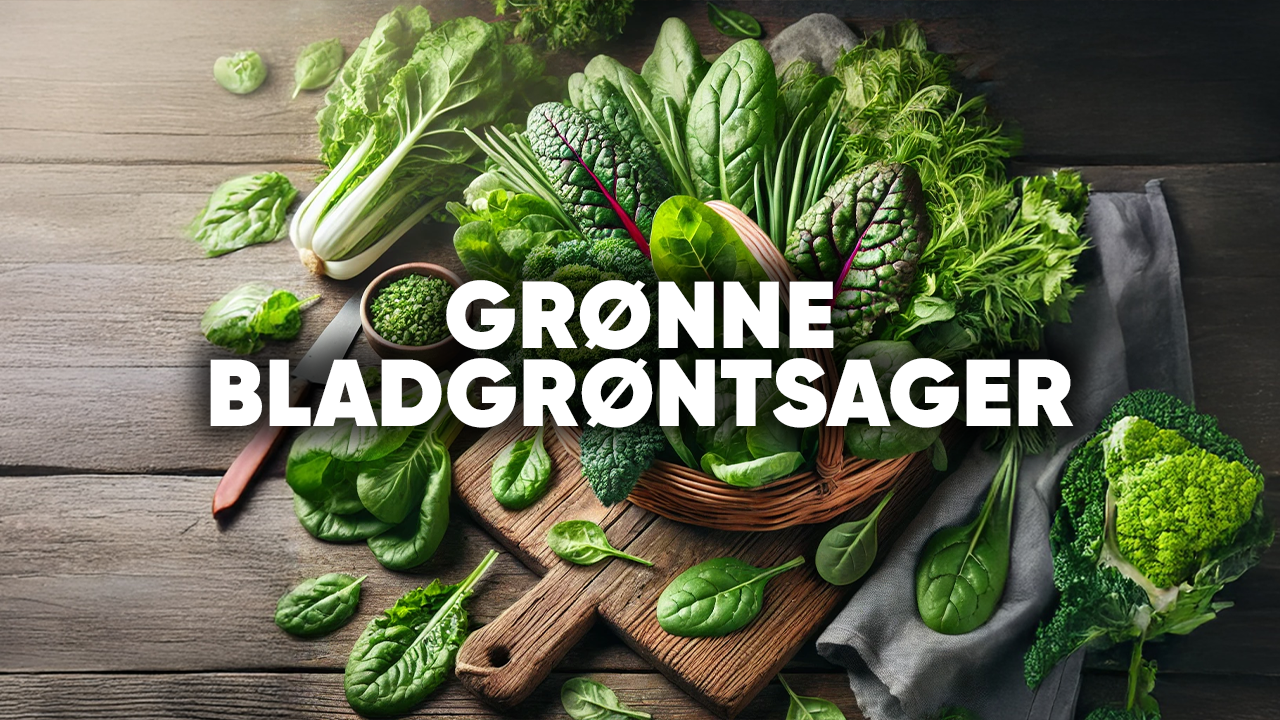
Green leafy vegetables such as spinach, kale, arugula, and broccoli are among the most effective anti-inflammatory foods you can add to your diet. They are packed with vitamins, minerals, fiber, and antioxidants, all of which help reduce inflammation in the body. In particular, their content of vitamins C, E, and K, as well as minerals such as magnesium and calcium, makes these vegetables strong allies in the fight against chronic inflammation.
They also contain plant compounds such as flavonoids and carotenoids that protect cells from damage and support the body’s natural healing processes. Eating more green leafy vegetables can help strengthen the immune system, improve digestion, and give the body a health boost that can be felt in both the short and long term. Another major advantage is that green leafy vegetables are easy to integrate into everyday life.
They can be used raw in salads, blended into smoothies, lightly sautéed as a side dish, or added to soups and stews. In this way, anti-inflammatory foods do not become an extra project but rather a natural part of the meals you already prepare. Over time, these small choices can have a noticeable effect on the body’s well-being.
Inspiration List – Great Tips About Green Leafy Vegetables As Anti-Inflammatory Foods
🥬 Spinach As An Anti-Inflammatory Food With A Broad Nutritional Profile
Spinach is one of the most versatile green leafy vegetables and acts as a strong anti-inflammatory food in everyday life. It contains a wide range of antioxidants and minerals that support the body’s ability to reduce inflammation. Spinach can easily be used in both cold and hot dishes, making it easier to include anti-inflammatory foods in your diet without major changes to your eating habits.
🌿 Kale As An Anti-Inflammatory Food With Extra Protection
Kale is known for its high vitamin C content and plant-based compounds that help protect the body’s cells. As an anti-inflammatory food, kale is particularly suitable for supporting the immune system and reducing the burden of chronic inflammation. It can be used raw in salads, massaged with oil, or lightly cooked so that the nutrients are preserved as much as possible.
🥦 Broccoli As An Anti-Inflammatory Food With Powerful Plant Compounds
Broccoli is one of the most well-documented vegetables when it comes to supporting the body’s natural regulation of inflammation. Among other things, it contains sulforaphane, a bioactive plant compound that can help reduce inflammatory processes and protect cells against oxidative stress. As an anti-inflammatory food, broccoli works both preventively and supportively, especially when it is included regularly in the diet. It can be used in many ways – lightly steamed, oven-roasted, raw in salads, or as part of hot dishes – making it easy to add more balance to everyday meals without compromising flavor or variety.
🥗 Arugula And Other Salad Leaves As Light Anti-Inflammatory Foods
Arugula, lamb’s lettuce, and romaine lettuce are lighter in flavor but are still valuable anti-inflammatory foods. They provide bitter compounds and antioxidants that support digestion and the body’s natural cleansing processes. By varying between different salad leaves, you ensure a broader range of nutrients and more consistent support against inflammation.
🥤 Green Smoothies With Anti-Inflammatory Foods As A Daily Routine
Using green leafy vegetables in smoothies is an effective way to include anti-inflammatory foods in everyday life. When spinach, kale, or Swiss chard is combined with fruit, berries, and healthy fats, it creates a nourishing drink that supports the body’s balance. This form makes it especially easy to maintain a consistent intake of leafy greens, even on busy days.
You can find inspiration for healthy smoothies in our article - Great Tips For Budget-Friendly Smoothies For A Healthy Everyday Life
Summary – How You Can Get More Green Leafy Vegetables Into Your Diet For A Healthier Life
🥗 Fresh salads – Use spinach, arugula, or kale as the base of your salads.
🍲 Leafy vegetables in soups and stews – Add broccoli or spinach to hot dishes for extra nutrition.
🍝 Leafy vegetables as a side dish – Steamed broccoli or kale tossed with olive oil and garlic.
🍳 Leafy vegetables in egg dishes – Add spinach or broccoli to omelets or scrambled eggs.
🍹 Blend leafy vegetables into smoothies – Combine kale or spinach with fruit for a nutritious drink.
🥬 Kale chips – Bake kale in the oven as a crispy, healthy alternative to chips.
🥬 Leafy vegetables in wraps and sandwiches – Use fresh spinach leaves or arugula instead of lettuce.
******************************************************************
REMEMBER - Green leafy vegetables are nature’s own inflammation fighters with powerful effects that strengthen the body day by day. A green foundation for a healthier life.
Extra Virgin Olive Oil – A Heart-Healthy Anti-Inflammatory Superfood For A Healthier Life
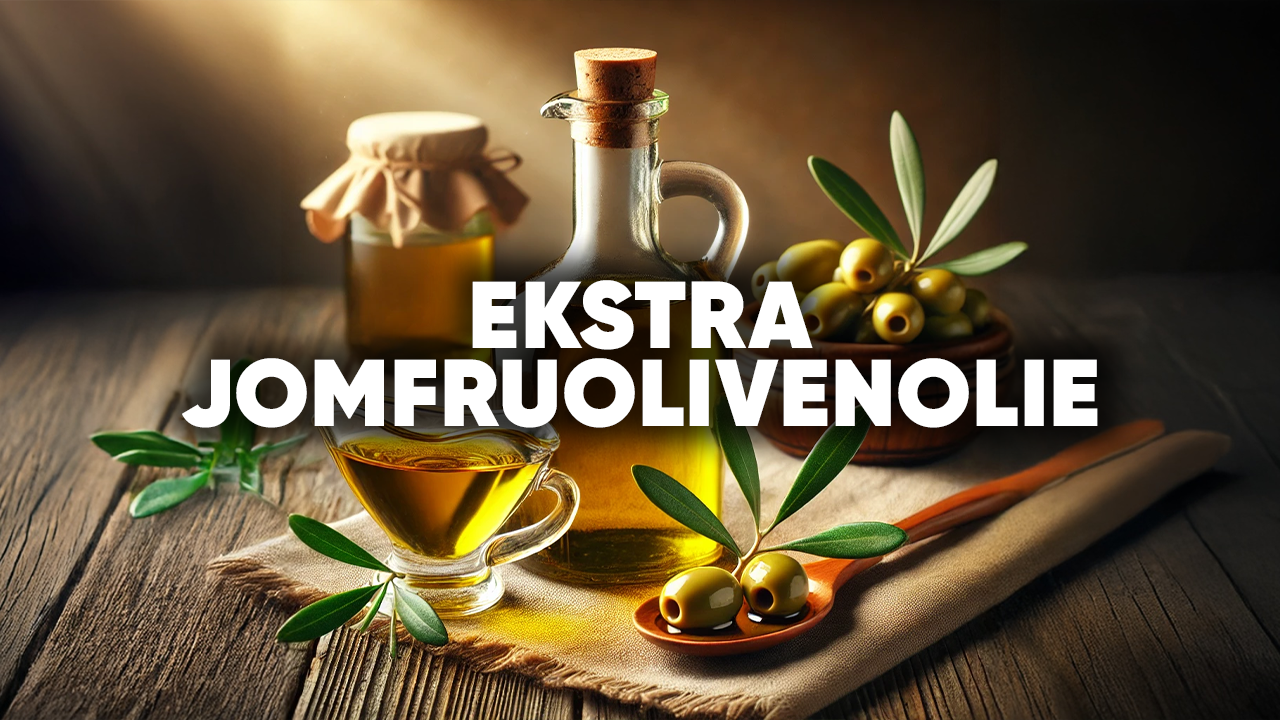
Extra virgin olive oil is one of the best-known ingredients in the healthy Mediterranean diet – and for good reason. It is rich in healthy monounsaturated fatty acids as well as antioxidants, particularly polyphenols, which have strong anti-inflammatory properties. These nutrients help reduce inflammation in the body and protect blood vessels from damage.
Research has shown that regular consumption of olive oil can improve heart health, reduce the risk of cardiovascular disease, and support the body’s natural defense against chronic inflammation. In addition, the healthy fats in olive oil can help the body absorb fat-soluble vitamins such as A, D, E, and K, making it an important component of a nutritious diet.
Extra virgin olive oil is also an extremely practical ingredient for everyday use. It can be used in cold dishes, salads, dressings, and lightly heated meals, making it easy to include anti-inflammatory foods in your diet without major changes. When olive oil replaces more processed fats, it becomes not only a flavor enhancer but also an active contribution to a healthier life.
Inspiration List – Great Tips About Extra Virgin Olive Oil As An Anti-Inflammatory Food
🫒 Polyphenols In Extra Virgin Olive Oil As An Anti-Inflammatory Food
Extra virgin olive oil contains a high concentration of polyphenols, which are known for their ability to counteract inflammation in the body. These plant compounds act as natural protection for cells and help keep inflammatory processes under control. As an anti-inflammatory food, olive oil is therefore especially effective when used regularly rather than occasionally.
❤️ Heart-Healthy Fat From Anti-Inflammatory Foods In Your Daily Diet
The monounsaturated fat in extra virgin olive oil has a positive effect on cholesterol balance and supports a healthy circulatory system. When the body is under less strain, the risk of chronic inflammation decreases over time. By choosing this type of anti-inflammatory food as your primary source of fat in everyday life, you create a solid foundation for both heart health and general well-being.
🥗 Extra Virgin Olive Oil As An Anti-Inflammatory Food In Cold Dishes
Extra virgin olive oil is particularly suitable for cold dishes, where its nutrients are best preserved. As an anti-inflammatory food, it can be used in salads, vegetable dishes, and as a finishing topping, where it adds both flavor and health benefits. This makes it easy to incorporate the oil into your diet naturally and consistently.
🍳 Extra Virgin Olive Oil For Gentle Cooking With A Focus On Anti-Inflammatory Foods
Although extra virgin olive oil is primarily recommended for cold dishes, it can also be used for light heating. With gentle cooking, many of its anti-inflammatory properties are preserved, making the oil suitable for vegetables and lighter dishes. In this way, it serves as a flexible anti-inflammatory food that can be included in many different meals.
Summary – How You Can Use Extra Virgin Olive Oil In Your Diet For A Healthier Life
🥗 As a salad dressing – Use extra virgin olive oil as a dressing and combine it with lemon or balsamic vinegar for freshness.
🍞 Drizzle over bread – Extra virgin olive oil as a healthy alternative to butter.
🍝 In hot dishes – Toss pasta, vegetables, or rice with olive oil for extra flavor.
🥘 For frying at low heat – Extra virgin olive oil is perfect for vegetables, meat, or fish.
🍲 As a topping for soups – A few drops of olive oil add both flavor and nutrition.
🥬 Over steamed vegetables – Extra virgin olive oil enhances flavor and makes the meal more filling.
🧄 In homemade dips and marinades – Use extra virgin olive oil in hummus, pesto, or spice mixtures.
******************************************************************
REMEMBER - Extra virgin olive oil provides balance in everyday life and is an anti-inflammatory food with documented health benefits.
Turmeric – Nature’s Most Powerful Anti-Inflammatory Spice For A Healthier Life

Turmeric has become known as one of nature’s most powerful anti-inflammatory spices – and rightly so. The golden root contains the compound curcumin, which has strong antioxidant and anti-inflammatory properties. Curcumin helps inhibit signaling substances in the body that promote chronic inflammation and may therefore help reduce the risk of a number of diseases, including arthritis, cardiovascular disease, and digestive problems.
To get the most out of turmeric’s active compounds, it is beneficial to combine it with black pepper, which significantly increases the absorption of curcumin. Turmeric can be used both fresh and dried, and it is easy to incorporate into everyday cooking. In addition to its health benefits, it also adds a beautiful golden color and a mildly spicy flavor to dishes.
One of turmeric’s strengths is its versatility. It can be used in everything from hot dishes and soups to tea and drinks, where it contributes both flavor and function. When turmeric is combined with black pepper and healthy fats, the absorption of curcumin increases, making the spice even more effective as part of an anti-inflammatory diet. Over time, these small adjustments can support the body in maintaining a healthier life with greater inner balance. By adding turmeric to your meals, you can easily strengthen your body from within – a small change with a big effect.
Inspiration List – Great Tips About Turmeric As An Anti-Inflammatory Food In Everyday Life
🌿 Curcumin In Turmeric As The Core Of This Powerful Anti-Inflammatory Food
Curcumin is the active compound in turmeric that makes the spice one of the best-known anti-inflammatory foods. The compound can affect a range of inflammatory mechanisms in the body and help reduce persistent strain. When turmeric is used regularly in the diet, it acts as a natural supplement that supports the body’s own regulatory processes.
🧂 Combining Turmeric And Black Pepper As Anti-Inflammatory Foods
To get the most out of turmeric, it is important to combine it with black pepper. Piperine, which is found in black pepper, significantly increases the body’s absorption of curcumin. This combination makes turmeric an even more effective part of an anti-inflammatory diet and ensures that the spice’s beneficial properties are used optimally in everyday life.
🍲 Turmeric In Hot Dishes As An Anti-Inflammatory Food
Turmeric is particularly suitable for hot dishes such as stews, soups, and vegetable dishes, where it can easily be used as a natural flavoring. As an anti-inflammatory food, turmeric contributes flavor, color, and health benefits, making it easier to integrate into daily meals without extra effort.
☕ Golden Turmeric Drink As An Anti-Inflammatory Food In A Regular Evening Routine
A warm drink made with turmeric, often known as golden milk, is a popular way to use the spice. When turmeric is combined with plant-based milk, a little fat, and spices, it becomes a soothing part of the day. As an anti-inflammatory food, this drink can support the body’s balance and contribute to a calm transition into rest and recovery.
Summary - How You Can Use Turmeric In Your Diet For A Healthier Life
☕ Golden milk – Warm milk or a plant-based drink with turmeric, ginger, and black pepper.
🍲 In soups and stews – Add turmeric for both flavor and health benefits.
🍚 In rice dishes – Turmeric provides both color and a mild, aromatic flavor.
🥤 In smoothies or shots – Combine turmeric with ginger and lemon for a health boost.
🍛 Turmeric in curry dishes – A classic ingredient in Indian and Asian cuisine.
🥗 In dressings or marinades – Mix turmeric with olive oil, lemon, and spices.
🌿 As tea – Slice fresh turmeric and steep it in hot water.
***********************************************************************
REMEMBER - Turmeric is an anti-inflammatory food with historical strength, and even small amounts can have great importance for your health.
Ginger – A Powerful Anti-Inflammatory And Immune-Boosting Spice - A Natural Pain Reliever For A Healthier Life
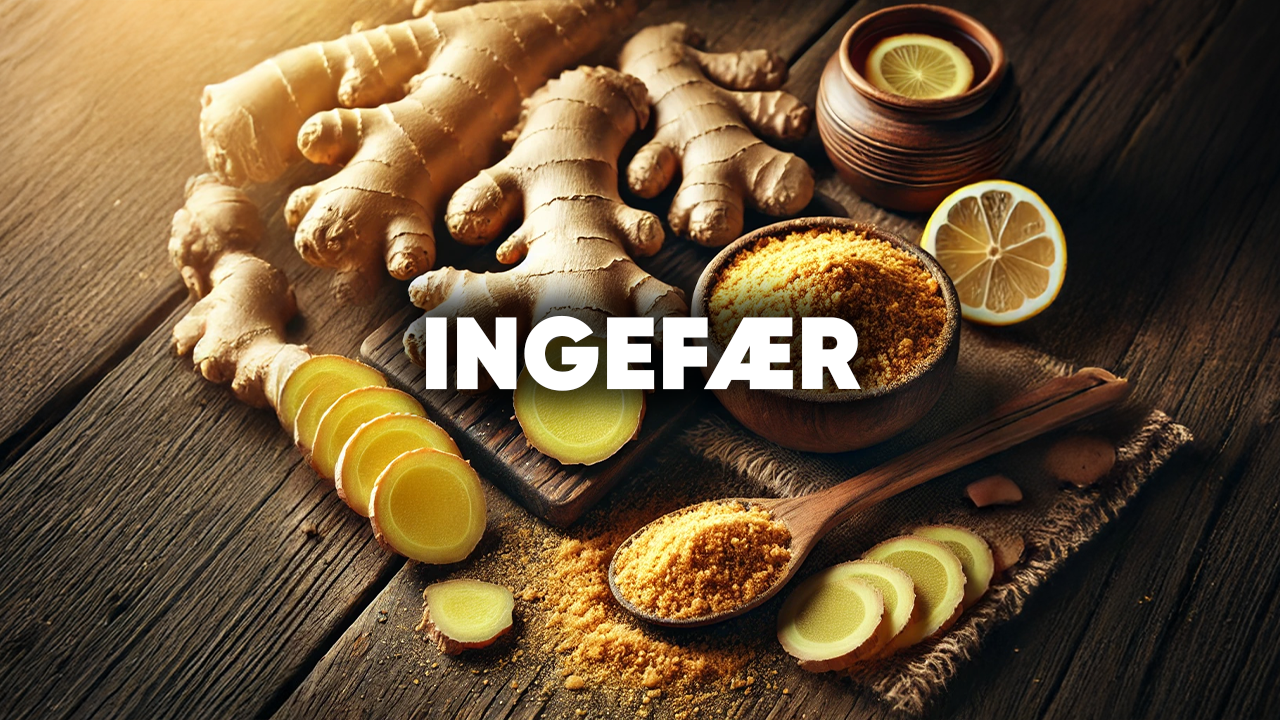
Ginger has been used for centuries in both cooking and natural remedies because of its many health benefits. The root contains bioactive compounds, including gingerol, which has strong anti-inflammatory and antioxidant properties. These compounds help the body reduce inflammation and may also relieve pain, especially in muscles and joints, particularly in conditions such as arthritis and muscle soreness.
In addition, ginger is known for supporting the immune system and improving digestion. It can help with nausea, support healthy gastrointestinal function, and increase blood circulation. Many people also find that regular consumption of ginger provides more energy and a greater sense of well-being. Ginger is easy to integrate into everyday life – whether as a fresh root, dried spice, or in drinks. With its strong flavor and health-supporting properties, it is one of the most versatile and effective natural ingredients for supporting a healthier life.
Inspiration List – Great Tips About Ginger As An Anti-Inflammatory Food In Everyday Life
🌱 Gingerols In Ginger As Anti-Inflammatory Compounds
Gingerols are among the most important active compounds in ginger and play a central role in the spice’s anti-inflammatory effects. These compounds can help reduce the body’s inflammatory response and thereby reduce discomfort associated with sore joints and muscles. As part of an anti-inflammatory diet, ginger works best when used regularly in smaller amounts rather than only occasionally.
🛡️ Ginger As An Anti-Inflammatory Food With Immune-Boosting Effects
In addition to its effect on inflammation, ginger is known for supporting the immune system. It can help the body respond in a more balanced way to external strain and seasonal challenges. As an anti-inflammatory food, ginger therefore contributes both to reducing inflammation and strengthening the body’s resilience, which is an important combination for a healthier life.
🍵 Ginger Tea As An Anti-Inflammatory Food In Daily Routines
Ginger tea is a simple and effective way to include anti-inflammatory foods in everyday life. A warm cup of ginger tea can have a soothing effect on the body while also supporting digestion. This form is particularly suitable as a morning or evening routine, where it contributes to both well-being and inner balance without requiring much preparation.
🍽️ Ginger In Cooking As An Anti-Inflammatory Food
When ginger is used in cooking, it becomes a natural part of daily meals. As an anti-inflammatory food, ginger can be included in everything from vegetable dishes and soups to marinades and dressings. This versatility makes it easier to maintain healthy habits and ensures that the spice’s beneficial properties become a regular part of the diet.
Summary – How You Can Use Ginger In Your Diet For A Healthier Life
☕ Ginger Tea – Fresh ginger slices steeped in boiling water, optionally with lemon and honey.
🥤 Smoothies and shots – Blend fresh ginger with fruit and vegetables for a daily health boost.
🍲 In soups and stews – Ginger adds warmth and depth of flavor.
🍛 Ginger in Asian dishes – A classic ingredient in stir-fries, curries, and marinades.
🥗 In dressings and dips – Combine ginger with soy sauce, lime, and garlic.
🍪 In baked goods – For example, ginger cookies or spiced cakes.
💊 As a supplement – Ginger is available in capsules or powder if you want a more concentrated supplement.
**************************************************************************
REMEMBER - Ginger works deeply with the body and is an anti-inflammatory food with natural strength that supports the body’s inner balance.
Tomatoes – An Anti-Inflammatory Vegetable Packed With Lycopene That Fights Inflammation, Strengthens The Body, And Supports A Healthier Life
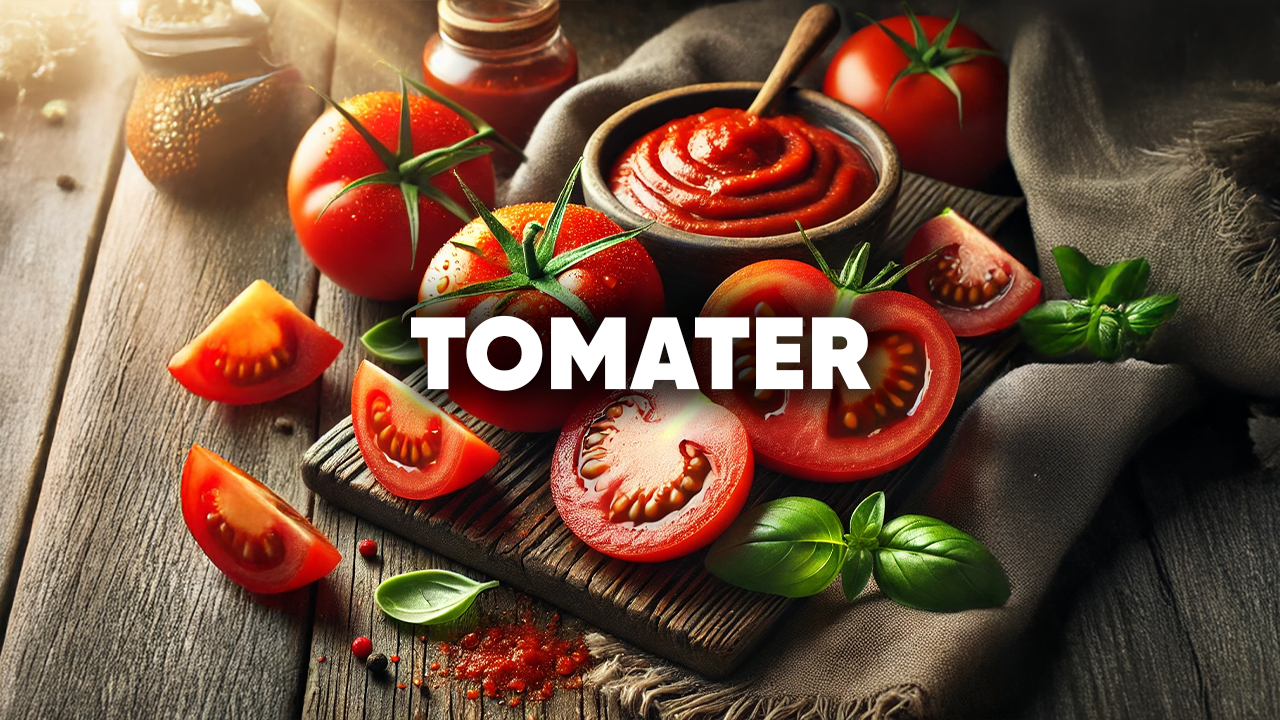
Tomatoes are not only a versatile and delicious vegetable (technically a fruit), but also one of the most nutritious foods you can add to your diet. They are rich in lycopene, a powerful antioxidant with strong anti-inflammatory properties that helps the body fight free radicals, especially when combined with healthy fats such as olive oil. Lycopene is particularly associated with a reduced risk of cardiovascular disease, certain cancers, and age-related diseases.
In addition, tomatoes contain vitamin C, potassium, and folate, which support the immune system, contribute to healthy skin, and strengthen the body’s cells. Interestingly, lycopene is more easily absorbed by the body when tomatoes are cooked – for example, as tomato sauce or soup – especially when combined with healthy fats such as olive oil. Eating tomatoes regularly is therefore a simple and delicious way to strengthen the body, reduce inflammation, and promote a healthier life.
Inspiration List – Great Tips About Tomatoes As An Anti-Inflammatory Food In Everyday Life
🍅 Lycopene In Tomatoes As An Anti-Inflammatory Compound
Lycopene is the active plant compound that gives tomatoes their characteristic red color while also making them an effective anti-inflammatory food. The compound can help reduce inflammatory processes in the body and protect cells from damage. When tomatoes are regularly included in the diet, they contribute to more stable inner balance and support the body’s natural defenses.
🍲 Cooked Tomatoes As Anti-Inflammatory Foods With Increased Effect
Cooking tomatoes increases the body’s ability to absorb lycopene. Tomato sauce, soup, and oven-roasted tomatoes therefore work as particularly effective anti-inflammatory foods. This property makes it easy to combine health benefits with flavorful dishes that fit naturally into both weekday and weekend meals.
🥗 Fresh Tomatoes As A Light Anti-Inflammatory Food
Fresh tomatoes provide a combination of antioxidants, vitamins, and water that supports the body on several levels. As an anti-inflammatory food, they are ideal in salads, cold dishes, and as snacks, where they contribute both hydration and cell protection. Alternating between fresh and cooked tomatoes ensures broader health benefits.
🌿 Tomatoes Combined With Healthy Fats As Anti-Inflammatory Foods In Everyday Life
When tomatoes are combined with healthy fats such as extra virgin olive oil, the absorption of lycopene is significantly improved. This combination makes tomatoes even more effective anti-inflammatory foods while also supporting the heart and circulatory system. It is a simple step that can enhance the effects of tomatoes in your daily diet.
Summary – How You Can Use Tomatoes In Your Diet For A Healthier Life
🍅 Fresh tomatoes in salads – Enjoy cherry tomatoes or beefsteak tomatoes together with vegetables and olive oil.
🍲 Tomato soup – Warm, nutritious, and rich in easily absorbed lycopene.
🍝 Homemade tomato sauce – Perfect for pasta, stews, or as a pizza base.
🥪 Tomato on rye bread or sandwiches – A simple and healthy addition.
🍲 Oven-roasted tomatoes – Enhances the flavor and increases lycopene absorption.
🥗 Caprese salad – Combine tomato, mozzarella, and basil for a classic dish full of flavor and nutrition.
🥫 Use canned peeled tomatoes – An easy and healthy pantry staple for many dishes.
*******************************************************************************************************
REMEMBER - Tomatoes are an anti-inflammatory food with everyday strength, containing lycopene that gives the body greater inner calm and balance.
Dark Chocolate – A Delicious Anti-Inflammatory Snack For A Healthier Life
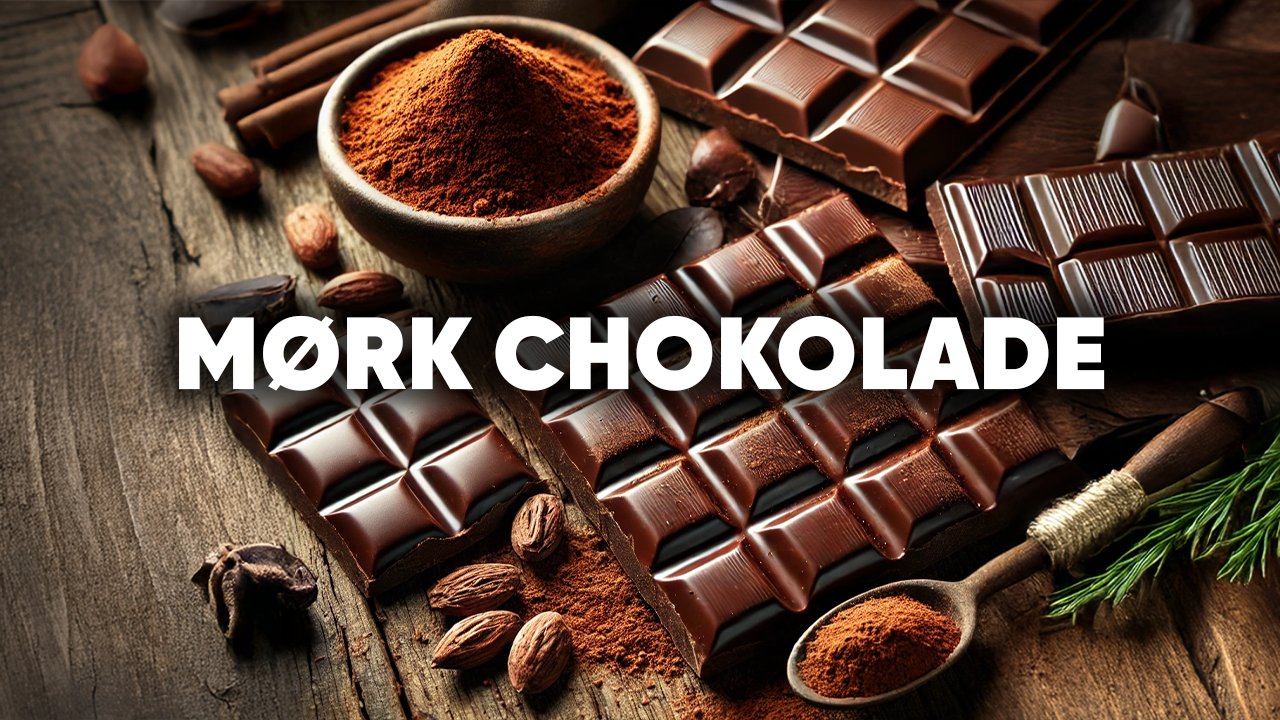
Dark chocolate is a good example of how health and enjoyment can easily go hand in hand. When you choose chocolate with a high cocoa content (70% or more), you get a food rich in flavonoids – antioxidants that help reduce inflammation in the body. These plant compounds have been shown to support heart health, improve blood circulation, and protect the body’s cells from damage caused by free radicals.
In addition, dark chocolate contains minerals such as magnesium, iron, and zinc, which contribute to energy, muscle function, and immune health. At the same time, small amounts of dark chocolate can stimulate the production of serotonin and endorphins, which can improve mood and create a sense of well-being.
However, it is important to eat dark chocolate in moderation, as it also contains calories and fat. But as a small daily snack or a healthier alternative to sugary sweets, dark chocolate can be both a delicious and anti-inflammatory addition to your diet.
Inspiration List – Great Tips About Dark Chocolate As An Anti-Inflammatory Food
🍫 Cocoa Flavonoids As Anti-Inflammatory Compounds
It is the cocoa content in dark chocolate that makes it an interesting anti-inflammatory food. The flavonoids in cocoa can help reduce inflammation and improve blood vessel function. When chocolate with a high cocoa content is included in the diet in small amounts, it supports the body’s balance without adding unnecessary sugar.
🧠 Dark Chocolate As An Anti-Inflammatory Food With Benefits For Well-Being
In addition to its effect on inflammation, dark chocolate may also positively influence mood and mental well-being. As an anti-inflammatory food, it therefore contributes both physically and mentally, which can make it easier to maintain healthy eating habits. This combination of enjoyment and function makes dark chocolate a particularly valuable element in a balanced diet.
⚖️ The Right Amount Of Dark Chocolate As An Anti-Inflammatory Food In Everyday Life
Although dark chocolate has beneficial properties, the amount is important. As an anti-inflammatory food, it works best in small portions where quality is prioritized over quantity. A couple of pieces with a high cocoa content can be enough to provide both enjoyment and potential health benefits without disrupting the balance.
🍓 Dark Chocolate Combined With Other Anti-Inflammatory Foods
When dark chocolate is combined with berries, nuts, or fruit, its role as an anti-inflammatory food is enhanced. These combinations create snacks or desserts that are both flavorful and nutritious. In this way, dark chocolate becomes part of a broader healthy lifestyle rather than an isolated indulgence.
Summary – How You Can Enjoy Dark Chocolate In A Healthy Way
🍫 A couple of pieces of dark chocolate as a snack – Slowly enjoy a small portion instead of sweets or cake.
🍓 Combine dark chocolate with fruit – For example, strawberries, banana, or apple dipped in melted dark chocolate.
🥣 Dark chocolate as a topping – Grate a little dark chocolate over yogurt, skyr, or oatmeal.
🍪 Dark chocolate in baked goods – Use dark chocolate in cookies, muffins, or energy bars.
☕ Make healthy hot cocoa with dark chocolate – Use dark chocolate melted into warm milk or a plant-based drink.
🥜 Dark chocolate together with nuts – A combination of healthy fats and antioxidants.
🍧 Dark chocolate as dessert – Sprinkle dark chocolate over fruit salad or chia pudding, or enjoy a small piece of dark chocolate as a healthy dessert.
*******************************************************************************************************************
REMEMBER - Dark chocolate is an anti-inflammatory food that also provides enjoyment, showing that mindful indulgence can also be healthy. With dark chocolate, however, it is important to maintain a good balance between enjoyment, well-being, and health.
Green Tea – Packed With Antioxidants That Reduce Inflammation And Strengthen The Body For A Healthier Life
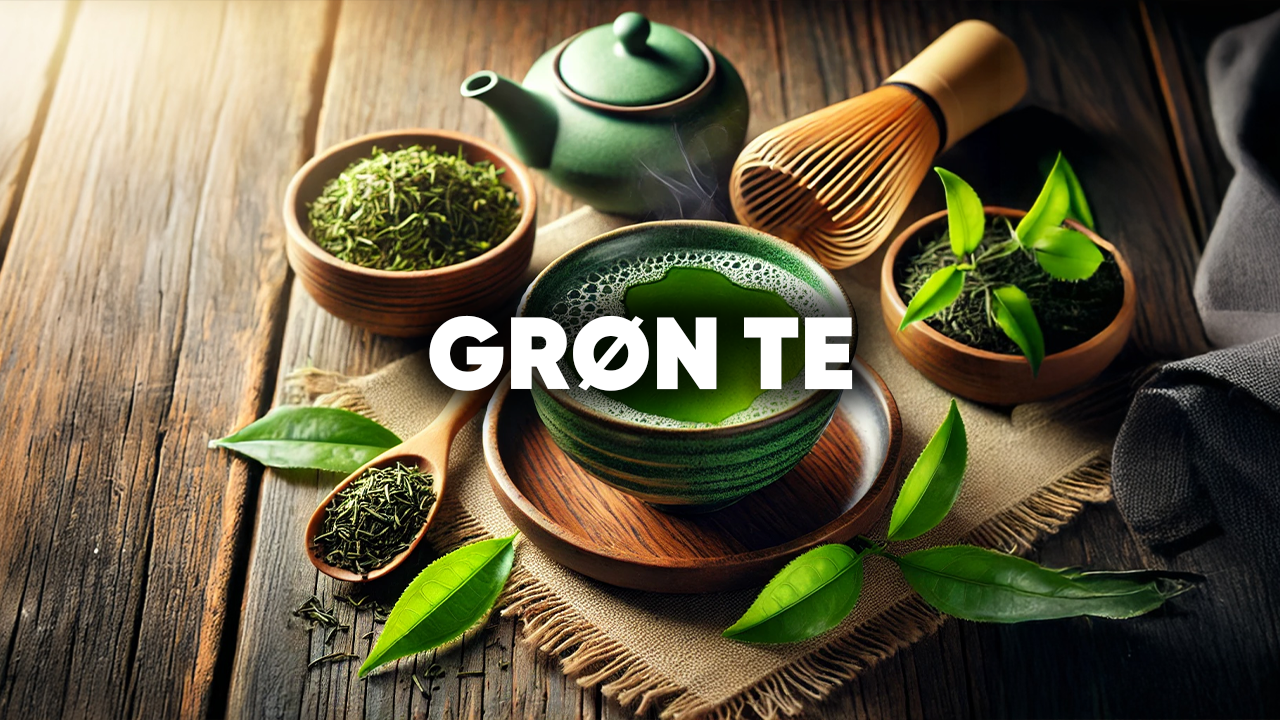
Green tea is more than just a warm drink – it is rich in bioactive compounds with strong anti-inflammatory and antioxidant properties. The best-known compound in green tea is EGCG (epigallocatechin gallate), a powerful antioxidant that helps reduce inflammation, protect cells from damage, and support the body’s natural defense system.
Furthermore, green tea contains polyphenols and catechins with strong anti-inflammatory properties. Regular consumption of green tea is associated with a number of health benefits, including improved heart health, better metabolism, and a reduced risk of chronic diseases. At the same time, the mild amount of caffeine in green tea can provide an energy boost without the same side effects as coffee, making it ideal as a daily drink.
Therefore, drink 2-3 cups of green tea daily to get the maximum health boost. Green tea can be enjoyed both hot and cold, and with its fresh flavor, it is a simple way to add more antioxidants to everyday life – thereby supporting a healthier and more balanced lifestyle.
Inspiration List – Great Tips About Green Tea As An Anti-Inflammatory Food In Everyday Life
🍃 Catechins In Green Tea As Anti-Inflammatory Compounds
Catechins are the primary antioxidants in green tea and play a central role in the tea’s anti-inflammatory effects. These plant compounds can help reduce the body’s inflammatory signals and protect cells from damage. As an anti-inflammatory food, green tea works best when consumed regularly over time, where its mild but consistent effect supports the body’s natural balance.
🛡️ Green Tea As An Anti-Inflammatory Food That Supports The Immune System
Green tea not only helps reduce inflammation but also supports immune system function. By reducing the burden of oxidative stress, the tea helps the body respond more evenly to everyday challenges. As an anti-inflammatory food, green tea is therefore a good addition to a diet focused on prevention and general health.
☕ Daily Green Tea As An Anti-Inflammatory Food Used As A Daily Routine
Making green tea a regular part of your daily routine is a simple way to include anti-inflammatory foods in everyday life. A cup in the morning, after lunch, or during a quiet afternoon break can contribute to both a mental pause and physical balance. This regularity is often the key to allowing the tea’s beneficial properties to have an effect.
❄️ Cold And Hot Green Tea As A Flexible Anti-Inflammatory Food
Green tea can be enjoyed both hot and cold, making it easy to adapt to the season and personal preferences. As an anti-inflammatory food, it retains its antioxidants regardless of how it is served, as long as it is brewed gently. This flexibility makes it easier to maintain the habit and integrate green tea naturally into a healthier life.
Summary – How You Can Use Green Tea In Your Everyday Life
🍵 Drink a cup of green tea daily – As a calm morning and/or afternoon ritual. Green tea contains polyphenols and catechins, which, as mentioned, have strong anti-inflammatory properties.
🧊 Iced green tea – Brew the tea, cool it, and add lemon or mint.
🍋 Green tea with lemon – Vitamin C helps the body absorb antioxidants more effectively.
🍹 Use green tea in smoothies – Blend it with fruit and vegetables for extra nutrition.
🍽 Green tea in cooking – Use cooled green tea in marinades or dressings.
🍰 Matcha powder – Use it in lattes, baked goods, or energy balls for a concentrated source of antioxidants.
🌿 Tea ritual – Use tea as a mindful break that combines health and well-being.
************************************************************************************************
TIPS - Drink 2-3 cups of green tea daily to get the maximum health boost.
*****************************************************************
REMEMBER - Green tea is an anti-inflammatory food in its simplest form, and small daily habits involving green tea can create greater balance, calm, and strength in everyday life.
Foods You Should Avoid If You Want A Healthier Life

Just as some foods can help the body reduce inflammation, there are also foods that do the opposite and promote inflammatory conditions. These foods can put strain on the body over time and increase the risk of chronic diseases such as cardiovascular disease, type 2 diabetes, and arthritis.
The main problem is foods that are highly processed and rich in sugar, trans fats, and refined carbohydrates. They cause rapid increases in blood sugar, increase the production of free radicals, and can create imbalance in the body.
By reducing these foods in your diet and choosing natural, nutrient-rich alternatives instead, you can actively support a more anti-inflammatory lifestyle and improve both energy and well-being. It is not about banning all enjoyment, but about cutting down on the worst offenders so that healthier choices can take up more space in your everyday life.
Inspiration List – Great Tips About Foods You Should Avoid To Reduce Inflammation
🍬 Sugary Foods You Should Avoid For A Healthier Lifestyle
Foods high in refined sugar can quickly increase the body’s inflammatory response. Sugar affects blood sugar levels, puts strain on the metabolism, and can over time create a persistent inflammatory state. Foods you should avoid – or greatly reduce – include sweets, cakes, soft drinks, and sugary breakfast cereals, as they provide short-term energy but leave the body out of balance.
🍟 Processed Foods You Should Avoid In Everyday Life For A Healthier Lifestyle
Highly processed foods often contain trans fats, refined carbohydrates, and artificial additives that can increase inflammation. Fast food, ready-made meals, and snacks with long ingredient lists are typical examples of foods you should avoid if your goal is a healthier life. These products rarely provide lasting fullness and offer only limited amounts of the nutrients the body needs.
🥖 Refined Carbohydrates You Should Avoid For Better Balance And A Healthier Life
White bread, pasta made from refined flour, and baked goods without fiber can quickly raise blood sugar and place strain on the body. As foods you should avoid in large amounts, refined carbohydrates can contribute to inflammation and unstable energy levels. By replacing them with whole-grain products, the body receives better support and a more stable energy supply.
🧂 Excessively Salty Foods You Should Avoid For A Healthier Lifestyle
A high intake of salt, especially from processed products, can put strain on the circulatory system and support inflammatory processes. Chips, salty snacks, and ready-made meals are typical examples of foods you should avoid when you want to support the body’s natural balance. By using fresh ingredients and spices instead, you get more flavor without the same strain.
🥤 Sugary Drinks You Should Avoid Daily For A Healthier Life
Soft drinks, energy drinks, and sweetened juices provide large amounts of liquid sugar without creating fullness. As products you should avoid, these drinks can play a significant role in the development of inflammation and unstable blood sugar. Water, herbal tea, and unsweetened drinks are much better alternatives that support a healthier life.
Summary – Foods That Can Promote Inflammation And Work Against A Healthier Lifestyle
🍩 Avoid sugary products – Soft drinks, cakes, sweets, and energy drinks should be avoided or consumed only in limited amounts.
🍞 Avoid refined carbohydrates – White bread, white pasta, and white rice should, as far as possible, be avoided in your daily eating habits.
🥓 Avoid processed meat – Bacon, sausages, and processed cold cuts should be limited in your daily eating habits.
🍟 Avoid deep-fried food – French fries, fast food, and breaded snacks should only be enjoyed occasionally if you feel the need for this type of food.
🧈 Avoid trans fats and hydrogenated oils – These are often found in fast food, ready-made meals, and inexpensive cakes and should therefore be avoided in your daily eating habits.
🧂 Avoid excessive salt intake – Processed snacks and ready-made meals can create imbalance in the body and should therefore be avoided if you want a healthier lifestyle.
🍺 Avoid too much alcohol – It can strain the liver and promote inflammation and should therefore be avoided or consumed only in limited amounts. You can find inspiration for managing your alcohol consumption in our article - Great Tips For Drinking Less Alcohol – Your Guide To A Healthier Alcohol Balance
🥤 Avoid diet products with artificial sweeteners – They may disrupt gut flora and the body’s balance and should therefore be avoided as part of a healthier lifestyle.
***************************************************************
REMEMBER - Avoiding unhealthy foods can be just as important as choosing healthy foods, and a healthier life often begins by cutting out unhealthy foods.
Conclusion
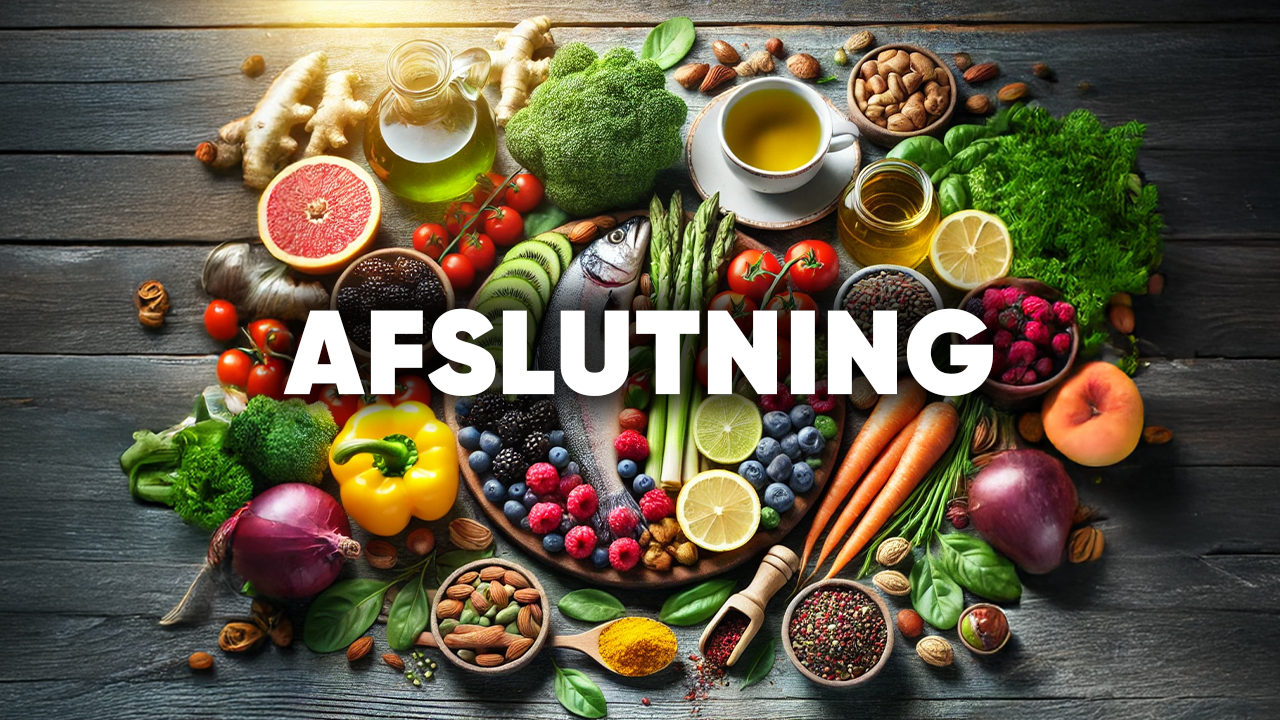
An anti-inflammatory diet is not about strict rules or quick fixes, but about supporting the body with the right foods that can create balance and strengthen your health over the long term. When you choose berries, fatty fish, nuts, seeds, green leafy vegetables, spices such as turmeric and ginger, as well as healthy sources of fat such as olive oil, you give your body the tools it needs to fight unnecessary inflammation from within.
At the same time, it is important to be aware of foods that can promote inflammation – especially highly processed products, sugar, refined carbohydrates, and too much alcohol. By gradually cutting down on these and instead filling your plate with fresh, nutrient-rich, and natural ingredients, you can help prevent disease, gain more energy, and improve your quality of life.
It does not have to be difficult – small changes in everyday life can make a big difference. Start with one new habit at a time, such as eating a handful of berries every day, drinking green tea, or replacing butter with olive oil. Over time, these small steps will develop into a healthy lifestyle that both tastes good and does your body good.
Mini Guide – How To Use The Best Anti-Inflammatory Foods In Your Everyday Life For A Healthier Life
Using anti-inflammatory foods in everyday life is not about extreme diet plans or quick fixes, but about creating a stable and sustainable approach to food that works with the body.
This mini guide is a summary of the article above and brings together the most important focus areas so that, step by step, you can make an anti-inflammatory diet a natural part of your daily life – in a realistic and long-term way.
Build A Basic Understanding Of Anti-Inflammatory Foods
To get the full benefit of anti-inflammatory foods, it is important to understand what they do in the body. Anti-inflammatory foods help reduce chronic inflammation through antioxidants, healthy fatty acids, fiber, and plant-based compounds. Once you have this understanding, it becomes easier to make conscious choices and view your diet as an active tool for supporting the body in everyday life.
Understand How Anti-Inflammatory Foods Work With The Body’s Balance
Anti-inflammatory foods do not work in isolation but interact with the body’s own regulatory mechanisms. They support the immune system, reduce oxidative stress, and help the body return to balance. When the diet continuously provides these nutrients, the body has better conditions for recovery, energy, and general well-being.
Think About The Bigger Picture Rather Than Individual Anti-Inflammatory Foods
It is the overall diet that creates the greatest effect. Anti-inflammatory foods work best when they are included as a regular part of meals rather than simply added occasionally. A varied diet with vegetables, berries, healthy fats, spices, and whole grains gives the body a broad range of nutrients that together support a healthier life.
Build A Complete Meal Plan With A Focus On Anti-Inflammatory Foods
When anti-inflammatory foods become the backbone of your diet, it becomes easier to create healthy habits. The goal is to let these foods take up most of your plate while reducing foods that promote inflammation. Over time, this approach creates a stable and sustainable diet that is easy to maintain in a busy everyday life.
Make Anti-Inflammatory Foods A Natural Part Of Your Everyday Routine
To achieve an effect, anti-inflammatory foods need to be easy to use. When they become a natural part of your habits, eating healthily requires less willpower. They can become regular parts of breakfast, familiar ingredients at lunch, or simple evening meals where healthy ingredients are repeated day after day.
Spread Anti-Inflammatory Foods Evenly Across The Day’s Meals
Anti-inflammatory foods work best when consumed regularly. By spreading them throughout the day, the body receives continuous support, which can contribute to more stable energy and less strain. Small amounts at each meal are often more effective than large amounts once in a while.
Make Small And Sustainable Changes With Anti-Inflammatory Foods
One of the most effective strategies is to start small. Replace individual ingredients with anti-inflammatory foods instead of changing everything at once. When the changes are manageable, they become easier to maintain, and the body has time to adapt to the new diet.
Gradually Replace Your Diet With More Anti-Inflammatory Foods
Gradual replacement is the key to success. When anti-inflammatory foods slowly take the place of more processed alternatives, a natural transition is created. This approach reduces resistance and makes it easier to create lasting improvements in your diet.
Combine Anti-Inflammatory Foods For Greater Effect
Certain anti-inflammatory foods enhance each other’s effects when combined correctly. Fat-soluble plant compounds are absorbed better when consumed with healthy fats, and some spices work more effectively in certain combinations. By thinking about combinations, you can get more benefit from the ingredients you already use.
Take Advantage Of The Interaction Between Anti-Inflammatory Foods And Healthy Fats
Healthy fats play an important role in the absorption of many nutrients. When anti-inflammatory foods are combined with high-quality fats, both cell function and inflammation control are supported. This makes meals more nutritious and leaves the body better equipped to maintain balance.
Plan Shopping And Meals With Anti-Inflammatory Foods In Focus
Planning makes it easier to succeed. When anti-inflammatory foods are on your shopping list and available in your kitchen, they are also used more often. Simple plans for the week’s meals can save time and ensure that healthy choices do not depend on chance.
Make Anti-Inflammatory Foods Easily Available In The Kitchen
Visibility and accessibility have a major impact on habits. When anti-inflammatory foods are easy to reach, they automatically become part of everyday life. This creates a natural structure where healthy choices require less energy and decision-making.
Think Long Term When Working With Anti-Inflammatory Foods
Anti-inflammatory foods are not a short-term solution but a long-term investment in health. Their effects build over time, which is why consistency is more important than perfection. Small, stable habits often produce greater results than short periods of strict rules.
Create Sustainable Habits With Anti-Inflammatory Foods Over Time
When your diet is adapted to your everyday life and preferences, it becomes easier to maintain. Anti-inflammatory foods need to work in practice – not only in theory. A flexible approach increases the chances that they will become a natural part of your life.
Support Anti-Inflammatory Foods With A Healthy Lifestyle
Diet works best together with good lifestyle habits. Sleep, physical activity, and stress reduction play a crucial role in the body’s inflammation levels. Anti-inflammatory foods therefore have the greatest effect when they are part of a holistic approach to health.
Combine Anti-Inflammatory Foods With Sleep, Movement, And Relaxation
When the body has the opportunity to recover through sleep and physical activity, the effects of anti-inflammatory foods are strengthened. This combination creates the best conditions for a healthier life in which the body works with you rather than against you.
Here Are 4 Great Tips You Can Start Using Today To Begin A Healthier Lifestyle
✅ Eat more anti-inflammatory foods – Berries, fatty fish, nuts, seeds, green vegetables, turmeric, ginger, and olive oil.
✅ Cut down on foods that promote inflammation – Avoid refined sugar, processed meat, deep-fried foods, and too much alcohol.
✅ Small dietary changes make a big difference – Start with simple steps such as a handful of berries, a glass of green tea, or using olive oil in your cooking as part of your daily routine.
✅ Think about the whole picture rather than a quick fix – Remember that an anti-inflammatory lifestyle is not only about food – factors such as regular exercise, stress management, and a good sleep routine are also important in the fight against inflammation.
You Can Read Great Tips About Regular Exercise, Stress Management, And A Good Sleep Routine, Which Are All Important Elements Of A Healthy Lifestyle, In The Following Articles:
Regular exercise - Great Tips For Effective Workout Routines For Beginners
Stress management - Great Tips For Getting Rid Of Stress And Anxiety - Learn How To Improve Your Mental Health
A good sleep routine - Great Tips For A Better And More Stable Sleep Routine – Sleep Well Every Night!
***************************************************************
If you need further inspiration on how to include anti-inflammatory foods in your diet, you can watch this video - ANTI-INFLAMMATORY FOODS | what I eat every week
------------------------------
If you have experience and/or knowledge of good anti-inflammatory foods that can provide noticeable health benefits, we would be happy to hear your input and/or suggestions in the comments section about other anti-inflammatory foods that have a positive impact on your health, can help create well-being, and contribute to a healthier life and improved quality of life.