
Diabetes, especially type 2 diabetes, is one of the fastest-growing lifestyle diseases in the world. In Denmark, more than 300,000 people are already living with the condition, and even more have prediabetes without knowing it. Many people associate diabetes with old age, but the reality is that the disease affects people of all ages. Fortunately, research shows that small, consistent changes in everyday life can significantly reduce the risk. It does not require extreme diets or intense exercise programs – but rather a combination of healthy eating habits, daily movement, good sleep, and less stress.
Many people think of diabetes as something that “happens to other people,” or something that only becomes relevant later in life. But the risk can build up over time, and the earlier you begin taking preventive steps, the better conditions you give your body. Whether you want to reduce your risk of diabetes, stabilize your blood sugar, or simply create a healthier everyday life, there is much to gain from understanding the connections and taking action in time.
In This Article, We Cover
🩺 What diabetes actually is.
⚠️ How to recognize your risk of diabetes.
🥗 Small dietary and exercise habits that make a difference in preventing diabetes.
😴 Why sleep, stress, and social relationships also play a role in diabetes prevention.
🗺️ How to create a diabetes prevention plan that works in the long term.
What Is Diabetes – A Brief Explanation
To understand why prevention is so important, it is useful to know the difference between the two most common types of diabetes.
Type 1 diabetes - is an autoimmune disease in which the body’s immune system attacks the cells that produce insulin. It cannot be prevented and requires insulin treatment for the rest of a person’s life.
Type 2 diabetes - typically develops gradually and is closely linked to lifestyle. The body gradually becomes insulin resistant, which means it can no longer regulate blood sugar effectively.
Type 2 diabetes is by far the most common form, and this is where prevention can make an enormous difference.
Know Your Risk of Diabetes – Where Do You Stand?
Knowing your risk of diabetes is an important first step if you want to prevent the disease in time. Many people live for years with elevated blood sugar or developing insulin resistance without experiencing obvious symptoms. This is precisely why diabetes can develop quietly and gradually – and is often only discovered when the body is already under strain.
The risk of type 2 diabetes is influenced by several factors, some of which can be changed while others cannot. Genetics play a role, and if you have close family members with diabetes, you should be particularly aware. Age is also a factor, but in many cases, lifestyle has a much greater impact than your date of birth alone. Being overweight – especially carrying fat around the abdomen – having a low level of physical activity, unhealthy eating habits, smoking, and high stress levels all increase the risk that the body will have greater difficulty regulating blood sugar.
At the same time, there are several early warning signs that may be worth taking seriously. Frequent thirst, fatigue, difficulty concentrating, frequent urination, and sugar cravings can be signs that your blood sugar is out of balance. These symptoms are often vague and easy to dismiss in a busy everyday life, but they may be the body’s way of telling you that something is moving in the wrong direction.
The good news is that risk is not the same as destiny. Even if you belong to a high-risk group, small, targeted changes can make a major difference. Regular health checks, knowing your blood sugar, blood pressure, and cholesterol levels, as well as honestly reflecting on your own habits, provide a strong starting point for taking action in time. Knowing your risk is not about worry or control, but about awareness and taking action. The better you understand where you stand, the easier it becomes to make the right choices in everyday life – choices that can help prevent diabetes and create a healthier and more stable future.
Summary of Common Risk Factors for Diabetes
⚖️ Being overweight, especially around the abdomen, is a risk factor for diabetes.
🚶 Too little exercise is a risk factor for diabetes.
🍬 An unhealthy diet high in sugar and processed foods increases the risk of diabetes.
❤️🩹 High blood pressure or high cholesterol are risk factors that can contribute to diabetes.
🧬 A family history of diabetes can be a risk factor for diabetes.
🎂 Being over the age of 40. The risk of diabetes increases with age.
😵💫 Chronic stress or sleep problems increase the risk of diabetes.
*************************************************
💡 Tip - You can have your blood sugar checked by your doctor through a blood test. Even small changes in blood sugar levels, known as prediabetes, are a warning sign, but they are also a valuable opportunity to take action in time.
Small Steps Toward a Healthy Diet – A Big Impact on Blood Sugar and Diabetes Prevention

Diet plays a central role when it comes to stabilizing blood sugar and reducing the risk of diabetes. Fortunately, healthy eating habits do not have to be complicated or restrictive. Small, conscious adjustments in everyday life – such as choosing more vegetables, whole grains, and protein-rich foods while reducing sugar and highly processed products – can have a noticeable effect on the body’s ability to regulate blood sugar.
It is not about strict restrictions, but about balance and consistency. When your diet supports more stable energy levels and fewer blood sugar fluctuations, it becomes easier to maintain healthy habits over time. These small steps are often the ones that provide the greatest practical benefit in preventing diabetes.
Key Areas to Focus on for Diabetes Prevention
Reduce sugar and refined carbohydrates to help prevent diabetes
🥤 Avoid soft drinks and fruit-flavored drinks – replace them with water, sparkling water, or herbal tea to help prevent diabetes.
🍰 Cut down on cakes, sweets, and white bread to help prevent diabetes.
🌾 Choose whole grain pasta, rye bread, and oatmeal instead of white varieties when preventing diabetes.
Eat more vegetables and fiber to help prevent diabetes
🥦 Fill half of your plate with vegetables to help prevent diabetes.
🫘 Use beans, lentils, and chickpeas in stews to help prevent diabetes.
🌿 Fiber slows increases in blood sugar and helps you feel full, supporting diabetes prevention.
Choose healthy fats to help prevent diabetes
🫒 Replace butter with olive oil or rapeseed oil to help prevent diabetes.
🐟 Eat fish twice a week – such as salmon, mackerel, and herring – to help prevent diabetes.
🥑 Use nuts and avocado as snacks to help prevent diabetes.
Watch your portion sizes to help prevent diabetes
🍽️ Smaller plates naturally encourage smaller portions and can help prevent diabetes.
🐢 Eat slowly and pay attention to feelings of fullness to help prevent diabetes.
Inspiration List – Small Dietary Habits You Can Start Today to Help Prevent Diabetes
🥜 Eat a handful of nuts as a snack instead of a chocolate bar to help prevent diabetes.
🍝 Replace white pasta with whole grain pasta to help prevent diabetes.
🚰 Drink a glass of water before eating – it can reduce hunger and support diabetes prevention.
🥕 Make vegetable sticks with hummus as a snack to help prevent diabetes.
🗓️ Plan your meals for the week to avoid impulsive choices and support diabetes prevention.
Example – A Diabetes-Friendly Meal Plan on a Budget
Diabetes-friendly breakfast
Oatmeal with berries, a little cinnamon, and a spoonful of skyr.
A cup of green tea or black coffee without sugar.
Diabetes-friendly lunch
Rye bread with egg, avocado, and tomato.
A bowl of carrot sticks and cucumber.
Diabetes-friendly snack
A handful of almonds and an apple.
Diabetes-friendly dinner
Chicken patties with oven-roasted root vegetables and salad.
A small piece of whole grain bread with olive oil.
Diabetes-friendly evening snack
A bowl of skyr with a few nuts and some fruit.
***********************************************************************************************************
You can find additional inspiration for healthy food, which as mentioned can be a great help in preventing diabetes, in our article - Good Tips for Healthy and Affordable Food
Exercise – Your Strongest Ally in Diabetes Prevention

Regular exercise is one of the most effective and well-documented ways to prevent diabetes. When you move, your muscles become better at absorbing sugar from the blood, and your body’s sensitivity to insulin improves. This results in more stable blood sugar – both in the short and long term – and a significantly lower risk of developing type 2 diabetes.
The most important thing is not how hard or how long you exercise, but that movement becomes a regular part of your everyday life. Walking, cycling, gardening, playing with children, or light strength training all have positive effects. Even short periods of activity can make a difference, especially if you otherwise have a sedentary lifestyle. Movement after meals can also help reduce blood sugar spikes and provide more stable energy.
Exercise is not only about blood sugar. Regular physical activity reduces stress, improves sleep quality, and strengthens both the heart and circulation – factors that together play an important role in preventing diabetes. As the body becomes stronger and more resilient, it also becomes easier to maintain healthy habits over time.
By finding a form of exercise that you actually enjoy and want to repeat, you increase the likelihood that movement will become a natural part of your life. Small steps – such as standing up more often, taking the stairs, or scheduling regular walks – may seem simple, but these are often the steps that make the greatest difference in diabetes prevention.
How Much Exercise Is Enough to Help Prevent Diabetes?
🚶 30 minutes of moderate activity per day, such as walking, cycling, or gardening, to help prevent diabetes.
🏋️ Strength training twice a week to maintain muscles and metabolism and help prevent diabetes.
Practical Exercise Programs for Diabetes Prevention – Beginner-Friendly
Walking program for beginners to help prevent diabetes:
🗓️ Weeks 1–2 - 15 minutes of brisk walking 5 days a week.
📈 Weeks 3–4 - 20–25 minutes of brisk walking.
🚶♂️💨 Weeks 5–6 - 30 minutes of walking with short intervals at a faster pace.
Strength training program at home without equipment to help prevent diabetes:
🦵 Squats - 3 x 10.
💪 Push-ups (on your knees if necessary): 3 x 8.
🧱 Plank - 3 x 20 seconds.
🧍♂️ Back extensions - 3 x 12.
***************************************************************************************************************
You can find additional inspiration on how to combine exercise and a healthy diet in an optimal way, which can be a great help in preventing diabetes, in our article - Good Tips on How to Combine Exercise and Diet for Optimal Results
Weight Loss – Small Changes, Big Results for Diabetes Prevention
Being overweight, especially carrying fat around the abdomen, is one of the biggest risk factors. However, you do not need to lose 20 kilograms to see an effect. Even a smaller amount of weight loss can have a significant positive effect on the body’s ability to regulate blood sugar and thereby reduce the risk of type 2 diabetes.
When the body carries fewer kilograms, the strain on muscles, joints, and organs is reduced – and most importantly, insulin sensitivity improves, allowing sugar in the blood to be transported into the cells more easily. The weight loss does not have to be dramatic to make a difference. Losing 5–10% of your body weight can reduce the risk of diabetes by more than 50%, while also contributing to better blood sugar control and a lower risk of complications.
The path to healthier weight loss does not necessarily involve strict diets or harsh restrictions. Small, lasting changes in everyday life can be both more realistic and more effective in the long term. Focus on simple habits that can be incorporated into your daily routine – for example, moving more, making healthier food choices, and creating structure around meals.
Inspiration List – Small Steps Toward Healthier Weight Loss
🚰 Healthy weight loss - Reduce sugary drinks – Choose water or sparkling water instead of soft drinks and juice.
🥗 Healthy weight loss - Eat more vegetables – Fill half your plate with vegetables to increase fullness without adding many extra calories.
🚶 Healthy weight loss - Take a daily walk – 20–30 minutes of brisk walking can help with both weight loss and blood sugar regulation.
🍽️ Healthy weight loss - Eat smaller portions – Use smaller plates and wait a few minutes before taking more food.
🍗 Healthy weight loss - Prioritize protein-rich foods – Lean meat, fish, beans, or lentils can help you feel full for longer.
🥕 Healthy weight loss - Reduce processed foods – Choose fresh ingredients instead of ready-made meals and fast food.
😴 Healthy weight loss - Get a good night’s sleep – Lack of sleep can increase appetite and make it harder to maintain a healthy weight.
🎯 Healthy weight loss - Set realistic goals – Small, achievable steps provide motivation and a greater chance of success.
**********************************************************************************************************
You can find inspiration on how to lose weight in a healthy and sensible way to support diabetes prevention in our article - Good Tips for Affordable, Healthy and Tasty Food That Helps With Weight Loss
Sleep and Stress – The Overlooked Factors in Diabetes Prevention

When people talk about preventing diabetes, the focus is often on diet and exercise. However, sleep and stress play an equally important role – and are often overlooked. The body needs sufficient rest to regulate hormones, blood sugar, and appetite. Lack of sleep can increase the risk of insulin resistance because the body produces more hormones such as cortisol, which can negatively affect blood sugar. At the same time, too little sleep can increase cravings for sugar and fatty foods, making it more difficult to maintain a healthy weight.
Stress is another important factor. Ongoing stress activates the body’s “alarm response,” which releases stress hormones such as adrenaline and cortisol. This can lead to elevated blood sugar and, over time, place additional strain on the body and increase the risk of diabetes. Learning how to manage stress through mental strategies, breaks, and relaxation is therefore an important part of a preventive lifestyle.
Inspiration List – Better Sleep and Less Stress in Everyday Life to Help Prevent Diabetes
⏰ Create consistent sleep habits – Go to bed and wake up at the same time every day to help prevent diabetes. Get started with a healthy and stable daily sleep routine to support diabetes prevention with inspiration from our article - Good Tips for a Better and More Stable Sleep Routine – Sleep Well Every Night!
📵 Prioritize calm before bedtime – Avoid screens and stimulating activities just before going to sleep, preferably for 1 hour beforehand.
🧘 Create a relaxation routine to help prevent diabetes – For example, light stretching, meditation, or a short reading session. You can find inspiration for mindfulness and meditation, which are useful relaxation tools and important in diabetes prevention, in our article - Good Tips to Strengthen Yourself Mentally Through Mindfulness and Meditation
🏃 Exercise regularly – Physical activity improves both sleep quality and stress management, which, as mentioned, are important factors in preventing diabetes.
🌬️ Breathe deeply – Practice simple breathing exercises to reduce stress in difficult situations, which, as mentioned, is important for diabetes prevention.
☕ Schedule breaks during the day – Small breaks can be a simple way to prevent stress from building up.
🌲 Make active use of nature – A walk in the forest or near the water can quickly reduce stress levels.
💬 Talk to others – Share your thoughts and challenges with family, friends, or a professional.
Health Checks – Know Your Numbers to Help Prevent Diabetes

Knowing your health numbers is one of the most effective steps you can take to prevent diabetes. Many people discover too late that they have elevated blood sugar or other risk factors because symptoms can remain hidden for many years. Regular health checks with your doctor can therefore be an important key to early detection – and to making small changes before the disease develops.
During a health check, you can have your blood sugar, blood pressure, cholesterol levels, weight, and waist measurement checked. These values provide a clear picture of your body’s condition and risk level. Even small improvements in these numbers – through better nutrition, exercise, or weight loss – can significantly reduce your risk. Knowing your numbers is therefore not only useful information, but also an investment in your future health.
Inspiration List – How to Use Health Checks Actively in Diabetes Prevention
🩸 Have your blood sugar measured to help prevent diabetes – Especially if you are over 40, overweight, or have diabetes in your family.
🩺 Check your blood pressure to help prevent diabetes – High blood pressure places strain on both the heart and blood sugar regulation.
🧪 Monitor your cholesterol levels to help prevent diabetes – Healthy cholesterol levels reduce the risk of both diabetes and cardiovascular disease.
📏 Keep an eye on your weight and waist measurement to help prevent diabetes – Fat around the abdomen increases the risk of insulin resistance.
🏥 Make use of health services to help prevent diabetes – Many municipalities and pharmacies offer free or affordable health measurements.
📅 Make an annual health appointment with yourself to help prevent diabetes – For example, have a health check every year around your birthday.
📈 Use the results as motivation to help prevent diabetes – Small improvements are signs that you are moving in the right direction.
💬 Talk to your doctor about risk factors to help prevent diabetes – And create a health plan if some of your numbers are outside the normal range.
Social Relationships – The Strength of Doing It Together in Diabetes Prevention
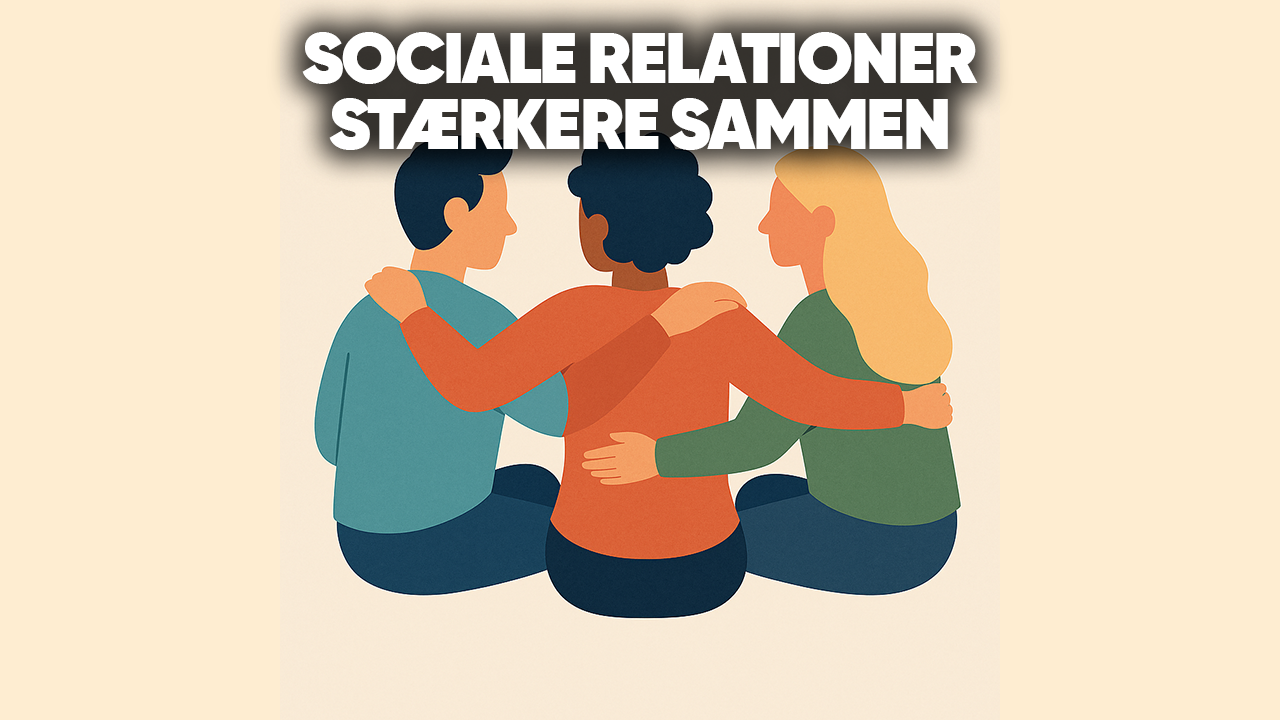
Preventing diabetes is not only about individual choices – it is also about community. It is easier to change habits when you are not doing it alone. When we share the journey toward a healthier lifestyle with others, it becomes both easier and more motivating. Research shows that strong social relationships can strengthen our mental health, reduce stress, and create a sense of support that makes it easier to maintain healthy habits.
Exercising with a friend, preparing healthy meals with the family, or joining a support group can make a major difference. It is not necessarily about being perfect, but about having someone with whom you can share both successes and challenges. When we do things together, small steps toward a healthier lifestyle become more manageable – and the chances of long-term success become greater.
💡 Motivation can be positively contagious – share your goals and celebrate your successes with others.
Inspiration List – How to Use Social Relationships to Help Prevent Diabetes
🤝 Find a workout partner – It provides motivation and accountability in diabetes prevention.
🥕 Create healthy food projects with your family – For example, try new vegetable dishes or healthy snacks. You can find inspiration for healthy snacks that support diabetes prevention in our article - Good Tips for Budget-Friendly and Healthy Snacks for the Family
👟 Join exercise communities – Running or walking clubs make being active more enjoyable and can support diabetes prevention.
💻 Look for support online – Many digital groups share recipes, tips, and experiences related to diabetes prevention.
🚶♀️ Plan social activities that involve movement – Replace a café meeting with a walk to support diabetes prevention.
📣 Use your circle of friends as a “cheering squad” – Share your goals and let others support you in preventing diabetes.
🎯 Start small challenges together – For example, “10,000 steps a day” or a “sugar-free week” to support diabetes prevention.
👨👩👧👦 Involve the children – When the whole family takes part, health becomes a shared project in diabetes prevention.
***********************************************************************************************************
If you need to get out and socialize with others who can help support diabetes prevention, you can find inspiration in our article - Good Tips on How to Find Hobby Communities Without Spending a Lot of Money
Conclusion – Small Steps, Big Impact
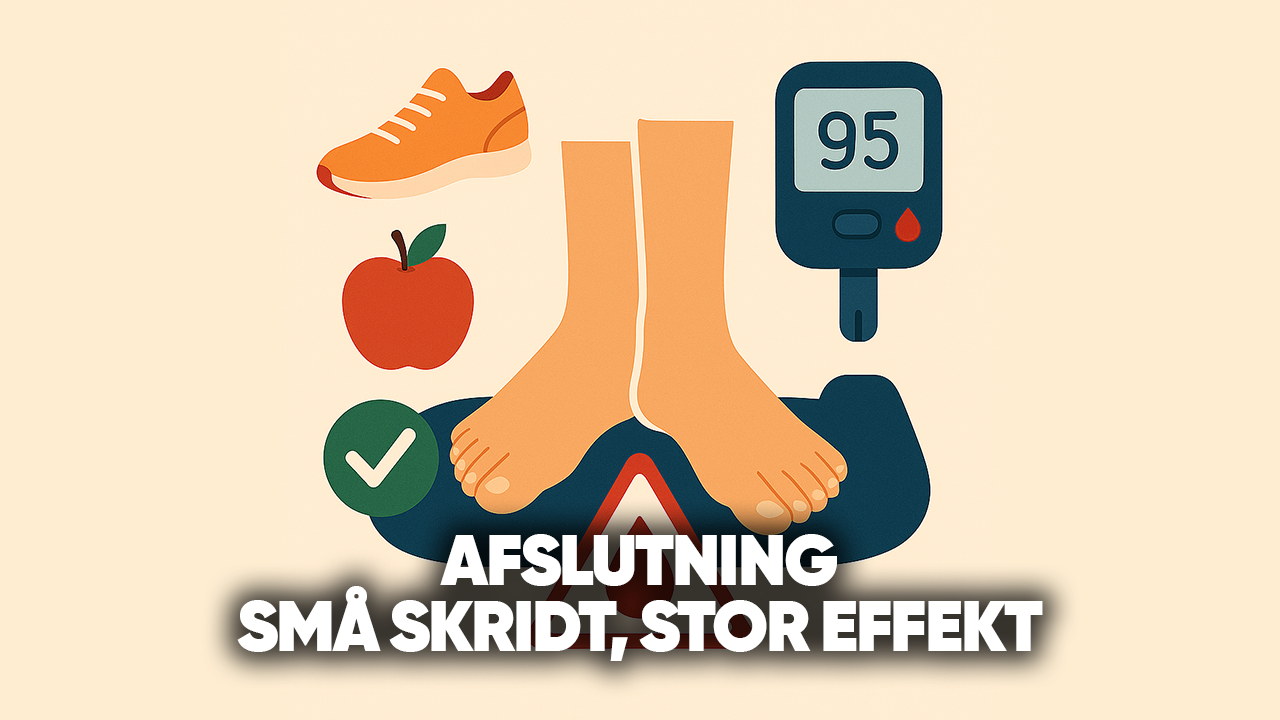
Preventing diabetes does not have to feel overwhelming or require major, sudden lifestyle changes. On the contrary, it is often the small steps in everyday life that make the biggest difference in the long term. When you choose to move a little more, eat a little healthier, sleep a little better, and take time to reduce stress, you are already well on your way to improving your health.
The most important thing is to focus on lasting habits rather than quick solutions. A single healthy meal, a walk with a friend, or a good night’s sleep may seem small in the moment – but when combined over time, these choices create strong protection against diabetes and other lifestyle-related diseases. Taking responsibility for your health is an investment in the future. Small changes today can mean many more good years filled with energy, well-being, and quality of life.
*******************************************
REMEMBER - Small, healthy steps you take today can help protect you from a future with illness – and instead give you more energy, better health, and a higher quality of life in the future.
Mini Guide – How to Prevent Diabetes in a Healthy and Effective Way
Preventing diabetes is not about quick fixes or strict rules, but about building habits that support stable blood sugar and a healthy body over time.
This mini guide is a summary of the article above and brings together the most important areas of focus that can significantly reduce the risk of type 2 diabetes while also improving your overall health and quality of life. Small steps that are repeated consistently are often the most effective path toward long-term diabetes prevention.
🩺 Know Your Risk of Diabetes as Your Starting Point
Preventing diabetes begins with awareness. Understanding your own risk factors, such as genetics, age, weight, waist measurement, and activity level, gives you a realistic picture of where you stand. Regular measurements of blood sugar, blood pressure, and cholesterol can reveal early signs of imbalance before diabetes develops. When you know what you are working with, it becomes easier to take targeted and meaningful steps to reduce your risk of diabetes.
🥗 Create a Diet That Supports Stable Blood Sugar to Help Prevent Diabetes
Diet plays a central role in diabetes prevention. An everyday diet that includes more vegetables, whole grains, legumes, fish, and healthy fats helps the body regulate blood sugar more effectively. By reducing sugar, white flour, and highly processed foods, you can reduce the rapid blood sugar fluctuations that over time may lead to insulin resistance and an increased risk of diabetes. It is not about strict restrictions, but about making smart choices that can be maintained in the long term.
🚶 Make Exercise a Regular Part of Everyday Life to Help Prevent Diabetes
Regular movement is one of the strongest factors in diabetes prevention. Exercise makes the muscles more sensitive to insulin and helps the body use sugar in the blood more effectively. Walking, cycling, strength training, and everyday movement all have positive effects. Even moderate amounts of activity can significantly reduce the risk of type 2 diabetes, especially when exercise is combined with healthy eating habits.
😴 Prioritize Sleep and Reduce Stress to Protect Against Diabetes
Sleep and stress have a greater impact on diabetes than many people realize. Chronic stress and lack of sleep can disrupt hormonal balance and make the body less able to regulate blood sugar. By creating consistent sleep habits, scheduling breaks, and actively practicing relaxation and breathing exercises, you can support the body’s natural balance. Good recovery is an important but often overlooked part of effective diabetes prevention.
⚖️ Work on Your Weight and Waist Measurement in a Realistic Way to Protect Against Diabetes
Even modest weight loss can have a major impact on diabetes prevention, especially if fat around the abdomen is reduced. The focus should be on long-term habits rather than quick results. When diet, exercise, and sleep work together, weight often decreases more naturally, and the risk of insulin resistance is reduced. A stable and sustainable lifestyle is far more effective than short-term diets in the fight against diabetes.
🤝 Use Community and Support in Diabetes Prevention
It is easier to maintain healthy habits when you are not doing it alone. Family, friends, exercise groups, or online communities can provide support and motivation while working to prevent diabetes. When health becomes a shared project, both commitment and the likelihood that the changes will last increase. A strong support system can be an underestimated but powerful factor in diabetes prevention.
🎯 Create a Plan That Works in the Long Term to Help Prevent Diabetes
Effective diabetes prevention requires a plan that fits your life. Set realistic goals, track your progress, and make adjustments along the way. Small improvements are signs that you are moving in the right direction, and every step counts. When diabetes prevention becomes naturally integrated into everyday life, it no longer feels like a burden – but rather an investment in a healthier and more energetic life.
**************************************************************************
If you need additional inspiration on how to prevent diabetes in a healthy way, you can watch this video - Can Type 2 Diabetes Be Prevented?
---------------------------------------------------------------------------------------
If you have experience and/or knowledge about diabetes prevention, we would be happy to hear your input and/or suggestions in the comments about other things that should be considered when trying to prevent the risk of diabetes in the future, thereby increasing the chances of enjoying a healthy old age without serious illnesses.