High blood pressure is one of the most widespread – and often overlooked – health challenges today. Many people live for years with high blood pressure without any obvious symptoms, even though the strain on the heart, blood vessels, and organs quietly continues to increase. This is exactly why high blood pressure is often called the “silent killer.” For many people, the automatic solution is medical treatment, but in reality, there are many natural and everyday measures that can play a crucial role – both as prevention and as a supplement.
In Denmark, it is estimated that around 20% of the population suffers from high blood pressure. It is a silent threat – because the condition rarely causes obvious symptoms, and this is precisely why the consequences can be serious. If left untreated, high blood pressure can, as mentioned, lead to serious health problems such as heart attacks, strokes, and kidney failure.
This article focuses on natural help for high blood pressure without the use of medication. It is not about quick miracle cures or extreme lifestyle changes, but about realistic adjustments that can fit into an ordinary everyday life. Small changes in diet, physical activity, sleep, and stress levels can together have a surprisingly significant effect on blood pressure over time. Many people find that when the body is given better conditions, it begins to regulate itself more effectively.
An important message is that high blood pressure rarely develops in isolation. It is often connected to a busy lifestyle, sedentary work, processed food, lack of sleep, and constantly high stress levels. That is why it also makes sense to look at the solution from a broader perspective. When you work with several small, natural approaches at the same time, you not only improve your blood pressure but also your overall well-being, energy levels, and quality of life.
In this article, you will be presented with knowledge, practical advice, and useful strategies that can help you take greater control of your blood pressure naturally. The focus is on solutions that are accessible, easy to understand, and realistic to maintain in the long term. Whether you already have high blood pressure, are in the borderline range, or simply want to prevent it, the goal is to provide useful inspiration and reliable information that you can apply in your own everyday life.
The Role of Diet in Blood Pressure Control
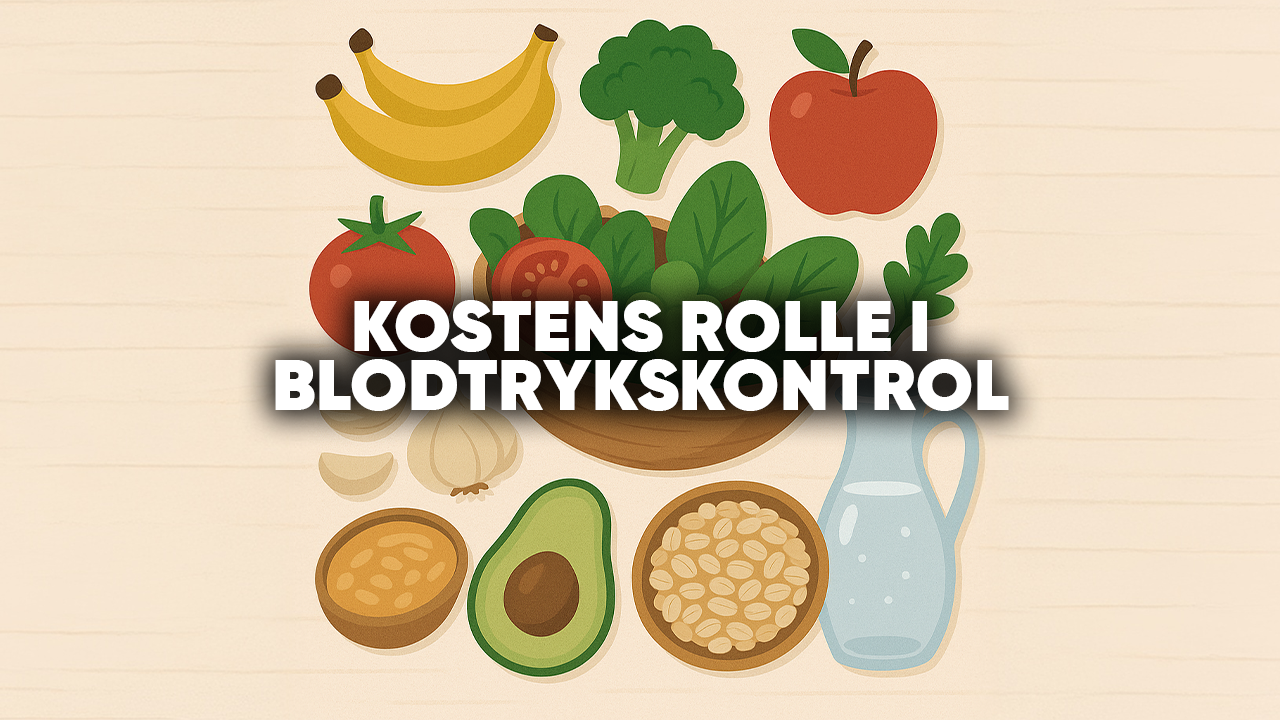
Diet plays a central role when it comes to regulating and stabilizing blood pressure naturally. What you eat every day directly affects the balance of fluids, salts, hormones, and the tension in your blood vessels – all factors that influence whether blood pressure rises or has the opportunity to fall to a healthier level. Fortunately, relatively simple dietary changes can make a noticeable difference over time.
One of the most important mechanisms involves the balance between salt and minerals. A high intake of salt, especially from processed foods, can cause the body to retain more fluid, which increases the pressure inside the blood vessels. At the same time, many people do not get enough of the minerals that naturally help counteract this effect – particularly potassium, magnesium, and calcium. By prioritizing fresh vegetables, fruit, whole grains, legumes, and nuts, you can support the body’s natural regulation and give your blood vessels better conditions to function properly.
The quality of fat in your diet is also very important. Saturated fats and trans fats can contribute to stiffer blood vessels and inflammation, which may worsen high blood pressure. In contrast, unsaturated fatty acids, such as those found in fish, olive oil, avocado, and nuts, have a positive effect on the elasticity of blood vessels. When blood vessels are more flexible, blood can flow more easily, and blood pressure naturally decreases.
In addition, stable blood sugar plays a greater role than many people realize. Large fluctuations in blood sugar can affect both hormones and the nervous system, which in turn can push blood pressure upward. A diet containing slow-digesting carbohydrates, fiber, and sufficient protein contributes to greater stability in the body and a more even strain on the cardiovascular system throughout the day.
The most important thing, however, is the overall picture. It is rarely individual foods alone that solve the problem, but rather the overall dietary pattern. When you gradually move toward more natural, unprocessed ingredients and fewer ready-made products, you give your body the best possible conditions to manage blood pressure itself. Small, lasting dietary adjustments can therefore be one of the most effective – and sustainable – steps toward healthier blood pressure and stronger overall health.
The DASH Diet
The DASH diet (Dietary Approaches to Stop Hypertension) is an eating plan designed to lower blood pressure.
The DASH Diet Focuses On
High intake of - Fruit, vegetables, whole grains, low-fat dairy products, fish, poultry, nuts, and legumes.
Limiting - Saturated fat, cholesterol, sugary foods, and salt.
Studies have shown that the DASH diet can effectively reduce both systolic and diastolic blood pressure.
Reduce the Amount of Salt in Your Meals
A high salt intake is directly associated with high blood pressure. It is recommended to limit salt intake to 5–6 grams per day.
You can reduce the amount of salt in your meals by:
🛑🥫 Avoiding - processed foods
Limit your intake of ready-made meals, hidden salt, and additives.
🍳🥕 Cooking from scratch
Emphasizes the benefits of homemade food, fresh ingredients, and full control over what goes into your meals.
🌿🧂❌ Using spices and herbs instead of salt.
Spices combine flavor, freshness, and a conscious choice to avoid salt. You can find inspiration on how to use spices in exciting ways in our article - Great Tips for Budget-Friendly Spice Blends That Add Extra Flavor to Your Dishes
Include Potassium-Rich Foods in Your Diet to Lower Blood Pressure
Potassium helps balance sodium levels in the body and can therefore help lower blood pressure.
Foods rich in potassium include:
🍌 Bananas
🥦 Broccoli
🥔 Potatoes
🥬 Spinach
🫘 Beans
🥑 Avocado
For many years, it has been widely believed within medical science that reducing salt intake should be the main focus when blood pressure is too high. However, new research actually shows that a potassium-rich diet – including foods such as bananas and broccoli – may have an even greater blood-pressure-lowering effect than simply reducing salt intake.
So-called superfoods, which include several of the foods mentioned above, are very important ingredients in a healthy, potassium-rich diet that benefits blood pressure. You can read more about superfood products in our article - Great Tips for Superfoods - The Best Foods for Your Health
Physical Activity and Exercise as a Way to Combat High Blood Pressure
Regular exercise is one of the most effective and natural ways to lower high blood pressure. When you move your body, your heart becomes stronger, allowing it to pump blood around the body more efficiently. This means that the pressure on the blood vessels is reduced, and blood pressure naturally decreases. A positive effect can already be seen after just a few weeks of regular activity, and over time, exercise can be just as effective as medication – only without the side effects.
You do not need to run a marathon to achieve results. Even moderate exercise, such as brisk walking, cycling, or swimming, can provide significant benefits. The most important thing is consistency – preferably at least 30 minutes of activity on most days of the week. Exercise can also reduce stress, help with weight management, and provide more energy in everyday life, all of which contribute to a healthier cardiovascular system.
Inspiration List – Great Tips for Physical Activity and Exercise in Everyday Life to Benefit Your Blood Pressure
🚶♂️ Movement at a Pace You Can Maintain Long-Term to Benefit Blood Pressure
Physical activity and exercise work best when they feel realistic and manageable. Gentle walks are an excellent starting point because they place little strain on the cardiovascular system and can be done almost anywhere. A daily walk gives the heart rhythmic exercise, stimulates blood circulation, and helps gradually lower blood pressure. When the pace fits into your everyday routine, the chances increase that physical activity will become a permanent habit rather than a short-term project.
🚴♀️ Cardio Activities That Gently Strengthen the Heart and Help Improve Blood Pressure
Cycling, swimming, and light dancing are forms of physical activity and exercise that train the heart without placing excessive strain on the body. These forms of movement increase oxygen uptake, improve the elasticity of blood vessels, and give the heart better working conditions. As cardiovascular fitness improves, resting heart rate often decreases, making it easier for blood pressure to stabilize. This makes these types of exercise particularly suitable for people with high blood pressure.
🏡 Building Movement into Daily Routines to Help Blood Pressure and Your Health
Physical activity and exercise do not have to be separate from everyday life. Small choices such as taking the stairs, doing light exercises at home, or moving actively during breaks can together make a big difference. When movement becomes a natural part of the day, exercise feels less like an extra task. This approach makes it easier to maintain physical activity over time and supports more stable blood pressure control.
🧘♂️ Gentle Forms of Movement That Help Blood Pressure While Focusing on Relaxation
Gentle forms of exercise such as yoga, stretching, and calm movement exercises combine physical activity with mental relaxation. They help release tension, improve breathing, and reduce the nervous system’s stress response. This type of movement can be particularly beneficial if high blood pressure is connected to inner restlessness or prolonged stress. When the body relaxes, blood pressure often follows.
📅 Consistency With Physical Activity as the Key Factor in Getting Blood Pressure Under Control
The greatest benefits of physical activity and exercise are achieved through consistency. It is not individual workout sessions but the accumulation of repeated activity that creates change. By planning movement as a regular part of the week – regardless of intensity – you give your body consistent signals to keep the cardiovascular system active. Over time, this consistency can lead to noticeable improvements in blood pressure, energy, and overall well-being.
Summary – Easy Ways to Get Started With Exercise for Lower Blood Pressure
🚶♂️ Take a brisk 20–30 minute walk every day to benefit your blood pressure.
🏃♀️🚴♂️🏊♀️ Aerobic exercise – 30 minutes daily, such as light jogging, cycling, or swimming, to benefit blood pressure.
🧱🧍♂️ Isometric exercises – Exercises such as the plank and wall squats have been shown to be particularly effective at lowering blood pressure.
🚲 Use your bicycle for short trips instead of the car, which benefits your blood pressure.
🏋️♂️ Do light strength training with bodyweight exercises such as squats, push-ups, and sit-ups, which can be a great help in getting your blood pressure under control.
🏊♂️💧 Swim or do water aerobics, which is gentle on the body while also helping lower blood pressure.
🧘♀️ Practice yoga or Pilates to combine movement and stress reduction, which are key factors in lowering blood pressure.
💃🎶 Dance to your favorite music – fun and effective at the same time, and good for your blood pressure.
🚶♀️⬆️ Take the stairs instead of the elevator as a way to support your health and blood pressure.
*********************************************************************
REMEMBER- the body is made for movement, not inactivity. Exercise works best for blood pressure when it becomes a habit and a natural part of your lifestyle.
********************************************************************
You can get additional tips on how the right combination of diet and exercise can improve your health and help you manage your blood pressure in our article - Great Tips on How to Combine Exercise and Diet for Optimal Results
Weight Loss as a Way to Combat High Blood Pressure
Being overweight is one of the most common causes of high blood pressure. When the body carries extra weight, the strain on the heart and blood vessels increases, which can lead to high blood pressure over time. Moderate weight loss – even just 5–10% of body weight – can have a significant positive effect on blood pressure while also improving overall health.
Weight loss is most effectively achieved through a combination of a healthy diet and regular physical activity. It is not about quick-fix diets, but about lasting lifestyle changes, such as reducing refined sugar, ready-made meals, and processed foods while instead focusing on vegetables, whole grains, lean protein, and healthy sources of fat such as nuts and olive oil. Research has also shown that weight loss can often make it possible to reduce or completely avoid the need for blood-pressure-lowering medication – in consultation with a doctor. Weight loss is therefore not merely cosmetic; it is an important step toward a healthier heart and more stable blood pressure.
In summary, even moderate weight loss can have a significant positive effect on blood pressure. The combination of a healthy diet and regular exercise is the key to effective weight loss.
You can find inspiration on how to get started with a good combination of exercise and diet to achieve effective weight loss that benefits your blood pressure in our article - Great Tips for Weight Loss Training - The Most Effective Exercises
Stress Management as a Way to Combat High Blood Pressure
Stress is one of the most overlooked causes of high blood pressure. When the body is under pressure, stress hormones such as adrenaline and cortisol are released, causing the heart rate to increase and the blood vessels to constrict. If this condition continues, blood pressure may remain elevated and, over time, place strain on both the heart and cardiovascular system.
Learning to manage stress is therefore an important part of a natural strategy for dealing with high blood pressure. Small everyday changes – such as taking breaks, breathing deeply, or engaging in calming activities – can significantly reduce stress levels. At the same time, regular sleep, social relationships, and exercise can help strengthen the body’s resilience to stress. It is not about avoiding stress completely, but about finding healthy ways to balance and process it. When stress is managed more effectively, blood pressure often decreases naturally, and quality of life improves at the same time.
Effective Methods for Reducing Stress and Therefore Helping Lower Blood Pressure Include
Meditation and mindfulness - Help calm the mind and reduce stress levels and blood pressure. Find inspiration on how to get started with meditation and mindfulness in a positive way in our article - Great Tips for Strengthening Yourself Mentally Through Mindfulness and Meditation
Deep breathing - Activates the parasympathetic nervous system, which lowers heart rate and blood pressure. Mindfulness is a useful tool for calming the body and breathing. If you have a busy everyday life, doing small mindfulness exercises throughout the day can help, and you can find inspiration in our article - Great Mindfulness Tips for Busy People – Simple Exercises for Everyday Life
Regular physical activity - Releases endorphins, which improve mood and reduce stress, together helping improve your blood pressure. If you do not have experience with regular exercise, you can find inspiration in our article - Great Tips for Effective Workout Routines for Beginners
Natural Supplements and Herbs as a Way to Combat High Blood Pressure
In addition to diet and exercise, many people choose to supplement with natural dietary supplements and herbs to support healthy blood pressure. Several plants and nutrients have been shown to help the body regulate circulation, reduce inflammation, and balance blood pressure in a gentle way.
However, it is important to remember that supplements cannot stand alone and work best as a supplement to a healthy lifestyle. They may be particularly useful if your diet does not always contain enough of the nutrients that support the heart and blood vessels. Although many natural remedies are harmless, you should always consult your doctor, especially if you are already taking blood-pressure-lowering medication, because some herbs and supplements can increase or affect the effects of these medications.
Several Natural Supplements and Herbs Have Been Shown to Have a Positive Effect on Blood Pressure
Garlic - Contains allicin, which may help widen the blood vessels and benefit blood pressure.
Hawthorn - Traditionally used to support heart function, but may also have a positive effect on blood pressure.
Nettle - Has diuretic properties that may help lower blood pressure.
Rosemary - May improve blood circulation and reduce blood pressure.
Recommended Natural Products for Lowering Blood Pressure
Nature's Bounty Garlic Extract - A garlic supplement that supports cardiovascular health and may be beneficial for blood pressure.
Naturmil Hawthorn 300 Mg 90 Capsules - Hawthorn capsules designed to support heart function and potentially lower blood pressure.
HealthyCo Beetroot Juice 1 liter - Beetroot juice, which is rich in nitrates that may help lower blood pressure.
Limiting Alcohol and Smoking as a Way to Combat High Blood Pressure
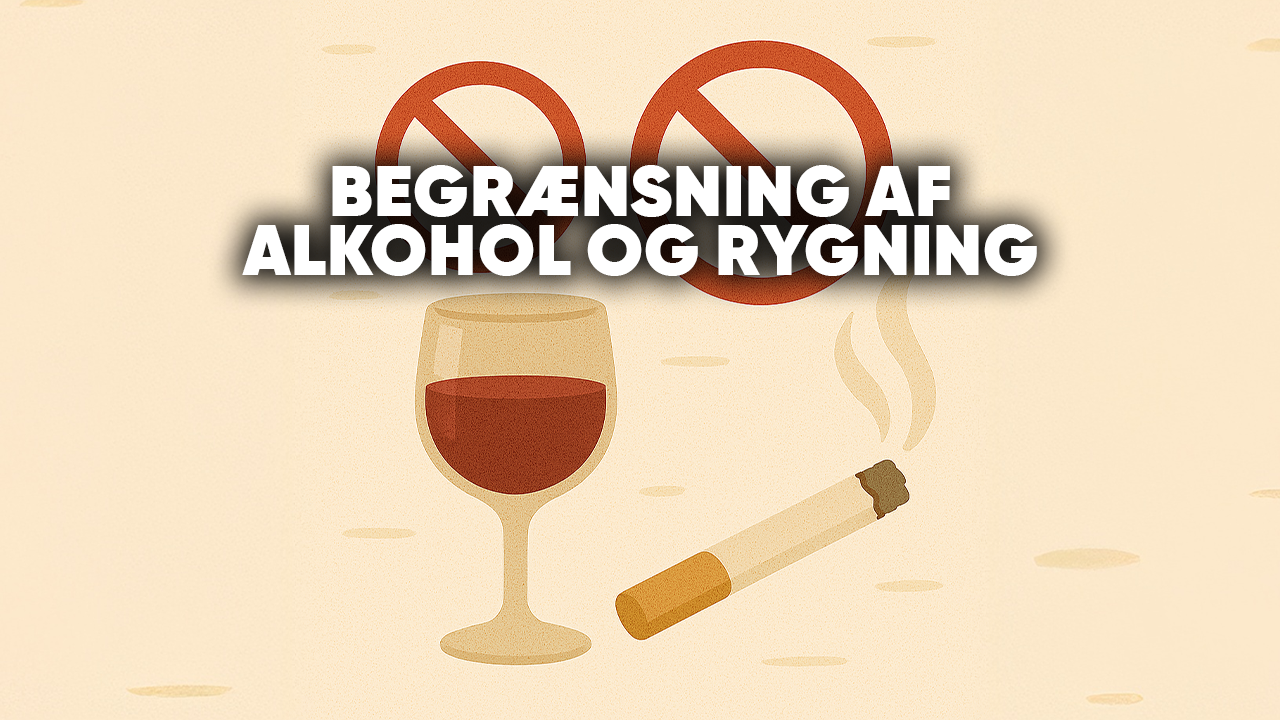
Alcohol and smoking are two of the biggest lifestyle factors that can negatively affect blood pressure. Regular and high alcohol consumption increases the risk of high blood pressure because it places strain on the heart and cardiovascular system and can lead to weight gain as well as disruptions in the body’s hormonal balance. Even moderate amounts may affect blood pressure, and health experts therefore recommend staying within the official recommendations – or reducing alcohol consumption further if your blood pressure is already too high.
Smoking has an even more direct effect. Nicotine causes the blood vessels to constrict, which immediately raises blood pressure. Over time, smoking can damage the inner walls of blood vessels, increase the risk of atherosclerosis, and make blood pressure more unstable. When a person stops smoking, blood pressure begins to fall within just a few hours, and the risk of cardiovascular disease is significantly reduced.
Limiting alcohol and giving up cigarettes are therefore among the most effective and natural ways to protect your cardiovascular system. It is not only about lowering blood pressure in the short term but also about ensuring a stronger heart and better quality of life in the long term.
Alcohol
Excessive alcohol consumption can, as mentioned, increase blood pressure.
It is recommended to limit alcohol intake to:
🍷📉 A maximum of 10 alcoholic drinks per week.
🍺⏱️ No more than 4 alcoholic drinks on one occasion.
****************************************************************
You can find inspiration for achieving a healthier balance with alcohol in our article - Great Tips for Drinking Less Alcohol – Your Guide to a Healthier Alcohol Balance
Smoking
As mentioned, smoking damages the blood vessels and increases the risk of cardiovascular disease. Quitting smoking is one of the most effective ways to improve cardiovascular health, including getting your blood pressure under control.
***************************************************************
You can find inspiration for quitting smoking in our article - Great Tips for Quitting Smoking – Your Guide to a Smoke-Free Life
Regular Monitoring to Keep Your Blood Pressure Under Control
If you want to prevent and control high blood pressure, it is important to know your numbers. Many people only discover that they have high blood pressure at a late stage because the symptoms are often invisible. By measuring your blood pressure regularly, you can get a clear picture of how your lifestyle affects your health – and take action in time.
Regular monitoring makes it easier to see which changes are working: perhaps your blood pressure falls when you start walking every day, eat healthier, or reduce your intake of coffee and alcohol. This gives you control and motivation to continue your healthy habits.
You can have your blood pressure measured by your doctor, at a pharmacy, or invest in a reliable blood pressure monitor for home use. The most important thing is that the measurements are taken correctly and regularly so that you can follow changes over time.
Checklist – How to Keep Your Blood Pressure Under Control Through Regular Monitoring
📏 Measure your blood pressure regularly with a home blood pressure monitor and at the same time each day, for example in the morning or evening, if your blood pressure is consistently at the higher end of the recommended blood pressure range.
🪑 Sit quietly for 5 minutes before taking the measurement, without coffee, cigarettes, or stress.
💪 Measure on the same arm each time to obtain comparable results.
📒 Record your measurements in a diary or app – this provides a clear overview and makes it easier to share the information with your doctor.
⏰ Follow the development over time rather than focusing on individual fluctuations.
👨⚕️ Contact your doctor if your measurements repeatedly show high blood pressure.
How to Read Blood Pressure Values
Category --- Systolic (upper number) --- Diastolic (lower number)
Optimal blood pressure ---- Below 120 mmHg --- Below 80 mmHg
Normal blood pressure --- 120–129 mmHg --- 80–84 mmHg
High-normal blood pressure --- 130–139 mmHg --- 85–89 mmHg
High blood pressure – Grade 1 --- 140–159 mmHg --- 90–99 mmHg
High blood pressure – Grade 2 --- 160–179 mmHg --- 100–109 mmHg
High blood pressure – Grade 3 --- 180 mmHg or higher --- 110 mmHg or higher
Isolated systolic hypertension --- 140 mmHg or higher --- Below 90 mmHg
👉 How to Read Blood Pressure Numbers
❤️⬆️ Systolic pressure (upper number) - The pressure when the heart pumps blood out.
❤️⏸️ Diastolic pressure (lower number) - The pressure when the heart rests between beats.
A persistent blood pressure of 140/90 mmHg or higher is generally considered high and requires attention.
Conclusion
Lowering and preventing high blood pressure without medication is about taking responsibility for the small daily choices that together can make a significant difference. Through exercise, a healthy diet, stress management, and good habits, you can strengthen your heart and blood vessels naturally. It is not necessary to change everything at once – on the contrary, the best results are achieved when new habits are gradually introduced and become a natural part of everyday life.
Regular monitoring of your blood pressure also gives you insight into how your body responds to lifestyle changes and motivates you to continue with the positive steps you have taken. Remember that the goal is not only lower numbers on the blood pressure monitor, but also a better quality of life with more energy, fewer health risks, and greater well-being in everyday life.
By working with your body instead of against it, you can create lasting improvements – completely naturally. However, it is a good idea to consult a healthcare professional before making major lifestyle changes or starting new dietary supplements.
Mini Guide – Natural Methods That Can Help Reduce High Blood Pressure in Everyday Life
Working specifically to reduce high blood pressure without the use of medication is primarily about creating better conditions for the body over time. It is rarely one single measure that makes the difference, but rather a combination of connected habits that together can help lower high blood pressure, stabilize circulation, and reduce the strain on the heart and blood vessels.
This mini guide is a summary of the article above and gives you a complete overview of the most important areas to focus on if you want a natural and sustainable approach to better blood pressure.
🥗 Dietary Choices That Support More Stable Blood Pressure
When you want to reduce high blood pressure, diet plays a crucial role. A dietary pattern based on unprocessed foods, vegetables, whole grains, legumes, and healthy sources of fat provides the body with the minerals and nutrients that support proper blood vessel function. By reducing the intake of salt, ready-made meals, and sugary products, fluid retention and strain on the cardiovascular system can be reduced. Over time, these dietary adjustments can help lower high blood pressure naturally and gently.
🚶♂️ Regular Movement as Natural Help for High Blood Pressure
Physical activity is one of the most effective tools for dealing with high blood pressure. When the body moves regularly, the heart becomes stronger and the blood vessels become more elastic, making it easier for blood to circulate. It does not have to involve intense exercise – walking, cycling, swimming, or light strength training can all make a positive contribution. Consistent movement helps lower resting blood pressure and supports more stable regulation of high blood pressure in everyday life.
🧘♀️ Stress Reduction and Mental Calm for High Blood Pressure
Stress is an often-overlooked factor behind high blood pressure. When the body is constantly in a state of alert, both heart rate and blood pressure increase. It is therefore important to actively work with relaxation, breaks, and mental calm. Breathing exercises, meditation, gentle forms of movement, and intentional breaks throughout the day can help calm the nervous system. When stress levels are reduced, the body has a better opportunity to regulate high blood pressure naturally.
🛌 The Importance of Sleep for Lowering High Blood Pressure
Quality sleep is essential if you want to manage high blood pressure naturally. During sleep, the cardiovascular system has an opportunity to recover, and stress hormones decrease. Too little sleep or restless sleep, on the other hand, can keep blood pressure elevated for longer periods. A consistent sleep schedule, relaxing evening routines, and a dark, cool sleeping environment can support better sleep quality and therefore contribute to more stable blood pressure.
🧂 Awareness of Salt, Alcohol, and Fluid Balance for Healthy Blood Pressure
A high intake of salt and alcohol can significantly worsen high blood pressure. By being aware of the quantities you consume and adding more flavor through herbs, citrus, and natural ingredients, the strain can be reduced. At the same time, maintaining a healthy fluid balance is important, as both too little and too much fluid can affect blood pressure. Small adjustments in this area can lead to noticeable improvements over time.
📊 Regular Measurement and Greater Understanding of Your Blood Pressure
Monitoring your blood pressure provides important information and motivation. Regular measurements make it easier to see how diet, physical activity, and lifestyle affect high blood pressure in practice. This insight can help you maintain healthy habits and adjust your efforts over time. When you understand your own patterns, managing high blood pressure becomes more concrete and manageable.
🔁 Small Daily Lifestyle Habits That Keep Blood Pressure Under Control in the Long Term
The greatest success in managing high blood pressure is achieved through healthy daily lifestyle habits that can be maintained. It is better to make a few realistic changes that become a natural part of everyday life than to go all-in for short periods. When lifestyle changes feel manageable, the likelihood increases that they will actually lead to more stable and healthier blood pressure in the long term.
*******************************************************************************
If you need further inspiration on how to naturally manage high blood pressure without using medication, you can watch this video - 5 Ways to Lower High Blood Pressure Without Medication
--------------------------------------------
If you have experience and/or knowledge of how healthy lifestyle changes can help reduce high blood pressure, we would be happy to hear your input and/or suggestions in the comments section about other good ways to naturally and sustainably lower blood pressure and thereby reduce the risk of future illnesses caused by excessively high blood pressure.