
At a time when many people are looking for ways to save money without sacrificing their quality of life, finding fun and engaging hobbies that won’t empty your wallet can be a great idea. Taking up a hobby doesn’t have to be expensive, time-consuming or require specialist equipment.
On the contrary, the most meaningful and enjoyable leisure activities can often be found in simple things that give us energy, joy and a sense of flow – without putting unnecessary pressure on our finances. As prices rise and many people try to trim their budgets, more and more are looking for hobbies that enrich everyday life while keeping their finances balanced.
Hobbies play an important role in our mental health, creativity and overall enjoyment of life. They can reduce stress, improve concentration and provide a well-earned break from everyday routines. Many people also find that hobbies help them form new social connections, offer a sense of progress and personal growth – and sometimes even open the door to entirely new communities.
Whether you’re looking for creative activities, calm and absorbing pastimes or something that gives you a little adrenaline rush, there are countless options that cost less than most people think. Often, it’s simply a matter of thinking a little differently, using what you already have and discovering the joy of experimenting with new interests.
This article offers a wide range of inspiring, budget-friendly hobby ideas – whether you want to get creative, need more movement in your daily life or are looking for small projects that bring calm, energy or opportunities to learn something new. You’ll also find practical advice, specific examples and handy tips to help you get started without spending money unnecessarily.
Whichever direction you choose, one thing is certain: a hobby can give you the chance to relax, learn new skills and meet like-minded people while keeping your budget under control. Your new hobby might even make a big difference to your life. Let’s explore the many possibilities ahead of you – and look at some hobbies that will hopefully suit both you and your budget.
Nature Walks and Outdoor Activities as a Low-Cost Hobby

Nature walks and outdoor activities are among the most accessible and budget-friendly hobbies you can choose. You get fresh air, mental calm, more energy and the chance to escape the pace of everyday life – all without buying expensive equipment or travelling far. Often, all you need is a good pair of shoes and the desire to explore the green spaces around you.
Choosing nature as the setting for a low-cost hobby gives you both physical activity and time for quiet reflection. It’s a wonderful way to clear your head, strengthen your body and experience the calm that only nature can offer. You can choose gentle walks, inviting woodland paths, longer routes or small outdoor projects – all without straining your budget.
Nature walks and outdoor activities also make a flexible hobby that can fit any lifestyle. You can head out alone to recharge, take the family along to strengthen your bonds or invite friends to combine exercise with socialising. It’s a hobby that can be planned or spontaneous, and it suits all ages and experience levels.
Once you start exploring nature regularly, you’ll discover how many small details enrich the experience – the sounds, the light, the changing seasons and the sense of freedom. Enjoying the outdoors as a low-cost hobby can even inspire new interests such as photography, birdwatching, map reading, cooking over a campfire or taking short day trips around the country. There’s a whole world of experiences to enjoy – without having to spend money to take part.
Ideas for Nature Walks as a Budget-Friendly, Low-Cost Hobby
🌿 Set Aside a Regular Day Each Week for Your Nature Walks
Setting aside a regular day each week for nature walks makes it easier to maintain a routine and get the most out of your chosen low-cost outdoor hobby. When it becomes a regular fixture in your calendar, it feels like a natural part of everyday life rather than something you have to find time for on the spur of the moment. It gives you more opportunity to plan routes, check weather conditions and explore new places. It also creates something to look forward to – a regular break when you can recharge, get some fresh air and let your mind settle.
Start with shorter routes and work your way up to longer walks. The more regularly you get outside, the more you’ll notice the small details in nature that make the hobby even more meaningful. Invest in a good pair of walking shoes and a practical backpack – they don’t have to be expensive.
🥾 Add Variety to Your Walks with New Routes and Different Natural Landscapes
If you want nature walks to remain an exciting, low-cost hobby in the long term, variety is key. Explore new woodlands, lakeside areas, stretches of coastline or small nature trails nearby. Hidden natural gems are often closer than you think, and many local councils offer free maps, digital route suggestions or recommendations for places to explore. You can also use free apps such as Komoot or AllTrails to find walking routes in your area. Varying your surroundings brings new sights, fresh challenges and a greater understanding of the natural world around you. It makes the experience more engaging and keeps your motivation high – without costing extra.
🌲 Use Your Nature Walks to Connect with the Seasons
One of the most beautiful ways to enjoy nature walks as a low-cost hobby is to follow the changing seasons. Walk in spring, when everything is coming to life. Walk in summer, when daylight lasts longer. Walk in autumn, when the landscape bursts with colour. And walk in winter, when the stillness is at its deepest. This brings both inner calm and a greater understanding of nature’s cycle. You can even combine your walks with small projects, such as photographing the same places throughout the year, recording animal tracks or collecting natural materials for decorations. The seasons add new layers to your nature walks – at no cost.
🔍 Make Your Walks More Educational with Simple Nature Studies
Spending time outdoors doesn’t have to be just about physical activity – it can also become an educational and absorbing low-cost hobby. Take a small notebook or use your phone to record bird species, insect life, plants you find or interesting places in nature. Many people find great joy in getting to know the natural world better, and it can create an even stronger connection with the places you visit. You can also use free apps, pick up local nature leaflets or visit nature centres, which often provide information free of charge. The more you know, the richer your experiences become.
🔥 Add Simple Outdoor Activities and Campfire Stops to Your Walks
If you want to take your outdoor adventures a step further without making the hobby expensive, try simple activities such as cooking over a fire at public campfire sites, exploring nearby outdoor shelters or taking short day trips with a backpack. This keeps your nature-based hobby affordable while creating special moments when you really feel present and free. You don’t need expensive equipment; you can start with a flask, a packed lunch and a little dry firewood. Many outdoor sites are free to use, adding an extra sense of adventure to your outings.
REMEMBER - Nature is free – the joy of spending time outdoors costs only the time you give it. Short nature walks can turn into great experiences – while supporting your health, bringing mental calm and helping your body feel good, all without spending a penny.
You can find more inspiration for free outdoor activities in our article - Great Tips for Outdoor Activities on a Budget – Explore Nature for Free
Upcycled Art and DIY Projects as a Low-Cost Hobby
Upcycled art and creative DIY projects are fantastic examples of hobbies that stimulate the imagination and fit perfectly into a budget-friendly lifestyle. This type of hobby involves using materials you already have at home or can find cheaply in charity shops, at flea markets or in nature. It allows you to create something beautiful, functional and personal without spending much money.
When you take up upcycled art and DIY projects as a low-cost hobby, you have the chance to experiment, express your creativity and rediscover the value of things that might otherwise end up as waste. It is visually satisfying and gives you the feeling of creating something unique with your own hands. There are no limits to what you can make – wall decorations, revamped furniture, something unique for your home, gifts or small practical items for everyday use.
This type of hobby also has mental and environmental benefits. It helps you switch off, slow down and immerse yourself in something creative that engages the senses. At the same time, it is a sustainable way to use materials because you give old things a new lease of life. This makes upcycled art and DIY projects a hobby where creativity, careful spending and environmental awareness go hand in hand.
Whether you are a beginner or have crafting experience, there are always new techniques and projects to explore. You can start small, use simple tools and gradually develop your skills. Most people quickly discover the joy of the process, where being creative matters more than making something perfect. Best of all, you can do it without breaking the bank.
Ideas – Create More from Less with Upcycled Art and DIY Projects
📱 Find Inspiration for Upcycled Art and Easy DIY Ideas on Social Media
Social media is a goldmine when you take up upcycled art and DIY projects as a low-cost hobby, as you can quickly find short tutorials, creative ideas and projects that require only a few materials. Platforms such as Instagram, Pinterest, YouTube and TikTok give you access to thousands of step-by-step videos, before-and-after projects and creative tips that you can easily apply to your own upcycled art and DIY projects.
Many creators focus on simple methods, reused materials and ideas that can be made in just a few minutes, making it easy to get started without spending extra money. Social media also helps you discover new trends, techniques and forms of creative expression that can inspire future projects and encourage you to explore the hobby further.
♻️ Make Small Home Accessories with Upcycled Art and DIY Projects
Small decorative items are the perfect place to start when you want to explore upcycled art and DIY projects as a creative, low-cost hobby. Gather materials such as empty jars, newspapers, cardboard boxes and fabric scraps. Old jars, for example, can become candle holders, pieces of wood can become shelves, and an old picture can be given a new lease of life with a fresh coat of paint or some fabric. You can also make jewellery, decorations or practical items such as storage boxes. The idea is to see the potential in materials already in your home. Working on a small scale gives you quick results, a great sense of satisfaction and the chance to keep developing new ideas – all without spending much.
🛠️ Revamp Furniture with DIY Projects
Revamping furniture is one of the most popular types of DIY project because you can create something entirely new from something old. It can be as simple as painting a table, reupholstering a chair or transforming an old chest of drawers with new handles and colours. Here, too, social media can provide inspiration for turning different types of furniture into unique pieces. With a little creativity and a few inexpensive materials, you can give your furniture character, style and a longer life. It is a constructive, sustainable and hugely satisfying way to enjoy a low-cost hobby that also makes your home more personal.
🎨 Create Artwork and Decorations with Upcycled Art and DIY Projects
Artwork and wall decorations are ideal upcycled art and DIY projects because you can use cardboard, old magazines, fabric scraps, wood slices or natural materials as a starting point. This gives you plenty of freedom and room to experiment with colours, shapes and textures. You can make collages, mixed-media art, abstract paintings or fabric-covered frames – all inspiring and budget-friendly. This type of hobby is perfect if you want to create something visual that both decorates your home and expresses your own style.
🧵 Transform Clothes and Textiles with DIY Projects
Old textiles are a goldmine for DIY projects. An old pair of jeans can become a bag, cushions or small storage pockets. Worn bed linen can be turned into fabric bags, fabric books or decorative ribbons. Often, all you need is a needle, some thread and a little imagination. You can also create something useful and unique without spending money on new materials. It is a fantastic, budget-friendly hobby that helps you save money and reduce waste.
🌿 Use Natural Materials in Upcycled Art and DIY Projects
Natural materials are perfect for upcycled art and DIY projects and cost nothing more than a trip outdoors. Branches, stones, pieces of bark, dried flowers and conkers can become beautiful decorations, table arrangements, wreaths or small art projects. This type of hobby also allows you to combine creativity with the calm of nature. Natural materials bring warmth, texture and unique charm to your home – and make the project especially satisfying because it is literally made from something you found yourself.
🎁 Make Personalised Gifts with Upcycled Art and DIY Projects
Personalised gifts are a natural choice for upcycled art and DIY projects because they show thoughtfulness while saving money. A revamped frame, a homemade candle holder or a creative collage can mean a great deal to the recipient. Many people appreciate handmade gifts because they reflect the time, creativity and personal effort that went into them. These projects make the hobby meaningful and bring joy to both you and the person receiving the gift.
REMEMBER - Imagination and creativity are free – and that is what makes upcycled art and DIY projects so rewarding: when you create with reused materials, you also create value for yourself.
You can find more inspiration for making jewellery and crafts on a budget in our article - Great Tips for Making Jewellery and Crafts Without Expensive Tools
Gardening as a Low-Cost Hobby
Gardening is one of the most satisfying and budget-friendly hobbies you can take up. It brings calm, physical activity and a sense of creating something that grows and develops over time. You can work with whatever space you have available – whether that is a balcony, a small courtyard, a few pots outside your building’s entrance or a larger outdoor area. Gardening as a low-cost hobby is about using what you already have and discovering how little it actually takes to bring greenery into your surroundings.
What makes gardening special is that it gives you both a physical space to unwind and creative freedom to express yourself through colours, shapes and small new projects. Many people quickly discover that gardening becomes a calming habit, allowing them to take their time, immerse themselves in the task, feel close to nature and enjoy a break from the pace of everyday life. The hobby can also become a source of pride when plants sprout, flower or produce edible crops you have grown yourself. If you grow your own vegetables and herbs, you can also reduce your food bills.
Gardening does not have to be expensive. You can easily get started with free seeds, cuttings from friends, reused soil, homemade plant pots or natural materials. This makes it a hobby that is sustainable, creative and financially sensible. Whatever your experience, everyone can find something in gardening that suits their budget, available time and interests.
Ideas – Make Gardening a Creative, Low-Cost Hobby
🌿 Start Small with Just a Few Plants
Starting small makes gardening a manageable, low-cost hobby because you invest in only a few plants and learn how to care for them properly before expanding. A simple balcony garden, a windowsill of herbs, a pot of strawberries or a houseplant can be enough to bring that first sense of joy. It is often a good idea to start with easy-to-grow plants such as basil, parsley and tomatoes. When you start small with easy plants, you enjoy success sooner, build experience and avoid spending money on equipment before you know what interests you most. This approach makes gardening accessible and inspiring right from the start.
🌱 Visit Local Plant Swaps or Libraries with Seed-Lending Schemes
Local plant swaps and libraries with seed-lending schemes are fantastic options when you want to enjoy gardening as a low-cost hobby without investing in expensive plants or special varieties. Many libraries around the country now offer small seed banks where you can borrow seeds for free, grow them and return newly collected seeds later. This makes gardening both sustainable and economical while giving you access to interesting varieties you might not have found in the shops.
Plant swaps are just as valuable because you can exchange cuttings, plants, advice and experiences with other gardening enthusiasts. They offer a social way to broaden your gardening options, and you can often come home with plants you have never tried growing before. This shared interest creates a friendly community, and you learn new techniques and ideas that make your future gardening more enjoyable and varied – all without straining your budget.
🌱 Grow New Plants from Cuttings and Divisions
Taking cuttings and dividing plants are perfect ways to keep gardening affordable because they allow you to create new plants completely free of charge. Many plants can be propagated from cuttings, divisions or small offshoots that quickly develop into independent plants. This allows you to expand your garden at no cost, and you can even swap with friends, family or neighbours for more varieties. These techniques make gardening social, economical and highly productive.
🌼 Reuse Everyday Materials in Your Gardening
Reusing materials is a central part of budget-friendly gardening because you can turn containers, wood, jars, old crates, buckets or disposable packaging into plant pots or mini greenhouses. This creates a unique look, saves money and reduces waste. Many items work just as well as expensive equipment, making gardening more creative and flexible. When you look for ways to reuse materials, you learn to see the potential in things that would otherwise be thrown away.
🍅 Grow Edible Plants as Part of Your Gardening
Growing edible plants is one of the most satisfying aspects of gardening because you can literally taste the results of your work. Tomatoes, herbs, lettuce and berries do not require much space and are inexpensive to grow. You save money on groceries, enjoy fresher ingredients and feel the pride of having created something useful. This type of gardening encourages you to keep going and brings both value and joy.
🌾 Make the Most of Nature’s Resources in Your Gardening
You can make gardening even cheaper by using natural materials – leaves, branches, stones, moss or small pieces of wood – as decorations, soil improvers or ground coverings. Many natural materials can replace expensive products and give your garden a natural, harmonious appearance. Working with nature’s resources makes gardening more sustainable and teaches you to create beautiful results with what is already around you.
💧 Make Your Watering More Efficient with Small Changes
Watering can become a significant expense, but simple measures can help gardening remain a low-cost hobby. Collect rainwater, reuse old buckets or cover the soil with leaves and bark to retain moisture. Using water more efficiently saves both money and time. It also gives plants more consistent growing conditions, making gardening even easier and more satisfying.
REMEMBER - When you give nature a little, it gives you plenty in return – without costing much. And as you cultivate the soil in your garden, you also nurture your own sense of calm and wellbeing.
Find more tips on getting started with a beautiful, low-cost garden in our article - Start or Plant a Garden on a Budget – Great Tips for Those with Green Fingers
Learning a New Language as a Low-Cost Hobby
Learning a new language is one of the most enriching and budget-friendly hobbies you can choose. It gives you fresh perspectives, strengthens your mental flexibility and opens the door to other cultures without needing to invest in expensive courses or materials.
Learning a new language is a hobby that can benefit both your personal and professional life. Today, there is a wealth of free resources online, and many ways of learning a new language are both entertaining and flexible. This makes it a hobby that can fit into any daily routine, regardless of your level or how much time you have. Learning a new language is not just an intellectual exercise – it is also an experience that can build confidence, improve communication skills and deepen your understanding of the world around you.
Many people find that learning a new language feels like discovering a new way to think and express themselves. You gain access to new media, enjoy smoother travel experiences and have the chance to speak with people you would otherwise never be able to communicate with. This hobby is particularly budget-friendly because you can learn at your own pace using free apps, videos, podcasts, online dictionaries, e-books and essays. Even simple routines – such as practising for 10 minutes a day – can lead to significant progress over time. What matters most is the desire to learn and the enjoyment of the process, rather than having perfect tools or expensive materials.
Ideas – Make the Most of Learning a New Language as a Low-Cost Hobby
📚 Start with Free Online Courses When Learning a New Language
Free online courses are one of the most effective starting points when you want to make learning a new language a budget-friendly hobby. Platforms such as YouTube, various educational websites and language-learning portals offer freely accessible lessons covering everything from beginner level to more advanced topics. This allows you to learn in a structured way without paying for expensive courses. With online courses, you can learn at your own pace, revisit difficult areas and build a good understanding of grammar and vocabulary without spending anything.
🎧 Use Podcasts to Understand Your New Language in Everyday Life
Podcasts are an excellent way to bring a new language into your daily routine because you can listen while commuting, cooking or going for a walk. Many language podcasts offer short daily lessons, authentic conversations or explanations of words and expressions. Hearing the language regularly helps you develop your pronunciation, comprehension and sense of its rhythm. It gives you a natural insight into how the language is used in practice and makes learning engaging and motivating. This approach is free and simply requires a willingness to listen.
📱 Use Free Language Apps to Practise Your New Language Daily
Free language apps are ideal when you want to make learning a new language a regular habit. Apps offer short, manageable exercises and game-like features that make the process fun and focused. Examples of free language apps include Duolingo and Memrise. You can practise vocabulary, take quizzes, work on grammar and track your progress over time. It is a flexible option that fits both busy days and days off, with no financial investment required. Using apps daily helps you establish a consistent routine that strengthens your vocabulary and confidence in the language.
📖 Read Simple Books and Articles in Your New Language
Reading is one of the most rewarding ways to develop your skills in a new language, especially when you choose short, simple texts or children’s books. It allows you to learn new words in a natural context and gain a better understanding of sentence structure and expressions. You can find free e-books, publicly available texts or second-hand books in charity shops for very little money. When you read regularly, you will soon notice your understanding growing, making learning a new language even more inspiring.
🎬 Watch Films and TV Series to Hear Your New Language in Use
Films and TV series make learning a new language both entertaining and educational. You hear authentic dialogue and natural pronunciation and encounter cultural nuances that books and apps cannot offer. Many streaming services provide subtitles, making it easy to follow along even as a beginner. It is a relaxed way to practise, allowing you to combine learning with pure enjoyment. Over time, you will begin to understand phrases and words intuitively, giving your confidence a real boost.
💬 Find Online Groups Where You Can Practise Your New Language with Others
Online groups and language-learning communities allow you to practise your new language with real people at no cost. You can join online language cafés or social media groups, find a language partner online or take part in international communities where people help one another learn. This builds motivation, gives you practical experience and shows you how the language is used in natural conversations. It is a social and inspiring way to develop your skills, and you will soon discover how much you can learn by talking to other members.
REMEMBER - Learning a new language is a lifelong gift, and as a bonus, it costs almost nothing. When you learn a new language, you open the door to a wider world.
You can find more inspiration for discovering low-cost digital hobbies in our article - Great Tips for Digital and Online Hobbies That Cost Nothing – But Can Bring Plenty of Personal Value
Cooking and Baking as a Low-Cost Hobby
Learning a new language is one of the most enriching and budget-friendly hobbies you can choose. It gives you fresh perspectives, strengthens your mental flexibility and opens the door to other cultures without needing to invest in expensive courses or materials.
Learning a new language is a hobby that can benefit both your personal and professional life. Today, there is a wealth of free resources online, and many ways of learning a new language are both entertaining and flexible. This makes it a hobby that can fit into any daily routine, regardless of your level or how much time you have. Learning a new language is not just an intellectual exercise – it is also an experience that can build confidence, improve communication skills and deepen your understanding of the world around you.
Many people find that learning a new language feels like discovering a new way to think and express themselves. You gain access to new media, enjoy smoother travel experiences and have the chance to speak with people you would otherwise never be able to communicate with. This hobby is particularly budget-friendly because you can learn at your own pace using free apps, videos, podcasts, online dictionaries, e-books and essays. Even simple routines – such as practising for 10 minutes a day – can lead to significant progress over time. What matters most is the desire to learn and the enjoyment of the process, rather than having perfect tools or expensive materials.
Ideas – Make the Most of Learning a New Language as a Low-Cost Hobby
📚 Start with Free Online Courses When Learning a New Language
Free online courses are one of the most effective starting points when you want to make learning a new language a budget-friendly hobby. Platforms such as YouTube, various educational websites and language-learning portals offer freely accessible lessons covering everything from beginner level to more advanced topics. This allows you to learn in a structured way without paying for expensive courses. With online courses, you can learn at your own pace, revisit difficult areas and build a good understanding of grammar and vocabulary without spending anything.
🎧 Use Podcasts to Understand Your New Language in Everyday Life
Podcasts are an excellent way to bring a new language into your daily routine because you can listen while commuting, cooking or going for a walk. Many language podcasts offer short daily lessons, authentic conversations or explanations of words and expressions. Hearing the language regularly helps you develop your pronunciation, comprehension and sense of its rhythm. It gives you a natural insight into how the language is used in practice and makes learning engaging and motivating. This approach is free and simply requires a willingness to listen.
📱 Use Free Language Apps to Practise Your New Language Daily
Free language apps are ideal when you want to make learning a new language a regular habit. Apps offer short, manageable exercises and game-like features that make the process fun and focused. Examples of free language apps include Duolingo and Memrise. You can practise vocabulary, take quizzes, work on grammar and track your progress over time. It is a flexible option that fits both busy days and days off, with no financial investment required. Using apps daily helps you establish a consistent routine that strengthens your vocabulary and confidence in the language.
📖 Read Simple Books and Articles in Your New Language
Reading is one of the most rewarding ways to develop your skills in a new language, especially when you choose short, simple texts or children’s books. It allows you to learn new words in a natural context and gain a better understanding of sentence structure and expressions. You can find free e-books, publicly available texts or second-hand books in charity shops for very little money. When you read regularly, you will soon notice your understanding growing, making learning a new language even more inspiring.
🎬 Watch Films and TV Series to Hear Your New Language in Use
Films and TV series make learning a new language both entertaining and educational. You hear authentic dialogue and natural pronunciation and encounter cultural nuances that books and apps cannot offer. Many streaming services provide subtitles, making it easy to follow along even as a beginner. It is a relaxed way to practise, allowing you to combine learning with pure enjoyment. Over time, you will begin to understand phrases and words intuitively, giving your confidence a real boost.
💬 Find Online Groups Where You Can Practise Your New Language with Others
Online groups and language-learning communities allow you to practise your new language with real people at no cost. You can join online language cafés or social media groups, find a language partner online or take part in international communities where people help one another learn. This builds motivation, gives you practical experience and shows you how the language is used in natural conversations. It is a social and inspiring way to develop your skills, and you will soon discover how much you can learn by talking to other members.
REMEMBER - Learning a new language is a lifelong gift, and as a bonus, it costs almost nothing. When you learn a new language, you open the door to a wider world.
You can find more inspiration for discovering low-cost digital hobbies in our article - Great Tips for Digital and Online Hobbies That Cost Nothing – But Can Bring Plenty of Personal Value
Cooking and Baking as a Low-Cost Hobby
Photography is a hobby that allows you to discover the world in a new way without investing in expensive equipment. These days, you can achieve a great deal with your smartphone, making photography an ideal low-cost hobby where curiosity and creativity matter more than technical equipment. It is about learning to notice details, work with light and find stories in even the most ordinary surroundings. Photography teaches you to see the world from new perspectives and capture moments you can keep forever.
When you take up photography as a hobby, you develop both your eye for aesthetics and your ability to capture special moments. It is an activity that encourages you to get out more and pay attention to nature, the city, people and subtle moods that are otherwise easily overlooked. Photography is also flexible – you can enjoy it on short outings, in everyday life, while travelling or simply at home.
The best thing about photography as a low-cost hobby is that you can learn at your own pace. There are countless free guides, videos, apps and tips online, making it easy to develop your techniques without spending money. You can also experiment with angles, composition, colours and editing to find your own distinctive style. With very little, you can create images that tell stories, evoke emotions and give you a sense of creative freedom.
Ideas – Get More Out of Photography as a Low-Cost Hobby
📱 Use Smartphones and Free Apps for Photography
Many smartphones today have high-quality cameras, and combining them with free editing apps allows you to create impressive images without any investment. Free apps offering simple editing tools, filters and adjustments make it easy to improve your pictures and develop your own style. Explore free photo-editing apps such as Snapseed or Lightroom Mobile. Making the most of the technology you already have turns photography into a low-cost hobby that can still produce professional results if you practise regularly.
📸 Practise Photography in Your Everyday Surroundings
You do not need to travel to find good subjects; your everyday surroundings are full of small details and moods that are perfect for photography. Morning light in the kitchen, shadows in the living room, raindrops on a window or the texture of an old wall can all make excellent subjects for practice. By practising wherever you already are, photography becomes a natural part of your daily life. You learn to notice patterns, colours and shapes, and discover that creativity often springs from familiar, simple things.
🌄 Find Photography Inspiration on Walks in Nature
Nature is a fantastic setting for photography because it offers new colours, lighting conditions and details throughout the year. A walk in the woods, along the beach or through a park can provide a hundred different subjects, from landscapes and plants to animals and atmospheric scenes. Making nature a regular part of your photography teaches you to work with natural light and find subjects that change with the seasons. This keeps the hobby engaging, varied and completely free.
💡 Learn About Composition Techniques and Light to Improve Your Photography
Learning about composition and light is one of the most valuable ways to improve your photography without investing in expensive equipment. When you understand how light falls, changes the mood and highlights details, you can create much stronger images, even with a basic smartphone. The direction, intensity and colour of light have a huge influence on how a subject is perceived. By experimenting with natural light – morning light, evening light or shadows – you quickly learn which conditions produce the most interesting results.
Composition is also central to good photography because it helps you guide the viewer’s eye through the image. By working with principles such as the rule of thirds, lines, balance, depth and negative space, you can create images that look more harmonious and professional. These techniques are easy to learn, require no investment and make photography an even more creative hobby, giving you greater control over how your images look and feel. If you practise regularly, you will soon find that your subjects come across with more life, clarity and visual impact.
🎨 Explore Creative Photography Ideas with Freely Available Guides
There is a wealth of free guides, videos and tutorials online, on platforms such as YouTube, that can inspire new approaches to photography. You can learn about portrait photography, landscape images, atmospheric photography or minimalist compositions. Exploring new techniques makes your hobby more exciting and encourages you to experiment further. It also deepens your understanding of light, perspective and storytelling.
🖼️ Take on Small Projects to Develop Your Photography
Small projects can keep your motivation high and make photography a hobby you look forward to. You could set monthly themes based on colours, seasons or shapes, or try taking “one photo a day”. You could also document small changes over time or create a series of images with a consistent look and feel. Projects give you structure, variety and a sense of progress, making photography even more satisfying – without any extra cost.
You could create a photography website where you regularly upload your photos for others to enjoy. You might choose to build it in WordPress, and you can find inspiration for creating a free WordPress website in our article - Great Tips for Creating and Designing Your Own WordPress Website
REMEMBER - Creativity is free – which is why photography is so well suited to a small budget. Photography can turn everyday moments into little works of art – without costing a penny.
Knitting and Crafts as a Low-Cost Hobby
Knitting and crafts are hobbies that combine calm, creativity and practical results – and they certainly do not have to be expensive. With just a few simple materials, you can create something beautiful, useful and personal. These hobbies encourage you to immerse yourself in the process, slow down and enjoy the satisfying feeling of making something with your hands, whether you are a beginner or have plenty of experience.
Taking up knitting and crafts as a low-cost hobby gives you the chance to learn new techniques, develop practical skills and create things for everyday use – scarves, hats, cloths, bags, small gifts or decorative items for your home. It is a hobby that brings a sense of calm because it naturally slows the pace and gives you a rhythmic, meditative moment in the middle of everyday life.
The great thing about knitting and crafts is that you can start small and cheaply. You can often find yarn, fabric scraps, buttons and tools in charity shops, or use materials you already have at home. There is a wealth of free patterns, videos and guides online, making it easy to learn new techniques without investing in courses. Many people quickly find joy in the creative process and the feeling of having made something unique – all without breaking the bank.
Ideas – Get More Out of Knitting and Crafts as a Low-Cost Hobby
🧶 Start with Small Knitting and Craft Projects
When you are starting out with knitting and crafts, small projects are perfect because they provide quick results and a gentle introduction to the techniques. You can make dishcloths, pot holders, small fabric bags or simple scarves. These projects require few materials and allow you to learn knitting stitches, sewing stitches and patterns at your own pace. Small projects give you a sense of achievement that motivates you to explore bigger and more challenging ideas later.
🧵 Use Reclaimed Materials for Knitting and Crafts
Reclaimed materials make knitting and crafts an even more budget-friendly hobby. You can find yarn, embroidery thread, needles, fabric scraps, buttons and zips in charity shops or swap with friends. Many old textiles can be repurposed for new projects – an old blanket can become bags, and a shirt can become a cushion. Seeing the potential in materials that would otherwise be thrown away strengthens both your creativity and your ability to make something new without extra costs.
🪡 Learn New Techniques to Develop Your Knitting and Craft Skills
Free online guides and videos make it easy to learn new knitting and craft techniques. You can practise cable patterns, colour changes, embroidery stitches or crochet edging without attending expensive courses. Learning new techniques opens up more creative possibilities and makes your projects more varied. It keeps your motivation high and the hobby exciting because you are continually developing and expanding your skills.
🎁 Make Personalised Gifts with Knitting and Crafts
Knitting and crafts are perfect hobbies for creating meaningful, personalised gifts. A handmade hat, an embroidered name tag, a crocheted teddy bear or a beautiful wall hanging often has great sentimental value for the recipient. These gifts are also cheaper than shop-bought ones and allow you to use your creative skills in a meaningful way. Personalised gifts bring joy while giving you the chance to practise and develop new techniques.
You can find more inspiration for making jewellery and crafts in our article - Great Tips for Making Jewellery and Crafts Without Expensive Tools
🧺 Make Small Decorations for Your Home with Knitting and Crafts
Home decorations are ideal projects when you want to enjoy knitting and crafts as a low-cost hobby. You can make cushions, placemats, hanging decorations, small blankets or baskets – all using simple materials and techniques. These decorations give your home personality and warmth, and you enjoy the feeling of creating a space that reflects your interests and craftsmanship. Filling your home with things you have made yourself is both inexpensive and hugely satisfying.
🧸 Join Online Knitting and Craft Communities
Online communities are a fantastic source of inspiration, help and motivation for knitting and crafts. You can find free patterns, take part in challenges, ask questions and share your projects. This creates a sense of community and gives you the chance to learn from others with more experience. These communities make the hobby social and engaging without costing anything. You gain support, opportunities to exchange ideas and fresh inspiration to keep your creativity flowing.
REMEMBER - Getting creative with yarn and fabric is a low-cost hobby that brings great joy. Knitting and crafts bring together calm, imagination and small, unique handmade creations.
Board Games and Card Games as a Low-Cost Hobby
Board games and card games are fantastic hobbies because they combine relaxed fun, strategy, togetherness and plenty of entertainment – without requiring expensive investments. They bring family, friends and neighbours together to share laughs and create happy memories while challenging the mind in a fun, informal way.
Enjoying board games and card games as a low-cost hobby gives you the chance to slow down and enjoy each other’s company. Many games are inexpensive and can be played again and again without losing their charm, so even a small purchase can provide hours of enjoyment. There is also a wide selection of free or inexpensive games, second-hand games in good condition and print-and-play games, making it even easier to keep costs down.
What makes board games and card games special is that they can be relaxed, cooperative, fast-paced or strategic – depending on your preferences. This means the hobby can suit all ages, interests and social occasions. You can choose classics, new favourites, simple card games or larger strategy games, depending on who you are playing with and what creates the best atmosphere.
Ideas – Get More Out of Board Games and Card Games as a Low-Cost Hobby
♟️ Start with Classic Board Games and Card Games
Classic board games and card games are a fantastic way to enjoy this hobby because they are often inexpensive, familiar and easy to learn. Games such as Ludo, Uno, Yatzy, Matador, Rummy, Go Fish, 500 or chess offer an easy way to have fun without expensive equipment. Starting with the classics gives you a comfortable introduction to the hobby, and you can play them repeatedly without losing interest. They are perfect for family evenings, get-togethers with friends and relaxed days at home.
🎲 Buy Second-Hand to Find Inexpensive Board Games and Card Games
Buying second-hand games is one of the best ways to keep board games and card games affordable. Charity shops, online marketplaces and flea markets are full of games in good condition that have often been played only a few times. You can find everything from classic titles to recent hits at a fraction of the original price. This allows you to build a games collection without breaking the bank while giving a new lease of life to games that would otherwise gather dust.
🃏 Play Simple Card Games to Make the Hobby Even More Budget-Friendly
Simple card games are particularly economical because they require few materials and often provide plenty of entertainment for almost no money. A standard pack of playing cards can be used for a hundred different games with varying levels of difficulty and different moods. Small card games are ideal for taking on trips, bringing to cafés or enjoying during cosy evenings at home. This makes the hobby flexible and easy to enjoy while offering plenty of variety.
📥 Use Print-and-Play Games to Expand Your Board Game and Card Game Collection
Print-and-play games are a brilliant way to expand your hobby without spending much. Many websites offer free or inexpensive printable versions of board games and card games that you simply print out and, if you wish, laminate. These games allow you to try new ideas, explore creative designs and add variety to your collection. They make board games and card games a hobby you can experiment with and expand without investing in commercially produced copies.
🎮 Use Free Online Versions to Practise Board Games and Card Games
Online versions of board games and card games are perfect when you want to learn the rules, play on your own or try new games before buying them. Many platforms offer free games that you can play against the computer or with friends. This allows you to become familiar with strategies, pacing and variations without buying the game first. This digital approach complements the hobby well and can make your future games nights even more enjoyable.
🧩 Organise Small Tournaments to Make Board Games and Card Games More Social
Small tournaments add an extra layer of excitement and togetherness to your board games and card games. You can invite family or friends and organise friendly competitions, playing several games over the course of an evening. You can also often find gaming groups in your local community, which are usually free or very inexpensive to join. Tournaments create laughter, drama and enjoyable moments, and they do not have to cost anything at all. This makes board games and card games a hobby that is about more than the game itself – it is also about the relationships and experiences shared around the table.
REMEMBER - Board games and card games are low-cost hobbies that can turn an ordinary evening into something truly special, and the experiences, laughter and togetherness are priceless.
Running and Cycling as a Low-Cost Hobby
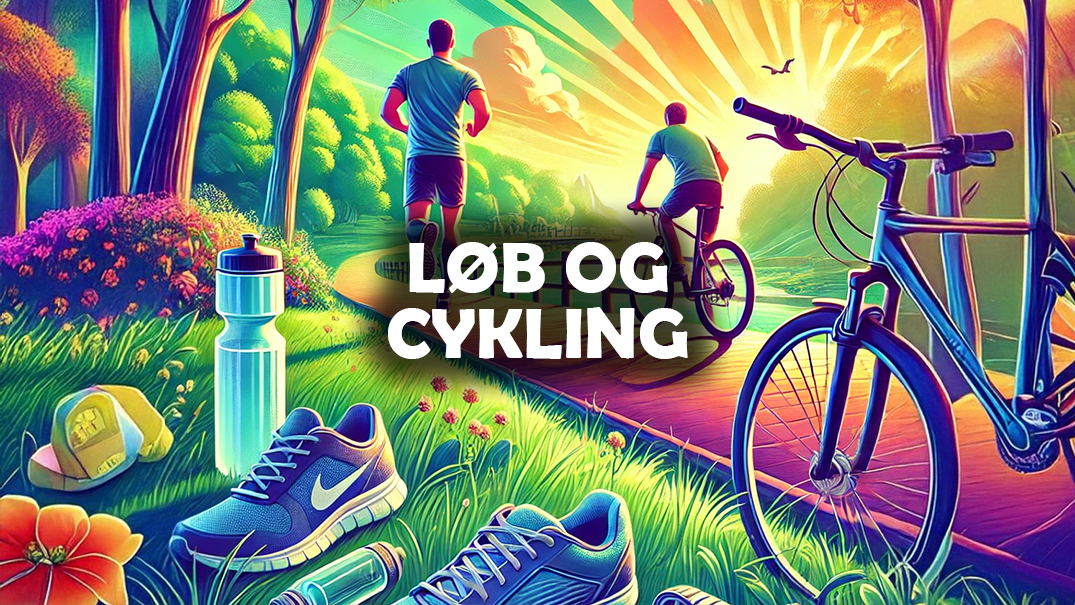
Running and cycling are two of the most accessible and budget-friendly hobbies you can choose because they require minimal equipment and offer significant benefits for your health and wellbeing. You can start anywhere, adjust your pace to suit your fitness level and enjoy the freedom of moving through nature or the city. They can also be a way to explore your local area – without spending a fortune.
Even short outings can boost your energy, put a smile on your face and leave you feeling that you have done something good for both your body and mind. If you prefer running, remember that investing in a good pair of running shoes is worthwhile, as suitable footwear reduces the strain on your legs, knees and the rest of your body.
Taking up running and cycling as low-cost hobbies allows you to build fitness, improve your mood and reduce stress without memberships or advanced equipment. All you really need is a good pair of running shoes or a bicycle you already own. These hobbies are flexible and suit all ages and abilities because you choose the distance, intensity and route. This makes exercise easy to fit into everyday life, and you can adjust the difficulty as your fitness improves.
What makes running and cycling special is that they combine physical activity and experiences in nature in a single hobby. Seeing and feeling your progress also provides motivation at no cost. Many people find joy in the mental calm, the rhythm of movement and the sense of freedom that running and cycling bring. These are hobbies where results come naturally through improved fitness and health, without needing expensive equipment or complicated plans.
Ideas – Make the Most of Running and Cycling as Low-Cost Hobbies
🚲 If You Do Not Have a Bike, Start with an Inexpensive Second-Hand One
If you want to make cycling a regular, low-cost hobby but do not have a bike, a second-hand bicycle is an obvious and economical choice. Many used bikes are in very good condition and cost only a fraction of the price of a new one. This allows you to get started quickly without making a large investment. You can find good models in charity shops, on online marketplaces or through local groups, where people often sell bikes at very reasonable prices.
Choosing a second-hand bike also gives you the chance to learn simple maintenance routines that make cycling an even more sustainable and budget-friendly hobby. Small jobs such as pumping up the tyres, lubricating the chain or adjusting the brakes can often be done yourself, saving money in the long run. An inexpensive second-hand bike makes it easy to head out on your first rides, discover the joy of cycling and gradually build a hobby that brings exercise, new experiences and fresh air – all without breaking the bank.
You could also consider an electric bike, which offers plenty of exercise, new experiences and fresh air too. You can find inspiration for buying one in our article - How to Get the Best Value from an Electric Bike – Tips on Price, Quality and Servicing
🏃 Start with Short Outings to Make Running and Cycling Manageable
When taking up running and cycling as low-cost hobbies, it helps to begin with short outings that your body can easily get used to. Short distances give you a sense of achievement and make it easier to establish a regular routine without overdoing it. You can run for a few minutes at a time, cycle short routes around your neighbourhood or combine both activities as you please. These short outings build a solid foundation that motivates you to increase your pace and distance later.
If you are new to exercise, you can find some useful tips for getting started in our article - Great Tips for Effective Workout Routines for Beginners
🚴 Try Different Routes to Make Running and Cycling More Exciting
Varying your surroundings makes running and cycling more motivating and enjoyable. You can choose new areas, explore nature trails, cycle along the waterfront or run through beautiful parks. Changing your routes brings fresh sights and experiences, keeping the hobby engaging. It also challenges your body in different ways, making your exercise more effective. This simple variety makes running and cycling hobbies you look forward to every time.
🌬️ Use Running and Cycling to Unwind Mentally
Running and cycling are good for both the body and the mind. The rhythm of movement, fresh air and steady flow can create a sense of calm and clarity that many people come to rely on. You can use these activities as a mental break, allowing your thoughts to settle, problems to feel smaller and stress to ease naturally. This makes running and cycling low-cost hobbies that support both physical and mental health at the same time.
If you need more ways to unwind mentally, you can read our article - Great Tips for Building Mental Strength Through Mindfulness and Meditation
🥇 Set Small Personal Goals for Your Progress in Running and Cycling
Small goals – such as a particular distance, a target time or a set number of outings each week – make running and cycling more motivating. When you can see progress, the hobby becomes even more enjoyable and encourages you to keep going. Your goals should be realistic and suited to your level so that they contribute to a positive experience without creating pressure. Small milestones give you regular little victories, making running and cycling inspiring hobbies with a continuing sense of progress.
🧭 Use Free Apps to Track Your Running and Cycling Progress
Free apps can be excellent tools when you want to give your running and cycling more structure without investing in expensive equipment. Apps can track distance, speed, routes and progress, and you can use them as a digital training diary. Following your progress, seeing improvements and discovering your favourite areas can be very motivating. These apps make it easy to adjust your training and maintain your interest in running and cycling.
You can find more inspiration for fitness apps in our article - Great Tips for Apps That Can Track Your Workout Routine
🌄 Combine Running and Cycling with Short Trips to Explore New Places
Running and cycling can easily become little everyday adventures when you combine exercise with new experiences. Cycle to a nearby woodland, run to a viewpoint or plan a weekend route through new areas. Combining transport with exploration gives you both exercise and adventure at no extra cost. It is an ideal way to make running and cycling hobbies that bring joy, inspiration and fresh perspectives.
REMEMBER - Running and cycling bring freedom, mental calm, fresh air and improved fitness – without major expense. Moving more also gives you more energy and the capacity to handle everyday life, alongside better health in the long term.
Creative Writing as a Low-Cost Hobby
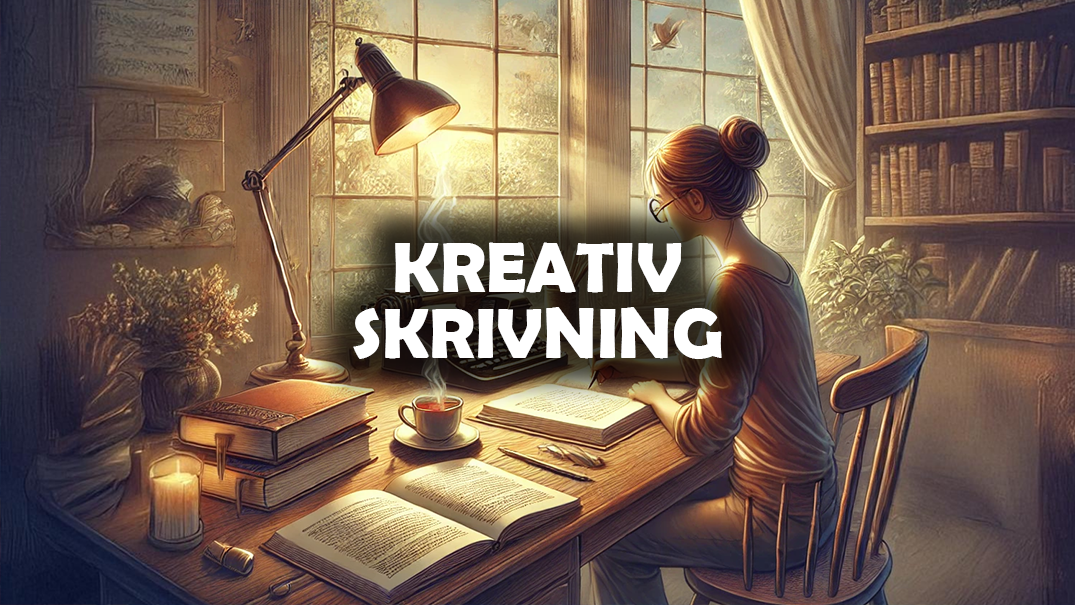
Creative writing is a hobby that allows you to explore your thoughts, let your imagination run free and express yourself in a way that is personal, meaningful and, for some, even therapeutic. It is one of the most budget-friendly hobbies you can choose because all you need is a piece of paper, a notebook or your computer. Everything else comes from within – your ideas, your experiences and your words.
Creative writing as a low-cost hobby gives you the freedom to create stories, poems, diary entries, short pieces, sketches or even the beginnings of a book. It is a flexible hobby you can enjoy anytime, anywhere. Many people find that creative writing helps them feel calmer, organise their thoughts or process experiences in a safe and constructive way.
What makes creative writing special is that it stimulates your imagination while strengthening your language skills. You develop your ability to tell stories, describe things and communicate ideas while discovering new sides of yourself. There is also a wealth of free resources, writing exercises and online communities to support your development – all without straining your budget.
Ideas – Get More Out of Creative Writing as a Low-Cost Hobby
✍️ Start with Short Creative Writing Exercises
Short writing exercises are an ideal way to get started with creative writing as a low-cost hobby. You could write a short scene, keep a diary, begin a story or capture a mood in five lines. Small writing exercises keep the process relaxed and give you the chance to discover how your ideas develop when you put them on paper. Starting simply helps you build a good habit and enjoy a sense of progress without having to create something substantial straight away.
🖥️ Use Free Writing Tools Such as - Google Docs - or - WordPad - for Your Creative Writing
Free writing tools are a fantastic source of support when you want to develop your creative writing as a low-cost hobby without investing in expensive software. Google Docs, WordPad and other free text-editing tools allow you to write anywhere, save your projects online and organise your ideas simply. This means you always have access to your work – whether you are writing short prose, notes, dialogue or longer stories.
These tools help you manage the structure of your creative writing because you can easily make corrections, move paragraphs, save versions or add comments for yourself as you go. They also free you from technical limitations so you can focus on the process itself and let your imagination flow freely. They make creative writing more flexible and accessible, allowing you to develop your projects at your own pace – entirely free of charge.
📓 Use a Notebook to Strengthen Your Creative Writing
A simple notebook can be a powerful tool for your creative writing because it gives you a place to collect ideas, thoughts, sentences and short pieces. You can use it at any point during the day and return to your notes to develop them further. Jotting down ideas creates a natural flow and helps you keep writing, even on days when you do not have time for longer projects. This makes creative writing a flexible, low-cost hobby.
🌟 Explore Different Genres to Broaden Your Creative Writing
Creative writing covers many genres and forms – fantasy, realism, diaries, poetry, crime fiction, humour, short stories or reflections. Experimenting with different forms of expression keeps the hobby exciting and challenges you in new ways. It requires no extra equipment – just a willingness to try something new. Switching genres helps you discover new sides of your creativity, and you may find the type of writing you feel most passionate about.
📚 Read More to Strengthen Your Creative Writing
Reading is a simple, inexpensive way to improve your creative writing. Reading books, articles and short stories gives you new ideas, a better understanding of language and inspiration for your own writing. You can borrow books free of charge from the library, find texts online or swap books with friends. Reading gives you insight into how others create stories and structure their language, helping you develop your own style.
💬 Join Free Writing Communities to Develop Your Creative Writing
Online communities, writing groups and free workshops can provide valuable feedback and inspiration for your creative writing. You can share short pieces, get input from others and take part in group writing challenges. You can also enter online writing competitions. This makes the hobby social and engaging without costing anything. Many people find that it gives them extra motivation and helps them maintain their writing habits.
🎯 Set Personal Goals for Your Creative Writing
Small goals can make creative writing more structured and motivating. You might aim to write for 10 minutes a day, finish one short piece a week or work on a writing project over a month. Your goals do not have to be ambitious – they should be realistic and inspiring. Working towards specific goals makes creative writing a hobby that offers both direction and satisfaction.
REMEMBER - When you write, you open the door to worlds limited only by your imagination. Creative writing is the cheapest way to travel, dream and create.
Conclusion
Whether you choose to explore nature, immerse yourself in creative activities, learn new skills or bring more movement into your daily life, these hobby ideas show that finding joy, calm and inspiration does not have to cost much. Ultimately, most hobbies are not about equipment or money, but about the desire to explore, learn and create little moments of quality time.
When you choose hobbies that suit both your budget and your daily routine, you gain a sense of freedom and renewed energy because you are investing in something that brings you value – without straining your finances. It is about discovering the possibilities close to home, using the resources you already have and letting creativity and curiosity guide you towards new interests.
With small steps and a little experimentation, you can quickly discover how even simple hobbies can lift your mood and boost your energy. What matters most is allowing yourself to be curious, try new things and enjoy the process. The best hobbies often begin with a small idea and grow into something that brings light, balance and positive energy to everyday life.
REMEMBER - Many of the best hobbies cost almost nothing – yet give you so much in return. Following your curiosity and motivation can lead you to hobbies that last a lifetime.
Mini Guide to Fun Hobbies That Won’t Break the Bank
This mini guide summarises the article above and offers useful tips for fun hobbies that won’t break the bank.
🌟 Discover What Motivates You When Choosing a New Hobby
When choosing fun hobbies that won’t break the bank, it is important to start by considering what gives you energy. Some people love being creative, others thrive in nature, and some prefer calm, absorbing activities. Choosing a hobby based on your own interests and natural motivation makes the experience more enjoyable and easier to sustain. It also reduces the risk of spending money on equipment for a hobby you never end up pursuing.
🧰 Use What You Already Have When Starting a New Hobby
The most budget-friendly hobbies often begin with things you already have at home. This could be a smartphone for photography, a bicycle for exercise, leftover yarn for knitting, paper for creative writing or kitchen utensils for cooking. Starting with what you already own gives you a comfortable, inexpensive introduction to your new hobby. It also teaches you to see the potential in materials and tools that would otherwise simply gather dust.
🐾 Start Small with Your New Hobby and Develop It at Your Own Pace
It is tempting to jump into large hobby projects, but the best and cheapest approach is to start small. Try simple recipes, short runs, easy DIY projects or brief writing exercises. Starting small helps you avoid unnecessary expenses and gives you time to discover whether the hobby suits you. Once you find the enjoyment and motivation, you can always move on to more advanced materials or longer projects later.
📚 Make the Most of Free Resources for Your New Hobby
You can learn an incredible amount without spending a penny. There are plenty of free videos, guides, apps, e-books and communities to help you get started with everything from languages and cooking to exercise, photography, knitting and drawing. Free resources allow you to explore several hobbies and discover what really interests you – without any financial risk.
🤝 Make Your Hobby Social
Many hobbies become more enjoyable when shared with others. This might mean finding a walking partner, doing DIY projects with a friend, joining an online community or language exchange forum, or becoming part of a board game group. Making your hobby social brings motivation, support and enjoyable experiences. Social hobbies also rarely involve extra costs – often, it is simply about meeting up and sharing an interest.
🕒 Choose Hobbies That Fit Your Daily Routine
The best hobby is one that fits into your life. If you are busy, short activities such as cooking, running, small creative projects or quick games can be ideal. If you have more time at weekends, you can choose more absorbing hobbies such as drawing, longer baking projects or larger DIY projects. When a hobby fits the rhythm of your life, it becomes a natural, sustainable source of refreshment in your everyday routine.
💡 Take a Practical, Budget-Conscious Approach to Your Hobby
Keeping costs down is easy if you think practically – buy second-hand, swap materials with others, borrow equipment, use free local facilities such as libraries and outdoor spaces, and take advantage of free workshops or events. Small choices add up, allowing you to enjoy fun hobbies without straining your budget – and bringing the satisfaction of being both creative and mindful of your spending.
If you need more inspiration for finding low-cost hobbies, watch this video - 50 Popular Hobbies You Can Start Today
If you have experience with or know of fun hobbies that won’t break the bank, we would love to hear your thoughts and suggestions in the comments. Share other budget-friendly hobbies that make you happy and bring positive energy to your everyday wellbeing.