
Staying motivated to exercise all year round can be a challenge – even for those who are otherwise full of energy and good intentions. Most people know what it feels like to start their training routine with enthusiasm, only to gradually lose motivation as work, everyday life and the weather begin to take their toll. But motivation is not something that comes naturally. It is a process that requires understanding, structure, small adjustments and an insight into what truly drives you as a person. Once you get these elements right, exercise is no longer something you have to do – it becomes something you do to create more energy, strength and joy in your everyday life.
In this article, we explore practical, realistic and useful tips to help you maintain your motivation to exercise throughout every season of the year. Whether you are a beginner, an experienced fitness enthusiast or someone who often starts and stops, you will find training strategies that suit your pace and goals. We look at how to build a strong, lasting exercise routine, how to work with both motivation and discipline, and how to make exercise more meaningful – both physically and mentally.
You will also find inspiration on how to adapt your exercise habits so that they carry you through summer, winter, busy periods and days when everything feels like a struggle. The aim is not to push you towards perfection, but to give you tools that make it easier to prioritise exercise – even when everyday life gets demanding. So sit back and look forward to a fitness guide filled with practical advice, motivational techniques and little tricks to help you stay committed to a strong and consistent fitness journey all year round. Once you establish the right conditions for your training, the path towards better health and more energy becomes both more enjoyable and far more manageable, while exercise becomes a wonderful part of your lifestyle.
Motivational Factor – Set Realistic Goals for Your Training

When you want to stay motivated to exercise all year round, it is essential that your goals suit your daily routine, physical abilities and level of ambition. Many people lose their motivation to exercise because they set goals that are either too ambitious, too time-consuming or too far removed from their current starting point. Realistic fitness goals create a sense of progress, give you small victories along the way and help you focus on the process rather than perfection. When you work towards fitness goals that are tailored to you rather than other people, exercise becomes a natural part of everyday life – not a battle against time or your own expectations.
Start by identifying what you want to achieve through exercise – whether that is more energy, greater strength, weight loss, a healthier routine or simply a greater sense of physical well-being. Next, you can break your fitness goals down into smaller stages so that you gradually build up your strength and confidence. Over time, you will discover that even small fitness goals, achieved week after week, give you a strong sense of satisfaction. These small steps in your training are precisely what make it possible to stay consistent and enjoy the journey rather than focusing solely on the end result. When your fitness goals are realistic and carefully considered, they become a source of motivation rather than stress and guilt.
Try to end each week by reflecting on what went well and what could be adjusted in your training. Realistic fitness goals are not static – they should evolve alongside you. This way, your exercise routine remains both meaningful and motivating throughout the year.
Consider Using the SMART Method to Set and Motivate Yourself Towards Your Fitness Goals
Specific – Define your fitness goal clearly.
Measurable – Make sure you can measure your fitness progress.
Achievable – Your fitness goal should be meaningful to you.
Realistic – Be honest about what you can achieve through your training.
Time-bound – Set a timeframe for when you want to achieve your fitness goal.
Inspiration List – How to Set Realistic Goals to Stay Motivated with Your Training
💡 Motivational Factor – Clear Fitness Goals with a Well-Defined Focus
When setting realistic goals for your training, it is essential to start with a clear focus. A well-defined fitness goal gives you a direction to follow and makes it easier to stay motivated because you know exactly what you are working towards. When your fitness goal is neither too vague nor too ambitious, you increase your chances of making progress, and this progress is one of the strongest driving forces behind maintaining your exercise routine.
🧭 Motivational Factor – Small Steps in Your Training with a Big Impact
Small steps in your training are often far more effective than ambitious fitness goals that can quickly feel overwhelming. When you break your fitness goals down into smaller milestones, you create a structured path that allows you to experience success along the way. This builds both mental strength and a strong sense of control. Taking small steps in your training makes it easier to keep going – even during busy periods – and helps you develop a solid exercise habit that can last for many years.
🎯 Motivational Factor – Adjust Your Training to Fit Your Daily Routine
Realistic fitness goals only become truly realistic when they are adapted to your everyday life. Life is constantly changing, and your training should change with it. During some periods, you may have enough time and energy to exercise three days a week, while at other times you may only manage one session. When you allow yourself to adapt your training without feeling guilty, it becomes much easier to maintain your motivation because you avoid feeling pressured or as though you are falling behind.
📈 Motivational Factor – Training with Goals That Evolve Over Time
When your fitness goals evolve alongside you, you create a dynamic and motivating fitness journey. You become stronger, more experienced and more confident over time – and your fitness goals should evolve accordingly. Allowing your goals to grow gradually gives you a constant sense of excitement and challenge that keeps you engaged. Evolving goals make your training more interesting and ensure that you do not stagnate.
REMEMBER – Realistic fitness goals are the key to long-term motivation because when your goals suit you and your daily routine, it becomes much more enjoyable to stick to your training.
Motivational Factor – Consider Finding a Training Partner to Exercise With

A training partner can be one of the most motivating factors when you want to stay enthusiastic about exercise all year round. Having someone by your side not only creates a sense of companionship – it also provides structure, accountability and an extra push on days when training feels difficult or overwhelming. When you exercise with someone else, your workouts become more enjoyable, varied and rewarding, because you are not just showing up for yourself, but also for your partner.
A training partner can also offer new perspectives on your workouts. You might get ideas for exercises, training styles or ways to vary the intensity that you would not have considered yourself. At the same time, you have a natural way to share your goals, challenges and achievements – creating a stronger sense of progress. People motivate people, and this is precisely why a training partner can be a key factor in maintaining your enthusiasm for exercise throughout the year.
In addition, exercising becomes more flexible when you have someone to train with. You can adjust your pace to suit each other, support one another when motivation fluctuates, and establish a routine together that makes exercise a regular and positive part of everyday life. Whether you choose a friend, colleague or family member, or find a training partner at a gym or through an online group, it can make a significant difference to your consistency with exercise.
Motivational Benefits of Having a Training Partner
Accountability – You keep each other accountable and motivated throughout your regular training sessions.
Motivation – The sense of togetherness that comes from exercising with someone else provides extra energy and motivation.
Variety – Your training partner can regularly suggest new exercises or methods that help maintain motivation for your workouts.
Inspiration List – How to Get the Most Out of Exercising with a Training Partner
💡 Motivational Factor – Create Training Arrangements That Suit You Both
To get the most out of exercising together, it is important to make arrangements that suit both of you. This means agreeing on the types of exercise you prefer, the pace that feels natural and how your training plan should be structured from week to week. When both partners feel that the exercise routine is realistic and enjoyable, it becomes easier to show up and stick to your commitments. A training partnership works best when you share common expectations and follow a routine that helps both of you progress.
🧭 Use Your Workouts to Motivate Each Other
A training partner can make all the difference, especially when your motivation to exercise is low. Use your workouts actively to support and motivate each other – whether through encouraging words, new challenges or small shared milestones. When you exercise together, even a tough training day can feel manageable because you share the experience. This builds greater mental resilience and helps both of you stay on track, even when everyday life gets busy.
🎯 Share Fitness Goals to Strengthen Teamwork and Motivation
When you share fitness goals, your teamwork and motivation become even stronger. It gives you a common direction for your training and a good reason to keep each other accountable. Whether your fitness goals involve weight loss, increased strength or improved cardiovascular fitness, setting goals together creates motivation and structure. By reviewing your workouts together and adjusting your goals regularly, exercise becomes more enjoyable, motivating and meaningful. This can make a significant difference to your long-term progress with training.
📈 Introduce Variety into Your Workouts Together as an Important Motivational Factor
Variety is important for maintaining motivation in your training – and even more so when you exercise together. Try different forms of exercise, such as strength training, running, circuit training or outdoor activities, to keep your energy levels high. When you explore new ways to exercise together, you create opportunities for enjoyment, learning and renewed motivation. Varying your workouts allows you to discover entirely new aspects of your training and keeps your partnership exciting and sustainable in the long term.
REMEMBER – For many people, not exercising alone makes it easier to maintain strong motivation to exercise all year round. A good training partner makes healthy exercise habits even stronger and more motivating.
If you cannot find a training partner, you can get tips on how to make your workouts more enjoyable and, in turn, maintain your motivation to exercise regularly throughout the year in our article – Great Tips for Making Your Workouts More Enjoyable
Motivational Factor – Plan Your Training

Planning your workouts is one of the most effective ways to keep your motivation high – on both good days and less productive ones. When you have a clear and realistic training plan, you reduce the risk of skipping workouts because you have already decided when and how you are going to exercise. Planning removes uncertainty and makes your workouts more manageable, as you do not have to spend energy making spontaneous decisions during a busy day.
Therefore, schedule your training sessions in your calendar, just as you would any other important appointment. When exercise becomes a regular part of your week, it is easier to prioritise it. A good training plan does not need to be complicated. The most important thing is that it fits your daily routine and fitness goals. By creating structure around your workouts, you also make it easier to establish exercise as a consistent habit in your life. This means you do not only exercise when you have the time and energy – you also exercise when you have a plan to rely on.
Planning your workouts also gives you a better understanding of how to distribute training intensity, variety and rest periods. This allows your body to develop and recover, helping you maintain your motivation for longer. Planning helps you take responsibility for your fitness journey and makes the entire training process more focused, rewarding and balanced.
Inspiration List – Motivational Factor – How to Plan Your Workouts Effectively
💡 Motivational Factor – Create Training Plans That Fit Your Daily Routine
When planning your workouts, it is important to take your daily routine into account so that exercising remains realistic and motivating. An effective training plan is tailored to your working hours, family commitments and energy levels. This means you do not have to fight against your schedule, but can instead allow exercise to become a natural and motivating part of your day. When your training plan feels like a helping hand rather than a burden, it becomes much easier to maintain your motivation.
It can also be a good idea to plan your workouts around the time of day when you typically have the most energy for exercise. Some people perform best in the morning, while others prefer to work out after work. It varies considerably from person to person. Finally, it can be useful to have a backup plan for those days when things do not go as expected.
If you are short on time on a particular day, one solution could be to do some home workout exercises, so you do not have to spend time travelling to and from the gym. You can find inspiration in our article – Great Tips for a Healthier Lifestyle with Easy and Effective Home Exercises
🧭 Motivational Factor – Get a Clear Overview of Your Training for the Entire Week
Having a clear overview of your workouts makes it easier to prioritise them. When you know exactly which days you will exercise, what type of training you will do and how long each session will take, you avoid wasting energy on making decisions. Having a clear plan frees up mental capacity and helps maintain motivation because your workouts have already been scheduled. This makes it easier to stick to your exercise routine – even when your motivation fluctuates.
🎯 Use Variety in Your Training to Keep Motivation High
Variety is an important part of planning your workouts. Try alternating between different forms of exercise, such as strength training, cardiovascular exercise, outdoor workouts and short home workout sessions. Variety brings enjoyment, challenge and motivation, while also making your training less monotonous. By varying your workouts, you also have the opportunity to discover new training methods that inspire you even further.
📈 Motivational Factor – Evaluate Your Training and Make Ongoing Adjustments
A good training plan is not static – it should evolve alongside you. Evaluate your workouts every week or month so that you can adjust the intensity, type or frequency of your training as needed, which can also help boost your motivation. This allows you to keep your workouts interesting and suited to your fitness level. Making ongoing adjustments to your training makes it easier to avoid stagnation and keeps your motivation strong in the long run.
REMEMBER – Good, realistic planning is the foundation of an exercise routine that lasts in the long term. When you plan your workouts on a weekly basis, it becomes easier to stay motivated to exercise throughout the year.
If you have a busy daily routine, you can find tips on how to make time for exercise in our article – Great Tips on How to Exercise Effectively When You Have Limited Time
Motivational Factor – Reward Yourself for Exercising

Rewarding yourself for your workouts is a powerful way to maintain your motivation to exercise all year round. Many people believe that rewards are only useful at the beginning, but in reality, they are an effective tool throughout your entire fitness journey. When you recognise your efforts and progress in your training, you create a positive cycle in which exercise becomes associated with enjoyment, pride and a sense of achievement. This makes it easier to stick to your exercise routine – even on days when your motivation is low.
Rewards for your workouts do not have to be big or expensive. In fact, small, frequent rewards often work best. It is about creating a positive experience around exercise – not buying your motivation, but feeling that you are giving yourself something good when you do something good for your body. When you reward consistency and effort rather than just results, it becomes easier to appreciate your training.
Setting specific milestone rewards for your workouts can also be a powerful driving force. These could be something enjoyable, relaxing or inspiring that you look forward to when you achieve specific fitness goals. Rewards give you something to look forward to while keeping you engaged and accountable when it comes to your exercise routine. In this way, exercise becomes both a physical and mental investment in yourself.
Inspiration List – How to Use Rewards to Strengthen Your Exercise Routine and Motivation
💡 Create Workout Rewards That Feel Meaningful and Motivating
When you choose rewards that have personal value, they become a powerful driving force and source of motivation in your training. They can be anything from a warm bath, a good film or a new workout outfit to spending some quality time doing something you love. The most important thing is that your workout reward feels like something that genuinely gives you energy and motivation. When your rewards are meaningful, they become a natural part of your motivation – adding an extra dimension to your training that makes it easier to maintain.
🧭 Motivational Factor – Use Rewards to Celebrate Ongoing Progress in Your Training
Rewards work best when they are used to recognise progress in your training – not just major achievements, but small victories too. Perhaps you have completed three workouts in a week, improved your performance in an exercise or simply showed up for a workout on a day when your energy was low. By celebrating these achievements, you strengthen your belief in your ability to succeed and boost your motivation to keep going. You associate positive feelings with exercise, helping you stay motivated throughout the year.
🎯 Introduce Reward Goals into Your Training
One effective tool is to introduce specific reward goals into your training routine. For example, you could reward yourself after following your training plan for four weeks or achieving a particular fitness goal. This makes it easier to stay focused on your training and gives you something to look forward to. Reward goals create structure and provide an extra layer of motivation that can help you push through training periods that might otherwise feel difficult.
📈 Let Your Rewards Evolve Alongside Your Training Progress
Your rewards should evolve alongside your training. As you become stronger and more consistent with your workouts, your rewards can change too. These could include bigger milestone rewards, such as a new fitness course, a wellness retreat or an activity you have wanted to try for a long time. When your rewards grow alongside your training achievements, you create a natural sense of progress and keep your motivation alive. This makes your fitness journey both exciting and inspiring.
REMEMBER – Rewards and exercise go hand in hand when you want to stay motivated. By rewarding yourself for both big and small achievements, you make your workouts even more motivating.
Vary Your Training as a Motivational Factor

Varying your workouts is one of the most effective ways to stay motivated all year round. When you switch between different types of exercise, exercises and intensity levels, you stimulate both your body and mind in new ways. This makes your workouts more exciting, less predictable and much easier to stick to. At the same time, varying your training is also beneficial for your body because you work different muscle groups and reduce the risk of injury.
Repetitive workouts can lead to stagnation, both physically and mentally, but variety helps you maintain your curiosity and enjoyment of physical activity. By varying your training, you also have the opportunity to develop different types of fitness, such as endurance, balance, muscular strength and coordination. This makes your workouts more versatile and provides a broader foundation for health and well-being. Variety also helps you avoid overuse injuries because you are not working the same muscles in the same way every time.
It can be as simple as alternating between indoor and outdoor workouts, changing the pace of your exercises or trying entirely new forms of exercise that challenge you in fresh ways. When your workouts feel new and exciting, your desire to keep going grows – making you much more resilient during periods when your motivation would normally dip.
Inspiration List – How to Vary Your Workouts as a Motivational Factor
💡 Motivational Factor – Combine Different Types of Exercise for Better Results
An effective way to introduce variety and motivation into your workouts is to combine different types of exercise. Depending on your goals, this could include strength training, cardiovascular exercise, mobility exercises or outdoor workouts. By mixing different types of training, you challenge your body in new ways and keep your workouts fresh and motivating. This helps you develop a stronger and more well-rounded level of fitness while reducing the risk of boredom and burnout.
🧭 Exercise in New Environments to Boost Your Motivation
Changing your surroundings can have a significant effect on your motivation to exercise. If you usually work out indoors, spending time exercising in nature can give you renewed energy and enjoyment. Training in new surroundings stimulates your senses and creates a fresh experience that makes exercise more exciting. This could mean trying a new running route, attending a different fitness class or simply using a new workout area at the gym. Changing your surroundings makes it easier to stay focused and curious.
🎯 Explore New Workout Routines That Can Motivate You
When you explore new workout routines that challenge you, you develop both physical strength and mental resilience while boosting your motivation. These could include interval training, HIIT sessions, strength programmes or new pieces of exercise equipment you have never tried before. Every time you challenge yourself with a new workout routine, you create a sense of progress that keeps your motivation high. This makes exercise exciting and gives you something concrete to work towards week after week.
📈 Adapt Your Training to Your Progress to Maintain Your Motivation to Exercise
Varying your training also means adjusting your fitness level and workouts as you progress. As you become stronger or develop greater endurance, you should change the intensity, set new goals or introduce more advanced exercises. This ensures that your training continues to evolve alongside you and keeps challenging you. In this way, your workouts remain exciting and motivating – and you avoid becoming stuck in the same routines.
REMEMBER – Varied training is the key to sustained energy and enjoyment. By regularly introducing variety into your workouts, you also keep your motivation strong over time.
Motivational Factor – Focus on the Training Process, Not Just the Results
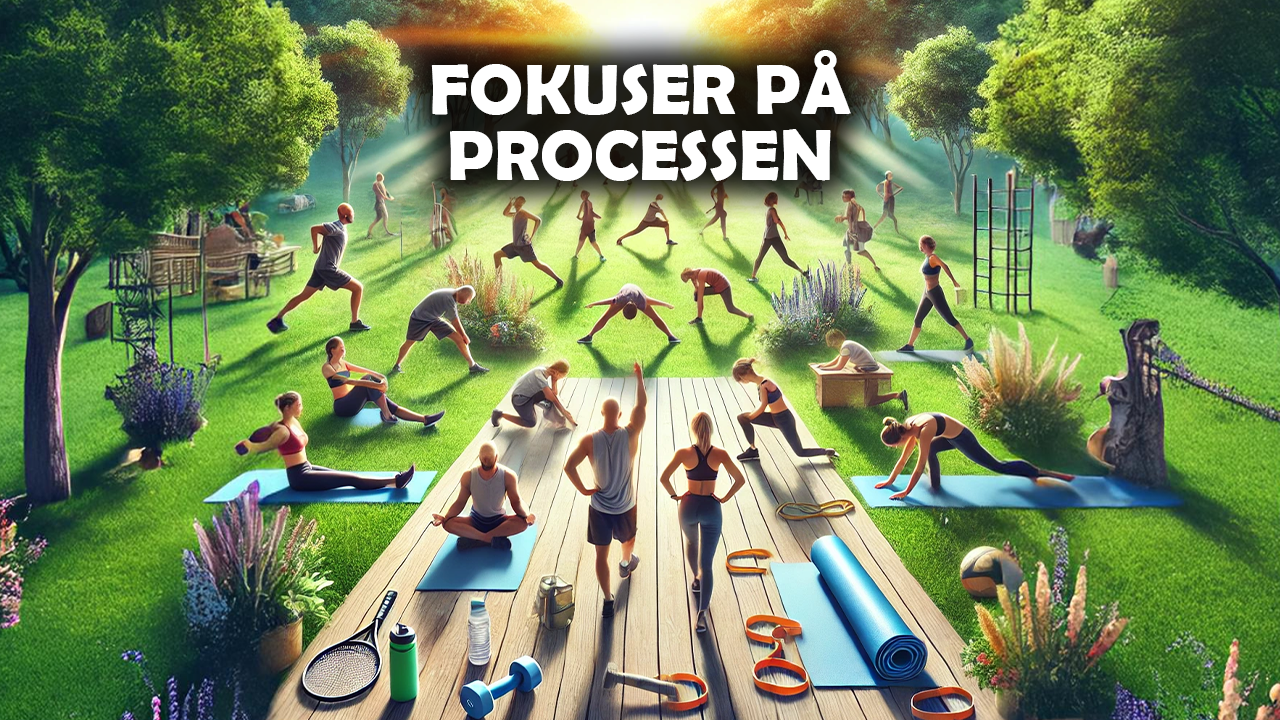
When you want to maintain your motivation to exercise all year round, it is essential not to focus solely on the end result, but also to pay close attention to the training process itself. Many people lose their enthusiasm because they only look for major changes from their workouts – weight loss, muscle growth, improved performance or milestones – and overlook all the small victories along the way. However, real progress happens in everyday life, through your exercise routines, gradual improvements and repeated training sessions. When you learn to appreciate this process, exercise becomes a pathway to happiness, stability and mental strength.
Focusing on the training process means recognising the value of every workout – the energy you feel afterwards, the small improvements in your technique, your increased endurance and the feeling of having done something good for yourself. These details are what make you feel that you are moving in the right direction and make it much easier to maintain your motivation, even when results take longer to appear than you had hoped.
When you shift your focus from exclusively results-driven goals to seeing exercise as a daily investment in your health and well-being, you create a more sustainable approach to your training. Enjoy your fitness journey and the small victories along the way. This makes you less affected by fluctuations in your progress and turns exercise into a positive part of everyday life rather than a source of pressure. The peace of mind that comes from this approach to training becomes a powerful driving force, helping you keep going week after week, year after year, for the benefit of your health and daily well-being.
Inspiration List – Motivational Factor – How to Learn to Enjoy the Process of Training
💡 Find Joy and Motivation in Small Improvements in Your Training
Finding joy in the small improvements you make in your training is the key to developing deeper and more consistent motivation. These improvements might include better technique, greater control over your breathing, increased flexibility or simply feeling good in your body after a workout. When you begin to recognise and celebrate these small but important improvements, you strengthen your mental connection to exercise and your motivation to keep going. These small victories make the process meaningful and help you persevere – even when the bigger results take longer to appear.
🧭 Create Exercise Routines That Feel Enjoyable and Motivating in Everyday Life
A large part of enjoying the training process involves creating exercise routines that feel enjoyable, motivating and realistic in your everyday life. This means your workouts should fit your energy levels, interests and goals. When exercise no longer feels like a necessary burden but instead becomes a positive part of everyday life that you give yourself, continuing comes naturally. A good exercise routine provides peace of mind and makes it easier to enjoy the training process itself rather than focusing solely on the end result.
🎯 Motivational Factor – Use Exercise to Get to Know Yourself
When you view exercise as a personal learning process, you gain an entirely new perspective on your development. Through training, you learn how your body responds, what motivates you, how you deal with setbacks and how you build strength – both physically and mentally. This kind of self-awareness is a valuable reward in itself and can make exercise more exciting and motivating. When you discover that you are developing as a person through exercise, the training process becomes far more important than the end goal.
📈 Motivational Factor – Evaluate Your Training to Understand Your Progress
Evaluating your training regularly allows you to see just how much you are developing, even when the results are not always visible. This could involve recording your workouts, making brief notes about how you feel or tracking improvements in strength, endurance or technique. This reflection helps you understand, stay motivated and appreciate the training process. When you can clearly see that you are making progress, the fitness journey itself becomes a source of motivation and a valued part of your everyday life.
REMEMBER – When you learn to love your weekly training process, exercise becomes a natural, motivating and valued part of your life. By focusing on the training process, you become stronger both mentally and physically every single week.
Track Your Training Progress as a Motivational Factor

Keeping track of your training progress is one of the most motivating ways to maintain a consistent exercise routine. When you regularly record how you are developing throughout your fitness journey – both physically and mentally – it becomes much easier to recognise the value of your efforts. We often forget the small steps we take, but these are precisely the improvements that show you are moving in the right direction. By documenting them, you can clearly see that your training is actually working.
Progress in your training is not just about numbers and results. It can also mean feeling stronger, having more energy, recovering more quickly or maintaining a more consistent exercise routine. By keeping track of these aspects, you gain a deeper understanding of how exercise improves the quality of your everyday life. This creates internal motivation based on a sense of achievement – not just through visible goals, but mentally as well.
In addition, tracking your progress helps you adapt your training more effectively. When you can see what works and what does not, you have the opportunity to adjust your pace, intensity or types of exercise so that you can continue to develop and improve your training. This makes your workouts more flexible, more personalised, and far more interesting and motivating to work on – week after week, for the benefit of your health and well-being.
Inspiration List – Motivational Factor – How to Track Your Training Progress
💡 Use Training Journals to Track Your Development as a Motivational Factor
A good and motivating way to keep track of your training is to use a training journal in which you record what you have done, how it felt and what progress you have made. This could include weights, repetitions, times or simply a brief note about your energy levels. A training journal makes it easier to see how your training develops over time, and it can be a powerful motivator when you look back and see how far you have already come.
If you want to use apps to track your training progress, you can find tips on useful fitness apps in our article – Great Tips on Apps That Can Track Your Exercise Routine
🧭 Take Photos or Videos of Your Training as a Motivational Factor
Taking photos or videos of your workouts can motivate you and give you a visual understanding of your progress. You can see improvements in your technique, posture and strength that might otherwise be difficult to notice in everyday life. This type of documentation makes it clear, in a visual way, how your training gradually changes your body and abilities. It can be a powerful way to stay motivated, as you can see with your own eyes that your efforts are paying off.
🎯 Use Fitness Tests as a Motivational Factor to Measure Your Training Progress
Another effective and motivating approach is to carry out regular fitness tests in which you repeat the same exercises at set intervals. These could include a running test, a strength test or a simple endurance test that you perform every four to six weeks. By comparing the results, you can see how your training has improved your performance. These fitness tests give you a clear overview of your progress, help maintain your motivation and allow you to set realistic and inspiring goals for the future.
📈 Evaluate the Impact of Exercise on Your Everyday Life as a Motivational Factor
Progress and motivation are not just about training results – they are also about how exercise affects your life. Therefore, regularly evaluate how exercise makes you feel more energetic, improves your mood, reduces stress or helps you sleep better. When you recognise the connection between exercise and well-being, it becomes clear how important your efforts are. This type of reflection provides strong internal motivation that can keep you going, even when your workouts feel challenging.
REMEMBER – When you can clearly see how your training is progressing, exercise becomes a motivating journey that you want to continue. Your training progress is your greatest source of inspiration for making exercise a permanent part of your lifestyle in the long term.
Embrace Bad Workout Days as a Motivational Factor

Bad workout days are a completely natural part of any fitness journey – and embracing them can actually be one of the most effective ways to maintain your motivation. Many people mistakenly believe that a bad workout day is a sign that they are heading in the wrong direction, but in reality, these are often the days that build mental strength and perseverance in your exercise routine. When you learn to accept that exercise will not always feel easy or perfect, you develop a more realistic, sustainable and compassionate approach to your training and personal progress.
A bad workout day can have many causes – tiredness, stress, lack of sleep or simply a busy week. Instead of letting it discourage you, you can use these days as an opportunity to listen to your body, make adjustments and remain flexible. Sometimes, a gentle workout is the best choice, while at other times, the right decision is to take a rest day or focus on mental training through meditation or mindfulness. Accepting this without feeling guilty makes it easier to return to your workouts with renewed energy and motivation next time.
When you embrace the more challenging workout days, you also learn to see your fitness journey as a whole rather than as a series of individual performances. It is precisely the ability to show up for your workouts, even when things are difficult, that makes you mentally stronger. By allowing yourself to be human in your training, you develop a much more consistent and healthy approach to your exercise routine that can last for many years to come.
Inspiration List – Motivational Factor – How to Handle Bad Workout Days
💡 Motivational Factor – Listen to Your Body's Signals During Exercise
On bad workout days, it is important to listen to the signals your body sends you. Sometimes, you need to slow down or choose a gentler form of exercise to avoid overexertion. Respecting your body's needs helps you maintain a healthy, motivating and sustainable approach to exercise in the long term. When you adapt your workouts to suit your body rather than your expectations, your motivation becomes much more consistent – even on days when training feels difficult.
🧭 Adjust Your Training to Match Your Energy Levels as a Motivational Factor
A bad workout day does not mean that exercise is impossible – it simply means that your workout needs to be adapted. For example, you could shorten your session, reduce the intensity or choose an entirely different type of exercise that suits your energy levels. By remaining flexible, you maintain your exercise routine and motivation without putting unnecessary pressure on yourself. This creates a sense of achievement because you have still prioritised exercise in a way that feels constructive, motivating and beneficial.
🎯 Find a Type of Exercise That Feels Enjoyable on Difficult Days as a Motivational Factor
On difficult days, it is a great advantage to choose exercise that feels enjoyable and manageable. This could be a gentle walk, light mobility exercises or a relaxed strength-training session with a focus on technique. When exercise feels comfortable, it becomes easier to stay motivated and complete your workout without feeling pressured. It also helps you understand that exercise does not have to be perfect every time to be worthwhile. In this way, exercise takes on a more compassionate, motivating and flexible role in your everyday life.
📈 Evaluate Your Workout and Use What You Learn Wisely as a Motivational Factor
After a bad workout day, it can be helpful to reflect on what made the day challenging. This reflection helps you understand your patterns and needs so that you can adapt your training to keep it motivating in the future. When you use your training experiences constructively, you improve your ability to handle future challenges. Over time, you become better at navigating both good and difficult periods in your training – strengthening your long-term motivation to exercise.
REMEMBER – Bad workout days are part of the journey, not a setback. When you learn to handle difficult training days in a positive, motivating and constructive way, you become stronger on the good workout days.
Invest in the Right Exercise Equipment as a Motivational Factor
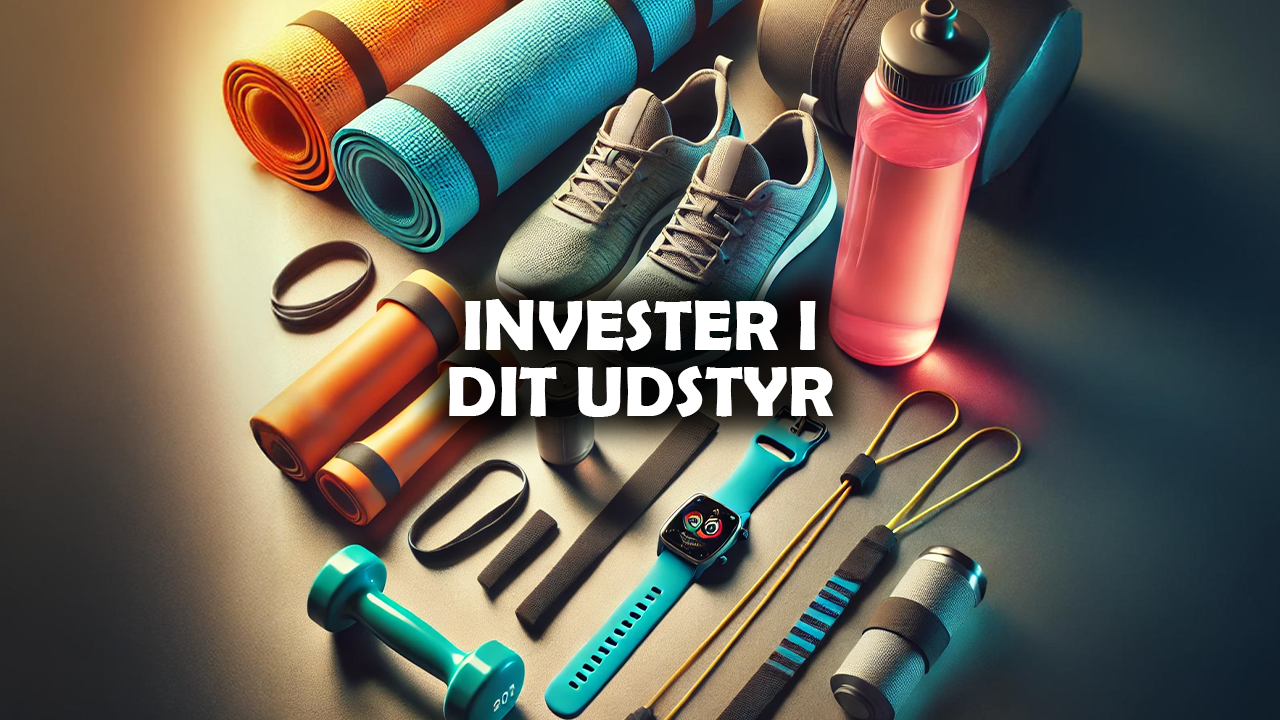
The right exercise equipment can be a decisive factor in whether you have a positive workout experience – and it can have a significant impact on your motivation to exercise throughout the year. When your equipment suits your body, goals and type of exercise, it becomes both easier and more enjoyable to complete your workouts. Comfort and functionality matter because when exercise equipment feels good to use, your workouts become more inspiring, and the risk of irritation or discomfort is reduced.
In addition, good exercise equipment allows you to train more effectively and safely. Proper footwear, quality resistance bands, sturdy dumbbells or comfortable workout clothes can help improve your technique and reduce the risk of injury. This means you can keep exercising without unnecessary breaks, ultimately strengthening your motivation and progress.
When you invest in exercise equipment, you are also investing in your own fitness journey. It gives you a sense of commitment to know that you have taken active steps to support your fitness goals. This creates a stronger mental commitment to your training and makes it easier to get started – especially on days when your motivation is not quite at its highest.
Inspiration List – Motivational Factor – How to Choose the Best Equipment for Your Workouts
💡 Prioritise Exercise Equipment That Matches Your Type of Training as a Motivational Factor
The first step is to choose exercise equipment that precisely suits the type of training you do, as having the right equipment is an important motivational factor. If you run, you should focus on good running shoes and functional clothing. If you do strength training, dumbbells, resistance bands and a stable exercise mat offer the most value. When your equipment is suited to your type of exercise, you create a more effective and motivating workout that supports your movements and fitness goals.
🧭 Motivational Factor – Start with Basic Exercise Equipment That Offers the Best Value
You do not need to invest in all your equipment at once. Instead, start with the basic exercise equipment that offers the greatest value and motivation for your workouts. A good exercise mat, resistance bands, kettlebells or adjustable dumbbells can be used for many different types of exercise. Basic equipment makes it easier to vary your workouts and provides a solid foundation for more advanced equipment as you progress. When you start simple, your workouts become manageable and motivating.
🎯 Choose Exercise Equipment with Comfort and Quality in Mind as a Motivational Factor
Comfort is essential for ensuring that your equipment works well during exercise. Clothes that fit properly, shoes that provide the right support and equipment that feels comfortable in your hands make it easier to move naturally and safely. Comfortable equipment makes your workouts more enjoyable and motivating, increasing your desire to keep going. When quality and comfort go hand in hand, your workouts become more effective and provide a better experience from start to finish.
📈 Upgrade Your Equipment as Your Training Progresses as a Motivational Factor
As your training progresses, you may need more specialised equipment, which can be an important motivational factor. This might include heavier weights, more advanced resistance bands, better shoes, technology gadgets that make it easier to track your progress, or equipment specifically designed to support your type of training. By upgrading your equipment in line with your progress, you ensure that your workouts continue to challenge you and keep your motivation high. Upgrades are a sign of progress in your training – and a powerful reminder of how far you have come on your fitness journey.
REMEMBER – Good exercise equipment helps build good workout habits, and high-quality equipment provides the energy and motivation to keep going week after week, making your workouts much more exciting and inspiring.
Motivational Factor – Make Sure to Vary Your Workouts with the Seasons

Varying your workouts according to the seasons is one of the most effective ways to maintain your motivation throughout the year. Each season brings its own opportunities and challenges, and when you adapt your training to the weather, daylight, energy levels and surroundings, you create natural variety that makes it easier to stay consistent. Your workouts do not always have to look the same – in fact, changing your training throughout the year can be highly beneficial for both your body and mind.
During the brighter months, outdoor exercise can provide you with energy and fresh air through activities such as swimming and running, while winter can be perfect for focusing on strength training, swimming in an indoor pool, yoga, technique, group workouts or home workouts. By embracing seasonal variation, you avoid getting tired of the same workout routines while also having the opportunity to develop new skills. In addition, seasonal variation strengthens your mental resilience because you learn to adapt your training flexibly and creatively.
When you actively incorporate the changing seasons into your training plan, your workouts become more dynamic, inspiring and motivating. Each season gives you something to look forward to – and something new to explore that encourages you to keep exercising for the benefit of your health and daily well-being.
Inspiration List – How to Use the Seasons to Vary Your Workouts as an Ongoing Motivational Factor
💡 Adapt Your Workouts to the Changing Weather as a Motivational Factor
Changing weather brings new opportunities for your workouts. In summer, you can take advantage of the warm weather and long days for outdoor exercise, while autumn provides a wonderful setting for running in nature. In winter, you can focus more on indoor workouts and strength exercises that generate warmth and build stability. When you let the weather inspire your training, you naturally introduce variety into your workouts and discover new experiences that make exercise more motivating and exciting.
🧭 Use the Seasons to Change Your Type of Training as a Motivational Factor
Each season is suited to different types of exercise that can help maintain your motivation. In spring, you can gradually increase the intensity and spend more time outdoors, while summer is ideal for cycling, swimming and outdoor workouts. Autumn is perfect for long walks, running and enjoying the fresh air, while winter is well suited to strength training, technique work and home workouts. By changing your type of training with the seasons, you develop a wider range of skills and keep your motivation and workout routines strong and sustainable.
🎯 Plan Your Workouts Around Daylight and Energy Levels as a Motivational Factor
Daylight affects your energy, motivation and mood. Therefore, it can be beneficial to plan your workouts around the amount of daylight available in each season. In summer, it is easy to exercise early in the morning or late in the evening, while winter requires more planning and may call for earlier workouts or indoor alternatives. By adapting your workouts to daylight hours, you can boost your energy and develop exercise habits that fit the natural rhythm of each season. This makes it easier to stay motivated and consistent throughout the year.
📈 Use the Seasons to Set New Fitness Goals as a Motivational Factor
Seasonal variation gives you an excellent opportunity to set new fitness goals. Spring can be a time to start fresh and rebuild your fitness base, summer can focus on endurance and outdoor activities, autumn can be dedicated to establishing a routine and building strength, and winter can be used to refine your technique. When you use the seasons as milestones in your fitness journey, you gain a clear focus and stronger motivation. This brings structure and inspiration to your workout routines because each season feels like a new chapter in your training.
REMEMBER – Use the changing natural environment as a source of inspiration, motivation and drive to develop and vary your workouts. When your training follows the rhythm of the year, it becomes much easier to maintain your motivation, as adapting your workouts to the seasons makes exercise more enjoyable and sustainable.
Surround Yourself with Inspiring People in Your Training as a Motivational Factor

The people you surround yourself with can have an enormous impact on your motivation to exercise. When you train with people who inspire you, lift you up and give you energy, working out becomes more enjoyable, easier and more meaningful. Inspiring people can be friends, colleagues, training partners, family members or new acquaintances from a fitness community – the most important thing is that they bring positivity and enthusiasm to your workouts.
When you surround yourself with people who prioritise exercise and a healthy lifestyle, it becomes easier to stick to your own workout routines. Their energy is contagious, and you naturally feel motivated to keep up with their training habits. Inspiring people can also help you through periods when your motivation fluctuates. They can remind you of your progress, support you when you have doubts and celebrate your achievements with you. This sense of community makes your fitness journey much more sustainable.
In addition, inspiring people can challenge you in a constructive way. They encourage you to try new forms of exercise, complete an extra set or push yourself a little further than you thought possible. They make you more curious and confident in your training, which can help you make significant progress. When your fitness network includes people who are passionate about improving their performance, it becomes easier to stay focused on your own training goals.
Inspiration List – How to Build an Inspiring Fitness Network as a Motivational Factor
💡 Find Fitness Communities That Motivate You
Joining a fitness community where everyone works towards their own goals while supporting one another can be incredibly motivating. A fitness community could be a sports team, a running club, a gym or an online workout group. When you surround yourself with people who prioritise exercise, you feel inspired to do the same. This creates a strong social support system around your workouts, making it easier to show up and keep going.
🧭 Share and Exchange Training Experiences with Others as a Motivational Factor
When you share and exchange experiences with others, you gain new perspectives on exercise. You can learn how other people handle the ups and downs, which training methods work for them and how they motivate themselves to keep exercising. You can also follow inspiring people on social media to discover new ideas and find motivation in their training methods and routines. Sharing knowledge gives you fresh ideas for your own workouts and helps you understand that everyone has difficult training days. This creates a realistic, motivating and supportive outlook on your fitness journey.
🎯 Train with People Who Motivate and Challenge You in a Positive Way
Having people around you who challenge you in a positive way can be motivating. It could be a friend who encourages you to complete one more repetition or a training partner who introduces you to new exercises or types of training. When you are challenged constructively in your workouts, you grow both mentally and physically. You can feel yourself making progress, and that feeling creates strong motivation to keep training.
📈 Use Inspiring People to Create Motivation and Structure in Your Workouts
When you have inspiring and motivating people around you, it becomes easier to establish regular workout sessions and routines. You can schedule fixed training days, share your goals or help each other stay consistent through motivating challenges. Creating structure around your workouts together makes it easier to stay motivated and consistent. At the same time, you develop a strong sense of accountability to both yourself and others. This helps you keep going, even when your motivation fluctuates.
REMEMBER – A sense of community in your workouts builds strength and motivation, both physically and mentally. An inspiring fitness network can help you achieve motivating and inspiring results.
Motivational Factor – Listen to Your Body When You Exercise

Listening to your body when you exercise is one of the most important ways to establish a healthy, consistent and motivating workout routine. Your body constantly sends signals about what it needs – both when it is ready to push harder during a workout and when it needs rest. When you learn to interpret these signals, you become better at training in a way that supports your progress rather than pushing yourself too hard. This makes your workouts more sustainable, more motivating and more effective in the long run.
Many people lose motivation because they ignore their body's signals during exercise and push themselves beyond their limits. This often leads to injuries, exhaustion or a loss of desire to continue. By making room for both progress and recovery, however, you develop a more balanced approach to your training, allowing you to keep improving without risking your body reaching its limit. Listening to your body does not mean avoiding challenges in your workouts, but understanding the difference between healthy exercise fatigue and overexertion. If you are tired or stressed, resting may be a better decision than exercising.
When you incorporate this approach into your training, you develop a stronger connection with both your body and your fitness goals. It becomes easier to recognise what works, what does not and how best to adapt your workouts to your daily energy levels. This self-awareness creates lasting motivation and makes exercise a positive part of everyday life and, in the long term, an important part of your lifestyle.
Inspiration List – How to Listen to Your Body Better During Exercise as a Motivational Factor
💡 Motivational Factor – Tune In During Your Workouts to Understand Your Body's Needs
Paying attention to how you feel during exercise helps you understand how your body responds to different movements and levels of exertion. Some days your workout feels easy; on other days, it feels harder – and both are completely normal. When you take the time to notice how your body feels during exercise, you gain valuable insights that make it easier to adjust your pace, intensity or exercises during your current workout. This kind of body awareness makes your workouts safer, more motivating and more effective.
🧭 Adjust Your Workouts to Your Energy Levels to Maintain Motivation
Your workouts should always be adapted to your current energy levels to help maintain your motivation. On high-energy days, you can challenge yourself more, while on low-energy days, you may need to choose a gentler form of exercise. It is not about skipping your workout, but adjusting it so that you still get moving without putting unnecessary strain on your body. When your workouts match your energy levels, exercise becomes a consistent habit that is easier and more motivating to maintain.
🎯 Understand the Difference Between Good and Bad Exercise Pain as a Motivational Factor
An important part of listening to your body is learning to distinguish between normal post-exercise soreness and pain that signals overexertion or injury. Normal exercise-related discomfort includes the natural fatigue and muscle soreness that can follow a healthy, productive workout. Pain that is sharp, persistent or limits your movement may indicate a problem. By learning to recognise the difference between these types of pain during exercise, you can help prevent injuries while ensuring that your workouts continue to motivate and challenge you in a safe, constructive and inspiring way.
📈 Use Your Body's Feedback as a Motivational Factor to Adjust Your Training Plan
Your body's feedback is a valuable compass on your fitness journey. By paying attention to how exercise affects your energy, sleep, mood and strength, you gain a clearer picture of what works best for you. Use this knowledge to adjust your training plan so that you can achieve better results without overloading your body. Over time, you will notice that your workouts become more personalised, more effective and much more motivating.
REMEMBER – Smart, well-planned training starts with listening to your body. When you understand your body's signals, every workout can become a motivating and rewarding experience. Respecting your body's signals helps you achieve more effective long-term results, making it an important motivational factor.
Find Your Inner Motivation When You Exercise

External motivation, such as wanting to look good and improve your fitness, can be effective at the beginning of your fitness journey, but your inner motivation is the most stable and sustainable driving force throughout your journey. This is the motivation that comes from within – not from goals, numbers or external expectations, but from the enjoyment of exercise, the feeling of well-being and the desire to invest in yourself. When you find your inner motivation, exercise is no longer something you have to do, but something you choose to do because it gives you energy, strength and a greater sense of well-being in everyday life.
Many people start exercising with an external goal – weight loss, improved fitness or achieving a particular performance target. These are good goals to have, but they cannot stand alone if you want to maintain your motivation to exercise throughout the year. Your inner motivation develops when you begin to notice the benefits of exercise in your everyday life – a better mood, improved sleep, more energy, a stronger body and a sense of calm and mental clarity. When you discover that exercise gives you something valuable, regardless of the results, it becomes easier to stick to your workout routines.
Finding your inner motivation requires you to get to know yourself. What gives you energy? What makes you feel proud? Which type of exercise feels most natural to you? When you start exercising in a way that suits your personality and values, your desire to continue your fitness journey grows. Your motivation becomes stronger, more genuine and far more sustainable, benefiting your future health and enjoyment of life.
Inspiration List – How to Find Your Inner Motivation in Your Workouts
💡 Motivational Factor – Understand Why Exercise Matters to You
Your inner motivation begins with understanding why exercise matters to you. It might be for your health, energy levels, mental calm or quality of life. When you know your personal “why”, exercise becomes more meaningful. You no longer work out solely to achieve a particular result, but because exercise benefits you here and now. This creates a deeper connection with your workouts and strengthens your motivation, making it easier to stick to your routine – even on difficult days.
🧭 Choose the Type of Exercise That Matches Your Personality as a Motivational Factor
Strong inner motivation grows when you choose exercise that suits your personality. If you love being around others, group workouts can be motivating. If you enjoy peace and quiet, yoga or walking may be the right choice. If you prefer challenges, you could choose interval training or strength training. When exercise feels like something that suits you, it becomes a natural and motivating part of your everyday life, and you no longer have to struggle to find the desire to work out regularly.
🎯 Set Personal Fitness Goals That Motivate and Inspire You
Inner motivation grows stronger when you set personal fitness goals that mean something to you – not because others expect it, but because you genuinely want to achieve them. Focus on goals related to enjoyment, progress and well-being, such as having more energy, becoming stronger, improving your technique or creating greater consistency in your training. When your fitness goals inspire you rather than put you under pressure, you become much more motivated to follow your training plan, even in the long run.
📈 Motivational Factor – Use Mindfulness to Understand Your Workouts Better
Mindfulness can be a powerful tool for discovering your inner motivation to exercise. When you stay present during your workouts, pay attention to your body and follow your breathing, you gain a deeper understanding of how exercise affects you. This awareness creates inner calm and makes exercise a positive experience rather than just a physical activity. Mindfulness helps you let go of pressure, enjoy the process and find motivation from within.
You can find more inspiration for mindfulness training in our article – Great Tips for Strengthening Your Mental Well-Being Through Mindfulness and Meditation
REMEMBER – Inner motivation makes your workouts sustainable and meaningful, helping you build strong, healthy exercise habits throughout the year.
Conclusion

Maintaining your motivation to exercise throughout the year is not about being perfect, but about developing an approach that is realistic, flexible and sustainable. Exercise is not a linear journey – it includes both highs and challenges, periods of high energy and periods of low motivation. The most important thing is to learn how to navigate these variations in your training in a way that supports your progress rather than holding you back. When you accept that your workouts can change in form, intensity and focus throughout the year, you create a stronger foundation for long-term exercise habits.
What really keeps you going is the training strategies you use in everyday life – setting realistic fitness goals, finding joy in the process, evaluating your progress, surrounding yourself with motivating people and listening to your body's needs. Every small action, every choice and every adjustment helps build a workout routine that lasts – not just for weeks or months, but throughout the entire year.
Exercise should support your life, not control it. When you find a balance in your training that works for you, exercise becomes a source of energy, happiness and strength. You discover that each week brings new opportunities to grow, learn and become stronger, both physically and mentally.
With the right training tools and the right mindset, you can create a fitness journey that not only delivers results but also enriches your everyday life, making exercise an integral part of a healthier and happier lifestyle in the long term.
REMEMBER – Exercise is not just about achieving personal fitness goals, but equally about creating a motivating lifestyle that brings you greater enjoyment of life, better health and more energy. Enjoy your workouts! :)
Mini Guide – How to Stay Motivated to Exercise Throughout the Year
This mini guide summarises the article above and offers useful tips on how to maintain your motivation to exercise throughout the year.
💡 Create a Workout Plan That Fits Your Daily Life as a Motivational Factor
A well-thought-out workout plan is one of the most powerful tools for maintaining motivation. When your training fits your daily routine, working hours and energy patterns, it becomes much easier to stick to it. Think about when you typically have the most energy during the day and plan your workouts accordingly. Remember that your training may also need to change as your life changes – flexibility is an important part of a sustainable plan.
🧭 Find the Type of Exercise That Brings You Joy and Energy as a Motivational Factor
Your motivation to exercise grows stronger when you choose activities that genuinely make you happy. The key is to find something that feels natural and inspiring to you – whether it is strength training, dancing, yoga, running, cycling or walking in nature. When exercise gives you motivation and energy instead of draining you, it becomes something you look forward to. Therefore, pay attention to what gives you a mental and physical boost.
🎯 Set Realistic and Inspiring Fitness Goals as a Motivational Factor
Fitness goals are a powerful driving force, but only when they are realistic. Break larger goals down into small, manageable milestones that you can achieve from week to week. Small victories build confidence, and the feeling of making progress keeps you motivated. Aspirational goals such as “I want to have more energy in everyday life” or “I want to feel stronger” can be just as important as specific workout results – and often even more motivating.
📈 Track Your Progress in Training as a Motivational Factor
When you track your progress – both big and small – your workouts become much more motivating and meaningful. This could include doing more repetitions, moving at a faster pace or improving your technique, as well as feeling better, having a better mood or sleeping more soundly. Record your workouts in an app, a notebook or through photos so you can clearly see your progress over time. This visual and mental reinforcement strengthens your motivation and reminds you that your training is making a difference.
🌟 Surround Yourself with People Who Motivate You in Your Training
The people around you can either boost or drain your motivation to exercise. Find a fitness community, a friend or a workout partner who gives you energy, inspires you, motivates you and holds you accountable. When you share your fitness goals, achievements and challenges with others, exercise becomes a source of social enjoyment rather than an individual struggle. A strong fitness network can therefore be essential for maintaining long-term motivation and consistent workout routines.
🧘♂️ Listen to Your Body's Signals During Exercise as a Motivational Factor
Your body guides you throughout your fitness journey – if you listen to it. When you notice fatigue, soreness or a feeling of imbalance, it may be a sign that your workouts need adjusting. Similarly, you can recognise when your body has the energy and desire to push harder. Learning to understand these signals makes it easier to adapt your training so that it remains healthy and sustainable. This supports both your progress and your motivation to maintain your workout routines.
🔄 Introduce Variety into Your Workouts as a Motivational Factor to Avoid Boredom
Repetitive workouts can drain your motivation. Variety does the opposite – it brings motivation, challenges and enjoyment. Alternate between different types of exercise, try new exercises, explore new routes or test a new class at the gym. Variety stimulates both body and mind, making it much more enjoyable to stay consistent with your workouts week after week.
🛌 Motivational Factor – Make Rest a Priority as Part of Your Training
Exercise is not just about pushing yourself – rest and recovery are equally important. When you prioritise breaks, good sleep and days without strenuous activity, your muscles and nervous system have time to recover properly after exercise. This is an important motivational factor for continuing your training in the future. It means you can return to your workouts with more energy and greater motivation. Rest is not a failure – it is an investment in better fitness results in both the short and long term.
💭 Find Your Inner Motivation to Exercise
External goals can get your fitness journey started, but your inner motivation is what keeps you going in the long run. Focus on what exercise gives you – a better mood, more energy, mental calm and a strong, healthy body. When you experience these internal rewards, exercise becomes a natural and positive part of your life rather than an obligation.
🗓️ Use the Seasons as Motivation to Refresh Your Workouts
Each season brings new opportunities for different types of exercise that can continually motivate you. Summer invites you to enjoy outdoor activities, autumn encourages fresh air and time in nature, winter is ideal for strength and technique, and spring offers a chance to start afresh and rebuild your fitness. When your training follows the rhythm of the year, it feels more natural and inspiring. Seasonal variation continually gives you fresh motivation and something to look forward to in your fitness journey.
If you would like more inspiration on how to stay motivated to exercise throughout the year, you can watch this video – Workout Motivation – 4 Effective Tips
Do you have any experience and/or knowledge of how to stay motivated to exercise throughout the year? We would love to hear your thoughts and suggestions in the comments section, including any additional tips on how to effectively maintain high levels of motivation and stay consistent with your workouts.