
Getting started with exercise for weight loss is not just about burning calories—it is equally about establishing a healthy, sustainable routine that strengthens your body, boosts your energy levels, and gives you a sense of progress in your everyday life. Losing weight involves a combination of diet and exercise. While diet plays a crucial role in creating a calorie deficit, exercise can accelerate the process while improving your overall health.
Many people believe that weight loss depends entirely on intense workouts and long runs, but in reality, the most effective exercises are often those that combine an elevated heart rate, muscle strength, and a sense of enjoyment that makes you want to keep going in the long term. When it comes to exercising for weight loss, the most important thing is not how quickly you get started, but finding the types of exercise that suit your lifestyle, fitness level, and personality. It is about building a workout routine you can maintain year after year—not just in January, but also when your motivation dips or life gets busy. That is why it is essential to combine effective exercises with realistic goals, small victories, and workout habits that feel natural to you.
Exercise for weight loss is also an investment in your overall health. By strengthening your muscles, improving your cardiovascular fitness, and increasing your muscle mass through the right types of exercise, your body can function more efficiently—both during exercise and at rest. This can help you maintain a stable weight, reduce the risk of lifestyle-related diseases, and enjoy a better quality of life. At the same time, exercise helps you develop greater body awareness, improve your posture, and feel more energized both mentally and physically.
In this article, we explore the most effective exercises to help you get the most out of your workouts, whether you are a beginner or an experienced exerciser. You will find practical recommendations, inspiration for creating a varied workout plan, and useful advice on how to establish a sustainable routine without feeling like it is a constant struggle. The goal is not just to lose weight, but also to discover a way of exercising that brings you enjoyment, strength, and lasting results over time.
Let’s get started on a fitness journey that helps you lose weight while also strengthening your body, boosting your motivation, and improving your overall well-being. In this article, you will learn how to structure your workouts for weight loss and which exercises can be particularly effective.
Why Is Exercise Important for Weight Loss?

Exercise plays a central role in achieving healthy, sustainable weight loss because it combines three essential factors: calorie burning, muscle development, and mental well-being. When you exercise regularly, you increase your body's ability to burn energy, both while you are active and at rest. Exercise can support weight loss and make it easier to maintain a stable weight over the long term.
In addition, exercise helps you preserve and build muscle mass. This is important because muscle tissue uses more energy than fat tissue, contributing to your daily energy expenditure. When you incorporate exercise into your daily routine, you help your body function more efficiently while improving your strength, stability, and endurance in everyday life.
Exercise is also an important factor in maintaining your mental health during weight loss. Many people find that regular physical activity reduces stress, improves their mood, and increases their energy levels. Exercise can make it easier to maintain good habits, make healthier choices, and stay motivated, even when the number on the scale stops changing or life gets busy. When your body and mind work together, weight loss becomes less of a struggle and more of a natural part of a healthier lifestyle.
In short — exercise is not just a way to burn calories. It is a holistic approach that strengthens both your body and mind while creating the right conditions for long-term weight management.
Inspiration Guide – How to Create a Workout Routine That Supports Weight Loss
⭐ Exercise That Boosts Your Metabolism
One of the most effective ways to support sustainable weight loss is to focus on exercise that helps build and maintain muscle mass. Activities such as strength training, bodyweight exercises, and functional movements gradually develop muscle, helping your body burn energy throughout the day. By prioritizing this type of exercise, you can improve your body's overall efficiency and make it easier to maintain your weight over time.
💚 Exercise That Provides Steady Energy Throughout the Day
When exercise becomes a natural part of your daily routine, you may soon notice improvements in your energy levels. Cardiovascular exercise and low-intensity activities such as cycling, walking, and swimming help improve fitness and support overall well-being. These activities can give you more energy for work, family, and your weight loss goals. They can also make it easier to stay consistent because regular movement can help you feel fitter and more energetic.
🔥 High-Intensity Exercise to Support Weight Loss
HIIT (high-intensity interval training), interval workouts, and other heart-rate-focused exercises can increase energy expenditure in a relatively short time. They can be particularly useful if you want to make your workouts more focused on weight loss. High-intensity training engages multiple muscle groups, challenges your cardiovascular fitness, and may increase calorie expenditure for a short period after exercise. It can be a practical option for busy schedules, as even short sessions can contribute to your overall fitness. However, results depend on consistency, recovery, and your overall energy balance.
🧘 Exercise That Strengthens Your Mental Focus During Weight Loss
Exercise is not just about physical fitness—your mental well-being also plays an important role. Physical activity can improve your mood and help relieve stress, which may support healthier eating habits. You can also try yoga, Pilates, and mindful movement to reduce stress, find calm, and improve mental focus. These activities can make it easier to maintain healthy habits and stay motivated, even when you encounter challenges on your weight loss journey. Mental well-being can support physical progress.
💪 Exercise That Combines Strength and Cardio for Better Weight Loss Results
Combining strength training with cardiovascular exercise is an effective approach to weight management. You benefit from both forms of exercise: maintaining muscle mass, improving strength and endurance, and increasing your overall energy expenditure. By combining these two elements, you can create a varied and motivating routine that makes it easier to stay consistent with your workouts. This variety helps keep you engaged and supports progress that you can notice over time.
REMEMBER — Exercise can help you achieve your weight loss goals, but its benefits go far beyond the number on the scale. It also builds strength, supports your health, and boosts your energy. When exercise becomes part of your lifestyle, weight management becomes one of several natural benefits of your healthier habits.
Exercise and Weight Loss – How Do You Plan an Effective Workout Routine?

An effective workout routine is not just about choosing the right exercises; it is about creating a plan that is realistic, flexible, and tailored to your fitness goals. When using exercise for weight loss, it is important to consider your current fitness level, daily schedule, and motivation. A good workout routine makes it easier to get started, stay consistent, and see noticeable results because you approach your training in a structured way rather than exercising randomly or without a plan.
The first step toward planning an effective workout routine is to define your goal. Do you want to improve your cardiovascular fitness, build muscle mass, burn body fat, or perhaps achieve a combination of these goals? Once your goal is clear, it becomes much easier to create a workout program that suits your needs. The next step is to establish a weekly exercise schedule that fits naturally around work, sleep, and rest. It does not have to be complicated—three to four workout sessions per week can be a great starting point, allowing you to make progress while giving your body enough time to recover.
Variety is one of the most important factors in maintaining a workout routine over the long term. By combining cardio, strength training, and light recovery days, you can manage fatigue, reduce the risk of injury, and maintain motivation through different types of exercise. An effective workout routine is not just well planned—it is balanced. As you begin to notice positive changes in your body from following a consistent exercise schedule, working out can become a natural and energizing part of your daily life and healthier lifestyle.
Inspiration Guide – Exercise and Weight Loss: How to Create a Workout Plan That Actually Lasts
⭐ Exercise and Weight Loss – Setting Clear Goals as Your Foundation
An effective workout routine begins with clear goals that help you stay focused. When you exercise with a specific purpose in mind—such as weight loss, building strength, or improving cardiovascular fitness—it becomes much easier to choose the right exercises and intensity. Your fitness goals serve as a compass, guiding you through your workouts and helping you stay on track.
💚 Exercise and Weight Loss – Choosing Workouts That Fit Your Lifestyle
The best workout is one you can stick with. That is why it is important to schedule exercise at times when you realistically have the energy and time to complete your workout. This might be in the morning, after work, or during the weekend. When exercise becomes a natural part of your daily routine, it feels less like an obligation and more like a habit. This increases the likelihood that you will maintain your workout routine and achieve sustainable weight loss.
🔥 Exercise and Weight Loss – Adding Variety to Stay Motivated
A varied workout plan makes exercise both more enjoyable and more effective. By combining strength training, cardio, high-intensity workouts, and lighter recovery days, you give your body the opportunity to improve in different ways. You can also incorporate everyday activities into your routine, such as going for walks, taking the stairs, or cycling to work, to increase your daily energy expenditure. Varying your workouts can reduce the risk of injury and mental fatigue while keeping exercise interesting by introducing new challenges.
🧘 Exercise and Weight Loss – Focusing on Recovery and Balance
Recovery is an essential part of any workout routine, especially when your goal is weight loss. When planning your workouts, remember to schedule rest periods so your muscles have time to recover and rebuild. Light activities such as walking, stretching, or gentle yoga can be ideal between more demanding workout sessions. A balanced approach helps prevent overtraining and allows you to continue exercising for months without burning out.
💪 Exercise and Weight Loss – Using Progressive Overload to Drive Progress
For your workout routine to remain effective, you need to gradually increase the challenge. This could mean performing more repetitions, lifting heavier weights, exercising for longer, or increasing the intensity of your workouts. When you adjust your training gradually, you can see measurable improvements, which can motivate you to keep going. Progressive overload is not just for experienced athletes—even small changes to your workouts can make a meaningful difference in your fitness and weight loss journey.
REMEMBER — When your workouts are thoughtfully planned, the journey toward weight loss becomes easier and more motivating. Plan wisely, exercise consistently, and notice how your fitness and weight management progress in a positive, sustainable way.
The Most Effective Exercises for Weight Loss
When your goal is weight loss, it is not just about moving more—it is about choosing exercises that deliver the greatest benefits for the time and energy you invest. Some of the most effective exercises for weight loss are those that engage multiple muscle groups simultaneously, raise your heart rate, and help your body burn calories during exercise. The combination of strength training, cardiovascular exercise, and intensity can be more beneficial than relying solely on isolated movements or light activity.
High-intensity, full-body exercises challenge your cardiovascular system and increase energy expenditure. They can also produce a temporary increase in calorie burning after your workout, although the effect is generally modest. At the same time, strength training helps build and preserve muscle mass, supporting your resting energy expenditure and making long-term weight management easier.
Effective exercises for weight loss often include simple, functional movements that can be performed without sophisticated equipment while still challenging your body. Exercises such as squats, lunges, push-ups, burpees, planks, and various forms of interval training can be particularly useful because they combine strength and cardiovascular fitness in the same workout.
It is also important to vary your training so that you continue to challenge your body in different ways. Variety can help prevent training plateaus and keep you motivated. By choosing exercises that engage your whole body and challenge your cardiovascular system, you can make the most of your workouts and support your weight loss goals.
Below, we take a closer look at some of the most effective exercises for combining fitness training with weight loss.
1. High-Intensity Interval Training (HIIT) for Weight Loss
High-intensity interval training, also known as HIIT, is one of the most effective workout methods for supporting weight loss. HIIT combines short bursts of high-intensity exercise with brief recovery periods, helping you burn calories during your workout and potentially increasing energy expenditure for a while afterward. This means you can get an effective workout in a relatively short amount of time—perfect for people with busy schedules who still want to make the most of their exercise sessions.
HIIT challenges both your muscles and cardiovascular system. The fast pace pushes your body to work hard, increasing your heart rate and creating a demanding workout. HIIT can help you lose weight while improving strength, endurance, and explosive power. One of its main advantages is that it can easily be adapted to your fitness level. You can start at your own pace and gradually increase the intensity as your cardiovascular fitness improves.
In addition, HIIT can be highly motivating because the workout is divided into intervals. This makes each session feel manageable and dynamic, and many people find that time passes more quickly when the workout is broken into smaller segments. HIIT is therefore an exercise method that can support fitness progress while helping you stay motivated over time—an important factor when working toward weight loss.
Example of a HIIT Workout
🏃 Sprint for 30 seconds, then:
🚶 Walk or jog for 1–2 minutes, then:
🔁 Repeat for 15–20 minutes.
Benefits of HIIT
- 🔥 Burns a significant number of calories in a relatively short time.
- ⏱ Can temporarily increase post-workout energy expenditure (EPOC), meaning your body continues to use energy after exercise.
- 🧰 Can be performed with minimal equipment.
Inspiration Guide – How to Get the Most Out of HIIT for Weight Loss
🔥 HIIT with Short, Intense Intervals to Boost Calorie Burning
HIIT is known for its short but challenging intervals that get your body working from the very beginning. By pushing yourself for brief periods and then allowing time for recovery, you create a workout that can deliver an effective training stimulus in less time. Your heart rate rises quickly, and your body works hard throughout each interval. You may also experience a modest increase in calorie expenditure after your workout. This type of training is ideal for people who want a challenging workout without spending hours at the gym.
⚡ HIIT for Weight Loss That Improves Cardiovascular Fitness and Endurance
Another important benefit of HIIT is that it can improve both cardiovascular fitness and endurance. The intense intervals challenge your heart and lungs, while your muscles adapt to the demands of the workout. This means HIIT can support weight management while helping you develop a body that can handle more physical activity and sustain effort for longer. This combination of fitness and endurance is one reason HIIT is popular among people training with weight loss in mind.
💪 HIIT for Weight Loss That Combines Strength and Cardio for Better Progress
Many HIIT programs combine strength-based movements with cardio exercises, making the workout more varied and challenging. You can work on muscular strength and cardiovascular fitness in the same session, while resistance exercises help maintain and build muscle over time. Combining strength movements with exercises that raise your heart rate can support your weight loss goals while improving muscle tone, stability, and everyday physical function.
🕒 HIIT for Weight Loss That Fits Perfectly into a Busy Lifestyle
HIIT does not require a lot of time, which is one of the reasons it is so appealing. Many HIIT sessions last just 15–25 minutes, making them convenient for people with busy schedules. You can fit a workout into even a demanding day without needing to spend hours exercising. The shorter duration may also make it easier to maintain a consistent routine, which is important for achieving sustainable weight loss over time.
🧠 HIIT for Weight Loss That Builds Mental Resilience and Confidence
HIIT challenges you both physically and mentally, and this combination can help strengthen your exercise habits and motivation. When you discover that you can complete challenging intervals, you may develop greater confidence in your abilities. This sense of achievement can carry over into everyday life and help you feel more capable of maintaining healthy habits and routines. HIIT is therefore not just a physical challenge—it can also be an investment in your mental resilience.
REMEMBER — HIIT can help you get an effective workout in less time, and improvements in fitness may become noticeable as you train consistently. Start at an intensity that suits your fitness level, allow enough time for recovery, and increase the challenge gradually. The goal is to balance intensity with consistency to support sustainable weight loss.
2. Strength Training for Weight Loss
Strength training is one of the most effective and often underestimated methods for supporting weight loss because it burns calories during exercise and can also increase energy expenditure for a short time afterward. When you build muscle through strength training, you can slightly increase your body's resting energy expenditure, meaning you burn more calories throughout the day—even when you are resting. This makes strength training a valuable strategy for achieving sustainable weight management while developing a stronger, healthier body.
At the same time, strength training helps shape your body, strengthen the muscles that support your joints, and improve your posture. Many people find that it also improves stability, balance, and core strength, which can make other forms of exercise more effective. As your muscles become stronger, you may be able to exercise harder, for longer periods, and at a higher intensity, helping you increase your overall activity levels. Another important advantage of strength training is that it can be adapted to all fitness levels. Whether you use free weights, machines, resistance bands, or just your own body weight, you can achieve noticeable improvements in strength and support your weight loss goals.
The goal is not to lift heavy weights from day one, but to challenge your body gradually so your muscles can continue to adapt and develop. With a structured approach, strength training can become a key part of your weight management journey and an exercise habit you can maintain for years, benefiting both your health and quality of life.
Focus on Compound Exercises That Engage Multiple Muscle Groups to Support Weight Loss
- Squats — Train your thighs, glutes, and core.
- Deadlifts — A compound exercise that strengthens your back, legs, and core.
- Bench Press — Trains your chest, shoulders, and triceps.
- Pull-Ups — An effective exercise for strengthening your back and arms.
Benefits:
- 💪 Helps preserve muscle mass during weight loss.
- 🏋️ Improves strength and functional fitness.
Inspiration Guide – Effective Ways to Use Strength Training for Weight Loss
💪 Strength Training and Weight Loss: Building Muscle and Supporting Your Metabolism
One of the biggest benefits of strength training is its ability to build and preserve muscle mass, which can influence your resting energy expenditure. Muscle tissue requires more energy than fat tissue, so strength training can contribute to your daily calorie expenditure while helping your body become stronger and more resilient. This creates a solid foundation for sustainable weight management while improving your physical capabilities in everyday life.
🏋️ Strength Training and Weight Loss: Combining Major Muscle Groups for Better Results
When strength training, it is beneficial to focus on exercises that involve several major muscle groups at once, such as squats, deadlifts, lunges, bench presses, and rows. These compound exercises engage multiple muscles simultaneously and can increase the overall energy demands of your workout. Their combination of strength, coordination, and effort makes them useful choices when you want to lose weight and improve your fitness.
🔥 Strength Training and Weight Loss: Challenging Yourself Progressively for Continuous Improvement
Progressive overload is a key principle of effective strength training. To build strength and muscle while supporting weight loss, you should gradually challenge your body by lifting heavier weights, performing more repetitions, or progressing to more demanding exercises. By incorporating gradual progression into your workouts, you encourage continued improvement and reduce the likelihood of reaching a training plateau. Progression can also make exercise more motivating as you notice improvements in your strength and physical capabilities.
🌿 Strength Training and Weight Loss: Combining Strength with Functional Movement Patterns
Functional strength training focuses on movements you use in everyday life and develops your body in a balanced way. Exercises such as kettlebell swings, step-ups, core rotations, and other dynamic movements can improve stability and coordination. This type of training can help you move more efficiently in daily life while contributing to your overall physical activity and supporting your weight management goals.
🛠️ Strength Training and Weight Loss: Adapting Your Workouts to All Fitness Levels and Lifestyles
One of the greatest strengths of resistance training is its flexibility. You can exercise at home, in a gym, or outdoors with minimal equipment. This makes it easier to develop a routine that fits your lifestyle. By adapting your workouts to your fitness level—from beginner-friendly exercises to more advanced techniques—you can create a sustainable long-term plan that suits your needs and supports lasting weight management.
REMEMBER — Stronger muscles help build a stronger foundation for weight management. When you build and maintain muscle, you are also investing in a healthier, more active life.
3. Cardiovascular Exercise for Weight Loss
Cardiovascular exercise is one of the most effective and well-established training methods for supporting weight loss. This is because it raises your heart rate, engages large muscle groups, and increases your body's energy expenditure throughout your workout. Whether you run, cycle, swim, walk briskly, or use a cardio machine, your body works harder and burns calories over a relatively short period. One of the greatest advantages of cardiovascular exercise is its flexibility. You can adjust the intensity and pace to suit your fitness level and gradually increase the challenge as your fitness improves.
This makes it easy to get started and even easier to stay consistent because cardio can be gentle and low-intensity or intense and challenging, depending on your preferences. This variety helps keep you motivated and supports steady progress toward your weight loss goals over time. At the same time, cardiovascular exercise improves your health in many other ways.
It strengthens your heart, improves cardiovascular and respiratory fitness, builds endurance, and increases your energy in everyday life. Many people also find that exercise has a positive effect on their mental well-being because physical activity can improve mood and help reduce stress. When both your body and mind are functioning well, it becomes easier to maintain the healthy exercise habits that support long-term weight management.
Inspiration Guide – Effective Ways to Use Cardiovascular Exercise for Weight Loss
🏃 Cardio and Weight Loss: Focus on Sustained Cardiovascular Activity
One effective way to approach cardiovascular exercise is to focus on longer sessions in which you maintain a steady heart rate over time. This could include running, cycling, swimming, or power walking. This type of cardio helps build endurance and keeps your body using energy throughout the workout. By incorporating sustained cardiovascular activity into your routine, you can support healthy, sustainable weight loss through a combination of prolonged movement and calorie expenditure. However, it is also important to remember that doing excessive amounts of cardio without adequate nutrition and recovery can contribute to muscle loss.
If you want to learn how to preserve muscle while losing fat, take a look at our article: Good Tips on How to Lose Fat Without Losing Muscle Mass.
🚴 Cardio and Weight Loss: Varying Intensity to Increase Energy Expenditure
Cardiovascular exercise with varying levels of intensity—for example, cycling intervals or running sprints—can make your workouts more challenging. This type of training requires your body to adjust its pace, dynamically challenging your muscles and cardiovascular system. It is a useful option when you want to increase workout intensity without exercising for hours. Varying your pace also keeps workouts interesting and motivating while helping you improve your fitness and work toward your weight loss goals.
🥾 Cardio and Weight Loss: Engaging the Whole Body and Adding Variety
Many forms of cardiovascular exercise engage multiple muscle groups, making your workouts more varied and physically demanding. Hiking on hilly terrain, using a rowing machine, dancing, or doing cross-training at the gym are examples of activities that involve several muscle groups at once. These activities can increase energy expenditure, make exercise more enjoyable, and add variety to your weekly routine. By involving more muscles, you can improve your overall fitness and develop a stronger body that is better equipped for everyday activities.
🌬️ Cardio and Weight Loss: Improving Respiratory Fitness and Sustaining Energy
Cardiovascular exercise does more than challenge your muscles—it also improves your body's ability to deliver and use oxygen. When you participate in activities that challenge your breathing, your body can gradually become more efficient at taking in and utilizing oxygen. This can improve your energy levels and endurance during workouts and daily activities. Better cardiovascular fitness can also help you sustain exercise for longer periods, allowing you to increase your overall activity levels over time.
😊 Cardio and Weight Loss: Boosting Your Mood and Supporting Your Goals
Cardiovascular exercise can have a positive effect on mental well-being because physical activity influences the release of mood-regulating chemicals in the brain. This can help you feel more positive, energized, and focused after a workout. When you feel better mentally, maintaining a healthy lifestyle may become easier. Mental well-being is an important but often overlooked part of a weight loss journey, and cardio can support both your physical health and emotional well-being.
REMEMBER — Cardiovascular exercise can boost your energy today while helping you work toward your weight loss goals over time. It is not just about losing weight; it is also about building a healthier, more active, and happier life.
Too much focus on cardio — Although cardiovascular exercise can support weight loss, excessive cardio combined with insufficient nutrition, recovery, and strength training may contribute to muscle loss. If you want to learn how to lose fat while preserving muscle mass, explore our article: Good Tips on How to Lose Fat Without Losing Muscle Mass.
4. Bodyweight Exercises for Weight Loss
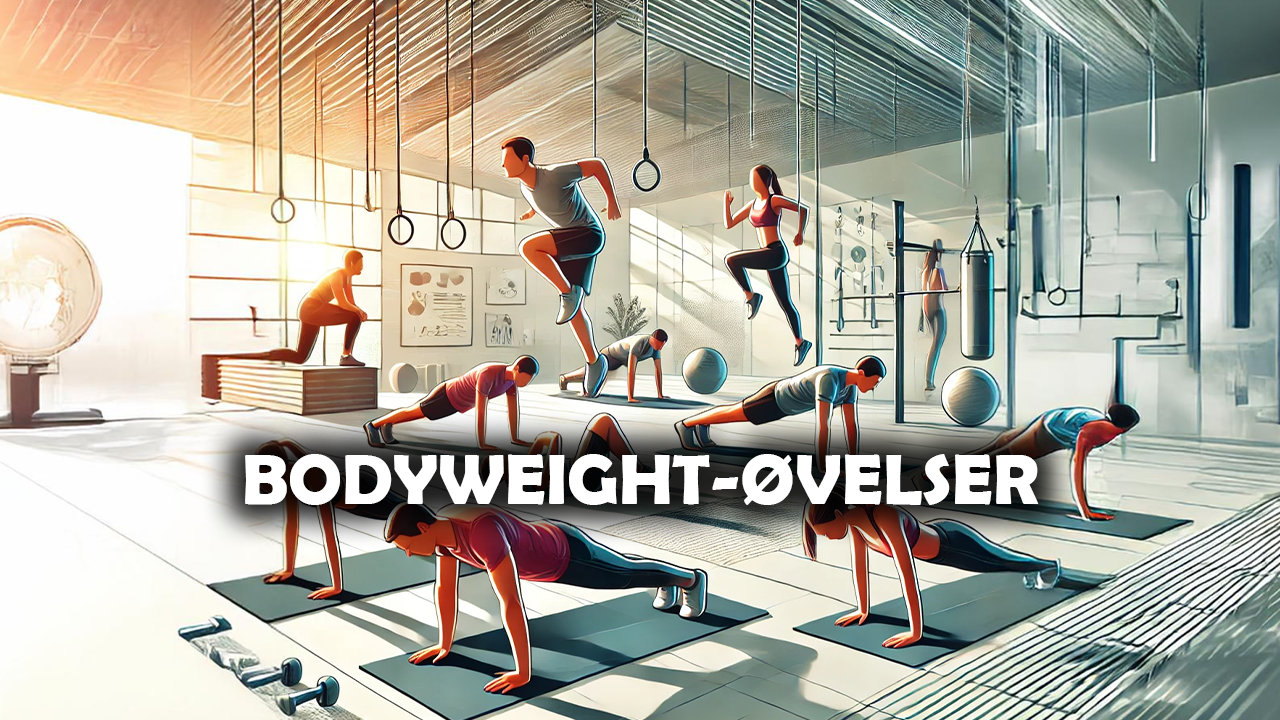
Bodyweight exercises are an excellent form of exercise when you want to lose weight effectively without needing equipment or a gym. Bodyweight exercises use your own body weight as resistance, making them flexible, accessible, and easy to adapt, whether you are a beginner or more experienced. This means you can work out at home, in the park, on vacation, or anywhere else while still getting a workout that challenges your body and increases energy expenditure.
One of the biggest advantages of bodyweight exercises is that they engage multiple muscle groups at once. Exercises such as burpees, squats, lunges, plank variations, and mountain climbers combine strength and cardiovascular activity, helping you burn energy. This type of bodyweight training combines muscle-building and cardio in the same movements—an important factor in supporting effective, sustainable weight loss.
In addition, bodyweight training can be gentle on your joints when performed with controlled movements and proper technique. This makes it easier to maintain a consistent routine. You can also vary the difficulty by changing your pace, the number of repetitions, or by adding small jumps, rotations, or longer holds. All you need is your own body—and the willingness to give your workout your best effort.
Inspiration List – Effective Ways to Use Bodyweight Training for Weight Loss
💪 Bodyweight Training and Weight Loss That Engage Multiple Muscle Groups at Once
One of the most valuable benefits of bodyweight training is that many exercises engage several large muscle groups simultaneously. This allows you to use energy efficiently because your body works hard during each movement. By focusing on exercises such as burpees, push-ups, squat jumps, and plank variations, you get both strength training and cardio, creating a powerful combination that can support weight loss in a natural and effective way.
🔥 Bodyweight Training and Weight Loss That Combine Cardio and Strength for Better Results
Bodyweight training allows you to combine strength exercises with high-intensity movements in a single workout. When you perform exercises in short, intense intervals, you can achieve a HIIT-like effect, raising your heart rate quickly while your muscles work hard. This combination can be useful when your goal is weight loss because it challenges both your cardiovascular system and your muscles. It can make your workouts more time-efficient and motivating, while your results will depend on factors such as consistency, nutrition, and overall activity levels.
🌍 Bodyweight Training and Weight Loss That You Can Do Anywhere Without Equipment
One of the greatest strengths of bodyweight training is its flexibility. You can work out in your living room, garden, office, or a park—without dumbbells, machines, or other equipment. This means you do not have to skip a workout simply because you are not in the “right” place. The flexibility of bodyweight training makes it much easier to maintain a consistent exercise routine, which is essential for sustainable weight loss.
⚙️ Bodyweight Training and Weight Loss That Can Easily Be Adapted to Your Fitness Level
Bodyweight training makes it easy to adjust the intensity so that exercises suit your fitness level. You can increase the difficulty by extending the duration, increasing your pace, or adding extra movements. You can make exercises easier by reducing the intensity or performing the movements more slowly and with greater control. This flexibility allows you to keep challenging yourself without overloading your body and helps you make steady progress toward your weight-loss goals.
🧠 Bodyweight Training and Weight Loss That Boost Motivation and Confidence
When you practice bodyweight training, you may begin to notice improvements relatively quickly. You can become stronger, more flexible, and more stable, and these improvements can motivate you to keep going. Mastering new exercises—such as holding a plank for longer or completing more push-ups—can also have a positive mental effect. It can build confidence and strengthen your motivation to continue your weight-loss journey. Bodyweight training is therefore not just about physical development; it can also be a mental journey that supports better overall well-being and a greater enjoyment of life.
REMEMBER – Bodyweight exercises make working out simple, effective, and accessible almost anywhere. When bodyweight training becomes a consistent part of your routine, it can help you stay active and support your long-term weight-loss goals.
5. Yoga, Pilates, and Mindfulness Exercises for Weight Loss

Yoga, Pilates, and mindfulness can be surprisingly effective tools in a weight-loss journey—not necessarily because they burn the most calories, but because they help create balance in the body, strengthen muscles, improve body awareness, and reduce stress. Stress is one of the major barriers to weight loss, as it can affect hormonal balance and contribute to overeating, fatigue, or reduced motivation. When you practice calm, controlled forms of exercise, your body can become better at managing everyday pressures, giving you more energy for other types of exercise that support weight loss.
Both yoga and Pilates particularly strengthen the core muscles, improve stability, and increase flexibility. This can help your body move more efficiently when you later do cardio, strength training, or bodyweight exercises. Pilates, for example, improves body control and makes your movements more precise, while yoga develops strength and flexibility while promoting a calmer state of mind. Together, these practices can make your overall fitness routine more balanced, both physically and mentally.
Mindfulness exercises are also valuable tools for maintaining healthy habits. When you become better at staying present, listening to your body's signals, and managing cravings, it can become easier to stick to the dietary and exercise routines that support weight loss. Yoga, Pilates, and mindfulness are therefore valuable not only for their physical benefits but also for the mental resilience they can bring to your weight-loss journey.
Inspiration List – Effective Ways to Use Yoga, Pilates, and Mindfulness for Weight Loss
🧘 Yoga and Pilates for Weight Loss, Focusing on Core Strength, Stability, and Controlled Movement Patterns
Yoga and Pilates involve slow, precise movements that strengthen the core muscles and improve body stability. Practicing these forms of exercise can help you maintain better posture, perform other exercises with proper technique, and move with greater strength and control. A strong core supports overall fitness and can help you perform other forms of exercise more effectively while reducing unnecessary strain on your body. This type of training helps you build strength from the inside out.
🌬️ Mindfulness and Gentle Yoga for Weight Loss, Reducing Stress and Creating Mental Balance
Mindfulness and gentle yoga place an emphasis on breathing, which can help calm the body and support stress management. When you use mental exercises to reduce stress, it may become easier to manage cravings, emotional eating, and impulsive decisions. Mental balance can give you more energy to make healthier choices in everyday life, and the sense of calm developed through mindful exercise can be a valuable part of sustainable weight loss.
You can find more inspiration for mindfulness exercises in our article: Good Tips for Strengthening Your Mental Well-Being Through Mindfulness and Meditation.
🔄 Yoga and Pilates for Weight Loss That Complement High-Intensity and Strength-Based Training
Yoga and Pilates are excellent complements to demanding cardio and strength-training sessions. They can improve flexibility, relieve muscle tension, and help support injury prevention. When you use these practices alongside other forms of exercise, they can contribute to recovery and help you maintain a more balanced training routine. This approach makes your overall fitness plan more sustainable, supporting both physical well-being and weight-loss progress over time.
🌱 Mindfulness for Weight Loss That Builds Awareness and a Stronger Connection With Your Body
Mindfulness exercises and mindful yoga teach you to notice your body's signals, understand them, and respond rather than ignore them. When you practice exercises that focus on inner calm and body awareness, it may become easier to eat according to your needs and stop when you feel full. Developing a stronger connection with your body through mindfulness can help you make thoughtful decisions throughout the day and strengthen your motivation to maintain healthy habits.
🔥 Yoga and Pilates for Weight Loss That Improve Flexibility, Mobility, and Long-Term Progress
Flexibility and mobility are often overlooked aspects of exercise during a weight-loss journey, but they play an important role in overall physical function. Yoga and Pilates can improve the range of motion in your muscles and joints, potentially reducing the risk of injury and making many forms of exercise more comfortable. When your body moves more freely and naturally, it may be easier to exercise consistently, supporting gradual improvements in fitness and long-term weight management.
REMEMBER – Strength, flexibility, and peace of mind make a powerful combination for healthy weight management. Yoga, Pilates, and mindfulness can help strengthen your body and bring greater clarity to your mind—both valuable elements of a healthy, sustainable weight-loss journey.
The Role of Nutrition in Exercise and Weight Loss

Although exercise is an important part of the weight-loss process, diet plays an equally crucial role. When you combine an effective workout routine with a well-balanced diet, your body is better supported both during exercise and during recovery. Food provides fuel for your muscles, and the right nutrition helps you train effectively, recover properly, and achieve better results. Therefore, your workouts and weight-loss efforts can become more consistent and effective when your diet supports your training.
Your diet also affects your body's hormonal balance, energy levels, and ability to use fat for energy. If you eat too little or do not get the right nutrients, you may experience low energy, fluctuating motivation, or a weight-loss plateau—even when you exercise regularly. On the other hand, a healthy, nutrient-rich diet containing plenty of protein, fiber, and healthy fats can support your workouts by providing the building blocks your body needs to maintain muscle mass and support normal metabolic function.
Another important part of weight loss is developing healthy habits around meals and snacking. When you eat regularly, prioritize nutrient-rich foods, and limit foods that provide little nutritional value, it may become easier to manage hunger and cravings. Combined with a good workout routine, these habits provide a strong foundation for sustainable weight loss—not just for a few weeks, but for years to come.
Inspiration List – Effective Ways to Make Your Diet Support Your Exercise and Weight-Loss Goals
🥗 Exercise and Weight Loss Supported by a Protein-Rich Diet for Better Muscle Development
Protein is essential when you exercise because it helps your muscles repair and recover after each workout. When you include protein in your daily meals—from sources such as lean meat, beans, lentils, eggs, fish, and plant-based alternatives—you give your body the building blocks it needs. This supports recovery, helps maintain and build muscle mass, and can contribute to sustainable weight management.
🥑 Exercise and Weight Loss Enhanced by Healthy Fats in Your Diet
Healthy fats from avocados, nuts, olive oil, seeds, and oily fish are important for normal hormone function and overall health. Including healthy fats in your diet can help provide sustained energy and support your body's nutritional needs. This makes it easier to maintain a balanced diet while participating in strength training, cardio, and bodyweight workouts. Healthy fats help your body function properly and support long-term weight management.
🍎 Exercise and Weight Loss Supported by Fiber-Rich Foods That Keep You Feeling Fuller for Longer
Fiber-rich foods such as vegetables, fruit, whole grains, and legumes are excellent choices when your goal is weight loss. Fiber can help you feel fuller for longer, making it easier to manage unnecessary snacking and overeating. When you combine exercise with a fiber-rich diet, you can also support healthy digestion and more stable blood sugar levels, helping you maintain steady energy throughout your workouts.
💧 Exercise and Weight Loss Become More Effective When You Drink Enough Water
Hydration is an often-overlooked factor in both exercise and weight management. Staying well hydrated helps your muscles function properly and can reduce the risk of dehydration-related fatigue and headaches. Water also helps transport nutrients and regulate body temperature during exercise. For this reason, adequate hydration should be a natural part of your workout routine, helping you get the most out of both strength training and cardio.
🕒 Exercise and Weight Loss Supported by Regular Meals and Steady Energy Levels
Eating at regular intervals can help you maintain consistent energy levels, making it easier to perform well during your workouts. Spreading your meals throughout the day—for example, eating three main meals and adding a few nutritious snacks if needed—can help you manage hunger and avoid sudden cravings. Finding a meal routine that works for you can support your training, help you maintain healthy eating habits, and keep you focused on your weight-loss goals.
REMEMBER – Your diet provides the fuel, and exercise is the engine. When combined in the right way, they can work together to support your weight-loss goals.
If you would like more inspiration on how to combine nutrition and exercise effectively to support your weight loss, read our article: Good Tips on How to Combine Exercise and Nutrition for Optimal Results.
What Exercise Mistakes Should You Avoid When Trying to Lose Weight?
When your primary goal is weight loss, the right exercise habits can deliver fantastic results. However, the wrong habits can slow your progress, cause frustration, and, in the worst cases, lead to injuries. Many people fall into the same traps—training too much, pushing themselves too hard, doing too little variety, or exercising without a plan. It is therefore important to understand the most common mistakes so you can avoid them and instead create a healthy, consistent, and effective approach to exercise for weight loss.
One of the most common mistakes is believing that more is always better. Exercising too much without sufficient recovery can lead to exhaustion, reduced performance, and a lack of progress. Another classic mistake is focusing exclusively on cardio without incorporating strength training, which can contribute to muscle loss during weight loss. At the same time, many people overlook the importance of proper technique, planning, and gradual progression—all of which influence how effective your workouts will be.
Additionally, failing to understand the role of nutrition can undermine even the most structured workout plan. If you do not eat enough or get the nutrients your body needs, your training may not produce the results you want. Maintaining motivation is also important. Many people become discouraged because they expect rapid results and forget that healthy, sustainable weight loss is a long-term process in which consistency and realistic goals make the biggest difference.
Inspiration List – An Overview of Common Exercise Mistakes to Avoid When Trying to Lose Weight
⚠️ Avoid Unstructured Workouts and Unrealistic Expectations That Can Slow Weight-Loss Progress
A common mistake is jumping into an exercise routine without a clear plan or realistic fitness goals. When your workouts lack structure, it becomes difficult to measure progress, and motivation can quickly decline. Many people expect significant results within just a few weeks, creating unnecessary pressure and increasing the risk of giving up. A structured workout approach with a realistic timeline makes it easier to stay consistent because you build a routine that works for you and supports progress over time.
🔁 Avoid Repetitive Workouts With Too Little Variety
Repeating the same exercises week after week is a common mistake that can limit your progress. Your body gradually adapts to familiar movements, so it is important to adjust your routine over time to continue developing your fitness. When your workouts lack variety, you may also lose motivation and enjoyment. By combining cardio, strength training, HIIT, and bodyweight exercises, you can challenge your body in different ways and keep your routine engaging. Variety makes exercise more enjoyable and can help you stay consistent with your weight-loss goals.
That is why it is important to create a realistic, long-term workout plan and continually find ways to stay motivated. You can find inspiration in our article: Good Tips on How to Stay Motivated to Exercise All Year Round.
💤 Avoid Workouts That Ignore Recovery and Your Body's Need for Rest
One frequently overlooked mistake is underestimating the importance of rest and recovery. If you exercise too intensely or too frequently without taking breaks, your body may respond with fatigue, soreness, and, in some cases, injuries. When your training routine does not allow enough time for recovery, your performance may suffer and your motivation may decline. Rest is not a sign of weakness—it is an essential part of a healthy workout plan that allows your body to repair and adapt after each session.
⚖️ Avoid Weight-Loss Training That Is Not Supported by a Balanced, Nutrient-Rich Diet
Even the best workout plan cannot fully compensate for a diet that does not support your training goals. Some people eat too little, while others consume more energy than they use, which can affect their weight-loss progress. When you exercise without considering nutrition, you may struggle with energy levels, recovery, and maintaining a consistent routine. A balanced diet provides the nutrients and energy you need to exercise effectively and supports your overall health.
🎯 Avoid Weight-Loss Workouts That Lack Proper Technique and Gradual Progression
A mistake that can limit your results and increase the risk of injury is performing exercises with poor technique or failing to progress gradually. When your technique is incorrect, your body may be placed under unnecessary strain, making the exercise less effective. Gradual progression is also important for improving fitness and supporting weight loss. Your body needs appropriate challenges over time, so adjusting the intensity, duration, or difficulty as your fitness improves can help you continue making progress. By focusing on proper technique and gradual progression, you can build a strong foundation for sustainable results.
REMEMBER – Thoughtful planning of your workouts and weight-loss goals can lead to steadier progress and fewer frustrations. Avoid these common exercise mistakes and make your workouts more effective in supporting your weight-loss journey from day one.
Conclusion

Working out for weight loss is about much more than simply moving your body to burn calories. It is about creating a stronger, healthier, and more balanced lifestyle in which you strengthen your body, your mind, and your ability to maintain healthy habits. When you combine effective exercises with good nutrition, adequate recovery, variety, and realistic goals, you build a foundation that makes weight loss more consistent and sustainable.
Throughout the process, you will discover that exercise offers far more than simply seeing a lower number on the scale. You can gain more energy, enjoy better sleep, develop stronger muscles, and experience greater mental well-being—all of which can help you stay motivated to exercise, even when everyday life gets busy. By choosing activities you enjoy and building a workout routine you can realistically maintain, your fitness journey becomes both more enjoyable and more meaningful.
Most importantly, view weight loss as a process driven by small, consistent steps. Every workout counts. Every decision to move a little more makes a difference. And every time you notice your body becoming stronger, you remind yourself that you are capable of more than you think. By maintaining this mindset, you can achieve meaningful progress in both your fitness and weight-loss journey—not just now, but for years to come.
REMEMBER – A good workout plan, ongoing motivation, and patience are the keys to success when you want to lose weight while maintaining a healthy lifestyle built around thoughtful exercise and nutritious food.
Mini Guide – Effective Exercise for Weight Loss
This mini guide summarizes the article above and provides useful tips on exercise for weight loss, including effective workout exercises.
🏋️ Strength Training as the Foundation for Weight Loss
Strength training should be a central part of any weight-loss workout plan because it helps build and maintain muscle mass. Muscle tissue uses energy throughout the day, including at rest, although the increase in daily calorie expenditure from additional muscle is generally modest. Incorporate exercises that target large muscle groups, such as squats, deadlifts, lunges, bench presses, and plank variations. Start at a pace that suits your fitness level and gradually increase the difficulty to reduce the risk of injury and build a stronger body week by week.
🔥 High-Intensity Interval Training in Short Bursts as a Foundation for Weight Loss
High-Intensity Interval Training (HIIT) can be an effective way to increase energy expenditure because you work hard for short periods, alternating intense activity with recovery intervals. It can provide a challenging workout in a relatively short amount of time. Exercises such as burpees, mountain climbers, sprints, jumps, and explosive bodyweight movements are useful options when you want to increase workout intensity without committing to long sessions. HIIT can fit well into a busy schedule and can be adapted to different fitness levels.
🏃 Cardio to Increase Your Heart Rate and Endurance as a Foundation for Weight Loss
Cardiovascular exercise helps you burn calories while improving the capacity of your heart and lungs. Running, cycling, rowing, swimming, and power walking are all good options that can be varied in intensity and duration. You can combine longer, steady-paced sessions with intervals to keep your workouts interesting and challenging. Regular cardio can improve your endurance and make everyday activities easier.
🍎 Nutrition That Supports Your Exercise and Weight-Loss Goals
Food provides your body with the fuel it needs, and without adequate nutrients, your workouts and recovery may suffer. Protein helps build and repair muscle, fiber promotes fullness and supports healthy blood sugar regulation, and healthy fats contribute to overall health and sustained energy. A nutrient-rich diet can help you perform better during exercise and recover afterward. Water also plays an important role, as dehydration can lead to fatigue and reduced physical performance.
🔄 Exercise and Weight Loss – Variety and Progression to Maintain Motivation
Your body gradually adapts to familiar movements, so variety can help maintain motivation and keep your routine engaging. Alternate between strength training, cardio, HIIT, and bodyweight exercises to challenge your body in different ways. At the same time, focus on gradual progression. Small adjustments, such as performing more repetitions, lifting slightly heavier weights, or increasing your pace, can make a difference over time. Variety and progression help keep exercise interesting, motivating, and rewarding.
😴 Recovery as an Active Part of Your Weight-Loss Workout Routine
Rest is just as important as exercise itself. During recovery, muscle tissue repairs and adapts, helping prepare your body for the next workout. Too little rest can contribute to fatigue, increase the risk of injury, and make it harder to maintain consistent progress. Prioritize quality sleep, schedule rest days, and consider light active recovery, such as gentle walks or stretching. A well-rested body is better prepared to exercise effectively and achieve your fitness goals.
If you need more inspiration for exercises that can support weight loss, watch this video: 8 Exercises That Effectively Burn Fat.
Do you have experience with or knowledge of effective workouts and exercises for weight loss?
We would love to hear your thoughts, experiences, or suggestions in the comments. Share your ideas on how to exercise effectively while achieving healthy, sustainable weight loss.