Being pregnant is one of the most significant periods in life – physically, emotionally and mentally. During pregnancy, the body undergoes major changes, energy levels fluctuate, and you become more aware of how every decision affects both you and the little new life growing inside you. Pregnancy is an exciting time filled with anticipation, but it also raises many questions – not least about exercise and physical activity. That is precisely why exercise during pregnancy is such an important topic. What can you do? What should you avoid? And how can you stay active safely while strengthening your body and supporting a healthy pregnancy?
Exercise during pregnancy is not about running faster, lifting heavier weights or pushing your body to its limits. It is about promoting wellbeing, building strength and stability, supporting circulation and breathing, and helping to prevent common discomforts such as back pain, pelvic pain, swollen legs and fatigue. The right exercises during pregnancy can boost your energy levels, improve your mood, support better sleep and give you a greater sense of control over your body at a time when everything else can feel a little unpredictable.
Many expectant mothers feel unsure about how much they should exercise and how to do so safely. Old myths suggesting that you should rest throughout your entire pregnancy still persist in some places, but modern research shows otherwise. Most pregnant women benefit greatly from moderate, balanced physical activity throughout pregnancy, provided the exercise is adapted to the body's changes and individual needs. You do not need a professional fitness background or special equipment – just an understanding of which exercises support your body and which types of strain are best avoided during exercise.
The purpose of this article is to give expectant mothers the confidence and clear guidance they need when they want to exercise during pregnancy. You will find practical, easy-to-understand tips on safe forms of exercise, important precautions, common pitfalls and helpful advice on how to listen to your body to promote health, enjoyment and peace of mind throughout pregnancy. The article will also help you find a balance between activity and rest, allowing you to support both your own strength and your baby's wellbeing – without unnecessary worries when exercising.
Pregnancy is a time when you need to take extra good care of yourself, but that does not mean you have to be inactive. On the contrary, the right exercise can be an important investment in your pregnancy experience, your birth and your recovery afterwards.
Why Is Exercise During Pregnancy Important?
Exercise during pregnancy is one of the most valuable investments you can make in both your own health and your baby's. As your body undergoes major hormonal and physical changes, it becomes especially important to strengthen your muscles, joints, cardiovascular system and mental wellbeing. Regular movement helps reduce common pregnancy discomforts such as back pain, pelvic discomfort, fatigue, fluid retention and sleep problems. At the same time, exercise improves your body's stability, helping it better support the extra weight and new physical demands that develop throughout pregnancy.
Research also shows that moderate exercise can improve oxygen uptake, support healthy weight gain and reduce the risk of complications such as pre-eclampsia and gestational diabetes. It is not about performing at a high level, but about moving in a way that feels safe and supportive. Exercise can also improve your mood by releasing endorphins, which may help reduce stress and emotional fluctuations – something many pregnant women experience.
A stronger, better-functioning body can also make childbirth easier. Exercise can improve endurance, increase muscle control and develop a better understanding of breathing and body awareness, which can be a significant advantage during contractions. After giving birth, a good exercise routine can help you recover more quickly and comfortably because your body is already stronger and better prepared.
In short – Exercise during pregnancy is about building energy, strengthening your body and supporting a healthy pregnancy, both physically and mentally. It is not a burden, but a helping hand on your journey towards motherhood.
Inspiration List – Safe and Healthy Exercise During Pregnancy
⭐ Exercise to Improve Body Stability During Pregnancy
Many pregnant women experience increased strain on their back and pelvis, which is why exercises that strengthen the core muscles are extremely valuable. When stability improves through the right type of exercise, it becomes easier for your body to support the weight of your growing belly, and you reduce the risk of pain and discomfort. Stability-based training – such as gentle strength training, Pilates or bodyweight exercises – helps keep your core muscles active and flexible. The stronger your core becomes through the right type of exercise, the better you can move safely throughout pregnancy.
💛 Exercise to Boost Energy and Wellbeing During Pregnancy
Although it may sound contradictory, exercise can give you more energy during a time when fatigue often plays a significant role. When you move, your blood circulation improves, delivering more oxygen to your muscles and brain. Exercise can lift your mood, reduce stress and make it easier to manage everyday challenges. Activities such as walking, gentle cycling or pregnancy-friendly fitness can be a gentle yet effective way to create balance and wellbeing – without putting unnecessary strain on your body.
🌿 Exercise to Relieve Pregnancy Discomfort During Pregnancy
Many common pregnancy discomforts can be relieved with the right exercise. For example, exercises that improve blood flow can reduce swollen legs, while strength training for the legs and hips can reduce pressure on the lower back. At the same time, gentle exercise helps maintain a stable weight and supports the body's natural hormonal balance. By incorporating regular exercise into your routine, you can help prevent problems before they develop into more significant challenges.
🧘 Exercise Focusing on Breathing and Mental Calm During Pregnancy
Pregnancy can bring emotional fluctuations, which is why exercise that incorporates breathing, relaxation and mental calm is particularly beneficial. Pregnancy yoga and mindfulness-based exercise help you develop a calm, focused mindset that can be a great advantage both in everyday life and during childbirth. When you learn to combine movement with deep breathing, you develop greater body awareness and feel more balanced during exercise.
You can find further inspiration for beneficial mindfulness exercises in our article – Great Tips for Strengthening Your Mental Wellbeing Through Mindfulness and Meditation
🩺 Exercise to Support a Healthy Pregnancy
Research shows that regular exercise can reduce the risk of gestational diabetes, high blood pressure and other complications. Exercise during pregnancy that focuses on full-body strength and cardiovascular fitness gives your body a better opportunity to adapt to the physical demands and maintain stable energy levels. It is not about strenuous exercise during pregnancy, but about choosing activities that support your body's natural needs and promote both health and safety.
👶 Exercise to Prepare for Childbirth
One of the major benefits of regular exercise during pregnancy is that it can prepare your body for labour and childbirth. Exercises that focus on breathing, endurance and body control give you a better understanding of how your body responds when you move at a calm, controlled pace – just as you may need to during contractions. Exercises such as pelvic floor training, gentle squat variations and stability training can strengthen the muscle groups that need to work together during childbirth.
At the same time, relaxation-focused exercise can help you remain calm, reduce tension and make it easier to concentrate when you need to. In this way, exercise during pregnancy becomes not just a source of support in everyday life, but also an active preparation for a safer and more controlled birth experience.
♻️ Exercise to Help You Recover More Quickly After Childbirth
Exercise during pregnancy can be a significant advantage when your body needs to recover after giving birth. The stronger and better-functioning your muscles, joints and cardiovascular system are before childbirth, the more quickly you will often find that your body returns to its natural balance. Exercises that strengthen the pelvic floor, core and posture make it easier for your body to regain stability after birth and reduce subsequent discomfort, such as pain in the lower back, hips and pelvis.
At the same time, cardiovascular exercise can improve blood circulation, supporting the healing process and helping your body recover more efficiently after childbirth. By exercising appropriately during pregnancy, you give yourself a stronger foundation for a healthy, stable and more comfortable postpartum period.
REMEMBER – A healthy and strong pregnancy begins with exercise that feels safe for your body. Small, well-planned exercise routines incorporated into your daily life can make a significant positive difference throughout pregnancy.
General Guidelines for Safe Exercise During Pregnancy
When exercising during pregnancy, it is important to focus on safety, comfort and your body's signals. Pregnancy is a period in which your body is constantly changing, so your exercise routine needs to be adjusted throughout all three trimesters. This does not mean you should hold back from physical activity during pregnancy – quite the opposite. Safe exercise during pregnancy helps you build strength, stability and wellbeing, but it requires you to follow a few simple and practical guidelines.
The most important thing is to choose exercises during pregnancy that feel natural and gentle, without sudden physical strain. Avoid activities that carry a high risk of falls, impacts or overheating. Listen to your body throughout your pregnancy – if anything hurts, feels uncomfortable or makes you dizzy, stop and adjust the intensity.
Exercise during pregnancy is not about performance, but about maintaining your energy, supporting your body and creating a safe foundation for both you and your baby.
It can also be beneficial to focus on physical activities during pregnancy that strengthen the muscles around your core, back, legs and pelvis, while choosing exercises that improve posture, circulation and balance. A good rule of thumb is that you should be able to hold a normal conversation while exercising. This helps ensure that you exercise at a safe pace, allowing your body to deliver oxygen to both you and your baby.
By following clear, simple and professional guidelines, exercise can become a natural and valuable part of your pregnancy – without worries, unnecessary pressure or discomfort, and with plenty of confidence and peace of mind throughout your pregnancy.
Inspiration List – Safe and Stable Exercise During Pregnancy
🩻 Consult Your Doctor or Midwife Before Starting Your Pregnancy Exercise Routine
Before starting an exercise routine during pregnancy, it is always a good idea to consult your doctor or midwife. A healthcare professional can assess which types of exercise are most suitable for you and whether there are specific exercises you should modify or avoid. This provides peace of mind, allowing you to focus on your pregnancy exercise routine without worrying, knowing that it is safe and suited to your individual circumstances. Many women also find that a brief conversation with their doctor or midwife provides valuable insight into how exercise can support both their wellbeing and their baby's development throughout pregnancy.
⭐ Pregnancy Exercise at a Gentle Intensity
The right exercise routine during pregnancy starts with an intensity you can comfortably manage. Pregnancy exercise at a gentle intensity helps prevent your body from becoming overworked while allowing you to breathe freely. By choosing an activity that allows you to speak in full sentences, you can avoid overheating and placing unnecessary strain on your heart rate. This type of exercise also supports a healthy cardiovascular system, benefiting both mother and baby. Gentle walks, swimming or cycling are good examples of pregnancy-friendly exercise that boosts your energy rather than leaving you exhausted.
💛 Pregnancy Exercise Tailored to the Needs of Each Trimester
Your body changes significantly throughout pregnancy, so your exercise routine should be adapted to the different needs of the first, second and third trimesters. In the beginning, you can often continue with many of your usual exercise routines, but as your belly grows, it is important to choose pregnancy-friendly exercises that are gentle on your back, pelvis and joints. Exercises that previously felt easy may require modifications later in pregnancy to prevent uneven strain on your body. Adjusting your exercise routine as your pregnancy progresses improves comfort and safety while helping you stay strong right up until childbirth.
🌿 Pregnancy Exercise That Avoids Overheating and Excessive Strain
An important guideline for safe exercise during pregnancy is to avoid overheating and exercises that place excessive pressure on your abdomen. This means that high-intensity workouts, outdoor exercise during hot weather and exercises involving lots of jumping may need to be modified or avoided during pregnancy. Remember to drink plenty of water before, during and after exercising. You should also avoid lying flat on your back for extended periods after the first trimester, as this can affect blood circulation. By choosing gentle pregnancy exercises that help you stay at a comfortable temperature, you provide your body with the best conditions for a healthy pregnancy.
🧘 Pregnancy Exercise Focusing on Breathing and Balance
Pregnancy exercises that improve breathing, balance and body control are particularly beneficial as your body changes. Yoga, pregnancy Pilates or gentle stability exercises help you develop a better connection with your core and pelvic muscles, which are significantly affected by pregnancy. At the same time, pregnancy exercise involving calm, controlled movements helps you recognise your body's subtle signals, making it easier to stop before overexertion occurs. Focused breathing also helps keep stress levels low and promotes mental calm.
🩺 Pregnancy Exercise That Pays Attention to Your Body's Signals
Safe exercise during pregnancy begins and ends with listening to your body. This means paying attention to discomfort, sudden pain, severe fatigue or dizziness. These signals indicate that your body needs a break or a different type of exercise. By respecting your body's limits, you can avoid injuries and enjoy a more comfortable and balanced experience of exercising during pregnancy. It is better to cut a workout short than to push your body too far – especially during a period when both you and your baby need the best possible conditions.
REMEMBER – When you exercise mindfully during pregnancy, you are training both safely and effectively. Your body's signals are your best guide – all you need to do is listen and follow its rhythm.
The Best Types of Exercise During Pregnancy
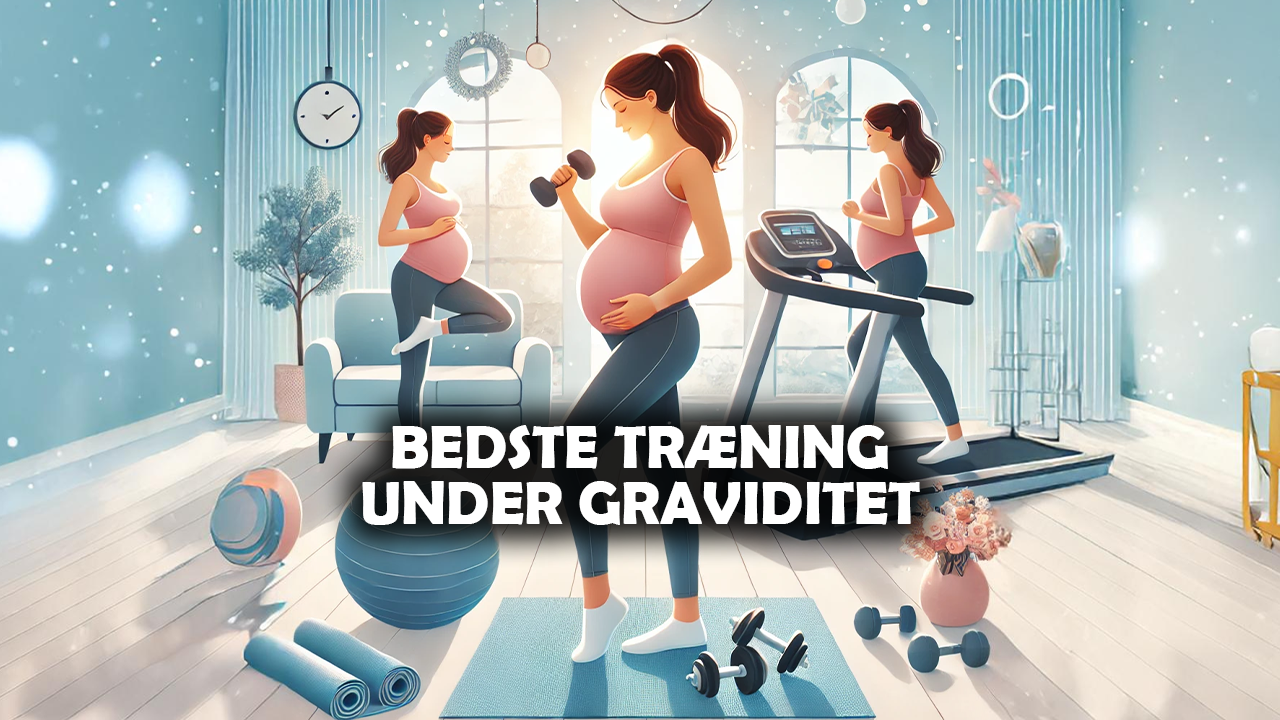
When you want to move safely and effectively throughout your pregnancy, it is essential to choose forms of exercise that both strengthen your body and give you peace of mind. The best activities during pregnancy are those that combine stability, balance, cardiovascular fitness and gentle strength training – without creating a risk of falls, impacts or overexertion. Exercise during pregnancy should feel supportive, not strenuous, so it is important to choose exercises that suit your energy levels, your body and the trimester you are in.
Many pregnant women find that gentle but targeted movements provide the greatest comfort. Pregnancy exercises such as swimming, pregnancy yoga, Pilates, stability training and walking are often ideal because they strengthen the muscles, improve circulation and reduce common discomforts such as tension, soreness, swollen legs and fatigue. These forms of exercise during pregnancy also help the body maintain flexibility and strength, which can improve your preparation for childbirth.
It is not about exercising intensely during pregnancy, but about exercising wisely. By choosing safe and effective forms of exercise, you give both yourself and your baby the best possible conditions while creating a healthy and stable foundation to support you through every stage of pregnancy.
Here Is an Overview of the Best Exercise Options During Pregnancy
1. Walking During Pregnancy
Walking is a fantastic form of exercise during pregnancy. It is gentle on the body and easy to adapt to your energy levels.
Benefits – Improves fitness and stimulates blood circulation.
Tips – Wear supportive footwear and choose flat surfaces to minimise the risk of falls.
2. Swimming During Pregnancy
Water-based exercise is a gentle and effective way to work your entire body during pregnancy.
Benefits – Reduces strain on joints and muscles and creates a feeling of weightlessness.
Tips – Choose a relaxed swimming pace and avoid diving or jumping in from the poolside.
3. Yoga and Pilates During Pregnancy
These forms of exercise focus on breathing, flexibility and muscle strength, making them highly suitable during pregnancy.
Benefits – Reduces stress and promotes good posture.
Tips – Attend classes specifically designed for pregnant women and avoid positions that involve lying flat on your back after the first trimester.
4. Strength Training During Pregnancy
Light strength training can help support your body as it adapts to the increased physical demands of pregnancy.
Benefits – Builds strength and improves muscle tone.
Tips – Use light weights and avoid exercises that require heavy lifting or involve holding your breath.
5. Stationary Cycling During Pregnancy
Cycling on a stationary bike is a safe way to improve your fitness during pregnancy.
Benefits – Reduces the risk of falls compared with regular cycling.
Tips – Adjust the saddle and handlebars to avoid discomfort.
REMEMBER – The right exercise during pregnancy provides both physical comfort and strength for childbirth. Small, gentle movements can produce positive results for both mother and baby.
Exercise During the Three Trimesters of Pregnancy
Pregnancy is divided into three trimesters, and your exercise needs naturally change from one trimester to the next as your body undergoes significant physical and hormonal changes. This means you can benefit from adjusting your pregnancy exercise routine as you go, ensuring that the exercises suit your energy levels, the demands placed on your body and your overall wellbeing.
During the first trimester, the focus is often on finding an exercise routine that accommodates nausea and fatigue, while the second trimester is, for many women, the period when exercise during pregnancy feels most manageable and allows for a little more movement and strength training. In the third trimester, the focus changes again as your belly grows and your body becomes more easily fatigued, which naturally affects your exercise routine.
The most important thing is to listen to your body and adjust your exercise routine as your pregnancy progresses. By choosing exercises that meet the needs of each trimester, you can stay active safely and get the most out of your exercise during pregnancy. This creates a healthy balance between activity, rest and body awareness, making it easier to move comfortably throughout your pregnancy, from beginning to end.
Pregnancy Exercise Divided into the Three Trimesters
First Trimester (0–12 Weeks) of Pregnancy
At the beginning of pregnancy, many women experience fatigue and nausea, but it is still possible to remain active.
Focus – Light to moderate exercise, such as walking, yoga or swimming.
Avoid – Overheating and intense exercise.
Second Trimester (13–26 Weeks) of Pregnancy
This trimester is often characterised by increased energy, making it a good time to increase the intensity of your exercise.
Focus – Strength training and aerobic exercise, such as swimming or cycling.
Tips – Adapt exercises to accommodate your growing belly.
Third Trimester (27–40 Weeks) of Pregnancy
Towards the end of pregnancy, you may experience fatigue and physical discomfort, but gentle exercise can still be beneficial.
Focus – Gentle exercises such as walking, light yoga and stretching.
Avoid – Exercises involving rapid movements or a risk of falling.
Inspiration List – Trimester-Based Exercise During Pregnancy
🌱 First Trimester – Gentle and Steady Exercise During Pregnancy
During the first trimester, your body is busy laying the foundations for your pregnancy, so exercise during this phase should be gentle, relaxed and adaptable. Many pregnant women experience nausea, fatigue or dizziness, making it important to choose low-impact activities. Walking, gentle cycling and simple bodyweight strength exercises are good options. The focus should be on moving your body at a comfortable pace without pushing your heart rate too high. This is also an ideal time to establish good habits, such as pelvic floor training and gentle stability exercises. The goal is not intensity, but consistency and a calm approach.
🌤 Second Trimester – Energising and Stabilising Exercise During Pregnancy
For many pregnant women, the second trimester is when exercise during pregnancy feels most natural. Nausea often subsides, energy levels increase and the body feels more stable. You can therefore introduce more varied forms of exercise, provided you do so at a controlled pace. Pilates, swimming, pregnancy yoga and light strength training can be particularly effective because they strengthen your core, improve balance and support good posture. You can also gradually extend your walks or cycling sessions if your body feels ready. The goal is to build and maintain a strong, well-functioning body that can comfortably support your growing belly throughout the remainder of your pregnancy.
🌕 Third Trimester – Gentle, Preparatory and Low-Impact Exercise During Pregnancy
During the third trimester, it is completely natural for your belly to become larger and for your body to tire more quickly. Exercise during this phase should therefore focus on stability, relaxation and preparation for childbirth. Yoga, breathing exercises, pelvic floor training and light, controlled strength exercises are ideal, as they support both muscle control and mental calm. Walking remains an excellent form of exercise, but it is perfectly fine to adopt a more moderate pace. Avoid exercises that put pressure on your abdomen, strain your pelvis or require a great deal of balance. The most important things during the third trimester are gentle movement, relaxation and developing a good connection between your body and your breathing – all of which can be a great help as you prepare for childbirth.
REMEMBER – The right types of exercise and movement throughout all three trimesters help create balance, calm and strength during pregnancy. By following your body's pace and signals, you can establish the best exercise routine for your pregnancy.
Signs That You Should Stop Exercising During Pregnancy
Although exercise is healthy and beneficial during pregnancy, it is important to know the difference between normal physical exertion and warning signs that tell you to stop exercising immediately. Your body is working hard to create and support new life, so certain types of discomfort may indicate that your exercise routine during pregnancy needs to be adjusted or paused. If you experience pain, dizziness, sudden shortness of breath, bleeding or sharp discomfort while exercising during pregnancy, this is a clear signal to stop and listen to your body.
It is perfectly natural for your body to send more signals than usual during pregnancy. Your joints become more flexible due to the hormone relaxin, your blood pressure may fluctuate, and your centre of gravity shifts – all of which mean you need to be extra careful when moving. Stopping your exercise routine during pregnancy is not a sign of weakness – it is a sign of strength and responsibility.
Safe exercise during pregnancy is about looking after yourself so that both you and your baby have the best possible conditions. When you learn to recognise your body's signals, exercise can remain a safe and reassuring experience throughout your pregnancy – without unnecessary worries or risks.
Checklist – Important Warning Signs When Exercising During Pregnancy
⚠️ Early or Premature Labour During Exercise in Pregnancy
If you experience signs of early or premature labour while exercising during pregnancy, this is one of the most important signals that you should stop immediately and seek professional medical advice. Premature labour may feel like rhythmic contractions, downward pressure, period-like pain or a sudden feeling of pressure in your lower abdomen.
These symptoms may be your body's way of telling you that it is being overworked or that something is not right. Even gentle exercise can, in rare cases, trigger unwanted uterine activity, which is why it is important to respond quickly and responsibly. Sit down, rest and contact your midwife or doctor if the symptoms continue. By taking these signals seriously, you protect both yourself and your baby and help ensure that exercise during pregnancy remains a safe and supportive activity.
🚫 Sudden Dizziness During Exercise in Pregnancy
If you experience dizziness, blurred vision or a feeling of losing your balance while exercising during pregnancy, stop moving immediately. Dizziness may indicate that your body is not getting enough oxygen, that your blood pressure is dropping or that you are exercising at an intensity that exceeds your body's capacity. It is important to sit down, breathe calmly and give your body time to settle. Dizziness is one of the clearest signs that your pregnancy exercise routine needs to be adjusted to a gentler and more stable level.
💓 Irregular Heartbeat or Severe Shortness of Breath During Exercise in Pregnancy
Your body works hard during pregnancy, but if you experience an irregular heartbeat, chest pain or significant shortness of breath while exercising during pregnancy, this is a clear warning sign. Stop exercising immediately, as these symptoms may indicate overexertion or circulatory problems. Your body needs to be able to work at a comfortable pace during pregnancy exercise, ensuring that both you and your baby receive enough oxygen. If your breathing becomes excessively laboured, it is time to reduce the intensity or take a break from your pregnancy exercise routine.
🩸 Bleeding or Abdominal Pain During Exercise in Pregnancy
If you experience vaginal bleeding, sharp abdominal pain or severe cramps similar to period pain while exercising during pregnancy, you should stop immediately and contact a healthcare professional. These symptoms are your body's way of telling you that something may be wrong. Exercise during pregnancy should never cause abdominal or pelvic pain, and it is important to respond quickly and responsibly. Stopping your workout in time can prevent further strain and help ensure that you receive the appropriate care.
🦵 Pain in the Joints, Hips or Back During Exercise in Pregnancy
Mild tension and soreness are normal, but severe, sharp or persistent pain in your back, hips, knees or other joints while exercising during pregnancy is a sign that your body is being overworked. Pregnancy hormones make your joints more flexible, which means you may be more likely to overstretch or strain your muscles incorrectly. Stop exercising and switch to gentler movements that focus on stability. Musculoskeletal pain is a clear sign that you need to adjust your pregnancy exercise routine before the discomfort worsens.
🔥 Overheating During Exercise in Pregnancy
Overheating can be dangerous for both you and your baby, so you should stop exercising during pregnancy if you feel unusually hot, overheated or unwell. Symptoms such as excessive sweating, redness, waves of heat or weakness may indicate that your body is working too hard. When exercising during pregnancy, it is important to keep your body temperature stable and exercise in cool surroundings. Overheating is a signal that it is time to stop and cool down.
REMEMBER – Safe exercise during pregnancy begins with knowing your body's limits. When you listen to your body's signals, you can exercise more effectively, more intelligently and with greater confidence throughout your pregnancy.
Nutrition and Recovery When Exercising During Pregnancy

When exercising during pregnancy, nutrition and recovery play a central role in your energy levels, wellbeing and your body's ability to adapt to the major changes taking place. Exercise during pregnancy is not just about the physical activity itself – it is equally about giving your body the right building blocks and the necessary rest to maintain the right balance. Because your body is working hard both to carry your baby and maintain your strength, you need to ensure that you get enough nutrients, fluids and breaks between exercise sessions throughout your pregnancy.
A healthy, balanced diet focusing on protein, wholegrains, healthy fats and plenty of fruit and vegetables helps provide sustained energy during pregnancy. Staying hydrated is particularly important because fluid balance affects everything from blood circulation to temperature regulation during pregnancy exercise.
At the same time, recovery is essential when exercising during pregnancy. This includes active recovery, such as walking and stretching, as well as intentional relaxation, good-quality sleep and regular breaks throughout the day. When you combine exercise during pregnancy with good nutrition and proper recovery, you give your body the best possible conditions for a safe and healthy pregnancy.
Inspiration List – Healthy Eating and Good Recovery When Exercising During Pregnancy
🥗 A Balanced Diet to Support Exercise During Pregnancy
A balanced diet is essential if you want to exercise safely and consistently during pregnancy. Your body needs more energy and nutrients because it must both maintain your muscle strength and support your baby's development. A diet containing lean proteins, wholegrains, healthy fatty acids and nutritious carbohydrates provides steady energy and helps your body recover after pregnancy exercise. It can also be beneficial to eat smaller, more frequent meals to keep your blood sugar levels stable, supporting both your wellbeing and your exercise routine during pregnancy in a safe and balanced way.
You can find further inspiration for combining nutrition and exercise in our article – Great Tips on How to Combine Exercise and Nutrition for Optimal Results
💧 Fluid Balance as the Key to Healthy Exercise During Pregnancy
During exercise in pregnancy, your body works harder to regulate its temperature, making hydration one of the most important factors for both wellbeing and safety when exercising. By drinking regularly before, during and after exercise, you support your blood circulation, energy levels and your body's ability to avoid overheating. Many pregnant women experience an increase in blood volume, meaning their bodies have an additional need for fluids to keep circulation stable. A good approach is to drink small amounts throughout the day so that your body has a steady supply of fluids. This supports both exercise performance and overall health throughout pregnancy.
😴 Quality Sleep as Part of Exercise During Pregnancy
Sleep plays an enormous role in recovery, and quality sleep is just as important a part of exercise during pregnancy as the exercises themselves. Your body uses the night to repair muscles, regulate hormones and strengthen the immune system, while a lack of sleep can affect your energy, mood and exercise performance. Pregnant women may experience sleep problems, but good habits such as maintaining regular bedtimes, relaxing before bed, gentle stretching or taking a short walk can significantly improve sleep quality. When you prioritise sleep, you get more out of your pregnancy exercise routine and achieve better overall balance in your body.
You can find inspiration for developing good, consistent sleep habits in our article – Great Tips for a Better and More Consistent Sleep Routine – Sleep Well Every Night!
🌿 Active Recovery as a Supportive Form of Exercise During Pregnancy
Recovery is not just about passive rest – active recovery can be one of the most effective ways to support exercise during pregnancy. Gentle movements such as light stretching, shorter walks or relaxed pregnancy yoga help release tension, improve blood flow and increase flexibility. Active recovery allows your muscles to recover without becoming completely inactive, which can reduce stiffness and improve physical comfort. It is a way to keep your body moving in a beneficial way during pregnancy without putting it under unnecessary strain.
🧘 Mental Relaxation as an Important Part of Exercise During Pregnancy
Mental recovery is just as important as physical rest, particularly when exercising during pregnancy, as hormonal changes and emotional fluctuations can be more pronounced than usual. Mental relaxation techniques such as meditation, deep breathing or guided relaxation exercises can help you find calm, reduce stress and develop greater body awareness. When your mind becomes calm, your body often follows, improving both your exercise experience and your overall wellbeing during pregnancy. Relaxation also gives you a stronger mental foundation as you prepare for childbirth.
You can find further inspiration for mindfulness exercises and meditation in our article – Great Tips for Strengthening Your Mental Wellbeing Through Mindfulness and Meditation
REMEMBER – The best exercise during pregnancy starts with a body that receives the right building blocks through nutrition and sufficient, regular rest. The right combination of food, rest and movement is the perfect trio for a healthy pregnancy.
Exercise After Childbirth
Exercise after childbirth is about rebuilding your body with patience, care and a deep understanding of the major changes you have just been through. Although you may want to get back into shape quickly after giving birth, it is important to respect your body's pace to avoid overexertion. Your muscles, pelvic floor, connective tissue and energy levels all need time to return to a stable state after childbirth, which is why a gentle, well-planned approach to exercise is essential.
During the first few weeks after giving birth, the focus is usually more on gentle movement, correct breathing, posture awareness and reactivating the pelvic floor than on formal exercise. Once your body is ready, you can gradually begin rebuilding strength and endurance – but it is important to listen to your body's signals and not rush the process. Exercise after childbirth is not just physical; it is also mental, as movement can help you manage fatigue, emotional fluctuations and your new everyday life as a parent.
With the right combination of gentle exercise, strengthening movements and proper recovery after childbirth, you can gradually return to a stronger, more stable and more balanced version of yourself – without putting unnecessary strain on your body.
Inspiration List – Safe and Effective Exercise After Childbirth
🌱 Gentle Reactivation of the Body as the First Step in Exercise After Childbirth
The first phase of exercise after childbirth should consist of very gentle movements that help your body return to its natural rhythm. Walking, gentle stretching and simple breathing exercises can improve energy levels and increase blood circulation without putting strain on your body. This type of exercise also helps you reconnect with your core and pelvic floor, which have been under considerable strain. Starting slowly makes it much easier to build up strength later and gives your body time to recover naturally after childbirth.
🧘 Focusing on the Pelvic Floor and Core in Your Exercise Routine After Childbirth
The pelvic floor and deep core muscles play a crucial role in stability and posture, and they are often weakened after pregnancy and childbirth. For this reason, exercise after childbirth should always include movements that rebuild strength and control in this area. Gentle pelvic floor contractions, deep breathing and controlled core activation help support your back, hips and abdomen. This targeted exercise after childbirth is also important for preventing problems such as lower back pain, pelvic pain and incontinence. When the foundation is strong, the rest of the body can follow.
🚶 Gradually Building Strength and Endurance Through Exercise After Childbirth
As your body begins to feel more stable, you can expand your exercise routine after childbirth to include light strength training, longer walks and, later, more challenging exercises. The goal is slow, controlled progression, allowing your muscles to become stronger without the risk of overexertion. Bodyweight exercises, light weights and movements such as squats, glute bridges and light rowing variations can be good starting exercises. The key is to listen to your body when exercising after childbirth – no pain, no pressure on your abdomen and no feeling that you are “pushing too hard”. By building up your strength step by step, you give your body the best possible conditions for returning to a strong and healthy state.
😴 Recovery as Part of Your Exercise Routine After Childbirth
Recovery is at least as important as the exercise itself after childbirth. Sleep deprivation, hormonal changes and high levels of mental stress can affect both your energy levels and your body's ability to recover. For this reason, rest periods should be an active part of your exercise plan. Listen to your body and take breaks when you are tired – this supports hormonal balance, muscle healing and your mental wellbeing. Prioritising recovery is not a step backwards; it is an essential part of the exercise process.
🤱 Adapting Exercise to Breastfeeding and Your Body's New Routine After Childbirth
If you are breastfeeding, it is important to adapt your exercise routine after childbirth to your body's needs. Breastfeeding increases your fluid requirements and affects your energy levels, so exercise sessions should be planned with your comfort in mind. Many women find it more comfortable to exercise straight after a feed, when their breasts are less full. It is also important to consume extra fluids and nutrients so that your body can support both exercise and milk production. When your exercise routine is adapted to your new daily life, it becomes easier to maintain consistent habits.
👶 Include Your Baby in Your Exercise Routine After Childbirth
Including your baby in your exercise routine after childbirth can be both a practical and motivating way to incorporate movement into your daily life. Many parents find it difficult to make time for exercise when their baby needs attention – but with a little creativity, exercise can become an enjoyable activity to share. For example, you can do light strength exercises while your baby lies beside you, go for long walks with the pushchair or try gentle abdominal and balance exercises while holding your baby close to your body.
This allows you to strengthen your body, enjoy quality time together and maintain healthy exercise habits. Including your baby in your exercise routine can reduce stress, improve your mental wellbeing and make it easier to prioritise your own health during the busy postnatal period.
🩺 Consult Your Doctor Before Starting Intense Exercise After Childbirth
Before beginning more intense exercise after childbirth, it is always a good idea to consult your doctor. Your body has undergone significant physical changes during pregnancy and childbirth, and even if you feel ready, there may still be issues that require extra attention – such as separated abdominal muscles, pelvic floor weakness, caesarean section scars or hormonal imbalances.
A medical assessment can help clarify which forms of exercise you can safely begin after childbirth and which you should postpone or adapt. Professional guidance helps you rebuild strength through exercise without risking setbacks, overexertion or injury. Consulting your doctor first is therefore an important part of restarting your exercise routine responsibly and safely after childbirth.
REMEMBER – After childbirth, exercise is primarily about rebuilding your body in the right way, not about performance. When you rebuild your strength with care and consideration, it will naturally return to your body step by step.
When starting to exercise after childbirth, you can find inspiration for a gentle start in our article – Great Tips for Fitness for Seniors – Gentle Exercises for Better Health
Conclusion

Exercise during pregnancy is fundamentally about creating a balance between strength, wellbeing and safety, and it can offer many benefits for both mother and baby. Exercise during pregnancy is not about doing more, pushing your body or maintaining your previous fitness levels – it is about supporting your body during a period when it is working harder than ever before. Whether you choose walking, yoga, swimming, Pilates or light strength training, the most important thing is that the movement feels safe and leaves you with more energy than it takes.
When you listen to your body, adjust the intensity of your exercise, eat nutritious food and prioritise rest, you give yourself the best possible conditions for healthy exercise during pregnancy. There is no single right way to exercise because every pregnancy is different – but there is a right approach: choosing the type of exercise that suits your body's rhythm and your wellbeing throughout pregnancy.
With a flexible and caring approach to movement, exercise during pregnancy becomes more than just a physical activity. It also provides mental support, giving you energy, calmness and a stronger sense of control during a time filled with changes. Let exercise be a helping hand throughout your pregnancy, supporting you before, during and after childbirth, and be proud of every movement you make on your journey towards motherhood. Always remember to seek advice from your doctor or midwife if you have any concerns about your exercise routine. Enjoy your workouts!
REMEMBER – By listening to your body regularly, you will find the best approach to exercise during your pregnancy. Move calmly, exercise with care, and feel your strength grow day by day throughout your pregnancy.
Mini Guide – Key Factors for Safe and Well-Planned Exercise During Pregnancy
This mini guide summarises the article above and provides useful tips for exercising during pregnancy, helping expectant mothers stay active safely and healthily throughout this period.
⭐ Listen to Your Body Before, During and After Exercise Throughout Pregnancy
The most important starting point for all exercise during pregnancy is to pay attention to and respect your body's signals. Your body is working hard to create new life, so your energy levels, heart rate, breathing and balance may vary from day to day. Always stop exercising during pregnancy if you experience dizziness, discomfort, pain or sudden exhaustion – these are signs that your body needs rest. By exercising in tune with your body's rhythm during pregnancy, rather than following your previous habits, you can enjoy a safer and more comfortable workout experience throughout your pregnancy.
💧 Maintain Consistent Hydration Throughout Your Pregnancy Exercise Routine
Hydration is essential because your body regulates heat differently during pregnancy. Maintaining a stable fluid balance reduces the risk of overheating and helps you get more out of your workouts during pregnancy. Drink water regularly before, during and after exercise, and pay extra attention to your fluid intake on hot days or during longer workout sessions. Drinking water in small, frequent sips is often more effective than consuming large amounts at once.
🧘 Focus on Safety and Moderate Intensity When Exercising During Pregnancy
When exercising while pregnant, you should keep the intensity moderate and consistent. This means you should be able to hold a conversation comfortably while exercising, and avoid explosive movements, jumping, heavy lifting and exercises that put pressure on your abdomen. Instead, choose activities such as swimming, yoga, Pilates, walking or light strength training – all ideal options for safer exercise during pregnancy. Gentle movements provide better control and reduce the risk of placing excessive strain on your joints and pelvis throughout pregnancy.
🍎 Eat Nutritious Food to Support Your Exercise During Pregnancy
Nutrition is an essential part of a well-rounded and healthy exercise routine during pregnancy. Your body has increased needs for energy, vitamins, minerals and protein because it is developing your baby while also maintaining your muscles, blood volume and hormonal system. Eating balanced meals before and after exercise helps stabilise your blood sugar levels and provides the energy you need to stay active during pregnancy. Eat several small meals, choose fibre-rich foods, whole grains and healthy fats, and make sure you get enough protein to support muscle repair and your overall wellbeing during pregnancy.
🧺 Schedule Breaks and Recovery as a Regular Part of Your Pregnancy Exercise Routine
Recovery is not a sign of weakness – it is an active investment in your body during pregnancy. Proper recovery helps your muscles, joints and connective tissue recover and gives you the energy you need for your next workout. Prioritise sleep, gentle stretching, relaxed walks, relaxation techniques and mental rest. When exercising during pregnancy, rest periods are just as important as the exercises themselves because your body is dealing with increased stress and several demands at once. By resting thoughtfully, you can get significantly more out of your exercise routine throughout pregnancy.
🩺 Consult a Healthcare Professional if You Are Unsure About Your Exercise Methods During Pregnancy
Although exercise during pregnancy is healthy for most women, certain circumstances may require professional advice. Talk to your doctor or midwife if you have experienced complications in the past, notice unexpected discomfort, have concerns about your abdominal muscles, pelvic floor or blood pressure, or want to increase the intensity of your workouts. Professional guidance provides reassurance and helps you exercise safely during pregnancy, while allowing you to choose the best activities for both you and your baby.
If you need more inspiration on how to exercise correctly during pregnancy, you can watch this video: Exercise During Pregnancy | Doctors Answer Frequently Asked Questions and Explain What You Should Do
Do you have experience and/or knowledge of how to exercise safely and effectively during pregnancy? We would love to hear your input and suggestions in the comments section. Share any additional tips on how to exercise well and safely throughout pregnancy, so that expectant mothers can maintain their health, strength and fitness as their pregnancy progresses.