Alzheimer’s disease is one of the most widespread forms of dementia and affects millions of people worldwide. In Denmark, it is estimated that around 87,000 people live with dementia – and the majority of these cases are caused by Alzheimer’s.
Alzheimer’s is therefore one of the diseases that many people fear – not only because it affects memory, but because it can gradually change everyday life, identity, and relationships with the people we care about. At the same time, many people experience a sense of helplessness because the disease is often associated with age, heredity, and factors they believe they cannot do anything about. However, research increasingly indicates that our daily habits and lifestyle play a much greater role than previously assumed when it comes to reducing the risk of Alzheimer’s.
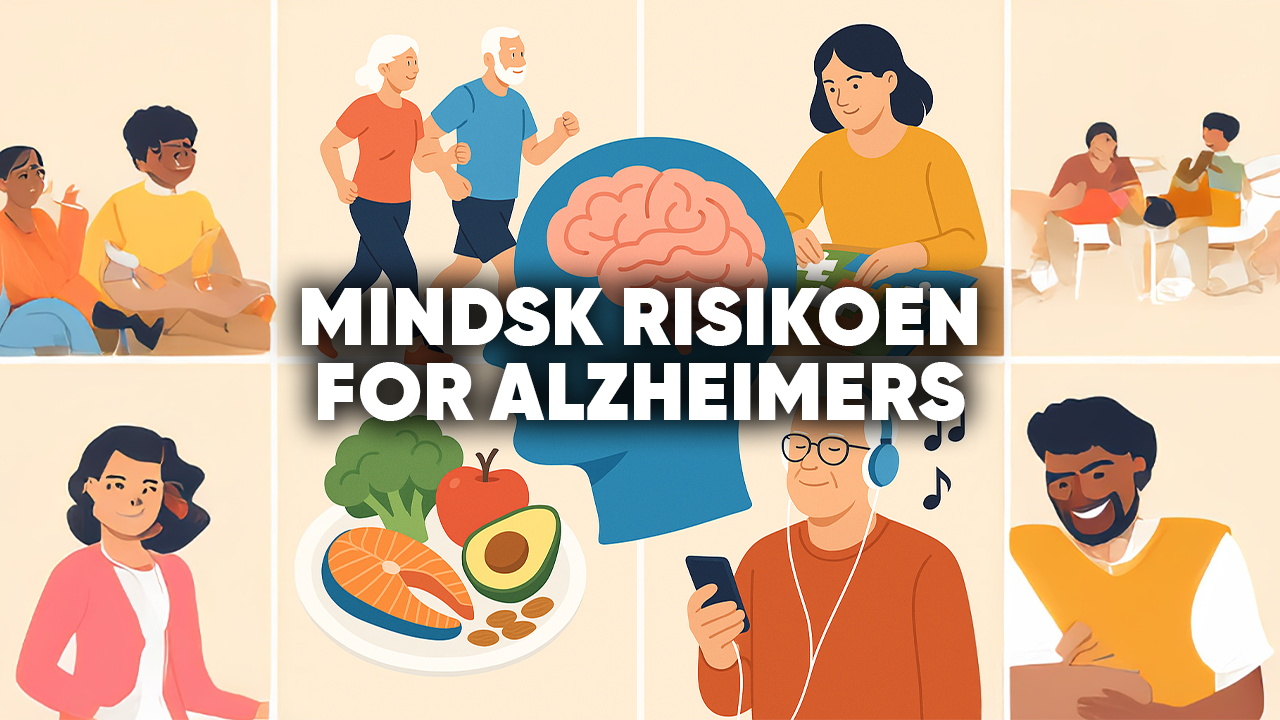
Today, we know that the brain – just like the rest of the body – is affected by how we live. Diet, exercise, sleep, mental stimulation, social relationships, and stress levels all have an impact on brain health throughout life. This does not mean that there is one simple solution or a guarantee against Alzheimer’s, but it does mean that there are many small and realistic steps that, together, can make a real difference. And these steps are often far more manageable than many people imagine.
The purpose of this article is to give you a clear, balanced, and action-oriented overview of how you can help reduce your own risk of Alzheimer’s. This is not about quick miracle cures or extreme lifestyle changes, but about knowledge that can be applied directly to everyday life. Small adjustments that can fit into a normal life – whether you are in the middle of your working years, enjoying retirement, or simply want to think long-term about your health.
It is important to emphasize that Alzheimer’s prevention is not only relevant for older people. The brain is shaped and affected throughout life, and many of the factors that strengthen the brain’s resilience have the greatest effect when they become a natural part of everyday life over time. Therefore, it makes sense to think preventively at an early stage – but it is never too late to get started.
In the following sections, we take a closer look at what research shows and how you can use that knowledge in practice. The goal is to make it manageable, motivating, and easy to take the first steps toward a healthier brain and a lower risk of Alzheimer’s – without lecturing and without making it more complicated than it needs to be. As mentioned above, new research shows that lifestyle choices play a crucial role. Although the disease cannot be cured, the risk can be significantly reduced through a number of simple measures.
And the best part? You can start preventing Alzheimer’s today.
The Brain as a Muscle – Why It Pays to Be Proactive in the Fight Against Alzheimer’s
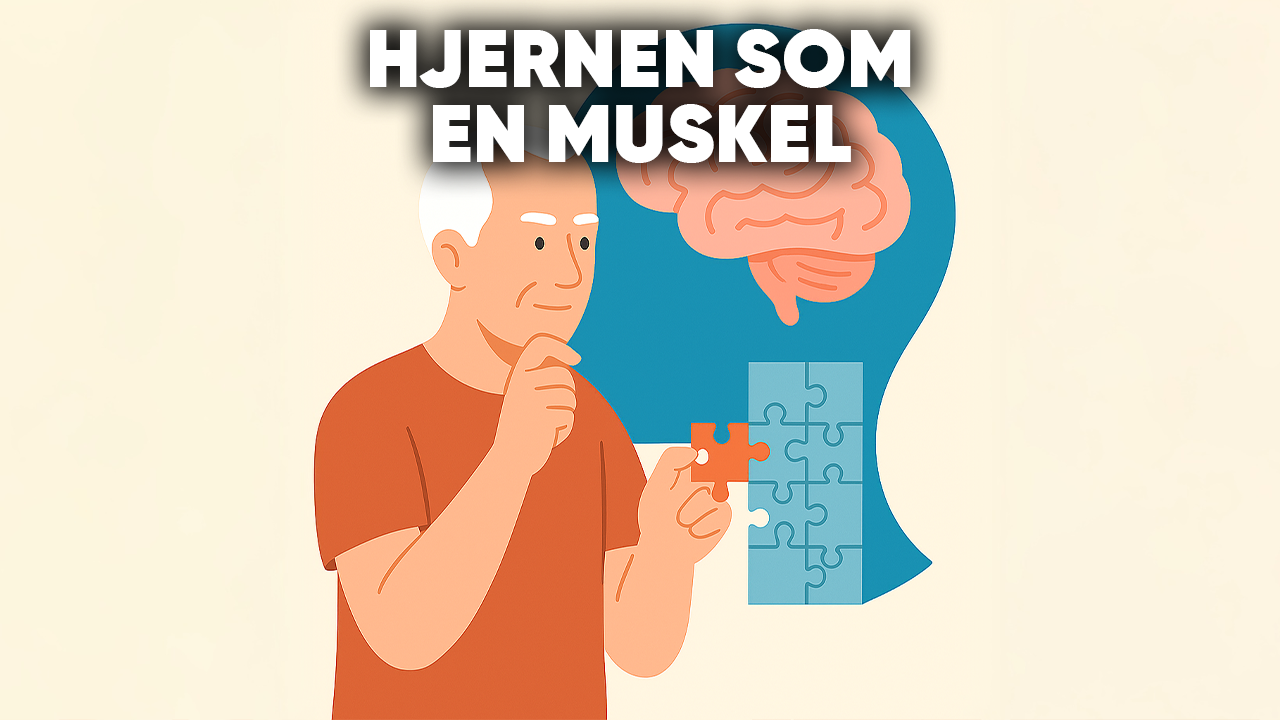
Just as the muscles in the body can be strengthened and maintained through exercise, the brain needs stimulation to preserve its sharpness and ability to function. Research shows that mental challenges, new experiences, and learning can create new connections in the brain and thereby strengthen its resilience against diseases such as Alzheimer’s.
By viewing the brain as a muscle, it becomes clear why being proactive pays off. The earlier you start stimulating your brain, the better foundation you build for the future. The brain can develop what is known as “cognitive reserve” – a kind of buffer that can delay symptoms of dementia even if the disease develops.
It is not only about crossword puzzles and Sudoku, but about keeping the brain active in many different ways – from social activities and creativity to exercise and new learning experiences. According to the WHO, up to 40% of all dementia cases may be preventable through lifestyle changes. This means that it is never too late to start taking care of your brain. Small daily actions can therefore make a big difference in the fight against Alzheimer’s.
A Healthy Diet – Fuel for Your Brain in the Prevention of Alzheimer’s
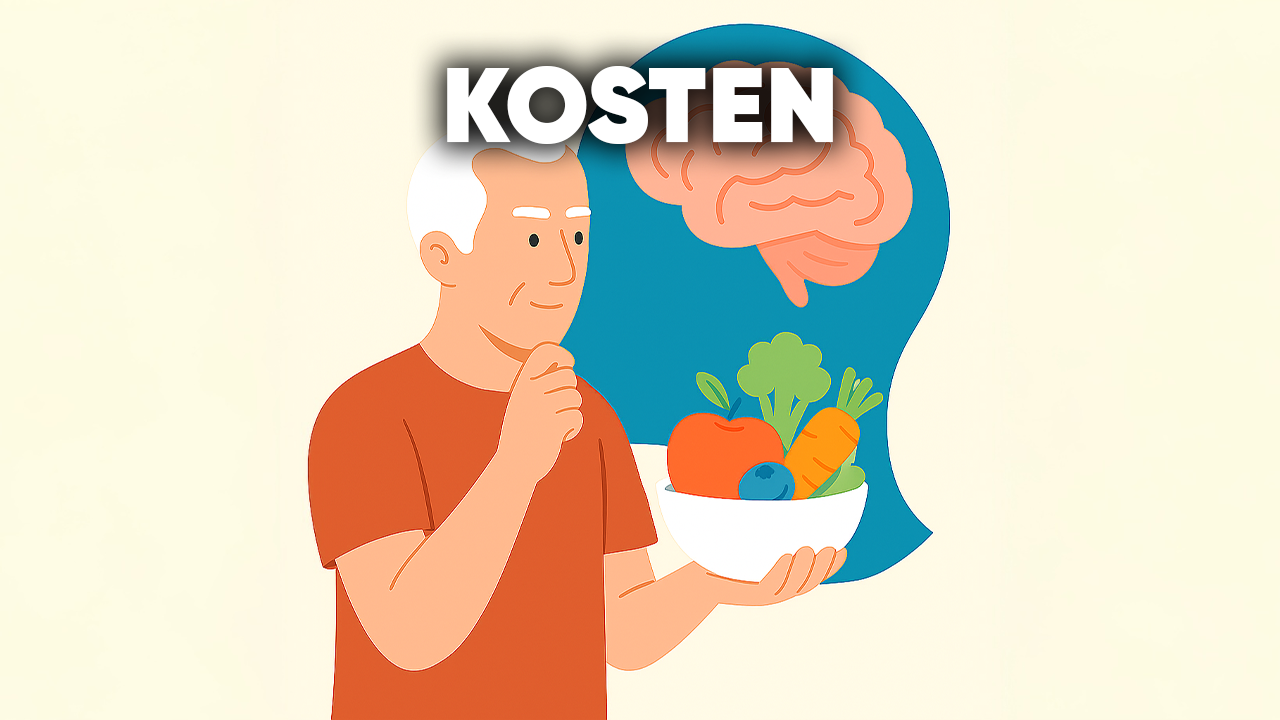
What you eat has a direct impact on how your brain functions – both here and now and in the longer term. The brain needs stable sources of energy, antioxidants, and healthy fats to protect itself against damage and aging. Research shows that a nutrient-rich diet can reduce the risk of Alzheimer’s by reducing inflammation, improving blood circulation in the brain, and protecting nerve cells from deterioration.
A diet rich in vegetables, whole grains, fish, nuts, and healthy oils can help strengthen memory and keep the brain sharp. Conversely, processed foods, sugar, and unhealthy fats may increase the risk of cognitive diseases. This is why diet is often described as one of the strongest “allies” in the fight against Alzheimer’s.
The Mediterranean diet is often described as a superfood diet for the brain because countless studies indicate that the Mediterranean diet has a protective effect against Alzheimer’s. The Mediterranean diet is rich in vegetables, fruit, legumes, whole grains, fish, and healthy fats from sources such as olive oil and nuts. Small, conscious changes in everyday life – such as replacing butter with olive oil, choosing whole-grain products instead of white bread, and adding more vegetables to every meal – can help protect the brain and give it the fuel it needs.
Inspiration List – Good Tips on Healthy Eating Principles for Alzheimer’s Prevention
🥗 Focus on Nutrient-Rich Foods as a Foundation for Alzheimer’s Prevention
A diet rich in vegetables, whole grains, legumes, nuts, and fruit gives the brain access to vitamins, minerals, and antioxidants that are important for preventing Alzheimer’s. These nutrients help protect brain cells from damage and support the body’s natural repair mechanisms. When the diet mainly consists of foods in their natural form, the intake of additives and empty calories that can burden both the body and the brain is also reduced. Over time, this creates a more stable internal environment in which the brain can thrive and maintain its function for longer.
🐟 Healthy Fats That Strengthen the Brain and Support Alzheimer’s Prevention
The brain is largely made up of fat, which is why the quality of the fats we consume plays a central role in Alzheimer’s prevention. Healthy fats from sources such as fish, olive oil, avocado, and nuts help maintain healthy cell membranes and good communication between nerve cells. Omega-3 fatty acids in particular are associated with better cognitive function and a lower risk of age-related mental decline. When these fats become a regular part of your diet, you give the brain the building blocks it needs to function optimally throughout life.
🍞 Stable Blood Sugar as an Important Part of Alzheimer’s Prevention
Stable blood sugar is essential for the brain’s energy supply and plays an important role in Alzheimer’s prevention. Large fluctuations in blood sugar can lead to fatigue, difficulty concentrating, and, over the long term, increased inflammation in the body. By choosing whole grains, fiber, and protein-rich foods instead of sugar and refined carbohydrates, the brain receives a more even and reliable supply of energy. This stability supports both memory and mental sharpness and reduces strain on the brain over time.
🫐 Antioxidants as a Natural Defense in Alzheimer’s Prevention
Antioxidants play a central role in the body’s defense against oxidative stress, which is one of the mechanisms associated with the development of Alzheimer’s. Foods such as berries, vegetables, herbs, and dark chocolate contain natural antioxidants that help neutralize harmful free radicals. When the diet consistently contains these substances, the brain’s resilience is strengthened and the risk of damage to nerve cells is reduced. An antioxidant-rich diet is therefore an important element in a long-term strategy for preventing Alzheimer’s.
🚰 Hydration and Brain Health in Connection With Alzheimer’s Prevention
Even mild dehydration can affect concentration, memory, and mental clarity. Good hydration is therefore an often overlooked but important part of Alzheimer’s prevention. When the brain lacks fluids, it works less efficiently, and over time this can place additional strain on its function. By ensuring a steady intake of water throughout the day, you support the brain’s signaling and its ability to transport nutrients. It is a simple habit that can make a noticeable difference to both short-term and long-term brain health.
Summary – Foods That Strengthen the Brain
🐟 Eat oily fish such as salmon, mackerel, or herring 2–3 times a week for omega-3 fatty acids that help strengthen the brain.
🫒 Use olive oil or rapeseed oil instead of butter and margarine to strengthen the brain.
🥜 Eat a handful of nuts or seeds every day as a healthy snack to strengthen the brain.
🫐 Add berries, dark green vegetables, and whole-grain products to your diet to strengthen the brain.
🍵 Drink green tea or coffee in moderate amounts for their antioxidants to help strengthen the brain.
🚫🍬 Sugar, soft drinks, refined carbohydrates, and highly processed foods do not only harm the body but also the brain. They increase inflammation and oxidative stress, which can accelerate cognitive decline.
🥗🌿 Try elements from the Mediterranean diet or the DASH diet, which have been shown to support brain health.
***********************************************************************
REMEMBER – Alzheimer’s prevention often starts with what you put on your plate, and what you eat today can help strengthen your brain and thereby protect it tomorrow as an effective way of preventing Alzheimer’s.
Exercise – Better Blood Flow, Better Memory, and Better Alzheimer’s Prevention
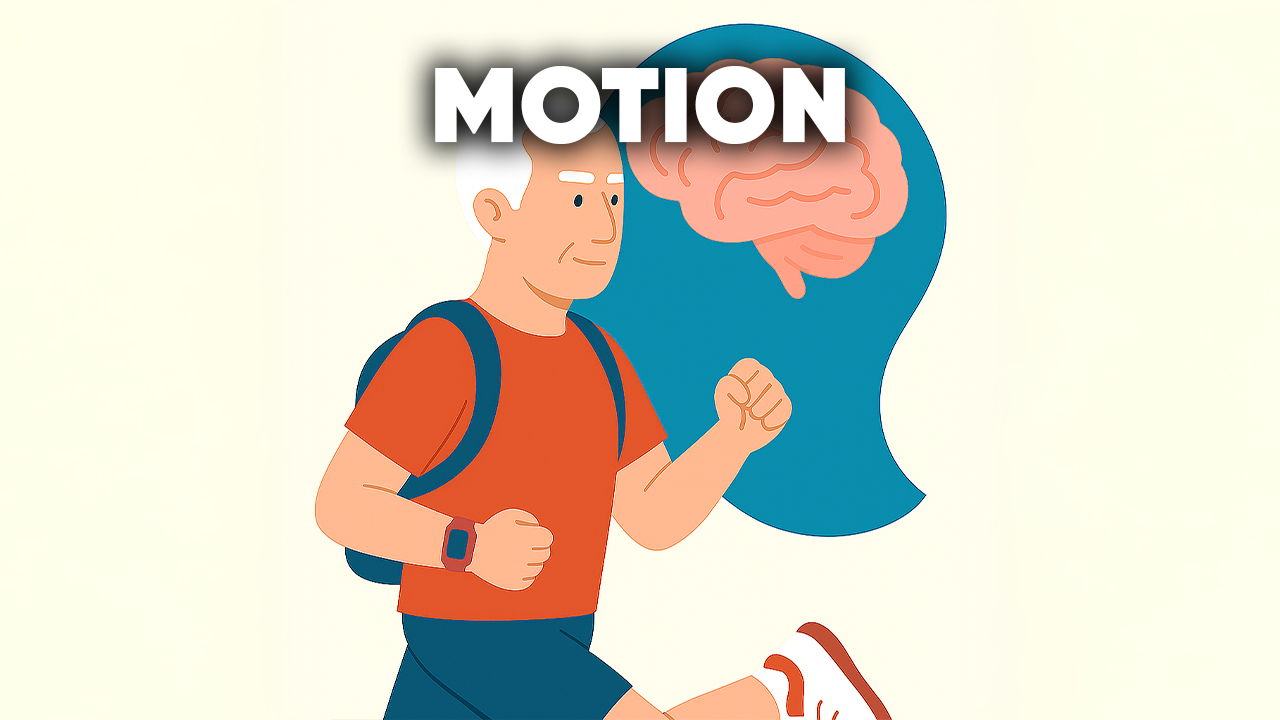
Physical activity is one of the most well-documented preventive measures when it comes to Alzheimer’s. When you move, you increase blood flow to the brain, which strengthens neural connections and protects against deterioration.
Physical Exercise as Part of Your Lifestyle Does Not Have to Be Complicated
🚶♂️ Walk briskly for 30 minutes every day to help prevent Alzheimer’s.
🏋️♀️ Do light strength training twice a week to help prevent Alzheimer’s.
🧘♂️ Try yoga or tai chi for both body and mind, which can benefit Alzheimer’s prevention.
If you need an easy way to get started with different types of exercise, which is an important tool in Alzheimer’s prevention, you can read our article – Good Tips for Effective Workout Routines for Beginners
Exercise Also Reduces the Risk of
🩸 High blood pressure.
🩸 Type 2 diabetes.
⚖️ Obesity.
🧠 Stress and depression.
The above factors are themselves risk factors for dementia and Alzheimer’s.
The importance of exercise is demonstrated by some of the latest studies, in which researchers followed 404 older participants whose activity levels were measured for seven consecutive days using a motion sensor worn on their non-dominant wrist. This took place over a seven-year period, and the measurements were followed up with neuropsychological tests and brain scans.
The participants were older adults with an average age of 71 and did not have dementia at the beginning of the study. However, approximately one-third of the participants had a genetic risk of developing Alzheimer’s disease. Most participants met the recommendation from the U.S. public health authorities of at least 150 minutes of moderate to vigorous physical activity per week and even averaged between one and one and a half hours of activity every day.
Physical Activity Does Not Eliminate the Risk of Developing Alzheimer’s
Nevertheless, the high levels of physical activity were not enough. The study shows that physical activity does not completely eliminate the harmful risks associated with increased sedentary time. “Considering that the average older adult spends more than nine hours sitting each day, it is important to understand the impact of sedentary behavior on neurodegeneration and cognition in older adults, independent of physical activity,” the researchers write.
The researchers therefore found that more sedentary behavior was associated with worse neurodegeneration and cognition, even though the participants were physically active. “Therefore, healthcare professionals should not only assess a patient’s exercise sessions but also the amount of time they spend sitting during the day and recommend reducing sedentary behavior in addition to increasing daily physical activity,” the researchers write in the report, which is reproduced by the Alzheimer’s Association.
Mental Training – Keep Your Brain Active as an Effective Way to Prevent Alzheimer’s
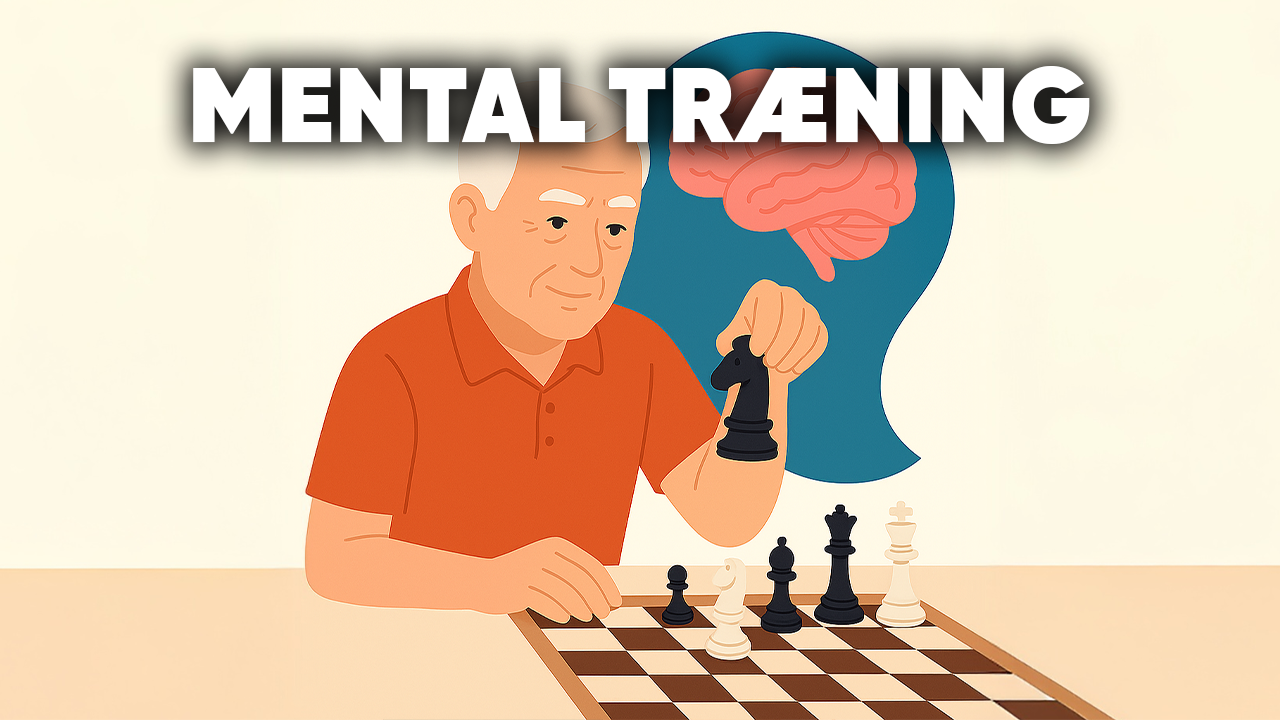
Keeping the brain active is one of the most well-documented ways to strengthen its resilience and thereby reduce the risk of Alzheimer’s. The brain functions like a muscle – the more you train it, the stronger and more flexible it becomes. Mental training can help build what is known as cognitive reserve, which allows the brain to better withstand age-related changes and disease processes.
Research indicates that people who challenge their brains throughout life often have a lower risk of developing dementia. This can include everything from learning new skills, playing games, and reading to participating in social activities that require communication and cooperation. The point is that the brain needs to be challenged in different ways – logically, creatively, and socially. It does not necessarily require many hours every day. Even short periods of intentional brain training can make a difference, especially when done regularly.
Inspiration List – Good Tips on Mental Training for Alzheimer’s Prevention
🧩 Challenge the Brain With New Tasks as Part of Alzheimer’s Prevention
When the brain encounters new challenges, areas that may otherwise be used less in everyday life are activated. This can include everything from puzzles and logical tasks to strategy games or creative projects. Variety is essential because repeating the same tasks provides less mental benefit over time. By regularly switching between different types of challenges, you support Alzheimer’s prevention by keeping the brain flexible and adaptable.
📚 Learning New Skills as Long-Term Alzheimer’s Prevention
Learning something new – such as a language, an instrument, or a new digital skill – is one of the most effective forms of mental training. The brain is forced to work on several levels at the same time, which strengthens memory, concentration, and problem-solving abilities. This type of learning is particularly valuable in Alzheimer’s prevention because it stimulates the formation of new neural connections and increases the brain’s resilience over time.
🗣️ Social Conversations That Support Alzheimer’s Prevention
Social interaction is often underestimated as a form of mental training, but conversations require memory, attention, and emotional understanding. When you engage in meaningful conversations, the brain is challenged in a way that cannot be replaced by passive activities. An active social life therefore naturally contributes to Alzheimer’s prevention while also strengthening mental well-being and quality of life.
✍️ Reflection and Creative Thinking as Mental Stimulation in Alzheimer’s Prevention
Writing a journal, drawing, painting, or working creatively stimulates the brain in different ways than logical tasks. Creative processes activate several areas of the brain at the same time and strengthen the ability to think flexibly. This form of mental activity can be a strong supplement in Alzheimer’s prevention because it combines emotional engagement with cognitive challenge.
🔄 Small Changes in Everyday Life as Practical Alzheimer’s Prevention
Even small adjustments to daily routines can provide the brain with new stimulation. This could mean taking a different route, using the opposite hand for simple tasks, or changing the order of familiar routines. These small mental challenges force the brain to work more actively and contribute to Alzheimer’s prevention in a simple and accessible way – without requiring extra time in your schedule.
Summary – How You Can Train Your Brain in Everyday Life to Support Alzheimer’s Prevention
🧠 Learn something new – a language, an instrument, or a skill to continually train your brain.
🎤 Participate in debates, lectures, and courses to benefit brain health.
🧩 Solve brain-training tasks such as crosswords, Sudoku, or strategy games to continuously exercise your brain.
🗣️ Be social as a healthy way of activating the brain – conversations and communities stimulate the brain.
🎨 Take part in creative activities such as painting, music, writing, or cooking to support brain health.
🔄 Change your routines from time to time for the benefit of brain health – for example, take a different route on your walk or try a different recipe.
💃 Combine physical activity with mental challenges to continually train the brain, such as dancing or ball games.
📚 Read books or listen to podcasts to continuously stimulate the brain and gain new perspectives and knowledge.
📱 Use brain-training apps such as Lumosity or Elevate.
********************************************************************************
REMEMBER – An active brain is a brain that remains stronger with age and is an effective way to help prevent Alzheimer’s.
********************************************************************************
You can find further inspiration for learning new things on a budget in our article – Good Budget-Friendly Tips for Learning Something New
Sleep – Your Brain’s Nightly Cleaning Process and an Important Part of Alzheimer’s Prevention
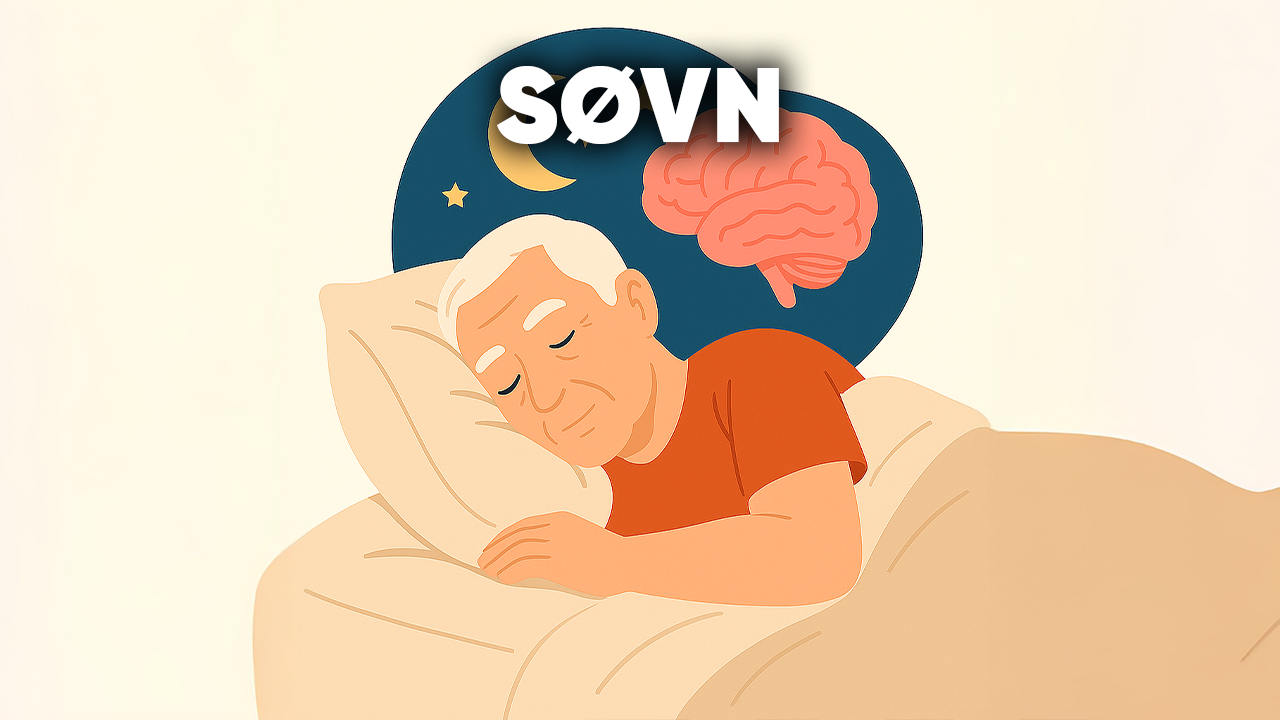
Sleep is not simply rest for the body – it is also one of the brain’s most important “maintenance programs.” During deep sleep, the brain’s glymphatic system is activated and functions as a kind of cleaning mechanism.
Waste products are removed, including harmful proteins such as beta-amyloid, which is closely associated with the development of Alzheimer’s. If the brain does not get enough sleep, these substances can accumulate over time and increase the risk of cognitive impairment.
In addition, sleep has a major impact on memory, learning, and mental clarity. During sleep, the brain processes the day’s experiences, consolidates memories, and rebuilds energy for a new day. Chronic sleep deprivation can therefore not only make you tired and unfocused but also weaken the brain’s long-term health. Prioritizing sleep is therefore a central part of preventing dementia and Alzheimer’s. Small changes to sleep routines and sleep hygiene can have a significant effect on both short-term well-being and long-term brain health.
Inspiration List – Good Tips on Sleep Habits That Support the Prevention of Dementia and Alzheimer’s
😴 A Regular Sleep Schedule as a Foundation for Alzheimer’s Prevention
A consistent sleep schedule helps the brain recognize when it is time to recover. When you go to bed and wake up at roughly the same time every day, your body’s internal clock becomes stronger, which improves sleep quality. This stability is important in Alzheimer’s prevention because it gives the brain better conditions for completing the deep stages of sleep in which cleaning and rebuilding take place.
🌙 Deep Sleep and Brain Cleansing in Connection With Alzheimer’s Prevention
Deep sleep is particularly important for the brain’s ability to remove waste products. If sleep is frequently shallow or interrupted, this important process is reduced. By prioritizing calm evenings, limiting noise, and establishing consistent bedtime routines, you support the brain’s natural cleaning process and thereby contribute to Alzheimer’s prevention in the long term.
📵 Screen-Free Evening Routines That Promote Alzheimer’s Prevention
Screens emit blue light, which can interfere with the body’s production of the sleep hormone melatonin. When the brain does not receive the proper signal to relax, sleep quality can suffer. By reducing screen use during the hours before bedtime, you create better conditions for uninterrupted sleep, which is a simple but effective part of Alzheimer’s prevention.
🛏️ The Importance of the Sleep Environment in Alzheimer’s Prevention
A quiet, dark, and cool bedroom supports the brain’s ability to enter deep sleep. Small adjustments such as blackout curtains, fresh air, and a comfortable mattress can have a significant effect. When the sleep environment is optimized, the brain has a better opportunity to recover, strengthening the overall effort to prevent Alzheimer’s.
☕ Balancing Stimulants and Sleep in Alzheimer’s Prevention
Caffeine, alcohol, and heavy meals late in the day can disrupt sleep more than you may immediately notice. Even if you fall asleep, the quality of your sleep may be poorer. By paying attention to the timing and amount of stimulants you consume, you create better conditions for uninterrupted nighttime sleep and therefore more effective Alzheimer’s prevention.
Summary – How You Can Strengthen Your Sleep and Protect Your Brain in Alzheimer’s Prevention
🛌 Get 7–9 hours of sleep every night.
⏰ Go to bed and wake up at the same time every day to support good sleep – even on weekends.
🌙 Create a dark, cool, and quiet sleeping environment to improve your sleep.
🚫☕ Avoid caffeine, nicotine, and alcohol close to bedtime to support good sleep.
📵 Limit screen time for at least one hour before bedtime to support good sleep – bluish light suppresses the sleep hormone melatonin.
📖 Establish calming routines before bedtime to improve your sleep, such as reading, meditation, or gentle stretching.
🏃♂️ Exercise during the daytime to support good sleep – physical activity promotes better nighttime sleep.
😴 If you suffer from sleep apnea or severe snoring, you should have it checked – it can affect the brain’s oxygen supply and increase the risk of Alzheimer’s.
*************************************************************
REMEMBER – Alzheimer’s prevention often begins when the lights go out, as a good night’s sleep is the brain’s quiet superpower.
************************************************************
You can find more tips for maintaining a good and stable daily sleep schedule, which is a key factor in Alzheimer’s prevention, in our article – Good Tips for a Better and More Stable Sleep Schedule – Sleep Well Every Night!
Social Contact – More Important Than Many People Think and Important in Alzheimer’s Prevention
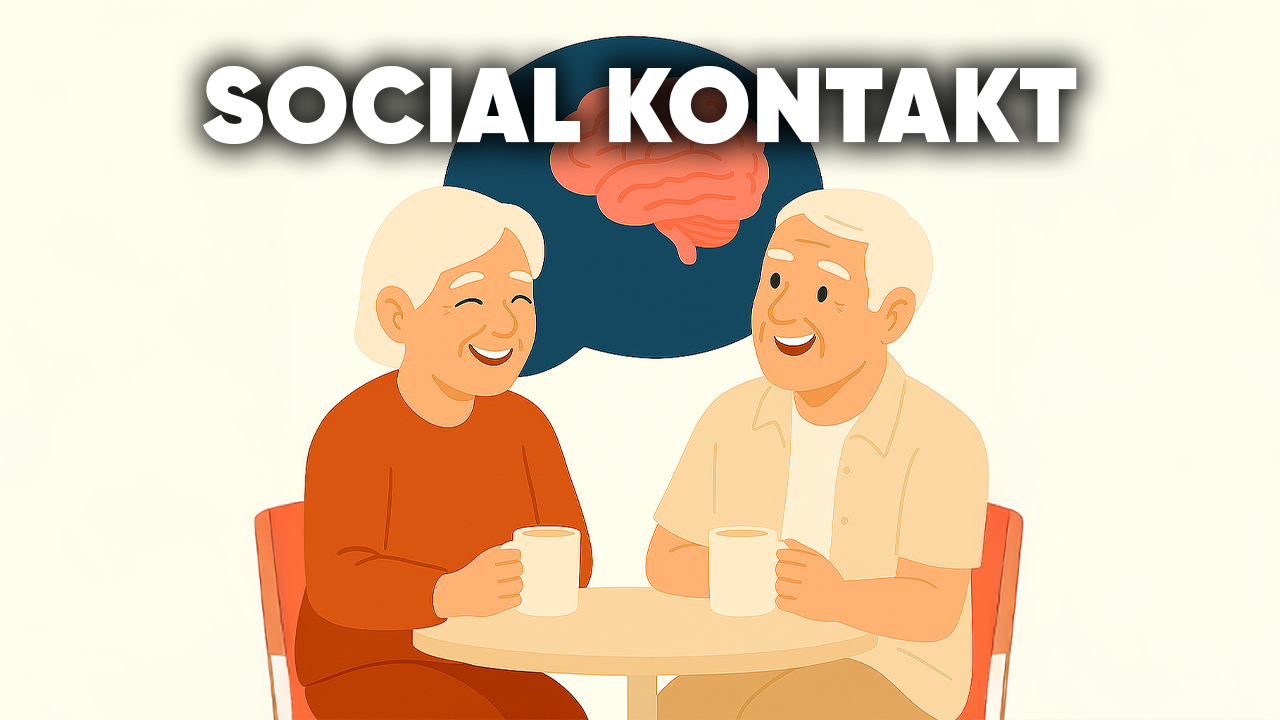
Maintaining social relationships is not only important for your mood – it is also a strong factor in Alzheimer’s prevention. When we spend time with other people, the brain is stimulated in many different ways: we communicate, exchange ideas, remember experiences, and interpret emotions. All of this functions as “training” for the brain, helping to keep it active and flexible.
Research shows that loneliness and social isolation can increase the risk of cognitive impairment and dementia, while a rich social life can strengthen what is known as cognitive reserve. This means that the brain becomes better able to withstand changes that may lead to Alzheimer’s.
Social activities also provide a sense of community and support, which can reduce stress and depression – two factors that themselves negatively affect brain health. Prioritizing social contact does not have to mean large events. Even small everyday interactions can help keep the brain active and contribute to healthier aging.
Inspiration List – Good Tips on Social Interaction as Alzheimer’s Prevention
🗣️ Conversations That Keep the Brain Sharp as Part of Alzheimer’s Prevention
Conversations require attention, memory, and the ability to formulate thoughts in real time. When you engage in dialogue with others, the brain is constantly challenged to understand, respond, and adapt. This complex process makes conversations an effective tool in Alzheimer’s prevention because several brain functions are activated simultaneously and maintained through repeated use.
🤝 Communities and Networks as Support in Alzheimer’s Prevention
Being part of a community – such as an association, club, or regular network – creates structure and continuity in everyday life. Communities provide opportunities for repeated social interaction, new relationships, and shared experiences that stimulate the brain. Over time, this regular contact can be an important part of Alzheimer’s prevention because it counteracts isolation and mental inactivity.
👨👩👧👦 Close Contact With Family as a Natural Part of Alzheimer’s Prevention
Relationships with family often involve both emotional depth and daily communication. Spending time with family involves planning, memories, problem-solving, and empathy – all functions that keep the brain active. When family contact is prioritized, it naturally contributes to Alzheimer’s prevention by providing continuous mental stimulation in a safe environment.
🎯 Volunteering and Meaningful Roles in Alzheimer’s Prevention
Engaging in volunteer work or having a role where you feel useful provides both mental and emotional stimulation. Social contact is combined with responsibility, structure, and new tasks that challenge the brain. This combination is particularly valuable in Alzheimer’s prevention because it strengthens self-esteem, motivation, and cognitive activity.
☕ Everyday Meetings and Small Social Habits as Practical Alzheimer’s Prevention
Alzheimer’s prevention does not always require large events or fixed appointments. Small social habits such as a weekly coffee meeting, a walk with an acquaintance, or a short conversation with a neighbor can make a significant difference. These repeated, informal meetings keep the brain active and create social anchors in everyday life, which over time contribute to a more resilient brain.
Summary – How You Can Strengthen Your Social Contact in Everyday Life to Support Alzheimer’s Prevention
🤝 Participate in associations, clubs, or volunteer work to support your social contact.
☕ Arrange regular coffee meetings or walks with friends or family to strengthen your social relationships.
💃 Join group activities such as dancing, singing, or sports to strengthen your social contact.
📱 Use technology to stay connected – for example, video calls with family and friends who live far away.
🏘️ Organize small communities in your neighborhood to strengthen social contact, such as supper clubs or book clubs.
🌱 Be open to meeting new people through courses, travel, or events to benefit your social relationships.
🚶♀️ Combine social contact with exercise – for example, walking or cycling with others.
***********************************************************
REMEMBER –Alzheimer’s prevention can begin with good social conversations, and strong social relationships nourish not only the heart but also the brain, making them an important tool in preventing Alzheimer’s.
***********************************************************
You can find additional tips on how to build a circle of friends as an adult, which, as mentioned, is also important in Alzheimer’s prevention, in our article – Good Tips on How to Expand Your Circle of Friends as an Adult
Stress – A Silent Killer for the Brain and Important in Alzheimer’s Prevention
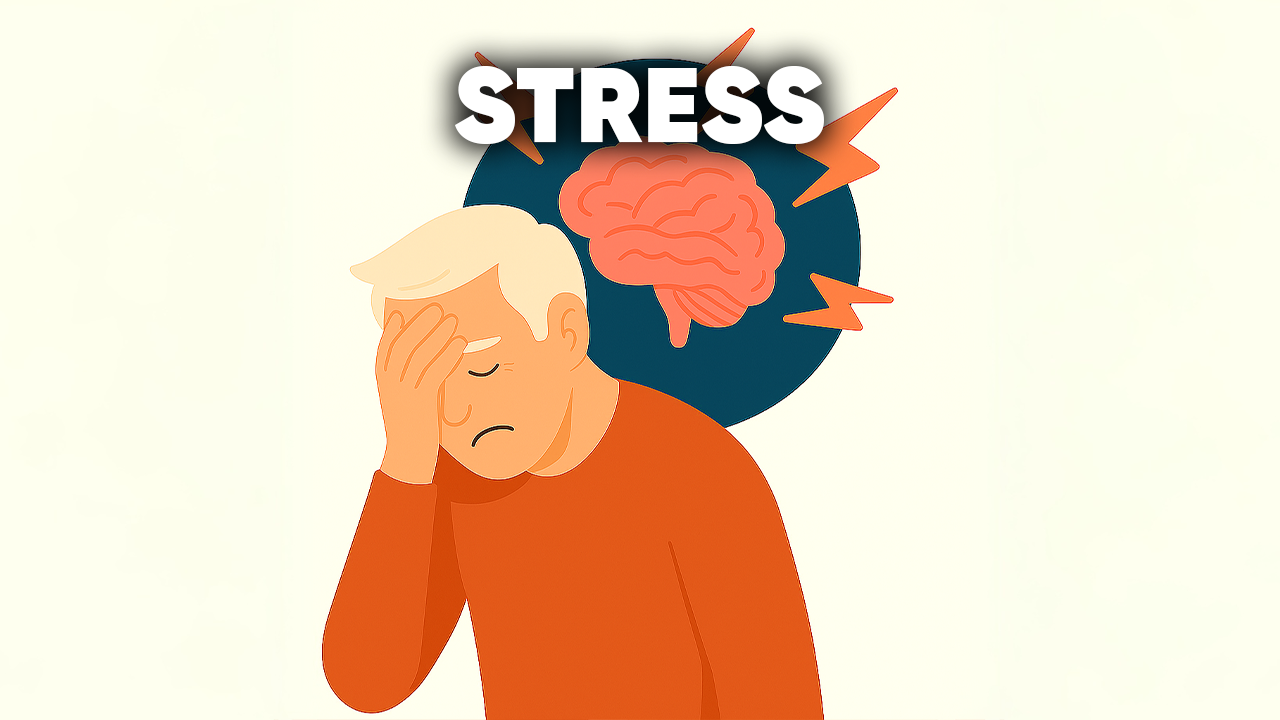
Stress is a natural reaction when we face challenges, but when stress becomes chronic, it can have serious consequences for the brain. Prolonged elevated levels of stress hormones such as cortisol are harmful to the brain and can damage brain cells as well as weaken areas such as the hippocampus, which is central to memory and learning. Research indicates that chronic stress can increase the risk of both cognitive impairment and the development of Alzheimer’s.
Stress does not only drain the brain of energy but also affects sleep, appetite, and mood – all factors that play a role in brain health. Stress management is therefore an essential part of Alzheimer’s prevention. Reducing stress is not about avoiding challenges in life but about finding healthy ways to deal with them. By introducing small daily breaks, using relaxation techniques, and creating a balance between work, leisure, and sleep, you can strengthen your brain while also improving your quality of life.
Inspiration List – Good Tips on Stress Management as Part of Alzheimer’s Prevention
🧘 Conscious Relaxation as Support for Alzheimer’s Prevention
Relaxation, meditation, and calm breathing exercises can help the body shift from a state of alertness into a state of rest. When stress levels decrease, the strain on the brain is reduced and the harmful effects of long-term elevated cortisol are minimized. This form of mental recovery is an important part of Alzheimer’s prevention because it gives the brain the opportunity to regain balance and strengthen its natural protective mechanisms.
🕰️ Structure and Breaks in Everyday Life for Alzheimer’s Prevention
A busy everyday life without breaks can keep the body in a constant state of stress. By creating structure, realistic expectations, and conscious breaks throughout the day, the brain is given an opportunity to recover. Small breaks involving calm, movement, or fresh air can make a noticeable difference and contribute in a practical way to Alzheimer’s prevention by reducing mental strain.
🌿 Nature and Calm Surroundings as Natural Alzheimer’s Prevention
Spending time in nature has a documented calming effect on both the body and mind. Nature helps lower the heart rate, reduce stress hormones, and create mental clarity. Regular time spent in green surroundings can therefore be an effective supplement to Alzheimer’s prevention because the brain gets an opportunity to disconnect and rediscover its natural rhythm.
💬 Set Boundaries and Share Concerns in Alzheimer’s Prevention
Carrying worries alone can intensify stress and create mental overload. When thoughts and challenges are shared with others, internal pressure is reduced and the brain experiences relief. The ability to set boundaries and say no is therefore an important part of Alzheimer’s prevention because it reduces long-term stress and creates greater mental capacity in everyday life.
😴 Recovery and Sleep as Stress-Reducing Alzheimer’s Prevention
Sleep and recovery are essential for the body’s ability to manage stress. When sleep is prioritized, stress levels decrease and the brain has an opportunity to rebuild itself. A healthy balance between activity and rest is therefore central to Alzheimer’s prevention because it reduces the overall strain placed on the brain over time.
Summary – How You Can Reduce Stress and Protect Your Brain in Alzheimer’s Prevention
🧘♂️ Practice deep breathing or meditation for 5–10 minutes every day to help prevent stress.
🏃♀️ Use physical activity as a natural outlet to lower stress levels.
🌲 Walks in nature and calm activities are beneficial for stress levels.
😴 Prioritize sleep and regular routines that allow the body to relax and help prevent stress.
🎯 Set realistic goals and avoid putting unnecessary pressure on yourself to help prevent stress.
📖 Make time for relaxing activities you enjoy to help prevent stress – for example, reading, music, or trips into nature.
💬 Talk to friends, family, or a professional about challenges – sharing reduces the burden and helps prevent stress.
🚫☕ Limit caffeine and alcohol, which can worsen stress and restlessness.
🧠 Meditation and mindfulness are effective tools for preventing stress – get useful tips in our article – Good Tips for Strengthening Yourself Mentally Through Mindfulness and Meditation.
******************************************************************
REMEMBER – Alzheimer’s prevention often begins with more calm in everyday life. Less stress gives the brain better working conditions and strengthens the brain’s resilience in the prevention of Alzheimer’s.
******************************************************************
An effective way to manage stress and thereby help prevent the risk of Alzheimer’s is to introduce healthy mental habits into your everyday life. You can find inspiration in our article – Good Tips on How to Create Your Own Healthy Mental Habits
Avoid Smoking and Excessive Alcohol Consumption if You Want to Prevent the Risk of Alzheimer’s
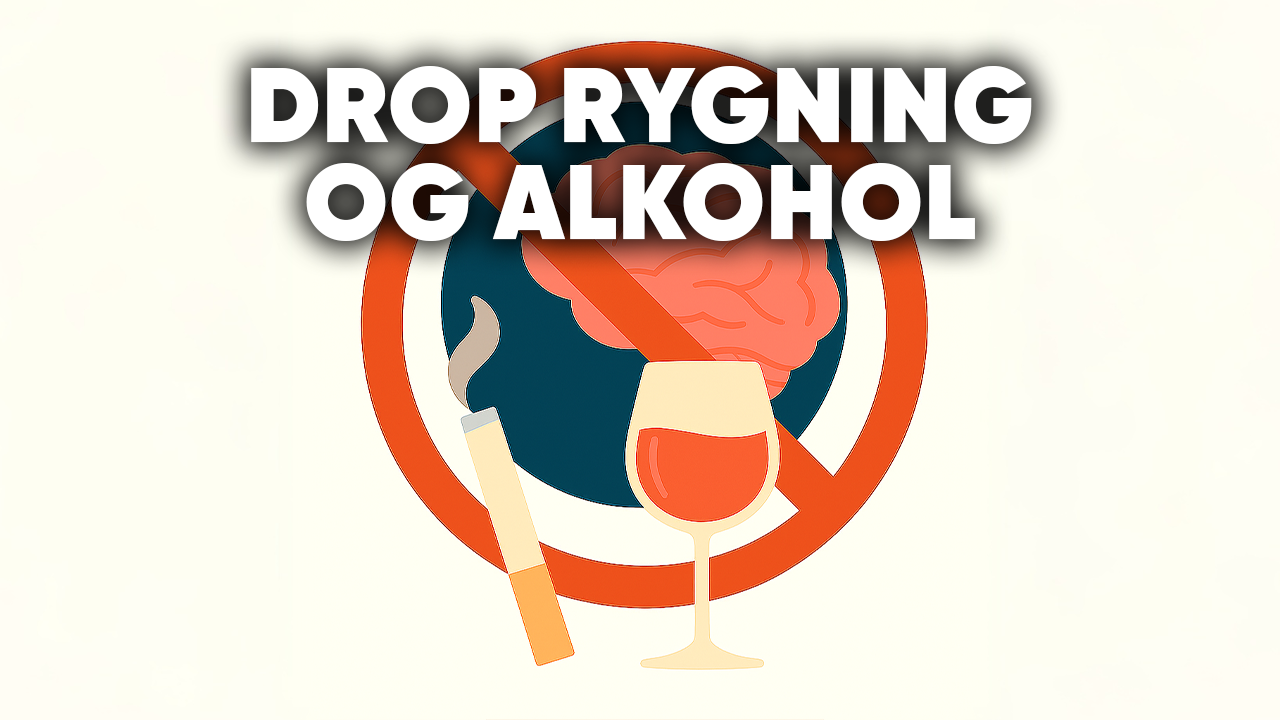
Lifestyle factors play a crucial role in the risk of developing Alzheimer’s, and smoking and high alcohol consumption are among the most harmful habits. Both negatively affect the brain and blood vessels and can accelerate processes that increase the risk of cognitive impairment.
Smoking reduces blood flow to the brain and increases the amount of free radicals that can damage brain cells. Over time, this can lead to faster brain aging and a greater risk of both stroke and dementia. The good news is that the risk begins to decrease soon after a person stops smoking – and the earlier, the better.
Large amounts of alcohol can likewise damage the brain by increasing inflammation, placing strain on the liver and circulatory system, and disrupting sleep. While moderate consumption in some cases does not appear to be harmful, it is well documented that excessive alcohol consumption significantly increases the risk of dementia and Alzheimer’s.
If you want to protect your brain and prevent Alzheimer’s, it is therefore strongly recommended that you avoid smoking entirely and keep alcohol consumption at a low or moderate level.
Inspiration List – Good Tips on Conscious Choices Regarding Smoking and Alcohol That Support Alzheimer’s Prevention
🚭 Stop or Reduce Smoking as a Central Part of Alzheimer’s Prevention
Smoking negatively affects blood vessels and can reduce the brain’s oxygen supply, which over time increases the risk of cognitive impairment. When smoking is reduced or stopped completely, blood flow to the brain improves and the body’s natural repair processes are given better conditions. This makes quitting smoking one of the most effective lifestyle changes for Alzheimer’s prevention, regardless of when in life the decision is made.
🍷 Moderation in Alcohol Consumption as Practical Alzheimer’s Prevention
High and regular alcohol consumption can damage nerve cells and disrupt the brain’s signals. By keeping alcohol consumption at a moderate level, the strain on the brain is reduced and the risk of long-term damage decreases. Moderation in alcohol consumption is therefore an important part of Alzheimer’s prevention and also contributes to better sleep, a more stable mood, and increased mental clarity.
🧠 Protect the Brain From Harmful Substances in Alzheimer’s Prevention
Both tobacco and alcohol contain substances that directly place strain on the brain. When exposure is reduced, the brain has a better opportunity to preserve its functions and maintain healthy connections between nerve cells. This protection is an important part of Alzheimer’s prevention because it reduces the overall chemical burden the brain is exposed to throughout life.
😴 Better Sleep and Recovery as a Result of Alzheimer’s Prevention
Smoking and alcohol can impair sleep quality even when you are not consciously aware of it. When these habits are limited, sleep patterns and the depth of nighttime sleep improve, strengthening the brain’s ability to cleanse itself. Good sleep therefore indirectly supports Alzheimer’s prevention and increases the brain’s long-term resilience.
🎯 Small Steps and Realistic Goals in Alzheimer’s Prevention
Major lifestyle changes can feel overwhelming, but Alzheimer’s prevention does not have to happen from one day to the next. Small, realistic steps – such as smoking fewer cigarettes, having alcohol-free days, or taking conscious breaks – can lead to lasting improvements over time. This approach increases the chances of success and makes prevention more sustainable in everyday life.
Guidelines on Smoking and Alcohol for Alzheimer’s Prevention
Stop smoking completely as part of Alzheimer’s prevention – help is available. Get useful tips on quitting smoking in our article – Good Tips for Quitting Smoking – Your Guide to a Smoke-Free Life
Follow the official alcohol recommendations as part of Alzheimer’s prevention – a maximum of 10 units per week and never more than 4 at one time. You can find more tips on maintaining a healthy balance with alcohol in our article – Good Tips for Drinking Less Alcohol – Your Guide to a Healthier Alcohol Balance
***********************************************************************
REMEMBER – Alzheimer’s prevention is also about the things you choose to avoid in everyday life, as less smoking and alcohol give the brain better working conditions in the prevention of Alzheimer’s.
Know Your Health Numbers – Blood Pressure, Cholesterol, and Diabetes in Alzheimer’s Prevention
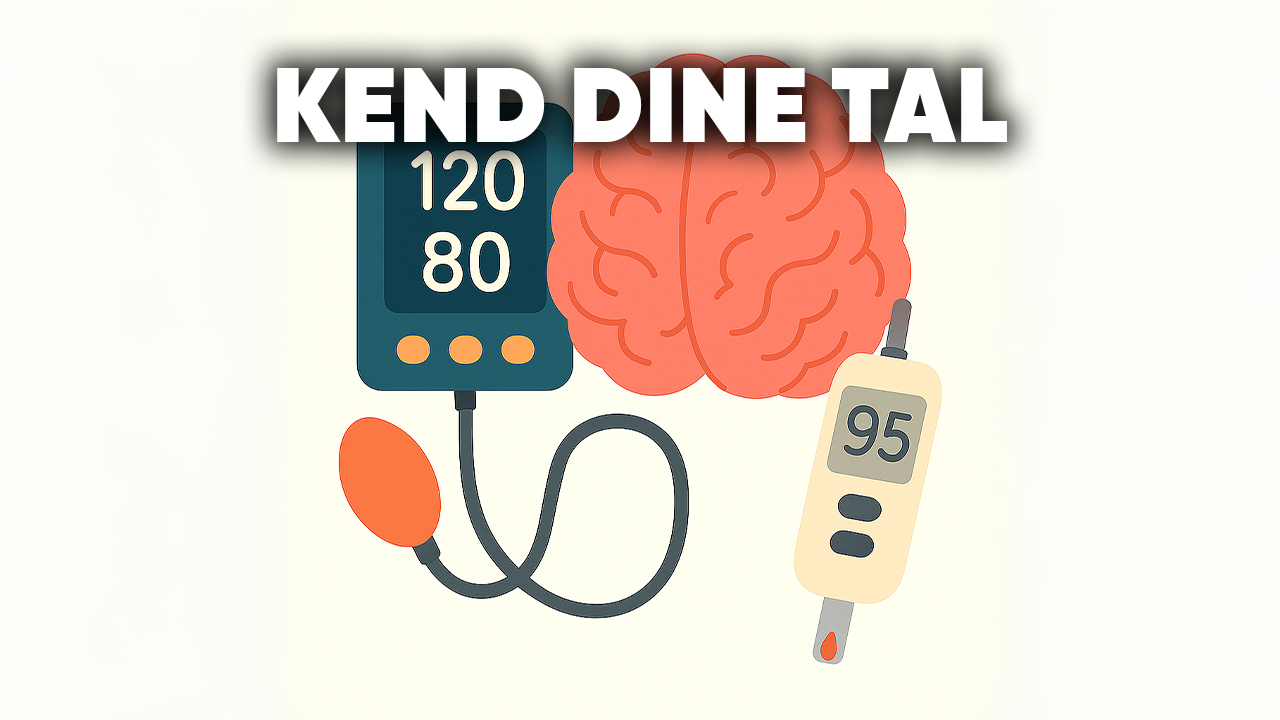
Your general health is closely connected to your brain health – and therefore also to your risk of Alzheimer’s. Research shows that high blood pressure, high cholesterol, and type 2 diabetes in particular are among the greatest risk factors. These conditions can damage blood vessels and reduce blood flow to the brain, increasing the likelihood of developing dementia.
Knowing and keeping track of your health numbers is therefore an important step in prevention. When you regularly have your blood pressure, cholesterol, and blood sugar measured, you can detect problems early – often before they cause symptoms. This gives you the opportunity to adjust your lifestyle in time through diet, exercise, and stress management so that you protect both your heart and your brain. Prevention is not about being perfect but about being aware. Even small improvements in your numbers can reduce the risk and help give you a healthier future with a sharper brain.
Inspiration List – Good Tips on Health Numbers as a Foundation for Alzheimer’s Prevention
🩺 Keeping Blood Pressure Under Control as a Central Part of Alzheimer’s Prevention
Stable blood pressure is essential for ensuring that the brain receives the oxygen and nutrients it needs. High blood pressure can damage the brain’s delicate blood vessels over time and increase the risk of both stroke and cognitive impairment. By having your blood pressure checked regularly and taking it seriously, you can work purposefully on Alzheimer’s prevention through adjustments to lifestyle, physical activity, and stress levels.
🧬 Cholesterol Balance and Brain Health in Alzheimer’s Prevention
Cholesterol plays an important role in the body, but an imbalance can lead to atherosclerosis, which restricts blood flow to the brain. When cholesterol levels are kept within a healthy range, the burden on the blood vessels is reduced and the brain has better working conditions. A conscious effort to manage cholesterol is therefore an important part of Alzheimer’s prevention and also contributes to a healthier circulatory system.
🩸 Blood Sugar and Diabetes as Important Factors in Alzheimer’s Prevention
High blood sugar and diabetes can negatively affect the brain by increasing inflammation and damaging nerve cells. Even slightly elevated blood sugar over a long period may affect brain function. By monitoring blood sugar levels and responding early, you can strengthen Alzheimer’s prevention while also improving energy levels and overall health.
📊 Regular Health Checks as Practical Alzheimer’s Prevention
Health numbers change over time, which is why regular checkups are an important part of a preventive approach. When measurements are monitored continuously, it becomes easier to identify trends and take action in time. This awareness makes health checkups an effective tool in Alzheimer’s prevention because small changes can be addressed before they develop into larger problems.
🧩 The Connection Between Lifestyle and Health Numbers in Alzheimer’s Prevention
Diet, exercise, sleep, and stress directly affect blood pressure, cholesterol, and blood sugar. When lifestyle is adjusted in a healthier direction, health numbers often improve as well. This holistic understanding makes it easier to work with Alzheimer’s prevention in the long term because the effort becomes more connected and realistic in everyday life.
Summary – How You Can Know and Improve Your Health Numbers in Alzheimer’s Prevention
🩺 Have regular health checkups with your doctor as part of Alzheimer’s prevention – at least once a year.
📈 Use home devices to measure blood pressure as part of Alzheimer’s prevention, especially if you are at risk.
🥗 Choose a diet rich in vegetables, whole grains, lean protein, and healthy fats as part of Alzheimer’s prevention.
🚫🍬 Cut down on sugar, processed foods, and saturated fat as part of Alzheimer’s prevention.
🏃♂️ Exercise for at least 30 minutes every day to strengthen your circulation, which is an important tool in Alzheimer’s prevention.
⚖️ Prioritize weight loss if you are overweight as part of Alzheimer’s prevention – it can improve both blood pressure and blood sugar.
🚰 Drink water instead of soft drinks and alcohol to reduce strain on the body, which is an important tool in Alzheimer’s prevention.
💬 Talk to your doctor about supplements or medical support as part of Alzheimer’s prevention, especially if your levels are too high.
Here Is a Small Overview of the Most Useful Values to Help Prevent Alzheimer’s as Effectively as Possible:
🔹 Blood Pressure
📊 Normal value: around 120/80 mmHg
⚠️🧠 High blood pressure increases the risk of blood clots and damage to the brain’s blood vessels, thereby increasing the risk of Alzheimer’s. You can see a table showing the different blood pressure levels you should be aware of in our article – Natural Help for High Blood Pressure – Without Medication
🔹 Cholesterol Levels
🧪 Total cholesterol – preferably below 5 mmol/L
⬇️🧬 LDL (“the bad”) – below 3 mmol/L
⬆️🧬 HDL (“the good”) – above 1 mmol/L
🫀🧠 Healthy cholesterol levels protect the blood vessels and therefore the brain and are effective in helping prevent Alzheimer’s.
🔹 Blood Sugar
🩸 Fasting blood sugar – 4–6 mmol/L
⚠️🧠 Values above this may be signs of insulin resistance or diabetes, which damage blood vessels and nerves – including those in the brain – and can increase the risk of Alzheimer’s.
🔹 Waist Measurement
👨📏 Men – preferably below 94 cm
👩📏 Women – preferably below 80 cm
⚠️🧠🫀 Excess abdominal fat is closely associated with an increased risk of heart disease, stroke, and cognitive impairment, all of which are associated with an increased risk of Alzheimer’s.
************************************************************
REMEMBER – Alzheimer’s prevention starts with knowing your own health numbers. Healthy health numbers protect the brain and give it better conditions in the prevention of Alzheimer’s.
Lifestyle Changes – How to Get Started Easily in Preventing the Risk of Alzheimer’s
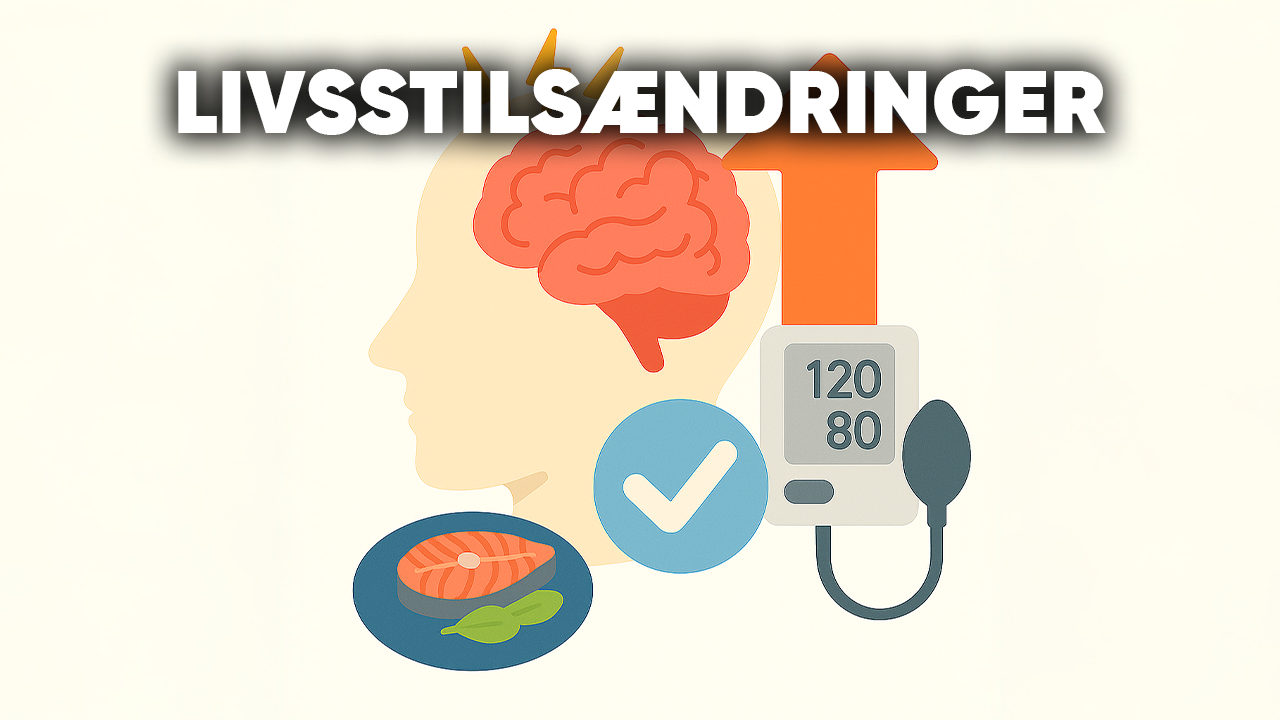
Preventing Alzheimer’s does not require drastic changes from one day to the next. Rather, it is about introducing small but consistent changes into everyday life that together produce significant results over time. Research indicates that lifestyle factors such as diet, exercise, sleep, stress management, and social activity play a crucial role in how the brain ages and how resilient it is against diseases such as Alzheimer’s.
When you take a step toward a healthier lifestyle, you strengthen not only your brain but your entire body. This increases your chances of keeping your memory sharp, your energy levels high, and your quality of life good well into old age. The key is to start small, choose measures that feel realistic, and make them a natural part of your everyday life. You could create a weekly plan for your goals – write them down, tick them off, and make it fun. The more positively you approach it, the more sustainable it becomes.
Inspiration List – Good Tips for Lifestyle Changes That Strengthen Alzheimer’s Prevention
🚶 Everyday Movement as Natural Alzheimer’s Prevention
Regular movement is one of the most well-documented lifestyle factors in Alzheimer’s prevention. It does not have to involve intense exercise – daily walks, cycling, or light exercise are often enough to strengthen blood circulation to the brain. Movement supports memory, concentration, and mental clarity while also contributing to better sleep and lower stress levels.
🥗 Simple Eating Habits That Support Alzheimer’s Prevention
Diet plays a central role in brain health. When everyday meals include vegetables, whole grains, healthy fats, and a varied selection of foods, the brain receives the nutrients it needs. Small adjustments such as eating fewer processed foods and preparing more meals from scratch can make a noticeable difference and become a natural part of Alzheimer’s prevention.
😴 Sleep and Routines as a Foundation for Alzheimer’s Prevention
Good sleep habits are closely connected to the brain’s ability to recover and cleanse itself. Consistent routines around bedtime and waking give the brain better working conditions and support memory and learning. When sleep is prioritized in everyday life, it becomes a strong ally in Alzheimer’s prevention.
🧠 Mental Activity as Part of Alzheimer’s Prevention
The brain thrives when it is used. New challenges, learning, and curiosity help keep cognitive functions sharp. Mental activity can include everything from reading and games to new skills or creative projects. When the brain is continuously stimulated, its resilience and ability to adapt are strengthened – an important part of Alzheimer’s prevention.
🤝 Social Habits That Strengthen Alzheimer’s Prevention
Social contact combines mental stimulation, emotional engagement, and structure in everyday life. Regular contact with other people keeps the brain active and counteracts isolation, which is a known risk factor. Small, consistent social habits can therefore play an important role in Alzheimer’s prevention without requiring major lifestyle changes.
🌱 Realistic Goals and Patience in Alzheimer’s Prevention
Lifestyle changes work best when they happen gradually and with realistic expectations. Being consistent is more important than being perfect. When changes feel manageable, the likelihood that they will become a permanent part of everyday life increases. This approach makes Alzheimer’s prevention more sustainable and less overwhelming.
Summary – Small Steps Toward Big Benefits in Alzheimer’s Prevention
🚶♂️ Take a brisk walk every day – exercise strengthens both the brain and heart and benefits Alzheimer’s prevention.
🥗 Eat more vegetables and whole grains to support Alzheimer’s prevention – for example, replace white bread with rye bread.
😴 Prioritize sleep – aim for 7–9 hours every night and notice the difference it can make in Alzheimer’s prevention.
🧘 Try simple relaxation exercises or meditation to reduce stress, which is important in Alzheimer’s prevention.
👥 Arrange regular social activities with friends, family, or neighbors as an important tool in Alzheimer’s prevention.
📚 Challenge your brain as part of Alzheimer’s prevention – learn a new language, read books, or solve puzzles.
🚭 Avoid smoking and limit alcohol – this protects both your body and brain and is an important part of Alzheimer’s prevention.
📏 Have your blood pressure, cholesterol, and blood sugar checked regularly to support Alzheimer’s prevention.
******************************************************
REMEMBER – Alzheimer’s prevention is about small healthy habits in everyday life, not perfection, and small lifestyle changes can give the brain a stronger foundation in the prevention of Alzheimer’s.
Heredity, Genes, and Prevention – What if Alzheimer’s Runs in the Family?

For many people, the question arises: “What if Alzheimer’s runs in my family – does that mean it is inevitable that I will develop it too?” The answer is no. Although genes and heredity can increase the risk to some degree, it is important to know that heredity only plays a role in approximately 1–5% of cases involving the genetic mutations that cause early-onset Alzheimer’s.
Research shows that lifestyle plays a much greater role – and that even people with a genetic predisposition can delay or reduce their risk by living in a brain-healthy way. Knowing your family background can therefore be a strength because it gives you the opportunity to be extra proactive.
The earlier you begin taking care of your brain through a healthy diet, exercise, good sleep, and mental stimulation, the greater your chances of strengthening your cognitive reserve and building resilience against the disease. The most important thing is to focus on what you can influence yourself. You cannot change your genetics, but your lifestyle is in your hands – and this is where the greatest results can be achieved.
Inspiration List – Good Tips on Heredity and Genes in Relation to Active Alzheimer’s Prevention
🧬 Understand Your Hereditary Risk as Part of Alzheimer’s Prevention
Knowing your family’s medical history can provide valuable insight into your own risk. This knowledge makes it possible to pay closer attention to early signs and respond proactively. When hereditary predisposition is understood as a risk factor – and not as destiny – it becomes an important tool in Alzheimer’s prevention rather than a source of worry.
🧠 Build Cognitive Reserve Despite Hereditary Risk in Alzheimer’s Prevention
Cognitive reserve describes the brain’s ability to compensate for age-related changes. Mental activity, learning, and curiosity can significantly strengthen this reserve. Even with genetic vulnerability, an active and stimulated brain may cope better over time. Building cognitive reserve is therefore a central strategy in Alzheimer’s prevention, even when the disease runs in the family.
🥗 The Importance of Lifestyle With a Hereditary Predisposition in Alzheimer’s Prevention
A healthy diet, regular movement, and good sleep have documented positive effects on brain health. These factors affect inflammation, blood circulation, and energy supply to the brain. When lifestyle is strongly prioritized, it can in practice help reduce some of the genetic risk and function as active Alzheimer’s prevention.
🩺 Early Follow-Up and Health Checks as Alzheimer’s Prevention
If Alzheimer’s occurs in your family, it may be beneficial to monitor your own health numbers more closely. Regular health checkups provide an opportunity for early intervention if you develop high blood pressure, diabetes, or other risk factors that may affect the brain. This awareness makes Alzheimer’s prevention more targeted and individualized.
🤝 Emotional Security and Support in Alzheimer’s Prevention
Worry about hereditary risk can itself create stress, which negatively affects the brain. Talking openly about your concerns with family, friends, or healthcare professionals can reduce the mental burden. Emotional balance and a sense of security are therefore important but often overlooked parts of Alzheimer’s prevention.
Summary – How You Can Help Prevent Alzheimer’s Even With a Genetic Risk
🩺📊 Have regular health checkups and monitor your numbers, including blood pressure, cholesterol, and blood sugar.
🥗🧠 Pay extra attention to eating a brain-healthy diet rich in vegetables, whole grains, fish, and healthy fats.
🏃♂️🏋️♀️ Prioritize daily exercise – both cardiovascular exercise and strength training.
😴⏰ Ensure good sleep quality and maintain regular routines.
🧩📚 Keep your brain active through learning, games, reading, or creative projects.
🤝💬 Maintain strong social relationships that strengthen both mental and emotional health.
🚭🍷 Avoid smoking and limit alcohol as much as possible.
🧘♀️🌿 Learn stress-management techniques – for example, meditation or yoga.
****************************************************************
REMEMBER – Alzheimer’s prevention is possible even when heredity and genes play a role, because heredity and genes are not a sentence but rather a starting point for Alzheimer’s prevention.
The Future Perspective – Why It Pays to Act Now to Prevent Alzheimer’s
When looking at developments in Alzheimer’s and other forms of dementia, one thing is clear – prevention is becoming increasingly important. We live longer than previous generations, and this creates many opportunities – but also new challenges for brain health. This is exactly why it makes good sense to think ahead and take action in time when it comes to Alzheimer’s prevention. The choices you make today can have a major impact on how your brain functions 10, 20, or 30 years from now.
Research increasingly indicates that the brain is affected throughout life. This means that Alzheimer’s prevention is not something that only begins in old age, but rather a long-term process that is built up over many years. The earlier healthy habits become a natural part of everyday life, the greater the chance of building a robust and resilient brain. At the same time, studies show that even changes made later in life can have a positive effect, making it worthwhile to take action regardless of age or starting point.
Small changes today can become major benefits tomorrow. When you eat a brain-healthy diet, exercise, sleep well, manage stress, and maintain social relationships, you build a form of “mental reserve capital” that strengthens the brain against aging and disease. Investing in Alzheimer’s prevention is also about quality of life. A healthy brain is closely linked to independence, social relationships, and the feeling of being able to manage everyday life on your own terms. When the brain functions well, it becomes easier to maintain interests, relationships, and engagement in life.
The benefits of prevention therefore extend far beyond the risk of the disease itself – it is about maintaining an active and meaningful life for as long as possible. The future perspective is also hopeful. Knowledge, research, and practical experience provide us with far better tools today than in the past. Alzheimer’s prevention is no longer a vague concept but something that can be translated into concrete actions in everyday life. Looking at the bigger picture, it becomes clear that the small choices made repeatedly can create major differences over time.
Taking action now is therefore not a burden – it is an investment in future freedom, clarity, and enjoyment of life. By living healthily, you not only strengthen your brain – you also reduce the risk of cardiovascular disease, diabetes, depression, and obesity.
In other words – a healthy lifestyle means that you live longer and better.
Conclusion – Your Choice, Your Future
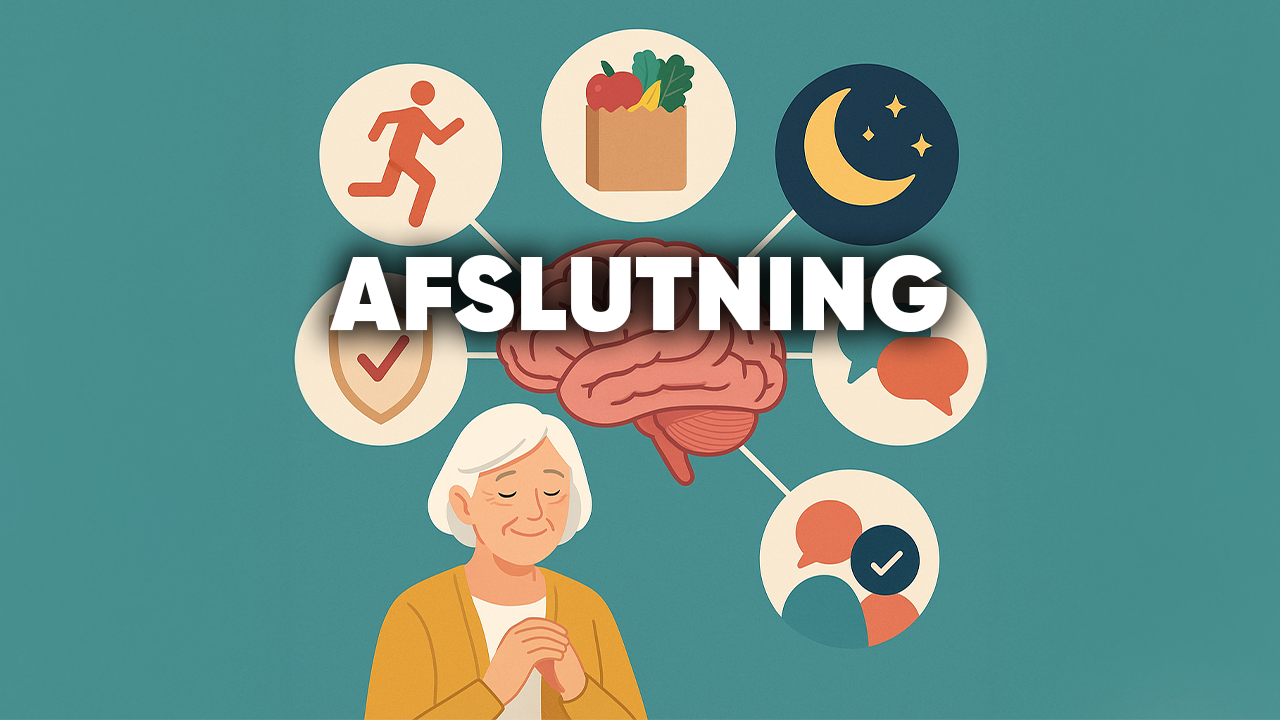
Alzheimer’s can seem like a frightening diagnosis, but research clearly shows that there is a great deal we can do ourselves to reduce the risk. The small choices we make every day – what we eat, how much we move, how we manage stress, and how well we sleep – all help shape the future health of our brains.
It is not about perfection or making large, overwhelming changes, but about taking responsibility for the steps you can take today. Every time you choose a brisk walk, a meal full of vegetables, or a good night’s sleep, you are investing in a stronger and healthier brain.
Your choice is your future – and the earlier you begin, the greater the difference you can make for yourself and those closest to you. Taking care of your brain is not only a gift to yourself but also to the people who care about you.
Mini Guide – How You Can Easily and Effectively Work on Alzheimer’s Prevention in Everyday Life
Preventing Alzheimer’s is not about one single habit or having a perfect lifestyle. It is about the overall picture – and the many small choices you make again and again in everyday life. The brain remains adaptable throughout life, and research clearly shows that lifestyle, mental habits, and physical health together can have a major impact on the risk of Alzheimer’s later in life. This means that there is actually a lot you can do yourself without requiring major changes.
This mini guide is a summary of the article above and brings together the most important areas of focus if you want to work on Alzheimer’s prevention in a manageable, realistic, and sustainable way. The focus is on what can fit into an ordinary everyday life – with practice before theory and with respect for the fact that changes work best when they feel manageable and meaningful. Alzheimer’s prevention is not a project that needs to be completed quickly. It is a process in which small adjustments over time can create a stronger and more resilient brain.
🚶♀️ Movement as a Foundation of Alzheimer’s Prevention
Regular movement is one of the most well-documented factors in Alzheimer’s prevention. Exercise improves blood flow to the brain, supports the supply of oxygen and nutrients, and contributes to the formation of new connections between nerve cells. It does not have to involve intense exercise – daily walks, cycling, light strength training, or gardening can be more than enough. What matters most is consistency and making movement a natural part of everyday life.
🥗 Brain-Friendly Food as a Central Part of Alzheimer’s Prevention
Diet plays a crucial role in brain health throughout life. A diet rich in vegetables, whole grains, fish, legumes, and healthy fats supports Alzheimer’s prevention by reducing inflammation and protecting brain cells. Small changes such as choosing more food prepared from scratch, cutting down on sugar and processed foods, and prioritizing variety can make a real difference over time – without feeling restrictive.
😴 Sleep and Recovery in Alzheimer’s Prevention
Good sleep is the brain’s most important recovery period. During sleep, the brain organizes information, strengthens memory, and removes waste products. Lack of sleep or irregular sleep habits can place strain on the brain over time and increase the risk of cognitive impairment. Regular sleep routines, sufficient sleep duration, and a calm sleeping environment are therefore central elements of Alzheimer’s prevention.
🧠 Mental Stimulation as Active Alzheimer’s Prevention
The brain needs challenges to maintain its strength. Mental activities such as learning, reading, games, creative projects, or developing new skills contribute to building cognitive reserve. This reserve makes the brain more resilient to age-related changes. Mental training does not have to be formal – the most important things are variety and curiosity, which keep the brain active and engaged in everyday life.
🤝 Social Relationships and Their Importance in Alzheimer’s Prevention
Social contact combines mental stimulation, emotional engagement, and structure in everyday life. Conversations, communities, and relationships challenge the brain on many levels at the same time. An active social life is therefore closely associated with Alzheimer’s prevention, while loneliness and isolation can increase the risk. It is not about the number of relationships you have but about maintaining regular and meaningful contact.
🧘♂️ Stress Reduction as a Necessary Part of Alzheimer’s Prevention
Long-term stress can damage the brain through elevated levels of stress hormones and insufficient recovery. Consciously working on stress management is therefore an important part of Alzheimer’s prevention. This can involve taking breaks, spending time in nature, practicing breathing exercises or meditation, creating calming routines, or adjusting expectations and the pace of everyday life. Calm and balance give the brain better conditions to function optimally.
🩺 Know Your Health Numbers in Connection With Alzheimer’s Prevention
Blood pressure, cholesterol, blood sugar, and weight have a major impact on brain health. When these factors are out of balance, they can place strain on the brain’s blood vessels and increase the risk of cognitive impairment. By knowing and monitoring your own health numbers, you have the opportunity to respond early and make lifestyle adjustments that strengthen Alzheimer’s prevention in a concrete and measurable way.
🌱 Small Healthy Habits and Patience in Alzheimer’s Prevention
Alzheimer’s prevention is most effective when it is based on realistic habits that can be maintained over time. Small steps repeated every day often have a greater effect than large, short-term efforts. When changes feel manageable, the likelihood that they will become a natural part of life increases – and that is the key to long-term success.
Here Are 4 Short and Action-Oriented Steps That Make It Easy for You to Start Preventing Alzheimer’s Today
✅ Move every day to help prevent Alzheimer’s – Take a brisk walk, cycle, or do light exercise for at least 30 minutes a day.
🥗 Eat a brain-healthy diet to help prevent Alzheimer’s – Choose vegetables, whole grains, fish, and healthy fats instead of processed foods.
😴 Prioritize sleep to help prevent Alzheimer’s – Aim for 7–9 hours every night and establish consistent routines.
👥 Stay social and mentally active to help prevent Alzheimer’s – Participate in communities, learn something new, or do brain-training exercises.
Four easy things that you can easily implement in your everyday life, so why not start today?
************************************************************************************
If you need further inspiration on how you can reduce your risk of Alzheimer’s, you can watch this video – How You Can Prevent Dementia – Professor Steen Hasselbalch
------------------------------------------------------------
If you have experience and/or knowledge of how healthy lifestyle changes can help prevent and reduce the risk of Alzheimer’s, we would be happy to hear your input and/or suggestions in the comments section about other good ways to naturally and sustainably prevent and reduce the risk of Alzheimer’s and other forms of dementia in the future.