When the goal is to land your dream job, it is not only about luck or coincidence. It is about understanding the entire process from start to finish and approaching it in a strategic and constructive way. Your CV, your job application, and your performance at the job interview together make up your personal story to the employer. The better you are able to communicate that story, the greater the chance that you will be the one selected.
Many talented people miss out on exciting job opportunities because they underestimate how crucial the details are in a recruitment process. An average CV can easily disappear in the crowd, and a standard job application is quickly overlooked. That is why it is important to think like a professional job seeker. Each step requires its own approach: your CV should be clear, targeted, and easy to understand. Your application should show personality and relevance. And at the job interview, you should be able to turn your skills into concrete examples that convince the other party that you are the right person for the position.
Landing your dream job is largely about preparation. You need to know your strengths, understand the company’s needs, and be able to connect the two. This requires setting aside time for research, reflection, and refining your communication. Employers are not only looking for qualifications on paper – they are looking for people who fit into the culture, take responsibility, and show genuine commitment. Therefore, you should not only present what you can do. You should also show who you are and what value you can create in the workplace on a daily basis.
This article is designed as a practical and informative guide to help you gain an overview of the entire journey toward your dream job. You will receive concrete tips, ideas, and tools that you can implement immediately, whether you are a recent graduate, in the middle of your career, or preparing for a career change. The goal is to make the process easier to understand, more constructive, and much more effective. When you understand the mechanisms behind recruitment and learn how to present yourself in the right way, you will be in a stronger position than most other applicants.
No matter what job you dream of, the same basic rule applies: You are competing with many others – but with the right strategy, you can stand out in a positive way. From the first document you send to the final question you answer at the job interview, you are the one shaping the outcome. Your dream job is not out of reach. You simply need to know how to approach the opportunity in the right way.
Job Interview – Building an Engaging CV
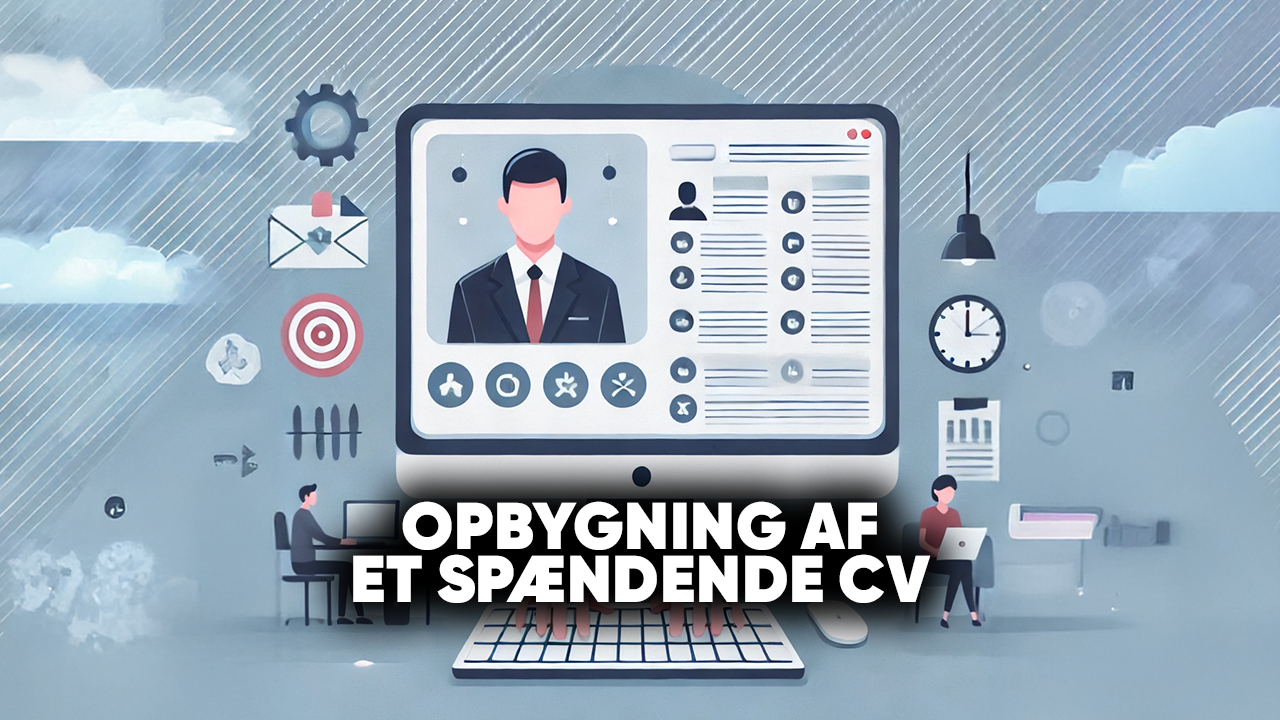
When you are invited to a job interview, your CV is often the first concrete impression the employer has of you. A well-prepared CV is therefore the foundation for a good conversation about the job. Many people believe that the CV only needs to be created when applying for the position – but in reality, the work on the document begins long before the interview itself. An engaging CV should not simply be a dry list of previous jobs. It should be a strategic tool that helps you present your experience in a clear and convincing way.
For an upcoming job interview, it is important that your CV is structured so that it is easy to understand. Recruiters spend only a few minutes on each CV, so the structure must be logical, clear, and targeted toward the specific position. Instead of mentioning everything you have ever done, you should select what is most relevant to this particular job. A good CV supports both your application and your performance at the job interview because it gives you a strong starting point for talking about concrete results.
When preparing for a job interview, your CV can also be used as your personal script. If you have described your responsibilities and skills clearly, it becomes much easier to talk about them in a lively and engaging way. Therefore, each point in your CV should be written using active and action-oriented language.
Describe what you have developed, what you have created, and how you have contributed. In this way, your CV naturally connects with the story you tell when you are sitting face-to-face with the employer. An engaging CV is therefore not just a document – it is the key to getting the most out of your job interview. The better it is structured, the more professional and well-prepared you appear. And preparation is often the difference between an ordinary job interview and an interview that leads to your dream job.
Inspiration List – Useful Tips About Job Interviews and CV Preparation
📄 What Is the Purpose of the CV for the Job Interview?
Your CV serves as your strategic starting point when you are invited to a job interview. It is your first impression with a potential employer and should therefore provide a clear and concise overview of your qualifications, experience, and skills. An optimal CV for a job interview does not only show what you have done, but also the professional direction in which you are heading.
Employers often spend only a few seconds scanning a CV before a job interview, which is exactly why it needs to be clear, precise, and easy to understand. When you are going to a job interview, the purpose of your CV is to provide the basis for a constructive conversation about how your abilities match the company’s needs. A well-written CV for the job interview helps the recruiter quickly see your value – and helps you communicate your story confidently and professionally.
🧾 Structure and Layout of Your CV as the Basis for a Good Job Interview
A well-prepared CV should be both easy to read and professionally designed – especially because it often becomes the focal point of your job interview. When you are invited to a job interview, your CV must not appear messy or confusing. The layout should have a clear structure with distinct sections, a logical order, and a calm visual appearance. Use short paragraphs, consistent fonts, and good spacing between sections so that the document is easy to scan before a job interview.
As a general rule, a good CV for a job interview should be no more than two pages long, written precisely, and free from unnecessary information. If your CV is structured using short sections and clear bullet points, it becomes easier for the employer during the job interview to ask relevant questions – and easier for you to answer clearly and confidently. Structure and layout are therefore not just cosmetic. They are active tools that support your entire performance when you are sitting in a job interview and need to demonstrate your value.
👔 Prepare Your CV for the First Job Interview
Before you even attend the job interview, your CV should be completely ready for use. An optimal CV for an initial job interview requires you to review the entire document with fresh eyes. Start by making sure that your contact information is correct and that the layout appears calm and professional. Then adjust the descriptions of your previous jobs so that they match the position you have been invited to interview for.
At a job interview, it makes a strong impression if your CV clearly shows that you understand the company’s needs and have tailored your profile accordingly. Use short sections, precise wording, and concrete examples that can form the basis of the conversation during the job interview. When your CV is tailored to the first job interview, you are much better prepared to present yourself.
🧩 Structure the Experience on Your CV So It Strengthens Your Job Interview
An engaging CV for a job interview should be built around a clear structure. Many people make the mistake of simply copying job titles into their CV without explaining the content. Instead, you should group your experience into themes such as project management, customer contact, or specialist professional skills. Structuring your CV in this way makes it easier during a job interview to show the common thread throughout your career.
When you attend a job interview, a thematically structured CV helps you highlight how your different positions are connected. It also gives the employer a better overview and makes the conversation more constructive. A well-structured CV serves as support during the job interview because it naturally leads to the questions you would like the opportunity to answer.
🎯 Target the Skills in Your CV Toward Your Next Job Interview
When you are invited to a job interview, it is crucial that the skills section of your CV is targeted. Review your professional and personal skills and select those that are most relevant to the position. At a job interview, you can benefit from describing your skills as documented abilities rather than general claims. Instead of writing that you are good at teamwork, you can explain how you have developed teams or resolved conflicts. This precise targeting makes your CV more interesting for the job interview and gives you better opportunities to talk specifically about your value. When you prepare your CV with your next job interview in mind, you demonstrate both professionalism and strategic understanding.
💼 Use Results in Your CV as Preparation for the Job Interview
A CV that impresses at a job interview should be filled with concrete results. At the job interview, employers want to hear about what you have actually achieved in your previous roles. Therefore, you should describe measurable results such as increases in revenue, efficiency improvements, or completed projects. This type of content in your CV makes it much easier to build a lively conversation about your experience during a job interview. When you attend the job interview, you can directly use the wording from your CV to support your stories. A results-focused CV is a powerful tool because it gives you credibility during the job interview and helps you document your professional impact.
🔄 Keep Your CV Updated – Even When You Do Not Have a Job Interview
Even if you are not currently invited to a job interview, you should regularly update your CV. A CV that is continually developed keeps you ready for future opportunities. Many people are suddenly invited to a job interview and discover that their CV is outdated. Therefore, it is a good habit to add new courses, projects, and responsibilities as soon as they are completed. This ongoing updating ensures that you can always attend a job interview with a fresh and relevant CV. When you regularly improve your CV, the process becomes much more relaxed if you are suddenly invited to a job interview at short notice. An updated CV gives you peace of mind and prepares you to seize the opportunity when the next job interview comes along.
Key Elements of a Strong CV
Contact Information in Your CV – Your name, phone number, email address, and possibly your LinkedIn profile.
Professional Profile in Your CV – A short description (3–5 lines) of your experience and skills.
Work Experience in Your CV – List your most recent jobs first. Include the company name, position, employment period, and your most important responsibilities and results.
Education in Your CV – Describe your relevant education, including the institution’s name, duration of the program, and any specializations.
Skills in Your CV – Technical skills, language skills, and other relevant competencies.
Certificates and Courses in Your CV – Do you have relevant courses or certifications? Include them.
References in Your CV – Optional, but you can write, “References available upon request.”
*****************************************************
REMEMBER – Your CV is your ticket to a strong job interview. An engaging and relevant CV tailored to the job is a key factor in giving you confidence at the job interview.
Writing a Convincing Job Application
A good job application is your personal voice even before you attend the job interview. While the CV provides the overview, the application itself must create interest and motivate the employer to invite you to the next stage of the process. When writing a convincing job application, it involves much more than describing your previous positions. The goal is to show how your specific experience and personality fit the company and the particular role.
Before a job interview, the employer will typically read the application as a supplement to your CV. Therefore, your job application should be targeted, well-written, and relevant from the very first line. A strong job application speaks directly to the job posting and shows that you understand both the responsibilities and the workplace culture. This requires you to adapt the language, examples, and arguments specifically to this application – rather than reusing standard text.
When you attend a job interview, the wording from your job application often forms the basis of the conversation. If you have already created a clear story about your motivation and results in your application, it becomes much easier to appear confident and authentic during the job interview. Therefore, the work involved in writing a good job application is one of the most important investments in the entire recruitment process. A thoughtful job application increases your credibility, strengthens your first impression, and gives you a significantly better starting point when you attend the actual job interview.
The goal of your job application is simple – To convince the employer that you are worth getting to know better. When your application hits the mark, you are already halfway to your dream job.
Inspiration List – Useful Tips About Important Elements in Your Job Application
💡 What Is the Purpose of Your Job Application?
A job application complements your CV by explaining your motivation for the job and also prepares the employer for a potential job interview. The purpose of a good job application is to build a bridge between your qualifications and the company’s specific needs. In the job application, you show how your experience matches the position and why you find this particular job interesting.
When you later attend the job interview, the application will often provide the framework for the conversation because it highlights your most important arguments. A strong job application therefore gives the employer a more nuanced picture of you as a candidate and makes it easier to have a constructive discussion during the job interview. With the right job application as a foundation, you can both create interest before the interview and appear better prepared when you are invited to a job interview. The overall purpose is to show that you are not only capable of doing the job – but that you also want to develop in the role and contribute positively from your very first day at work.
👣 Build a Clear Common Thread Throughout Your Job Application
When working on your job application, there should always be a clear common thread throughout the text. Start by describing your motivation for this particular position, and then build your arguments logically around relevant experience. A job application without a clear common thread appears unclear, and an employer can quickly notice this before a job interview. By creating a clear connection throughout your job application, you help the recipient easily understand why you are suited to the role. At a job interview, this common thread will make it easier for you to elaborate on your points because you have already formulated them thoughtfully in your application. A well-structured job application naturally leads to a constructive conversation during the job interview.
💬 Adapt the Language in Your Job Application With a Focus on the Specific Company and Job Interview
A strong job application should speak the same language as the company. Therefore, it is important to adapt the wording in each individual job application so that it matches both the industry and the specific position. When you are invited to a job interview, the employer can clearly tell whether your job application was written specifically for them. Constructive and welcoming language in your job application increases the chance that you will appear as a professional candidate before the job interview. This adaptation of language also creates better opportunities during the interview to explain how you have developed your skills. A job application with precise and tailored language makes it easier to create mutual understanding during the job interview.
🛠 Highlight Relevant Results for the Company in Your Job Application
The content of your job application should always include concrete examples of results you have achieved in the past. Describe how you have developed processes, completed tasks, or contributed to improvements. When the employer scans your job application before a job interview, these are the results that create interest. A good job application for a job interview is therefore about documenting value rather than simply mentioning job titles. When you attend the job interview, you can use the examples from your application as a starting point for talking more vividly about your experience. A job application that clearly highlights relevant results gives you a stronger starting point during the job interview and increases the likelihood that you will be selected.
🤝 Let Your Job Application Support Your Preparation for the Job Interview
Your job application should not only ensure that you are invited to a job interview – it should also support your preparation. When you write a good job application, you are forced to reflect on your own strengths and motivation. This reflection is extremely valuable when you later attend the job interview. Thorough preparation through your job application makes it easier during the interview to explain how you can develop in the role and contribute positively to the company. Therefore, you should always review your job application again before the job interview and use it as your personal script. A thoughtful job application creates a natural connection between your written arguments and your verbal performance during the job interview.
📌 Avoid Standard Solutions and Phrases in Your Job Application Before the Job Interview
Many job seekers reuse the same phrases in every job application. It may seem tempting – but it often reduces the chance of success. A good job application for a job interview should be tailored, not mass-produced. When an employer reads your job application before a job interview, they can quickly see whether the text is generic or targeted. Therefore, it is important to avoid standard solutions in your job application and instead focus on what this specific company is looking for. By writing each individual job application from scratch with the job interview in mind, you appear much more professional and committed. A unique job application increases the chance of a good conversation during the job interview and brings you closer to your dream job.
The Structure of a Good Job Application
Introduction to the Job Application – Capture the employer’s attention with a short and precise introduction. Mention the job title and why you are interested.
Motivation in the Job Application – Explain why you are applying for the position and what you can contribute.
Experience and Skills in the Job Application – Draw connections between your previous experience and the requirements of the job.
Closing the Job Application – End the application with a friendly but confident call to action, for example by saying that you look forward to an interview where you can elaborate further.
Useful Tips for an Effective Job Application
Keep the Job Application Short – Maximum one page.
Tailor the Application to the Job – Use the company’s values and wording from the job advertisement.
Be Specific in Your Job Application – Use concrete examples from your career in the job application.
Avoid Clichés in Your Job Application – Write in an original and personal way in your job application.
*************************************************************************************
REMEMBER – A thoughtful job application individually targeted toward the company is the key to your dream job, and a convincing job application gives you confidence for the job interview.
*************************************************************************************
Here are some additional tips from Carina, who received more than 30 job offers from her application, which you can read more about in the article – She Suddenly Received More Than 30 Job Interview Offers – Here’s How She Did It
Preparing for the Job Interview
Preparing for the job interview is the stage of the recruitment process where you can truly make yourself a strong and convincing candidate. Many job seekers spend a lot of time writing their application and updating their CV – but forget that thorough preparation is at least as important when attending the job interview. A successful job interview requires you to bring more than just your documents. You need to bring knowledge, perspective, and concrete examples.
Before attending the job interview, you should set aside time to research the company thoroughly. What do they do, what values do they have, and what challenges are they facing? When you have done this preparation before the job interview, it becomes much easier to respond relevantly and constructively to the questions that arise during the interview. At the same time, you show that you take the process seriously and have a genuine interest in the job.
Preparing for the job interview also involves mental training. You should practice talking about yourself in a calm and professional way. Review the job advertisement again and prepare how you will explain that your skills match the requirements. When you are well prepared for the job interview, you reduce nervousness and increase your impact.
Remember that a job interview is not only an exam – it is a dialogue. And the better prepared you are for the job interview, the more balanced and constructive that dialogue becomes. Thorough preparation makes the difference between an uncertain job interview and an interview that brings you closer to your dream job.
Inspiration List – Get Completely Ready for Your Next Job Interview
🔍 Conduct Thorough Research About the Company Before the Job Interview
Thorough research is one of the most underestimated forms of preparation for a job interview. Spend time researching the company’s strategy, values, and current projects before you attend. When you do this preparation before the job interview, you gain a solid knowledge base that helps you answer questions much more precisely. A CV and job application show what you can do – but at the job interview, your insight shows how much you want the job. Your preparation for the job interview becomes more targeted when you know which challenges the company is facing. You can actively use this knowledge during the job interview itself and thereby create a more professional impression.
🗣 Practice Talking About and Elaborating on Your Job Application for the Job Interview
A good job application can lose its impact during the job interview if you cannot explain its content clearly. Therefore, you should practice talking about yourself out loud and clearly before attending the job interview. Review your own job application as preparation for the interview and think about how you will elaborate on the points you made. When you practice before the job interview, you become calmer and more convincing in your answers. Practicing for the job interview gives you greater confidence because you have already developed your arguments in advance. An engaging CV for the job interview only comes alive if you can supplement it with good stories from your job application.
📄 Align Your CV With the Specific Job Interview
A strong CV should always be adapted to the specific job interview you have been invited to. Spend time developing your CV so that it matches the requirements in the job advertisement before the interview takes place. When you target your CV before the job interview, you help the employer quickly see the relevance of your profile. An updated CV for the job interview serves as an overview that gives structure to the conversation. Preparing your CV for the job interview makes it easier for you to talk clearly about your experience. In this way, your CV becomes an active tool during the job interview rather than just another document in the pile.
👔 Choose Your Personal Appearance With Respect for the Job Interview
The right clothing and your overall appearance play an important role when you attend a job interview. Spend time preparing your visual impression before the job interview so that it suits the company’s culture. When you are conscious of your appearance for the job interview, you come across as more professional and focused. A well-structured CV and a strong job application are important for the job interview – but your personal appearance shows how you may fit into the everyday workplace environment. Preparing for the job interview therefore also involves creating an impression that communicates credibility and commitment.
❓ Prepare Questions for the Company That Improve Your Job Interview
A job interview becomes most constructive when you arrive well prepared with relevant questions. Spend time developing questions for the job interview that show you are thinking ahead. Review your own job application and CV before the job interview and identify areas you would like to learn more about. When you prepare questions before the job interview, the dialogue becomes more balanced. A professional candidate at a job interview is not only good at answering questions – but also good at asking them. Preparing for the job interview with a focus on questions increases the chance that you will leave a strong and thoughtful impression.
Typical Job Interview Questions and How to Answer Them
“Tell me a little about yourself.” – Give a concise summary of your work experience and how it relates to the position.
“Why do you want to work here?” – Demonstrate your research and explain how the company’s mission aligns with your ambitions.
“What are your strengths and weaknesses?” – Be honest, but show that you are working on your weaknesses.
“Where do you see yourself in five years?” – Show personal ambition without suggesting that you intend to move on quickly.
“How do you handle stressful situations?” – Use examples from previous jobs where you handled stressful situations in a good and constructive way.
Body Language and Communication at the Job Interview
👁️ Maintain eye contact during the job interview.
🪑 Sit upright and avoid nervous movements during the job interview.
👂 Listen actively and answer precisely during the job interview.
🗣️ Speak in a calm and confident voice during the job interview.
It is also important that you enter the job interview with confidence and positive energy, and you can find inspiration in our article – Gain More Confidence and a Happier Everyday Life – Read Our Best Tips!
Questions You Can Ask During the Job Interview
At the end of a job interview, you will often be asked whether you have any questions. This is an opportunity to show your interest in the company and the job:
How do you measure success in this job role?
What is the team’s working environment like?
What opportunities are there for development in the job?
***************************************************************************************************************
REMEMBER – Good and thorough research about the specific company is the key to a convincing job interview, and the better you prepare, the stronger your job interview will be.
After the Job Interview – Follow-Up
Once you have attended the job interview, the process is not necessarily over. Many candidates sit back and passively wait for an answer – but active follow-up after the job interview can help strengthen your overall impression. A professional candidate shows commitment throughout the entire process, even after the meeting is over. Therefore, you should always consider how you handle the period immediately following the job interview.
Following up after the job interview is first and foremost about proper communication. It can be a good idea to send a short and friendly thank-you message for the interview and confirm your continued interest in the position. In this way, you show that you take the job interview seriously and appreciate the time the company has invested in you. At the same time, the follow-up gives you an opportunity to add any information that you may not have communicated clearly enough during the job interview.
The time after the job interview can also be used for reflection. Review the interview for yourself and think about what went well and what you can improve the next time you attend a job interview with another company. Every job interview is a learning opportunity, and the more consciously you work with your follow-up after the job interview, the stronger you become as a job seeker in the future.
Successful follow-up cannot guarantee that you will get the job – but it can do a lot to maintain the positive impression from the job interview. And that is exactly why this step deserves to be taken just as seriously as both your CV and your job application.
Inspiration List – Useful Tips About the Period After the Job Interview
✉️ Send a Professional Thank-You After the Job Interview
After the job interview, you can benefit from sending a short message to the recruiter. A friendly email after the job interview shows that you appreciate the conversation and remain very interested in the job. This follow-up after the job interview does not need to be long or complicated. The purpose is simply to reinforce the positive impression you already created during the job interview. When the company later evaluates the candidates from the job interviews, a professional thank-you will often be noticed as a sign of good manners and seriousness.
📝 Reflect on Your Own Performance After the Job Interview
The period immediately after the job interview is ideal for reviewing how you performed. It can be useful to write down your thoughts while they are still fresh. Consider which answers worked well during the job interview and where you can improve further. This reflection prepares you better for future job interviews. Every job interview gives you experience, and when you actively analyze the process after the interview, you can gradually improve the way you present yourself. Reflection after the job interview is therefore an important tool for personal development.
🔎 Follow Up If You Promised Something During the Job Interview
Perhaps you mentioned during the job interview that you would send references, examples, or other documentation afterward. If so, it is important to follow up quickly and professionally after the job interview. When you keep the promises you made during the job interview, you significantly strengthen your credibility. A good CV and a strong job application can get you to the job interview – but your actions after the interview show how you work in practice. By following up on what was agreed after the job interview, you keep the conversation active and constructive.
🤔 Be Patient While the Company Processes the Job Interview
After the job interview, the waiting period can feel long, but it is important to remain calm. Companies often have internal processes when evaluating the impressions from job interviews. Although you may naturally feel excited after the job interview, you should avoid putting pressure on the company with too many inquiries. A professional candidate respects the fact that decisions after a job interview take time. When you show patience after the job interview combined with a single friendly follow-up, you appear both mature and professional.
📞 Ask for Constructive Feedback If You Are Rejected After the Job Interview
If you receive a rejection after the job interview, it is still possible to turn the situation into something positive. Feel free to contact the company and ask for constructive feedback from the job interview. This follow-up after the job interview can give you valuable insight into what you can improve next time. When you actively seek to learn from the job interview, you demonstrate professionalism and a willingness to develop. Feedback after the job interview makes you a stronger candidate in the future and helps you continuously improve both your CV and job application for upcoming job interviews.
**************************************************************
REMEMBER – Active follow-up extends the positive impression from the job interview. If you are rejected, evaluate and learn from the process, and become stronger for your next job interview.
Conclusion

Landing your dream job requires more than luck – it requires preparation, strategy, and the ability to present yourself in the best possible way. Your CV and job application create your first impression, and they should clearly show why you are the right candidate. The job interview is your opportunity to reinforce this impression by appearing professional, engaged, and true to yourself.
Remember that the process does not need to be perfect from the beginning. Every application, every CV, and every job interview gives you valuable experience that you can use to improve. The more you practice, adapt your materials, and reflect on your performance, the closer you get to your goal. The most important thing is to believe in your own potential and not allow rejection to discourage you. Your dream job is often waiting after several attempts, and with the right effort, you will become stronger each time. 🌱✨
Mini Guide – The Road to Your Dream Job – The Most Important Areas of Focus
Landing your dream job requires a clear plan and targeted effort. This mini guide is a summary of the article above and gives you a complete overview of what you should focus on as you work through the process of preparing your CV, application, and job interview. The guide is structured so that you can easily use the advice as a checklist on your journey toward your dream job.
📄 Your CV – The Foundation for Your Dream Job
Your CV is often the document that determines whether you will even be considered for your dream job. Make sure to structure your CV clearly so that the employer can quickly see your most relevant qualifications. Describe your experience using active language and focus on results rather than long lists. For your dream job, your CV should be precise, easy to scan, and tailored to the specific position. Use a calm and professional layout that supports your profile. A strong CV is the first step toward your dream job.
✍️ Write a Job Application That Hits the Mark for Your Dream Job
The job application is your opportunity to speak directly to the company and show your motivation for your dream job. Always tailor each application specifically so that it matches both the job advertisement and the company’s needs. Describe how your skills can be used in this particular dream job and avoid generic standard phrases. A good application for your dream job should be personal, concrete, and easy to understand. Keep the language welcoming and professional so that the employer wants to invite you to a job interview about your dream job.
🎯 Research the Company Behind Your Dream Job
Before the job interview for your dream job, it is crucial that you thoroughly familiarize yourself with the company. Research their products, values, and future plans so that you can speak relevantly during the job interview. When you prepare for the job interview for your dream job, your research shows that you take the position seriously. This insight makes you a much stronger candidate for your dream job and helps you connect your experience with the company’s specific challenges.
🗣 Prepare Yourself Mentally for the Job Interview for Your Dream Job
When attending a job interview for your dream job, your verbal performance is just as important as your documents. Practice talking about your experience and results beforehand. Review your CV before the job interview and prepare concrete examples that demonstrate your value. Good preparation for the job interview reduces nervousness and increases confidence. When you arrive calm and well prepared for the job interview, you significantly increase your chances of landing your dream job.
❓ Ask the Right Questions About Your Dream Job
A job interview for your dream job is also your opportunity to assess whether the position is truly right for you. Therefore, prepare good and constructive questions before the job interview. Ask about expectations, development opportunities, and job responsibilities so that the dialogue during the job interview becomes more balanced. Candidates for a dream job who can both answer questions and ask intelligent ones appear much more engaged and professional.
🤝 References – Support Your Path Toward Your Dream Job
If you can bring or send strong references for the job interview, you strengthen your profile for your dream job even further. Choose references who can speak specifically about your results and personality. Prepare your references thoroughly before the job interview so that they match your dream job. References help confirm that the information in your CV is accurate when the company evaluates candidates from the job interviews for the dream job.
🔄 Follow-Up After the Job Interview for Your Dream Job
After the job interview, you should always follow up professionally. Consider sending a short thank-you message for the conversation during the job interview and confirm your continued interest in your dream job. If you are rejected after the job interview, use the feedback constructively to continue developing yourself. Follow-up after the job interview is your final step in the process – and an important part of working toward landing your dream job, including the next time you apply.
**************************************************************
🌟 From Plan to Action – Your Personal Checklist
By focusing on the points above, you can build a much more targeted strategy as a job seeker. Landing your dream job is not only a matter of qualifications – it is also about presenting them correctly and taking the process seriously throughout the entire journey, from the first job application to the final discussion during the job interview.
***********************************************************
✅ Here Are 3 Quick Tips When You Are Searching for Your Dream Job
📝 Tailor Your CV and Job Application – Always adapt your job application to the specific position.
🎯 Prepare for the Job Interview – Research the company and practice your answers to typical job interview questions.
🌱 Keep Going and Learn From the Job Application Process – Every job application attempt gives you valuable experience, makes you stronger, and brings you closer to your dream job.
*************************************************************
If you need additional inspiration on how to write a good and positive job application, you can watch this video – Write the Perfect Job Application: 10 Tips & Tricks
------------------------------------------------------
If you have experience and/or knowledge of good and constructive ways to search for a new job, we would be happy to hear your input and/or suggestions in the comments section about other good and constructive ways to search for a new job, so that people can improve their opportunities and ambitions of landing a future dream job.