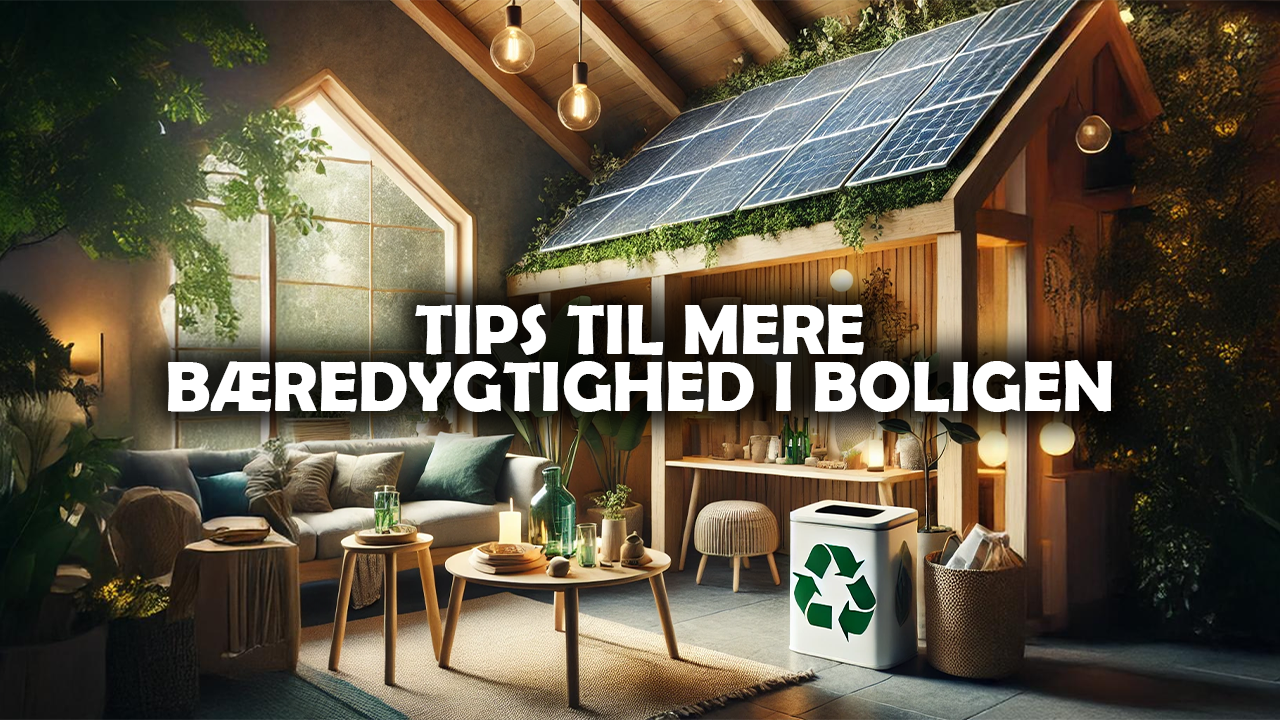
Making your home more sustainable does not have to be expensive, difficult, or require major renovations. On the contrary, sustainability at home is often about creating smarter habits, making better use of resources, and making small choices that together can make a big difference – both for the environment and your finances. Many Danes associate sustainability with advanced technologies or major investments such as solar panels and heat pumps, but the truth is that the most effective improvements often begin with ordinary everyday routines.
When you make your home more sustainable, you can also benefit from a healthier indoor climate, lower consumption, reduced expenses, and a home that feels more harmonious. It is a process where both small and large steps count – from reducing waste and optimising energy use to choosing more environmentally friendly materials and incorporating reuse and the circular economy into your interior design. Even a single change, such as improving ventilation or completely switching off standby power consumption, can produce noticeable results.
This article gives you a practical and inspiring guide to how you can create a greener everyday life in your home, step by step. You will get practical advice that you can use straight away – whether you live in a flat, terraced house, or detached home, and whether you want to go all-in on sustainability or simply start with a few manageable measures. The aim is to show that making your home more sustainable is within everyone’s reach.
A greener home starts with you – and with the choices you make every day. Living sustainably at home is an important part of contributing to a greener future. It can feel overwhelming to think about all the areas where you can make a difference, but by taking small steps and introducing sustainable habits, you can significantly reduce your ecological footprint. Let’s get started and find the solutions that best suit your lifestyle and your home.
Sustainable Energy Savings at Home

Creating sustainable energy savings at home is not only about reducing consumption – it is just as much about understanding how energy is used, and how even small, conscious adjustments can produce remarkable results. Many Danes are surprised by how much energy consumption actually affects both the environment and household finances in everyday life. When you begin to analyse your habits, the efficiency of your appliances, and the way you heat and use your home, you gain a much clearer picture of where the hidden energy guzzlers are.
An important element of sustainable energy savings is to work according to the principle of “better utilisation” – in other words, using the energy you already pay for as efficiently as possible. This might involve reducing heat loss, optimising ventilation in the home, or replacing the most energy-intensive appliances when they are already worn out. But it can also be much more practical and relevant to everyday life, such as switching off standby power, washing at lower temperatures, or changing to LED lighting. What all these measures have in common is that they gradually build a more energy-conscious lifestyle that becomes part of your everyday habits at home.
Another important point is that sustainable energy savings do not have to come at the expense of comfort. On the contrary, many people find that their home becomes more pleasant to live in when temperature control is more stable, lighting is upgraded, and the indoor climate is improved through regular ventilation and better use of heating and ventilation systems. So it is not a matter of “cutting back on everything”, but rather of making each room function as efficiently as possible – both from an energy and a human perspective.
Many energy-saving measures also provide immediate returns. After just the first month, you can often see a difference in your electricity bill, and after a year, even small adjustments may have created savings that you can really notice. This makes the process motivating and tangible, and it is also why energy savings are one of the areas where many people quickly feel inspired to do even more once they see the effect.
Inspiration List – Good Tips for Sustainable Energy Savings in Everyday Life
🏡 Insulate Your Home to Achieve Significant Sustainable Energy Savings
One of the most effective ways to create sustainable energy savings at home is to optimise your home’s insulation. Good insulation means that heat stays inside during winter and outside during summer, reducing the need for both heating and cooling. When your home retains its temperature more effectively, the heating system has to work far less, resulting in significantly lower energy consumption – without changing your daily habits.
Many homes, especially older houses, can benefit greatly from adding extra insulation to the loft, walls, or floors, where energy loss is often greatest. Investing in insulation therefore provides both immediate and long-term savings, while also improving comfort in the home by preventing draughts, thermal bridges, and unstable temperatures. Insulation is one of the solutions that provides one of the highest returns in terms of sustainable energy savings, making it an obvious area to prioritise if your home is not already well insulated.
⚙️ Use Energy-Efficient Appliances to Ensure Long-Term Sustainable Energy Savings
When you are looking to buy new household appliances, the energy rating is one of the most important factors to consider. Appliances with a high energy rating – preferably A++ or better – are designed to use significantly less electricity in everyday use, creating both immediate and long-term sustainable energy savings. An energy-efficient fridge, a modern washing machine, or a vacuum cleaner with lower energy consumption can significantly reduce your costs over the lifetime of the appliance. At the same time, lower energy use also means less impact on the environment, making the choice of efficient equipment an investment in both your finances and sustainability. By consciously choosing these solutions, you integrate greener choices directly into everyday life without compromising on function or comfort.
♻️ Optimise Your Heating Consumption with a Focus on Sustainable Energy Savings
Heating costs are often one of the largest areas of energy consumption, which is why optimising heating use is a central part of sustainable energy savings. By lowering the temperature by just one degree, making better use of thermostats, and avoiding placing furniture in front of radiators, you can create a more efficient and stable flow of heat throughout your home. At the same time, regular airing with a through-draught provides a healthier indoor climate without unnecessarily increasing energy consumption. When you work systematically to balance your heating use, you can achieve quick results while avoiding both wasted heat and unnecessarily high bills.
💡 Switch to LED Lighting for Significant Sustainable Energy Savings
Lighting accounts for more of your energy consumption than many people realise. LED bulbs use only a fraction of the energy compared with traditional incandescent bulbs (up to 80% less energy) and also last much longer. This means fewer replacements, lower running costs, and a far more sustainable everyday life. As you gradually replace all the lighting in your home with LED bulbs, you will clearly notice the difference in your electricity bill. And with modern LED solutions, you can still enjoy warm, cosy lighting without compromising on atmosphere or interior design.
🔌 Reduce Standby Power and Create Ongoing Sustainable Energy Savings
Many appliances use electricity even when they appear to be “switched off”. Standby power consumption is therefore a hidden energy thief in many homes. By connecting electronics to power strips with switches, turning off the router at night, or choosing smarter devices with low standby power consumption, you can achieve sustainable energy savings without significantly changing your daily routines. It is a small effort, but one of the most effective ways to reduce both CO₂ consumption and your electricity bill.
🧺 Wash and Dry with a Focus on Practical Sustainable Energy Savings
Laundry routines have a major impact on your energy consumption. When you wash at lower temperatures, fill the washing machine completely, and dry clothes on a rack instead of using a tumble dryer, you will experience significant sustainable energy savings over time. Modern detergents work effectively at 20–30 degrees, providing both environmental and financial benefits. In addition, clothes last longer when they are air-dried – another bonus for a more sustainable everyday life.
🧊 Use Your Fridge and Freezer Correctly for Effective Sustainable Energy Savings
Household appliances run around the clock, so their efficiency plays a crucial role in how much energy you use. Many people overlook the fact that defrosting, setting the correct temperature, and ensuring good air circulation can create significant sustainable energy savings. A fridge set too cold, or a freezer filled with ice build-up, can use far more energy than necessary. By maintaining them regularly and paying attention to their placement and airflow, you can reduce consumption without losing everyday comfort.
*************************************************************
REMEMBER - Small sustainable changes at home can create major benefits for both the environment and your finances. So make energy your friend, not your expense - Make it a routine to live greener, more easily, and more affordably in your home.
Reduce Water Consumption in Your Home
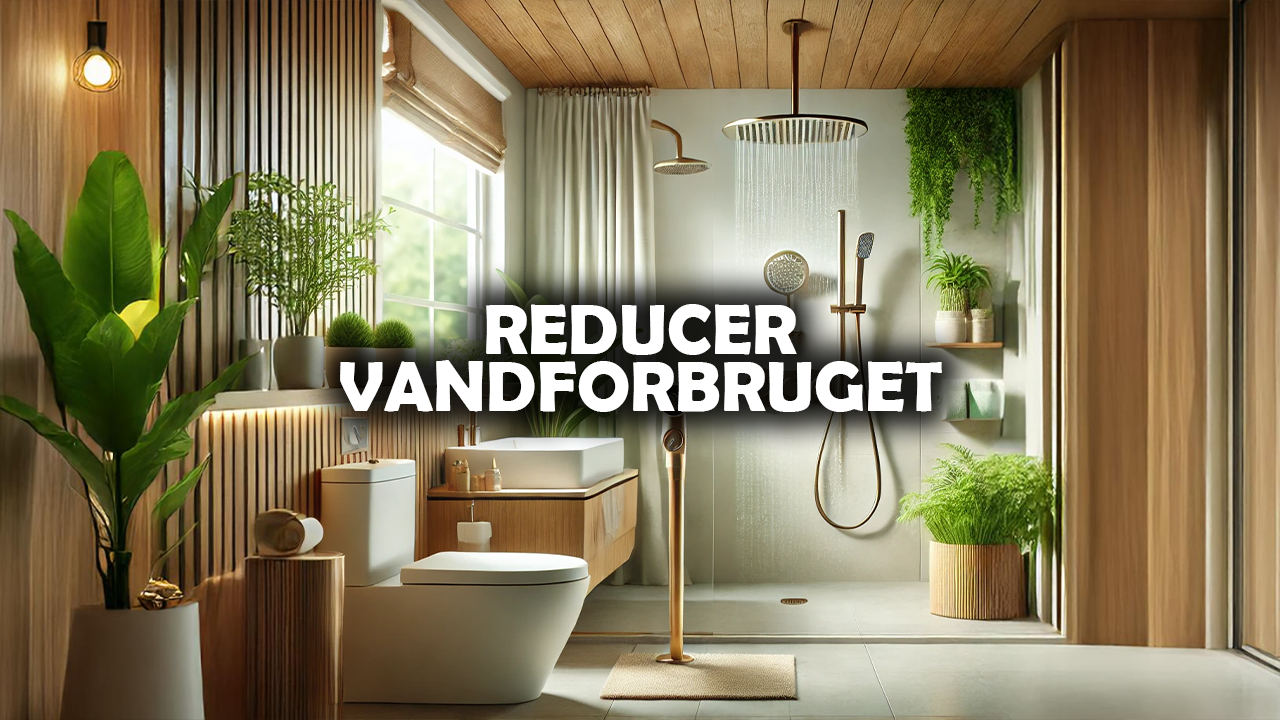
Reducing water consumption at home is not only a matter of using less water – it is about understanding how water is used in everyday life, how it is heated, and how even small changes can have a significant impact on both the environment and your finances. Water is one of the most valuable resources we have, and although Denmark generally has good water reserves, a great deal of energy is still required to pump, treat, and heat the water we use at home. Therefore, reducing water consumption in the home can be one of the most effective ways to live more sustainably, because you protect both the environment and your finances at the same time.
In addition, our consumption patterns are often driven by habit. Many people leave the water running unnecessarily for too long, take longer showers than necessary, or use dishwashers and washing machines inefficiently. These habits become such a fixed part of everyday life that they are rarely considered – but that is precisely why they offer enormous potential for improvement. Once you become aware of how much water you use during the course of a day, it becomes easier to change your routines, and you quickly gain a sense of control over something that can otherwise feel invisible.
Reducing water consumption at home is also about finding the right balance between comfort and sustainability. Many people mistakenly believe that saving water means cold showers, poorer water pressure, or compromises in everyday life. On the contrary, experience shows that most water-saving solutions provide the same or even better functionality – simply with lower consumption.
Water-saving shower heads, for example, provide a stronger and more pleasant flow because air is mixed into the water. Eco programmes on washing machines and dishwashers often clean better than traditional programmes because the machine works more intelligently with temperature and water volume. This means you get both quality and sustainability in the same solution.
Another major advantage of reducing water consumption at home is that it often results in double savings: you reduce both your cold water use and your hot water use – and hot water is typically one of the largest items on the energy bill. This means that even small adjustments can produce disproportionately large benefits. For example, shorter showers, better-insulated pipes, and optimising water use in the kitchen can significantly reduce both water and heating costs. This makes water savings one of the areas where you can notice a financial difference most quickly.
In addition, behavioural changes tend to spread. Once you have changed one habit – such as turning off the water while soaping yourself or fully loading the dishwasher – you often begin to think more sustainably in other parts of the home as well. This creates a positive snowball effect, where sustainability becomes a natural part of everyday life rather than a one-off effort.
Inspiration List – Good Tips for Reducing Water Consumption at Home
🚿 Take Shorter Showers to Minimise Water Consumption at Home
The shower is one of the places where household water consumption is often highest. Long showers are pleasant, but they use large amounts of both water and energy for heating. By reducing your shower time by just a few minutes, you can significantly lower water consumption – without giving up comfort. You can also consider installing a dual-flush toilet. A simple timer, a fixed routine, or a shower with a flow restrictor can make it easier to keep showers short, efficient, and sustainable in everyday life.
💧 Install Water-Saving Fittings to Control Water Consumption at Home
Modern water-saving fittings, such as tap aerators and low-flow shower heads, make it possible to significantly reduce water consumption at home without compromising on functionality. These fittings mix air into the water flow, so you experience the same pressure while using far less water. It is a simple improvement that can be implemented quickly and has a positive impact on both the environment and your monthly bill.
🍽️ Use the Dishwasher Correctly to Reduce Water Consumption at Home
A dishwasher can use far less water than washing dishes by hand – but only when it is used efficiently. By filling it completely, choosing eco programmes, and avoiding rinsing plates under running water before loading them, you can drastically reduce water consumption at home. Modern machines are designed to handle light food residue, so you do not waste water by letting the dishwasher do the work.
👕 Optimise Your Laundry Routine for Lower Water Consumption at Home
Laundry is a hidden source of high water consumption in the home. By washing full loads, choosing shorter programmes, and using lower temperatures, you can achieve significant savings. Many textiles can be aired instead of washed, which minimises both water and energy consumption while also being gentler on the clothes. Small changes to your laundry routine can have a major effect over time.
🌱 Collect Rainwater for Outdoor Use as an Alternative to Household Water Consumption
Rainwater is a free natural resource that can replace a large proportion of outdoor household water consumption. It can be used for watering the garden, cleaning, washing the car, and even filling bird baths. When you use rainwater instead of drinking water, you reduce pressure on the water supply and lower the need for treated water. This provides both environmental and financial benefits – especially during the summer months.
🛠️ Repair Leaks to Avoid Unnecessary Water Consumption at Home
Dripping taps, running toilets, and small leaks may seem harmless, but they can account for thousands of litres of wasted water each year. A running toilet alone can use several litres per minute. By repairing leaks quickly and maintaining your installations, you ensure that water is used efficiently. It is one of the most cost-effective ways to reduce water consumption at home.
******************************************************************
REMEMBER - Reducing water consumption at home is a simple way to combine greener living with lower bills.
Sustainable Materials and Furniture in the Home
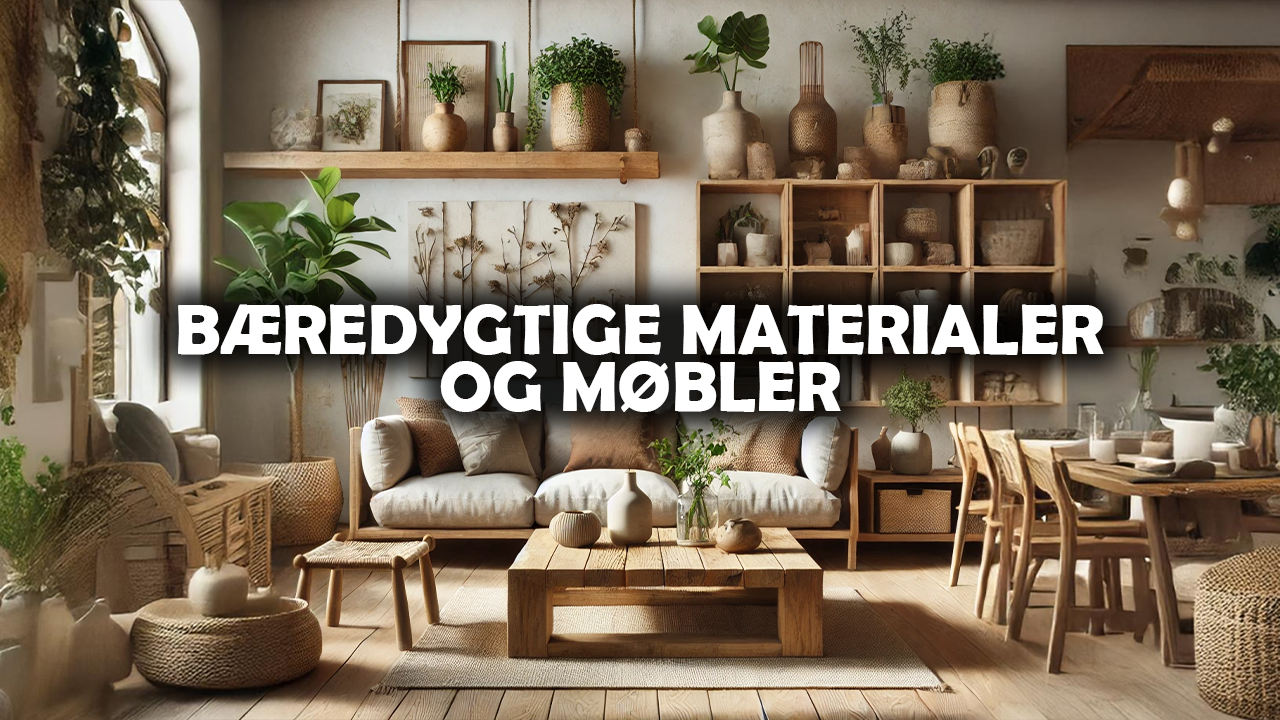
Furnishing your home with sustainable materials and furniture is not only about choosing products that have been manufactured in an environmentally friendly way – it is just as much about creating a home that lasts longer, requires fewer replacements, and is based on quality materials with a low environmental impact. A sustainable home is often a calmer, healthier, and more harmonious home, with a focus on natural materials, durability, and well-considered solutions. When you choose sustainable interior furnishings, you not only contribute to a greener planet, but also make your home more comfortable and functional.
Today, there are many opportunities to furnish your home sustainably – from furniture made from FSC-certified wood to paint without harmful chemicals and textiles made from recycled fibres. Sustainability in the home is also about thinking in terms of the full life cycle - How is the product made? How long will it last? Can it be repaired? And what happens to it when it is no longer used? When you ask these questions, you take greater control over both consumption and quality, and you make choices that are good for both you and the environment.
At the same time, sustainable interior furnishings can be financially beneficial because high-quality materials typically last longer and therefore need to be replaced less often. Second-hand furniture or upcycled solutions can also give your home character and personality – often at a much lower cost than new products. Many people discover that making sustainable choices also means making creative choices, where you find unique solutions that no one else has.
Inspiration List – Good Tips for Sustainable Materials and Furniture in the Home
🌳 Choose Materials for the Home That Are Naturally Sustainable
When you choose materials such as solid wood, bamboo, linen, wool, or cork, you are choosing naturally sustainable interior materials that have both a long lifespan and a low environmental impact. These materials are often produced using fewer chemicals and can be broken down or recycled when they eventually reach the end of their useful life. A piece of solid wood furniture can last for decades, be repaired when necessary, and even be given a new lease of life with some sanding or oiling. Naturally sustainable materials also help create a healthier indoor climate, as they do not release the same fumes as many synthetic products.
🔄 Use Second-Hand Furniture for a More Sustainable Home
Choosing second-hand furniture is one of the most direct ways to furnish your home sustainably. When you buy used items, you save the resources that would otherwise be needed to manufacture new furniture, while also ensuring that existing products are given a longer life. Second-hand furniture can have a unique charm that many new products simply cannot match. By giving the furniture a little care – perhaps a new colour, some oil, or new upholstery – you get something that is both sustainable and personal. At the same time, it is often far cheaper than buying new.
🛠️ Repair and Upcycle to Extend Sustainable Use in the Home
Repair and upcycling are key elements of a sustainability-focused home. Instead of replacing furniture, you can often repair it or give it a new purpose. An old chest of drawers can be transformed into a bathroom unit, a dining table can be sanded down, and a chair can be given new life with a new cushion. This form of creative reuse makes it possible to preserve the quality and history of the furniture while avoiding unnecessary consumption. It is also a fantastic way to express your personal style – without buying anything new.
🎨 Use Sustainable Paint and Surface Treatments in the Home
When choosing paint, wood oil, or varnish, it is important to look for eco-labelled or sustainably produced alternatives. Conventional paint can contain harmful chemicals that affect both the indoor climate and the environment. Sustainable paint is made with a lower VOC content and is often based on natural raw materials. This creates a healthier environment in the home and makes the maintenance of furniture and walls more responsible. Many sustainably produced paints are just as high in quality as conventional options – only with a much lower environmental impact.
🧵 Choose Home Textiles That Are Responsibly and Sustainably Produced
Textiles such as curtains, cushions, rugs, and furniture upholstery have a major influence on both the appearance and the sustainability level of the home. When you choose textiles made from organic cotton, linen, wool, or recycled fibres, you support more responsible production that uses fewer pesticides, less water, and fewer chemicals. In addition, many sustainably produced textiles are high quality and have a longer lifespan. This means they need to be replaced less often, which in turn reduces your overall consumption.
**********************************************************
REMEMBER - When you make sustainable choices for your home, you are investing in both quality and the environment. A greener home is also often a more beautiful and more personal home.
Waste Management and Recycling at Home
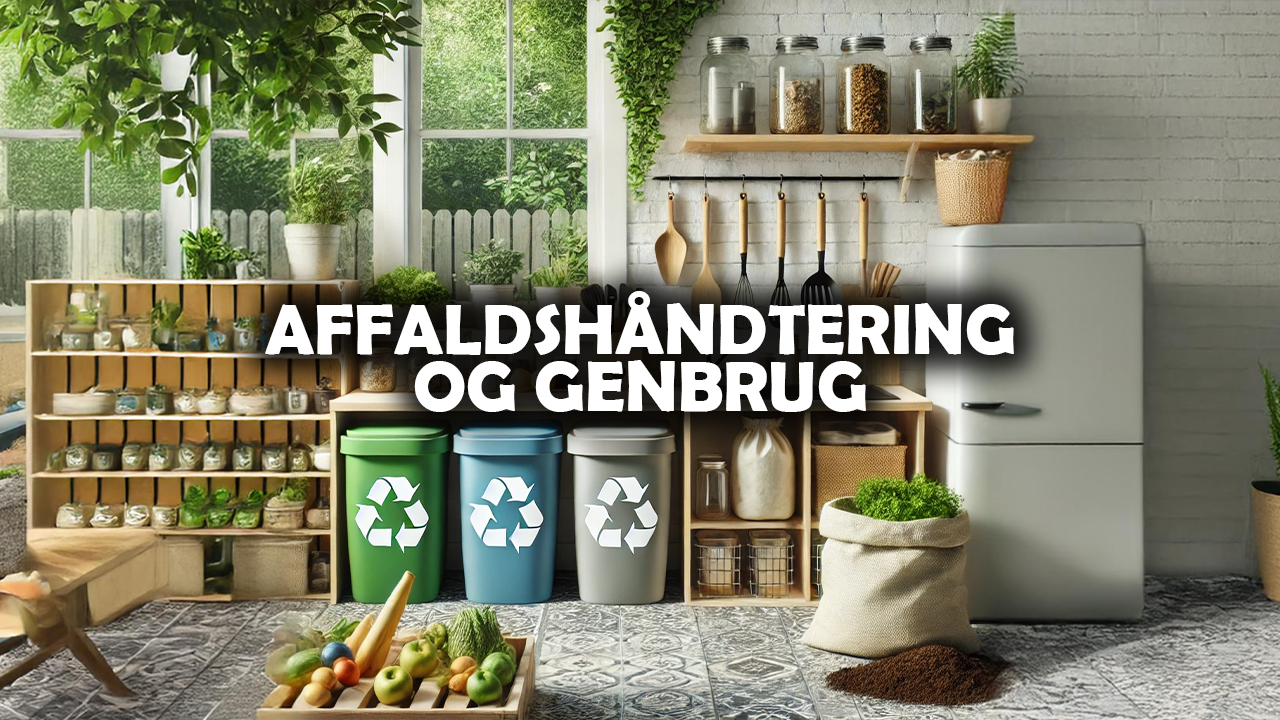
Effective waste management and recycling are some of the most direct ways you can strengthen sustainability at home. Although many people think of waste as something that simply needs to be removed from the home, it is actually a valuable resource when handled correctly. Every time you sort waste properly, choose to recycle materials, or reduce the amount of single-use products you use, you help reduce environmental impact and promote a more circular way of thinking in everyday life.
Sustainability at home is largely about creating new habits around the things we throw away. Many of us produce far more waste than we realise, and a large proportion of it can either be recycled, reused, or avoided altogether through smarter choices. When you actively work with waste management, you also gain a better overview of your consumption and can more easily see where you can reduce unnecessary purchases and create a more responsible household.
In addition, reuse plays a central role in extending the lifespan of materials. Things we no longer need can still have great value to others. By passing on or selling furniture, textiles, and usable items, you reduce the need for new production and contribute to a more circular economy. This creates sustainability not only in the home, but also in the wider community around you.
Inspiration List – Good Tips for Waste Management and Recycling at Home
♻️ Sort Waste Systematically to Strengthen Sustainability at Home
Systematic waste sorting is the foundation of sustainability at home because correctly sorted waste can be recycled far more effectively. Cardboard, paper, plastic, metal, glass, and food waste require different treatment processes, and when you make sure that the materials end up in the right place, you reduce both CO₂ emissions and the need for new production. Consider investing in clear, separate containers so that sorting becomes easy and manageable for everyone in the household. When sorting becomes a natural part of everyday routines, you will quickly see how much of a difference it can make to both the environment and the amount of waste you produce.
🔄 Reuse Everything That Can Contribute to Sustainability at Home
Reuse is one of the most effective ways to create greater sustainability at home because it extends the lifespan of items and reduces the need to buy new ones. Many things that might otherwise be thrown away can be given a new life with someone else – from furniture and clothing to toys, kitchen equipment, and electronics. Reuse can take place through donations, swap markets, charity shops, or online marketplaces. By passing things on instead of throwing them away, you contribute to a more circular economy in which resources are used again and again rather than ending up as waste.
🛠️ Repair Items to Promote Long-Term Sustainability at Home
Repair is an often overlooked but very effective approach to sustainability at home. When you repair a chair, sew up a tear in a piece of clothing, or replace a zip instead of buying something new, you save both money and resources. Many items only need small repairs to be given a new lease of life, and you can easily learn basic repair techniques through videos or local workshops. A culture of repair reduces the amount of waste and extends the lifespan of materials, which is an important part of the sustainable cycle.
📦 Reuse Packaging to Support Sustainability at Home
Packaging makes up a large proportion of the waste in many Danish homes. By reusing bags, jars, plastic containers, and cartons before throwing them away, you can extend their life cycle and reduce the amount of single-use materials. Jars can be used to store dry goods, plastic containers can be used as food storage boxes, and gift wrapping can be made from paper bags or old newspapers. This approach not only makes waste management more sustainable – it also encourages creativity and greater awareness of how materials can be used more intelligently.
🍃 Reduce Single-Use Products to Create Lasting Sustainability at Home
Single-use products such as cotton pads, napkins, plastic bags, and disposable tableware create large amounts of waste. By replacing them with reusable alternatives – such as cloth napkins, reusable fabric make-up pads, mesh bags, stainless-steel straws, and durable kitchen equipment – you take an important step towards greater sustainability at home. Reusable alternatives are often more pleasant to use, more attractive, and far cheaper in the long run. This change alone can significantly reduce the amount of waste you produce.
You can find a little more inspiration for alternatives to everyday plastic products in our article - Good Tips for the Best Eco-Friendly Alternatives to Plastic in Everyday Life
🔁 Buy Recycled Products to Support Sustainability at Home
Buying products made from recycled materials is an effective and responsible way to strengthen sustainability at home. When you choose recycled materials, you reduce the need for new production and at the same time lessen the impact on the environment. Today, there is a wide range of products made from recycled materials – everything from furniture made from reclaimed wood to cleaning cloths, paper products, textiles, and kitchen equipment made from recycled plastic.
These products are often high quality and have a unique appearance because they are made from materials that have already had a previous life. By choosing recycled products, you send a clear message that resources should be used to their fullest potential, which is a central part of sustainability at home. It is a simple but meaningful way to make your home greener and more responsible in everyday life.
🌿 Start Composting to Strengthen Sustainability at Home
A compost bin in the garden is one of the most effective ways to promote sustainability at home because it turns food scraps and garden waste into nutrient-rich soil instead of sending them for incineration. When you compost, you significantly reduce the amount of household waste while creating a natural and free soil improver that your plants will love.
Composting supports a circular way of thinking, where resources remain in the cycle and are used again instead of being regarded as waste. The process only requires a compost bin and a little persistence, but the benefits are considerable: less waste, better soil, a lower CO₂ footprint, and a more sustainable lifestyle. It is a simple and green solution that makes a noticeable difference in everyday life.
**************************************************************
REMEMBER - Sustainability at home begins with the things you choose to keep – not the things you throw away. When you sort and reuse, you give both the environment and your belongings a longer life.
A Sustainable Indoor Climate at Home

A healthy and sustainable indoor climate is one of the most important factors for wellbeing, health, and energy consumption in the home. Many people primarily think about air quality, but a sustainable indoor climate involves much more than that - ventilation, temperature control, humidity balance, materials, noise levels, and lighting conditions all play a crucial role. When these elements are properly balanced, you not only create greater sustainability at home – you also create a home that feels more comfortable, fresh, and energy-efficient.
In many homes, the indoor climate is unnecessarily affected by moisture, dust, chemical fumes, and poor ventilation. This can lead to allergy problems, tiredness, mould, and higher energy consumption because the air is not circulating optimally. Improving the indoor climate is therefore largely about making small changes with a big impact: regular airing, using sustainable materials without harmful chemicals, regulating humidity levels, and optimising heating and ventilation systems. These measures not only strengthen sustainability at home, but also make everyday life more comfortable.
A sustainable indoor climate is also about creating a balance between heating and ventilation. For example, poor insulation can lead to draughts and thermal bridges, while inadequate ventilation can cause moisture problems, even in newer homes. By understanding how these elements work together, you can effectively improve both comfort and energy consumption. And because many improvements can be implemented through simple changes to your routines, this is an area where you can quickly see results.
Inspiration List – Good Tips for a Sustainable Indoor Climate at Home
🌬️ Air Out Regularly to Improve the Indoor Climate and Sustainability at Home
Regular airing is one of the most effective ways to strengthen sustainability at home because fresh air reduces the need for heating, improves air quality, and lowers the risk of moisture and mould. When you air out your home with a through-draught for short periods – typically 5 to 10 minutes – you replace stale air without cooling down the walls. This keeps energy consumption low and helps maintain a healthy indoor climate. Frequent airing is especially important in the kitchen, bathroom, and bedroom, where moisture and particles can quickly build up. This practice creates a fresh, comfortable home and directly contributes to greater sustainability at home.
🌡️ Maintain a Stable Temperature to Promote Healthy Comfort and Sustainability at Home
A stable, moderate temperature is essential for both comfort and sustainability at home. When the temperature fluctuates too much, the risk of moisture increases and the heating system has to work harder, resulting in unnecessary energy consumption. By keeping your home at around 19–21 degrees and regulating the heat evenly from room to room, you create a more comfortable and sustainable indoor environment. This helps you avoid draughts, dry air, and cold areas that typically lead to excessive energy use. A stable temperature improves both the indoor climate and your home’s energy efficiency.
🌱 Use Plants to Support Good Air Quality and Natural Sustainability at Home
Indoor plants can play a surprisingly important role in sustainability at home. They filter the air, capture dust particles, improve humidity levels, and create a more natural and calming atmosphere. Plants such as peace lilies, snake plants, and areca palms are particularly good at purifying the air and require relatively little maintenance. By incorporating plants into your home’s interior, they contribute both to a healthy indoor climate and a sustainable home, bringing nature into everyday life.
🧼 Avoid Harmful Chemicals to Protect the Environment and Sustainability at Home
Many cleaning products and personal care products contain chemicals that release fumes and particles which can be harmful to both people and the environment. When you choose eco-labelled, natural, or sustainably produced cleaning products, you strengthen sustainability at home by minimising chemical exposure and improving air quality. In addition, you can often achieve the same cleaning results using simple products such as vinegar, bicarbonate of soda, and citric acid, which are both cheaper and much gentler on the indoor climate.
🧹 Reduce Dust to Support a Cleaner and More Sustainable Indoor Climate
Dust contains chemicals, allergens, and microplastics, and high levels of dust can affect both air quality and wellbeing. By reducing dust through frequent cleaning, vacuuming with a HEPA filter, and regularly washing textiles, you reduce the burden on the indoor climate. This also helps promote sustainability at home because less dust and fewer particles mean better air quality and less need for ventilation and other measures to correct indoor climate problems.
*************************************************************************
REMEMBER - A healthy indoor climate is the foundation of genuine sustainability at home. When you improve your indoor climate, you improve your quality of life, health, and sustainability.
Sustainable Cooking and Food Waste
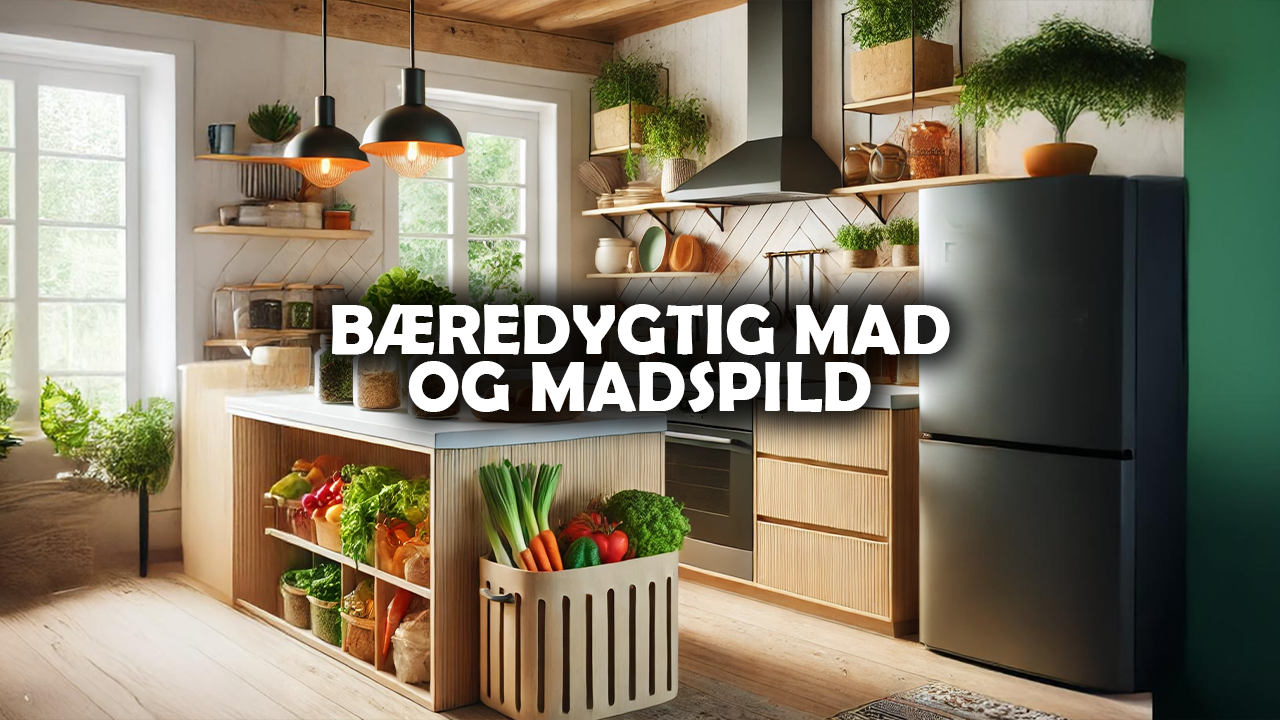
Sustainable cooking and reducing food waste are key elements in the effort to create greater sustainability at home. Every day, large amounts of food are thrown away that could have been used, reused, or prepared in new ways. This is both costly for households and harmful to the environment, because food production requires enormous resources such as water, energy, and labour. When we allow food to go to waste, we also waste all the resources that went into producing it.
By thinking more consciously about meal planning, food storage, and how leftovers are used, you can immediately strengthen sustainability at home. Sustainable cooking is also about choosing seasonal ingredients, using the whole vegetable from root to tip, and using energy efficiently in the kitchen – for example, by cooking larger portions, making use of residual heat, or preparing several things in the oven at the same time. When you become more aware of your food consumption and routines, you can save money, reduce waste, and make cooking more creative and environmentally friendly. It is not about changing everything, but about changing small things that, over time, create major improvements.
Inspiration List – Good Tips for Sustainable Cooking and Reducing Food Waste at Home
🧾 Plan Your Meals to Increase Sustainability at Home
Meal planning is an effective tool for avoiding impulse purchases and reducing food waste. By planning the week’s meals, you avoid buying ingredients that you do not end up using, and you ensure that everything in the fridge has a specific purpose in your cooking. Meal planning supports sustainability at home because you work more strategically with your ingredients and create a better routine for shopping and cooking. At the same time, it makes everyday life easier and more manageable.
You can find inspiration for creating a meal plan in our article - Save Money on Your Food Budget - Good Tips for an Affordable Meal Plan
🌾 Buy Local and Organic Food to Promote Sustainability at Home
Choosing local and organic food is an effective way to strengthen sustainability at home because it reduces transport distances and decreases dependence on harmful pesticides and intensive production. Local ingredients often have a shorter journey from farm to table, which both preserves freshness and reduces CO₂ emissions from transport. Organic food is produced without synthetic pesticides and with a focus on natural cycles, making it a more environmentally friendly choice in everyday life. When you buy local and organic products, you also support local producers and contribute to a more resilient and sustainable food culture. This approach creates greater awareness of where food comes from and supports a food culture in which quality, responsibility, and sustainability at home go hand in hand.
🥕 Use the Whole Ingredient to Increase Sustainability at Home
Using the whole ingredient – including peel, leaves, stalks, or stems – is one of the most direct ways to strengthen sustainability at home. Many vegetables can be used from root to tip, and by incorporating all parts into soups, stir-fries, smoothies, or stock, you avoid unnecessary waste. A whole-ingredient approach often provides more flavour, more nutrients, and a financial benefit because you get more from every ingredient. It makes cooking both greener and more creative.
📦 Store Food Properly to Promote Long-Term Sustainability at Home
Proper food storage is essential for preventing premature spoilage and reducing food waste. When ingredients are stored at the correct temperatures and in suitable containers, they can last significantly longer. The different zones in your fridge play an important role here, while airtight containers can help prevent food from drying out and reduce bacterial growth. Effective food storage is a key factor in sustainability at home because it reduces the need for frequent shopping and decreases the amount of food that ends up in the bin.
🍲 Cook Large Portions to Support Practical Sustainability at Home
Preparing larger portions at once can be a major advantage for both your finances and sustainability at home. When you use the oven or hob efficiently and prepare food for several days, you reduce energy consumption and ensure that easy meals are always ready. This reduces the temptation to order takeaway and makes it easier to maintain a consistent and sustainable meal plan. Leftovers can be frozen, used in new dishes, or combined creatively so that nothing goes to waste.
You can find inspiration for healthy and tasty casseroles that you can eat over several days in our article - Good Tips for Cheap, Healthy and Delicious Casseroles That Last for Several Days
♻️ Use Leftovers Creatively to Strengthen Sustainability at Home
Leftovers do not have to be boring – on the contrary, they can become delicious new dishes. Leftover rice can be turned into fried rice, half a pepper can go into an omelette, and a few cooked potatoes can be used in a lunch salad. When you work creatively with leftovers, you reduce food waste and strengthen sustainability at home. It is about seeing possibilities instead of throwing food away, and many people find great enjoyment in developing new dishes based on what is left.
You can find inspiration for how to use leftovers in a good and creative way in your cooking in our article - Good Tips for How to Use Leftovers in a Good and Creative Way
🌿 Compost Food Scraps to Strengthen Sustainability at Home
Composting food scraps is an effective and environmentally friendly way to promote sustainability at home because it turns waste into valuable fertiliser instead of sending it for incineration. When you compost vegetable peelings, coffee grounds, eggshells, and other organic scraps, you create a natural cycle in which nutrients are returned to the soil. This significantly reduces the amount of household waste while also providing your garden with nutrient-rich and completely free fertiliser. Composting is easy to get started with – whether you have a large garden or simply a small terrace with a compost bin. By making composting a regular part of your everyday routine, you create a stronger and more circular form of sustainability at home, where nothing goes to waste and everything is given new life.
************************************************************************
REMEMBER - When you plan your cooking more effectively, you throw away less – and live more sustainably. Sustainable cooking brings together practicality, flavour, and savings.
Renewable Energy at Home
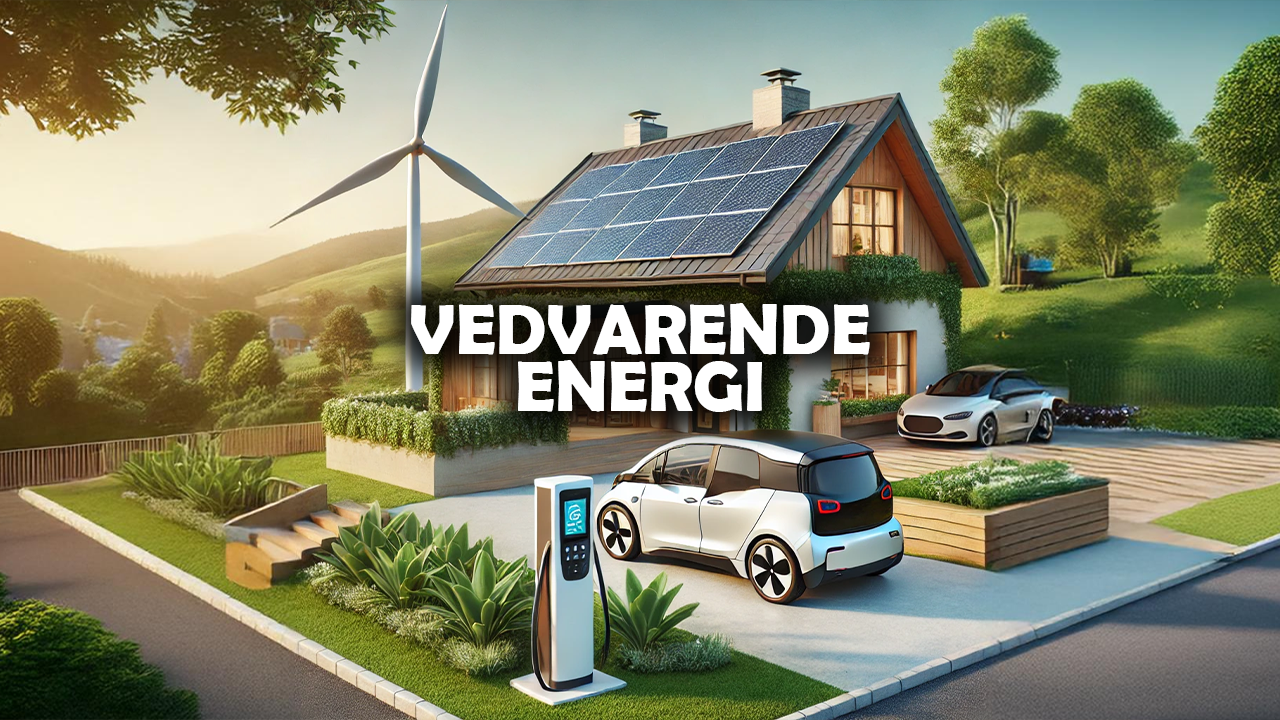
Renewable energy is one of the most effective ways to strengthen sustainability at home because it reduces dependence on fossil fuels and significantly lowers CO₂ emissions. When you bring more renewable energy into everyday life – whether through solar panels, heat pumps, ground-source heating, or green energy solutions – your home becomes both more climate-friendly and often cheaper to run in the long term. Investments in renewable energy sources can seem substantial, but they typically provide a clear financial return over time, while also making the home more energy-stable and future-proof.
However, sustainability at home is not only about major technical installations. Even smaller measures, such as choosing green electricity from your energy supplier or optimising the way you heat and use energy in your home, can have a significant effect. Many Danish homes already have the option to switch to more environmentally friendly forms of energy without extensive renovations. It simply requires a little insight into what suits the home and your lifestyle.
Renewable energy contributes not only to a greener future, but also to a more comfortable and stable everyday life. Modern energy solutions are often more reliable, quieter, and more efficient than older heating systems. At the same time, technology makes it easier to monitor and control energy consumption, allowing you to use resources more intelligently – a core component of sustainability at home.
Inspiration List – Good Tips for Renewable Energy at Home
☀️ Install Solar Panels to Increase Sustainability at Home
Solar panels are one of the most popular renewable energy solutions, and they can significantly strengthen sustainability at home. Solar panels convert the sun’s energy into electricity, which you can use directly in your home or store in battery systems. This reduces the need to buy electricity from the grid and considerably lowers your CO₂ emissions. Over time, you will benefit from lower running costs and greater energy independence. Solar panels require an investment, but the benefits – both financial and environmental – are substantial.
🌱 Use Ground-Source Heating to Strengthen Sustainability at Home
Ground-source heating is one of the most stable and long-term solutions for heating a home and can play a major role in strengthening sustainability at home. Ground-source heating systems use the natural heat stored in the ground and convert it into energy that can be used both for heating the home and producing hot water. Because the ground temperature remains relatively constant throughout the year, ground-source heating is a highly efficient and reliable energy source.
Although installation requires garden space and a certain level of investment, ground-source heating offers major benefits - lower running costs, significantly reduced CO₂ emissions, and an almost maintenance-free heating solution. For homeowners who want a long-term and environmentally friendly form of energy, ground-source heating is an obvious choice that contributes directly to greater sustainability at home.
🔥 Choose a Heat Pump to Support Environmentally Friendly Sustainability at Home
Heat pumps are an energy-efficient and climate-friendly way to heat the home. They extract heat from the outside air, the ground, or groundwater and convert it into heating and hot water for the home. This makes them one of the most sustainable heating solutions you can choose. A heat pump significantly reduces both energy consumption and CO₂ emissions and can completely replace oil and gas boilers. Their stable operation, low maintenance requirements, and long lifespan make heat pumps a central part of sustainability at home for many years to come.
🌬️ Use Wind Energy to Expand Sustainability at Home
If you live somewhere with good wind conditions, a small domestic wind turbine can be a highly effective way to produce green electricity and thereby strengthen sustainability at home. Wind energy is a clean, renewable energy source that can reduce dependence on the electricity grid and significantly lower CO₂ emissions in everyday life. A small wind turbine can supply a significant proportion of a home’s electricity consumption, especially on open plots, in rural areas, or in places with stable wind conditions.
Although installation requires an investment and may require permission from the local authority, the benefits in the form of lower electricity costs and greater energy independence can often be noticeable after just a few years. Wind energy is therefore a strong complement to other green solutions such as solar panels and heat pumps – and an effective step towards greater sustainability at home.
🌍 Switch to Green Electricity to Expand Sustainability at Home
If you do not have the option to install solar panels or a heat pump, you can still make a big difference by choosing an electricity supplier that provides power from renewable energy sources. Green electricity typically comes from wind turbines, solar energy, or hydropower, and although you physically receive the same electricity as everyone else, your choice means that more renewable energy is produced at national level. This contributes directly to sustainability at home and supports a more environmentally friendly energy infrastructure.
💧 Use Solar Thermal Energy for Hot Water to Increase Sustainability at Home
Solar thermal energy is a technology that uses the sun’s energy to heat domestic hot water. It is a simple and effective way to reduce energy consumption at home, especially during the summer months, when a large proportion of hot water demand can be covered by solar energy. Solar thermal systems can be combined with both existing heating systems and other renewable energy solutions. The reduced energy costs and low running expenses make solar thermal energy an obvious choice for those who want to expand sustainability at home without completely changing the home’s heating system.
*******************************************************************
REMEMBER - A home powered by renewable energy is a home with lower bills and greater responsibility. Renewable energy is not only the future – it is the path to greater sustainability at home today.
You can find more inspiration for creating a sustainable home through renewable energy sources in our article - Good Tips for Sustainable Heating - The Best Solutions for Environmentally Friendly Homes
Digital Sustainability at Home
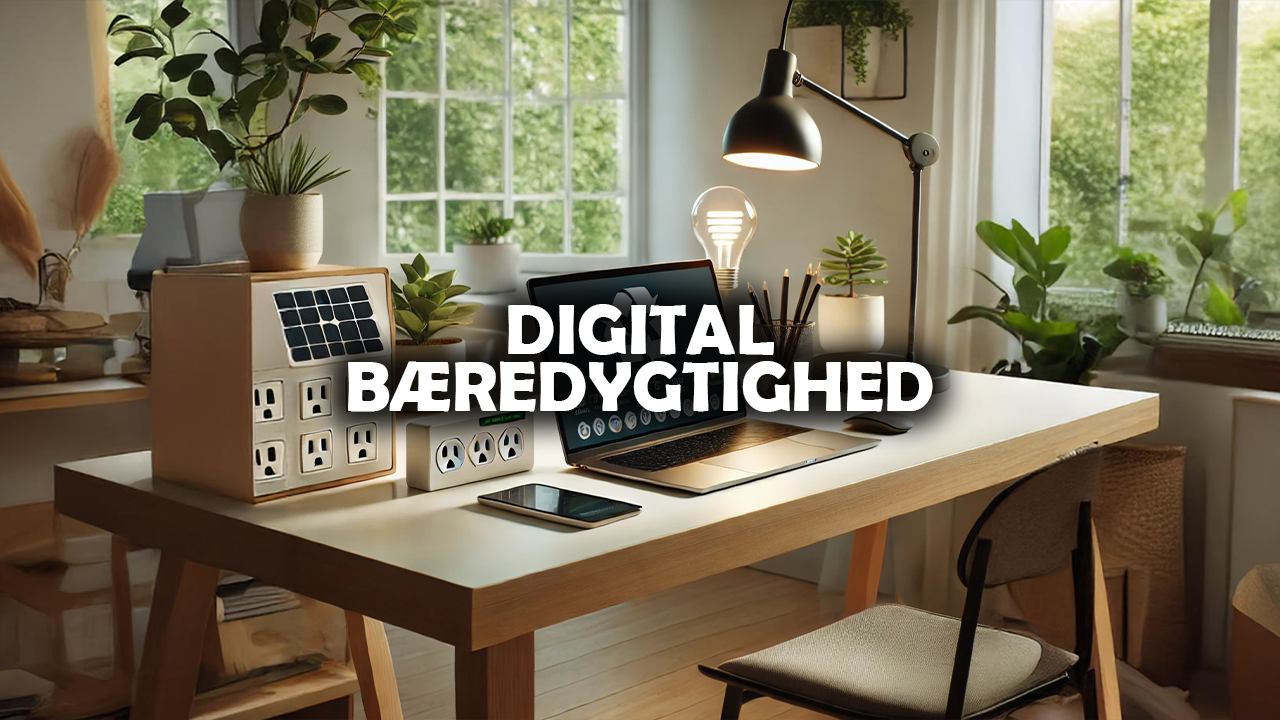
Digital sustainability is about much more than simply using less electricity. It is about being aware of how technology, electronics, and digital habits affect the environment, energy consumption, and the use of resources in everyday life. In a world where we are surrounded by smartphones, computers, tablets, TVs, and internet-connected devices, digital consumption is becoming an important part of creating greater sustainability at home.
Electronics require large amounts of energy and raw materials to produce, and when devices are replaced too frequently, the pressure on both the environment and household finances increases. Digital sustainability is therefore also about using your devices for longer, maintaining them better, and choosing technological solutions that support a more responsible lifestyle. At the same time, energy-efficient digital habits – such as switching devices off properly, minimising standby power consumption, and using smarter power management – can significantly reduce electricity use.
Digital sustainability at home is also about information habits: storing fewer unnecessary files, clearing out digital data, and choosing cloud solutions powered by green energy. Although digital data may seem intangible, it relies on physical data centres that use large amounts of electricity. By optimising your digital routines, you therefore take an active part in creating a greener future.
Inspiration List – Good Tips for Digital Sustainability at Home
🔌 Switch Off Electronics That Are Not in Use to Promote Sustainability at Home
Standby power consumption is one of the most overlooked burdens in our modern digital lives. Many devices use electricity even when they appear to be switched off, and this hidden consumption can become significant over time. By switching electronics off completely – either directly at the socket or by using a power strip with an on/off switch – you reduce energy waste and strengthen sustainability at home. It is a simple habit with a major effect, both for the environment and your electricity bill.
🖥️ Use Electronic Devices for Longer to Support Sustainability at Home
One of the most important factors in digital sustainability is extending the lifespan of electronic devices. Producing new equipment requires large amounts of metals, energy, and resources, so every time a computer or phone is used for just one year longer, it creates noticeable benefits for both the environment and your finances. By taking care of your devices, replacing batteries, updating software, and repairing minor faults instead of buying new products, you actively take responsibility for greater sustainability at home. It is a modern way to reduce resource consumption without compromising on function or quality.
📦 Reuse and Recycle Electronics to Increase Sustainability at Home
Electronics contain valuable materials that can be recovered and used in new products. That is why proper recycling and disposal of electronic waste are essential for sustainability at home. By taking old phones, computers, cables, and batteries to recycling centres or electronics retailers, you help ensure that the materials are recovered and reused in an environmentally responsible way. In this way, you minimise both the amount of waste and the need for new raw material extraction – a central part of the circular economy of the future.
🌐 Choose Green Web Hosting Services to Support Sustainability at Home
If you own a website or run digital projects, you can actively strengthen sustainability at home by choosing a web hosting provider that uses renewable energy. Data centres consume enormous amounts of electricity for operation and cooling, so choosing a provider that uses solar, wind, or hydropower instead of fossil fuels makes a tangible difference. Green hosting reduces the CO₂ footprint of your digital activities, and even though these activities take place online, they still play a real role in sustainability at home because they reflect your digital habits and choices. It is a simple but often overlooked opportunity to make your digital solutions more responsible – while also supporting companies that actively work towards a greener future.
☁️ Clear Out Digital Files to Contribute to Sustainability at Home
Although digital files may seem intangible, they require physical storage space on servers that use energy for operation and cooling. By clearing out your email inbox, deleting unnecessary photos and videos, and minimising data use in cloud services, you indirectly reduce energy consumption and create a more sustainable digital everyday life. The less data you store, the less energy is required in data centres – and this supports sustainability at home in a way that many people are not even aware of.
📤 Share Data and Documents Instead of Printing to Strengthen Sustainability at Home
Sharing documents, images, and information digitally is a simple and effective way to promote sustainability at home. When you choose to send files electronically instead of printing them, you save paper, toner, and electricity – while also reducing the need for storage and unnecessary waste. Many documents do not need to exist on paper at all in everyday life, as cloud solutions, email, and sharing platforms make collaboration and archiving much easier. By developing a habit of digital sharing instead of printing, you create a more modern and environmentally friendly approach to managing information, which supports sustainability at home while also making everyday life more efficient and manageable.
🕒 Use Power Management and Timer Functions to Make Sustainability at Home More Efficient
Small technological tools can make a big difference. Timer-controlled sockets, energy-saving settings on your router, switching off screens during breaks, and using “sleep mode” reduce electricity consumption with very little effort. These features use energy more efficiently and make it easier to maintain sustainability at home – especially in households with many electronic devices.
You can find inspiration for how gadgets can help make your home more efficient and sustainable in our article - Smart Gadgets for the Home - Technology That Makes Your Home Smarter and More Efficient
**********************************************************************
REMEMBER - When technology works greener, your home does too, and small positive digital habits can create major green results that benefit the future, responsible living, and your energy budget.
Conclusion

Making your home more sustainable is not a project that has to be completed in a single day – it is a process that grows alongside your habits, your needs, and the small changes you introduce into everyday life. When you work towards greater sustainability in your home, it is not only about major investments such as solar panels, heat pumps, or new energy solutions. It is just as much about the many small decisions you make every day: how you sort waste, how you prepare your meals, which materials you choose, and how you use technology and energy.
The most important thing is simply to start somewhere. Every improvement – no matter how small – contributes to a greener everyday life and creates a home that is healthier, cheaper to run, and more harmonious to live in. Sustainability at home is the sum of many choices, and every single step brings you closer to a home that works with you and for the environment, rather than against it.
Once you begin to experience the benefits of a more sustainable home, your motivation naturally grows. It becomes easier to think green, easier to develop new habits, and easier to see opportunities that were previously hidden. And the best part is that sustainability does not require perfection – only intention and consistency in the small things. Start with some of the tips mentioned above in this article that best suit your home and lifestyle, and work your way towards a more sustainable way of living for the benefit of society as a whole and the world around us.
***********************************************************
REMEMBER - A sustainable home starts with you – and the choices you make every day. Living sustainably does not require perfection – only the willingness to begin making greener and more sustainable decisions about your home.
Mini Guide – How to Create a More Sustainable Home
This mini guide is a summary of the article above and provides useful tips on how to make your home more sustainable for the benefit of your health, your finances, and our planet.
Understand the Basic Principles Behind a Sustainable Home
A sustainable home begins with understanding how your daily habits affect energy, resources, and the environment. When you become aware of how much electricity, water, heating, and materials are actually used in the home, it becomes much easier to see where you can make adjustments. The basic principles behind a sustainable home are less waste, smarter consumption, reuse, responsible materials, and a focus on long-lasting solutions. The better you understand these mechanisms, the easier it becomes to make choices that benefit both the environment and your finances.
Optimise Energy Consumption in Your Sustainable Home
Energy consumption is one of the largest areas of use in a sustainable home. By switching to LED bulbs, using energy-efficient household appliances, switching off standby power, and maintaining a stable and moderate room temperature, you can significantly reduce both your CO₂ footprint and your electricity bill. The aim in a sustainable home is not for you to be cold or sit in the dark, but to make the best possible use of the energy you pay for. Small measures such as timers, thermostats, and mindful use of lighting can have surprisingly large effects over time.
Reduce Water Consumption in Your Sustainable Home
A sustainable home uses water thoughtfully. Shorter showers, water-saving shower heads and taps, full washing machines and dishwashers, and paying attention to dripping taps are some of the most important measures. When you reduce water consumption, you also reduce the energy used to heat water, making your home even more sustainable. It is not about making everyday life inconvenient, but about eliminating unnecessary consumption while maintaining comfort.
Choose Materials That Support a Sustainable Home
The materials in your home have a major influence on how sustainable it is. Natural materials, second-hand furniture, FSC-certified wood, organic textiles, and paint without harmful chemicals contribute to both a healthier indoor climate and a lower carbon footprint. A sustainable home is characterised by items that are made to last, can be repaired, and do not place unnecessary pressure on the environment. When you prioritise quality and durability over disposable and low-quality solutions, you save resources in the long term.
Sort and Recycle Waste in Your Sustainable Home
Waste sorting and recycling are absolutely central elements of a sustainable home. By correctly sorting plastic, metal, glass, paper, cardboard, and food waste, you help ensure that materials can be recycled instead of ending up as residual waste. At the same time, you can think in terms of reuse and upcycling: repairing rather than throwing away, selling or passing items on, and reusing packaging and jars for storage. A sustainable home sees waste as a resource that can be returned to the cycle.
Create a Healthy Indoor Climate in Your Sustainable Home
A healthy indoor climate is an important part of a sustainable home because it affects wellbeing, health, and energy consumption. Regular airing with a through-draught, using plants, natural cleaning products, and focusing on moisture control all make the air cleaner and more comfortable. When the indoor climate is balanced, the need for additional heating, dehumidifiers, or other energy-intensive solutions is reduced. A sustainable home is a place where you can breathe freely – quite literally.
Think Digitally in a Modern Sustainable Home
Digital behaviour plays an increasingly important role in a sustainable home. By reducing standby power consumption, using your devices for longer, clearing out unnecessary digital data, and choosing green cloud and hosting solutions, you can lower the hidden carbon footprint of your digital everyday life. A sustainable home is not only about physical things, but also about how you use technology – whether it concerns electricity, equipment, or data.
Integrate Renewable Energy into Your Sustainable Home
Renewable energy sources such as solar panels, heat pumps, ground-source heating, or green electricity from your energy provider can take your home to a new level of sustainability. When a greater share of the energy in a sustainable home comes from the sun, wind, or ground, CO₂ emissions fall significantly, and you become less dependent on fluctuating energy prices. It requires investment, but provides long-term benefits – both financially and environmentally.
Plan Cooking in a Sustainable Home
Food waste is one of the major environmental problems, which is why meal planning and making full use of ingredients are important elements of a sustainable home. By planning meals, using leftovers, buying according to need, and using the whole ingredient, you reduce both waste and your CO₂ footprint. At the same time, you save money and create more structure in everyday life. A sustainable kitchen is a kitchen where nothing goes to waste if it can be avoided.
Use Healthy Everyday Habits to Build a Holistic Sustainable Home
The most effective sustainable home is created through small, healthy daily habits - switching off the lights when you leave a room, turning the heating down slightly, cycling, repairing instead of replacing, sorting waste, reusing, and thinking twice before buying something new. A sustainable home is not about perfection, but about direction – and every small action you repeat gradually helps build a greener home.
**************************************************
If you would like more inspiration on how to make your home more sustainable, you can watch this video - Get Inspiration for Living More Sustainably
----------------------------------
If you have experience and/or knowledge of how to make your home more sustainable, we would be happy to hear your input and/or suggestions in the comments section, including other creative ideas for making your home more sustainable