Electric cars and hybrid cars are more prominent than ever in car advertising, the news, and everyday life in Denmark. As greenhouse gas emissions, air pollution, and rising fuel prices put increasing pressure on both the environment and household finances, the need to understand the real differences between these two popular types of cars is growing. Many Danes are considering moving away from traditional petrol and diesel cars, but are left with questions such as - Which option is actually the most environmentally friendly? Which one best suits my driving needs? And what does it mean in the long term for both the climate and my wallet?
Before making a choice, it is essential to understand the key differences in technology, energy consumption, and environmental impact. Electric cars run entirely on electricity and generally have a lower CO₂ footprint while driving, especially when charged using renewable energy.
Hybrid cars, on the other hand, combine an electric motor with a traditional combustion engine, providing greater flexibility and lower fuel consumption – but also an environmental impact that depends on how the car is used in everyday driving.
At the same time, factors such as battery production, charging options, driving patterns, winter weather, range, and increasingly strict political requirements for greener transport are playing a growing role. Many people misunderstand the differences or underestimate how much their own daily routine determines which type of car is ultimately the most sustainable option.
This article gives you a clear and balanced overview of the advantages, disadvantages, environmental impact, and practical considerations of both electric cars and hybrid cars. The aim is to give you the best possible basis for choosing a car that suits your needs while minimising its impact on the climate – whether you have a long commute, only drive short journeys in the city, or simply want to make a greener choice when buying a car.
Electric Cars - 100% Electric Transport
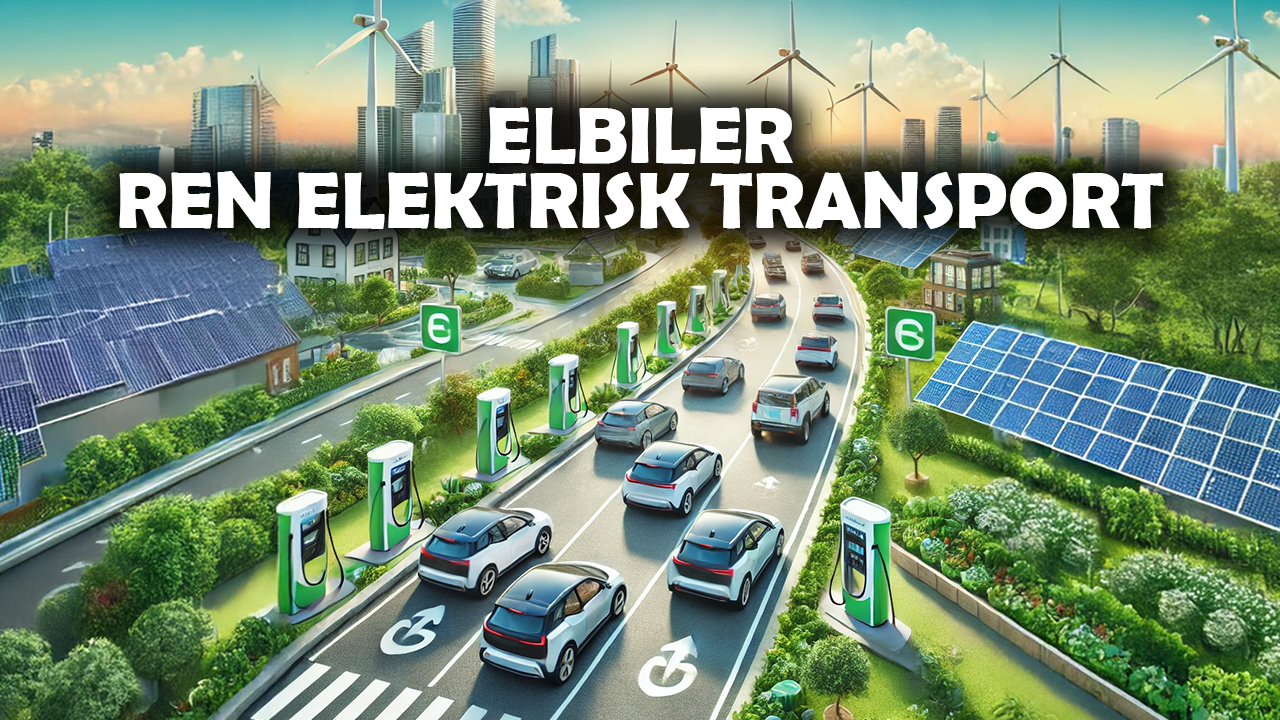
Electric cars have developed in just a few years from being a niche product into one of the most central elements of the green transition. The biggest difference compared with traditional and hybrid vehicles is that electric cars run entirely on electricity and therefore produce no CO₂ or other harmful emissions while driving. This makes them particularly attractive in cities, where air quality and noise levels are high priorities, and where many short journeys would otherwise place a considerable burden on the environment.
One of the strongest arguments in favour of electric cars is their low environmental impact in everyday use. When an electric car is charged using electricity from renewable energy sources such as wind or solar power, CO₂ emissions fall significantly compared with petrol, diesel, and hybrid cars. Even when the electricity comes from a mix of energy sources, the overall climate impact is typically considerably lower because electric motors use energy far more efficiently than combustion engines.
Another advantage is that electric cars generally have fewer moving parts, making them both more reliable and cheaper to maintain. There is no oil, exhaust system, or timing belt to replace, and the braking system experiences less wear thanks to regenerative braking, where the car recovers energy every time you slow down. However, there are also challenges.
Range can be a limitation, especially during the winter months, when cold weather affects battery performance. At the same time, electric cars require access to reliable charging – at home, at work, and while travelling. Although charging infrastructure is expanding rapidly, it is still an important factor to consider, especially if you frequently drive longer distances.
The environmental impact of battery production itself is also part of the debate. Production requires large amounts of energy and raw materials, but developments are moving towards more sustainable materials, improved recycling, and lower energy consumption in factories. Over a car’s lifetime, studies show that electric cars generally offset the higher climate impact from production and ultimately become the greener option overall – especially when they are charged with renewable electricity and used regularly.
Overall, electric cars are a strong choice for those who want a vehicle with minimal day-to-day environmental impact, low running costs, and future-ready technology. They are particularly well suited to commuting, city driving, and families who have access to charging at home or close to the workplace. Electric cars represent not only a change in energy source, but also a concrete step towards a more sustainable transport sector.
Summary of the Advantages of Electric Cars
Zero Emissions During Use
Electric cars run entirely on electricity and produce no direct CO₂ or NOx emissions, reducing local air pollution.
High Energy Efficiency
Electric motors are far more efficient than combustion engines. They convert a greater proportion of the energy used into movement, resulting in better energy efficiency.
Lower Maintenance Costs
With no need for oil changes, exhaust systems, or traditional gearboxes, electric cars have fewer moving parts, which means less maintenance and lower running costs.
Growing Charging Infrastructure
The number of charging stations is increasing rapidly, making it easier to find charging options.
Summary of the Disadvantages of Electric Cars
Dependence on Electricity Generation
The environmental impact of electric cars depends on how the electricity is generated. If the electricity grid relies mainly on coal or natural gas, the CO₂ footprint of electric cars can still be significant.
Environmental Impact of Battery Production
The production of lithium-ion batteries, which power electric cars, requires large amounts of energy and materials such as lithium, cobalt, and nickel, which can have a negative impact on the environment.
Environmental Impact of Used Electric Car Batteries
One of the biggest challenges with electric cars is the handling of used batteries. Although the batteries have a long lifespan, they gradually lose capacity over time and eventually need to be replaced. If they are not recycled properly, they can place a burden on the environment because of the rare metals and chemicals they contain. Fortunately, effective recycling methods are now being developed, allowing up to 90% of the materials to be reused in new batteries.
In addition, there are increasing numbers of initiatives in which used car batteries are given a "second life" as energy storage systems for solar and wind power. This means that, when handled responsibly, electric car batteries do not have to become an environmental burden, but can instead contribute to a more sustainable energy cycle.
Charging Time and Range
Although the range of electric cars is improving, they can still have limitations compared with petrol cars. Charging also takes longer than refuelling with petrol or diesel.
High Purchase Price
Although running costs are lower, electric cars are generally more expensive to buy than traditional cars, even with incentives.
Hybrid Cars - A Bridge Between Traditional and Electric Vehicles
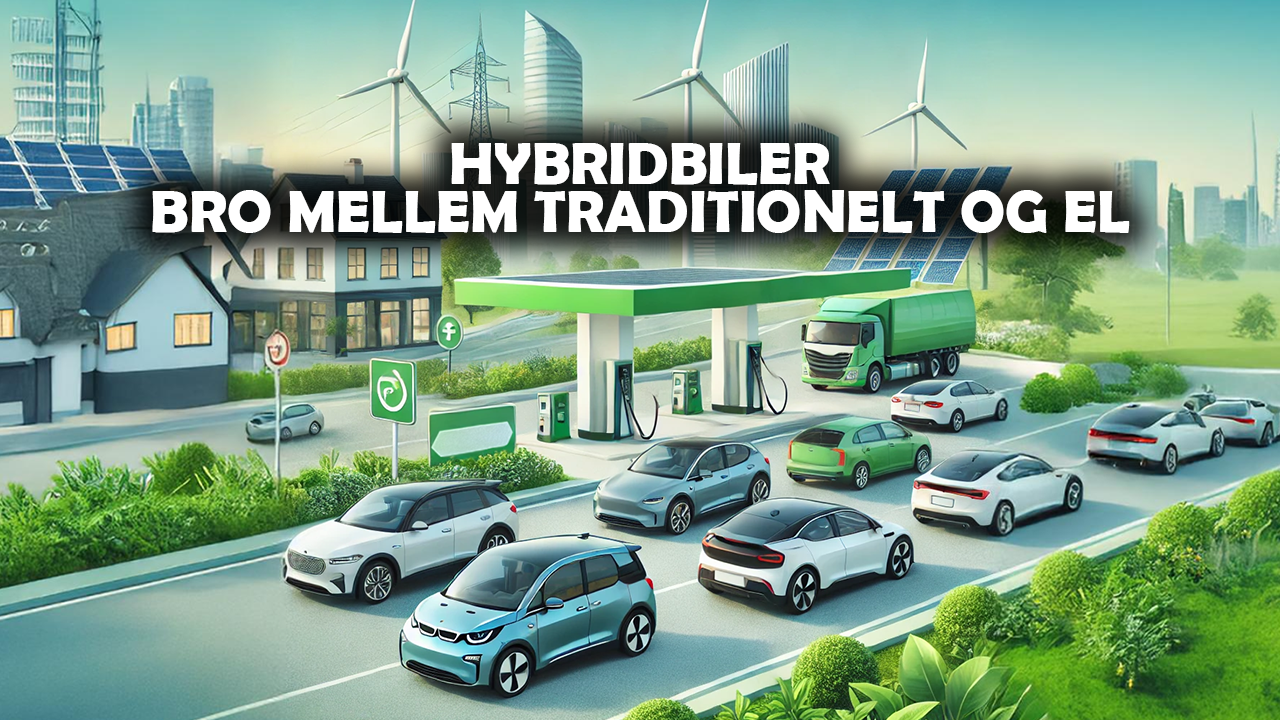
Hybrid cars are designed as a compromise between the traditional combustion engine and the fully electric car, which is exactly why they are often regarded as a practical transitional solution for drivers who want to drive more sustainably without going all-in on electric.
A hybrid car combines an electric motor with a petrol or diesel engine, providing flexibility, lower fuel consumption, and the ability to drive shorter distances on electricity alone – especially in models that can be charged from a power socket (plug-in hybrids).
Hybrid technology means that the car can switch between electricity and fuel depending on speed, load, and driving pattern. At low speeds and in stop-start traffic, many hybrid cars can run partly or entirely on electricity, reducing both noise and local pollution.
On longer journeys or under heavier loads, the combustion engine takes over, providing a sense of reassurance that some drivers feel is missing in fully electric cars with limited range. This combination makes hybrid cars attractive to those who want a more environmentally friendly car but do not yet have access to reliable charging at home or do not feel ready to switch completely to electric.
From an environmental perspective, hybrid cars typically sit somewhere between electric cars and traditional cars. They emit less CO₂ than petrol and diesel cars, especially when the battery is actively used and charged frequently, but they still have a higher climate impact than a fully electric car in everyday use. Plug-in hybrids have the greatest potential to reduce emissions, but only if they are charged frequently and driven electrically for most daily journeys. If they are mainly driven using fuel, the benefits quickly diminish.
Hybrid cars also require less adjustment for many drivers because they are refuelled in the same way as conventional cars and do not necessarily require access to rapid chargers. At the same time, they are often financially advantageous for those with a very mixed driving pattern – both city driving and motorway driving – because the system automatically optimises energy consumption.
Although hybrid technology is not quite as future-proof as fully electric driving, it still plays an important role in the green transition. For those who do not have the option of charging at home, live in a flat, or have long daily journeys, a hybrid car can be a realistic step towards a more sustainable form of transport until electric cars and charging infrastructure are fully developed. Overall, hybrid cars function as an effective intermediate step, combining flexibility with environmental considerations – without requiring drivers to make the major technological leap all at once.
Summary of the Advantages of Hybrid Cars
Lower CO₂ Emissions
Hybrid cars combine a combustion engine with an electric motor, reducing fuel consumption and CO₂ emissions compared with conventional cars.
No Range Anxiety
Because they use both electricity and fuel, hybrid car drivers do not need to worry as much about charging stations or charging times.
Better Fuel Economy
Especially in urban traffic, where stop-start technology and regenerative braking make optimal use of energy.
Lower Purchase Price than Electric Cars
Hybrid cars are often cheaper than fully electric cars and are therefore a more affordable choice for many.
Summary of the Disadvantages of Hybrid Cars
Complex Mechanics
The combination of two motors increases complexity and can lead to higher maintenance costs compared with electric cars.
Emissions from the Combustion Engine
Although hybrid cars produce fewer emissions than traditional cars, they still emit CO₂ and other harmful substances.
Limited Electric Driving Range
Plug-in hybrids typically have an electric range of only 40-50 km, which means they often switch to petrol on longer journeys.
Less Efficient Than Fully Electric Cars
Although they are more energy-efficient than traditional cars, hybrid cars cannot match the energy efficiency of electric cars.
Environmental Impact - Electric Cars versus Hybrid Cars
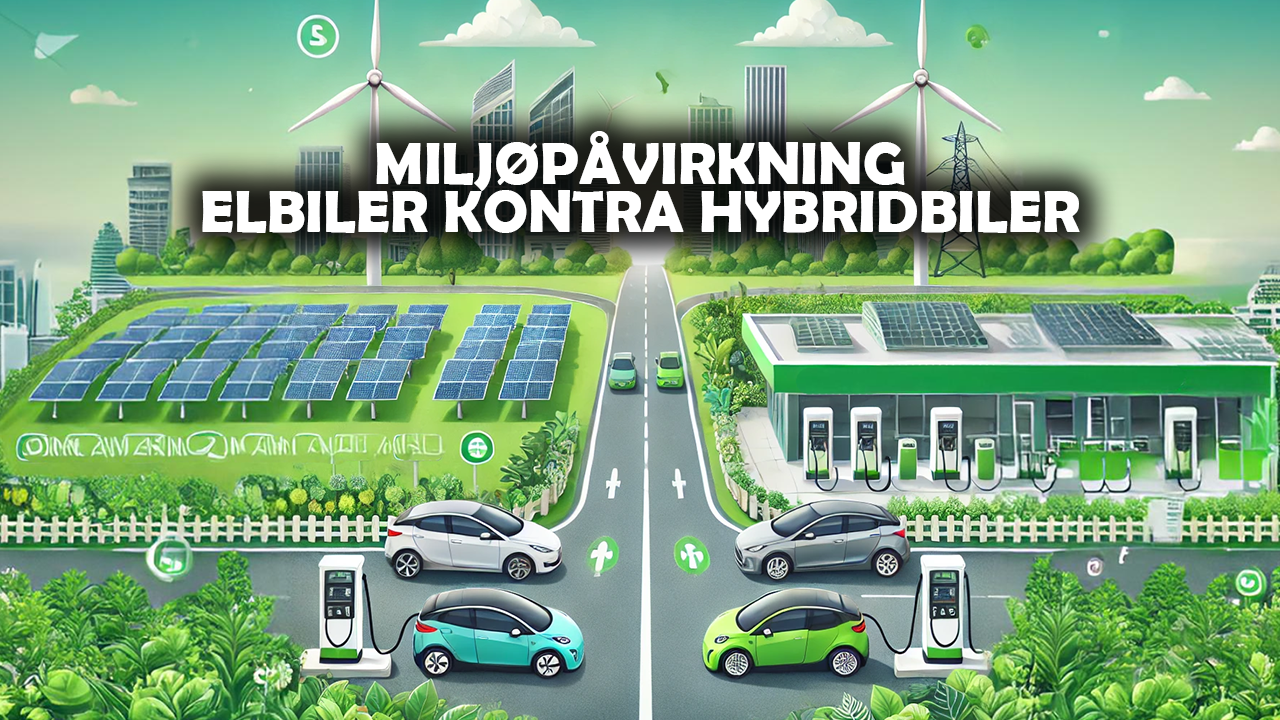
When comparing electric cars and hybrid cars from an environmental perspective, it is essential to look at the vehicle’s entire life cycle – not just what happens when the car is being driven on the road. Both technologies have been developed to reduce CO₂ emissions and protect the environment, but they do so in different ways and to different degrees.
Electric cars have the lowest day-to-day environmental impact because they do not emit harmful substances while driving. When they are charged using electricity from renewable energy, emissions become even lower, and in the longer term this is also the solution that best supports a fully sustainable transport sector.
Battery production itself is still energy-intensive, but the technology is improving rapidly, and electric cars typically offset their higher production footprint after a relatively limited amount of driving. Hybrid cars sit between traditional and electric technology. They reduce CO₂ emissions compared with petrol and diesel cars, but their environmental benefit depends heavily on how the car is used.
A plug-in hybrid that is charged frequently and used electrically for short journeys can be an environmentally friendly alternative – but if it is rarely charged, it quickly loses its climate advantage. Hybrid cars also involve more complex production because they combine two technologies, resulting in higher overall resource consumption.
It is therefore essential that the choice of car matches your driving pattern. Electric cars are generally the greenest option for most drivers who have access to charging. Hybrid cars, however, can be a practical and more environmentally friendly transitional solution for those who are not yet ready to switch to 100% electric driving.
Inspiration List – Good Tips for Making Environmentally Friendly Choices When Choosing Sustainable Cars
♻️ Choose Sustainable Cars With a Focus on Green Energy
When considering sustainable cars, it is important to explore the options for charging with green energy. Electric cars make the most efficient use of renewable energy sources, and when they are charged at home or at the workplace, you can significantly reduce your climate footprint. In this way, sustainable cars become not just a technological choice, but a practical contribution to a greener everyday life.
🌱 Understand the Life Cycle of Sustainable Cars
The life cycle of sustainable cars covers everything from raw material extraction to disposal. Electric car battery production requires many resources, but their low emissions during use make them a very strong environmental solution overall. Hybrid cars use fewer battery materials, but their combustion engines continue to produce emissions. It is therefore important to understand how different types of sustainable cars affect the environment throughout their entire lifespan.
🔋 Use Sustainable Cars Optimally for Maximum Environmental Benefit
Even the most advanced sustainable cars need to be used correctly to deliver their full potential. Electric cars perform best with regular charging and effective use of regenerative braking, while hybrid cars should be charged frequently so they can run electrically on short daily journeys. By adapting your driving style, you help ensure that sustainable cars genuinely reduce their climate impact rather than simply doing so on paper.
🌍 Consider Infrastructure Before Choosing Sustainable Cars
The choice between different types of sustainable cars depends greatly on charging options. If you live somewhere without access to home charging, hybrid cars may be a more realistic solution for everyday life. If, on the other hand, you have access to private or local charging points, an electric car will almost always be the most environmentally friendly choice. Infrastructure is therefore a key part of deciding which sustainable cars are best suited to your everyday needs.
******************************************************************************************
REMEMBER - Sustainable cars begin with sustainable decisions. When technology and driving needs are well matched, the choice of car becomes truly sustainable.
The Future of Battery Technology for Electric Cars
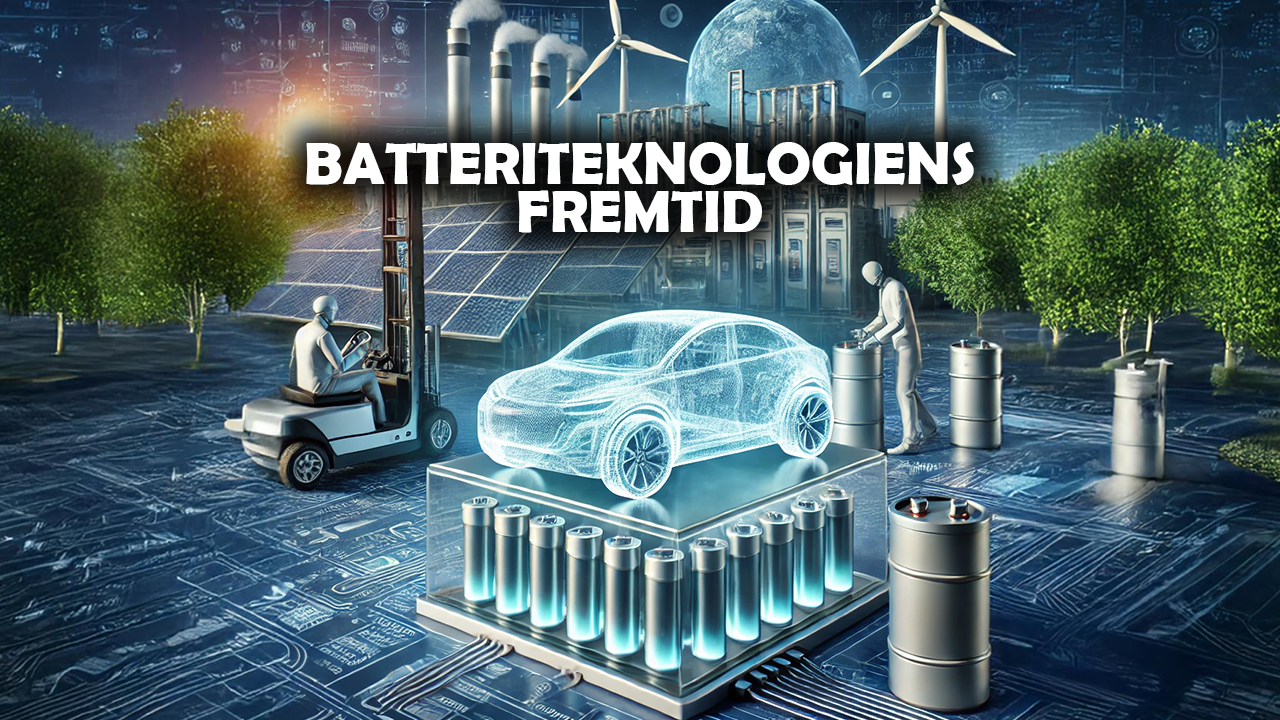
Battery technology lies at the heart of electric car development and is a crucial factor in determining how sustainable and efficient the electric cars of the future will be. Today, lithium-ion batteries are the most widely used technology, but researchers and car manufacturers are working intensively on new solutions that can increase range, reduce charging times, and lessen the environmental impact of production.
Battery performance and lifespan are key factors that affect everything from the price of the car to its overall CO₂ footprint, which is why battery research is one of the fastest-developing areas in the industry. One of the most promising technologies is the solid-state battery, which replaces the liquid electrolyte with a solid material. This provides higher energy density, improved safety, and significantly faster charging.
If this technology enters mass production, electric cars are expected to travel further on a single charge while also lasting longer with less performance degradation. At the same time, research is being carried out into the use of new materials such as sodium, sulphur, and silicon, which could reduce dependence on rare metals such as cobalt and lithium. This is important for both the environment and global supply chains.
Battery recycling will also become a crucial part of sustainable development. Today, large parts of battery components can be recycled, but efficiency and costs still need to improve. Electric cars of the future are expected to become part of a more circular system, where used batteries become resources for new ones – while also being given a “second life” as stationary energy storage units for solar power systems and other green energy solutions.
Overall, the future of battery technology is both promising and crucial to the success of electric cars. The more efficient, safe, and environmentally friendly the technology becomes, the greater the role electric cars can play in the transition towards a more sustainable transport sector. In the long term, these advances could make electric cars clearly the greenest alternative in the transport sector, while hybrid cars will always retain an inherent dependence on fossil fuels.
Inspiration List – Good Tips on the Future Development of Electric Cars
🔋 Solid-State Technology in Electric Cars
Solid-state batteries are often described as the next major breakthrough for sustainable cars because they combine high levels of safety with significantly greater energy density. Unlike traditional batteries, they use a solid electrolyte, which both reduces the risk of fire and allows much faster charging. This means electric cars can travel further per charge while also enjoying a longer lifespan, reducing the need for frequent replacement. Solid-state technology could therefore become a key step towards even more environmentally friendly and reliable sustainable cars.
⚡ Fast Charging and Energy Management in Electric Cars
The electric cars of the future will increasingly depend on intelligent charging systems and high-efficiency charging technologies. Rapid chargers are becoming faster, more energy-efficient, and better integrated with the capacity of the electricity grid. At the same time, car manufacturers are working on batteries that can withstand far more rapid charging cycles without losing capacity. This means that electric cars will not only become more practical in everyday life, but will also achieve much greater climate efficiency, as optimised charging improves both performance and lifespan.
🌍 Recycling and the Circular Economy in Electric Cars
Recycling will become one of the most important areas for strengthening sustainable cars as a climate-friendly solution. New methods make it possible to recover valuable materials from old batteries using less energy and with greater precision. In the future, used electric car batteries are expected to be given a “second life” as energy storage units for solar power systems, meaning that electric cars can contribute to the green transition long after they have left the roads. This circular approach significantly reduces both resource consumption and environmental impact.
🌱 New Materials and Innovation in Electric Cars
Research into alternative materials such as sodium, sulphur, and silicon could make electric car production much greener. These materials are more readily available and cheaper to extract than traditional metals, meaning that future batteries could be produced with a lower environmental footprint and reduced global dependence on vulnerable supply chains. As new materials are integrated into battery technology, electric cars could become cheaper, more reliable, and more environmentally friendly.
🛠️ Future Waste Management for Battery Parts That Cannot Be Recycled in Electric Cars
Even with advanced recycling, there will always be a small proportion of battery materials that cannot be reused – and future waste management will therefore become an important area of focus for electric cars. Development is moving towards more environmentally friendly treatment methods, where residual materials are stabilised, secured, and stored without the risk of pollution.
New technologies are being developed to convert otherwise unusable residues into less harmful materials through chemical neutralisation and heat treatment. At the same time, international standards for safe disposal are being developed so that electric cars can maintain their green credentials – even when the final remaining parts of the battery have reached the end of their useful life. This ensures that the entire life cycle is managed responsibly, even when the recycling rate cannot reach 100%.
*****************************************************************
REMEMBER - A better battery is the key to a greener electric car and a cleaner future. The batteries of the future will make electric cars greener, stronger, and far more durable.
Energy Sources for Charging Electric Cars
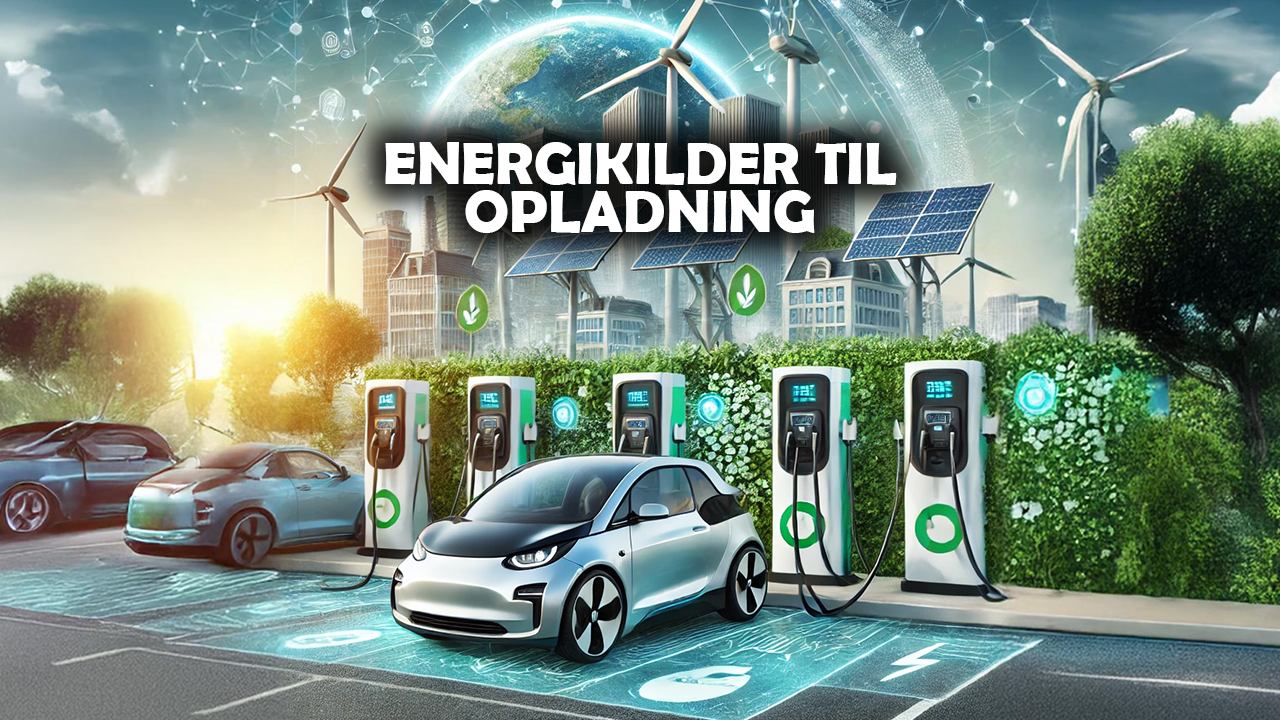
When discussing the environmental impact of electric cars, much depends on the type of electricity used to charge them. Although electric cars do not emit CO₂ while driving, their overall climate footprint can vary significantly depending on whether the energy comes from coal, natural gas, or renewable sources such as wind and solar power. It is therefore essential to understand how different energy sources affect the sustainability of electric cars – both today and in the future.
Denmark and large parts of Europe are moving towards a greener electricity system, where wind and solar power account for an increasing share of energy production. This means that the climate footprint of electric cars is becoming lower year by year, regardless of whether they are charged at night, at home, or at public charging stations. In addition, more energy companies now offer the option to purchase green electricity, allowing drivers to actively choose a more environmentally friendly charging option for their electric cars.
At the same time, smart charging and energy management play an important role. With intelligent charging solutions, electric cars can be charged at times when electricity is both cheaper and greener, because a greater proportion of the power comes from renewable energy sources. This makes electric cars even more sustainable and allows them to be integrated more efficiently into the energy system of the future. More families are also choosing to install solar panels at home and use surplus energy to charge their cars, which both reduces CO₂ emissions and provides a financial benefit over time. The greener the electricity, the more climate-friendly the electric car becomes in everyday use.
Energy sources for charging electric cars are therefore not only a technical issue, but also about making the most of the right opportunities in terms of the environment, finances, and infrastructure. By choosing green energy and intelligent charging habits, electric cars gain the greatest environmental advantage and become an important part of the climate-friendly transport system we are moving towards.
Inspiration List – Good Tips on Green Charging Choices for Electric Cars
⚡ Wind Energy for Electric Cars and the Green Future
By choosing charging based on wind energy, electric cars can achieve a significantly lower environmental impact. Wind power is one of the most sustainable energy sources, and when electric cars are charged directly or indirectly through an energy grid supplied by wind power, their climate footprint becomes almost zero in day-to-day use. Wind farms in Denmark already supply large amounts of green electricity, and this development strengthens the role of electric cars as a central part of the national green transition. The more wind power contributes to the electricity grid, the cleaner the charging becomes – and therefore the better the overall environmental profile of electric cars.
🌞 Solar Energy Integrated into Electric Cars and Home Charging
Solar energy is another strong driver of green charging for electric cars. Many homeowners invest in solar panels, making it possible to charge electric cars directly using electricity they produce themselves. This reduces both CO₂ emissions and dependence on the electricity grid. For electric cars, solar energy provides a unique opportunity to charge almost free of charge and with virtually no emissions, especially during the summer. When surplus electricity is stored in batteries or fed back into the grid, it supports a more flexible and sustainable energy infrastructure.
You can find further inspiration on green energy sources for the home that can reduce the cost of driving an electric car in our article - Good Tips on How to Achieve Energy Savings at Home
🔋 Intelligent Charging and Flexible Energy Consumption for Electric Cars
Smart charging systems make it possible for electric cars to charge at times when the electricity grid is at its greenest and under the least strain. This means that electric cars can automatically be supplied with the most environmentally friendly electricity – often at night or when production from wind and solar power is high. At the same time, this supports more efficient use of energy because the system balances demand and production. For electric cars, intelligent charging provides both financial benefits and an even lower climate footprint.
🌍 Green Electricity from Energy Companies for Electric Cars
Many energy companies now offer green electricity products that allow electric cars to be charged using certified renewable energy. This makes it possible to ensure that the electricity used for charging comes from sustainable sources – even if you live in an area with mixed energy production. By actively choosing green electricity, you strengthen the environmental benefits of electric cars while also supporting the expansion of more sustainable energy infrastructure. This choice makes electric cars an even stronger part of the green transport transition.
🛢️ The Transition from Fossil Energy to Renewable Sources for Electric Cars
Although the electricity grid is still partly based on fossil fuels, development is steadily moving towards greener energy sources – and this has major implications for electric cars. The more coal and gas are phased out, the more sustainable electric cars automatically become. The transition to renewable energy strengthens the real climate benefits of electric cars and means that an electric car purchased today becomes greener with every year that the energy system improves. This makes electric cars a solution that evolves with the times and becomes increasingly climate-friendly as society develops.
***************************************************************************
REMEMBER - Electric cars draw their strength from the energy of the future, and the right type of charging makes the electric car one of the most sustainable transport solutions.
Practical Tips for Choosing an Electric Car or Hybrid Car
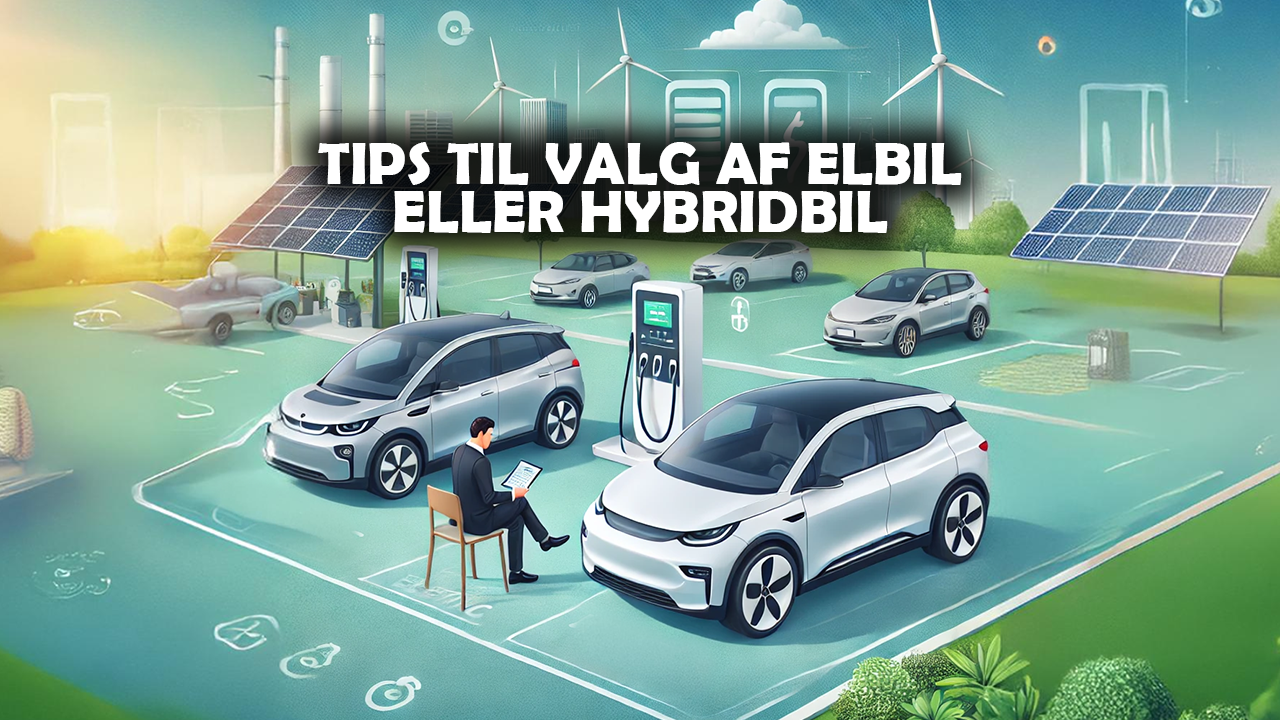
The choice between an electric car and a hybrid car depends largely on your everyday life, your driving patterns, and your access to charging. While electric cars are often the most environmentally friendly choice in the long term, hybrid cars can be a more flexible alternative for those who do not have reliable access to home charging or who drive long daily distances. The most important thing is to understand how the car’s technology fits your lifestyle – and which factors genuinely matter most for both your finances and the environment.
An electric car is typically the best choice for those who make many short or medium-length journeys and have the option to charge at home or at work. Low running costs, quiet driving, and minimal local emissions make electric cars particularly attractive in urban areas and for commuters. Hybrid cars, on the other hand, can be an advantage if you frequently drive longer distances, have limited access to charging stations, or need a more flexible solution where you are not dependent on battery range.
By analysing your driving habits, energy consumption, charging routines, and financial considerations, you can more easily see which type of car is both the most practical and the most environmentally friendly for you. It is not only about technology – it is about choosing the solution that makes it easy to be greener in everyday life.
Inspiration List – Smart Considerations When Choosing a Sustainable Car
🚗 Understand Your Driving Pattern to Choose the Right Sustainable Car
When choosing sustainable cars, it is important to begin with a realistic assessment of how far and how often you drive. Electric cars are ideal for short and medium-length journeys where charging can easily fit into everyday life, while hybrid cars may be better for longer distances or irregular driving needs. By analysing your driving pattern, you can ensure that the sustainable car you choose is perfectly suited to your daily use, allowing you to benefit from comfort, financial savings, and climate advantages.
🔌 Consider Your Charging Options Before Choosing a Sustainable Car
Access to charging is often the most important factor when choosing a sustainable car. If you can charge at home or at work, an electric car is almost always the greenest and most practical solution. If you do not have reliable access to charging, hybrid cars can be a strong alternative. The better your charging options are, the easier it becomes to integrate an electric car into your everyday life in a way that is both economical and environmentally friendly.
💰 Consider the Total Cost of Ownership When Comparing Sustainable Cars
The cost of sustainable cars is not only about the purchase price, but also running costs, servicing expenses, and energy consumption. Electric cars are generally cheaper to run because electricity costs less than fuel and because their motors are simpler to maintain. Hybrid cars, however, can be financially advantageous if your driving is highly varied, as they combine electric driving with fuel efficiency. A thorough calculation can help you choose the sustainable car that gives you the best value for money. Many countries offer tax deductions, grants, or lower registration fees for electric and hybrid cars. These can have a significant influence on the decision.
🛠️ Consider Infrastructure and Future-Proofing for Your Sustainable Car
When choosing between sustainable cars, you should also consider future developments. Charging infrastructure is expanding rapidly, and electric cars are becoming more efficient year by year. Hybrid cars can be a sensible transitional solution, but in the longer term, electric cars will probably play the leading role in a climate-friendly transport sector. By thinking ahead, you can ensure that your sustainable car not only suits your needs today, but also continues to meet them several years into the future.
🌍 Choose a Sustainable Car That Matches Your Values
For many drivers, choosing a sustainable car is also about personal beliefs and the desire to contribute to a greener society. If you want the lowest possible daily CO₂ emissions, an electric car will often be the most obvious choice. If, on the other hand, you are looking for flexibility while still wanting to reduce your climate footprint, hybrid cars can offer a good balance. When you choose a sustainable car that reflects your values, it becomes easier to drive greener – every day.
📄 Consider Leasing Your Sustainable Car
If you are unsure which technology best suits your needs, leasing can be a flexible way to test sustainable cars in practice. Leasing gives you the opportunity to try both electric cars and hybrid cars without committing to long-term ownership. This can be particularly useful if you want to see how an electric car’s range, charging routines, or a hybrid car’s flexibility work in your everyday life. By leasing sustainable cars, you can make a more informed choice – based on real experience rather than theoretical assumptions.
*****************************************************
REMEMBER - Your next sustainable car works best when it suits both your life and your values. The most suitable sustainable car solution for you is the one that fits most effectively into your everyday life.
Conclusion
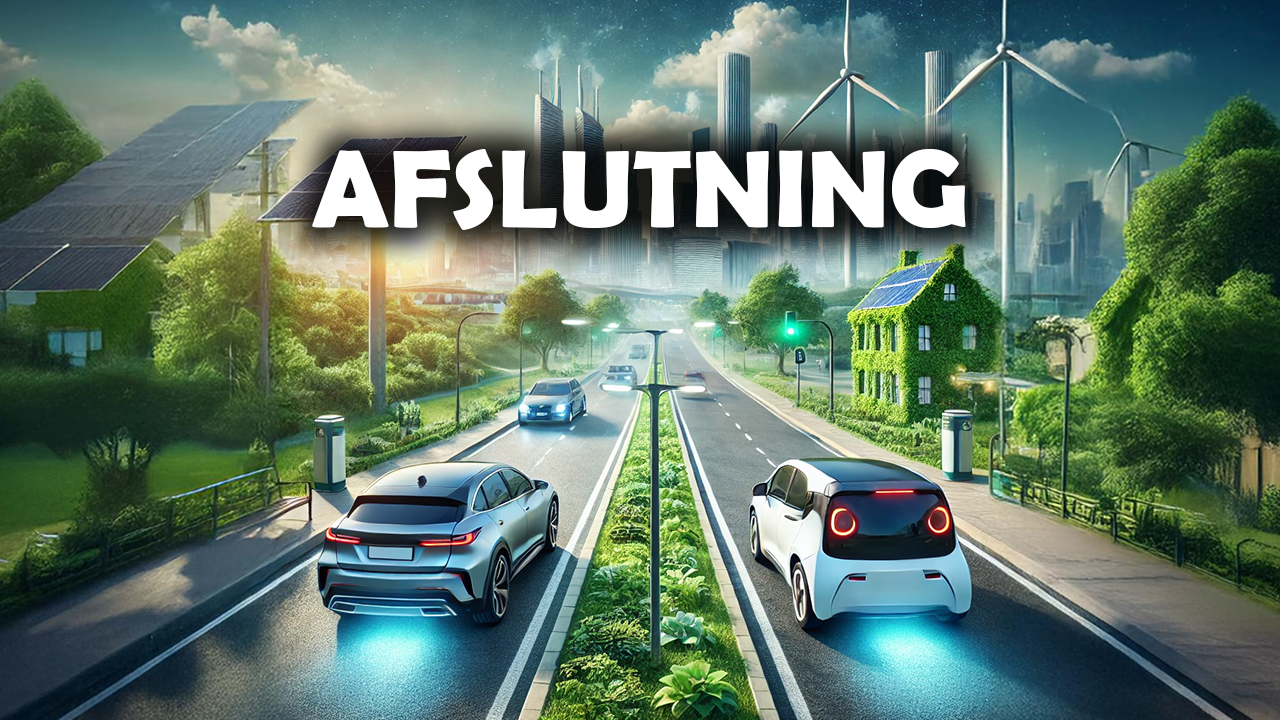
The choice between electric cars and hybrid cars is ultimately not about finding one universally correct answer, but about making the best choice based on your own needs, circumstances, and values. Both technologies play an important role in the green transition of the transport sector, and both can help reduce CO₂ emissions compared with traditional petrol and diesel cars. What matters most is how the car is used in practice and whether the technology matches your everyday life.
For many people, electric cars appear to be the most future-proof solution, especially as battery technology improves, charging infrastructure expands, and the share of renewable energy in the electricity grid increases. For drivers with access to charging and a predictable driving pattern, an electric car can be the choice that delivers both the greatest environmental benefit and the lowest running costs over time. At the same time, electric cars automatically become greener year by year as the energy system develops.
Hybrid cars still have an important role to play, particularly as a transitional solution for those who do not yet have access to regular charging or who need greater flexibility in everyday life. When hybrid cars are used correctly and charged regularly, they can deliver a noticeable reduction in fuel consumption and emissions. For many people, a hybrid car can therefore be an important step towards more sustainable transport – without requiring an immediate and complete technological change.
Regardless of which solution you choose, the most important thing is to make a conscious decision. When the type of car, energy source, and driving habits work together, the car becomes not just a means of transport, but an active part of the solution to the climate challenges of the future.
Small everyday decisions can collectively make a big difference – including when it comes to choosing a car. By understanding the differences and taking your own driving patterns and budget into account, you can make a well-informed decision that benefits the planet, the environment, your own needs, and your wallet.
***************************************************************
REMEMBER - The best choice between electric cars and hybrid cars is the one that suits both your everyday life and the climate of the future. When the car and your needs match your personal preferences, sustainability comes along for the entire journey, and one car will not change the world – but millions of conscious choices can.
Mini Guide – How to Make a Well-Considered Choice Between an Electric Car and a Hybrid Car With a Focus on a Sustainable Car
Choosing between an electric car and a hybrid car today is about far more than technology. It is about finding the most sustainable car for your particular everyday life, driving patterns, and values.
This mini guide is a summary of the article above and helps you focus on the most important factors so that your choice is practical, economical, and environmentally responsible.
🚗 Assess Your Driving Needs to Choose the Right Sustainable Car
The first and most important step towards choosing a sustainable car is to analyse how you actually use your car in everyday life. If you make many short journeys in the city, an electric car is often the most sustainable solution because it produces no local emissions and uses energy efficiently. If, on the other hand, you have long daily journeys or highly varied driving needs, a hybrid car may be a more realistic and still environmentally friendly type of vehicle. A sustainable car is not simply the greenest option on paper, but the one that best matches your actual driving pattern.
🔌 Assess Your Charging and Infrastructure Options for a Sustainable Car
Access to charging plays a crucial role when choosing a sustainable car. If you have the option to charge at home or at work, an electric car will almost always provide the greatest environmental benefit. If you do not have reliable access to charging, a hybrid car can be a sensible step towards more sustainable transport. A well-considered sustainable car should fit smoothly into your everyday life – otherwise, there is a risk that its green benefits will not be fully realised.
🌱 Look at the Entire Life Cycle of a Sustainable Car
When assessing an electric car versus a hybrid car, it is important to consider the vehicle’s entire life cycle – from production to everyday use and recycling. Electric cars often have a higher climate footprint during production, especially because of the battery, but they offset this through very low emissions during operation. Hybrid cars have a more complex environmental footprint because they contain both a battery and a combustion engine. A sustainable car should therefore be assessed over its entire lifespan and not only based on how it performs on the road today.
💰 Compare the Finances and Running Costs of a Sustainable Car
A sustainable car should also be financially sustainable. Electric cars often have lower running costs because electricity is cheaper than fuel and maintenance is typically simpler. Hybrid cars, however, can be financially attractive for those with mixed driving patterns who cannot charge consistently. When comparing an electric car and a hybrid car, you should therefore take into account the purchase price, servicing, energy costs, and expected lifespan in order to find the sustainable car that provides the greatest long-term value.
🔋 Consider Battery Technology and the Future-Proofing of Your Sustainable Car
Battery technology is developing rapidly, and this has a major impact on how future-proof your sustainable car will be. Electric cars are continuously improving with longer range, faster charging, and more efficient battery recycling. Hybrid cars can serve as a transitional solution, but in the longer term, electric cars are expected to dominate the market. By thinking ahead, you can ensure that your sustainable car remains a sensible choice five to ten years from now.
🌍 Align Your Sustainable Car With Your Values and Ambitions
For many people, choosing a sustainable car is not only about technology, but also about personal values. If you want to minimise your daily CO₂ emissions as much as possible, an electric car will often be the obvious choice. If, on the other hand, you prefer a more gradual transition to green transport, a hybrid car may be the right step. A sustainable car is one that makes it easy for you to make greener choices – without making everyday life feel unnecessarily difficult.
*************************************
If you need further inspiration on choosing between a hybrid/electric car, you can watch this video - Which Is Cheapest: Electric Car, Petrol Car or Diesel? And What About Leasing?
----------------------------------
If you have experience and/or knowledge of hybrid/electric cars, we would be pleased to hear your input and/or suggestions in the comments section regarding other useful considerations when choosing between hybrid/electric cars, so that together we can help make our environment and society a little greener