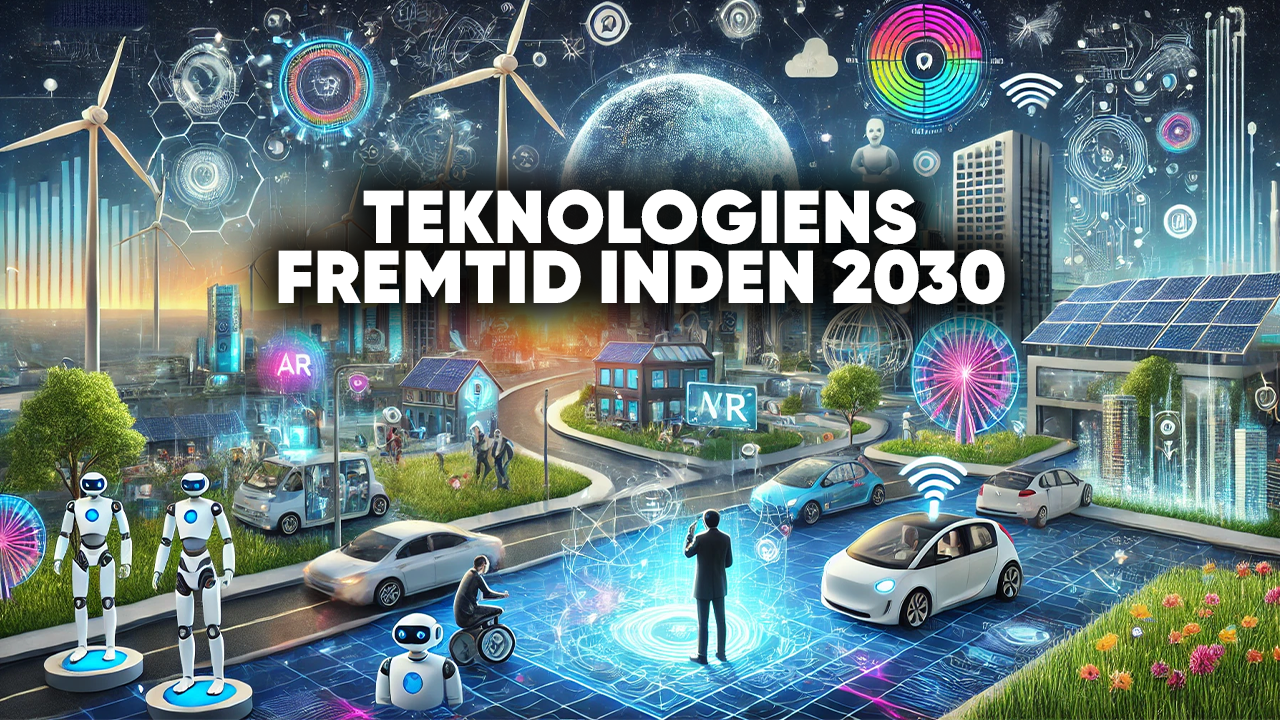
Technology has always been a driving force for change, but the speed and scale of the development we are moving toward by 2030 are historically unprecedented. What seemed like science fiction only a few years ago is already becoming a natural part of our everyday lives. Digital solutions, automation, artificial intelligence, and intelligent systems are gradually merging with our work, our homes, our health, and our social lives – often without us noticing it from one day to the next.
By 2030, technology will not simply be a tool we use, but a foundation upon which many of our decisions, habits, and opportunities are built. The way we work will change significantly through flexible working arrangements, digital assistants, and new types of jobs that do not yet exist. At the same time, our leisure time, communication, and entertainment will become more personalized, more tailored, and more integrated into digital ecosystems that follow us across platforms and devices.
Technological solutions will also play a much greater role in healthcare, education, and everyday finances. Prevention, learning, and planning will increasingly become data-driven, which can give us a better overview, greater security, and more freedom to act in everyday life. However, this development also raises important questions about ethics, privacy, digital dependence, and our ability to keep up with a society where change is constant.
This article provides a comprehensive and balanced overview of how technology is expected to change our lives by 2030. The focus is not only on the big visions, but also on the practical consequences in everyday life – both the opportunities and the challenges that we as individuals, families, and societies will need to deal with. The goal is to give you insight, perspective, and inspiration so that you can better understand the technological future and actively decide how you want to use it in your own life.
Artificial Intelligence And Automation In The Future
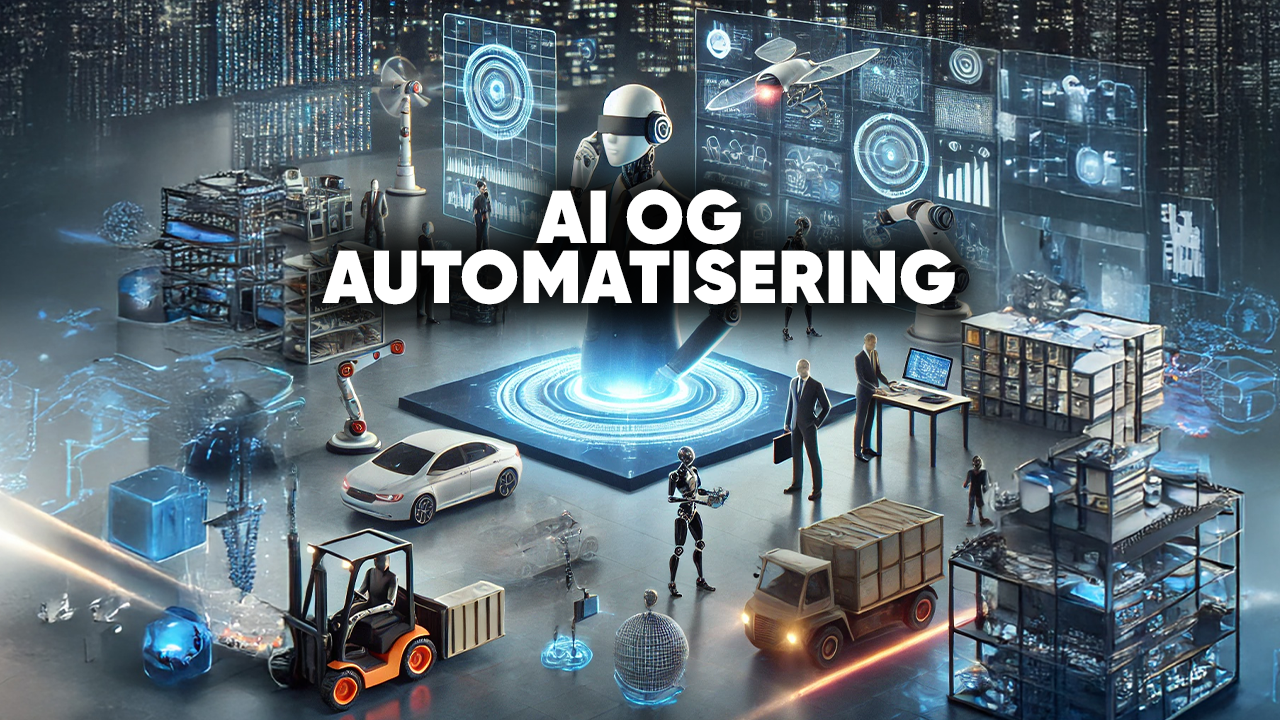
By 2030, artificial intelligence (AI) and automation will change the way we work, learn, and live to an even greater extent than we already experience today. AI will become a natural part of everything from our daily routines to complex decision-making processes in businesses, healthcare, and society.
Automation will take over many repetitive and time-consuming tasks, freeing up time for more creative and human activities. In the job market, this means that we will increasingly need to focus on skills such as critical thinking, problem-solving, and interpersonal skills – everything that machines still cannot master.
At the same time, AI will help us make better decisions by analyzing enormous amounts of data in just a few seconds. This can include everything from predicting the progression of illnesses and optimizing energy consumption to creating more personalized learning and work experiences.
But this development also places demands on us - We need to learn how to work side by side with AI, ensure that the technology is used ethically, and prevent inequalities from increasing. With the right approach, artificial intelligence and automation can be a driving force for both prosperity and quality of life.
Tips About Artificial Intelligence
🧠 Learn basic AI concepts to better understand how the technology can help you in your everyday life.
⚙️ Use AI tools to automate routine tasks in the workplace.
Inspiration List – How AI And Automation Can Change Life By 2030
🤖 Job Market - More job functions will be automated, but new roles will emerge with a focus on collaboration between humans and AI.
🏥 Healthcare - AI can analyze patient data and predict illnesses earlier than doctors.
🏭 Industry - Production will become more efficient and sustainable through automation.
📚 Education - AI can create personalized learning plans that adapt to each individual student.
🏠 Everyday Life - Smart homes with AI that manages energy, shopping, and schedules.
🌍 Climate - Automation can help optimize resource consumption and reduce waste.
🔒 Ethics - A focus on transparency, data security, and responsible use of AI will become essential.
******************************************************************************
You can get more inspiration about AI technologies in our article - Great Tips On How To Use Artificial Intelligence AI In Your Everyday Life – Smart Hacks
Future Transportation Together With Technology
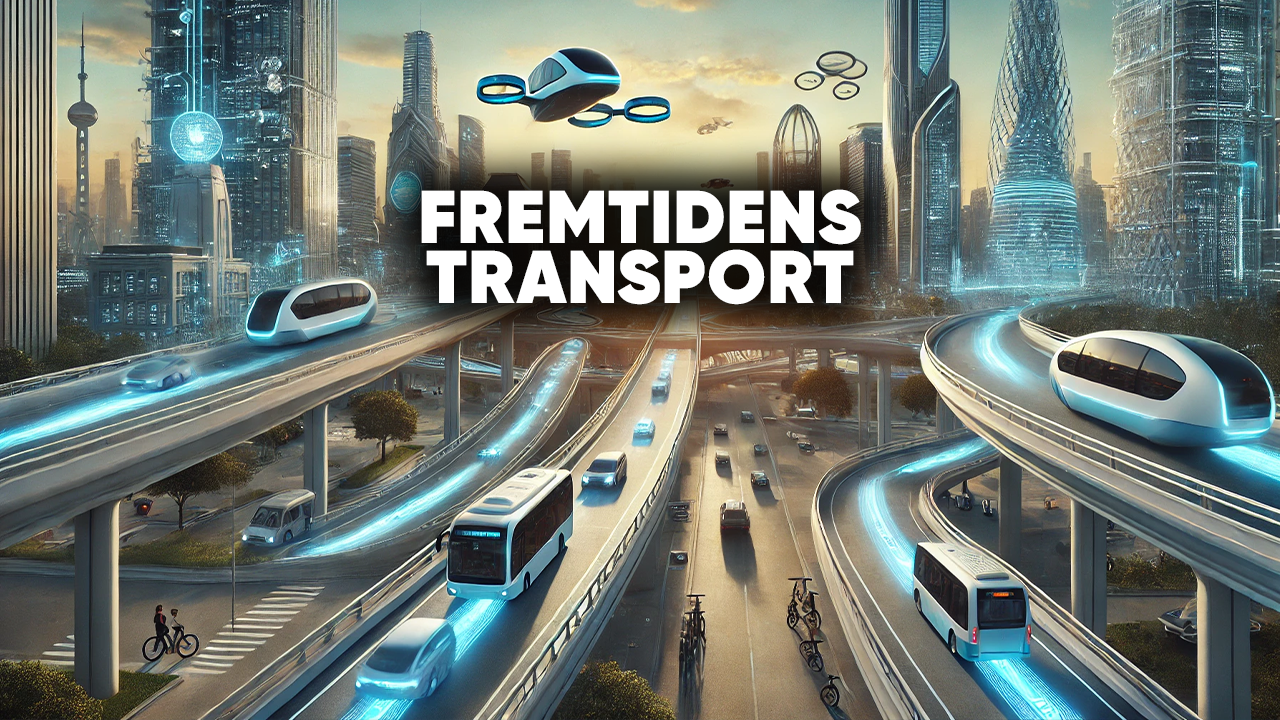
By 2030, transportation will experience a technological revolution that will change both our everyday lives and society’s infrastructure. We are on the verge of an era where self-driving cars, electric vehicles, and sustainable transportation solutions will become a regular part of everyday life. Electric vehicles will dominate the market as battery technology improves, driving ranges increase, and charging becomes faster and more accessible.
At the same time, self-driving vehicles will gradually become part of the urban landscape, which could reduce the number of traffic accidents, decrease congestion, and make transportation more efficient. Public transportation will also change significantly. Smart cities will integrate AI and IoT (Internet of Things) to manage traffic, optimize bus and train routes, and provide users with real-time information about travel times.
In addition, we can expect greater investment in green forms of transportation such as electric bicycles, delivery drones, and perhaps even hyperloop solutions for long distances. The future of transportation is not only about technology – it is also about creating more sustainable, efficient, and accessible mobility for everyone.
Tips About Technology And Transportation
⚡ Consider investing in an electric vehicle to reduce your environmental impact. Read more about electric and hybrid cars in our article - Great Tips On Electric Cars Versus Hybrid Cars - What Is Best For The Environment
🚗 Stay up to date with developments in autonomous transportation to prepare yourself for changes in infrastructure.
Inspiration List – The Future Of Transportation By 2030
🚗 Self-driving cars and AI - Increase safety and reduce traffic congestion.
🔋 Electric vehicles with fast charging - Longer range and better infrastructure.
🚌 Smart public transportation and AI - AI-controlled routes and real-time information for passengers.
🚴 Green mobility - More electric bicycles and scooters in cities.
📦 Drones - Fast and efficient delivery of packages and goods.
🚄 Hyperloop and high-speed trains - Shorter travel times over long distances.
🌍 Sustainability at the center - Focus on CO₂ reduction and energy efficiency.
Technology Together With The Healthcare Sector And Biotechnology
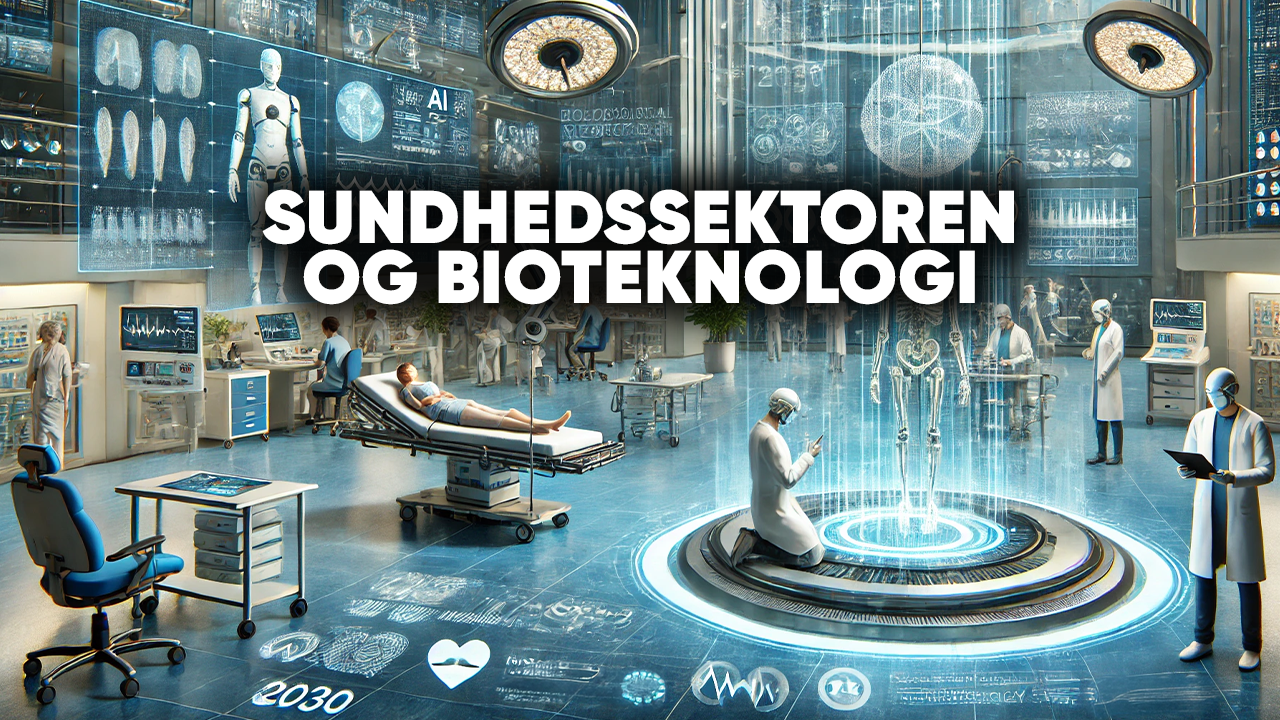
By 2030, the healthcare sector and biotechnology will change our lives in ways we are only beginning to imagine. Technology makes it possible to detect diseases earlier, tailor treatments to individuals, and create entirely new forms of medicine and therapy. Artificial intelligence will play a central role in diagnostics. AI can analyze enormous amounts of health data and detect patterns that humans might overlook.
This means faster and more accurate diagnoses – for example, of cancer or cardiovascular diseases – and therefore better opportunities for early treatment. Biotechnology will also open the door to personalized medicine, where treatments are tailored to each patient’s genetic profile. At the same time, advances in gene editing, such as CRISPR, could be used to treat hereditary diseases that were previously impossible to cure.
We can also expect more technological solutions in everyday life – for example, wearable health sensors that continuously monitor blood pressure, blood sugar, or heart rate and send the data directly to a doctor. This provides better prevention, faster responses to illness, and greater control over your own health.
Tips About Biotechnology And The Healthcare Sector
💻 Use telemedicine for faster and more convenient consultations.
🧬 Keep up with developments in precision medicine, which can tailor treatments to your genetic profile.
Inspiration List – Healthcare And Biotechnology By 2030
🧬 Gene editing - New possibilities for treating hereditary diseases.
🤖 AI diagnostics - Faster and more accurate disease detection.
💊 Personalized medicine - Treatments adapted to the patient’s genetics.
⌚ Wearables - Health sensors that monitor the body in real time.
🧪 Bioprinting - 3D printing of tissue or organs for medical use.
🏥 Telemedicine - More digital consultations and home monitoring.
🌍 Global health - Cheaper and more accessible treatments through technological breakthroughs.
The Smart Homes Of The Future And Internet Of Things (IoT)
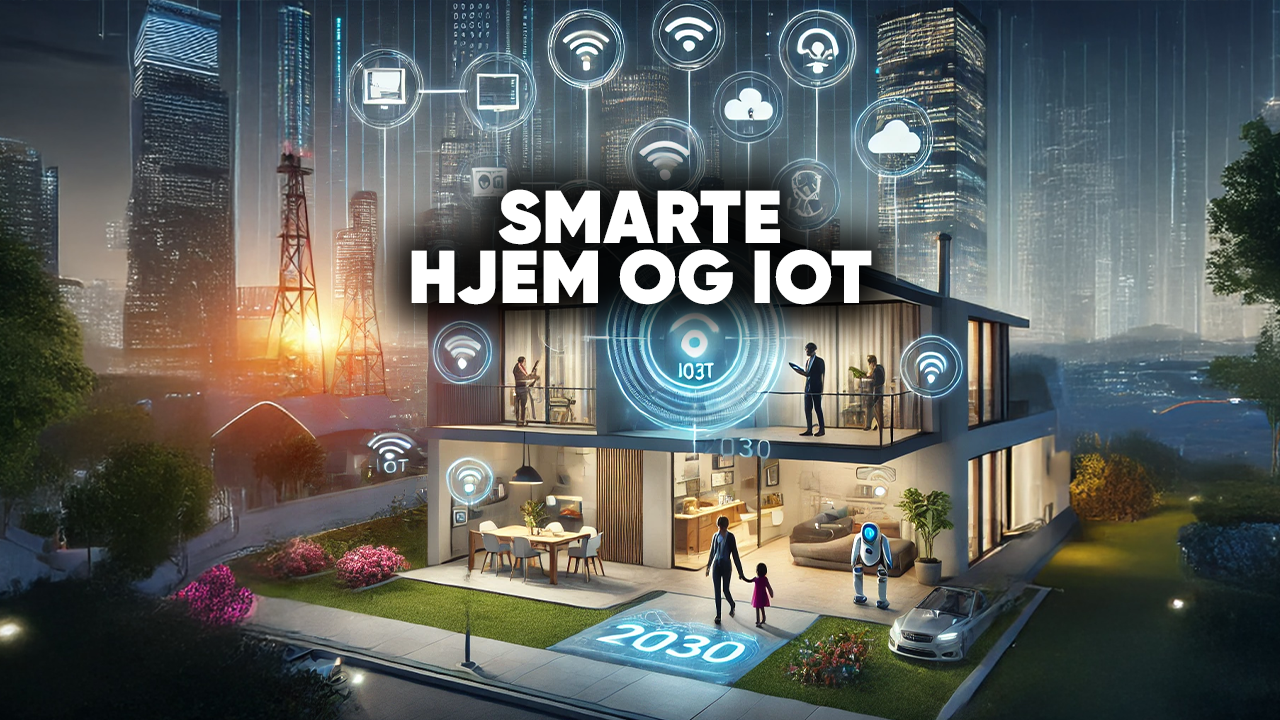
By 2030, our homes will become much more intelligent and connected, thanks to the Internet of Things (IoT). Smart devices will no longer be a luxury, but a natural part of everyday life, where everything from lighting and heating to security and household appliances is connected and can be controlled through apps, voice commands, or completely automatically.
Imagine a home where the lighting adjusts itself according to your daily rhythm, the coffee machine starts when you wake up, and the robot vacuum begins cleaning when you leave the house. IoT devices learn your habits and optimize both comfort and energy consumption. At the same time, security will be strengthened with surveillance, smart locks, and sensors that can detect everything from water leaks to smoke.
However, smart homes are not only about convenience – they can also contribute to sustainability. By monitoring and adjusting your energy consumption, IoT can help reduce waste, lower expenses, and reduce environmental impact.
Tips About Smart Homes And Internet Of Things
🏠 Invest in smart devices to improve energy efficiency in your home. You can read more about smart devices for the home in our article - Smart Gadgets For The Home - Technology That Makes Your Home Smarter And More Efficient
🎙️ Use voice-controlled assistants to make everyday life easier.
Inspiration List – How Smart Homes And - IoT - Can Change Our Lives By 2030
💡 Smart lighting - Lighting that adapts to the time of day and mood.
🔋 Energy management - Smart thermostats and appliances that reduce electricity consumption.
🚪 Home security - IoT-based locks, cameras, and sensors.
🧹 Automated household tasks - Robot vacuum cleaners, smart kitchen appliances, and household appliances.
🎶 Personal comfort - Voice-controlled assistants for music, reminders, and planning.
🛒 Smart shopping - Refrigerators that keep track of food and order items when something is running low.
🌍 Sustainability - IoT solutions that optimize resource consumption and reduce CO₂ footprints.
The Future Digital Transformation Of The Job Market
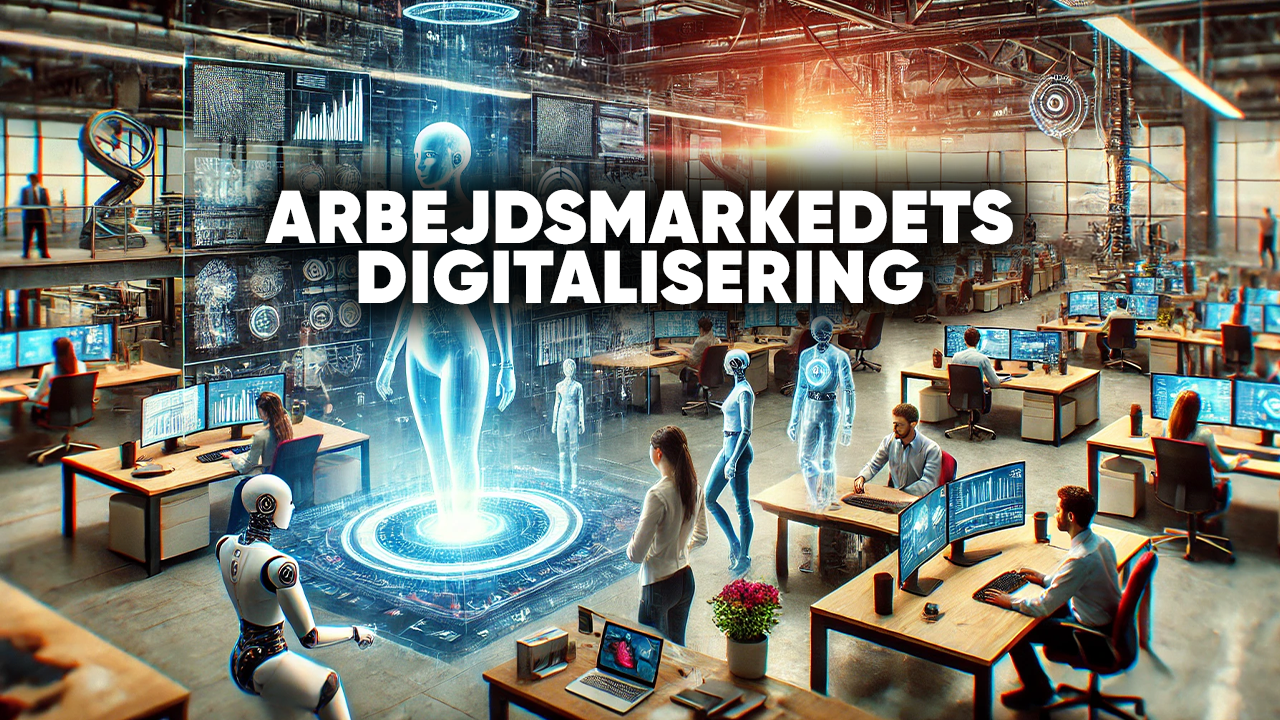
By 2030, the job market will be significantly different, driven by digitalization, artificial intelligence, and new forms of collaboration. Digital transformation means that many traditional tasks will be automated, while new types of jobs will emerge – especially within technology, data analysis, sustainability, and creative problem-solving.
Companies will increasingly use AI and digital tools to optimize workflows, predict trends, and make better decisions. This will change employees’ roles, with the focus shifting from routine tasks to value-creating activities such as innovation, customer relations, and strategic development. At the same time, remote work, hybrid working models, and digital collaboration platforms will become standard.
Technology makes it possible to work globally, flexibly, and with a greater focus on results – but it also requires new skills, including digital understanding, critical thinking, and the ability to collaborate across cultures and time zones. The digital transformation of the job market is not only about efficiency – it is also about creating a more dynamic, flexible, and human-centered working life.
Tips About Digitalization And The Job Market
💻 Develop new technical skills to remain competitive in the job market.
🌍 Explore opportunities for remote work and digital nomad lifestyles.
Inspiration List – How The Digital Transformation Of The Job Market Will Shape The Future
🤖 Automation - More routine tasks will be taken over by AI and robots.
📊 Data as a basis for decision-making - Greater use of data analysis in strategy and management.
🏡 Hybrid work - Flexible models combining office work and working from home.
🌍 Globalization - Collaboration across national borders through digital platforms.
🧠 Skills development - Increased focus on digital skills and lifelong learning.
🧑🤝🧑 Human strengths at the center - Creativity, empathy, and innovation will become more important.
🚀 New types of jobs - Growth in positions within AI, cybersecurity, green technology, and digital strategy.
Blockchain - And The Digital Economy In The Future
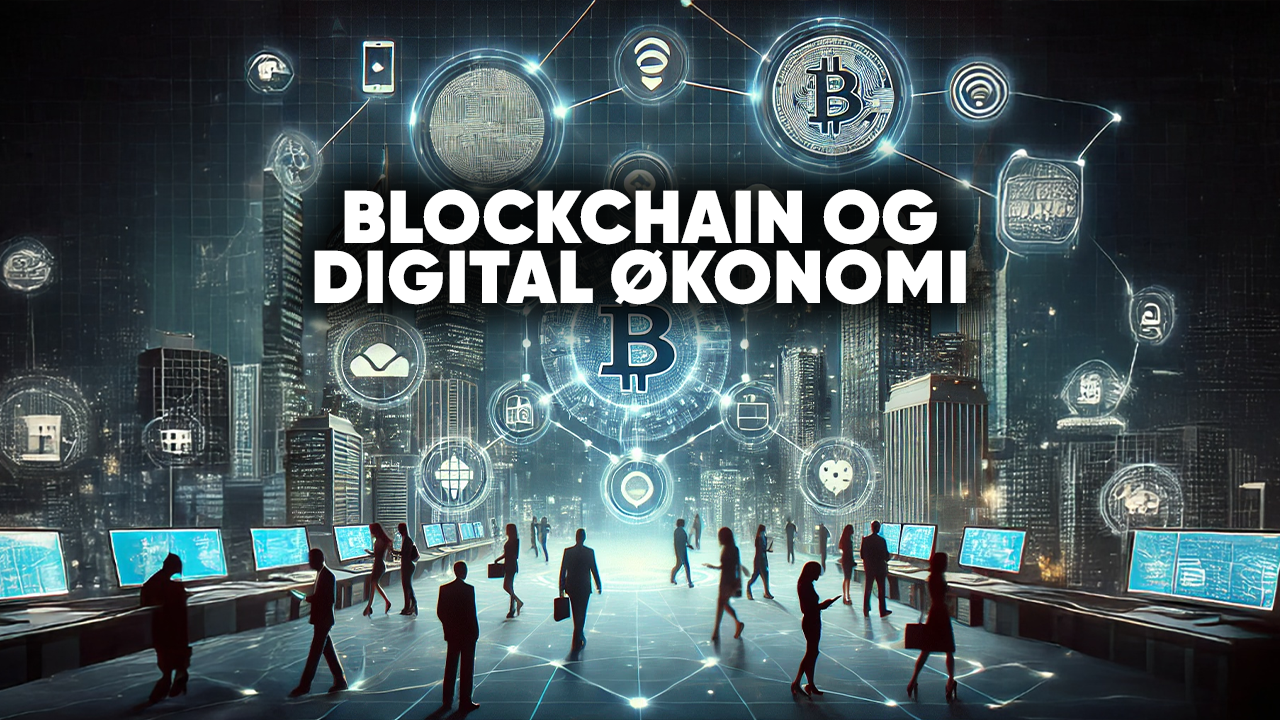
By 2030, blockchain and the digital economy will play an increasingly important role in our society and change the way we think about finance, trade, and trust. At its core, blockchain is a decentralized technology that makes it possible to record and verify transactions without a central authority. This means greater transparency, a lower risk of fraud, and faster transactions across borders.
We already know blockchain through cryptocurrencies such as Bitcoin and Ethereum, but the technology extends far beyond digital money. In the future, blockchain could revolutionize everything from property transactions and contracts through smart contracts to supply chain management, where consumers can trace products all the way from production to the store.
At the same time, the digital economy will become more widespread through central bank digital currencies (CBDCs) and new payment solutions that make global trade both faster and cheaper. For ordinary people, this could mean more direct control over their own money, lower fees, and new investment opportunities.
Tips About Blockchain And The Digital Economy
⛓️ Learn how blockchain works and understand its potential applications.
🧐 Be cautious when investing in cryptocurrencies and conduct thorough research.
Inspiration List – Blockchain And The Digital Economy By 2030
💰 Cryptocurrencies - More uses in everyday life, such as payments and investments.
📜 Smart contracts - Automatic execution of agreements without intermediaries.
🏦 Central bank digital currencies (CBDCs) - Official digital money for widespread use.
📦 Supply chain tracking - Transparency regarding where products come from.
🏠 Real estate and legal agreements - Faster, safer, and cheaper transactions.
🌍 Global trade - Cheaper and more accessible payments across national borders.
🔒 Data security - Blockchain as a tool for protecting identity and information.
The Future Of Sustainable Technology
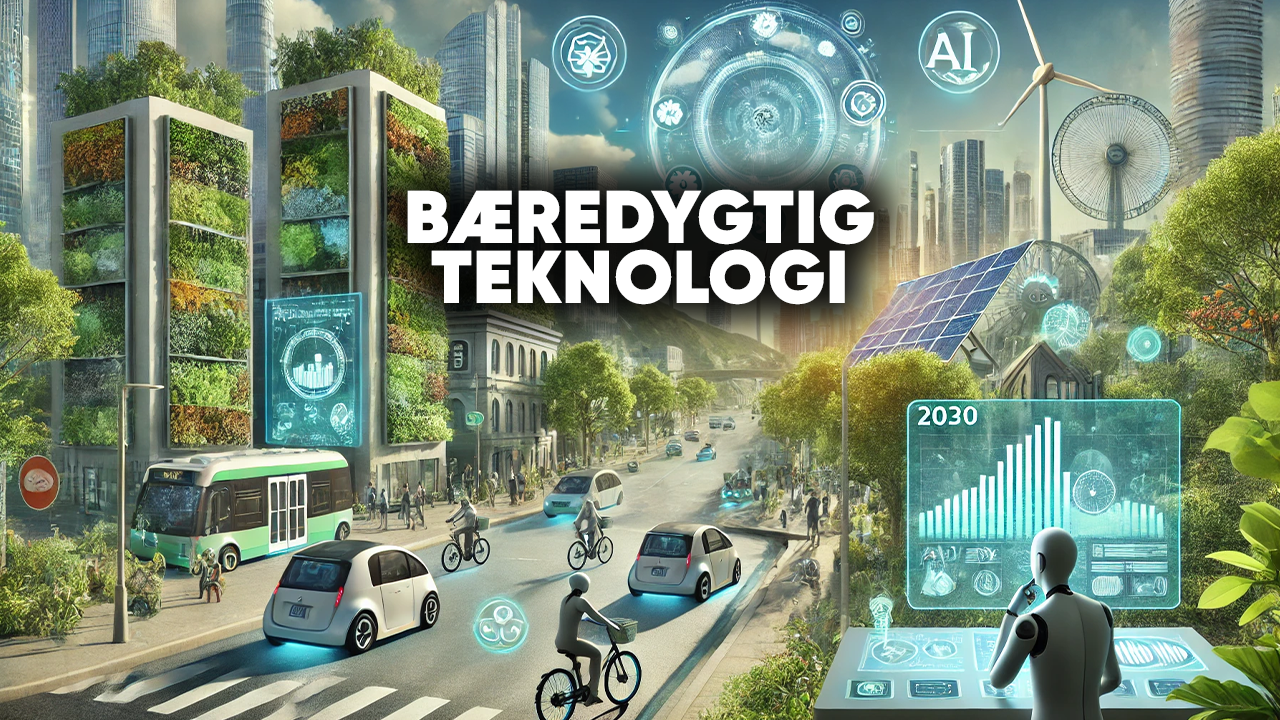
By 2030, sustainability will be a central driving force in the development of new technology. Technological development is no longer only about making things faster and smarter – but also about making them greener. Companies, consumers, and politicians are demanding solutions that can reduce CO₂ emissions, lower resource consumption, and create more environmentally friendly alternatives.
We will see increasing adoption of green energy such as solar, wind, and hydropower, combined with smart grids that optimize energy consumption in real time. Smart cities will use sensors and AI to manage traffic, waste management, and electricity consumption so that resources are used as efficiently as possible. The production of technology itself will also change. More manufacturers are focusing on recyclable materials, longer product lifespans, and the possibility of repairing products instead of replacing them.
Biotechnology can also contribute solutions to the climate crisis – for example, by developing new materials that replace plastic or foods that require fewer resources to produce. Sustainable technology will not only be a choice – it will become a necessity for creating a future where innovation and environmental responsibility go hand in hand.
Tips About Sustainable Technologies
🌱 Consider green investments to support sustainable technologies.
♻️ Reduce your CO₂ footprint by using energy-efficient solutions in your home. You can read more about how you can help the environment by reducing your personal CO₂ footprint in our article - Great Tips On How To Reduce Your Personal CO₂ Footprint
Inspiration List – Examples Of Sustainable Technology By 2030
☀️ Green energy - Increased use of solar and wind energy combined with smart power grids.
🏙️ Smart cities - AI and IoT that optimize traffic, waste, and energy consumption.
🔄 Circular production - Recyclable materials and products that can be repaired.
🚗 Green transportation - Electric vehicles, hydrogen-powered vehicles, and electric buses on a large scale.
🧪 Biotechnology - New materials such as bioplastics or CO₂-absorbing building materials.
🌱 Sustainable foods - Cultivated meat, plant-based alternatives, and vertical farming.
💡 Energy-efficient appliances - Technology that uses less electricity without sacrificing performance.
The Future Of Virtual And Augmented Reality (VR/AR)
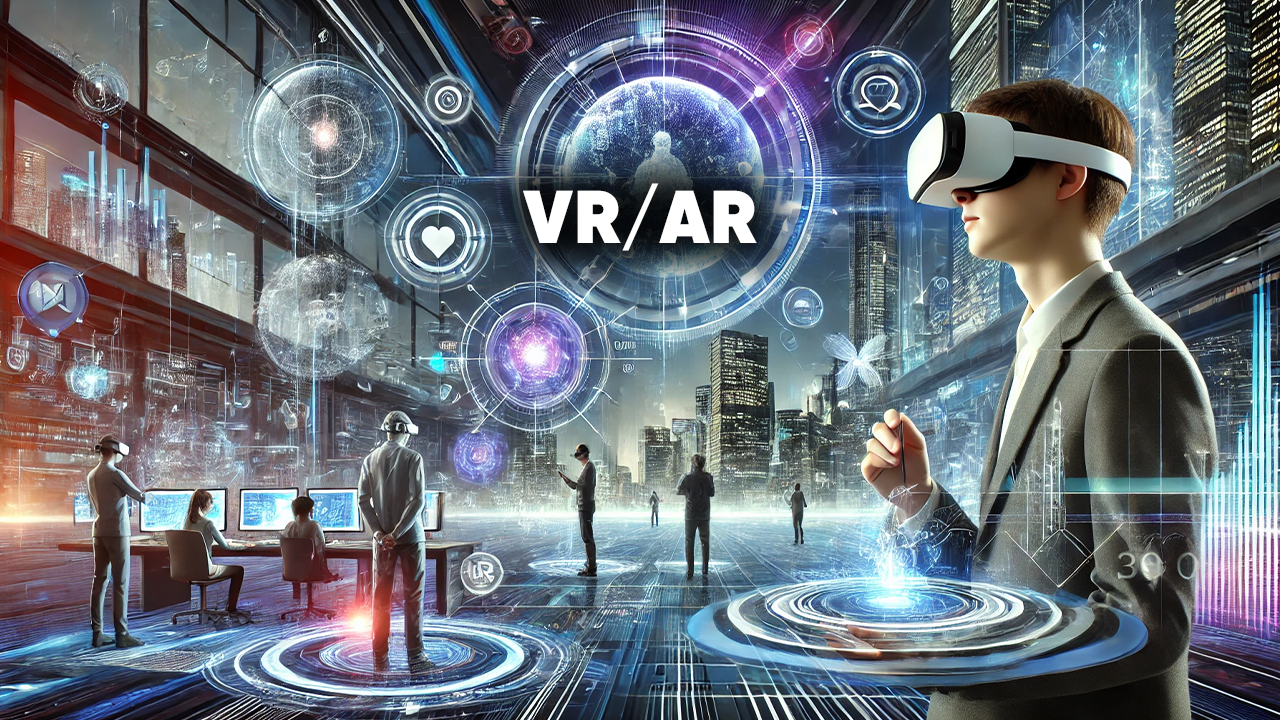
By 2030, virtual reality (VR) and augmented reality (AR) will play a much greater role in our everyday lives – both privately and professionally. These technologies are moving from entertainment and gaming into tools that can change how we work, learn, and interact. VR creates fully immersive experiences where you can step into virtual worlds – for example, for training, meetings, or travel without leaving your home.
This could create new ways of collaborating globally, where people meet in virtual offices or classrooms. AR, on the other hand, places a digital layer over the physical world. It can be used for everything from navigation in cities and stores to testing how furniture would look in your home through an app.
In workplaces, AR will make it possible to view instructions and data directly within a person’s field of vision – something that could be crucial in everything from manufacturing to healthcare. The combination of VR and AR opens up completely new possibilities for learning, entertainment, shopping, and communication – and by 2030, the technology will be much more accessible and naturally integrated into our lives.
Tips About The Future Of Virtual Reality
🥽 Experiment with VR headsets to explore new ways of learning and entertaining yourself.
🧩 Consider how AR can improve your workflow, especially within design and engineering.
Inspiration List – VR/AR In Our Lives By 2030
🎮 Gaming and entertainment - More realistic and interactive gaming experiences.
🏫 Education - Virtual classrooms and AR learning tools.
💼 Work - Virtual meeting rooms and AR instructions for complex tasks.
🏥 Healthcare - VR for therapy and AR for surgical procedures and training.
🛋️ Shopping - Try on clothes or test furniture virtually before buying.
✈️ Travel and experiences - Virtual tours of distant destinations or historical locations.
🌍 Everyday life - Navigation and real-time information directly through glasses or contact lenses.
The Future Of Space Travel And Colonization
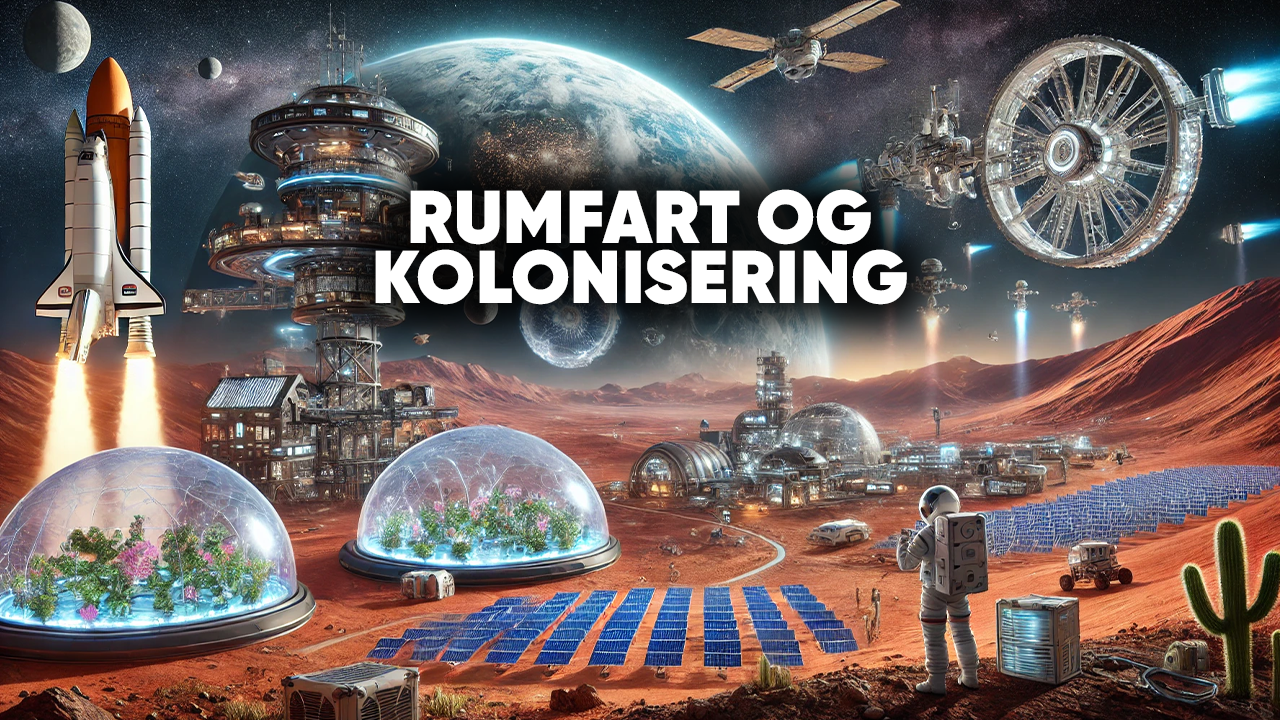
By 2030, space travel will no longer be reserved only for governments and astronauts, but increasingly also for private companies and – in the longer term – ordinary people. Technological development and investment in space travel by private companies mean that we will see an entirely new era of space exploration and colonization.
Projects are already underway in which people could live and work in space – for example, on the Moon or Mars. These missions are not only about exploration, but also about creating new opportunities for resources, research, and perhaps even a future “Plan B” for humanity. In addition to colonization projects, commercial space travel will also become more common. Space could become a new arena for tourism, where short stays in orbit around Earth or visits to lunar bases could become a reality for those who can afford them.
With private companies such as SpaceX and Blue Origin leading the way, space research will accelerate, potentially resulting in commercial lunar missions and even preparations for the colonization of Mars. However, developments in space travel are also about innovation on Earth: New technologies in energy, materials, and sustainability developed for use in space often find their way back to Earth and improve our everyday lives.
Tips About The Future Of Space Travel
🚀 Keep up with advances in space travel and the economic opportunities that may arise.
🛰️ Consider education in space technology and engineering if you want to be part of this revolution.
Inspiration List – Space Travel And Colonization By 2030
🚀 Commercial space travel - Tourism in orbit around Earth.
🌕 Moon bases - The first step toward permanent settlement in space.
🔴 Mars missions - Preparations for colonizing the Red Planet.
🛰️ Satellite technology - More advanced monitoring, communication, and navigation.
🧪 Research in space - New materials, medicines, and technologies developed in zero gravity.
🌍 Technology transfer - Innovations from space travel applied to everyday life on Earth.
👨🚀 International cooperation - More countries and companies working together on space colonization.
The Future Of Cybersecurity And Privacy
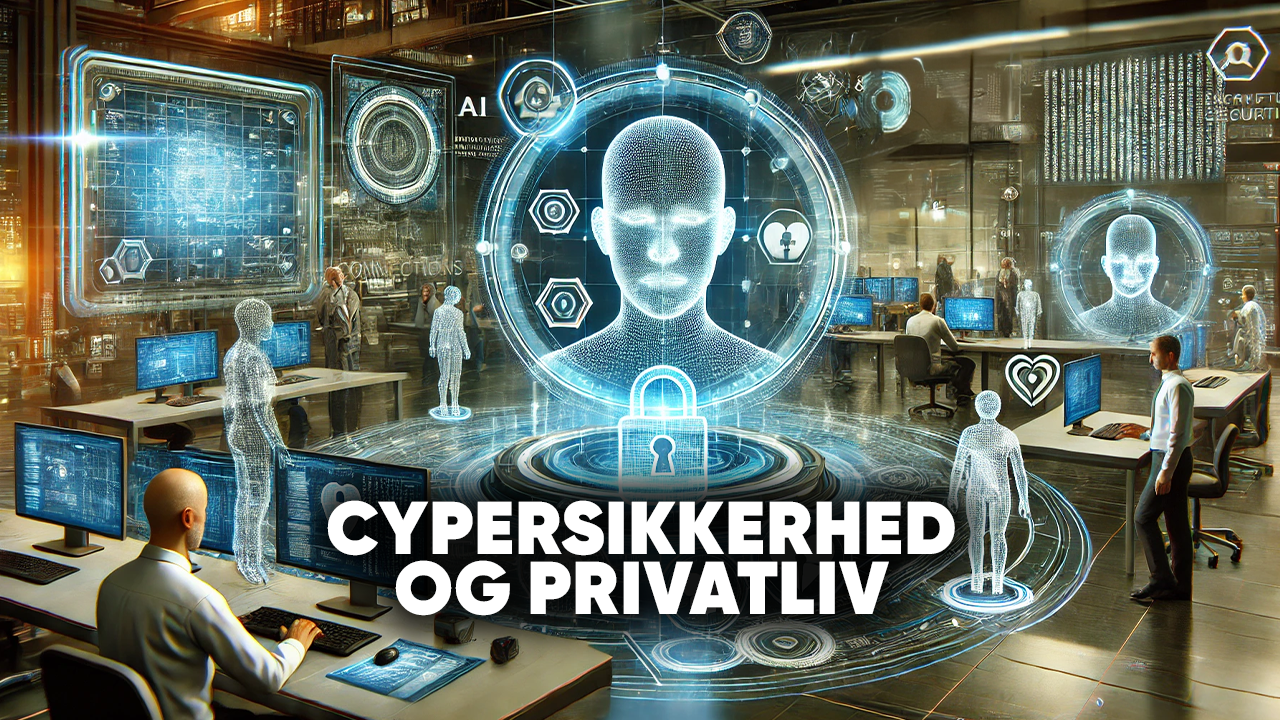
By 2030, cybersecurity and privacy protection will be more important than ever before. As more parts of our lives become digitalized – from banking information and health data to smart homes and digital workplaces – the risk of cyberattacks, data breaches, and identity theft increases. Technology is developing rapidly, but so are cybercriminals.
We will therefore see an increase in advanced threats that use AI, deepfakes, and automated attacks. This means that both companies and individuals must take cybersecurity much more seriously. On the positive side, we will also gain access to better protection tools. Advanced encryption, biometric solutions such as fingerprints and facial recognition, as well as AI-powered security systems, will help detect and stop attacks in real time.
At the same time, regulations and legislation will create greater transparency regarding how our data is collected and used. The future of cybersecurity is therefore not only about technology – but also about digital awareness. We need to learn how to navigate wisely in a world where our data is just as valuable as money.
Tips About The Future Of Cybersecurity And Privacy
🔐 Use strong passwords and two-factor authentication to protect your data.
🕵️ Learn about digital footprints and how you can protect your online privacy.
*******************************************************************************
You can get more inspiration on how to protect your digital devices and online privacy in our article - Great Tips On The Cheapest And Best Antivirus & Security Apps/Programs In 2026 – Protect Your Device
Inspiration List – Cybersecurity And Privacy By 2030
🔒 Stronger encryption - Protection of data against hackers.
🧠 AI-based security - Rapid identification and prevention of cyberattacks.
👁️ Biometric security - Fingerprints, facial scanning, and voice recognition.
🛡️ Data protection - Stricter legislation and greater transparency in the use of data.
🤖 Deepfake protection - New tools for detecting manipulated content.
📱 Privacy in everyday life - More control over the sharing of personal information.
📚 Digital literacy - Better cybersecurity education for both children and adults.
Conclusion
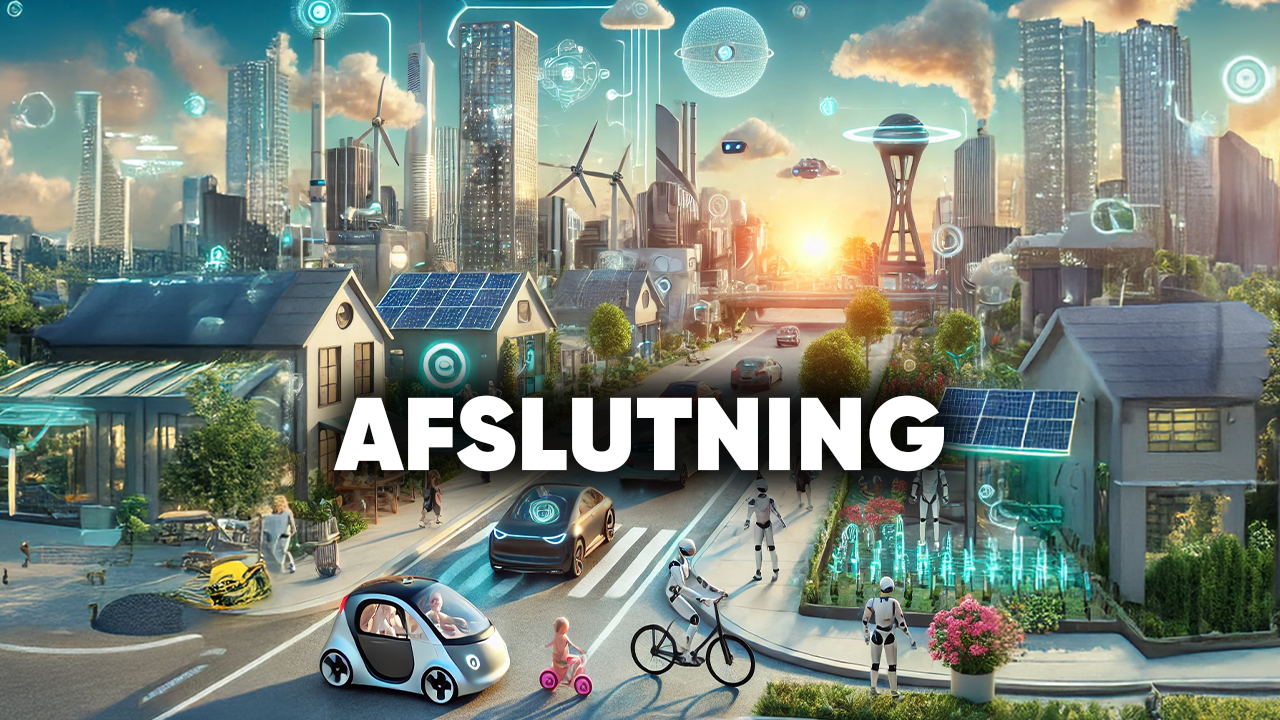
Technological development toward 2030 will change our everyday lives in ways that both create new opportunities and present us with new challenges. From artificial intelligence and automation to sustainable technology, smart homes, healthcare innovation, and the transportation of the future – everything points toward us living in a world where the digital and physical worlds increasingly merge together.
What will matter most is how we as a society and as individuals choose to use technology. If we focus on combining innovation with responsibility, ethics, and sustainability, future technological advances can create a better quality of life, strengthen both our work and personal lives, and contribute to a greener and fairer world.
Technology is not a distant future – it is part of the present and is already shaping our everyday lives. By staying curious, critical, and open to change, we can help ensure that technology works for us and not against us. 🚀🌍🤖
Here Are Our Tips For 3 Technological Areas Worth Watching Toward 2030
🤖 Artificial Intelligence And Automation – Will change the job market, education, and everyday tasks.
🌱 Sustainable Technology – Green energy, smart cities, and circular production will shape the future.
🏥 Healthcare And Biotechnology – Personalized medicine, AI diagnostics, and wearable health solutions will revolutionize the healthcare sector.
*******************************************************************
If you would like further inspiration on how technology will change our lives in the future, you can watch this video - 20 New Technologies That Will Change The World
---------------------------------------------
If you have experience and/or knowledge of future technologies and how you believe they will change our lives by 2030, we would be happy to hear your input and/or suggestions in the comments section regarding other ideas about how technology will change our lives by 2030 and significantly transform our everyday lives.