At a time when both personal finances and the environment are becoming increasingly important in everyday life, recycling and DIY as creative hobbies are enjoying a well-deserved renaissance. More and more people are discovering that creating something personal, useful, and beautiful does not require expensive materials or advanced equipment. On the contrary, there is enormous creative potential hidden in things that would otherwise have ended up in the trash, at the back of a cupboard, or in the attic. Old furniture, clothing, glass, wood, cardboard, and small leftovers from previous projects can be given new life when imagination is allowed to run free.
Recycling and DIY are not only about saving money, although the financial benefits can often be significant. They are just as much about taking responsibility, thinking more sustainably, and gaining a greater understanding of the resources around us. When you repair, rebuild, or create something new from what you already have, you develop a more conscious relationship with your belongings. You take better care of them, use them for longer, and experience a special sense of satisfaction from having created something with your own hands.
Creative recycling hobbies can also provide a calm and meaningful counterbalance to a busy, digital everyday life. Many people find that DIY projects create immersion, presence, and a sense of flow where time almost seems to disappear. Projects can range from small, manageable activities to larger tasks that extend over several days or weeks. What they all have in common is that they can be adapted to different levels of experience, available time, and ambition, making them accessible to everyone regardless of skill level.
This article guides you into a world of recycling and DIY where creativity, financial awareness, and environmental consideration go hand in hand. It is not about perfection or expensive solutions, but about seeing possibilities rather than limitations. With the right ideas, a little patience, and a willingness to experiment, you can create personal solutions that save money, reduce waste, and give you a strong sense of pride and ownership.
Benefits of Recycling and DIY in Everyday Life
Recycling and DIY in everyday life offer far more benefits than financial savings alone. When you begin to view your belongings as resources rather than disposable consumer goods, your relationship with shopping, waste, and creativity changes significantly. Small everyday choices can collectively make a big difference—for your wallet, your home, and the environment around you.
One of the most tangible benefits is reducing your expenses. By repairing, reusing, or building things yourself, you can avoid many impulse purchases and expensive replacements. A worn piece of furniture can be given new life with a little paint or adjustment, while old clothing can be transformed into something new and useful. Over time, these small decisions can make a noticeable difference to your budget without requiring you to compromise on quality or functionality.
At the same time, recycling and DIY contribute to a more sustainable lifestyle. When you use what you already have, you reduce the need for new production, transportation, and packaging. This means fewer resources are used and less waste is created. Many people find this approach more satisfying in everyday life because their actions feel meaningful and aligned with the desire to take better care of the planet.
There are personal benefits as well. DIY projects strengthen problem-solving skills, creative thinking, and self-confidence. Every time you complete a task yourself, your confidence in your own abilities grows. This can make you more resourceful in everyday life because you become more likely to see opportunities rather than limitations. It also creates a stronger connection with the things around you because they carry a story and a personal touch.
Finally, recycling and DIY can serve as a peaceful escape from an otherwise busy daily routine. Working with your hands provides calm, focus, and a break from screens and constant stimulation. Many people find that even small projects can create a sense of presence and satisfaction that extends far beyond the finished result.
Environmental Benefits of Recycling and DIY in Everyday Life
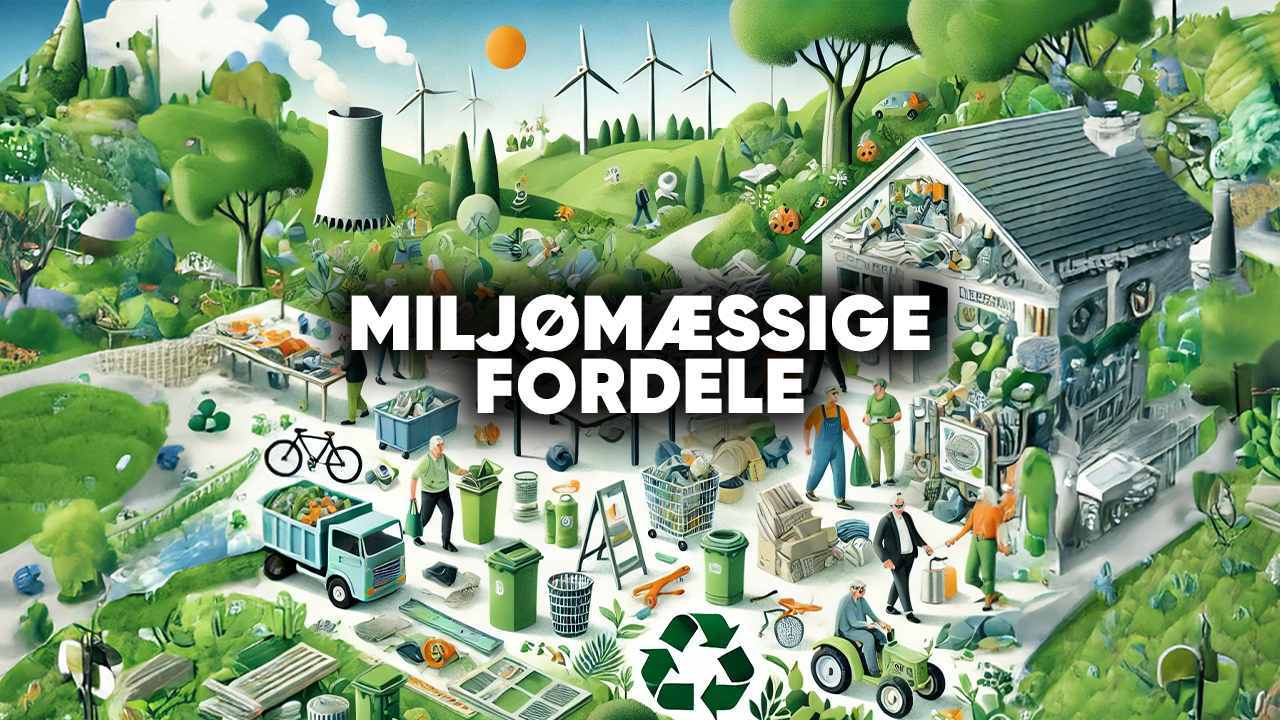
When you choose to reuse items and take on DIY projects, you are not only doing something good for your finances—you are also helping the environment. By extending the lifespan of things you already own and using materials in new ways, you reduce the need to buy new products. This means fewer resources need to be extracted, manufactured, and transported, resulting in a smaller CO₂ footprint.
Recycling and DIY are also practical ways to reduce the amount of waste produced in everyday life. When you repair, reuse, or create something new from old materials, you prevent them from ending up as garbage. This creates a circular approach in which resources remain in use for longer, benefiting both the climate and future generations.
At the same time, the environmental benefits can inspire you to live more sustainably in other areas of your life. Small habits such as reusing, repairing, and sharing can collectively make a major difference when they become a natural part of your everyday routine.
Inspiration List – Great Tips for Recycling and DIY in Everyday Life
♻️ Extend the Lifespan of Your Belongings With Small Repairs
When you choose to repair something instead of buying a replacement, you save resources and reduce waste. This could mean sewing on a button, tightening a loose fitting, replacing a zipper, or repairing a lamp. These types of everyday repairs are often underestimated, but they can have a significant environmental impact because they help avoid new production and transportation. And the more you practice, the easier it becomes to recognize what can actually be saved before it gets thrown away.
🌍 Reduce Waste by Thinking in Terms of Reusable Materials
Much of what is normally thrown away can become raw material for new solutions. Glass jars can become storage containers, wood can become shelves, textiles can become cleaning cloths or bags, and cardboard can be used to organize drawers. When you begin to see “leftovers” as resources, your waste naturally decreases. This is where recycling and DIY in everyday life become practical habits because you continually use what you already have before purchasing something new.
🔄 Create a More Circular Everyday Life Through Upcycling
Upcycling means giving something a new function without reducing the value of the material. An old dresser can become a changing table, a worn table can receive a new top, and clothing can be altered to fit better. The advantage is that you keep materials in use for longer while avoiding unnecessary purchases. In this way, your everyday DIY approach becomes part of a more circular lifestyle—without the need for grand plans.
a
🌱 Save Raw Materials by Reusing Before Buying New
New production requires energy, water, and raw materials—often much more than people realize. When you reuse things from your home, thrift stores, or exchange communities, you reduce demand for new products. This means less extraction, less production, and less packaging. Recycling and DIY in everyday life can therefore be one of the most direct ways to take practical action for the environment without it feeling like a major undertaking.
🏡 Make Sustainable Habits Visible to the Whole Household
When repairing and reusing become normal activities in the home, they influence others—especially children and young people. They see that things can be fixed, changed, and reused instead of simply thrown away. This creates a culture in which belongings have value and people think before buying something new. Habits like these do not come from lecturing but from small actions that are repeated and gradually become part of everyday life.
Summary – Environmental Benefits of Recycling and DIY
🌍 Less waste – Fewer items are thrown away, reducing pressure on landfills and waste incineration.
🌱 Lower CO₂ emissions – Recycling requires fewer new resources and less energy consumption.
🔄 Longer product lifespan – Repairs and creative reuse give items new life.
🛠 Lower resource consumption – Fewer raw materials need to be extracted when we reuse what we already have.
🧩 Circular economy in practice – Items are reused and remain part of a more sustainable cycle.
💧 Reduced pollution – Less production means lower emissions of chemicals, wastewater, and plastic waste.
🌿 A more conscious lifestyle – You learn to think in more environmentally friendly ways and make greener choices in everyday life.
*********************************************************************
REMEMBER – DIY and recycling are simple paths toward a greener lifestyle, and small everyday choices can create major environmental improvements that benefit our planet.
*********************************************************************
You can find additional inspiration on how to reduce your personal CO₂ footprint in our article – Great Tips on How to Reduce Your Personal CO₂ Footprint
Financial Benefits of Recycling and DIY in Everyday Life
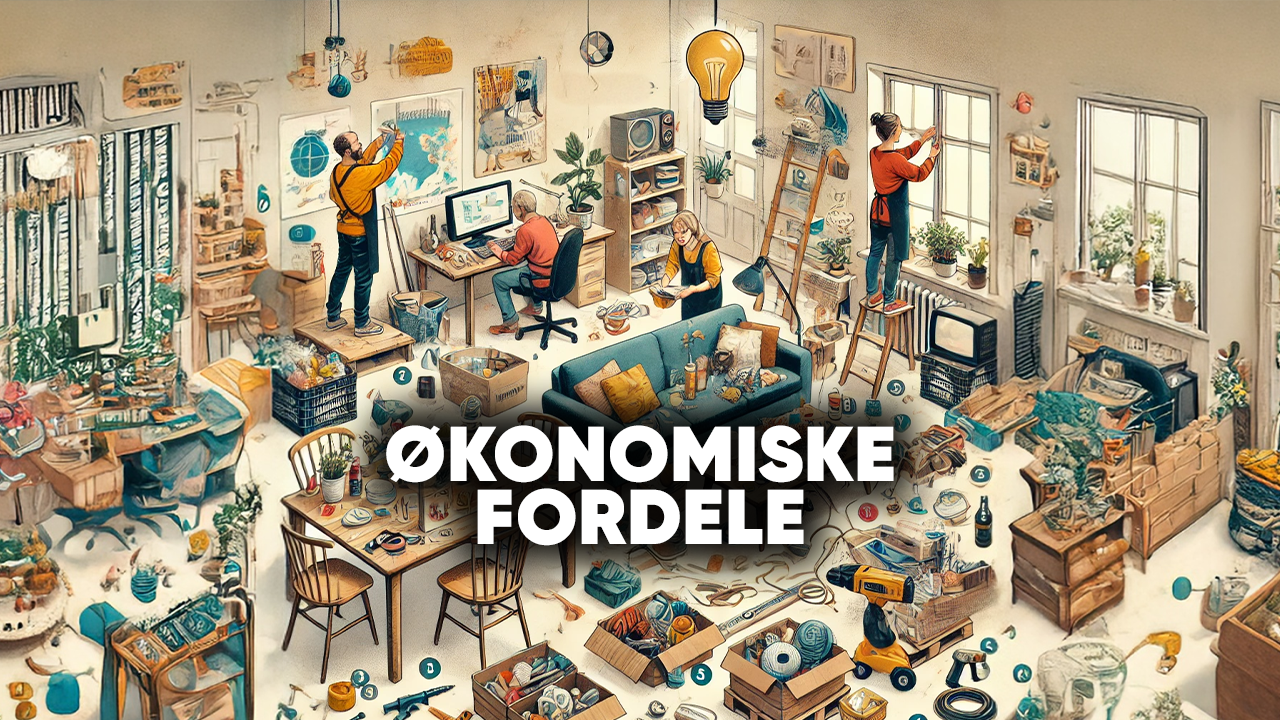
Recycling and DIY are not only about being creative and environmentally friendly—they are also excellent ways to save money in everyday life. When you choose to repair, transform, or create something yourself instead of buying something new, you can quickly notice the difference in your budget.
We often already have materials lying around that, with a little imagination, can be reused. An old piece of furniture can be given new life with paint or a few adjustments, while leftover fabric can become useful bags, cushions, or decorations. This allows you to avoid spending money on new items while also creating something unique and personal.
DIY can also reduce small but recurring everyday expenses. When you make your own cleaning products, carry out repairs, or create simple home décor items yourself, you save money that can instead be spent on experiences or other things that add value to your life.
IN SHORT – Recycling and DIY allow you to combine creativity with financial awareness—and the benefits can pay off both in the short and long term.
Inspiration List – Great Tips for Saving Money Through Recycling and DIY in Everyday Life
🔧 Repair Instead of Replace as Part of Recycling and DIY in Everyday Life
Many things are thrown away long before they have actually reached the end of their useful life. A loose screw, cracked joint, or faulty wire can often be repaired with simple measures. When repairing becomes a regular part of recycling and DIY in everyday life, you avoid the expense of buying new products and extend the lifespan of the things you already own. This provides a direct financial benefit while also reducing the need for frequent purchases.
💰 Lower Shopping Costs Through Creative Reuse in Everyday Life
By reconsidering how existing materials can be reused, the need to buy new things can decrease significantly. Wood, glass, textiles, and metal can often be given new functions at very little cost. This form of creative reuse is a natural extension of recycling and DIY in everyday life and allows you to meet practical needs without unnecessarily opening your wallet.
🛠️ Do the Work Yourself and Save on Tradespeople
Many smaller jobs around the home can be completed yourself with a little patience and willingness to learn. When you paint, assemble, adjust, or build smaller solutions yourself, you save money on labor costs. Recycling and DIY therefore become a financial advantage because your own time replaces expensive professional services—without necessarily producing an inferior result.
🔄 Less Waste Gives You Better Financial Control in Everyday Life
When you actively practice recycling, you become more aware of waste involving both materials and money. Leftovers are saved and used later, unnecessary purchases are reduced, and planning improves. This approach strengthens recycling and DIY as a form of financial discipline in everyday life, where every resource is used more effectively and unnecessary expenses gradually disappear.
🏠 Long-Term Savings With a DIY Mindset
The greatest financial benefits often appear over time. When you become accustomed to repairing, reusing, and creating solutions yourself, your total consumption decreases year after year. Recycling and DIY in everyday life therefore become more than just hobbies—they become a stable way of keeping expenses down and creating stronger personal finances.
Summary – Financial Benefits of Recycling and DIY in Everyday Life
💸 Low-cost furniture makeovers – Paint, sand, or reupholster old furniture instead of buying new pieces.
✂️ Alter clothing – Transform old clothing into new styles or use leftover fabric for practical items such as bags or cleaning cloths.
🧽 Make your own cleaning products – Use simple ingredients such as vinegar, baking soda, and lemon for inexpensive and effective solutions.
🌱 Reuse materials in the garden – Use containers, pallets, or jars for planters and pots.
🕯 DIY decorations – Make candles, decorations, and gifts yourself instead of buying them.
🛠 Repair instead of replace – Small repairs to electronics, bicycles, or kitchen equipment can save a considerable amount of money.
📦 Use packaging creatively – Cardboard, jars, and cans can be transformed into practical storage solutions.
******************************************************************
REMEMBER – Recycling and DIY can quietly but effectively support your everyday budget, and small daily savings can grow significantly over time.
Creative and Personal Development Through Recycling and DIY in Everyday Life
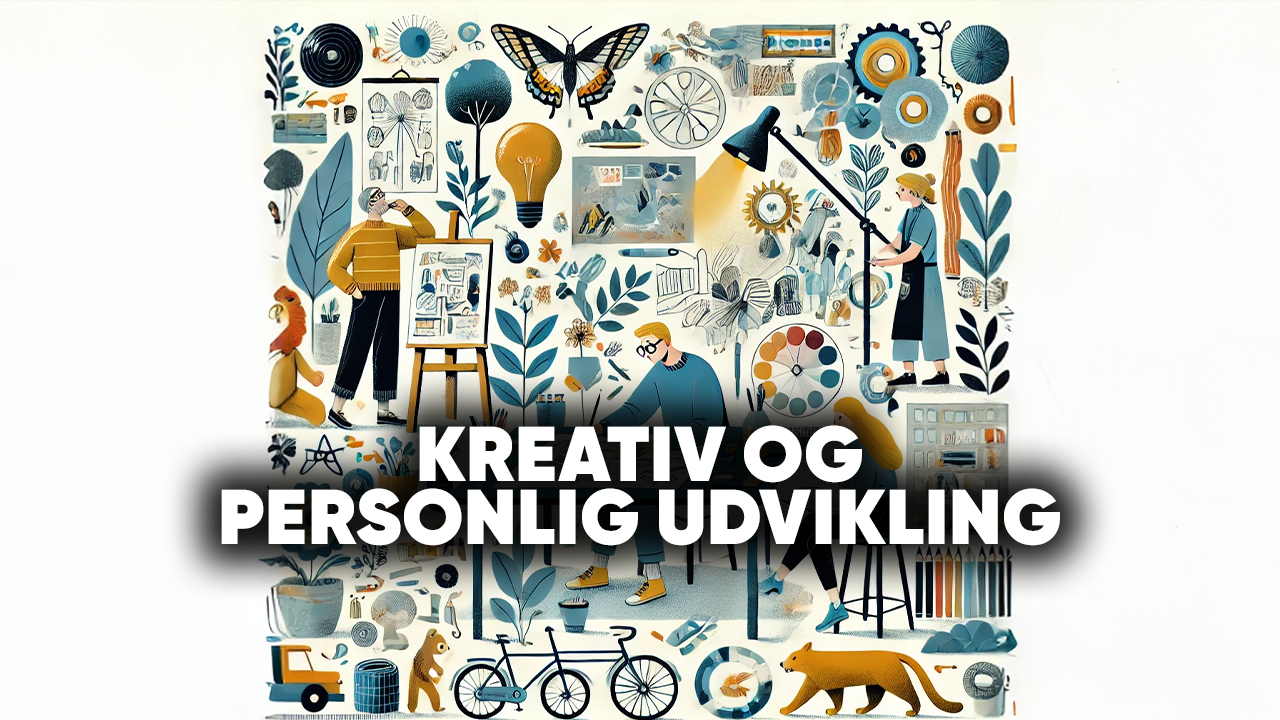
Recycling and DIY are not only about saving money or protecting the environment—they can also provide a strong sense of creativity and personal development. When you work with materials you already have or create something new from used items, you challenge your imagination and learn to think in terms of solutions rather than limitations.
This process strengthens your problem-solving skills and can provide a sense of pride and self-confidence because you have created something unique yourself. Seeing an old piece of furniture become something beautiful and functional, or giving new life to materials that others would have thrown away, can provide a particularly satisfying feeling.
At the same time, DIY projects can serve as a form of mental relaxation, providing a break from a busy everyday life. They create calm, presence, and an opportunity for creative expression—and they can strengthen both your well-being and your ability to learn new skills.
Inspiration List – Great Tips for Creative and Personal Growth Through Recycling and DIY in Everyday Life
🎨 Practice Creative Thinking Through Recycling and DIY in Everyday Life
When materials are neither new nor perfect, finding solutions requires creative thinking. You learn to see potential in shapes, colors, and functions that may not immediately seem compatible. Recycling and DIY challenge conventional thinking and strengthen your ability to think flexibly, which can also be applied to other areas of life.
🧠 Build Confidence by Creating Things With Your Hands
Every time you complete a project, you experience a tangible sense of achievement. This applies whether or not the result is perfect. When recycling and DIY become regular parts of everyday life, confidence in your own abilities grows because you repeatedly experience that you can learn new things and solve challenges yourself.
🪵 Develop Your Personal Style Through DIY and Recycling
By working with existing materials, you create solutions that do not follow the templates of mass production. Colors, shapes, and functions can be adapted to your needs and preferences. This approach turns recycling and DIY into tools for personal expression, allowing your home and projects to tell a story about you.
🧩 Strengthen Problem-Solving Through Practical Work
DIY projects almost always involve small challenges along the way. Something does not fit, something needs adjusting, or plans have to change. This is exactly where learning takes place. When recycling and DIY become habits, you develop a more constructive approach to problems, finding solutions through action and reflection.
🌿 Find Calm and Focus Through Creative Routines
Working with your hands creates a pace at which your thoughts can settle and your attention can focus on one task at a time. Many people find that recycling and DIY provide a mental refuge where stress is reduced and enjoyment of the process becomes just as important as the finished result.
Summary – How Recycling and DIY Can Strengthen Your Creativity and Personal Development
🎨 Make art and decorations from recycled materials – For example, collages, paintings, or handmade decorations.
🛠 Transform furniture – Let your imagination run free with paint, new colors, and creative details.
✂️ Alter and customize clothing – Turn old clothing into something new and unique that suits your personal style.
🌱 Creative garden décor – Build planters or decorations from pallets, glass, or cans.
📸 Create personal photo props and backgrounds for photography using simple recycled materials.
🧩 Make gifts yourself – For example, candles, jewelry, or cards with personal meaning.
🧘 Use DIY as a way to unwind mentally – Create a small project you can immerse yourself in and use to find calm.
********************************************************************************
REMEMBER – When you create things yourself, you develop both skills and confidence, and personal growth can emerge even from small projects.
Recycling at Home – Great Ideas for DIY Projects
Recycling at home opens the door to countless DIY projects in which creativity, functionality, and consideration for both finances and the environment go hand in hand. Many materials and objects already found in the home contain a great deal of untapped potential. With a little imagination and a willingness to experiment, old or overlooked items can be given new life and a new function that perfectly suits your needs.
DIY projects involving recycling at home are largely about seeing possibilities instead of limitations. A worn piece of furniture can be transformed into something personal with paint, new handles, or a different use. Glass jars and containers can become practical storage, decorations, or lighting, while textiles can be altered, cut, or used in completely new ways. When you work with what you already have, the process becomes more playful because nothing has to be perfect from the beginning.
One of the major advantages of recycling at home is that projects can easily be adapted to your available time, experience, and ambitions. Some projects require only a few materials and can be completed in an afternoon, while others can develop over a longer period and be adjusted along the way. This provides flexibility, allowing you to work at your own pace while gradually building experience and confidence.
In addition, DIY projects using recycled materials create a stronger connection with your home. When objects have a history and have been created or changed by you personally, they feel more meaningful and personal. This can provide greater everyday satisfaction and make your home a place that more clearly reflects your values, creativity, and way of life.
Furniture Upgrades and Repairs as DIY Projects at Home
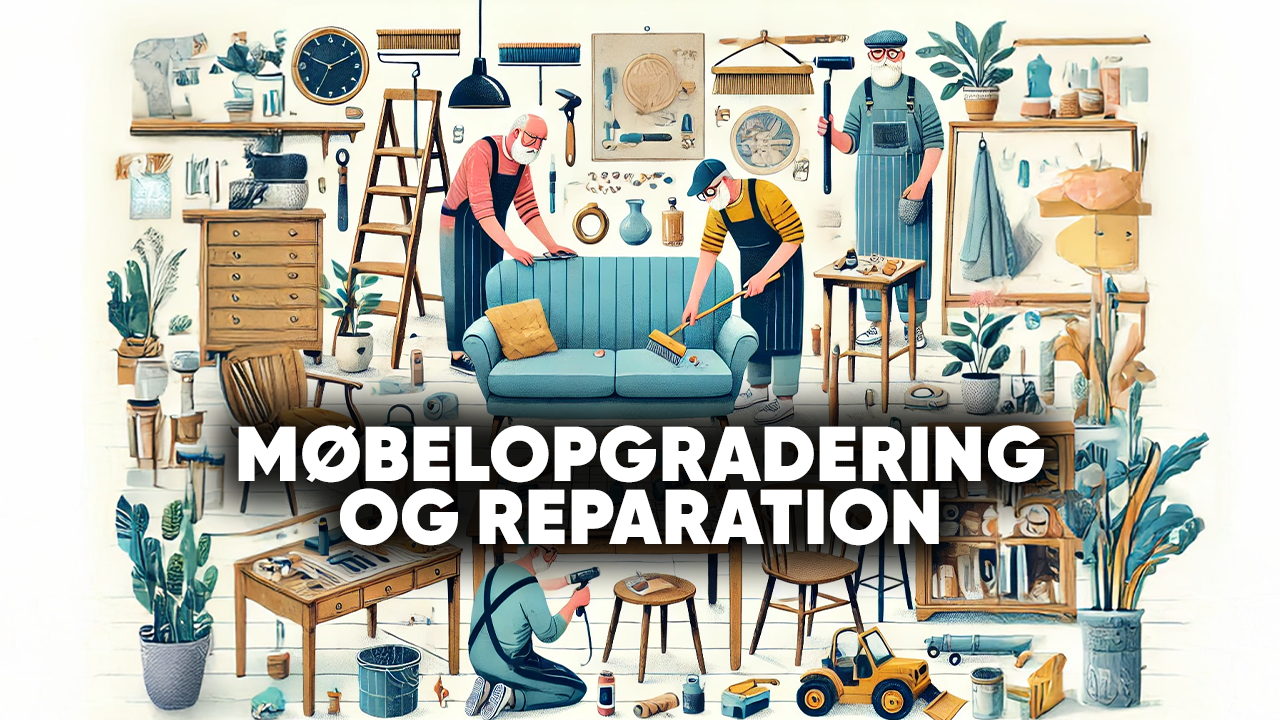
Old furniture does not need to end up in a landfill simply because it is worn or out of fashion. With a little creativity and a DIY mindset, most furniture can be given new life—often for very little money. Upgrading and repairing furniture is a hobby that combines sustainability, financial savings, and creative expression while giving you something unique and personal for your home.
Simple sanding, a fresh coat of paint, or new upholstery can transform a dull piece of furniture into a modern and functional part of your home. At the same time, you learn practical skills such as repairing, adapting, and improving things, which can save you a considerable amount of money over time.
Furniture upgrades are not only about functionality—they also give you an opportunity to put your own personal stamp on your interior design. The result is furniture with history, character, and a style that perfectly suits your home.
Inspiration List – Great Tips for Furniture Upgrades as DIY Projects at Home
🪑 Give Old Furniture a New Look With a Personal DIY Project at Home
One of the easiest approaches is to change the appearance of furniture without altering its basic form. Paint, oil, wax, or new handles can completely transform a piece of furniture. When you work with colors and surfaces as part of a DIY project at home, you can adapt furniture to the style of the room while hiding wear, scratches, and outdated design choices.
🔧 Repair Worn Joints in Your Own Home Project
Loose legs, squeaky chairs, and unstable tables are often the result of worn joints—not ruined furniture. By gluing, tightening, or replacing individual components, you can make the furniture stable again. This type of repair is a classic DIY project at home in which small adjustments create major functional improvements and significantly extend the lifespan of the furniture.
🎨 Transform Function Through Creative Remodeling at Home
Sometimes furniture upgrades are not only about appearance but also about function. A bookshelf can become a desk, an old door can become a tabletop, and a dresser can be adapted to meet new storage needs. This type of creative rethinking turns furniture into a more advanced DIY project at home, allowing you to create solutions tailored precisely to your everyday life.
🧰 Replace Worn Parts as Part of Your DIY Project at Home
Many pieces of furniture only fail because individual components such as fittings, screws, hinges, or legs become worn. By replacing these parts, you can often save furniture that would otherwise be thrown away. This is a manageable DIY project at home that requires limited tools but can make a significant practical and visual difference.
🏡 Create Consistency in Your Interior With DIY Solutions
When several pieces of furniture are upgraded using the same colors, materials, or details, a consistent theme begins to emerge throughout your interior. By viewing furniture upgrades as a series of DIY projects at home, you can create cohesion and balance without buying anything new. This results in a more personal home where furniture works together across different rooms.
Summary – Ideas for Furniture Upgrades and Repairs as DIY Projects at Home
🪑 Refresh with paint or stain – Give chairs, tables, or dressers a new look. Paint an old sideboard and give it a vintage appearance.
✂️ New fabric or upholstery – Make old chairs or sofas comfortable and modern again.
🔨 Repair broken parts – Replace screws, fittings, or loose legs instead of throwing the furniture away.
🌱 Upcycling with a creative twist – Turn an old shelving unit into a planter or use pallets to make tables, sofas, or shelves. Build a bed from reclaimed wood.
🧽 Thorough cleaning and maintenance – Many pieces of furniture can be given new life simply by sanding, washing, and oiling them.
💡 Add new details – Replace handles on drawers and cabinets to create a fresh look.
🏡 Combine several pieces of furniture – Use parts from different pieces to create one new and functional design.
**************************************************************************************************
REMEMBER – Repairing furniture is often the first step toward a more sustainable home, and DIY projects at home create both functionality and personality.
Upcycling Clothing and Textiles as a DIY Project at Home
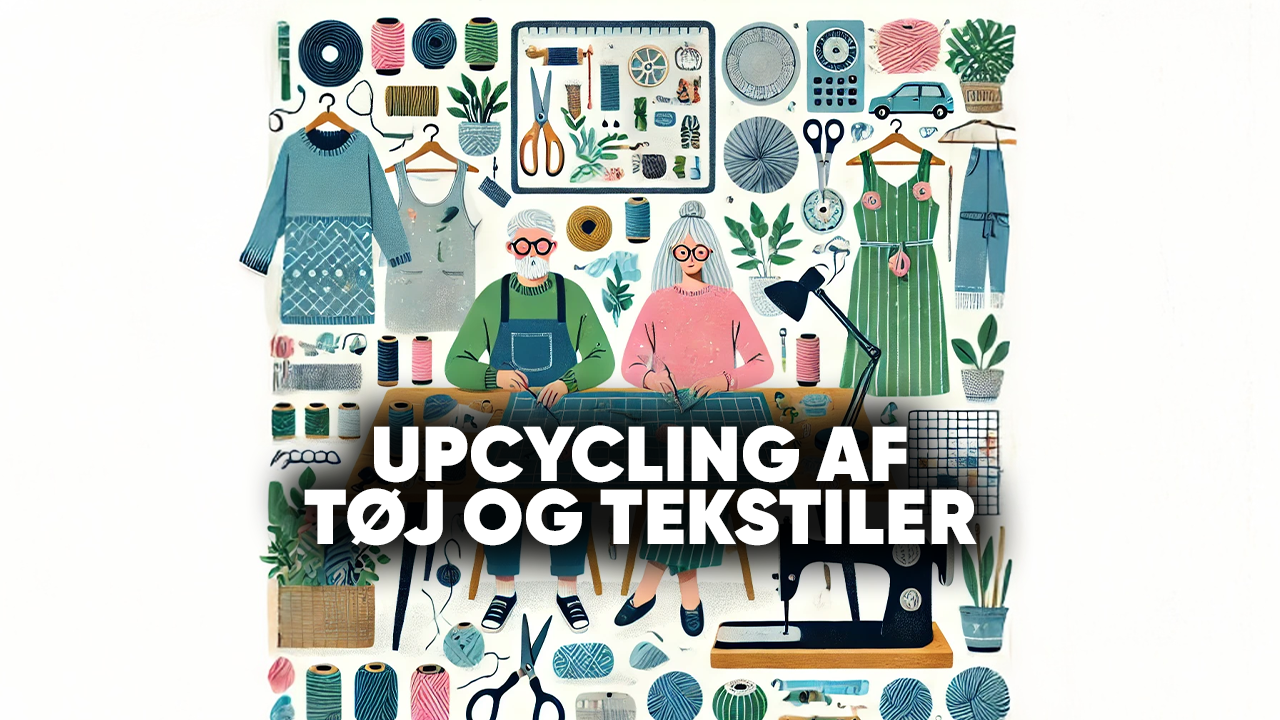
Clothing and textiles are among the things we most commonly throw away even though much of them can still be used. With a little creativity, old clothing and leftover fabric can be given new life through upcycling. The idea is to transform something that would otherwise become waste into something useful, beautiful, or completely unique—while saving money and protecting the environment at the same time.
An old pair of jeans, for example, can become a bag, apron, or sofa cushions. Worn bed linen can be cut up and used for patchwork or sewing projects, while a shirt can easily be transformed into a summer dress or stylish shopping bag. Upcycling allows you to create something personal that matches your style and that nobody else has.
It is also a hobby that allows you to start small without investing in expensive equipment—a pair of scissors, a needle, and thread are often enough to get started. Over time, you can expand by using a sewing machine and learning additional techniques, but even simple projects can make a significant difference in everyday life.
Inspiration List – Great Tips for Creative Textile Upcycling Ideas as DIY Projects at Home
👕 Transform Worn Clothing Into Something New Through a DIY Project at Home
Clothing with stains, holes, or an incorrect fit can often be saved with small adjustments. Sleeves can be removed, lengths adjusted, and details moved or combined in new ways. When you work with clothing alterations as a DIY project at home, you learn to see the potential in garments rather than their flaws, and the result is often more personal than anything you could buy ready-made.
🧵 Create New Useful Items From Textiles in Your Own Home Project
Textiles are perfect for reimagining as practical everyday solutions. Old shirts can become fabric bags, bed linen can become cushion covers, and worn jeans can be used for aprons or storage. This type of DIY project at home makes full use of materials and gives textiles a new purpose when they no longer work as clothing.
🎨 Give Clothing a New Look With Color and Details at Home
Dyeing, embroidery, patches, and visible repairs can dramatically change the appearance of clothing. Instead of hiding signs of wear, you can highlight them as part of the design. When you use decorative techniques as a DIY project at home, the clothing becomes unique and reflects your personal style in a way that mass-produced clothing rarely does.
✂️ Combine Several Textiles Into One DIY Project at Home
Sometimes the best ideas come from combining leftovers from several pieces of clothing. Fabric scraps, old T-shirts, or worn textiles can be assembled into one new product. This approach makes DIY projects at home more experimental and creative because you can work freely with colors, textures, and shapes without fixed rules.
🏡 Create a More Conscious Clothing Culture Through Everyday DIY
When upcycling becomes a natural part of everyday life, your relationship with clothing changes. You buy less, take better care of what you have, and begin to see textiles as something that can evolve over time. As a DIY project at home, textile upcycling becomes a habit that both strengthens creativity and creates a more responsible approach to your wardrobe.
Summary – Ideas for Upcycling Clothing and Textiles as DIY Projects at Home
👕 Make bags or shopping totes from old T-shirts or shirts.
👖 Transform old jeans into bags, aprons, or decorative cushions.
🧵 Patchwork projects using fabric scraps – For example, blankets, cushions, or wall decorations.
👗 Alter clothing – Turn a shirt into a dress or adjust the size of clothing you no longer wear.
🛏 Reuse bed linen and curtains for creative sewing projects such as tablecloths, storage bags, or aprons.
🎁 Make gifts from textiles – For example, handmade purses, scrunchies, or reusable gift bags.
✂️ Decorate and refresh – Add embroidery, fabric patches, or dye to give dull clothing a new look.
*******************************************************************************
REMEMBER– A creative DIY project can change the way you look at clothing, while upcycling also makes your wardrobe more personal and sustainable.
*******************************************************************************
You can find additional inspiration on how to extend the lifespan of your clothing in our article – Great Tips on How to Extend the Lifespan of Your Clothing and Beauty Products
DIY Decorations and Functional Crafts as DIY Projects at Home
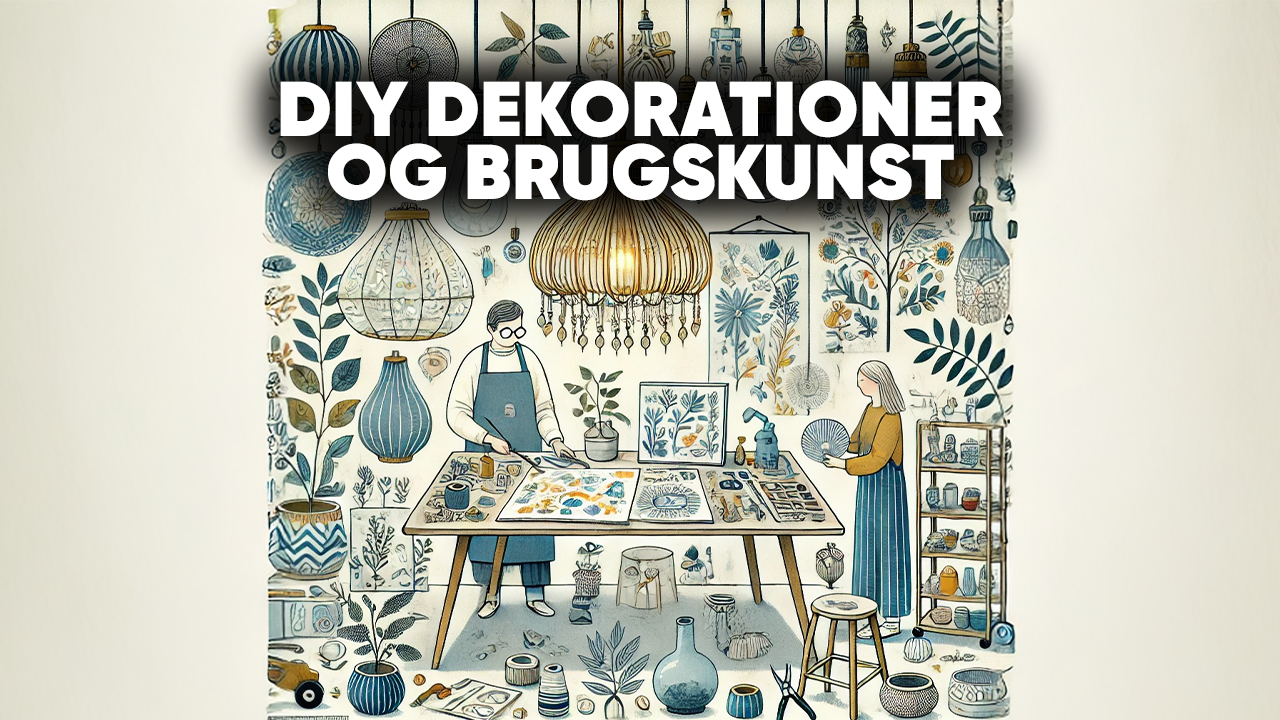
Making your own decorations and functional crafts is a hobby that is creative, fun, and financially sensible. Instead of buying expensive decorations or home accessories from stores, you can create unique solutions yourself that perfectly match your style and home.
One advantage of DIY decorations is that you can use materials you already have or find inexpensive items in thrift stores and transform them into something new. An old jar can become a candle holder, a wine bottle can be transformed into a vase, and natural materials such as stones, branches, or seashells can be used to create beautiful, personal decorations.
DIY functional crafts are not only about aesthetics—they also give you the opportunity to create things with practical everyday value. When you make something with your own hands, you not only receive a personalized finished product but also experience pride and joy from having created something yourself.
Inspiration List – Great Tips for Decorations and Functional Crafts as DIY Projects at Home
🕯️ Create Atmosphere With Homemade Decorations as DIY Projects at Home
Decorations play an important role in the atmosphere of a room. By making candle holders, lanterns, or small table decorations from recycled materials, you can create warmth and coziness without buying anything new. When atmospheric elements become DIY projects at home, you can adapt the colors, shapes, and overall look precisely to your home and change them over time according to the season and your needs.
🖼️ Personal Wall Art Created as a DIY Project at Home
Wall decorations do not need to be expensive or mass-produced. Old frames, fabric scraps, paper, or wood can be combined to create personal works of art. This type of DIY project at home gives you the freedom to experiment with different styles and create something that reflects your personality and interests while also giving materials new life.
🪴 Functional Crafts for Everyday Life in Your Home Project
Functional crafts combine decoration with practical use. These might include storage solutions, small shelves, jars, or containers made from recycled materials. As DIY projects at home, functional crafts allow you to combine aesthetics and practicality so that every object is both beautiful and useful in daily life.
🎨 Experiment With Materials in a Creative DIY Project at Home
Decorative projects offer an opportunity to experiment freely with materials, colors, and techniques. Combining different surfaces and shapes creates new looks that do not follow fixed rules. This turns DIY projects at home into a creative space where mistakes and imperfect solutions often become part of the finished design.
🏡 Make Your Home More Personal With DIY Functional Crafts
When decorations and functional crafts are created by you, your home becomes more lively and personal. Every element tells a story and serves as a reminder of the process behind it. As a DIY project at home, functional crafts become more than decoration—they become an active part of your home's identity and atmosphere.
Summary – Ideas for DIY Decorations and Functional Crafts as DIY Projects at Home
🕯 Candle holders from jars and cans – Decorate with paint, string, or sand, or use old jars as candle holders or storage.
🌱 Vases from bottles – Decorate old bottles with paint, fabric, or string.
🖼 Pictures and wall art – Make collages, paintings, or frames from recycled materials.
🧺 Storage baskets or boxes – Weave or cover boxes with fabric or paper. Use wine corks to make small notice boards.
🌿 Natural decorations – Use stones, pine cones, seashells, or dried flowers as decorations.
💡 Personalized lamps – Create lamps from recycled glass, wood, or metal parts.
🎁 Handmade gifts – Make jewelry, decorative objects, or small useful items that are inexpensive and unique. Make Christmas decorations from old books or paper bags.
*****************************************************************************
REMEMBER– Creative decorations make your home more personal, and functional crafts gain extra value when they are homemade.
*****************************************************************************
You can find additional inspiration for making your own items for the home in our article – Great Tips for DIY Recycling Ideas for the Home
Homemade Beauty Products as a DIY Project at Home

Making your own beauty products is a creative, fun, and environmentally friendly hobby. Instead of spending money on expensive products filled with additives, you can create your own solutions with just a few natural ingredients—often using things you already have in your kitchen.
One advantage of homemade beauty products is that you have full control over their contents. You can choose natural ingredients that suit your skin and hair and avoid unnecessary chemicals. At the same time, you reduce packaging waste when you reuse containers for your products.
It is a hobby where you can quickly see results and enjoy a sense of well-being and self-care in everyday life. From face masks and body scrubs to lip balms and hair treatments, there are many possibilities, and recipes can easily be adapted to suit your own needs.
Inspiration List – Great Tips for Homemade Beauty Products as DIY Projects at Home
🧴 Create Simple Personal-Care Products as a Manageable DIY Project at Home
Many beauty products can be made with just a few ingredients and simple tools. Facial oils, body scrubs, and moisturizers can be adapted to the needs of your skin and prepared in small quantities. When this type of personal care becomes a DIY project at home, you gain complete control over the ingredients and can easily adjust the consistency and fragrance according to your preferences.
🌿 Use Natural Ingredients in Your DIY Beauty Project at Home
Working with natural ingredients such as oils, sugar, salt, or herbs makes beauty care more transparent and straightforward. As a DIY project at home, knowing exactly what your products contain can provide greater confidence, and you can easily avoid unnecessary additives. This makes personal care more conscious and often gentler.
♻️ Reuse Packaging as Part of Your DIY Project at Home
Old jars, containers, and bottles can easily be cleaned and reused for homemade products. This approach makes DIY projects at home more sustainable and reduces the need for new packaging. At the same time, it can create a consistent and personal style in the bathroom, where containers complement one another and tell a story of reuse.
🧪 Experiment With Recipes in a Creative DIY Project at Home
Part of the enjoyment of homemade beauty products comes from experimenting. Small adjustments to quantities and ingredients can produce very different results. As a DIY project at home, the process becomes educational and playful, with mistakes and experimentation forming a natural part of development.
🏡 Make Beauty Care a Regular DIY Routine in Everyday Life
When homemade personal care becomes part of your routine, your relationship with beauty products changes. You buy less, use products more consciously, and appreciate the process behind them. As a DIY project at home, beauty care becomes more than consumption—it becomes an active, personal habit that fits into your everyday life.
Summary – Ideas for Homemade Beauty Products as DIY Projects at Home
🧴 Face masks – Use honey, yogurt, oats, or cucumber for natural skin care.
🧂 Body scrub – Mix sugar or sea salt with oil, such as olive or coconut oil, for effective exfoliation. Another option is to make a body scrub using coffee grounds and coconut oil.
💄 Lip balm – Make a simple version using beeswax, coconut oil, and a little honey.
🛁 Bath salts – Combine sea salt or Epsom salt with essential oils for relaxing baths.
🧴 Hair treatment – Use avocado, banana, or coconut oil to add moisture and shine.
🌿 Natural deodorant – Mix coconut oil, baking soda, and cornstarch for a simple DIY solution.
🕯 Reuse jars and containers – Store your products in small jars or bottles to reduce waste.
*****************************************************************
REMEMBER– Beauty products do not have to come from a store, and a DIY project can make your personal-care routine both cheaper and more personal.
************************************************************************************************
You can find additional tips for DIY beauty products in our article – Great Tips for Natural Beauty Products and DIY Recipes
Garden Projects Using Recycled Materials as DIY Projects at Home
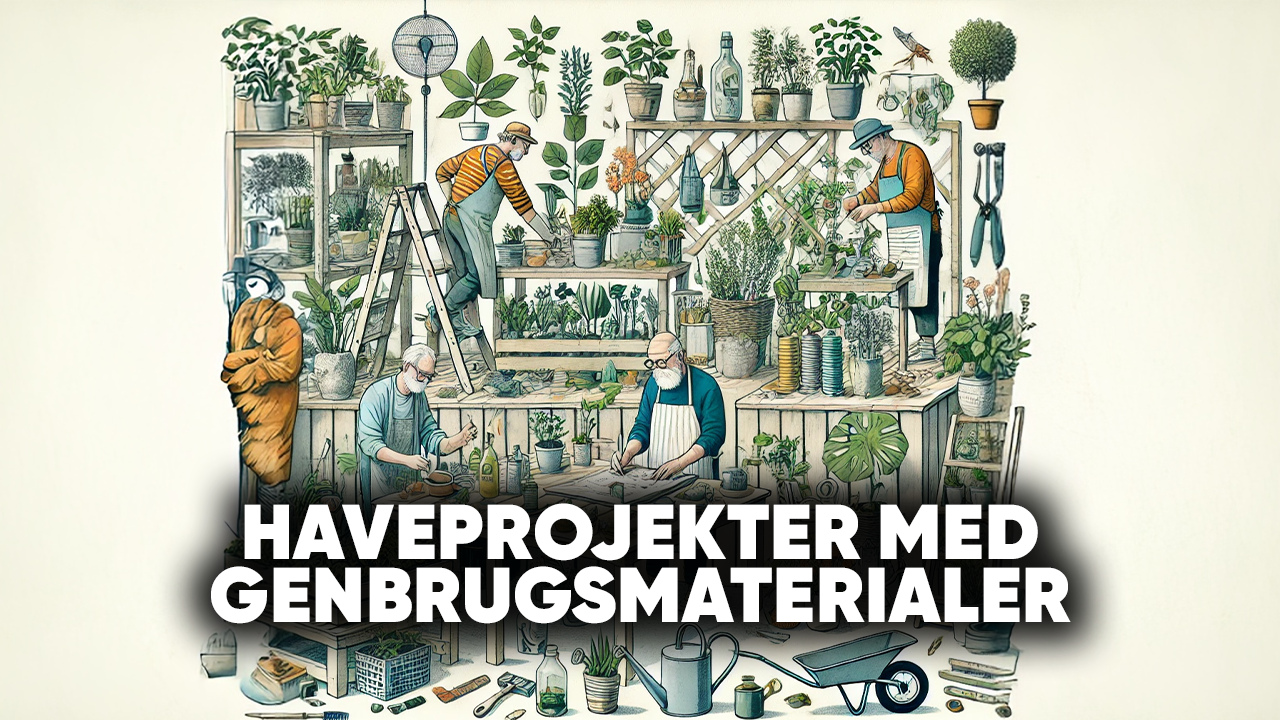
The garden is an ideal place to think creatively about recycled materials. Instead of buying new equipment and decorations, you can use things you already have or find inexpensive materials in thrift stores and give them new life. This makes your garden projects cheaper, more sustainable, and more unique.
Recycling in the garden is not only about decoration—it can also provide practical solutions. An old pallet can become a planter, tin cans can be used as plant pots, and glass bottles can become beautiful borders. When you reuse materials, you reduce waste, save money, and create a personal and cozy atmosphere in your garden at the same time.
DIY garden projects also allow you to adapt solutions precisely to your needs. You can build something that perfectly suits your available space, your plants, and your style—while enjoying the satisfaction of creating something with your own hands.
Inspiration List – Great Tips for Garden Ideas Using Recycled Materials as DIY Projects at Home
🌱 Create Planters From Leftover Materials as a DIY Project at Home
Old pallets, wooden crates, or leftover boards can easily be transformed into planters of different sizes. By building them yourself as a DIY project at home, you can adapt their height, width, and appearance to suit your plants and garden. At the same time, materials that would otherwise have been thrown away are reused, giving you durable solutions that can last for many seasons.
🪴 Reuse Pots and Containers in Creative DIY Garden Projects
Worn pots, buckets, tubs, and other containers can be given new life as planters. With drainage holes and some creative placement, they become functional garden elements. This type of DIY project at home allows you to experiment with shapes and different heights while avoiding the need to buy new planting equipment.
🪵 Build Small Garden Furniture From Recycled Materials as a DIY Project at Home
Simple benches, tables, or plant shelves can be built from reclaimed wood and leftover materials from previous projects. As a DIY project at home, this gives you an opportunity to create garden furniture that precisely suits the available space and intended use. The result is often more personal than mass-produced alternatives and gives the garden a unique character.
♻️ Use Natural Materials and Leftovers for DIY Projects in the Garden
Stones, branches, rubble, and other natural materials can be used for paths, borders, and decorations. By incorporating them into a DIY project at home, you create a garden that feels more natural and harmonious. At the same time, materials already available in the surroundings are put to use, making the projects both economical and environmentally friendly.
🏡 Create Long-Term Solutions With DIY in the Garden
Garden projects develop over time, and recycled materials are particularly suitable for solutions that can be adjusted and expanded. When the garden is continually improved through DIY projects at home, a flexible approach develops in which nothing is permanently fixed. This gives you the freedom to change, move, and rethink your garden as new needs and ideas emerge.
Summary – Ideas for Garden Projects Using Recycled Materials as DIY Projects at Home
🌱 Pallet planters – Make raised beds or vertical plant walls from pallets.
🪴 Tin cans and jars – Use them as herb pots or containers for small flowers.
💡 Bottle and glass decorations – Create garden borders or string lights using colored bottles.
🪑 Furniture upgrades – Use old chairs or tables as potting tables or flower stands.
🧺 Baskets and boxes – Reuse them to store gardening tools or as planting containers.
🚪 Old windows or doors – Transform them into small greenhouses or decorative garden features.
🪵 Tree stumps and branches – Use them as natural seating, paths, or decorative elements.
***************************************************************************
REMEMBER– A garden often becomes more lively and personal when you build things yourself, and a DIY garden project can grow together with your ideas.
**********************************************************************************************************
If you would also like to grow your own vegetables sustainably in your garden, you can find inspiration in our article – Great Tips on How to Grow Vegetables and Herbs Sustainably
Practical Tips for Getting Started With Recycling and DIY Projects

Getting started with recycling and DIY projects does not need to be complicated, expensive, or time-consuming. The most important first step is to change the way you look at the things you already have around you. Many materials, pieces of furniture, and objects have far more potential than you might initially think, and the best ideas often arise in everyday situations when a specific need has to be solved.
A good approach is to start with small, manageable projects. When your ambitions match your available time and experience, the process becomes more motivating and less overwhelming. It could be a minor repair, a simple update, or creatively rethinking something that would otherwise remain unused. Small successes build confidence and encourage you to continue.
It is also beneficial to work with the tools and materials already available in your home. Recycling and DIY projects are not about collecting equipment but about using existing resources in new ways. When you intentionally limit yourself, your creativity becomes sharper and your focus moves from shopping to finding solutions.
Planning plays an important role, even in small projects. By thinking in simple steps and having a clear idea of what you want to achieve, the work becomes more structured and less frustrating. At the same time, it is important to accept that mistakes and adjustments are a natural part of the process. DIY is about learning, not perfection.
When recycling and DIY projects become part of everyday life, you gradually develop a more relaxed and resourceful approach to both repairs and creative solutions. Over time, it becomes easier to see opportunities rather than limitations, and DIY develops from occasional projects into a natural way of thinking and acting.
Gather Materials and Tools to Get Started With Recycling and DIY Projects
One of the most important requirements for succeeding with recycling and DIY projects is having the right materials and tools available. Fortunately, getting started does not have to be expensive or difficult. Many things can already be found at home or in thrift stores, or obtained through exchange communities and online marketplaces.
Once you have collected a small basic supply, it becomes much easier to start your projects. A simple toolbox containing a hammer, screwdriver, scissors, and paintbrushes can open the door to countless DIY ideas. At the same time, you can begin saving materials such as glass, cardboard, wood, or fabric scraps that can be used in new ways.
By collecting a little at a time, you build a creative foundation that allows you to spontaneously start new projects without having to go shopping every time. In this way, DIY becomes a natural and accessible part of everyday life.
Inspiration List – Great Tips for Building Your Foundation for Recycling and DIY Projects at Home
🧰 Build a Basic Tool Supply for Everyday DIY Projects
A solid starting point is a small collection of basic tools that can be used for many different types of tasks. A screwdriver, hammer, pliers, scissors, measuring tape, and simple saw will cover most needs. When these tools are always within easy reach, recycling and DIY projects at home become easier to start because you do not first have to go out and buy equipment.
♻️ Collect Recycled Materials Regularly in Everyday Life
DIY materials do not have to come from a hardware store. Small pieces of wood, glass jars, cans, textiles, and small metal parts can be saved whenever they appear in daily life. By continually collecting useful leftovers, you create a flexible foundation that makes recycling and DIY projects at home more creative and less dependent on new purchases.
📦 Stay Organized With a Dedicated Storage Area for Your DIY Projects
Organization is an important but often overlooked part of preparation. When materials and tools have fixed locations, it becomes easier to maintain an overview and find what you need. Simple boxes, shelves, or drawers can make a major difference. An organized system supports recycling and DIY projects at home by reducing the effort required to get started and saving time.
🔄 Think Versatility Rather Than Perfect Materials for Your DIY Projects
Instead of searching for exactly the right material for every project, it can be beneficial to think about what can be used in several different ways. Materials that can be cut, painted, bent, or combined provide greater creative freedom. This approach makes recycling and DIY projects at home more flexible and open to improvisation.
🏡 Make Collecting Materials for Your DIY Projects Part of Your Routine
When you become accustomed to noticing potential materials in everyday life, collecting becomes a natural habit. Before throwing something away, you consider whether it could be used later. In this way, your supply gradually grows, and recycling and DIY projects at home become easier to carry out because the necessary resources are already available.
Summary – Useful Things to Collect to Get Started With DIY and Recycling Projects at Home
🛠 Basic tools – Hammer, screwdrivers, pliers, measuring tape, scissors, hot glue gun, and possibly a drill.
🎨 Painting and decorating supplies – Brushes, rollers, paint, glue, and tape.
📦 Cardboard and paperboard – From packaging that can be used for creative projects or templates.
🪵 Wood and pallets – Leftover wood or old pallets for furniture and garden projects.
🧵 Fabric and textiles – Old curtains, clothing, or bed linen for sewing and upcycling.
🫙 Jars and cans – These can be used for storage, candle holders, or plant pots.
🌿 Natural materials – Stones, pine cones, branches, and seashells for decorations.
🔄 Exchanges and thrift stores – Find inexpensive or free tools and materials for new projects at thrift stores, flea markets, or through friends and family.
*******************************************************************
REMEMBER – A well-prepared DIY project at home begins long before the first screw is used, and when the right materials are gathered, ideas come more quickly.
Learn Basic Techniques to Get Started With Recycling and DIY Projects
If you are new to recycling and DIY projects, it is a good idea to begin by learning some simple techniques that can be used across many different types of projects. Once you master the basics, you will quickly gain the confidence to take on more creative and advanced ideas.
Techniques such as painting, sanding, gluing, and sewing are fundamental skills that can transform even heavily worn materials into something new and useful. Being able to sew a simple seam, paint an even surface, or assemble a piece of furniture using the correct screws gives you a solid foundation for succeeding with your projects.
A good way to get an introduction to different basic techniques is to watch tutorials online, for example on YouTube. Another option is to take DIY courses or participate in workshops in areas where you would like to develop new skills.
By focusing on basic techniques from the beginning, you save both time and money because you learn how to repair, reuse, and adapt things rather than replacing them. This makes recycling and DIY accessible, fun, and practical for everyone—regardless of experience.
Inspiration List – Great Tips for Basic Techniques for Recycling and DIY Projects at Home
📏 Measure and Plan Correctly in Your Recycling and DIY Project at Home
One of the most important skills is knowing how to measure and plan before beginning the work. Correct measurements save both time and materials and reduce the risk of mistakes. When a recycling and DIY project at home begins with a clear plan and precise measurements, the result becomes more stable and functional, whether the project involves furniture, storage, or small repairs.
🔩 Learn Simple Joining Techniques for Everyday DIY Projects
Knowing how to join materials properly is fundamental to many projects. This may involve screws, nails, glue, or simple fittings. By understanding when different joining methods work best, recycling and DIY projects at home become more durable. Small adjustments to the way things are assembled can often make the difference between something temporary and a solution that lasts for many years.
✂️ Work Safely With Tools in Your DIY Project at Home
Safety is an important but often overlooked part of DIY. Knowing how to use tools correctly and when to slow down and work carefully helps prevent both injuries and frustration. When recycling and DIY projects at home are carried out with safety in mind, the process becomes more secure and manageable—even for beginners.
🪚 Adapt and Prepare Materials for Your DIY Projects Using Simple Techniques
Many recycled materials need to be adapted before they can be used. This may involve sawing, sanding, cutting, or cleaning materials. These basic techniques make it possible to transform raw or worn elements into something useful. In a recycling and DIY project at home, the ability to adapt materials is exactly what opens the door to creative rethinking.
🔄 Solve Problems Along the Way in DIY Projects
No project goes exactly according to plan. Learning to stop, assess the situation, and adjust your solution is an important skill in itself. When recycling and DIY projects at home encounter challenges, new and often better solutions can emerge. This approach strengthens both problem-solving skills and confidence.
Summary – Basic Techniques to Learn When Getting Started With Recycling and DIY Projects at Home
🖌 Painting and surface treatment – Learn how to paint wood, metal, or glass to give items a fresh appearance.
🔨 Sanding and smoothing – Remove old paint or smooth rough surfaces on wood and furniture.
🧵 Simple sewing techniques – For example, straight seams, patching clothing, or sewing on buttons.
🪛 Assembly and repair – Use screws, nails, and glue to repair or assemble furniture and small objects.
🫙 Reusing containers – Learn to adapt jars, cans, or plastic bottles for new purposes.
🎨 Decoration and finishing – For example, decoupage, stenciling, or using fabric scraps to decorate objects.
🌿 Natural materials in projects – Learn how to incorporate stones, branches, or pine cones into decorations and functional crafts.
******************************************************************
REMEMBER – Basic techniques are the key to getting started with DIY projects at home. The more you practice, the greater your freedom and creativity become.
Plan Projects and Be Creative When Getting Started With Recycling and DIY
When you begin recycling and DIY projects, it can be very helpful to plan your ideas before you start. A plan ensures that you have the necessary materials and tools ready and that you can complete your project without unnecessary interruptions along the way. This makes the entire process more manageable and motivating.
At the same time, DIY is about daring to think creatively. The recycling mindset is exactly where you find the freedom to experiment—there are no “right” or “wrong” solutions. An old jar can become a candle holder, a pallet can become a shelving unit, and a worn shirt can be transformed into a stylish bag. The more creativity you allow yourself, the more possibilities you discover.
By combining planning with creativity, you can transform even the simplest materials into personal and useful solutions. This brings joy, pride, and a sense of having created something unique.
Inspiration List – Great Tips for Planning and Creative Approaches to Recycling and DIY Projects at Home
📝 Start With a Clear Purpose for Your Recycling and DIY Project at Home
Before work begins, it is helpful to define what the project should achieve. Should it improve functionality, upgrade something that already exists, or simply add personality to your home? When a recycling and DIY project at home begins with a clear purpose, decisions about materials, time, and scope become easier to make and the final result becomes more satisfying.
💡 Gather DIY Inspiration and Adapt It to Your Own Home
Inspiration can come from many places, but it is important to adapt ideas to your own circumstances. This includes your available space, materials, and skills. By adapting inspiration, recycling and DIY projects at home become more realistic and personal while helping you avoid copying solutions that do not suit your everyday life.
♻️ Plan DIY Projects Around the Materials You Already Have Available
An effective way to keep projects simple is to start with materials that are already available. When recycling and DIY projects at home are planned around existing resources, creative solutions often emerge that were not originally considered. This approach reduces both expenses and waste while strengthening your ability to think flexibly.
⏳ Divide Your DIY Project Into Manageable Stages
Large ideas become easier to accomplish when they are divided into smaller steps. By planning recycling and DIY projects at home in stages, you can continue working whenever you have the time and energy. This reduces the risk of becoming stuck and makes the process more motivating because your progress becomes visible.
🎨 Allow Room for Creative Adjustments to Your DIY Project Along the Way
Even the best plan should remain flexible. New ideas often emerge while you work, and sometimes the materials reveal new possibilities. When recycling and DIY projects at home are allowed to develop during the process, the final result often becomes more original and personal because the process itself helps shape the finished design.
Summary – How to Plan and Be Creative When Getting Started With Recycling and DIY Projects at Home
📝 Create an idea book – Write down or sketch your project ideas so you can collect inspiration over time.
📦 Sort your materials – Keep track of what you already have and what you are missing.
🎯 Start small – Choose simple projects so you can experience success from the beginning, then gradually take on more as you become more experienced.
🌍 Find inspiration online – Use Pinterest, YouTube, and DIY blogs to discover new ideas.
✂️ Experiment with materials – Try combining unexpected materials such as wood, fabric, and glass. You can also combine different techniques to create something unique.
🤝 Share ideas with others – Get input and new perspectives through online communities or hobby groups.
📸 Document your projects – Take photos along the way and share them to inspire others—and to follow your own development.
************************************************************************************************
REMEMBER – Good planning creates better conditions for creativity in your DIY projects at home. Good planning also creates calm throughout the creative process.
Recycle Smarter When Getting Started With Recycling and DIY Projects
Getting started with recycling and DIY is not only about making things yourself—it is also about thinking more intelligently about the materials you already have. Many of the things we normally throw away can actually be used in new ways and given completely new lives. By changing your perspective from “waste” to “resources,” you can open the door to countless creative projects.
When you recycle more intelligently, you save money and reduce waste while also developing your ability to be creative and find solutions. This can include everything from practical items such as storage solutions to beautiful decorations and furniture. Often, a combination of small ideas and a little imagination creates the most unique results.
Smarter recycling also involves planning and sorting—save materials you may be able to use later and organize them so they are easy to find. This makes it easier to begin projects and maintain your enthusiasm for DIY.
Inspiration List – Great Tips for Smarter Approaches to Recycling and DIY Projects at Home
♻️ Sort Materials With a Purpose in Your Recycling and DIY Project at Home
Instead of saving everything, it is helpful to sort recycled materials according to type and possible use. Keep wood together, textiles together, and small parts in one place. When recycling and DIY projects at home begin with well-organized materials, it becomes easier to see what can be used for what and which projects can realistically be started.
🧠 Think in Terms of Possibilities Rather Than Perfection in Your DIY Projects
Smarter recycling is not about finding flawless materials but about seeing potential in imperfect ones. Scratches, wear, and patina can often become part of the finished look. When this mindset becomes part of recycling and DIY projects at home, more original solutions emerge and you avoid throwing away materials that can still be used.
🏡 Create a Dedicated Recycling Area at Home
Having a dedicated place for materials and ideas can make a major difference. This might be a box, shelving unit, or corner of the basement. When recycling and DIY projects at home have a permanent base, it becomes easier to stay organized and you do not have to search for materials every time inspiration strikes.
🔄 Recycle With Future Projects in Mind
When saving materials, it can be helpful to already consider what they might potentially be used for. A board could become a shelf, fabric could become storage, and glass could be given a new function. This forward-thinking approach makes recycling and DIY projects at home more strategic and reduces both waste and frustration.
💡 Let the Materials Inspire Your DIY Ideas
Sometimes the idea does not come first—the material does. By starting with what you already have, new projects can emerge spontaneously. When recycling and DIY projects at home grow out of the possibilities offered by available materials, the process becomes more playful and less restricted by fixed plans.
Summary – How to Recycle Smarter When Getting Started With Recycling and DIY Projects at Home
📦 Save packaging – Store materials systematically and use cardboard boxes, jars, and plastic containers for storage or creative projects.
🪵 Save wood and pallets – Perfect for furniture, shelving, or garden projects.
🧵 Use fabric scraps – Make small accessories, patchwork pieces, or clothing repairs.
🕯 Make new candles from leftover candle wax – Melt the leftovers and create new candles.
🥫 Tin cans and bottles – These can be used as plant pots, lanterns, or pen holders.
🌱 Use kitchen waste creatively – For example, use eggshells as fertilizer or citrus fruits for natural cleaning products.
🔄 Get ideas and exchange materials with others – Create an inspiration folder with ideas and participate in exchange communities or make arrangements with neighbors and friends.
*************************************************************************************************************
REMEMBER – When you recycle and collect materials thoughtfully, it becomes easier to get started with DIY at home. When the materials are ready, DIY ideas often follow quickly.
Involve Family and Friends When Getting Started With Recycling and DIY Projects
Recycling and DIY do not have to be solo activities—on the contrary, they can become even more enjoyable when shared with family and friends. By involving others, you can combine ideas, inspire one another, and create something together. This makes projects more enjoyable, creative, and motivating.
Working together on recycling and DIY is also an excellent way to strengthen relationships. For children, it can be an educational activity where they discover the value of recycling and learn new practical skills. For adults, it can be an enjoyable way to spend time together while saving money and doing something positive for the environment.
When several people participate, you can also share materials and tools, making it easier to get started. In addition, seeing your collaboration result in something unique and useful can create a strong feeling of community and pride.
Inspiration List – Great Tips for Involving Others in Recycling and DIY Projects at Home
👨👩👧👦 Make Recycling and DIY Projects at Home a Shared Activity
By inviting your family to take part in the process, projects become more inclusive. Children can help with simple tasks while adults handle the more technical work. When recycling and DIY projects at home are adapted to different ages and abilities, a sense of shared responsibility and pride in the finished result develops.
🧑🤝🧑 Divide DIY Tasks at Home and Make Use of Different Strengths
Everyone contributes differently, and that is an advantage. Some people plan, others build, while others focus on finishing details. By dividing roles, recycling and DIY projects at home become more manageable and less time-consuming for each individual. At the same time, everyone has an opportunity to contribute in their own way.
🔄 Exchange Materials and Ideas for DIY Projects at Home With Friends and Your Network
Friends and neighbors often have materials, tools, or ideas that you may be missing. By sharing resources, recycling and DIY projects at home become both cheaper and more creative. This form of cooperation strengthens the community and makes projects more varied.
🎉 Organize Small DIY Days or Workshops at Home
By setting aside time for shared DIY activities, projects are given greater priority. A regular day or informal workshop creates structure and something to look forward to. When recycling and DIY projects at home are given a social setting, it becomes easier to get started and carry ideas through to completion.
🏡 Let DIY Projects at Home Create Conversations and Inspiration
Once projects are complete, they often become conversation starters. They may inspire others to begin their own projects and create a positive ripple effect. Recycling and DIY projects at home can therefore have a wider influence, with ideas, experiences, and solutions being shared with others.
Summary – How to Involve Family and Friends When Getting Started With Recycling and DIY Projects at Home
👨👩👧 Family projects – Make birdhouses, planters, or small decorations together with children.
🤝 Swap evenings – Organize exchanges of materials, clothing, or ideas with friends and neighbors.
🎨 Creative workshops at home – Bring fabric scraps, glass, or cardboard together and create things as a group.
🏡 Shared garden projects – Build raised beds or decorate the garden together using recycled materials.
🎁 Make gifts together – Design homemade gifts or decorations that can be shared or given away.
📦 Share tools and resources – Avoid unnecessary purchases by using one another's belongings.
🧩 Start a hobby group – Meet regularly to inspire one another with new DIY and recycling ideas.
*************************************************************************
REMEMBER– Shared DIY projects create shared memories, and DIY projects often develop in positive ways when several constructive ideas come together.
********************************************************************
You can find additional inspiration for hobby communities in our article – Great Tips on How to Find Hobby Communities Without Spending a Lot of Money
Conclusion

Recycling and DIY projects are much more than simply ways to save money—they are investments in the environment, creativity, and quality of life. When you choose to repair, upcycle, or create something new from materials you already have, you contribute to a greener everyday life while developing your own skills at the same time.
Small projects can quickly grow into meaningful hobbies where you find enjoyment both in the process and in the final result. Whether you make furniture, clothing, decorations, or garden projects, the benefit is the same: you receive unique, personal solutions that make your home more lively while also reducing resource consumption.
The most important thing to remember is that you do not need to be an expert to get started. Begin with something simple, use the materials you have, and allow curiosity and creativity to guide you. In this way, recycling and DIY can become natural and inspiring parts of everyday life—for the benefit of yourself, your finances, and the environment.
Mini Guide – How to Succeed With Recycling and DIY in Everyday Life
Working with recycling and DIY does not have to feel overwhelming or require any special qualifications. On the contrary, it is about developing a practical approach in which creativity, thoughtfulness, and everyday solutions go hand in hand.
This mini guide summarizes the article above and brings together the most important focus areas if you would like to make recycling and DIY projects at home a regular and rewarding part of your everyday life—in a way that both saves money and benefits the environment.
♻️ Develop the Right Mindset for Recycling and DIY Projects at Home
The first and most important step is to change the way you view the things around you. Instead of seeing worn, old, or surplus objects as waste, you should view them as resources. When recycling and DIY projects at home begin with your mindset, it becomes easier to develop ideas and act on them. This mental shift means you automatically begin considering what can be repaired, rebuilt, or reused before anything is thrown away.
🧰 Start With Simple Projects in Your Recycling and DIY Work at Home
Experiencing success is essential for motivation. Therefore, there is a clear advantage to beginning with small, manageable tasks that can be completed without extensive planning. A minor repair, simple upgrade, or creative experiment is often enough to create momentum. When recycling and DIY projects at home begin simply, experience and confidence gradually develop.
🔧 Use What You Already Have in Your DIY Projects at Home
One of the biggest mistakes is believing that you first need to go out and buy equipment or materials. In reality, most recycling and DIY projects at home can be completed using basic tools and materials that are already available. By working with what you have, projects become cheaper, more creative, and much more realistic to complete.
🗂️ Organize Materials for Recycling at Home
Clutter and lack of organization are often what prevent good ideas from becoming reality. By collecting and sorting materials suitable for reuse, you create a strong foundation for future projects. When recycling and DIY projects at home have dedicated places for materials and tools, it becomes much easier to begin spontaneously when inspiration appears.
📝 Plan Your DIY Projects at Home Without Overplanning
A simple plan makes a major difference, but it should not suffocate creativity. The goal is to have an idea of the purpose, materials, and next step—not to predict everything. When recycling and DIY projects at home are planned flexibly, it becomes easier to adjust along the way and allow the materials themselves to inspire the solution.
🎨 Allow Room for Creative Freedom and Mistakes in Your DIY Projects at Home
Creativity rarely emerges under perfect conditions. Mistakes, unevenness, and improvised solutions are often what give projects their personality. When a recycling and DIY project at home is viewed as a process rather than something that must produce a perfect result, experimentation becomes more enjoyable and it becomes easier to learn from experience.
🌱 Think Long-Term and Sustainably About Your DIY Projects at Home
Recycling and DIY are not only about individual projects but also about habits developed over time. By continually repairing, reusing, and creating things yourself, both consumption and waste are reduced. When recycling and DIY projects at home become part of your everyday life, a more responsible and sustainable lifestyle develops without requiring major sacrifices.
👨👩👧👦 Involve Others in Recycling and DIY Projects at Home
Projects often become both more enjoyable and easier when shared with family or friends. Different abilities and ideas can complement one another and create better results. At the same time, shared recycling and DIY projects at home strengthen relationships and make the process more motivating.
Here Is a Short List of 3 Tips You Can Start Using Today to Get Started With Recycling and DIY Projects
🌱 Save and reuse materials – Keep jars, cardboard, fabric scraps, or cans instead of throwing them away.
🛠 Make a small DIY project – Start with something simple, such as making a candle holder from a jar or a plant pot from a tin can.
🤝 Share and swap with others – Ask friends or neighbors for materials or exchange items you no longer use.
********************************************************************
If you need additional inspiration for creative hobbies, you can watch this video – 50 Popular Hobbies to Start Today
------------------------------------------------------
If you have experience and/or knowledge of creative hobbies and DIY projects at home that save money and help the environment, we would be happy to hear your input and/or suggestions in the comments about other creative hobbies and DIY projects for the home that save money and help the environment, for the benefit of the community.