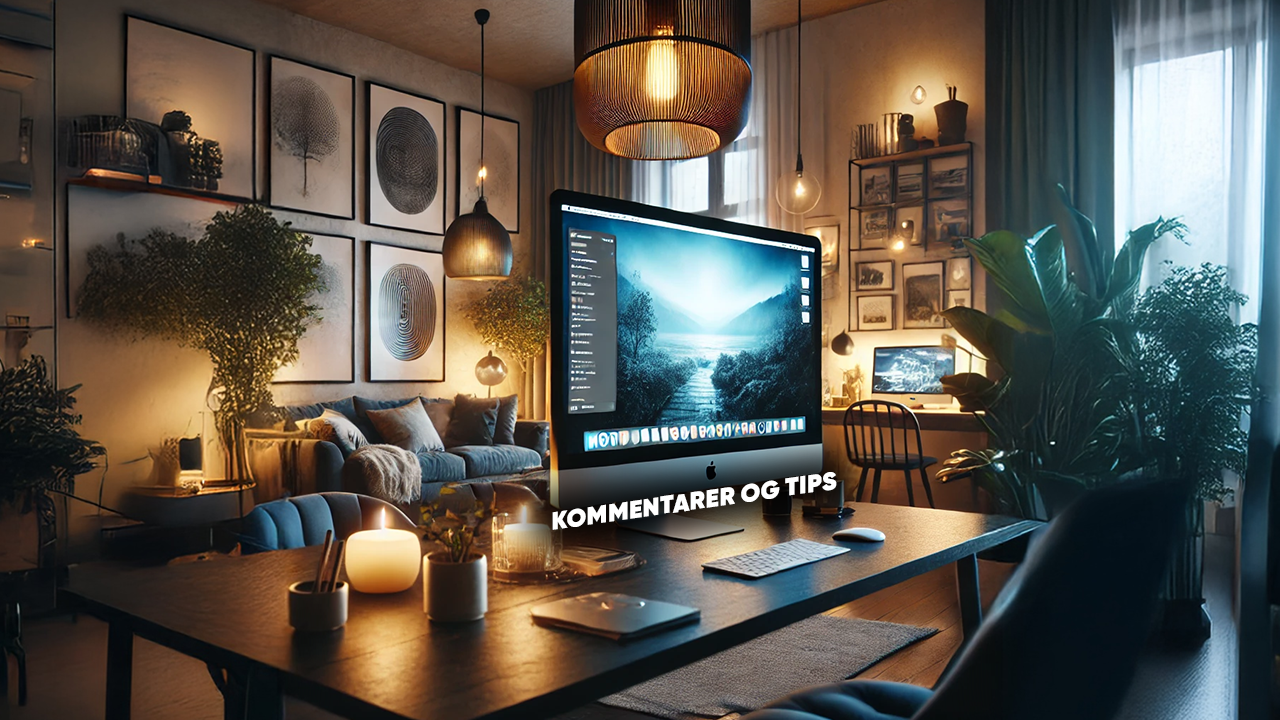
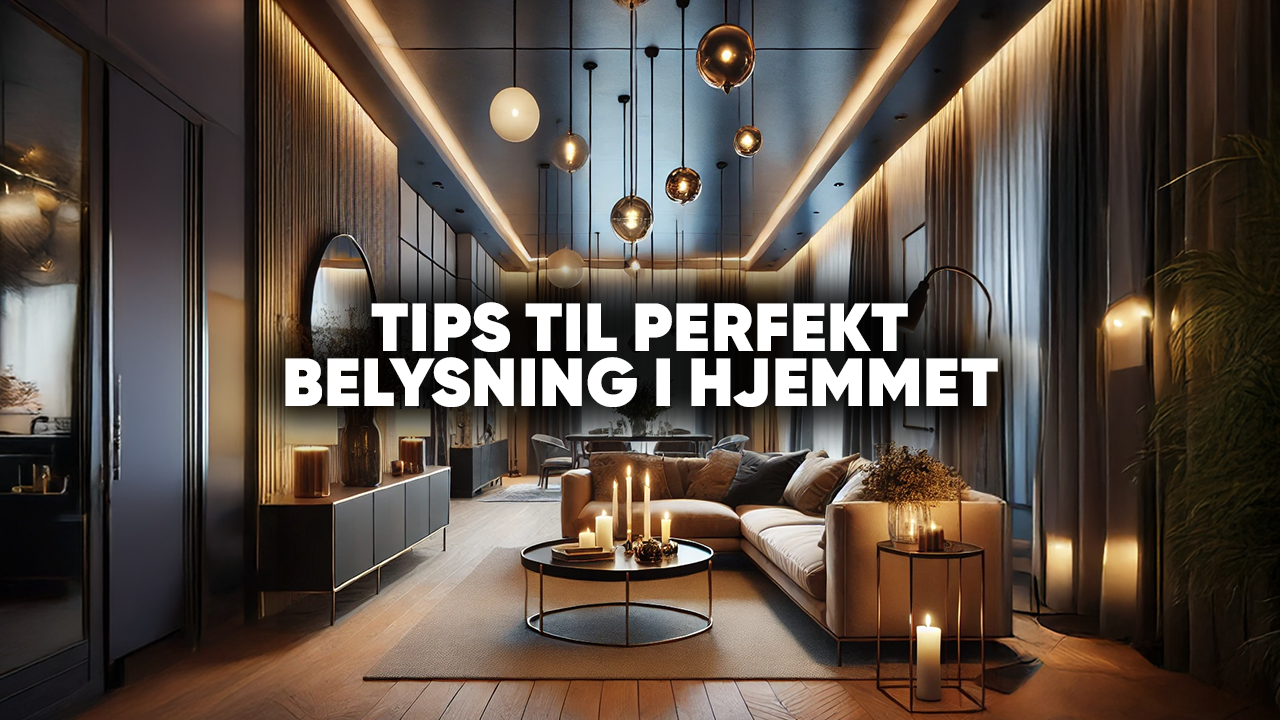
Lighting in the home is far more than just a practical necessity that makes it possible to see where you are going. The right lighting has an enormous impact on how your home feels in everyday life – visually, functionally, and emotionally. Light can make rooms appear larger or smaller, warmer or cooler, calmer or more energetic. That is why lighting plays a crucial role when you want to create the perfect atmosphere in your home.
Many homes have plenty of lamps, yet there is often a lack of cohesion and variety in the lighting. A single ceiling light in the middle of the room is rarely enough to create coziness, depth, and flexibility. Instead, good home lighting is about combining several light sources, each with its own function and atmosphere. When you work consciously with lighting, you can support relaxation, socializing, work, and practical tasks – depending on the time of day and your needs.
Lighting also affects our mood and well-being more than we are often aware of. Soft, warm light can create a sense of calm after a long day, while brighter and more focused light can increase concentration and energy levels. That is why it is important to think of lighting as an active part of your interior design, just like furniture, colors, and materials. When lighting and interior design work together, a natural harmony is created in the home.
In this article, we guide you through the most important principles of good home lighting. You will get inspiration on how to use light to highlight the functions of a room, create atmosphere, and make your home more inviting – without it having to be expensive or complicated. Small adjustments can often make a big difference when it comes to lighting and atmosphere.
Whether you live in a small apartment or a larger house, the right lighting can significantly improve your home. With the right choices, you can create a home that feels functional, cozy, and personal – from the first light of the morning to the calm atmosphere of the evening.
Understand the Three Basic Types of Lighting for Your Home
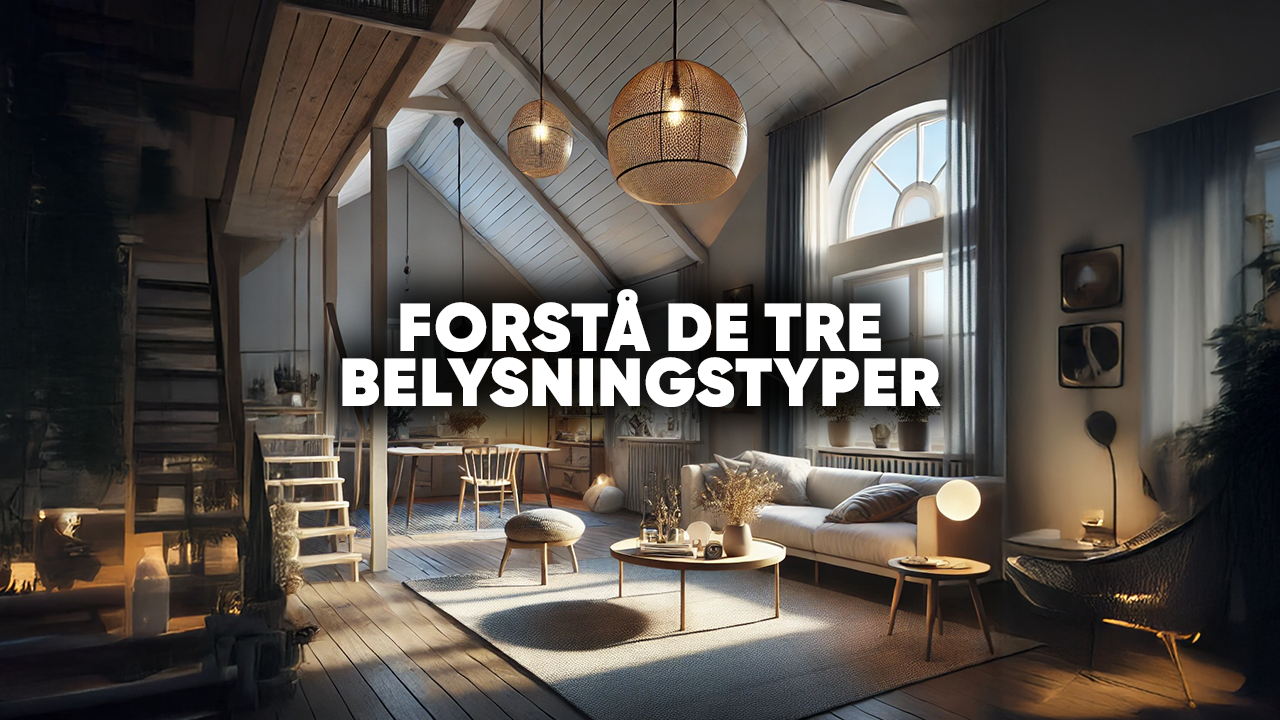
When you want to create harmonious and well-functioning lighting in your home, it is essential to understand the three basic types of lighting: general lighting, task lighting, and mood lighting. It is the interaction between these three that makes the difference between a room that is simply illuminated and a home that feels inviting, comfortable, and thoughtfully designed.
General lighting forms the foundation of the light in a room. It is the overall lighting that ensures the room is evenly illuminated and functional for everyday use. It typically comes from ceiling lights, spotlights, or built-in light sources that spread light broadly. Good general lighting makes it easy to move around and see clearly in the room, while creating a neutral base that the other light sources can build upon.
Task lighting has a more specific purpose and is used where extra light is needed. This could be above the kitchen counter, at a desk, a reading lamp beside the sofa, or mirror lighting in the bathroom. The goal is to provide sufficient and precise lighting so tasks can be carried out comfortably and safely. Task lighting should be practical, but it can easily be combined with an attractive design so that it fits with the rest of the interior.
Mood lighting is the type of light that gives your home personality and atmosphere. It is often soft and warm light from table lamps, floor lamps, wall lamps, or string lights that creates coziness and depth in the room. Mood lighting is not used to illuminate the entire room, but rather to highlight specific areas, materials, or details and give the space a more lively and pleasant character.
The greatest effect is achieved when the three types of lighting are used together. By combining solid general lighting with functional task lighting and soft mood lighting, you get flexible lighting that can be adapted to the time of day, activity, and mood. In this way, the same room can function for practical tasks, relaxation, and socializing simply by adjusting which light sources are turned on.
When you understand and consciously work with these three types of lighting, it becomes much easier to create the perfect atmosphere in your home. It gives you control over both function and mood and ensures that your home feels pleasant to be in – throughout the day and all year round.
General Lighting in the Home
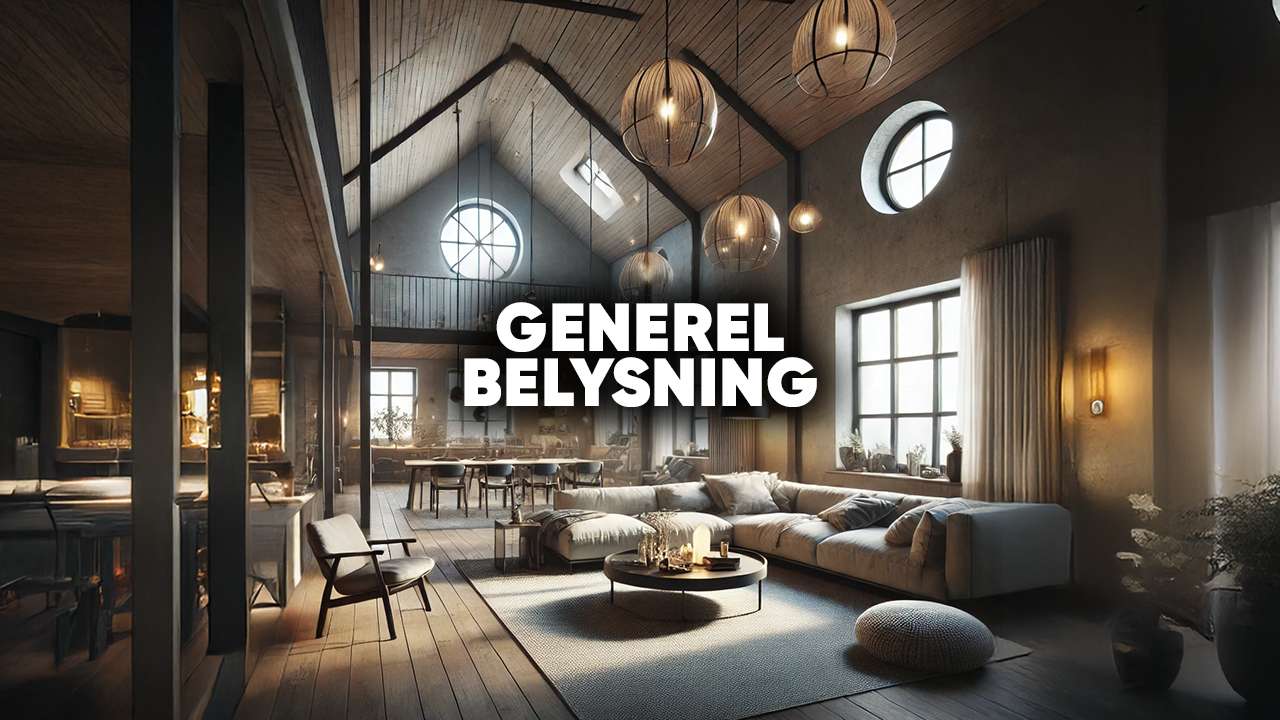
General lighting is the foundation of a good lighting environment in your home. It is the lighting that ensures the entire room is evenly illuminated so that you can move around safely and use the room for everyday activities. General lighting often consists of ceiling lamps, spotlights, or pendant lights, but it can also be combined with other light sources to create a pleasant atmosphere.
Well-chosen general lighting should be both functional and comfortable. It is important to choose light sources with the right brightness and color temperature so that the room feels bright without being harsh or cold. Warm light creates coziness, while neutral or cooler light is more practical in areas such as the kitchen and bathroom. By considering both the placement and type of lamp, you can ensure that your home has lighting that supports both functionality and style.
Inspiration List – Great Tips for General Lighting in the Home
💡 Ceiling Lighting as a Stable Foundation for Home Lighting
Ceiling lighting is often the backbone of general lighting in the home and plays a central role in creating an even level of illumination. A well-positioned ceiling lamp or several discreet light sources can ensure that the room is evenly lit without dark corners. By choosing solutions that spread light broadly, you create lighting in the home that feels natural and pleasant – both during the day and in the evening.
🏠 Even Light Distribution Creates Balance in Home Lighting
Well-balanced light distribution is essential to prevent the lighting in the home from feeling harsh or uneven. When the light is distributed correctly, you avoid sharp contrasts and overly illuminated areas. This creates a more relaxing atmosphere and makes rooms easier to use for many different purposes. Even general lighting in the home contributes to a feeling of order and ease in everyday life.
🔆 Choose the Right Brightness for Home Lighting
Brightness has a major impact on how general lighting in the home is experienced. Light that is too strong can feel uncomfortable, while light that is too weak can quickly make a room impractical. By choosing the right balance, you achieve lighting in the home that is both functional and pleasant. This provides flexibility in everyday life and makes it easier to combine general lighting with other light sources later.
🎨 The Role of Color Temperature in Home Lighting
Color temperature affects the atmosphere more than many people realize. A warm tone creates a sense of comfort and coziness, while cooler light can feel more energetic and neutral. When choosing the color temperature for general lighting in the home, it is important to consider the function of the room and the atmosphere you want to create. The right choice ensures that the lighting in your home feels pleasant throughout the day.
🛠️ Flexible Solutions Provide Better Home Lighting
Flexibility is a major advantage when it comes to general lighting in the home. Dimmable light sources and adjustable solutions make it possible to adapt the lighting level according to your needs and the time of day. In this way, the same lighting in the home can work for both practical tasks and more relaxing moments without having to change the entire interior.
Summary – Ideas for General Lighting in Your Home
💡 Ceiling lamps – Classic solutions that provide broad lighting for the entire room.
✨ Built-in spotlights – Provide a modern and minimalist look with even light distribution.
🪞 Pendant lights – Work well above the dining table or in the kitchen, where they are both decorative and functional.
🌞 LED panels – Provide even and energy-efficient lighting, especially suitable for larger rooms.
🎛 Dimmers – Make it possible to adjust the brightness according to your needs and create atmosphere.
🏡 Color temperature – Choose warm white for living rooms and bedrooms and neutral white for kitchens and offices.
🔄 Combine solutions – Use both central lights and spotlights for flexible lighting.
*****************************************************************************************
REMEMBER – Good and well-functioning general lighting is the key to a well-functioning home. When the basic lighting works well, it creates calm and balance throughout the home.
Task Lighting in the Home
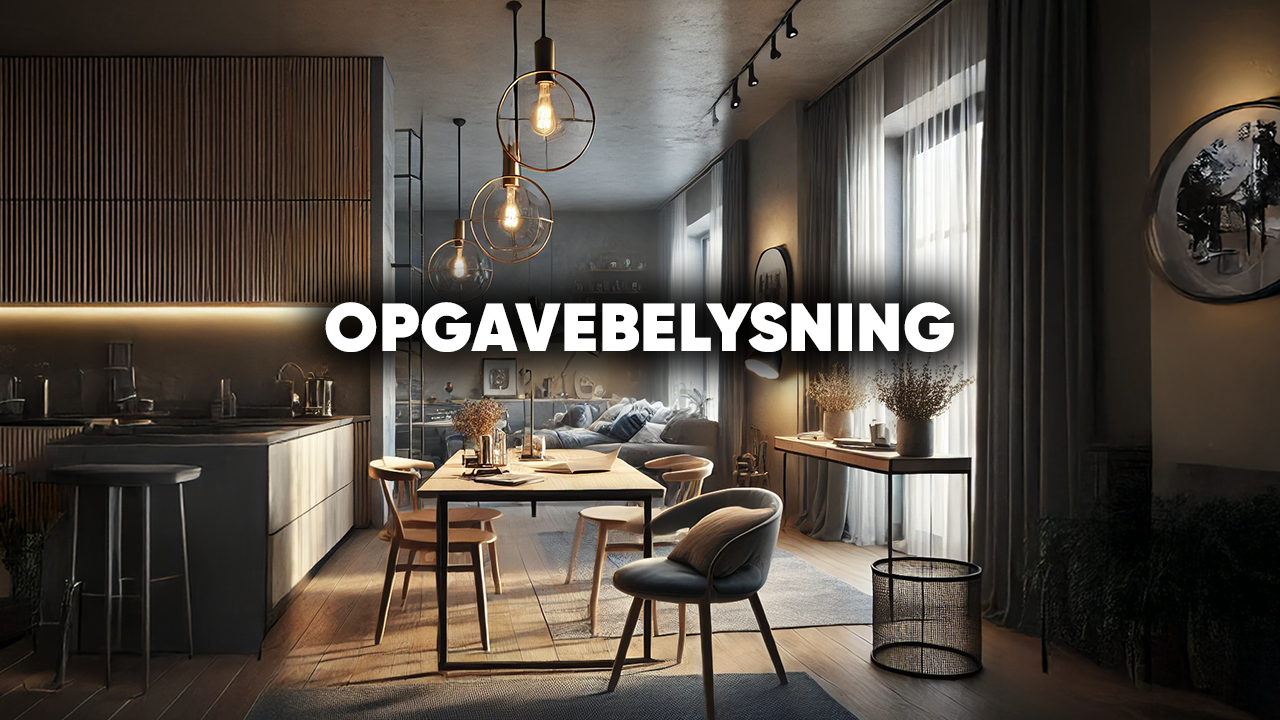
Task lighting is the type of light that helps you perform specific activities in the home – such as cooking, reading, working, or applying makeup. While general lighting creates the basic atmosphere in the room, task lighting ensures that you have precise and focused light exactly where you need it.
Good task lighting makes everyday life easier because it reduces eye strain and ensures that you can carry out your tasks comfortably. This can include anything from a reading lamp by the sofa, a desk lamp, or spotlights under kitchen cabinets. By positioning lamps strategically, you create a home that is both more functional and stylish. It is one of those small changes that can make a big difference in everyday life.
Inspiration List – Great Tips for Task Lighting in the Home
🔧 Targeted Lighting for Practical Tasks in Home Lighting
Task lighting in the home should always be based on the specific activity being performed. Above the kitchen counter, it is important to have clear and directional lighting so you can see ingredients and utensils clearly. At the desk, the work light should provide an even and comfortable field of illumination without shadows. When lighting in the home is adapted to the task, everyday life becomes both more efficient and more comfortable.
🪑 Correct Placement Improves Home Lighting
The placement of task lighting is at least as important as the light source itself. Light coming from the wrong angle can create distracting shadows or glare. By positioning lamps so the light falls directly onto the work area – without shining into your eyes – you achieve more functional lighting in the home. This provides greater physical comfort and makes it easier to stay focused for longer periods.
🔆 Adjustable Task Lighting Provides Flexible Home Lighting
Adjustable lamps are a major advantage when it comes to task lighting in the home. With the ability to tilt, rotate, or dim the light, you can easily adapt the lighting in your home to different needs and times of day. This allows one lamp to serve several purposes and gives you greater flexibility in everyday life without needing to add more light sources.
👁️ Comfort and Eye-Friendly Home Lighting
Good task lighting in the home should be comfortable for the eyes. This means that the light should be sufficiently strong without being harsh or flickering. An appropriate color temperature and even light distribution reduce eye fatigue and make work more relaxing. When lighting in the home supports the natural needs of the eyes, you can work and read for longer periods without discomfort.
🏡 Task Lighting and Its Interaction with Other Home Lighting
Task lighting works best when it interacts with the other lighting in the home. Work lighting should not stand alone in an otherwise dark room but should be complemented by general or mood lighting. This helps you avoid harsh contrasts and makes the room feel more harmonious. Thoughtfully designed home lighting creates both functionality and atmosphere at the same time.
Summary – Ideas for Good Task Lighting in Your Home
📖 Reading lamps – A floor lamp or table lamp beside an armchair or bed.
🍳 Kitchen lighting – Spotlights or LED strips under upper cabinets provide clear task lighting for cooking.
🖥 Desk lamps – Adjustable lamps that can be directed precisely toward the work area.
💄 Bathroom mirror lighting – Provides clear light that is perfect for makeup and shaving.
🎨 Hobby and workshop lighting – Flexible lamps with bright light for creative projects or repairs.
🛋 Focused floor lamps – Beside the sofa or chair where you read or work on a laptop.
🎛 Dimmable lamps – Allow you to adjust the brightness for both tasks and relaxation.
*************************************************************************
REMEMBER – Good task lighting improves both comfort and functionality in the home, and when the work lighting is right, it makes everyday tasks easier.
Mood Lighting in Your Home
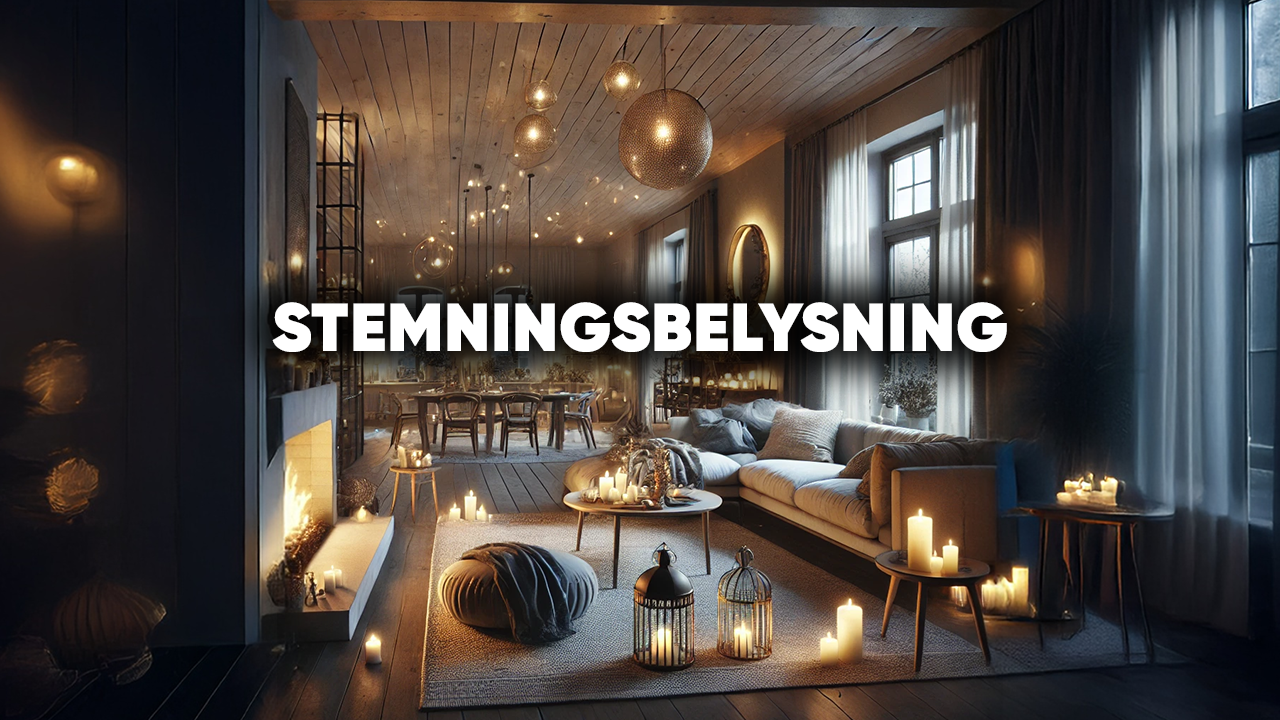
Mood lighting is what creates coziness, warmth, and personality in your home. While general lighting illuminates the room and task lighting provides functional light for specific activities, mood lighting is the layer that adds atmosphere and makes your home more inviting.
It can include everything from dimmed table lamps and floor lamps to string lights, wall lamps, or candles.
The secret is to create variation and depth by having several smaller light sources instead of one powerful lamp. This allows you to adjust the atmosphere depending on whether you want to create calm for relaxation, coziness for socializing, or a warm atmosphere for dinner guests. Mood lighting is also an excellent opportunity to express your personal style through unique lamps, shades, and placements that are both functional and decorative.
Inspiration List – Great Tips for Mood Lighting in Your Home
🕯️ Soft Light Sources Create Warmth in Home Lighting
Small and soft light sources are the foundation of mood lighting in the home. Table lamps and floor lamps with dimmed lighting provide a pleasant glow that creates calm in the room. Instead of illuminating the entire room at once, these light sources contribute to more nuanced lighting in the home, allowing the eyes to rest and creating a more intimate and relaxing atmosphere.
🌗 Indirect Lighting Adds Depth to Home Lighting
Indirect lighting is an effective way to create depth and elegance in the home. Light reflected from walls, ceilings, or furniture creates a soft and pleasant appearance without harsh edges. This type of home lighting is ideal for living rooms and bedrooms, where the atmosphere should feel calm and inviting rather than highly functional and bright.
🛋️ Light Placement Shapes the Atmosphere of Home Lighting
The placement of mood lighting has a major impact on how the lighting in the home is experienced. When lights are placed in corners, behind furniture, or near special details, they create variation and life in the room. This results in more dynamic home lighting and highlights the room’s structure, materials, and interior design in a subtle and pleasant way.
🎨 Warm Color Tones Create Calm Home Lighting
Color temperature plays a central role in mood lighting in the home. A warm light color creates comfort and coziness, while cooler lighting can feel more distant. By choosing warm tones for mood lighting, you create home lighting that supports relaxation and makes rooms more pleasant to spend time in – especially in the evening.
🔄 Mood Lighting Combined with Other Home Lighting
Mood lighting works best when it is combined with other forms of lighting in the home. When soft lighting is complemented by subtle general lighting, a harmonious overall effect is created in which the room is both functional and cozy. This balance allows the lighting in the home to be adapted to any situation without compromising the atmosphere.
Summary – Ideas for Good and Cozy Mood Lighting in Your Home
🕯 Candles or LED lights – Provide soft and warm light, perfect for coziness.
🛋 Table lamps in corners and on shelves – Create small pools of light throughout the room.
🌙 Dimmable lamps – Provide flexibility to adjust brightness according to your mood and the situation.
✨ String lights or decorative spotlights – Ideal for creating a cozy and playful atmosphere.
🪞 Lighting combined with mirrors – Reflects flames and lamps and provides additional glow.
🌿 Lamps hidden among plants – Add a natural and atmospheric effect.
🎨 Decorative lampshades – Choose shades that filter the light and add color or patterns to the room.
******************************************************************************************
REMEMBER – The right mood lighting makes the home cozy and lively, and the right mood lighting in the home creates its soul.
Room Lighting – How to Adapt the Light to Every Room in the Home
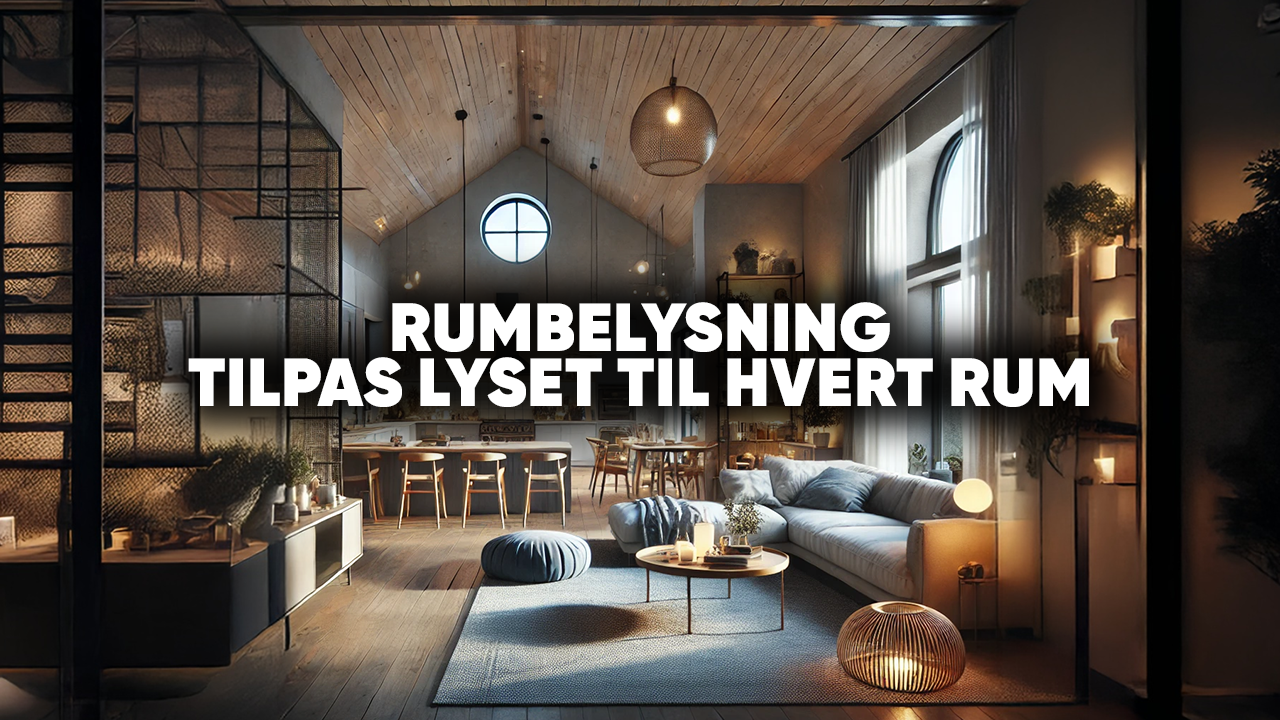
Room lighting is about adapting the light to each individual room and its function so that the lighting in the home both supports everyday life and creates the right atmosphere. Every room has its own purpose, rhythm, and needs, which is why one uniform solution rarely works optimally throughout the entire home. When the lighting is adapted to the room, the home feels more thoughtfully designed, comfortable, and functional.
In living spaces such as the living room, flexibility plays a central role. Here, the lighting in the home must accommodate relaxation, socializing, and different activities. A combination of general lighting supplemented with mood and task lighting makes it possible to adjust the light according to the time of day and your needs. In this way, the same room can function both as a bright and open gathering place and as a calm, dimly lit retreat in the evening.
In the kitchen, room lighting is more function-oriented. Here, it is important that the lighting in the home provides a clear overview and good task lighting without making the room feel clinical or harsh. Strong general lighting combined with targeted lighting above work surfaces creates safety and efficiency while still allowing the room to feel inviting and pleasant to spend time in.
The bedroom has completely different requirements for room lighting. Here, the lighting in the home should support calm, relaxation, and winding down. Soft, warm light and the option to dim it can make a major difference and contribute to a more relaxing atmosphere. At the same time, practical lighting beside the bed or wardrobe is useful so that the room also functions well in everyday life without disturbing the atmosphere.
In the bathroom and entrance hall, the balance between function and comfort is essential. The bathroom requires precise lighting for the mirror and personal care, while the entrance needs inviting lighting that provides visibility and a welcoming feeling. When the lighting in the home is thoughtfully adapted to these rooms, both practical and visual needs are met.
By thinking of room lighting as an overall strategy rather than as individual lamps, you create a home where the lighting works with the rooms – not against them. This creates consistency, better functionality, and an atmosphere that feels natural throughout the home.
Your Home and Lighting in the Living Room
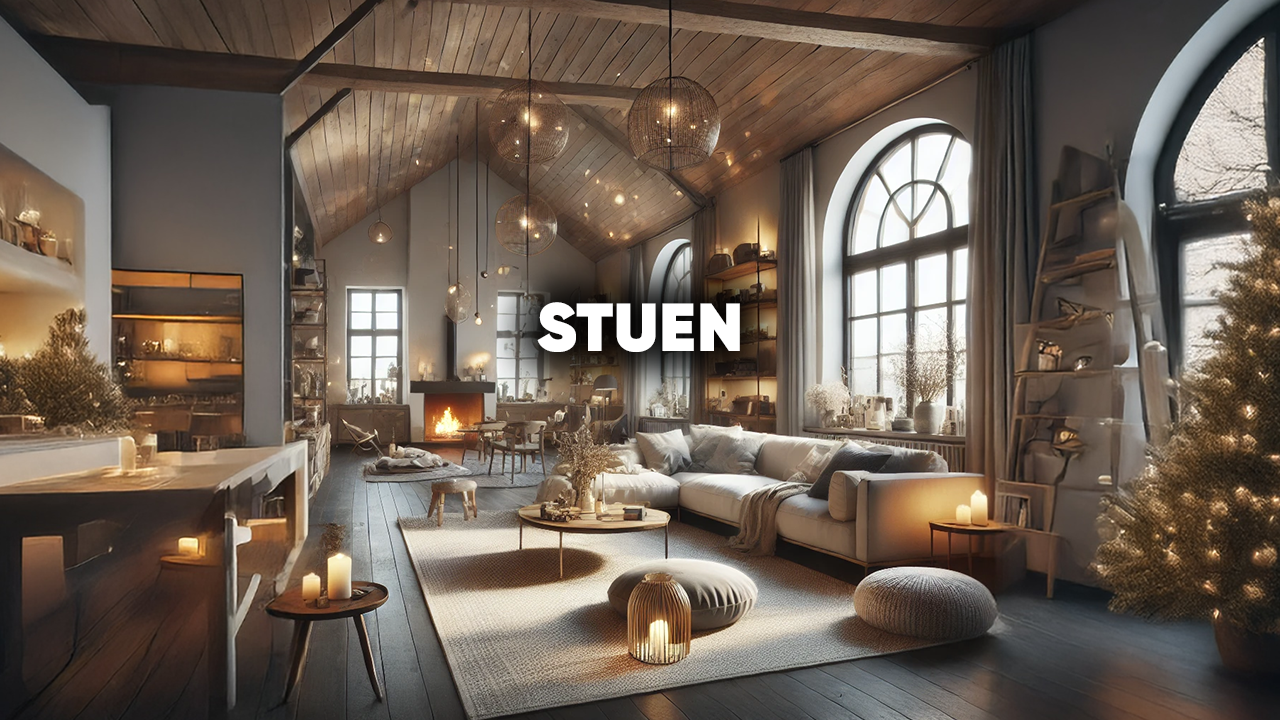
The living room is often the main gathering place in the home, where you relax, watch TV, read, work, and spend time with family or guests. This is precisely why lighting in the living room is especially important – it needs to be versatile and adaptable to different needs. Successful living-room lighting is a combination of general lighting, task lighting, and mood lighting, which together create both functionality and coziness.
A ceiling lamp or spotlights can provide general lighting, while reading lamps and floor lamps provide focused light for activities. At the same time, mood lighting in the form of small table lamps, string lights, or candles helps make the room more inviting and relaxing. By strategically placing several light sources in the living room, you can achieve balance and flexibility so the room always feels comfortable – whether for everyday life, relaxation, or festive occasions.
Inspiration List – Great Tips for Good Lighting in Your Home’s Living Room
🛋️ Multiple Light Sources Create Harmony in Living-Room Lighting
In the living room, home lighting works best when it consists of several smaller light sources rather than one dominant lamp. Table lamps, floor lamps, and wall lamps each help create more nuanced lighting where the room feels lively and balanced. This approach gives the living room depth and makes it possible to adjust the lighting level according to your needs.
💡 Ceiling Lighting as a Calm Foundation for Living-Room Lighting
Ceiling lighting in the living room should function as a calm and stable foundation for the overall lighting in the home. Soft and even lighting ensures that the room remains functional without feeling harsh or overpowering. When the ceiling lighting is subdued and well positioned, it naturally supports the other light sources in the living room.
🌗 Mood Lighting Adds Depth to Living-Room Lighting
Mood lighting is essential for making the living room feel cozy and inviting. Small light sources placed in corners, beside the sofa, or along the walls create soft and pleasant lighting in the home. This type of home lighting is easy on the eyes and makes the living room suitable for relaxation and socializing.
🎨 Lighting That Highlights the Interior of the Living Room
With the right placement, lighting in the home can be actively used to highlight the living room and its interior design. Lighting on pictures, shelving, or special details creates focus and gives the room personality. When the light works together with the furniture and materials, the living room feels more cohesive and harmonious.
🔄 Flexible Solutions Provide Dynamic Living-Room Lighting
Flexibility is a major advantage in living-room lighting. Dimmable light sources and adjustable lamps allow you to change the lighting in your home according to the situation. This gives you the freedom to create either a bright and active room or a calm and relaxing atmosphere – without having to change the interior itself.
Summary – Ideas for Good Living-Room Lighting in Your Home
💡 Ceiling lamps or spotlights – Provide good general lighting for the entire living room.
📖 Reading lamps beside the sofa – Make reading or working more comfortable.
🛋 Floor lamps in corners – Add both light and visual height to the room.
🕯 Candles or LED lights – Create coziness and a warm atmosphere.
✨ Table lamps on shelves or side tables – Create small pools of light and make the living room more dynamic.
🪞 Mirrors facing windows or lamps – Reflect light and make the room appear larger.
🎛 Dimmable solutions – Provide flexibility for both practical and atmospheric lighting.
******************************************************************************
REMEMBER – The living room works best when the lighting can be continuously adjusted, and the right lighting makes the living room feel lively with a pleasant and cozy atmosphere.
Your Home and Lighting in the Kitchen
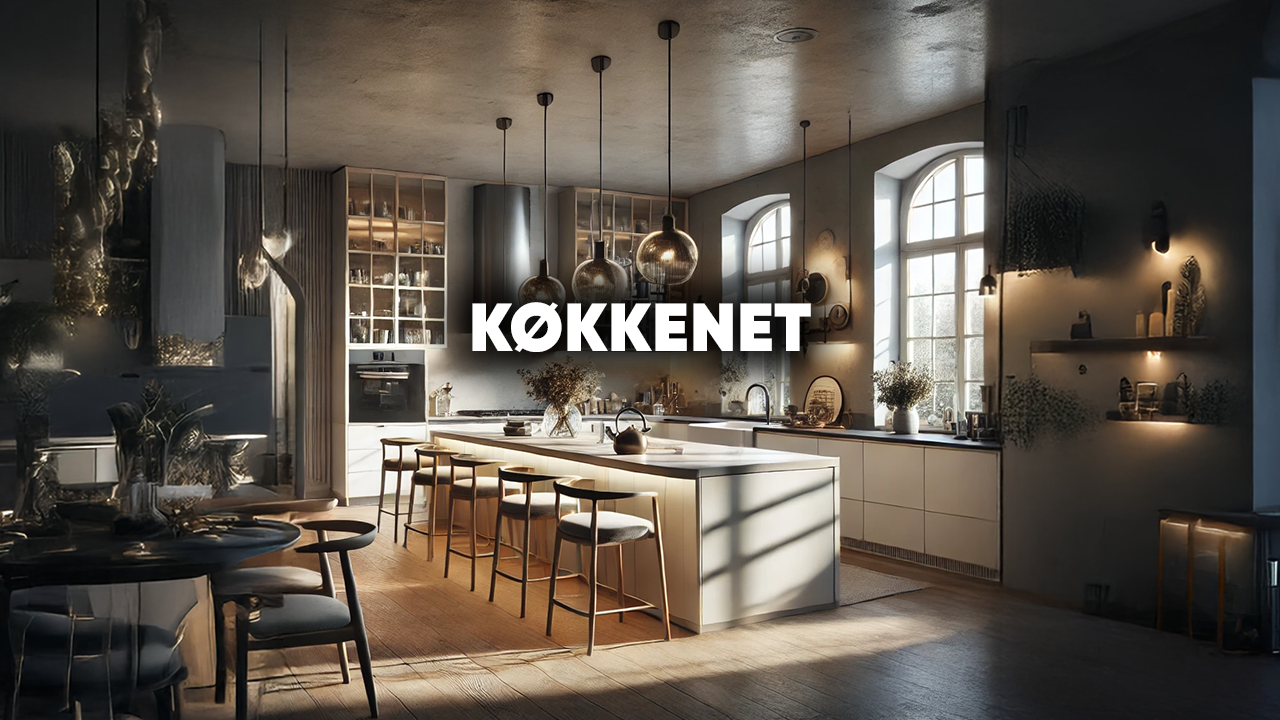
The kitchen is one of the most functional rooms in the home, which is why good lighting is essential. You need to be able to prepare food safely, find ingredients, read recipes, and at the same time create a cozy atmosphere when the kitchen is used as a gathering place. This requires a combination of practical task lighting and softer mood lighting.
General lighting in the kitchen can be provided by ceiling lamps or spotlights, but task lighting is what makes the biggest difference. Lighting under upper cabinets or built-in LED strips along the countertops provides clear and direct work lighting that makes cooking easier and more comfortable.
If the kitchen also functions as a social space, you can supplement the lighting with dimmable pendant lights over the kitchen island or dining area so that you can switch between functional and cozy lighting.
Inspiration List – Great Tips for Good Lighting in Your Home’s Kitchen
🍳 Functional Task Lighting as the Foundation of Kitchen Lighting
Task lighting is absolutely essential when it comes to lighting in your home’s kitchen. Clear and directional light above the kitchen counter makes it easier to see ingredients, utensils, and details while cooking. When work surfaces are properly illuminated, both safety and comfort increase, making kitchen tasks more manageable and pleasant.
💡 Ceiling Lighting That Provides an Overview in Kitchen Lighting
Ceiling lighting acts as the general base for kitchen lighting and ensures an even level of illumination throughout the room. Good ceiling lighting in your home’s kitchen makes it easy to see your surroundings and creates cohesion between the different zones. When the ceiling light is well balanced, it supports the other light sources without becoming overpowering.
🔦 Lighting Under Upper Cabinets Improves Kitchen Lighting
Lighting underneath upper cabinets is an effective way to improve task lighting in the kitchen. This type of lighting shines directly onto work surfaces and reduces shadows created by the body. As part of the lighting in your home’s kitchen, it contributes to both functionality and a more modern appearance, making the kitchen feel bright and well organized.
🌗 Soft Evening Lighting Creates Balance in Kitchen Lighting
Once cooking is finished, the kitchen can benefit from more subdued lighting. Softer light sources create a calm atmosphere and make the room more inviting for socializing. This form of kitchen lighting allows the space to be used in new ways without compromising the overall atmosphere.
🔄 Flexible Solutions That Adapt Kitchen Lighting
Flexibility is a major advantage in kitchen lighting. Dimmable light sources and zoned lighting make it easy to adjust the lighting in your home’s kitchen according to the time of day and your needs. In this way, the same kitchen can function optimally for both intensive cooking and quiet moments around the dining table.
Summary – Ideas for Good Kitchen Lighting in Your Home
🍳 Task lighting under upper cabinets – LED strips or spotlights that shine directly onto the countertop.
💡 Ceiling spotlights or panels – Provide good and even general lighting.
🍽 Pendant lights over the dining table or kitchen island – Both functional and decorative.
🎛 Dimmable lamps – Adjust the lighting according to the activity, from cooking to cozy meals.
🪞 Light colors – Choose neutral white light (approximately 3000–4000 kelvin) for clear and natural task lighting.
🧺 Decorative lighting – Small lamps or string lights to make the kitchen more inviting.
🌿 Built-in lighting in shelves or cabinets – Practical for storage and an elegant detail.
***********************************************************
REMEMBER – A good and functional kitchen starts with the right lighting, and the right lighting in your home’s kitchen makes everyday life easier.
Your Home and Lighting in the Bedroom
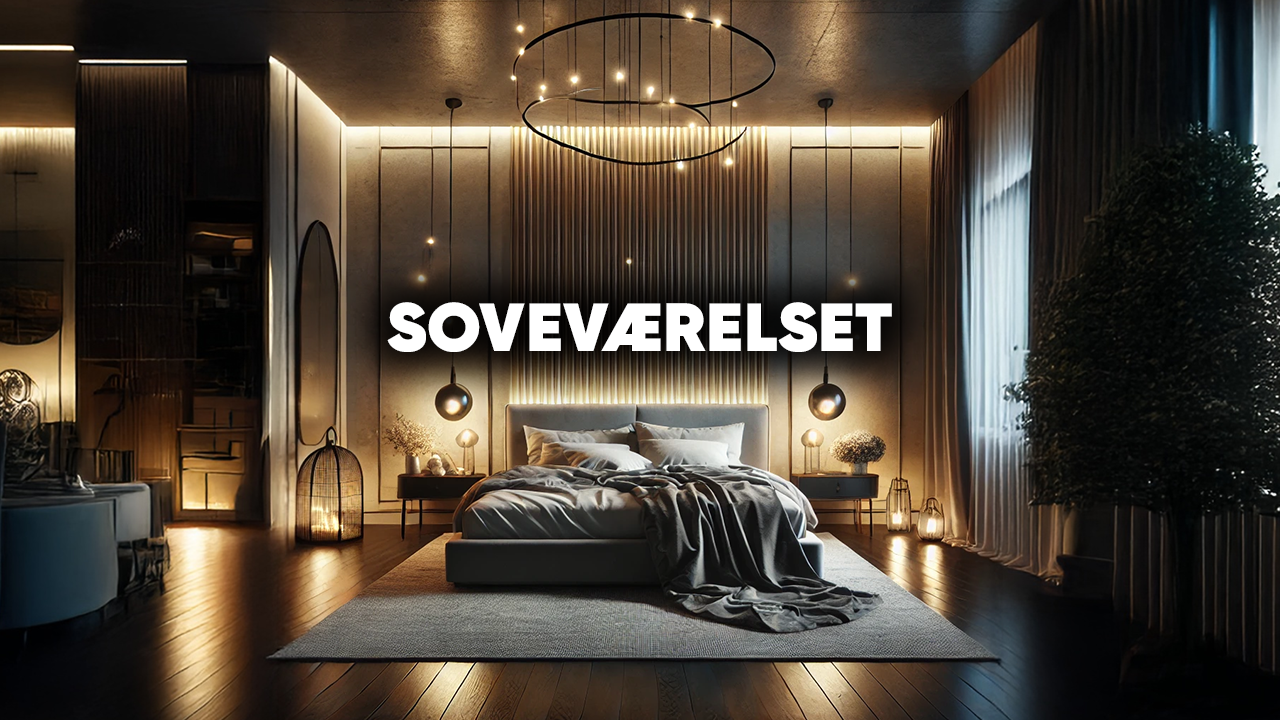
The bedroom is one of the most important rooms in the home because it is where you need to find peace and rest. That is why the lighting here is especially important – it should support a relaxing atmosphere while also being practical for everyday needs such as reading, finding clothes, or getting ready.
The best bedroom lighting is created with a combination of dimmable general lighting and soft mood lighting. Ceiling lamps or spotlights can provide the necessary visibility, while bedside lamps, wall lamps, or small table lamps can create warm and calm lighting for relaxation.
You can benefit from choosing bulbs with a warm light color that encourages calm and makes it easier to wind down in the evening. You can also add functional lighting inside wardrobes or cabinets so you can easily find what you need.
Inspiration List – Great Tips for the Right Lighting in Your Home’s Bedroom
🛏️ Soft General Lighting Creates Calm in Bedroom Lighting
Soft and even general lighting is an important foundation in the bedroom. Ceiling lights or discreet light sources should provide a pleasant level of illumination without feeling harsh. When the lighting in your home’s bedroom feels calm and balanced, it creates a secure environment that makes it easier to relax and rest.
🌙 Bedside Lamps Provide Functional Comfort in Bedroom Lighting
Bedside lamps play an important role in bedroom lighting. They allow you to read, find your way around, or get up during the night without turning on strong lighting. As part of your home’s bedroom lighting, bedside lamps contribute to both comfort and flexibility while preserving the room’s calm atmosphere.
🌗 Indirect Lighting Adds Depth to Bedroom Lighting
Indirect lighting is particularly suitable for bedrooms because it creates soft and surrounding illumination. Lighting behind headboards, along walls, or in niches adds depth without dominating the room. This type of lighting in your home’s bedroom supports relaxation and gives the room a more harmonious appearance.
🎨 Warm Light Colors Support Bedroom Lighting
The choice of color temperature has a major impact in the bedroom. Warm lighting creates a sense of comfort and signals calm to the body, which is essential for relaxation. When the lighting in your home’s bedroom is kept in warm tones, the transition from day to night feels more natural and pleasant.
🔄 Dimming Provides Flexible Bedroom Lighting
The ability to dim the lighting provides great flexibility in the bedroom. Dimmable light sources make it easy to adjust your home’s bedroom lighting according to the time and your needs. This gives you freedom for both practical use and a calm wind-down routine without the room losing its cohesion or atmosphere.
Summary – Ideas for Good Bedroom Lighting in Your Home
💡 Dimmable ceiling lamp – Provides visibility and can be adjusted to a softer light.
📖 Bedside lamps or wall lamps – Perfect for reading and cozy evenings.
🛏 Soft mood lighting – For example, small table lamps or hidden LED strips behind the headboard.
🌙 Warm-white bulbs (approximately 2700 kelvin) – Create calm and relaxation.
🪞 Built-in lighting in cabinets or wardrobes – Practical for finding clothes without turning on all the lights.
🕯 Supplement with candles or LED lights – For extra coziness and a relaxing atmosphere.
🎨 Decorative lamps – Choose designs that support the bedroom’s style and atmosphere.
********************************************************************************
REMEMBER – The right lighting in your home’s bedroom creates the foundation for a calm environment, and the right bedroom lighting makes relaxation and sleep easier.
Your Home and Lighting in the Bathroom
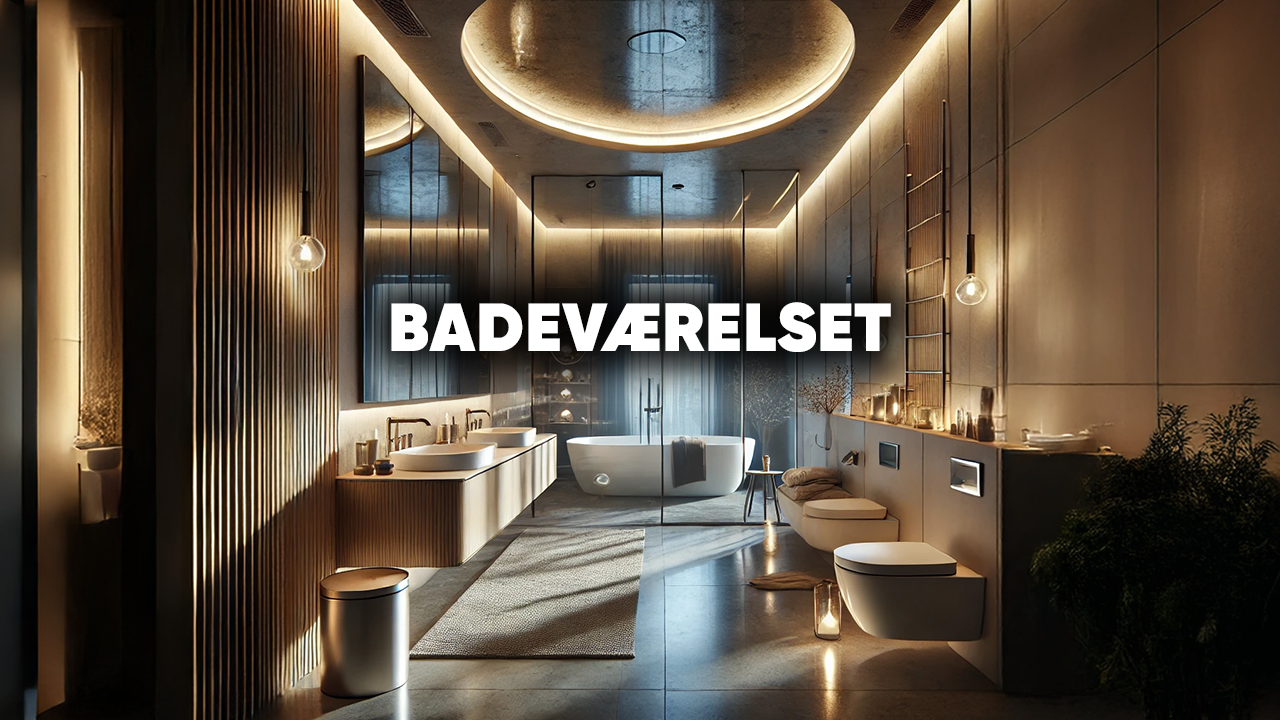
The bathroom is a room where lighting needs to be both functional and pleasant. It is where you start and end your day, so it is important to have lighting that can be adapted to both practical tasks and relaxing moments.
For everyday use, bright and even lighting is necessary – especially around the mirror, where you shave, apply makeup, or style your hair. At the same time, the bathroom can benefit from softer lighting when you want to create a calm, spa-like atmosphere, such as during a warm bath.
It is also important to think about safety: lamps and spotlights in the bathroom must be approved for use in damp environments. With the right combination of functional task lighting and dimmed mood lighting, the bathroom can become both practical and inviting.
Inspiration List – Great Tips for Good Lighting in Your Home’s Bathroom
🪞 Precise Mirror Lighting Is at the Heart of Good Bathroom Lighting
Mirror lighting is one of the most important elements in the bathroom. Even and well-positioned lighting around the mirror makes it easier to perform daily routines such as shaving, skincare, and applying makeup. When the lighting in your home’s bathroom is properly adjusted around the mirror, shadows on the face are avoided, making everyday routines both more comfortable and precise.
💡 Good Ceiling Lighting Provides Visibility in Bathroom Lighting
Ceiling lighting serves as the general lighting base in the bathroom and ensures that the room is evenly illuminated. Good ceiling lighting in your home’s bathroom provides visibility and makes it easy to move around the room. When the ceiling lighting is soft and even, it supports the mirror lighting without feeling harsh or overpowering.
🌗 Soft Supplementary Lighting Creates Balance in Bathroom Lighting
Additional light sources can give the bathroom a more pleasant and relaxing atmosphere. Small wall lamps or indirect lighting create balance and add depth to the room. This type of lighting in your home’s bathroom is particularly suitable for the evening, when the light can be softer and calmer.
🎨 Neutral Light Colors Support Good Natural Bathroom Lighting
The choice of light color is essential in the bathroom, where accurate color rendering is important. A neutral to slightly warm color tone creates a natural appearance and ensures that skin tones look realistic. When your home’s bathroom lighting has the right color temperature, the room feels both more comfortable and more functional.
🔄 Flexible Controls Improve Bathroom Lighting
The ability to adjust the lighting adds extra value in the bathroom. Dimmable solutions make it easy to switch between bright task lighting and more relaxing mood lighting. This flexibility makes your home’s bathroom lighting suitable for all situations – from busy mornings to peaceful evenings.
Summary – Ideas for Good Bathroom Lighting in Your Home
💡 Mirror lighting – Choose lamps or LED strips on both sides of the mirror for even lighting without shadows.
✨ Ceiling spotlights – Provide general lighting and can be installed using moisture-resistant solutions.
🎛 Dimmable lamps – Provide flexibility so you can switch between functional and relaxing lighting.
🛁 Built-in lighting in the shower area – Adds a luxurious and modern touch.
🕯 Mood lighting – Add small LED lights or candles, if space allows, for a spa-like feeling.
🌙 Warm lighting for relaxation – Create a calm atmosphere for evening routines.
🧼 Natural light – If possible, make use of windows or glass sections to give the room freshness and openness.
************************************************************************
REMEMBER – Good lighting in your home’s bathroom makes everyday life more pleasant. A well-lit bathroom creates calm and a sense of well-being during your daily bathroom routines.
Your Home and Lighting in the Entrance Hall and Hallway
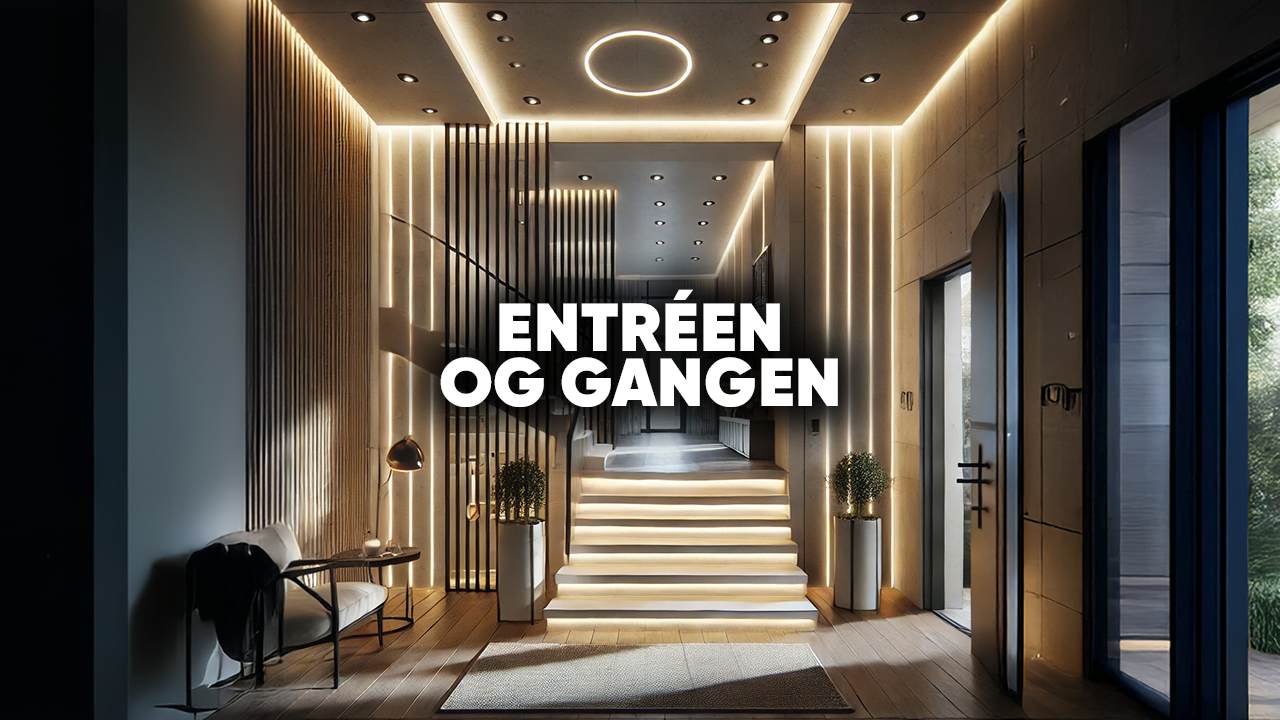
The entrance hall and hallway are the first spaces you and your guests encounter when entering the home. That is why the lighting here plays an important role – both practically and aesthetically. It should ensure that the space feels inviting while also being functional and easy to move through.
Bright and even lighting is necessary so you can easily find keys, shoes, and outerwear. At the same time, you can use lighting to create a cozy atmosphere so that the entrance feels welcoming and sets the tone for the rest of the home.
Long hallways can often feel dark and narrow, but strategically positioned wall lamps, spotlights, or light strips can make the space brighter and more inviting. By combining functional ceiling lighting with decorative lamps or indirect lighting, you can create a balance between practical use and a stylish atmosphere.
Inspiration List – Great Tips for Lighting in Your Home’s Entrance Hall and Hallway
🚪 Clear General Lighting Provides Visibility in the Entrance Hall and Hallway
Good general lighting is essential for making the entrance hall and hallway feel safe and functional. Ceiling lights or discreet spotlights ensure that the area is evenly illuminated, making it easy to find shoes, outerwear, and keys. When the lighting in your home’s entrance and hallway provides good visibility, everyday life becomes smoother and less stressful.
💡 Even Light Distribution Improves Entrance and Hallway Lighting
In narrow or elongated spaces, even light distribution is especially important. Several light sources strategically positioned along the hallway can prevent dark areas and create a more pleasant overall appearance. This approach to lighting in your home’s entrance and hallway makes these spaces more welcoming and supports natural movement through the home.
🖼️ Lighting That Highlights Details in the Entrance Hall and Hallway
Entrance halls and hallways often contain pictures, mirrors, or decorative elements that can be highlighted with lighting. Small wall lamps or spotlights add character and give the space personality. When the lighting in your home’s entrance and hallway is actively used to highlight details, these transitional spaces become an integrated part of the interior design.
🌗 Soft Supplementary Lighting Creates Balance in Entrance and Hallway Lighting
In addition to functional lighting, softer light sources can create a more pleasant atmosphere. Dimmed wall lighting or indirect lighting provides a sense of calm and makes the space feel less clinical. This type of lighting in your home’s entrance and hallway is ideal in the evening, when the light can be more subdued and inviting.
🔄 Flexible Solutions Adapt Entrance and Hallway Lighting
Flexibility is a major advantage in the entrance hall and hallway, where needs change throughout the day. Motion sensors or dimmable light sources make it easy to adapt the lighting in your home’s entrance and hallway. This creates both comfort and functionality and makes the spaces more user-friendly in everyday life.
Summary – Ideas for Good Lighting in Your Home’s Entrance and Hallway
💡 Ceiling lamps or spotlights – Provide even general lighting and make the space easy to move through.
🪞 Mirror lighting – Combine lighting with a large mirror for both functionality and the feeling of more space.
✨ Wall lamps in the hallway – Create warmth and prevent long hallways from feeling dark or cramped.
🎛 Dimmable solutions – Make it possible to switch between practical and cozy lighting.
🌿 Decorative table or wall lamps in the entrance – Provide an inviting welcome.
🕯 Mood lighting – For example, small LED lights or lanterns to add coziness.
🚪 Sensor-controlled lighting – Practical in the hallway, allowing the light to switch on automatically when you walk through.
************************************************************************************************
REMEMBER – The entrance and hallway in your home can create a pleasant atmosphere with the right lighting, and an inviting entrance starts with the right lighting.
The Importance of Light Colors and Color Temperature in Your Home
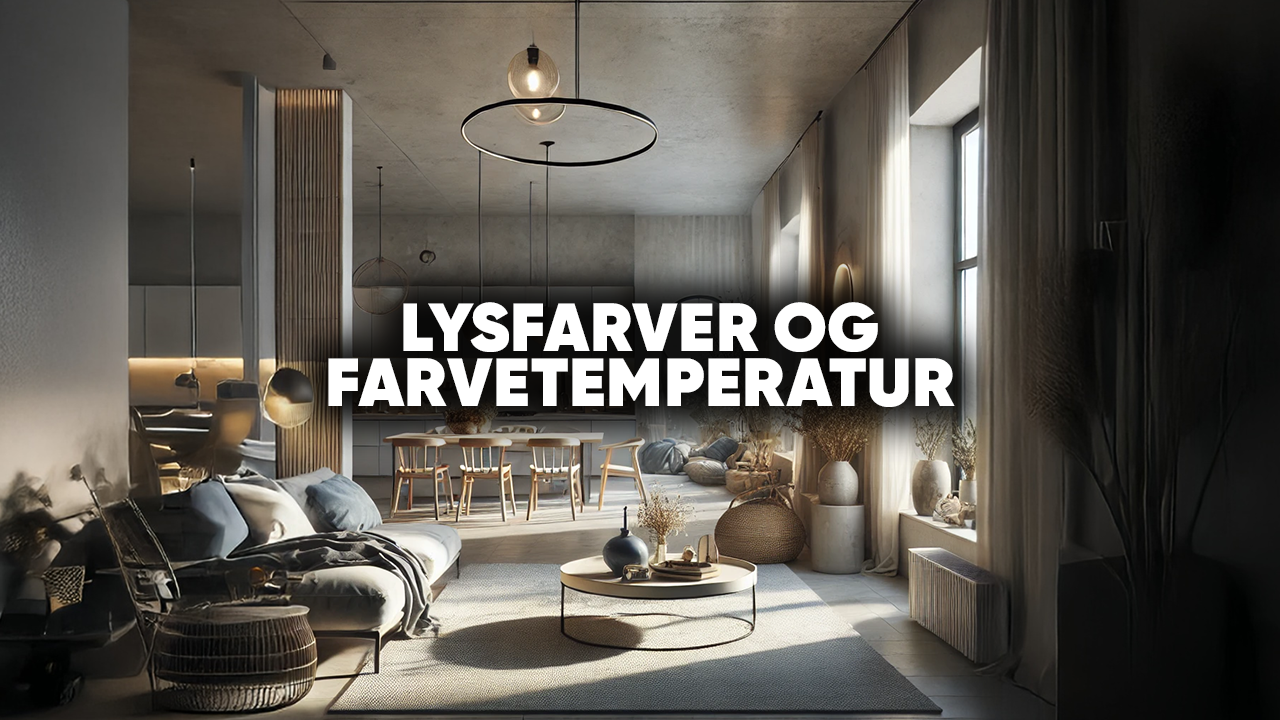
When choosing lighting for your home, it is not only the shape and placement of the lamp that matter – the light color and color temperature play an equally important role. Color temperature is measured in kelvin (K) and determines whether the light is perceived as warm, neutral, or cool. It has a major impact on both the atmosphere in the room and how we perceive colors, furniture, and materials.
Warm light (approximately 2200–3000 K) creates a cozy and relaxing atmosphere and is well suited to living rooms, bedrooms, and other living spaces.
Neutral light (approximately 3000–4000 K) feels brighter and is suitable for kitchens or offices where you need to focus.
Cool light (above 4000 K) resembles daylight and can be useful in bathrooms or rooms where precision – such as an office or workshop – is important.
By choosing the right color temperature for different rooms, you can create a home that is both functional and inviting – with lighting that supports the purpose of each room.
Inspiration List – Great Tips for Light Colors and Color Temperature in Your Home
🌡️ Warm Light Colors Create Comfort in Your Home
Warm light colors create a soft and inviting atmosphere that is particularly suitable for living spaces. They support relaxation and create a sense of calm, making them ideal for living rooms and bedrooms. When the light colors and color temperature in your home are kept toward the warmer end of the spectrum in these rooms, the home feels cozier and more harmonious.
❄️ Cooler Color Temperatures Provide Clarity in Your Home
Cooler light colors have a more neutral and focused effect, making them suitable for rooms where practical tasks are performed. In the kitchen, bathroom, or work areas, this type of lighting can provide better visibility and improved concentration. By using light colors and color temperature strategically in your home, functionality and comfort can work hand in hand.
🎨 The Interaction Between Light Colors and Interior Design in Your Home
Light colors affect how wall colors, materials, and furniture appear. A warm color temperature can highlight wood and textiles, while cooler lighting can emphasize clean lines and light surfaces. When the light colors and color temperature in your home are adapted to the interior design, a more cohesive and polished overall appearance is created.
🕰️ Adapting Light Colors to Your Daily Rhythm
The color of light affects the body’s natural circadian rhythm. Warm tones in the evening signal calm and help the body wind down, while cooler lighting during the day can increase energy and alertness. By considering light colors and color temperature in your home in relation to the time of day, the lighting can actively support your daily rhythm.
🔄 Flexible Solutions Give You Control Over Light Colors and Color Temperature
Flexible lighting solutions make it possible to adjust light colors and color temperature according to your needs. Dimmable light sources or adjustable tones give you the freedom to change the atmosphere without replacing the lamps. This flexibility makes the light colors and color temperature in your home more dynamic and adaptable to everyday life.
Summary – Ideas for Using Light Colors and Color Temperature in Your Home
🌙 Warm white (2200–2700 K) – Ideal for living rooms and bedrooms for coziness and relaxation.
🍽 Neutral white (3000–3500 K) – Perfect for kitchens and dining areas where a balance between coziness and functionality is important.
🖥 Cool white (4000–5000 K) – Suitable for offices or work areas where concentration is necessary.
🚿 Daylight (5000–6500 K) – Good for bathrooms or hobby rooms where accurate color rendering is important.
🎛 Use dimmable bulbs – So you can adjust the color temperature according to your needs and mood.
🏡 Combine light colors in the same room – For example, warm lighting in cozy corners and neutral lighting in work areas.
💡 Consider color rendering (Ra/CRI) – Choose light sources with high color rendering so furniture and textiles look natural.
*****************************************************************
REMEMBER – The right color temperature creates balance in each individual room and makes your home more comfortable with a pleasant atmosphere.
Energy Saving and Sustainability in Your Home Lighting
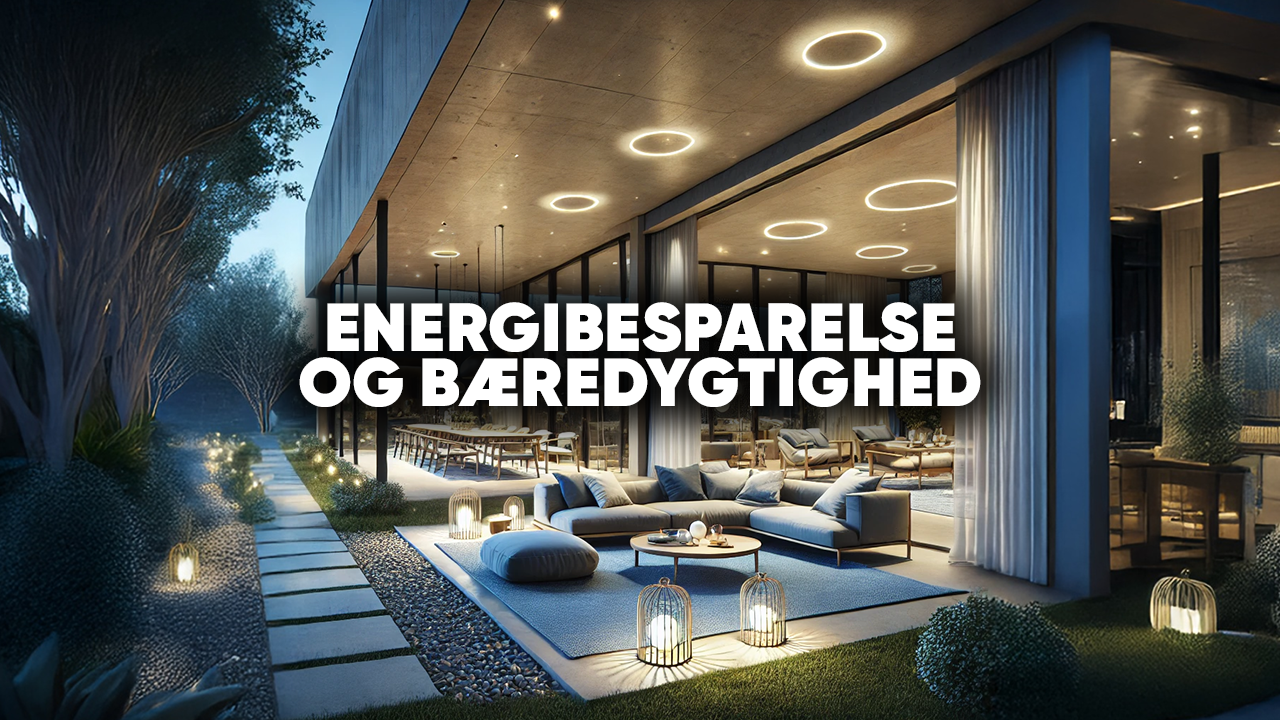
Lighting is not only about aesthetics and atmosphere – it also plays an important role in energy consumption and sustainability. By choosing energy-efficient solutions, you can reduce your electricity bills while also reducing your environmental footprint.
An obvious step is to switch to LED bulbs, which use up to 80% less energy than traditional incandescent bulbs while also having a much longer lifespan. In addition, you can save energy by thinking about how you use lighting in everyday life – for example, by switching off lights in empty rooms, making use of natural daylight, and using motion sensors in the entrance hall or hallway.
Sustainability is also about choosing lamps and materials that are durable and possibly made from recycled materials. In this way, you not only get stylish lighting but also a solution that takes the environment into consideration.
Inspiration List – Great Tips for Energy Saving and Sustainability with Lighting in Your Home
💡 Energy-Efficient Light Sources Improve Energy Saving and Sustainability in Your Home
Choosing energy-efficient light sources is one of the most effective ways to reduce electricity consumption. Modern solutions use significantly less energy while also having a longer lifespan than older alternatives. When energy saving and sustainability in your home are prioritized through highly efficient light sources, you achieve both lower electricity bills and reduced resource consumption over time.
🔄 Long-Lasting Light Sources Reduce Resource Consumption in Your Home
Light sources with a long lifespan mean fewer replacements and less waste. This benefits both the environment and your finances. By incorporating energy saving and sustainability into your choice of durable lighting solutions, the need for the production, transportation, and disposal of new bulbs is reduced.
⏱️ Conscious Use of Lighting Supports Energy Saving and Sustainability in Your Home
How lighting is used has a major impact on overall energy consumption. By switching off lights in rooms that are not in use and making the best possible use of daylight, energy consumption can be reduced with very little effort. This awareness of energy saving and sustainability in your home makes a noticeable difference in the long term.
🌱 Smart Control of Light Sources Gives You Control Over Energy Saving and Sustainability
Smart control solutions make it easier to optimize lighting. Timers, dimming, and automatic shutoff ensure that lights are only used when needed. When energy saving and sustainability in your home are supported by intelligent controls, you achieve both comfort and efficiency in everyday life.
🏡 A Holistic Approach Creates Sustainable Lighting in Your Home
Sustainable lighting is created when light sources, placement, and use are considered together. By combining energy-friendly solutions with thoughtful interior design, you can achieve better lighting with fewer light sources. This holistic approach to energy saving and sustainability in your home creates a more balanced home with lower energy consumption.
Summary – Energy-Saving and Sustainable Measures for Lighting in Your Home
💡 Switch to LED bulbs – Energy-efficient and long-lasting.
🌞 Make use of daylight – Position mirrors and light curtains to maximize natural light.
🎛 Use dimmers – Adjust the brightness and reduce energy consumption.
🚪 Sensor-controlled lighting – Practical in hallways and bathrooms where lights are often accidentally left on.
🔋 Choose lamps made from durable materials – For example, wood, metal, or recycled plastic.
🏡 Zone your lighting – Only switch on the lamps you need in the areas where you are spending time.
♻️ Consider secondhand lamps – Give vintage or secondhand lamps a new life instead of buying new ones.
**************************************************************
REMEMBER – Sustainable lighting gives you peace of mind, and energy saving starts with small choices. Good lighting can be beautiful, sustainable, and good for your finances.
Smart Lighting – The Future of Lighting Control in Your Home
Smart lighting is no longer only for technology enthusiasts – it has become an accessible and practical solution that can improve the comfort, functionality, and atmosphere of your home.
With smart lighting, you can control lamps using your smartphone, remote control, or voice commands, and you can adjust brightness, color tone, and schedules so they fit perfectly into your everyday routine.
The advantage is flexibility – you can create the right atmosphere for any situation, from bright task lighting in the kitchen to dimmed cozy lighting in the living room in the evening. At the same time, smart lighting can help save energy because you can set lamps to switch off automatically when they are not in use or dim when there is sufficient daylight.
This makes smart lighting an investment that provides style, convenience, and sustainability in everyday life.
Inspiration List – Great Tips for Smart Lighting and the Future of Lighting Control in Your Home
📱 Centralized Control Makes Future Lighting Control in Your Home Easier to Manage
With centralized control, all your lighting is managed in one place, typically through an app or control panel. This makes future lighting control in your home easier to understand and operate. Whether you are at home or away, you can adjust the lighting precisely according to your needs and create the desired atmosphere without moving from room to room.
⏰ Automatic Schedules Support the Future of Lighting Control in Your Home
Schedules are one of the major advantages of smart lighting. Lights can automatically switch on and off at specific times, creating consistent everyday routines. The future of lighting control in your home makes it possible to wake up to gentle lighting in the morning and enjoy dimmed lighting in the evening – completely without manual adjustments.
🌗 Adjusting Light Levels Provides Flexible Future Lighting Control in Your Home
Smart lighting makes it easy to adjust brightness and atmosphere in each room. With a single tap, the lighting can change from functional to relaxing depending on the situation. This flexibility is at the heart of the future of lighting control in your home and makes it possible to use the same room for several purposes without changing the interior design.
🌡️ Interaction with Light Colors Improves the Future of Lighting Control in Your Home
When smart lighting is combined with adjustable light colors, even more possibilities become available. You can switch between warm and cool tones depending on the time and activity. The future of lighting control in your home therefore makes it possible to support concentration, relaxation, and your circadian rhythm through the color of the lighting.
🔄 Intelligent Automation Makes Future Lighting Control in Your Home More Efficient
Automation makes lighting more intelligent and energy-efficient. Sensors can detect movement or daylight and adjust the lighting accordingly. This form of future lighting control in your home ensures that lights are only used when necessary while also increasing everyday comfort.
Summary – Ideas for the Future of Smart Lighting in the Home
📱 App control – Control your lamps from your phone no matter where you are.
🗣 Voice control – Use Google Assistant, Alexa, or Siri to switch lights on and off and adjust them.
🎛 Dim and change color tones – Choose warm lighting for coziness or cooler lighting for concentration.
⏰ Automatic schedules – Plan your lighting so it matches your daily routine.
🚪 Motion sensors – Have the lights switch on automatically when you enter a room.
🌞 Lighting that follows your circadian rhythm – Bulbs that automatically adjust their color temperature according to the time of day.
🔄 Zones and scenes – Set different lighting configurations for activities such as movie nights, dinners, or work.
****************************************************************************************
REMEMBER – The future of lighting control provides greater freedom, balance, and control over the lighting in your home.
****************************************************************************************
You can get more tips about smart gadgets for your home, including smart lighting, in our article – Smart Gadgets for the Home – Technology That Makes Your Home Smarter and More Efficient
Conclusion
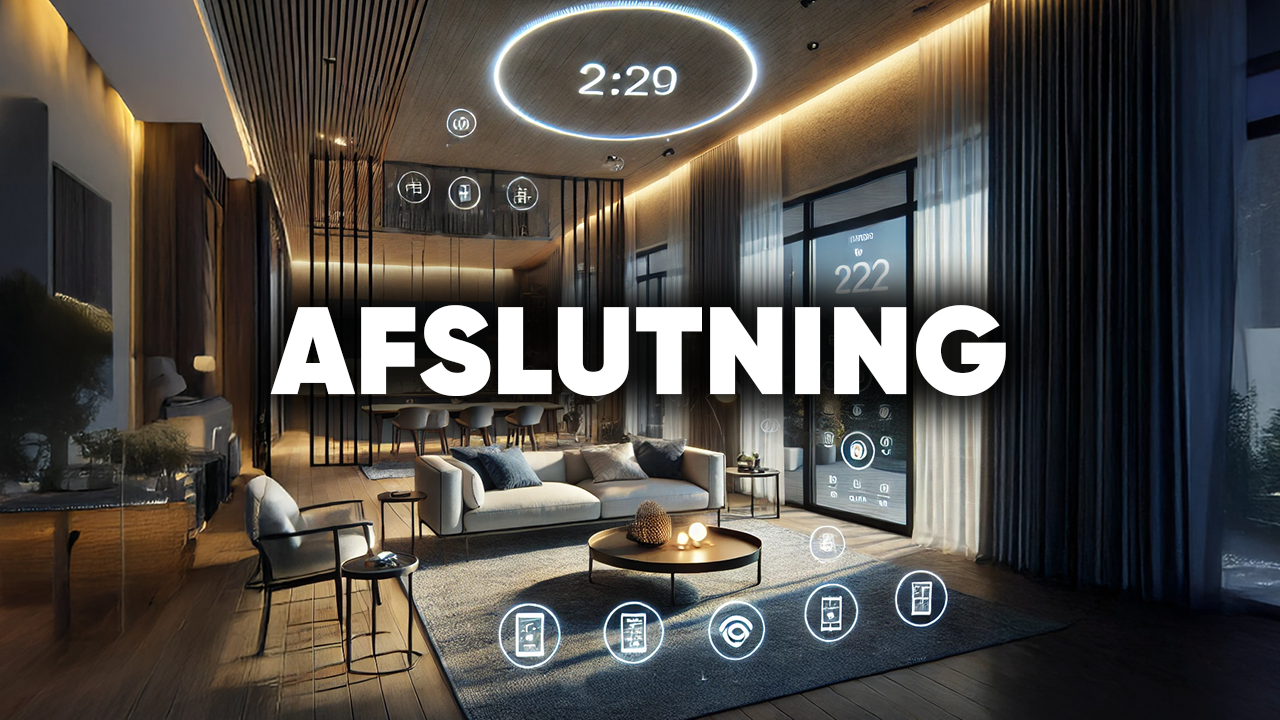
Lighting is much more than just a practical necessity – it is one of the most powerful tools when you want to create atmosphere, functionality, and style in your home. By combining general lighting, task lighting, and mood lighting, you can shape rooms that are inviting, practical, and personal.
Small changes such as choosing the right color temperature, using dimmable lamps, or adding more light sources can make a significant difference in everyday life. At the same time, energy-saving solutions and smart lighting can contribute to both sustainability and comfort.
The most important thing is to view lighting as an active part of your interior design – not simply as something functional, but as a tool for creating the atmosphere you want in your home. With the right choices, you can transform any room into a place that feels harmonious, cozy, and completely adapted to your needs.
Mini-Guide – How to Work with Home Lighting to Create the Perfect Atmosphere in Your Home
When you want to create the perfect atmosphere, lighting in the home is one of the most important elements. Lighting affects mood, functionality, the perception of space, and well-being – often more than furniture and colors combined.
This mini-guide is a summary of the article above and brings together the most important points so you can work with your home lighting in a structured and thoughtful way and achieve a result that is practical, inviting, and personal.
Understand the Overall Approach to Home Lighting
Good home lighting starts with thinking about the overall picture rather than individual lamps. A room works best when the lighting consists of several layers that together create a balance between visibility, functionality, and atmosphere. When planning your lighting, you should always look at the room as a whole and ask yourself how it is used in everyday life – in the morning, during the day, and in the evening.
Combine Different Types of Lighting in the Home
To create a harmonious atmosphere, lighting in the home should consist of several types of light. General lighting provides visibility, task lighting supports practical activities, and mood lighting adds warmth and personality. When these three forms of lighting work together, the home becomes flexible and easy to adapt to different needs without changing the interior design.
Adapt Home Lighting to Each Room
Every room has its own purpose, and therefore the lighting in the home should always be adapted to the function of the room. The kitchen requires bright and precise lighting, the living room needs flexibility, the bedroom calls for calm, and the bathroom must balance precision and comfort. When the lighting matches the way the room is used, the home feels more thoughtfully designed and comfortable to spend time in.
Work Consciously with Light Colors and Color Temperature in the Home
Light colors play a crucial role in the atmosphere of a home. Warm tones create coziness and relaxation, while cooler shades support focus and activity. By varying light colors and color temperature throughout the home, you can control the appearance of each room and support your circadian rhythm. This creates a more natural flow in everyday life and a better overall experience of the rooms.
Use Placement Actively in Home Lighting
The placement of light sources is at least as important as the lamp itself. Lighting that is positioned incorrectly can create shadows, glare, or visual disturbance in the room. When lighting in the home is placed strategically – in corners, along walls, or near selected zones – it creates depth, balance, and a more lively room. Always think about where the light falls and what it highlights.
Create Flexibility with Adjustable Home Lighting
Flexibility is one of the keys to good home lighting. Dimmable light sources and adjustable lamps make it possible to change the lighting level according to the time of day, mood, and activity. The same room can therefore function for work, socializing, and relaxation. Flexible lighting provides greater freedom and significantly improves the usability of the home.
Integrate Home Lighting with the Interior Design
Lighting and interior design are closely connected. Materials, colors, and furniture react differently to light, which is why lighting in the home should always be considered an integrated part of the interior design. When the lighting supports the room’s style and materials, the home appears more cohesive and calm – without feeling overly bright or visually cluttered.
Prioritize Comfort and Well-Being in Home Lighting
Good lighting in the home should feel comfortable to use. Lighting that is too strong can feel stressful, while lighting that is too weak makes everyday activities more difficult. By finding the right balance between brightness, color tone, and placement, you create a home where your eyes and body can relax. Comfortable lighting contributes directly to well-being and quality of life.
Integrate Energy Saving into Home Lighting
Modern home lighting makes it possible to combine atmosphere with energy savings. Energy-efficient light sources, conscious use of lighting, and thoughtful placement reduce consumption without compromising the atmosphere. When sustainability is considered from the beginning, the lighting becomes both future-proof and responsible.
Use Smart Solutions to Optimize Home Lighting
Smart lighting provides new possibilities for controlling lighting in the home. With automation, schedules, and adjustable settings, the lighting in your home can be precisely adapted to your everyday routine. This provides increased comfort, better control, and a more intuitive way of working with lighting – both practically and atmospherically.
*****************************************************
This mini-guide gives you a solid foundation for working purposefully with good lighting in your home. When you combine functionality, atmosphere, and flexibility, you create a home where the lighting supports both everyday life and the moments that turn a house into a cozy home with a pleasant atmosphere.
Here Are 4 Great Tips You Can Start Using Today to Begin Planning Good and Stylish Lighting in Your Home
✅ Think in layers when planning the lighting in your home – Combine general lighting, task lighting, and mood lighting for a flexible and inviting home.
✅ Choose the right color temperature for each room in your home – Warm lighting for coziness, neutral lighting for the kitchen and office, and cool lighting for precision tasks.
✅ Use modern solutions for lighting in your home – Dimmable lamps, LED bulbs, and smart lighting make your home more comfortable, energy-efficient, and economical.
✅ See lighting as part of your home’s interior design – Small changes in lamps, placement, and intensity can transform the atmosphere in your home in a positive way.
********************************************************
You can get additional inspiration on how small changes in your home can positively transform its appearance in our article – Great Tips for Small Changes That Can Make Your Home More Stylish
*********************************************************************************
If you need additional inspiration on how lighting can make your home cozier and more stylish, you can watch this video – How to Light a Room | Mistakes, Rules + Lighting in Interior Design
----------------------------------------------------------------
If you have experience and/or knowledge of good home lighting, we would be happy to hear your input and/or suggestions in the comments section about other ideas for good home lighting that can make your home more stylish and cozy and help create a pleasant and cozy atmosphere in your home.