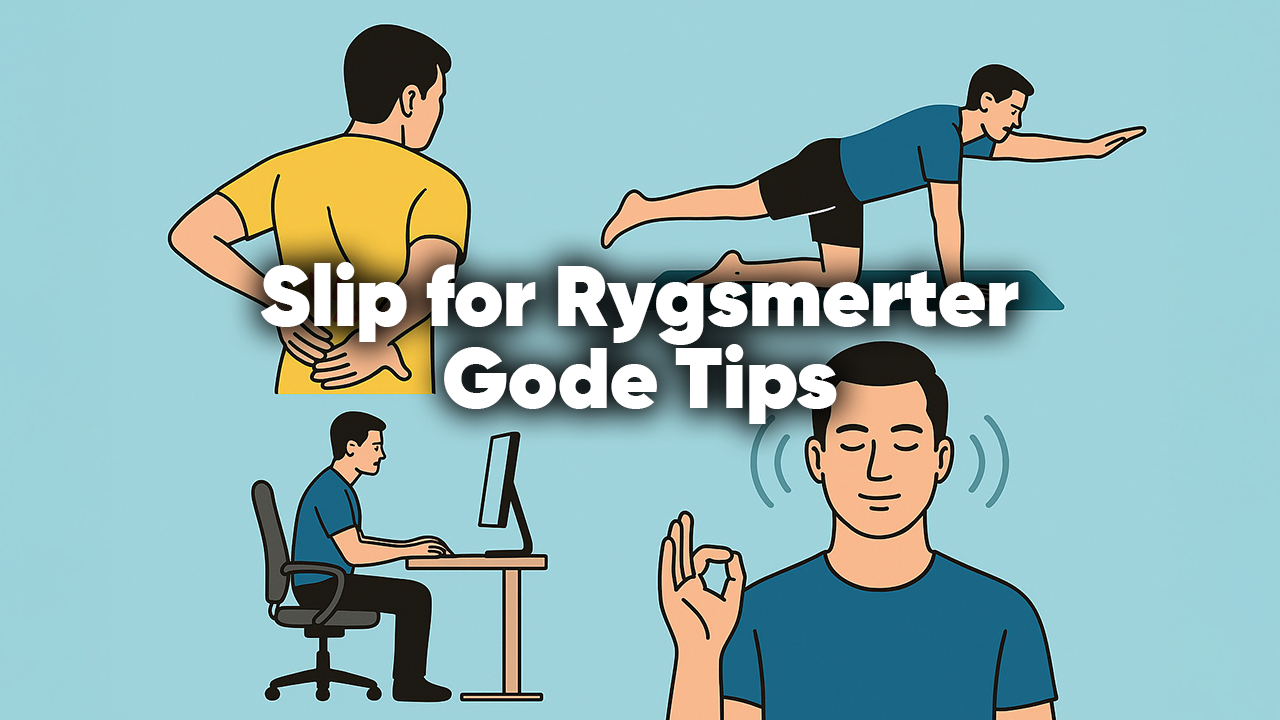
Back pain is one of the most widespread physical problems in everyday life and affects people of all ages – whether you work sitting in front of a screen, have a physically demanding job, or simply experience tension as a result of stress and lack of movement. For many people, it starts as mild soreness but can quickly develop into persistent pain that affects quality of life, energy, and mood. That is why it is important to take back pain seriously at an early stage and understand how it can both be prevented and effectively relieved.
In a busy everyday life, many people overlook the small signals from their bodies. You sit incorrectly, skip physical activity, lift things improperly, or ignore tension until your back finally says stop. Back pain rarely occurs without a reason – it is often the result of repeated strain, poor posture, lack of muscle strength, or insufficient recovery. Fortunately, this also means there is a lot you can do yourself to reduce the risk and create better conditions for a healthy and strong back.
This article gives you a solid overview of how you can avoid back pain through a combination of prevention and fast relief. The focus is on practical, everyday solutions that can be incorporated without major changes. Small adjustments to daily habits, simple exercises, and greater body awareness can make a significant difference – both in the short and long term.
Whether you already struggle with back pain or simply want to prevent it, the goal is to give you knowledge and practical tools so you can take active responsibility for your back. A healthy back is not about extreme workout programs or complicated solutions, but about balance, movement, and understanding your body’s signals. Once you start taking a more conscious approach to your back, you will often experience improved well-being, better mobility, and more energy in everyday life.
------------
Every year, approximately half of all Danes experience back pain, and around 880,000 are severely affected by pain.
Danes who suffer from back pain visit their doctor five times more often than people without back pain.
They have 3.3 million more doctor visits, are hospitalized 11,000 times a year, and have 73,000 outpatient hospital visits.
Lower back pain is the most common reason why Danes are unable to go to work.
Lower back pain costs Danish taxpayers DKK 1.8 billion per year in treatments within the public healthcare system.
Source: National Institute of Public Health and Danish Health Authority
---------------
Fortunately, there is a lot you can do yourself to prevent back pain – and act quickly if pain occurs. This article gives you useful tips for both preventing and quickly relieving back pain.
What Is Back Pain?
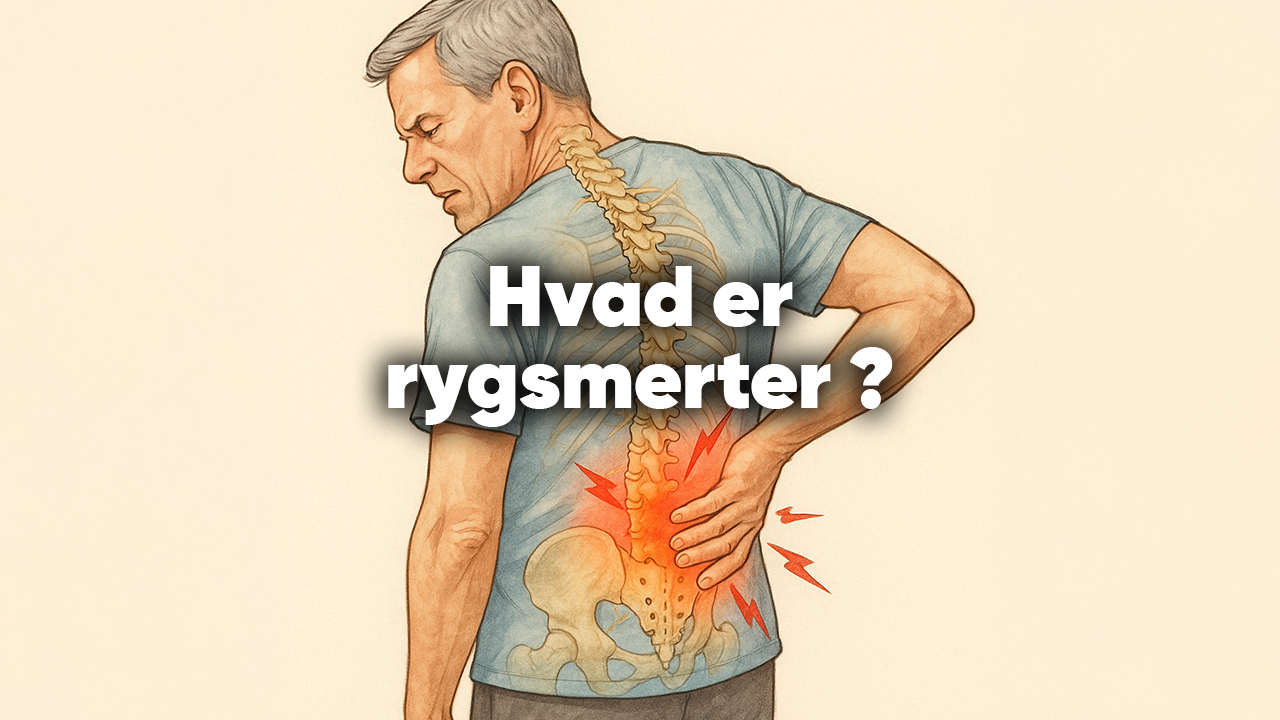
Back pain is one of the most common problems that many people experience at some point in their lives. The pain can range from mild soreness to severe, disabling pain, and it can either be short-term (acute) or continue for a longer period of time (chronic). There are many causes of back pain.
It is often caused by tension in the muscles or joints due to poor posture, repetitive movements, lack of physical activity, or overuse. At other times, it may occur due to a herniated disc, osteoarthritis, or other medical conditions. It is important to understand that back pain rarely results from one single factor, but is often caused by a combination of lifestyle, working positions, and physical condition.
Effective prevention and relief therefore involve strengthening the body, moving regularly, and being aware of the daily habits that affect your back. Understanding the causes and responding in time can make a major difference – both in preventing recurring pain and maintaining a healthy and strong back throughout life.
Checklist – Common Causes of Back Pain
🪑 Poor posture can cause back pain – For example, sitting hunched over a computer or phone for too long.
📦 Heavy lifting can cause back pain – Especially if it is done incorrectly with the back or without bending the knees.
🛋 Too little movement can cause back pain – Inactivity weakens the muscles and increases the risk of back pain.
🏋️ Overuse or repetitive exercise can cause back pain – For example, repeatedly performing the same movements or doing intense exercise without proper recovery.
😴 A poor mattress or sleeping position can cause back pain – This may cause tension and pain in the back and neck.
👞 Incorrect footwear can cause back pain – Shoes without proper support can place unnecessary strain on the back.
⚡ Stress and tension can cause back pain – Psychological pressure can manifest physically as muscle tension in the body and back.
🦴 Osteoarthritis or disc problems can cause back pain – Medical conditions that can affect the back and may require treatment.
Preventing Back Pain
Strengthen Your Back Muscles to Prevent Back Pain
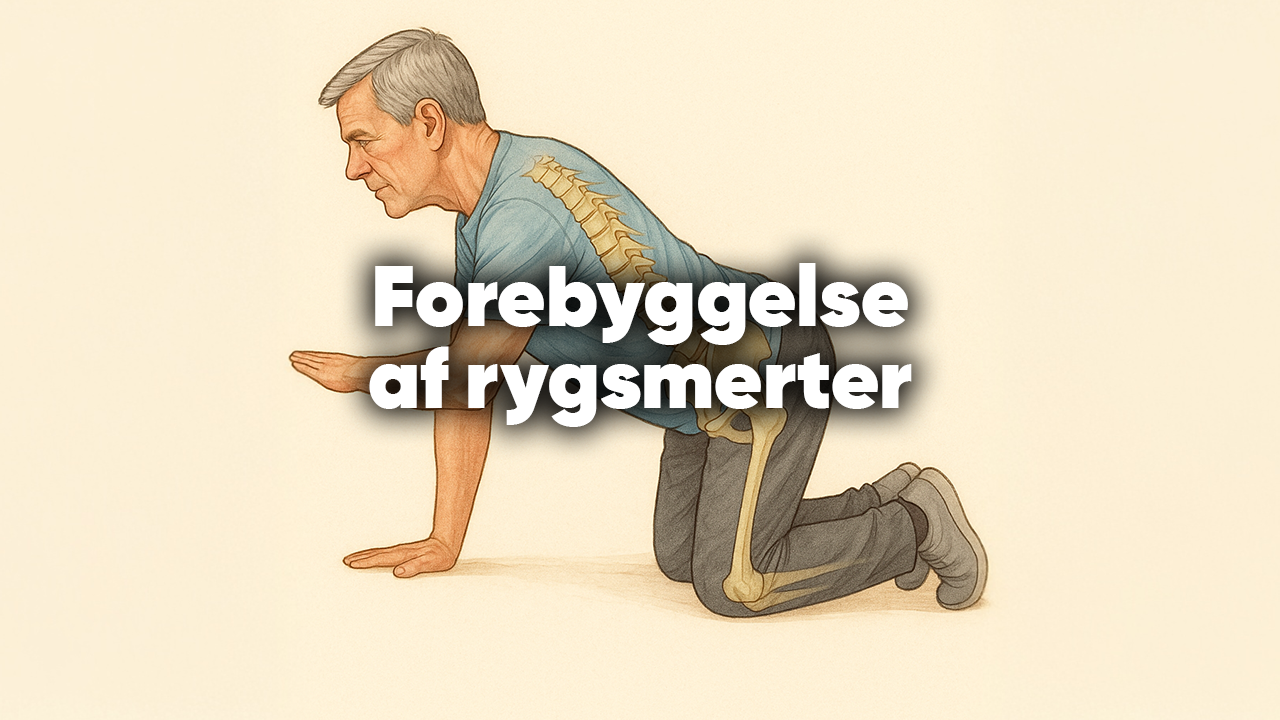
A strong back is one of the most effective ways to prevent back pain. When the back muscles – together with the abdominal muscles and the rest of the body’s core – are well trained, they function as a natural support belt for the spine. This improves posture, reduces the risk of overuse, and helps the body handle everyday lifting and movements without unnecessary strain.
A strong body is the key to a healthy back. Regular back training is important and does not need to be time-consuming or require expensive equipment. A combination of strengthening exercises, stretching, and daily movement can quickly produce noticeable results. The more you invest in keeping your back strong and flexible, the lower the likelihood of developing recurring pain.
Inspiration List – Good Exercises and Habits for a Strong Back to Prevent Back Pain
🧘 Plank – Strengthens the core and provides stability for the entire spine.
🐦 Superman – Lie on your stomach and lift your arms and legs to activate the lower back and strengthen the back.
🪑 Glute bridge (bridge) – Strengthens both the lower back and hips, benefiting the back.
🐈 Cat-cow stretch – Improves flexibility and helps prevent stiffness in the back.
🏋️ Light strength training – For example, using resistance bands or bodyweight exercises to strengthen the back.
🚶 Daily walks – Keep the back moving and gently strengthen the muscles around the back.
🧎 Child’s pose (yoga) – Relaxes the back and creates a balance between strength and relaxation.
Pay Attention to Your Posture to Prevent Back Pain
One of the most common causes of back pain is poor posture. When you sit hunched over in front of a computer, stand unevenly, or place strain on one side of your body, it can put unnecessary pressure on the spine and muscles. Over time, this can lead to tension, stiffness, and pain.
Being aware of your posture in everyday life is therefore one of the most effective ways to prevent back pain. Small adjustments such as sitting with your back straight, adjusting the height of your chair or screen, and taking short breaks to stretch can make a big difference. Good posture does not mean standing or sitting rigidly, but rather creating balance and giving your back support through both strength and natural movement.
Inspiration List – Good Habits for Healthy Posture to Prevent Back Pain
🪑 Sit with your back straight for healthy posture – Make sure both your feet and hips are properly supported for the benefit of your back.
🖥 Adjust your screen height for healthy posture – Your computer screen should be at eye level to prevent leaning forward and minimize strain on your back.
📏 Keep your shoulders relaxed for healthy posture – Avoid raising your shoulders or hunching over, as this can cause tension in the back.
🚶 Change positions often for healthy posture – Avoid sitting still for too long. Take regular breaks, possibly with light physical activity or stretching if you spend much of the day sitting.
🧘 Train your core and back muscles – Strong muscles support healthy posture.
🦶 Wear good shoes – Footwear with proper support also helps protect your back.
⏸ Take microbreaks for healthy posture – Stretch and move every hour, especially if you have a sedentary job.
Be Aware of How You Use Your Body Every Day to Prevent Back Pain
The way you use your body in everyday life has a major impact on whether you place unnecessary strain on your back. Many cases of back pain occur because we lift, sit, stand, or move in ways that place excessive pressure on the spine and muscles. This often happens unconsciously, but with a little awareness, you can change your movement habits and effectively prevent pain.
For example, when lifting heavy objects, it is important to use your legs rather than your back. If you have a sedentary job, you should vary your sitting position and avoid slouching through your shoulders. In everyday life, you can also focus on using your entire body when moving instead of allowing your back to carry the entire load. Good body mechanics involve combining strength, movement, and awareness so that you help your back work with you rather than against you.
Inspiration List – Good Everyday Body Mechanics to Prevent Back Pain
📦 Lift with your legs to minimize strain on your back – Bend your knees and keep your back straight when lifting.
🪑 Avoid sitting for too long to protect your back – Change positions and stand up regularly to reduce strain on your back.
🏃 Use your entire body when moving to protect your back – Let your hips and legs help when lifting heavy objects.
🧍 Stand upright to minimize strain on your back – Distribute your weight evenly on both legs to avoid uneven strain on your back.
🖥 Adjust your workspace to protect your back – Avoid twisting your body and back by keeping frequently used items within reach.
🧘 Do small back stretches to support your back – Especially after long periods of repetitive movements.
👟 Choose practical footwear to support your back – Shoes with good support reduce strain on your back.
⏸ Take breaks to support your back – Even a few minutes of movement can help prevent overuse of the back.
Stay Active to Prevent Back Pain
One of the most effective ways to prevent back pain is to keep your body moving. When you are physically active, you not only strengthen your back and abdominal muscles, but also improve blood circulation and keep joints and tendons flexible. Inactivity, especially long periods of sedentary work or excessive screen time, is one of the biggest contributors to back pain.
It does not need to involve intense exercise – in fact, regular light to moderate activity such as walking, cycling, or light strength training can be more than enough to strengthen the back and prevent problems. The key is to find a type of movement you enjoy so that it becomes a natural part of your everyday life. Staying active is therefore not only about exercise, but about making movement a habit – and your back will thank you both now and in the future.
Inspiration List – Easy Ways to Stay Active for a Healthy Back and Prevent Back Pain
🚶 Daily walks for a healthy back – Even short walks several times a day can make a big difference and help your back.
🚲 Cycling for a healthy back – Gentle exercise that strengthens the back and legs.
🏋️ Light strength training for a healthy back – Exercises for the core and back muscles are especially important for preventing back problems.
🧘 Yoga or Pilates for a healthy back – Improves strength, flexibility, and body awareness for the benefit of your back.
🏊 Swimming for a healthy back – Gentle full-body exercise that reduces strain on the spine.
🧎 Stretching exercises for a healthy back – Daily stretching keeps the muscles flexible and reduces tension in the back.
🏡 An active everyday life for a healthy back – Take the stairs, do gardening, or play with your children to help keep your back flexible.
⏸ Movement breaks for a healthy back – Move for 5 minutes every hour, especially during sedentary work, to relieve your back and prevent back problems.
**************************************************************
Exercise in general is a good way to prevent back problems, and you can find additional tips for good workout exercises if you are planning to start exercising in our article – Good Tips for Effective Workout Routines for Beginners
Maintain a Healthy Body Weight to Prevent Back Pain
Your body weight plays an important role in the health of your spine. When you carry too much weight, the strain on your back increases, especially in the lower back, which can lead to tension, wear, and pain over time. Even moderate weight loss can significantly reduce pressure on the back and thereby reduce the risk of both acute and chronic back problems.
Maintaining a healthy weight is not about following strict diets, but about creating good, sustainable habits. A balanced diet filled with vegetables, fruit, whole grains, lean protein, and healthy fats combined with regular movement can make a major difference – both for your back and your overall health. By focusing on maintaining a healthy weight, you can not only prevent back pain but also gain more energy, better mobility, and an improved quality of life.
Inspiration List – Good Habits for a Healthy Body Weight and Strong Back to Prevent Back Pain
🥗 Eat a varied and nutritious diet – Choose natural foods instead of processed foods to help maintain a healthy body weight and strong back.
🚶 Move every day – Walking, cycling, or light exercise helps keep your weight stable and supports a strong back.
🥤 Drink water instead of sugary drinks – A simple step with a big effect on maintaining a stable weight and supporting a strong back.
🍽 Eat smaller portions – Listen to your body and stop when you are full to help maintain a healthy body weight and strong back.
🏋️ Combine exercise with strength training – Build muscle mass that supports your back.
🛌 Prioritize sleep – Poor sleep can increase appetite and make weight management more difficult, which can also affect the strength of your back.
📅 Focus on long-term habits – Small positive lifestyle changes provide lasting results in maintaining a healthy body weight and strong back.
****************************************************************************
You can find useful tips on creating a healthy combination of diet and exercise in our article – Good Tips on How to Combine Exercise and Diet for Optimal Results
Avoid Stress to Prevent Back Pain
Stress affects not only the mind but also the body – especially the back. When you are stressed, your muscles tense up more, which can lead to stiffness, pain, and in some cases chronic back problems. Long-term stress can also worsen existing pain because the body remains constantly alert and does not get the rest it needs to recover.
Preventing back pain is therefore not only about physical activity and posture, but also about mental balance. By reducing your stress levels, you can decrease muscle tension and create better conditions for a healthy and pain-free back. Small everyday changes – such as taking breaks, using relaxation techniques, and planning well – can make a noticeable difference. When you take care of both your body and mind, you strengthen the foundation for a life without unnecessary back pain.
Inspiration List – Stress-Reducing Habits for a Healthy Back and Prevention of Back Pain
🧘 Try mindfulness or meditation – Provides calm and reduces muscle tension that can contribute to back pain.
🌿 Spend time in nature – Fresh air and green surroundings reduce stress and can help prevent back pain.
🏃 Exercise regularly – Exercise releases endorphins and reduces tension, helping to prevent back pain.
📅 Plan your day – Avoid unnecessary pressure by creating structure, which can support the prevention of back pain.
🎶 Listen to calming music – A simple way to reduce stress levels and support the prevention of back pain.
💬 Talk to someone about your challenges – Social support strengthens both body and mind.
😴 Get enough sleep – Recovery is essential for both your back and stress management. You can find inspiration for establishing good daily sleep routines in our article – Good Tips for a Better and More Stable Sleep Schedule – Sleep Well Every Night!
📵 Take digital breaks – Avoid overstimulation from screens, especially in the evening, which can also support the prevention of back pain.
****************************************************************************************************
You can find useful tips on how to manage stress in a healthy and constructive way that may help prevent back pain in our article – Good Tips for Getting Rid of Stress and Anxiety – Learn How to Improve Your Mental Health
Make Sure You Have a Good Sleeping Position to Prevent Back Pain
We spend a large part of our day in bed, so your sleeping position plays an important role when it comes to back pain. A poor sleeping position can create uneven strain on the spine, which over time may lead to tension, soreness, and pain. On the other hand, a good sleeping position can give your back the support it needs to recover and remain healthy.
The best approach is to find a position where your spine remains in a natural, neutral position. Both sleeping on your side and on your back can be good positions when combined with the right mattress and pillow. Sleeping on your stomach, however, is generally the least gentle position because it can place strain on the neck and lower back. By paying attention to your sleeping position and making small adjustments, you can prevent many back problems and wake up feeling more rested and pain-free.
Inspiration List – Good Tips for a Healthy Sleeping Position to Prevent Back Pain
🛏 Sleep on your side – Place a pillow between your knees to relieve pressure on the hips and lower back, which may help prevent back pain.
💤 Sleep on your back – Place a pillow underneath your knees to reduce pressure on the lower back and support your back.
🚫 Avoid sleeping on your stomach – It can place unnecessary strain on the neck and back.
🪑 Use an ergonomic pillow – This helps keep the neck and spine in a natural alignment, which is healthier for the back.
🛌 Choose the right mattress – It should be neither too soft nor too hard and should provide good support adapted to your body’s natural curves, which may help prevent back problems.
🔄 Change positions during the night – Avoid staying in the same position for too long to protect your back.
🧘 Stretch your body before bedtime – Relaxing the muscles is good for the back and can improve sleep.
Fast Relief for Acute Back Pain
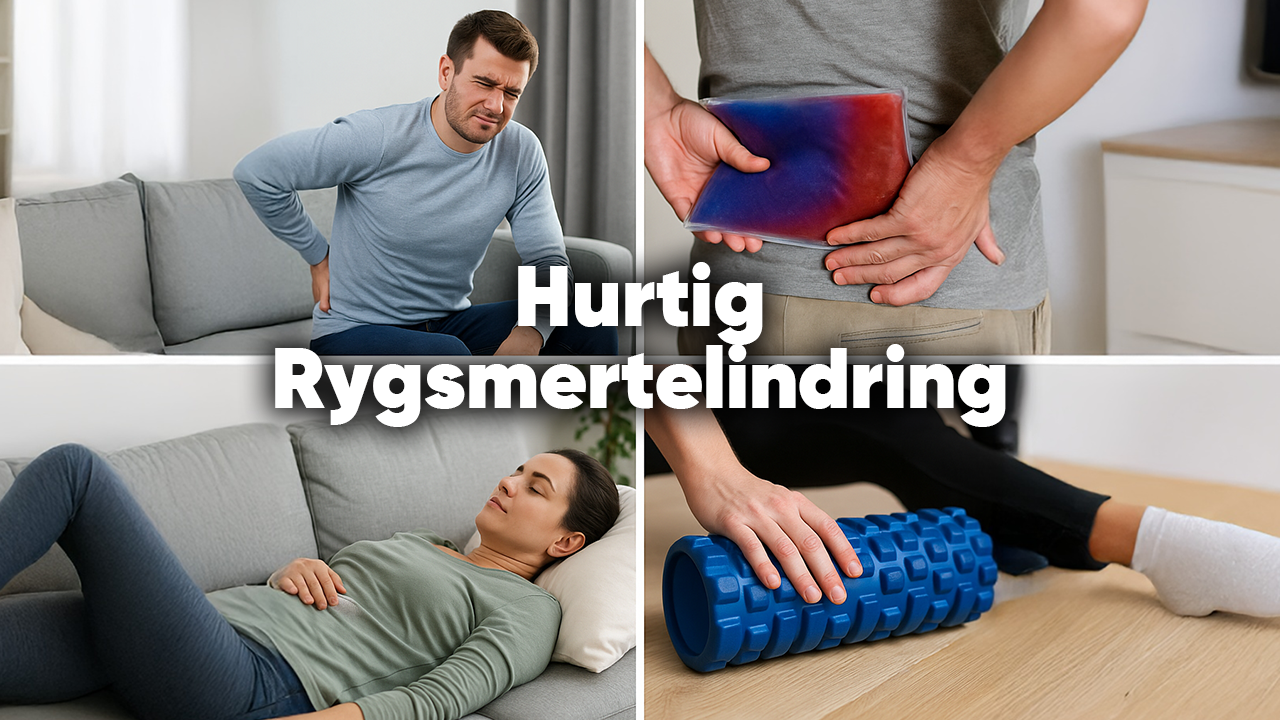
When back pain occurs suddenly, it can feel both intense and disabling and can quickly affect your ability to move normally in everyday life. Acute back pain may occur after lifting something incorrectly, making an awkward movement, spending many hours in the same position, or as a result of tension and stress in the body. Although the pain can feel alarming, in most cases it is harmless and can be effectively relieved with the right measures.
The most important thing when seeking fast relief from back pain is to respond calmly and purposefully. The body often needs a combination of rest and gentle movement – not complete immobility. Lying completely still for several days can actually make the situation worse because the muscles quickly become stiff and weak. Instead, it is about finding the right balance between rest and light activity so blood circulation increases and tension gradually decreases.
Heat and cold can provide effective first aid for acute back pain. Cold may reduce inflammation and swelling during the first few hours after the pain begins, while heat can later help the muscles relax and improve mobility. At the same time, simple and gentle stretching exercises and relaxation can reduce pressure in the back and provide quick relief when performed carefully and without causing pain.
Breathing also plays a greater role than many people realize. Deep, calm breathing can reduce tension in both the back and nervous system and help the body release the protective muscle tension that often makes the pain worse. Combined with conscious posture and small adjustments to your sitting or lying position, this can provide noticeable relief within a short period of time.
Fast relief from back pain is therefore not about one single solution, but about giving your body the best conditions to regain balance. By listening to your body’s signals, avoiding overuse, and using simple, well-established methods, you can often reduce the pain significantly and return more quickly to a normal and pain-free everyday life.
Keep Moving for Fast Relief from Back Pain
When your back hurts, it is tempting to lie down and avoid movement. However, prolonged inactivity can actually make the pain worse because muscles and joints become stiff and lose strength. Keeping yourself gently moving is one of the most effective methods for quickly relieving back pain.
Gentle activities such as walking, light stretching, or mild exercise increase blood circulation and help the muscles relax. At the same time, movement releases endorphins – the body’s natural pain-relieving chemicals – which can provide both physical and mental relief. It is not about intense exercise, but about finding small and gentle movements that keep your back active without overloading it. This can help you get rid of the pain more quickly and rebuild your mobility.
Inspiration List – Good Movements for Fast Relief from Back Pain
🚶 Take short walks – A few minutes at a time can help release tension in the back.
🧘 Light stretching exercises – For example, cat-cow or child’s pose from yoga for relief from back pain.
🪑 Seated rotations – Gently rotate your upper body from side to side to loosen the back and help relieve back pain.
🏊 Swimming or water aerobics – Water reduces strain on the body and back while allowing gentle movement that may also relieve back pain.
🧎 Knee-to-chest exercise – Lie on your back and alternately pull your knees toward your chest to help relieve back pain.
🏡 Remember microbreaks – Move for 5 minutes every hour if you sit a lot to relieve pressure on your back and reduce back pain.
🪷 Deep breathing combined with movement – Helps the muscles release tension in the back and may relieve back pain.
🚲 Cycling on an exercise bike – A gentle way to activate the back and legs that may help relieve back pain.
Use Cold and Heat for Fast Relief from Back Pain
Cold and heat are two simple and effective methods for quickly relieving back pain. They work in different ways and can therefore be used depending on the type of pain you are experiencing.
Cold reduces inflammation and swelling in cases of acute pain, for example after a strain or overuse injury. It can reduce pain by decreasing nerve activity in the affected area.
Heat is particularly helpful for muscle tension and stiffness because it increases blood circulation, relaxes the muscles, and provides a feeling of comfort. Heat may also be used preventively to help keep the muscles flexible.
By strategically combining cold and heat, you can give your back the best possible conditions for fast relief and improved mobility.
Inspiration List – How to Use Cold and Heat for Fast Relief from Back Pain
❄️ Ice pack or bag of frozen vegetables – Apply for 10–15 minutes for acute back pain.
🧊 Cold compress – Helps the back in cases of swelling or irritation in the muscles and joints.
🌡 Heating pad or heated blanket – Helps relieve muscle tension in the back and lower back.
🛁 Warm bath or shower – Relaxes the body and back and increases blood circulation to help relieve back pain.
🧖 Sauna or steam bath – May help with chronic back pain and stiffness.
🔄 Alternate between cold and heat – For example, 10 minutes of cold followed by 10 minutes of heat for a combined effect on the back and relief from back pain.
🪑 Local heat such as a heat pack – Useful during sedentary work to loosen tense back muscles and help relieve back pain.
Pain-Relieving Medication for Fast Relief from Back Pain
When back pain becomes so uncomfortable that it interferes with your daily life, pain-relieving medication can be a temporary solution. Medication does not remove the cause of the pain, but it can help you move more freely and thereby support the healing process. Regarding medication, various research findings clearly indicate that NSAID-type medications are preferable for relieving back pain.
NSAID is a general term for a number of pain-relieving medicines commonly referred to as anti-inflammatory medications. NSAID stands for Non-Steroidal Anti-Inflammatory Drugs. There are many different products on the market containing the active ingredient ibuprofen. Some of the best known for temporarily reducing back pain and inflammation are Ipren, Ibuprofen, Ibumetin, and Ibumax.
In more severe cases, a doctor may prescribe stronger medication or muscle relaxants – but these should only be used for a short period and under professional supervision to avoid side effects or dependence. It is important to view medication as support rather than a long-term solution. The best results are achieved when pain relief is combined with movement, exercise, and changes in habits that help prevent new pain.
Inspiration List – Types of Pain-Relieving Medication and Their Use for Acute Back Pain
💊 Paracetamol – Often used for mild to moderate back pain.
💊 NSAIDs (e.g. ibuprofen) – Provide both pain relief and anti-inflammatory effects for back pain.
💊 Combination treatment – Paracetamol and NSAIDs may in some cases be used together to reduce acute back problems (after consulting a doctor).
💊 Muscle-relaxing medication – May be used for severe muscle tension in the back (prescription only).
💊 Stronger painkillers – Only for severe back pain and for short-term use under medical supervision.
⚠️ Be aware of side effects – For example, stomach problems with NSAIDs or tiredness with muscle relaxants.
👨⚕️ See a doctor – If your back pain persists or worsens, or if you require long-term medication.
Gentle Stretching Exercises for Fast Relief from Back Pain
Stretching exercises are an effective and gentle way to relieve back pain because they help the muscles relax, increase blood circulation, and improve flexibility. When you perform gentle stretches, you release tension in both the back and surrounding muscle groups such as the hips, legs, and shoulders, which often play a role in back pain.
It is important to perform stretches slowly and without pushing your body into pain. The exercises should feel comfortable and provide a sense of release rather than discomfort. Regular stretching – even for just a few minutes a day – can make a big difference for both acute relief and prevention. By incorporating gentle stretching exercises into your daily routine, you can quickly relieve pain while strengthening your back over the longer term.
Inspiration List – Gentle Stretching Exercises for Back Pain
🐈 Cat-cow stretch – On all fours, alternately round and arch your back to increase mobility in the back and help relieve back pain.
🧎 Child’s pose (yoga) – Sit back on your heels with your arms stretched forward to relax the lower back and help with back pain.
🛌 Knee-to-chest stretch – Lie on your back and alternately pull your knees toward your chest to gently move the back and help relieve back pain.
🌀 Seated rotation – Sit on a chair and gently rotate your upper body from side to side to move the muscles around the back and help relieve back pain.
🐦 Superman light – Lie on your stomach and lift one arm and the opposite leg for a gentle stretch and activation of the back to help with back pain.
🦵 Hamstring stretch – Lie on your back, raise one leg, and stretch the back of your thigh, which can often have a positive effect on the lower back and help with back pain.
🪑 Seated forward bend – Sit on a chair and slowly lean forward to loosen the back and help relieve back pain.
Seek Professional Help for Fast Relief from Back Pain
Although many cases of back pain can be relieved through movement, stretching, and good habits, there are situations where it is important to seek professional help. Persistent or very severe pain may be caused by underlying problems that require professional assessment. A healthcare professional can help make an accurate diagnosis and provide targeted treatment so you can recover more quickly and prevent the pain from becoming chronic.
Physiotherapists, chiropractors, and doctors have different approaches to treating back pain – ranging from exercises and manual treatment to medical assessment or referrals for further examinations. The earlier you seek help for serious or recurring pain, the better your chances of effective treatment and lasting improvement. Seeking professional help is not a sign of weakness, but an investment in your health and quality of life.
Inspiration List – When and How You Can Get Professional Help for Fast Relief from Back Pain
👨⚕️ Doctor – For acute, severe, or unexplained back pain, or if the pain continues for several weeks. A doctor can assess whether additional treatment is needed for your back pain.
🏋️ Physiotherapist – For rehabilitation, exercises, and prevention through targeted back training.
🌀 Chiropractor – Can help with manual treatment and adjustments to joints and the spine to relieve back pain.
💊 Pain management specialist – For chronic back pain where standard treatment is not sufficient.
⚠️ Seek immediate help – If you experience numbness, weakness in your legs, or problems with bladder or bowel function together with back pain.
📅 Create a plan for your back – Together with a professional, you can create a personal strategy for both relief and prevention of future back problems.
Long-Term Strategies Against Recurring Back Pain to Prevent Back Pain
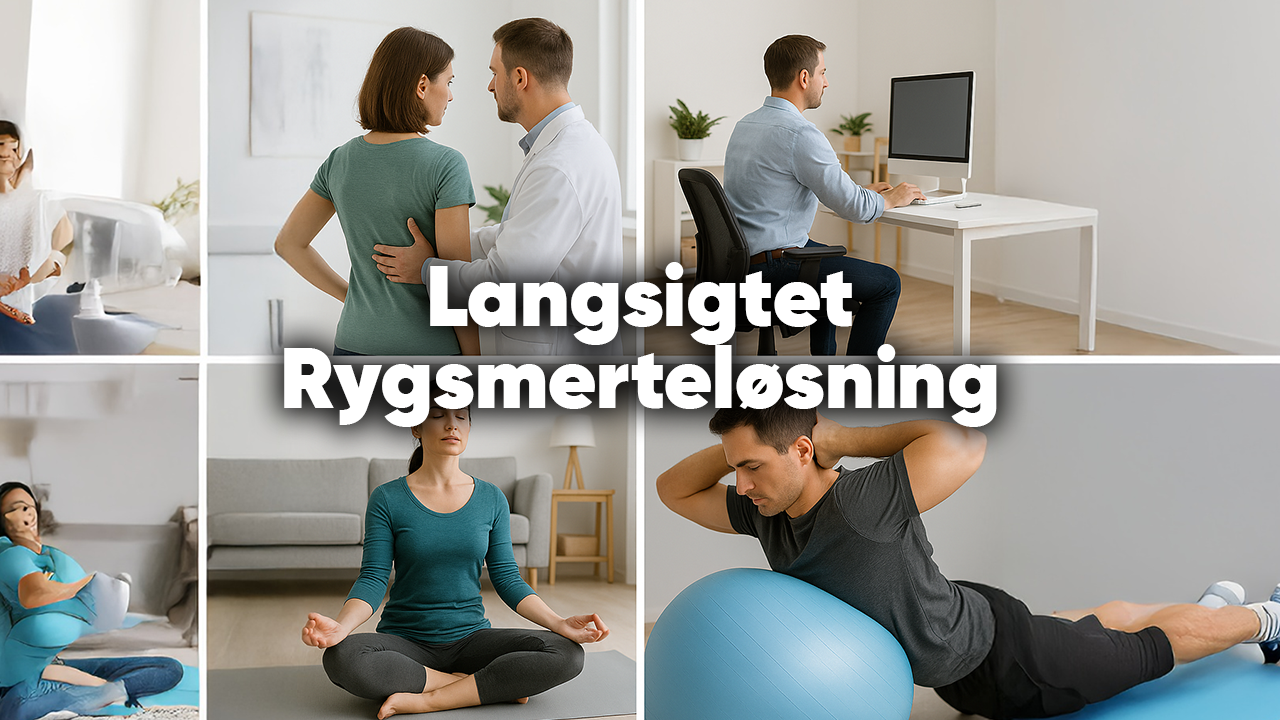
Recurring back pain is often a sign that the body is repeatedly exposed to strain it is not properly prepared to handle over time. Although fast relief may be necessary in acute situations, it is the long-term strategies that ultimately determine whether back pain becomes a permanent part of everyday life – or something you can effectively prevent. A sustainable approach is about creating good habits that support your back day after day.
One of the most important strategies for preventing back pain is regular movement. The back is designed to move, and remaining in the same position for many hours – especially while sitting – is a common cause of chronic problems. By incorporating more natural movement into everyday life, such as short walks, gentle stretching, and varying your working positions, you can reduce tension and improve blood circulation in the back muscles.
Strength and stability also play a central role when the goal is to prevent recurring back pain. A strong back works closely together with the abdominal muscles, hips, and legs, and this overall coordination is essential for reducing strain on the spine. Targeted but simple exercises that strengthen the core muscles can give the back better support and reduce the risk of overuse during everyday movements such as lifting, twisting, and bending.
Posture and ergonomics are another important area of focus when working on long-term prevention of back pain. Small adjustments to the way you sit, stand, and move can have a major impact over time. A workplace designed with good ergonomics in mind, combined with awareness of your posture both at work and during leisure time, can significantly reduce unnecessary pressure on your back.
Finally, recovery and mental balance should not be underestimated. Stress, lack of sleep, and constant muscle tension can worsen back pain and make it more persistent. By prioritizing breaks, sleep, and calm breathing exercises, you give your body the opportunity to recover and rebuild. Long-term strategies against back pain are therefore not only about physical exercise, but about a holistic approach in which both body and mind are supported – helping your back handle everyday life over the long term.
Do Daily Stretching and Strength Exercises to Prevent Back Pain
Although exercise may not produce a major reduction in pain in the short term, one of the most effective ways to prevent back pain is to make stretching and strengthening exercises a regular part of your daily routine. Stretching exercises keep muscles and joints flexible, while strength exercises build the muscle power needed to support the spine and distribute strain evenly throughout the body. Successfully strengthening the upper body can also benefit many other areas that contribute to a better quality of life – such as strength, mobility, and overall mental and physical well-being.
It does not take many minutes each day to achieve results – just 10–15 minutes of targeted exercises can make a big difference. The exercises also do not require expensive equipment and can be performed at home on the living room floor or during a break at work. By combining strength and flexibility, you give your back the best possible conditions to remain healthy, strong, and pain-free – both in everyday life and over the long term.
Inspiration List – Simple Exercises for Daily Prevention of Back Pain
🐈 Cat-Cow stretch – Increases flexibility in the spine and reduces stiffness to help prevent back pain.
🧘 Plank – Strengthens the core, which supports the spine and helps prevent back pain.
🐦 Superman exercise – Lie on your stomach and lift your arms and legs to activate the lower back and back muscles and help prevent back pain.
🛌 Knee-to-chest stretch – Releases tension and increases mobility in the lower back and hips to help prevent back pain.
🪑 Seated rotation – Mobilizes the spine and improves flexibility to help prevent back pain.
🏋️ Glute bridge (bridge) – Strengthens the glutes, hips, and lower back to help prevent back pain.
🏃 Daily walks or light cycling – Keep the back active and the muscles strong to help prevent back pain.
🧎 Child’s pose (yoga) – A gentle position that relaxes the entire back and helps prevent back pain.
It is important to think long-term when using daily exercise to prevent future back pain. Maintaining motivation for regular back training is essential, and you can find inspiration on how to stay motivated to train your back consistently throughout the year in our article – Good Tips on How to Stay Motivated for Your Workouts All Year Round
Consider Ergonomic Adjustments at Home and at Work to Prevent Back Pain
Many cases of back pain are not caused by sudden injuries, but by small, repeated strains resulting from poor working positions and unsuitable surroundings. Ergonomic adjustments at both home and work can therefore be an important factor in preventing pain.
A properly adjusted chair, a sit-stand desk, or a computer positioned at eye level can reduce tension in the back and neck. It is also worth considering ergonomics at home – for example, in the kitchen, where you can avoid unnecessary bending, or in the living room, where a good sofa with proper support can make a major difference.
Likewise, a mattress with appropriate support and a suitable sitting position during leisure activities can help protect your back. Small changes to your surroundings can quickly improve your posture, reduce strain on your back, and make it easier to maintain a healthy and pain-free everyday life. These adjustments can have a significant impact and make a noticeable difference over the long term.
Inspiration List – Ergonomic Adjustments You Can Make to Prevent Back Pain
🪑 Choose an ergonomic chair – With adjustable height, backrest, and lower-back support to benefit your back.
🖥 Place your computer screen at eye level – This helps prevent you from bending your neck forward and reduces strain on your back.
⌨️ Use an external keyboard and mouse – This allows you to sit in a more natural position and reduces strain on your back.
🧍 Use a sit-stand desk – Alternate between sitting and standing throughout the day so your back gets regular movement.
🛋 Choose a supportive sofa or chair – Select furniture that gives your back proper support.
🍳 Adjust work surfaces at home – Avoid working at surfaces that are too low or too high in the kitchen or workshop to minimize strain on your back.
🚗 Adjust your car seat correctly – Make sure your lower back is supported and that you maintain an upright posture while driving.
📦 Use tools for heavy lifting – For example, carts or lifting equipment that reduce strain on your back when handling heavy objects.
Regular Treatment from a Physiotherapist or Chiropractor to Prevent Back Pain
Even with good habits such as exercise, stretching, and ergonomic adjustments, your back may sometimes benefit from professional support. Regular treatment from a physiotherapist or chiropractor can be an effective way to prevent back pain and ensure that minor problems do not develop into more serious issues.
A physiotherapist can help you strengthen your back through targeted exercises, correct the way you use your body, and provide advice on how to avoid overuse in everyday life. A chiropractor can complement this by performing adjustments to the joints and spine that may reduce tension, improve movement, and restore balance in the body. By combining your own efforts with professional treatment, you can receive relief, guidance, and a personalized program adapted to your needs. This can be a valuable investment in keeping your back healthy and pain-free over the long term.
Inspiration List – How Treatment Can Help Prevent Back Pain
🏋️ Physiotherapy exercises – Strengthen the core and back muscles for better stability.
🧍 Body analysis – Gain insight into your posture and movement patterns to help prevent back problems.
🌀 Chiropractic adjustment – May reduce tension and improve joint movement around the back.
📋 Personalized exercise programs – Adapted to your needs, body, and everyday routine.
🤝 Combination of treatment and exercises – Provides both acute relief and long-term prevention for your back.
💬 Professional guidance – Learn how to take better care of your back in everyday life.
📅 Regular follow-ups – Help keep you on track and prevent back problems from returning.
Prioritize Mental Health Habits Such as Meditation and Stress Management to Prevent Back Pain
Back pain is not only about the body – the mind also plays an important role. Prioritizing mental health habits such as meditation and stress management is therefore an important part of preventing and relieving back pain. Stress and psychological pressure can cause the muscles to tense, which over time may lead to stiffness, discomfort, and back pain. It is therefore important to prioritize mental health habits that help create calm, balance, and relaxation in the body.
Meditation, deep breathing, and mindfulness are simple techniques that can reduce stress levels and thereby lower the risk of muscle tension. When you regularly work on managing stress, you not only improve your mental well-being but also give your body better conditions for remaining healthy and pain-free. Mental health habits can also support the body’s natural ability to recover after pain and improve overall quality of life. By combining physical activity with good mental health habits, you create a holistic approach that strengthens your body and helps prevent back pain over the long term.
Inspiration List – Mental Health Habits for Preventing Back Pain
🧘 Meditation – 10–15 minutes of daily practice can reduce stress and muscle tension in the back.
🌬 Deep breathing – Activates the body’s relaxation response and helps loosen tense back muscles.
📓 Journaling – Write down thoughts and worries to release mental stress related to back problems.
🌿 Mindful walk in nature – Combines movement, fresh air, and mental calm to help prevent back problems.
🎶 Calming music – Can quickly create relaxation and balance, which may help prevent back pain.
💬 Conversations with people close to you – Social support is an effective way to reduce stress and can help prevent back problems.
🛌 Prioritize sleep – Good sleep supports both mental and physical health, including back health.
🧘♀️ Yoga – Combines body awareness, stretching, and mental relaxation and can help prevent back problems.
************************************************************************************
If you need inspiration on how to incorporate mindfulness and meditation into your everyday life to help prevent future back pain, you can read our article – Good Tips for Strengthening Yourself Mentally Through Mindfulness and Meditation
When Should You See a Doctor for Back Pain?
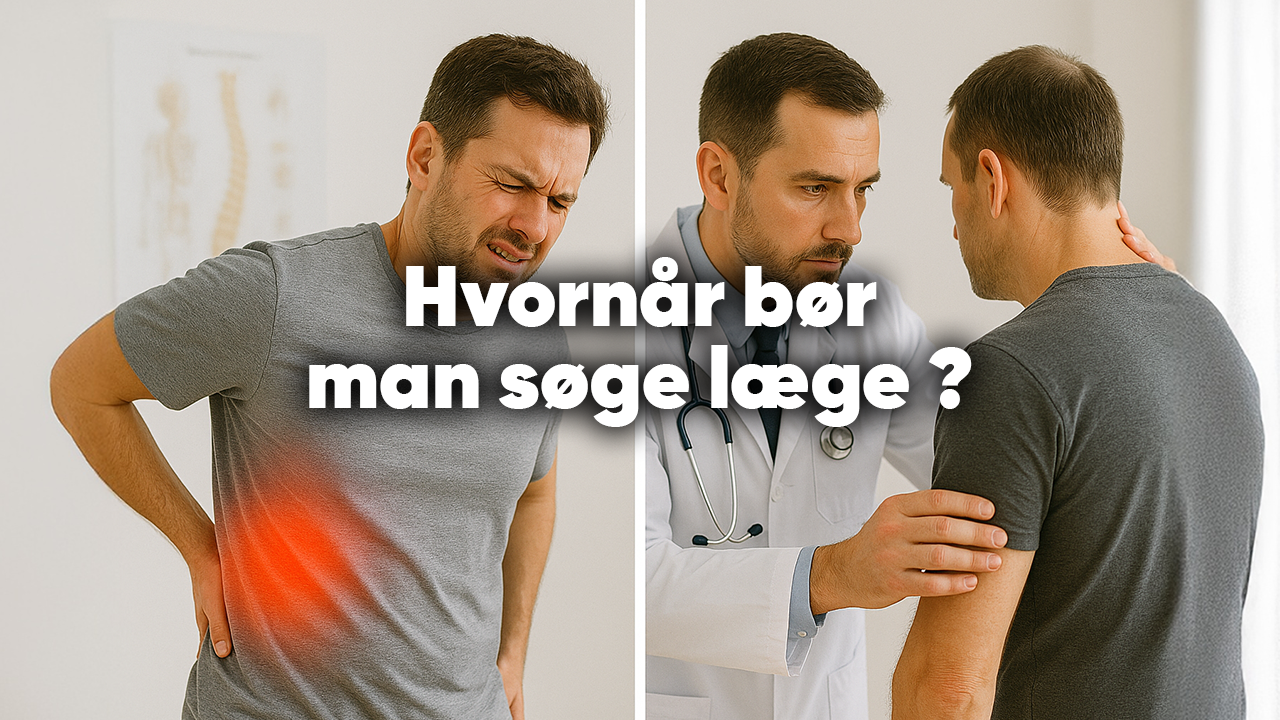
Most cases of back pain are harmless and often improve on their own with movement, stretching, and good habits. However, in some cases, back pain may be a sign of a more serious condition that requires professional assessment. It is therefore important to understand the difference between common temporary pain and symptoms that should be examined by a doctor.
You should see a doctor if the pain is very severe, does not improve after several weeks, or is accompanied by other symptoms such as numbness, weakness in the legs, or problems with bladder and bowel function. Early examination can ensure appropriate treatment and prevent an underlying condition from becoming worse. Being aware of warning signs does not mean you need to worry unnecessarily – but knowing when professional help is necessary can provide reassurance and peace of mind.
Inspiration List – Signs That You Should See a Doctor for Serious Back Pain
⚠️ See a doctor if your back pain lasts more than 4–6 weeks, even with self-care and rest.
⚠️ See a doctor for very severe or worsening back pain that is not relieved by ordinary pain medication.
⚠️ See a doctor if back pain radiates down your legs – especially if it is accompanied by numbness or tingling.
⚠️ See a doctor if back pain suddenly causes weakness in your legs or feet – this may be a sign of nerve involvement.
⚠️ See a doctor if back pain causes problems with bladder or bowel control – this requires urgent medical attention.
⚠️ See a doctor for back pain after an accident or fall, where there may be damage to bones or joints.
⚠️ See a doctor if back pain is accompanied by fever, weight loss, or a general feeling of illness – this may be caused by an underlying condition.
Conclusion

Back pain is a challenge that many people experience during their lifetime, but fortunately, there is a lot you can do yourself to prevent and relieve it. In many cases, back pain can be prevented through simple daily health habits. Small changes in everyday life such as better posture, regular stretching and strengthening exercises, healthy sleep habits, and ergonomic adjustments can have a major effect on the health of your back.
At the same time, it is important to stay active, manage stress, and pay attention to your body’s signals so you can respond in time. When pain does occur, there are several options for fast relief – from gentle movement, stretching, and heat/cold treatment to pain-relieving medication or professional help.
The most important thing is to find the combination that works best for you and not wait too long to seek help if the pain continues or becomes worse. A healthy back requires both prevention and care, and with the right measures, you can achieve a healthier and stronger back. The effort can pay off through less pain, more energy, and a better quality of life. By taking responsibility for your back today, you can create a strong foundation for many pain-free years in the future.
Mini Guide – How to Continuously Work on Preventing Back Pain and Achieving Fast Relief
Avoiding back pain rarely requires one quick solution, but rather consistent and conscious effort in everyday life. When you continuously work on preventing back pain, it involves combining good habits, body awareness, and small adjustments that together create better conditions for your back.
This mini guide summarizes the article above and brings together the most important areas of focus that can help you both prevent new pain and deal with it quickly if it occurs.
🧍♂️ Conscious and Thoughtful Movement as a Foundation for Preventing Back Pain
Regular and varied movement is essential when the goal is ongoing prevention of back pain. The body – and especially the back – does not respond well to long periods in the same position, regardless of whether you are sitting, standing, or lying down. By changing positions often, getting up regularly, and moving the spine in different directions, you reduce the buildup of tension and stiffness. Small movement breaks throughout the day can make a significant difference and support a stronger, more resilient back over the long term.
🏋️♀️ Strengthen Your Back and Body With a Focus on Long-Term Prevention of Back Pain
A strong and stable body is a central part of effective back pain prevention. The back never works alone, but is supported by the abdominal muscles, hips, and legs. When these muscles are weak, the back is placed under unnecessary strain during everyday movements. By regularly performing strengthening exercises that focus on stability throughout the whole body, you give your back better support and reduce the risk of recurring pain. It does not need to be time-consuming – consistency is more important than intensity.
🪑 Posture and Ergonomics as an Important Key to Preventing Back Pain
Poor posture is one of the most overlooked causes of back problems. When actively working to prevent back pain, it is important to pay attention to how you sit, stand, and move throughout the day. An ergonomically correct working position, combined with awareness of your posture during leisure time, reduces strain on the spine. Small adjustments such as correct screen height, lower-back support, and relaxed shoulders can make a significant difference over time.
🧘♀️ Fast Relief as Part of Ongoing Prevention of Back Pain
Even with good habits, periods of tension or early pain can still occur. In these situations, fast relief is an important complement to back pain prevention. Gentle stretching, calm movement, heat, or relaxation can often reduce discomfort before it develops further. By responding early and giving your body the attention it needs, you can prevent small problems from becoming larger and more persistent.
😴 Recovery, Sleep, and Stress Management to Prevent Back Pain
Back pain is often closely connected to insufficient recovery and high stress levels. When the body is under pressure, the muscles tense more, and pain can become more intense. An important part of long-term back pain prevention is therefore prioritizing good sleep, breaks, and mental breathing space in everyday life. Calm breathing, short relaxation exercises, and intentional breaks help the body release tension and give the back a better opportunity to recover.
🔁 Create Sustainable Habits for Ongoing Prevention of Back Pain
The most effective way to avoid back pain is to make prevention a natural part of your everyday life. When movement, strength, good posture, and recovery become regular habits rather than temporary solutions, you create a strong foundation for a healthy back. Small, consistent actions over time are far more effective than occasional efforts and give you the best conditions for both preventing back pain and achieving fast relief when needed.
Here Are 3 Good Tips You Should Prioritize to Prevent and Relieve Back Pain
✅ Actively prevent back pain – Strengthen your back, do daily stretching exercises, and pay attention to your posture.
✅ Listen to your body when preventing and relieving back pain – Respond to pain early and give both your body and mind breaks from stress and overuse.
✅ Seek help when necessary for back pain – Use heat/cold, gentle movement, and professional treatment if the pain does not disappear within a relatively short period of time.
*******************************************************************************
If you need additional inspiration on how to prevent future back pain, you can watch this video – 3 Exercises to Prevent Back Pain
---------------------
If you have experience and/or knowledge about good ways to reduce the risk of back pain, we would be happy to hear your input and/or suggestions in the comments section about other effective ways to reduce the risk, prevent back pain, and thereby achieve a better quality of life without back pain.