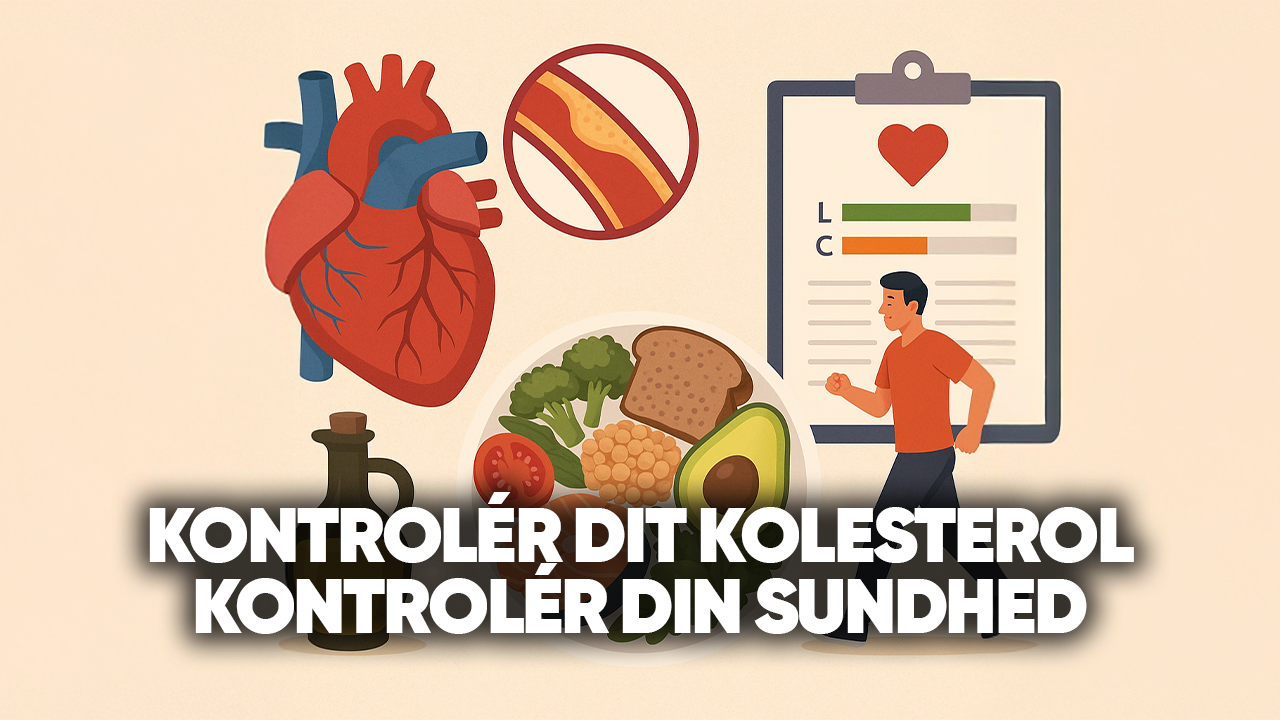
Cholesterol is one of those words that many people associate with something negative – something that needs to be lowered, controlled, or fought. But the truth is more nuanced. Cholesterol is actually a vital fatty substance that the body uses to build cells, produce hormones, and support a wide range of biological processes. The problem only arises when the balance shifts and cholesterol levels become too high or are distributed in an unhealthy way.
Today, many people live with high cholesterol without knowing it. It rarely causes obvious symptoms, but over time it can increase the risk of cardiovascular disease, atherosclerosis, and blood clots. This is precisely why cholesterol is not just about numbers on a blood test – it is closely connected to your future health, quality of life, and ability to remain active well into old age.
In Denmark, up to half of the adult population lives with high cholesterol, often without knowing it. As mentioned, the condition rarely causes symptoms, but it can silently increase the risk of serious diseases. This is one of the main reasons why cardiovascular disease affects more than 50,000 Danes every single year.
The good news is that cholesterol can be influenced to a large extent. Through conscious everyday choices and adjustments to your diet, exercise, sleep, and lifestyle, you can take active responsibility and make a noticeable difference. For many people, it is not about extreme changes, but about small, consistent steps that together create major health benefits over time.
Taking control of your cholesterol is therefore not something that only concerns older people or people with known health problems. It is relevant for anyone who wants to prevent disease, strengthen the body from within, and invest in a healthier life in the long term. The earlier you begin to understand and work with your cholesterol, the greater your chances of avoiding serious complications later in life.
In this article, we guide you through what cholesterol actually is, why it matters so much to your body, and how you can take control of your cholesterol levels in a realistic and manageable way. The focus is on knowledge, practical options, and everyday solutions – so you do not just read about health, but can actually apply it in practice. Because when you take responsibility for your cholesterol today, you are not only investing in your current well-being – you are investing in your future health.
What Is Cholesterol, Really?
Cholesterol is a fatty substance that is often described as something harmful – but in reality, it is a completely natural and necessary part of the body's functions. Without cholesterol, the body simply would not be able to function optimally. Among other things, it is involved in building cell membranes, producing hormones, and forming vitamin D as well as bile acids, which help the body digest fats.
The body produces most of the cholesterol found in our blood itself – primarily in the liver. The rest comes from the food we eat. This means that cholesterol is not only something we get from external sources, but also something the body actively regulates and uses every single day. When talking about cholesterol, we typically distinguish between different types.
The best-known types are LDL cholesterol and HDL cholesterol. LDL is often called the “bad” cholesterol because high levels can cause cholesterol to build up in the blood vessels and, over time, increase the risk of atherosclerosis. HDL, on the other hand, is called the “good” cholesterol because it helps transport excess cholesterol away from the blood vessels and back to the liver, where it can be broken down.
It is important to understand that cholesterol itself is rarely the problem – rather, it is the balance between the different types. A high LDL level combined with low HDL can place strain on the circulatory system over time, while a healthy balance contributes to flexible blood vessels and a strong heart. Cholesterol levels are influenced by more than just diet.
Genetics, age, sex, physical activity, stress levels, and sleep also play an important role. This means that two people with the same diet can have very different cholesterol levels. This highlights why cholesterol should be viewed in a broader context rather than as an isolated problem.
By understanding what cholesterol actually is and how it works in the body, it becomes easier to make informed choices in everyday life. Knowledge provides clarity – and clarity is the first step toward taking control of your cholesterol and, therefore, your long-term health.
In Addition, Cholesterol Plays an Important Role In
Hormone production – Including estrogen, testosterone, and cortisol.
Vitamin D synthesis – Necessary for bones, the immune system, and muscles.
Bile salts – Which make it possible to break down and absorb fats from food.
The body normally regulates how much cholesterol is produced on its own, but diet and lifestyle can influence the balance. If the level in the blood becomes too high, especially the wrong type of cholesterol, it can accumulate in the walls of the blood vessels. This is where the risk of disease begins.
Good Versus Bad Cholesterol
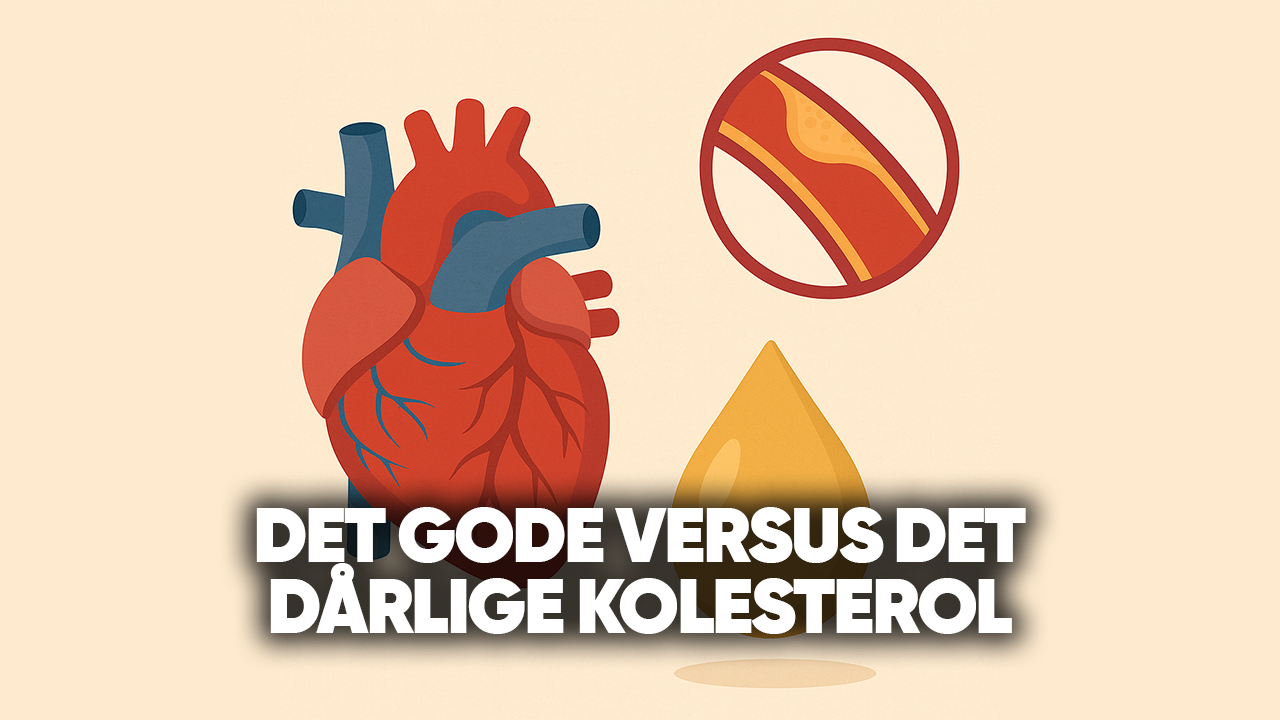
When talking about cholesterol, people often distinguish between “good” and “bad” cholesterol. However, these terms can be somewhat misleading because both types have important functions in the body. The difference lies in how they affect the blood vessels – and what happens when the balance shifts.
The so-called bad cholesterol is called LDL cholesterol. LDL's job is to transport cholesterol from the liver to the body's cells, where it is used for building and maintenance. The problem arises when there is too much LDL in the blood. Excess LDL can settle on the inner walls of the blood vessels and contribute to atherosclerosis, which can gradually make the vessels stiffer and narrower. This increases the risk of cardiovascular disease, blood clots, and high blood pressure.
The good cholesterol is called HDL cholesterol. HDL acts as the body's “clean-up crew” by collecting excess cholesterol from the blood vessels and transporting it back to the liver, where it can be broken down and removed. A high level of HDL is therefore associated with a lower risk of cardiovascular problems because it helps keep the blood vessels healthy and flexible.
What matters is not simply how high your total cholesterol level is, but the relationship between LDL and HDL. A good balance, where LDL is kept at a moderate level and HDL is supported, provides the best conditions for a healthy circulatory system. This is why two people with the same total cholesterol level can have very different health risks depending on how the two types are distributed.
Fortunately, the balance between good and bad cholesterol can often be influenced. Regular exercise, a diet rich in fiber, healthy fats, and vegetables, as well as attention to sleep and stress management, can help lower LDL and increase HDL. Small everyday adjustments can therefore make a significant difference over the long term.
By understanding the difference between good and bad cholesterol, it becomes easier to make conscious choices that support the heart and circulatory system. The goal is not to eliminate cholesterol completely – but to create the right balance so that your body works with you rather than against you.
Summary of Good and Bad Cholesterol
LDL Cholesterol (Low-Density Lipoprotein)
Often called bad cholesterol. If there is too much LDL in the blood, it can build up as plaque in the walls of the blood vessels. Over time, these deposits can lead to atherosclerosis, increasing the risk of blood clots and heart disease.
HDL Cholesterol (High-Density Lipoprotein)
Known as good cholesterol. HDL acts like a kind of “vacuum cleaner,” transporting excess cholesterol away from the blood vessels and back to the liver, where it is broken down. High levels of HDL therefore help protect the heart.
Triglycerides
Another type of fat in the blood that is not cholesterol, but is often measured alongside it. Elevated triglycerides, together with high LDL and low HDL, can increase the risk of cardiovascular disease.
******************************************************
In other words, it is not only about lowering your cholesterol level, but about creating the right balance between LDL and HDL, which is the key to a healthy circulatory system – and this can be influenced significantly through diet, exercise, and lifestyle.
Know Your Cholesterol Level and When Is It Too High?
It is a common misconception that you only need to worry about your cholesterol level once you are over 50. You can easily have cholesterol levels that are too high even if you are only in your 20s or 30s. Therefore, have your cholesterol levels checked by your doctor regardless of your age, especially if someone in your family has cardiovascular disease, so that you do not risk living with undetected high cholesterol for many years.
According to health professionals, the importance of knowing your cholesterol level and taking action to lower it cannot be emphasized enough. For every year that you live with cholesterol that is too high, more permanent damage can occur to your blood vessels. So it is important to address it – the sooner, the better.
Studies have shown that damage to the blood vessels that occurs during childhood can remain with you for the rest of your life. If you can slow down the rate at which your arteries gradually become hardened, you can reduce the risk of future damage to your blood vessels. You may not be able to remove the damage that has already occurred, but as mentioned, you can reduce the risk of future damage.
When you have your cholesterol checked by your doctor, you will typically receive a total cholesterol measurement as well as the breakdown of LDL, HDL, and triglycerides.
It May Seem a Little Technical, but Here Is an Overview of the General Guidelines for Cholesterol Levels
Total cholesterol - Preferably below 5 mmol/L
LDL cholesterol - Preferably below 3 mmol/L (below 1.8 mmol/L if you are at high risk)
HDL cholesterol - Above 1 mmol/L for men and above 1.2 mmol/L for women
Triglycerides - Preferably below 2 mmol/L
However, these values are only general guidelines. Your overall risk also depends on factors such as blood pressure, weight, age, smoking habits, and family history. Therefore, your doctor will often assess the complete picture before deciding on treatment.
Test Your Cholesterol Level at Home
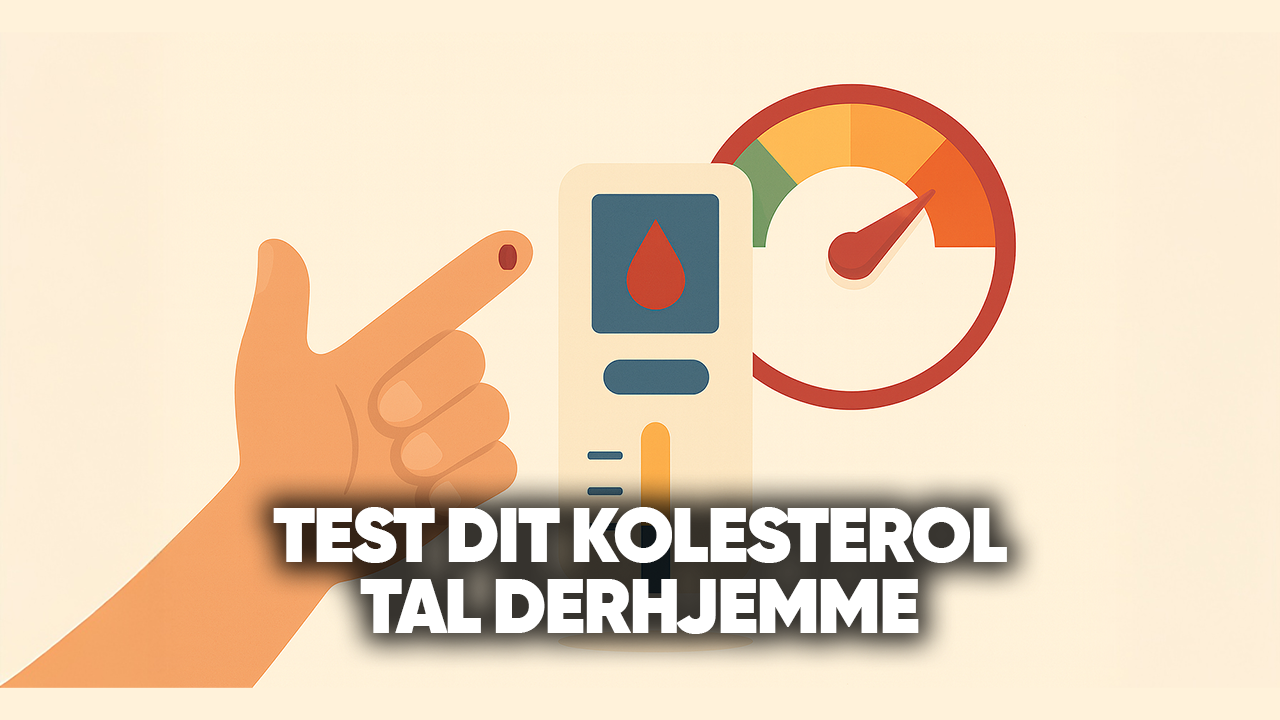
Knowing your cholesterol level is an important step toward better health. Today, you do not necessarily need to book an appointment with your doctor just to get an initial idea – home tests are available that can provide a quick indication of your cholesterol level.
These tests typically work by pricking your finger and applying a drop of blood to a test strip. The result is then displayed either on a scale or on a small device, depending on the type of test. Although home tests are not as accurate as a blood test performed by your doctor, they can be useful as a first step in identifying whether your cholesterol may be too high and whether you should have a more thorough examination.
It is important to view home tests as a supplement – not a replacement for professional assessment. If you receive an elevated result, you should always contact your doctor for a more accurate measurement and a discussion about how you can best improve your cholesterol levels.
Advantages and Disadvantages of Testing Cholesterol at Home
✅ Advantages
⏱️ Quick answer about your current level.
📍 Easily accessible and can be performed whenever it suits you.
🩺 Provides an early indication of whether you should see a doctor.
⚠️ Disadvantages
⚠️ Less accurate than a blood test performed by a doctor and typically have an error margin of 15–20 percent.
📉 Often measure only total cholesterol and not the distribution between HDL and LDL.
❓ Risk of misunderstanding the results without professional guidance.
Why High Cholesterol Is a Hidden Threat
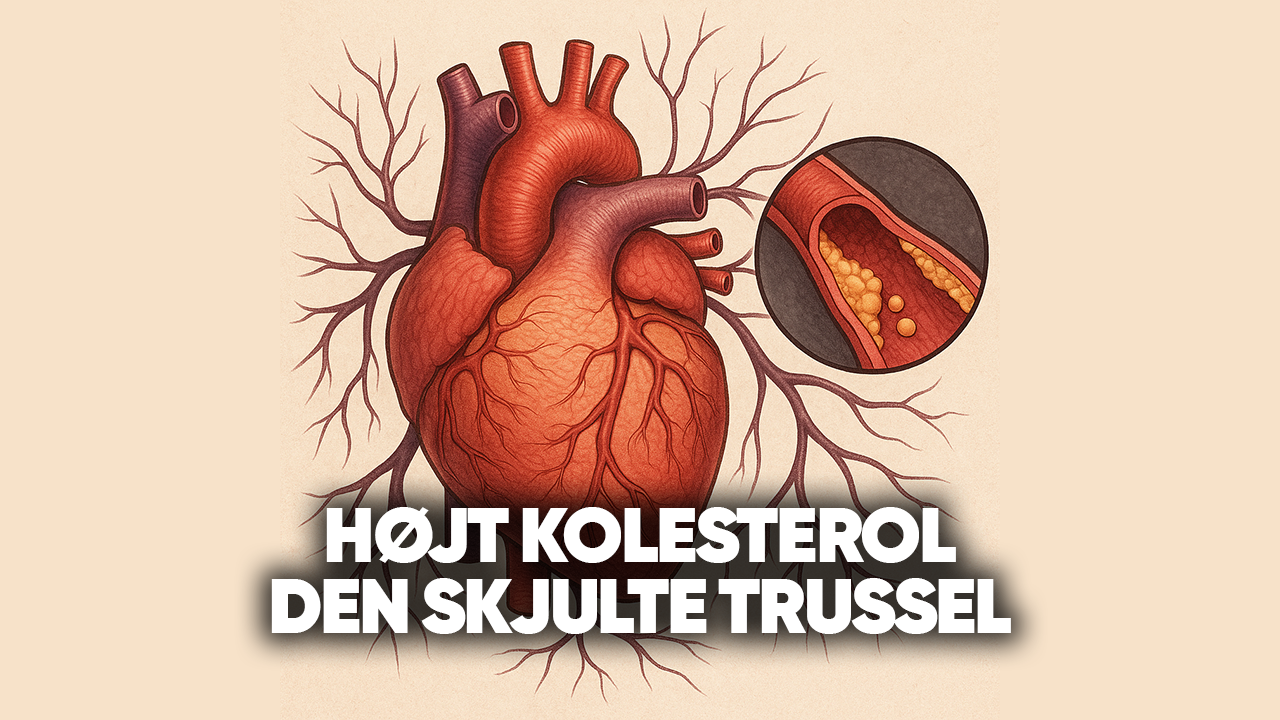
High cholesterol is often called a “silent killer” because it rarely causes noticeable symptoms in everyday life. Many people only discover the problem after the damage has already occurred – for example, in the form of a blood clot or another cardiovascular disease. When LDL cholesterol (“bad cholesterol”) accumulates in the blood vessels, it forms fatty deposits that slowly build up in the walls of the arteries.
This process is called atherosclerosis. Over time, the arteries can become narrower and stiffer, reducing blood flow. In the worst case, a deposit can rupture and a blood clot can form, blocking the blood supply to the heart or brain.
The consequences can be serious – ranging from reduced quality of life to life-threatening disease. This is why it is important to take high cholesterol seriously, even if you do not notice anything in your daily life. Prevention and early action can significantly reduce the risk and provide many more years of health and energy.
Checklist - Why High Cholesterol Is a Hidden Threat
😶🌫️ Often causes no symptoms until the damage has already occurred.
🧱 Can lead to atherosclerosis and reduced blood flow.
❤️ Increases the risk of a blood clot in the heart (heart attack).
🧠 Increases the risk of stroke (blood clot in the brain).
🦵 Can cause reduced blood supply to the legs, which may affect mobility.
⏳ Damage builds up gradually over the years, often without you noticing it.
How High Cholesterol Damages the Body
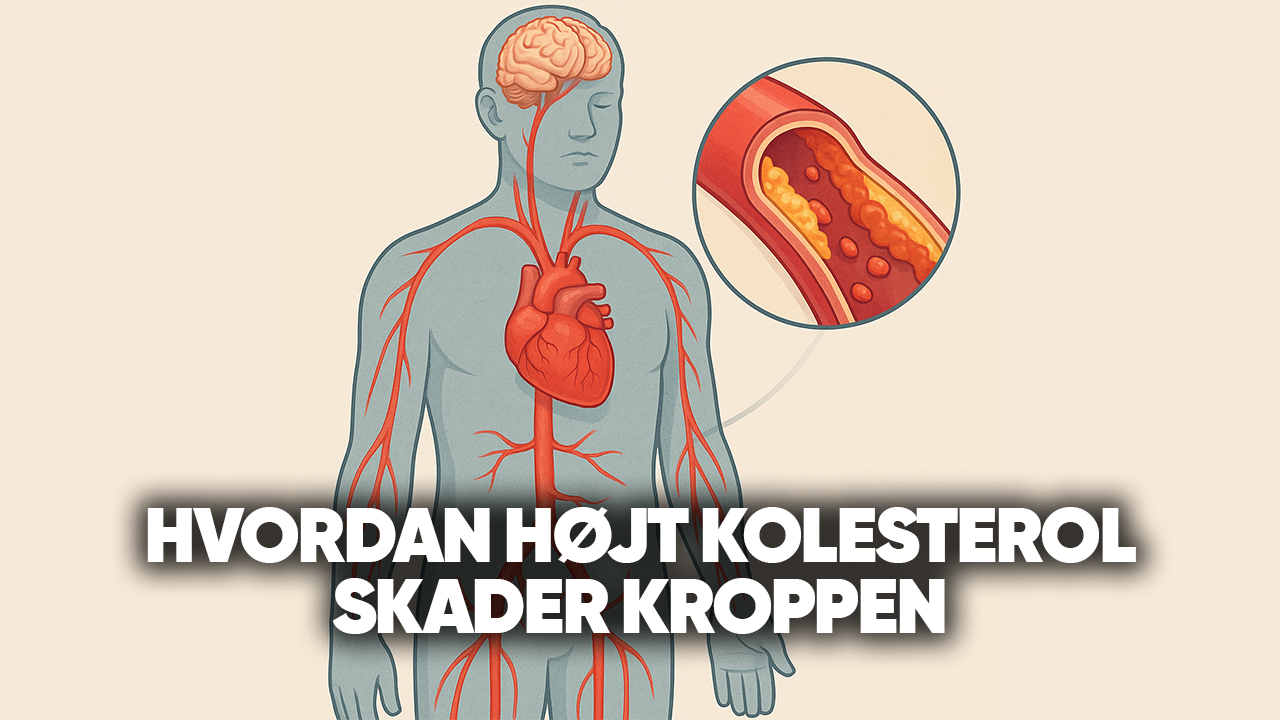
High cholesterol is one of those health problems that can develop quietly and gradually – often without clear warning signs. This is exactly why it can be particularly harmful. When cholesterol levels in the blood remain too high for a long period of time, they can gradually affect the body's circulatory system and organs in ways that may only become noticeable after damage has already occurred.
The main problem arises when there is too much LDL cholesterol in the blood. Excess LDL can accumulate on the inside of the blood vessels and form deposits, also known as atherosclerosis. These deposits make the blood vessels narrower and less flexible, restricting the free flow of blood. As a result, the heart is forced to work harder to pump blood around the body.
When blood flow is reduced, it can have serious consequences. In the coronary arteries of the heart, atherosclerosis can lead to a heart attack, while similar changes in the blood vessels of the brain can result in a stroke. In the legs, reduced blood supply can cause pain while walking, fatigue, and reduced mobility, which can significantly affect quality of life in everyday situations.
High cholesterol does not only affect the circulatory system, but can also indirectly place strain on other parts of the body. Poor blood circulation means that organs and tissues receive less oxygen and fewer nutrients, which can weaken the body's ability to recover and function optimally. Over time, this can contribute to fatigue, reduced physical performance, and an increased risk of chronic diseases.
The most challenging aspect of high cholesterol is that the damage builds up slowly over many years. Many people only discover the problem during a routine health check or after a serious medical event. Prevention and early intervention therefore play a crucial role. By addressing cholesterol levels in time, it is often possible to slow the progression, reduce strain on the blood vessels, and lower the risk of serious complications.
Understanding how high cholesterol damages the body is an important step toward taking control. The better you understand the mechanisms involved, the easier it becomes to make everyday choices that protect your heart, circulatory system, and future health.
How the Process of High Cholesterol Happens Slowly and Gradually
Fat deposits – Small amounts of cholesterol become attached to the walls of the blood vessels.
Plaque formation – Over time, fat, connective tissue, and calcium accumulate, making the blood vessel stiff and narrowing it.
Reduced blood flow – Blood has more difficulty passing through, which can cause a lack of oxygen in tissues and organs.
Risk of blood clot – If a plaque ruptures, a blood clot may form that completely blocks the blood supply.
Consequences of Untreated High Cholesterol
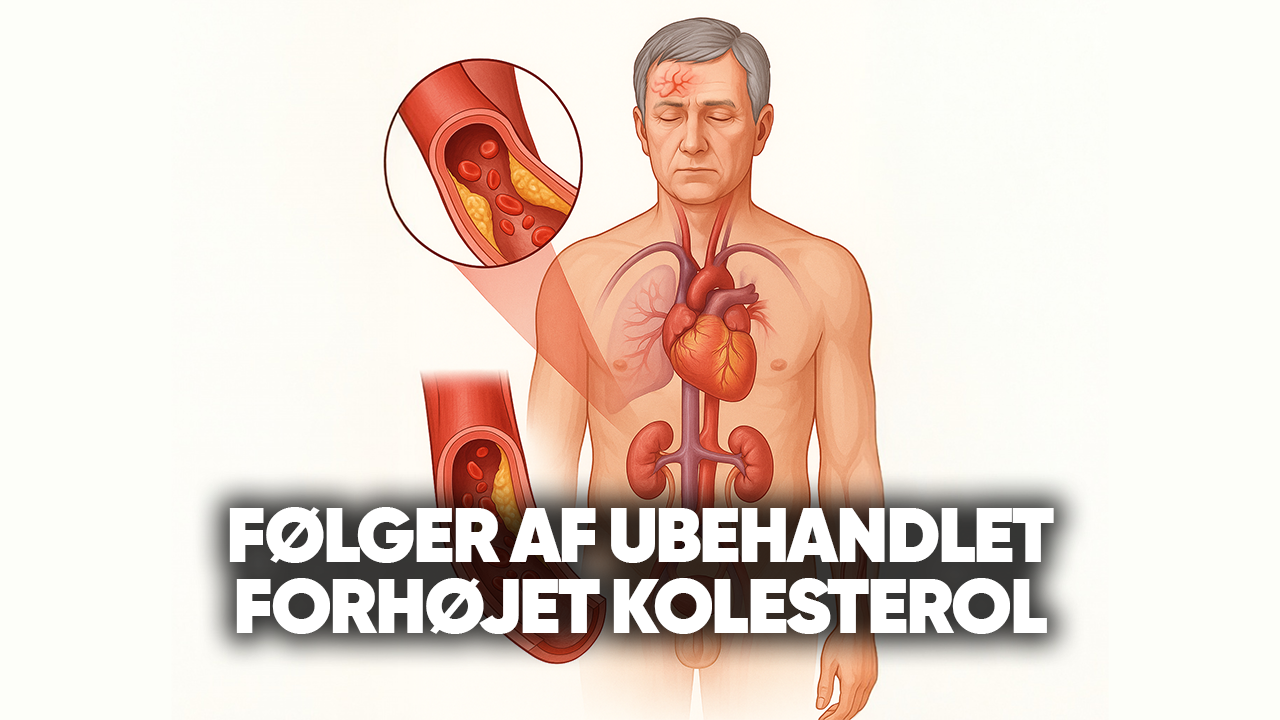
High cholesterol itself does not cause symptoms – and that is exactly why it can be dangerous. If it is not detected and treated, it can slowly damage the blood vessels and increase the risk of serious diseases. When bad LDL cholesterol becomes deposited in the arteries, atherosclerosis develops, making the blood vessels stiff and narrow.
Over time, this can make it difficult for blood to pass through or cause blood clots to form. The consequences can be serious: a heart attack, a blood clot in the brain (stroke), or reduced blood supply to the legs, which can cause pain and, in severe cases, may require surgery.
In addition, high cholesterol places strain on the heart because it has to work harder to pump blood around the body. This can lead to angina, heart failure, and a general reduction in quality of life. It is therefore important to detect and take action against high cholesterol in time – with a combination of healthy lifestyle changes and, when necessary, medical treatment, the risk can be significantly reduced.
Typical Risks and Consequences of Long-Term Untreated High Cholesterol
Cardiovascular diseases – The most serious consequence, including a heart attack and heart failure.
Stroke – A blood clot in the brain can lead to permanent disability or, in the worst case, death.
Reduced blood supply to the legs (peripheral artery disease) – Can cause pain when walking and increase the risk of wounds that do not heal.
Kidney damage – Blood clots in the small blood vessels of the kidneys can reduce kidney function.
*********************************************************
The most worrying thing is that the process can begin as early as your 20s or 30s without you noticing anything. It may only be decades later that the disease becomes apparent. This is why regular health checks and cholesterol measurements are so important.
Common Causes of High Cholesterol
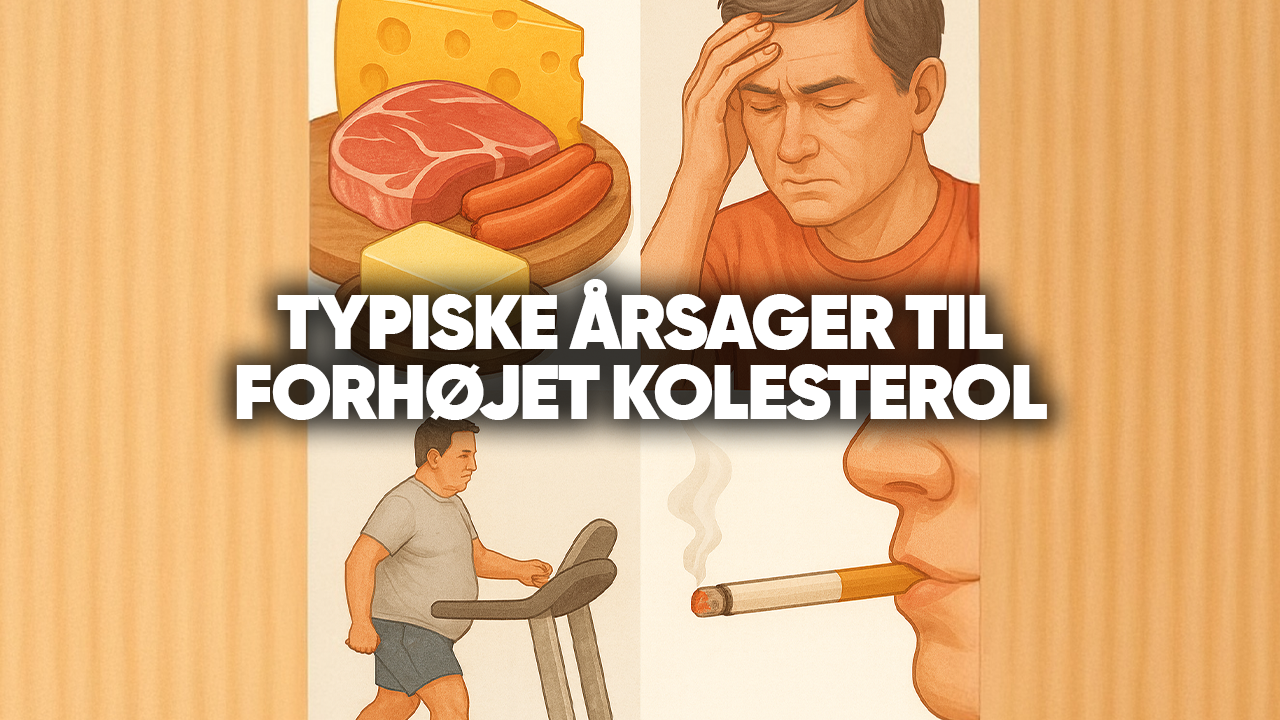
High cholesterol is rarely caused by a single factor. It is most often a combination of genetics, diet, and lifestyle. Here are the most common causes:
1. Eating Habits
Too much saturated fat – especially from high-fat dairy products, butter, cheese, and red meat.
Trans fats – Found in certain types of fast food, cakes, biscuits, and industrially manufactured products.
Excessive sugar intake – sugar and refined carbohydrates can indirectly raise triglycerides and lower HDL.
2. Physical Inactivity
When you do not move enough, HDL levels (good cholesterol) decrease, while LDL and triglycerides increase. Regular exercise is therefore an effective countermeasure.
3. Overweight and Obesity
Fat around the abdomen in particular is associated with elevated cholesterol levels. Fat tissue produces substances that interfere with fat metabolism.
4. Smoking
Tobacco smoke lowers HDL and damages the blood vessels, making it easier for cholesterol to become deposited in them.
5. Alcohol
Small amounts of alcohol may have a neutral or slightly beneficial effect on HDL, but too much alcohol increases triglycerides and places strain on the liver.
6. Stress
Chronic stress can change the body's hormonal balance and cause the liver to produce more cholesterol. Many people with high stress levels also develop unhealthy habits such as poor eating habits or lack of exercise, which can make the problem worse.
7. Genetics
Some people have a genetic predisposition to high cholesterol, known as familial hypercholesterolemia. This condition causes very high LDL levels from a young age and often requires medical treatment.
Diet That Lowers Cholesterol
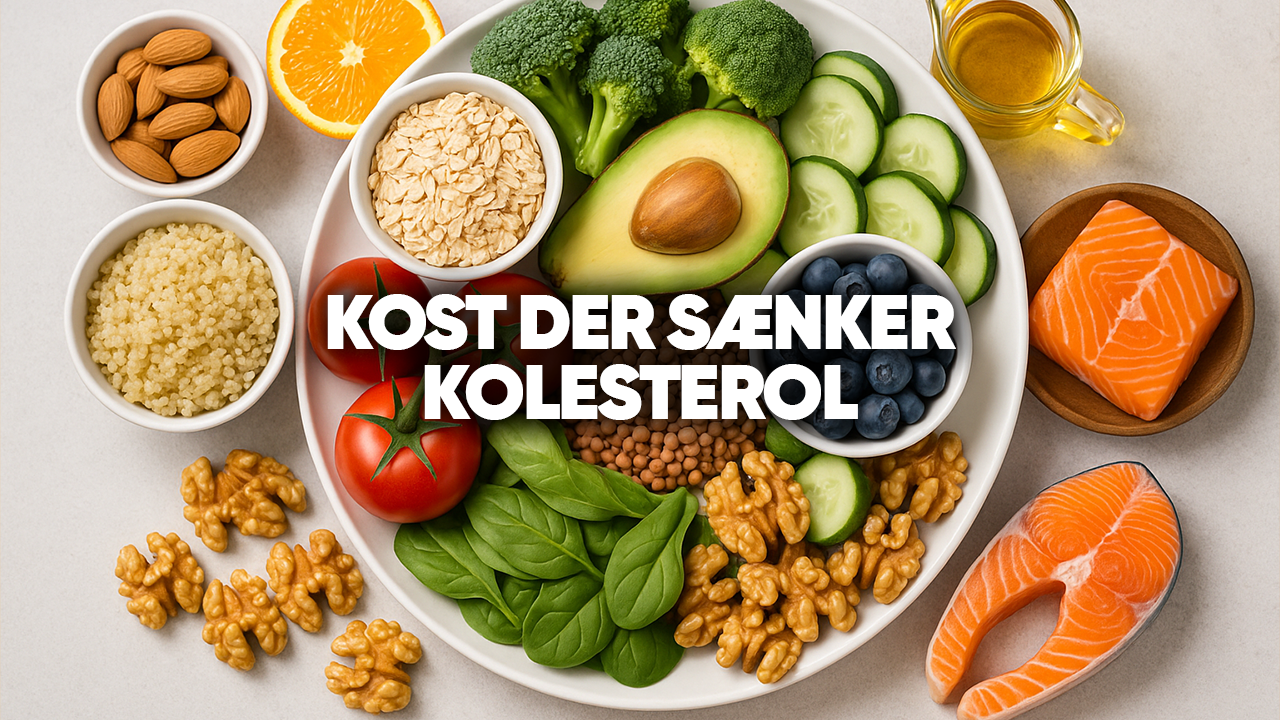
Diet plays an absolutely crucial role in your cholesterol levels. It is actually possible to significantly lower total cholesterol and especially LDL cholesterol through targeted dietary changes – sometimes almost as effectively as medication. It is not only about avoiding the “wrong” foods, but just as much about eating more of the foods that actively help the body reduce cholesterol.
The Mediterranean Diet – A Gold Standard for Your Cholesterol Levels
One of the best-documented dietary approaches for improving cholesterol levels and cardiovascular health is the Mediterranean diet. It is rich in vegetables, fruit, legumes, whole grains, fish, nuts, and olive oil – and low in processed foods and red meat. Studies show that it can lower LDL, increase HDL, and at the same time reduce the risk of blood clots and strokes.
Characteristics of the Mediterranean Diet
🥦 Plenty of vegetables and fruit every day.
🌾 Whole-grain products instead of white bread, pasta, and rice.
🐟 Fish such as salmon, herring, and mackerel at least twice a week.
🍗 Chicken and lean meat in moderate amounts – red meat only occasionally.
🫒 Olive oil as the primary source of fat.
🥜 Nuts and seeds as snacks or sprinkled over salads.
Foods That Actively Lower Cholesterol

What you eat every day has a major impact on your cholesterol levels. Certain foods can actively help lower harmful LDL cholesterol while supporting a healthy balance in the body. Foods rich in soluble fiber, healthy fats, and plant-based nutrients are especially helpful because they reduce the absorption of cholesterol in the intestines and support the body's natural regulation.
When you choose vegetables, whole grains, legumes, fish, nuts, and plant oils as a regular part of your diet, you are working with your body rather than against it. Small, conscious dietary choices – repeated day after day – can make a noticeable difference to your cholesterol levels over time and therefore be an effective step toward a healthier future.
1. Soluble Fiber
Fiber binds cholesterol in the intestines so that it is removed from the body instead of being absorbed into the blood. Soluble fiber is particularly effective for this purpose.
Good sources of fiber - oats, barley, beans, lentils, apples, pears, carrots.
Effect - just 5–10 grams of soluble fiber per day can lower LDL by up to 10%.
2. Fatty Fish and Omega-3 Fatty Acids
Omega-3 fatty acids do not have a major effect on LDL, but they lower triglycerides and help protect against abnormal heart rhythms.
Good sources of fatty fish - salmon, mackerel, herring, sardines, tuna.
Alternatives to fatty fish - chia seeds, flaxseeds, and walnuts (plant-based omega-3).
3. Nuts and Seeds
A handful of nuts each day can improve both LDL and HDL while providing healthy fats.
Nuts with the best-documented effects - almonds, walnuts, pistachios.
Important - Choose unsalted and unprocessed varieties.
4.- Plant Sterols and Stanols
These natural substances are found in small amounts in plants and can reduce the absorption of cholesterol in the intestines. Many foods today are fortified with plant sterols, such as certain margarines or yogurt products.
Effect - 2 grams per day can lower LDL by 5–15%.
5. Whole Grains
In addition to fiber, whole grains contain vitamins, minerals, and antioxidants that help protect the blood vessels.
Good sources of whole grains - oatmeal, rye bread, whole-grain pasta, brown rice, quinoa.
6. Vegetables and Fruit
Rich in fiber, antioxidants, and vitamins that help keep the blood vessels healthy. Variety is key – try to eat a “rainbow” of different colors every day.
7. Legumes
Beans, lentils, and chickpeas are inexpensive, filling, and effective at lowering cholesterol. They can also be used to replace meat in some meals.
8. Olive Oil and Other Unsaturated Fats
Replacing saturated fats such as butter, cream, and cheese with unsaturated fats such as olive oil, rapeseed oil, avocado, and nuts is one of the most effective ways to improve cholesterol levels.
Smart Everyday Strategies for a Cholesterol-Lowering Diet
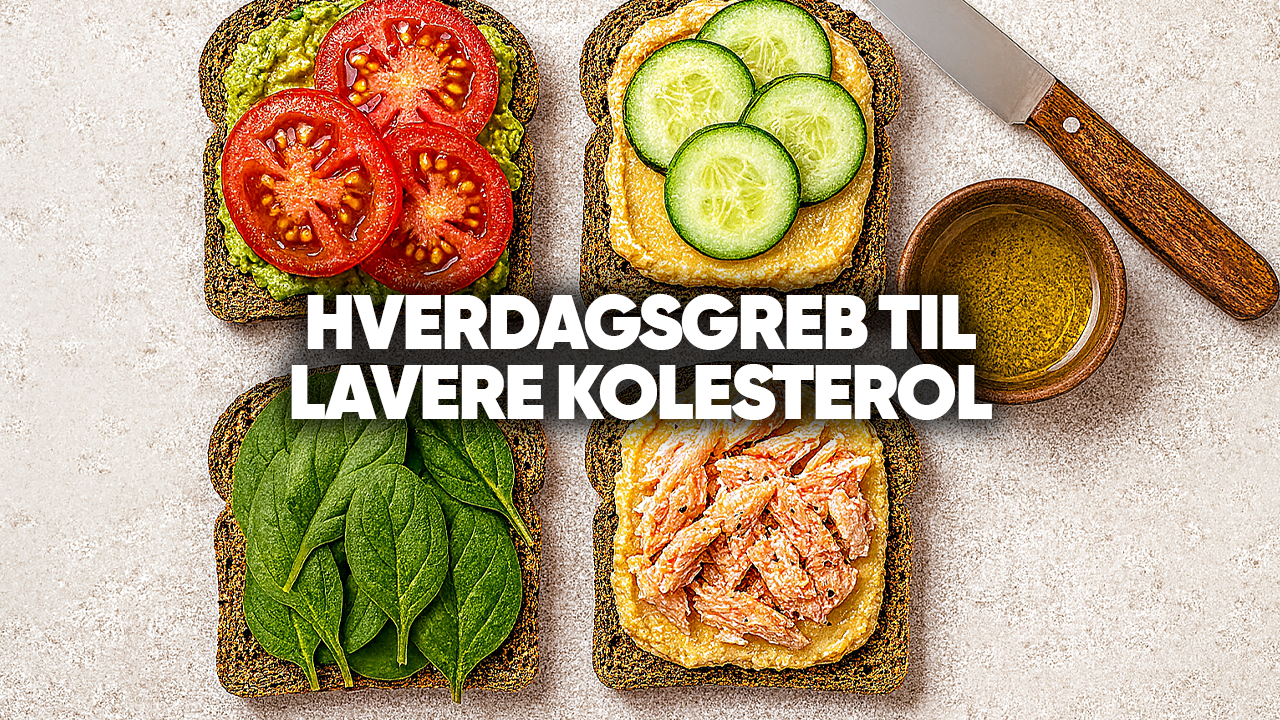
A cholesterol-lowering diet does not need to be complicated or time-consuming. Small everyday adjustments – such as choosing whole grains instead of refined products, replacing butter with plant oils, and filling more of your plate with vegetables – can make a big difference over time. When healthy choices become a natural part of your routine, it becomes easier to maintain them and create lasting improvements in your cholesterol levels and overall health.
Here Are Some Quick Tips for Choosing Cholesterol-Lowering Foods in Everyday Life
🥑 Replace butter on bread with avocado, hummus, or plant-based spreads.
🫒 Use olive oil on salads instead of cream-based dressings.
🍞 Replace white bread with rye bread or whole-grain varieties.
🐟 Replace red meat a couple of times a week with fish, lentils, or beans.
🍎 Eat fruit as a snack instead of cookies or sweets.
🥣 Make oatmeal for breakfast – preferably topped with nuts and berries.
A Small Inspiration List – Everyday Foods That Help Your Cholesterol
🥣 Oatmeal with blueberries and walnuts can benefit your cholesterol.
🥑 Rye bread with avocado and tomato can improve your cholesterol levels.
🍲 Lentil soup with whole-grain bread is beneficial for your cholesterol.
🐟 Grilled salmon with quinoa and vegetables can benefit your cholesterol levels.
🥜 A handful of almonds as an afternoon snack can help your cholesterol.
🥗 Chickpea salad with olive oil and lemon can benefit your cholesterol.
********************************************************************
If you can incorporate some of the so-called superfoods into your daily diet, they can be an important factor in maintaining healthy cholesterol levels. You can find inspiration for including superfoods in your everyday diet in our article - Good Tips for Affordable Superfoods That Make Your Meals Both Tastier and Healthier
Foods You Should Avoid or Cut Back On to Get Your Cholesterol Under Control
If you want to get your cholesterol under control, it is not only about eating more of the right foods – it is also about cutting back on foods that worsen your cholesterol levels.
Here Are the Biggest Cholesterol Offenders
1. Saturated Fat
Saturated fat increases the amount of LDL cholesterol in the blood. It is found especially in animal products.
Typical sources - fatty meat, bacon, sausages, butter, cream, full-fat cheeses, cakes, and fast food.
Tips - Choose lean meat, skimmed or low-fat milk, and use oil instead of butter.
2. Trans Fats
Trans fats are the worst type of fat for cholesterol because they both raise LDL and lower HDL.
Typical sources - commercially produced cakes, biscuits, chips, older types of margarine, and fried foods.
Tips - Read the ingredient label – if it says “hydrogenated fat” or “partially hydrogenated fat,” choose another product.
3. Refined Carbohydrates and Sugar
Although sugar does not contain cholesterol, it can increase triglycerides and contribute to weight gain, which worsens the balance between HDL and LDL.
Typical sources - soft drinks, sweets, white bread, cakes, and pasta made from white flour.
Tips - Switch to whole grains and choose naturally sweet foods such as fruit instead.
4. Processed Foods
Ready-made meals, fast food, and snacks often contain a combination of too much salt, sugar, unhealthy fats, and calories, which together push cholesterol levels in the wrong direction.
5. Excessive Alcohol Consumption
Small amounts of wine or beer may in some cases have a neutral or slightly positive effect, but too much alcohol can increase triglycerides and damage the liver.
The Danish Health Authority recommends a maximum of 10 alcoholic units per week and preferably no more than 4 on the same day.
You can find inspiration for getting your alcohol consumption under control in our article - Good Tips for Drinking Less Alcohol – Your Guide to a Healthier Alcohol Balance
The Role of Exercise in Cholesterol Control

While diet is primarily the key to lowering LDL cholesterol (the unhealthy cholesterol), exercise is one of the best ways to increase HDL (the good cholesterol) and improve the health of the blood vessels. Exercise therefore plays a central role when it comes to regulating cholesterol and protecting the heart.
Regular physical activity helps lower LDL cholesterol while increasing beneficial HDL cholesterol, which helps remove excess cholesterol from the blood vessels. In this way, exercise works directly with the body's natural systems to keep the circulatory system healthy. Exercise also improves the elasticity of the blood vessels and strengthens the heart's pumping ability, making it easier for blood to circulate freely throughout the body.
Even moderate activities such as brisk walking, cycling, swimming, or gardening can have a noticeable effect when performed regularly. It is not about intense exercise, but about consistency and movement in everyday life. Exercise also has an indirect positive effect on cholesterol levels by supporting a healthy body weight, improving blood sugar regulation, and reducing stress levels.
All of these factors play a role in the body's overall cholesterol balance. When movement becomes a natural part of everyday life, cholesterol control no longer becomes a separate project – but an integrated part of a healthy lifestyle that strengthens both the body and your future health.
Why Exercise Helps Improve Cholesterol Levels
📈 Exercise increases HDL and lowers LDL, benefiting your cholesterol levels.
🧬 Exercise reduces triglycerides, benefiting your cholesterol levels.
🔄 Exercise improves blood circulation, benefiting your cholesterol levels.
⚖️ Exercise helps with weight control, which in itself improves cholesterol levels.
🧘 Exercise reduces stress, which can improve cholesterol balance.
How Much Exercise Is Enough for Healthy Cholesterol Levels?
Minimum - 150 minutes of moderate activity per week, such as brisk walking, cycling, or swimming, is beneficial for your cholesterol levels.
Or - 75 minutes of vigorous activity, such as running or interval training, is also beneficial for your cholesterol levels.
Bonus - Strength training twice a week helps burn fat and maintain muscle mass, which also benefits your cholesterol levels.
Best Types of Exercise for Healthy Cholesterol Levels
🚶♂️ Walking or brisk walking – easy, free, and effective for your cholesterol levels.
🚴 Cycling – both as transportation and exercise, benefiting your cholesterol levels.
🏊 Swimming – gentle on the joints and effective for the circulatory system while also helping your cholesterol levels.
🏃 Running or jogging – good cardiovascular exercise that benefits cholesterol levels if your body can tolerate it.
🏋️ Strength training – especially when combined with cardiovascular exercise, provides the best effect on cholesterol levels.
💃 Dancing, yoga, or group exercise can help your cholesterol levels while making physical activity fun and social.
If you are new to exercise, you can find inspiration for getting started with exercise that benefits your cholesterol in our article - Good Tips for Effective Workout Routines for Beginners
Small Everyday Exercise Changes That Count
🪜 Take the stairs instead of the elevator.
🚌 Get off the bus one stop earlier.
🚗 Park your car farther away from the entrance.
🚲 Use your bicycle for short trips instead of the car.
🏡 Do gardening, cleaning, or play with your children – it all counts.
If you have a busy daily schedule, you can exercise using home workout exercises that benefit your cholesterol levels, and you can find inspiration for home workouts in our article - Good Tips for a Healthier Lifestyle With Easy and Effective Home Exercises
Lifestyle Factors for Getting Your Cholesterol Under Control

Cholesterol is not only affected by what you eat and how much you exercise. Your overall lifestyle also plays a major role in how your body handles fats in the blood. Here are the most important factors you should be aware of:
1. Sleep
Lack of sleep can increase the risk of high cholesterol, being overweight, and cardiovascular disease. The body regulates hormones during sleep, and if this process is disrupted, the liver may produce more LDL.
Goal - 7–9 hours of quality sleep every night to benefit your cholesterol levels.
Tips - Establish regular bedtimes, avoid screens before going to bed, and keep the bedroom cool and dark.
Find inspiration for establishing a good and healthy sleep routine that benefits your cholesterol levels in our article - Good Tips for a Better and More Stable Sleep Routine – Sleep Well Every Night!
2. Weight Control
Being overweight, especially around the abdomen, is closely associated with elevated LDL and triglycerides. Even a modest weight loss of 5–10% can significantly improve cholesterol levels.
Strategy - Focus on gradual changes to diet and exercise rather than quick-fix diets to benefit your cholesterol levels.
You can find additional inspiration on how to exercise and eat healthily in an optimal way for your cholesterol levels in our article - Good Tips on How to Combine Exercise and Diet for Optimal Results
3. Alcohol
As mentioned earlier in this article, small amounts may have a neutral effect, but large amounts increase triglycerides, blood sugar, and the risk of liver damage.
Guideline - Maximum 10 alcoholic units per week, and preferably less, to benefit your cholesterol levels.
You can find inspiration on how to develop a healthy and natural relationship with alcohol that benefits your cholesterol levels in our article - Good Tips for Drinking Less Alcohol – Your Guide to a Healthier Alcohol Balance
4. Smoking
Smoking directly damages the blood vessels and lowers HDL, making it easier for LDL to penetrate the walls of the blood vessels.
Quitting smoking can improve HDL levels after just a few weeks and, after a few years, can cut the risk of heart disease in half.
You can find advice on how to stop smoking, which is important for your cholesterol levels, in our article - Good Tips for Quitting Smoking – Your Guide to a Smoke-Free Life
5. Stress
Long-term stress can increase the production of stress hormones such as cortisol, which stimulates the liver to release more cholesterol. Stress can also lead to unhealthy habits such as poor diet, overeating, or lack of exercise.
Stress-reducing habits - meditation, yoga, deep breathing, walks in nature, and regular breaks in everyday life can benefit your cholesterol levels.
You can find additional tips on how to manage stress in a healthy and constructive way that benefits your cholesterol levels in our article - Good Tips for Getting Rid of Stress and Anxiety - Learn How to Improve Your Mental Health
Natural Supplements and Scientific Evidence Regarding Cholesterol
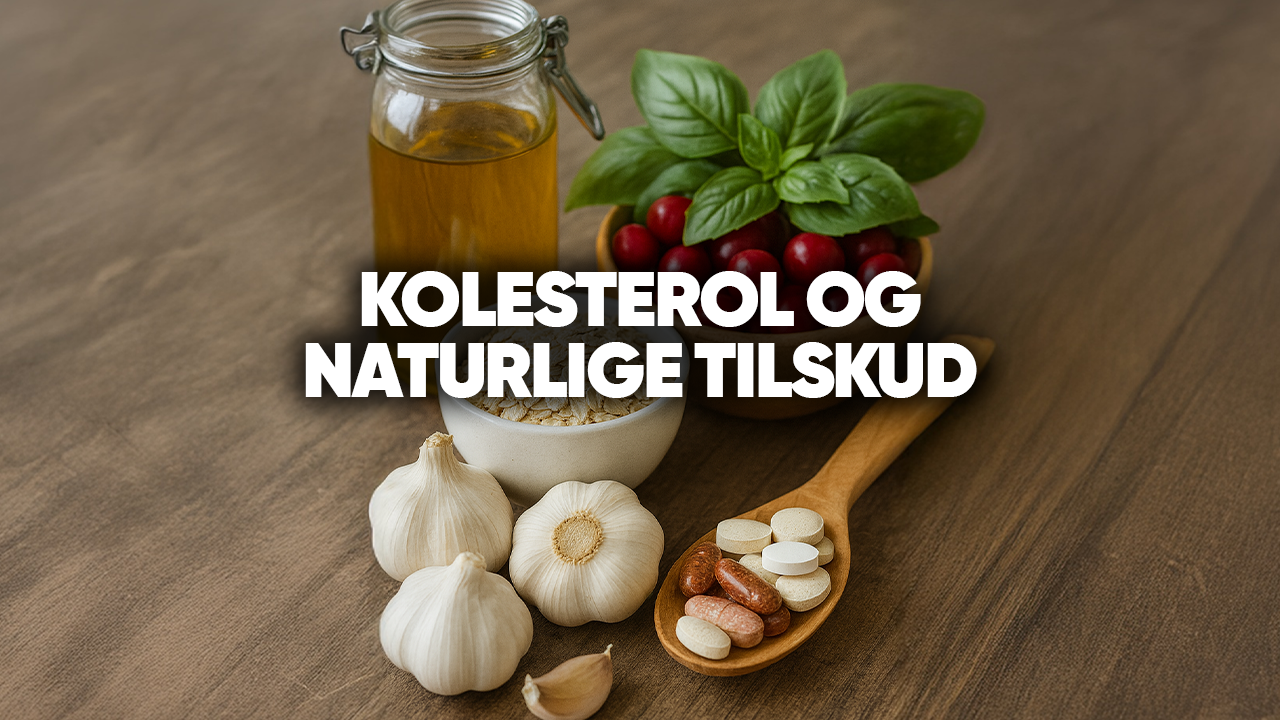
In addition to diet and lifestyle, research has been conducted on a number of natural supplements and ingredients that may help lower cholesterol. The effects vary, but some have solid evidence behind them.
1. Plant Sterols and Stanols
As mentioned earlier, these occur naturally in plants and reduce the absorption of cholesterol in the intestines. Fortified products such as margarine, yogurt, and drinks may be helpful.
Effect - Can lower LDL by up to 15% if you consume 2 g per day.
2. Soluble Fiber - (e.g. psyllium)
Fiber supplements such as psyllium bind cholesterol in the intestines and help lower LDL.
Effect - 10–15% reduction with daily intake.
3. Omega-3 Fatty Acids - (fish oil)
Fish oil has a well-documented effect on lowering triglycerides and stabilizing heart rhythm.
Effect - Best documented at 2–4 g per day, although this may require supplements in capsule or liquid form.
4. Garlic
Some studies have shown that garlic may have a small but positive effect on cholesterol and blood pressure.
Effect - Mainly as a supplement to other measures – not a replacement.
5. Red Yeast Rice (Red Yeast Rice)
A natural remedy containing a naturally occurring form of statin called monacolin K. It can be effective, but caution is necessary because it may cause the same side effects as statins.
Effect - Can significantly lower LDL but should only be used in consultation with a doctor.
6. Green Tea
Some studies suggest that green tea may have a modest cholesterol-lowering effect, particularly on LDL, thanks to its content of catechins, which are antioxidants.
Important Things to Remember About Preventing High Cholesterol
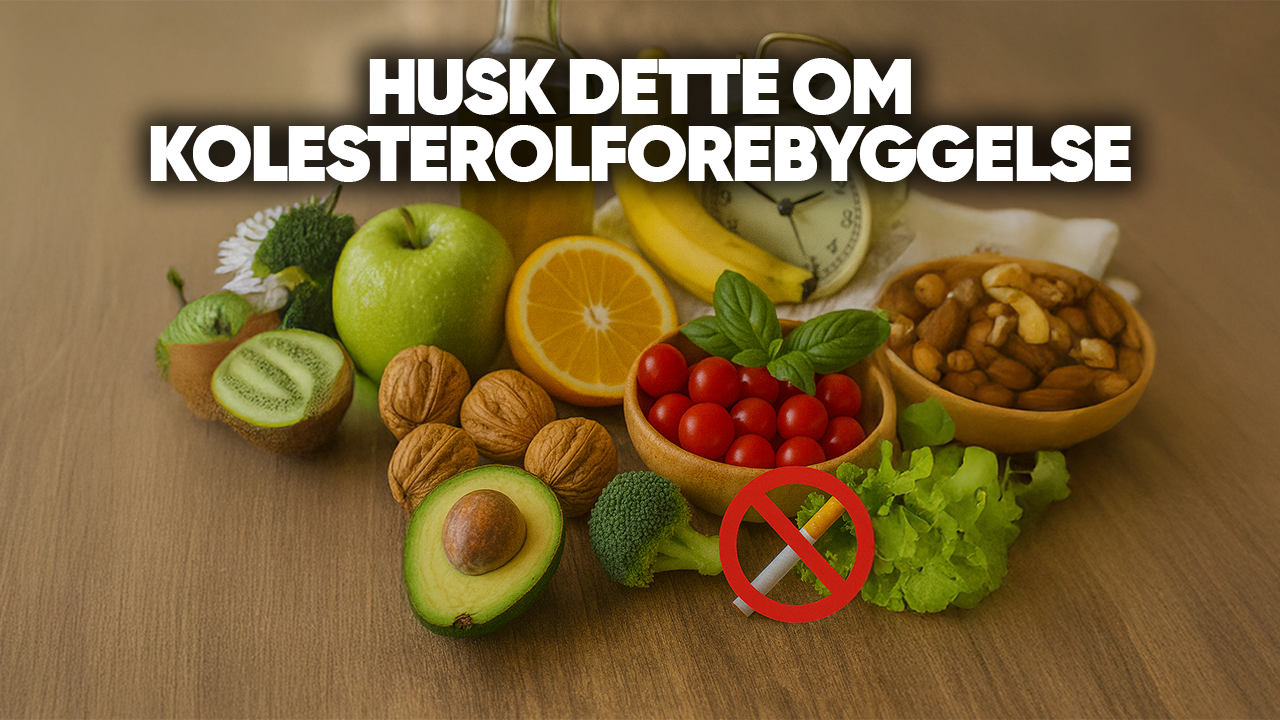
Preventing high cholesterol is not about one specific habit – it is the sum of your everyday choices that matters. Small changes to diet, exercise, and lifestyle can together make a major difference and may be as effective as medication for many people.
The most important thing is to be consistent and think long-term: health is not created from one day to the next, but through good routines that are repeated again and again. Remember that prevention is not only about numbers on a blood test – it is about giving your heart, blood vessels, and entire body the best possible conditions to remain healthy and strong for many years to come.
Inspiration List - Preventing High Cholesterol in Everyday Life
🥦 Eat vegetables and fruit with every meal – preferably in different colors to benefit your cholesterol levels.
🌾 Choose whole grains instead of white bread, pasta, and rice to help prevent high cholesterol.
🐟 Replace red meat with fish or legumes a couple of times a week to benefit your cholesterol levels.
🫒 Use olive oil or rapeseed oil instead of butter and margarine to help prevent high cholesterol.
🚶♂️ Walk or cycle instead of taking the car for short trips to help prevent high cholesterol.
⏱️ Exercise regularly – 30 minutes per day is enough to make a difference to your cholesterol levels.
😴 Sleep 7–9 hours every night to support the body's hormonal balance and benefit your cholesterol.
🧘 Reduce stress through meditation, breathing exercises, or time in nature to benefit your cholesterol levels.
🚭 Avoid smoking – or seek help to quit if it is difficult, as this is important for preventing cholesterol-related problems.
🩺 Have regular health checks and keep track of your cholesterol levels.
💊 Always consult your doctor before starting dietary supplements intended to benefit your cholesterol levels – especially if you are already taking medication.
When Should You See a Doctor and Possibly Use Medication to Treat Cholesterol?
For many people, cholesterol levels can be significantly improved through changes to diet, exercise, and lifestyle. However, there are situations where it is important to involve a doctor and consider medical treatment as a supplement. It is not a matter of choosing either lifestyle changes or medication – but of finding the right combination that suits the individual's health and risk profile.
You should consider seeing a doctor if blood tests repeatedly show elevated cholesterol levels, especially if LDL cholesterol is significantly above the recommended limits. This also applies if there is a family history of cardiovascular disease, if you have high blood pressure, diabetes, smoke, or have previously experienced heart or circulatory problems. In these cases, the risk may be elevated even if you otherwise feel healthy.
Medical treatment, typically in the form of cholesterol-lowering medication, may be necessary when lifestyle changes are not sufficient or if the risk of cardiovascular disease is considered high. Medication can effectively lower LDL cholesterol and therefore reduce the risk of serious events such as heart attacks or strokes. At the same time, your doctor will often recommend combining medication with continued attention to diet, exercise, and other healthy habits in order to achieve the best overall effect.
It is important that the decision to begin medical treatment is always made in consultation with a doctor. Treatment should be individually tailored, and regular follow-up with blood tests and discussions about possible side effects and effectiveness should take place. This helps ensure that the treatment is safe, effective, and appropriate for your situation.
Seeking medical advice in time and being open to both lifestyle changes and medical treatment is not a sign of failure – it is an expression of responsibility. The most important thing is to take cholesterol seriously and act in time so that you can protect your heart and your future health.
Summary of When You Should See a Doctor
📊 If your total cholesterol is above 5 mmol/L and/or your LDL is above 3 mmol/L.
🧬 If you have familial hypercholesterolemia (genetically high cholesterol).
⚠️ If you have other risk factors such as high blood pressure, diabetes, being overweight, or smoking, which can negatively affect your cholesterol levels.
❤️ If you have previously had a blood clot or another cardiovascular disease that may negatively affect your cholesterol.
Medical Treatments for Cholesterol
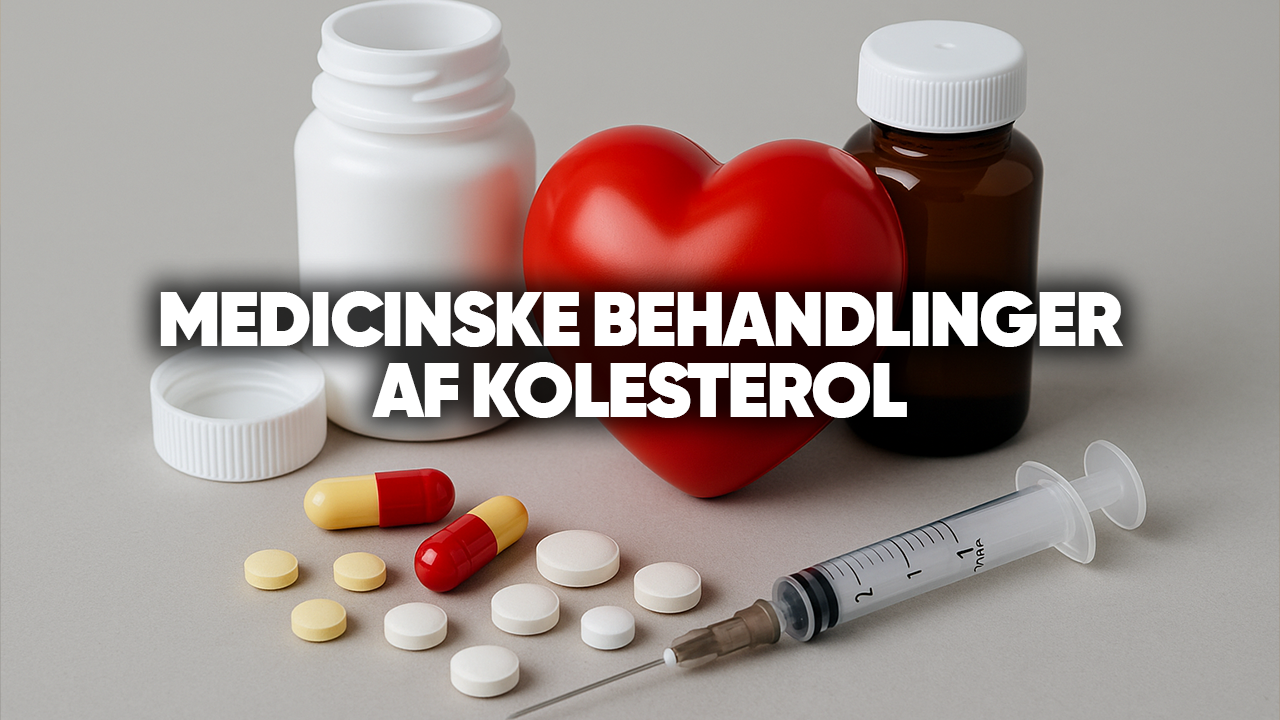
The most commonly used medication for high cholesterol is statins, which inhibit the liver's production of cholesterol and therefore lower LDL. Statins are not as dangerous as people often believe. The common perception is that many people experience severe side effects, but according to health professionals, this is not actually the case – most people experience no side effects. Health professionals say that it is a problem that statins have such a poor reputation.
There are situations where, even if you live healthily and do everything possible to lower your cholesterol level, it cannot be treated through a healthy lifestyle alone. Not everyone can lower their cholesterol sufficiently by adopting a healthier lifestyle. Some people simply have unfavorable genetics and may therefore never be able to reduce their cholesterol enough through lifestyle changes. In these cases, statins can be very effective at reducing the risk of cardiovascular disease.
For these people, statins can be a good solution. They are very effective, and cholesterol levels can often be reduced by almost half when taking them.
Other Options for Cholesterol Treatment May Include
Ezetimibe – Reduces the absorption of cholesterol in the intestines.
PCSK9 inhibitors – A newer type of medication that can significantly lower LDL and is used in severe cases.
Monitoring and Follow-Up of Cholesterol Treatment
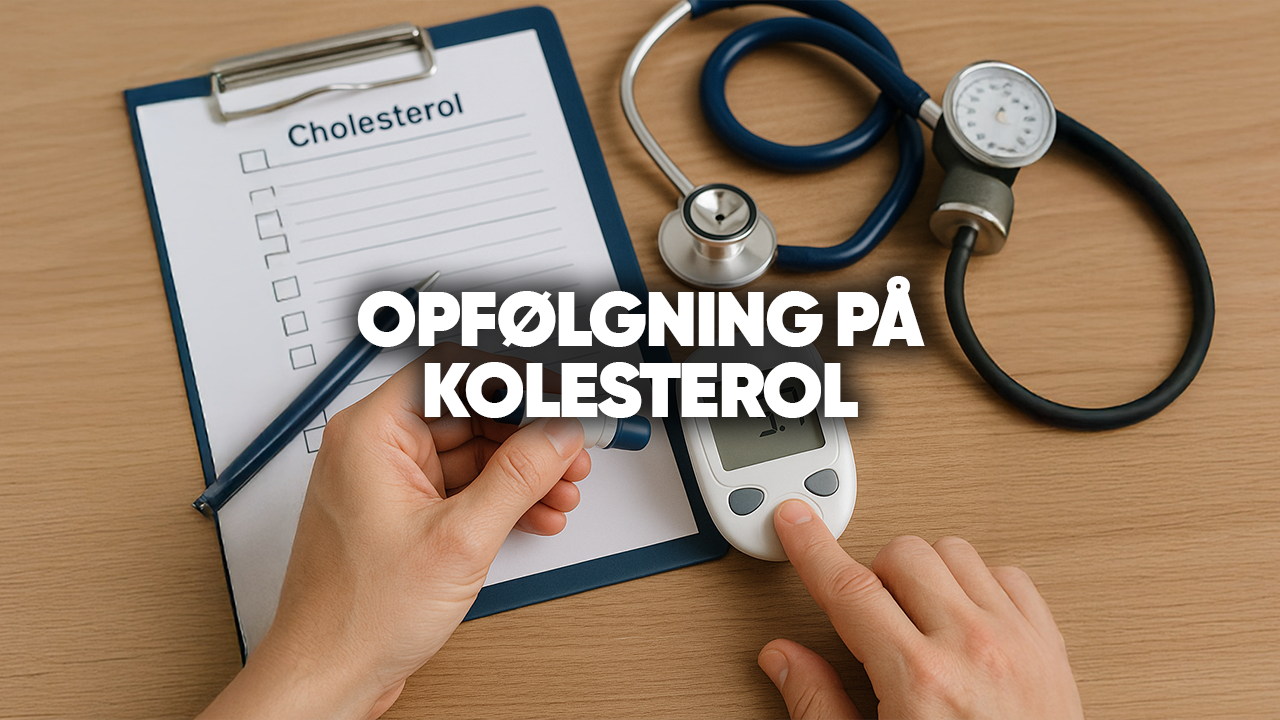
Starting treatment for high cholesterol – whether through lifestyle changes, dietary supplements, or medication – is only the first step. To achieve the best results and prevent future health problems, it is important to follow up regularly. Many people stop because they cannot immediately see or feel the results, but regular monitoring makes it possible to stay on track, adjust the approach, and ensure that the body is responding as it should.
Why Monitoring Your Cholesterol Treatment Is Important
Safety - Medications such as statins, which are used to improve cholesterol levels, can in rare cases affect the liver or cause side effects that should be identified early.
Effectiveness - Regular blood tests show whether your efforts to lower cholesterol are having the desired effect and whether adjustments are needed.
Motivation - Seeing improvements in your cholesterol levels can provide an important boost in motivation to maintain healthy habits.
Overall perspective - Your doctor will assess not only your cholesterol, but also your blood pressure, weight, blood sugar, and lifestyle – the entire picture matters.
How Follow-Up of Cholesterol Treatment Typically Works
1 - Blood test after 2–3 months – To see whether changes to diet, exercise, or medication are working on your cholesterol levels.
2 - Regular check-ups every 6–12 months – Depending on your risk profile and treatment for high cholesterol.
3 - Discussion with your doctor – Your cholesterol treatment can be adjusted if the results are not good enough.
4 - Personal follow-up in everyday life – Continue healthy habits that benefit your cholesterol levels and remain aware of any possible side effects.
Checklist - Monitoring and Follow-Up of Cholesterol Treatment
📅 Book an appointment with your doctor for a blood test and cholesterol check.
📝 Record your lifestyle changes, such as diet, exercise, and weight loss, and follow the development of your cholesterol levels.
💬 Ask your doctor about side effects if you are taking cholesterol medication and report any changes.
📊 Check other health indicators such as blood pressure, weight, and blood sugar together with your cholesterol.
⏰ Create a personal follow-up plan for your cholesterol levels – for example, a reminder every 6–12 months.
🎯 Use improvements in your cholesterol levels as motivation to continue your healthy habits.
How to Take Control of Your Cholesterol – Step-by-Step Plan
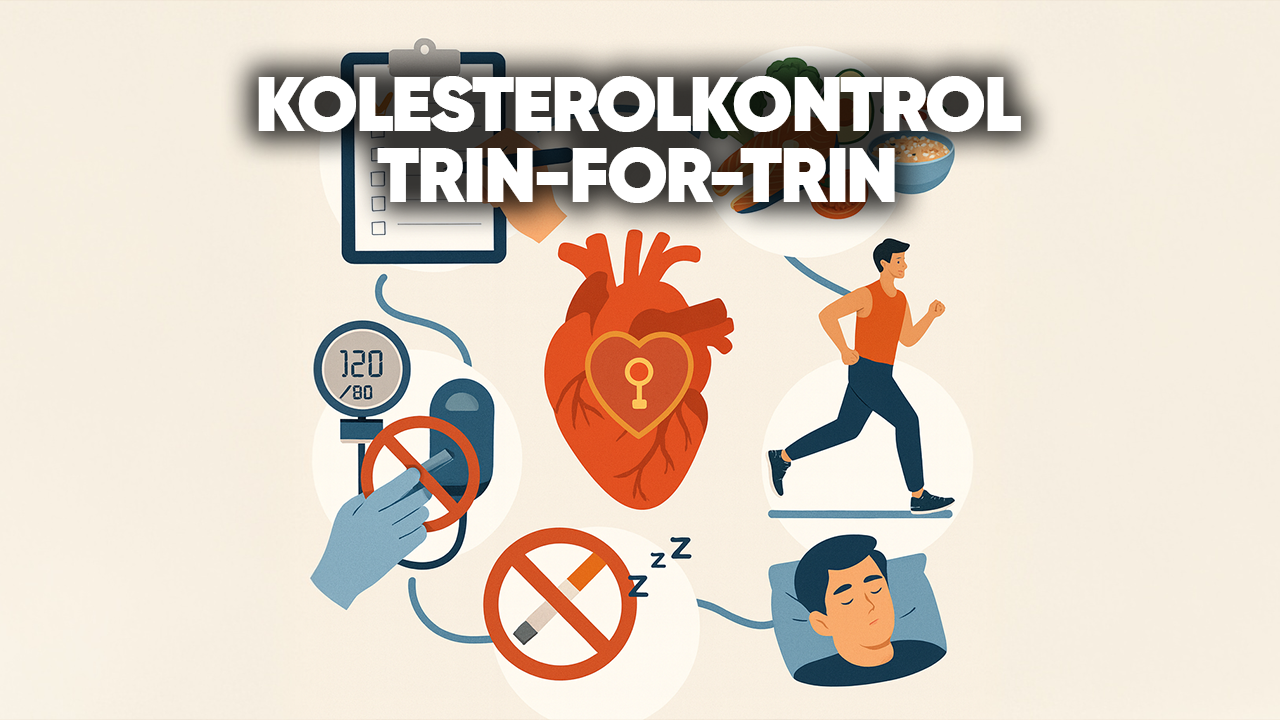
Taking control of your cholesterol is not about quick fixes or strict rules, but about creating healthy habits that can be maintained in the long term. The first step is knowledge – knowing your cholesterol levels and understanding what they mean for your body. Regular health checks give you a clear starting point and allow you to follow your progress over time.
The next step is taking action in everyday life. A diet focused on vegetables, whole grains, healthy fats, and fish can actively support a healthy cholesterol balance, while regular exercise helps the body lower harmful cholesterol and strengthens the circulatory system. Even small adjustments, repeated day after day, can have a major effect over the long term.
At the same time, lifestyle factors such as sleep, stress levels, and smoking are important pieces of the puzzle. When your body gets enough rest, movement, and the right conditions, it becomes easier to keep cholesterol levels in balance. For some people, it may also be necessary to supplement lifestyle changes with medical treatment in consultation with a doctor – and this is a natural part of taking a responsible approach to health.
The most important thing is to view cholesterol control as an ongoing process rather than a one-time project. By taking small, conscious steps and following your progress, you can actively protect your heart and invest in your future health.
Here Is a Simple Step-by-Step Cholesterol Plan
Have your cholesterol levels measured – Always start with a baseline so you know where you stand with your cholesterol levels.
Make dietary changes that benefit your cholesterol levels – Eat more vegetables, whole grains, legumes, and fish, and reduce saturated fat, trans fats, and sugar.
Move more to benefit your cholesterol levels – Set a goal of at least 30 minutes of activity per day. Find a form of exercise you enjoy so that you can maintain it over the long term.
Keep an eye on your weight – Even a small amount of weight loss can make a big difference to your cholesterol levels.
Quit tobacco – Quitting smoking is one of the most effective steps you can take to protect your heart and improve your cholesterol levels.
Sleep well and manage stress – Sleep and mental balance are important for the body's regulation of cholesterol.
Consider supplements with documented effects on cholesterol levels – For example, soluble fiber or omega-3, in consultation with your doctor.
Follow up with your doctor – Have regular blood tests so you can monitor your progress and adjust your approach to managing cholesterol.
Conclusion - Your Future Cholesterol Health Begins Today
High cholesterol is a silent threat, but it is also an area where you have a great deal of control. By eating healthily, staying physically active, avoiding tobacco, and taking care of your mental well-being, you can actively lower your risk of heart disease and blood clots – while also gaining more energy and a better quality of life.
Remember that it is not about being perfect from day one. Small steps count, and every improvement in your habits moves you in the right direction. When you take control of your cholesterol, you are really taking control of your future health as a whole.
Mini Guide – How to Take Control of Your Cholesterol and Your Future Health
Taking control of cholesterol is a long-term investment in your heart, circulatory system, and quality of life. Cholesterol is influenced by many different factors in everyday life, which is why it is important to take a comprehensive approach.
This mini guide is a summary of the article above and provides a clear overview of the most important areas you should focus on if you want to improve your cholesterol balance and strengthen your future health.
Know Your Cholesterol Levels and Monitor Changes Over Time
It is impossible to take control of cholesterol without knowing your starting point. A blood test performed by your doctor provides information about both your total cholesterol and the distribution between LDL and HDL. When you regularly monitor your cholesterol levels, it becomes easier to see the effects of lifestyle changes and adjust your approach before problems become more serious.
Eat a Diet That Actively Supports Healthy Cholesterol
Diet is one of the most effective ways to influence cholesterol. Foods rich in dietary fiber, healthy fats, and plant-based nutrients can help lower harmful cholesterol and support a healthy balance in the blood. When these choices become a regular part of everyday life, your diet actively works to improve your cholesterol levels.
Choose the Right Fats for a Better Cholesterol Balance
Not all fats affect cholesterol in the same way. By replacing saturated fats with unsaturated fats from foods such as olive oil, nuts, and fish, you can improve the balance between LDL and HDL. Small changes in the sources of fat you consume can have a significant long-term impact on both cholesterol and cardiovascular health.
Use Exercise as a Natural Tool for Healthy Cholesterol Levels
Regular exercise helps the body lower LDL cholesterol and increase beneficial HDL cholesterol. At the same time, it strengthens the elasticity of the blood vessels and improves heart function. The most important factor is not intensity but consistency – daily movement makes cholesterol control a natural part of everyday life.
Understand the Connection Between Cholesterol, Sleep, and Stress
Cholesterol is also influenced by factors such as sleep quality and stress levels. Long-term stress and insufficient sleep can worsen cholesterol balance and place strain on the circulatory system. By prioritizing recovery, breaks, and mental calm, you create better conditions for the body to regulate cholesterol naturally.
Follow Up on Your Cholesterol and Adjust Your Habits Regularly
Cholesterol rarely changes from one day to the next. Regular follow-up makes it possible to see what is working and where adjustments may be needed. Use improvements in your cholesterol levels as motivation to maintain healthy habits and strengthen your future health.
Work With Your Doctor on Cholesterol and Possible Medical Treatment
For some people, lifestyle changes are sufficient, while others need medical treatment to keep cholesterol levels under control. Together with your doctor, you can find the solution that best suits your risk profile. Medication should be viewed as a supplement to healthy habits – not a replacement.
How to Quickly Get Started With Taking Control of Your Cholesterol
🩺 Book a medical check-up and have your cholesterol levels measured so that you know your starting point.
🌰 Eat 30 grams of walnuts every day. They are beneficial to health in many ways and may help lower cholesterol levels. Walnuts are the type of nut that has been studied most in relation to cholesterol, and almonds and pistachios also appear to have a positive effect.
🫒 Replace butter and full-fat dairy products with olive oil, plant-based alternatives, or low-fat varieties to benefit your cholesterol levels.
🌾 Add a daily serving of oats or whole grains to benefit your cholesterol – for example, oatmeal or rye bread.
🚶♂️ Exercise for 30 minutes every day to benefit your cholesterol levels – a brisk walk is enough to make a difference.
*************************************************************************
SO WHY WAIT? -Your heart and cholesterol will thank you – both today and for many years to come.
**************************************************************************
If you need additional inspiration on preventing high cholesterol, you can watch this video - Lower Your Cholesterol in 1 Week - 5 Steps to Reduce Cholesterol, Triglycerides and Clogged Arteries
-----------------------------------------
If you have experience and/or knowledge of high cholesterol, we would be happy to hear your input and/or suggestions in the comments about other things that should be taken into consideration when trying to prevent the risk of high cholesterol in the future, so that you can increase the likelihood of enjoying a healthy old age without serious illnesses.