Imagine coming home after a holiday, a weekend trip, or simply a long day at work – only to discover that your home has been broken into. Drawers have been searched through, your valuables are missing, and above all, the sense of security you associate with your home has been taken away. For many Danes, the feeling of insecurity after a burglary is far worse than the financial loss.
Fortunately, both police data and the experience of security experts show that there is a lot you can do to prevent burglary. In fact, relatively simple measures can significantly reduce the risk. Burglars often go after easy targets – and your home does not have to be one of them.
This article gives you a range of tips on how to secure your home as effectively as possible. We take a closer look at physical solutions, technological options, social measures such as neighborhood watch, and the small but effective everyday habits that can make a huge difference.
🏠 Understand How a Burglar Thinks When You Want to Protect Your Home Against Burglary
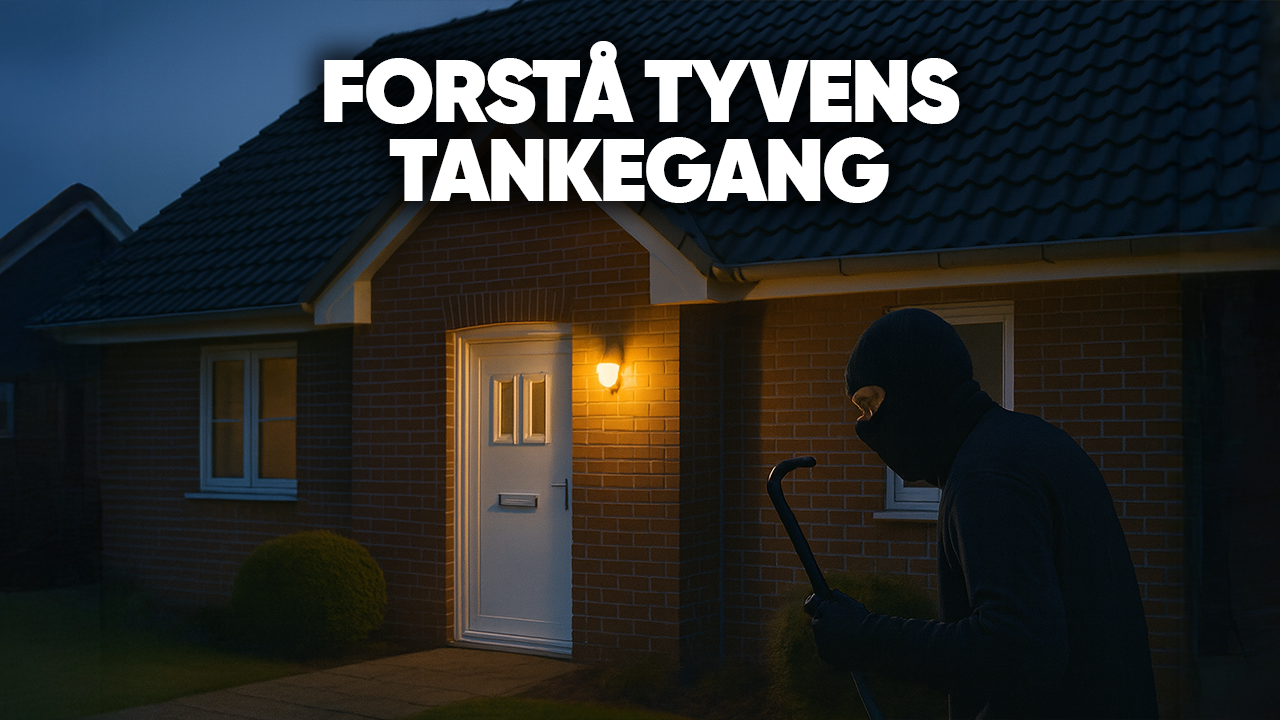
If you want to secure your home effectively, it is important to understand how a burglar thinks. Burglars are not necessarily professionals – often, they are people looking for quick gains, minimal risk, and as little attention as possible.
When Do Burglaries Happen?
- Most burglaries happen during the daytime, when people are at work or school.
- During holiday periods, the police see significant increases.
- The dark winter months are particularly vulnerable because burglars can hide more easily.
How Does a Burglar Choose a House?
- Does the home look occupied, or does it appear abandoned?
- Is there easy access through windows, the back door, or the patio?
- Are there visible security measures such as alarms, cameras, and additional locks?
👉 The more difficult and risky you make it, the more likely the burglar is to choose another target.
🚪 Physical Security Measures When You Want to Protect Your Home Against Burglary
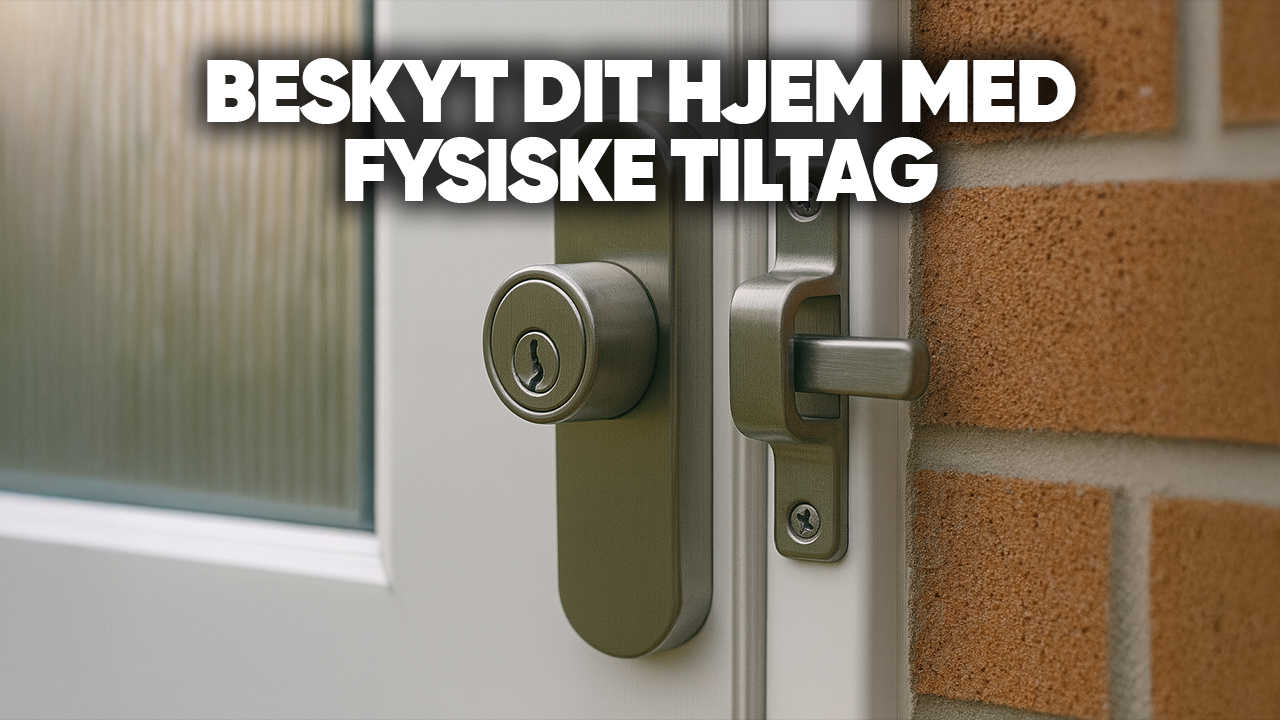
Physical barriers are the first line of defense. Many burglaries happen because the burglar can quickly force open a door or break a window without much resistance.
2.1 Doors and Locks
Approved locks - Always use locks that are certified or approved by insurance companies.
Additional lock - An extra lock makes it much more difficult to force the door open.
Security strike plate - Reinforce the lock area so the door cannot easily be kicked in.
Patio doors and back doors - Do not forget these often-overlooked entrances.
2.2 Windows
- Install keyed window locks.
- Consider security glass or security film that makes the glass more difficult to break.
- Use ventilation locks so you can let fresh air in without making it easy for burglars to enter.
2.3 Gardens, Fences, and Gates
- Trim bushes and hedges so burglars cannot hide behind them.
- Make sure your garden gate can be locked.
- Use motion-sensor lights around entrances.
🔦 Lighting, Alarms, and Surveillance When You Want to Protect Your Home Against Burglary
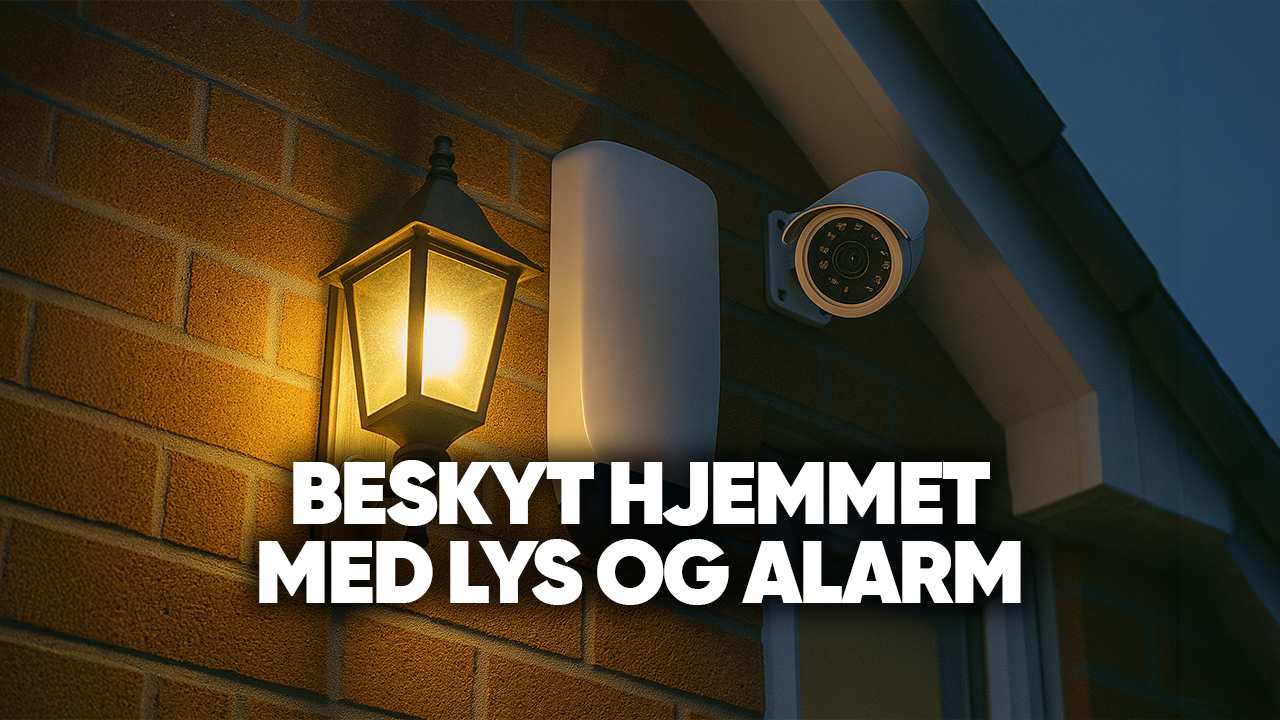
Many burglars give up if they discover that a house has surveillance or an alarm system.
3.1 Outdoor Lighting
- Motion sensors can scare burglars away.
- Timed lights can simulate activity inside the home.
3.2 Alarm Systems
- Local alarm - A siren that scares the burglar away.
- Alarm connected to a monitoring center - Provides a quick response.
- Smart alarm system - Can be controlled through an app and sends notifications.
3.3 Video Surveillance
- Cameras can act as a deterrent simply by being visible.
- Recordings can help the police with their investigation.
- Remember the law - You are only allowed to record your own property.
📱 Smart-Home Technology for Burglary Protection When You Want to Protect Your Home Against Burglary
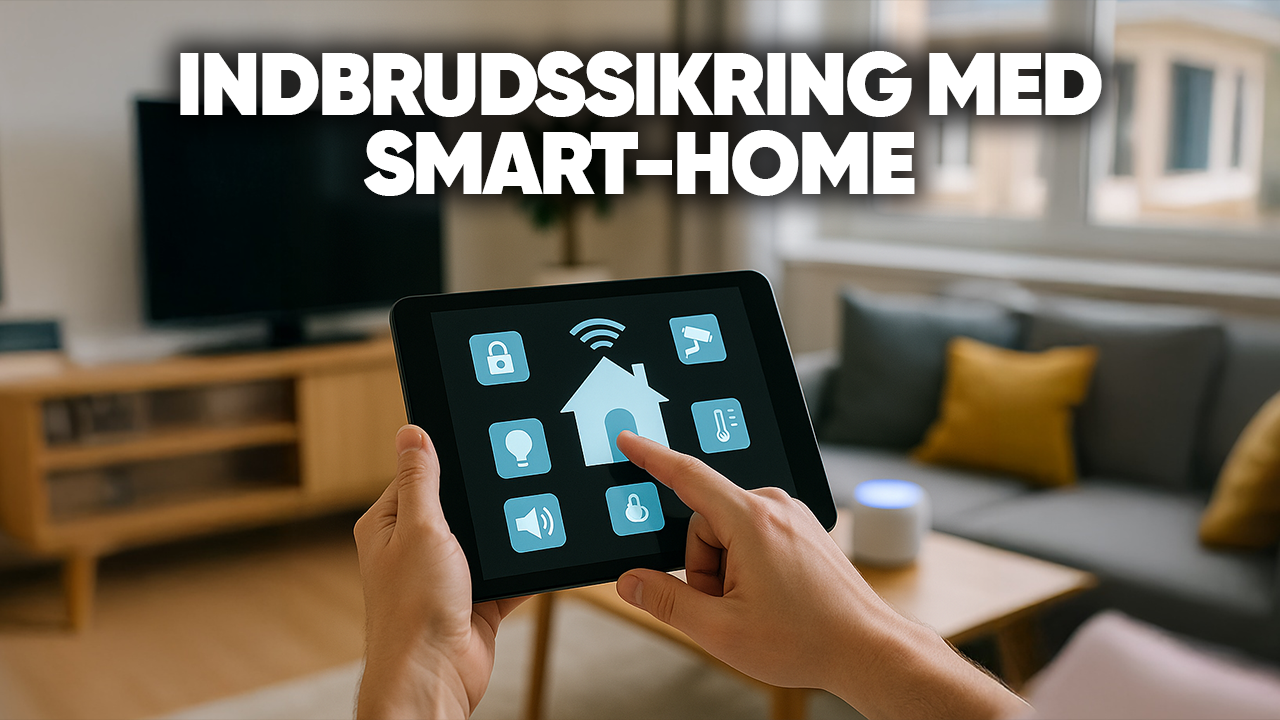
Digital developments have made it possible to automate home security.
Smart door locks - Unlock your door through an app and receive a notification when the door is opened.
Automatic curtains and lights - Make it harder to tell when the house is empty.
Sensors - Monitor movement, vibrations, or break-ins.
Integration - Combine lighting, alarms, and cameras in one system.
👥 Social Support and Neighborhood Watch When You Want to Protect Your Home Against Burglary

A strong neighborhood community is one of the most effective ways to prevent burglary.
- Sign up for Nabohjælp.dk.
- Arrange with neighbors to empty mailboxes, move rubbish bins, and park in each other's driveways.
- Keep an eye out for suspicious activity in the area.
👉 Police statistics show that areas with active neighborhood watch schemes experience fewer burglaries.
🧳 How to Secure Your Home When You Are Away and Want to Protect It Against Burglary
When you travel, your home becomes especially vulnerable.
- Use timed lights or smart bulbs.
- Leave curtains partially open.
- Ask a neighbor to park in your driveway.
- Avoid posting holiday photos on social media while you are away.
- Checklist before leaving - Lock all doors, activate the alarm, and remove valuables from window sills.
📋 Insurance – Your Financial Safety Net When You Want to Protect Your Home Against Burglary
Even the best security measures cannot completely eliminate the risk. Insurance is your financial safety net.
Home contents insurance - Typically covers burglary.
Requirements - Many insurance companies require approved locks.
Documentation - Take photos of valuables and keep receipts.
Additional coverage - Consider separate insurance for jewelry or expensive electronics.
👩🔧 Professional Help – When Should You Bring in the Experts? - When You Want to Protect Your Home Against Burglary
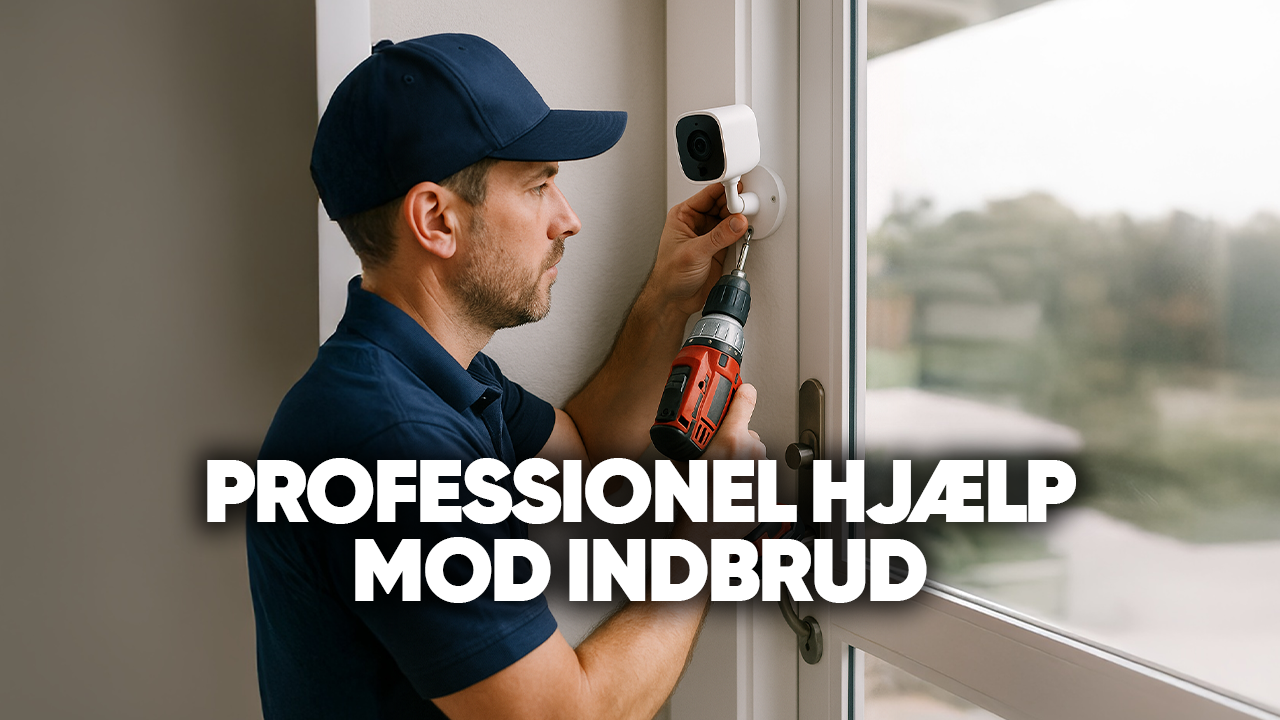
In some cases, it is best to get help from professionals.
Locksmiths - Can assess weaknesses in your locks and doors.
Security companies - Offer complete solutions with alarms and surveillance.
Police crime prevention units - Offer free advice about home security.
💡 Cheap, Quick, and Effective DIY Solutions When You Want to Protect Your Home Against Burglary
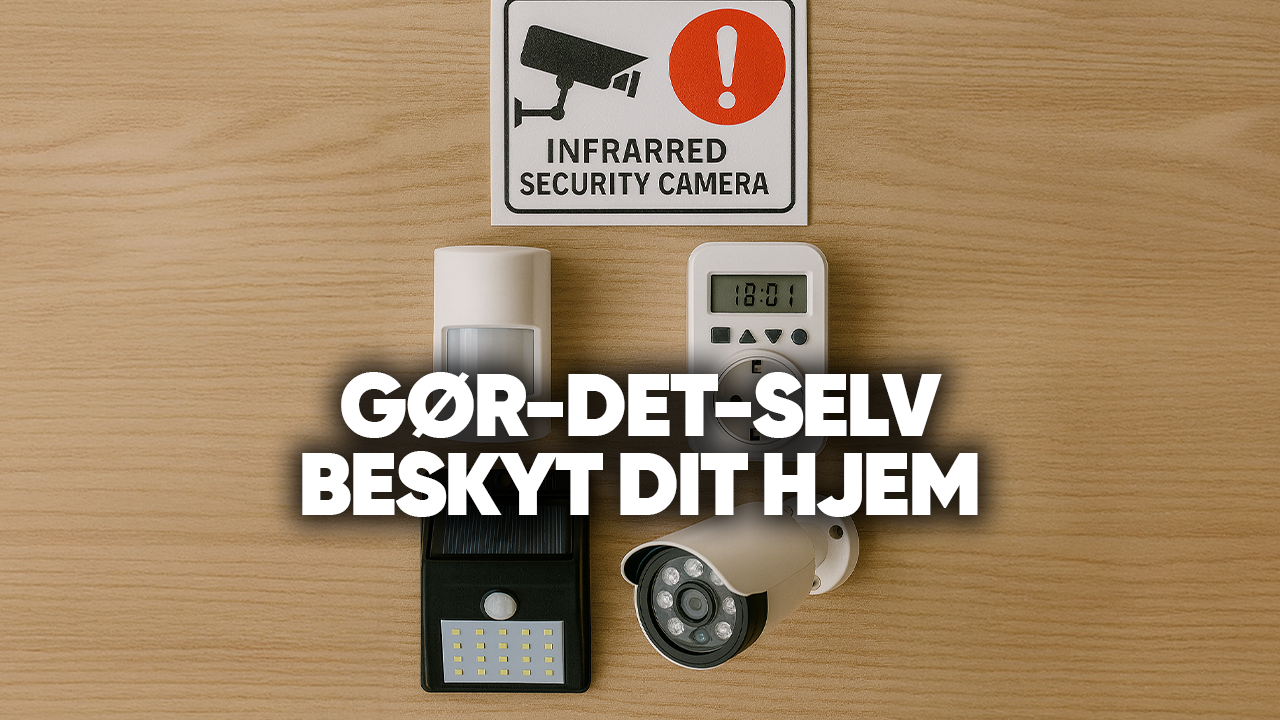
You do not always need to invest large amounts of money. Small tricks can make a big difference.
Alarm signs and stickers – can act as a deterrent even without an alarm system.
Timers on lamps – create the illusion that someone is home.
Fake TV lights – imitate the glow of a television that is switched on.
Simple window locks – can be purchased cheaply and installed yourself.
Solar-powered sensor lights – do not require an electrical connection.
📊 Facts, Statistics, and Myths About Burglaries in Private Homes
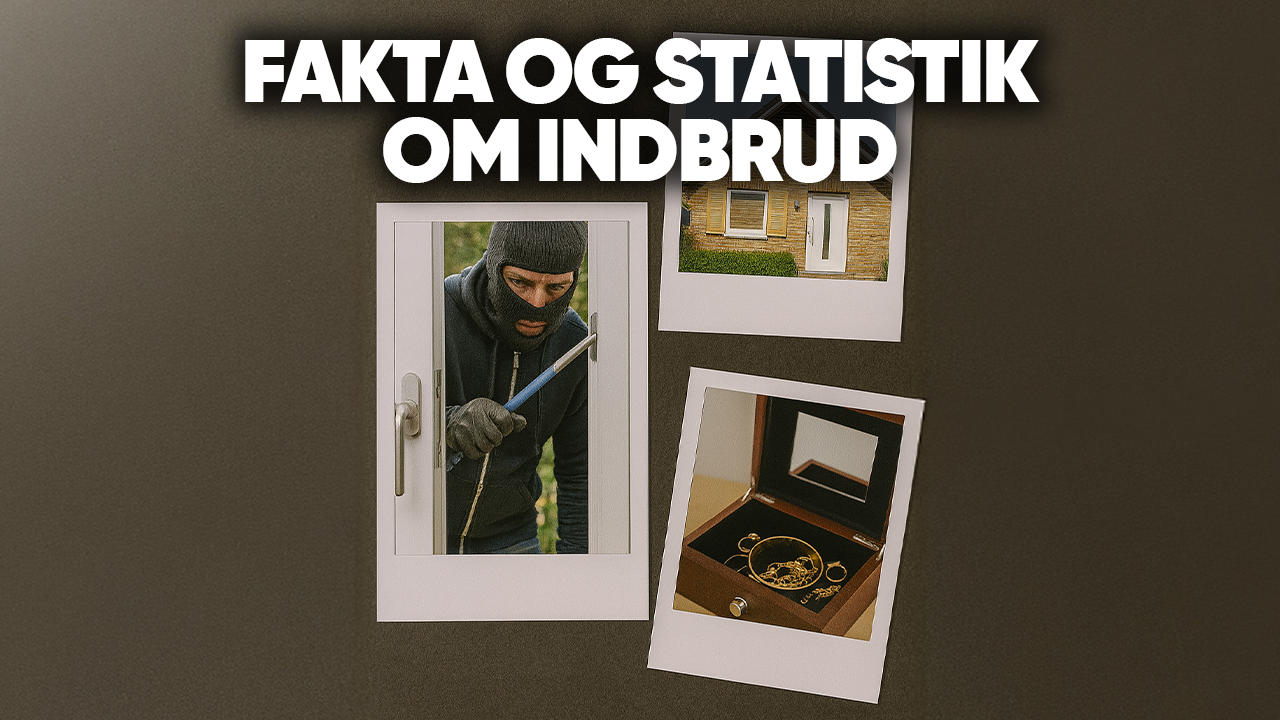
There are many common beliefs about burglary – but not all of them are correct.
Myth - "Only large detached houses are at risk." → Apartments are also vulnerable.
Myth - "Burglars never come when people are home." → Some do, especially if they expect a quick opportunity.
Statistics - According to the Danish National Police, the majority of burglaries happen during the daytime.
Geography - Residential neighborhoods on the outskirts of cities are particularly vulnerable.
✅ Checklist for a Secure Home When You Want to Protect Your Home Against Burglary
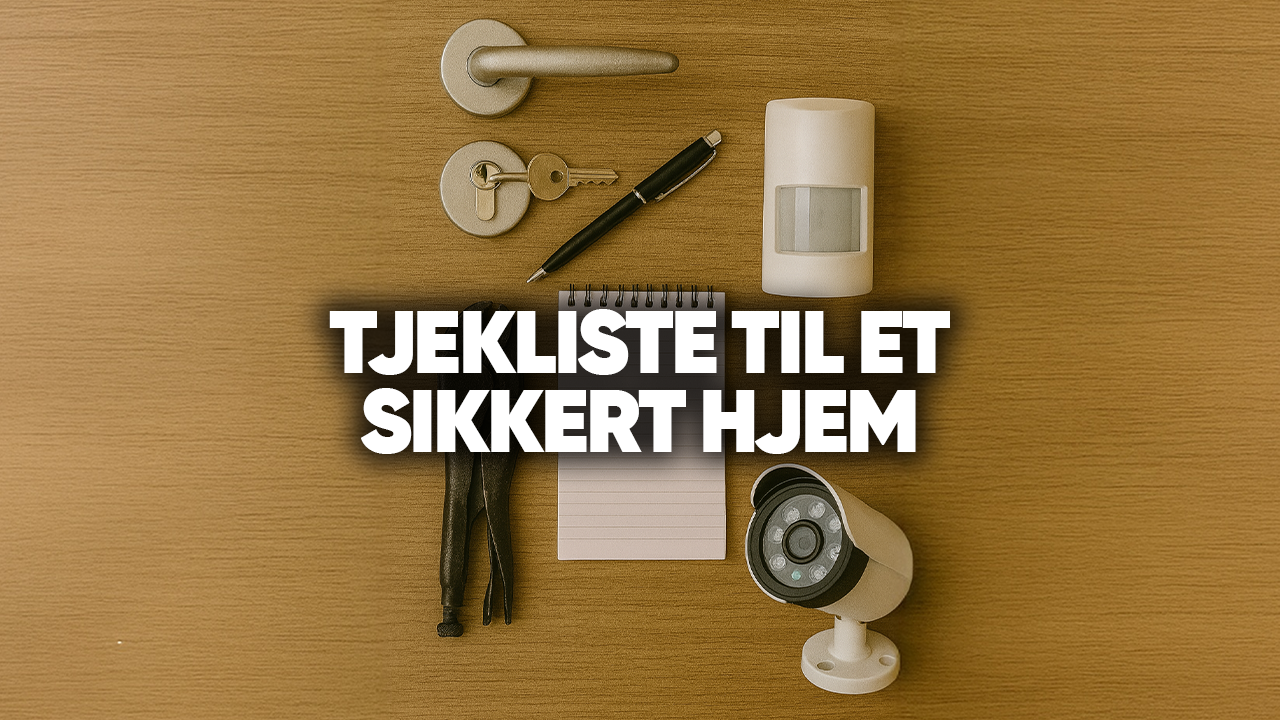
- Do you have approved locks on all doors?
- Are your windows secured with locks or security film?
- Is your home well lit both outside and inside?
- Do you have an alarm system or surveillance?
- Do you have arrangements with neighbors to help keep an eye on your home?
- Are valuables stored discreetly?
- Is your insurance coverage and documentation in order?
🌟 Conclusion – Protecting Your Home Against Burglary Starts with Taking Action
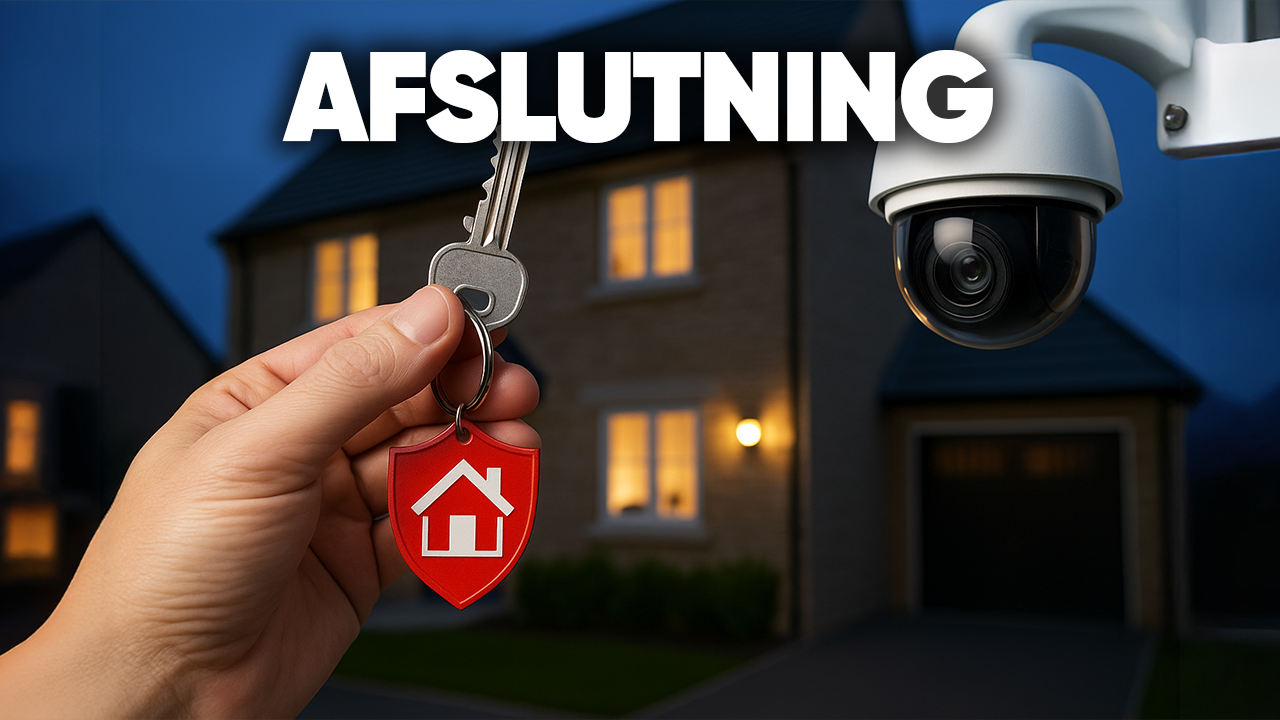
A burglary can never be prevented 100%, but you can make it significantly less likely. By combining physical measures, technological solutions, social networks, and common sense, you can create a home that burglars would prefer to avoid.
It is not only about protecting your belongings, but also about preserving your sense of security – both when you are at home and when you are away.
So ask yourself - Which of these tips can you start putting into practice today? Because the sooner you take action, the safer your home will become.
-------------------
If you have experience and/or knowledge about how to effectively protect your home against burglary, we would be happy to hear your input and/or suggestions in the comments section about other things that can be done to protect a home effectively against burglary and reduce the risk of unwanted "guests" entering your home as much as possible.