

In a busy daily routine, finding any time for exercise can feel like a luxury. Work, family, shopping, cooking and everyday chores quickly fill your diary, and exercise often ends up at the bottom of your to-do list. Many people still associate effective training with long gym sessions, fixed days of the week and advanced programmes – but the truth is, it does not have to be that way at all. You can achieve significant health benefits, increased energy and better fitness even when you only have limited time available.
Effective training is much more about quality than quantity. When time is tight, choosing the right exercises, the right structure and a realistic approach that fits into your daily life becomes especially important. Shorter workouts can actually be more motivating, easier to complete and easier to maintain in the long term – particularly when they are focused and well planned. This is precisely where many people find that small adjustments make a big difference.
In this article, we take a closer look at how you can train effectively, even when time is limited. The focus is on practical solutions that do not require expensive equipment, lengthy preparation or complicated training plans. Whether you are a beginner, have some experience or simply want to get more out of the minutes you actually have available, you will find inspiration and practical approaches that work in everyday life.
The aim is not to squeeze more hours into your schedule, but to make the most of the time you already have. When exercise feels manageable, flexible and suited to your life, it is far more likely to become a regular and natural part of your daily routine. And consistency is the key to health, strength and wellbeing.
Effective training with limited time is fundamentally about making it easy to get started – and even easier to keep going.
Why Is Effective Training Important?
Effective training is essential when daily life is full of commitments and time for exercise is often limited. Many people give up on exercise altogether because they believe it takes long, frequent workouts to make a real difference. In practice, the opposite is often true. When exercise is effective and well planned, even short workouts can make a significant contribution to physical health, mental energy and a better quality of life.
When you train effectively, your body gets more out of the time you invest. This means strengthening your muscles, improving your fitness and burning more calories without spending unnecessary time on exercises that do not match your goals. Effective training involves activating several muscle groups at once, keeping the intensity at an appropriately high level and making progress – even if your workout only lasts 10–20 minutes. This makes exercise far more manageable and realistic in a busy daily routine.
Effective training is also important for motivation. When you see or feel the results of your efforts, maintaining good habits becomes easier. The feeling of completing a short but focused workout can give you a mental boost and strengthen your desire to repeat that success again and again. Over time, it is this regularity that creates lasting improvements in strength, endurance and overall health.
Effective training also plays a central role in preventing lifestyle-related diseases. Regular movement, even in short bursts, can contribute to better blood sugar control, a healthier circulatory system and stronger muscles and joints. When exercise is adapted to your available time and fitness level, the risk of overuse and injury is reduced while your body stays active and moving.
In short, effective training makes it possible to prioritise your health without compromising the rest of your daily life. It is about training smarter rather than training more – so movement becomes a natural part of life, even when your diary is full.
To Sum Up, By Focusing on the Right Exercises and Techniques, You Can
🏃♂️ Improve your fitness and strength.
⚡ Boost your energy and mental clarity.
🛡️ Prevent injuries by training smarter, not harder.
Set Realistic Goals for Your Training

When you have limited time to exercise, setting realistic and specific goals is essential to making the most of the time you have available. Unrealistic expectations of your training often lead to disappointment and a lack of motivation — while small, achievable goals make it easier to establish a consistent exercise routine.
A clear training goal helps you focus your efforts and gives your workouts a sense of direction. When you know what you want to achieve, choosing exercises, planning your time and noticing progress becomes easier — even with just a few minutes a day.
Define Your Training Goals
Weight Loss - Focus on high-intensity training that burns calories.
Strength - Prioritise exercises that work several muscle groups at the same time.
Fitness - Include short, intense cardio sessions, such as interval training.
Wellbeing - Incorporate stretching and relaxation exercises.
Use SMART Goals in Your Training
Specific - What do you want to achieve? For example, “run 5 km without stopping.”
Measurable - Can you track your progress?
Appealing - Is the goal motivating for you?
Realistic - Can you achieve it within your timeframe?
Time-bound - When do you want to reach your goal?
Inspiration for Setting Realistic Training Goals
🏁 Start Small and Build Up Over Time When Training Time Is Limited
When you only have limited time to exercise, it is important to start small and avoid placing unrealistic demands on yourself. Even short workouts of 10–15 minutes can make a big difference if you do them regularly. By building up gradually, you avoid feeling overwhelmed — and ensure that exercising with limited time becomes a habit you can actually maintain.
📅 Create a Manageable Workout Plan for Days When Time Is Limited
A clear and realistic plan is essential when time is tight. Create a weekly schedule with short, regular workouts that fit easily into your daily routine. Having a consistent structure makes it easier to prioritise exercise when time is limited — even on busy days.
🎯 Set Specific and Measurable Training Goals When Time Is Limited
When you do not have hours to spare, your goals need to be precise and realistic. Instead of aiming for long workouts, you could decide to exercise three times a week for 15 minutes. This makes your efforts tangible and easy to track — and helps you see results quickly, even with limited training time.
🪜 Focus on Progress, Not Perfection, When Training Time Is Limited
When time is limited, the aim is not to complete the perfect workout — it is to build consistency. Small improvements over time will deliver far better results than unrealistic goals you cannot maintain. Every workout counts, especially when you exercise regularly.
⏰ Adapt Your Training Goals to the Time You Have Available
Instead of pushing yourself to find time you do not have, adapt your workouts to your diary. Training with limited time is about making the most of shorter sessions — for example, through higher intensity or a focused full-body exercise rather than long sessions.
🧠 Build Motivation with Smaller Milestones When Training Time Is Limited
Staying motivated is easier when you have small, manageable milestones. Reward yourself when you reach them — and use those small victories as fuel to keep going. Training with limited time can still deliver great results if you focus on progress rather than perfection.
🔁 Adjust Your Goals Regularly to Make the Most of Limited Training Time
Life changes, and your training goals should change with it. One week, you might only have 10 minutes a day, while the next you may have a little more. Adjusting your goals along the way helps you stay flexible and ensures that exercise always fits into your daily life — without guilt.
REMEMBER - When you set realistic goals, exercising with limited time becomes a manageable and effective part of your daily routine rather than a source of stress.
Make the Most of Short Workouts

When you only have a little time available for exercise, it is not about training for hours — it is about making effective use of short workouts. Although 10–20 minutes of exercise may not sound like much, training with limited time can be intense, focused and highly effective if you use that time well.
By structuring short workouts thoughtfully, you can raise your heart rate, strengthen your body and improve your fitness — without advanced equipment or a trip to the gym. The most important thing is quality over quantity in your training – 15 minutes of focused effort is better than a long workout you cannot maintain.
Here Are Some Methods for Training with Limited Time:
HIIT (High-Intensity Interval Training)
HIIT is a form of training that combines short periods of high-intensity activity with brief rest periods. It is ideal when you have limited time.
Example (10 minutes):
🔥 30 seconds of burpees.
⏸️ 30 seconds of rest.
🤸♂️ 30 seconds of jump squats.
⏸️ 30 seconds of rest.
🔁 Repeat for 4 rounds.
Tabata
⏱️ Tabata is a short but intense form of HIIT. You work for 20 seconds and rest for 10 seconds for 8 rounds (4 minutes).
🏋️♂️ Exercises such as squats, push-ups or mountain climbers work well for Tabata.
Circuit Training
🔄 Circuit training combines several exercises without long breaks.
🏋️♂️ Choose 5–6 exercises (e.g. the plank, lunges, push-ups) and perform each for 1 minute. Repeat the circuit 2–3 times.
Inspiration for Making Effective Use of Short Workouts
🏃 Choose Exercises That Deliver Results When Training Time Is Limited
When you have limited time to exercise, it is important to choose exercises that deliver the greatest benefits in the shortest possible time. Full-body exercises such as squats, push-ups, lunges and the plank activate several muscle groups at once and quickly raise your heart rate. This way, you can make the most of even 10–15 minutes of exercise.
⏰ Use High-Intensity Interval Training (HIIT) to Train Effectively with Limited Time
Interval training is ideal when you only have a short amount of time available. By working in short, intense intervals with brief breaks in between, you can significantly raise your heart rate and burn plenty of calories in a short time. HIIT fits perfectly into short workouts and requires little space or equipment.
🧍 Focus on Full-Body Exercises When Your Workout Time Is Short
When time is tight, focus on exercises that work several muscle groups at once. Exercises such as burpees, jumping jacks and mountain climbers combine strength and cardiovascular training. This is an effective way to get the most out of training with limited time.
🪜 Work in Time Blocks to Structure Your Training When Time Is Limited
A good way to stay focused during short workouts is to divide them into time blocks — for example, 5, 10 or 15 minutes.
Decide in advance how long you will exercise for, and stay focused throughout that time. This makes your workout more effective and minimises wasted time.
💪 Use Your Own Body Weight to Exercise When Time Is Limited
One of the biggest advantages of training with limited time is that you can have an effective workout without equipment. Using your own body weight, you can perform simple but intense exercises such as the plank, squats or push-ups anywhere, at any time. This removes a barrier to getting started.
🧭 Plan Short Workouts in Advance When Time Is Limited
When you already know which exercises you are going to do, you do not waste time deciding how to train. A clear workout plan makes it easier to get started and stay focused. Planning short workouts in advance makes training with limited time more effective and purposeful.
🔁 Repeat Short Workouts Frequently for Significant Benefits Over Time
Many short workouts can be at least as effective as a few long ones. By repeating short sessions several times a week, you can establish a strong exercise habit and achieve significant results — even with limited time available. Consistency beats intensity in the long run.
REMEMBER - Short workouts are not a last resort — they are an effective training strategy. Training with limited time can deliver impressive results when you focus on quality, structure and regularity.
Plan Your Training Strategically
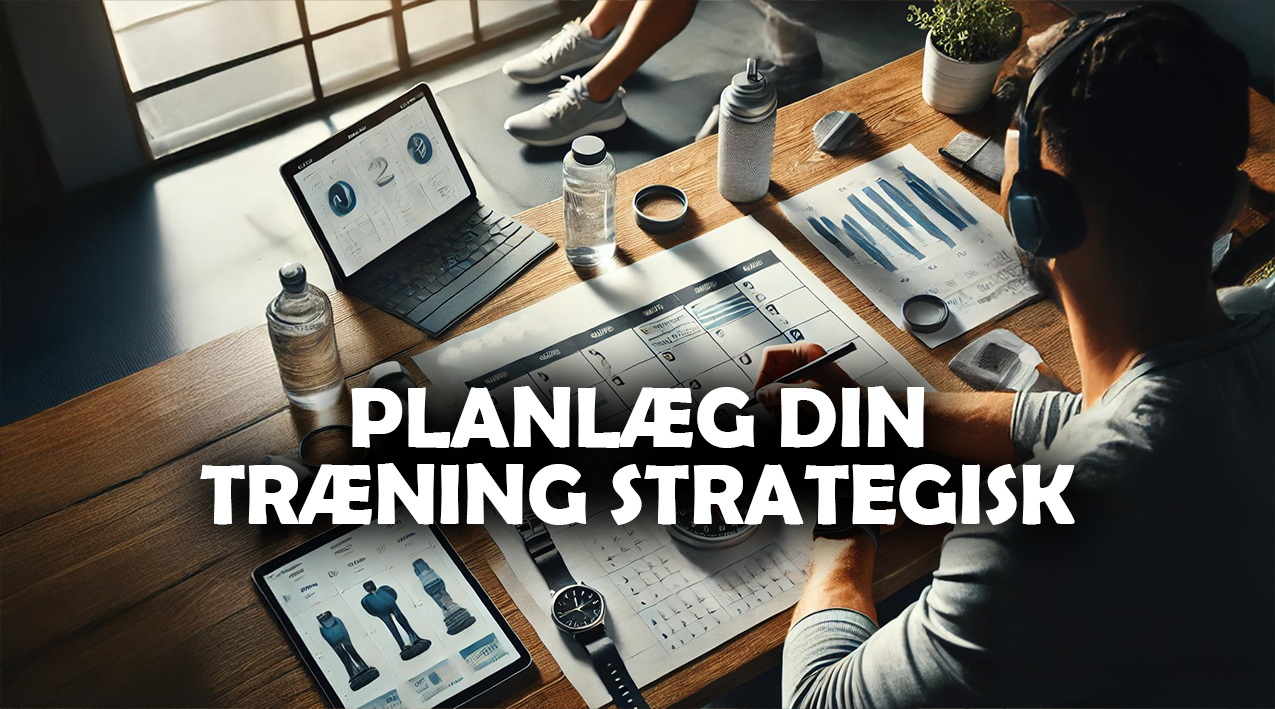
When you have a busy daily routine, it is not necessarily more training that delivers results — it is smarter training. A good strategy makes training with limited time both more focused and effective. By planning your workouts in advance, you avoid wasting time deciding what to do and ensure that you make the most of every minute. For example, you could walk or cycle to work on certain days of the week, if possible.
Planning your training strategically is not about filling your diary with demanding workouts, but about creating a realistic plan that suits your daily life and goals. This allows you to exercise consistently, even when time is limited.
Inspiration for Planning Your Training Strategically When Time Is Limited
📅 Establish a Regular Weekly Training Routine Even When Time Is Limited
A regular routine makes it easier to keep exercising, even when time is tight. Set aside specific days and times for exercise so that it becomes a natural part of your daily life. For example, you can use a calendar or fitness apps to keep track of your workout plan. Training with limited time is about using your time wisely — and a clear training structure helps you avoid procrastination.
⏰ Prioritise the Most Important Exercises First When Training Time Is Limited
When you only have a short amount of time available, focus on the type of training that delivers the greatest benefits. Start your workout with the most effective exercises so that you get the most out of every minute. This approach ensures that training with limited time still feels effective and purposeful.
🏃 Make Use of Small Pockets of Time for Exercise Throughout Your Day
You do not need to set aside a whole hour to have a good workout. Short sessions of 5–15 minutes can be enough if you plan them strategically. Use breaks during the day, such as before dinner or after work, for quick workouts. These small pockets of time can make a big difference to your training over time.
🧭 Plan Your Exercises in Advance When Training Time Is Limited
When you already know which exercises you will be doing, you do not waste precious minutes deciding how to train. Create a short plan for each session — for example, “5 minutes of warming up, 10 minutes of strength training, 5 minutes of core exercises.” A clear training structure makes it easy to get started and complete a focused workout, even with limited time.
🪜 Plan Short, Realistic Workouts That Fit into Your Diary
Training with limited time requires realistic goals. Instead of squeezing long workouts into a busy day, you can plan short, effective sessions. For example, you could do brief exercises such as squats or the plank while watching TV or waiting for food to cook in the oven. This makes it much more likely that you will actually exercise — and keeps your motivation high.
🎯 Set Clear Goals for Each Workout When Time Is Limited
A short workout without a goal can quickly feel unstructured. Defining what you want to achieve in each session makes your training more focused. Your goal could be to raise your heart rate, strengthen your legs or perform a quick full-body exercise. Clear training goals make workouts more effective when time is limited.
🔁 Adjust Your Workout Plan Regularly to Keep Exercising When Time Is Limited
Life changes — and your workout plan should change with it. Some days, you may only have 10 minutes; on others, you may have a little more. Adjusting your workout plan to suit your daily life keeps your training flexible and realistic, making you more likely to stick with it in the long term.
REMEMBER - Planning your training strategically is the key to making the most of limited training time. With a clear structure, realistic goals and flexibility, even short workouts can deliver great results.
Prioritise Exercises That Deliver the Greatest Benefits

When you have limited time to exercise, it is especially important to choose exercises that deliver the greatest benefits in the shortest time. Instead of spreading your efforts across lots of smaller exercises, you can focus on those that activate several muscle groups at once, improve your fitness and deliver solid results — even on busy days.
Getting more value from your training is not necessarily about pushing yourself harder, but about training smarter. By prioritising exercises that deliver the greatest benefits, you can achieve good results with shorter workouts — without compromising their effectiveness.
Inspiration for Exercises That Deliver the Greatest Benefits When Time Is Limited
🏋️ Focus on Full-Body Exercises to Make the Most of Limited Training Time
When time is tight, choose exercises that work several muscle groups simultaneously, delivering maximum benefits in a short time.
These full-body exercises activate several muscle groups at once:
Squats - Work your legs, glutes and core.
Push-ups - Work your chest, shoulders and triceps.
The Plank - Works your core and improves stability.
Burpees - Burn calories and strengthen your whole body.
This approach to full-body exercise makes training with limited time more focused and effective.
🏃 Choose Exercises That Raise Your Heart Rate to Make the Most of Short Workouts
Including exercises that raise your heart rate — such as jumping jacks, high knees or quick lunges — combines strength and cardiovascular training. This type of exercise is ideal for short, intense sessions and delivers noticeable results, even when your training time is limited.
🪜 Prioritise Functional Exercises When Training Time Is Limited
Functional exercises mimic natural everyday movements, making them particularly effective when you have limited time to exercise. Exercises such as step-ups, squats or push-ups strengthen several muscle groups at once and make your body stronger for everyday activities.
⏰ Choose Exercises That Require Minimal Set-Up for Maximum Benefits in Short Workouts
When you only have a few minutes to exercise, that time should be spent on the exercises themselves — not setting up. Choose simple exercises you can get started with quickly, such as push-ups, squats or the plank. Less preparation means more time to exercise, which is essential when your training time is limited.
💪 Combine Strength and Cardio in the Same Exercise When Time Is Limited
To make the most of limited training time, choose exercises that combine strength work with raising your heart rate. Burpees, squats into overhead presses or reverse lunges with arm raises are good examples of exercises that combine these effectively. This allows you to work your whole body in a short time and save valuable minutes.
🧠 Choose Exercises That Match Your Goals When Training Time Is Limited
When you only have a short amount of time available, focus on exercises that support your specific goals — for example, strength, weight loss or improved fitness. This makes your training more focused and ensures that every minute contributes to the results you want.
🔁 Focus on Quality over Quantity When Training Time Is Limited
More repetitions are not always better — especially if your technique suffers. When training with limited time, it is important to perform exercises correctly and with control. Fewer, well-executed exercises deliver better results than lots of poorly performed ones. Quality delivers maximum benefits, even in a short time.
REMEMBER - By prioritising exercises that deliver the greatest benefits, you get more out of every minute of your workout. Training with limited time is not about training harder — it is about training smarter, with a focus on quality.
Use Short Breaks Throughout the Day for Exercise

One of the most effective strategies for training with limited time is to use the small pockets of time you already have throughout the day. You do not need to set aside a whole hour to get results — 5 to 10 minutes of focused movement at a time can make a big difference to your training over time.
Short workouts during breaks give you flexibility and make it easier to fit exercise into a busy daily routine. It is not about completing an entire workout in one go, but about making effective use of moments throughout the day to exercise.
Inspiration for Using Short Breaks Throughout the Day for Exercise
🧍 Do Short, Simple Exercises During Your Everyday Breaks When Time Is Limited
When you are busy, even a few minutes of exercise can have a significant effect. Use breaks for simple exercises such as squats, jumping jacks or the plank — they require neither equipment nor much space. Training with limited time is all about making effective use of these small opportunities throughout the day.
🪜 Use Morning Breaks to Get Your Body Moving with a Short Workout
Start the day with a quick exercise boost. Just 5 minutes of movement in the morning can increase your energy and establish a positive rhythm for the rest of the day. Exercises such as high knees, push-ups or a quick core routine are ideal when you have limited time to exercise.
🧭 Include Mini Workouts in Your Working Day When Time Is Limited
Even a sedentary working day can easily accommodate short workouts. Take 5–10 minutes to stretch your body, do lunges or walk on the spot. Brief moments of exercise throughout the day can renew your energy and improve your focus — and make training with limited time far more manageable.
🏃 Turn Travel or Waiting Time into Active Time with Small Bursts of Exercise
Instead of seeing waiting time as wasted time, you can use it to be active. For example, you could take the stairs instead of the lift. Go for a short walk, do some standing exercises or make a few quick movements to get your body moving. Training with limited time is about thinking creatively and making use of moments when you would otherwise be sitting still.
⏰ Add “Movement Breaks” to Your Diary to Structure Exercise When Time Is Limited
Schedule short movement breaks just as you would schedule meetings. Two or three regular exercise breaks throughout the day can quickly add up to 15–20 minutes of effective exercise — without having to change your entire day. Giving it some structure makes training with limited time easier to fit in.
💪 Repeat Short Workouts Several Times a Day to Maximise the Benefits
A few minutes here and there can quickly add up to a full workout. By repeating short workouts 2–4 times a day, you can achieve a combined effect comparable to longer training sessions. For example, you could do 10 squats when you get up from your chair, repeating this 2–4 times. Training with limited time is not about maintaining intensity all the time — it is about building momentum throughout the day.
🪴 Use Breaks for Simple Full-Body Exercises to Make Quick and Effective Use of Your Time
When you want to get the most out of your limited training time, full-body exercises are ideal. They activate several muscle groups and raise your heart rate within minutes. Exercises such as burpees, squats with arm raises or jumping jacks are ideal for training with limited time — and can be performed almost anywhere.
REMEMBER - Short workouts during your daily breaks can have a significant effect over time. When you make training with limited time a natural part of your daily routine, it becomes easier to stay active, even on busy days.
Use Technology to Optimise Your Training

When you have limited time to exercise, technology can be a huge help in making the most of every minute. With the right digital tools, you can plan, structure and streamline your workouts so that you do not waste time deciding what to do.
Training with limited time is about training smarter — and technology can help you stay focused, maintain your motivation and track your progress. Using technology effectively therefore makes it easier to stick to an effective exercise routine, even when daily life is busy.
Inspiration for Using Technology to Optimise Training with Limited Time
⏰ Use Fitness Apps to Structure Your Workouts When Time Is Limited
When you only have a short amount of time to exercise, a good fitness app can save you both time and energy. Many apps offer ready-made programmes, so you do not have to spend time planning. With a few taps, you can start a short workout and follow a clear, effective programme that fits into your daily life. You can use apps such as Nike Training Club, Seven or Freeletics to find short, focused training programmes.
🏃 Follow Guided Exercise Videos to Get the Most out of Limited Training Time
Guided workout videos are ideal when you want to exercise effectively without having to think about which exercises to do.
The videos demonstrate the pace, technique and duration, so you can simply follow along. YouTube has many free workout videos suited to short periods of time, and channels such as Fitness Blender and MadFit offer 10–15-minute workouts, for example. This makes training with limited time far more focused and eliminates wasted time.
📅 Set Up Notifications and Reminders to Keep Exercising When Time Is Limited
Even the best intentions to exercise can get lost in a busy daily routine. Using notifications and reminders on your phone or smartwatch can help ensure that your workouts are not forgotten. Small digital “nudges” help you prioritise exercise, even when time is tight.
📊 Track Your Progress with Apps or Watches When Training Time Is Limited
Being able to follow your progress is a powerful motivator. With a fitness app or smartwatch, you can track your time, heart rate, calories burned and progress over time. You can use fitness trackers such as Fitbit or Garmin, which can motivate you to move more and track your progress. This gives you a clear picture of how even short workouts contribute to your results — and keeps you motivated to continue exercising.
🧭 Choose Apps That Match Your Available Time for Effective Short Workouts
Many modern fitness apps allow you to choose workouts based on how much time you have. Five, 10 or 20 minutes — whatever fits into your day. This makes training with limited time far more flexible and realistic, even on busy days.
🔁 Use Interval Timers for Short, Effective Workouts
An interval timer is a simple but powerful tool when you want to train effectively with limited time. By setting precise work and rest periods, you can complete a focused workout without constantly checking the clock. This brings structure and intensity to even the shortest sessions.
🪜 Add Variety with Digital Training Programmes When Time Is Limited
Doing the same exercises every day can quickly become repetitive. Digital training programmes allow you to vary the exercises, pace and areas of focus without having to plan everything yourself. This keeps training with limited time fresh, fun and motivating — and makes you more likely to stick to your exercise routine.
REMEMBER - Technology can transform training with limited time from something you “try to fit in” into a regular and effective part of your daily life. With the right digital tools, your workouts become easier to start and more enjoyable to maintain, including in the long term.
You can read more about apps that can help optimise your training in our article - Practical Tips for Apps That Can Track Your Training Routine
Include Active Recovery in Your Training

When you train with limited time, it is easy to focus solely on intensity — but recovery is just as important as the exercise itself. Active recovery is not about lying still, but about allowing your body to recover through gentle movement that increases blood circulation and reduces muscle tension.
By incorporating active recovery into your exercise routine, you can shorten recovery time, reduce the risk of injury and maintain your motivation. This means you can train more often and more effectively, even when time is limited.
Inspiration for Active Recovery as Part of Training with Limited Time
🧘 Do Gentle Stretches After Training with Limited Time
After an intense workout, it is important to give your body the opportunity to relax and recover. Gentle stretches after a short workout release muscle tension, improve flexibility and help your body transition calmly from activity to rest. Even a few minutes of stretching can make a big difference to how your body feels afterwards.
🚶 Take a Short Walk as an Active Break on Busy Days
Even a short walk can have a significant effect on recovery, especially when your training time is limited. A gentle walk increases blood circulation, helps remove waste products from your muscles and reduces fatigue. It is a simple, time-saving way to support your body between workouts.
🪜 Use Gentle Mobility Exercises on Days with Shorter Workouts
Mobility exercises are an effective way to keep your body active without overloading it. When you have limited time to train, a few minutes of gentle mobility work on “easy” days can keep you moving while allowing your body the recovery it needs. Examples include hip circles, shoulder rotations or gentle stretches. You can also use a foam roller to release tight muscles and improve blood circulation.
🧊 Include Gentle “Recovery Sessions” in Your Training Plan When Time Is Tight
Active recovery can be planned and purposeful. Setting aside days or short sessions for restorative movement gives your body time to rebuild. This means you can train more often and with better quality — even with limited time in your diary.
🌬️ Combine Breathing Exercises with Gentle Movement After Short Workouts
Calm breathing exercises combined with gentle movement are a simple way to encourage recovery. Deep breathing reduces stress, lowers your heart rate and signals to your body that it is time to relax. You can also spend 5–10 minutes after exercise doing dynamic stretches or a short yoga session. Apps such as Down Dog offer short yoga programmes, for example. When you train with limited time, even a few minutes of focused breathing and/or yoga exercises can have a noticeable effect.
🏃 Include an Active Warm-Up as Part of Recovery During Shorter Workouts
Warming up does not have to happen only before exercise. A short, gentle sequence of light movement after a demanding workout can help your body recover faster. This could include light jogging, rotations or dynamic stretches that keep your blood circulating after a short workout.
🪴 Listen to Your Body and Adjust the Intensity When Time Is Limited
Active recovery is about balance. If your body feels heavy or overworked after exercise, it is important to adjust the intensity. On some days, a short, gentle exercise routine is more valuable than another demanding workout. When you train with limited time, this flexibility can be essential for avoiding injuries and overtraining.
REMEMBER - Active recovery allows you to train smarter — not harder. When you have limited time, small, targeted and carefully considered recovery exercises can give you more energy, faster training progress and greater enjoyment of exercise.
Stay Motivated to Exercise

When you have limited time to exercise, motivation is essential for sticking to your training routine. Even the best workout plans fall apart if the desire is missing. Fortunately, there are many simple strategies that can help you maintain your enjoyment of exercise and stay motivated, even on busy days.
Motivation does not have to come naturally — it can be developed and strengthened through small, conscious and carefully considered habits. When you find what motivates you personally, training with limited time becomes both easier and more enjoyable to fit into everyday life.
Inspiration for Staying Motivated When Training Time Is Limited
🏁 Set Clear and Realistic Goals for Training with Limited Time
Motivation often comes from having something specific to work towards. When your training time is limited, it is especially important to set clear, achievable goals — for example, “I will exercise for 10 minutes three times a week” or “I want to be able to do 20 push-ups without a break”. Realistic goals give you a clear direction, helping you stay motivated over time.
🧭 Establish a Regular Exercise Routine When Time Is Limited
A regular routine removes the need to “make a decision” every day. When exercise has a fixed place in your diary, it becomes easier to show up — even on busy days. Training with limited time feels more natural when you make it a regular part of your day, such as in the morning, during your lunch break or straight after work.
📅 Celebrate Small Improvements Along the Way When Training Time Is Limited
Recognising your own progress strengthens your motivation. Even small victories — such as exercising for a minute longer or performing an exercise with better technique — deserve to be celebrated. When you train with limited time, these small improvements can be crucial to feeling motivated to continue.
🤝 Exercise with Others to Build Motivation When Time Is Limited
Sharing your exercise experience with a friend, partner or colleague can make a huge difference to your motivation. Training with limited time often feels easier and more enjoyable when you have someone to share it with. It also creates a positive sense of commitment, because you are not just exercising for yourself — you are exercising alongside others too.
🪜 Make Your Workouts Fun and Varied When Time Is Limited
Repetitive workouts kill motivation. When you have limited time available, it is important to choose exercises and activities you actually look forward to. These could include short HIIT sessions, dance fitness, exercising to music or outdoor workouts. You can also alternate between strength training, cardio and yoga to keep your workouts motivating and exciting. Variety makes training with limited time both more enjoyable and easier to maintain.
🧠 Remind Yourself of Your Reasons for Exercising When Time Is Limited
On days when your motivation to exercise is low, it helps to return to your personal “why”.
Perhaps you want more energy, to become stronger or to improve your wellbeing. When you train with limited time, this reminder may be just what you need to complete a short workout rather than skip it.
🪞 Visualise Your Results to Stay Motivated When Training Time Is Limited
Imagine how you will feel physically and mentally if you stick to your exercise routine. Visualisation is a powerful tool in training because it makes your goals feel more concrete and immediate. When you can picture your results, it becomes easier to stay focused — even when time is tight.
REMEMBER - Motivation is not a matter of chance — it can be cultivated thoughtfully and consciously. By finding small, effective ways to stay motivated, training with limited time can become a regular and motivating part of your everyday life.
You can read more tips on staying motivated to exercise in our article - Practical Tips for Staying Motivated to Exercise All Year Round
Combine Exercise with a Healthy Diet

When you train with limited time, your diet plays an even more important role. You can maximise the benefits of your short workouts by supporting your body with nutritious food before and after exercise. A healthy diet gives you the energy to perform better, helps your body recover faster and supports your long-term training goals.
Diet and exercise are closely linked — especially when time is tight. Even small adjustments to your eating habits can make a big difference to your energy, endurance and motivation to exercise. It is not about restrictions, but about making smart, healthy food choices that work with your training rather than against it.
Inspiration for Combining Training with Limited Time and a Healthy Diet
🥗 Eat Energy-Boosting Meals Before Training with Limited Time
When you only have a short time to exercise, it is important that your body has the right fuel. A light meal containing carbohydrates and protein — such as porridge with fruit, a smoothie or a banana with nuts — around 30 minutes before your workout can give you the energy boost you need to perform at your best during a short session.
🧃 Choose Nutritious Snacks After Exercise for Faster Recovery
After a short, intense workout, it is important to give your body the nutrients it needs to rebuild muscles and replenish its energy stores. A protein-rich snack or a small meal containing healthy fats and fibre can support recovery, helping you get the most out of your limited training time. You can find inspiration for healthy snacks in our article - Practical Tips for Budget-Friendly and Healthy Snacks for the Family
🕒 Plan Meals and Snacks to Support Exercise on Busy Days
When time is tight, spontaneous food choices can easily lead to quick, unhealthy options. Planning your meals and healthy snacks in advance ensures that your body has what it needs to perform during exercise. Good meal planning means you can focus on your short workouts — without worrying about what to eat.
🧠 Focus on Protein and Fibre for Steady Energy During Shorter Workouts
Protein helps build and repair muscles, while fibre provides steady, lasting energy. This combination is particularly important when you have limited time to exercise because it keeps your energy levels stable and helps you perform at your best — even during short, intense workouts.
💧 Drink Enough Water Before, During and After Exercise When Time Is Limited
Hydration has a significant impact on both performance and recovery. Even mild dehydration can negatively affect your workout, especially when you exercise in short, intense bursts. Drinking water regularly throughout the day prepares you to perform at your best — even when your training time is limited.
🧺 Prepare Easy, Healthy Meals in Advance to Support Training with Limited Time
Meal preparation is an effective way to save time while ensuring that you eat healthily. Having healthy meals ready in advance helps you avoid stress and unhealthy choices, while giving you the right energy for both everyday life and exercise. This makes it easier to fit training with limited time into a busy daily routine.
🥑 Create a Sustainable Balance Between Your Diet and Short Workouts
Diet and exercise should support each other — not compete. When you train with limited time, it is not about extreme diets, but about finding a steady, sustainable exercise routine. A good balance between healthy eating and exercise that suits your needs delivers the best long-term results.
REMEMBER - When you combine healthy eating and exercise effectively with limited time available, you get far more out of your training. The right combination gives you more energy, better recovery and a stronger body — without requiring extra time in your diary.
Find more ideas for combining exercise with healthy eating in our article - Practical Tips for Combining Exercise and Diet for Optimal Results
Example of a Weekly Workout Plan (20–30 Minutes of Exercise)

When you have limited time to exercise, it is not about training for as long as possible – it is about training effectively and intelligently. Even 20–30 minutes of focused exercise a day can deliver significant results if you structure your week with a good balance of strength training, cardio, mobility and recovery.
A short, well-planned weekly workout schedule helps you stay focused, avoid wasting time and ensure that your body gets the variety of exercise it needs.
Below Is a Simple Example You Can Adapt to Your Daily Routine and Training Goals
🏋️ Monday – Full-Body Strength Training
Start the week with exercises that activate large muscle groups. Focus on squats, lunges, push-ups and the plank. The aim is to strengthen your body and build a solid foundation for the rest of the week.
⏱️ Duration: 25–30 minutes.
🏃 Tuesday – Cardio to Raise Your Heart Rate
Do a short but intense cardio workout, such as interval walking, running, cycling or HIIT. This type of exercise raises your heart rate and improves your fitness in a short time.
⏱️ Duration: 20–25 minutes.
🧘 Wednesday – Mobility and Active Recovery
Give your body a break from demanding workouts with gentle exercises, stretches and mobility work. This improves flexibility and helps your body recover so that you can perform better during the rest of the week.
⏱️ Duration: 20–30 minutes.
🪜 Thursday – Focus on Core and Stability Training
Work your abdominal and back muscles with exercises such as the plank, bicycle crunches, leg raises and superman. A strong core supports all other training and helps prevent injuries.
⏱️ Duration: 20–25 minutes.
🏃♀️ Friday – Quick HIIT Session
A short, intense workout with an elevated heart rate and brief rest periods. Combine exercises such as jumping jacks, burpees, squat jumps and mountain climbers. Perfect for working up a sweat in minimal time.
⏱️ Duration: 20 minutes.
🚶 Saturday – An Active Break from Training and Gentle Movement
Go for a walk, take a gentle bike ride or do some light stretching. Active recovery keeps your body moving without overloading it.
⏱️ Duration: 20–30 minutes.
🧘 Sunday – Stretching, Balance and Mental Relaxation
Finish the week with gentle exercise, such as yoga or light mobility work. Focus on loosening up your body, finding calm and preparing yourself for a new week of training.
⏱️ Duration: 20–25 minutes.
👉 This example of a weekly workout plan for those with limited time is flexible and can be adapted to your daily routine. By structuring your training strategically, you can build consistency, variety and good results – without spending hours in the gym.
Conclusion

Effective training is not necessarily about spending hours in the gym – it is about making the best possible use of the time you have. Even short workouts of 20–30 minutes can deliver significant results if you plan wisely, prioritise exercises that offer the greatest benefits and maintain a consistent exercise routine.
When you combine focused training, even with limited time, with smart exercise habits, healthy eating and small, ongoing adjustments to your daily life, you build a solid foundation for a stronger, healthier and more energetic lifestyle.
The most important thing is not to do everything perfectly from the start, but to begin exercising and stick to a realistic routine that suits you and your daily life. Start today and experience the benefits of training smarter.
REMEMBER - Short, carefully considered and focused workouts can lead to great results — especially when you exercise with focus, motivation and structure, even when time is tight.
📝 Mini-Guide - Effective Training When You Have Limited Time ⏳💪
This mini-guide summarises the article above and highlights the most important things to focus on if you want to get the most out of your workouts — especially when you have limited time.
🏁 Set Clear and Realistic Training Goals When Time Is Limited
When time is limited, focus is essential. Choose goals that fit your daily life so that you can establish an exercise routine that lasts.
🕒 Plan Your Workouts in Advance When Time Is Limited
A regular workout plan saves you time spent making decisions and makes it easier to follow through — even on busy days.
🏋️ Choose Exercises That Deliver the Greatest Benefits When Time Is Limited
Full-body exercises and functional movements help you get the most out of every minute.
⏰ Use Short Breaks Throughout the Day for Exercise When Time Is Limited
Even 5–10 minutes of movement counts. Short workouts can have a significant effect over time.
📲 Use Technology to Make Your Workouts More Efficient When Time Is Limited
Fitness apps, timers and reminders can help you maintain structure and motivation in your training.
🧘 Remember to Include Active Recovery Alongside Effective Training
Short recovery sessions involving stretching, gentle movement or breathing exercises allow you to train more often and avoid overloading your body.
🥗 Combine Exercise with Healthy Eating, Even with Shorter Workouts
The right combination of healthy eating and exercise provides plenty of energy, faster recovery and better results, even with shorter workouts.
👉 Effective training is not about the length of your workouts — it is about quality, focus and consistency.
If you would like more ideas on how to train effectively when you have limited time, watch this video - How to Train Like a Minimalist (More Gains in Less Time)
If you have experience with or know of easy, quick and effective exercises for when time is limited, we would love to hear your ideas and suggestions in the comments for other great ways to fit simple, quick and effective exercise into your daily routine.
