Starting or planting a garden on a budget does not have to be complicated, expensive or require a shed full of equipment. In fact, many people are surprised by how little it takes to get started growing their own vegetables, herbs, flowers or small fruit bushes. You do not need a large house, professional tools or expensive grow bags from the garden centre. With a few thoughtful choices, a little creativity and a willingness to learn along the way, you can create a green oasis that saves you money and gives you the pleasure of watching something grow day by day.
Gardening on a budget is largely about working with what you already have. Perhaps old buckets could be used as planters, or a friend has cuttings they could give you. You might have access to a small patch of soil, a balcony or simply a sunny windowsill. Wherever you start, there are plenty of methods, tricks and budget-friendly solutions to help you get going without breaking the bank.
A budget-friendly garden also gives you a sense of freedom. You become more self-sufficient, enjoy fresher produce and avoid unnecessary spending at the supermarket. At the same time, it is a wonderful way to unwind, get active and connect with nature. For many people, watching something sprout becomes almost therapeutic, and there is a real sense of pride in being able to think: “That… I grew that myself!”
This article offers a range of practical, easy-to-follow tips to help you get off to a good start, whether you are a beginner or simply want to make your garden more economical. Look forward to simple solutions, clever ideas for reusing materials and methods that maximise your harvest without draining your bank account. Let’s get our hands in the soil and begin the journey towards a beautiful, sustainable and affordable garden that makes everyday life greener, one plant at a time. 🌱
Gardening On A Budget – Planning Is The Key
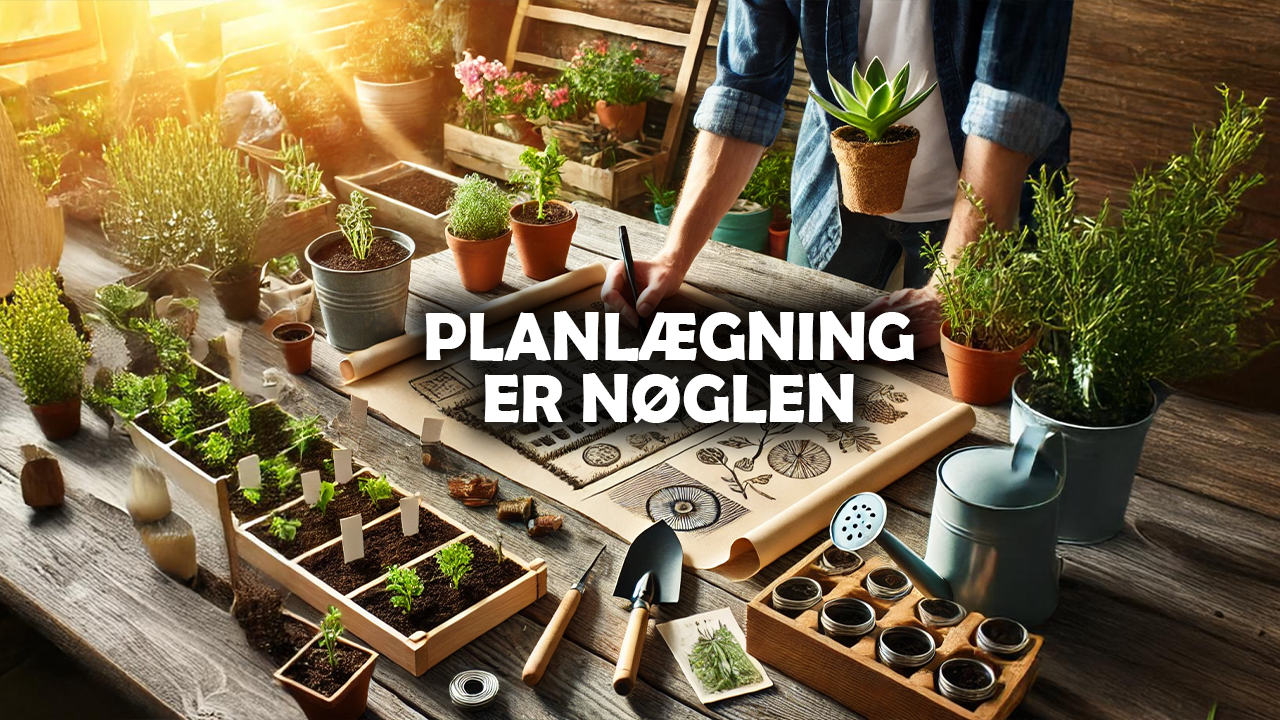
A garden on a budget always starts with a good plan. Without planning, you often end up buying plants, soil and equipment on impulse, which costs more and proves less effective in the long run. By planning clearly from the outset, you gain a better understanding of which plants suit your conditions, how much space you actually have and which investments offer the best value. This creates a stronger foundation for a garden that is sustainable, economical and much easier to maintain.
Planning also means choosing the right solutions at the right time. Many vegetables, flowers and herbs are far cheaper to grow from seed than to buy as established plants. And if you understand your climate, which areas get sunlight and how much space you have available, you can avoid unsuitable purchases and wasted materials. A carefully developed plan helps you use your resources more wisely, so every penny works for you rather than against you.
A thoughtful plan also makes it easier to make use of reused materials, free resources and things you already have at home. For example, you can identify which containers could become planters, which corners of the garden are suitable for composting and which areas can be planted without adding extra soil. With a little preparation, creating a garden on a budget becomes much easier, allowing you to spend your time, money and materials on the solutions that offer the greatest value.
Planning also gives you peace of mind throughout the process. You know exactly where to start and which steps to take. This gives you more energy, better yields and less waste. And perhaps most importantly, you get the satisfaction of knowing that you have a plan that can grow alongside your garden.
Ideas For Inspiration – How To Plan A Garden On A Budget
🌱 Map Out Your Gardening Space And Create An Affordable Garden
Before you plant anything, it is essential to understand your surroundings. When you know where there is sunshine, shade, shelter and wind, you can create a garden on a budget that makes the most of natural conditions rather than fighting against them. Spend a couple of days observing the garden at different times of day so you can position plants where they will thrive, at no extra cost. This makes planning much more effective and saves you from wasting plants and making unnecessary purchases. You could also draw a plan of your garden and mark where you would like beds, a lawn, paths and other features.
🌾 Set A Realistic Budget For Your Garden
A budget does not take the joy out of gardening; on the contrary, it gives you a clear overview and helps you make better investments. When you set a realistic budget for your garden, you know exactly how much you intend to spend on seeds, soil, equipment and any larger projects. This helps you manage your money and avoid those familiar impulse purchases that quickly add up. With a clear budget, it becomes much easier to prioritise the gardening solutions that offer the best value.
🌿 Prioritise Plants That Suit Your Garden
Not all plants need the same amount of time, soil, water and care. By prioritising hardy plants, perennial varieties and high-yielding crops, you can create a garden on a budget that gives plenty back without expensive investments. Think about plants you can eat, harvest repeatedly or share with others, too. A carefully chosen mix of plants soon becomes the heart of a cost-effective garden.
🪴 Use Reclaimed Materials To Create A Garden On A Budget
Reusing materials is one of the most effective ways to keep gardening costs down. Old buckets, crates, bags, bottles and leftover timber can be transformed into new planters, temporary pots and screens. By using materials you already have or can get for free, you can avoid many of the most expensive purchases. This makes your budget garden more creative, more sustainable and more personal.
🧪 Test The Soil Before Creating Your Garden
Good soil is the foundation of a healthy, affordable garden. A simple soil test can show you whether your soil lacks nutrients, is too acidic or is too compacted. This helps you avoid buying expensive products blindly, allowing you to add exactly what the soil needs instead. By making targeted improvements to the soil, your plants become stronger, and you get much more from the money you invest in a financially sustainable garden.
📅 Create A Seasonal Plan For A Productive, Healthy Garden On A Budget
A seasonal plan helps you plant at the right time and avoid losing seeds and plants. You can plan when to start seeds indoors, plant out, harvest, cut back and fertilise. With a clear seasonal plan, your garden becomes both more productive and more economical because you work with nature’s rhythms rather than against them. It also gives you a reassuring overview that makes the whole process much less stressful.
REMEMBER – Good planning makes your garden more affordable, more beautiful and much easier to manage. So plan first, plant afterwards and enjoy a lovely garden all summer long.
Gardening On A Budget – Choose Inexpensive (But Beautiful) Plants
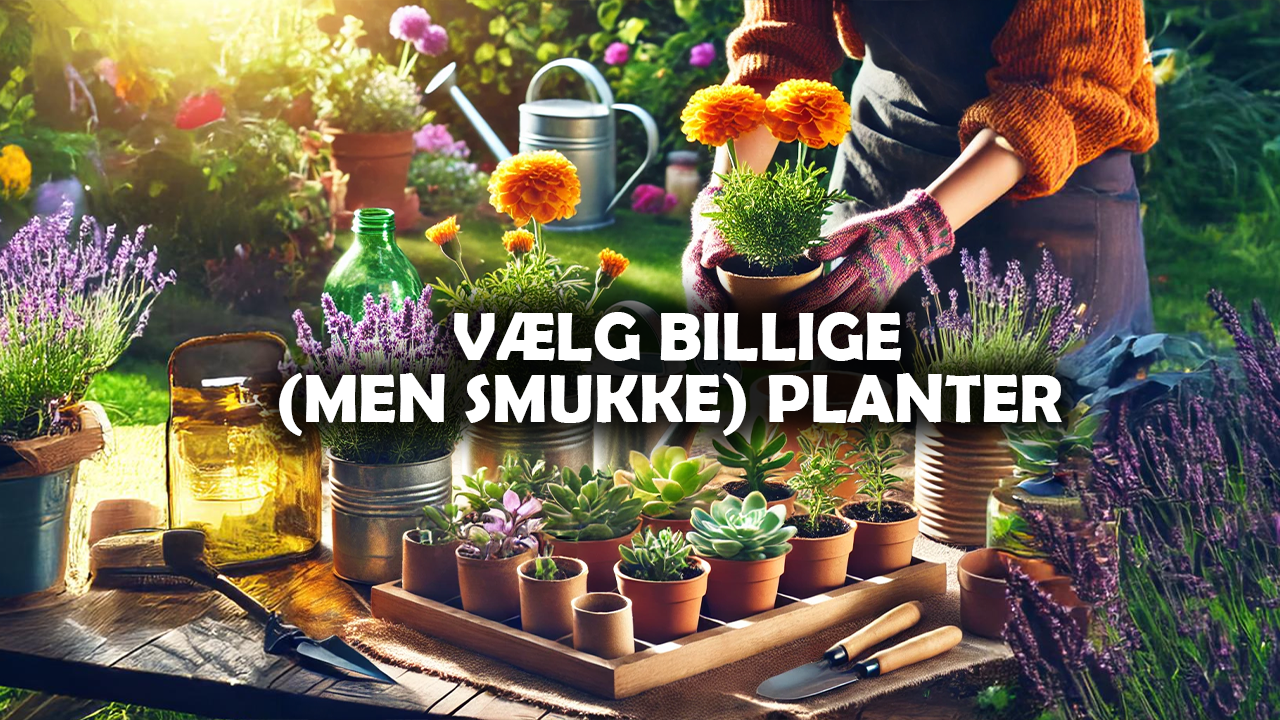
An inexpensive garden can certainly be colourful, lush and full of beautiful plants. It is largely about choosing the right types and thinking strategically, so you get the best possible results for the least money. Many of the most beautiful flowers and most productive plants are surprisingly affordable, especially if you choose those that are easy to propagate, grow quickly or return year after year. By focusing on hardy varieties and plants that can be divided or grown from seed, you can create a garden that is both economical and full of beauty.
When looking for inexpensive plants, it is worth considering perennial species that keep growing without requiring new purchases every year. This gives you an affordable garden that develops with the seasons and can be expanded without major expense. You can also find plenty of low-cost plants at local plant swaps, through reuse groups, at nursery sales or even from neighbours sharing their surplus.
Finding inexpensive but beautiful plants is also about timing. By buying plants outside the peak season or choosing seeds instead of established plants, you can save considerable amounts without compromising on quality. This offers a more flexible, budget-friendly approach, allowing you to shape the garden around your needs. The most important thing is to see possibilities rather than limitations. Even an inexpensive garden can flourish – both literally and financially – when you choose wisely, plan well and let nature do the work for you.
Ideas For Inspiration – An Affordable Garden With Beautiful Plants
🌼 Grow From Seed To Create Your Budget Garden
Growing from seed is one of the most economical ways to create an affordable garden filled with flowers and greenery. Seed packets are inexpensive, produce an incredible number of plants and offer countless varieties to choose from. Starting from seed gives you flexibility, more plants and the opportunity to experiment without letting your budget spiral out of control. It is a perfect way to bring variety and colour to a low-cost garden.
🌼 Divide And Swap Plants To Develop An Affordable Garden
Dividing and swapping plants is one of the most effective ways to expand a budget garden without spending much money. Many plants – particularly herbaceous perennials, herbs, berry bushes and hardy flowering plants – can be divided into several smaller plants that quickly continue growing once replanted. This means one plant can become three or five, giving your garden much more fullness and variety at almost no cost. Dividing plants is also a gentle way to rejuvenate your beds, as plants often become stronger when divided and given fresh soil.
When you combine dividing plants with swapping them among friends, neighbours or local swapping groups, you open the door to a wide range of interesting species you might otherwise never have come across. You can expand your budget garden with unusual varieties and colours without paying for them, while enjoying a sociable activity at the same time. Dividing and swapping plants is one of the most financially sensible strategies for creating a lively, lush and varied garden on a budget, because each new plant is essentially free – and because the pleasure of sharing makes gardens even more beautiful.
🌻 Buy Young Plants To Build An Affordable Garden
Young plants, also known as small plants or “starter plants”, are often significantly cheaper than fully grown plants and adapt quickly when planted in the garden. Buying young plants allows you to fill your garden without putting a strain on your finances, as you pay a fraction of the price for plants that simply need a little time to reach their full size. This makes it an ideal approach when you want to create an affordable garden and get as much greenery as possible for your money.
Young plants also often grow faster than expected because they adapt to the soil and climate from the outset, encouraging strong, healthy growth. This strategy gives you plenty of plants, lush coverage and beautiful results while keeping your goal of a truly affordable garden firmly in sight. With careful planning, you can save considerably without compromising on quality, appearance or variety.
🌸 Choose Perennial Plants For An Affordable Garden
Perennial plants are an excellent investment when you want to create an affordable garden that requires minimal maintenance over time while offering maximum beauty. Perennial species return year after year and grow larger, meaning you pay only once but enjoy them for many seasons. This makes them ideal for a budget garden where quality and affordability go hand in hand.
🌺 Use Hardy Plant Varieties To Create An Affordable Garden
Hardy plants require minimal care, cope with changing weather conditions and are naturally resilient. By choosing robust varieties such as lavender, rosemary, coneflowers, thyme, stonecrop and grasses, you can create an affordable garden that does not need expensive replacement plants or extra tools to thrive. These plants provide structure, colour and lasting appeal.
🌱 Buy Plants Out Of Season For An Affordable Garden
Plants are often significantly cheaper when you buy them towards the end of the season or near closing time at nurseries. You can get the same quality at a lower price, and many plants thrive even when bought late in the season. This strategy allows you to expand an affordable garden without straining your budget.
🌷 Visit Plant Swaps To Expand Your Budget Garden
Plant swaps are worth their weight in gold for gardeners dreaming of an affordable garden full of variety. Here, you can swap for new plants, cuttings and seeds without paying. They create a community in which plants move from garden to garden, giving you access to interesting varieties completely free of charge. It is an enjoyable and economical way to develop your garden.
REMEMBER – Beautiful plants for your garden do not have to be expensive; they just need to be chosen wisely. When you choose the right plants, both your garden and your savings grow.
Make Your Own Inexpensive Gardening Tools And Decorations
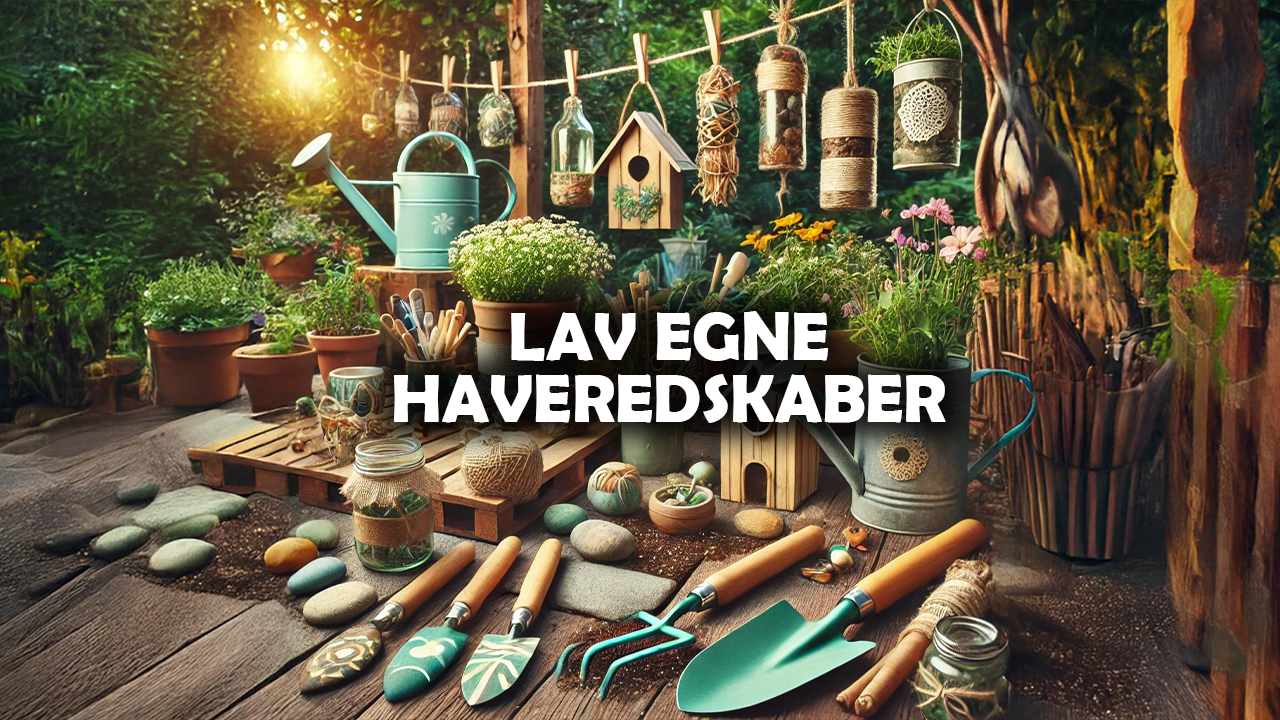
An affordable garden certainly does not have to be dull. In fact, you can create a creative, practical and personal garden by making your own gardening tools and decorations. Many of the things you would normally buy in shops can be made using materials you already have lying around – or can get for free by reusing items, swapping or collecting natural materials. This makes it easier to keep costs down while creating a garden that reflects your own style and ingenuity.
Making your own tools and decorations also allows you to tailor everything precisely to your garden, your plants and the tasks at hand. A homemade Dutch hoe, a plant pot holder you have built yourself or an attractive decoration made from natural materials costs almost nothing but adds real value to everyday gardening. It is also a fantastic way to reduce waste, as you turn things that would otherwise end up in a skip into something useful and beautiful.
At the same time, it is enormously satisfying to make something with your hands that both helps your garden and enhances its overall appearance. You get tools that suit your needs perfectly and decorations that make your garden more welcoming and lively – all without stretching your budget. Once you start thinking about reclaimed materials and DIY solutions, finding new, creative ways to make your affordable garden both practical and charming becomes almost a game.
Ideas For Inspiration – DIY Solutions For An Affordable Garden
♻️ Make Your Own Compost For A Garden On A Budget
Making your own compost is one of the most valuable long-term ways to develop an affordable garden, as you turn household and garden waste into nutrient-rich soil completely free of charge. Composting creates a natural cycle in your garden, turning food scraps, leaves, grass clippings, coffee grounds and vegetable scraps into a dark, living soil improver that gives plants ideal growing conditions. This means you can save substantial amounts on soil, fertiliser and expensive soil improvement products from garden centres.
Compost strengthens your garden by improving soil structure, enhancing drainage, retaining moisture and supplying a wide range of nutrients that plants need. You get healthier plants, higher yields and a more resilient garden – all without spending money. A simple compost bin can be built from pallets, wire baskets or old wooden crates, and if you place it in a quiet corner of the garden, it largely takes care of itself throughout the year. Compost is nature’s own superpower, and making it yourself makes your garden greener, more economical and far more sustainable.
🔧 Make Gardening Tools From Reused Materials For A Garden On A Budget
Old pieces of wood, scrap metal or worn-out kitchen items can be transformed into effective gardening tools without costing a penny. For example, you can make Dutch hoes from food tins, plant stakes from old branches or small pots from newspaper. These homemade tools fit perfectly into an affordable garden because you use what you already have and avoid buying new items. The result is practical tools that save you money and make your garden more sustainable.
🎨 Create Garden Decorations From Natural Materials For A Garden On A Budget
Flowers, branches, stones, bark and driftwood can all be used to make unique garden decorations. You can create anything from small figures and inviting table decorations to imaginative borders and decorative wooden slices used as stepping stones. Natural materials create an organic, harmonious atmosphere and help you build an affordable garden where personality and charm take centre stage. It is an easy way to add warmth and visual appeal without a large budget.
🪵 Build Simple Wooden Features For A Garden On A Budget
Leftover timber, pallets or old furniture can be transformed into planters, small shelves, raised beds or decorative features. Working with wood gives you plenty of design freedom and the opportunity to add structure to your garden without buying expensive products from the garden centre. Wooden features are ideal when you want to create an affordable garden with practical, durable elements that fit your exact dimensions and needs.
🔄 Creative Reuse For An Affordable Garden
Creative reuse is one of the most effective, sustainable and economical ways to develop an affordable garden with both practical value and personality. Thinking about reuse opens up a world of possibilities, where everyday materials gain a new life as practical garden solutions. Old plates can serve as saucers under pots, broken terracotta pots can become drainage material, old furniture can be transformed into charming potting benches or plant stands, and old bricks can be used to create garden paths. This gives your garden a distinctive appearance and saves you the cost of new equipment.
Creative reuse also means seeing the potential in things that would otherwise end up in the bin: glass jars can become small garden lanterns, metal scraps can be used to build garden features, and leftover fabric can become cushion covers or handy storage bags for tools. Old tyres can be painted and used as planters, while food tins can be turned into hanging pots. This allows you to fill your garden with features that are both practical and beautiful without spending much money. This approach benefits both the environment and your finances, while making your garden more personal, because many of its features are things you have created through your own ingenuity.
♻️ Turn Plastic Containers Into Useful Tools For A Budget-Friendly Garden
Plastic canisters, bottles, buckets and tubs can be used for everything from watering cans and mini greenhouses to decorative pot covers and small tools. By cutting, shaping and reusing plastic materials, you can make practical gardening aids that help create an affordable, highly functional garden. Plastic is easy to work with, lasts a long time and offers plenty of opportunities for creative solutions that make everyday gardening easier.
🪣 Make Your Own Water Collectors And Small Watering Systems For An Affordable Garden
Water is an important resource, and an inexpensive homemade water collection system can significantly reduce your costs. You can use large buckets, barrels or plastic containers to collect rainwater from gutters or patios. Making your own watering solutions gives you a system that works perfectly for your garden and helps you improve both sustainability and affordability. It is a simple way to save money while giving your plants better-quality water.
🧺 Weave Baskets And Holders For A Budget-Friendly Garden
Old newspapers, willow branches or leftover materials can be used to weave baskets, plant pot holders and storage solutions. Handwoven items give your garden a welcoming, traditional feel while being practical for everyday use. They can be used for harvesting, storage or as stylish features around the garden. This provides a creative boost and reinforces the idea of an affordable garden where nothing needs to be factory-made.
REMEMBER – A DIY approach is the key to an affordable garden with big ideas and small expenses. Creative solutions make your garden more beautiful, more personal and more budget-friendly.
Find Gardening Materials For Free Or At A Low Cost
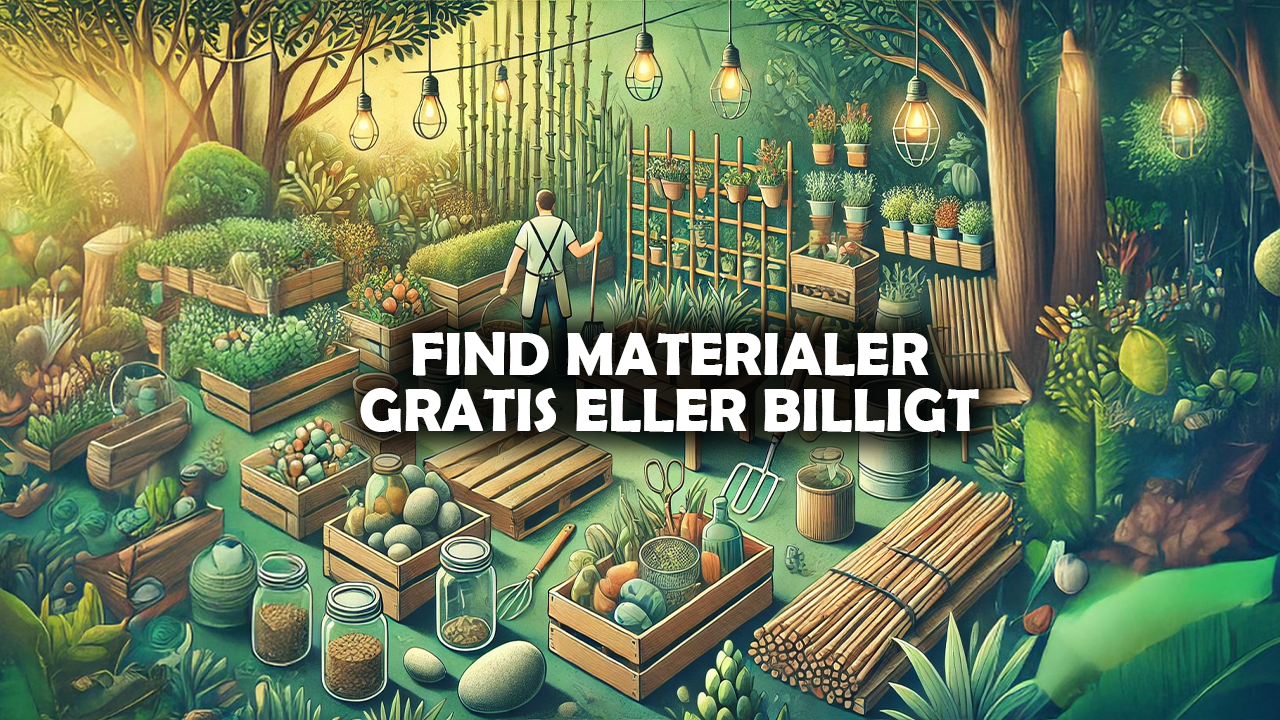
If you want to start or expand your garden without breaking the bank, knowing where to find gardening materials for free or at very low prices is a huge advantage. Many things that would be expensive to buy at garden centres can be found second-hand, through local communities, on building sites or in nature itself. It takes a little searching and creativity, but once you start seeing the possibilities, a whole world of free resources opens up.
It is largely about considering alternative sources. Pallets, wooden crates, stones, branches, soil, old tools or metal parts can be worth their weight in gold when you are creating a garden on a budget. Many businesses throw away materials that still have plenty of life left in them, and many gardeners are happy to share their surplus if you ask politely. Finding inexpensive or free gardening materials also encourages a more sustainable and creative approach to gardening, as you reuse things that would otherwise be discarded.
It is also a clever way to expand your garden gradually. You can collect materials over time, tackle small projects and develop your garden without major investments. This makes your garden unique, practical and economical – and gives you the satisfaction of creating something that is attractive, useful and budget-friendly.
Ideas For Inspiration – Creative Ways To Find Inexpensive Gardening Materials
🍃 Collect Free Gardening Materials From Nature
Nature is one of the richest and most overlooked sources of free gardening materials. You can collect everything from cones, branches, moss and stones to sand, bark and driftwood for use in your garden. When you gather materials from nature (respecting rules and private property, of course), you gain access to resources that can be used for decorations, borders, ground cover or small, creative building projects.
These natural gardening materials are beautiful, durable and completely free – and they give your garden an authentic, organic appearance that many people pay a premium for at garden centres. Gathering materials from nature also offers a wonderful opportunity to create solutions that fit your garden’s style perfectly. Branches can be shaped into plant supports, small logs can be used as steps, and stones can form paths or decorative features in flower beds. You can even use moss and bark in pots or as natural decorations around raised beds.
Using nature’s own gardening materials creates a sustainable, creative and economical approach, with endless resources and far greater value without spending money. This makes nature one of your most inspiring partners when your goal is a budget-friendly, harmonious garden.
🪵 Use Reclaimed Wood As Inexpensive Gardening Material
Reclaimed wood from pallets, old furniture or building waste can be used for raised bed frames, planters, tables, benches or fences. Using reclaimed wood in your garden gives you sturdy, practical features without significant expense. The wood can also be sanded, painted or treated to suit your garden’s style perfectly. Reclaimed wood makes it possible to complete large garden projects on a small budget while reducing unnecessary waste and its environmental impact.
🧱 Collect Natural Stones And Use Them As Inexpensive Gardening Materials
Natural stones are excellent for borders, garden paths, decorations or small retaining walls. You can often find stones for free in nature, in fields or on building sites, provided you ask permission. Stones are extremely durable and give your garden a natural appearance that would be expensive to achieve using materials bought at garden centres. As free gardening materials, stones are among the most valuable and versatile options.
🌿 Get Surplus Soil As Free Gardening Material
Many building and excavation projects have large quantities of surplus soil that those involved are keen to get rid of. This soil can be used to raise ground levels, fill holes, create new beds or expand your garden without paying for expensive soil deliveries. Using surplus soil as free gardening material saves you money on both materials and transport – and strengthens your garden’s underlying structure without eating into your gardening budget.
♻️ Find Inexpensive, Useful Gardening Materials Through Reuse Groups
Local groups on Facebook Marketplace or recycling centres often have an abundance of free or very inexpensive gardening materials – plant pots, tools, planters, pipes, tubs, metal stands, terracotta pots and much more. Many people simply want to get rid of things, so they price them cheaply or give them away. This approach makes it easy to keep expanding your garden without investing in new items. Reuse groups are therefore among the best places to find inexpensive gardening materials for all kinds of projects.
🪣 Use Household Waste As Inexpensive Gardening Material
Household waste offers enormous possibilities if you think creatively. Buckets, plastic bottles, tins, cardboard tubes, newspapers and tubs can be used as pots, mini greenhouses, plant holders and watering systems. Turning waste into gardening materials keeps resources in use, reducing your rubbish while making your garden more practical. It is perfect for projects where you want to save money and be sustainable at the same time.
🌱 Swap Locally For Free Gardening Materials
Swapping groups are one of the most sociable and economical ways to find gardening materials. You can exchange seeds, plants, pots, tools, soil or building materials without paying. Try asking around locally – many people have surplus soil or wood chippings from projects that they would like to get rid of. This gives you access to resources you would otherwise have to buy while helping you build relationships with other gardeners. Swapping is a fantastic way to develop your garden and obtain gardening materials for free while finding inspiration from others.
REMEMBER – Free gardening materials are the driving force behind a clever, sustainable and economical garden. With the right finds, a simple idea can become your garden’s most beautiful feature.
Maintaining Your Garden On A Budget
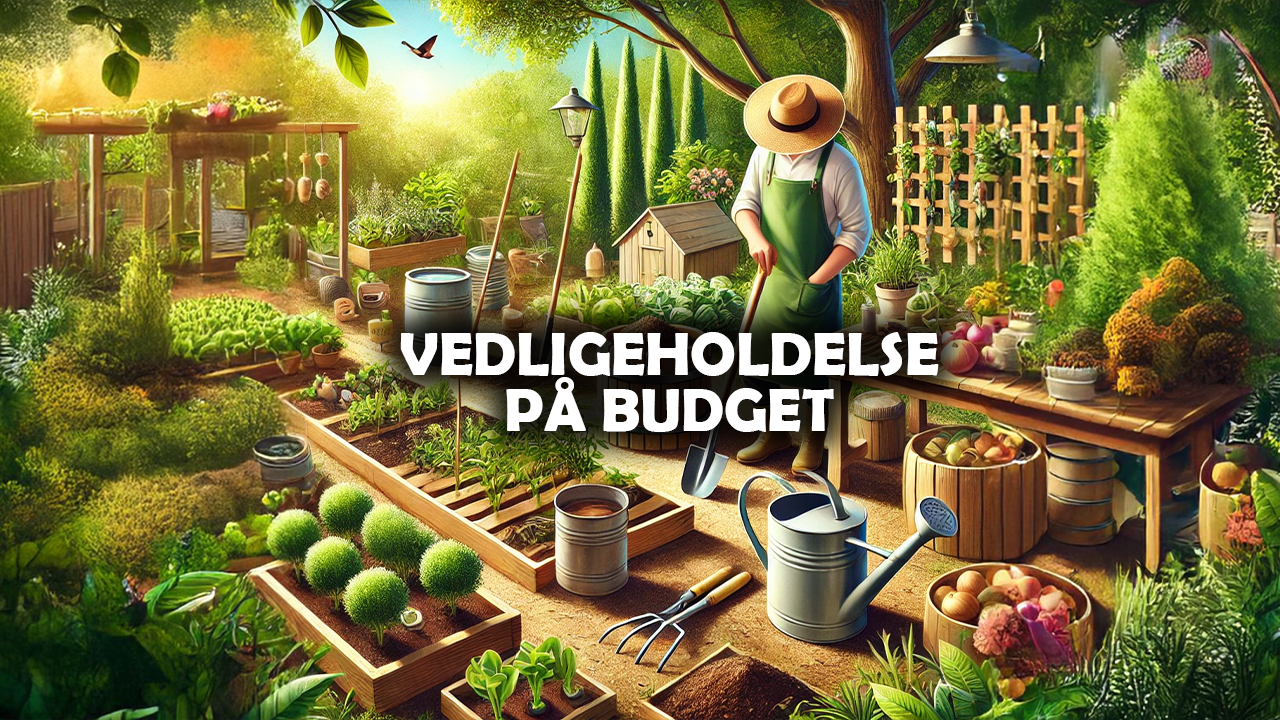
A garden only becomes truly affordable when its maintenance is affordable too. It is not just about saving money on setting it up and buying supplies – it is equally about keeping your garden healthy, practical and beautiful without spending unnecessarily.
With clear routines, clever shortcuts and simple solutions, you can minimise both costs and time while helping your garden thrive. Affordable maintenance starts with paying attention to the little things: removing weeds promptly, giving plants the right amount of water and keeping the soil healthy to avoid costly remedial work later.
Maintaining a garden on a budget also means making use of nature’s own processes. Working with the soil and weather rather than against them reduces the need for artificial fertilisers, extra watering or extensive treatments. Compost, rainwater, natural mulch and robust plants are some of your strongest allies in keeping garden maintenance affordable, because they do the hard work for you.
Good habits also make an enormous difference. Small weekly routines prevent bigger problems, while reusing old materials brings both financial and environmental benefits. With the right methods, you can create a garden that almost looks after itself – and stays green, lush and full of life without letting your budget spiral out of control.
Ideas For Inspiration – Effective And Affordable Garden Maintenance
🌼 Choose Low-Maintenance Plants To Keep Garden Upkeep Affordable
Low-maintenance plants are one of the most effective ways to keep garden upkeep affordable because they require minimal care, rarely need replacing and often manage without extra water, fertiliser or special treatment. Choosing hardy plants such as stonecrop, lavender, grasses, herbaceous perennials, peonies, thyme and robust shrubs gives you plants that thrive on nature’s own resources. This means less work, fewer expenses and a garden that largely looks after itself.
These plants also create a stable, harmonious structure in your garden because they are often perennial and grow stronger year after year. They cover the soil, prevent weeds and reduce the need for frequent watering – all of which make affordable maintenance much easier. Low-maintenance plants are ideal for both beginners and experienced gardeners who want a resilient garden with minimal effort. They provide colour, fullness and life without demanding the constant attention that many other varieties need. This makes them one of the most valuable investments when your goal is a beautiful, practical and budget-friendly garden.
🌾 Let Plants Cover The Soil To Keep Garden Maintenance Affordable
Dense planting, perennial herbs, robust ground-cover plants and full flower beds reduce the need for weeding and watering. Using plants as a natural protective layer makes affordable maintenance part of your garden’s natural rhythm. You save time and money because the plants do much of the work for you – and your garden looks more harmonious and lush.
🌱 Use Natural Mulch For Affordable Garden Maintenance
Natural mulch such as grass clippings, leaves, bark, straw or wood chippings is one of the most effective ways to keep garden maintenance affordable. Mulch retains moisture, reduces the need for watering, suppresses weeds and improves soil structure over time. It saves you from buying expensive products and creates a healthier garden environment that fits perfectly with a budget-friendly approach.
💧 Collect Rainwater For Affordable Garden Maintenance
Rainwater is free, soft and often better for plants than tap water. Collecting rainwater in barrels, buckets or larger containers gives you a simple, economical source of water for your garden. This method makes maintenance easier, cheaper and more effective by reducing your water bills while providing better growing conditions for your plants. It is an investment in both the environment and your budget.
🧹 Remove Weeds Early To Keep Garden Maintenance Affordable
Removing weeds regularly and in small amounts prevents bigger problems later. Weeds compete with your plants for nutrients, water and light, so tackling them early keeps maintenance affordable and manageable. Small routines – five minutes here and there – are far more effective than major clearing projects that might otherwise require expensive equipment or replacement plants.
🐞 Use Natural Weed And Pest Control Methods For Affordable Garden Maintenance
Natural methods of controlling weeds and pests are among the most sustainable and economical approaches to affordable garden maintenance. Instead of buying expensive chemicals or specialist products, you can use simple, effective solutions that protect the environment and keep your garden healthy. To tackle garden weeds, you can use methods such as hand weeding, hot water, wood chippings, bark or dense ground cover, which significantly reduce the number of weeds emerging. These techniques are free or very inexpensive – and gentle on the soil and your garden’s ecosystem.
When it comes to garden pests, you can enlist nature’s own helpers. Ladybirds, parasitic wasps, birds and hedgehogs are fantastic allies that maintain balance in your garden and reduce the need for expensive pest control products. You can attract beneficial wildlife by planting flowers that provide pollen and nectar or by creating small shelters. Homemade mixtures using ingredients such as soapy water, garlic or chilli can also be used to remove aphids and other small garden pests – without significant expense.
Natural weed and pest control methods make affordable garden maintenance much easier because you work with nature rather than against it. This creates a healthier, stronger and more self-regulating garden that requires fewer resources – while keeping both your finances and the environment in balance.
♻️ Reuse Old Materials For Affordable Garden Maintenance
Old boards, plastic containers, terracotta pots, netting or wire can be used for repairs, plant supports or small garden improvements. Using reclaimed materials for affordable garden maintenance means you do not need to buy new items, and many improvised solutions work just as well as expensive products. It also gives your garden a personal, sustainable touch.
🌿 Make Compost The Key To Affordable Garden Maintenance
Homemade compost is one of the most effective free ways to keep garden maintenance affordable, as it supplies nutrients, improves soil quality and reduces the need for fertiliser. When the soil is healthy and full of life, plants become stronger, diseases are reduced and you avoid expensive garden problems. Compost is a long-term investment that delivers substantial returns at minimal cost.
🔧 Repair Rather Than Replace For Affordable Garden Maintenance
Many garden items can be repaired instead of replaced – tools can be sharpened, wood can be oiled, pallets can be reinforced and pots can be glued or bound together. Repairing is one of the most underrated ways to keep garden maintenance affordable because it extends the life of gardening materials and gives you better value for money. It is a sustainable and financially sensible approach to an affordable garden.
REMEMBER – Affordable garden maintenance is the hidden superpower behind a healthy, inexpensive garden. Keeping garden upkeep affordable is about wise choices, not large budgets, and is the key to a garden that thrives year after year.
Inexpensive Garden Projects
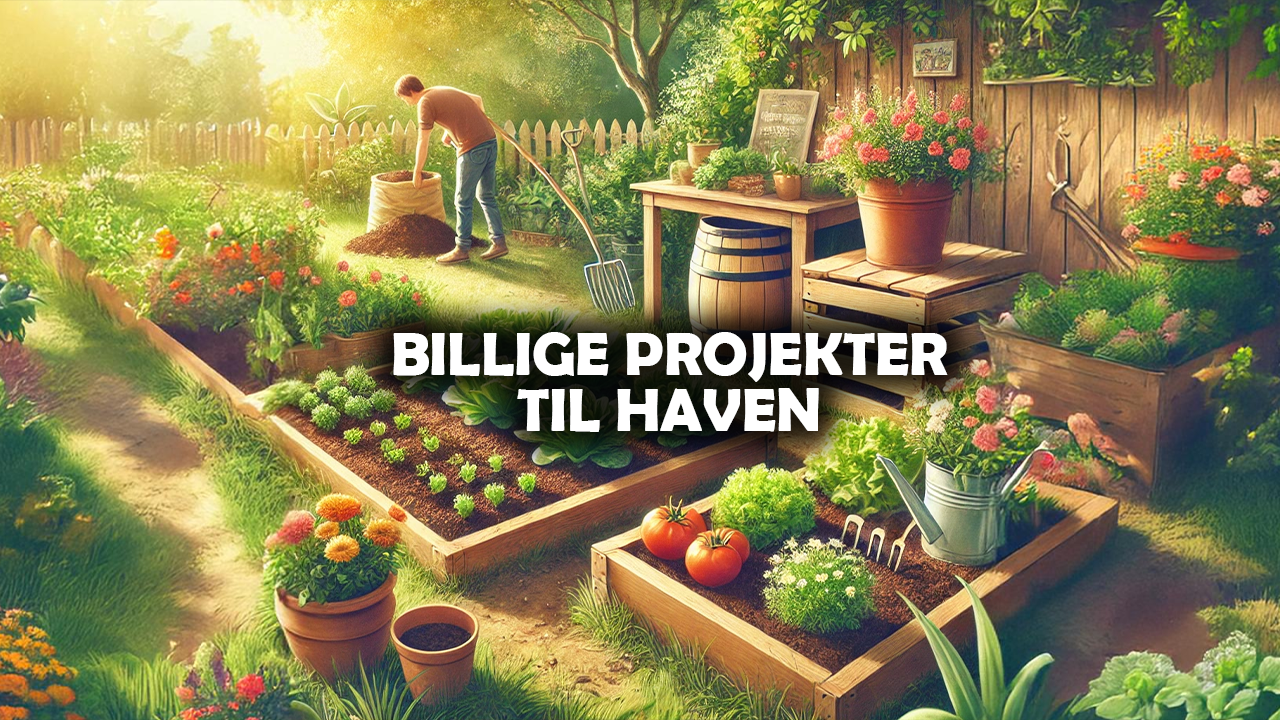
Inexpensive garden projects allow you to improve your garden’s appearance, practicality and atmosphere without spending large sums. An affordable garden project does not have to be complicated or time-consuming – in fact, some of the best solutions can be made from things you already own or materials you can get for free. There are plenty of small projects that can transform a corner of your garden, add new features or bring more life and personality to the space without straining your finances.
Choosing inexpensive projects also gives you the chance to experiment and learn along the way. This makes it easy to develop your garden at a pace that suits your time, ideas and resources. An affordable garden project could involve anything from building a small herb shelf from old pallets to creating a new flower bed with plants you have grown from seed, or making a relaxing seating area from reclaimed wood and natural stone. You have creative freedom and can decide exactly how large or small the project should be.
Most importantly, inexpensive projects allow you to create something unique and practical without paying for the costly gardening equipment or ready-made solutions that often fill garden centres. Choosing an affordable garden project brings you more enjoyment, more ideas and a stronger sense of satisfaction in having made something yourself – while keeping your spending comfortably within budget.
Ideas For Inspiration – Add Value With An Affordable Garden Project
🌿 Make A Herb Shelf As An Inexpensive Garden Project
A herb shelf built from old pallets, wooden crates or reclaimed timber is an ideal low-cost garden project that combines practicality with visual appeal. A herb shelf lets you make use of vertical space, grow fresh herbs close to the kitchen and create a practical feature that costs almost nothing. You can tailor the shelf to your space and needs, with results that are both attractive and useful. An inexpensive garden project like this gives you a green space that is easy to maintain and full of fragrance and flavour.
🪴 Create A Mini Herb Garden As An Inexpensive Garden Project
A small herb garden in pots, buckets or reused containers is one of the simplest low-cost garden projects. You do not need much space, and many herbs thrive in small containers with minimal care. Herbs such as basil, parsley and oregano are easy to grow and can save you money in the kitchen. By reusing materials as containers and choosing hardy herbs such as basil, mint, thyme and oregano, you can create a project that is inexpensive, attractive and practical. It is ideal for both beginners and experienced gardeners.
🌼 Create A Colourful Flower Bed From Seed As An Inexpensive Garden Project
A flower bed grown from seeds you sow yourself is a creative, economical garden project that brings plenty of colour and life to your garden. Seed packets are inexpensive and give you large numbers of flowers for very little money. You can mix herbaceous perennials and summer annuals to create variety and extend the flowering season. The project requires minimal investment but makes an impressive impact once the bed comes into bloom.
🐦 Create A Bird-Friendly Garden As An Inexpensive Garden Project
A bird-friendly garden is a charming and worthwhile project that brings life and beauty to your garden, along with the pleasure of helping nature’s small inhabitants. It does not need expensive materials – many of the essential features can be made from reclaimed wood, old containers, natural materials and things you already have. You can build nest boxes from leftover timber, make bird feeders from bottles or coconut shells, and create small drinking stations from bowls or stones. This makes the project economical, sustainable and wonderfully inviting.
A bird-friendly garden also attracts helpful bird species that keep pests in check completely free of charge. Birds bring movement, sound and atmosphere, making your garden feel more alive and harmonious. Choosing an inexpensive garden project like this offers both an enjoyable sight and a practical benefit, as many birds eat insects, larvae, slugs and snails. You can also plant berry bushes, sunflowers and flowers that provide natural food for birds – again, without significant expense. A bird-friendly garden is an enjoyable, educational and very budget-friendly project that gives your garden a softer, more natural feel and brings nature closer.
🪵 Build A Seating Area From Reclaimed Materials As An Inexpensive Garden Project
A welcoming seating area can be made from pallets, natural stones, old garden chairs or leftover timber, making it an ideal low-cost garden project. Combine wood, stone and natural materials to create something personal and practical. Your seating area can be used for relaxing, reading, coffee breaks or enjoying quiet moments in the garden. It improves the overall appearance without requiring you to invest in expensive patio furniture.
📦 Create A Mini Greenhouse From Reused Materials As An Inexpensive Garden Project
A mini greenhouse made from old windows, plastic bottles, wooden crates or leftover acrylic sheets is a clever low-cost garden project. It allows you to start seeds earlier in the season, protect tender plants or grow vegetables with a little extra warmth. The greenhouse can be designed in many shapes and sizes, giving you a practical solution at a fraction of the cost of a shop-bought greenhouse.
🔧 Make Your Own Plant Supports As An Inexpensive Garden Project
Plant supports made from branches, bamboo canes, string, scrap metal or wire mesh are another clever low-cost garden project. Plants such as tomatoes, peas and climbing flowers need support – and you can make your own without spending anything. Homemade plant supports are both practical and decorative, giving your garden a natural, charming appearance.
☀️ Create A Sunny Patio As An Inexpensive Garden Project
A sunny patio is a fantastic garden project that gives you a welcoming, practical and relaxing outdoor area without significant expense. It does not have to be an expensive construction made with specialist stone or premium timber – you can create it using simple, inexpensive or free materials such as pallets, natural stones, leftover paving slabs, sand or reclaimed wood. Working with what you already have or can easily obtain gives you a patio that is attractive, durable and entirely your own.
For example, you can lay a base of sand and compactable aggregate, then use different types of stone, paving slabs or wood sourced through second-hand markets, neighbours or local building sites. This keeps the project flexible and economical, and you can build the patio in exactly the size and shape that suits your garden. Choosing a sunny patio as an inexpensive garden project gives you a place to enjoy your morning tea, relax, read or have a cosy evening barbecue – all without investing in expensive solutions.
You can make the patio even more comfortable by adding homemade seating, pallet planters or fairy lights made using reused materials. This gives it a warm, personal feel and creates a patio that feels like an extension of your home – even on a minimal budget. A sunny patio is therefore one of the most satisfying and useful low-cost garden projects you can take on, offering practicality, enjoyable experiences and a truly welcoming atmosphere without emptying your wallet.
🍂 Create A Nature Corner As An Inexpensive Garden Project
A nature corner with stones, moss, small plants, old tree roots and branches is a budget-friendly project that gives your garden more depth and character. It requires no purchases, as you can gather many of the materials from nature. This inexpensive garden project also encourages biodiversity, creates an attractive focal point and brings a peaceful atmosphere at no cost.
REMEMBER – An inexpensive, creative garden project can make a big difference with limited resources. When good ideas are allowed to flourish, your garden becomes affordable, personal and a beautiful natural oasis.
Gardening On A Budget – Experiment With Vertical Gardening
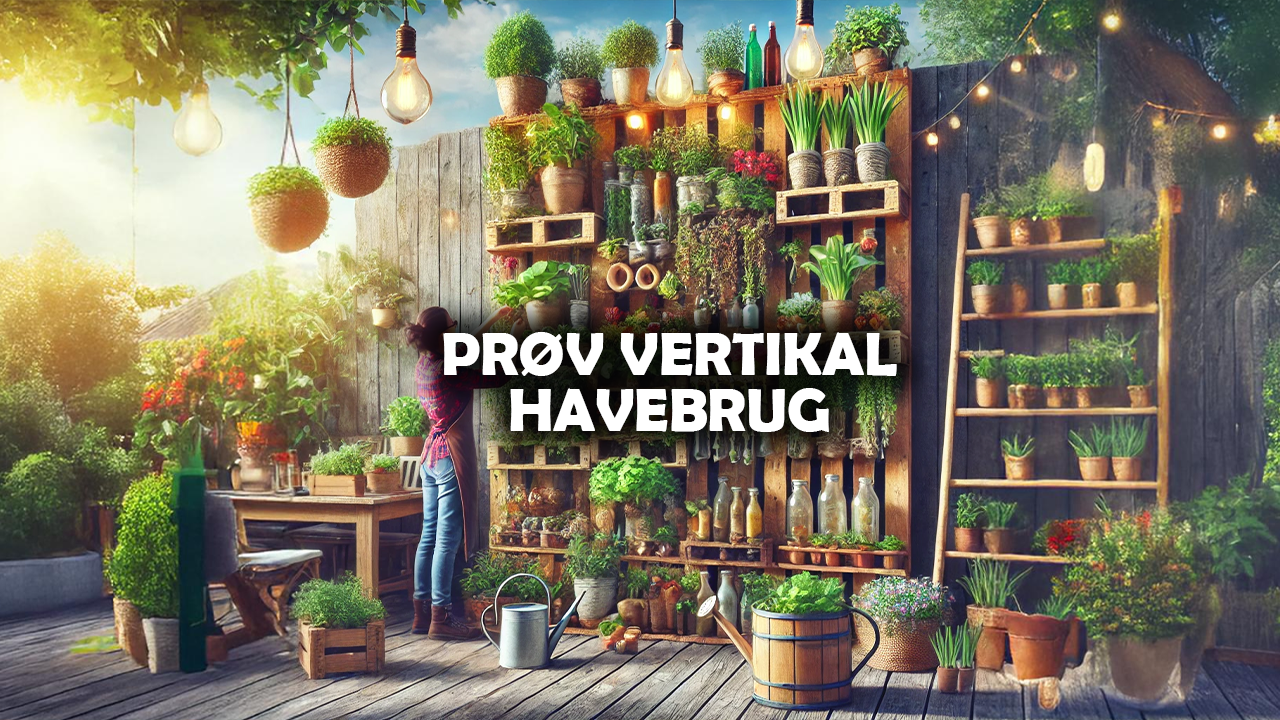
Vertical gardening is one of the most space-saving and economical ways to create a lush, practical garden, especially if you want to grow plenty but have limited space available. By growing upwards rather than outwards, you can make use of walls, fences, balconies, posts and small corners that would otherwise remain empty. This makes vertical gardening an ideal approach when you want to create a garden on a budget that delivers maximum yields without requiring major investment.
The beauty of vertical gardening is that many solutions can be built from reused materials: old pallets, plastic bottles, buckets, wooden crates, metal stands, pipes or fabric pockets. You can grow everything from herbs and lettuce to tomatoes, strawberries, flowers and trailing plants. Thinking vertically turns even a small space into a lush oasis – and you can build your system gradually to suit both your ideas and your budget.
Vertical gardening is also practical because it reduces the need for weeding, improves air circulation around plants and often makes watering easier to manage. Many people find that plants grown vertically grow faster and more healthily because they receive better light and have less contact with the soil. This makes it a perfect method for anyone wanting to create an economical, productive and inspiring garden without significant expense.
Ideas For Inspiration – Creative Ideas For Vertical Gardening
🌿 Use Pallets As A Framework For Vertical Gardening
Pallets are perfect for vertical gardening because they are inexpensive, sturdy and easy to work with. Filling the gaps with soil or attaching pots directly to a pallet creates a living green wall. Pallets can stand against fences, walls or railings, allowing you to grow plenty of plants in minimal space. This makes them ideal for vertical gardening, where the aim is to achieve maximum yields with minimal investment.
🌱 Create A Trailing Herb Wall For Vertical Gardening
A herb wall is one of the most popular and practical vertical gardening projects because it combines functionality with visual appeal. You can use fabric pockets, hanging pots, wooden crates or metal frames to arrange herbs on several levels. This makes it easy to grow thyme, basil, mint, oregano and other herbs that need little space. A herb wall saves soil, space and money while creating an attractive feature that is perfect for balconies, small patios or a small garden.
🪴 Reuse Plastic Bottles As Containers For Vertical Gardening
Plastic bottles are one of the most budget-friendly and flexible options for vertical gardening. You can cut them to shape, fill them with soil and hang them in rows from string, fences or metal stands. The bottles act as small pots that are perfect for lettuce, strawberries, flowers and small vegetables. Reusing plastic bottles gives you an inexpensive, sustainable system that makes vertical gardening accessible to everyone, whatever their budget.
🧱 Use Steel Shelving Or Wire Mesh For Vertical Gardening
Old steel shelving, wire mesh or sections of railing can be used to hang pots, planters and baskets on several levels. This creates a structured, modern approach to vertical gardening that is both durable and flexible. You can move the pots as needed, adjust their height and create a system that fits your space perfectly. Wire mesh is particularly suitable for climbing plants because their tendrils can easily find a grip. Plants such as climbing varieties of beans or peas are therefore well suited to wire mesh.
🍓 Grow Strawberries Off The Ground With Vertical Gardening
Strawberries are particularly well suited to vertical gardening because they do not need deep soil and thrive in hanging systems. You can grow them in vertical pipes, hanging pots, plastic planting pockets or pallets. Growing strawberries vertically avoids slugs, snails, contact with the soil and many diseases. This gives you better-looking berries, less waste and more space elsewhere in the garden. It makes strawberries one of the most productive plants for vertical gardening.
🪟 Create A Micro Greenhouse Near A Window For Vertical Gardening
If you live in a flat or have limited space, you can create a small vertical micro greenhouse beside a window or balcony door. Use shelves, plastic boxes or small frames to create several levels where you can start seeds or grow small vegetables. This form of vertical gardening makes it possible to have a lush garden even in a very small home.
🌼 Use Hanging Baskets For Vertical Gardening
Hanging baskets offer an elegant, practical way to grow flowers, tomatoes, chillies and herbs. Baskets are inexpensive, and many can be found second-hand or through swaps. Combining several baskets at different heights creates an attractive display and plenty of growing space without taking up floor space. This makes hanging baskets one of the easiest and most decorative options for vertical gardening.
REMEMBER – Height is your new best friend in a small garden. Vertical gardening gives you space, produce and beauty without extra expense. It also makes small spaces feel larger and helps small budgets go further. As your garden grows upwards, your creativity grows with it.
Gardening On A Budget – Attract Beneficial Insects
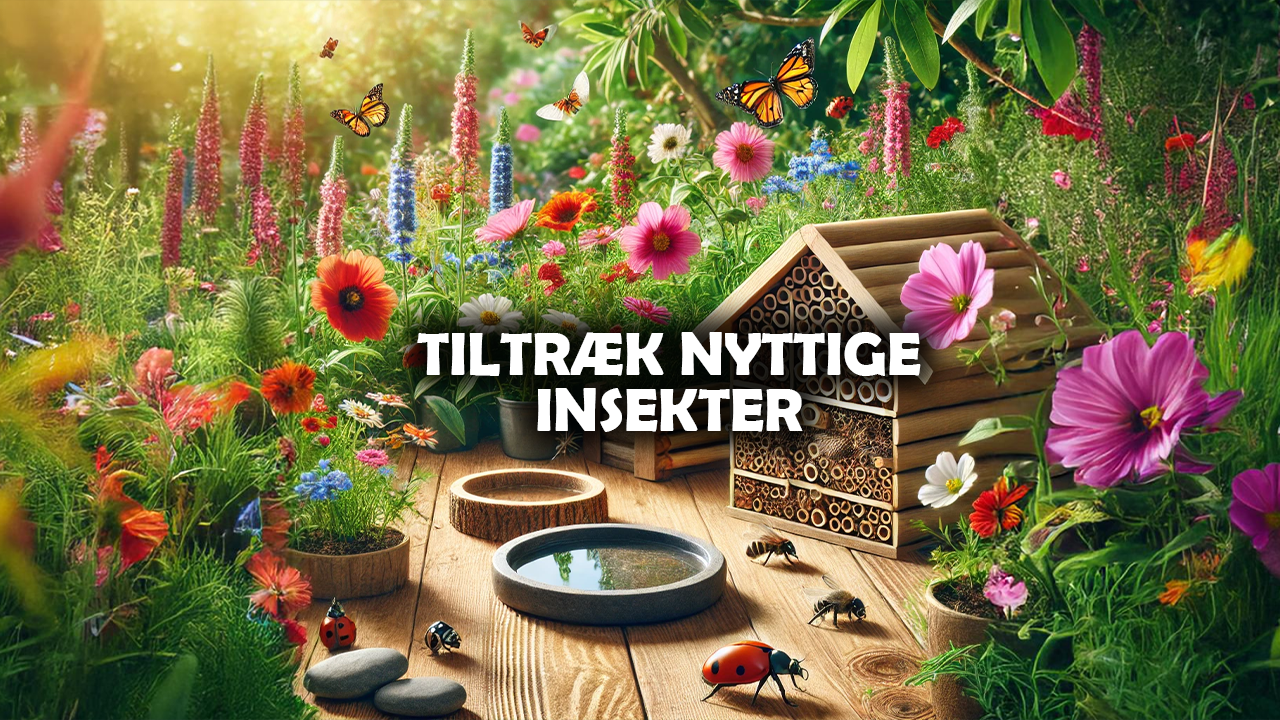
Beneficial insects are one of the most valuable resources you can have in your garden – and they work completely free of charge. Attracting the right species gives you natural pest control, better pollination and a healthier garden that needs fewer chemicals and less maintenance. This makes beneficial insects ideal for anyone wanting to grow a garden on a budget, with nature’s own helpers doing much of the work.
Many inexpensive, simple measures can attract beneficial insects to your garden – nectar-rich flowers, small shelters, piles of twigs and branches, water sources and insect-friendly plants. Creating variety in your garden attracts a wider range of species, each playing its part in keeping the garden in balance. Ladybirds eat aphids, bees pollinate your fruit trees and vegetables, hoverflies hunt pests, and butterflies contribute to healthy biodiversity.
Attracting beneficial insects therefore offers more than ecological benefits – it brings financial savings too. The more natural helpers you have in your garden, the less you need to spend on pesticides, specialist fertilisers or expensive plant protection products. This makes attracting beneficial insects one of the most important and sustainable strategies for gardening on a budget, working with nature rather than against it.
Ideas For Inspiration – How To Attract Beneficial Insects To Your Garden
🌸 Plant Flowers That Attract Beneficial Insects To Your Garden
Plants such as lavender, cornflowers, pot marigolds, thyme and field scabious are magnets for beneficial insects. They produce large amounts of nectar and pollen, attracting bees, hoverflies and butterflies. Flowers such as lavender, sunflowers and thyme are good choices for attracting bees. By deliberately choosing flowers that support beneficial insects, you create a living garden ecosystem where insects find food and your plants receive help with pollination and pest control. This makes the strategy beautiful, effective and budget-friendly.
🪵 Provide Shelter For Beneficial Insects In Your Garden
Beneficial insects need places to hide, breed and overwinter. Piles of twigs and branches, stone piles, cavities, old branches and small tree stumps provide natural shelters. Making room for these natural features creates an environment where beneficial insects can thrive all year round. When insects have stable habitats, they work more effectively for your garden – without you having to invest in expensive solutions.
🪺 Make An Insect Hotel For Beneficial Insects In Your Garden
A homemade insect hotel is one of the simplest ways to support beneficial insects. You can use bamboo tubes, wooden blocks with holes, cones, straw or dried stems. Insect hotels help bees, ladybirds and hoverflies in particular find safe places to lay eggs and overwinter. This support helps maintain a stable insect population in your garden and plays an important role in natural pest control.
💧 Add Small Watering Spots For Beneficial Insects In Your Garden
Small water sources can make an enormous difference to beneficial insects, especially on hot days. A shallow bowl with stones, a small puddle in a plant pot saucer or a damp boggy patch gives insects a safe place to drink. Water is often an overlooked resource, but it is essential for beneficial insects and takes almost no effort to provide. Watering spots particularly attract bees and butterflies, which play an important role in garden pollination.
🌿 Plant Herbs That Attract Beneficial Insects To Your Garden
Herbs such as mint, dill, fennel, lemon balm and parsley are not just useful in the kitchen – they are also highly attractive to beneficial insects. They often flower for a long time, providing a steady food supply. Allowing some of your herbs to flower creates a natural buffet for insects and strengthens the balance throughout your garden. It is a simple, inexpensive way to make beneficial insects part of your everyday gardening.
🍯 Create Variety In Your Garden To Support Beneficial Insects
The greater the variety, the more beneficial insects you attract. Different flower types, raised beds, stones, shrubs, wild corners and small flower meadows support a rich, stable insect population. Variety provides shelter, food and habitats, keeping more of your garden’s natural helpers nearby. This approach gives you a more resilient garden that can manage pests on its own.
🪹 Avoid Toxic Chemicals In Your Garden To Attract Beneficial Insects
Pesticides and toxic substances do not just harm pests – they also affect the beneficial insects you want to attract. Avoiding chemicals and using nature’s own methods instead gives you a healthier, more self-regulating garden. It also reduces your expenses and creates an environment where beneficial insects thrive and work effectively for you.
REMEMBER – Let nature’s own helpers do the gardening work – it is both cheaper and better. Beneficial insects make your garden greener, healthier and more affordable, and a garden full of beneficial insects is a garden in healthy balance.
Gardening On A Budget – Seasonal Gardening
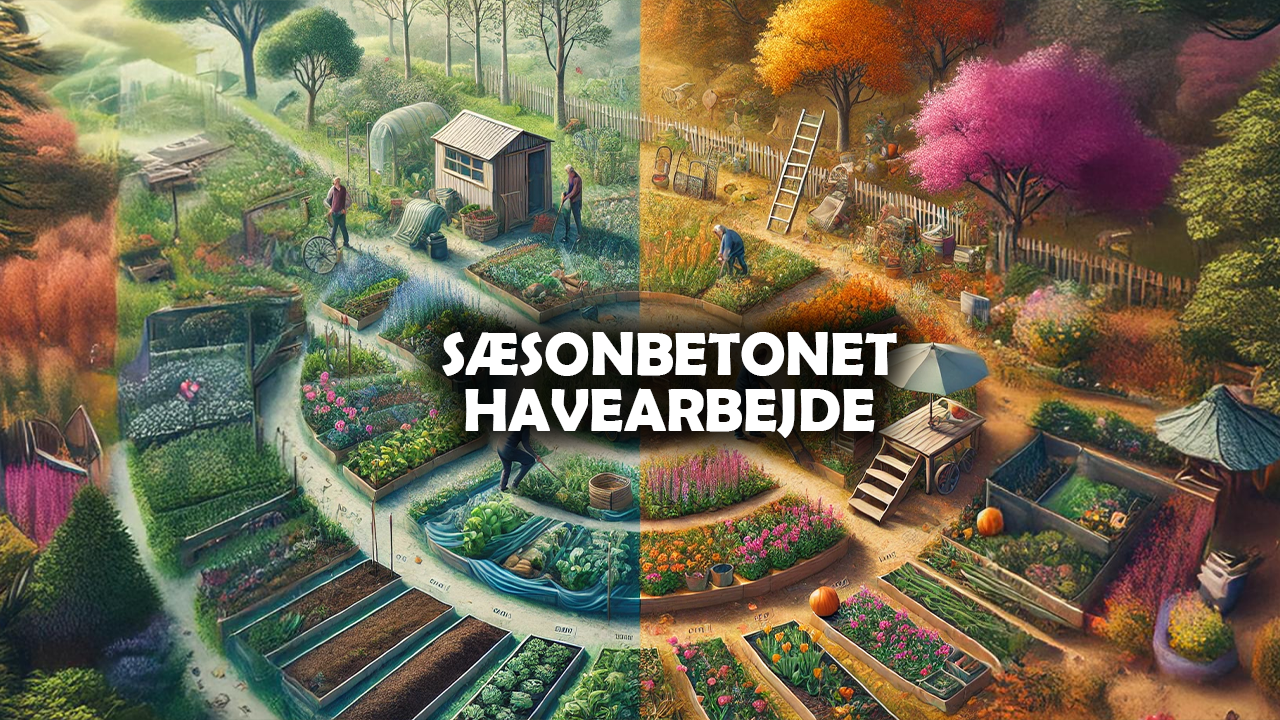
Seasonal gardening is one of the most effective strategies for creating a healthy, productive and economical garden. Working with nature’s rhythms rather than against them saves you both time and money – and gives your plants better growing conditions without extra resources.
By focusing on seasonal gardening, you can plan when to sow, fertilise, water, prune and harvest, making the most of the changing seasons throughout the year. The beauty of seasonal gardening is that it reduces waste. You avoid sowing too early, buying plants outside their peak season or investing in equipment your garden does not actually need. Following nature’s calendar gives you free help from rain, sunshine, warmth, cold and natural periods of dormancy.
The result is a more resilient garden that thrives without expensive measures – exactly as a budget-friendly garden should. Seasonal gardening also makes it easier to spread tasks throughout the year. Instead of stress and last-minute fixes, you establish a calm rhythm in which gardening tasks fall naturally into place and support one another. This gives you a well-tended garden that needs less maintenance and far fewer interventions.
Ideas For Inspiration – Good Habits For Seasonal Gardening
🌱 Spring – Planning And Starting Seeds As Part Of Your Seasonal Gardening
Spring marks the start of new growth, and this is when seasonal gardening gives you a valuable head start. During this period, you can start seeds indoors, divide herbaceous perennials and prepare the soil for a new season. Creating a clear plan helps your garden get off to a good start without expensive impulse purchases. Starting plants from seed is a particularly budget-friendly strategy because seeds are inexpensive and produce far more plants than buying established ones.
🌿 Summer – Maintenance And Active Care In Seasonal Gardening
In summer, seasonal gardening is about keeping your garden in top condition with simple, inexpensive solutions: watering in the morning, removing weeds a few at a time, harvesting crops and protecting against drought. Following nature’s rhythm and responding to changes in the weather helps you avoid many problems – and reduces the need for expensive treatments. Summer is also the time to plant summer flowers and herbs that thrive in warmth and give your garden colour and fullness.
🍂 Autumn – Collecting And Preparing Through Seasonal Gardening
Autumn is the time for tidying up, improving the soil and collecting seeds. One of the most budget-friendly seasonal gardening measures is saving seeds from your own plants, so you do not need to buy new ones the following spring. It is also a good time to plant bulbs, prune shrubs and fertilise the soil so it is ready for its winter rest. Autumn strengthens your garden – and puts your finances in a better position for the next season.
❄️ Winter – Rest, Repairs And Planning For Seasonal Gardening
Winter is the quiet period, but it remains an important part of seasonal gardening. You can repair tools, clean pots, plan next year’s projects and prune certain plants. Using the calm of winter to improve your equipment and plan your approach helps you avoid rushed projects and expensive quick fixes in spring. Winter gives you time to reflect and prepare more thoughtfully.
🌸 Plant According To The Season For Effective Seasonal Gardening
Planting according to the season rather than on impulse gives your plants better conditions and helps you avoid unnecessary expenses. Seasonal gardening means choosing plants that naturally thrive in the season in which you plant them. This minimises the risk of losing plants, reduces water use and produces stronger plants that do not need expensive follow-up treatments.
🌾 Harvest At The Right Time As Part Of Seasonal Gardening
Harvesting at the right time has a major effect on flavour, yield and shelf life. Seasonal gardening means following each plant’s natural rhythm, so you pick vegetables and fruit when they are at their best. This makes your garden more productive and reduces waste. Regular harvesting also encourages new growth – particularly in plants such as lettuce, herbs and beans.
💧 Make The Most Of Nature’s Resources In Seasonal Gardening
Rainwater, sunlight, wind and shade change throughout the year. Seasonal gardening is about using these free resources rather than compensating with expensive solutions. In spring, plants receive plenty of moisture from rain, while summer provides light for warmth-loving crops. By adapting your activities to nature’s rhythms, you can keep your garden healthy without extra expense.
REMEMBER – Seasonal gardening is the recipe for structure, beauty and good control of your gardening budget. By following nature’s rhythms and working with the seasons, you create a stronger, healthier and more affordable garden.
Gardening On A Budget – Share Your Joy Of Gardening
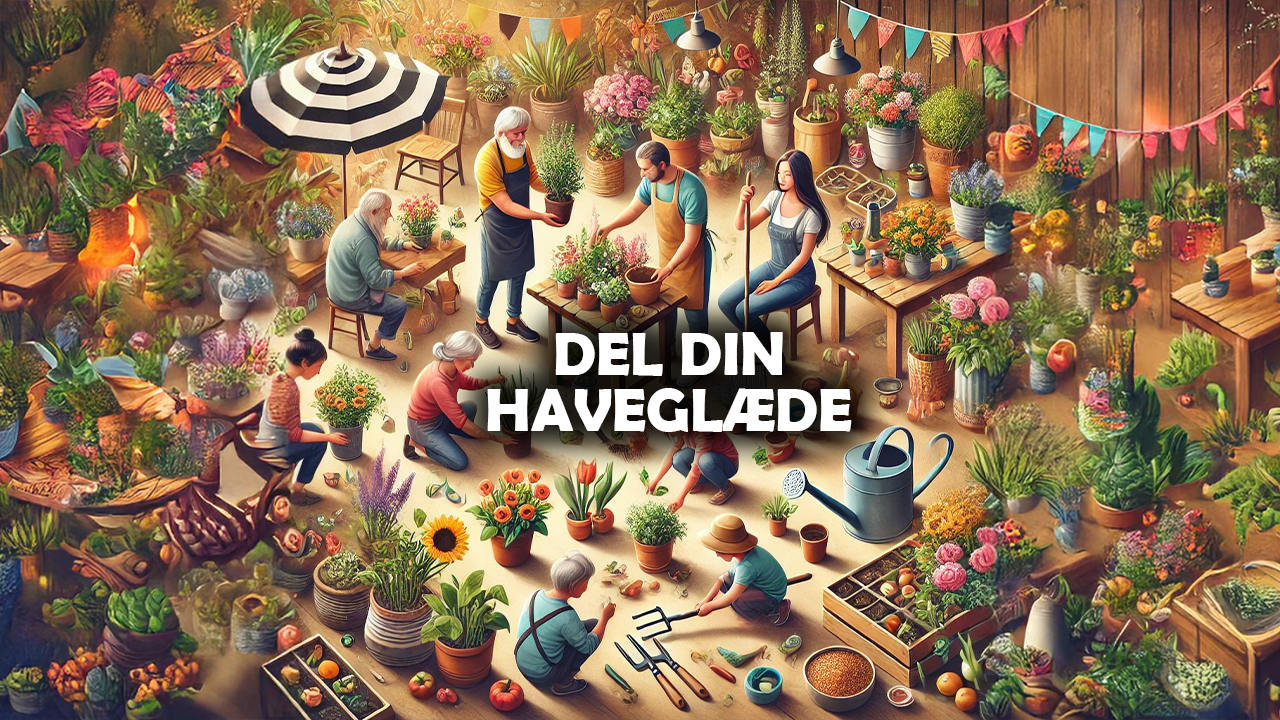
Having a garden is not just about plants, soil and projects – it is just as much about the joy of sharing experiences, results and knowledge with others. Sharing your joy of gardening makes it even more rewarding and opens the door to community, inspiration and support that can make your garden both more affordable and better. Sharing that enjoyment can mean anything from swapping seeds and exchanging knowledge to inviting others into your garden or helping a friend start their first bed.
The joy of gardening is infectious, and sharing it also allows you to benefit from other people’s experience, ideas and surplus supplies. Many people discover that working together makes it easier to keep costs down – you can borrow tools, divide plants, exchange soil tips or help one another with larger projects. When gardening becomes a shared pleasure, it becomes cheaper, more enjoyable and far more vibrant.
Sharing your joy of gardening also strengthens your connection with local communities. You meet new people, bring generations together and gain access to plenty of free resources that you do not need to pay for yourself. In this way, the joy of gardening becomes something you nurture not only in your flower beds, but also in relationships, neighbourly connections and shared experiences.
Ideas For Inspiration – Ways To Share Your Joy Of Gardening
🌿 Swap Plants And Seeds To Share The Joy Of Gardening
Swapping is one of the most popular ways to share the joy of gardening. When you exchange seeds, cuttings or small plants with family, neighbours, friends or local groups, you get new varieties without paying, while others benefit from your surplus. This adds variety to your garden, strengthens community ties and makes it easier to keep costs down. Sharing your enjoyment of gardening in this way creates a cycle in which everyone gets more from their garden.
🤝 Join Local Gardening Communities To Enjoy Gardening Even More
Gardening communities, plant groups and local events are ideal places to find inspiration, useful advice and new friends. Here, you can share your enthusiasm with like-minded people, learn new techniques and exchange tips on everything from improving soil to composting. These communities make gardening more enjoyable and give you access to free resources through other people’s experience and surplus supplies.
If you would like someone to share your interest in gardening with, you can find inspiration for discovering hobby groups in our article – Great Tips For Finding Hobby Communities Without Spending A Fortune
🌸 Use Social Media To Spread The Joy Of Gardening
Blogs, Facebook groups, Instagram and local online forums allow you to share your enthusiasm for gardening with a wider audience. You can post photos, ask questions, offer advice and inspire others facing the same challenges as you. Social media is also a fantastic way to discover free solutions, creative ideas and new projects that can make your garden more beautiful without extra expense.
🪴 Share Surplus Plants To Pass On Your Joy Of Gardening
Many plants grow large, can be divided or produce side shoots. Giving away your surplus plants does more than spread the joy of gardening – it extends the plant’s life and helps others create a beautiful garden without significant expense. It is a gift that costs you nothing but offers real value to the recipient. And often, you receive something in return, such as new plants, seeds or helpful advice.
🌼 Arrange Small Garden Visits To Share Your Joy Of Gardening
Invite family, friends or neighbours for a tour of your garden. It is a lovely way to share your enjoyment, especially when you show them your projects, flower beds, environmentally friendly solutions and small DIY ideas. Many people leave feeling inspired, motivated and keen to get started themselves – and you get the pleasure of seeing others appreciate the work you have put into your garden.
🍅 Share Your Harvest And Vegetables To Spread Everyday Gardening Joy
When you have surplus produce from your vegetable patch, sharing it with those around you is a natural choice. A handful of tomatoes, a bunch of herbs or some freshly picked lettuce can bring the recipient plenty of gardening joy while reducing waste. It connects people, creates small moments of gratitude and shows just how much value a garden can offer – without costing a penny.
🛠️ Help Others With Their Gardens To Spread The Joy Further
Lending a hand in someone else’s garden is a wonderful way to share the joy of gardening, particularly with beginners who may feel unsure of themselves. A few hours spent planting, building beds or setting up planters makes a big difference and spreads enthusiasm throughout the neighbourhood. In return, you gain inspiration, exercise, good relationships – and perhaps a friend who will help you next time.
REMEMBER – The joy of gardening grows every time you share it with others, and a sense of community makes your garden richer, more enjoyable and far more budget-friendly.
Conclusion
Creating a garden on a budget is far from limiting – in fact, it can be one of the most inspiring and satisfying ways to garden. By choosing clever solutions, using reclaimed materials, working with nature’s rhythms and thinking creatively, you gain more than a cheaper garden: you create one with far more personality, practicality and joy.
It is not about having the most expensive plants or the most advanced equipment, but about seeing the possibilities in simple things and letting nature do much of the work for you. A budget-friendly garden is built on good habits, thoughtful choices and a willingness to experiment. You learn along the way, discover new methods and realise that even small projects can make a big difference when approached with care.
Whether you are a beginner or an experienced gardener, you can create a beautiful, productive and harmonious garden that stays within your budget and brings you joy every day. What matters most is enjoying the process and letting your love of gardening grow alongside your plants. When you give your garden a little thoughtful attention, it rewards you a thousandfold – with peace, colour, flavour, fresh air and small moments of pride that remind you how even the tiniest seeds can grow into something big and beautiful.
REMEMBER – Nurturing your creativity makes your garden more affordable, more personal and more beautiful. Gardening on a budget is not about cutting corners, but making clever choices. 🌿💚
Mini Guide – How To Start A Garden On A Budget
This mini guide summarises the article above and offers useful tips on how to start or plant a garden on a budget.
🌱 Plan Your Budget Garden Thoroughly From The Start
A solid plan is the foundation of any successful garden on a budget. Before you begin, map out your garden: where does the sun shine, where does shade linger longest, where does water collect, and where does the soil seem most fertile? This gives you a clear overview, helping you avoid unsuitable purchases and ensuring that every plant has the best possible conditions. Spending time on planning makes setting up the garden much cheaper, as you will not need to replace struggling plants or invest in extra soil, watering systems or specialist equipment. A carefully developed plan saves you time, money and frustration — and gives your budget garden the best possible start.
🪴 Choose Inexpensive, Hardy And Easy-To-Grow Plants For Your Budget Garden
Plants are the heart of any garden on a budget, so choosing the right varieties is essential. Hardy perennial plants are often the cheapest option in the long run because they return year after year without extra expense. Herbs such as thyme, oregano and mint practically look after themselves and require minimal care. Summer flowers such as pot marigolds, cornflowers and sunflowers can be grown from inexpensive seeds and produce impressive, colourful displays. Focusing on plants that are affordable to buy and easy to maintain gives you a budget garden that is beautiful, productive and sustainable.
♻️ Use Reclaimed Materials To Build Your Garden On A Budget
Working with reclaimed materials can save you several hundred Danish kroner without compromising on quality. Pallets can be transformed into planters or herb shelves, old wooden crates can become movable beds, and plastic buckets can serve as plant pots. Even glass, metal and stones gathered from nature can be used for decorations or small projects. This creative approach makes your garden both visually interesting and economical. It also gives you a more personal garden, with features that have history and character, rather than everything coming straight from the garden centre shelves.
💧 Make The Most Of Free Resources For A Stronger, More Affordable Garden
Some of the biggest savings in a budget garden come from using nature’s own resources. Collecting rainwater can significantly reduce your mains water use while giving plants a softer, more natural water source that often helps them thrive. Homemade compost turns kitchen scraps, leaves and grass clippings into nutrient-rich soil, replacing expensive fertilisers and bags of soil. Natural materials such as stones, branches, bark and moss are also perfect for natural borders, decorations or ground cover — completely free of charge. Making use of these free resources makes your budget garden far more self-sufficient and sustainable.
🌼 Work With The Seasons To Create A Resilient, Budget-Friendly Garden
Seasonal gardening is one of the most underrated secrets behind a resilient, affordable garden. Following the changing seasons gives you free help from nature. Spring brings moist soil and ideal conditions for starting seeds; summer provides warmth and light for rapid growth; autumn is ideal for planting robust varieties; and winter offers a quiet period for planning, repairs and rebuilding. Sowing and planting at the right time helps you avoid buying unnecessary equipment or replacing plants lost through poor timing. The seasons give you a steady rhythm, peace of mind and better results — without extra expense.
🧺 Share, Swap And Borrow To Expand Your Budget-Friendly Garden
Community is a key ingredient in any garden on a budget. Sharing seeds, swapping plants and borrowing tools can save you enormous amounts and give you access to more resources than you could afford to buy yourself. Local swapping groups, gardening pages and neighbourhoods are often full of people happy to give away their surplus — from cuttings and soil to compost and small planters. Sharing gardening experiences and materials strengthens relationships and your enjoyment of gardening, while inspiring new projects you might never have discovered on your own.
🔧 Tackle Small, Manageable Projects In Your Budget-Friendly Garden
Small projects can transform even a tiny garden into a welcoming, practical and inspiring space — without costing much. A homemade raised bed, a simple herb shelf, a DIY plant support or a small vertical bed can produce impressive results for almost no money. These projects are perfect for a garden on a budget because they require few materials and often add real everyday value. Start small, learn as you go and expand gradually as your ideas grow — just like the garden itself.
🌿 Prioritise Maintenance That Keeps Your Affordable Garden Healthy
An affordable garden is not just inexpensive to create — it is inexpensive to maintain too. That is why simple maintenance routines are essential. Regular weeding, morning watering, natural mulch and ongoing plant care keep your garden healthy without costly interventions. When the soil is healthy, plants are robust and weeds are kept under control, maintaining your garden becomes easier, cheaper and far more effective.
For more inspiration on starting a garden on a budget, watch this video – How To Start A Low-Budget Garden
If you have experience and/or knowledge of starting or planting a garden affordably without breaking the bank, we would love to hear your thoughts and/or suggestions in the comments, including any other ideas for starting or planting a garden cheaply or perhaps even for free.