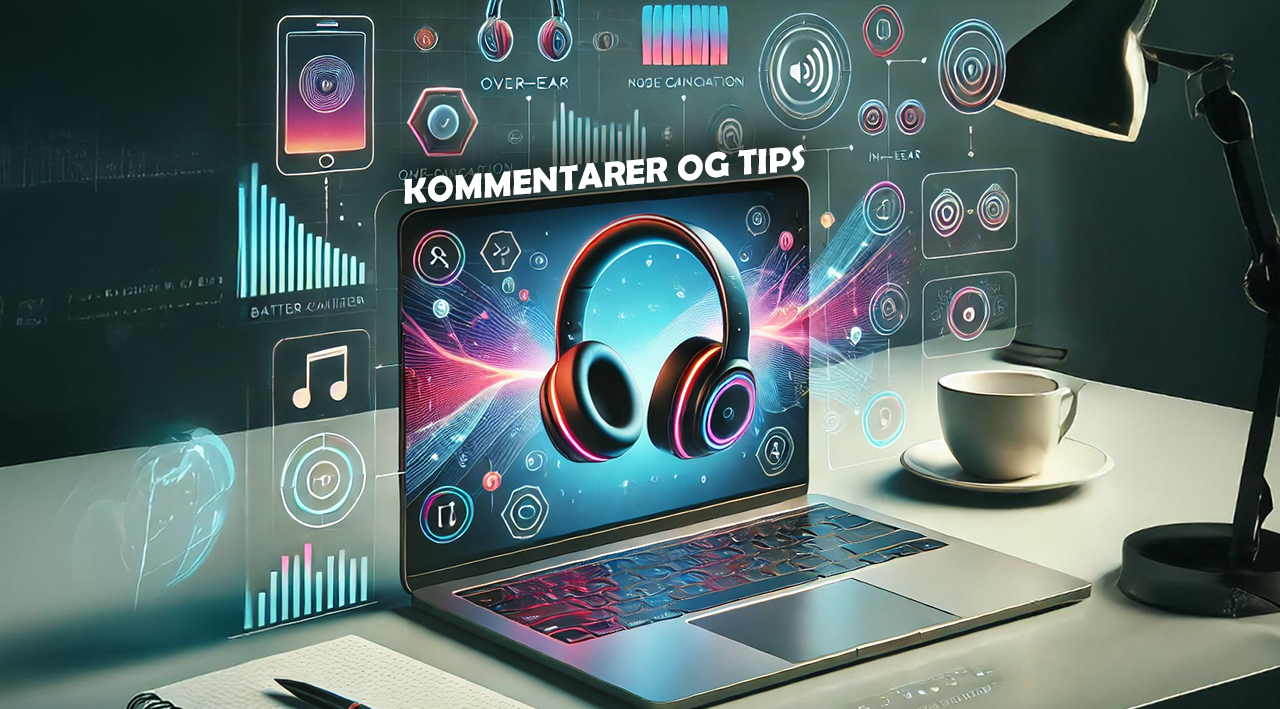

Wireless headphones have become an essential part of everyday life for many people – whether they use them for music, calls, workouts or relaxation. They accompany us on the go, at the gym, in the home office and on the sofa, making quality, comfort and functionality more important than ever. Choosing the right wireless headphones can make a significant difference to sound quality, ease of use and everyday comfort.
The market for wireless headphones is vast, however, and can sometimes be confusing. There are countless models with different fits, sound profiles, battery lives and features such as active noise cancellation, transparency mode, touch controls and water resistance. Many people end up choosing based on price or design alone, but this is rarely enough if the headphones need to perform well across different situations, such as work, calls and workouts.
Needs vary considerably from person to person. Some prioritise clear sound and a good microphone for calls, while others value powerful bass and a secure fit for workouts. For many, comfort, battery life and easy connectivity to a phone, tablet or computer are just as important as sound quality itself. That is why it is essential to start by considering how and when you will actually use your headphones.
It is also about more than choosing the right headphones – it is about getting the most out of them. Small adjustments to settings, a proper fit and familiarity with the features can significantly improve both your listening experience and the lifespan of your headphones. Many features go unused simply because people do not know they exist – or how to activate them.
In this article, we guide you through the most important considerations when choosing wireless headphones for music, calls and workouts. You will also find practical tips on how to make the most of your headphones in everyday life. The aim is to give you a solid basis for making an informed decision, so you end up with an option that meets your needs and brings you enjoyment every day.
What Should You Consider When Choosing Wireless Headphones?
When choosing wireless headphones, it is important to start by considering how you will mainly use them. Wireless headphones can meet many needs, but rarely all of them equally well. Listening to music, making calls and working out place different demands on sound, comfort and features, and the clearer you are about your needs, the easier it will be to find the right option.
Sound quality is a deciding factor for many people. Consider which type of sound profile you prefer – for example, powerful bass, balanced sound or extra-clear speech. If you often use your headphones for calls, microphone quality and noise reduction during conversations are particularly important. For music, detail and dynamics may matter more, while workouts require a stable connection and consistent sound, even when your heart rate is high.
Comfort and fit also play a central role, especially if you wear your headphones for long periods. Ear shapes vary from person to person, and a good fit can be crucial to both comfort and your listening experience. For workouts, prioritise a secure fit that stays in place as you move, while soft materials and a lightweight design are important for everyday use and work.
Battery life and charging are practical but often underestimated factors. Consider how long you typically use your headphones at a time and whether they need to last through a full working day or long workout sessions. Fast charging and a handy charging case can make a big difference in a busy daily routine, when charging is not always planned.
Features such as active noise cancellation, transparency mode and controls are also important considerations. Noise cancellation can be a great advantage in noisy environments, while transparency mode allows you to stay aware of your surroundings when running or commuting, for example. User-friendly controls – whether touch-sensitive or physical buttons – can make everyday use much more convenient.
Finally, consider compatibility and durability. Make sure the headphones work seamlessly with your devices, and consider whether they are sweat- and water-resistant if you plan to use them for workouts. Making a well-informed choice means finding the right balance between features, comfort and price – so you get wireless headphones that suit your daily routine and your needs.
Here Are Some Important Factors to Consider When Choosing Wireless Headphones
Wireless Headphone Form Factors

When choosing wireless headphones, the form factor plays a crucial role in comfort, your listening experience and practical everyday use. There are several different types of wireless headphones, each with clear advantages depending on how and where you use them. A suitable form factor makes it easier to wear your wireless headphones for longer without them becoming uncomfortable or falling out.
For example, in-ear wireless headphones are popular for workouts because they fit snugly inside the ear and often provide better noise isolation. Over-ear wireless headphones typically offer a fuller sound and greater comfort for longer listening sessions, while on-ear wireless headphones can provide a good middle ground, combining good sound with less weight. It is therefore important to match the form factor of your wireless headphones to your personal needs – whether for commuting, running, enjoying music in detail or attending online meetings.
Ideas and Inspiration – Types of Wireless Headphone Form Factors
In-Ear Wireless Headphones*** – Provide Stability and Freedom***
In-ear wireless headphones are an excellent choice if you want a lightweight, flexible option for everyday use. They sit directly inside the ear canal, providing a snug fit that reduces external noise and improves your listening experience. Their compact size makes these wireless headphones easy to take anywhere – in your bag, in your pocket or while working out. Many models are also water- and sweat-resistant, making them particularly popular for running, gym workouts and other activities. These wireless headphones are also often simple to operate using touch controls or voice commands, allowing you to change tracks, take calls or activate voice assistants easily.
On-Ear Wireless Headphones*** – Strike a Balance Between Comfort and Sound***
On-ear wireless headphones rest directly on your ears and combine good sound with excellent portability. They are lighter than over-ear models but still deliver a clear, full sound that is perfect for everyday use – at the office, on the train or at home. This wireless headphone form factor is ideal if you want comfort without completely shutting yourself off from your surroundings. Most of these wireless headphones have adjustable headbands, soft ear cushions and intuitive control buttons, making them comfortable to wear for longer periods.
Over-Ear Wireless Headphones*** – For an Immersive Listening Experience and Comfort***
For many people, over-ear wireless headphones are the ultimate choice when sound quality and comfort are the priorities. These wireless headphones surround the entire ear, creating an enclosed listening experience that minimises background noise and brings out the details in your music. They are particularly popular for longer listening sessions – for example, while working from home, travelling or immersing yourself in your favourite music. Many over-ear models feature active noise cancellation, long battery life and padded headbands, ensuring a comfortable fit for hours.
Open-Ear Wireless Headphones*** – Provide Freedom and Safety***
Open-ear wireless headphones – often based on bone conduction technology – let you hear both your music and your surroundings at the same time. This makes these wireless headphones ideal for outdoor workouts, cycling and running, where safety is a top priority. Because they do not sit inside the ear, many people find the sound more natural and open. This type of wireless headphone is also suitable for people who dislike the feel of in-ear models. The design also reduces the risk of moisture build-up and irritation in the ear canal.
Hybrid Wireless Headphone Designs*** – For Flexible Use***
Hybrid wireless headphone designs combine the advantages of different form factors, giving you flexibility in how you use them. These wireless headphones may, for example, offer an in-ear fit with an open listening experience, adjustable headbands or the option to switch between noise cancellation and ambient sound. They are perfect if you do not want to compromise and would like an option that suits many different situations – from the office to the gym and then on to a flight.
REMEMBER – Choose the form factor for your wireless headphones that best suits your lifestyle. Once you know your needs, you will quickly find the form factor that is perfect for you, and with the right type of wireless headphones, you will enjoy better sound, comfort and flexibility.
Sound Quality in Wireless Headphones

When choosing wireless headphones, sound quality is one of the most important factors in the overall experience. Good sound quality is not just about high volume, but about clarity, balance and the ability to reproduce music, speech and detail accurately. A good sound profile in your wireless headphones can make the difference between a flat listening experience and an immersive journey through sound – whether you are listening to music, watching films or talking on the phone.
Modern wireless headphones can deliver impressive sound thanks to advanced drivers, noise cancellation and improved Bluetooth technology. It is therefore worth choosing a model whose sound quality matches your needs, whether you value deep bass, clear voices or an even balance across frequencies.
Ideas and Inspiration – Elements That Affect the Sound Quality of Your Wireless Headphones
Driver Technology in Wireless Headphones*** – Makes a Big Difference to Your Listening Experience***
The driver technology in wireless headphones is crucial to how sound is reproduced. The driver acts as the “engine” of the wireless headphones, converting electrical signals into sound. The better and more advanced the driver, the clearer, deeper and more detailed the sound. Smaller drivers can produce a clear, balanced sound, while larger drivers often deliver stronger, fuller bass. If you love music with plenty of detail or want an impressive listening experience, it is worth choosing wireless headphones with driver technology that meets your sound quality requirements.
Noise Cancellation in Wireless Headphones Produces Clearer Sound
Noise cancellation is one of the most popular features in modern wireless headphones. Active noise cancellation (ANC) allows you to block out unwanted background noise and enjoy a cleaner, clearer listening experience – even in noisy surroundings such as trains, planes or open-plan offices. By filtering out noise, your wireless headphones allow you to listen at a lower volume while still hearing every nuance of the music or conversation. This feature is particularly valuable for those who want an uninterrupted listening experience in everyday life or while travelling.
Bluetooth Codecs and Signal Strength Affect Sound Quality in Wireless Headphones
Sound quality in wireless headphones depends largely on how audio is transmitted from your device to the headphones. Bluetooth codecs such as aptX, AAC and LDAC can provide much better and more stable sound than a standard codec. A good codec minimises delays and ensures that music or calls sound clear and detailed through your wireless headphones. Signal strength also plays an important role. A stable connection means fewer dropouts and a more seamless listening experience. This is particularly noticeable if you move around a lot, use your wireless headphones outdoors or stream high-quality music.
Sound Profiles and Equalisers in Wireless Headphones Let You Personalise Your Sound
A sound profile describes how wireless headphones reproduce different frequencies – such as bass, midrange and treble. Many wireless headphones allow you to adjust the sound profile using a built-in equaliser or a companion app. This means you can tailor the sound to your preferences. For example, when working out, you might choose a profile with more bass, while for podcasts or phone calls, you may prefer a more neutral sound. This flexibility allows you to enjoy a listening experience through your wireless headphones that suits both your activity and your mood.
Fit and the Seal Inside Your Ear Are Crucial to Your Listening Experience with Wireless Headphones
Even the best technology cannot perform at its best if the fit is not right. When wireless headphones fit snugly and securely inside your ears, they create a better seal, improving both bass and overall sound quality.
A poor fit, on the other hand, can make the sound thinner and allow external noise to enter. It is therefore a good idea to choose wireless headphones that let you adjust the fit using different ear tips or ear hooks. A good fit not only ensures better sound, but also greater comfort during extended use.
REMEMBER – Sound quality is at the heart of your wireless headphones, so choose carefully. Good sound is not just about volume, but about clarity, balance and detail. The right listening experience through your wireless headphones can turn everyday moments into something special.
Comfort and Fit in Wireless Headphones
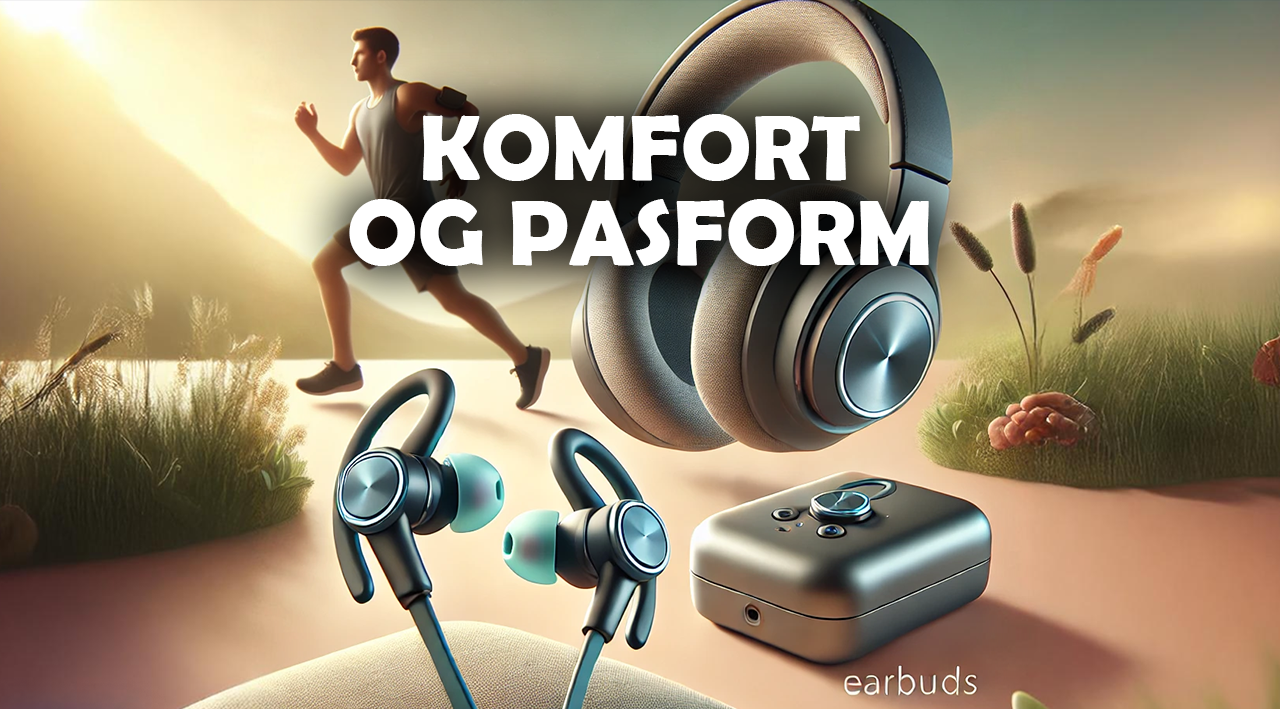
Comfort and fit are essential when choosing wireless headphones. No matter how good the sound quality is, headphones will quickly become frustrating to use if they do not fit properly or feel comfortable over longer periods. A good fit not only ensures comfort – it can also improve your listening experience by creating a better seal and reducing external noise.
Choosing the right fit for your wireless headphones depends on how you use them. For workouts, many people prefer wireless headphones with a firm, secure fit, while longer listening sessions often call for a lightweight, padded design that does not put pressure on the ears. Comfort becomes especially important if you use wireless headphones for several hours every day – for example, for music, calls or online meetings.
Ideas and Inspiration – Elements That Affect Comfort and Fit in Wireless Headphones
Weight and Material Choices Affect the Comfort of Wireless Headphones
When you wear wireless headphones for longer periods, both weight and materials play a major role in comfort. Lightweight wireless headphones feel more comfortable and less heavy on your head or in your ears, while heavier models can quickly cause pressure and discomfort. The choice of materials also matters greatly – soft cushions, flexible headbands and skin-friendly surfaces make a noticeable difference. Many manufacturers now use advanced, breathable materials that make everyday use of wireless headphones more comfortable. It is therefore worth choosing wireless headphones that combine good sound with a lightweight design and a comfortable fit.
Adjustable Headbands and Ear Cushions Improve the Fit of Wireless Headphones
One of the most effective ways to improve the comfort of wireless headphones is through adjustable headbands and ear cushions. This flexibility allows you to adapt the headphones precisely to the shape and size of your head, so they are neither too loose nor too tight. Properly adjusted wireless headphones distribute their weight evenly, reducing pressure points and making them more comfortable to wear for many hours. This is particularly beneficial if you listen to music, work online or spend a lot of time on the phone throughout the day.
Different Ear Tips for In-Ear Wireless Headphones Improve Comfort and Sound
In-ear wireless headphones often come with ear tips in several sizes, allowing you to choose the best fit for your ears. The right size creates a snug seal inside the ear, improving your listening experience and making the headphones more comfortable to wear for longer periods. A good seal also reduces external noise, meaning you do not need to turn up the volume to hear clearly. This is particularly useful during workouts, while commuting or in other situations where you want a secure, comfortable fit.
Ventilation and Breathability Make Wireless Headphones More Comfortable
Heat and sweat can become an issue when wearing over-ear or on-ear wireless headphones for longer periods. Ventilation zones and breathable materials can therefore make a big difference to comfort. Good ear cushions and a well-ventilated design help keep the temperature around your ears down, making the headphones feel lighter and more comfortable. This is particularly beneficial if you use wireless headphones in warm environments, while travelling or during workouts. Breathability helps ensure lasting comfort, even during long listening sessions.
Stability During Movement Is Essential for Wireless Headphones
If you use your wireless headphones for workouts, running or other activities, stability is essential. The headphones need to stay securely in place without constant adjustment. A good, stable fit gives you the freedom to move naturally and stay focused without interruptions. Many wireless headphones are designed with extra support, ear hooks or specially shaped designs that follow the contours of the ear for maximum stability. This is an important factor for anyone who uses wireless headphones while active and expects a combination of comfort, a secure fit and good sound.
REMEMBER – Comfort and fit are just as important as sound quality when you use wireless headphones every day, and the right fit gives you both better sound and a much more comfortable experience.
Battery Life in Wireless Headphones

Battery life is one of the most important factors to consider when choosing wireless headphones. Whether you use wireless headphones for music, calls or workouts, it is essential that their charge lasts long enough to suit your daily routine. Good battery life means you can listen, work or move freely – without constantly thinking about charging.
Battery life varies considerably depending on the model and features of your wireless headphones. Some compact in-ear headphones typically offer between 4 and 10 hours per charge, while over-ear models can often last for 20–30 hours or more. Many newer wireless headphones also come with fast charging and charging cases, providing extra listening time and flexibility.
Ideas and Inspiration – Elements That Affect Battery Life in Wireless Headphones
Battery Capacity and Technology Make a Big Difference in Wireless Headphones
The battery’s capacity and the technology it uses determine how long your wireless headphones can last on a charge. The better and more efficient the battery, the more listening time you get – without compromising sound quality or performance. Modern wireless headphones use advanced chip technology that minimises energy consumption while delivering stable sound. This means that even compact wireless headphones can provide many hours of listening time. When choosing wireless headphones, you should therefore look at both battery capacity and the technology that manages power consumption.
Noise Cancellation and Other Features Affect Battery Life in Wireless Headphones
Features such as active noise cancellation (ANC), advanced microphones, voice control and an extended wireless range are popular in wireless headphones – but they require energy. The more features you use, the faster the battery drains. It can therefore be helpful to switch off certain features when you do not need them. This can significantly extend the battery life of your wireless headphones and help you get more from each charge. It gives you flexibility for both everyday use and travel.
Fast Charging Makes Wireless Headphones More Practical for Everyday Use
Fast charging is one of the most sought-after features in modern wireless headphones. With this technology, just a few minutes of charging can provide several hours of listening time. This means you can quickly top up the battery if you are heading out or need your wireless headphones at short notice. This is particularly useful if you lead an active life or travel frequently. Fast charging removes the need to plan for lengthy charging sessions and gives you greater freedom to use your wireless headphones whenever you need them.
Charging Cases for In-Ear Wireless Headphones Extend Battery Life
Many in-ear wireless headphones come with a charging case that acts as an additional power source. The case allows you to recharge the headphones several times without needing access to a plug socket. This gives you extra flexibility and freedom to use your wireless headphones for longer periods. A compact charging case is particularly practical for commuting, travelling and workouts, when charging via a cable is not always possible. This makes it easier to keep your wireless headphones fully charged throughout the day.
Power Management and Smart Settings Extend Battery Life in Wireless Headphones
Efficient power management plays an important role in battery life. Many wireless headphones now include smart features such as automatic power-off, power-saving mode or adjustments to power consumption based on activity. These features ensure that you get the most out of each charge without having to think about it yourself. The result is longer listening time, fewer interruptions and a smoother daily routine, whether you use your wireless headphones for music, calls or workouts.
REMEMBER – Long battery life gives you the freedom to enjoy sound through your wireless headphones without interruptions. When your wireless headphones hold their charge, you can focus on the experience – not the charging.
Noise Cancellation in Wireless Headphones

Noise cancellation is one of the most sought-after features in modern wireless headphones because it allows for a much better and more peaceful listening experience. Whether you are on a train, in an office or surrounded by city noise, noise cancellation in wireless headphones can help block out distracting sounds so you can focus on your music, calls or thoughts.
There are different forms of noise reduction in wireless headphones – from passive isolation through a snug fit to advanced active noise cancellation (ANC), which uses microphones and technology to actively cancel out background noise. The best option depends on how and where you use your wireless headphones.
Ideas and Inspiration – Elements That Affect Noise Cancellation in Wireless Headphones
Active Noise Cancellation in Wireless Headphones Creates a Peaceful Listening Experience
Active noise cancellation is one of the most advanced features available in modern wireless headphones. The technology works through built-in microphones that pick up external noise and generate opposing sound waves to neutralise it. The result is a significantly quieter, more focused listening experience, allowing you to enjoy your music or calls without distractions from your surroundings. Active noise cancellation in wireless headphones is particularly useful in noisy environments such as trains, planes or open-plan offices, where background noise would otherwise be disruptive. If you value clear sound and peace and quiet, active noise cancellation is a feature worth prioritising in your next pair of wireless headphones.
Passive Noise Isolation in Wireless Headphones Provides Natural Noise Reduction
Passive noise isolation is about design rather than technology. When wireless headphones are shaped and positioned to create a snug seal around or inside the ear, they can physically block out a large proportion of surrounding noise. This natural noise reduction can be surprisingly effective, providing a quieter listening experience without using extra power. In-ear wireless headphones with snug-fitting silicone ear tips and over-ear models with padded ear cushions are particularly good at providing passive noise isolation. It is a simple, energy-efficient way to improve your listening experience – ideal for those who want peace and quiet without activating advanced features.
Combining Active Noise Cancellation and Passive Noise Isolation in Wireless Headphones Delivers Maximum Effect
Combining active noise cancellation with passive noise isolation provides the best possible reduction of both high- and low-frequency noise. Many of the best wireless headphones on the market use this combination to deliver more consistent and effective noise reduction in different environments. Passive isolation physically blocks some of the noise, while active cancellation removes lower, constant sounds such as traffic or engine noise. This allows you to listen through your wireless headphones at a lower volume while still enjoying crisp, clear sound – ideal for both music and conversations.
Adjustable Noise Cancellation in Wireless Headphones Gives You Flexibility
Many modern wireless headphones offer adjustable noise cancellation, allowing you to decide how much background noise to block out. This flexibility makes it easy to adapt your wireless headphones to different situations – for example, full noise cancellation on a plane or a lower setting when walking around town. Being able to control the level of noise cancellation gives you a more personalised listening experience, allowing you to enjoy the quiet while staying safe around traffic or in public spaces. This makes the feature particularly appealing to those who use wireless headphones in many different places and situations.
Transparency Mode in Wireless Headphones Helps You Stay Aware and Feel Safe
Transparency mode does the opposite of noise cancellation – it lets the sounds of your surroundings in. Many wireless headphones now include this handy feature, which can be activated with a single tap. It allows you to hear what is happening around you while listening to music or having a conversation. This feature is particularly practical when running, cycling or navigating traffic, when awareness of your surroundings is important. Transparency mode gives you the flexibility to switch between peace and quiet and awareness of your surroundings without having to take off your wireless headphones.
REMEMBER – Noise cancellation in your wireless headphones gives you the peace and quiet to enjoy your music wherever you are. With effective noise cancellation, every sound becomes clearer and every experience better.
Connectivity and Range in Wireless Headphones

A stable connection and good range are essential for your wireless headphones to perform at their best in everyday use. An unstable connection can cause stuttering audio, delays or dropouts, which can spoil music, workouts and important calls. It is therefore important to choose wireless headphones that support modern, reliable wireless technology.
The best wireless headphones combine a fast, stable Bluetooth connection with a range that allows you to move freely without having to hold your phone all the time. Connection quality depends on both the technology in your wireless headphones and the device you connect them to.
Ideas and Inspiration – Elements That Affect Connectivity and Range in Wireless Headphones
The Bluetooth Version in Wireless Headphones Makes a Big Difference to Connection Stability
The Bluetooth version in your wireless headphones plays a crucial role in determining how stable and fast the connection is. Newer versions – such as Bluetooth 5.0 and above – provide better range, lower power consumption and fewer dropouts, even as you move away from your device. A modern Bluetooth standard also means lower latency, which is particularly useful if you use wireless headphones for calls, videos or gaming. Choosing wireless headphones with up-to-date technology gives you a clearer, smoother listening experience in everyday life.
Range and Freedom of Movement with Wireless Headphones
Good range is the key to a flexible, convenient listening experience. Many wireless headphones now offer a range of 10 to 15 metres, allowing you to move freely around your home, workplace or gym without having to hold your phone. A reliable range not only gives you freedom but also ensures that the connection remains stable, even when you move between rooms or are physically active. This makes a particularly big difference during workouts, calls or when multitasking throughout the day.
Signal Strength and Interference Affect the Connection in Wireless Headphones
Even with good Bluetooth technology, signal strength and your surroundings can affect sound quality in wireless headphones. Physical obstacles such as walls, large metal objects or numerous nearby wireless signals can cause dropouts and reduced sound quality. Wireless headphones with stronger signals and modern antenna technology handle these challenges better, providing a more stable connection. This means fewer interruptions and a more reliable experience – even in busy environments or places with substantial signal interference.
Multipoint Connectivity Makes Wireless Headphones More Flexible to Use
Multipoint connectivity allows you to connect your wireless headphones to several devices at the same time – for example, both a smartphone and a computer. This means you can easily switch between listening to music, taking calls and attending online meetings without having to connect manually each time. This feature is particularly useful for those who use wireless headphones for both work and leisure. It provides a smoother, more flexible user experience, saving you the hassle of constantly switching connections.
Automatic Pairing and a Stable Connection Make Wireless Headphones Easier to Use
Many modern wireless headphones are designed to recognise and automatically connect to your devices as soon as they are switched on. Automatic pairing makes everyday use more convenient, especially if you frequently switch between different devices. A stable connection also contributes to a more seamless, reliable experience, whether you use wireless headphones for workouts, work or relaxation.
REMEMBER – Connectivity and range are the foundation of a smooth experience with your wireless headphones. Good range and a strong connection bring freedom, comfort and better sound.
Price and Value for Money in Wireless Headphones

When choosing wireless headphones, it is not just about finding the cheapest or most expensive model – it is about finding the right balance between price and value. A high price does not necessarily guarantee that the wireless headphones will meet your needs, while a low price does not always mean poor quality. What matters most is that your wireless headphones offer the features and listening experience that make the most sense for you and your daily routine.
By focusing on what you actually need from your wireless headphones – such as battery life, noise cancellation, sound quality or range – you can make a more informed choice. This way, you get wireless headphones that meet your expectations without paying for features you do not use.
Ideas and Inspiration – Elements That Affect the Price and Value of Wireless Headphones
Features and Technology Influence the Price of Wireless Headphones
One of the biggest factors affecting the price of wireless headphones is the features and technology they include. Wireless headphones with advanced active noise cancellation, high sound quality, fast charging, touch controls or multipoint connectivity typically cost more than basic models. It is therefore worth considering which features you actually need in everyday life. If you mainly use wireless headphones for walks and listening to music, you may not need the most advanced model. But if you work online a lot or exercise frequently, the extra features can be an investment that delivers real value.
Materials and Build Quality Have a Major Impact on the Value of Wireless Headphones
The materials used in wireless headphones and their overall build quality have a significant impact on both price and durability. Cheaper wireless headphones are often made from simpler materials, which may feel lighter but can also be more vulnerable to wear and impacts. Premium wireless headphones typically use better components, stronger plastic or metal, and a more robust construction. The difference can be noticeable in their fit, sound and lifespan. Although they may cost a little more upfront, they can often last longer, making them a better investment in the long run.
Choosing Between Branded and Budget-Friendly Wireless Headphones
Choosing between a well-known brand and more budget-friendly wireless headphones largely comes down to balancing price and expectations. Established brands often charge more because they have a strong reputation and typically offer thoroughly tested technology with consistent performance. However, budget-friendly wireless headphones can now deliver surprisingly good quality at a lower price. Many newer manufacturers offer reliable products with useful features without charging a large premium for the brand name. If you have a clear idea of what you need, you can often get excellent value for money without choosing the most expensive wireless headphones.
Long-Term Durability and Customer Service Are Part of the Value of Wireless Headphones
The price of wireless headphones should also be considered in relation to how long they are likely to last. Cheaper wireless headphones may sometimes break sooner, meaning you need to replace them earlier. This can ultimately make them more expensive than a higher-priced model with a longer lifespan. Customer service and warranty cover are other important considerations. If the manufacturer offers good support, repairs or replacement of your wireless headphones, you gain greater peace of mind and better value for money. Longevity and customer service therefore make a real difference to the overall investment.
Matching the Price of Wireless Headphones to Your Needs
The best buy is not necessarily the most expensive – it is the one that best suits how you use your headphones. If you only use wireless headphones occasionally, a simple, affordable model may be more than sufficient. However, if you use wireless headphones for many hours each day for work, workouts or music, investing in higher quality may be worthwhile. By starting with your needs, you avoid paying for features you do not use and ensure you get the best possible value for money when buying wireless headphones. A well-considered investment means better sound, a longer lifespan and greater everyday satisfaction.
REMEMBER – The best price for wireless headphones is not always the lowest – it is the one that offers the most value for YOU. That is why the right wireless headphones are not necessarily the most expensive either. The best choice for you strikes the right balance between price and value, based on your requirements and needs.
The Best Wireless Headphones for Different Purposes
The best wireless headphones are not necessarily those with the most features, but those best suited to how you use them in everyday life. Music, calls and workouts place very different demands on headphones, so it can be helpful to think about specific uses rather than looking for one universal solution. When your headphones match your main need, you get better comfort, better sound and a smoother experience.
For listening to music, sound quality is often the most important factor. The focus should be on a balanced sound profile, good dynamics and perhaps active noise cancellation, which can block out your surroundings and create a more immersive listening experience. Comfort also plays a major role, especially if you listen for long periods at a time. Soft ear cushions, a lightweight design and a stable connection can make a noticeable difference in everyday use.
If the headphones will mainly be used for calls and work, microphone quality and speech clarity are essential. Good noise reduction for calls, a stable Bluetooth connection and clear voice reproduction help conversations run smoothly – both for you and the person you are speaking to. User-friendly controls and easy switching between devices can also be a major advantage during a busy working day.
Workouts place entirely different demands on headphones. They need to stay securely in place, even during vigorous movement, and should be sweat- and water-resistant. Battery life, a secure fit and simple controls are often more important than advanced audio features. During a workout, the priority is for your headphones to work reliably without needing adjustment or giving you anything to worry about.
For many people, finding headphones that balance several needs can be a good solution, but this often involves compromises. Being honest about what you use your headphones for most makes it easier to choose the right pair. This way, you get an option that supports your daily routine rather than getting in the way.
Below, we take a closer look at wireless headphones for different purposes
Wireless Headphones for Music

When choosing wireless headphones for music, sound quality is often the most important criterion. A good listening experience can turn everyday listening into pure enjoyment – whether you listen to classical music, pop, rock or podcasts. Music typically places greater demands on sound profile, balance and detail reproduction than calls, for example, so it is worth choosing wireless headphones optimised for this purpose.
Comfort, battery life and features such as noise cancellation also play an important role, especially if you listen for longer periods or in noisy surroundings. With the right wireless headphones for music, you get not only good sound but also a consistent, comfortable listening experience that makes music a regular part of your day.
Ideas and Inspiration – Key Elements of the Music Experience with Wireless Headphones 🎧
🎼 Sound Profile and Clarity in Wireless Headphones
Music requires a balanced sound profile in which bass, midrange and treble come through clearly. Some models offer EQ settings through an app, allowing you to fine-tune the sound to your taste.
🔇 Noise Cancellation in Wireless Headphones for an Uninterrupted Music Experience
Active noise cancellation (ANC) blocks out background noise and allows you to immerse yourself in your music – perfect for noisy environments such as buses, trains or the gym.
🪶 Comfort During Longer Listening Sessions with Wireless Headphones
Good comfort matters when you listen for several hours. A lightweight design, padded headbands and soft ear cushions make a big difference to the overall experience.
🔋 Battery Life for Music Listening with Wireless Headphones
Long battery life means you can enjoy music without interruptions. Many models offer more than 20 hours of listening time or a handy charging case for in-ear headphones.
📶 A Stable Connection for Clear Sound with Wireless Headphones
A stable Bluetooth connection provides a smooth, seamless music experience – without stuttering, dropouts or delays, even when you move around.
Here Are Some Recommended Wireless Headphones for Music
Sony WH-1000XM5*** (Over-ear) –*** Known for their exceptional sound quality and advanced ANC.
Sennheiser Momentum True Wireless 3*** (In-ear) –*** Deliver crystal-clear sound and a well-balanced sound profile.
Apple AirPods Pro (2nd generation)*** (In-ear) –*** Ideal for Apple users, with excellent integration and sound.
Wireless Headphones for Calls

When using wireless headphones for calls, both sound quality and microphone technology are essential. Clear voice reproduction, a stable connection and good noise reduction allow you to have conversations without interruptions or background noise – whether you are in the office, out for a walk or on the go.
Many modern wireless headphones are designed specifically with communication in mind, ensuring voices sound clear at both ends of the conversation. Comfort is also an important factor, as many people use wireless headphones for long meetings or numerous calls throughout the day. Choosing wireless headphones with a high-quality microphone, a reliable connection and good ergonomics can give you a much more professional and comfortable experience.
Ideas and Inspiration – Key Elements for Calls with Wireless Headphones ☎️
🗣️ Voice Reproduction During Calls with Wireless Headphones
A good microphone is the key to clear conversations. Many wireless headphones have multiple microphones that isolate your voice and minimise surrounding noise.
🔇 Noise Reduction in Wireless Headphones for Better Conversations
Active noise cancellation (ANC) and noise filtering make it easier to have conversations in noisy environments. This provides a more comfortable experience for both you and the person you are speaking to.
📡 A Stable Connection Without Dropouts in Wireless Headphones
A stable Bluetooth connection ensures that conversations do not stutter or cut out – even when you move around. This is particularly important if you use your headphones for work or online meetings.
🪶 Comfort During Long Calls with Wireless Headphones
If you often take part in long conversations or meetings, fit and comfort are important. A lightweight design, adjustable headbands and good ear cushions reduce fatigue during extended use.
🔋 Wireless Headphone Battery Life for the Working Day
Long battery life allows you to get through several hours of calls without recharging. Many models also feature fast charging, so you can quickly top up the battery during the day.
Here Are Some Recommended Wireless Headphones for Calls
Jabra Elite 7 Pro (In-ear) - Excellent microphone quality and noise reduction for calls.
Bose Noise Cancelling Headphones 700 (Over-ear) - Ideal for business calls, with advanced ANC and a clear microphone.
Wireless Headphones for Workouts
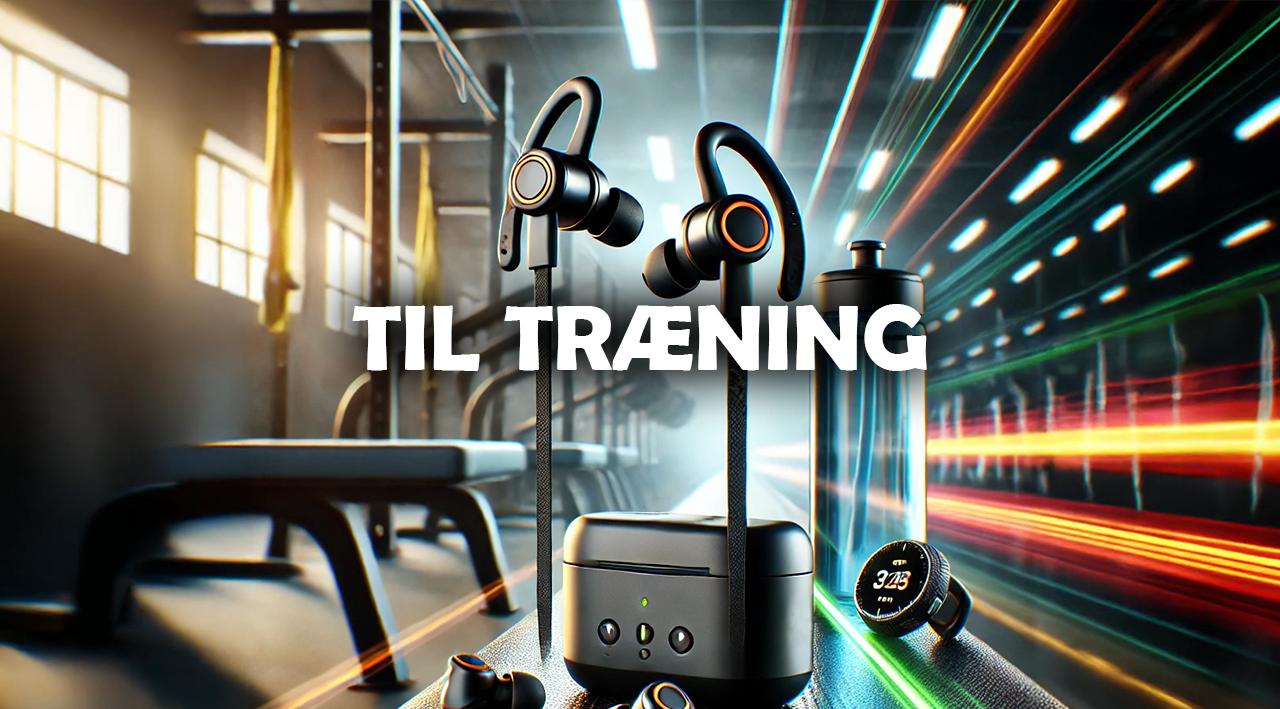
When choosing wireless headphones for workouts, it is not just about good sound, but also functionality, comfort and durability. During exercise, your wireless headphones need to stay securely in place, withstand sweat and movement, and deliver clear, energetic sound that motivates you to perform at your best.
A good fit is essential to prevent your wireless headphones from falling out while running, cycling or strength training. Battery life also needs to be sufficient for longer workouts, and the connection must be stable so your music does not cut out halfway through an exercise. Many wireless headphones also have handy features such as touch controls, water resistance and voice control, making it easier to exercise without taking your phone out of your pocket.
Ideas and Inspiration – Key Elements for Working Out with Wireless Headphones 🏋️♂️🎧
🪶 A Secure Fit During Movement with Wireless Headphones
For workouts, it is important that wireless headphones stay firmly in place. Models with an ergonomic design, ear hooks or silicone ear tips ensure they stay put – even during intense activity.
💦 Sweat- and Water-Resistant Wireless Headphone Designs
Exercise can make you sweat, so your headphones should be able to withstand moisture. An IP rating for protection against sweat and rain makes them more durable and practical for both indoor and outdoor use.
🔋 Wireless Headphone Battery Life for Workouts
Good battery life allows you to exercise for hours without interruptions. Many in-ear models also come with a charging case that provides extra power, so you are always ready for your next workout.
📡 Wireless Headphone Connectivity During Activity
A strong Bluetooth connection is essential to prevent music from stuttering while you move. Modern wireless headphones with good signal strength provide a smoother, more motivating workout experience.
🧠 Smart Features in Wireless Headphones for Active Use
Many wireless sports headphones have features such as touch controls, voice control and quick connectivity. These make it easy to change tracks, adjust the volume or take calls without interrupting your workout.
Here Are Some Recommended Wireless Headphones for Workouts
Jaybird Vista 2 (In-ear): Compact, robust and IP68-certified.
Beats Fit Pro (In-ear): Integrated with the Apple ecosystem and offering a secure fit.
Tips for Getting the Most Out of Your Wireless Headphones
Even the best wireless headphones cannot reach their full potential if they are not used and set up correctly. Many people stick with the default settings, missing out on better sound, greater comfort and a longer lifespan. With a few adjustments and good habits, you can get significantly more enjoyment from your headphones – whether you use them for music, calls or workouts.
Start by ensuring the right fit. A proper fit makes a big difference to both sound quality and comfort. Try the different ear tips provided and choose those that create a snug seal without causing pressure. A good fit delivers better bass, clearer sound and reduces the risk of your headphones falling out – especially during movement and exercise.
Make use of app features and sound settings if your headphones support them. Many manufacturers offer apps that let you adjust the equaliser, activate noise cancellation, customise touch controls and update the firmware. Small adjustments can tailor the sound and controls to your musical preferences, surroundings or usage habits and significantly improve your experience.
Pay attention to battery care and charging too. Avoid letting the battery run completely flat every time, and keep your headphones in their case when not in use. This protects them and extends the battery’s lifespan. If your headphones support fast charging, it may be useful to take advantage of short charging sessions throughout the day rather than longer ones.
For calls, it is worth testing the microphone’s position and considering your surroundings. Noisy environments can affect speech quality, even with noise reduction. Make sure your headphones fit correctly, and consider choosing transparency mode or settings optimised for calls, if available. This makes conversations sound more natural and clear.
Finally, focus on maintenance and good routines. Regularly clean sweat, dirt and earwax from your headphones, especially if you use them for workouts. Store them safely, avoid unnecessary knocks and keep them updated with the latest software. Small habits can make a big difference to both performance and durability.
When you get to know your wireless headphones and use them thoughtfully, they become more than just a piece of electronics – they become a tool that fits perfectly into your daily life.
Below, we take a detailed look at the individual factors that are essential to getting the most out of your wireless headphones
1. Optimise the Fit of Your Wireless Headphones
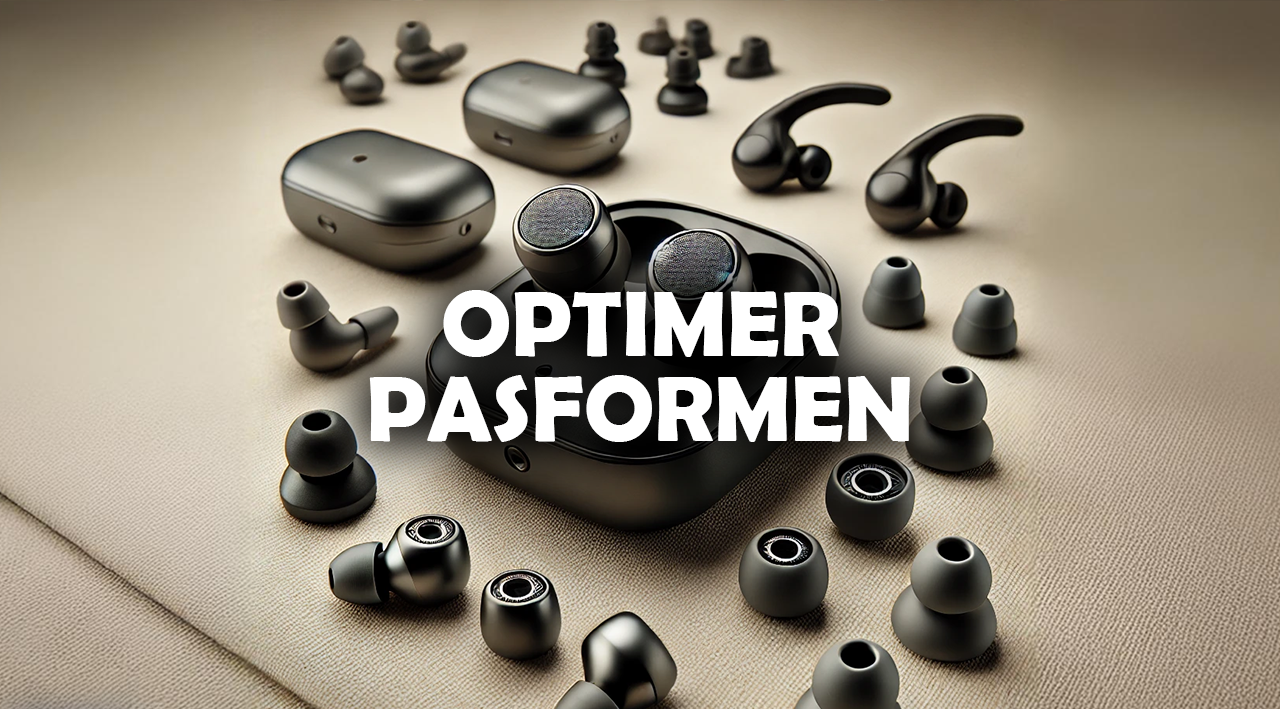
A good fit is essential for comfort, sound quality and stability when using wireless headphones. If your wireless headphones do not fit properly, the sound can become flatter, external noise can get in, and they may fall out during activity. By contrast, an optimal fit can significantly improve your listening experience, make them more comfortable to wear for longer periods and provide a better seal against surrounding noise.
The fit depends on both the design of your wireless headphones and the individual shape of your ears. Fortunately, there are plenty of ways to customise the fit with different ear tips, ear hooks and adjustment options, so you can find the perfect solution for you.
Ideas and Inspiration – How to Improve the Fit of Your Wireless Headphones 👂🎧
🧩 Choose the Right Ear Tip Size for Your Wireless Headphones
Most in-ear wireless headphones come with ear tips in several sizes. Choosing the size that best suits your ears creates a snug seal, improving both sound quality and comfort.
🪶 Adjust the Position of Your Wireless Headphones in Your Ears
A small adjustment can make a big difference. Make sure your wireless headphones sit securely and do not twist loose. The correct position delivers better sound and reduces the risk of them falling out as you move.
🪛 Use Ear Hooks or Wings for Extra Support for Your Wireless Headphones
If you exercise or move around a lot, ear hooks or wings can provide extra stability for your wireless headphones. These small accessories help keep the headphones securely in place – even during running or intense workouts.
🧼 Keep Ear Tips and Headphones Clean
Dirt and moisture can affect both the comfort and fit of your wireless headphones. Clean the ear tips regularly with a dry cloth to help them retain their shape and prevent them from slipping out of your ears more easily.
🧠 Consider an Ergonomic Design for Extended Use of Your Wireless Headphones
If you use wireless headphones for many hours a day, ergonomically shaped models can provide a more natural fit. This reduces pressure points and significantly improves comfort during extended use.
REMEMBER – A good fit gives you better sound, greater comfort and fewer frustrations with your wireless headphones, and when they fit perfectly, your listening experience becomes significantly better.
2. Keep Your Wireless Headphones’ Software Up to Date
To get the most out of your wireless headphones, it is important to keep their software up to date. Manufacturers regularly release updates that not only fix bugs but can also improve sound quality, connectivity and battery life. In some cases, new features or better noise cancellation may become available through a simple update.
Many users forget that today’s wireless headphones are essentially small, smart devices – and therefore need maintenance in much the same way as a smartphone or computer. Keeping the firmware up to date ensures that your wireless headphones perform at their best and last longer.
Ideas and Inspiration – Benefits of Keeping Your Wireless Headphones’ Software Up to Date
🆕 Get Access to New Features in Your Wireless Headphones
Software updates for your wireless headphones can add new smart features, improved controls or more customisation options in the manufacturer’s app. Your wireless headphones can therefore improve over time without you needing to buy a new model.
🧭 Improved Stability and Connectivity in Your Wireless Headphones
Updates for your wireless headphones can resolve connection issues, reduce audio dropouts and provide a more stable Bluetooth connection. This ensures smooth, reliable everyday listening.
🔇 Improved Sound Quality and Noise Cancellation in Your Wireless Headphones
Many manufacturers fine-tune sound profiles and active noise cancellation through firmware updates. This means you can enjoy a significantly better listening experience with your wireless headphones without investing in new equipment.
🔋 Longer Battery Life Through Optimisation of Your Wireless Headphones
Software updates can improve power management, extending the battery life of your wireless headphones. This gives you more listening time and means you need to charge them less often in everyday use.
🛡️ Better Security and Bug Fixes for Your Wireless Headphones
Updates address security vulnerabilities, fix bugs and ensure more stable operation. This extends the lifespan of your wireless headphones and reduces the risk of technical problems.
REMEMBER – Up-to-date software means better performance from your wireless headphones, and small, regular software updates can bring major improvements to both sound and stability.
3. Get to Know the Built-In Features of Your Wireless Headphones
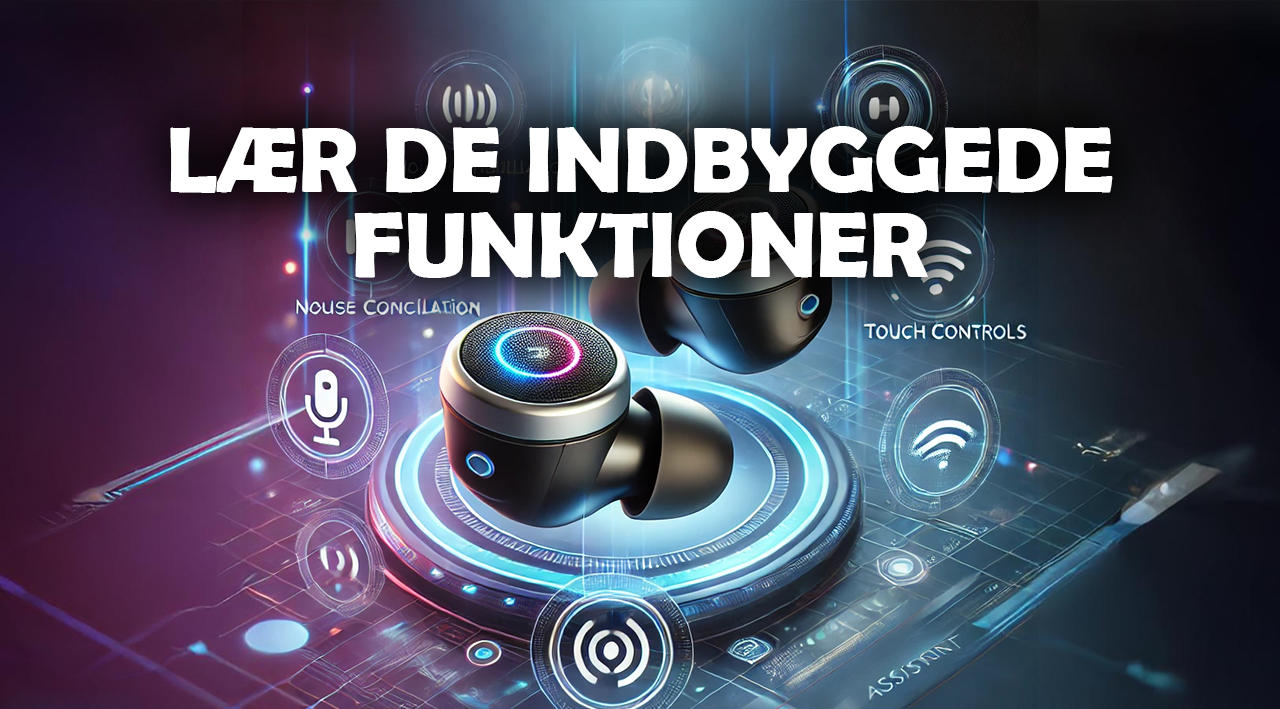
Modern wireless headphones can do much more than simply play music and handle calls. Most wireless headphones come with a range of smart features that can make everyday life easier, improve your listening experience and give you greater freedom to use them on your own terms. By getting to know these built-in features and making full use of them, you can get significantly more value from your wireless headphones – for leisure, work and workouts.
Features vary between models, but many wireless headphones are intuitive to use and can often be customised through a companion app. It is therefore worth exploring what your wireless headphones can actually do, rather than only using their most basic features.
Ideas and Inspiration – Make Better Use of the Built-In Features of Your Wireless Headphones
🎛️ Touch and Gesture Controls on Your Wireless Headphones
Many wireless headphones let you change tracks, adjust the volume or answer calls using simple taps or gestures on the headphones themselves. Once you learn how these features work, you will not need to keep taking your phone out of your pocket.
🎤 Voice Assistants and Hands-Free Control of Your Wireless Headphones
Integration with voice assistants such as Siri or Google Assistant allows you to control music through your wireless headphones, make calls or get information completely hands-free. This gives you an easy, efficient way to multitask.
🔇 Noise Cancellation and Transparency Mode in Your Wireless Headphones
Active noise cancellation in your wireless headphones can give you the peace and quiet to immerse yourself in what you are doing, while transparency mode lets you hear your surroundings when you need to. Switching between these features gives you flexibility in different situations.
🔊 Personalised Sound Settings in Your Wireless Headphones
Several wireless headphone models allow you to customise the sound profile to your taste through an app. You can boost the bass, adjust the treble or save different sound profiles for different activities.
📶 Automatic Pairing and Smart Connectivity in Your Wireless Headphones
Many wireless headphones can automatically recognise and connect to your devices. Familiarising yourself with these features saves time and gives you a more seamless experience every time you use them.
REMEMBER – The better you know the features of your wireless headphones, the more you will enjoy using them. Make active use of these features, as they make everyday life easier and more enjoyable.
4. Clean Your Wireless Headphones Regularly
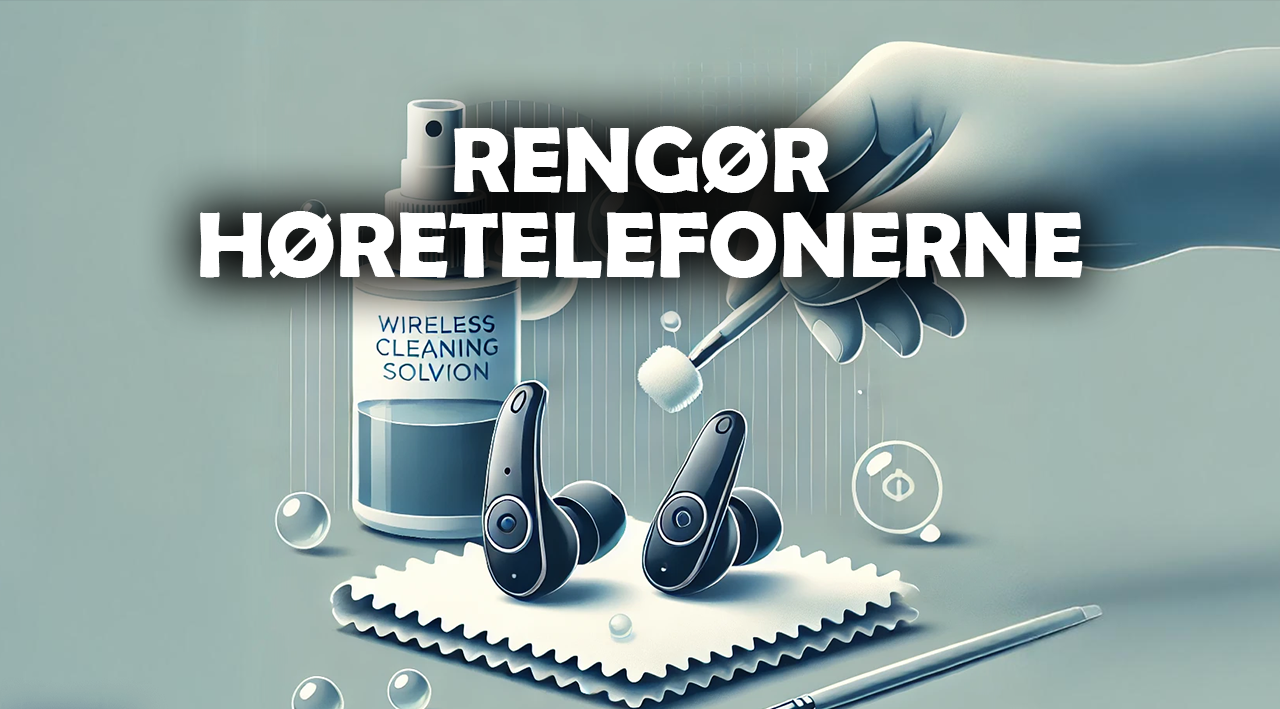
Even the best wireless headphones can quickly become less comfortable and lose sound quality if they are not kept clean. Earwax, dust, moisture and sweat can build up in small crevices, affecting sound transmission, fit and hygiene. Regular cleaning not only extends the lifespan of your wireless headphones but also ensures a better, more comfortable listening experience every day.
Cleaning your wireless headphones does not need to be a lengthy task – just a few minutes of maintenance can make a big difference. The most important thing is to use the right tools and clean gently to avoid damaging the speaker drivers or sensitive electronics.
Ideas and Inspiration – Good Habits for Cleaning Wireless Headphones 🧼🎧
🧽 Clean the Ear Tips and Surfaces of Your Wireless Headphones Regularly
Remove the ear tips and gently wipe your wireless headphones with a dry or slightly damp cloth. Silicone ear tips can usually be removed completely and cleaned with mild soapy water, while the rest of the headphones should be wiped gently.
🪶 Remove Earwax and Dust from the Speaker Openings in Your Wireless Headphones
The small openings in your wireless headphones can easily become blocked, reducing sound quality. Use a soft brush or a dry cotton bud to gently clean the speaker area without pushing dirt further inside.
💨 Let Your Wireless Headphones Dry Completely
If you have used a damp cloth for cleaning, let your wireless headphones dry completely before using them again. This prevents moisture damage and keeps the electronic components working properly.
🧴 Avoid Harsh Cleaning Products on Your Wireless Headphones
Alcohol, cleaning products or wipes containing chemicals can damage the materials and electronics in your wireless headphones. Always use gentle methods and mild cleaning solutions.
🧼 Store Your Wireless Headphones Somewhere Clean and Dry
When your wireless headphones are not in use, store them in a clean, dry case. This protects them from dust, moisture and dirt, reducing how often you need to clean them and preserving their quality for longer.
REMEMBER – Clean wireless headphones deliver clearer sound and last longer, and a little cleaning effort today helps you enjoy your wireless headphones more tomorrow.
5. Extend the Battery Life of Your Wireless Headphones

Battery life has a major impact on how much you enjoy your wireless headphones in everyday life. The longer they hold their charge, the less time you spend charging them – and the more flexibility you have for music, calls and workouts. Although battery capacity naturally declines a little over time, a few simple habits can significantly extend its lifespan and keep your wireless headphones performing at their best for longer.
Many people forget that the batteries in wireless headphones, like those in smartphones, benefit from careful treatment. Overcharging, extreme heat and unnecessarily high power consumption can wear down the battery. With a few sensible routines, however, you can extend both the listening time per charge and the overall lifespan of the battery in your wireless headphones.
Ideas and Inspiration – Effective Ways to Extend Battery Life in Wireless Headphones
🔌 Charge Your Wireless Headphones Regularly but Avoid Overcharging
It is best to charge your wireless headphones before the battery runs completely flat and avoid leaving them connected to the charger for many hours after they are fully charged. This protects the battery and reduces wear over time.
🌡️ Keep Your Wireless Headphones Away from Extreme Temperatures
Batteries perform best at room temperature. High heat can reduce battery performance, while cold conditions can temporarily reduce the capacity of your wireless headphones’ batteries. Store them somewhere dry with a moderate temperature.
🎧 Switch Off Your Wireless Headphones When Not in Use
If your wireless headphones do not have an automatic power-off feature, it is a good idea to switch them off manually when you are not using them. This saves power and extends overall battery life.
🔇 Disable Features You Are Not Using on Your Wireless Headphones
Features and settings such as active noise cancellation, high volume and a constant Bluetooth connection use extra power. Turning them off when they are not needed can significantly extend the listening time of your wireless headphones.
🧠 Update Your Wireless Headphones’ Software for Better Battery Management
Manufacturers regularly release updates that optimise battery consumption in your wireless headphones. Keeping your headphones updated can give you longer, more consistent battery life without changing your habits.
REMEMBER – Longer battery life is not just about technology – it is also about care. With sensible habits, you can enjoy longer listening time, fewer interruptions and greater freedom with your wireless headphones.
6. Choose the Right Sound Profile for Your Wireless Headphones

One of the biggest advantages of modern wireless headphones is that you can often tailor the listening experience to your taste. The right sound profile can make a big difference, turning everyday listening into an immersive, personal experience – whether you prefer deep bass, clear vocals or neutral sound reproduction.
Different music genres and activities call for different sound settings. Some people prefer a warm, bass-rich sound for workouts, while others want crystal-clear detail for podcasts, audiobooks or classical music. By experimenting with the equaliser settings in the companion app available with many wireless headphones, you can find a sound profile that perfectly suits you and your habits.
Ideas and Inspiration – How to Find the Best Sound Profile for Your Wireless Headphones
🎛️ Adjust Your Wireless Headphones’ Equaliser Settings to Suit Your Preferences
Many wireless headphones have a built-in equaliser or allow you to adjust the sound through an app. You can boost the bass, make vocals clearer or create a balanced sound profile that suits your needs.
🎶 Choose a Sound Profile for Your Wireless Headphones Based on Music Genre
Different music genres sound best with different sound profiles in your wireless headphones. Pop and electronic music can benefit from stronger bass, while classical music and jazz often call for a more neutral, detailed sound.
🧠 Save Multiple Sound Profiles for Different Situations on Your Wireless Headphones
If your wireless headphones support it, you can save several sound settings – for example, one for workouts, one for work and one for relaxation. This gives you a flexible, personalised listening experience.
📱 Make Use of the Manufacturer’s App and Presets for Your Wireless Headphones
Many manufacturers offer preset sound profiles in their apps, allowing you to quickly choose a setting that suits your mood or activity. This is an easy way to optimise the sound of your wireless headphones without having to adjust everything manually.
🔊 Test and Adjust Your Wireless Headphones’ Settings Until You Find Your Favourite
The best sound profile is a matter of personal preference. Spend some time testing different settings on your wireless headphones to find the balance that suits you. This can transform your listening experience – whether you are enjoying music, films, games or conversations.
REMEMBER – Sound is personal and individual – find the profile that suits you. With the right sound profile on your wireless headphones, you can turn everyday listening into a unique experience.
7. Understand the Limitations of Noise Cancellation in Your Wireless Headphones

Noise cancellation is one of the most popular features in modern wireless headphones, but it is important to understand that the technology has its limitations. Active noise cancellation – ANC – can significantly reduce background noise such as the hum of a train, aircraft engines or air conditioning, but it cannot eliminate every sound completely. Sudden, sharp or loud sounds in particular can still get through.
Its effectiveness also depends on the design and fit of your wireless headphones and the technology they use. Over-ear models with a tight seal around the ear generally reduce noise more effectively than small in-ear models. Your chosen sound profile and surroundings also play an important role in how you experience noise cancellation in practice.
Ideas and Inspiration – Important Things to Know About Noise Cancellation in Wireless Headphones 🔇🎧
🧠 Noise Cancellation Does Not Remove All Noise in Your Wireless Headphones
Active noise cancellation is effective against constant background noise, but not against sudden or irregular sounds such as conversation, traffic or loud bursts of noise. It is important to have realistic expectations of noise cancellation in your wireless headphones.
🎧 Fit Makes a Big Difference to Noise Cancellation in Your Wireless Headphones
A snug fit can significantly improve the effectiveness of noise cancellation. If your wireless headphones do not create a proper seal, noise will get through more easily, even with active technology.
📍 Your Environment Affects the Results in Your Wireless Headphones
In quiet surroundings, noise cancellation can seem almost perfect, while very noisy environments can present more of a challenge for your wireless headphones. The feature works best as an additional aid – not a complete barrier to sound.
⚡ Noise Cancellation Uses Extra Battery Power in Your Wireless Headphones
When ANC is activated, your wireless headphones use more power. This means shorter battery life, so it can be useful to switch the feature off when you do not need it.
🔊 Combine Noise Cancellation with Other Measures in Your Wireless Headphones
For the best noise cancellation experience with your wireless headphones, you can combine active noise cancellation with passive isolation through a snug fit, or use transparency mode when you need to stay aware of your surroundings.
REMEMBER – Realistic expectations of noise cancellation in your wireless headphones make for the best experience, and understanding the technology’s limitations and capabilities helps you get the most out of your wireless headphones.
Conclusion

Wireless headphones are no longer just a practical alternative to wired headphones – for many people, they have become an essential part of everyday life. Whether you use your wireless headphones for music, calls, workouts or simply to shut out the world for a while, choosing the right pair and using them effectively can make a significant difference to your daily experience.
When you take the time to choose a wireless headphone model that suits your needs and learn to make full use of its features, you get more than better sound – you get an option that improves your comfort, flexibility and enjoyment of listening.
With a little maintenance and sensible habits, your wireless headphones can also last longer and perform better over time. Investing in the right wireless headphones is therefore not just about price, but about creating the best possible listening experience for you.
REMEMBER – The best wireless headphones are those that meet your listening needs and bring you the most enjoyment in everyday life.
Mini Guide – How to Choose the Best Wireless Headphones 🎧✨
This mini guide summarises the article above, giving you an overview of the most important features to consider when choosing your next pair of wireless headphones.
🎼 Sound Quality – Choose wireless headphones with a sound profile that suits your needs – for example, deep bass for music or clear speech for calls.
🔋 Battery Life – Look for wireless headphones with long battery life and fast charging to avoid frequent interruptions.
🔇 Noise Cancellation – Consider active noise cancellation if you often use your wireless headphones in noisy surroundings.
🪶 Comfort and Fit – Choose a wireless headphone design that feels comfortable and stays securely in place – especially if you exercise or use them for many hours.
📶 Connectivity and Stability – Make sure your wireless headphones have an up-to-date Bluetooth version and good range for a stable, seamless experience.
💦 Durability – For workouts, it is useful to choose wireless headphones that are sweat- and water-resistant.
💰 Price and Value – Think about which features you actually use on your wireless headphones so you get the best value for money without paying for unnecessary extras.
If you need more tips on choosing wireless headphones, watch this video – We Test 3 GOOD Wireless Headphones with Noise Cancelling (Active Noise Cancellation)
You can find more inspiration for wireless headphones in this review of The 5 Best Wireless Headphones in 2025
If you have experience with or knowledge of wireless headphones, we would love to hear your thoughts or suggestions in the comments about other factors to consider when choosing wireless headphones, helping everyone find their perfect pair.