
Anxiety and worries are a natural part of life. Most people go through periods when their thoughts go round in circles, their body feels restless, and it can be difficult to find calm – especially in everyday life with high demands, a constant stream of information and limited time for breaks. For some, worries are temporary, while for others they can become so overwhelming that they affect sleep, energy, concentration and quality of life. Whatever your situation, it is important to know that you are not alone – and that there are practical ways to manage anxiety and worries.
Anxiety often acts as the body’s alarm system, trying to protect us from danger. Problems arise when the alarm goes off without a real threat, or when it stays switched on for a prolonged period. Similarly, worrying can be an attempt to predict and control the future, but may instead create inner restlessness and mental fatigue. When thoughts and feelings take over everyday life, it can be difficult to find energy and joy – even in situations that previously felt easy.
Fortunately, there is a lot you can do yourself to manage anxiety and worries more constructively. Small adjustments to everyday life, new mental strategies and a better understanding of your body’s signals can make a big difference over time. It is not about eliminating all worries or never feeling anxious again, but about learning to face them with greater calm, acceptance and confidence to take action. When you have tools to manage difficult experiences, they often lose some of their power.
In this article, we take a closer look at practical ways to manage anxiety and worries. The focus is on simple, realistic approaches that fit into everyday life and can help you find greater peace of mind and a better balance in life. The aim is to give you knowledge, understanding and practical tools that you can start using straight away – and adapt to your own situation.
Managing anxiety and worries is a process, not a quick fix. But with the right approaches, you can gradually build a greater sense of security, improve your sleep and develop a stronger mental foundation for everyday life. Small steps can lead to noticeable changes when taken with care and patience.
Understanding Anxiety and Worries

An important first step in managing anxiety and worries is to understand what they actually are — and why they arise. Anxiety and worries are a natural part of life and part of the body’s built-in alarm system, designed to protect us from danger. Problems only arise when this response becomes too intense or too frequent and starts to negatively affect your everyday life.
By understanding the mechanisms behind anxiety and worry, you can better identify what triggers them and begin working constructively to loosen their grip on you. It is not about eliminating all anxiety — but about learning to manage it so that it does not control your life.
What Is Anxiety?
Anxiety is a fundamental human response that has served an important purpose throughout our evolution. It acts as the body’s alarm system and helps us react quickly to danger. When you experience anxiety, your nervous system is activated, your heart rate rises, your breathing becomes faster, and your body prepares to act. In immediate situations involving real danger, this response is both necessary and vital for survival.
Problems arise when the anxiety response is activated without a specific threat, or when it remains switched on for a prolonged period. Instead of protecting you, anxiety begins to limit you. It can appear as physical restlessness, heart palpitations, dizziness, tension, racing thoughts or a constant feeling of being on guard. For many people, anxiety becomes closely linked to worries about the future, health, work or relationships – even when there is no immediate danger.
Anxiety can take many forms. Some people experience it as a general and persistent sense of unease, while others notice it in particular situations, such as social settings, when performing under pressure or in response to specific triggers. What all forms have in common is that anxiety is often intensified by our thoughts. When we interpret bodily signals as dangerous or imagine worst-case scenarios, anxiety can grow and sustain itself in a vicious cycle.
It is important to understand that anxiety is not a sign of weakness or a lack of willpower. It is a natural response in a nervous system that has become overloaded, stressed or overstimulated over time. Many people live with constant inner tension without realising that their body is on high alert. The better you understand what anxiety is and why it arises, the easier it becomes to work with it constructively.
When you begin to see anxiety as a signal – rather than an enemy – you create room for change. Anxiety often tells you that something in your life needs attention, balance or care. With the right knowledge and tools, you can learn to calm your nervous system, challenge anxious thoughts and gradually regain a sense of safety in everyday life.
Worries – An Overactive Imagination
Worries rarely arise from what is happening here and now. They are much more likely to stem from our ideas about what might happen. The brain is extremely good at anticipating the future, but less skilled at distinguishing between realistic risks and purely imaginary scenarios. When worries take over, the imagination becomes overactive and begins painting pictures of problems that do not yet exist – and may never arise.
Many worries revolve around control. We unconsciously try to think our way towards solutions for everything unpredictable in life: health, finances, relationships, work or the future in general. The problem is that this mental preparation rarely brings peace of mind. On the contrary, it keeps the nervous system on constant alert and creates a sense of inner restlessness and mental exhaustion. Worrying can therefore feel productive, but in practice it often acts as mental noise.
An important distinction to make is between problem-solving and worrying. Problem-solving involves practical actions you can take here and now. Worrying, on the other hand, revolves around hypothetical scenarios without clear solutions. When the brain repeats the same “what if” thoughts over and over, the feeling of helplessness grows. Over time, this can lead to sleep problems, difficulty concentrating and increased anxiety.
Worries are often intensified when we take every thought at face value. But thoughts are not facts – they are suggestions generated by the mind. An overactive imagination does not mean danger is present, but that the brain has become accustomed to scanning for problems. The more attention worries receive, the stronger they feel. Conversely, they often lose their power when approached with curiosity, distance or clear boundaries.
When you begin to understand worrying as a mental pattern rather than a true reflection of reality, it becomes easier to work with it. You can learn to give worries less space, shift your focus to the present and create breaks in the stream of racing thoughts. The aim is not to stop all worries, but to prevent them from controlling your everyday life and wellbeing.
Ideas to Help You Keep Building Your Understanding of Anxiety and Worries
🧭 Learn to Distinguish Between Worries and Actual Problems When You Feel Anxious or Unsettled
When anxiety and worries take up a lot of mental space, it can be difficult to distinguish between real problems and thoughts that simply revolve around “what if”. By practising separating worries from actual situations, you gain a clearer perspective and can focus on what you can genuinely do something about — instead of becoming trapped in spiralling thoughts.
🧠 Understand That Anxiety and Worries Are Natural Responses
Anxiety and worries are your body’s way of protecting you from something it perceives as a threat — even if the danger is not real. This does not mean there is something wrong with you, but that your nervous system is on high alert. Understanding this can reduce feelings of helplessness and make it easier to respond to anxiety with calm and clarity.
📌 Identify Your Personal Triggers for Anxiety and Worry
Anxiety and worries are often triggered by particular patterns or situations. These may involve certain places, people, thoughts or experiences. When you learn to recognise your personal triggers, it becomes easier to prevent or manage anxiety more consciously, rather than being caught off guard.
🪜 Notice Thought Patterns That Intensify Anxiety and Worries
Many people find that worries grow when they think the same thoughts repeatedly. This is often called “rumination”. When you become aware of these thought loops, you can actively choose to interrupt them, for example by shifting your focus or using distraction techniques. This can reduce the feeling of being stuck in anxiety.
💬 Accept Your Feelings Instead of Fighting Anxiety
A common response to anxiety and worries is to try to suppress or ignore them. Paradoxically, however, resisting them often makes them stronger. When you instead accept the feeling and acknowledge that it is there — without judging yourself — anxiety often loses some of its power.
🌿 Learn About the Physical Responses to Anxiety and Worry
Anxiety appears not only in your thoughts but also in your body — for example, as heart palpitations, sweaty hands, tightness in the chest or an unsettled stomach. By understanding these physical signals as your body’s natural response, you can react calmly rather than with panic and gradually build a sense of safety in situations that previously felt overwhelming.
🧘 Understand That Worries Are Not Facts — Thoughts Are Not Reality
When anxiety and worries take over, it can feel as though the worst is inevitable. But thoughts are not necessarily true — they are often simply imagined possibilities, not facts. Reminding yourself of this when worries arise can help you create distance from anxiety and regain control.
REMEMBER – The better you understand anxiety and worries, the easier it becomes to face them with calm, strength and awareness. It is not about eliminating the feeling entirely, but about taking back control and creating greater calm and balance in your everyday life.
Identify Your Anxiety Triggers

An important part of managing anxiety and worries is learning to identify what actually triggers the response in your body and mind. Anxiety rarely comes out of the blue — often, particular patterns, situations, thoughts or experiences act as triggers. When you become aware of what affects you, you can take a more focused approach to preventing and easing anxiety before it becomes too intense.
Knowing your triggers does not mean you can eliminate anxiety entirely — but it allows you to prepare, respond more calmly and take back control. Triggers vary from person to person, so learning to recognise your own triggers for anxiety and worries takes patience and self-observation.
Ideas to Help You Identify Your Triggers for Anxiety and Worries
🪜 Observe Situations Where Anxiety and Worries Arise
Anxiety and worries often arise in particular situations — for example, in social settings, at work, in traffic or when you feel under pressure. By actively observing when and where anxiety appears, you can begin to notice recurring patterns. This awareness makes it easier to prepare and reduce anxiety before it grows.
🧭 Notice Thoughts That Trigger Anxiety and Worries
Anxiety often starts with a thought — sometimes without you even realising it. This might involve worries about the future, thoughts about failing or imagined “what if” scenarios. When you learn to recognise these thought patterns early, you can actively choose to challenge them rather than letting them dictate your response.
📍 Note Your Physical Reactions as Anxiety and Worries Begin to Creep In
The body often reacts before we understand what is happening. You might notice heart palpitations, sweaty palms, an unsettled stomach or tension in your shoulders. By paying attention to your body’s signals, you can identify anxiety early and address it before it becomes overwhelming.
💬 Reflect on Events or Surroundings That Trigger Anxiety
For many people, anxiety and worries are closely linked to particular surroundings or situations. These might include busy places, confrontations, changes or certain sensory experiences. By reflecting on which environments or events affect you, you gain a clearer understanding of your triggers.
🧠 Identify the Emotional Triggers Behind Anxiety and Worries
Anxiety is often linked to deeper feelings such as stress, guilt, inadequacy or insecurity. By acknowledging these emotional layers, you can better understand why anxiety arises — and work on the underlying cause rather than only reacting to the symptom.
🧘 Pay Attention to the Timing and Patterns of Anxiety
For some people, anxiety and worries arise at particular times — for example, in the evening, at weekends or during stressful periods. When you become aware of these patterns, you can prepare more effectively, establish supportive routines and respond more calmly rather than being caught off guard.
🪞 Write Down Your Observations to Gain a Clearer Picture of Your Anxiety
Keeping a diary or making brief notes whenever you experience anxiety and worries can provide valuable insight. When you see your observations in black and white, triggers become easier to recognise and work with. Over time, you can begin to see which situations recur — and find strategies that help with your anxiety and worries.
REMEMBER – When you learn to identify your triggers for anxiety and worries, you give yourself a powerful tool for preventing and managing these feelings more calmly and consciously. It is not about avoiding life — but about understanding yourself and learning to respond with strength and calm.
Use Breathing Techniques to Manage Anxiety and Worries
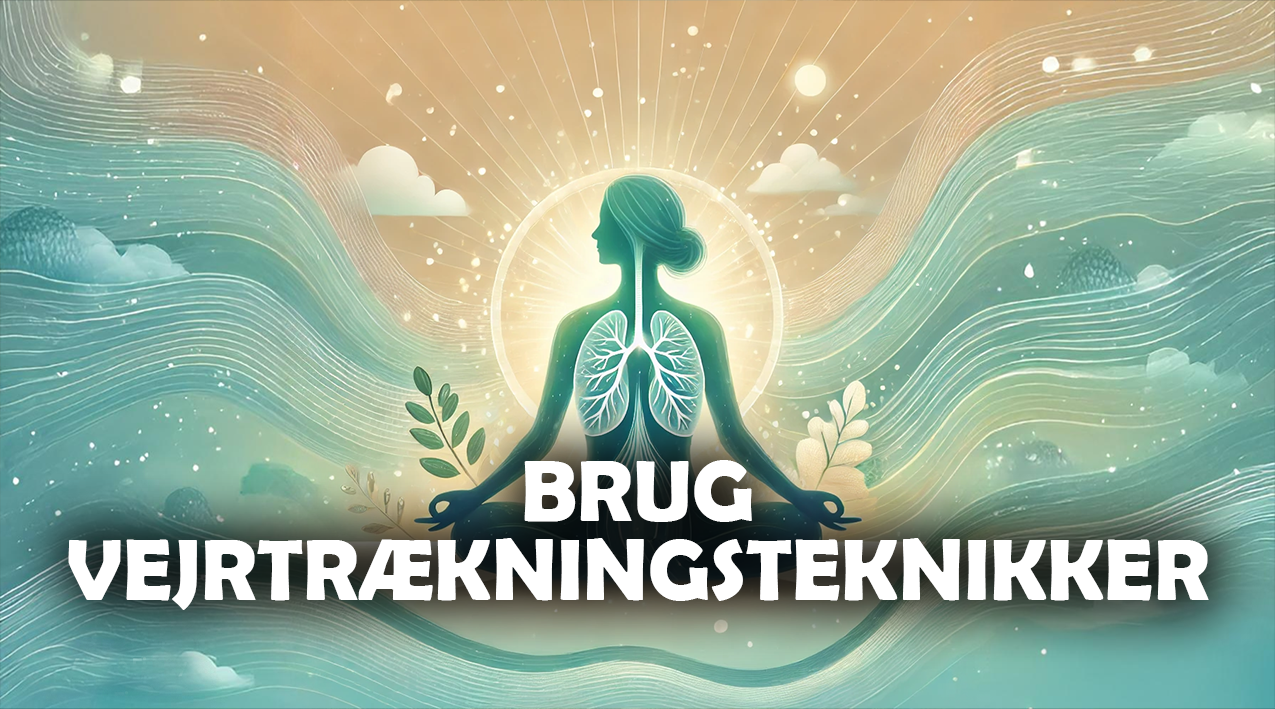
One of the most effective and accessible ways to ease anxiety and worries is to work consciously with your breathing. When anxiety activates the body’s alarm response, your heart rate rises and your breathing becomes faster and shallower — which can intensify feelings of unease.
By calming your body through slow, deep breaths, you send a signal to your nervous system that you are not in danger. This helps reduce both the physical symptoms and the mental tension that often accompany anxiety. Breathing techniques for anxiety and worries can be used anywhere and require no equipment — just a few minutes of focus.
Ideas for Effective Breathing Techniques to Manage Anxiety and Worries
🧭 Deep Breathing with a Focus on Your Abdomen Calms Anxiety and Worries
When anxiety and worries put your body on high alert, your breathing often becomes fast and shallow. By breathing deeply into your abdomen and allowing your diaphragm to expand, you send a signal to your nervous system that you are calm. This simple technique can ease both physical restlessness and mental tension within a few minutes.
🌬️ The 4-7-8 Technique*** – For Quick Relaxation When Anxiety and Unease Arise***
The 4-7-8 technique involves breathing in for 4 seconds, holding your breath for 7 seconds and breathing out gently for 8 seconds. This rhythm helps your body settle and lowers stress levels. When anxiety and worries strike suddenly, this technique can act as an effective anchor, helping you return to the present moment.
🫁 Box Breathing*** – To Regain Calm When You Feel Anxious***
Box breathing involves breathing in, holding your breath, breathing out and pausing — each for 4 seconds. This technique is particularly effective at restoring calm and balance because it gives your mind something specific to focus on. It can be used both as a preventive measure and during periods of anxiety and worry.
🪞 Consciously Slow Your Out-Breath to Ease Anxiety Responses
Deliberately extending your out-breath stimulates the calming part of your nervous system, which can reduce the intensity of anxiety and worries. Focus on breathing out slowly through your mouth — for longer than you breathed in. This simple technique is particularly effective during acute anxiety attacks or sudden feelings of unease.
🧘 Breathing with Visualisation to Create Distance from Worries
Combine calm breathing with a mental image — for example, imagining that you are breathing in calm and breathing out unease. When anxiety and worries feel overwhelming, visualisation can help create mental distance from distressing thoughts. The technique can be used anywhere and simply requires you to focus on your breathing.
🌿 Rhythmic Breathing in a Calm Setting to Help Prevent Anxiety
By establishing a steady breathing rhythm — for example, counting 5 seconds in and 5 seconds out — you can calm your body before anxiety and worries build up. This is an ideal technique for daily use, particularly if you experience anxiety in certain situations or at particular times.
✨ Combine Breathing with a Short Break to Interrupt Worried Thoughts
When you consciously take a break during your day and focus on your breathing, you can temporarily interrupt the stream of worried thoughts. This creates a small breathing space where anxiety does not dictate your actions. Even 2 minutes of focused breathing can make a noticeable difference.
REMEMBER – Breathing is one of the simplest and most effective tools for managing anxiety and worries. When you master these simple breathing techniques, you always have a calm and steady source of support with you — wherever you are.
Practise Mindfulness to Manage Anxiety and Worries

Mindfulness is an effective way to manage anxiety and worries because it helps you shift your focus away from worried thoughts and back to the present moment. Mindfulness is about being present without judging your thoughts or feelings, and it can help you break the cycle of worry.
When anxiety takes over, many people become caught in spiralling thoughts about the past or future. Mindfulness can create a moment of calm in which you observe your thoughts and feelings without letting them control you.
By practising mindfulness regularly, you learn to accept feelings of anxiety without intensifying them, and you gain a powerful tool for calming both body and mind. It does not require long meditation sessions — just a few minutes of daily mindfulness practice can make a noticeable difference.
Ideas for Mindfulness Exercises to Manage Anxiety and Worries
🧭 Start with a Simple Focus on Your Breathing to Ease Anxiety and Worries
One of the easiest ways to practise mindfulness is to focus on your breathing. By consciously following the rhythm of your breath, your body settles and you can loosen your grip on worried thoughts. Even a few minutes of focusing on your breathing can create a sense of stability amid anxiety.
🪞 Observe Your Thoughts Without Judging Them
Mindfulness is not about stopping your thoughts — but about allowing anxiety and worries to pass without becoming caught up in them. When you practise viewing thoughts as temporary, they lose their power over you. This can bring a sense of control and relief.
🧘 Use a Body Scan to Connect with the Present Moment
A body scan involves slowly and gently moving your attention through your entire body — from your toes to your head. Noticing the sensations in your body anchors you in the present rather than allowing anxiety and worries to sweep you away. It is an effective exercise for creating calm and feeling grounded.
🌿 Use Your Senses to Anchor Yourself in the Moment
By focusing on what you can see, hear, smell, touch and taste, you can quickly bring your attention back to the present. This exercise is particularly effective when anxiety and worries arise suddenly because it gives your brain something concrete to focus on.
💬 Repeat Calming Phrases or Mantras
Short, reassuring phrases such as “I am safe right now” or “This will pass” can help reduce the intensity of anxiety. When worries feel overwhelming, mantras can be a simple way to create calm and stability in your mind.
✨ Take Mindful Walks for a Mental Break from Anxiety
A mindful walk involves walking slowly and consciously while focusing on your steps, breathing and surroundings. It can be an effective way to reduce anxiety and worries, especially when your thoughts have taken over.
🪜 Establish a Daily Mindfulness Routine to Help Manage Anxiety and Worries
The more often you practise mindfulness, the stronger your ability to manage anxiety and unease when they arise. A daily routine of just 5–10 minutes can provide a calm foundation and help you respond with greater balance in stressful situations. You can find more tips on meditation and mindfulness in our article – Practical Tips for Building Mental Strength Through Mindfulness and Meditation
REMEMBER – Mindfulness is not a quick mental fix, but an effective tool for building peace of mind, even when anxiety and worries come knocking. With regular mindfulness practice, you can gradually gain greater control and inner strength to manage anxiety and worries constructively.
Cognitive Restructuring – Challenge Negative Thoughts to Work Through Anxiety and Worries

Much of our anxiety and worry stems not from reality itself, but from the negative thoughts and interpretations we attach to it. Cognitive restructuring involves identifying these thoughts, questioning how true they are and replacing them with more realistic and helpful perspectives.
When anxiety and worries are given free rein, thoughts can quickly become overgeneralised, catastrophic or shaped by all-or-nothing thinking. By practising your ability to recognise and restructure these thought patterns, you can reduce feelings of unease and gain greater control over your response. This is not an exercise in positive thinking — but in realistic and constructive thinking.
Ideas for Using Cognitive Restructuring to Manage Anxiety and Worries
🧭 Identify Negative Thought Patterns That Trigger Anxiety and Worries
The first step in cognitive restructuring is to become aware of the thoughts that trigger anxiety and worries. Perhaps you think, “I can’t cope with this” or “Something will go wrong”. When you identify these patterns, you can begin to understand why anxiety arises — and, in turn, change it.
🪞 Question the Validity of Your Thoughts
Anxiety often makes thoughts seem more true than they are. When you ask yourself, “Is this a fact or an assumption?”, you challenge automatic worries. This can loosen anxiety’s grip and make room for a more balanced perspective.
🧠 Find Realistic and Supportive Perspectives
When you replace catastrophic thoughts with more realistic assessments, you calm the mental storm of anxiety and worries. This does not mean ignoring challenges — but seeing the situation clearly and with balance rather than fear. You can replace a catastrophic thought with a more realistic one, for example: “I have coped with similar situations before, and they went well.”
✍️ Write Down Your Thoughts to Gain Clarity
Writing down your thoughts can help separate feelings from facts. When anxiety feels overwhelming, your thoughts may seem to swirl around without any structure. Putting them on paper makes it easier to analyse and restructure them rationally.
🧘 Distinguish Between Facts and Interpretations
Anxiety and worries are often intensified when we react to interpretations rather than facts. By actively distinguishing between the two, you can avoid letting your thoughts spiral out of control. This creates a more stable and calm mental foundation.
🪜 Replace Thoughts That Intensify Anxiety with Neutral or Helpful Thoughts
When you notice a negative thought, you can consciously choose to replace it with a more neutral or supportive one. For example: “I can’t cope with this” can be replaced with “I can take one step at a time.” This is a practical and effective way to ease anxiety and worries.
🌿 Practise Repeating New Thought Patterns to Build a Sense of Safety
Restructuring takes practice — but the more often you repeat new thought patterns, the easier it becomes to turn to them automatically when anxiety and worries arise. It is not about thinking positively all the time, but about thinking more realistically and supportively.
REMEMBER – Cognitive restructuring is a powerful tool for breaking patterns of anxiety and worry. When you learn to challenge your thoughts, you can gradually regain control and create greater calm in everyday life.
Schedule Time for Worrying

Although it may sound strange, an effective way to manage anxiety and worries can be to give them a set time rather than letting them take over the whole day. Many people find that worries keep resurfacing — often at times when they cannot be addressed constructively.
By scheduling “worry time”, for example 15–30 minutes a day, you create a clear structure that helps you limit and manage racing thoughts, giving your brain permission to address the thoughts demanding your attention – but on your terms. This does not mean ignoring your worries — it means consciously choosing when to address them, rather than letting anxiety control your entire day.
When worries arise at other times, you can tell yourself: I will deal with this during my worry time. This way, you learn to set thoughts aside and avoid becoming overwhelmed repeatedly throughout the day.
This helps you learn to take back control, create mental breaks and reduce the feeling of constant unease. Remember, the purpose is not to suppress your feelings, but to manage when and how you respond to them.
Ideas for Scheduling Worry Time Constructively
🧭 Choose a Set Time for Worrying
Set aside a specific time each day — for example, 15–30 minutes — when you allow yourself to think about your worries. When anxiety and worries arise outside this period, you can remind yourself that you will address them later. This creates peace of mind throughout the day.
🪞 Postpone Your Worries Until Your Scheduled Time
When worried thoughts arise at inconvenient times, you can actively choose to postpone them until your agreed worry time. This technique trains your ability to control when worries receive attention — rather than letting them control you.
✍️ Write Down Your Worries Before Worry Time
By noting down your worries throughout the day, you get them “out of your head” and set them aside somewhere you can return to later. This can reduce immediate anxiety and free up mental energy for other things.
🧠 Limit the Time You Spend Worrying
It is important that worry time does not turn into another spiral of anxiety and rumination. By setting a fixed time limit — for example, using a clock or an alarm — you learn to address your worries more efficiently and within clear boundaries.
🧘 End Your Worry Time with a Calming Activity
Once your worry time is over, it can help to do something that calms your nervous system — such as deep breathing, mindfulness or a short walk. This helps your brain “switch off” from worrying and gives you a sense of calm and closure.
🪜 Focus on Problem-Solving Rather Than Rumination
When reviewing your worries, ask yourself: “Is there anything practical I can do about this?” If the answer is yes, you can make a plan. If not, it is about letting go of what you cannot control. This shifts your focus from passive worrying to taking action.
🌿 Remind Yourself That Not Every Worry Requires Action
Many worries are simply hypothetical scenarios — not real problems. By recognising this, you can free yourself from unnecessary anxiety and worry, and focus your energy only on what actually matters.
REMEMBER – By scheduling time for worrying, you take back control from anxiety. You learn to decide when worries have space — rather than letting them control you.
Strengthen Your Body to Help Prevent Anxiety and Worries

The body and mind are closely connected — and a strong, healthy body can provide an effective buffer against anxiety and worries. When you exercise regularly, you gain both physical and mental benefits – your body produces calming chemical messengers, stress levels fall, and you feel more resilient in the face of everyday challenges.
It does not necessarily mean intense exercise — small, regular activities such as walking, gentle strength training or yoga can make a noticeable difference. By strengthening your body, you also strengthen your mental resilience and create a healthier foundation for managing anxiety and worries more effectively.
Ideas for Strengthening Your Body to Help Prevent Anxiety and Worries
🏃 Prioritise Daily Exercise as a Natural Stress Reliever
Physical activity causes the body to release endorphins, which have a calming effect and support your mental health. Even short walks can significantly reduce anxiety and worries and create a sense of calm and control in everyday life.
If you are not used to exercising, you can find helpful tips for getting started in our article – Practical Tips for Effective Workout Routines for Beginners
🧘 Use Yoga and Stretching to Create Mental and Physical Calm
Yoga and stretching help release the physical tension that often accompanies anxiety. When your body relaxes, it sends signals to your brain that the danger has passed. This calm can help ease worried thoughts and bring balance to your nervous system.
🏋️ Strength Training Gives You a Sense of Control and Energy
Strength training is not just about muscles — it can give you a strong sense of being able to take action. When you notice your body becoming stronger, it also affects your confidence and ability to withstand anxiety and worries.
🌿 Choose a Form of Exercise You Actually Enjoy
Preventing anxiety is not about pushing yourself to do something that feels unmanageable. Choose a form of movement that feels natural and motivating — such as dancing, cycling, swimming or gardening. The more you enjoy it, the easier it becomes to maintain daily exercise, including in the long term.
⏳ Take Regular Movement Breaks Throughout the Day
You do not need to exercise for hours to feel the benefits. Short movement breaks throughout the day can release tension, lower stress levels and ease anxiety and restlessness. Even 5 minutes of movement can make a difference.
🧠 Connect Body and Mind Through Mindful Movement
When you exercise with awareness and focus — for example, through slow breathing or mindful movement — you create a strong connection between body and mind. This connection helps you regulate emotional responses and face worries more calmly.
🥦 Eat a Healthy, Balanced Diet to Support Your Body
A varied diet with vegetables, wholegrains, healthy fats and protein supports a healthy body while stabilising your blood sugar and mood, making you less vulnerable to anxiety and worries. Avoid large fluctuations in energy, which can intensify restlessness and irritability.
You can find helpful tips for eating healthily in our article – Practical Tips for Eating More Healthily Without Going on a Diet
😴 Prioritise Sleep to Restore Energy and Build Resilience
A lack of sleep can intensify both anxiety and worries because your brain does not have time to recover. Maintain a consistent sleep routine, calm evenings and a comfortable sleeping environment where you feel safe to strengthen your mental resilience.
Find tips for a healthy sleep routine in our article – Practical Tips for a Better and More Consistent Sleep Routine – Sleep Well Every Night!
🪜 Start Small with Daily Exercise and Build Up Over Time
You do not need to change everything from day one. Small steps — such as a daily walk or gentle exercise at home — can gradually build your resilience to anxiety and worries. What matters most is consistency, not perfection.
REMEMBER – When you look after your body through regular exercise, good sleep and a healthy diet, you create a strong foundation that makes it easier to manage anxiety and worries — both physically and mentally.
Seek Support to Work Through Anxiety

You do not have to manage everything alone. When anxiety and worries become overwhelming, sharing your thoughts with someone you trust can make a big difference. This might be a friend, a family member, a colleague – or a professional such as a psychologist or therapist.
Many people find it a relief simply to be listened to without having to explain or defend themselves. Support can also be found in communities, such as support groups or online forums, where you can meet others who feel the same way.
Having your experiences recognised and understood can reduce feelings of isolation – and give you new perspectives and tools. Reaching out takes courage, but it is an important step towards a better everyday life with a greater sense of security.
Ideas for Seeking Support to Work Through Anxiety and Worries
💬 Talk to Someone You Trust About Your Anxiety
Putting anxiety and worries into words can reduce their power. You might speak to a friend, a family member or a colleague you feel comfortable with. Being listened to without judgement can bring calm, perspective and a sense that you are not alone.
🧠 Seek Professional Help to Work Through Your Anxiety
Professionals such as psychologists, therapists or doctors can give you practical tools for managing anxiety and worries. Professional support can help you understand your patterns and take a focused approach to reducing anxiety.
If you feel you need professional help, the following types of therapy are available:
Cognitive behavioural therapy (CBT) is one of the most effective treatments for anxiety.
Acceptance and Commitment Therapy (ACT) helps you accept your thoughts without letting them control you.
🤝 Join Support Groups or Communities Where People Help Each Other Manage Anxiety
Meeting others in similar situations can be a great relief. Support groups and self-help groups — both in person and online — offer a safe space to share experiences and find inspiration from people who understand what you are going through.
🪞 Use Online Resources and Helplines to Work Through Your Anxiety
If meeting in person feels too overwhelming, online communities, counselling or helplines can be a helpful way to access support. You can get advice, listen to other people’s experiences and ask questions anonymously if you prefer.
🌿 Actively Involve Family and Friends in Managing Your Anxiety
Sometimes family and friends can provide invaluable support in everyday life — not because they have the answers, but because they can help you feel safe, seen and understood. They can also support you in maintaining healthy habits and creating structure during a difficult time.
🪜 Seek Help Early Rather Than Waiting to Address Your Anxiety
The earlier you reach out, the easier it becomes to manage anxiety and worries before they grow. Many people wait too long because they feel they should cope on their own — but getting support early can make the process considerably shorter and easier.
✨ Be Open to Receiving Help for Anxiety
Opening up can feel difficult, but accepting help is an important step towards breaking anxiety’s grip. When you allow yourself to receive support, you also show that you take your mental health seriously — and that is a strength.
REMEMBER – Seeking support for anxiety and worry is a sign of taking action, not weakness. When you share your burden with others, anxiety becomes easier to carry — giving you a stronger foundation for creating calm and balance in everyday life.
Practise Self-Care to Help Prevent Anxiety and Worry

When you experience anxiety and worries, it is especially important to look after yourself – not only physically, but also mentally and emotionally. Self-care means prioritising your needs and giving yourself the same kindness and understanding you would offer a good friend.
It can involve simple things such as taking a break, going for a walk in nature, getting enough sleep, eating nourishing food or saying no to things that drain you. It also means respecting your limits and giving yourself room to breathe – without feeling guilty. By practising self-care, you send yourself an important message: I am worth looking after. Over time, this feeling can strengthen your self-esteem and ease inner restlessness.
Ideas for Practising Self-Care to Help Prevent Anxiety and Worries
🧘 Prioritise Self-Care Through Calm Breaks in Your Everyday Life
Self-care often begins with something as simple as allowing yourself to take a break. You could try yoga, tai chi or massage to reduce tension. Breaks help your mind settle and give your body a much-needed opportunity to recover — an important foundation for preventing anxiety and worries.
🕯️ Create a Safe Home Environment That Supports Self-Care
A calm, balanced home can provide valuable support for your self-care. Small adjustments to your surroundings — such as lighting, sounds and tidiness — can create a space where you can relax and recharge rather than intensify unease and worries.
📅 Practise Self-Care by Listening to Your Body and Respecting Your Limits
An important part of self-care is respecting your own needs and boundaries. Learn to say no and avoid overloading yourself with too many commitments. When you listen to your body and say no to taking on too much, you protect yourself from becoming drained — and help prevent anxiety and worries from taking over.
Find helpful tips on saying no in a positive and constructive way in our article – Practical Tips for Saying No Without Disappointing People
🌿 Care for Yourself Through Activities That Make You Happy
Self-care also means nurturing the things that bring you joy and energy. These might include nature, music, creative projects or physical activity. These positive experiences strengthen your mental resilience and make you less vulnerable to negative thoughts.
You can find inspiration for creating a more positive everyday life in our article – Build Your Confidence and Enjoy a Happier Everyday Life – Read Our Best Tips!
🧠 Support Your Self-Care with Sleep, Movement and a Healthy Diet
A strong physical foundation is an important part of self-care. When you sleep well, eat nourishing food and exercise regularly, you give your body the best possible conditions for withstanding stress, anxiety and worries.
💬 Speak Kindly to Yourself as Part of Your Self-Care
Self-care also involves the way you speak to yourself. When you treat yourself with kindness and acceptance — rather than criticism — you create an inner sense of calm and safety that can loosen anxiety’s grip.
✨ Create Small Self-Care Rituals in Your Everyday Life
Self-care does not have to be time-consuming. Small daily rituals — such as enjoying a quiet cup of tea, taking a mindful breath or going for a short walk — can create a sense of stability that helps counter everyday worries and unease.
REMEMBER – Self-care is not selfish — it is an important investment in your mental wellbeing. When you consciously look after yourself, you are stronger and calmer when facing anxiety and worries.
You can find inspiration for building a strong mind, an important tool for managing anxiety and worries positively and constructively, in our article – Practical Tips for Developing Your Own Healthy Mental Habits
Use Technology to Help Manage Anxiety and Worries

Technology can — when used mindfully — be an effective tool to support you in managing anxiety and worries. Many modern apps and digital tools are designed specifically to help reduce stress, create structure and strengthen mental strategies. These might include apps for mindfulness, breathing, journalling, sleep tracking or connecting with professionals.
Technology cannot replace human support or conversations with professionals, but it can provide practical, flexible support in everyday life — right at hand when you need it. Use technology to create calm, establish structure or access techniques that help you ease anxiety and worries.
Ideas for How Technology Can Help Manage Anxiety and Worries
📲 Use Breathing and Mindfulness Apps to Manage Anxiety and Worries
Guided breathing and mindfulness exercises can be an effective way to calm your nervous system when you experience anxiety and worries. Many apps offer short, accessible exercises you can do anywhere – even in the middle of a busy day. You could try Headspace – an app for mindfulness and meditation.
By focusing on your breathing through mindfulness and meditation, you give yourself a natural pause that can reduce stress levels and create a sense of control. Over time, practising these exercises regularly can help you respond more calmly to challenging situations.
🧘 Calming Music and Nature Sounds to Reduce Anxiety and Worries
Sound can have a powerful effect on your mind. Calming music, nature sounds or guided meditations can ease restlessness, create a sense of safety and offer a mental break from racing thoughts. By incorporating calming soundtracks into your day – for example, in the morning, while travelling or before bedtime – you can create small moments of peace. This can make it easier to find balance and reduce the mental strain that anxiety and worries often bring.
📝 Keep a Digital Journal to Gain a Clearer Picture of Anxiety and Worries
Writing down your thoughts and feelings is a simple but very effective way to manage anxiety and worries.
A digital journal allows you to record what triggers your unease and how you respond to it. This awareness can be the first step towards identifying patterns and better understanding your own feelings. You could try WorryTree – an app that helps you record and organise your worries. Getting thoughts out of your head and onto “paper”, where they feel more manageable, can also bring a sense of relief.
🕒 Use Digital Organisation and Planning to Support You with Anxiety and Worries
A well-structured day can reduce the sense of chaos and uncertainty that many people experience with anxiety and worries. Digital calendars, reminders and planning apps can help you create calm and gain a clearer overview. When you know what the day holds, it becomes easier to focus on the present rather than worrying about the unpredictable. Even small plans – such as set times for breaks – can create a sense of security and predictability.
👥 Find Support in Online Communities When Anxiety and Worries Feel Overwhelming
Struggling with anxiety and worries can feel lonely, but you are not alone. Online communities and anonymous chat features offer opportunities to share your thoughts, receive support and feel connected to others who understand your situation. Being able to put your feelings into words in a safe digital space can bring both relief and inspiration. Many people also find strength in hearing how others manage similar challenges.
🌿 Set Digital Boundaries to Help Prevent Anxiety and Worries
Technology can be helpful – but it can also be a source of overstimulation. Excessive screen time, news feeds or social media use can intensify anxiety and worries. It is therefore important to use technology mindfully and with clear boundaries. Turn off unnecessary notifications, avoid negative or stressful content, and prioritise breaks from digital devices. This way, technology becomes a source of support – rather than stress – in your everyday life.
REMEMBER – When you use technology in a focused and balanced way, it can become a practical tool that supports your mental wellbeing in everyday life, helping you manage anxiety and worries positively and constructively.
Be Patient with Yourself to Help Prevent Anxiety and Worries

When you are struggling with anxiety and worries, it can be tempting to want quick results. But the path towards calm and balance is rarely straightforward – and that is completely okay. What matters most is recognising that change takes time. Be kind and patient with yourself along the way.
You are gradually learning new ways to manage racing thoughts and feelings of insecurity, and it is natural to take a step forwards and perhaps one back. Rather than beating yourself up when you have a difficult day, remind yourself that this is part of the process. Small improvements count, and every time you practise responding differently, you strengthen your mental resilience.
Trust that your efforts make a difference – and allow yourself to grow at your own pace. By treating yourself with understanding and gentleness rather than criticism, you create mental space to heal and build strength over time. This reduces pressure and makes it easier to manage challenges when they arise.
Ideas for Practising Patience with Yourself
🌱 Recognise That Progress with Anxiety and Worries Takes Time
It can be tempting to want quick solutions when anxiety and worries feel overwhelming. But mental wellbeing develops gradually. When you recognise that building new habits and inner strength takes time, you remove much of the pressure you may be putting on yourself. Small steps – such as taking a break, saying no to taking on too much or prioritising self-care – are just as important as major breakthroughs. Over time, these steps help create a stronger and more stable everyday life.
🕊️ Accept That Anxiety and Worries Can Vary from Day to Day
Nobody has only good days – not even people who have spent a long time working on their mental wellbeing. Anxiety and worries can be more intense on some days than others, and this is completely normal. By accepting this rather than fighting it, you give yourself the freedom to feel without shame. Some days are about taking small steps and looking after yourself – and that is progress too.
❤️ Speak Kindly to Yourself When Anxiety and Worries Feel Overwhelming
Your inner voice can offer support or criticism. When anxiety and worries arise, self-criticism can intensify your unease and leave you feeling inadequate. By consciously speaking kindly to yourself – as you would to a friend – you create a sense of safety and strength. Put support and understanding into words, for example: “It is okay to feel this way right now” or “I am doing my best.” This approach can gradually change how you respond to difficult feelings.
🧘 Set Realistic Expectations for Yourself When Working on Anxiety and Worries
It is easy to overestimate how much you can change in a short time and underestimate the value of small improvements. By setting realistic expectations for yourself, you reduce feelings of failure and make room for experiences of success. Be honest about what you can manage right now. This makes your progress more sustainable and strengthens your sense of control — an important factor when working to prevent anxiety and worries.
✨ Celebrate Even Small Wins to Strengthen Your Efforts to Manage Anxiety and Worries
When anxiety and worries take up a lot of space, progress can seem invisible unless you actively notice it. Celebrating small wins — such as taking a break when you need one, completing a breathing exercise or saying something positive to yourself — can strengthen your motivation and belief in your own abilities. By recognising what you actually achieve, you create a positive cycle in which small actions lead to greater calm and confidence over time.
REMEMBER – Being patient with yourself is not a sign of weakness, but an important part of preventing anxiety and worries and creating a healthier, more balanced everyday life.
You can find further inspiration for managing anxiety in a helpful way in our article – Practical Tips for Overcoming Stress and Anxiety – Learn to Improve Your Mental Health
Conclusion

Managing anxiety and worries is rarely about one big solution – it is about many small steps that together make a significant difference in everyday life. When you learn to listen to yourself, create structure, use tools such as technology, practise self-care and treat yourself with patience, you can gradually strengthen your mental balance, which is essential for managing anxiety and worries positively and constructively.
Remember that it is completely normal to have both good and difficult days. What matters most is not being perfect, but taking steps that support your wellbeing. By approaching your anxiety and worries constructively and thoughtfully, you will gradually find greater calm, a clearer perspective and more strength to manage the challenges life brings.
REMEMBER – You are not alone — help is available, and every small effort you make for yourself is an important step towards an everyday life with greater calm, fewer worries and a better balance.
🌿 Mini-Guide – How to Manage Anxiety and Worries Effectively
This mini-guide summarises the article above and highlights the key factors to focus on when you want to manage anxiety and worries positively and constructively.
🧘 Manage Anxiety and Worries Through Calm, Focused Breathing
Learn simple breathing and mindfulness exercises that can help calm your body and ease the unease associated with anxiety and worries.
📝 Manage Anxiety and Worries by Putting Your Thoughts into Words
Write down your worries or talk to someone about them. This gives you a clearer perspective and reduces the feeling of chaos.
🕒 Manage Anxiety and Worries by Creating Structure in Everyday Life
A planned, manageable day can reduce uncertainty and give you a sense of control over your anxiety and worries.
❤️ Manage Anxiety and Worries by Being Patient and Kind to Yourself
Progress happens in small steps. Give yourself space to have both good and difficult days. By using the right tools daily, you will gradually gain greater control over your anxiety and worries.
👥 Manage Anxiety and Worries by Seeking Support When You Need It
Talk to friends, family or a professional, or join supportive communities – you do not have to face your challenges with anxiety and worry alone.
📲 Manage Anxiety and Worries by Using Technology Mindfully
Apps, music and reminders can help you find calm when dealing with anxiety and worry, but remember to set limits on screen time too.
👉 REMEMBER – Small, thoughtful steps each day to address anxiety and worries can make a big difference. The better you understand your own responses, the more capable you become of managing anxiety and worries in everyday life.
If you need more inspiration for overcoming anxiety and daily worries, you can watch this video – Let Go of Unease, Worries and Anxiety
If you have experience or knowledge of managing anxiety and worries positively and constructively, we would love to hear your thoughts or suggestions in the comments about other helpful ways to manage them.