Depression is one of the most common mental health conditions, yet also one of the most misunderstood. Many people associate depression with constant sadness or a lack of enjoyment in life, but in reality, the symptoms can be far more subtle and difficult to spot – both for the person affected and for those around them. Depression often develops gradually, disguising itself as tiredness, a lack of motivation, irritability or a feeling of emptiness that slowly becomes part of everyday life.
One of the biggest challenges with depression is that its signs can be easy to explain away. Many people think they are “just stressed”, “going through a rough patch” or “need to pull themselves together”. There may also be an inner reluctance to acknowledge that something is wrong – whether out of fear, shame or concern about what others might think. This hesitation can mean that help is only sought once the symptoms have become more severe and distressing.
Being able to spot the early signs of depression is therefore crucial. The sooner you become aware of the signs, the greater the opportunity to get the right support and treatment in good time. Early intervention can reduce the risk of depression progressing and make the journey back to energy, enjoyment of life and stability shorter and more manageable. This applies whether you notice the signs in yourself or are worried about someone close to you.
In this article, we focus on how you can recognise the most common – and often overlooked – signs of depression. We also explore why it is important to take symptoms seriously and how best to seek help when the need arises. The aim is not to diagnose, but to build understanding, awareness and reassurance around a subject that is still surrounded by many misconceptions.
Depression can affect anyone, regardless of age, gender or circumstances. But no one has to face it alone. Knowledge is an important first step, and taking the signs seriously can make a significant difference to health, relationships and quality of life.
What Is Depression?
Depression is a mental health condition that affects thoughts, emotions, the body and behaviour. It is more than feeling upset for a while or having a bad day. With depression, low mood, a lack of energy or a feeling of emptiness persists over time and affects the ability to function in everyday life. It can affect work, relationships, sleep, appetite and the desire to take part in activities that previously brought enjoyment.
An important thing to understand is that depression does not always look the same. Some people experience pervasive sadness, while others mainly feel an inner emptiness, irritation or indifference. For many, depression also manifests physically – for example, as constant tiredness, physical restlessness, headaches or pain without a clear physical cause. Concentration and memory can also be affected, making even simple tasks more demanding.
Depression rarely develops for a single reason. It often involves an interplay between biological, psychological and social factors. Pressures such as prolonged stress, major life crises, loss, illness or a lack of support can increase the risk, while hereditary factors can also play a role. This also means that depression is not about a lack of willpower or weakness – it is a real condition that requires understanding and often professional help.
Many people with depression struggle with negative thought patterns. Thoughts of inadequacy, guilt,
hopelessness or fear of the future can become overwhelming and intensify symptoms. These thoughts often feel convincing, but they are part of how the condition affects the mind. The longer depression goes untreated, the stronger these patterns can become.
Knowing what depression is is an important first step towards recognising the signs – both in yourself and in others. When depression is understood as a condition that can affect anyone and can be treated, it becomes easier to take symptoms seriously and seek help early. With the right support, it is possible to feel better and regain balance and quality of life.
Checklist – Key Features of Depression
Persistent Sadness and Feelings of Emptiness in Depression
One of the most common and noticeable signs of depression is a persistent feeling of sadness, hopelessness or emotional emptiness. This is not about a brief bad day, but a state in which difficult emotions last for weeks or months. This emotional state can affect motivation, enjoyment of life and the ability to see possibilities in everyday life. It is important to take these feelings seriously, as they are often among the first signs that someone needs support and help.
Low Energy Levels and Exhaustion as Signs of Depression
Depression affects the body in many ways, and a lack of energy is one of the most common symptoms. Even simple everyday activities – such as getting up, having a shower or going shopping – can feel overwhelming and require a disproportionate amount of effort. This exhaustion is not caused by laziness, but by a real response in the body and mind. When energy levels drop significantly, it is an important sign that you should pay attention to your mental state and consider seeking help.
Lack of Enjoyment and Motivation During Depression
As depression develops, many people lose interest in activities that previously brought enjoyment and energy. These might include hobbies, spending time with family or attending social events. This inability to feel pleasure is often called “anhedonia” and is a key feature of depression. It is important to know that this state is not permanent – with support, treatment and time, you can gradually regain your enthusiasm for life and the things you enjoy.
Changes in Sleep Patterns in Depression
Depression can affect sleep in very different ways. Some people experience insomnia and difficulty falling asleep, while others sleep much more than usual without feeling rested. Sleep is closely linked to mental balance, and changes in sleep patterns can be both an early sign of depression and a factor that makes it worse. Taking sleep problems seriously can therefore be an important step towards getting the right help early.
Changes in Appetite as Part of Depression
Depression can also manifest through changes in appetite – either as a loss of interest in food or a tendency to overeat to soothe difficult emotions. Both affect energy levels and well-being, and this can create a negative cycle that makes it even harder to find the energy to cope with everyday life. Being aware of these changes can help you understand your body’s signals and seek the support you need.
Difficulty Concentrating and the Cognitive Effects of Depression
Many people struggling with depression experience problems focusing, remembering things or making decisions. This is because depression affects the brain’s ability to process information and maintain attention. It can cause frustration and feelings of inadequacy, but it is important to know that these difficulties are part of the condition – not a sign of weakness. Professional help and adjustments to daily life can make a big difference.
Social Withdrawal as a Response to Depression
Depression causes many people to withdraw from social relationships because spending time with others can feel overwhelming or meaningless. At the same time, feelings of isolation can make depression worse. It is therefore important to recognise this tendency and try to maintain small, manageable amounts of social contact – even when you have little desire to do so. Even a short conversation or a walk with someone close to you can have a positive effect on your mental state.
Negative Thoughts and Dark Feelings During Depression
Negative thoughts are often part of the internal pattern of depression. These may include thoughts of guilt, worthlessness or hopelessness. In some cases, they can develop into more serious thoughts about no longer wanting to live. It is crucial to take such thoughts seriously and seek professional help promptly. Depression often distorts your perception of reality, which means that thoughts do not necessarily reflect the truth – but they require care, support and treatment.
REMEMBER – Understanding the many ways depression can manifest is not overreacting – it is taking action early, before the darkness becomes too heavy to bear alone.
How Can You Spot Signs of Depression in Yourself?

It can be difficult to recognise depression in yourself because the symptoms often develop gradually and can be mistaken for ordinary tiredness, stress or low mood. Many people ignore the symptoms of depression or put them down to stress or a busy daily life. But the sooner you become aware of the signs, the better your chances of getting help early and preventing depression from worsening.
By actively listening to your feelings, your body and your behaviour, you can better understand how you are really doing. Pay particular attention to whether negative changes persist for several weeks and whether they affect your daily life, mood and energy levels.
Checklist – Typical Signs of Depression in Yourself
Emotional Changes Can Be an Early Sign of Depression
Are you often overwhelmed by negative thoughts about yourself or the future? Have you lost interest in activities you previously enjoyed? If so, these could be signs of depression. When depression creeps in, it often first manifests through emotional changes. It can feel like a heavy cloud slowly settling over everyday life. You may experience persistent sadness, emptiness or a sense of hopelessness that does not go away as the days pass.
It is important to take these signs seriously – they are not simply “bad days”, but may indicate that you need support and care. Recognising these feelings early can be the first step towards getting the right help.
Racing Thoughts and Negative Thinking Are Part of Many Forms of Depression
Another typical sign of depression is racing thoughts, with negative thinking taking up more space than usual. These may include self-critical thoughts, excessive worry or a feeling of not being good enough. These thoughts can become so dominant that they affect both your mood and your ability to take action. It is important to remember that thoughts do not always reflect reality – they are part of how depression affects the mind. Putting your thoughts into words, talking to someone or seeking professional help can be an effective way to break the pattern.
A Drop in Energy and Motivation Is a Typical Feature of Depression
Depression affects not only emotions and thoughts, but also energy levels. If you constantly feel exhausted, even after a good night’s sleep, or if getting through the day feels like a struggle, this could be a warning sign. Many people experience significant tiredness and a lack of motivation to carry out even simple daily tasks.
Tasks that previously felt manageable can suddenly seem overwhelming. This is not about laziness or weakness, but a real mental health condition. When your energy drops, it is important to acknowledge the sign and avoid pushing yourself too hard. Small steps, structure and support can help you gradually regain your energy and ability to take action.
Loss of Interest in Activities Is a Key Sign of Depression
One of the clearest indicators of depression is when enjoyment of everyday activities disappears. You may lose interest in hobbies, social activities or things you previously loved. This lack of interest – also called anhedonia – is not a personal failure, but part of the condition. Recognising this change early makes it possible to respond constructively and seek support before the feeling of emptiness grows stronger.
Changes in Sleep Patterns Can Signal Depression
Sleep and mental health are closely linked. With depression, many people experience a significant change in their sleep patterns – whether difficulty falling asleep, frequent waking or needing far more sleep than usual. Whichever direction the change takes, poor sleep affects energy levels, concentration and mood. Taking sleep problems seriously and seeking help early can make a significant difference to how quickly you begin to recover.
Changes in Appetite and Weight Fluctuations Can Accompany Depression
Many people experience changes in appetite when struggling with depression. Some lose the desire to eat, while others seek comfort in food and eat more than usual. Both reactions can lead to weight changes, which further affect energy levels and mental well-being. Noticing these changes is important because they can be early signs that your mental health needs attention.
Social Withdrawal Is a Common Response to Depression
When depression strikes, many people tend to withdraw from family, friends and social activities. Spending time with others, which once gave them energy, can suddenly feel overwhelming. However, this can create a negative cycle in which loneliness and isolation make depression worse. It is therefore important to maintain small, manageable forms of contact – a short conversation or a walk with a friend can make a bigger difference than you think.
Dark Thoughts and Feelings Require Attention in Depression
One of the most serious signs of depression is when negative thoughts turn into dark feelings – such as guilt, worthlessness or hopelessness. For some people, these thoughts can develop into thoughts of no longer wanting to live. It is crucial to take such signs very seriously and seek professional help promptly. Depression often distorts reality, which means that thoughts do not necessarily reflect how things actually are. Help is available – and reaching out is a strong and important step.
REMEMBER – The better you learn to listen to yourself, the sooner you can take the first steps towards getting the right help for depression and taking back control of your life. When you recognise the signs of depression early, you can act early – and that makes a big difference.
How Can You Spot Depression in Others?
Depression can affect people of all ages and in all circumstances – and often, those closest to them are the first to notice that something is not quite as it used to be. Many people struggling with depression find it difficult to see or acknowledge how much they are affected, which is precisely why your attentiveness as a friend, colleague or family member can make a big difference.
This is not about diagnosing depression, but about noticing changes in behaviour, mood and energy over time. Small signs can develop if they are not taken seriously – but early support can often help break the silence and open a path to help. Recognising signs of depression in a friend, colleague or family member requires attentiveness and empathy.
Checklist – Typical Signs of Depression in Others
Changes in Mood and Behaviour Can Reveal Depression
One of the first signs of depression in others is often a noticeable change in mood and behaviour. The person may seem sad, irritable, quieter than usual or lose interest in conversations and activities altogether. It is important to understand that these changes are rarely deliberate – they are the result of psychological distress that the person is struggling with internally. Noticing this change early can provide an opportunity to show care and support before the depression worsens.
Social Withdrawal Is a Classic Sign of Depression
People experiencing depression often begin to withdraw from groups and social relationships. They may turn down invitations more frequently, reply to messages less often or seem distant during conversations. This withdrawal does not necessarily mean they do not want contact – rather, depression drains their energy and capacity to cope. Reaching out with understanding and patience can be an important source of help, even when the person does not respond immediately.
A Lack of Energy and Motivation Can Be a Sign of Depression
A clear indicator of depression in others is when their energy disappears and motivation drops significantly. The person may seem listless, tired or struggle to find enthusiasm for activities that previously brought enjoyment. This is not a sign of laziness, but a symptom of the internal struggle they are facing. By showing understanding and acknowledging their situation, you can help create an environment where it feels safe to talk about it.
Persistent Physical Symptoms Can Be Signs of Depression
Depression does not only manifest through thoughts and feelings – it can also cause physical symptoms that are often overlooked or misunderstood. Many people experience recurring headaches, stomach problems, muscle tension, bodily pain or a general feeling of discomfort without a clear physical cause. These persistent symptoms may be the body’s way of signalling that something is wrong psychologically.
When the body signals that it cannot cope, it is important to listen – especially if symptoms persist over time and other signs of depression are also present. Taking physical signs seriously and considering them alongside the person’s mental state can be a crucial step towards getting the right help early. Depression affects both body and mind – and both deserve care.
Sleep Problems Are a Common Response to Depression
Many people struggling with depression experience changes in their sleep patterns. They may sleep too little, too much or seem constantly exhausted. This affects their energy, concentration and mood – and can be an important signal to those around them that something has changed. As someone close to them or a colleague, it is not your responsibility to solve the problem, but you can be attentive and ask open, supportive questions that make it easier for the person to open up.
Changes in Appetite and Weight Fluctuations Can Be Part of Depression
Depression can affect appetite in different ways. Some people lose the desire to eat altogether, while others eat more than usual as a way to soothe their distress. Over time, this can lead to visible changes in weight, often accompanied by lower energy and self-esteem. Although it may feel difficult to bring up, a caring and respectful approach can help open a conversation about how the person is really feeling.
Difficulty Concentrating Is an Overlooked Sign of Depression
When depression affects the mind, it often becomes harder to concentrate, remember things or make decisions. A person may seem distant, struggle to follow conversations or make more small mistakes than usual. If a colleague suddenly finds it difficult to focus or perform at work, for example, this may be due to mental health problems. These signs are easily overlooked or mistaken for a lack of interest, but in reality, they are part of depression’s invisible effects. Responding with understanding rather than irritation can make a big difference.
Self-Deprecating Remarks Can Be a Serious Sign of Depression
One of the clearest and most serious signs of depression is when a person begins to speak negatively about themselves. They may make comments such as “I’m a burden” or “I’m not good enough”. These statements should always be taken seriously, as they reflect an inner pain that is often deeper than it appears. Responding to such remarks with warmth, acknowledgement and, where appropriate, encouragement to seek professional help can be an important source of support.
Severe Withdrawal Is an Important Warning Sign of Depression
As depression becomes more severe, the person may withdraw completely from the outside world. Plans are cancelled, contact is avoided and a wall of silence may develop. This is often a sign that the condition is weighing heavily on them and that they find it difficult to reach out for help themselves. Here, your role as a calm, steady and patient presence can be crucial. Even small actions – such as a message, a visit or a kind question – can be the first step towards helping the person feel less alone.
REMEMBER – Noticing signs of depression in others is not interfering – it is showing that you see them and care about their well-being. When you notice and respond with care, you can become the quiet source of support that makes a big difference.
How Do You Talk About Depression with Someone You Are Worried About?
Depression can be difficult to talk about – both for the person experiencing the symptoms and for loved ones who want to help but feel unsure how. However, talking is often an important first step towards getting them the help they need for depression. Many people are afraid of saying the wrong thing or making the situation worse, but often what matters most is not how you say it – but that you say something.
Reaching out with honesty, calmness, and empathy can break the silence and make it easier for the other person to open up. It is not about finding solutions to depression or “fixing” anything there and then, but about showing that you see the person, listen, and stand by their side. The conversation does not need to be perfect – but it can be a crucial first step towards getting the right kind of help to work through and manage depression in a positive and constructive way.
Ideas – How to Talk to Someone You Are Worried About
Choose the Right Time and Place When Talking About Depression
When you want to discuss depression with someone you are worried about, it is crucial to choose the time and place thoughtfully. A calm and comfortable setting can make it much easier for the other person to open up – especially when the subject is sensitive and personal. Avoid busy, noisy or public places where the conversation could easily be interrupted or feel too exposing. Instead, choose a quiet environment with room for pauses, silence and privacy. This might be in a kitchen over a cup of coffee, on a walk in nature or somewhere the person feels safe.
Timing is also important. Choose a moment when you both have time and feel at ease, so the conversation is not squeezed in between other tasks. This sends a clear message that you take the person and their situation seriously – and that you are giving them your full attention. The right setting does not provide a solution to depression, but it can open the door to an honest conversation and help the other person feel able to share what is really going on.
Be Sincere and Calm When Talking About Depression
When talking to someone you are worried about, your approach matters more than the exact words you use. A calm and sincere tone can create a sense of safety and open the door to a difficult conversation about depression. You do not need to use elaborate or clinical language – what matters most is speaking from the heart and showing genuine care. When you express your concern without judging, the person can feel seen and understood, which is often the first step towards feeling able to open up.
Listen Without Judgement When Talking About Depression
People struggling with depression often need to be heard – not fixed. This means that listening openly and patiently, without interrupting or minimising their feelings, can make a big difference. Depression can leave a person feeling alone and misunderstood, but showing a real interest and giving them space to speak can bring a sense of relief and reassurance. A quiet conversation with active listening can be more valuable than lengthy explanations.
Avoid Quick Fixes When Depression Is Involved
Although it can be tempting to offer advice, quick fixes are rarely helpful for someone with depression. Focus instead on understanding and acknowledging their feelings. When someone is in the midst of depression, simple suggestions such as “pull yourself together” or “think positively” can feel dismissive. By acknowledging that the situation is difficult and showing that you understand their struggle, you create a space where it feels safe to share thoughts and feelings without pressure.
Show That You Are There for the Person with Depression
One of the most valuable things you can do is show that you will continue to be there – even when the person does not have the energy to reach out themselves. Depression can make people feel invisible or like a burden, which is precisely why a steady presence matters so much. It does not require grand gestures – a message, a cup of coffee or simply sitting together in silence can send a powerful message: “You are not alone.”
Encourage Professional Help in a Supportive Way
When you sense that depression is affecting someone’s daily life and well-being, mentioning options for professional support can be a great help. This may feel frightening for the person struggling, so it is important to offer support without pressure. You could begin by saying something like: “It might be a good idea to talk to a psychologist or therapist about how you are feeling, as they often have the experience and professional tools to help you work through and manage depression constructively.”
Explain calmly that seeking help is not a sign of weakness – on the contrary, it is a strong step towards feeling better. You can also offer to help find information or take the first practical steps together.
Be Patient and Respect Boundaries When Talking About Depression
Everyone handles depression differently, and not everyone is ready to open up straight away. Some people need time, while others respond by distancing themselves. What matters most is showing that you respect their boundaries and continuing to be a steady source of support in the background. Patience creates a sense of safety and helps the person know they can come to you when they are ready.
REMEMBER – When you find the courage to reach out, you show that no one should have to face the darkness alone, and an open, caring conversation can be the first step towards the person getting the help they need. You cannot resolve someone else’s depression – but you can help them take the first step towards the right kind of help for it.
How Do You Seek Help for Depression?
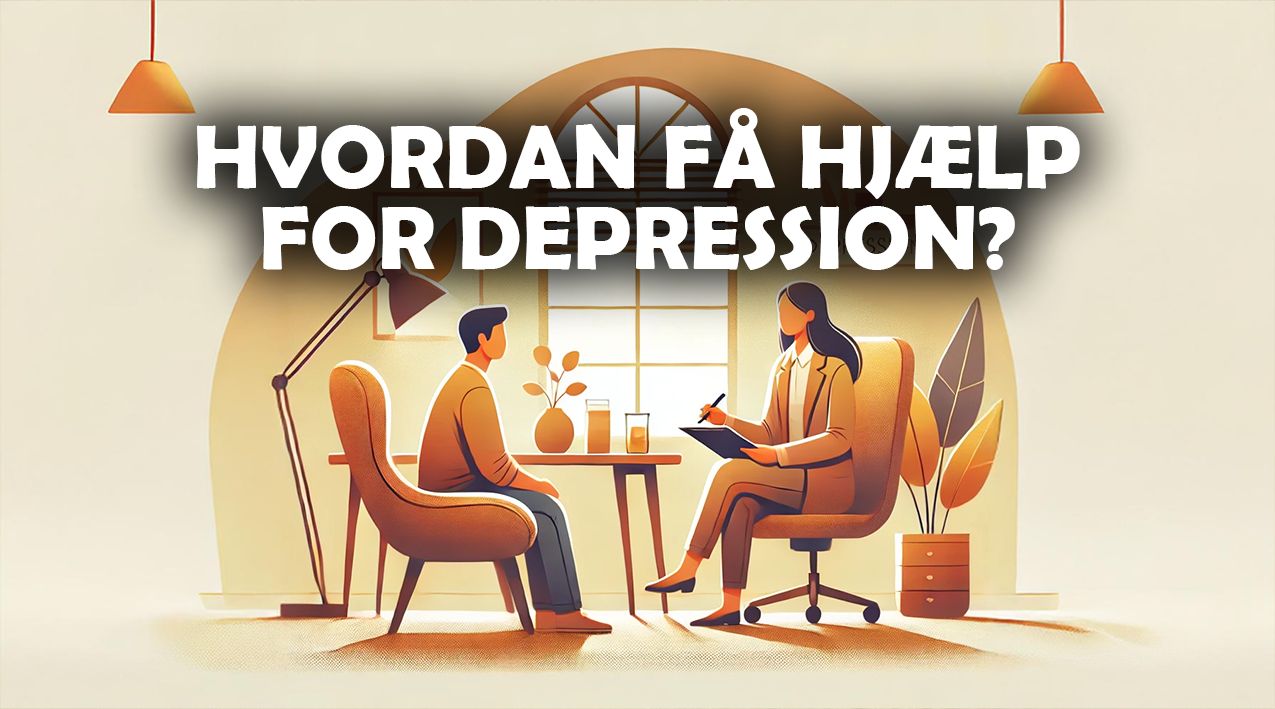
Taking the step to seek help for depression can feel difficult – especially because depression often drains your energy and ability to cope. But reaching out is not a sign of weakness; it is a strong and courageous step towards feeling better. Help for depression comes in many forms, and you do not have to face the process alone.
The most important thing is to start somewhere. For some people, this means talking to someone they trust, while for others, it means contacting a professional. Professional help for depression can provide tools, treatment and support that make it easier to manage everyday life and find a way out of the darkness. Getting help early can prevent depression from developing further and significantly improve quality of life.
Ideas – How to Seek Help for Depression
Talk to Your GP as a First Step When Experiencing Depression
When you experience symptoms of depression, your GP is often the best place to start. Your doctor can help assess your situation, ask the right questions and refer you for appropriate treatment or support. In some cases, medication, such as antidepressants, may be necessary to restore the chemical balance in the brain, but this requires a medical assessment.
Putting how you feel into words may seem overwhelming, but remember – your doctor is used to talking to people in similar situations, and the earlier you seek help, the greater the chance of getting the right support in good time.
See a Psychologist or Psychiatrist for Severe Depression
Professional treatment can make a big difference if you are experiencing depression. A psychologist can help you understand your thoughts, feelings and patterns of behaviour, while a psychiatrist can offer more specialised treatment if necessary.
Getting professional help is not a sign of weakness – on the contrary, it shows that you take your mental health seriously. Therapy can provide practical tools to manage depression and help you cope with everyday life. Psychotherapy, such as cognitive behavioural therapy (CBT), is, for example, an effective method of treating depression, and CBT helps you identify and change negative thought patterns.
Share Your Feelings with Someone You Trust When Depression Feels Overwhelming
An important part of managing depression is breaking the silence. When you share your thoughts and feelings with someone you trust, depression loses some of its grip. This could be a friend, a family member or a colleague. You do not need to have the “right words” – what matters most is finding the courage to say how you feel. Sharing your experience can bring relief and open the door to support you may not have known was there.
Contact a Counselling Service or Helpline for Depression
If talking to someone close to you feels too difficult, professional and anonymous counselling services are available where you can receive support without any obligation. These may include telephone helplines, chats or organisations with particular experience of depression. In Denmark, for example, you can call Livslinien on 70 20 12 01. These conversations can offer reassurance, clarity and the courage to take the next step. You do not have to handle everything alone – help is there when you find the courage to reach out.
Use Online Resources and Support Groups to Manage Depression
Today, there are many reputable online communities where you can share experiences, find inspiration and receive support from others who understand how depression can affect you. Support groups – both online and in person – can provide a sense of connection, which is particularly important when depression makes the world feel small and lonely. Hearing other people’s stories and similar challenges can offer comfort and perspective, while also creating hope and showing that it is possible to feel better with the right help.
Be Patient with the Process When Seeking Help for Depression
Seeking help for depression is not a quick fix, but a process. You may encounter bumps along the way, but every step counts. It is important to remember that recovery does not happen overnight – progress often comes in small but meaningful steps. Be kind to yourself and acknowledge the progress you make, however small it may seem. Seeking help takes courage – and that courage is a strength in itself.
REMEMBER – The most important step towards getting help for depression is often the first – and it does not have to be big to make a difference. Reaching out for help is not a sign of weakness, but a sign of strength, and even a small action today can be the beginning of a significant positive change tomorrow.
Self-Help – What Can You Do to Support Your Treatment for Depression?

When depression strikes, it can feel as though all your energy disappears and everyday life becomes difficult to get through. Professional treatment for depression is important, but there is also much you can do yourself to support your recovery and make small but meaningful changes to your daily life.
Self-help for depression is not about “coping on your own” – it is about giving yourself the best possible conditions for your depression treatment to work effectively. This can involve small steps such as creating structure in your day, being physically active regularly, prioritising sleep and reaching out to people you trust. Over time, these steps can strengthen your mental resilience and help you regain a sense of control, hope and enjoyment of life.
Ideas – Helpful Self-Help Strategies for Depression
Create Structure in Your Daily Life to Support Your Depression Treatment
When depression dominates everyday life, it can feel as though the days blur together without direction or energy. Creating a simple, flexible structure can help rebuild a sense of control and stability. For example, you can set yourself small, achievable tasks each day to regain a sense of control and accomplishment.
This can be as simple as regular bedtimes, meals at roughly the same time or small daily activities you feel able to manage. Routines are not a cure in themselves, but they can bring calm and make difficult days easier to handle. A structured daily routine with regular sleeping and eating times can provide stability and reduce the feeling of chaos.
Eat a Balanced Diet as Part of Your Depression Treatment
A healthy, balanced diet can play an important role in your overall approach to managing depression. When your body receives the right nourishment, it affects energy levels, concentration and mood – factors that are often affected by depression. This is not about following a strict diet, but about giving your body the building blocks it needs to support your mental health. Foods containing complex carbohydrates, healthy fats, fibre and protein can help stabilise blood sugar and provide steadier energy throughout the day. Fruit, vegetables and wholegrains can also help support the body’s natural balance and reduce feelings of exhaustion.
Many people find that depression changes their appetite – either through a reduced desire to eat or overeating. This makes it especially important to be kind to yourself and develop realistic, sustainable eating habits. Small adjustments can make a big difference over time. Eating nourishing food is not a “cure” for depression, but it can be an effective complement to professional treatment and self-help. When your body feels well, it creates better conditions for your mind to feel better too.
You can find inspiration for healthy eating in our article – Practical Tips on How to Eat More Healthily Without Going on a Diet
Be Physically Active Regularly to Support Yourself Through Depression
Physical activity has a well-documented positive effect on depression. You do not need to launch into strenuous exercise – small steps count. A short walk, a bike ride or gentle exercise can release endorphins, which positively affect mood and energy levels. What matters most is regularity, rather than intensity.
Movement can also provide structure, a break from your thoughts and a sense of actively doing something for yourself. Physical activity releases endorphins, which can improve your mood. Even a short walk can make a difference.
If you are not used to exercising, find inspiration in our article – Practical Tips for Effective Exercise Routines for Beginners
Prioritise Sleep and Rest as Part of Your Depression Treatment
Sleep plays a central role in both mental and physical balance. Many people experiencing depression struggle with either too little or too much sleep. Establishing consistent sleep habits – such as a regular bedtime, a calm sleeping environment and simple evening routines – can help stabilise mood and energy. Good sleep alone does not resolve depression, but it strengthens your ability to manage it.
You can find inspiration for establishing a healthy, consistent sleep pattern in our article – Practical Tips for a Better and More Consistent Sleep Pattern – Sleep Well Every Night!
Talk to People You Trust When Depression Feels Overwhelming
Depression tends to make people withdraw, but this is precisely when it is important not to face things alone. Sharing how you feel can be a huge relief – even if you do not have all the answers or the right words. Friends, family or a support group can offer support, listen without judgement and help you feel seen. Conversations can be an important complement to professional treatment.
Spend Time in Daylight and Nature to Loosen Depression’s Grip
Daylight and fresh air have a documented positive effect on both energy levels and mood. Although going outside may feel difficult, spending just 10–20 minutes each day in nature or daylight can help ease some symptoms of depression. Nature can bring calm, provide mental breathing space and offer a sense of connection to something greater than your racing thoughts.
Write Down Your Thoughts and Feelings to Gain a Clearer Understanding of Your Depression
When depression feels overwhelming, your thoughts can seem chaotic and difficult to manage. Writing them down can provide clarity and structure. This might be in a diary, as bullet points or simply as brief notes. Getting your thoughts out of your head and onto paper gives you a clearer overview, which can help you understand yourself better and make it easier to share with others – such as the professional treating you.
Practise Relaxation and Mindfulness to Support Your Depression Treatment
Relaxation, mindfulness and breathing exercises can be effective tools for calming the mind and body. Depression often affects the nervous system and creates inner restlessness, making it difficult to feel calm. Small daily exercises – such as deep breathing, guided meditation or gentle yoga – can help create mental breathing space and increase your resilience to depressive thoughts and feelings.
You can read more about mindfulness and meditation in our article – Practical Tips for Strengthening Your Mental Resilience Through Mindfulness and Meditation
REMEMBER – You often cannot overcome depression alone, but even small self-help steps count. With patience and thoughtful choices, you can actively strengthen and support your own recovery, and every small step you take is a quiet victory over depression’s grip.
Prevention – How Can You Protect Yourself Against Depression?

Depression can affect anyone, but there are many helpful ways to strengthen your mental health and reduce the risk of depression developing or returning. Preventing depression is not about living a “perfect” life, but about creating a supportive daily routine that builds your mental reserves, makes you more resilient to stress and helps you recognise the signs of depression early.
By developing healthy habits, strengthening your social relationships and listening to your body’s signals, you can build a stronger mental foundation. Many of these steps may seem small individually – but together, they can have a significant protective effect against depression. If, despite taking sensible steps to prevent depression, you notice signs of it creeping in, do not ignore the warning signs – the earlier you seek help, the better.
Ideas – Effective Ways to Prevent Depression
Get Regular Sleep and Rest to Help Prevent Depression
A consistent sleep pattern is one of the most effective ways to protect yourself against depression. When you sleep well, both your body and mind have the opportunity to recover, process experiences and restore emotional balance. Irregular sleep or too little rest, on the other hand, can make you more vulnerable to stress, tiredness and negative thoughts – factors often associated with the development of depression.
Establish regular bedtimes, avoid screens before bed and give your body time to wind down. Good sleep is not a luxury – it is a way of protecting your mental health. Find tips for a healthy sleep pattern in our article – Practical Tips for a Better and More Consistent Sleep Pattern – Sleep Well Every Night!
Learn to Manage Stress in a Healthy Way to Reduce the Risk of Depression
Prolonged stress is one of the biggest risk factors for depression, but fortunately, you can learn to manage it in a healthy way. Start by identifying what typically triggers your stress – and set aside time for breaks, relaxation and recovery. Practise prioritising what matters most and saying no when necessary. By creating a balance between work, leisure and rest, you can strengthen your mental resilience.
Managing stress is not about avoiding challenges, but about learning to navigate them calmly. You can find more inspiration for managing stress constructively in our article – Practical Tips for Overcoming Stress and Anxiety – Learn to Improve Your Mental Health
Strengthen Your Social Relationships to Help Prevent Depression
Human relationships play a crucial role in our mental well-being. A strong social network acts as a protective buffer against depression because support, connection and companionship provide meaning and a sense of belonging. It does not need to involve many people – quality matters more than quantity. Be open, nurture the relationships you already have and remember that you can also find new communities through volunteering, hobbies or local groups.
Close contact with others creates an emotional safety net that supports you when life becomes demanding and can provide a buffer against depression. If you need to expand your social network, you can find inspiration in our article – Practical Tips on How to Expand Your Circle of Friends as an Adult
Be Physically Active Regularly to Reduce the Risk of Depression
Physical activity is one of the most effective natural defences against depression. Exercise releases endorphins and dopamine – the body’s own “feel-good chemicals” – which can lift your mood and boost your energy. You do not need to run a marathon to feel the effects; what matters most is moving regularly. Walking, cycling, dancing, yoga or simply a short outing in the fresh air can make a noticeable difference.
Movement strengthens not only your body, but also your mental resilience to life’s challenges. You can find inspiration for staying motivated to exercise regularly in our article – Practical Tips on How to Stay Motivated to Exercise All Year Round
Eat a Nourishing, Balanced Diet to Support Your Mental Health and Help Prevent Depression
Diet and mental health are closely linked. A nourishing, varied diet can help stabilise your energy levels and mood – two areas often affected by depression. Eat foods that provide sustained energy, such as wholegrains, vegetables, fruit, fish, nuts and healthy fats. Avoid large fluctuations in blood sugar, which can lead to tiredness and irritability.
A healthy diet is not a miracle cure, but it can provide a strong foundation that supports both your physical and mental well-being. You can find inspiration for healthy, tasty and affordable meals in our article – Practical Tips for Healthy, Budget-Friendly Meals Using Fresh Seasonal Ingredients
Build a Stable and Meaningful Daily Life to Strengthen Your Resilience Against Depression
Having structure and meaning in everyday life creates a sense of purpose and stability – two things that are crucial to preventing depression. When you have something to get up for, whether it is work, volunteering, hobbies or relationships, your sense of identity and self-esteem grow stronger.
Try to find activities that bring you enjoyment or contribute positively to your life. Even small routines can create significant changes over time because they give your day direction and rhythm. You can find inspiration for finding groups that share your hobbies in our article – Practical Tips on How to Find Hobby Groups Without Spending a Fortune
Keep Building Your Mental Resilience to Strengthen Your Defences Against Depression
Mental resilience is not built overnight, but through small, consistent actions in everyday life. When you consciously work with your thoughts, feelings and patterns of response, you become better equipped to handle adversity, stress and emotional pressures that might otherwise increase the risk of depression. This is not about avoiding difficult emotions, but about being able to accommodate them without becoming overwhelmed. An important part of mental strength is balancing demands with recovery. Regular sleep, movement, breaks and social relationships play a central role in mental health.
Simple mental habits such as reflection, being present and self-care can also help you recognise early signs of imbalance before they develop into something more serious. By continually investing in your mental well-being, you strengthen your resilience and increase your chances of responding early if something begins to feel wrong. Over time, small steps can create a stronger foundation that makes it easier to face life’s challenges with greater calm and clarity. You can find inspiration for continuing to build your mental resilience in our article – Practical Tips for Developing Your Own Healthy Mental Habits
Be Aware of Early Signs of Depression So You Can Act in Good Time
Knowing yourself and recognising your own signals is one of the most effective ways to prevent depression. Pay attention if you notice persistent sadness, low energy levels, changes in appetite or sleep problems. Early intervention when depression begins to develop makes a big difference – the sooner you respond, the easier it is to reverse its progression. Do not ignore signs of depression – the earlier you seek help, the better.
Talk to someone you trust or seek professional help if you sense that something does not feel right. Taking your own signals seriously is not weakness – it is a form of self-care that can prevent depression from taking hold.
REMEMBER – Taking depression prevention seriously is an investment in your mental well-being – both now and in the future. You cannot control everything, but you can do a great deal to keep building a solid mental foundation and thereby reduce the risk of depression.
Conclusion

Depression is a serious yet very common condition that can affect anyone – regardless of age, gender or circumstances. The most important message is that you are not alone and that depression can be treated effectively, especially if you act early.
By recognising the signs of depression – both in yourself and in others – you can respond early, seek support and make room for honest conversations that can make a big difference to you or someone you care about. Remember that having depression is not a weakness – it is a condition that requires support and treatment.
By being attentive, talking openly and taking action, you can break the stigma surrounding depression and help create a healthier, happier life. Reaching out for help to work through depression is therefore not a failure.
On the contrary, it is a strong and courageous act that can mark the beginning of positive change. Professional help, self-help and support from close relationships can work together to help you regain energy, hope and enjoyment of life.
If you recognise the signs in yourself or others, do not hesitate to seek help. There is always someone ready to listen and support you on the path to recovery.
REMEMBER – Knowing the signs of depression is not about fearing life – it is about protecting it. You cannot always prevent the darkness from coming, but you can learn to turn on the light in time. When you take signs of depression in yourself or others seriously, you open the door to possibilities – not limitations.
🧭 Mini-Guide – How to Spot Signs of Depression and Get Help Early
Depression often creeps in gradually – which is why recognising the early signs and acting promptly is crucial.
Here are the key points summarising the article above to help you recognise and respond early to the risk of depression.
👀 Listen to Yourself and Your Feelings to Spot Signs of Depression
If you suspect depression, pay attention to persistent sadness, feelings of emptiness, low energy and a lack of enjoyment in things you normally love.
🧠 Look Out for Changes in Thoughts and Behaviour if You Suspect Depression
Racing thoughts, difficulty concentrating and social withdrawal are common signs of depression.
🛌 Pay Attention to Sleep, Appetite and Your Body’s Signals When Looking for Signs of Depression
Sleep problems, changes in appetite and unexplained physical symptoms can be part of the picture when signs of depression appear.
🤝 Pay Attention to Signs of Depression in People Around You
If you notice significant changes in a friend, colleague or family member that could indicate the onset of depression, reach out gently and show that you see them.
🩺 Seek Help Early if You Suspect Depression
Talk to your GP, a psychologist or a counselling service if you suspect depression – the earlier you respond, the better your chances of feeling well again.
🌿 Support Yourself as You Take Steps to Prevent Depression
To help prevent depression as effectively as possible, create structure in your daily life, be physically active regularly, eat nourishing food and talk to people you trust.
🕊️ Take Signs of Depression Seriously – Both in Yourself and in Others
Depression rarely goes away on its own, but with timely help, you can recover and rediscover your enjoyment of life.
🕊️ REMEMBER – Responding early to signs of depression can make the difference between struggling alone and getting the help you deserve.
If you would like further inspiration on how to spot the signs of depression, you can watch this video – 10 Warning Signs of Severe Depression
If you have experience of and/or knowledge about spotting signs of depression, we would love to hear your thoughts and/or suggestions in the comments about other ways to recognise the signs and how best to get help early.