
Mentally healthy habits are at least as important as physical habits when it comes to wellbeing, energy and quality of life. Yet mental routines are often pushed down the list of priorities in a busy daily life. Many people focus on diet, exercise and sleep, but forget that thoughts, patterns of reacting and inner dialogue have an enormous impact on how we feel – both mentally and physically. Over time, a lack of mentally healthy habits can lead to stress, worry, inner unrest and the feeling that you can never fully relax.
Mental habits are about how you approach yourself and your daily life. This might involve how you handle setbacks, how you speak to yourself when something goes wrong, or how you create breaks in a constant flow of information. Many mental patterns run on autopilot because they have been repeated for years. This also means they can be changed – not through quick fixes, but through conscious and realistic adjustments that fit into your everyday life.
Creating your own mentally healthy habits is not about being positive all the time or ignoring difficult emotions. On the contrary, it is about building resilience that helps you cope with both ups and downs. When you actively work on your mental habits, it becomes easier to recognise early signs of stress, set boundaries and maintain perspective in challenging situations. Small mental strategies can bring greater calm, better focus and a stronger sense of control in everyday life.
One of the greatest benefits of mentally healthy habits is that they can be adapted to your life and your needs. There is no single right way to approach them. For some, it is about reflection and being present; for others, it is about structure, breaks or changing thought patterns. What they have in common is that mental habits work best when they are simple, repeatable and realistic – rather than another demand to squeeze into an already packed schedule.
In this article, we take a closer look at how you can create your own mentally healthy habits in a way that feels natural and sustainable. The focus is on practical, everyday methods that can help you strengthen your mental wellbeing over time – without making things complicated or overwhelming. The aim is to give you inspiration and specific strategies to help you create more balance, calm and mental clarity in your life.
What Are Healthy Mental Habits, and Why Are They Important?

Healthy mental habits are the daily patterns and routines that strengthen your mental wellbeing, give you more energy in everyday life and make you more resilient to life’s challenges. They can involve small actions such as taking breaks throughout the day, prioritising sleep, being present or saying no when you need to. When these mental habits become a natural part of your daily life, they help create a stronger mental balance, prevent stress and improve your focus and wellbeing.
At a time when many people lead fast-paced lives, having a mental foundation that provides calm and direction is essential. Healthy mental habits act as a kind of “inner toolkit”, making it easier to handle pressure, change and difficult periods without losing your footing. They are not just something you “use” when you are struggling – they are an investment in stronger and more stable mental health in the long term.
The Benefits of Healthy Mental Habits
Healthy mental habits provide - Greater resilience to stress.
Healthy mental habits provide - Increased self-esteem and confidence.
Healthy mental habits provide - Better relationships with others.
Healthy mental habits provide - A greater ability to focus and make decisions.
Healthy mental habits provide - Greater enjoyment of life and satisfaction.
Ideas for Inspiration – What Healthy Mental Habits Can Look Like
Start the Day with Healthy Mental Habits
A calm and intentional start to the day can significantly strengthen your mental balance. When you choose to begin the day with healthy mental habits, you lay a foundation for focus, energy and calm. This could be a brief moment of deep breathing, a cup of tea in silence or simply a moment to set an intention for the day. This simple routine makes it easier to face the day’s challenges with perspective and strength.
Reflect on Your Day to Strengthen Your Mental Habits
Reflecting on how your day has gone gives you an opportunity to become more aware of your thoughts and actions. Mental habits become stronger when you understand what affects your wellbeing – both positively and negatively. By spending just a few minutes considering what went well and what could be done differently, you develop valuable awareness that supports your mental growth.
Get Moving to Nurture Your Healthy Mental Habits
Healthy mental habits are closely linked to physical activity. When your body moves, your mind also grows stronger and stress levels fall. Even a short walk in the fresh air can release endorphins, restore your energy and improve your concentration. Physical activity is therefore not only good for your health – it is an effective tool for maintaining a healthy mental balance in everyday life.
If you lead a busy life, you can find inspiration for exercising at home in our article - Practical Tips for a Healthier Lifestyle with Easy and Effective Home Exercises
Share Your Thoughts and Feelings to Strengthen Your Mental Habits
Sharing your thoughts and feelings with others is an important part of building strong mental habits. When you open up to people you trust, you have an opportunity to process your experiences and receive support. Opening up to the people in your life creates a sense of connection, reduces feelings of being alone and gives you more mental energy. Social relationships can therefore provide steady support during stressful periods.
Set Clear Boundaries to Protect Your Healthy Mental Habits
Healthy mental habits require space and respect for your own needs. Setting boundaries is not about shutting the world out, but about creating a balance between what you give and what you need yourself. When you say no to excessive demands, you protect your mental energy and make time for self-care. Clear boundaries are an important building block for a stable and strong mental foundation.
You can find inspiration for saying no in a positive and constructive way in our article - Practical Tips for Saying No Without Disappointing People
REMEMBER - Small, mentally healthy steps every day become strong habits that give you a solid mental foundation over time. Healthy mental habits are your inner compass in a busy and often stressful world, and healthy mental habits are the foundation for a calm, resilient and happy everyday life.
Start with Small Steps to Establish Healthy Mental Habits
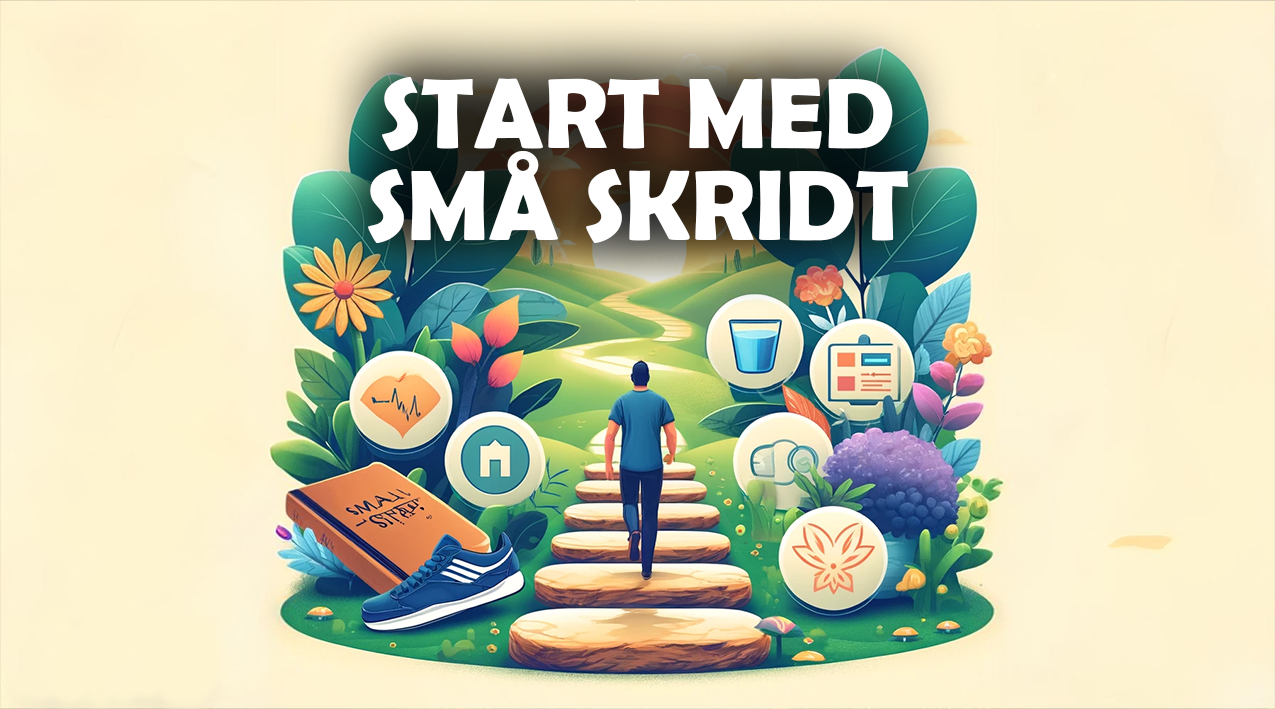
When you want to create healthy mental habits, it is often the small and realistic steps that make the biggest difference. Many people make the mistake of wanting to change everything at once, but this can quickly lead to pressure and disappointment. Instead, it is about building healthy mental habits gradually so that they become a natural part of everyday life.
Small adjustments to your daily rhythm – such as introducing a calm morning routine, a brief moment of reflection or a few minutes of movement – can develop over time into strong mental habits that support your wellbeing.
Creating healthy mental habits therefore takes time and patience, and starting slowly increases your chances of success. Each small mental habit is like a building block in a broader mental foundation, and over time it becomes easier to maintain and expand your positive mental routines.
Ideas for Inspiration – How to Take the First Small Steps towards Healthy Mental Habits
Choose One Area to Focus on at a Time to Create Healthy Mental Habits
When you want to create healthy mental habits, starting with one specific area of focus rather than making many changes at once can be a great advantage. Too many goals at the same time can quickly create pressure, which often leads to a loss of motivation. By choosing a habit that is easy to introduce, such as taking a moment each day to focus on your breathing, you can give it your full attention and build a stable routine around your mental habit. Once this mental habit is firmly established in your daily life, it becomes easier to gradually add new mental habits without feeling overwhelmed.
Set Small and Realistic Goals for Your Mental Habits
Healthy mental habits are best developed when your goals are manageable and realistic. Rather than changing large parts of your everyday life at once, it is better to focus on small, manageable steps. Instead of saying, "I want to reduce stress," say, for example, "I will meditate for five minutes every day," or aim to write down three good things each evening. Realistic goals increase your chances of success and make it easier to create lasting mental change.
Make New Mental Habits a Regular Part of Everyday Life
When healthy mental habits are linked to a particular time or routine during the day, they become easier to maintain. Consistency creates predictability, which strengthens your habits over time. You could, for example, introduce a regular morning routine, a short reflection break in the middle of the day or a quiet moment in the evening to focus on yourself. When your mental habits become a natural part of your daily rhythm, they require less willpower and become more stable in the long term.
Celebrate Small Steps Forward to Strengthen Your Mental Habits
An important part of establishing healthy mental habits is recognising even small signs of progress. Many people forget to celebrate what they actually achieve, yet this awareness can be a powerful source of motivation. When you allow yourself to feel proud of small victories, you strengthen your desire to keep going. It is the sum of many small mental steps that eventually develops into substantial, stable and strong mental habits.
Be Patient and Trust the Process of Building Your Mental Habits
Building healthy mental habits takes time and patience. Changes rarely happen overnight – they develop gradually through repetition and persistence. It is important to accept that setbacks can happen without meaning that you have failed. When you trust the process and keep going, you will find that small mental steps gradually become strong and natural mental habits that support you in everyday life.
REMEMBER - Small, thoughtful mental steps today become strong mental habits tomorrow, and a stronger mind is built through patience, repetition and self-care.
Prioritise Your Mental Health

Prioritising your mental health is one of the most important investments you can make in your own life. Many people tend to focus on physical health – diet, exercise and sleep – but forget that mental wellbeing is at least as vital to quality of life. When you consciously choose to make room for calm, balance and positive mental habits, it becomes easier to manage stress, challenges and everyday pressures.
Prioritising your mental health does not necessarily involve major changes. Often, it is the small, consistent actions that make the biggest difference. These might include making time for reflection, setting boundaries to protect your energy or enjoying activities that bring you happiness and calm. The more consistent you are with your healthy mental habits, the stronger your mental foundation becomes.
Ideas for Inspiration – How to Prioritise Your Mental Health
Give Yourself Time for a Mental Break Every Day
Making room for short breaks throughout the day is a simple but effective way to strengthen your mental health. When you allow yourself to breathe deeply and step away from noise and demands, you help your mind find calm and balance. Even five minutes of quiet reflection or silence can restore your energy and focus, helping you handle the day’s challenges more effectively. Regular breaks are not a waste of time – they are an important investment in your wellbeing.
You can find inspiration for some quick and simple mindfulness exercises to practise during short breaks throughout the day in our article - Practical Tips for Mindfulness for Busy People – Simple Exercises for Everyday Life
Listen to Your Own Needs to Support Your Mental Health
Listening to and respecting your own needs is one of the most important things you can do to protect your mental health. Many people ignore the signals from their body and mind while trying to meet other people’s expectations. When you begin to take your own feelings and boundaries seriously, you build a stronger inner balance. So remove unnecessary sources of stress – identify what creates stress in your life and work to minimise it. Saying yes or no at the right time helps prevent stress and creates room for greater calm and energy in everyday life.
If you struggle with stress in everyday life, you can find inspiration for managing it constructively in our article - Practical Tips for Getting Rid of Stress and Anxiety – Learn to Improve Your Mental Health
Make Room for Activities That Give You Mental Energy
Mental health is nurtured by activities that bring joy, energy and a sense of being present. These can range from a peaceful walk in nature to creative activities, movement or spending time with people you care about. By actively making time for what gives you energy, happiness and relaxation, you strengthen your mental resilience. These activities are not luxuries – they fuel your mental energy.
If you would like to find a hobby that brings you joy and energy, you can find inspiration in our article - Practical Tips for Finding Hobby Groups Without Spending a Fortune
Learn to Say No to Protect Your Mental Balance
Strong mental health requires you to respect your own boundaries. This does not mean shutting the world out – it means looking after your own energy and time. Saying no to overload and unrealistic expectations – activities that drain you mentally – is an important skill that protects your mental wellbeing. When you say no to something, you are also saying yes to yourself, your peace of mind and your wellbeing.
You can find inspiration for saying no in a positive and constructive way in our article - Practical Tips for Saying No Without Disappointing People
Treat Your Mental Health as a Long-Term Priority
Mental health is not about quick fixes, but about long-term choices and consistent habits. By treating your mental wellbeing as a priority alongside your physical health, you lay a solid foundation for a calmer and more balanced life. Small, thoughtful daily actions to support your mind can, over time, build strong mental resilience, making it easier to handle life’s challenges and stay calm even when life gets busy.
REMEMBER - Small, healthy, thoughtful mental steps each day become strong mental habits over time. When you take good care of your mind, you improve your overall quality of life.
Create a Routine to Build Your Healthy Mental Habits
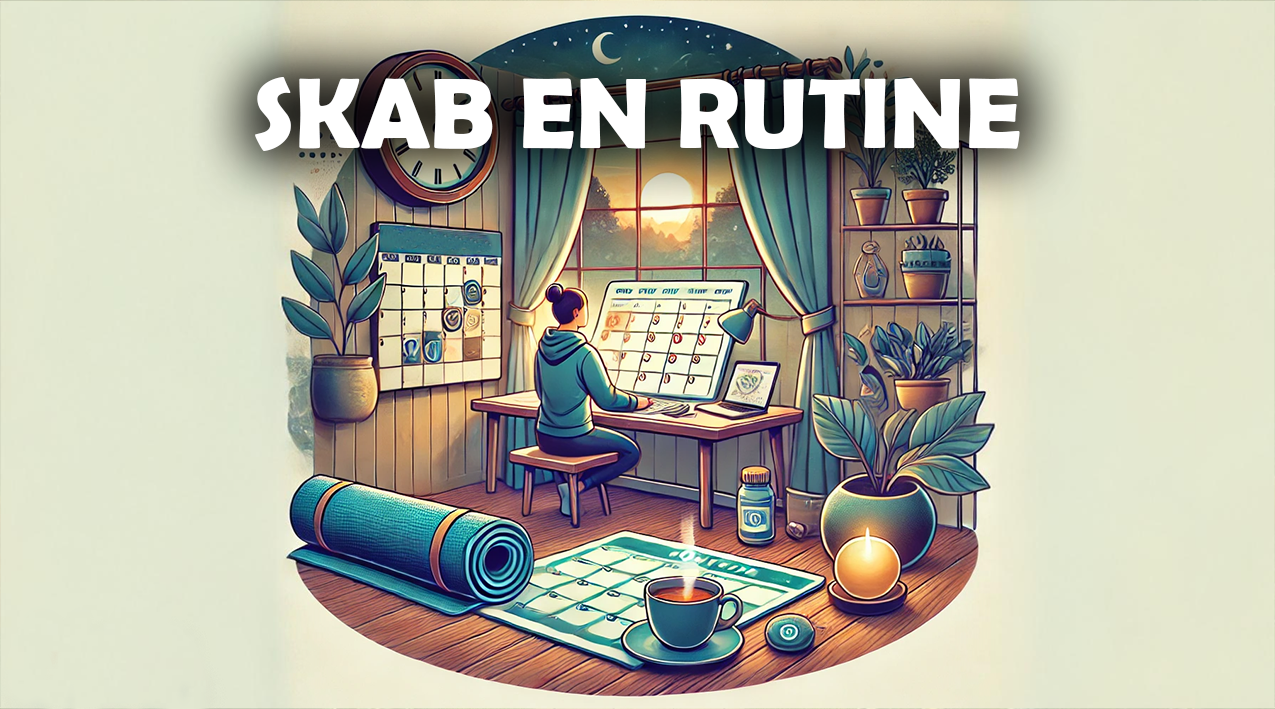
When you want to create healthy mental habits, having a consistent and simple routine is essential to making them a natural part of everyday life. Many people start with good intentions, but without a clear structure, these can quickly be forgotten. Routines provide stability, and stability creates change over time.
A well-defined routine makes it easier to stay focused, especially during periods when motivation is low. By repeating small, positive mental actions daily, you create a mental foundation that strengthens your wellbeing and makes it easier to handle life’s challenges.
It is not about doing everything perfectly – it is about creating a mental routine and rhythm that suits you and your everyday life. A stable routine helps you maintain positive mental habits and create structure in your day.
Ideas for Inspiration – How to Create a Good Routine Around Healthy Mental Habits
Start with a Set Time for Your Mental Routine
A clear structure is one of the most effective ways to strengthen your mental routine. Choosing a set time each day helps your brain associate that time with a particular action, increasing the likelihood that it will become a natural mental habit. This could be in the morning, when you create a calm start with a positive activity such as meditation, journaling (a path to self-discovery) or a short walk, or in the evening, when you wind down with reflection and relaxation, such as reading a book or writing down three things you are grateful for. The more consistent you are with your mental routine, the easier it becomes to maintain your mental habit, even when everyday life is busy.
Make a Simple Plan for Your Mental Routine
A mental routine does not need to be complicated to be effective. On the contrary, a simple and manageable plan makes it easier to maintain your mental habits. Briefly write down what you want to do, when you will do it and how long it will take. When you clearly define the structure of your mental routine, it becomes easier to prioritise it – even on days when your motivation is low.
Combine Your Mental Routine with an Existing Habit
An effective strategy for creating a stable mental routine is to link it to something you already do daily. This could mean taking three deep breaths after your morning coffee or writing down three things you are grateful for before going to bed. When your mental routine is connected to an existing habit, it becomes easier to remember and maintain because you already have a natural rhythm to build on.
Make Your Mental Routine Flexible but Consistent
A good mental routine should support you – not feel like a burden. It is therefore important to strike a balance between flexibility and consistency. You can adjust the timing or duration if that suits your everyday life better, but the action itself should remain. This flexible approach makes it easier to keep going because your mental routine adapts to your life rather than clashing with it.
Review and Adjust Your Mental Routine as Needed
A mental routine should not be static – it should evolve with you. Your everyday life changes, and so can your need for mental energy. By regularly reviewing what works and adjusting what does not, you ensure that your mental routine continues to support you in a meaningful way. It is not about perfection, but about finding a mental routine and rhythm that gives you energy and strength in everyday life.
REMEMBER - Good, thoughtful and consistent mental routines are the strongest foundation for healthy mental habits in a busy everyday life.
Work with Your Thoughts to Build Healthy Mental Habits

One of the most powerful ways to build healthy mental habits is to work consciously with your thoughts. Thoughts influence your feelings, and feelings influence your actions – so learning to manage your thought patterns rather than letting them control you is essential.
Many thoughts arise automatically, but that does not mean they are true or helpful. Negative thoughts can prevent you from building healthy mental habits. When you learn to recognise, understand and challenge your own thought patterns, you gain greater control over your mental balance and can create more mental energy.
Working with your thoughts is not about forcing yourself to think only positively, but about creating a more realistic, balanced and constructive inner dialogue. Small changes in how you speak to yourself can, over time, lead to stronger and more stable mental habits that bring you calm, balance and strength in everyday life.
Ideas for Inspiration – How to Work with Your Thoughts to Build Healthy Mental Habits
Become Aware of Your Thought Patterns to Create Healthy Mental Habits
Healthy mental habits start with awareness. You cannot change what you do not notice – so the first step is to observe your thought patterns. Pay attention to how you react in different situations and which thoughts arise. Negative or limiting thoughts often run automatically in the background without us noticing. Once you become aware of them, you can begin to regain control and develop a more balanced and constructive inner focus.
Write Down Your Thoughts to Strengthen Your Healthy Mental Habits
Writing down your thoughts is a simple but effective way to create clarity and structure. When you move your thoughts from your head onto paper, you gain some distance and can see them in a new light. It becomes easier to distinguish between thoughts that strengthen you and those that hold you back. This conscious action helps you develop healthy mental habits because it allows you to work more actively with your inner dialogue.
Challenge Negative Thoughts to Build Healthy Mental Habits
Negative thoughts tend to grow if they are left unchallenged. An important part of creating healthy mental habits is therefore learning to identify negative thoughts and question and/or challenge them. For example, notice when you think things such as "I cannot cope with this" or "There is no point." Then ask yourself: "Is this a fact, or is it an interpretation? And what would I say to a friend in this situation?" When you break automatic thought patterns, you make room for more realistic, supportive and balanced thoughts. Over time, this approach becomes a natural part of your mental strength.
Develop a Stronger Inner Dialogue to Maintain Healthy Mental Habits
The way you speak to yourself affects your feelings, actions and mental balance. By replacing harsh self-criticism with a more supportive inner voice, you can create healthy mental habits that help you handle both small everyday challenges and major life crises. A kind, realistic and encouraging inner dialogue acts as a mental safety net, supporting you when you need it most.
Train Your Mental Focus as a Path to Healthy Mental Habits
Your mental focus can be trained in the same way as a muscle – the more you work on it, the stronger it becomes. By consciously directing your attention towards constructive, realistic and supportive thoughts, you lay the foundation for healthy mental habits. Over time, you will find it easier to recognise and let go of unhelpful thoughts, allowing you to maintain a calm and stable inner mental balance in everyday life.
REMEMBER - When you challenge your negative thoughts and strengthen your positive thoughts, you strengthen your healthy mental habits. Healthy thoughts are the foundation – healthy mental habits are the result.
Integrate Mindfulness into Your Everyday Life to Build Healthy Mental Habits
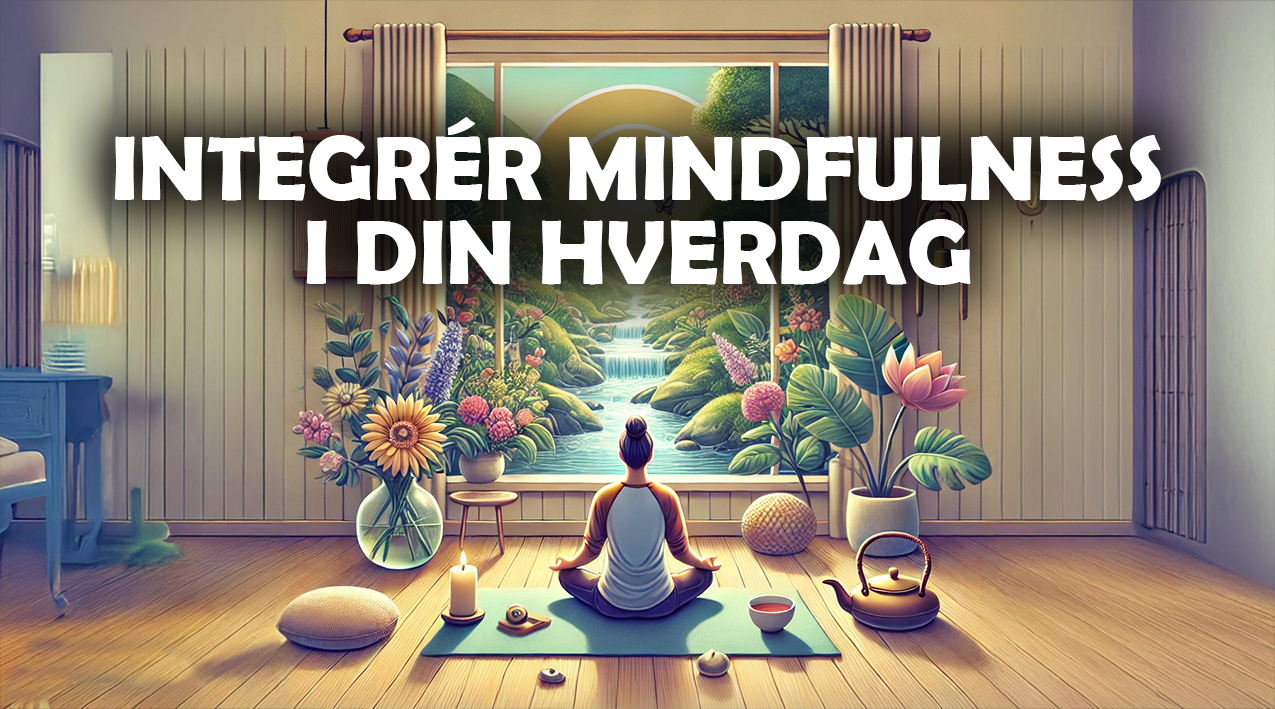
Integrating mindfulness into your everyday life is an effective and sustainable way to build healthy mental habits. Mindfulness is about being fully present in the moment – without judging or trying to change things as they are.
When you practise pausing and being present, you make room for calm, reflection and a better understanding of your thoughts and feelings, which is important when building healthy mental habits.
Mindfulness is not just meditation – it is a way of living. Even small moments of conscious awareness throughout the day can reduce stress, improve concentration and create a stronger mental balance. Over time, mindfulness can become a beneficial, natural part of your daily rhythm and a stable foundation for healthy mental habits.
Ideas for Inspiration – How to Integrate Mindfulness into Your Everyday Life as an Important Part of Building Healthy Mental Habits
Start the Day with Mindful Calm to Create Healthy Mental Habits
A quiet and focused start to the day can be one of the most effective ways to strengthen your healthy mental habits. When you give yourself a moment to breathe calmly, notice your body and let your thoughts settle, you lay a mental foundation for the rest of the day. Being mindfully present in the morning helps reduce stress, improve focus and create a sense of calm that stays with you through the day’s challenges.
Use Everyday Activities to Practise Healthy Mental Habits
You do not need to set aside extra time in your schedule to incorporate mindfulness and healthy mental habits. By paying attention to the present moment while doing ordinary everyday activities such as cooking, going for a walk or drinking a cup of coffee, you create small mental breaks in the middle of your day. These small moments of presence can have a significant positive effect on your mental wellbeing and make it easier to maintain balance in a busy everyday life.
Take Short Mindfulness Breaks to Strengthen Healthy Mental Habits
Even a few minutes of conscious awareness can be enough to make a noticeable difference. When you pause during the day, breathe deeply and focus on the present moment, you help your brain reset. These small breaks act as a mental restart that can prevent stress and overload. Over time, short mindfulness breaks will become a natural part of your healthy mental habits and contribute to a stronger mental balance.
You can find inspiration for practising simple mindfulness exercises in a busy everyday life in our article - Practical Tips for Mindfulness for Busy People – Simple Exercises for Everyday Life
End the Day with Mindful Reflection to Maintain Healthy Mental Habits
The best way to end the day is with a moment of calm and conscious reflection. By giving yourself time to look back on the day’s experiences – without judging them – you can let go of worries and create a sense of mental clarity. This end-of-day mindfulness routine helps maintain healthy mental habits and gives you a peaceful transition from activity to rest.
Be Patient with Yourself as You Build Healthy Mental Habits
Building healthy mental habits takes time, repetition and patience. Many people mistakenly believe that they must master mindfulness from day one, but the most important thing is to practise consistently – not to be perfect. By treating yourself with understanding and kindness, you create a stable foundation for lasting mental strength and balance. Patience is not a weakness, but a strength in this process.
REMEMBER - Mindfulness, even in small doses, can bring about big changes in your healthy mental habits. Mindfulness is the foundation of calm in a busy everyday life, and healthy mental habits grow when you give them the peace they need to take root.
You can find more inspiration for incorporating mindfulness and meditation into your everyday life in a positive and constructive way to support a strong mental foundation by reading our article - Practical Tips for Strengthening Your Mind Through Mindfulness and Meditation
Build Strong Relationships to Help Develop Strong Mental Health
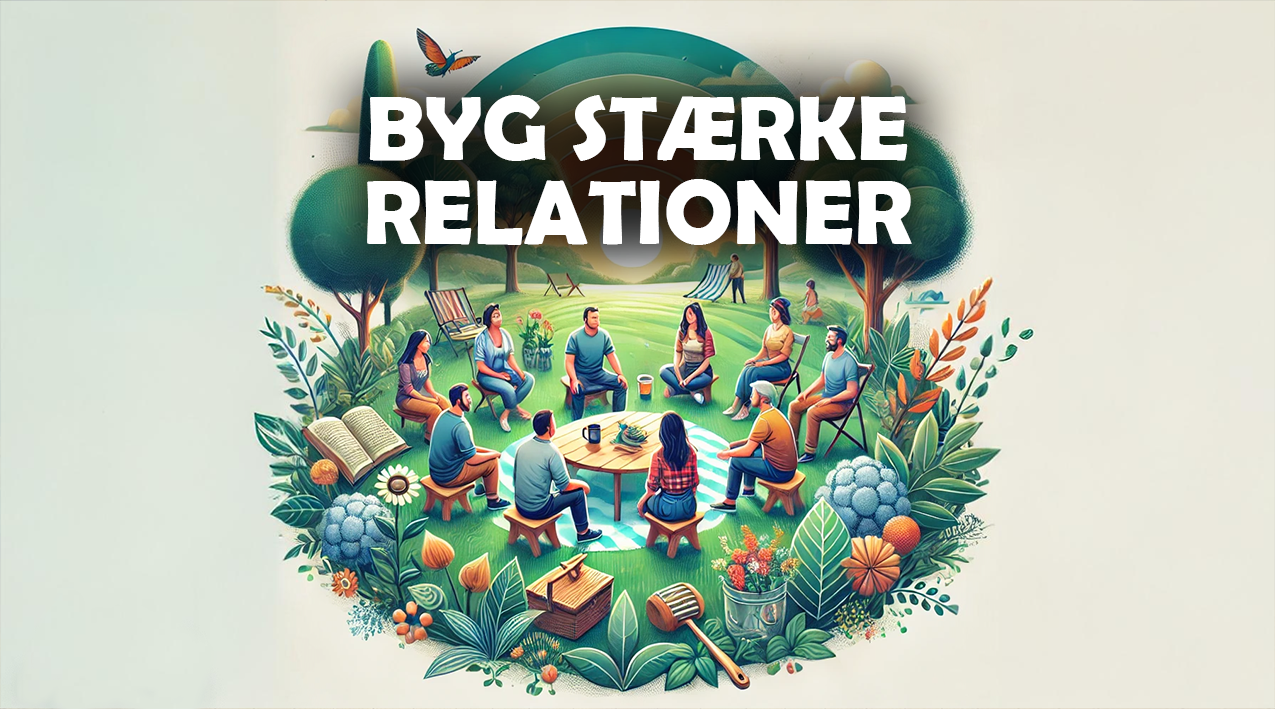
Human relationships play a much greater role in our mental health than many people realise. Although it is important to feel strong within yourself, it is often through our interactions with others that we find support, understanding and a sense of security.
Humans are "social creatures" and thrive best in healthy communities. Strong, trusting relationships can therefore help you handle life’s challenges, reduce feelings of loneliness and strengthen your ability to build and maintain robust mental health. When you consciously choose to nurture healthy relationships that build you up rather than drain you, you create a mental foundation that makes it easier to maintain calm, hope and strength – even when life does not go to plan.
Feeling connected to others through healthy relationships can reduce stress and increase your enjoyment of life. Support from healthy relationships can therefore provide both a secure base and motivation for your personal development and the strengthening of your mental foundation.
Ideas for Inspiration – How to Strengthen Social Relationships for Better Mental Health
Nurture Relationships That Offer Positive Support to Build Strong Mental Health
Strong mental health is easier to build when you surround yourself with people who support and inspire you. Social relationships that give you energy rather than drain it have a significant impact on how you handle everyday challenges. When you consciously choose to invest your time in people who see you, listen to you and appreciate you, you strengthen your mental foundation. Positive social relationships are not simply nice to have – they can be vital to your mental wellbeing in the long term.
Share Your Thoughts and Feelings to Create a Foundation for Strong Mental Health
Open and honest communication is an important part of building strong social relationships and can therefore strengthen your mental health. When you feel able to share your thoughts and feelings with people you trust, you create deeper connections and mutual trust. This gives you a sense that you are not alone with your thoughts, which can ease stress and create mental space for greater calm and balance.
Seek Communities That Support Your Personal Development and Strong Mental Health
A healthy, strong community can be a powerful resource for your wellbeing. Being part of groups or networks where you feel seen and included strengthens your sense of belonging – an important building block for strong mental health. Healthy, strong communities not only provide support but can also inspire personal development, new perspectives and positive habits.
Actively Contribute to Your Relationships to Maintain Strong Mental Health
Social relationships become strongest when they are nurtured by both sides. Strong mental health is not only about receiving support, but also about giving it. When you actively listen, show interest and support others, you create reciprocal relationships that provide security and stability. Being an active part of other people’s lives can give you a stronger sense of purpose and connection.
You can find inspiration for reviving and maintaining old friendships in our article - Practical Tips for Reviving Old Friendships
Respect Your Own Boundaries to Protect Your Strong Mental Health
Even the best relationships need healthy boundaries to work well. Protecting your strong mental health means having the confidence to say no when something drains you and yes to what lifts you up. When you clearly communicate your needs and boundaries, you create respect and balance in your social relationships – and give yourself room to preserve your mental energy.
If you have a friend who drains your energy whenever you are in contact, you can find inspiration for handling this in a positive and constructive way in our article - Practical Tips for Dealing with a Friend Who Drains Your Energy
REMEMBER - Strong social relationships lay the groundwork for strong mental health. Mental health thrives best in a strong and supportive community.
If you are interested in expanding your social circle, you can find inspiration for making new friends in our article - Practical Tips for Expanding Your Circle of Friends as an Adult
Exercise Is Important for Your Mental Health

Exercise is not just about keeping your body in shape – it also plays a vital role in your mental health. When you move, your body releases endorphins, which improve your mood, reduce stress and increase your sense of wellbeing. Regular physical activity can also strengthen your ability to handle pressure and challenges, as exercise has a proven positive effect on concentration, sleep and emotional balance.
You do not need strenuous workouts to see results. Even small amounts of daily movement can make a noticeable difference to your mental wellbeing. The most important thing is to find a form of exercise you enjoy and that can become a natural part of your everyday life.
So incorporate exercise into your daily life – take the stairs instead of the lift, or cycle to work if possible. Over time, physical activity can become a consistent source of support for stronger and more resilient mental health.
Ideas for Inspiration – How Exercise Can Strengthen Your Mental Health
Go for a Walk to Calm Your Mind and Strengthen Your Mental Health
A daily walk is one of the simplest ways to strengthen your mental health. When you walk, stress levels fall, your body releases endorphins and your thoughts have room to settle. It requires neither expensive equipment nor much planning – just taking a few steps outside can make a noticeable difference. Regular walks create both physical and mental balance, and they can become a dependable part of your daily life that helps prevent stress and restlessness.
Try Gentle Forms of Exercise as Mindful Movement to Strengthen Your Mental Health
Mindful exercise such as yoga, Pilates or gentle stretching can have a profound effect on both body and mind. This type of movement strengthens your mental health by creating calm, increasing body awareness and reducing tension. At the same time, you learn to be more present in the moment, which can improve your ability to manage stress and create a sense of mental clarity.
You can find further inspiration for strengthening your mind through mindfulness in our article - Practical Tips for Strengthening Your Mind Through Mindfulness and Meditation
Choose a Form of Exercise That Brings You Joy and Strengthens Your Mental Health
When exercise is associated with enjoyment rather than obligation, it becomes easier to make it a regular part of your everyday life. Whether it is dancing, cycling, swimming or team sports, movement gives you energy, vitality and a sense of freedom that strengthens your mental health. This kind of enjoyable activity strengthens your mental health by lifting your mood and creating a greater sense of wellbeing – in both body and mind.
If you are new to exercise, you can find inspiration in our article - Practical Tips for Effective Exercise Routines for Beginners
Create a Regular Exercise Routine to Maintain What Strengthens Your Mental Health
A regular exercise routine can help create stability in your everyday life. When exercise becomes a natural part of your week, it also becomes a reliable source of energy, focus and calm that helps strengthen your mental health. Consistency and regular routines strengthen your mental health by providing structure and a stable mental anchor – especially on days when your motivation may be low.
You can find inspiration for staying motivated to exercise regularly throughout the year in our article - Practical Tips for Staying Motivated to Exercise All Year Round
Combine Exercise with Nature for an Active Lifestyle That Strengthens Your Mental Health
Combining exercise with time in nature is a powerful way to strengthen your mental health. Nature has a proven calming effect on the mind, and moving your body at the same time enhances this positive effect. Whether you go for a run in the woods, cycle along the waterfront or take a gentle walk in the park, the combination of fresh air and physical activity creates a deep sense of balance and wellbeing that helps strengthen your mental health.
REMEMBER - Exercise does not just strengthen your body – it strengthens your mental health. An active body supports a stronger mind, and a regular exercise routine is important for creating mental calm and strength.
You can find further inspiration for a healthy lifestyle, which is important for your mental health, in our article - Practical Tips for Combining Exercise and Diet for Optimal Results
Practise Gratitude to Help Strengthen Your Mental Health

Gratitude is one of the most powerful, yet often underestimated, ways to strengthen your mental wellbeing. When you consciously practise noticing the positive things in everyday life, you gradually shift your focus from what is missing to what is actually good, which is important in the process of strengthening your mental health.
This simple shift towards gratitude can have a significant effect on your mood, enjoyment of life and ability to handle challenges, as this technique helps you focus on the positive aspects of your life and reduce negative thoughts.
Gratitude is not the same as ignoring problems – it is about creating a healthy mental balance in which you also acknowledge the things that are working well. Over time, a daily gratitude practice can become an important source of support in building healthy mental habits, as it strengthens both your mental focus and your ability to find calm in the present moment.
Ideas for Inspiration – How to Practise Gratitude to Strengthen Your Mental Health
Write Down Three Things You Are Grateful for Every Day to Strengthen Your Mental Health
A simple and effective way to strengthen your mental health is to write down three things you are grateful for each day. These can range from small everyday moments to significant personal experiences. By putting the positive things into words, you train your brain to notice what is going well in your life. This simple exercise creates a more positive mindset, increases your sense of satisfaction and gives you mental energy to draw on in stressful situations.
Start the Day with a Grateful Thought to Create a Positive Focus That Strengthens Your Mental Health
Beginning the day with a conscious thought of gratitude can positively influence the rest of your day. When you focus on something you appreciate, you give your mind a calm and optimistic starting point. This could be a person, an experience or something as simple as sunshine coming through the window. This small morning routine strengthens your mental health by creating a sense of stability, clarity and energy from the very first moments of the day.
End the Day by Reflecting on Its Highlights to Strengthen Your Mental Health
Quiet reflection in the evening is a powerful way to create mental balance. When you consciously look back on the good moments throughout the day, you shift your focus away from stress and worries. This habit strengthens your mental health by bringing the day to a positive close, helping both your mind and body find calm. Over time, this reflection becomes a natural source of support for your mental wellbeing.
Share Your Gratitude with Others to Build Relationships That Strengthen Your Mental Health
Gratitude becomes even stronger when it is shared. When you express gratitude towards the people around you, you not only build stronger relationships – you also strengthen your own mental health. Acknowledging and appreciating others creates a positive cycle in which both you and the other person experience joy and a sense of connection. Relationships built on mutual gratitude provide a sense of security that strengthens your mental foundation.
It is therefore important to maintain your personal relationships because, as mentioned, they are an important factor in your mental wellbeing. You can find inspiration for maintaining positive personal relationships in our article - From Childhood to the Present – Practical Tips for Maintaining Old Friendships and Staying in Touch
Make Gratitude a Regular Habit in Your Everyday Life to Maintain What Strengthens Your Mental Health
Gratitude works best when it becomes a natural part of everyday life. By practising regularly, you build mental strength that makes it easier to maintain perspective – even during challenging periods. For example, make a habit of noticing small things in everyday life that you appreciate, such as a beautiful sunset or a good cup of coffee. This habit will continually strengthen your mental wellbeing because it creates a steady focus on the positive, giving you energy, clarity and resilience over time – all of which are important for your mental health.
REMEMBER - Gratitude is a quiet strength that lifts your mental health. Gratitude is a habit that makes you stronger from within, and small moments of gratitude can, over time, build great mental strength.
Sleep – An Underestimated Factor in Healthy Mental Habits
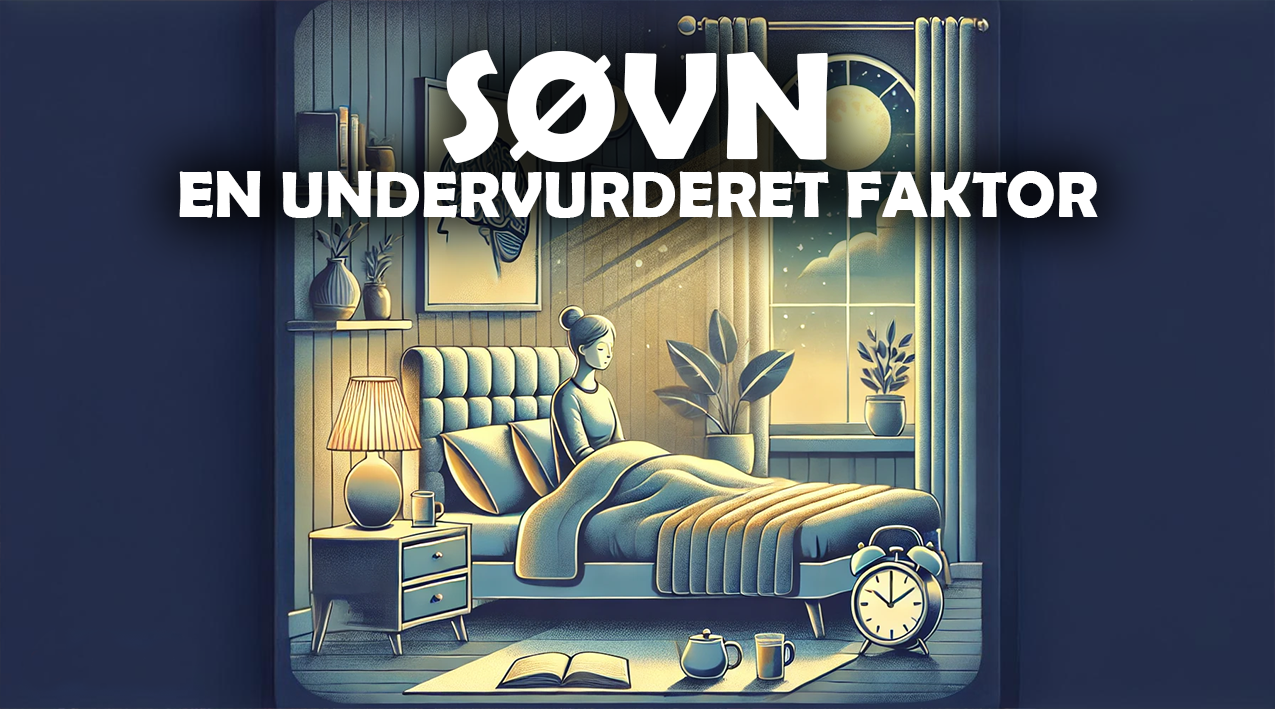
Good sleep is one of the most important, yet often overlooked, building blocks in creating healthy mental habits. Quality sleep is therefore essential for mental health. When you sleep well, your brain has an opportunity to recover, process the day’s experiences and restore its energy. A lack of sleep, on the other hand, can increase stress levels, heighten anxiety, impair concentration and make it harder to manage emotions and everyday challenges.
A consistent sleep pattern can therefore provide strong support for your mental health. Sleep is not just about the number of hours, but also about quality. Small changes to your sleep routine can have a significant effect on your mental balance, mood and ability to build and maintain healthy mental habits.
Ideas for Inspiration – How Good Sleep Can Support Healthy Mental Habits
Create a Consistent Sleep Routine to Strengthen Your Healthy Mental Habits
A stable and regular sleep routine is one of the most effective ways to support healthy mental habits. Going to bed and getting up at roughly the same time every day helps both your body and brain find a natural rhythm. This improves sleep quality, gives you more energy throughout the day and increases your ability to focus. A consistent sleep pattern creates a stable foundation that makes it easier to handle everyday challenges and maintain mental balance.
You can find more inspiration for a healthy and consistent sleep pattern in our article - Practical Tips for a Better and More Consistent Sleep Pattern – Sleep Well Every Night
Make Your Bedroom a Peaceful Retreat for Healthy Mental Habits
Your bedroom should be a sanctuary that your brain associates with calm and rest. A dark, quiet and comfortable sleeping environment helps your body settle more quickly, which has a significant impact on the quality of your sleep. When your sleep improves, it also becomes easier to create and maintain healthy mental habits because you wake up feeling more rested, focused and mentally clear.
Reduce Screen Time Before Bed to Promote Healthy Mental Habits
Screen time late in the evening disrupts your body’s natural sleep–wake cycle and can make it harder to fall asleep. The blue light from screens suppresses the production of melatonin – the hormone that helps you feel sleepy. By avoiding screens during the last hour before bed, you give your brain an opportunity to relax, creating better conditions for both good sleep and healthy mental habits.
Create a Personal Evening Ritual That Supports Healthy Mental Habits
A regular evening ritual helps your body wind down and prepare for rest. This might involve reading a book, having a warm bath, practising breathing exercises or meditating. This gentle transition from activity to rest creates a natural sense of calm that improves your sleep quality and gives you a better mental start to the following day. Over time, a personal evening ritual can become an important source of support in building healthy mental habits.
Get Daylight During the Day to Regulate Your Sleep and Strengthen Your Healthy Mental Habits
Daylight plays an important role in regulating your body’s sleep–wake cycle. Getting natural light during the day makes it easier to fall asleep in the evening and wake up feeling refreshed the next morning. A stable sleep–wake cycle means more energy, a better mood and greater mental clarity. These are all key elements in maintaining healthy mental habits and a stronger mental balance.
REMEMBER - A good night’s sleep is a key factor in healthy mental habits. Good sleep is therefore not a luxury – it is a necessity for your mental health, and small changes to your sleep routine can significantly strengthen your mental foundation.
Be Kind to Yourself to Help Build Healthy Mental Habits

One of the most important – yet often overlooked – ways to build healthy mental habits is to treat yourself with kindness and respect. For many people, self-criticism can be a major barrier to developing good mental health. Many people are far more understanding and forgiving towards others than they are towards themselves.
When you learn to speak to yourself with the same warmth you would show a good friend, you create mental space where growth and wellbeing can develop naturally. Self-care and kindness towards yourself do not mean ignoring mistakes or challenges, but approaching them with understanding rather than harsh criticism.
Practising self-compassion helps you accept your mistakes and learn from them. This positive approach to yourself strengthens your mental resilience, makes it easier to recover from setbacks and helps you maintain positive mental habits in the long term.
Ideas for Inspiration – How to Practise Being Kind to Yourself to Help Build Healthy Mental Habits
Speak to Yourself with Care to Strengthen Your Healthy Mental Habits
The way you speak to yourself has a significant impact on how you think, feel and act in everyday life. Harsh self-criticism can create inner pressure and drain your energy, while a kind and supportive inner voice can give you strength, calm and the courage to keep going – even on difficult days. When you consciously choose to speak to yourself with care and respect, you lay the foundation for healthy mental habits that can grow and become stable and strong over time.
Allow Yourself to Make Mistakes as Part of Building Healthy Mental Habits
Mistakes are not a sign of weakness – they are a natural part of growth. When you feel able to accept that mistakes are part of the process, it becomes easier to stay motivated and learn from your experiences, allowing your mental strength to grow. Treating yourself with understanding rather than criticism strengthens your healthy mental habits and makes it possible to recover more quickly when things do not go to plan.
Focus on Progress Rather Than Perfection to Create Healthy Mental Habits
Perfectionism can stand in the way of personal development because it creates constant pressure to perform flawlessly. Everyone makes mistakes and struggles with challenges – it is part of being human. When you focus instead on the progress you actually make, you create a positive cycle of motivation and confidence that increases your mental strength. Recognising even small steps forward is an important part of building and maintaining healthy mental habits in a realistic and sustainable way.
Treat Yourself Like a Friend to Support Your Healthy Mental Habits
Ask yourself how you would speak to a friend in a difficult situation. Would you say the same harsh words to a friend that you say to yourself? If not, change your tone and use that same gentle tone with yourself. This simple but powerful exercise helps reduce self-criticism and create a sense of security. Treating yourself like a friend strengthens your healthy mental habits and gives you a mental foundation that makes it easier to handle life’s challenges.
Celebrate Your Small Victories to Maintain Healthy Mental Habits
Celebrating progress – both big and small – is an important part of creating lasting change. When you acknowledge your own efforts, you strengthen your confidence and your desire to keep going. Small victories are the building blocks of healthy mental habits because they create positive feelings and provide motivation to persevere, even when the journey feels long.
REMEMBER - Kindness towards yourself lays the groundwork for strong mental habits. Healthy mental habits begin with the way you speak to yourself: constant self-criticism creates pressure and drains energy, while kindness towards yourself builds mental strength.
Set Healthy Boundaries When Building Healthy Mental Habits

Setting and respecting healthy boundaries is an important foundation for building and maintaining healthy mental habits. Many people find that their mental energy disappears when they constantly say yes to too much, overlook their own needs or ignore signs of stress. By learning to set boundaries clearly and kindly, you protect your energy and make room to prioritise what truly matters to you, thereby protecting your mental health.
Healthy boundaries are not about shutting the world out – they are about looking after yourself consciously and respectfully. Healthy boundaries help you prioritise yourself and avoid becoming overwhelmed. When you understand your own needs and communicate them clearly, it becomes easier to create an everyday life in which you thrive mentally and emotionally.
Ideas for Inspiration – How to Set Healthy Boundaries to Strengthen Your Mental Habits
Learn to Listen to Yourself to Strengthen Healthy Mental Habits
Healthy mental habits start with knowing yourself and your boundaries. When you listen to your own feelings and needs, you gain a clearer sense of when you need calm, breaks or change. Many people overlook signals from their body and mind until stress or tiredness becomes overwhelming. By paying attention early on, you can create balance and prevent overload. Listening to yourself is therefore not selfish – it is an active way to look after your healthy mental habits.
Say No Without Feeling Guilty to Protect Your Healthy Mental Habits
Learning to say no is an essential skill when you want to build and maintain healthy mental habits. Many people say yes to far too much and end up overstepping their own boundaries. When you say no kindly but firmly, you protect your energy and make room for what truly matters to you. Saying no to what drains you also means saying yes to strengthening your own mental energy.
Find tips for saying no in a positive and constructive way in our article - Practical Tips for Saying No Without Disappointing People
Communicate Your Boundaries Clearly to Support Healthy Mental Habits
Healthy mental habits thrive within clear boundaries. When you communicate your boundaries honestly and clearly, you create respect and mutual understanding in your relationships. This makes it easier for both you and others to navigate expectations and needs. For example, if someone oversteps your boundaries, remind them in a kind, constructive and clear way. Clear communication reduces misunderstandings and makes it possible to create a balanced everyday life with room to look after your mental wellbeing.
Prioritise Yourself Without Feeling Guilty to Build Healthy Mental Habits
Many people feel selfish when they prioritise themselves – but it is an important part of building healthy mental habits. When you give yourself time and space to recharge, you can approach others with more energy, mental capacity and clarity. Putting yourself first does not mean putting others last; it means recognising that your wellbeing and mental health matter too.
Balance Your Boundaries with Flexibility to Maintain Healthy Mental Habits
Boundaries are not just about saying no – they are also about finding the right balance. Overly rigid boundaries can create distance, while too few boundaries can lead to stress and overload. By combining clear boundaries with flexibility when it makes sense, you can maintain healthy mental habits and create an everyday life with room for both yourself and others.
REMEMBER - Healthy personal boundaries are not a wall – they are a strength that protects your mental wellbeing. Personal boundaries are not about distance – they are about maintaining a healthy balance in everyday life, and setting good, healthy personal boundaries is an investment in your mental health.
Conclusion

Creating your own healthy mental habits is not about changing everything at once – it is about taking small, conscious steps in the right direction. Creating your own healthy mental habits is a journey that requires time, patience and persistence. It is precisely these small, consistent mental actions that create a strong mental balance and greater wellbeing over time.
Healthy mental habits not only give you greater calm and focus in everyday life, but also strengthen your ability to handle challenges, stress and change in a healthy and constructive way. Over time, you will discover that the small mental steps you take can create a stronger, healthier and more balanced version of yourself.
The most important thing is to find an approach that suits you and your life. No two paths are the same, and it is not about perfection, but about creating a stable and sustainable mental routine that strengthens your mental energy in the long term. With patience, self-care and small adjustments to your everyday life, you can gradually build a stronger mental foundation that supports you – even when life becomes challenging.
REMEMBER - Small, positive mental steps today become strong mental habits tomorrow. Healthy mental habits are an investment in yourself, and the more you work on your mental foundation, the stronger you will be when facing life’s various challenges.
Mini-Guide – The Most Important Things to Focus on When Creating Your Own Healthy Mental Habits
This mini-guide summarises the article above and provides an overview of what to focus on to create your own healthy mental habits for the benefit of your mental health.
🧘 Start Small and Be Consistent When Creating Your Own Healthy Mental Habits
Focus on one mental habit at a time and make it a natural part of everyday life. Small mental steps bring the most lasting results.
🧠 Work Consciously with Your Thoughts to Strengthen Your Mental Health
Pay attention to your thought patterns and replace negative thoughts with more realistic and supportive perspectives that help your mental health.
🤝 Build Strong Relationships That Support Your Mental Health
Surround yourself with people who support and uplift you. Good relationships provide strong support for your mental health.
🌿 Set Healthy Boundaries to Strengthen Your Mental Health
Learn to say no without feeling guilty and prioritise what gives you energy and mental balance.
✨ Be Kind to Yourself to Strengthen Your Mental Health
Treat yourself with care and respect – especially when things do not go to plan. Kindness towards yourself strengthens your mental foundation.
🌙 Ensure Good Sleep and Balance as a Key Factor in Building Your Mental Health
A consistent sleep pattern, breaks and recovery are essential for your mental strength and your ability to maintain positive habits.
🧭 Practise Gratitude and Mindfulness as Part of Caring for Your Mental Health
Small moments of presence and a focus on the positive can have a significant effect on your mental health.
If you need further inspiration for improving your own mental habits, you can watch this video - How to Improve Your Mental Health – Depression, Anxiety, Stress
If you have experience and/or knowledge of creating positive, healthy mental habits for yourself, we would love to hear your thoughts and/or suggestions in the comments section about other ways to create your own healthy mental habits