
Learning something new doesn’t have to cost a fortune or require you to turn your whole daily routine upside down. In fact, it’s often the small, budget-friendly steps that open the door to new skills, better habits, and a more enjoyable everyday life. Acquiring new knowledge and skills is a fantastic way to grow both personally and professionally.
Many people dream of trying a new hobby, building new skills, or revisiting old interests, but hold themselves back because they believe it will be expensive, time-consuming, or complicated. The truth is that you can get surprisingly far with a curious mindset, a little structure, and the many free or affordable opportunities that are already available around you.
When you learn new things in a cost-conscious way, you don’t just add more knowledge to your toolkit. You also strengthen your confidence, mental flexibility, and overall sense of wellbeing. It gives you a feeling of progress in everyday life, and it can actually be one of the most rewarding forms of self-care. At a time when both prices and the pace of life are increasing, it’s reassuring to know that growth and curiosity are still free for those who know where to look.
This article guides you through the best, most effective, and most budget-friendly ways to learn something new. You’ll get practical strategies, inspiration for free resources, suggestions for creative learning methods, and plenty of concrete ideas that you can put into practice straight away.
Whether you want to delve into languages, cooking, technology, art, exercise, or personal development, you’ll find useful advice here. The goal is simple: to make learning easy, enjoyable, and affordable.
So take your curiosity with you, and let’s open the door to new skills together without breaking the budget. It’s surprising how far you can go when you start small, think smart, and hold on to your desire to learn.
Learn New Skills by Making the Most of Free Online Resources
When you want to learn new skills without breaking the budget, free online resources are one of the most overlooked and underrated tools available. Today, there is an almost endless selection of websites, videos, courses, and learning platforms that allow you to explore everything from languages and design to finance, cooking, technology, creativity, and practical skills. Many of them are designed for beginners, which means you can start slowly and build up your skills at your own pace.
One of the major advantages of learning new skills online is flexibility. You are not tied to fixed schedules or expensive course fees. You can learn in the evening, on the bus, at the weekend, or whenever you have the energy. At the same time, free resources allow you to try out new areas of interest without any risk. This means you can experiment, change direction, or explore something completely new without feeling financially tied down.
Ultimately, it’s about using the power of the internet to your advantage. When you learn through videos, articles, exercises, quizzes, and guides, you gain both insight and practical experience, and you don’t even need a fancy setup. Most of the time, a computer or mobile phone is enough. You can even combine different resources so that you see, read, listen to, and practise your new knowledge, making the learning experience more engaging and effective.
If you want to get the most out of free online resources, it’s a good idea to set yourself some small goals. It could be “10 minutes a day”, “one module a week”, “one exercise every Friday”, or something completely different. This way, you learn at a comfortable pace and gradually build new skills without it feeling like pressure. The combination of structure and flexibility is what makes free online learning so powerful.
Inspiration List for Learning New Skills with Free Online Resources
🧠 Learning New Skills with Free Video Courses
Free video courses make it extremely easy to learn new skills because the material is presented in a lively and visually engaging way. Platforms such as YouTube, TED-Ed, Khan Academy, CrashCourse, and other educational channels offer easy-to-follow introductions, detailed walkthroughs, and generally high-quality teaching. When you learn new skills through video, you can adjust the pace, rewind, take notes, and return to topics later. This gives you a flexible way to build your knowledge without losing track or becoming overwhelmed.
📚 Learning New Skills with Free E-Books and Articles
Digital reading material is brilliant when you want to learn new skills that require a little more theory or in-depth study. Many libraries provide free e-books, and countless websites offer articles written by experts, educators, and passionate amateurs. The advantage of learning new skills through text is that you can easily return to sections, highlight the most important points, and build your knowledge step by step. This is especially suitable for those who prefer to sit quietly and focus on their learning.
📖 Learning New Skills with Libraries’ Digital Services
Libraries’ digital services are one of the most overlooked goldmines when you want to learn new skills without paying anything at all. Through services such as eReolen, Filmstriben, and various online databases, you gain access to a wealth of e-books, audiobooks, documentaries, magazines, non-fiction, and learning materials.
This makes it possible to explore everything from languages and psychology to history, IT, finance, and creative inspiration. When you learn new skills through the libraries’ digital world, you not only get free access to quality content, but also a safe framework where the material is curated and often of a high professional standard. It is a fantastic way to broaden your horizons, whether you are a beginner or already have a good foundation.
🎧 Learning New Skills Through Free Podcasts and Audio Content
Podcasts are ideal if you want to learn new skills without having to set aside time in your calendar. You can listen while going for a walk, commuting, or doing household chores. Podcasts often combine professional knowledge with personal stories, interviews, and practical tips, making the material easier to understand and remember. Many people use podcasts to learn everything from psychology and finance to history, languages, and creativity. It’s learning that you can simply carry with you in your pocket.
💻 Learning New Skills with Free Interactive Platforms
Interactive platforms are perfect if you learn best by trying things out yourself. MOOCs - Massive Open Online Courses (MOOCs) such as Coursera, edX, and Udemy offer many free courses. Although some courses require payment for a certificate, you can often access the course material for free. Services such as Duolingo, Codecademy, and other practice-based websites offer free versions where you complete small tasks, quizzes, and challenges. When you learn new skills this way, the process almost becomes like a game. You work your way through different levels, receive instant feedback, and can clearly track your progress. This creates motivation and makes it easier to maintain a daily routine.
📝 Learn New Skills for Free with Online Communities and Groups
Online communities give you a unique opportunity to learn new skills through dialogue and the exchange of experiences. These can be Reddit groups, niche forums, Facebook communities, or Q&A platforms such as Quora. Here, you can ask questions, get help from experienced users, share your own progress, and receive support if you get stuck. When you learn new skills through other people’s experiences, your development becomes both faster and more inspiring.
REMEMBER - The internet is full of opportunities waiting to help you develop your skills step by step. Free learning is the key to opening the door to new skills without putting a strain on your budget, and with free learning, curiosity, time, and motivation are your only investments.
You can find further inspiration for discovering free hobbies online that could potentially also earn you some money in our article - Great Tips for Digital and Online Hobbies That Cost Nothing – But Can Provide Plenty of Personal Value
Learn New Skills by Taking Part in Online Communities
Online communities are one of the most underrated ways to learn new skills, especially when you want to develop yourself without spending a lot of money. The internet is full of engaged groups, passionate users, and helpful networks that share knowledge, experiences, and practical solutions on almost every subject imaginable every day. Whatever new skills you want to learn, there is almost certainly a community where others are already working on the same thing.
One of the major advantages of online communities is the human element. Here, you don’t just learn new skills through guides and videos, but through dialogue, discussion, and genuine interaction with other people. When you ask questions, you get answers from people who have been through the process themselves. When you share your progress, you receive feedback, motivation, and new perspectives. This makes learning both faster and more inspiring.
Online communities are also incredibly flexible. You can participate whenever you have time, follow discussions at your own pace, and you can even simply listen and observe at first if you don’t feel ready to participate actively. It is a comfortable way to learn new skills, including for those who may not feel entirely at home in traditional learning environments. At the same time, it is budget-friendly, almost always free, and far more accessible than many paid courses.
Most people find that learning becomes more enjoyable and motivating when they are part of something bigger. And the more you engage with the community, the faster you learn new skills, because you are constantly receiving input, inspiration, and practical advice from people who are passionate about exactly the same subject as you.
Inspiration List – Learn New Skills Through Online Communities
👥 Learn New Skills in Social Media Groups
Social media groups are an obvious starting point when you want to learn new skills in everything from cooking and finance to art, gaming, technology, and personal development. On platforms such as
Facebook Groups and Reddit groups, you’ll find thousands of engaged users who share videos, guides, experiences, and tips every day. This makes it both easy and comfortable to ask questions, follow other people’s learning journeys, and find inspiration. You learn new skills in an environment where people are helpful and often quick to share their best experiences.
💬 Learn New Skills Through Niche Forums and Specialised Communities
Niche forums are perfect if you want to dive deeply into a specific subject and learn new skills at a more detailed level. Here, you’ll find experienced enthusiasts who are passionate about one particular area and love sharing their knowledge. Whether you want to learn new skills in areas such as IT, design, DIY projects, photography, languages, or science, you can find forum threads that go into great detail. You gain access to lengthy explanations, tried-and-tested solutions, and honest recommendations that can save you both time and unnecessary mistakes.
🎥 Learn New Skills by Following Online Workshops and Live Discussions
Many communities organise free live sessions, Q&A events, and workshops where you can learn new skills directly from experts or experienced users. This gives you the opportunity to see practical demonstrations, ask questions in real time, and receive personal feedback. This type of interactive learning feels almost like being in a real classroom, but without the cost and without having to leave home. It is an excellent way to learn new skills if you thrive on hands-on teaching.
🧩 Learn New Skills Through Projects You Share with Others
Many online communities offer project challenges where everyone works on the same type of task over a period of time. This is a powerful way to learn new skills because you have a specific goal, a timeframe, and the opportunity to exchange ideas with other participants. You can see how others approach the task, learn new techniques, and get ideas you would never have thought of yourself. Project-based learning makes it easier to stay motivated and gives you clear results to look back on.
🛠️ Learn New Skills by Getting Feedback on Your Own Work from Online Communities
A feedback culture is at the heart of many online communities. When you share your drawings, texts, photos, designs, code, or other projects, you receive honest and constructive feedback that helps you learn new skills faster. Many people who learn independently find that feedback from the community gives them a significant boost because they discover mistakes, opportunities, and improvements they had not noticed themselves. This makes your development both faster and more focused.
REMEMBER - Online communities make it easier to learn new skills because you never have to stand alone, and when you share the learning journey with others, learning becomes much more enjoyable and motivating for many people.
You can also find inspiration for finding communities that can support the learning process when developing new skills through our article - Great Tips on How to Find Hobby Communities Without Spending a Fortune
Learn Something New by Making Use of Your Local Library

If you want to develop yourself, expand your knowledge, and learn new skills without spending a single penny, your local library is one of the most underrated and valuable resources available. Libraries in Denmark offer a wealth of opportunities that go far beyond the traditional bookshelves. You can find everything from courses, events, workshops, and study spaces to free access to digital services, e-books, films, databases, and online learning platforms. All of this is designed to make it easier for you to learn new skills at a level that suits you perfectly.
The library’s greatest advantage is that it gives you peace and the opportunity to immerse yourself in your learning. It is a place where you can focus, experiment, and take your time learning something new at your own pace. Many libraries also offer assistance from staff who can guide you towards exactly the materials, resources, and tools that match your goals. This makes the process less overwhelming and much more focused, especially when you want to learn new skills without wasting time.
At the same time, libraries are social communities. You can meet others with similar interests and take part in workshops, study groups, talks, or creative activities. This gives you a sense of being part of a learning environment where you can both absorb knowledge and find inspiration from others who are also passionate about learning new skills in a curious and budget-friendly way. In short, libraries are free knowledge hubs that many people overlook. If you make active use of yours, you can develop much faster than you might think.
Inspiration List for Learning New Skills Through Your Local Library
📚 Learn New Skills with the Library’s Physical Resources
The library’s collections of books, magazines, handbooks, and non-fiction are perfect when you want to learn new skills in a structured and in-depth way. Here, you can find everything from introductory books to advanced guides on subjects such as art, personal finance, IT, project management, languages, cooking, or DIY. By learning new skills through physical materials, you get a slower, calmer, and more focused form of learning that helps you understand things from the ground up.
💻 Learn New Skills with the Library’s Digital Services
The digital services offered by libraries give you access to eReolen, Filmstriben, digital magazines, databases, educational portals, and documentaries. This makes it easy and free to learn new skills, whether you are at home, on the go, or sitting on the sofa with your tablet. The digital world gives you flexibility and the opportunity to learn in small chunks or dive deeply into a subject through documentaries, audiobooks, or specialist articles. It is learning that follows your pace.
Learn New Skills Through Free Access to Online Courses via the Library
Many libraries provide free access to online courses that would normally cost money, making this an excellent way to learn new skills without putting a strain on your budget. Through the library’s platforms, you can find courses covering everything from languages and finance to programming, creativity, communication, and academic skills. Some libraries, for example, work with services such as Lynda.com or LinkedIn Learning.
When you learn new skills through these online courses, you get access to videos, assignments, quizzes, and practical exercises that help you build a stronger understanding of the material. Everything can be completed from home, at your own pace, and without time limits. This makes this option particularly appealing if you want to develop yourself in a flexible, structured, and 100% free way.
🧩 Learn New Skills by Taking Part in Library Workshops and Activities
Many libraries offer free workshops and learning activities where you can learn new skills together with others. These can range from knitting cafés, introductory IT courses, and creative workshops to cooking events, talks, or short courses in languages, digital skills, gaming, or music. When you take part in these communities, you learn through practical experience, exchange ideas, and meet others who are curious about the same areas as you. This makes the learning process both more enjoyable and more motivating.
📝 Learn New Skills in the Library’s Study and Workspaces
Library study rooms, quiet rooms, and workspaces are ideal if you want to learn new skills in an environment that promotes peace, focus, and concentration. Some libraries even have creative spaces with access to 3D printers, sewing machines, or computers with specialised software. Here, you can work on projects, practise a new skill, work through a course, or immerse yourself in something technical. When you sit in a space with plenty of room, quiet surroundings, and no distractions, it becomes much easier to stay focused on your learning goals.
🎤 Learn New Skills by Listening to Talks and Live Events
Many libraries invite authors, researchers, artists, and experts to give talks, presentations, and live discussions. These events give you the opportunity to learn new skills through inspiration, practical knowledge, and real-life examples. When you hear others talk about their fields, experiences, and processes, you get a more engaging and personal learning experience that often sparks new ideas and motivation.
REMEMBER - Your local library is often full of hidden opportunities that help you learn new skills completely free of charge and entirely at your own pace.
Learn New Skills by Exchanging Skills with Others

One of the most creative and budget-friendly ways to learn new skills is to exchange skills with other people. Instead of paying for tuition, coaching, or courses, you can make a mutual arrangement with someone who already has the skills you want to learn. It could be anything from learning a language to music, IT, crafts, cooking, exercise, financial literacy, or more creative subjects.
When you exchange skills, you share your knowledge, help each other, and develop together without financial pressure.
The clever thing about this method is that both parties get something out of it. You learn new skills through personal guidance and practical practice, while the other person learns something from you. This creates a collaboration where both of you are motivated and engaged because the value goes both ways. It creates room for dialogue, exchanging ideas, and mutual understanding, which often makes learning both more enjoyable and more effective than traditional teaching methods.
At the same time, skill swapping is extremely flexible. You can meet in person, online, or combine both. You can have short sessions, longer programmes, or spontaneously exchange tips and tricks.
This gives you the opportunity to learn new skills at a pace that suits your everyday life, without feeling pressured. Many people also find that skill swapping builds stronger relationships because it is based on trust, collaboration, and a shared desire to develop.
Inspiration List for Learning New Skills by Exchanging Skills with Others
🤝 Learn New Skills by Exchanging Skills with Friends and Family
It makes sense to start with the people you already know. Friends and family often have skills that you may not know about or may underestimate, and they are typically open to setting up an informal exchange arrangement. Perhaps you can teach someone how to use a computer programme while they teach you how to cook authentic dishes, play the guitar, or create a personal budget. It is a safe and enjoyable way to learn new skills because the relationship already exists and the learning takes place at a relaxed pace.
🌐 Learn New Skills Through Online Skill-Exchange Groups
On social media, niche forums, and online communities, there are groups dedicated to skill swapping. Here, you can write what you would like to learn and what you can offer in return. It is an effective way to learn new skills while meeting people from across the country or around the world who share the same curiosity as you. You can learn everything from hobby-based skills to professional and career-related skills, and the flexibility makes it easy to get started.
🧩 Learn New Skills Through Local Skill-Swapping Communities and Event Groups
Several towns and cities have local skill-swap schemes or “skill swap” events where people meet to exchange knowledge and inspiration. These can take place in libraries, community centres, associations, or cafés. In a single evening, you can meet several different people who can teach you everything from creative techniques to practical everyday skills. It is a fantastic way to learn new skills while also expanding your network and experiencing a sense of community.
🎥 Learn New Skills by Working on Joint Projects with Others
If you learn best by trying things out, you can learn new skills by taking part in projects with others. This could involve creating a music project, building something together, making a website, filming a short video, or working on a creative project. When you learn through collaboration, you gain practical experience, motivation, plenty of inspiration, and perhaps one or more additions to your network. You also learn how other people approach things, which often leads to faster development than working alone.
📝 Learn New Skills Through Online Sessions and Video Calls
If you prefer to learn from home, you can exchange skills through video calls. It is both flexible and effective, and you can share your screen, send links, demonstrate exercises, and track each other’s progress. This makes it easy to learn new skills without having to travel anywhere, and you can even record your sessions so that you can continue practising afterwards. It is an ideal solution if you are busy but still want personal and direct learning.
REMEMBER - By exchanging skills with others, you open the door to learning new skills that feel personal, motivating, and completely free.
Learn New Skills by Making Use of Free Apps and Software

Free apps and software are one of the most flexible and budget-friendly ways to learn new skills. There are thousands of tools for both computers and mobile devices that make it possible to practise, experiment, play, and develop yourself without spending money. Whether you want to learn new skills in languages, design, programming, music, exercise, finance, planning, or creativity, there are free apps that can help you get started.
The beauty of free software is that you can test different tools until you find exactly what works for you. Some apps are great for quick exercises, while others allow you to immerse yourself in larger projects. When you learn new skills with free apps, you get flexibility, variety, and the opportunity to work in small chunks throughout the day. This makes learning much more accessible, especially if you have a busy daily routine.
Apps and software also make the learning process more interactive. You can take quizzes, complete practical tasks, create small projects, follow videos, and receive feedback directly in the app. This makes it easier to stay motivated because you can clearly see your progress.
And the best part is that you can learn new skills without any financial risk, allowing you to experiment freely and follow your curiosity. If you make use of the many free tools available, you can create a learning process that is flexible, effective, and tailored to your needs – without spending a single penny.
Inspiration List – Learn New Skills with Free Apps and Software
🧘 Learn New Skills Through Meditation and Mindfulness
Meditation and mindfulness apps are a surprisingly powerful way to learn new skills because they help you develop focus, calmness, concentration, and mental clarity. When you practise mindfulness, you strengthen your ability to be present while learning, making it easier to understand new material, remember information, and stay motivated. Perhaps you want to learn new skills in stress management, concentration techniques, or mental clarity – and here, free apps can provide guided exercises, breathing techniques, and short daily sessions that can quickly make a difference. It is a completely free way to improve your mindset while also making you better equipped to learn new skills in other areas. Examples of apps with free versions for meditation and mindfulness include Calm and Insight Timer.
You can find more inspiration for meditation and mindfulness in our article – Great Tips for Strengthening Your Mental Wellbeing Through Mindfulness and Meditation
📱 Learn New Skills by Using Language Apps for Daily Practice
Language apps are one of the most popular ways to develop new skills in language comprehension, pronunciation, and vocabulary. With short exercises, mini-games, daily challenges, and listening features, the learning process becomes both fun and easy to fit into your everyday routine. You can learn new skills at your own pace, and many apps provide daily reminders to help you stay consistent with your progress. Examples of language-learning apps include Duolingo, Memrise, and Tandem, which can help you learn many different languages.
🎵 Learn New Skills with Apps for Music, Audio, and Rhythm
If you dream of developing new skills in music, rhythm, or production, there are free apps for learning instruments, creating beats, drum practice, and singing exercises. Likewise, YouTube has plenty of free educational videos covering different genres and areas of music, audio, and rhythm. Apps make it possible to practise even when you don’t have access to a physical instrument. They provide exercises, feedback, and small projects that make it more enjoyable to learn new skills in music.
💻 Learn New Skills Through Programming and Coding Software
Many platforms offer free software that allows you to learn new skills in programming, app development, logical thinking, and problem-solving. You can create small coding projects, complete exercises, follow tutorials, and build simple programmes. It is an excellent way to learn new skills digitally without having to invest in expensive courses. Examples of free programming platforms include Codecademy, freeCodeCamp, and Grasshopper, which are all fantastic for beginners.
🧩 Learn New Skills by Using Creative Apps for Drawing, Design, and Photography
Creative apps make it possible to learn new skills in design, illustration, photo editing, and visual communication. Many of them offer layers, brushes, colours, and editing tools that would normally be found in expensive software. When you learn new skills through creative apps, you can experiment and develop your abilities without having to invest in professional equipment. For example, try Canva for graphic design or GIMP for image editing, both of which have free versions.
📊 Learn New Skills with Productivity Apps and Organisation Tools
Productivity apps can help you learn new skills in planning, organisation, time management, and project work. Activities such as planning tasks, setting goals, and organising ideas make you more effective in both learning and everyday life. When you learn new skills with the help of productivity apps, you also strengthen your routines and focus.
REMEMBER - Free apps and software make it easy to learn new skills without financial risk. Free apps and software also give you the flexibility and freedom to learn new skills at a pace that suits your everyday life.
Find Budget-Friendly Materials for Learning New Skills
It doesn’t have to be expensive or complicated to learn new skills. In fact, you can get a long way with simple, inexpensive, or even free materials if you know where to look. Whether you want to learn new skills in creativity, crafts, music, exercise, technology, or cooking, there are plenty of budget-friendly solutions that make the learning process both easier and more affordable.
It is largely about thinking smart and making use of the resources that already exist around you. Many people spend far too much money on advanced equipment, even though they could learn new skills just as well with cheaper alternatives. When you start simple, you have room to experiment, develop, and find out what actually works for you before investing in something more expensive. This makes learning more flexible, more manageable, and far less risky.
At the same time, budget-friendly materials can create a more creative approach to learning. You are often forced to think differently, improvise, and use what you have available, which can actually strengthen the skills you are trying to learn. This is particularly relevant if you work with practical or creative areas, where the process itself can be just as important as the result. When you learn new skills on a budget, you are also developing both your resourcefulness and your discipline.
If you choose your materials carefully and prioritise quality over price, you can learn new skills in a way that is both economical and effective. It is a realistic and sustainable way to develop yourself without letting your budget get in the way of your curiosity.
Inspiration List – Learn New Skills with Budget-Friendly Materials
🌱 Learn New Skills by Starting Small
When you want to learn new skills, it can be beneficial to start with basic materials. If you want to learn how to paint, a small canvas and some inexpensive brushes may be enough. If you want to learn how to bake, you can start with the most basic ingredients. When you start small, you have time to test, make mistakes, and improve without financial pressure. This makes learning much more manageable and motivating.
🛠️ Learn New Skills Cheaply by Reusing What You Already Have
One of the easiest ways to learn new skills is to look around your home. Many people already have equipment, tools, books, or materials lying around that can be used to get started. By actively reusing what you already have, you can learn new skills without spending money while also discovering what actually works for you. It gives you both a financial advantage and a great feeling of being creative with what is already available.
📦 Learn New Skills with Affordable Starter Kits
Starter kits and beginner sets are a budget-friendly way to learn new skills because they contain all the essentials you need to get started. These could be small art sets, DIY kits, exercise equipment, baking kits, or electronics kits. Check out websites such as Project Gutenberg for free e-books, for example. When you choose an affordable starter kit, you can learn new skills in a safe and structured setting where the equipment is already assembled and easy to use, without having to buy expensive individual items.
📚 Learn New Skills Through Free or Affordable Materials from the Library
Libraries often offer recommendations for materials, tools, and guides that can help you learn new skills. Although the materials are not necessarily physical tools, books, videos, and step-by-step instructions can give you exactly the knowledge you need to buy the right equipment at the right quality. Here, you can learn new skills with a strong theoretical foundation without spending any money.
♻️ Learn New Skills Cheaply with Second-Hand Finds and Used Equipment
Charity shops, flea markets, and online marketplaces are full of inexpensive equipment that still works brilliantly for beginners. You can find everything from sewing machines and cameras to sports equipment, books, and tools. Websites such as DBA or Facebook Marketplace are great places to find inexpensive or free materials. By learning new skills with used equipment, you can explore new interests without making a major investment from the start. This gives you the freedom to experiment and develop before potentially upgrading later.
📱 Learn New Skills Through Affordable Apps and Digital Materials
Many apps and digital resources offer free or inexpensive introductions to different areas. These can include fitness apps, music programmes, drawing apps, language apps, or learning tools. When you combine digital materials with practical exercises, you can learn new skills quickly and effectively without spending much. This is particularly useful if you want to learn on the go or in short intervals.
REMEMBER – When you start small, it becomes more enjoyable, affordable, and realistic to learn new skills. You can learn new skills for far less than you think when you choose your materials carefully.
Learn New Skills by Doing It – Learning by Doing

One of the most effective and budget-friendly ways to learn new skills is simply to throw yourself into it. Learning by doing is a learning method that focuses on learning through direct action, experimentation, and experience rather than starting with theory. Instead of reading your way through lengthy guides or watching videos for hours, you begin with practical work, which naturally leads you towards a deeper understanding of the process. This not only makes learning faster, but also much more motivating and true to real life.
When you learn new skills this way, you gain a unique sense of confidence because you develop through your own experiences. You learn by trying, adjusting, experimenting, and repeating. This also means that mistakes become a natural and valuable part of the process, because they help you understand how things actually work in practice. It is an approach that makes learning active, engaging, and full of those light-bulb moments.
Learning by doing is also one of the most budget-friendly methods for learning new skills because you don’t need a big setup, expensive courses, or premium equipment. You start with what you have and gradually build from there. It is a method that works for all types of learning – from cooking, creativity, and crafts to programming, languages, personal development, and physical training. The more you try things in practice, the more you learn – and it all happens on your own terms.
Inspiration List – Learn New Skills Cheaply Through Learning by Doing
🔧 Learn New Skills Cheaply Through Small Practical Projects
Small projects are a fantastic way to learn new skills because you gain practical experience from the very first minute. It could be repairing something at home, making a small creative item, baking a recipe for the first time, or building something simple. When you work practically, you get quick feedback and see clear results. This makes it easier to learn new skills and improve from one project to the next, without having to invest a lot of money.
🎨 Learn New Skills Cheaply by Experimenting with Creative Materials
Creative experiments are an obvious way to learn new skills because you develop both technique and imagination. You can draw, paint, do crafts, write, take photographs, or try simple DIY ideas. When you learn new skills through creative exploration, you are free to experiment and develop your own style. The process makes you more confident, more imaginative, and better at celebrating the small steps forward.
🍳 Learn New Skills Cheaply by Experimenting in the Kitchen
Cooking is an area where learning by doing really shines. You learn new skills by trying recipes, making adjustments along the way, and tasting as you go. It doesn’t require expensive ingredients or professional equipment. The most important thing is that you are willing to practise and learn from every dish. This way, you gradually become better and discover which techniques and flavours work for you.
💻 Learn New Skills Cheaply Through Digital Play and Experimentation
If you want to learn new skills in digital areas such as programming, design, editing, or music production, learning through experimentation and play is an obvious choice. YouTube has an abundance of step-by-step guides for DIY projects. You can download free software, practise small tasks, try out different tools, and see what happens. When you learn new skills digitally through hands-on methods, you quickly gain an understanding of how the different functions work – and you don’t need courses or expensive software to get started.
🤲 Learn New Skills for Free Through Volunteering
Volunteering is a powerful and meaningful way to learn new skills while also doing something good for others. When you get involved in voluntary activities, you are often thrown into tasks you haven’t tried before, giving you the opportunity to develop new skills in practice. You can learn new skills in areas such as organisation, communication, teamwork, customer service, planning, teaching, or practical tasks, depending on where you volunteer.
Many people find that volunteering provides personal development, greater confidence, and a stronger network. It is a free, flexible, and deeply rewarding way to learn new skills because you are constantly practising in real-life situations that require presence and initiative.
🏃 Learn New Skills Through Physical Exercises and Repetition
Many skills are best developed through physical practice. This could be sport, dancing, balance exercises, or simple strength training. When you learn new skills through movement, you develop a strong sense of your body’s rhythm, coordination, and strength. Learning by doing allows you to feel your progress physically, and you can start with very basic exercises without any equipment. This makes learning natural, affordable, and motivating.
REMEMBER – When you dare to experiment and learn as you go, it becomes easier to learn new skills day by day. Learning by doing makes learning lively, practical, and full of small victories.
Set Small, Achievable Goals When You Want to Learn New Skills

When you want to learn new skills, it is a huge advantage to work with small, realistic, and achievable goals. Many people give up because they start too big and expect quick results. But when you break the learning process down into smaller steps, the journey becomes both more motivating and much easier to manage. Small goals make it easier to maintain momentum, and every little success gives you the motivation to keep going.
It is about making learning tangible. Instead of saying, “I want to learn a new language”, you can set a small goal such as “I will learn 10 new words a day” or “I will practise for 5 minutes every morning”. When you take learning in small steps, you get a sense of progress more quickly. This makes it more enjoyable, more meaningful, and much more likely that you will actually learn new skills over time.
Small goals also make it easier to fit your learning into a busy everyday life. You don’t have to feel pressured because you can always squeeze in a short exercise, even when your day is packed. At the same time, your development becomes more flexible. If a step turns out to be too difficult, you can change it. If it is too easy, you can build on it.
In this way, your goals become a tool that helps you learn new skills at a healthy pace that suits you and your needs. Setting small goals does not mean thinking small. On the contrary, it gives you the opportunity to achieve great results – one step at a time.
Inspiration List – Learn New Skills with Small and Achievable Goals
🎯 Learn New Skills by Using Micro-Goals
Micro-goals are perfect when you want to learn new skills without becoming overwhelmed. It can be as simple as practising for two minutes, learning one technique at a time, learning five new words a day, or taking one small step each day. When you work with micro-goals, you gradually build a foundation that makes it easier to keep going. It is an effective way to learn new skills because each small step feels manageable and creates a sense of achievement.
📅 Learn New Skills with Daily Mini-Routines
Daily mini-routines are a powerful way to learn new skills in a busy everyday life. It could be a short exercise, a brief reading session, or a single practical activity. When you do something every day – even for just a few minutes – you begin to create a rhythm that makes it easier to learn new skills without having to set aside large blocks of time. It is a stable and realistic way to develop yourself, even if you have a packed schedule.
🔄 Learn New Skills by Setting Time-Limited Goals
Time-limited goals give you structure without making you feel pressured. It could be a 7-day challenge, a 30-day learning plan, or simply a weekend dedicated to a small milestone. To structure your own little challenge, you can use a notebook or an app to keep track of your goals and results throughout the challenge period. When you learn new skills within a defined period of time, the process becomes both focused and motivating. You get a clear deadline that keeps you moving, while still having enough flexibility to make adjustments along the way.
📈 Learn New Skills by Celebrating Small Progress
When you learn new skills, it is important to recognise even the smallest signs of progress. It could be that you understood something new, completed a small task, or managed an exercise that you struggled with yesterday. When you actively celebrate your small successes, you increase your motivation and desire to keep going. It is an underrated but powerful way to maintain your energy and make learning feel like a positive journey.
🧩 Learn New Skills by Breaking Large Tasks into Smaller Tasks
Large goals can seem intimidating, but when you break them down into manageable smaller tasks, it suddenly becomes much easier to learn new skills. Instead of thinking about the entire project, you focus on one small element at a time. This provides structure, direction, and calm throughout the process. When you learn new skills this way, the learning becomes both smarter and more manageable.
REMEMBER – Small, well-considered steps lead to great progress, especially when the goal is to learn new skills. When your goals are achievable and realistic, learning becomes both more enjoyable and more motivating.
Make Use of Free Trial Periods to Learn New Skills

Free trial periods are one of the most overlooked yet extremely effective ways to learn new skills without paying for expensive courses or subscriptions. Many learning platforms, apps, software systems, creative tools, and fitness programmes offer 7, 14, or 30 days of free access, allowing you to freely explore features, watch videos, complete exercises, and test the tool in practice. This means you can learn new skills to a high standard – without spending any money.
The clever thing about free trial periods is that they give you the opportunity to immerse yourself in something new without any risk. For example, you can learn a language, test digital editing programmes, try fitness programmes, take mini-courses, learn basic programming skills, or experiment with artistic skills. Many people find that they learn new skills more quickly during a trial period because the limited amount of time creates focus, motivation, and a natural framework for getting off to a good start.
Free trial periods are also perfect for finding out whether a tool or learning method is right for you before you potentially invest in it. You have the opportunity to see how it feels, experiment, and learn new skills at a pace that feels realistic. And if it turns out not to be for you, you can stop without wasting either money or time.
To get the most out of a free trial period, it helps to set a few small goals. Decide what you would like to achieve and set aside specific times during the week to try things out. This way, you can learn new skills effectively, with focus, and at almost no cost.
Inspiration List – Learn New Skills with Free Trial Periods
⏳ Learn New Skills by Making Use of Time-Limited Free Courses
Many platforms offer time-limited courses where you can learn new skills for free for a short period. These courses often include complete video lessons, exercises, and practical assignments that would normally cost money. For example, you can sign up for free trial periods on services such as Skillshare or Audible, but remember to cancel before the paid period begins. When you make use of a free course period, you can learn new skills intensively, with a clear focus, and without risk. It is an ideal way to test a subject area before deciding whether it is worth investing in.
💡 Learn New Skills Through Free Access to Software and Creative Tools
Many creative software systems offer free trial periods where you can learn new skills in design, editing, drawing, audio production, or animation. You can test the tools fully, try out different features, and create small projects that give you practical experience. When you learn new skills through this type of hands-on access, you gain valuable experience without having to pay for the programme from the start.
🧠 Learn New Skills by Making Use of Learning Apps with Free Introductory Periods
Learning apps such as language-learning tools, fitness apps, reading apps, mind-mapping apps, or study tools often offer free introductory periods. This gives you the opportunity to learn new skills in small chunks while testing whether the app’s structure and learning methods suit you. It is a simple, flexible, and affordable way to develop new skills because you learn at a pace that fits your everyday life.
🏋️ Learn New Skills Through Free Fitness and Training Periods
Many online fitness platforms offer free trial periods where you can learn new skills in movement, strength, flexibility, or dance. This can include everything from yoga programmes and strength training to dance classes and mobility programmes. When you learn new skills through physical training during a trial period, you get motivation, variety, and professional instruction – all without paying for a membership.
🌍 Learn New Skills by Trying Digital Communities and Live Workshops for Free
Some communities and educational platforms offer free access to live workshops, webinars, Q&A sessions, or community events. This is a great opportunity to learn new skills in a social learning environment where theory and practice are combined. You can ask questions, receive feedback, and experience teaching in real time. This creates a strong sense of progress and makes it easier to learn new skills quickly.
REMEMBER – Free trial periods for learning programmes give you a risk-free way to test and learn new skills. Free access to learning programmes for a limited time can open the door to choosing the right learning programmes to learn and further develop your new skills in the long term.
Learn New Skills Together
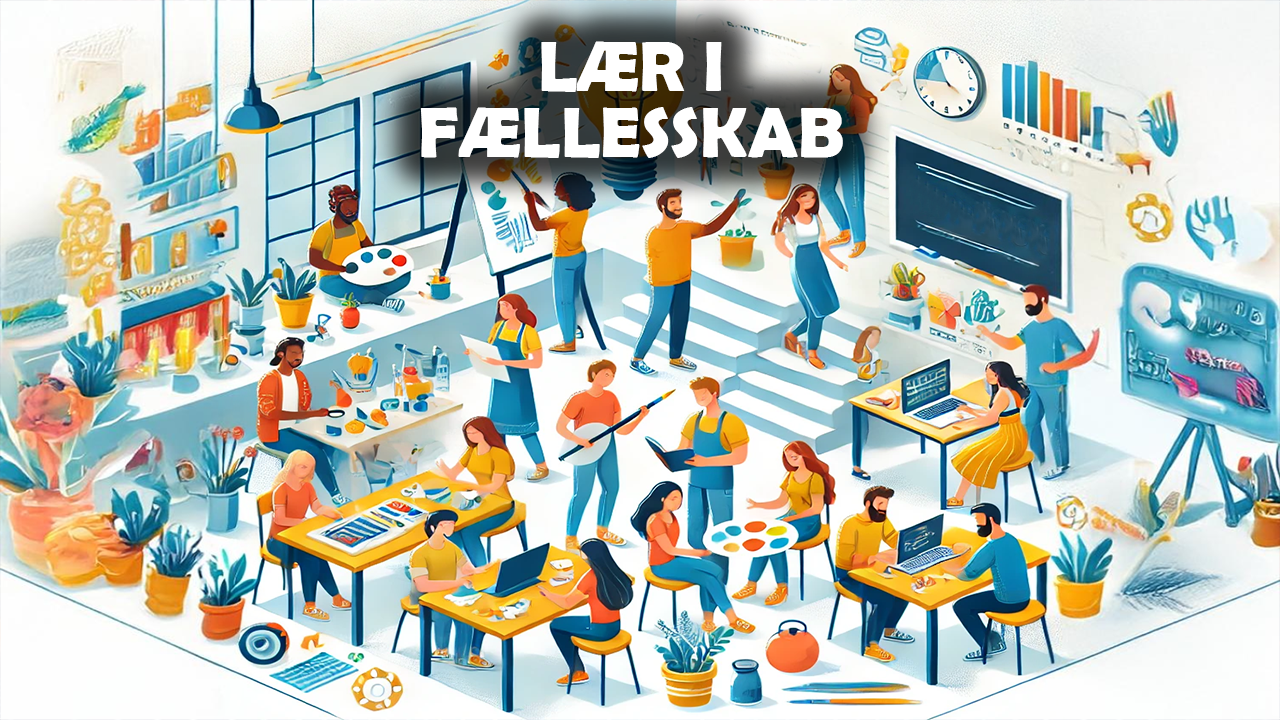
Learning new skills together can be one of the most motivating, effective, and budget-friendly ways to develop yourself. When you learn alongside others, you get support, feedback, inspiration, and a sense of togetherness that makes it easier to stick to your goals. Many people find that learning becomes more enjoyable and much more sustainable when they are not doing it alone.
Communities create energy. When you work together with others, you learn new skills through dialogue, exercises, discussions, and shared experiences. This gives you the opportunity to see things from new perspectives and discover techniques or solutions you may not have thought of yourself. At the same time, you get a safe space where you can ask questions, practise, make mistakes, and try again without feeling judged.
Learning new skills together does not have to cost anything either. Many groups meet for free in nature, at libraries, online, in local communities, or in other public spaces. If you learn best with guidance, there are also many interest groups where more experienced members share their knowledge without payment. This creates an informal and helpful atmosphere where everyone can develop at their own pace.
When you learn as part of a community, the learning journey becomes something you share with others. This makes the process easier to stick with, harder to give up on, and far more inspiring than when you are sitting alone. The strength of a community gives you not only new skills, but also great experiences and perhaps even new relationships.
Inspiration List – Learn New Skills Together
🤝 Learn New Skills Through Study Groups and Learning Communities
Study groups are a fantastic way to learn new skills because you get both structure and support. When you meet regularly, you can share notes, ask questions, explain things to one another, and keep each other motivated. For example, you could set up a study group with friends or colleagues. This makes it easier to learn new skills such as languages, theory, technical subjects, or creative projects. At the same time, study groups add a social dimension that increases both the quality and enjoyment of learning.
🧑🤝🧑 Learn New Skills Through Local Communities and Interest-Based Groups
Local communities, clubs, and interest groups are ideal if you want to learn new skills in an informal and enjoyable way. These could be groups for running, cooking, sewing, photography, board games, outdoor activities, technology, or art. When you learn new skills in a group that shares the same passion as you, you get inspiration, support, and practical advice that makes development easier and more natural.
🎮 Learn New Skills in Online Communities and Digital Groups
Online communities give you access to people from all over the world who are passionate about the same subjects as you. Here, you can learn new skills through live conversations, videos, guides, comment sections, group training, or virtual workshops. Online communities are particularly useful if you need flexibility or want to learn new skills without attending in person. You can participate on your own terms while still getting feedback, support, and motivation.
🏃 Learn New Skills Through Group Physical Activities
If you enjoy movement, you can learn new skills through group activities such as running groups, dance classes, walking groups, yoga in the park, or outdoor training sessions. When you learn new skills through physical activities as part of a group, you get technical training, rhythm, body awareness, and plenty of motivation. It creates a strong sense of community where you encourage one another and develop together.
🎤 Learn New Skills by Taking Part in Workshops and Group Activities
Workshops are a dynamic way to learn new skills together because you get a combination of theory, practice, and dialogue. These could be creative workshops, craft courses, talks, language exercises, or small project sessions. Look for free or inexpensive events in your local area. When you learn new skills through workshops, you get instruction, practice, and the opportunity to exchange ideas with other participants. This makes the learning process both in-depth and motivating.
REMEMBER – A community often gives you the strength to learn new skills without losing motivation, and the best results often come when we learn new skills together, where we can support one another, learn from each other, and continuously motivate each other.
You can find further inspiration on how to find hobby communities in our article – Great Tips on How to Find Hobby Communities Without Spending a Fortune
Get Creative with Your Learning Process
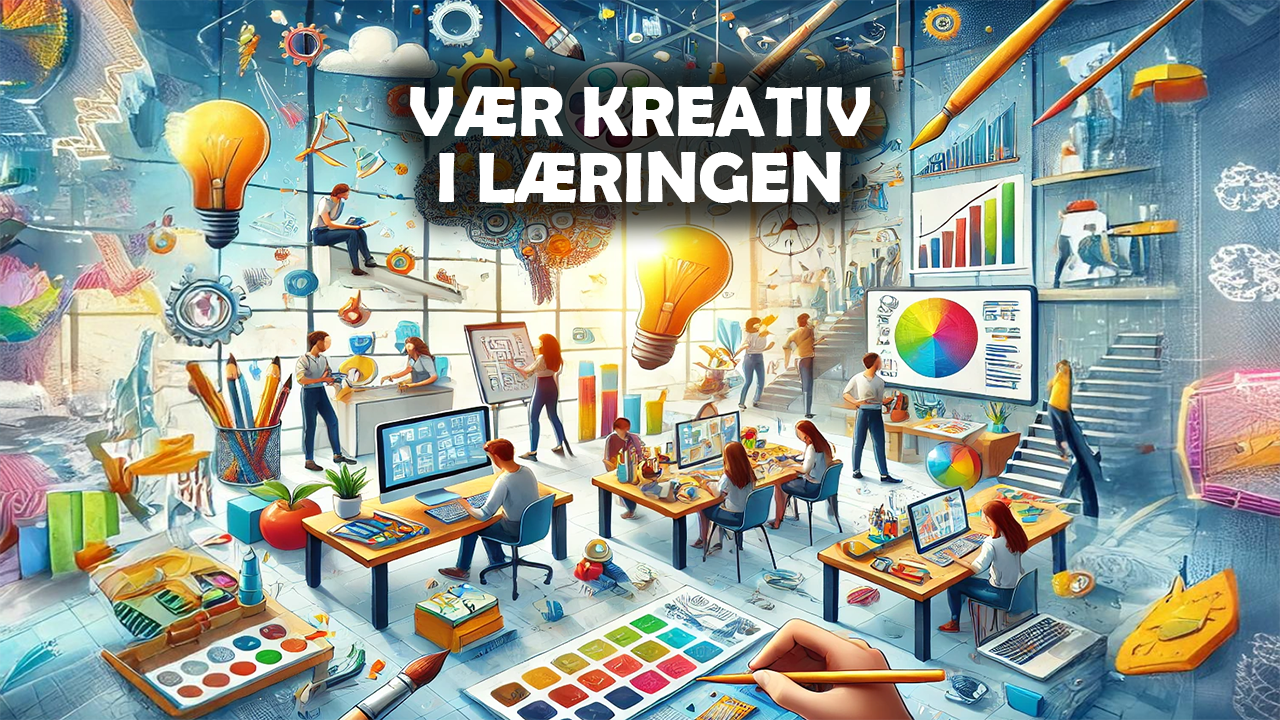
When you want to learn new skills without spending a fortune, creativity is one of your strongest driving forces. Being creative with your learning process does not mean that you have to be artistic or original in everything you do. It is about thinking flexibly, finding solutions that suit you, and making use of the resources you already have available. By playing around with new methods, changing your routines, or combining different learning approaches, you can learn new skills in ways that are both inexpensive and surprisingly effective.
Creative learning gives you the opportunity to move away from the idea that there is only one “right” way to learn. If you normally learn best by reading, you can combine it with small practical exercises. If you usually practise alone, you can try learning with others. If you think visually, you can draw your notes, create mind maps, or use colours to organise your structure. The more creatively you think, the easier it becomes to learn new skills without being limited by expensive solutions or traditional frameworks.
Creativity also makes learning more enjoyable. When you experiment and try out new ideas, the process becomes less demanding and much more playful. It gives you energy, curiosity, and the courage to keep going, even when the material is challenging. The best thing is that creative learning is almost always free. It does not require advanced equipment, but rather your ability to see opportunities where others see limitations.
By thinking creatively, you can open up completely new ways to learn new skills that suit you and your budget perfectly. It can often be beneficial to “think outside the box” when you want to learn new skills in a creative way that fits your preferred learning style and motivates you in the best possible way.
Inspiration List – Learn New Skills with Creative Approaches to Your Learning Process
🎨 Learn New Skills by Drawing, Visualising, and Sketching
Visual learning is a powerful way to learn new skills because you create your own images, colours, models, and diagrams. When you visualise information, it becomes easier to understand complex subjects, remember details, and gain an overview. You don’t need to be able to draw to use this method. Simple lines, shapes, and colour codes can make learning more accessible and engaging. By learning new skills through visual structure, you understand the material in a deeper and more intuitive way.
🧪 Learn New Skills Through Play and Experimentation
Playful learning is ideal when you want to learn new skills without taking things too seriously. It could involve small experiments, spontaneous tests, role-playing, exercises, or practical trials. When you learn through play, the learning process becomes more dynamic and free. You are more willing to make mistakes, try different things, and learn new skills through experience rather than theory alone. It is a method that works particularly well for creative subjects, practical disciplines, and personal development.
📝 Learn New Skills by Writing Your Own Learning Materials
When you write your own guides, notes, recipes, or step-by-step lists, you help your brain process information actively. This means you learn new skills more effectively and remember the material for longer. Creating your own materials can be free and only requires paper or a mobile phone. At the same time, you gain control over the structure and can create your own personal learning system that perfectly suits the way you think.
🎲 Learn New Skills by Using Games and Competitions in the Learning Process
Games and small competitions can make it much more enjoyable to learn new skills because you combine play, challenge, and development. When you gamify your learning, you get motivation, momentum, and a clear goal to work towards. This could include quizzes, leaderboards, challenges, timed activities, small rewards, or friendly competitions with others. When learning becomes a game, you are more willing to try things, practise more often, and learn new skills without it feeling like an obligation. Gamification works particularly well when working with languages, memory, exercise, creativity, or technical skills. It makes the entire process easier, more enjoyable, and much more engaging.
🎭 Learn New Skills Through Role-Playing and Simulation
Role-playing and simulation are excellent when you want to learn new skills related to communication, problem-solving, or social situations. This could involve practising conversations, negotiations, customer service, teaching, presentations, or conflict management. When you act out different situations, you learn new skills in realistic scenarios. This makes you more confident, clearer in your thinking, and better prepared for real-life challenges.
🏆 Learn New Skills by Setting Yourself a Personal Challenge
A personal challenge can be a powerful driving force when you want to learn new skills in an engaging and focused way. It could be a 7-day challenge, a 30-day challenge, or a specific goal of mastering one particular skill within a set timeframe. When you set yourself a personal challenge, you give yourself a clear focus and a framework that makes it easier to stay committed.
This creates motivation, structure, and a sense of progress because you can constantly feel that you are getting closer to your goal. A personal challenge also helps you learn new skills consistently because the daily or weekly effort becomes part of your mindset. This makes the learning process both more enjoyable, more manageable, and much more satisfying.
🧩 Learn New Skills by Combining Multiple Learning Methods
A creative approach is often to mix different learning methods. You can combine video, text, practical exercises, communities, apps, and experimentation. When you learn new skills through multiple methods, you gain a much more comprehensive understanding. This makes the process both more interesting and much more effective because you engage different parts of your brain and keep the learning experience alive.
REMEMBER – Creative learning, adapted to your preferred learning style, often makes it easier to learn new skills without major expenses. A creative learning process that suits the way you are motivated to learn opens the door to new skills in a fun and enjoyable way.
Take Notes and Reflect on the New Things You Have Learned
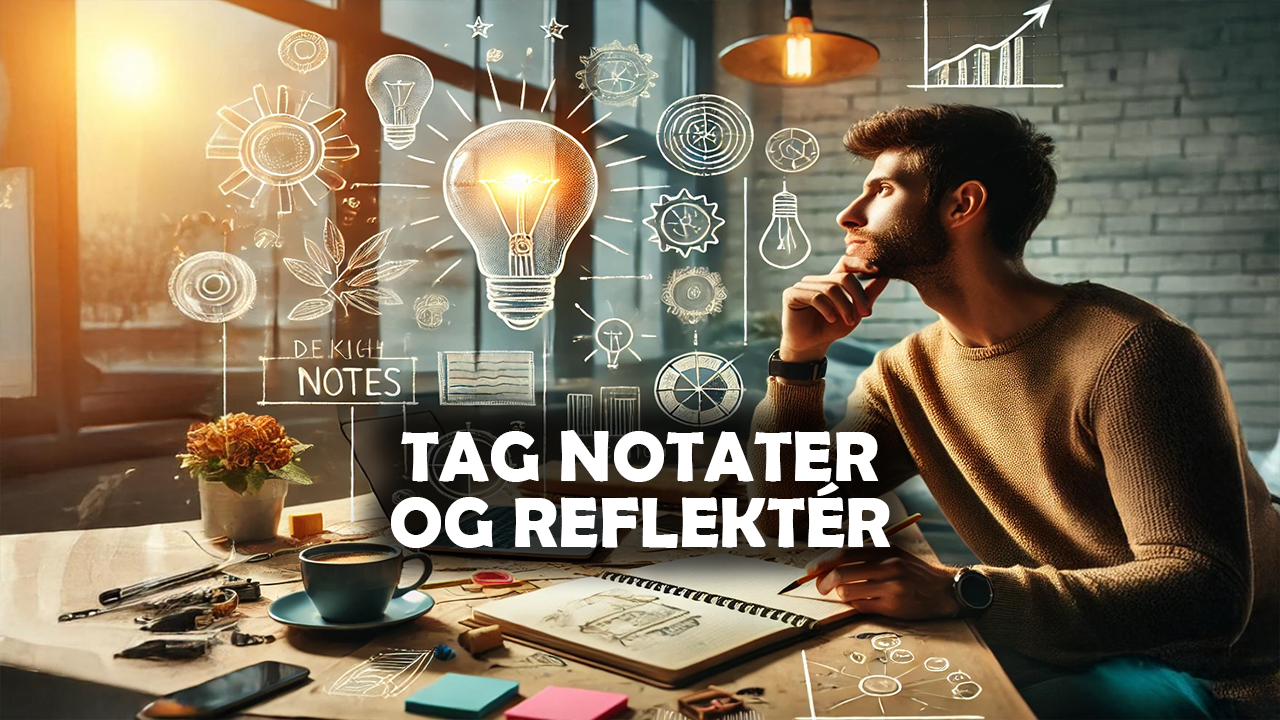
When you want to learn new skills effectively and on a budget, taking notes and reflecting are some of the most powerful tools you can use. It is about creating an active process around what you are learning, so that information does not simply pass you by, but instead becomes a natural part of your understanding and development. Writing notes or putting your thoughts into words helps your brain process and retain knowledge, allowing you to learn new skills more quickly and in a more structured way.
Reflection also gives you the opportunity to pause and assess what works for you. What did you learn today? What was difficult? What will you do differently next time? Which small victories can you be proud of? When you actively reflect, you discover patterns, strengths, and areas where you can improve. This makes learning more personal and gives you a sense of direction that makes it easier to build on your new skills.
You don’t need expensive equipment or a fancy setup to take notes or reflect. An ordinary notebook, an app on your mobile phone, or a simple list can make a huge difference. The most important thing is to use your notes actively: look back at them, update them, and use them as a compass when you want to learn new skills with greater focus and consistency.
In short – Notes and reflection are your own personal engine for understanding, remembering, and developing yourself – and they cost nothing.
Inspiration List – Learn New Skills with Notes and Reflection
📝 Learn New Skills by Writing Your Own Daily Notes
Daily notes are a fantastic way to learn new skills because they force you to put into words what you have learned and how you learned it. When you write just a few lines about the day’s small achievements, your learning becomes more conscious. This gives your brain the opportunity to process the information more deeply, allowing you to learn new skills more effectively and remember the material for longer. A small, consistent effort can have a significant impact over time.
📚 Learn New Skills by Structuring Your Knowledge into Topic Notes
Topic notes are a powerful tool when you want to learn new skills in a clear and organised way. Instead of writing down random thoughts, you can organise your notes into categories, subjects, or levels. This makes it easier to understand connections, see your progress, and return to important information later. When you learn new skills through a structured collection of notes, your learning process becomes both clearer and more focused.
🧠 Learn New Skills by Using Mind Maps to Organise Your Knowledge
Mind maps are a powerful visual tool when you want to learn new skills in a more creative and manageable way. By creating a mind map around a subject, you can see connections, ideas, sub-processes, and concepts as part of one overall picture. This makes complex subjects easier to understand and helps you organise your knowledge so that it becomes more tangible. When you learn new skills through mind mapping, you engage both logical and creative thinking, which leads to deeper learning. Mind maps make it easy to track your progress, expand your notes, and create a visual overview that strengthens both motivation and understanding.
🔁 Learn New Skills by Reviewing Your Notes Regularly
Reviewing your notes is an important part of learning new skills because repetition strengthens memory. When you go through your notes each week or after completing a learning programme, you refresh the most important information and can see your own development in black and white. This motivates you and helps you understand the subject more deeply, while also helping you retain knowledge that might otherwise fade away.
🎯 Learn New Skills by Writing Down Small Goals and Challenges
It is easier to learn new skills when you set small goals and write them down. These could be milestones, small steps, or larger achievements you would like to reach. When you have your goals on paper, they become concrete and clear. This gives you a sense of direction, and every time you can tick something off, your motivation grows. Your notes therefore become a tool that actively supports you as you continue to learn new skills.
💬 Learn New Skills by Reflecting on Your Challenges and Progress
Reflection is a deep-learning technique where you put into words both what was difficult and what went well. When you reflect regularly, you gain insight into your patterns and become better at solving problems. It is a powerful way to learn new skills because you learn more from your experiences and make wiser decisions going forward. Setting aside time for reflection makes your learning more personal and much more effective.
REMEMBER – Notes and reflection make it easier to learn new skills with a clear and focused mindset. When you write down your thoughts, read your written notes regularly, and reflect on your new knowledge at the same time, you learn new skills more quickly and consciously.
Be Patient, Persistent, and Motivated When You Want to Learn New Skills
When you want to learn new skills, patience, persistence, and motivation are three of the most important building blocks in the entire process. Most people give up, not because they lack the ability, but because they lose heart, compare themselves with others, or become impatient when results do not come quickly enough. But learning is a journey, not a sprint. And if you give yourself time and allow yourself to develop in small steps, you will become better, more confident, and far more engaged.
Patience means accepting that learning takes time. Some days things move quickly, while on other days everything feels difficult – but both are completely normal parts of the process. Persistence is about carrying on, even when things are difficult. When you continue practising, even when your motivation is not at its highest, you build the habits and mental strength needed to truly learn new skills. And motivation? It is the spark that keeps you going. It is the inner drive that makes you come back again and again.
The best thing is that patience, persistence, and motivation do not have to cost anything. You can work on them every day through small adjustments, realistic goals, daily micro-efforts, and small rewards for yourself. When you combine these three elements, learning new skills becomes both more enjoyable and more realistic – even when you are on a tight budget.
Inspiration List – Learn New Skills with Patience, Persistence, and Motivation
🧗♂️ Learn New Skills by Taking One Step at a Time
When you learn new skills, it is essential to break things down into small, manageable steps. Do not expect to master something overnight. Instead, when you work in small stages, you avoid feeling overwhelmed. Every small step is a quiet victory and strengthens your belief that you can build on what you have already achieved. This makes the learning process easier to maintain and far more motivating when you can feel yourself progressing step by step.
🔁 Learn New Skills Through Repetition and Routines
Routines are one of the strongest ways to learn new skills. When you practise the same thing again and again, the techniques gradually become second nature. Repetition is not boring – it is the foundation of deep learning – just look at how top athletes become good by repeating the same exercises over and over again. And the more regularly you practise, the faster you improve. Routines also help you maintain momentum because you do not constantly have to start from scratch.
💪 Learn New Skills by Rewarding Yourself Along the Way
Even small rewards can help keep your motivation high. When you acknowledge yourself for the steps you take, learning becomes more positive and energising. This could mean taking a break, doing something enjoyable, or celebrating that you have reached one of your smaller goals. When you reward yourself, it becomes easier to learn new skills because you associate learning with something enjoyable and satisfying.
🎯 Learn New Skills by Focusing on the Process, Not Perfection
Many people stop because they chase perfection. But when you learn new skills, it is the process rather than perfection that makes you good at something. When you shift your focus from the result to development, learning becomes more enjoyable, less stressful, and far more sustainable. Perfection can wait. The most important thing is that you keep going and enjoy the journey.
🧩 Learn New Skills by Keeping Going Even on Difficult Days
It is easy to stay motivated on the days when everything goes well. But the days when things are difficult are actually the most important. This is where, through discipline, you truly build your persistence. When you keep going even when you do not feel like it, you are not only learning a new skill – you are also developing mental strength. This is an essential part of learning new skills in the long term.
REMEMBER - When you give yourself time, both your talent and your belief in the learning process grow, and with patience, persistence, and motivation, you make it possible to learn new skills in a positive and constructive way at your own pace.
Use Nature as a Learning Resource
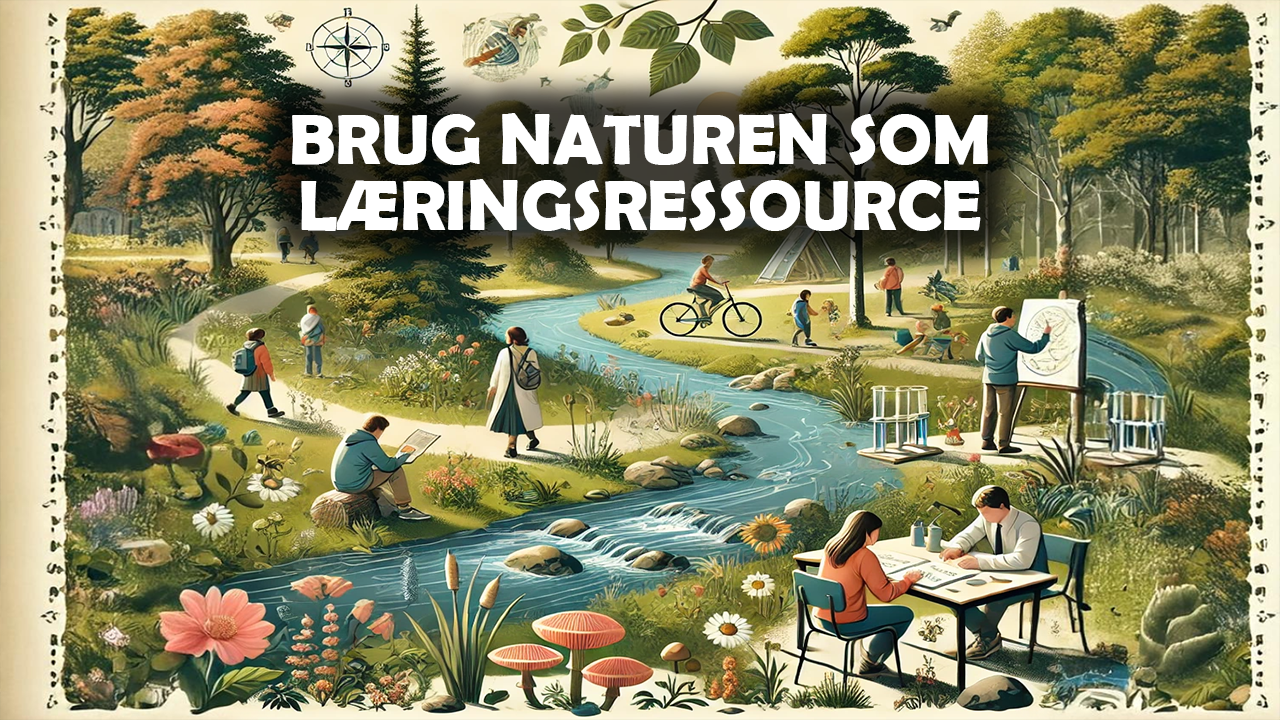
Nature can be one of the most rewarding and budget-friendly learning resources available to you. Whether you live close to a forest, beach, park, or simply a local green space, you can actively use nature to learn new skills in a way that is practical, sensory, and inspiring. When you head outdoors, something special happens: you become more aware, your mind becomes calmer, and you learn with your body as well as your mind.
Nature gives you space to experiment and try new things in a completely free environment. You can practise creativity, strengthen your senses, improve your concentration, or learn practical skills such as navigation, observation, photography, plant identification, or outdoor cooking. When you do this outdoors, learning becomes both more engaging and more memorable. At the same time, nature requires no memberships, equipment packages, or fixed meeting times. This makes it one of the most budget-friendly ways to learn new skills.
Nature also improves your mental clarity. When you learn new skills in a natural environment, it becomes easier to switch off, focus, and draw inspiration from your surroundings. You gain more energy, more calm, and more space for curiosity. This makes the learning process more enjoyable and gives you the energy to keep going, even on busy days. When you use nature as a learning resource, you open the door to a world of opportunities that is free, flexible, and full of potential for developing yourself on your own terms.
Inspiration List – Learn New Skills with Nature as a Resource
🌱 Learn New Skills by Observing the Details of Nature
When you spend time in nature and learn to observe details such as plants, animals, patterns, constellations, colours, and structures, you develop your senses and sharpen your ability to observe. This helps you learn new skills in areas including biology, creativity, photography, and mindfulness. This form of learning requires no equipment – only curiosity and the time to notice the small things that are normally overlooked.
🧭 Learn New Skills Through Navigation and Orienteering
Navigation and orienteering are practical skills you can learn for free in nature. When you learn new skills such as reading maps, using a compass, or carrying out simple orienteering exercises, you become better at understanding directions, distances, and landscapes. It is fun, challenging, and educational, while giving you skills you can use on hikes, during travel, or on outdoor adventures.
📷 Learn New Skills Through Nature Photography
Nature is the perfect setting for learning new photography skills. You can practise composition, lighting, timing, and perspective without having to pay for studio equipment. Nature’s ever-changing surroundings give you endless opportunities to experiment, and you quickly learn through practical experience. All you need is a mobile phone and the willingness to experiment.
🌿 Learn New Skills Through Gardening
Gardening is a fantastic way to learn new skills because you use your body, senses, and curiosity at the same time. When you work in the garden, you learn new skills such as plant identification, understanding soil, composting, pruning, sowing, and planning for the seasons. You gain practical experience and can see the results growing right in front of you. At the same time, gardening is an inexpensive and accessible form of learning that only requires simple tools and a little time. It is also an activity that brings peace of mind because nature and movement create mental clarity and focus. When you learn new skills through gardening, you gain knowledge, wellbeing, and a strong sense of creating something from scratch.
If you have green fingers and would like to start a garden, you can find inspiration in our article – Start or Plant a Garden on a Budget – Great Tips for Those with Green Fingers
🔥 Learn New Skills Through Practical Outdoor Activities
Outdoor activities such as cooking over a campfire, building small structures, lighting fires in safe areas, or collecting natural materials for projects are effective ways to learn new skills in practice. These activities strengthen creativity, practical skills, and problem-solving. When you learn new skills through practical work in nature, you gain a strong understanding of materials and techniques.
☕ Learn New Skills by Combining Nature and Mindfulness
Nature is ideal for mindfulness exercises where you learn new skills in mental calmness, presence, and focus. You can practise breathing exercises, quiet reflection, walking meditation, or sensory exercises that sharpen your awareness. When you learn new skills in nature’s peaceful surroundings, the effect becomes both deeper and more natural.
You can find more inspiration for meditation and mindfulness in our article – Great Tips for Strengthening Your Mental Wellbeing Through Mindfulness and Meditation
REMEMBER - Nature makes it easy to learn new skills without spending a single penny, and under open skies you learn with your mind, heart, and body.
Seek Ongoing Feedback When Learning New Skills
When you want to learn new skills, ongoing feedback is one of the most valuable tools you can use. Feedback helps you discover what works well and what could be improved, so you do not waste time repeating the same mistakes. Whether the feedback comes from a friend, colleague, mentor, or online community, it gives you a new perspective on what you are working on. This makes learning faster, more precise, and far more inspiring.
Many people underestimate how much a small comment, a good piece of advice, or a new perspective can mean when trying to learn new skills. You can be motivated and work hard, but without feedback, you risk stagnating or going round in circles.
Feedback works like a mirror, showing you both your strengths and your blind spots. It gives you direction, clarity, and focus. In addition, feedback can be a huge source of motivation. When you receive recognition for your progress, you feel encouraged to keep going.
When you receive constructive criticism, you get a clear next step. It is precisely this combination that helps you learn new skills in a way that feels both meaningful and forward-looking. Feedback does not have to be formal or complicated. The most important thing is that you seek it regularly, listen to it with an open mind, and actively use it. This makes the learning process much stronger and helps you develop at a pace that is actually sustainable.
Inspiration List – Learn New Skills with Constructive Feedback
🗣️ Learn New Skills by Getting Feedback from Friends and Family
Some of the best input comes from people who know you well. Friends and family can provide honest and specific feedback that is often easy to understand and act on. When you learn new skills and share your progress with them, they can help you discover small things you could improve or strengths you may not have noticed yourself. This gives you both motivation and clear direction.
🌐 Learn New Skills Through Feedback from Online Communities
Online communities are a fantastic source of feedback when you want to learn new skills. Here, you can ask questions, share projects, get quick answers, and learn from other people’s experiences. Many users in these communities are passionate and happy to share their knowledge. This gives you access to different perspectives that can significantly accelerate your learning.
👨🏫 Learn New Skills by Getting Feedback from Mentors or Experienced People
A mentor or experienced person in your area of interest can provide professional feedback that is both in-depth and specific. This is a powerful way to learn new skills because you receive guidance from someone who has already been through the process. They can help you avoid common beginner mistakes and guide you in the right direction so that you can develop more quickly.
🔍 Learn New Skills Through Self-Feedback and Self-Evaluation
Feedback is not always about other people. You can learn new skills by regularly evaluating yourself. This could involve recording yourself on video, comparing previous work with new results, or making notes about what does and does not work. Self-feedback makes you more aware of your development and helps you work purposefully without depending on others.
💬 Learn New Skills by Taking Part in Workshops with Feedback Sessions
Workshops and training sessions often include feedback rounds where participants give one another input. This is a constructive and supportive way to learn new skills because everyone is on the same journey. When you both give and receive feedback, you understand the material better and become more confident in what you are learning.
REMEMBER - When you seek ongoing feedback throughout your learning process, you learn new skills faster and more precisely, and constructive feedback makes you stronger, sharper, and better equipped to learn new skills.
Conclusion
Learning something new does not have to be expensive, complicated, or time-consuming. When you use creative methods, free tools, communities, nature, and strategies that keep you motivated, you open up a world of possibilities without putting a strain on your budget. The most important thing is not how quickly you learn, but that you keep going, explore, and give yourself room to grow. Every small action, every small step, and every small discovery brings you closer to mastering new skills.
It is about being curious, brave, and willing to try something new, even when you are starting completely from scratch. Whether you learn through apps, books, practical exercises, nature, reflection, or together with others, you gradually build a stronger foundation of knowledge and skills. And the best part is that the process can be fun, inspiring, and rewarding when you find the methods that suit you.
By choosing budget-friendly ways to learn, you give yourself a sustainable and flexible path to development. You get the opportunity to grow without financial limitations, and you create a learning journey that can continue throughout your life. Your personal development is an investment in yourself – and it does not have to cost money to be valuable.
REMEMBER - When you learn new skills in an affordable way, curiosity and motivation become your strongest resources. The best learning is often the learning you create yourself with simple and inexpensive learning tools.
Mini Guide – Learn New Skills Cheaply, Smartly, and Effectively
This mini guide is a summary of the article above and its great budget-friendly tips for learning something new.
🎯 Define Small, Manageable Goals for Your New Learning
When you want to learn new skills in an affordable and constructive way, it is a great advantage to start with small goals. Small milestones make learning manageable and give you a sense of progress. It could be 10 minutes of daily practice, one new word a day, or one specific technique each week. When your goals are small and clear, it is easier to maintain your motivation and avoid losing sight of the bigger picture.
📚 Make Use of Free Knowledge Before Buying Anything for Your New Skill
There are an impressive number of free resources that allow you to learn new skills at no cost. Libraries, YouTube channels, free webinars, online PDF guides, podcasts, and open learning platforms provide you with both theory and practical knowledge. Start with free content so that you build a solid foundation before potentially investing in something more advanced.
🛠️ Learn New Skills by Getting Started in an Affordable Way
Practical learning is often far more effective than theory alone. When you try things out, experiment, and build small projects, you gain a deeper understanding of the process. Start with the equipment you already have and test ideas on a small scale. Learning by doing saves both money and time, and you quickly improve because you learn through your own experiences.
✏️ Take Notes and Reflect Regularly During the Learning Process for Your New Skill
Notes and reflection help you retain what you learn. Write short daily or weekly notes about what you have worked on, what went well, and what you would like to improve. When you reflect, you learn new skills more consciously and discover your own patterns. It only requires paper or a free app, but the impact can be significant.
🤝 Learn Together with Others to Increase Motivation and Understanding of Your New Skill
Communities make learning cheaper and more inspiring. You can take part in free online groups, local communities, open workshops, or small study groups. When you share your goals and progress with others, you increase both accountability and motivation. Communities also give you the opportunity to learn new skills through discussion, feedback, and shared ideas.
🎧 Use Free Apps and Software to Structure Your Learning of Your New Skill
Many apps offer free features that make it easier to keep track of your learning. These could be apps for language practice, exercise, meditation, planning, creativity, or practical exercises. Use them for reminders, short daily exercises, progress tracking, or as a supplement to your notes. Free software makes it easier to learn new skills whenever you have five minutes to spare.
🔄 Create Learning Routines for Your New Skill That Hold Up Even When Things Are Difficult
Being consistent is far more important than being perfect. Short, regular routines of 5 to 15 minutes a day are often more effective than long sessions that you only do occasionally. When you create a small, stable routine, learning becomes a natural part of your everyday life. This makes you better at learning new skills because you are constantly building on what you have already learned.
💬 Seek Ongoing Feedback During the Learning Process for Your New Skill to Avoid Getting Stuck
When you learn something on your own, it is easy to go round in circles. Feedback from friends, online communities, family, colleagues, or mentors helps you discover mistakes, adjust your direction, and improve more quickly. Feedback is free, but its value is enormous. It gives you clarity and helps you sharpen your skills.
🌿 Use Nature as a Free Learning Space for Your New Skill
Nature provides peace, inspiration, and space to learn without distractions. You can use it for observation, creative exercises, photography, mindfulness, navigation, or simply as a quiet place to practise. Nature makes it easier to stay focused and gives your mind room to breathe. It is a free learning resource that also supports wellbeing and motivation.
✅ Regularly Evaluate Your Learning Progress in Your New Skill and Adjust Along the Way
Regular evaluation is essential when you want to learn new skills effectively. Look back at your notes, assess your progress, and adjust your exercises if something is not working. Small adjustments save time, increase motivation, and ensure that your learning is actually taking you in the right direction.
If you would like more input on learning new skills, you can watch this video – How to Learn: Pretty Much Anything
Do you have experience and/or knowledge of learning exciting new skills in an affordable way that does not break the budget? We would be delighted to hear your input and/or suggestions in the comments about other ideas for exciting new skills that can be learned in a good way and that are inexpensive or perhaps even free.